 English
  English
 русский
 日本語
日本語 Español
 中文简体
中文简体
The SANTO UFA range of self-regulating heating cables is mainly used for frost protection of pipes and vessels but can also be used to maintain processes up to 65°C. These heating cables are available...
See Details
In semiconductor manufacturing, temperature stability is not a secondary consideration; it is a direct contributor to process uptime, yield protection, exhaust system cleanliness, and equipment reliability. The three stage heater is designed for the heating of pipes with exhaust, especially where compact size, accurate temperature control, and dependable electrical performance are required. With a compact body measuring 115 mm in length, 90 mm in width, and 55 mm in height, a wide working voltage range of 100 to 250 VAC, an installation temperature range of 0 to 60 °C, and control accuracy of 1 °C, this heater is suitable for demanding semiconductor support applications in which process gases, exhaust lines, and equipment interfaces must be protected from condensation, crystallization, particle formation, and thermal fluctuation.
The product belongs to a broader family of electric heating and thermal control solutions that includes electrically heated tracing cables, skin-effect heating tracing systems, snow and ice melting skin-effect systems, underfloor heating mats, tubing bundles, accessories, and silicone rubber heating systems. However, the three stage heater is distinct because it focuses on controlled, staged heating for semiconductor exhaust pipe applications. In an industry where even small deviations can lead to process instability or maintenance events, a heater with accurate control, flexible voltage compatibility, and industrial manufacturing discipline offers measurable operational value.
This article examines the product’s design purpose, key advantages, competitive strengths, manufacturing background, and practical application value. It also explains why high-precision staged heating is important in semiconductor exhaust environments and how an experienced thermal control manufacturer can support customers who require reliable electric heating products for complex industrial systems.
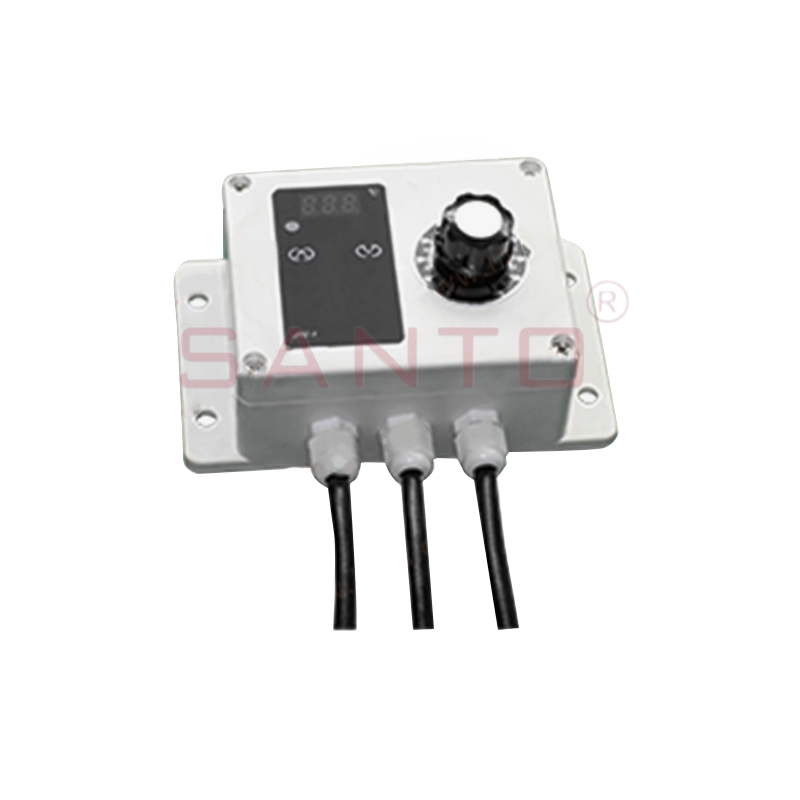
Three stage heater
Content
Semiconductor production uses highly controlled processes such as chemical vapor deposition, etching, diffusion, ion implantation, oxidation, cleaning, and various deposition or surface-treatment steps. Many of these processes involve reactive gases, vapor-phase chemicals, by-products, or exhaust streams that must be transported from process chambers to abatement or exhaust handling systems. If exhaust pipes are not maintained at suitable temperatures, unwanted condensation, powder formation, deposition, or corrosive accumulation may occur inside the line.
For example, certain exhaust by-products can cool as they leave the process chamber. When the pipe wall temperature is too low, these by-products may condense or crystallize, creating restrictions in the exhaust pathway. Over time, buildup can affect pressure stability, reduce conductance, generate particles, and increase the frequency of maintenance. In some cases, uneven heating can create cold spots, and cold spots are often where deposits begin. Therefore, a compact pipe heater with accurate thermal control is a valuable component in maintaining clean and reliable exhaust performance.
The three stage heater addresses this challenge by providing controlled heating in a compact package. Its working voltage range of 100 to 250 VAC allows the same product concept to be used across many facility power environments. Its installation temperature range of 0 to 60 °C supports installation in typical industrial and cleanroom support environments. Most importantly, the 1 °C control accuracy helps reduce temperature drift, making it easier to maintain stable conditions around sensitive exhaust lines.
In a semiconductor facility, heating products must do more than become warm. They must be predictable, safe, controllable, and compatible with production expectations. Downtime can be costly, and maintenance access can be limited. A well-designed heater supports preventive control rather than reactive maintenance. By keeping exhaust pipe surfaces within a controlled thermal range, the system helps reduce the risk of unwanted buildup and contributes to smoother tool operation.
The three stage heater is an electric heating product intended for pipe heating with exhaust applications. Its structure is compact, making it suitable for locations where space is limited around semiconductor tools, vacuum support systems, exhaust ducts, and equipment interfaces. The specified dimensions are 115 mm by 90 mm by 55 mm, allowing the heater to be integrated into tight equipment layouts where larger heating assemblies may be difficult to install.
The working voltage range of 100 to 250 VAC is an important practical advantage. Semiconductor facilities and equipment platforms may operate with different electrical standards depending on region, tool origin, or facility design. A broad voltage range simplifies product selection and can reduce the need for multiple product variants. This flexibility is useful for original equipment manufacturers, maintenance teams, and facility engineers who prefer standardized components that can serve different installations.
The installation temperature range of 0 to 60 °C indicates that the heater is intended to be installed in normal industrial operating environments rather than extreme outdoor conditions. This range is consistent with semiconductor support spaces, tool bays, sub-fabs, and controlled technical areas. The control accuracy of 1 °C demonstrates the product’s suitability for applications that require more than basic heat output. Accurate control is essential when the process target is not merely freeze protection but controlled temperature maintenance.
The phrase “three stage heater” suggests a staged approach to heating management. Staged heating can provide better responsiveness and energy management than simple on/off heating. In practical use, stages may support gradual heating, temperature holding, and compensation for thermal load changes. This helps avoid overheating, reduce thermal shock, and improve stability. For semiconductor exhaust pipe applications, stable heat delivery is often more valuable than maximum power alone.
| Parameter | Specification | Application Value |
|---|---|---|
| Product Type | Three stage heater | Supports staged and stable pipe heating for exhaust applications |
| Primary Application | Heating of pipes with exhaust | Helps reduce condensation, deposits, and cold spots in exhaust pathways |
| Industry | Semiconductor industry | Suitable for clean, precise, and uptime-focused environments |
| Dimensions | 115 mm length, 90 mm width, 55 mm height | Compact size supports installation in limited equipment space |
| Working Voltage | 100 to 250 VAC | Broad compatibility across different facility power conditions |
| Installation Temperature | 0 to 60 °C | Fits common industrial and semiconductor technical environments |
| Control Accuracy | 1 °C | Enables precise temperature maintenance and process support |
Compared with basic pipe heating products, the three stage heater provides several practical advantages. The first is compact integration. Many industrial heaters are effective but bulky, making them difficult to install in semiconductor equipment where clearance is limited. The compact 115 mm by 90 mm by 55 mm design gives engineers more flexibility during installation, retrofitting, or equipment maintenance.
The second advantage is voltage flexibility. A heater that operates across 100 to 250 VAC can be deployed in many regions and equipment platforms without complicated redesign. This is valuable for manufacturers, system integrators, and maintenance organizations that serve global semiconductor fabs. Instead of stocking multiple heater models for different voltages, teams can often simplify procurement and spare parts management.
The third advantage is control precision. A 1 °C control accuracy is particularly meaningful in exhaust heating because temperature consistency helps prevent unstable chemical behavior in the pipe. If a heater overshoots too much, it may waste energy or stress nearby materials. If it undershoots, condensation and deposition risks increase. Accurate control creates a better balance between process reliability and energy efficiency.
The fourth advantage is suitability for semiconductor support environments. General industrial heating products may be designed for broad heating or freeze protection, while semiconductor exhaust applications require a higher level of discipline in control and reliability. The three stage heater is positioned specifically for pipe heating with exhaust, which means its design purpose aligns with a real semiconductor industry need.
The fifth advantage is staged heating behavior. Unlike single-mode heating approaches that may cycle aggressively, staged heating can support smoother temperature transitions. Smooth transitions are important because exhaust pipes and surrounding assemblies can be affected by repeated thermal cycling. A staged heater can help maintain stable operation, reduce abrupt temperature swings, and support longer service life for the surrounding system.
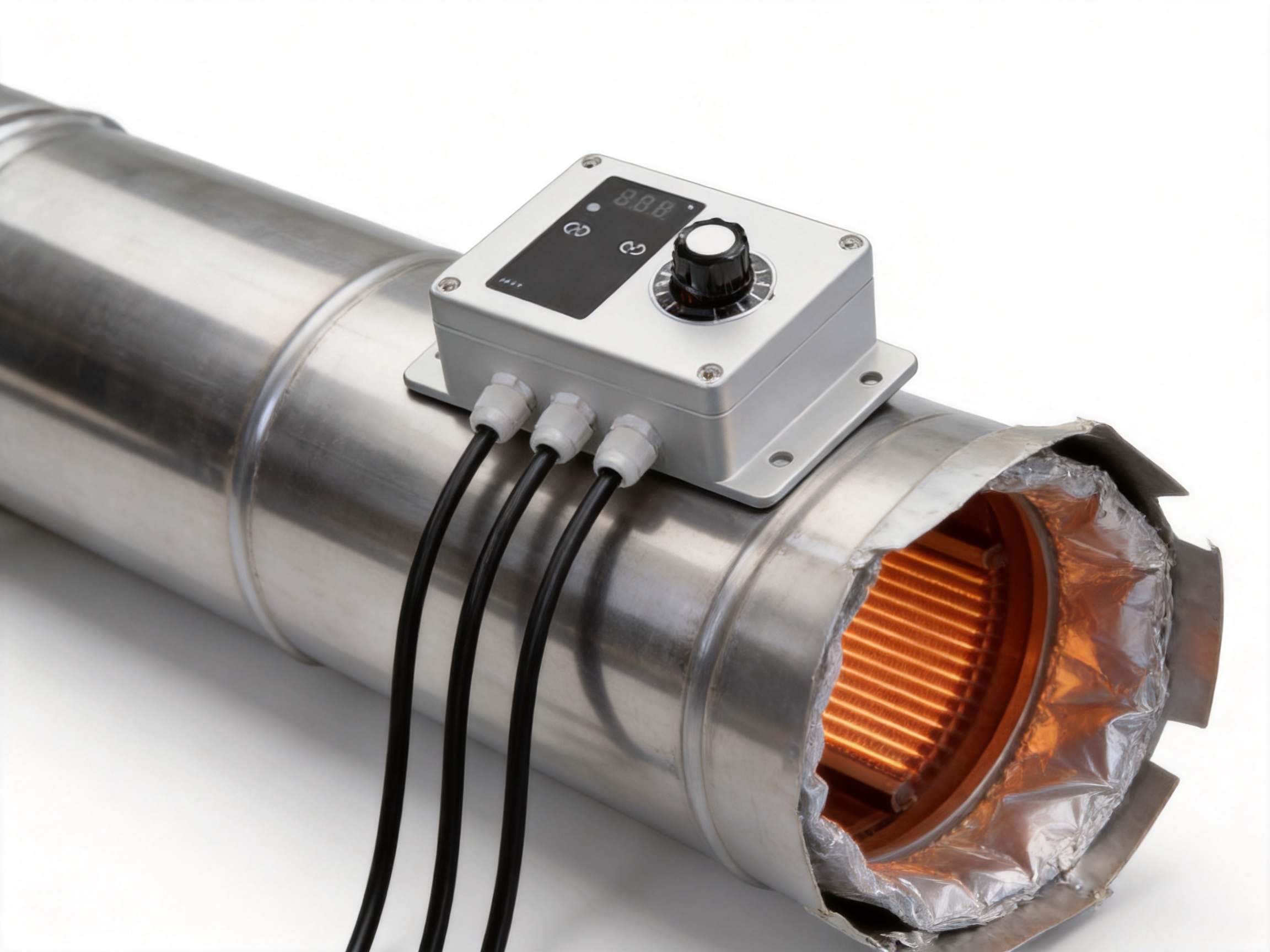
The semiconductor industry is not tolerant of inconsistent auxiliary equipment. While process chambers, vacuum pumps, and abatement systems receive much attention, exhaust heating products also influence production stability. A low-quality heater may appear inexpensive at first, but if it creates uneven heating, fails early, or requires frequent replacement, the true cost can be much higher than the purchase price.
The three stage heater differentiates itself from ordinary heating components through its combination of compact design, broad electrical compatibility, and precise control. Competitors may offer simple heating pads, heating tapes, or pipe heaters that provide heat but do not deliver the same integration convenience or control accuracy. In contrast, this product addresses the practical realities of semiconductor exhaust pipe heating: limited space, varied electrical environments, temperature-sensitive by-products, and the need for dependable long-term operation.
Another competitive advantage is the manufacturer’s broader expertise in electric heating technologies. The company is engaged in the research, design, production, and manufacturing of automatic temperature-control electric heating belts, self-limiting electric heating belts, heat tracing belts, constant-power electric heating belts, glass fiber electric heating belts, mineral-insulated cables, silicone rubber heating systems, and related electric heating products. This broad product foundation means the three stage heater is not an isolated product, but part of a mature thermal control capability.
Competitors that only assemble basic heaters may lack deep experience in conductor selection, insulation behavior, thermal transfer, power management, control design, and industrial testing. A manufacturer with decades of experience in heating cable and thermal control products is more likely to understand how electrical, mechanical, and thermal factors interact. This expertise can lead to better product stability and more reliable customization when customers require application-specific solutions.
The company’s 35-plus years of industry experience also matters. Thermal control products are often judged by performance over time. Manufacturing know-how accumulates through repeated product development, field feedback, certification work, material improvement, and quality management. Experience helps a manufacturer anticipate failure modes, improve process control, and deliver products that meet real-world expectations rather than only laboratory assumptions.
Temperature control accuracy is one of the most important specifications of the three stage heater. A control accuracy of 1 °C supports stable thermal management. In semiconductor exhaust systems, this level of precision can help maintain the pipe wall temperature above the condensation point of exhaust materials while avoiding unnecessary overheating. This is especially important where exhaust chemistry changes during process cycles.
When exhaust conditions fluctuate, the heater must respond in a controlled manner. Staged heating can support this by adjusting heat delivery according to thermal demand. Instead of applying full power continuously or cycling in a rough manner, a staged system can create a more balanced temperature profile. The result is improved consistency along the heated area and reduced risk of temperature-related process disturbances.
Precise control can also support energy management. Heating equipment in a semiconductor facility may operate continuously or for long production cycles. Even small improvements in control can reduce unnecessary energy consumption over time. By maintaining the required temperature more accurately, the heater can help avoid excess heat input. This supports both operating cost control and environmental responsibility.
Furthermore, stable temperature control contributes to maintenance planning. If pipe temperatures are consistent, engineers can better predict deposition behavior and maintenance intervals. Inconsistent heating, by contrast, creates uncertainty. One area of a pipe may remain clean while another accumulates deposits due to a cold spot. A heater that supports accurate control helps reduce these variations.
The product’s working voltage range also contributes to process stability. If a heater is too narrowly designed for a specific voltage, it may perform differently when installed in another region or equipment platform. A wide voltage range supports consistent usability across different installations. This is valuable for multinational semiconductor operations that need repeatable equipment behavior in different fabs.
The compact dimensions of the three stage heater are a major advantage. Semiconductor equipment is densely arranged, and exhaust piping often passes through crowded areas that include cables, sensors, valves, gas lines, vacuum components, and structural supports. A heater that is too large may interfere with nearby components or require modification of the installation area. The 115 mm by 90 mm by 55 mm footprint allows the heater to fit into tight spaces where larger products may not be suitable.
Compact design also helps during retrofits. Many semiconductor facilities must improve existing exhaust heating systems without replacing entire tool sets. A small heater can be installed with less disruption, making it more suitable for upgrades, maintenance replacements, or localized heating improvements. This can reduce downtime and simplify engineering approval.
In addition, a compact heater can improve serviceability. Maintenance personnel often work in confined tool areas, and products that are easy to access and handle can reduce service time. The smaller size may also help reduce installation errors because technicians have more freedom to position and secure the unit correctly.
Despite its compact size, the product is designed for precise heating control. This balance between size and performance is a key competitive strength. Some small heaters lack advanced control, while some precise heating assemblies are too bulky. The three stage heater offers a practical middle ground: compact enough for equipment integration, accurate enough for process support, and flexible enough for varying electrical conditions.
The performance of an industrial heater depends not only on design but also on manufacturing quality. The company behind this product is a high-tech enterprise in Jiangsu Province and is located in an area known for electric heating belt industry development. Its business integrates research, development, manufacturing, and sales, allowing product knowledge to move from engineering design into production and customer service.
The company has long experience in automatic temperature-control electric heating belts, self-limiting electric heating belts, heat tracing belts, constant-power electric heating belts, glass fiber electric heating belts, mineral-insulated cables, and other electric heating products. This experience supports material selection, electrical design, heat distribution control, insulation performance, and manufacturing repeatability. For a product such as a three stage heater, this background is important because small design differences can affect thermal performance and service life.
Advanced manufacturing processes typically include conductor preparation, insulation processing, heating element assembly, temperature-control integration, electrical safety inspection, dimensional verification, and performance testing. In thermal control products, process consistency is essential. If conductor resistance varies too much, heat output may become uneven. If insulation quality is inconsistent, electrical safety and durability may be affected. If assembly is not controlled, contact quality and heat transfer may suffer.
The company’s quality development is supported by ISO9001 quality system certification. This certification indicates a structured approach to quality management, including process documentation, inspection procedures, corrective action, and continual improvement. Its products have also obtained national CCC certification, and the company has experience with explosion-proof certification and EAC Eurasian Union certification in its broader product history. These achievements reflect a commitment to product compliance and industrial reliability.
For customers in the semiconductor sector, quality discipline is a crucial supplier-selection factor. Semiconductor fabs often require consistent documentation, stable supply, traceability, and responsive technical communication. A manufacturer with established quality systems and decades of experience is better positioned to support these needs than a supplier focused only on low-cost assembly.
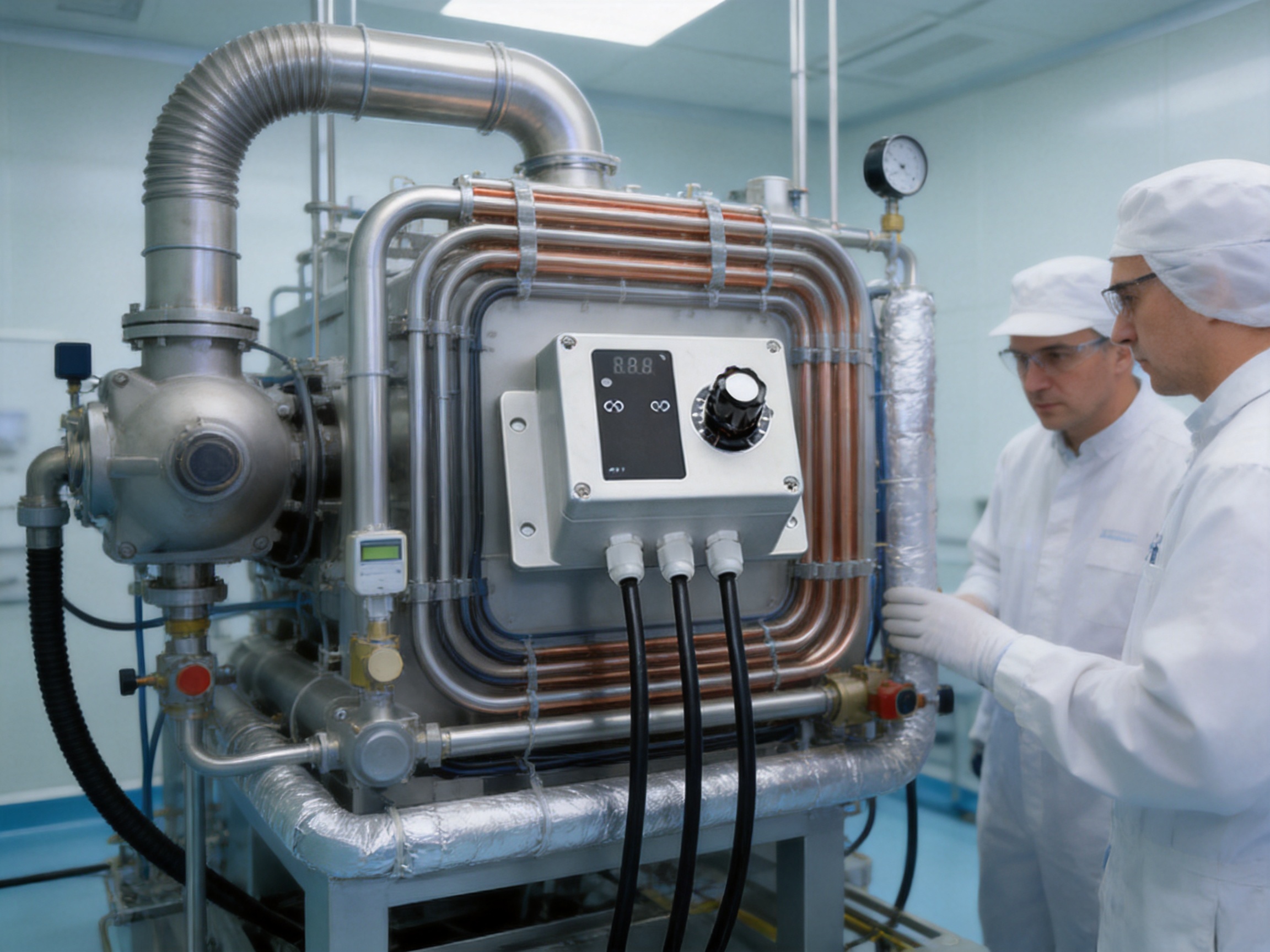
Thermal control is a technology field that benefits from continuous innovation. Materials, control methods, cable structures, insulation systems, and application requirements continue to evolve. The manufacturer has emphasized new product development, technology guidance, scientific management, product quality, and after-sales service. Its development history includes inventions in self-limiting temperature heating and carbon fiber parallel heating cable technology, demonstrating a long-term focus on product improvement.
The company also cooperates in product research with Harvard University in the United States, which reflects an openness to advanced research collaboration. While semiconductor exhaust pipe heating is a practical industrial application, it still benefits from research-driven thinking. Better understanding of heat transfer, material behavior, control algorithms, and system reliability can result in heaters that operate more efficiently and last longer.
Innovation is also visible in the company’s broad portfolio. Products such as self-limiting heating strips, constant-power heating strips, silicone rubber heating systems, glass fiber heating strips, electric hot wires, mineral-insulated cables, snow melting cables, tracked heaters, and electric heating accessories require different technical solutions. This diversity strengthens the company’s ability to solve application-specific heating problems.
For the three stage heater, innovation is not only about creating a new product shape. It is about providing controlled heat in a compact industrial component that can work reliably in semiconductor environments. The combination of staged heating, accurate control, compact size, and broad voltage compatibility is a response to real customer needs.
The three stage heater can be used wherever exhaust pipe heating is required within its operating and installation limits. Typical use cases may include exhaust lines connected to process tools, local pipe sections where condensation risk is high, interface areas near vacuum pumps or abatement equipment, and compact spaces where traditional heating tapes or bulky heater jackets are inconvenient.
In chemical vapor deposition processes, exhaust by-products may form films or powders when cooled. Maintaining pipe temperature helps reduce this risk. In etching applications, reactive materials and by-products may travel through exhaust lines and require controlled heating to prevent unwanted accumulation. In cleaning and stripping processes, vapors may condense if pipe surfaces are not warm enough. A precise heater can help maintain stable conditions through these process variations.
The product can also support equipment uptime in sub-fab environments. Sub-fabs house pumps, abatement units, exhaust systems, and facility support equipment. These areas are often dense and complex, making compact heaters particularly useful. A heater that can be installed in limited spaces and controlled accurately can help reduce maintenance burden while supporting safer and cleaner exhaust flow.
Another valuable application is localized heating improvement. Sometimes an existing exhaust heating system performs well overall but has a specific cold spot near a bend, connection, valve, or interface. A compact three stage heater can be considered as a targeted solution to improve temperature uniformity in that localized area. This can be more efficient than redesigning the entire heating system.
Although the three stage heater is a specific product, it can be considered part of a broader thermal management strategy. Facilities often use heating cables, heating tapes, tubing bundles, silicone rubber heaters, insulation materials, and control systems together. A manufacturer that provides multiple heating categories can help customers select the best combination of products for a complete solution.
Electrically heated tracing cables are suitable for long pipe runs where continuous heat tracing is required. Skin-effect heating tracing systems are useful for long-distance and high-efficiency pipeline heating. Silicone rubber heating systems can provide flexible and uniform heat on surfaces. Tubing bundles can combine heated lines with insulation and protective jackets. Accessories support installation, connection, control, and maintenance. In this product ecosystem, the three stage heater serves as a compact, controlled heating unit for targeted pipe exhaust applications.
This integrated capability is an advantage over suppliers that offer only one heating format. Semiconductor and industrial customers often face different heating challenges within the same facility. A supplier with broad product knowledge can recommend whether a staged heater, heating cable, silicone rubber heater, or custom heating assembly is most appropriate. This reduces engineering risk and helps customers avoid mismatched product selection.
Integration also improves service support. If customers need custom dimensions, electrical adaptation, accessories, or complementary products, a manufacturer with in-house design and production capability can respond more effectively. This is especially important for original equipment manufacturers and engineering contractors who require consistent technical support over multiple projects.
Reliability is a key purchasing criterion for semiconductor-related heating products. A heater failure can lead to process interruption, exhaust buildup, maintenance downtime, or even unexpected safety concerns. Therefore, the value of a reliable heater includes more than its direct function. It also protects tool availability and reduces unplanned intervention.
The three stage heater’s control accuracy contributes to reliability by reducing excessive temperature swings. Components exposed to frequent overheating or rapid cycling may experience accelerated aging. By maintaining a more stable temperature, the heater can support longer service life for both itself and surrounding components. Stable heat also helps prevent the repeated formation and removal of deposits that may occur when temperatures fluctuate around a critical point.
Maintenance value also comes from compact installation. Products that are easier to access, inspect, and replace can reduce technician time. In semiconductor facilities, maintenance windows are carefully planned, and any reduction in service time has value. A compact heater can be part of a maintainable design strategy.
Additionally, the wide voltage compatibility simplifies spare parts management. A maintenance team may prefer products that can serve different tool platforms or regions. Keeping fewer heater variants in inventory can reduce procurement complexity and improve response time when replacements are needed.
Energy efficiency is increasingly important in semiconductor manufacturing. Fabs consume significant energy due to cleanroom operation, process equipment, vacuum systems, exhaust handling, and thermal control. While an individual heater may appear small compared with major facility systems, large numbers of heaters operating continuously can contribute to total energy consumption.
The three stage heater supports energy-conscious operation through accurate control. Maintaining temperature within a narrow range helps reduce unnecessary heat output. Staged heating can also contribute to efficient operation by delivering heat according to demand rather than operating in a crude full-power pattern. This can reduce energy waste while still protecting the exhaust pipe from condensation and buildup.
The manufacturer’s stated vision of protecting environmental health and its mission of creating value and a better life align with the industry trend toward responsible manufacturing. Electric heating products that support accurate control and long service life can reduce waste, improve operational efficiency, and lower maintenance-related material consumption.
Environmental responsibility also includes product durability. A heater that lasts longer and performs consistently reduces the frequency of replacement, packaging, shipping, and disposal. Quality manufacturing therefore supports both economic and environmental goals.
Many semiconductor heating applications require more than standard products. Equipment designs vary, pipe diameters differ, exhaust chemistries change, and installation spaces may be unique. The company has experience as an OEM heating cable manufacturer and ODM heating cable factory, with a focus on custom heating cable export sales and decades of experience. This capability is relevant to the three stage heater because customers may require application-specific adaptation.
Customization may involve electrical configuration, control interface, mounting method, lead arrangement, insulation approach, heating profile, or integration with other thermal control components. A manufacturer with research, design, and production capabilities can evaluate these needs and propose practical solutions. This is particularly useful for equipment manufacturers who want heaters integrated into their systems from the design stage.
ODM support can help customers develop new product versions based on application requirements. OEM support can help customers obtain stable production of heaters under defined specifications. In both cases, manufacturing discipline, quality management, and technical communication are essential.
The company’s broad market presence, with business in many areas and a large distributor network, also supports international supply. For customers operating globally, supplier continuity and export experience are important. Semiconductor tools are installed across multiple countries, and consistent heating products can help maintain standard performance across different sites.
Stable heater performance depends on a chain of manufacturing processes. First, raw materials must be selected according to electrical, thermal, and mechanical requirements. Conductive elements must deliver stable resistance, insulation materials must withstand operating conditions, and structural components must maintain integrity during installation and use.
Second, the heating element must be produced with controlled dimensions and resistance characteristics. Even small variations can affect heat output. Advanced manufacturing processes use defined procedures, measurement systems, and inspection points to ensure repeatability. For compact heaters, dimensional precision is especially important because there is limited space for error.
Third, temperature control components must be integrated carefully. A heater with 1 °C control accuracy requires reliable sensing and control behavior. The relationship between the sensor, heating element, and heated surface must be considered so that measured temperature reflects actual application conditions as closely as possible. Poor sensor placement or inconsistent assembly can reduce control accuracy.
Fourth, electrical safety inspection is essential. Products operating at 100 to 250 VAC must be manufactured to prevent leakage, short circuits, insulation breakdown, and connection failure. Inspection may include resistance testing, insulation resistance testing, withstand voltage testing, and functional verification. A quality system helps ensure these checks are performed consistently.
Fifth, final performance testing verifies that the heater functions as intended. This may include energizing the unit, confirming temperature response, checking control behavior, inspecting appearance, and verifying dimensions. For customers in demanding industries, such testing provides confidence that the product will perform reliably after installation.
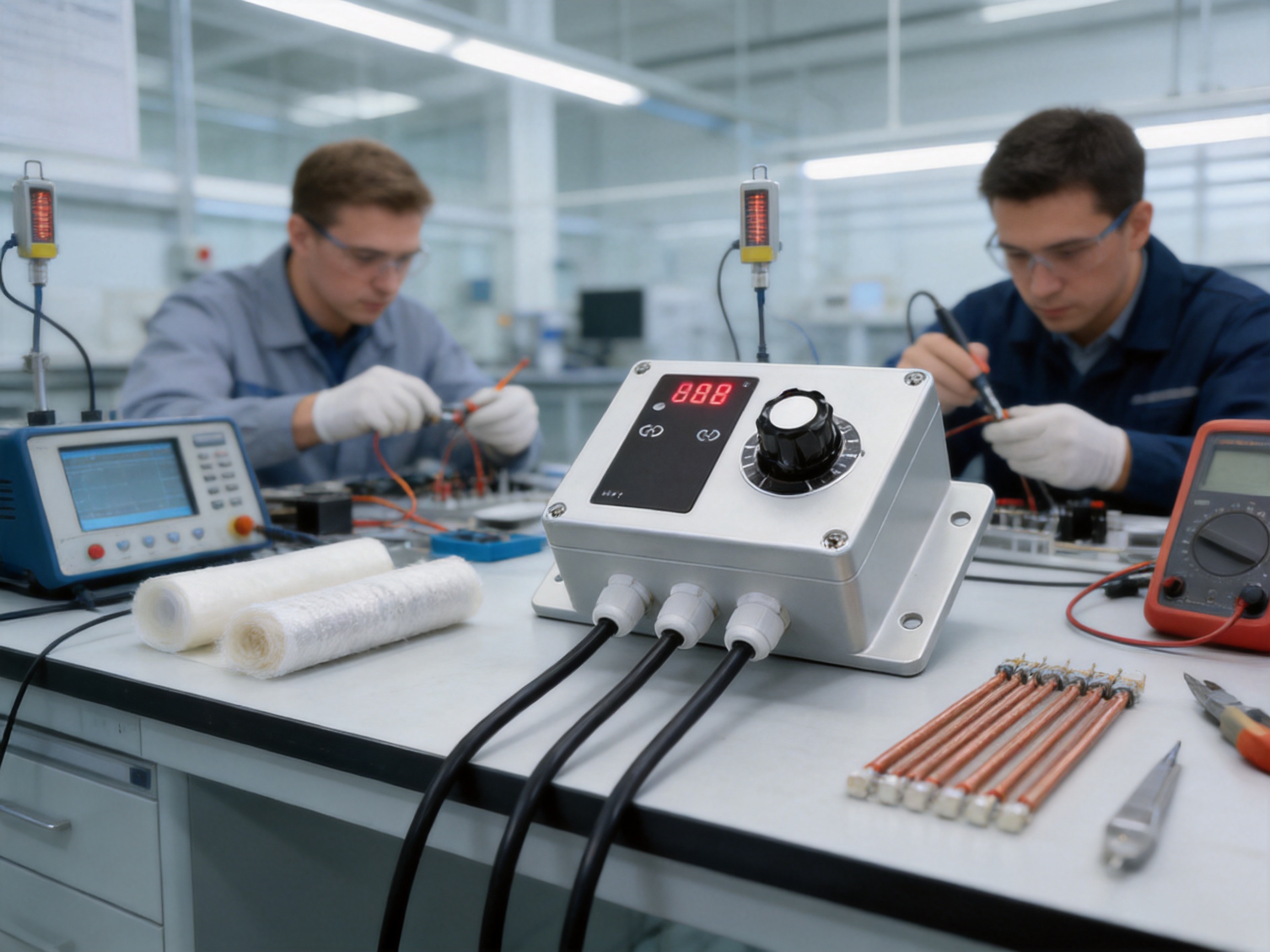
Supplier experience is not merely a marketing statement. In thermal control products, experience influences design judgment, material selection, process improvement, and customer support. A company with more than 35 years of industry experience has encountered many application conditions, failure modes, and customer requirements. This history helps create better products and more practical recommendations.
The company’s development began with an electric heating instrument factory and expanded into certified, internationally oriented thermal control manufacturing. Over time, it established an irradiation center, developed patented heating technologies, built brand recognition, expanded facilities, and created a product simulation testing laboratory. These milestones show continued investment in capability rather than short-term production only.
For the three stage heater, supplier maturity matters because semiconductor customers need confidence. A heater may be small, but its role in exhaust reliability is important. Customers want a supplier that can maintain consistent quality, respond to technical questions, support customization, and provide stable delivery.
Experience also supports after-sales service. If a customer encounters installation questions or performance concerns, an experienced technical team can analyze the situation more effectively. They can consider power supply, pipe geometry, ambient temperature, insulation, control settings, and process conditions rather than treating the heater as an isolated part.
Correct installation is essential for achieving the expected performance of any heater. The three stage heater should be installed within its specified installation temperature range of 0 to 60 °C. The installation location should be evaluated for mechanical clearance, electrical access, pipe surface condition, and compatibility with nearby materials. The heater should be positioned to provide effective thermal transfer to the target exhaust pipe area.
Electrical connection should follow applicable safety standards and facility procedures. Because the heater operates over a 100 to 250 VAC range, qualified personnel should verify power supply compatibility, grounding requirements, circuit protection, and control integration. Proper wiring and secure connections help prevent electrical faults and improve long-term reliability.
Thermal insulation may also be considered depending on the application. In many pipe heating systems, insulation helps retain heat, improve efficiency, and reduce temperature variation. However, insulation design should account for the heater’s control requirements and the surrounding equipment environment. Over-insulation or poor ventilation in some applications may affect temperature behavior, so engineering review is recommended.
After installation, the heater should be checked during initial operation. Temperature response, control stability, and nearby component temperatures should be observed to confirm that the system performs as expected. Semiconductor facilities often use documented startup and qualification procedures, and the heater can be included in these checks.
Several alternative methods can be used for exhaust pipe heating, including heating tapes, heating jackets, cartridge heaters, flexible silicone rubber heaters, and long-run heat tracing cables. Each method has a place, but the three stage heater offers a specific balance of compactness, control, and voltage flexibility.
Heating tapes are flexible and useful for wrapping pipes, but they may be less convenient for localized staged control unless paired with suitable sensors and controllers. Heating jackets can provide good coverage but may be bulky and custom-shaped. Cartridge heaters can deliver strong heat but may require special mechanical integration. Silicone rubber heaters are flexible and effective on surfaces but may not always provide the same staged control in a compact module. Long heat tracing cables are excellent for extended pipe lengths but may not be ideal for small localized heating points.
The three stage heater is especially valuable when the application requires a compact controlled unit rather than a long cable or large jacket. It can serve as a focused heating solution where accurate temperature maintenance is needed in a defined pipe area. This makes it practical for equipment interfaces, small exhaust sections, or retrofit locations.
Compared with low-cost alternatives, the three stage heater’s main advantage is not simply heat generation. It is controlled heat generation. In semiconductor applications, controlled heat is what protects process stability. A cheaper product that cannot maintain accurate temperature may create hidden costs through maintenance, downtime, or process variation.
For semiconductor equipment manufacturers, the three stage heater offers a compact and controllable component that can be integrated into exhaust management designs. Its broad voltage range can simplify global equipment configuration. Its control accuracy can support tool performance claims related to exhaust stability and reduced maintenance. Its compact dimensions can help preserve limited equipment space.
For end users such as semiconductor fabs, the product offers operational benefits. It can help reduce deposition risks, improve exhaust line consistency, support maintenance planning, and contribute to tool uptime. Its standardized specification can make spare parts planning easier, while manufacturer support can help address site-specific needs.
For engineering contractors and system integrators, the product provides a useful option when designing or upgrading thermal management systems. Its role can be combined with heating cables, insulation, tubing bundles, and control accessories to create a complete solution. The manufacturer’s wider product range can reduce the need to coordinate with multiple suppliers.
Santo Thermal Control Technology Co., Ltd. is located in Jiangsu Province, a region associated with China’s electric heating belt industry. The company is a high-tech enterprise and has built a comprehensive business structure covering research, design, production, manufacturing, and sales. This integrated structure supports better product development and customer service.
The company’s product range covers automatic temperature-control electric heating belts, self-limiting electric heating belts, heat tracing belts, constant-power electric heating belts, glass fiber electric heating belts, mineral-insulated cables, silicone rubber heating systems, snow melting cables, tracked heaters, electric hot wires, tubing bundles, and accessories. This range demonstrates deep involvement in electric heating and thermal control technologies.
Its products are used in petroleum, chemical, gas, construction, solar energy, electric heating, geothermal cultivation, and other industries for antifreeze, deicing, heating, heat tracing, and insulation. This broad industrial experience gives the company practical knowledge of harsh operating conditions, long-term reliability requirements, and application-specific heating challenges.
The company has strengthened new product development, technology guidance, scientific management, product quality, and after-sales service. It has passed ISO9001 quality system certification, and its products have obtained national CCC certification. These qualifications are important for customers who need confidence in quality management and compliance.
The company’s scale is also significant, including more than 35 years of industry experience, large annual output, a wide distributor network, and business activity in many areas. This scale supports stable supply, manufacturing capacity, and market responsiveness. For a semiconductor customer, supplier stability can be as important as product specification.
Quality assurance for electric heating products must address both immediate performance and long-term reliability. The manufacturer’s quality philosophy includes scientific management, product quality improvement, and after-sales service. In practice, this means controlling the production process from raw material selection through final inspection.
For a three stage heater, important quality checkpoints may include dimensional inspection, electrical resistance measurement, insulation resistance testing, voltage withstand testing, temperature response verification, control accuracy confirmation, and appearance inspection. Each checkpoint helps prevent defects from reaching the customer.
Testing is especially important because heating products combine electrical and thermal stresses. A product may appear acceptable visually but still fail electrically if insulation is poor. It may pass basic electrical checks but perform poorly if heat transfer is uneven. Comprehensive inspection helps ensure that the final product meets both safety and performance expectations.
The establishment of a product simulation testing laboratory further supports quality development. Simulation and testing allow engineers to evaluate product behavior under controlled conditions, compare design options, and refine performance before large-scale deployment. For customers, this can lead to better confidence in product selection and customization.
The main purpose is to heat pipes with exhaust, especially in semiconductor-related applications where controlled pipe temperature helps reduce condensation, deposition, and cold spots in exhaust pathways.
A 1 °C control accuracy helps maintain stable pipe temperature. This is important because semiconductor exhaust by-products may condense or form deposits if temperatures fluctuate too much or fall below required levels.
The heater measures 115 mm in length, 90 mm in width, and 55 mm in height. This compact size supports installation in limited equipment spaces.
The working voltage range is 100 to 250 VAC. This broad range improves compatibility with different facilities, regions, and equipment platforms.
It can be installed in environments within an installation temperature range of 0 to 60 °C. It is suitable for typical semiconductor technical spaces, equipment areas, and controlled industrial environments.
Ordinary heating tape can be useful for many pipe heating applications, but the three stage heater offers a compact controlled format with precise temperature accuracy. It is especially useful for localized exhaust pipe heating where stable control is required.
Yes. By helping maintain stable exhaust pipe temperature, the heater can reduce the risk of condensation and deposition, which may support longer maintenance intervals and improved exhaust system cleanliness.
The broad 100 to 250 VAC working voltage range makes it easier to apply across different electrical environments, which is valuable for equipment manufacturers and international semiconductor facilities.
The manufacturer has decades of experience in electric heating products, ISO9001 quality system certification, CCC-certified products, broad thermal control expertise, research and development capability, and experience in custom OEM and ODM heating solutions.
Customization may be possible depending on application requirements. The company has experience in custom heating products, OEM support, and ODM development, which can help customers with special electrical, mechanical, or thermal needs.
The three stage heater is a compact and precise heating solution for semiconductor exhaust pipe applications. Its dimensions of 115 mm by 90 mm by 55 mm make it suitable for tight equipment spaces, while its 100 to 250 VAC working voltage range supports broad compatibility. Its 1 °C control accuracy provides the temperature stability needed to help prevent condensation, deposition, and cold spot formation in exhaust lines.
Compared with conventional heating products, the heater offers a strong balance of compact design, staged control, precise temperature maintenance, and practical installation flexibility. It is not merely a heat source; it is a process-support component designed for environments where reliability and control matter.
The product is further strengthened by the manufacturer’s deep experience in electric heating technologies, advanced manufacturing processes, quality system certification, broad product portfolio, and commitment to research and development. For semiconductor equipment manufacturers, fabs, system integrators, and maintenance teams, the three stage heater represents a practical solution for improving exhaust thermal stability and supporting operational uptime.
In a competitive market where low-cost heating products may fail to provide the control and reliability required by semiconductor operations, this heater stands out through precision, compactness, voltage flexibility, and manufacturing strength. It reflects the value of combining application-focused design with decades of thermal control expertise.
1. Incropera, F. P., DeWitt, D. P., Bergman, T. L., and Lavine, A. S. Fundamentals of Heat and Mass Transfer. John Wiley and Sons.
2. Lienhard, J. H. A Heat Transfer Textbook. Phlogiston Press.
3. International Organization for Standardization. ISO 9001 Quality Management Systems Requirements.
4. Semiconductor Equipment and Materials International. Semiconductor Manufacturing Equipment Safety and Process Support Guidelines.
5. Harper, C. A. Handbook of Materials for Product Design. McGraw-Hill.
6. Holman, J. P. Heat Transfer. McGraw-Hill Education.
7. Groover, M. P. Fundamentals of Modern Manufacturing: Materials, Processes, and Systems. John Wiley and Sons.
8. ASTM International. Standards Related to Electrical Insulation, Thermal Performance, and Industrial Materials Testing.
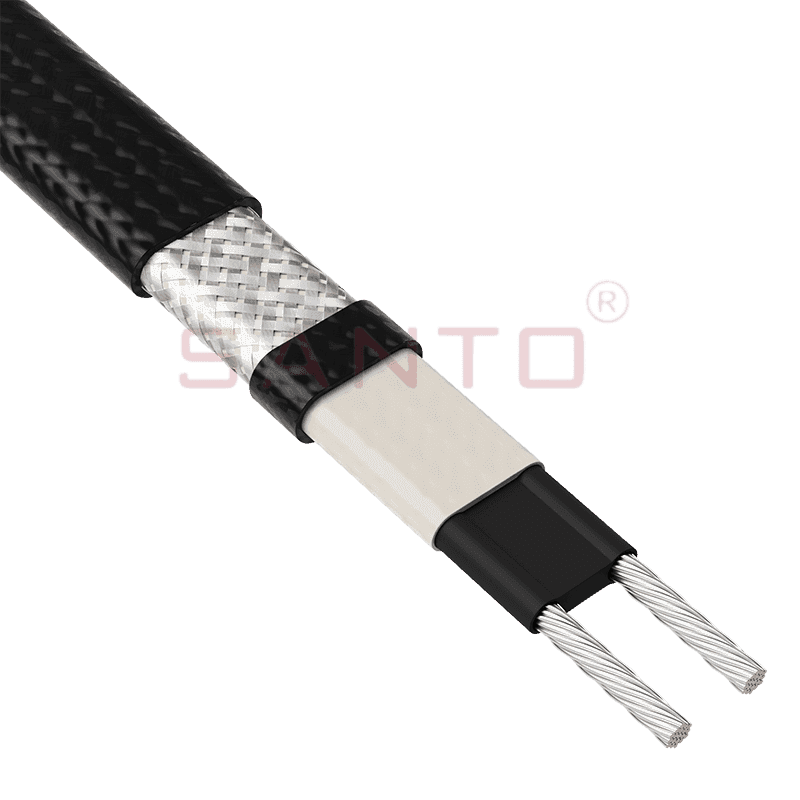
The SANTO UFA range of self-regulating heating cables is mainly used for frost protection of pipes and vessels but can also be used to maintain processes up to 65°C. These heating cables are available...
See Details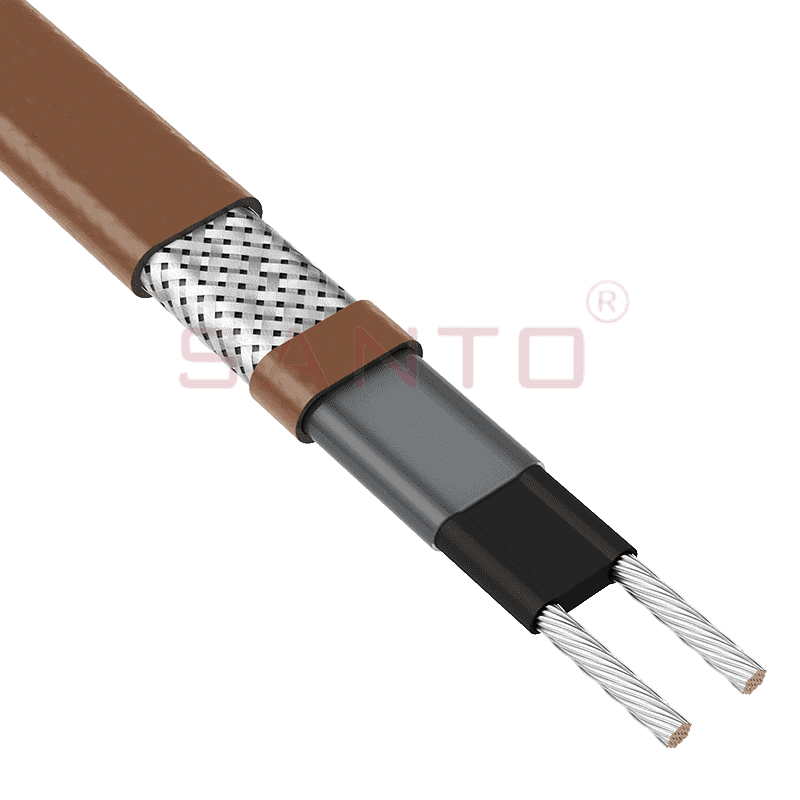
The SANTO UFB range of self-regulating heating cables is mainly used for frost protection of pipes and vessels requiring a higher power output than the UFA heating cables can supply. They can also be ...
See Details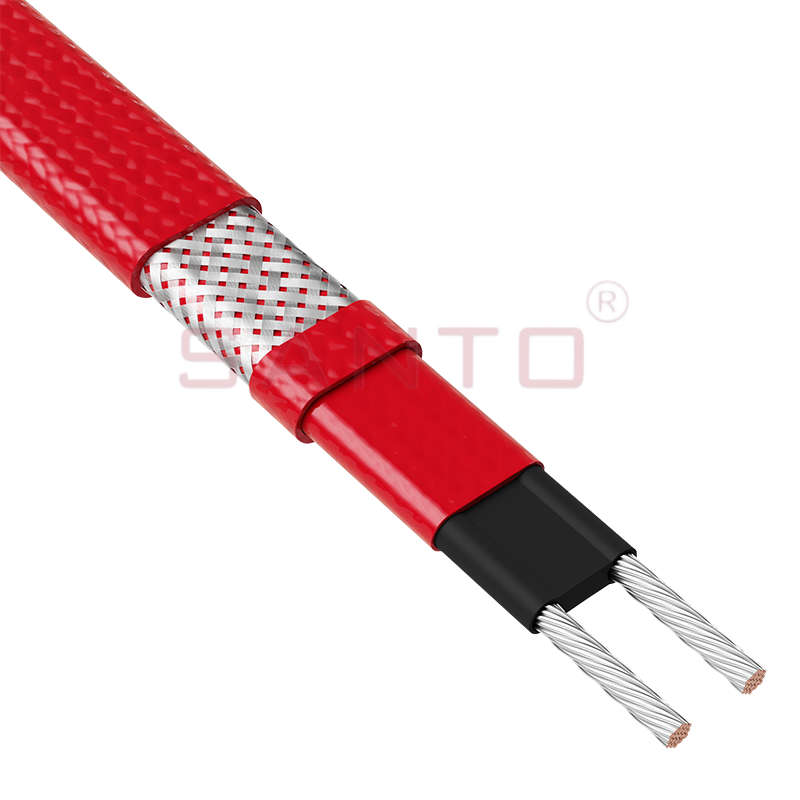
The SANTO UFC range of self-regulating heating cables is used for frost protection of pipes and vessels that require steam cleaning. They can also be used to maintain processes up to 121°C. These heat...
See Details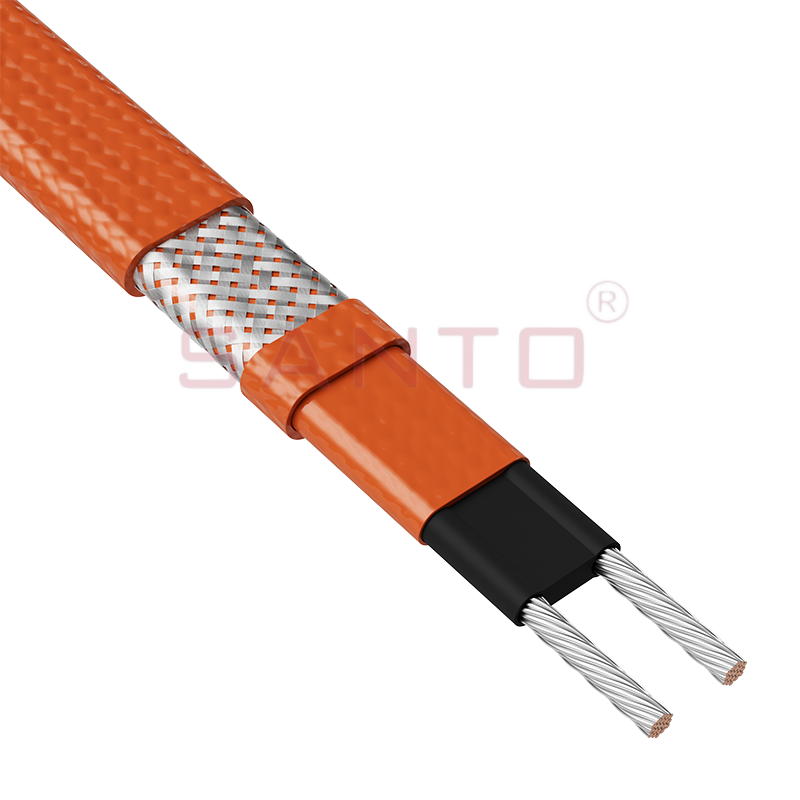
The SANTO UFO range of self-regulating heating cables is mainly used for frost protection of pipes and vessels that require steam cleaning . They can also be used to maintain processes up to 150°C. Th...
See Details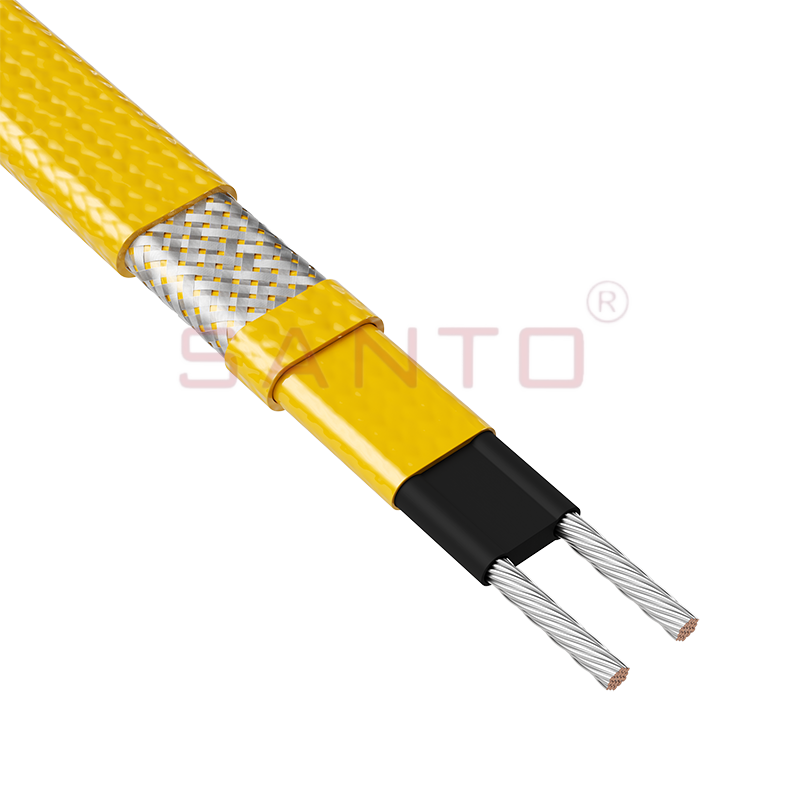
The SANTO UFD series of self-regulating heating cables are mainly used for freeze protection of pipes and vessels, but can also be used to maintain processes up to 200°C. These heating cables are avai...
See Details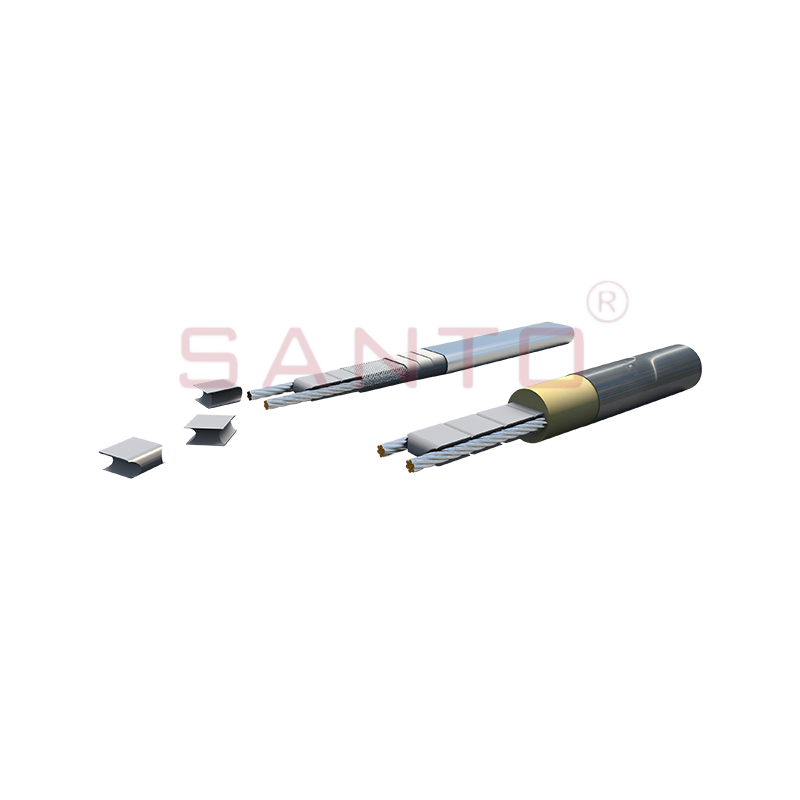
SANTO UFY heating wire is suitable for applications that maintain process temperatures up to 260 ℃ and can be steam blown; The self-regulating and parallel circuit heating wires of the UFY series are ...
See Details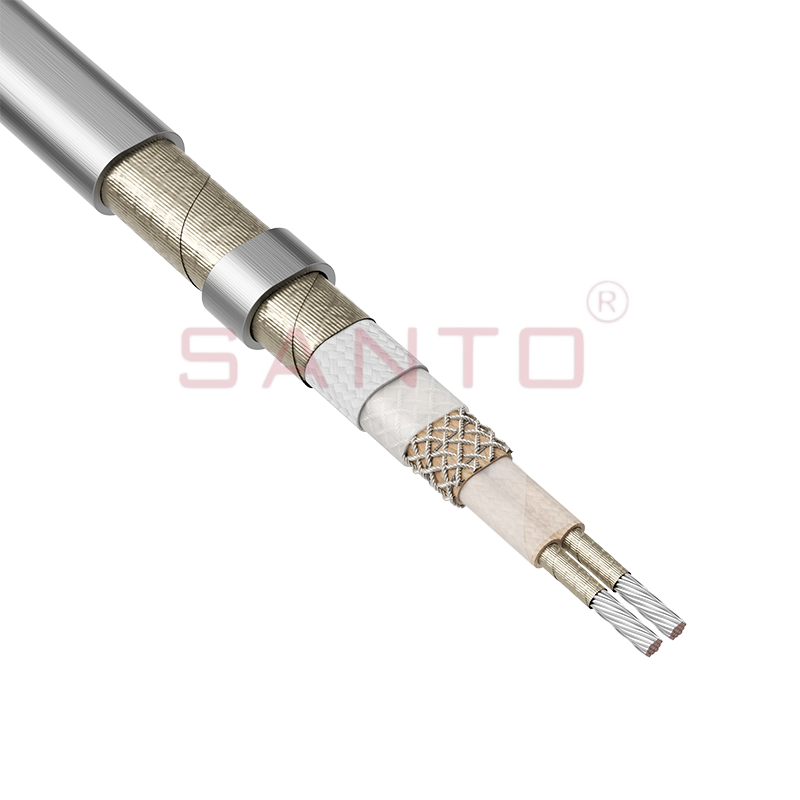
The SANTO UFM series self-regulating heating cables are mainly used for freeze protection of pipes and vessels, but can also be used to maintain processes up to 400°C. These heating cables are availab...
See Details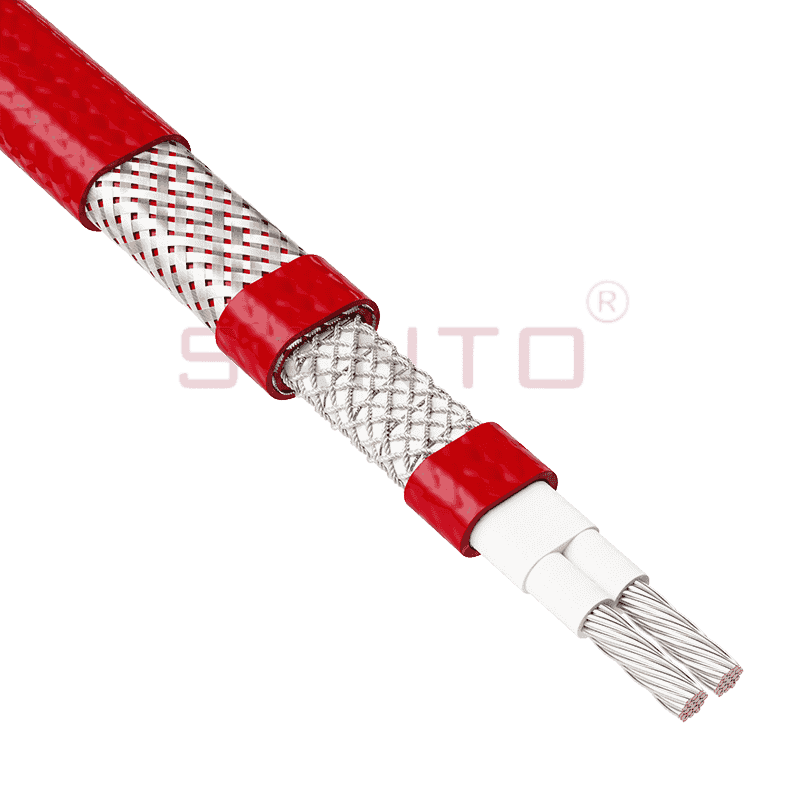
The SANTO ACC range of power-limiting heating cables is mainly used for temperature maintenance of processes and offers the advantage of a high power output at high temperatures which can reduce the n...
See Details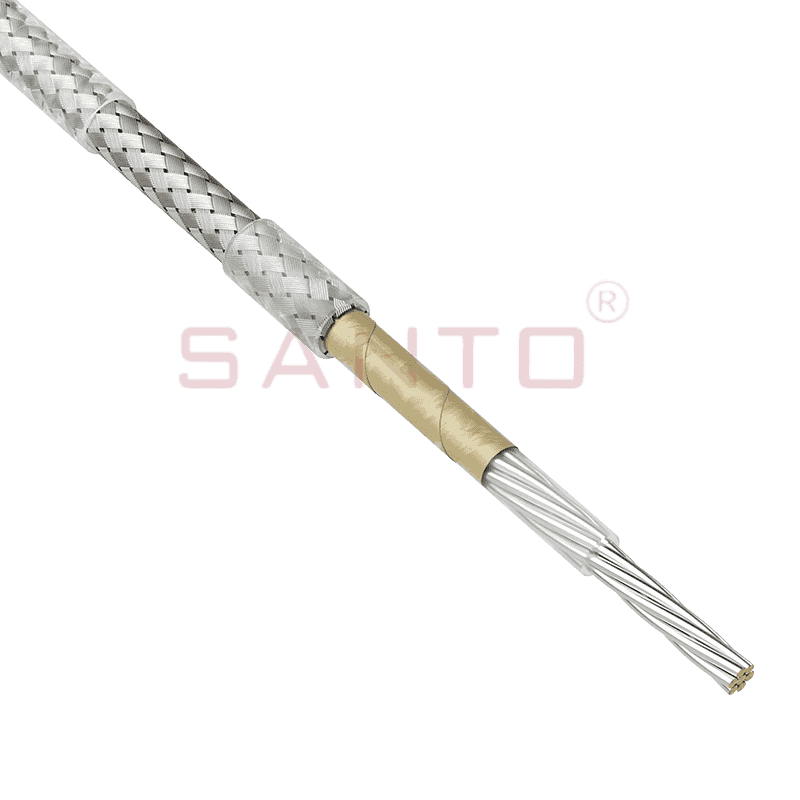
The stranded high temperature conductor is nickel plated to ensure a long life at elevated temperatures in corrosive environments. It is electrically isolated using an innovative sandwich construction...
See Details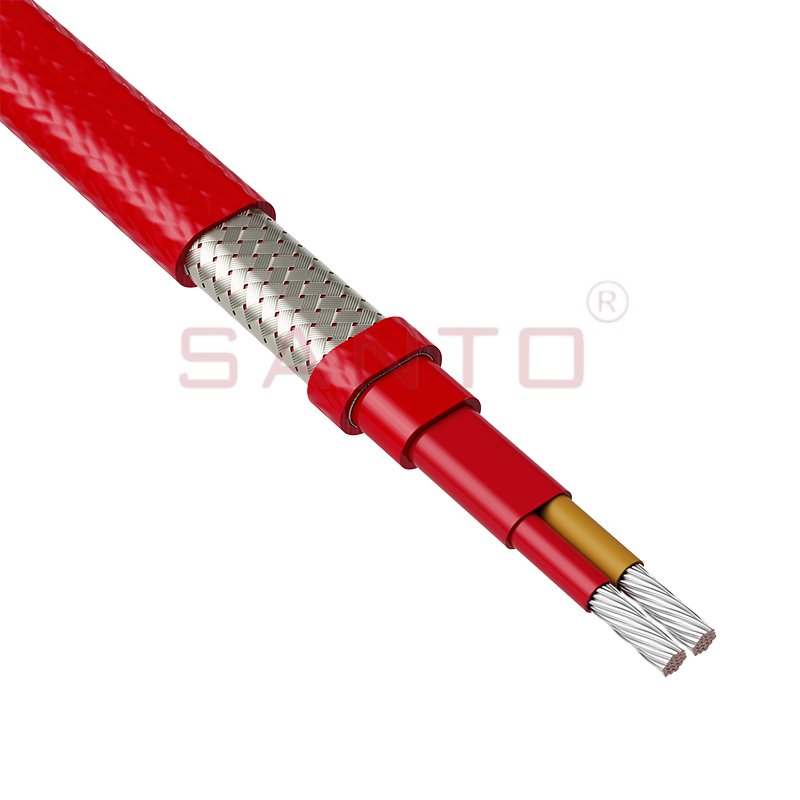
The stranded high temperature conductor is nickel plated to ensure a long life at elevated temperatures in corrosive environments. It is electrically isolated using an innovative sandwich construction...
See Details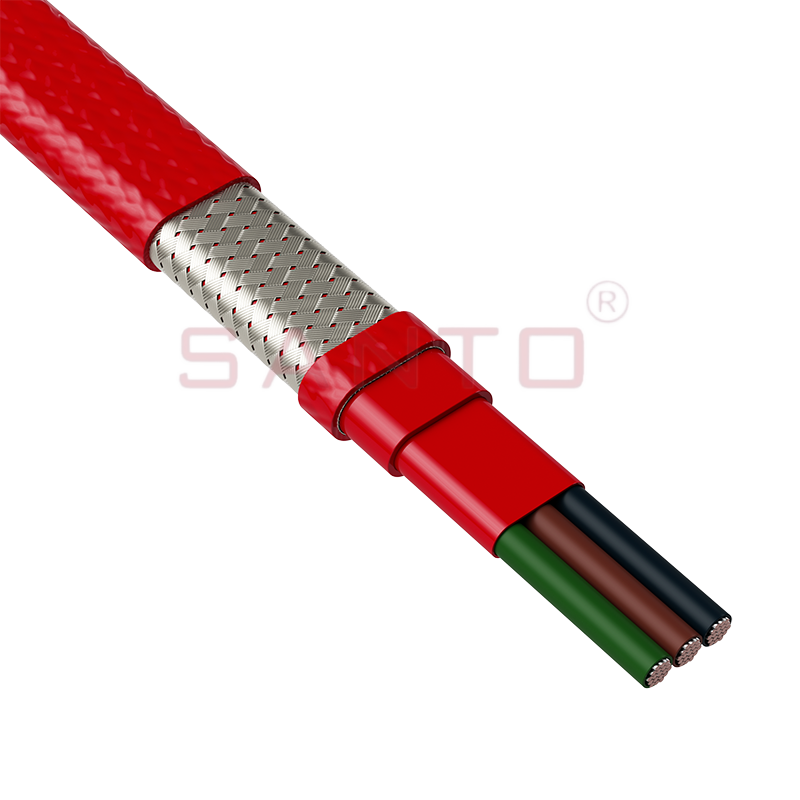
The stranded high temperature conductor is nickel plated to ensure a long life at elevated temperatures in corrosive environments. It is electrically isolated using an innovative sandwich construction...
See Details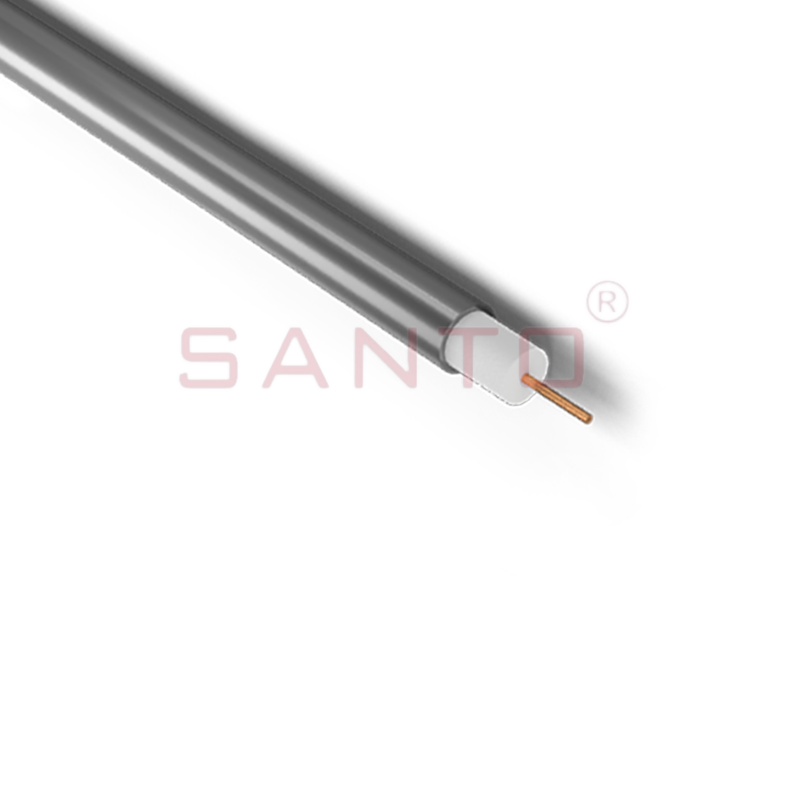
SANTO HAx mineral insulated (MI) Alloy 825 series heating cables are suitable for use in hazardous areas. They have been designed for use in freeze protection and temperature maintenance applications ...
See Details
Santo electric heating strips are widely used in key industries in China.

