 English
  English
 русский
 日本語
日本語 Español
 中文简体
中文简体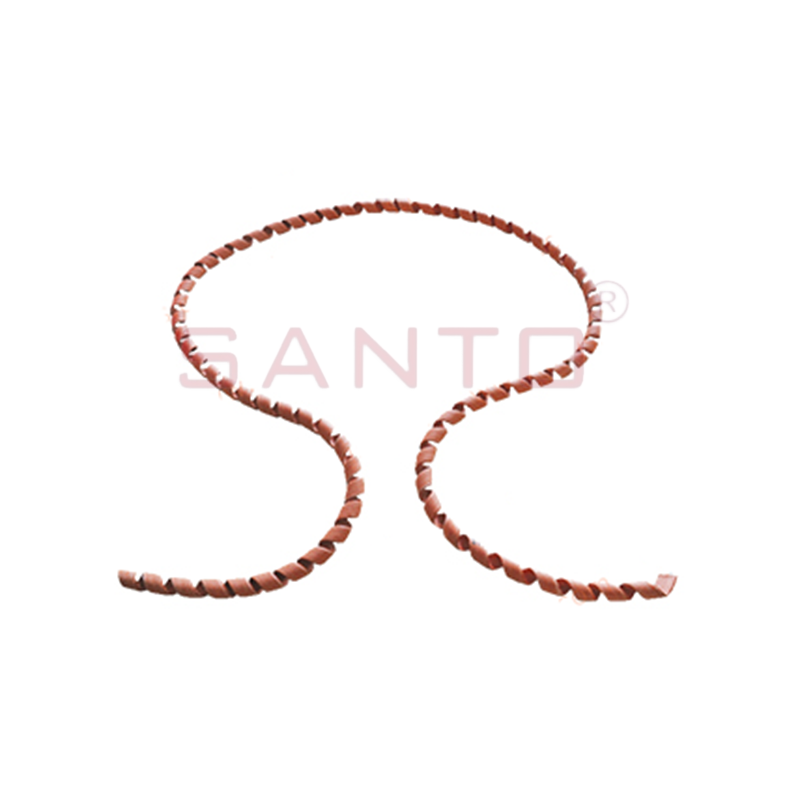

The SANTO UFA range of self-regulating heating cables is mainly used for frost protection of pipes and vessels but can also be used to maintain processes up to 65°C. These heating cables are available...
See Details
In semiconductor manufacturing, temperature is not a background condition; it is a controlled process variable that directly affects yield, stability, uptime, and product consistency. A small pipe heater is designed to deliver efficient, stable, and controllable heat to pipes, valve bodies, fittings, equipment surfaces, and other compact components with different diameters, shapes, and structures. For facilities that handle high-purity gases, specialty chemicals, vacuum lines, exhaust paths, process media, or condensation-sensitive materials, the ability to maintain a precise thermal environment is essential.
This article introduces a small pipe heater engineered for the semiconductor industry, with a heating temperature range of 50 ℃ to 200 ℃ and a power density of up to 3 W/cm². It also explains the product’s structural flexibility, optional accessories, design advantages, manufacturing strengths, quality approach, and practical value compared with conventional heating solutions. The product is suitable for customized heating applications where standard heating cables, bulky jackets, or generic heating pads cannot provide the required fit, thermal uniformity, installation convenience, or control performance.
Content
The small pipe heater is a customized electric heating solution for narrow, irregular, or compact process components. It can be designed for pipes with different diameters, valve bodies with complex shapes, equipment housings, branch connections, bends, manifolds, and other structures that require stable heat input. Unlike off-the-shelf heaters that are often limited by fixed dimensions, fixed power output, or insufficient surface contact, this heater can be configured according to the customer’s actual installation conditions.
The heater is designed to provide controlled heating in the range of 50 ℃ to 200 ℃. This range makes it suitable for many semiconductor support processes, including anti-condensation, viscosity control, process stability maintenance, freeze protection in controlled environments, heat preservation, and localized heating of small mechanical or fluid-handling components. With a maximum power density of 3 W/cm², it provides sufficient heat output while supporting stable operation and reducing the risk of excessive localized heating when properly engineered and installed.
The product can be supplied with optional accessories such as lead wires, adhesive layers, aluminum plates, thermally conductive materials, insulation materials, temperature controllers, and sensors. These accessories allow the heater to become part of a complete thermal management system rather than simply a heating element. Depending on the application, the heater may be designed for rapid response, uniform heat distribution, easy installation, improved heat transfer, better energy efficiency, or enhanced monitoring and control.
Semiconductor production involves materials and processes that are sensitive to temperature variation. Gases, vapors, chemical precursors, exhaust substances, and process by-products may condense, crystallize, polymerize, or accumulate if line temperatures drop below a safe operating range. Even small temperature differences can create blockages, contamination risks, process drift, or maintenance interruptions. For this reason, compact heating systems used in semiconductor environments must provide more than basic heat; they must support precision, cleanliness, reliability, and long-term stability.
Small pipes and valves are especially challenging because they often have limited surface area, restricted installation space, complex curves, and multiple connection points. A heater must conform closely to the heated surface to reduce air gaps and improve thermal transfer. In many cases, the heater also needs to avoid interfering with clamps, fittings, sensors, insulation covers, or maintenance access points. A customized small pipe heater solves these issues by matching the geometry of the component and integrating accessories that help control heat flow.
Another major requirement is repeatability. Semiconductor facilities often operate continuously, and equipment downtime can be costly. A heater that performs well during initial installation but degrades quickly, detaches from the surface, heats unevenly, or is difficult to replace can cause significant operational problems. A well-engineered heater uses appropriate materials, carefully selected insulation, stable electrical design, and reliable thermal control to support consistent performance over long service periods.
The small pipe heater is built around the principle of controlled surface heating. Its design can be adapted to match the thermal demand of the component, the space constraints of the installation, and the operating temperature required by the process. The heating temperature range of 50 ℃ to 200 ℃ covers many low-to-medium temperature applications in semiconductor manufacturing and related precision industries.
The power density is limited to 3 W/cm² or below, which is important for balancing heat output and safety. Excessive power density can cause hot spots, premature material aging, or uneven heating if the system is not engineered properly. By keeping the power density within a controlled range and combining the heater with suitable thermally conductive and insulating materials, the design can maintain stable heating while supporting energy efficiency.
Optional lead wires can be selected according to voltage, temperature resistance, routing requirements, and installation environment. Adhesive layers can improve attachment to small components and reduce installation time. Aluminum plates can help spread heat and improve surface temperature uniformity. Thermally conductive materials can reduce thermal resistance between the heater and the heated component. Insulation materials can reduce heat loss, improve efficiency, and protect surrounding parts. Temperature controllers and sensors can create a closed-loop system that responds to real operating conditions.
Although the product is categorized for the semiconductor industry, its design logic is relevant to any precision application involving small pipelines, valves, and compact equipment requiring stable heat. In semiconductor facilities, small pipe heaters may be used on gas delivery lines, chemical lines, purge systems, exhaust-related components, analytical systems, vacuum support lines, temperature-sensitive valves, and process equipment interfaces.
For process gas lines, heating may help prevent condensation or maintain stable gas temperature before delivery. For chemical lines, heating may help preserve viscosity, avoid crystallization, or support uniform flow. For valve bodies, heating may prevent temperature drops at metal masses where heat loss is higher. For equipment surfaces, a custom heater can provide localized heating without requiring a large enclosure or complex redesign.
The product is also useful when existing thermal systems do not cover small auxiliary components. In many systems, the main pipe may be heated, but valves, elbows, fittings, or branch points are left underheated. These locations can become cold spots. A customized small pipe heater can be designed specifically to eliminate those cold spots and improve the overall thermal profile of the system.
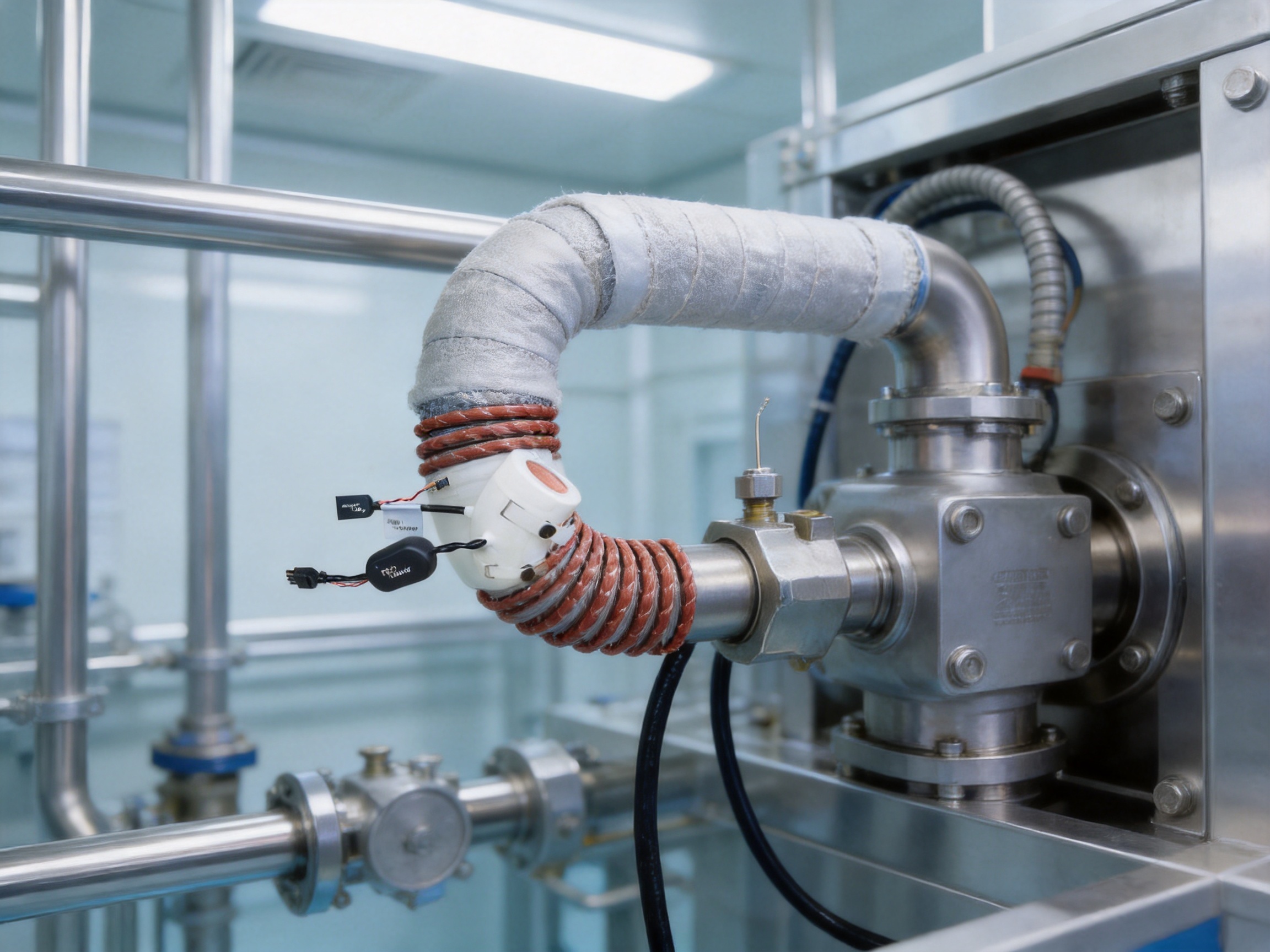
Compared with standard heating cables, generic heating tapes, rigid heating plates, or simple wrap-style heaters, the small pipe heater offers several important advantages. The first is customization. Standard products often require the installer to adapt the site to the heater. A customized heater reverses that logic: the heater is designed for the actual pipe, valve, or equipment geometry. This improves surface contact, thermal transfer, installation quality, and long-term performance.
The second advantage is heating uniformity. Small components often suffer from uneven heating because cables may overlap, leave gaps, or create concentrated heat at bends. A properly designed small pipe heater can distribute heat more evenly across the target surface. When combined with aluminum plates or thermally conductive materials, it can reduce temperature differences between sections and help prevent local overheating or underheating.
The third advantage is compactness. Semiconductor tools and supporting equipment often have dense layouts. A bulky heating jacket may be difficult to install or may interfere with maintenance. The small pipe heater can be designed as a slim, flexible, and component-specific heater that fits within restricted spaces. This makes it suitable for retrofit projects as well as new equipment designs.
The fourth advantage is controllability. With optional sensors and temperature controllers, the heater can be integrated into a closed-loop control system. This is superior to uncontrolled or manually adjusted heating, particularly in semiconductor processes where process windows are narrow. Controlled heating helps stabilize operating conditions, reduce energy waste, and support predictable performance.
The fifth advantage is modular serviceability. A custom heater can be designed in sections to match maintenance needs. For example, a valve heater can be removable without disturbing nearby lines, or a heater for a small pipe section can be configured with connectors and lead wire lengths that simplify replacement. This reduces downtime and improves maintenance efficiency.
| Evaluation Item | Customized Small Pipe Heater | Common Heating Cable or Generic Heater | Practical Benefit |
|---|---|---|---|
| Fit to pipe or valve geometry | Designed according to diameter, shape, and structure | Often requires wrapping, bending, or field adjustment | Better contact, fewer gaps, improved heating efficiency |
| Temperature control | Can integrate sensors and temperature controllers | May require separate external control or manual operation | More stable process temperature and reduced risk |
| Thermal uniformity | Can use aluminum plates and conductive materials | May create hot spots or cold spots on complex surfaces | More consistent heating across the component |
| Installation in compact spaces | Can be made slim, shaped, and application-specific | May be bulky or difficult to route | Improved compatibility with semiconductor equipment layouts |
| Power density | Controlled at up to 3 W/cm² | Varies widely and may not match the application | Balanced heat output and safer thermal design |
| Accessory integration | Optional wires, adhesives, insulation, sensors, and controllers | Often limited to basic heater structure | Complete heating system design from one engineering concept |
| Maintenance planning | Can be designed for removable or modular installation | May be difficult to remove without disturbing other parts | Less downtime and easier service |
The performance of a small pipe heater depends heavily on material selection and structural engineering. Since the heater operates in a temperature range up to 200 ℃, all materials must be selected for thermal stability, electrical insulation performance, mechanical durability, and compatibility with the installation environment. The heater may include layers designed for heating, insulation, adhesion, heat spreading, and external protection.
The heating element must provide stable resistance characteristics and reliable power output. Its layout should match the required heat distribution. For a straight pipe, the design may prioritize longitudinal uniformity. For a valve body, the layout may need to compensate for different metal thicknesses and heat losses. For an irregular equipment part, the heating pattern may need to be shaped to avoid openings, bolts, or sensitive areas.
Adhesive layers can be used where direct bonding is appropriate. The adhesive must maintain bonding strength under repeated heating and cooling cycles. For applications requiring removability, mechanical attachment or removable insulation structures may be preferred. Aluminum plates or foils can be added to spread heat and reduce local temperature differences. Thermally conductive pads, films, or materials can improve heat transfer from the heater to the pipe surface.
Insulation is also important. Without insulation, heat may escape into the surrounding air, increasing energy use and reducing temperature stability. Proper insulation directs heat toward the target component and protects nearby equipment. The insulation structure should be designed according to the required temperature, available space, mechanical exposure, and maintenance requirements.
A high-quality heater must be paired with an appropriate control strategy. In many semiconductor applications, simple on-off heating may not be sufficient. Temperature sensors can be positioned near the critical process location, on the heater surface, or on the pipe wall depending on the control objective. The controller can then regulate power to maintain the target temperature.
Sensor placement is a key engineering decision. If the sensor is too far from the critical location, the system may appear stable while the actual process temperature varies. If the sensor is placed directly on a hot spot, the controller may reduce power too early and leave other areas underheated. A customized heater design allows sensor placement to be considered during product development rather than treated as an afterthought.
For small pipes, response time can be fast because the heated mass is low. However, fast response must be controlled to avoid overshoot. The combination of moderate power density, thermal spreading materials, insulation, and proper controller settings can create a stable heating system. In some applications, multiple sensors or zones may be used when the geometry is complex or when different areas require different temperatures.
Santo Thermal Control Technology Co., Ltd. has long-term experience in electric heating products, including automatic temperature-control heating belts, self-limiting heating belts, heat tracing belts, constant-power heating belts, glass fiber heating belts, mineral insulated cables, silicone rubber heating systems, snow melting cables, and related accessories. This broad product background supports the design of specialized small pipe heaters because it combines knowledge of electrical heating, insulation systems, heat transfer, and application engineering.
The company is located in Jiangsu Province, an important area for electric heating belt production in China. With more than 35 years of industry experience, the company has developed capabilities in research, design, production, manufacturing, testing, and sales. Its technical foundation includes product development in heat tracing, temperature control, freeze protection, deicing, heating, and insulation applications across petroleum, chemical, gas, construction, solar energy, electric heating, geothermal cultivation, and other industries.
For a small pipe heater, manufacturing strength is not only about producing a heating element. It is about understanding the user’s actual conditions, selecting the right materials, designing the heater shape, controlling electrical parameters, validating temperature performance, and providing supporting accessories. The company’s experience with multiple heating technologies allows it to recommend practical designs rather than relying on a single standard product structure.
The company has also emphasized technology guidance, quality management, product improvement, and after-sales service. Its quality system certification and product certification experience demonstrate a structured approach to manufacturing management. For customers in the semiconductor industry, this is important because reliable documentation, repeatable production, and stable quality are essential for equipment integration and long-term operation.
The manufacturing process for a customized small pipe heater typically begins with requirement analysis. Engineers evaluate the pipe diameter, component shape, target temperature, operating environment, voltage, available installation space, desired warm-up time, control requirements, and maintenance conditions. This information is used to determine heating power, material structure, lead wire routing, sensor placement, insulation thickness, and installation method.
After the design is established, material preparation is carried out. Heating elements, insulating materials, adhesive components, thermal conductive layers, aluminum plates, lead wires, sensors, and protective layers are selected according to the application. The manufacturing team must ensure that the materials meet temperature resistance, electrical insulation, flexibility, and durability requirements.
The heating circuit is then formed according to the designed pattern. For customized applications, the layout may be adjusted to match the surface geometry. The goal is to provide heat where it is needed while avoiding unnecessary concentration in areas that could overheat. Electrical connections are processed carefully to ensure low-resistance contact, mechanical strength, and long-term reliability.
Layer assembly is the next important step. The heating element is combined with insulation, adhesive, conductive, and protective layers according to the design. If aluminum plates are used, they must be positioned to support heat spreading without creating installation difficulties. If the product includes sensors, sensor locations must be controlled accurately. Lead wires must be routed and fixed to reduce strain during installation and service.
Quality inspection follows assembly. Electrical resistance, insulation performance, visual quality, dimensional accuracy, bonding condition, lead wire security, and sensor response may be checked according to the product design. For heaters intended for controlled temperature operation, functional testing can verify that the heater responds properly and reaches the required temperature range under defined conditions.
Packaging and delivery are also part of manufacturing quality. A customized heater may include installation notes, wiring information, controller recommendations, or accessory instructions. Proper packaging protects the heater from deformation, moisture, contamination, or mechanical damage during transportation.
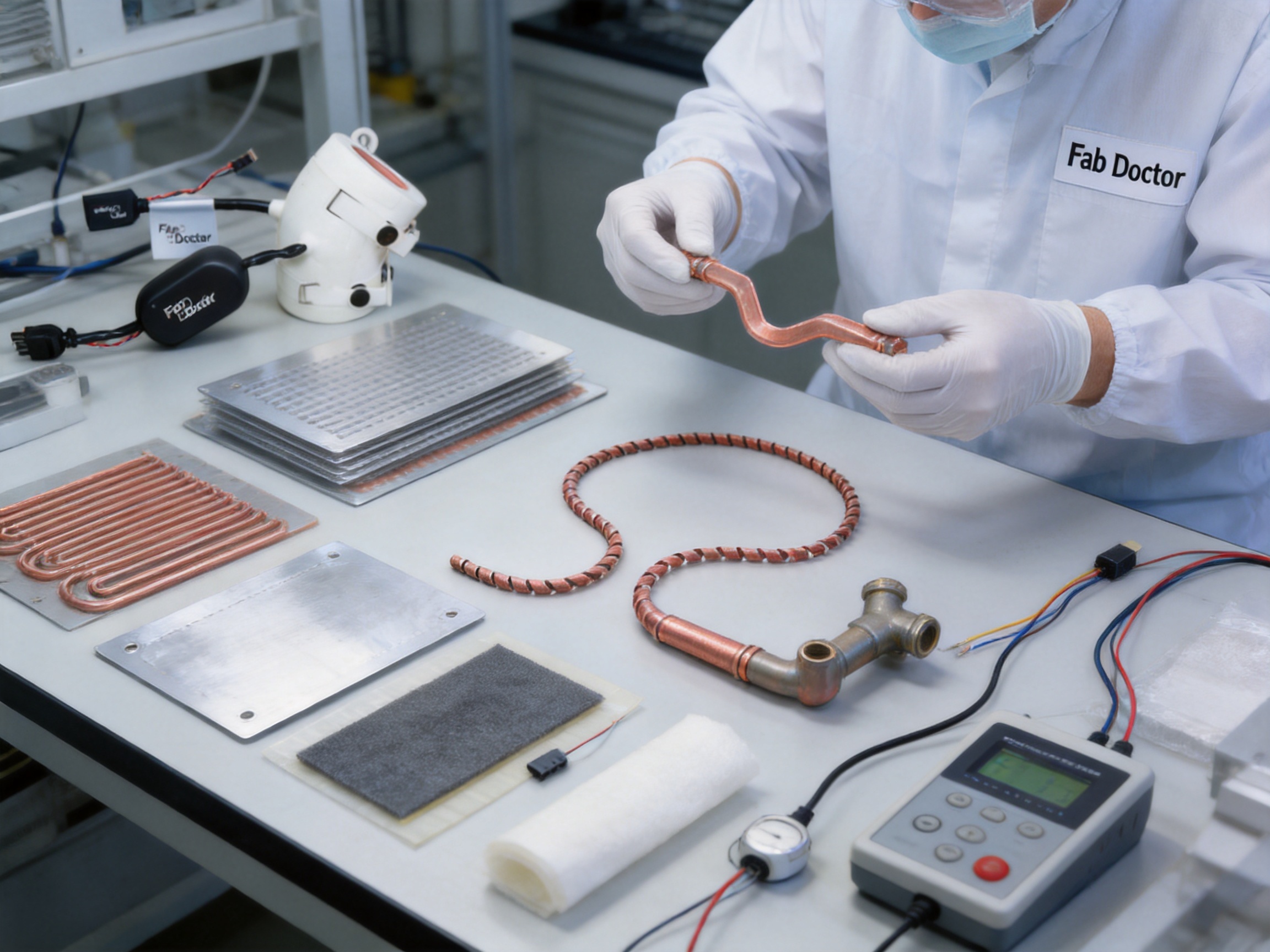
One of the most important strengths of the small pipe heater is its ability to accommodate different component geometries. Semiconductor equipment may use miniature tubes, compact valves, short pipe sections, block-like fittings, or irregular surfaces. A universal heater may not be able to cover these parts properly. Customization allows the heater to be designed around the actual structure.
For small-diameter pipes, the heater must provide close contact without excessive bulk. It may need to follow the curvature of the pipe while maintaining electrical safety and thermal consistency. For larger small-process lines, the heater may be designed with a broader heating surface and integrated insulation. For bends and elbows, the heating pattern can be arranged to avoid gaps or overlapping heat sources.
Valve bodies require special attention because they often contain thicker metal sections, irregular contours, bolts, actuator connections, and flow paths. They may lose heat differently from straight pipe sections. A custom heater can provide targeted heat to the valve body while avoiding interference with moving parts or service points. This is especially valuable when the valve is a known cold spot in a heated line.
Equipment surfaces may require custom pads or shaped heaters that fit around holes, brackets, sensors, or covers. The heater can be made to support localized heating without affecting adjacent components. In semiconductor systems, this can help solve specific process issues without redesigning the entire equipment assembly.
Energy efficiency is achieved by delivering heat where it is needed and reducing loss where it is not. A small pipe heater contributes to efficiency through close surface contact, appropriate power density, thermal conductive layers, and optional insulation. When a heater conforms well to the pipe or valve, less energy is wasted heating surrounding air. When insulation is properly applied, the system requires less power to maintain the target temperature.
Compared with oversized or poorly fitted heaters, a custom heater can reduce unnecessary heat output. It can be designed for the actual heat loss of the component rather than using a one-size-fits-all approach. This is especially useful in semiconductor facilities, where many small heated points may operate continuously. Even modest energy savings per point can become significant across a full production line or facility.
Stable temperature control also supports energy efficiency. A controller with a properly placed sensor can reduce power when the setpoint is reached and increase power only when heat loss requires it. This prevents continuous full-power operation and reduces thermal stress on the heater. Over time, controlled operation can improve both energy performance and service life.
Semiconductor facilities often operate around the clock. A small pipe heater must therefore be designed for repeated thermal cycling, long operating hours, and stable electrical performance. Reliability depends on material quality, heating element design, connection integrity, insulation performance, and installation quality.
Thermal cycling can cause expansion and contraction of materials. If materials are poorly matched or bonding is weak, delamination or cracking may occur. A well-designed heater considers these stresses and uses suitable materials and assembly methods. Lead wire connections must also withstand movement, vibration, and handling during maintenance.
Electrical insulation is critical. The heater must maintain safe insulation performance at operating temperature and under expected environmental conditions. Moisture, mechanical abrasion, chemical exposure, or improper installation can affect insulation integrity. Manufacturing quality control and proper accessory selection help reduce these risks.
Reliability also depends on avoiding hot spots. Hot spots can accelerate aging and create process instability. By designing the heater for the component geometry and using thermal spreading materials where needed, the system can improve temperature uniformity and reduce local stress. This is a key advantage over improvised wrapping methods or generic heaters used on complex parts.
Installation quality has a direct effect on heater performance. The surface should generally be clean, dry, and free of contaminants that could reduce thermal contact or adhesive performance. The heater should be positioned according to the intended heating area, and sensors should be installed at the correct location. Lead wires should be routed safely, avoiding sharp edges, excessive tension, or high-temperature zones beyond their rating.
If adhesive installation is used, pressure and surface preparation may be important for bonding. If mechanical attachment is used, the heater should be secured evenly without crushing or damaging the heating element. Insulation should be applied after confirming heater position and sensor placement. The insulation should cover the heated area effectively while allowing access to service points when required.
Before operation, electrical checks should be performed. Resistance and insulation values should be verified according to the product documentation. The controller should be configured for the correct temperature setpoint and control mode. A gradual start-up may be recommended for some applications to confirm stable performance and avoid unexpected temperature overshoot.
The optional use of controllers and sensors transforms the small pipe heater into a complete thermal control solution. Depending on the application, a sensor may be a thermocouple, resistance temperature detector, or other temperature-measuring device compatible with the controller. The controller may use on-off control, proportional control, or more advanced control logic depending on process requirements.
For semiconductor applications, the controller should be selected with attention to accuracy, response time, alarm functions, safety limits, and communication needs. Some systems may require local control only, while others may need integration with equipment control panels or facility monitoring systems. The heater itself should be designed to support the selected control architecture.
Safety functions may include high-temperature alarms, sensor failure detection, current monitoring, or independent over-temperature protection. These functions help protect the equipment, heater, and process. While the heater provides heat, the control system provides intelligence. Together, they support stable and safe operation.
In competitive markets, many suppliers can provide heating cables or standard heating pads. However, semiconductor applications often require more than standard products. The small pipe heater stands out because it is based on application-specific design. It can be customized for geometry, temperature range, power density, installation method, accessory integration, and control requirements.
Competitors offering only standard heaters may not adequately solve problems caused by cold spots, irregular surfaces, restricted spaces, or process-specific temperature requirements. A standard cable may be wrapped around a pipe, but it may not heat a valve body evenly. A generic pad may provide heat, but it may not fit around bolts or fittings. A bulky jacket may insulate well, but it may be too large for compact semiconductor equipment. The customized small pipe heater addresses these limitations through engineered fit and functional integration.
The company’s broader experience in heat tracing and electric heating systems also provides a competitive advantage. Knowledge gained from self-limiting heating belts, constant-power heating belts, silicone rubber heating systems, glass fiber heating belts, mineral insulated cables, and electric heating accessories supports informed design choices. This allows the product to be developed as part of a complete thermal control strategy rather than as a simple component.
Quality management is essential for electric heating products. The company has passed ISO9001 quality system certification, and its products have obtained national CCC certification. These certifications indicate that the company has established procedures for quality control, production consistency, and product compliance. For customers, this reduces uncertainty and supports confidence in repeated orders.
A controlled quality system is especially important for customized products because every design may differ. The manufacturer must ensure that custom dimensions, materials, power ratings, wiring, and accessories are produced according to specifications. Documentation, inspection, and process control help ensure that customization does not compromise reliability.
The company’s development history also reflects long-term commitment to the electric heating industry. From its early foundation as an electric heating instrument factory to later brand establishment, certification acquisition, patent development, factory expansion, and laboratory construction, the company has invested in technical progress and production capacity. This history supports its ability to serve customers requiring custom heating cable and heater solutions.
Innovation in electric heating is not limited to creating higher temperatures. It includes improving temperature uniformity, reducing energy consumption, increasing product life, simplifying installation, improving safety, and adapting products to new industrial requirements. The company has engaged in product research and has developed technologies such as self-limiting temperature heating and carbon fiber parallel heating cable solutions. These experiences contribute to a culture of technical problem-solving.
For the small pipe heater, research and development may involve thermal modeling, prototype testing, material comparison, sensor placement studies, and application feedback. The goal is to create heaters that solve practical problems in real equipment environments. Semiconductor customers often require careful review of temperature data, installation constraints, and long-term performance. A manufacturer with strong development capability can respond more effectively to these needs.
Customization also benefits from iterative engineering. A first design may be tested on a sample pipe or valve, and then adjustments may be made to improve fit, heat-up time, temperature distribution, or installation convenience. This engineering feedback loop is one reason custom heaters can outperform generic alternatives in demanding applications.
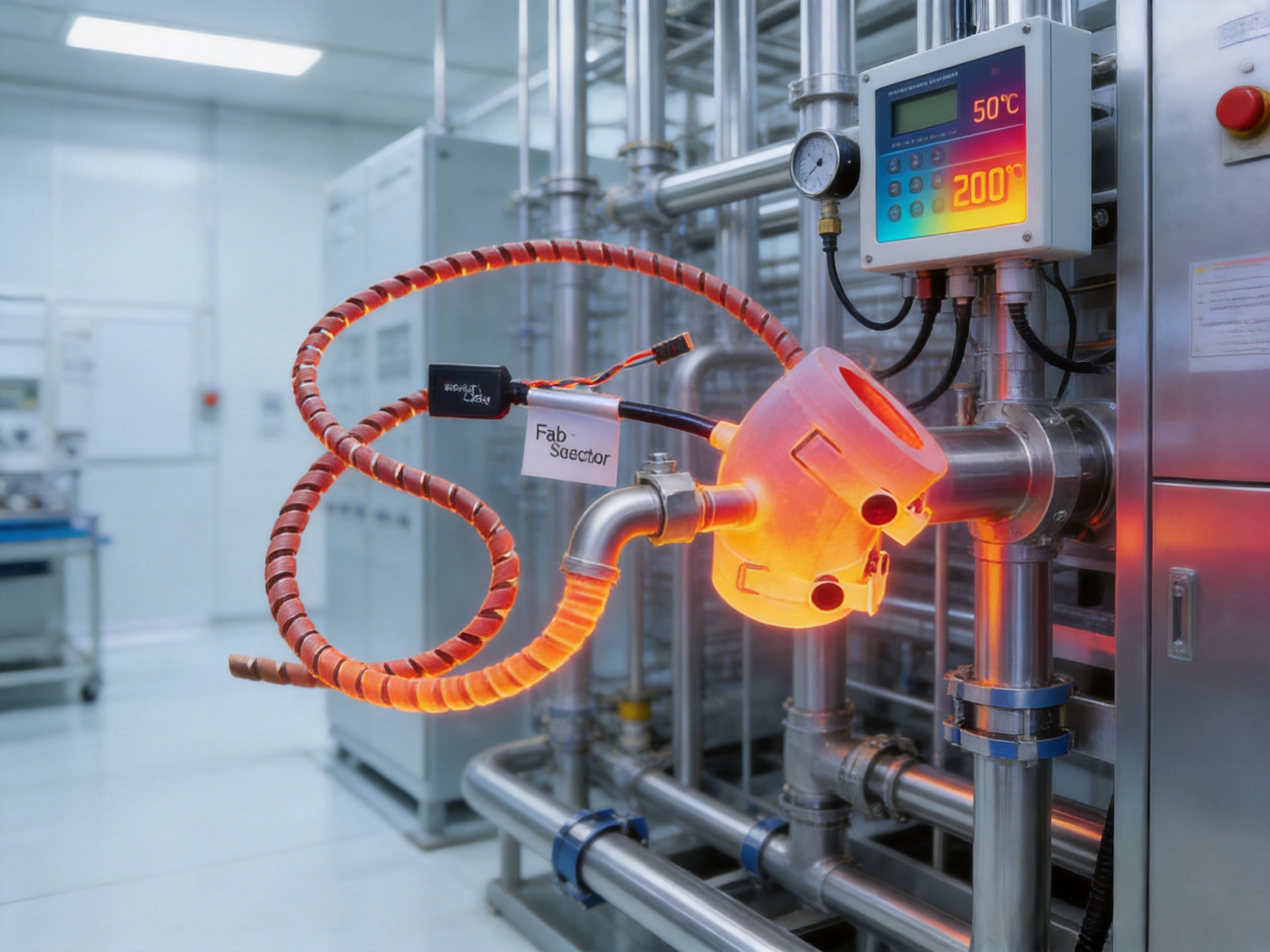
When selecting a small pipe heater, customers should provide detailed application information. Important data includes pipe diameter, pipe material, valve or equipment dimensions, target temperature, ambient temperature, desired heat-up time, available voltage, control method, installation space, insulation requirements, and environmental exposure. Photos, drawings, or 3D models can help engineers design a more accurate heater.
The required temperature should be defined carefully. The heater’s operating range is 50 ℃ to 200 ℃, but the correct setpoint depends on the process material and the purpose of heating. For anti-condensation, the setpoint may only need to stay above a dew point or condensation threshold. For viscosity control, the temperature may need to remain within a narrower band. For heat preservation, the goal may be stable surface temperature over long operation.
Power density should be selected based on heat loss and thermal mass. Although the product supports up to 3 W/cm², higher power is not always better. Too much power can cause overshoot or uneven heating if control and heat spreading are insufficient. Proper engineering balances power, surface area, insulation, and control strategy.
The installation method should be selected according to maintenance needs. Adhesive bonding may be suitable for permanent or semi-permanent installation. Removable structures may be better for valves or components requiring frequent service. Lead wire direction and connector choice should also be planned in advance to avoid installation difficulties.
A well-designed small pipe heater can reduce maintenance by preventing condensation, deposits, cold spots, and process instability. However, the heater itself should also be inspected periodically. Maintenance may include checking lead wire condition, verifying controller operation, confirming sensor accuracy, inspecting insulation, and ensuring that the heater remains properly attached to the heated surface.
Lifecycle value comes from stable performance, reduced downtime, lower energy waste, and easier service. A low-cost generic heater may appear attractive at purchase, but if it causes repeated failures, uneven heating, or difficult maintenance, its total cost can be higher. A custom heater designed for the actual component can provide better long-term value by improving reliability and reducing process interruptions.
For semiconductor operations, avoiding unplanned downtime is a major economic benefit. A heater that protects a critical small line or valve from temperature-related problems can contribute directly to tool availability. In high-value manufacturing environments, thermal reliability at small components can have a large operational impact.
Santo Thermal Control Technology Co., Ltd. serves domestic and international customers with electric heating products used in many industries. The company reports more than 35 years of industry experience, annual output exceeding 10,000 units, more than 2,000 distributors, and business presence in more than 85 areas. This scale supports stable production, product availability, and service coverage.
The company’s product range includes constant-power electric heating strips, self-limiting electric heating strips, silicone rubber electric heating strips, glass fiber electric heating strips, electric hot wires, mineral insulated cables, snow melting cables, LCD tracked heaters, and electric heating strip accessories. This range allows customers to obtain related heating products and accessories from a supplier with broad technical knowledge.
For custom small pipe heaters, supply capability matters because each project may require specific dimensions, materials, and accessories. A manufacturer with experience in OEM and ODM heating cable production can support different customer requirements, including product design, sample development, batch manufacturing, and export supply. The company’s stated experience in custom heating cable export sales further supports international cooperation.
Consider a semiconductor process support line carrying a temperature-sensitive gas or vapor. The straight line section is already heated, but a small valve body and adjacent pipe bend remain cooler than the rest of the system. During operation, material begins to condense near the valve, causing flow restriction and maintenance alarms. A standard heating cable is wrapped around the area, but the result is inconsistent because the cable does not contact the valve body evenly and leaves gaps around the bend.
A customized small pipe heater can be designed for the valve and bend geometry. The heater may include a shaped heating layer, an aluminum heat-spreading plate, thermally conductive material, insulation, a sensor positioned near the coldest location, and a controller set to maintain the target temperature. The lead wire can be routed away from service points, and the heater can be designed for removal during valve maintenance.
The result is a more stable surface temperature, fewer cold spots, better process reliability, and easier maintenance. This example shows why small component heating should not be treated as a minor detail. In precision manufacturing, the weakest thermal point can become the source of process instability.
Efficient heating contributes to environmental and operational goals. By applying heat only where needed and reducing heat loss through proper insulation, the small pipe heater can reduce unnecessary energy consumption. Stable heating may also reduce material waste caused by process upsets, condensation, or contamination events.
In addition, a reliable heater can extend the service interval of related components by reducing deposits or thermal stress caused by repeated cold-start conditions. This can lower replacement frequency and reduce maintenance waste. While the heater itself is a small component, its role in maintaining process stability can support broader sustainability and operational efficiency objectives.
A small pipe heater is used to provide controlled heat to compact pipes, valve bodies, fittings, equipment surfaces, and other small components. Its main purposes include temperature maintenance, anti-condensation, heat preservation, viscosity control, cold spot elimination, and process stability support.
The heater is designed for a heating temperature range of 50 ℃ to 200 ℃. The exact operating setpoint should be selected according to the process requirement, material characteristics, installation environment, and control method.
The product supports a power density of up to 3 W/cm². This controlled power density helps balance heating capability, safety, thermal uniformity, and long-term reliability.
Yes. The heater can be designed for different diameters, shapes, and structures, including small pipes, bends, valves, fittings, and equipment surfaces. Customization is one of its main advantages over standard heating cables or generic heaters.
Optional accessories include lead wires, adhesive layers, aluminum plates, thermally conductive materials, insulation materials, temperature controllers, and sensors. These accessories help create a complete and controllable heating solution.
Semiconductor applications often require precise thermal control in compact spaces. The heater can be customized to fit small and irregular components, reduce cold spots, improve temperature uniformity, and integrate with sensors and controllers for stable operation.
Ordinary heating cable may be useful for simple pipe tracing, but it can be difficult to install evenly on small valves, bends, or irregular parts. A customized small pipe heater provides better fit, improved surface contact, more uniform heating, easier integration, and better control options.
Depending on the application, the heater can be designed for permanent, semi-permanent, or removable installation. Removable designs are useful for valves and components that require periodic maintenance.
Insulation is often recommended because it reduces heat loss, improves energy efficiency, and supports stable temperature control. The type and thickness of insulation should be selected according to the operating temperature, available space, and maintenance needs.
Useful information includes pipe diameter, component drawings or photos, target temperature, ambient temperature, voltage, power requirements, space limitations, control method, sensor preference, insulation needs, and whether the heater must be removable.
The small pipe heater is a precision thermal solution for semiconductor applications where compact components, irregular geometries, and strict temperature requirements make standard heaters insufficient. With a heating temperature range of 50 ℃ to 200 ℃, power density up to 3 W/cm², and optional accessories including wires, adhesive layers, aluminum plates, thermally conductive materials, insulation, controllers, and sensors, the product can be engineered into a complete heating system.
Its main advantages include customized fit, improved thermal contact, better temperature uniformity, compact installation, controllable operation, and strong adaptability to different pipes, valves, and equipment structures. Compared with conventional heating cables or generic heaters, it provides a more application-specific solution that can reduce cold spots, improve reliability, and support process stability.
The manufacturing strength behind the product is also important. With long-term experience in electric heating technologies, broad product development capability, quality system certification, and large-scale supply experience, Santo Thermal Control Technology Co., Ltd. is positioned to provide customized heating solutions for demanding industrial users. For semiconductor facilities seeking reliable heating for small pipes and compact components, a custom small pipe heater offers both technical performance and lifecycle value.
1. Electric Process Heating Handbook, Industrial Thermal Engineering Series.
2. Semiconductor Manufacturing Technology, Process Equipment and Facility Systems Edition.
3. Heat Transfer Principles for Industrial Heating Applications, Applied Engineering Press.
4. Electrical Heating Systems: Design, Control, and Safety Practices, Technical Manufacturing Reference.
5. Industrial Temperature Measurement and Control Guide, Instrumentation Engineering Library.
6. Quality Management Systems for Electrical Manufacturing, ISO-Based Process Reference.
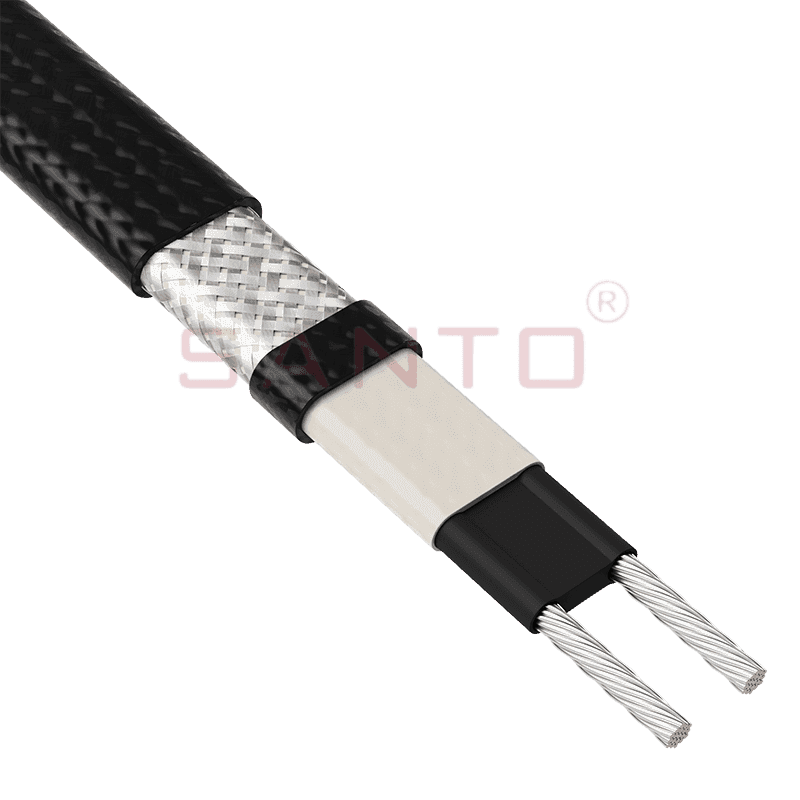
The SANTO UFA range of self-regulating heating cables is mainly used for frost protection of pipes and vessels but can also be used to maintain processes up to 65°C. These heating cables are available...
See Details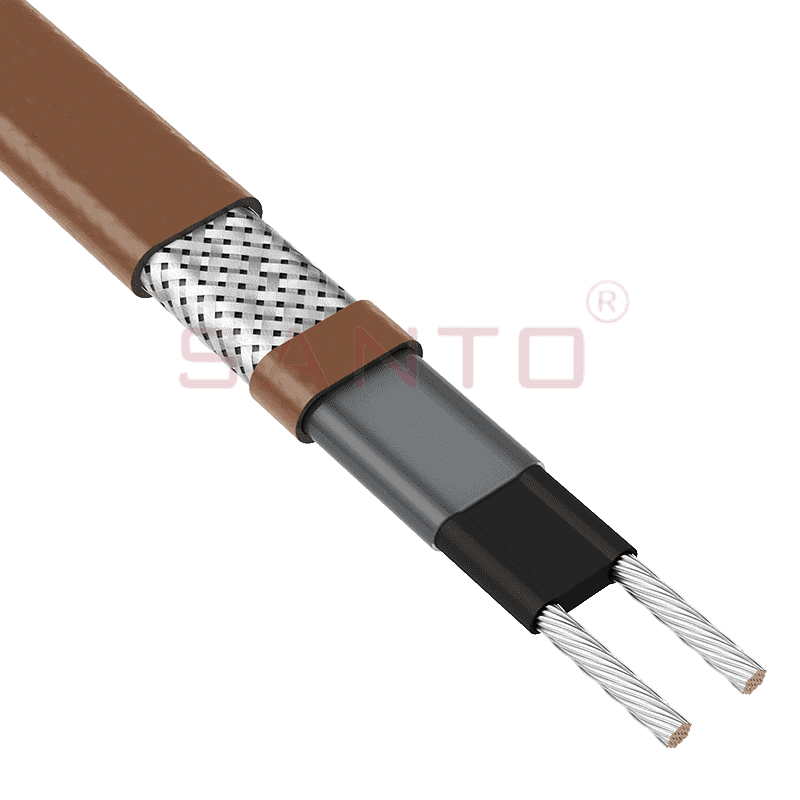
The SANTO UFB range of self-regulating heating cables is mainly used for frost protection of pipes and vessels requiring a higher power output than the UFA heating cables can supply. They can also be ...
See Details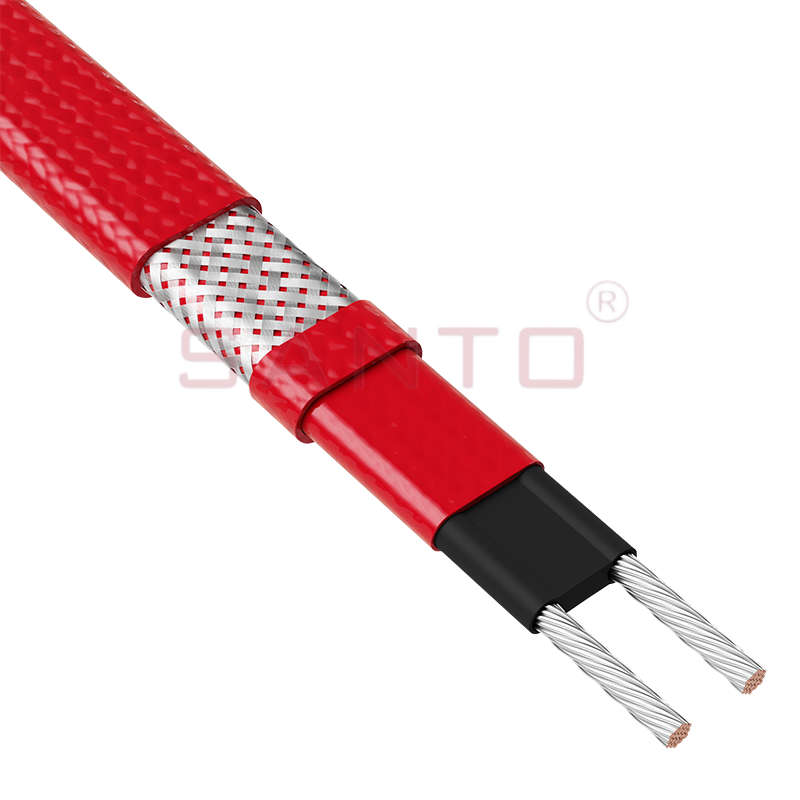
The SANTO UFC range of self-regulating heating cables is used for frost protection of pipes and vessels that require steam cleaning. They can also be used to maintain processes up to 121°C. These heat...
See Details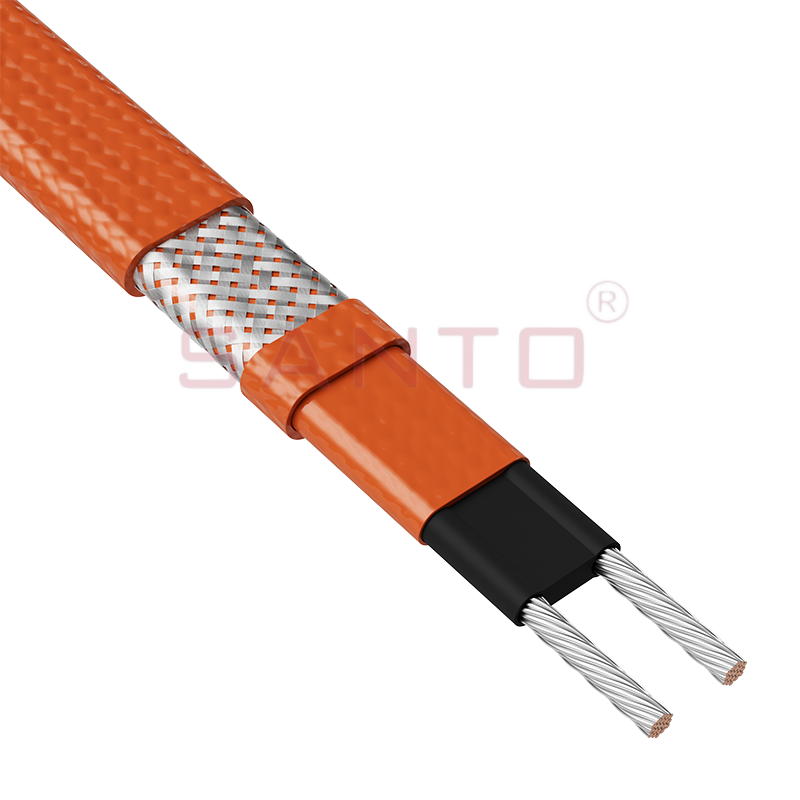
The SANTO UFO range of self-regulating heating cables is mainly used for frost protection of pipes and vessels that require steam cleaning . They can also be used to maintain processes up to 150°C. Th...
See Details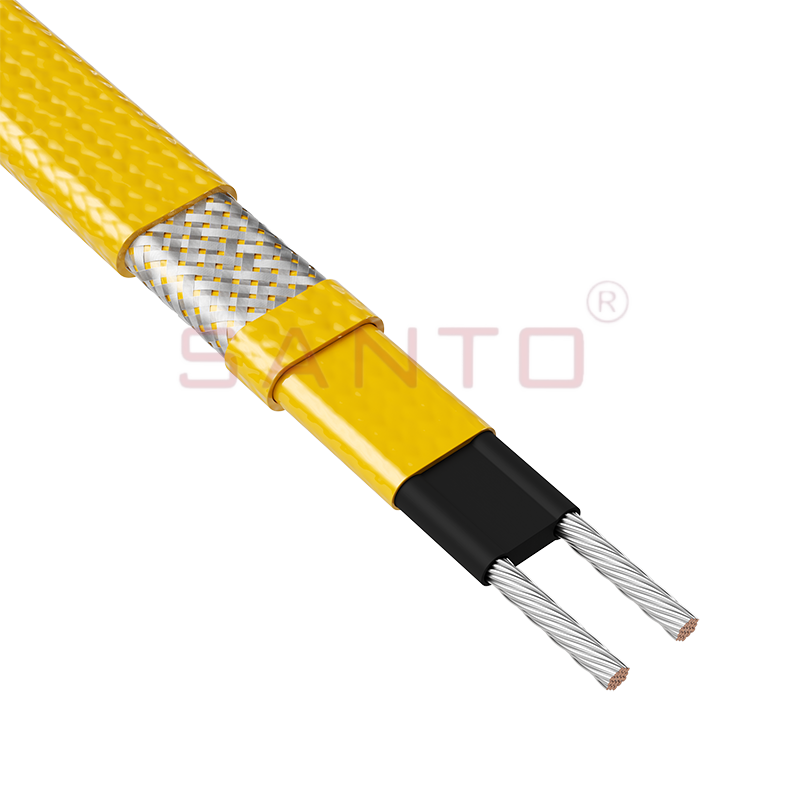
The SANTO UFD series of self-regulating heating cables are mainly used for freeze protection of pipes and vessels, but can also be used to maintain processes up to 200°C. These heating cables are avai...
See Details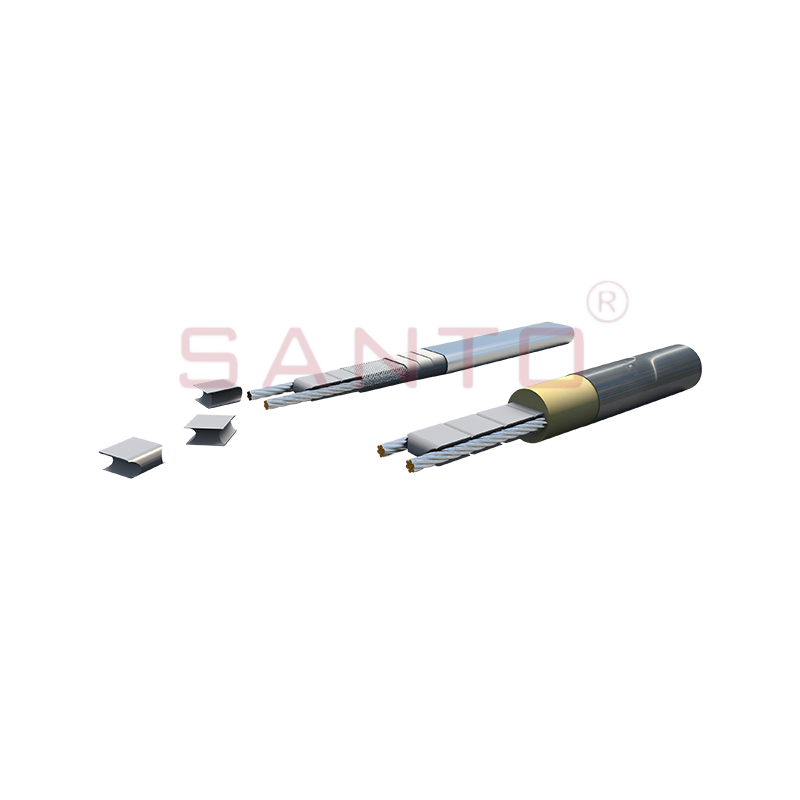
SANTO UFY heating wire is suitable for applications that maintain process temperatures up to 260 ℃ and can be steam blown; The self-regulating and parallel circuit heating wires of the UFY series are ...
See Details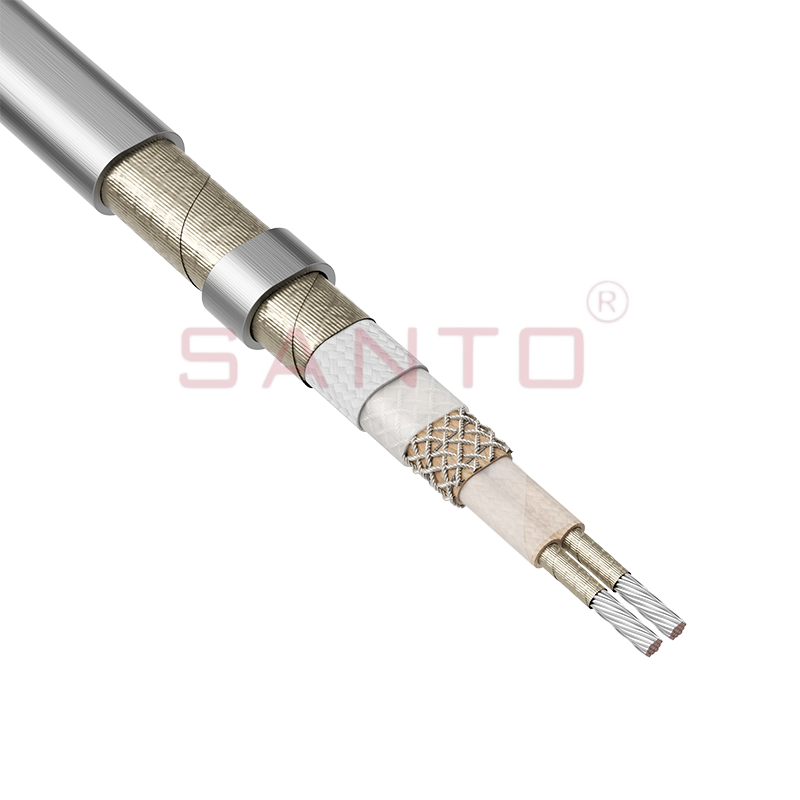
The SANTO UFM series self-regulating heating cables are mainly used for freeze protection of pipes and vessels, but can also be used to maintain processes up to 400°C. These heating cables are availab...
See Details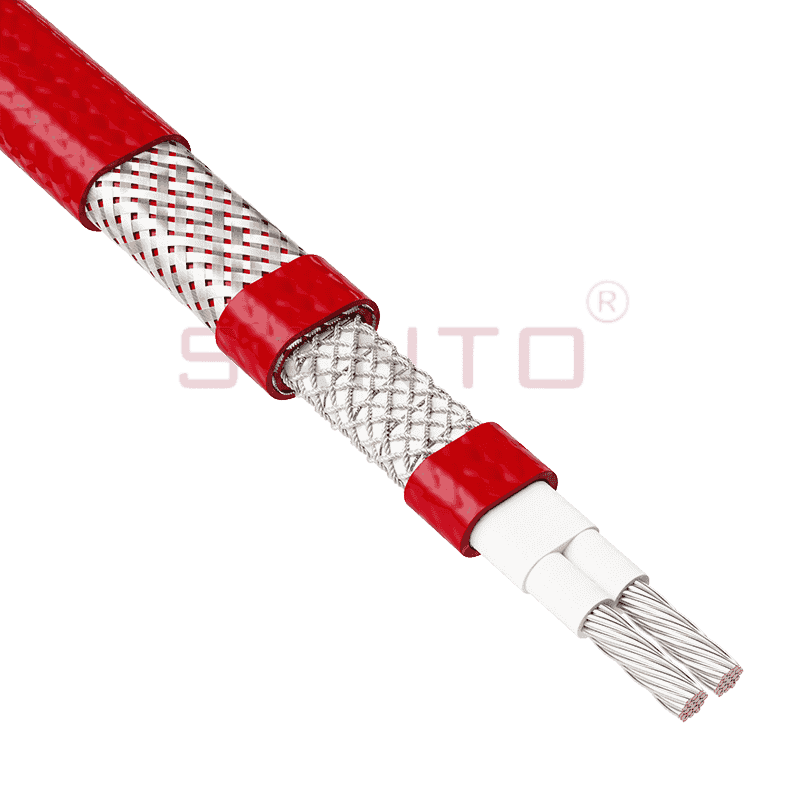
The SANTO ACC range of power-limiting heating cables is mainly used for temperature maintenance of processes and offers the advantage of a high power output at high temperatures which can reduce the n...
See Details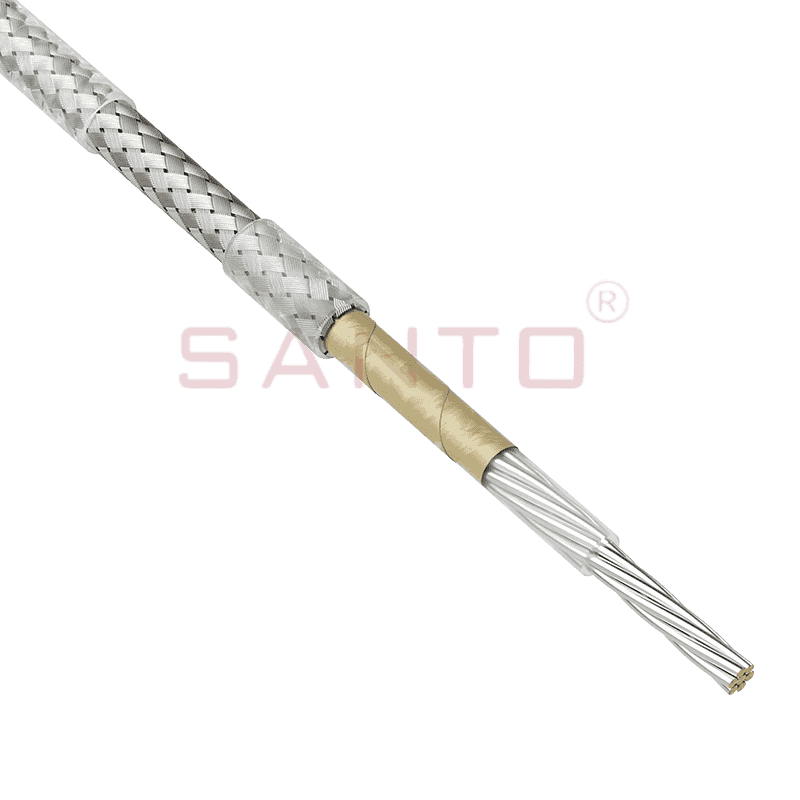
The stranded high temperature conductor is nickel plated to ensure a long life at elevated temperatures in corrosive environments. It is electrically isolated using an innovative sandwich construction...
See Details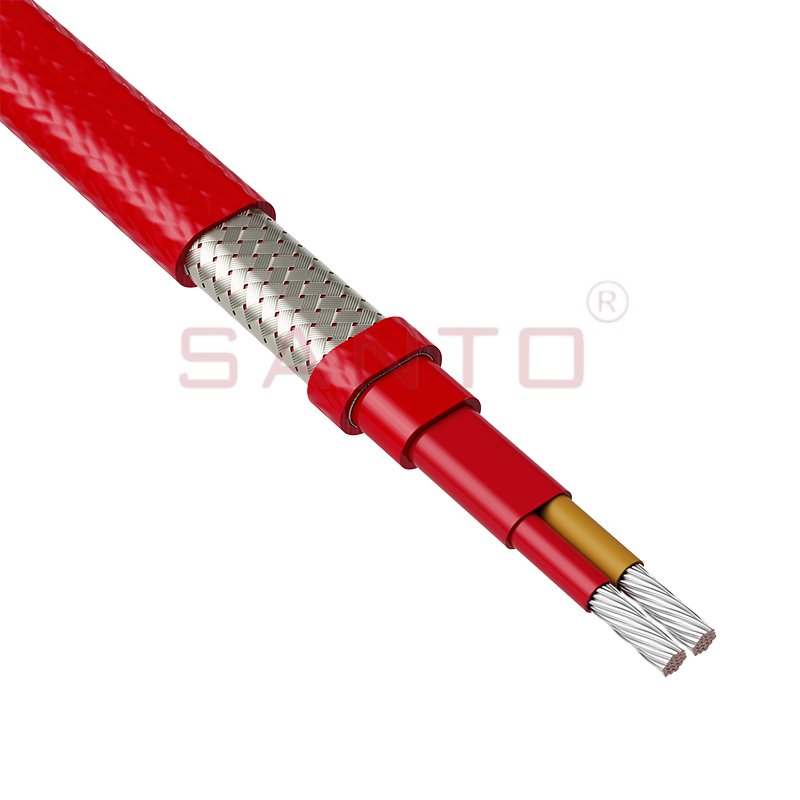
The stranded high temperature conductor is nickel plated to ensure a long life at elevated temperatures in corrosive environments. It is electrically isolated using an innovative sandwich construction...
See Details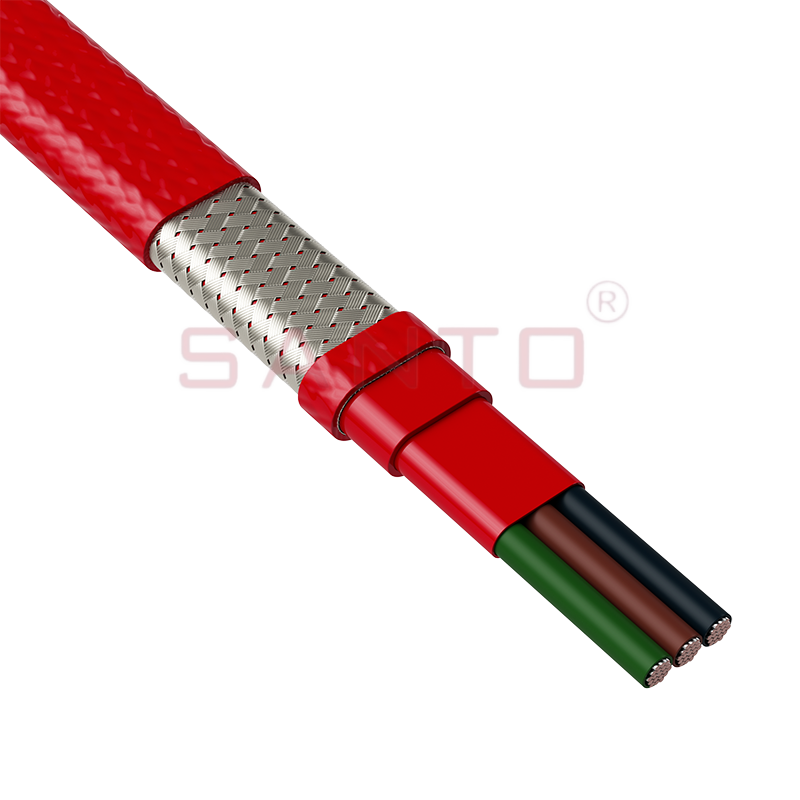
The stranded high temperature conductor is nickel plated to ensure a long life at elevated temperatures in corrosive environments. It is electrically isolated using an innovative sandwich construction...
See Details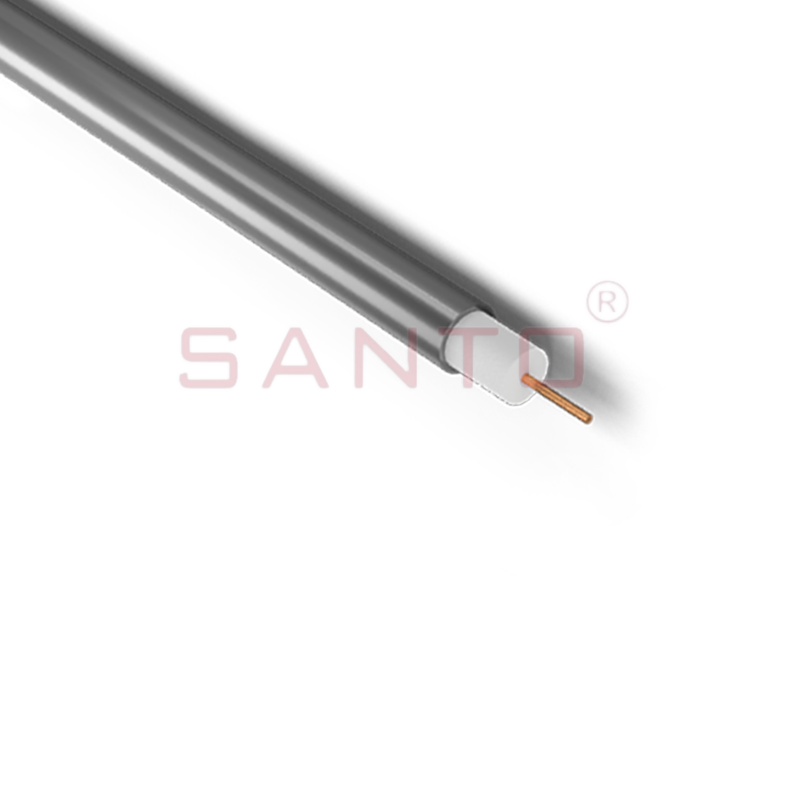
SANTO HAx mineral insulated (MI) Alloy 825 series heating cables are suitable for use in hazardous areas. They have been designed for use in freeze protection and temperature maintenance applications ...
See Details
Santo electric heating strips are widely used in key industries in China.

