 English
 English
 русский
 日本語
 Español
 中文简体

The SANTO UFA range of self-regulating heating cables is mainly used for frost protection of pipes and vessels but can also be used to maintain processes up to 65°C. These heating cables are available...
See Details
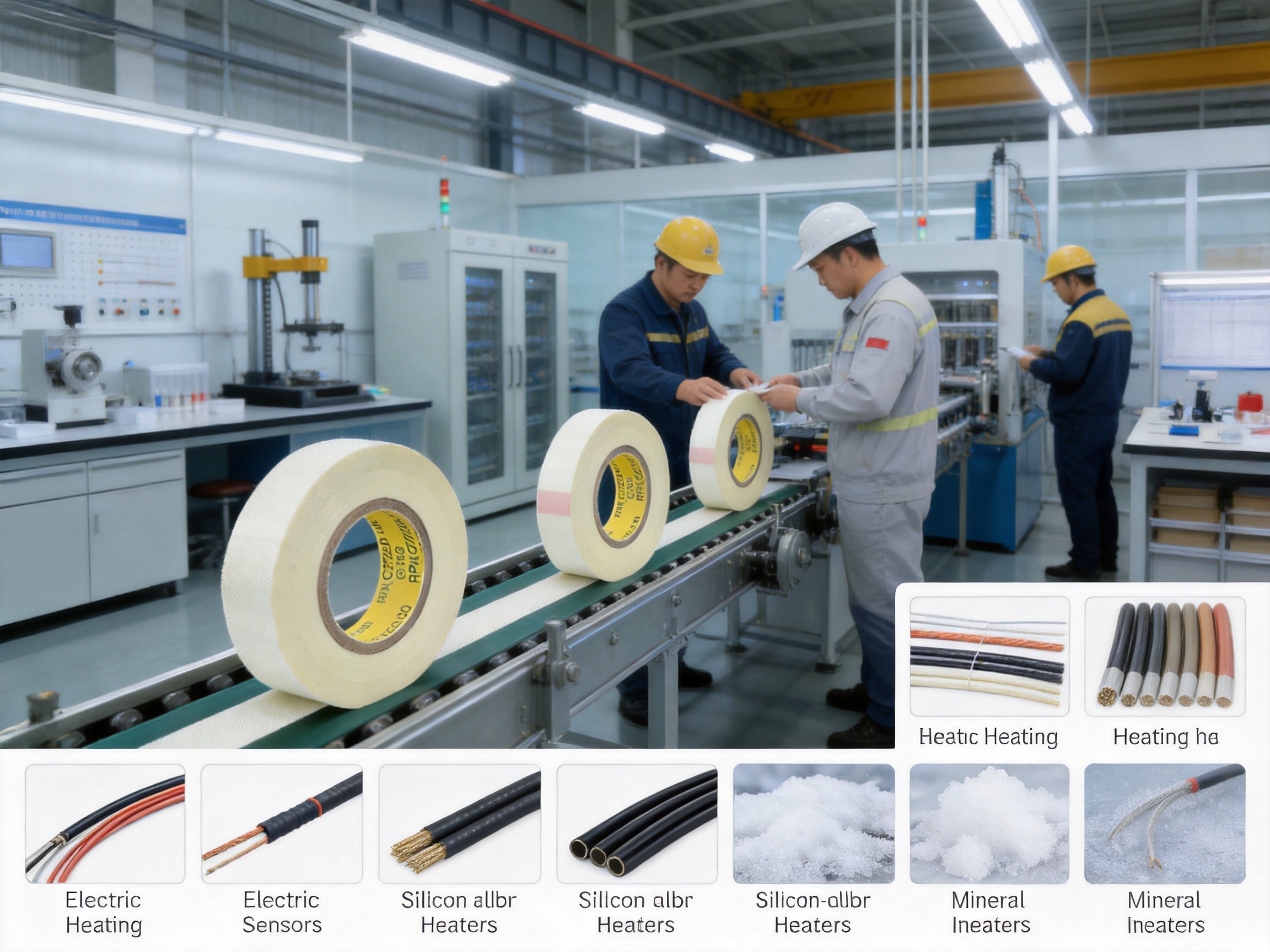
Pressure sensitive tape is a practical installation accessory for electric heating cables, heat tracing systems, pipe heating, tank heating, and related thermal-control applications. Although it is a small component within a complete heating system, the tape has a direct influence on installation quality, cable positioning, heat transfer, service reliability, and long-term maintenance. A heating cable can be correctly designed and electrically tested, yet still perform poorly if it is not securely and evenly fixed to the heated surface.
High-quality fixing tape provides a dependable connection between the heating cable, sensor, or related component and the pipe, tank, container, or process equipment being heated. It must be easy to handle during installation, maintain adhesion over a broad temperature range, resist mechanical damage, and remain stable when the system is exposed to moisture, vibration, temperature cycling, or occasional steaming conditions.
This article examines pressure sensitive tape as an accessory for electric heating installations. It explains its construction and purpose, discusses the advantages of glass installation tape and aluminum tape, describes suitable applications, compares important performance factors, and presents the manufacturing and quality strengths behind a professional heating-accessory product line.
Content
Electric heating cables are used to prevent freezing, compensate for heat loss, maintain process temperatures, melt snow and ice, and provide controlled heating for pipes, tanks, vessels, containers, and industrial equipment. In each of these applications, the cable must remain in the designed position throughout installation and operation.
Fixing tape performs several essential functions. First, it holds the cable against the heated surface so that the cable does not move, sag, twist, or separate from the pipe. Second, it helps maintain the intended spacing between parallel cable runs. Third, it can secure temperature sensors and other accessories in positions where they can accurately detect the surface or process temperature. Fourth, it supports an orderly installation that can be inspected and documented before insulation is applied.
The tape also affects thermal performance. A cable that is loosely attached may have air gaps between its outer sheath and the pipe or tank. Air gaps can increase thermal resistance and create uneven heating. In contrast, close and consistent contact supports more uniform heat transfer. The fixing material must therefore combine mechanical holding power with compatibility with the heating cable and the heated surface.
Installation conditions are not always ideal. A project may be completed outdoors in cold weather, inside a plant where surfaces contain dust or residue, or on stainless steel equipment where ordinary adhesive products may not provide adequate performance. The installer may also need to work quickly over a long pipeline or around complex fittings. A professional tape product is designed to make these conditions more manageable.
The pressure sensitive tape described for heating cable installation is a high-quality accessory intended for fastening and installing heating cables and temperature sensors. It is associated with glass installation tape and is suitable for use with polymer-based heating cables. The product is designed for convenient application without requiring a separate wet adhesive, curing process, or complicated fastening tool.
Its key characteristics include high durability, abrasion resistance, fast break handling, and reduced installation time. These features help create a cost-effective installation because labor often represents a significant portion of the total cost of a heat tracing project. A tape that can be applied quickly and cleanly may reduce the time needed for cable layout, fastening, adjustment, and inspection.
The product family also includes fiberglass fixing tape, commonly identified as GS-54 type tape, and aluminum tape. These products serve related but different purposes. Fiberglass tape is generally used to secure heating cables to pipelines, tanks, containers, and technological equipment. Aluminum tape can be used to attach heating cables and temperature sensors to pipes and tanks while also supporting close surface contact.
For stainless steel surfaces, or when the installation temperature falls below 40 °F / 5 °C, GS-54 fixing tape is recommended according to the supplied product information. This guidance is important because surface material and application temperature can strongly influence adhesive performance. Selecting the appropriate tape for the actual installation environment is as important as selecting the heating cable itself.
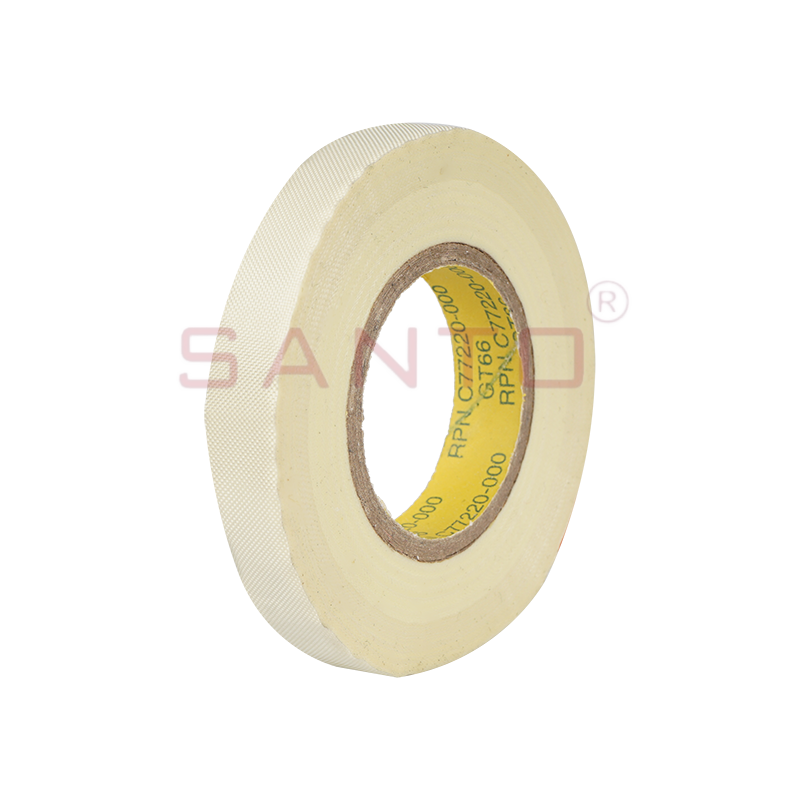
Pressure Sensitive Tape
Heating cable installations are expected to operate for extended periods, often in locations that are difficult or expensive to access. The fixing tape must therefore provide dependable mechanical support after installation. High durability helps the tape remain functional during normal thermal cycling, handling, maintenance, and exposure to the surrounding environment.
Durability is especially important during the period between cable installation and final insulation. Before insulation is placed, the cable and tape may be exposed to accidental contact, movement around the work area, wind, dust, and repeated inspection. A tape with good holding performance reduces the possibility that the cable will shift before the installation is completed.
After insulation is installed, the tape continues to serve as part of the cable-support arrangement. A durable product helps maintain the original cable path and reduces the risk of unsupported sections, irregular spacing, or contact with sharp edges. These benefits contribute to a more consistent and professional heat tracing system.
Installation work can create friction between the tape and the cable sheath, pipe surface, insulation material, tools, and work clothing. Abrasion resistance helps the tape withstand this handling without quickly tearing, splitting, or losing its ability to hold the cable.
This characteristic is valuable when the tape is applied around pipe circumferences, across long straight runs, or over equipment with bends and fittings. It is also useful when the installer needs to reposition a section during layout. A tape that is too fragile may waste material and increase the time required for installation.
Fast break tape is designed to separate efficiently by hand or with simple installation handling. This makes it convenient for field technicians who need to apply multiple short lengths along a cable route. Fast break behavior can improve productivity because the installer does not need to repeatedly search for a cutting tool or interrupt the work to cut every section.
Reduced handling time becomes increasingly important on long pipelines, large tanks, and complex industrial equipment. The time saved on each tape segment may produce a meaningful reduction in total installation labor. It also supports a smoother workflow, helping the technician concentrate on correct cable positioning, spacing, and sensor placement.
The tape is intended for use with polymer-based heating cables. Compatibility is essential because the adhesive and tape backing should not damage the cable jacket, create an unwanted chemical reaction, or interfere with the cable’s flexibility during installation.
A suitable fixing tape should hold the cable without cutting into the outer sheath. It should also permit the cable to follow the contour of the heated surface without imposing unnecessary stress. When the tape is selected and applied correctly, it provides support while allowing the cable to retain its designed configuration.
The purchase price of an accessory is only one part of its economic value. Labor, installation duration, rework, material waste, inspection time, and future maintenance can all affect total cost. A pressure sensitive tape that is easy to apply and reliable in service can lower the total installed cost even when a lower-priced alternative is available.
Fast handling reduces labor. Strong adhesion reduces rework. Good durability reduces the likelihood of cable movement before insulation. Consistent quality reduces material waste and makes installation results more predictable. Together, these factors can provide a stronger economic advantage than a simple comparison of tape prices per roll.
Fiberglass tape, including GS-54 type fixing tape, is a widely useful solution for securing heating cables to industrial surfaces. The fiberglass structure provides mechanical strength while allowing the tape to be applied around pipes and across equipment surfaces. It is suitable for fastening heating cables and, where appropriate, temperature sensors.
The supplied information identifies high tensile strength and strong surface adhesion as important requirements for this type of tape. These requirements are particularly relevant in industrial environments where cable routes may be long, surfaces may be large, and the heating system may experience temperature changes during operation.
Fiberglass fixing tape is recommended for stainless steel or for installation temperatures below 40 °F / 5 °C according to the product information. This recommendation helps installers choose a product that is better suited to challenging surface and temperature conditions.
Aluminum tape is used to attach heating cables and temperature sensors to pipes and tanks. Its metallic structure can provide close contact with the heated surface and may support an orderly, thermally efficient installation when used according to the system design and installation instructions.
Because aluminum tape and fiberglass tape have different construction characteristics, the correct product should be selected for the specific surface, cable type, operating temperature, and installation method. Aluminum tape is not a universal replacement for every fixing requirement. It is a specialized accessory within a broader range of heating-system installation products.
A pressure sensitive tape forms a bond when pressure is applied to the adhesive surface. This operating principle supports fast installation because it does not require a separate curing period. The installer can position the tape, press it into place, and continue with the next section of the cable route.
Adhesive performance depends on several factors, including surface cleanliness, surface energy, temperature, pressure, contact time, and the condition of the tape. For this reason, professional installation should include surface preparation and compliance with the product specification. The tape should not be applied over oil, loose rust, heavy dust, water, or other contamination unless the specified installation method permits it.
Pipeline heat tracing is one of the most common applications for fixing tape. Heating cables may be installed along the length of a pipe, in spirals, or in other patterns determined by the heat-loss calculation and system design. The tape keeps the cable in the intended position while thermal insulation is prepared and installed.
Correct attachment is important at straight sections, elbows, valves, flanges, supports, and other fittings. These locations may require additional attention because the cable route changes direction or because the surface geometry is irregular. A flexible and durable tape can help the installer follow these contours while maintaining cable contact.
Tanks and containers often have larger surface areas than individual pipes. Heating cables may be arranged vertically, horizontally, or in a calculated pattern across the vessel. Tape is used to secure each run and prevent movement before the insulation or protective covering is installed.
On large tanks, consistent spacing is important for uniform temperature distribution. Tape that can be applied efficiently over long distances helps the installer maintain the layout. The tape must also adhere effectively to the actual tank material and remain suitable for the anticipated operating environment.
Industrial process equipment may include vessels, hoppers, separators, manifolds, pumps, and other components that require freeze protection or temperature maintenance. These surfaces can include curves, corners, brackets, and access points. A versatile fixing tape allows the heating cable to be secured without relying on complicated mechanical fasteners in every location.
The installation method must always account for equipment access, operating temperature, chemical exposure, and maintenance requirements. Tape provides a convenient fastening method, but it should be incorporated into a complete engineered installation rather than used without regard to the equipment design.
Temperature sensors must be positioned accurately to provide useful control information. If a sensor moves away from the intended measurement point, the controller may receive a temperature reading that does not represent the actual pipe, tank, or process condition.
Aluminum tape or fiberglass fixing tape may be used to secure sensors where permitted by the installation instructions. The tape should hold the sensor firmly against the measurement surface without damaging the sensor lead. Sensor placement, cable routing, and controller settings should be verified during commissioning.
Snow and ice melting systems use heating cables beneath driveways, walkways, ramps, roofs, gutters, and other exposed surfaces. Although the final installation method may differ from industrial pipe tracing, accessory quality remains important during cable layout and positioning.
The tape may be used in appropriate stages of the installation to prevent cable movement before the surrounding construction material is placed. The installer must select a tape and method compatible with the substrate, construction process, moisture conditions, and final system design.
Heating mats and specialized heating assemblies also require stable positioning during installation. A fixing accessory can help maintain the planned arrangement before covering materials are applied. The selected product must be suitable for the substrate and must not interfere with the designed thermal output or electrical safety requirements.
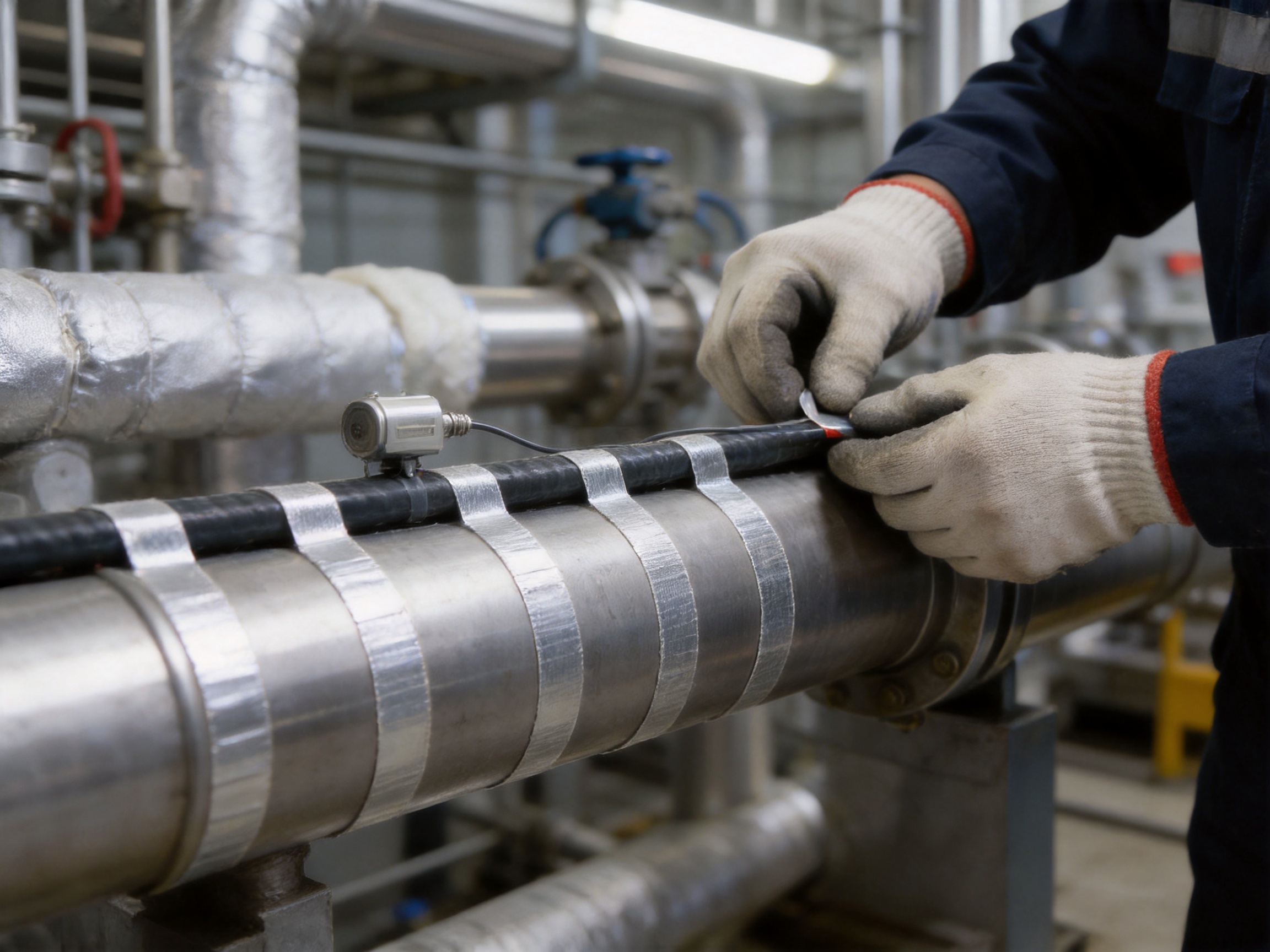
Before applying tape, the installer should review the heating design, cable type, circuit layout, required spacing, sensor position, power connection, termination details, and insulation requirements. Tape should support the engineered arrangement rather than determine the arrangement independently.
Important details include the approved cable bending radius, maximum circuit length, minimum spacing, areas where the cable must not be installed, and the locations of components that require additional protection. The installation team should also confirm that the selected tape is compatible with the heating cable and surface.
Surface preparation is central to adhesive reliability. The pipe or tank surface should be free from loose scale, oil, grease, moisture, dirt, and other contaminants that could prevent good contact. Sharp projections should be removed or protected where possible.
Stainless steel surfaces and cold installation conditions require particular attention. The supplied information recommends GS-54 fixing tape for stainless steel or installation temperatures below 40 °F / 5 °C. Following this recommendation can reduce the risk of poor initial adhesion.
The heating cable should be laid according to the approved design. It should follow the surface without unnecessary tension, sharp bends, twisting, or crossing that is not permitted by the cable manufacturer. The cable should be positioned before the tape is applied so that the adhesive is used to hold the correct arrangement.
For long straight pipe runs, the installer can work progressively along the route. For bends, fittings, and equipment transitions, shorter tape sections may provide better control than attempting to use one continuous strip. The tape should be pressed firmly onto the surface and over the cable in a manner that holds the cable without crushing it.
Spacing between cable runs affects heat distribution and system performance. Tape should be placed often enough to prevent the cable from moving away from its designed position. Additional fixing may be appropriate near bends, fittings, sensor locations, and areas subject to handling before insulation.
The exact spacing and tape quantity depend on the cable design, surface, installation method, and project specification. Installers should follow the applicable product instructions and engineering documents rather than relying on a single spacing rule for every project.
Temperature sensors, connection leads, and other components should be secured in positions that allow accurate operation and safe routing. Tape must not cover identification labels, electrical terminations, or components that require inspection unless the approved installation method specifically permits it.
Before insulation is installed, the complete cable route should be inspected. The inspection should confirm that the cable is in the correct position, the spacing is consistent, the tape is firmly attached, the sensor is located correctly, and no section has been damaged or displaced.
Electrical tests should be performed in accordance with the heating cable manufacturer’s instructions and project requirements. A visual inspection and electrical test before insulation can identify problems while they are still easy to correct.
Industrial heat tracing frequently operates under conditions that challenge ordinary adhesive products. These conditions can include low ambient temperatures during installation, high operating temperatures, vibration, humidity, surface contamination, and intermittent steaming.
The supplied information emphasizes that good adhesion should be maintained at low temperatures when the electrical heating system is not operating and at high temperatures up to 200 °C during steaming conditions. This is a demanding requirement because the adhesive must remain attached through a wide temperature range rather than performing only under normal indoor conditions.
Thermal cycling can cause repeated expansion and contraction of both the heated surface and the cable. A fixing tape with high mechanical strength and suitable adhesion helps maintain the cable route during these changes. However, the final performance still depends on correct product selection, surface preparation, application pressure, and compliance with operating limits.
In wet or outdoor environments, installers should also consider the complete system construction. The tape is one part of the installation and may require suitable insulation, weatherproofing, jacketing, and sealing. Tape alone should not be treated as a substitute for a complete environmental protection system.
| Evaluation factor | Pressure sensitive fixing tape | Basic low-grade tape | Mechanical fastening alone |
|---|---|---|---|
| Installation speed | Fast application and convenient break handling | May require repeated cutting or replacement | Usually slower because tools and additional hardware are required |
| Surface contact | Supports close attachment of cable to the heated surface | May loosen or leave irregular contact | Can hold the cable but may create local pressure points |
| Adaptability | Suitable for straight runs, curves, tanks, and equipment surfaces | Performance may vary significantly with conditions | May be difficult around complex geometries |
| Labor efficiency | Helps reduce installation time and rework | Can increase labor through failures and replacement | Often requires more preparation and handling |
| Risk to cable sheath | Can provide distributed holding when correctly applied | May tear or lose position | Improper tightening may damage the cable |
| Suitability for long routes | Practical for pipelines and large surfaces | Less predictable over extended installations | May require many individual fasteners |
This comparison does not mean that tape replaces every other fastening method. Some installations require bands, clips, wire, channels, or specially designed supports. Instead, pressure sensitive tape provides an efficient and adaptable solution for many cable-fixing situations, especially when the cable must remain close to the heated surface and the installation must proceed quickly.
The tape must withstand the forces created during application, cable positioning, insulation work, and normal service. High tensile strength reduces the likelihood of breakage while the tape is being pulled, wrapped, or pressed into place.
Adhesion must be appropriate for the surface material. Painted steel, stainless steel, carbon steel, aluminum, polymer surfaces, and coated equipment can behave differently. Product selection should account for the actual substrate and the expected temperature during application.
Heating cable systems may remain inactive in cold conditions, operate continuously at elevated temperatures, or undergo periodic steam cleaning. The tape should be selected for the complete temperature profile rather than only the normal operating temperature.
Uniform thickness, stable adhesive coating, reliable backing strength, and consistent roll dimensions support predictable installation. Manufacturing variation can lead to uneven performance from one roll to another, which is undesirable on large projects.
Professional projects benefit from clear product specifications, installation guidance, application limits, and identification information. The supplied materials include a pressure sensitive tape product specification document. Such documentation helps engineers and installers verify suitability before procurement and installation.
A reliable heating accessory is supported by more than the finished roll of tape. It depends on the manufacturer’s experience in electric heating, material selection, product development, production control, testing, and technical service. A company specializing in heating cables and related accessories understands the conditions in which fixing products are used.
Santo Thermal Control Technology Co., Ltd. has more than 35 years of industry experience and is engaged in the research, design, production, and manufacturing of electric heating products. Its product range includes self-limiting heating belts, constant-power heating belts, silicone rubber heating products, glass fiber heating products, mineral-insulated cables, snow melting cables, tracked heaters, and related accessories.
This broad product background is relevant to pressure sensitive tape because the accessory is developed for use within complete heating systems. The manufacturer can evaluate the relationship between cable construction, surface contact, operating temperature, installation method, insulation, and control requirements.
The company combines scientific research, product development, manufacturing, and sales. Its history includes development of self-limiting temperature heating products, ultra-high-temperature pipeline heating technology, carbon fiber parallel heating cable technology, and other electric heating solutions.
An integrated development structure can help an accessory manufacturer identify practical installation issues. Tape requirements may differ between a self-regulating cable, a constant-power cable, a silicone rubber heater, a snow melting cable, and a mineral-insulated cable. Experience across these product categories supports more informed accessory selection and technical recommendations.
The company established an irradiation center and later invested in additional factory space and a product simulation testing laboratory. Production infrastructure and testing capability are important for maintaining repeatable product quality and for evaluating heating products under simulated operating conditions.
For installation accessories, quality control may include inspection of backing material, adhesive uniformity, tensile behavior, roll consistency, appearance, and application performance. The exact test program should follow the relevant product specification and customer requirements.
The company has passed ISO 9001 quality system certification and its products have obtained national CCC certification. Quality-system certification indicates a structured approach to documented processes, production management, inspection, and continual improvement. Certification does not eliminate the need for project-specific verification, but it provides an important foundation for consistent manufacturing.
Professional quality management is particularly valuable for export customers and distributors who need stable product supply, repeatable specifications, and clear communication. It also supports the traceability and process control required for long-term industrial relationships.
The company’s heating products are used in petroleum, chemical, gas, construction, solar energy, geothermal cultivation, electric heating, deicing, heat tracing, antifreeze, and insulation applications. These industries expose products to different temperatures, surfaces, weather conditions, and operational requirements.
Application experience helps translate a general tape product into a practical installation recommendation. For example, an installer working on stainless steel equipment in cold weather may need GS-54 fixing tape, while another application may call for aluminum tape to attach a cable and sensor to a tank. Product knowledge helps prevent unsuitable substitutions.
The company has developed international market experience, a distributor network, and business activity across more than 85 areas. This supply capability can benefit customers that require heating accessories for multiple projects or regions. International customers may also need assistance with packaging, product documentation, technical communication, and consistent replenishment.
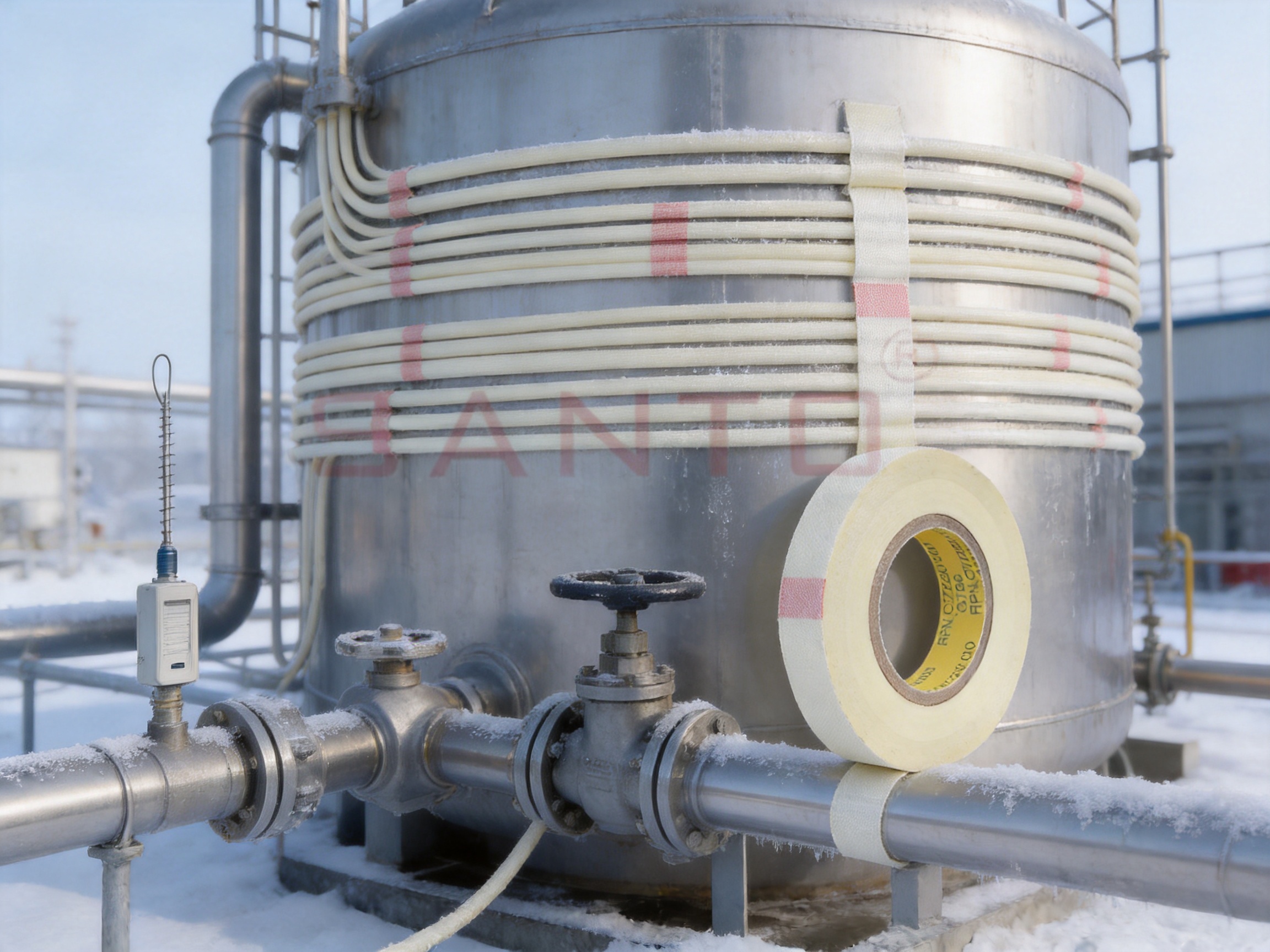
The most important advantage of a professional pressure sensitive tape is reliability under actual installation conditions. Low-quality alternatives may appear acceptable during a short indoor demonstration but fail when applied to cold stainless steel, rough industrial surfaces, or long cable routes.
A professional product is designed around the mechanical and thermal demands of heating installations. High durability supports service life. Abrasion resistance supports field handling. Fast break characteristics improve productivity. Suitable adhesion supports stable cable placement. The combination is more valuable than any single feature in isolation.
Another advantage is application guidance. A manufacturer with heating-system expertise can identify when fiberglass tape is preferable, when aluminum tape is appropriate, and when a particular surface or temperature condition requires special attention. This reduces the risk of selecting a tape only because it is inexpensive or readily available.
Consistent manufacturing is also a competitive advantage. When tape strength, adhesive coating, and roll dimensions remain stable, installers can use a repeatable method across multiple projects. Predictability improves scheduling, material planning, inspection, and customer confidence.
Finally, a professional product line can be supported by a broader heating-system portfolio. Customers may source heating cables, sensors, snow melting products, silicone rubber heaters, mineral-insulated cables, and installation accessories from a manufacturer familiar with the complete application. This can simplify technical coordination and procurement.
Labor productivity should be evaluated from the beginning of a heating project. A tape that saves only a few seconds per application point can create a substantial benefit when thousands of points are required. Fast break handling, easy positioning, and strong initial adhesion all support efficient field work.
Rework is another major cost factor. If cable movement is discovered after insulation has been installed, the insulation may need to be removed and replaced. If poor adhesion causes repeated adjustment during installation, labor and material usage increase. A suitable tape reduces these risks by helping the cable remain in position from layout through final inspection.
Material planning should include the cable pattern, pipe diameter, tank dimensions, tape spacing, additional fixing at fittings, and the number of sensors and accessories. Ordering too little tape can interrupt work, while ordering unsuitable tape can create waste. The product specification and approved installation drawings should guide quantity calculations.
For long-term projects, consistency of supply is also an economic consideration. A manufacturer with established production facilities and international distribution capability can help customers maintain the same accessory specification across different installation phases and locations.
Pressure sensitive tape is an installation accessory and does not replace electrical safety procedures. Heating cable systems should be designed, installed, tested, and commissioned by qualified personnel. The cable manufacturer’s instructions, project specifications, applicable electrical codes, and local regulations must be followed.
The tape should not cover electrical terminations unless specifically approved. It should not be used to repair damaged cable jackets, replace a proper connection, or conceal defects. Any damaged heating cable should be evaluated and repaired or replaced using an approved method.
Before energizing the system, the installer should verify cable continuity, insulation resistance, sensor operation, controller settings, grounding, and protection devices as required by the system design. The cable route should be documented with photographs or drawings before insulation and cladding are applied.
During maintenance, personnel should confirm that the heating system is de-energized before disturbing the cable or tape. If insulation is removed, the cable should be inspected and the fixing arrangement restored before the system is returned to service.
When purchasing pressure sensitive tape for a heating project, the following questions should be considered:
What type of heating cable will be installed, and is the tape compatible with its outer sheath?
What is the heated surface material: stainless steel, carbon steel, aluminum, coated metal, polymer, concrete, or another substrate?
What will the installation temperature be? If it may fall below 40 °F / 5 °C, should GS-54 fixing tape be specified?
Will the system experience high operating temperatures, thermal cycling, cleaning, steaming, vibration, moisture, or outdoor exposure?
Is fiberglass tape or aluminum tape more suitable for the cable, sensor, and surface arrangement?
How much tape is required for straight sections, bends, fittings, tank surfaces, sensors, and additional fixing points?
Is product documentation available for engineering review, installation, and inspection?
Can the supplier provide consistent production, technical communication, and delivery support for the project schedule?
It is used to secure heating cables, temperature sensors, and related components to pipes, tanks, containers, and other heated surfaces. It helps maintain the designed cable position, spacing, and contact before and during insulation installation.
Stable attachment helps prevent movement, sagging, twisting, and unwanted air gaps. It supports more consistent heat transfer and helps ensure that the installed cable arrangement matches the engineering design.
Fast break tape can be separated quickly during installation, reducing the need for repeated cutting. This improves handling efficiency, especially on long pipelines and large equipment surfaces.
The supplied product information recommends GS-54 fixing tape for stainless steel surfaces or when installation temperatures fall below 40 °F / 5 °C. The final choice should also consider the cable type, surface condition, and project specification.
Aluminum tape is used to attach heating cables and temperature sensors to pipes and tanks. It can support close surface contact, but it should be selected according to the specific installation method and system requirements.
Ordinary household tape is generally not an appropriate substitute for a product designed for heating cable installation. It may not provide the required tensile strength, abrasion resistance, temperature stability, or long-term adhesion.
Cold application conditions can reduce adhesive performance. The supplied information identifies GS-54 fixing tape for installation temperatures below 40 °F / 5 °C. The surface should be clean and dry, and the product instructions should be followed.
The product information states that good adhesion should be maintained at high temperatures up to 200 °C in steaming conditions. Actual suitability depends on the specific tape specification, exposure duration, surface, and complete heating-system design.
The surface should generally be clean, dry, and free from oil, grease, loose rust, dust, moisture, and other contaminants. Sharp projections should be addressed, and the selected tape should be compatible with the substrate.
There is no single spacing suitable for every installation. Tape frequency depends on the cable type, cable pattern, pipe diameter, surface geometry, temperature, and project instructions. More fixing may be needed near bends, fittings, sensors, and transitions.
No. Fixing tape is intended to secure an undamaged cable. It should not be used to repair a damaged outer sheath, electrical connection, or termination. Repairs must follow the cable manufacturer’s approved procedures.
A heating-system manufacturer understands how cable construction, surface contact, temperature, insulation, sensors, and controls interact. This application knowledge can support better product selection and technical coordination than a general-purpose tape supplier may provide.
No. Surface material, cleanliness, temperature, coating, moisture, and chemical exposure all affect adhesion. The product specification and installation guidance should be reviewed for the actual substrate and service conditions.
The installer should check cable position, spacing, bends, tape adhesion, sensor placement, electrical connections, visible damage, and compliance with the approved design. Electrical testing should also be completed as required.
It can reduce labor time, material waste, cable movement, rework, and installation interruptions. These benefits lower total installed cost rather than merely reducing the price of one accessory.
Pressure sensitive tape is a small but essential component in many electric heating and heat tracing installations. Its performance influences cable stability, thermal contact, installation speed, sensor positioning, inspection quality, and long-term reliability.
The most valuable products combine high durability, abrasion resistance, suitable adhesion, compatibility with polymer-based heating cables, and fast break handling. Fiberglass GS-54 type tape is recommended for demanding conditions such as stainless steel surfaces and installation temperatures below 40 °F / 5 °C, while aluminum tape provides another practical option for attaching cables and sensors to pipes and tanks.
The strongest advantage comes from combining product performance with application knowledge. A manufacturer experienced in electric heating systems can support the correct selection of tape, cable, sensor, insulation, and control equipment. Research capability, manufacturing infrastructure, quality management, product testing, and international supply experience further strengthen the value of the accessory.
For installers, engineers, distributors, and industrial users, the correct pressure sensitive tape should be treated as part of the heating system rather than as an inexpensive disposable item. When the product is correctly selected, properly applied, and inspected before insulation, it helps create a faster, cleaner, safer, and more dependable heating cable installation.
1. Pressure Sensitive Tape Product Specification, manufacturer-provided technical document.
2. Manufacturer product information for fiberglass fixing tape, GS-54 fixing tape, and aluminum tape.
3. Manufacturer installation guidance for electric heating cables, temperature sensors, pipe tracing, and tank heating.
4. ISO 9001 quality management system principles and manufacturing process guidance.
5. General engineering practices for electric heat tracing, cable attachment, thermal insulation, and commissioning.
6. Product and company information supplied for Santo Thermal Control Technology Co., Ltd.
7. General principles of pressure sensitive adhesive application, surface preparation, temperature control, and industrial installation.
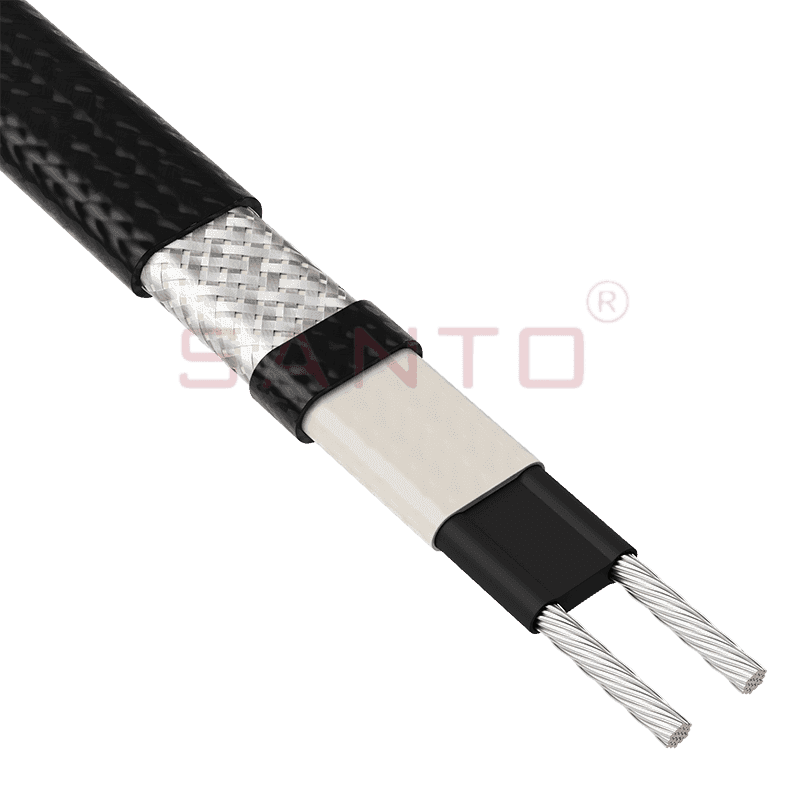
The SANTO UFA range of self-regulating heating cables is mainly used for frost protection of pipes and vessels but can also be used to maintain processes up to 65°C. These heating cables are available...
See Details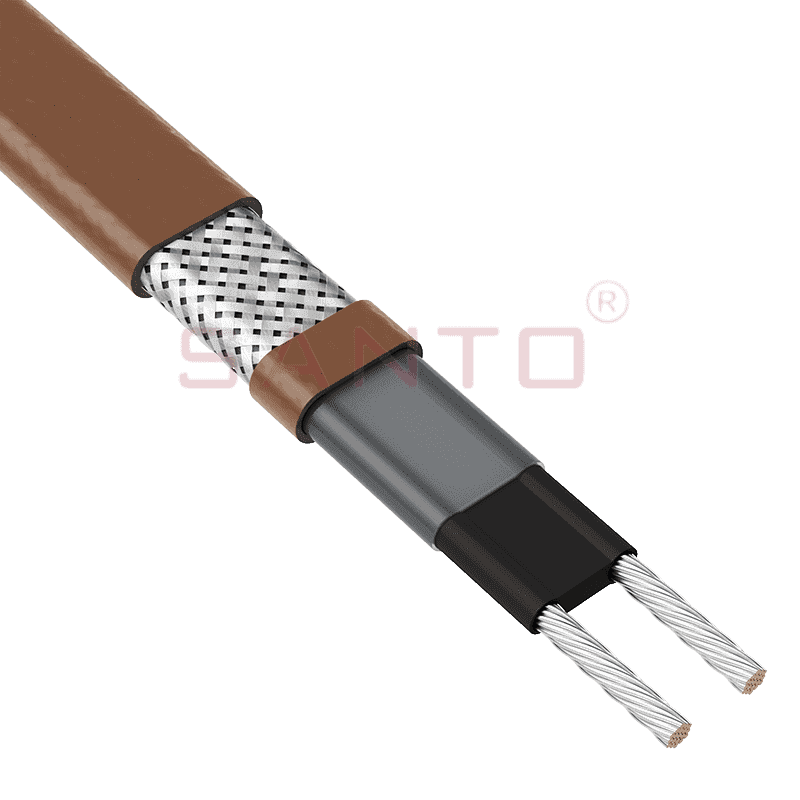
The SANTO UFB range of self-regulating heating cables is mainly used for frost protection of pipes and vessels requiring a higher power output than the UFA heating cables can supply. They can also be ...
See Details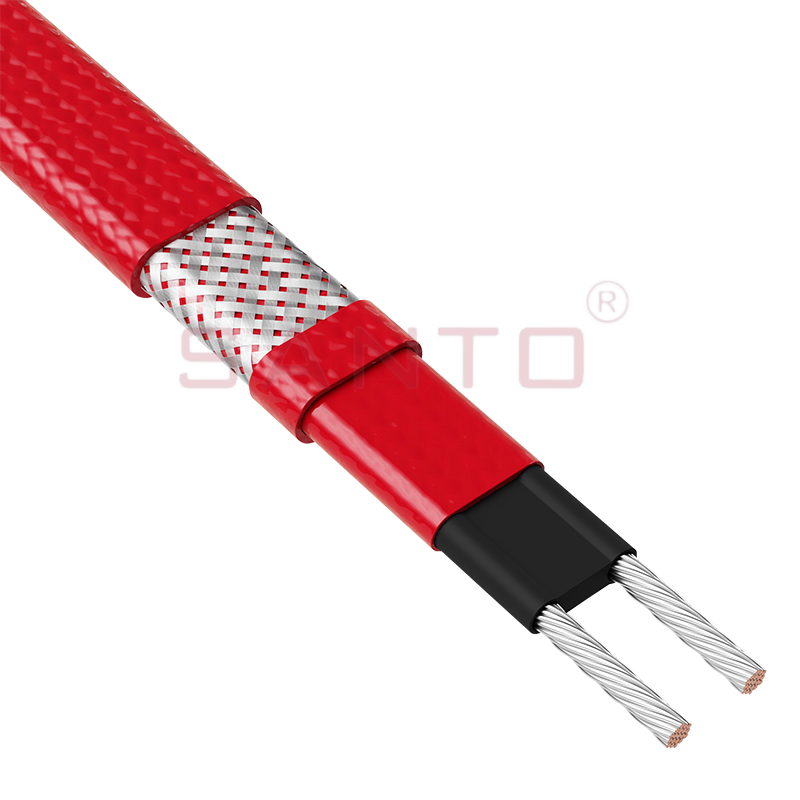
The SANTO UFC range of self-regulating heating cables is used for frost protection of pipes and vessels that require steam cleaning. They can also be used to maintain processes up to 121°C. These heat...
See Details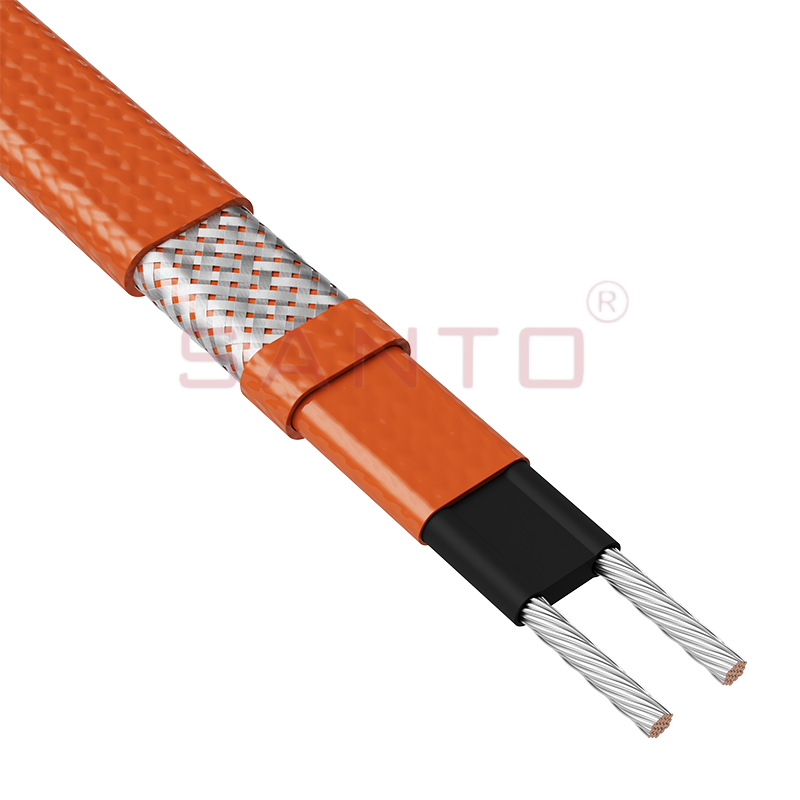
The SANTO UFO range of self-regulating heating cables is mainly used for frost protection of pipes and vessels that require steam cleaning . They can also be used to maintain processes up to 150°C. Th...
See Details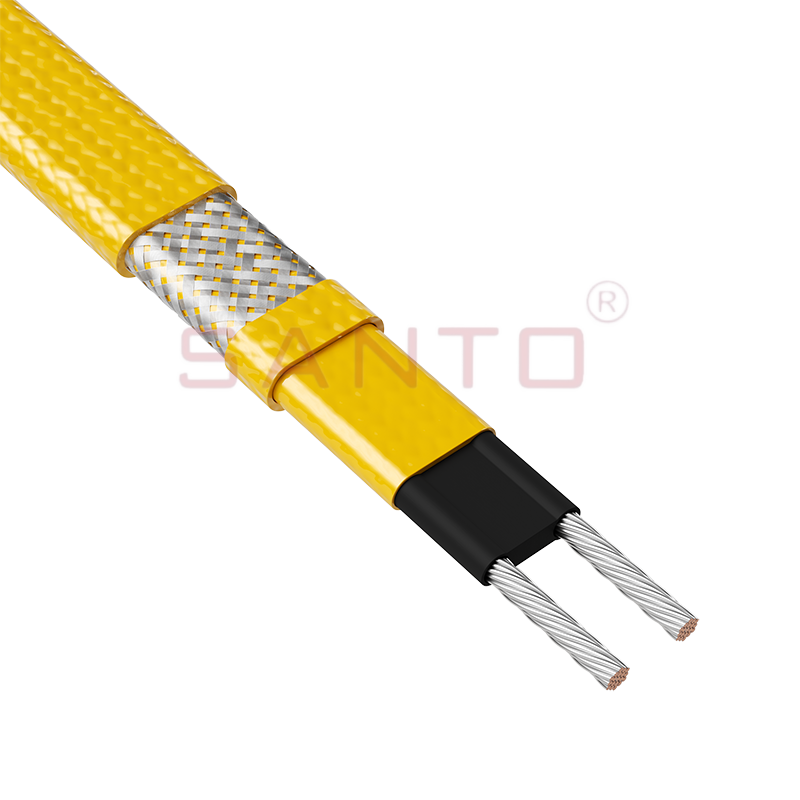
The SANTO UFD series of self-regulating heating cables are mainly used for freeze protection of pipes and vessels, but can also be used to maintain processes up to 200°C. These heating cables are avai...
See Details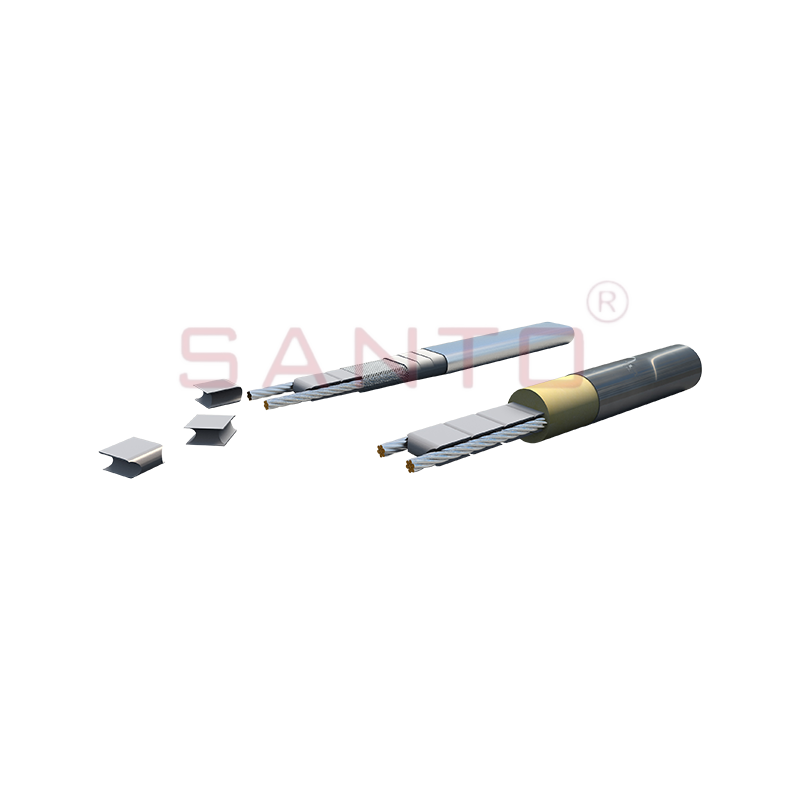
SANTO UFY heating wire is suitable for applications that maintain process temperatures up to 260 ℃ and can be steam blown; The self-regulating and parallel circuit heating wires of the UFY series are ...
See Details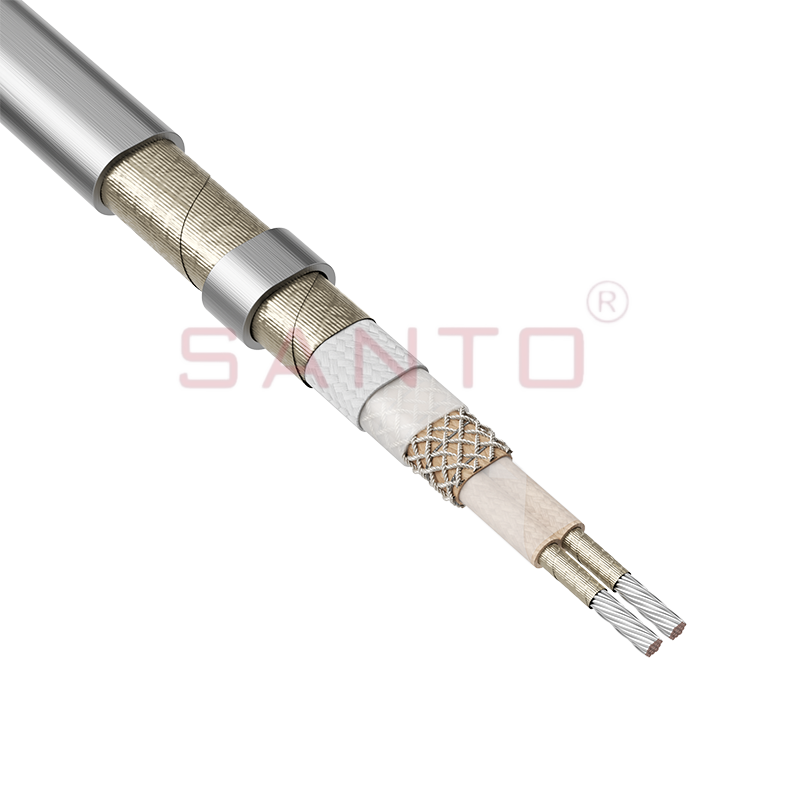
The SANTO UFM series self-regulating heating cables are mainly used for freeze protection of pipes and vessels, but can also be used to maintain processes up to 400°C. These heating cables are availab...
See Details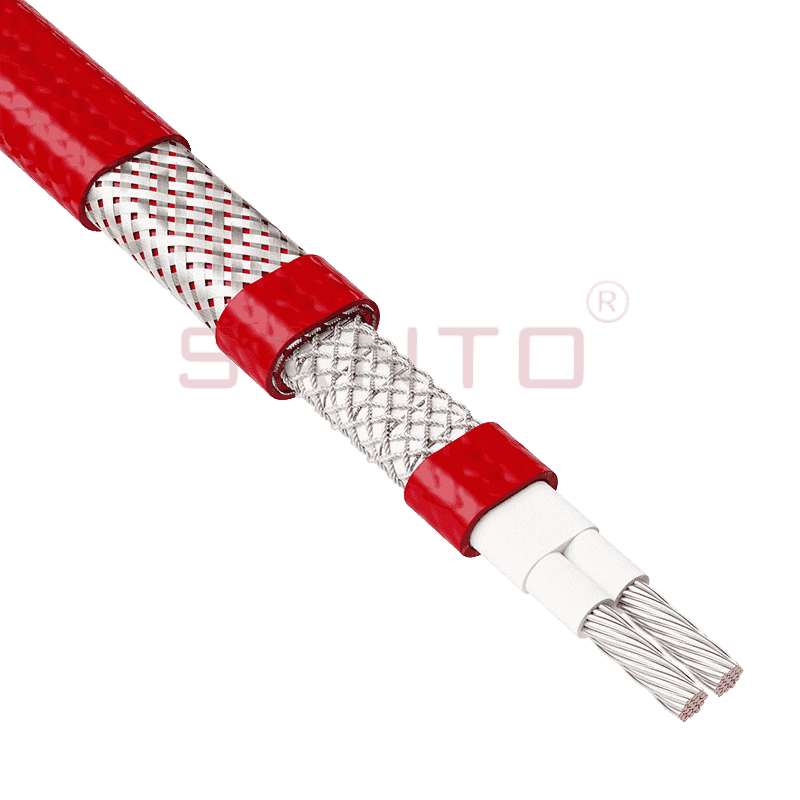
The SANTO ACC range of power-limiting heating cables is mainly used for temperature maintenance of processes and offers the advantage of a high power output at high temperatures which can reduce the n...
See Details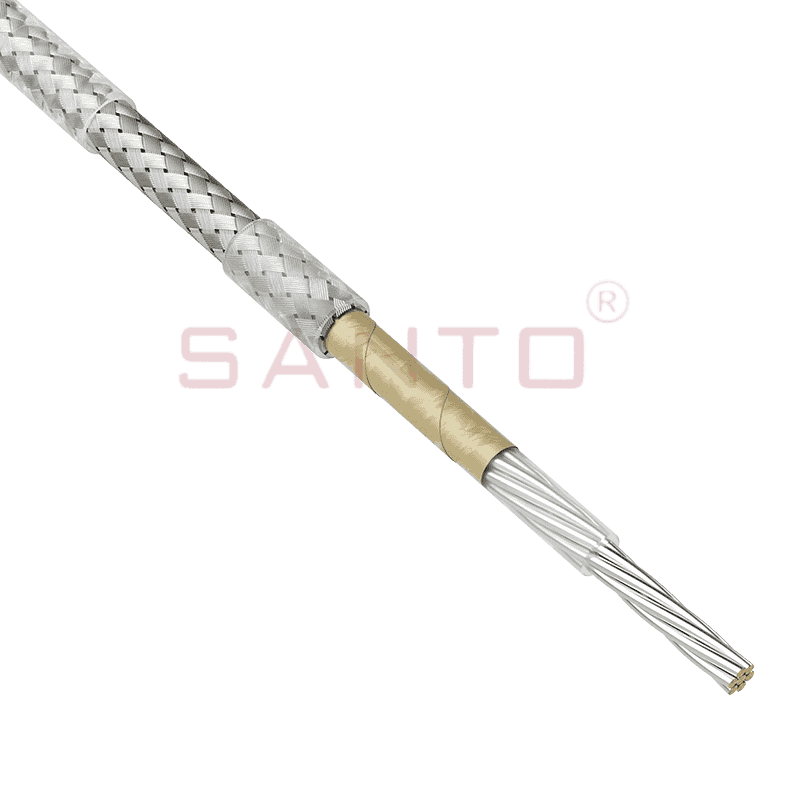
The stranded high temperature conductor is nickel plated to ensure a long life at elevated temperatures in corrosive environments. It is electrically isolated using an innovative sandwich construction...
See Details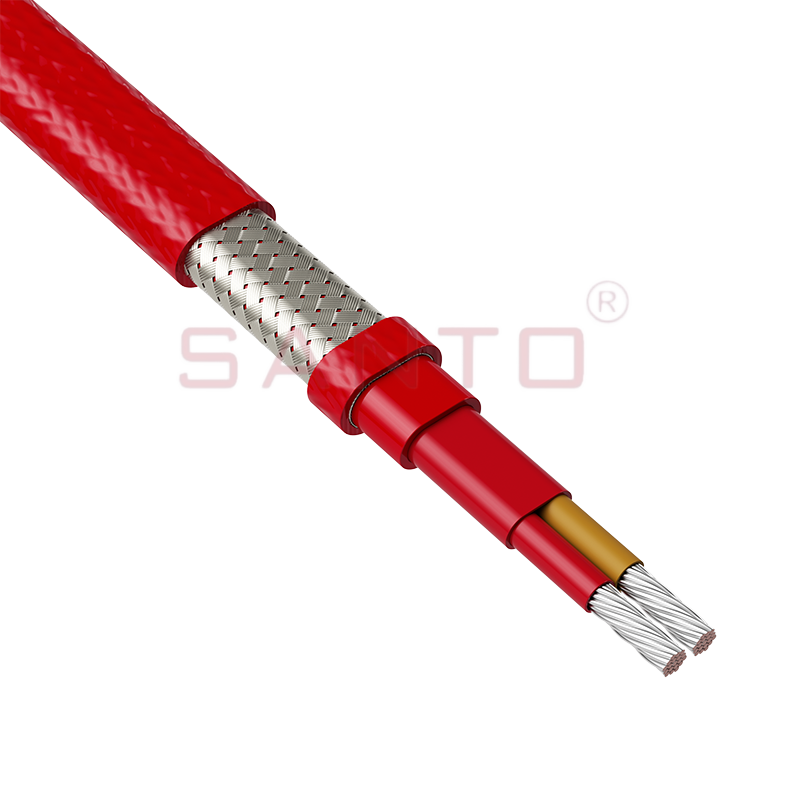
The stranded high temperature conductor is nickel plated to ensure a long life at elevated temperatures in corrosive environments. It is electrically isolated using an innovative sandwich construction...
See Details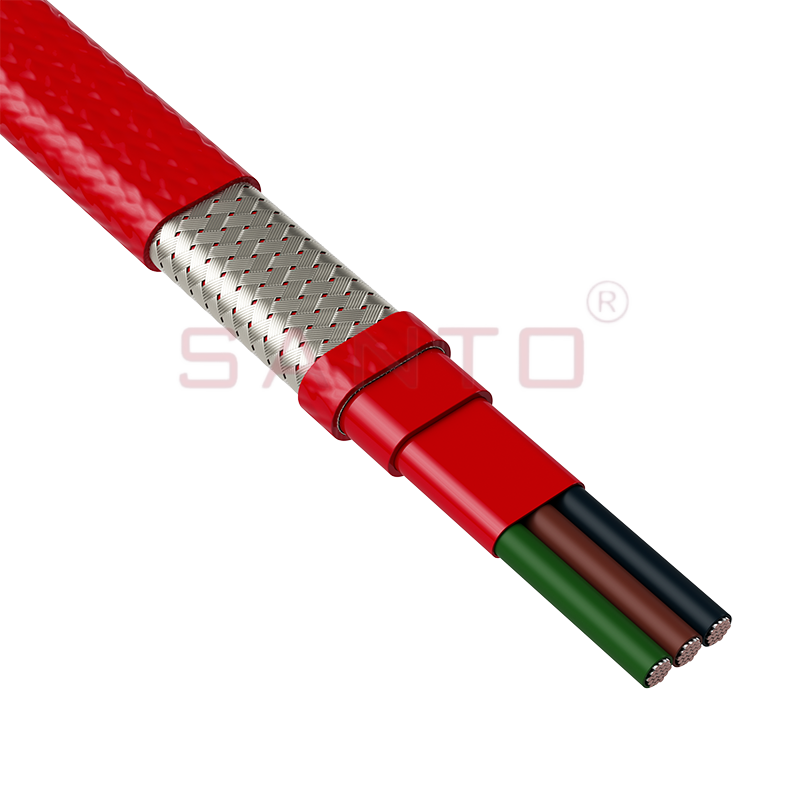
The stranded high temperature conductor is nickel plated to ensure a long life at elevated temperatures in corrosive environments. It is electrically isolated using an innovative sandwich construction...
See Details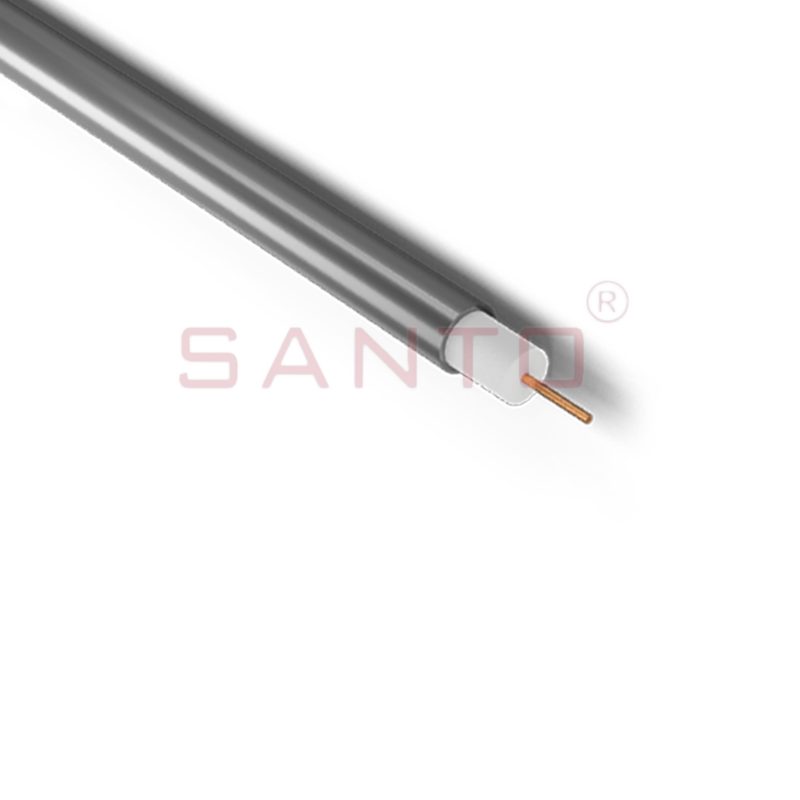
SANTO HAx mineral insulated (MI) Alloy 825 series heating cables are suitable for use in hazardous areas. They have been designed for use in freeze protection and temperature maintenance applications ...
See Details
Santo electric heating strips are widely used in key industries in China.

