 English
  English
 русский
 日本語
日本語 Español
 中文简体
中文简体
The SANTO UFA range of self-regulating heating cables is mainly used for frost protection of pipes and vessels but can also be used to maintain processes up to 65°C. These heating cables are available...
See Details
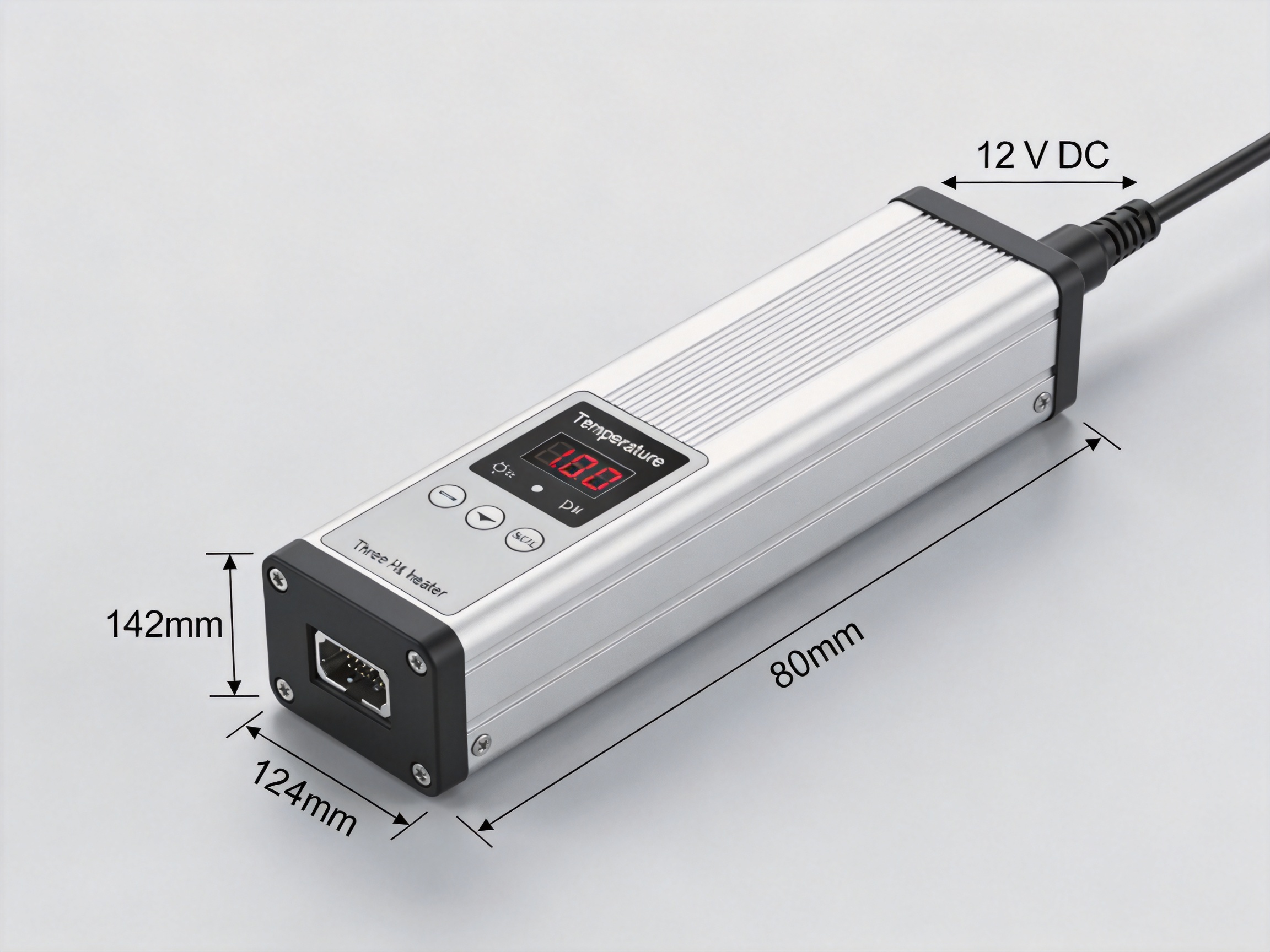
In semiconductor manufacturing, thermal precision is not a convenience; it is a production requirement. Every wafer process, inspection routine, auxiliary heating step, and controlled handling procedure depends on stable temperature behavior. A compact handheld temperature control device equipped with a display temperature controller and a three-stage heater offers a practical answer to this need. With dimensions of 142 mm in length, 80 mm in width, and 24 mm in height, the device is designed for portability, controlled operation, and integration into environments where space, safety, and repeatability matter.
The product operates on 12 V DC, a low-voltage electrical architecture that supports safer field handling and easier integration with laboratory, production, and service equipment. Its installation temperature range of 0 to 60°C makes it suitable for many controlled indoor industrial settings, including semiconductor support areas, testing stations, maintenance zones, and clean manufacturing environments where auxiliary heating needs must be addressed without introducing unnecessary complexity.
Unlike bulky heating assemblies or basic manual heaters that provide only uncontrolled thermal output, this handheld device combines visible temperature control with staged heating logic. The display temperature controller allows operators to monitor and manage temperature behavior more clearly, while the three-stage heater provides a structured approach to heating intensity. This design helps reduce overshoot, improves process awareness, and supports more consistent performance across repeated operations.
Content
The handheld device is positioned for semiconductor industry applications where compact thermal control is required. Semiconductor production is built around precision, cleanliness, and repeatability. A heating accessory used in such an environment must be more than a simple heating element; it must be stable, predictable, easy to operate, and suitable for repeated use in technical settings. This device answers those requirements through a compact structure, low-voltage operation, integrated display control, and staged heating capability.
The physical size of 142 mm by 80 mm by 24 mm gives the device a slim and portable form factor. It can be held comfortably, transported between workstations, and used in areas where full-size control boxes or larger heating systems are impractical. In semiconductor support operations, technicians often need tools that can be moved quickly, placed near equipment, and used without extensive setup. The compact geometry supports this workflow and reduces the burden on operators.
The 12 V DC working voltage is another defining feature. Low-voltage DC equipment is often preferred in applications where safer handling, reduced electrical risk, and compatibility with controlled power sources are important. While every electrical product must be used according to its technical instructions and applicable safety rules, the use of 12 V DC provides a practical foundation for safer operation compared with high-voltage alternatives. It also supports compatibility with many industrial DC power platforms and custom control arrangements.
The display temperature controller gives the operator direct visibility into the heating process. In competitive products, low-cost handheld heaters may rely on simple switches, indicator lights, or fixed heating elements with limited feedback. Such designs may be adequate for noncritical applications, but they are insufficient when operators need to confirm operating status, observe thermal changes, and adjust heating behavior according to process needs. A visible controller improves confidence and reduces guesswork.
The three-stage heater is a key advantage. Semiconductor-related tasks may require gradual preheating, stable working heat, or stronger heating during short operational windows. A staged heating structure allows the device to deliver heat in a more controlled way than single-output heaters. Instead of forcing the operator to choose between on and off, the staged design provides a more refined thermal response and makes the device easier to adapt to different use cases.
| Parameter | Specification | Practical Value |
|---|---|---|
| Product Type | Handheld temperature control device | Portable operation for semiconductor support and service tasks |
| Industry Category | Semiconductor industry | Designed for environments requiring precision, stability, and compact equipment |
| Controller | Display temperature controller | Improves monitoring, process visibility, and operator confidence |
| Heating Structure | Three-stage heater | Supports controlled heating output instead of simple uncontrolled heating |
| Dimensions | 142 mm × 80 mm × 24 mm | Slim, compact, and convenient for handheld or workstation use |
| Working Voltage | 12 V DC | Low-voltage operation for safer handling and easier integration |
| Installation Temperature | 0 to 60°C | Suitable for many controlled industrial and laboratory environments |
| Application Focus | Thermal support, controlled heating, semiconductor auxiliary processes | Useful where compact and visible temperature control is required |
Semiconductor production depends on a chain of highly controlled steps. Lithography, etching, deposition, cleaning, inspection, packaging, and testing all involve temperature-sensitive materials, components, or tools. Even when the handheld device is not used directly inside a core wafer process chamber, it can support surrounding tasks that influence productivity and process stability. These may include maintenance preparation, thermal conditioning of small components, controlled warming of tools, support for test fixtures, and localized heat management during technical service.
The semiconductor industry has a low tolerance for unstable process conditions. A small temperature deviation can influence material behavior, condensation risk, adhesive performance, electrical test stability, or handling consistency. Therefore, portable thermal tools should not behave like general-purpose consumer heaters. They must deliver predictable heating, enable operator supervision, and support repeatable routines. A handheld device with a visible temperature controller and three-stage heater is better aligned with these expectations.
Another important factor is space. Semiconductor facilities are filled with high-value equipment, clean benches, precision instruments, and controlled access areas. Large heating equipment can be inconvenient, while basic temporary heaters may introduce safety and consistency concerns. A compact handheld device can be placed close to the task, used only when necessary, and removed after operation. This flexibility gives engineers and technicians a practical thermal tool without requiring permanent infrastructure changes.
Cleanliness and operational discipline are also essential. While the supplied specifications do not define cleanroom classification, the slim and controlled design makes the device suitable for disciplined industrial handling. A low-profile structure is easier to manage than an improvised heating assembly with loose wires, exposed elements, or uncertain control behavior. In semiconductor environments, reducing unnecessary clutter and unpredictable equipment behavior is a meaningful advantage.
The device measures 142 mm by 80 mm by 24 mm. These proportions create a product that is large enough to house a display temperature controller and staged heating system, yet small enough for handheld use. Compared with large control boxes or conventional bench heaters, the compact body reduces setup time and improves mobility. Operators can move the device between workstations without special carts, mounting structures, or complicated installation steps.
In semiconductor maintenance and testing environments, technicians may need to support several tools during a shift. A compact device can be stored in a service kit, placed near a small fixture, or used in a crowded technical area. This is a practical advantage over competing solutions that require separate power controllers, external displays, or oversized heater assemblies. The more compact the device is, the easier it becomes to standardize use across multiple departments.
The 12 V DC working voltage is highly relevant for industrial practicality. Low-voltage DC operation can reduce electrical handling concerns and simplify integration with controlled power supplies. Many factories and laboratories already use DC power sources for sensors, test equipment, and auxiliary devices. A 12 V DC device can therefore be easier to adapt into existing technical workflows than products requiring higher voltage or special power infrastructure.
Compared with competitors that use mains-voltage heating without adequate control, a low-voltage architecture supports safer operation when the product is correctly installed and used. It can also be advantageous during equipment service work, where technicians may need to operate close to sensitive electronics. Lower voltage alone does not eliminate the need for safety discipline, but it contributes to a more controlled and user-friendly design.
A visible temperature controller transforms the heating device from a passive heat source into a controllable technical instrument. In many industrial situations, operators need to know whether the device is heating, stabilizing, or approaching a target condition. A display supports this awareness and helps prevent errors caused by uncertainty. It can also shorten training time because users can observe the device behavior directly instead of relying only on touch, time estimates, or indicator lights.
Compared with simple handheld heaters that provide no meaningful temperature information, a display controller offers a clear competitive advantage. It supports repeatability, quality documentation, and user confidence. In semiconductor environments, where procedures often require confirmation and traceability, visible control is especially valuable.
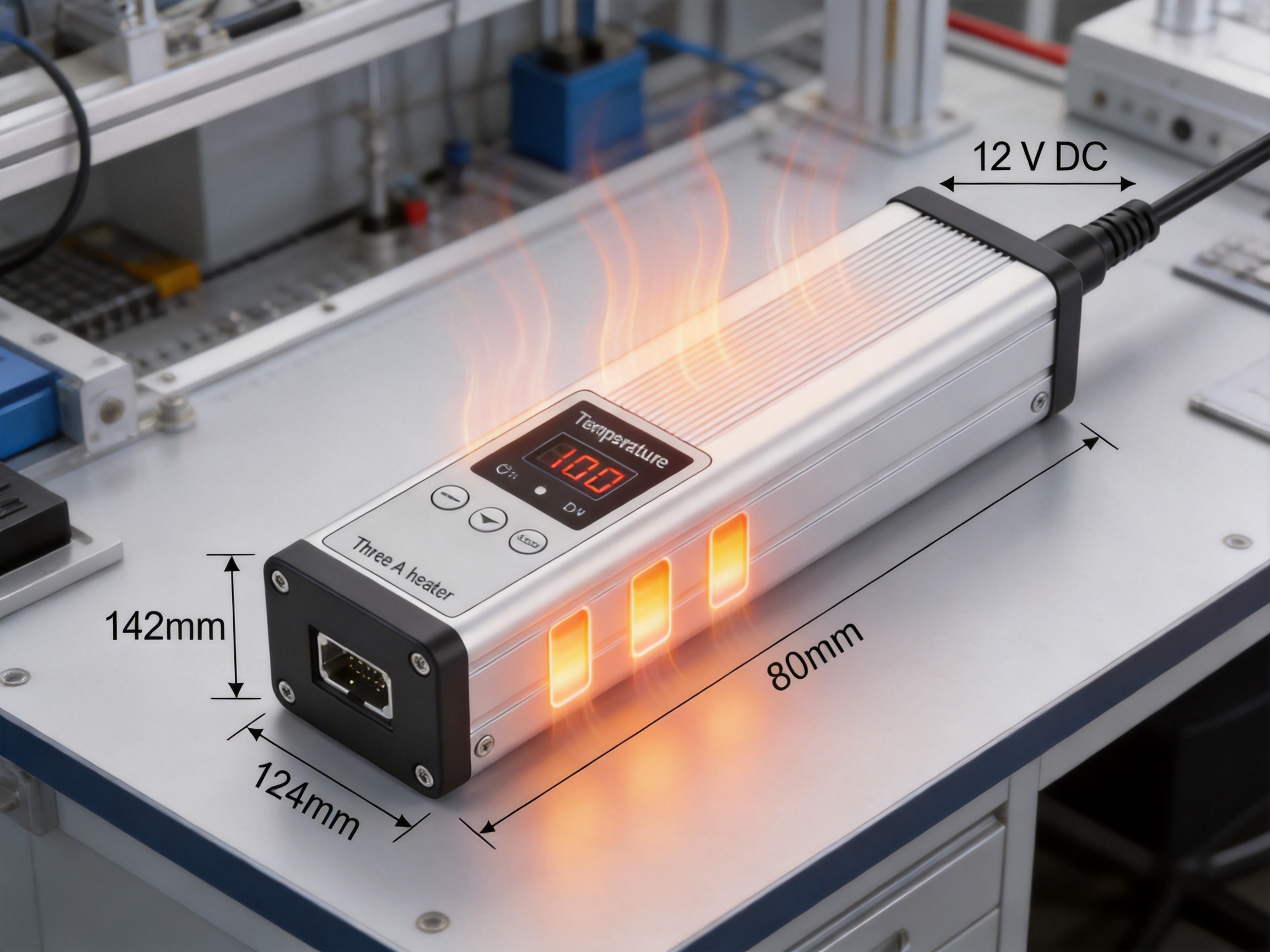
The three-stage heater gives the device practical flexibility. Different tasks may require different heating intensities. A low stage may be suitable for gentle warming, a middle stage may support stable working conditions, and a higher stage may be useful when faster heating is required. This staged approach improves control compared with a single-output heater that is either fully on or fully off.
Three-stage heating also helps manage thermal overshoot. When users can choose or benefit from staged heating behavior, the device can approach operating conditions more gradually. For semiconductor support tasks, reducing sudden thermal shock can be important for delicate components, adhesives, fixtures, and measurement stability. The staged heater therefore supports both operational flexibility and process protection.
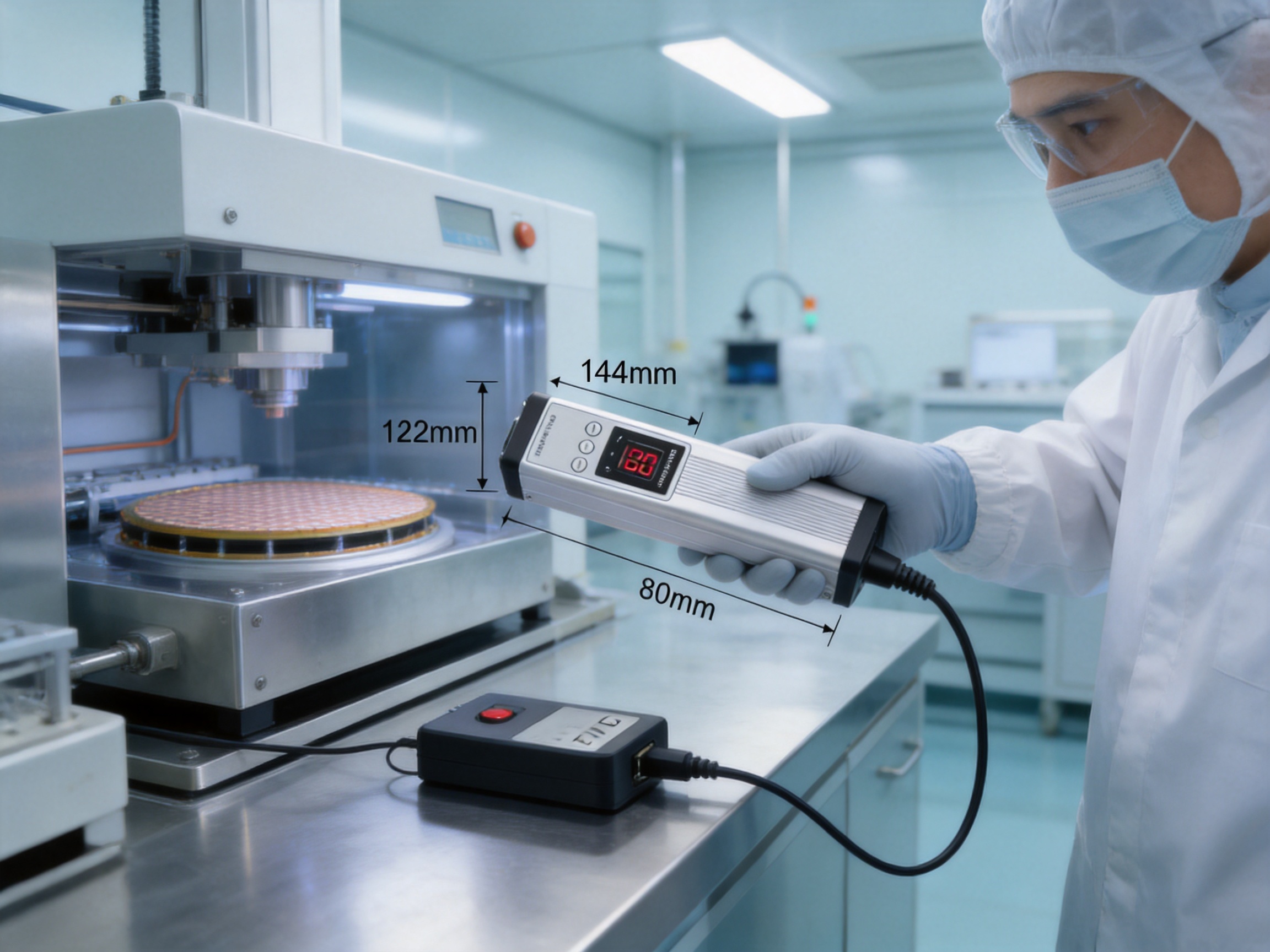
Competing handheld heating devices often fall into several categories. Some are simple resistive heaters with basic switches. Some are larger industrial heaters adapted for portable use. Others are generic temperature tools designed for non-semiconductor applications. The handheld device described here offers advantages because it combines compact size, low-voltage operation, visible control, and staged heating in one product.
Compared with basic switch-operated heaters, the display temperature controller is a major improvement. Basic heaters may leave the operator uncertain about thermal status. This uncertainty can cause overheating, underheating, wasted time, or inconsistent results. A display controller allows the user to monitor the process more directly and operate with greater confidence.
Compared with oversized industrial heating equipment, this device is easier to handle and deploy. Large systems may offer high output, but they often require installation space, mounting hardware, external control boxes, and fixed wiring. For localized semiconductor support work, such systems may be excessive. The compact handheld design reduces complexity and is better suited to targeted tasks.
Compared with generic low-voltage heating products, the three-stage heater provides more refined output management. Many small heaters are designed for simple warming and cannot adapt well to different process needs. The staged heater gives the operator more control over heating intensity and supports repeatable thermal routines.
Compared with imported or highly specialized devices that may be costly and difficult to customize, the manufacturing background behind this product provides another advantage. Santo Thermal Control Technology Co., Ltd. has long experience in electric heating products, heat tracing systems, self-limiting heating belts, constant-power heating belts, silicone rubber heating systems, glass fiber heating products, mineral-insulated cables, snow melting cables, and related accessories. This broad thermal manufacturing base supports product refinement, customization, and stable supply.
The company’s experience in industrial heating also helps reduce the gap between design theory and real production. A handheld device for semiconductor use must be assembled with attention to electrical performance, heat transfer behavior, insulation reliability, controller integration, and mechanical durability. A manufacturer with deep heating-product expertise is better positioned to control these variables than a supplier that simply purchases generic components and assembles them without thermal engineering knowledge.
The product benefits from the manufacturing ecosystem of Santo Thermal Control Technology Co., Ltd., a company engaged in the research, design, production, and manufacture of electric heating and heat tracing products. The company’s background includes automatic temperature-control electric heating belts, self-limiting electric heating belts, heat tracing belts, constant-power electric heating belts, glass fiber electric heating belts, mineral-insulated cables, and related electric heating products. This range indicates a broad understanding of thermal materials, electrical behavior, insulation systems, and industrial application requirements.
In a handheld temperature control device, manufacturing quality is not limited to the outer shell. It includes selection of heating elements, controller integration, internal wiring arrangement, insulation protection, heat distribution design, electrical testing, assembly consistency, and final inspection. A company with a mature thermal control production system can apply lessons from larger and more demanding heating products to compact devices. This cross-application knowledge helps improve reliability.
The company has more than 35 years of industry experience. Long experience is valuable because electric heating products must perform under real operating conditions, not only laboratory tests. Over decades, manufacturers learn how materials age, how insulation behaves under repeated heating cycles, how users handle equipment, and how to improve product robustness. This practical knowledge can be reflected in better component selection and more disciplined manufacturing.
The company has also emphasized research, development, and technology guidance. Its history includes the establishment of an irradiation center, inventions related to self-limiting temperature nano far-infrared heaters for ultra-high-temperature pipeline heating and tracing, and carbon fiber parallel heating cable technologies. These developments demonstrate an engineering culture focused on thermal innovation. Even when the handheld device is compact, it is supported by a manufacturer familiar with advanced heating concepts.
Production scale is another strength. Annual output exceeding 10,000 units across product lines, a distributor network of more than 2,000 partners, and business coverage in more than 85 areas indicate an established supply and service capability. For semiconductor customers, supply stability matters. A product may perform well in testing, but if replacement units, customization support, or technical response are slow, the total value is reduced. A manufacturer with scale can provide stronger continuity.
Advanced manufacturing begins with design review. For a handheld temperature control device, engineering teams must examine electrical load, heating stage behavior, controller interface, physical size constraints, user ergonomics, and operating environment. The device must be compact without compromising safe internal layout. A disciplined design process reduces the risk of hot spots, unstable wiring, mechanical weakness, or poor controller placement.
Material selection is the next critical step. Heating products require materials that can withstand repeated thermal cycles while maintaining electrical insulation and mechanical integrity. A manufacturer experienced in heat tracing cables, silicone rubber heating systems, glass fiber heating strips, and mineral-insulated cables understands how different insulation and conductor materials behave under heat. This material knowledge supports better decisions for compact heating assemblies.
Controlled assembly is equally important. In a compact 142 mm by 80 mm by 24 mm body, internal space must be managed carefully. Wires, controller components, heating elements, and connection points should be arranged to reduce stress, improve heat distribution, and support long-term reliability. Poor internal assembly can lead to uneven heating, loose connections, or premature failure. A mature manufacturer can apply standardized assembly procedures and inspection steps to reduce these risks.
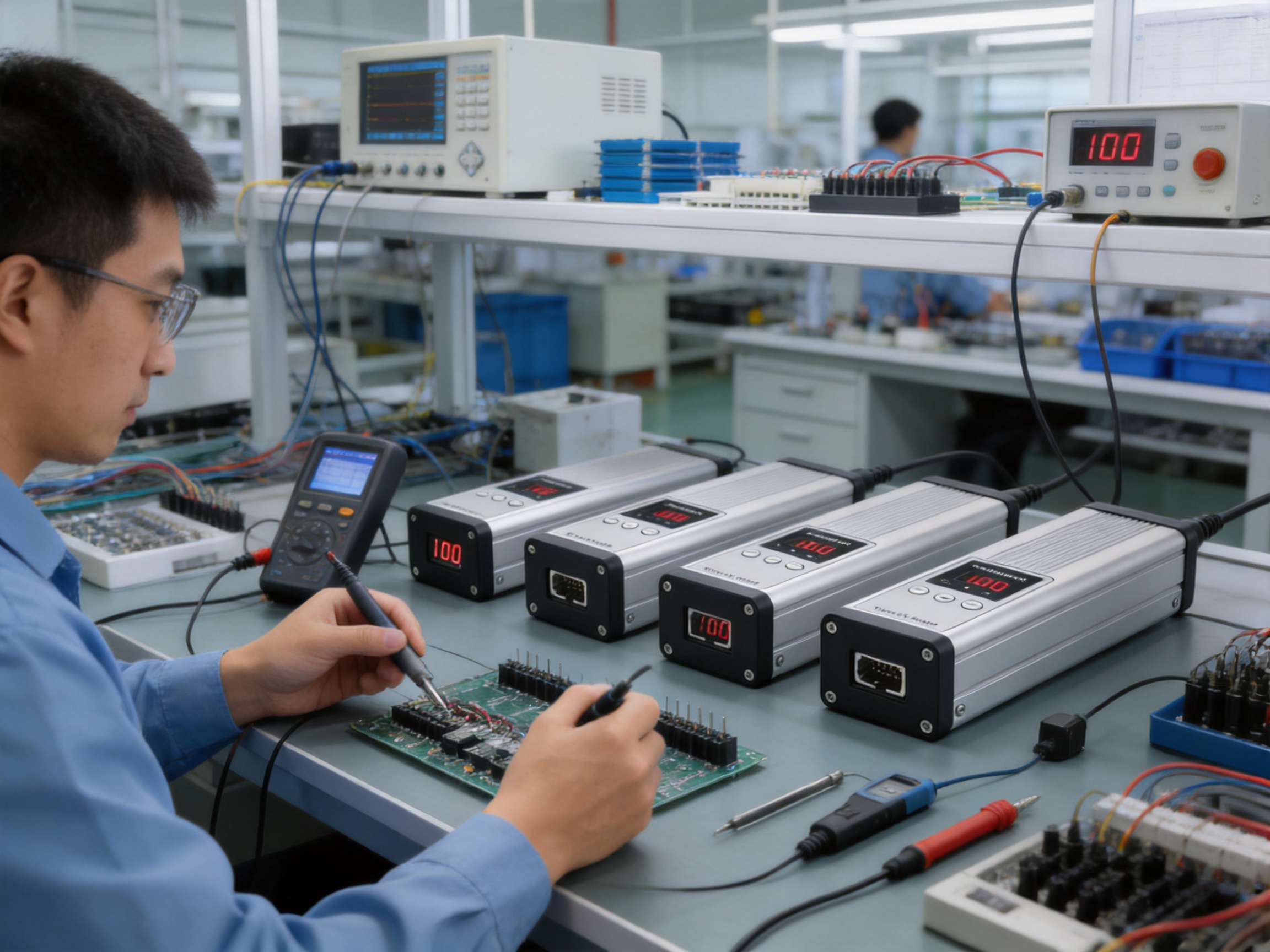
Electrical testing confirms that the device performs according to design expectations. For low-voltage 12 V DC equipment, testing may include verification of power input behavior, heater stage function, controller response, insulation condition, and operational stability. These tests help ensure that the product delivered to customers operates consistently and safely within its intended parameters.
Thermal testing is also essential. A three-stage heater must deliver meaningful differences between stages and respond predictably during use. Thermal validation helps confirm that the device can heat in a controlled manner and that the controller display corresponds to practical operating behavior. In semiconductor support applications, this type of validation improves user confidence and reduces process variation.
The company has passed ISO9001 quality system certification, and its products have obtained national CCC certification across relevant product categories. It has also obtained explosion-proof certification and EAC Eurasian Union certification for certain product lines. These achievements demonstrate the presence of organized quality management and compliance experience. While specific certification status should always be confirmed for the exact product model, the manufacturer’s certification background is a significant strength.
Research and development is central to competitive thermal control products. Semiconductor customers often face specialized heating challenges that cannot be solved by generic products. A manufacturer with R&D capability can adapt design details, refine heating behavior, improve controller integration, and support customer-specific requirements. Santo Thermal Control Technology Co., Ltd. has emphasized new product development, technology guidance, scientific management, product quality, and after-sales service. This approach benefits compact devices as well as large heating systems.
The company’s cooperation in product research with Harvard University in the United States demonstrates its willingness to engage with advanced technical resources. While each product must be evaluated on its own specifications, such cooperation reflects an innovation-oriented culture. In competitive markets, companies that invest in research are better positioned to improve efficiency, safety, and usability over time.
The development history also shows continuous technological progress. The company began from electric heating instrument manufacturing, later passed ISO quality certification, established an irradiation center, developed advanced heating technologies, created its brand identity, obtained multiple certifications, gained public recognition, expanded its factory resources, and established international manufacturing presence. This history suggests that the handheld device is not an isolated item but part of a broader thermal control platform.
The handheld temperature control device can serve a variety of semiconductor-related support tasks. It may be used in equipment service areas where technicians need controlled localized heating. It may support laboratory test setups where compact thermal conditioning is required. It may assist in warming small fixtures, preparing components for assembly, or maintaining controlled conditions during short-duration operations. The exact use should always follow the device manual and process requirements, but the design is clearly suited to portable thermal support.
In maintenance workflows, compact heating tools can reduce downtime. When a technician needs to perform a controlled warming step, waiting for a large system to heat up or relocating a component to a distant heating station can waste valuable time. A handheld device can be brought directly to the working area. This improves efficiency and helps technicians complete tasks more smoothly.
In testing workflows, temperature stability can influence measurement results. A display temperature controller allows users to observe the heating state and apply a more consistent routine across repeated tests. The three-stage heater supports different heating levels, making the device useful for setups that require gradual warming or controlled intensity changes.
In production support, the device can be used as an auxiliary tool where localized heating is needed but permanent heating infrastructure is not justified. Semiconductor facilities often balance precision with flexibility. A portable device provides flexibility without requiring major equipment modification.
In training and engineering development, the display controller helps users understand thermal behavior. Engineers can observe how the device responds under different stages and operating conditions. This makes the product useful not only as a production tool but also as a learning and process-development aid.
Operator experience is an important part of product performance. A device may have good technical specifications, but if it is difficult to hold, hard to read, or inconvenient to place near the working area, users will not obtain full value from it. The compact body size supports comfortable handling and convenient workstation placement. The 24 mm thickness makes the product slim enough for close-range operation and storage.
The display controller improves usability by providing direct feedback. Operators do not need to rely only on timing or physical sensation. They can see information during operation and make better decisions. This reduces uncertainty and improves the quality of repeated tasks.
The three-stage heater also supports ease of use. Operators can adapt heating intensity to the task instead of using a fixed output for every situation. This flexibility is valuable in real industrial work, where conditions and requirements may change from one task to another.
Low-voltage operation contributes to user confidence. Although correct use and safety procedures remain essential, 12 V DC operation is generally easier to manage in technical environments than high-voltage portable heating systems. This makes the device more approachable for maintenance teams, laboratory technicians, and process engineers.
Reliability in a handheld heating device depends on electrical stability, thermal consistency, mechanical durability, and manufacturing discipline. The product’s integrated controller and heater stages must function repeatedly without unstable behavior. The compact shell must protect internal components while allowing practical handling. The electrical connections must remain secure during movement and operation.
Manufacturing experience in heating cables and related products is highly relevant. Heat tracing products often operate in demanding environments and require dependable insulation, conductor quality, and thermal output. Lessons from these product categories can be transferred to smaller devices. For example, understanding heat distribution helps prevent localized overheating. Knowledge of insulation materials helps improve safety. Experience with controller-based heating systems supports better regulation.
Quality management also affects reliability. ISO9001 certification indicates that the company has established formal quality processes. Such systems typically involve controlled documentation, production procedures, inspection routines, corrective action processes, and continuous improvement practices. These are important for producing repeatable products rather than inconsistent batches.
For semiconductor customers, reliability also includes supply and service reliability. A device used in production support must be available when needed. A supplier with international market experience, distributor networks, and expanded manufacturing capacity can better support long-term use. This is a practical advantage over smaller suppliers with limited production resources.
Semiconductor facilities frequently need customized tools. Equipment layouts, process requirements, maintenance practices, and safety standards vary from site to site. A manufacturer with OEM and ODM heating product experience can provide stronger support for customization than a simple trading supplier. The company’s background in custom heating cable production, heat tracing systems, silicone rubber heating systems, tubing bundles, accessories, and industrial heating solutions indicates a broad ability to adapt thermal products.
Customization may involve mechanical format, heating behavior, controller settings, connection methods, packaging, labeling, or integration with related thermal systems. The supplied product specification defines a compact handheld device, but the manufacturing platform behind it can support broader engineering cooperation. This is especially useful for semiconductor customers who require consistent tools across multiple lines or facilities.
Integration potential is also supported by the 12 V DC working voltage. Many industrial systems can accommodate low-voltage DC devices more easily than high-voltage heaters. This may simplify fixture design, test bench integration, or maintenance kit configuration. The compact body also makes physical integration easier where space is limited.
All heating devices must be used with proper safety discipline. Operators should follow the manufacturer’s instructions, use the correct 12 V DC power supply, avoid operation outside the specified installation temperature range of 0 to 60°C, and inspect the device before use. Heating equipment should not be used if it shows visible damage, unstable behavior, abnormal odor, loose wiring, or controller malfunction.
In semiconductor environments, safety also includes protection of nearby components. Sensitive electronics, films, polymers, chemicals, and precision parts may have strict temperature limitations. Operators should verify that the selected heating stage and process duration are suitable for the specific task. The display temperature controller supports this effort, but process responsibility remains essential.
Low-voltage operation reduces certain risks but does not remove all hazards. Heat itself can cause burns, material damage, or process defects if misused. The product should be handled as a technical heating device, not a casual warming tool. Proper training, storage, and maintenance help ensure reliable long-term use.
Maintenance for a compact handheld device should focus on cleanliness, inspection, electrical integrity, and operational verification. The device should be stored in a dry and controlled environment. It should be protected from impact, excessive dust, chemical exposure, and unauthorized disassembly. Before use, operators should check whether the display is working properly and whether the heater stages respond as expected.
Because the product is intended for semiconductor-related settings, clean handling is important. The external surface should be kept free from contaminants according to site procedures. If cleaning is required, it should be performed only with methods compatible with the device materials and electrical structure. The device should be disconnected from power before cleaning or inspection.
Periodic verification can improve process consistency. If the device is used in a quality-sensitive workflow, facilities may establish their own inspection schedule to confirm display behavior and heating response. This is consistent with semiconductor industry practice, where even auxiliary tools may be included in maintenance plans.
Service life depends on operating conditions, frequency of use, thermal load, handling discipline, and maintenance quality. A manufacturer with experience in industrial heating products can help customers understand suitable operating practices and replacement planning.
Santo Thermal Control Technology Co., Ltd. is located in a region known for the electric heating belt industry and has developed into a high-tech enterprise with strong manufacturing and research capabilities. Its product portfolio covers automatic temperature-control electric heating belts, self-limiting electric heating belts, constant-power electric heating belts, glass fiber electric heating belts, mineral-insulated cables, silicone rubber heating systems, snow melting cables, heat tracing accessories, tubing bundles, and other electric heating products.
This broad product portfolio matters because thermal control is a specialized field. A company that manufactures only one type of heater may have limited understanding of application diversity. A company that works across heat tracing, snow melting, silicone rubber heating, mineral-insulated cable, and semiconductor-related devices develops deeper thermal engineering knowledge. That knowledge can improve product design, production control, and customer support.
The company’s products are used in petroleum, chemical, gas, construction, solar energy, electric heating, geothermal cultivation, antifreeze, deicing, heating, heat tracing, and insulation applications. These markets require durability, safety, and stable performance. Experience in such sectors reinforces the company’s ability to manufacture products for demanding technical environments.
The company’s scale is also significant. More than 35 years of industry experience, annual output of more than 10,000 units, more than 2,000 distributors, and business presence in more than 85 areas indicate a mature organization. For customers purchasing a handheld device for semiconductor use, this means the product is supported by an established manufacturing base rather than a short-term supplier.
After-sales service is another strength. Industrial customers need technical communication, product guidance, replacement support, and long-term cooperation. The company’s stated focus on quality and after-sales service supports the needs of customers who rely on heating products in daily operations.
The company’s brand culture emphasizes environmental health, value creation, innovation, cooperation, effectiveness, and development. In practical product terms, a compact low-voltage handheld device can support more efficient thermal work by applying heat only where it is needed. Instead of heating a large area or using oversized equipment, operators can use a localized device for specific tasks. This can reduce unnecessary energy use in suitable applications.
Precision heating also helps reduce waste. When tools and processes are controlled more effectively, there is less risk of damaging materials, repeating work, or discarding components because of inconsistent thermal treatment. In semiconductor environments, where materials and downtime are costly, process consistency has both economic and environmental value.
The three-stage heating approach also supports energy awareness. Users can select or apply an appropriate heating level rather than relying on maximum output for every task. This improves operational control and may reduce unnecessary thermal stress.
Standardization is essential in semiconductor operations. A process that depends heavily on individual judgment can produce inconsistent results. A handheld device with display control and staged heating helps convert subjective heating into a more repeatable operation. Operators can follow defined procedures, observe the display, and use specified heater stages for specific tasks.
This supports training and auditing. New operators can learn a clear routine rather than imitating informal habits. Supervisors can define operating ranges and procedures. Engineers can refine process steps based on observed performance. The result is better alignment between equipment capability and process discipline.
Standardization also helps multi-site customers. If the same device configuration is used across different facilities, training materials, maintenance practices, and operating instructions can be unified. A manufacturer with scale and customization capability can support this type of deployment more effectively than a small supplier offering only generic products.
When evaluating a handheld temperature control device for semiconductor use, buyers should consider more than the product size and voltage. They should evaluate controller visibility, heating stage flexibility, manufacturer experience, quality system maturity, customization capability, and service support. The device described here performs well in these areas because it combines practical technical features with the backing of an experienced heating product manufacturer.
Buyers should confirm the exact configuration, operating instructions, applicable certifications, packaging requirements, and compatibility with their internal process standards before purchasing. They should also discuss any special semiconductor requirements, such as cleanliness handling, documentation, labeling, or integration with existing fixtures. A capable OEM and ODM manufacturer can provide clearer support for these discussions.
Total value should include reliability and support. A lower-cost generic heater may appear attractive initially, but if it lacks display control, staged heating, stable manufacturing quality, or supplier support, it may create hidden costs through inconsistent operation, downtime, or replacement needs. A well-designed device backed by an experienced manufacturer can offer a stronger long-term return.
The device is designed to provide compact, controlled heating support for semiconductor-related environments. It is useful for localized thermal tasks, service work, testing support, and other applications where a portable device with visible temperature control and staged heating is beneficial.
The device measures 142 mm in length, 80 mm in width, and 24 mm in height. This compact size supports handheld use, easy storage, and convenient placement near technical work areas.
The device operates on 12 V DC. This low-voltage design supports safer handling and easier integration with many industrial or laboratory power systems when used according to proper instructions.
The specified installation temperature range is 0 to 60°C. Users should avoid installation or use outside the stated range unless confirmed by the manufacturer for a special configuration.
A display temperature controller gives the operator direct visibility into the heating process. It reduces guesswork, improves process confidence, and supports more repeatable operation compared with simple heaters that only have switches or indicator lights.
The three-stage heater allows more flexible heating behavior. Different stages can support gentle warming, normal working heat, or stronger heating as required by the task. This is more practical than a single-output heater for many semiconductor support applications.
Generic handheld heaters often lack display control, staged heating, manufacturing traceability, or industrial support. This device combines compact design, low-voltage operation, visible control, and the manufacturing experience of a specialized thermal control company.
The manufacturing company has OEM and ODM experience in heating products, so customization discussions may be possible depending on technical requirements, order volume, and application conditions. Customers should confirm specific customization options directly with the supplier.
No single handheld heating device is suitable for every semiconductor process. The device is best considered an auxiliary thermal control tool. Users should confirm compatibility with their specific process, materials, safety rules, and cleanliness requirements.
The product is supported by a manufacturer with more than 35 years of experience in electric heating and thermal control products, ISO9001 quality system certification, broad product development capability, established production scale, and international market experience.
The handheld temperature control device offers a practical combination of compact design, low-voltage operation, visible temperature control, and three-stage heating. Its 142 mm by 80 mm by 24 mm form factor makes it easy to use in technical environments where space and mobility matter. Its 12 V DC working voltage supports safer and more convenient integration. Its display controller improves process visibility, while the three-stage heater provides flexible thermal response.
For semiconductor support applications, these features create clear advantages over basic heaters, oversized industrial systems, and generic portable devices. The product is not merely a heating element; it is a controlled handheld thermal tool designed for more disciplined operation. It can support maintenance, testing, localized warming, fixture preparation, and other auxiliary tasks where repeatability and operator awareness are important.
The manufacturing strength behind the device further improves its value. Santo Thermal Control Technology Co., Ltd. brings decades of experience in electric heating products, heat tracing systems, self-limiting heating belts, constant-power heating systems, silicone rubber heaters, mineral-insulated cables, and related accessories. Its quality management background, research orientation, production scale, and market reach provide a strong foundation for dependable supply and technical support.
In an industry where precision, reliability, and efficiency define competitiveness, a compact handheld temperature control device can become a valuable part of the technical toolkit. By combining practical design with advanced manufacturing capability, the product offers semiconductor customers a balanced solution for controlled portable heating.
1. Incropera, F. P., DeWitt, D. P., Bergman, T. L., and Lavine, A. S. Fundamentals of Heat and Mass Transfer. Wiley.
2. Çengel, Y. A., and Ghajar, A. J. Heat and Mass Transfer: Fundamentals and Applications. McGraw-Hill Education.
3. ISO 9001 Quality Management Systems: Requirements. International Organization for Standardization.
4. SEMI Standards for semiconductor manufacturing equipment safety and process control practices.
5. IEC 60519 Safety in Installations for Electroheating and Electromagnetic Processing.
6. ASTM technical literature on thermal measurement, electrical insulation, and industrial heating materials.
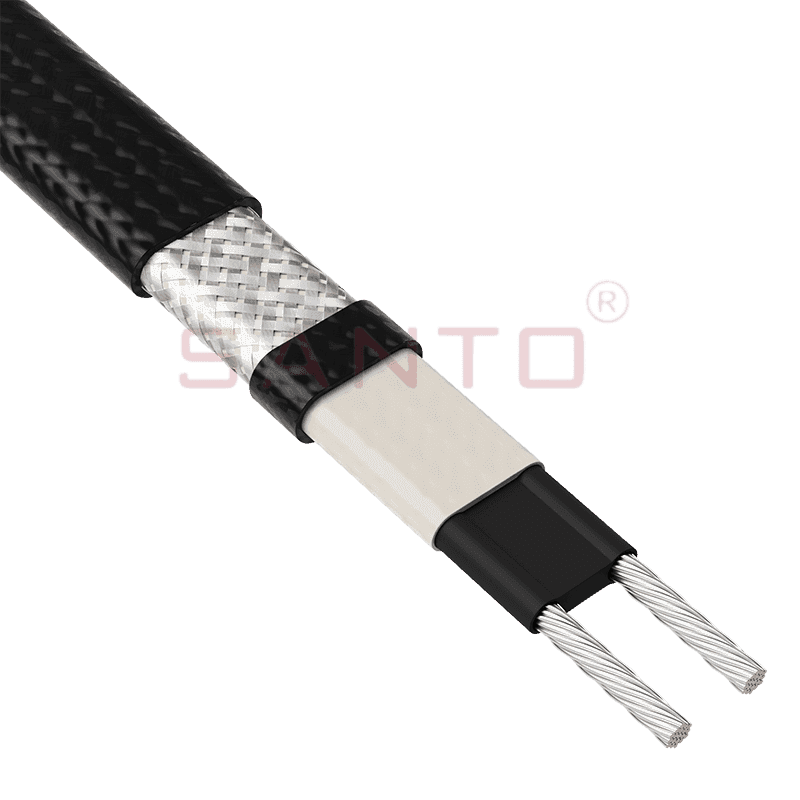
The SANTO UFA range of self-regulating heating cables is mainly used for frost protection of pipes and vessels but can also be used to maintain processes up to 65°C. These heating cables are available...
See Details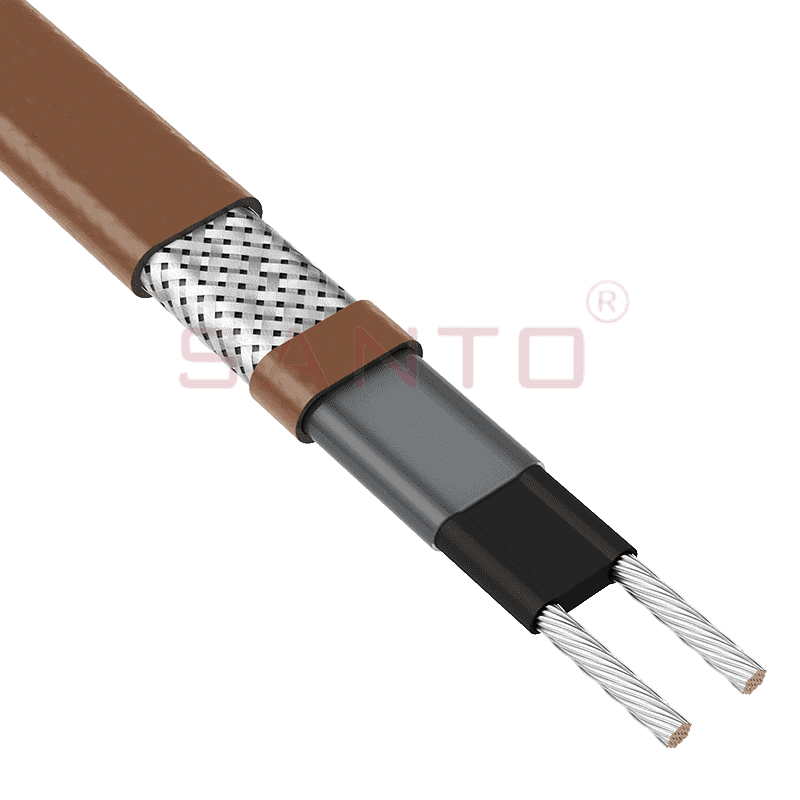
The SANTO UFB range of self-regulating heating cables is mainly used for frost protection of pipes and vessels requiring a higher power output than the UFA heating cables can supply. They can also be ...
See Details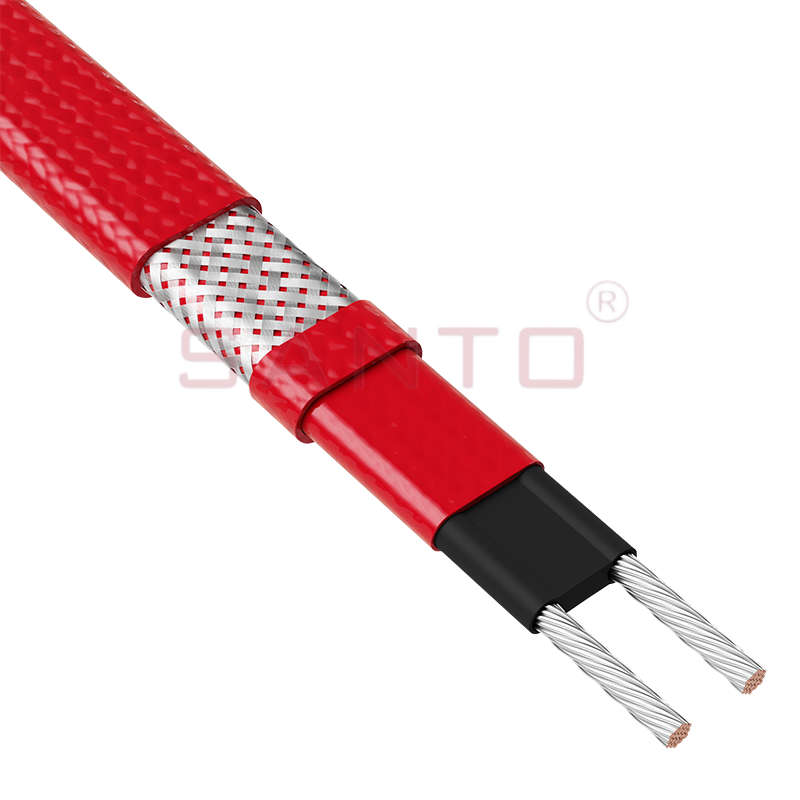
The SANTO UFC range of self-regulating heating cables is used for frost protection of pipes and vessels that require steam cleaning. They can also be used to maintain processes up to 121°C. These heat...
See Details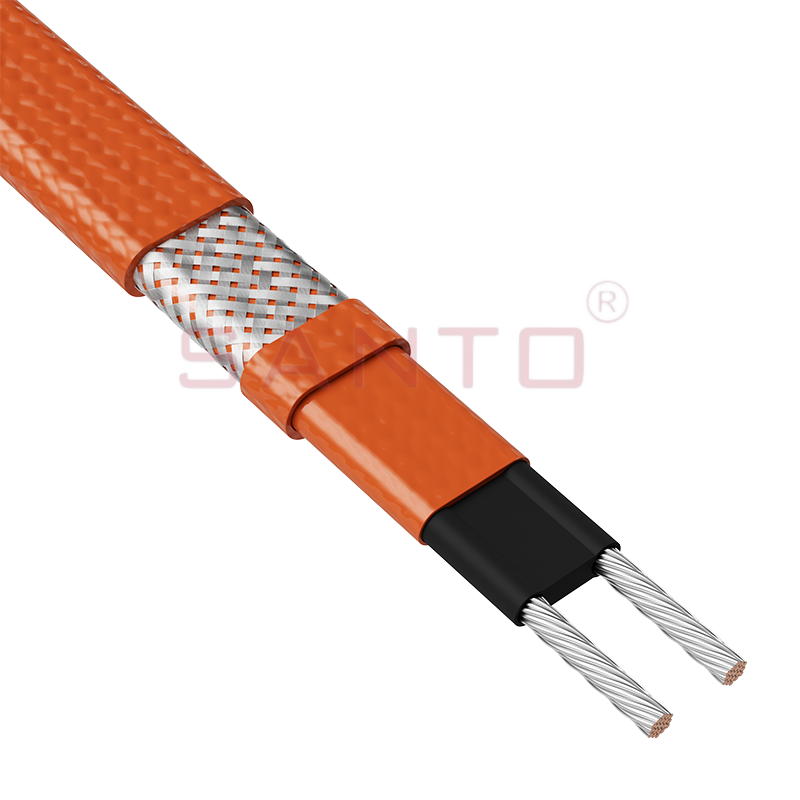
The SANTO UFO range of self-regulating heating cables is mainly used for frost protection of pipes and vessels that require steam cleaning . They can also be used to maintain processes up to 150°C. Th...
See Details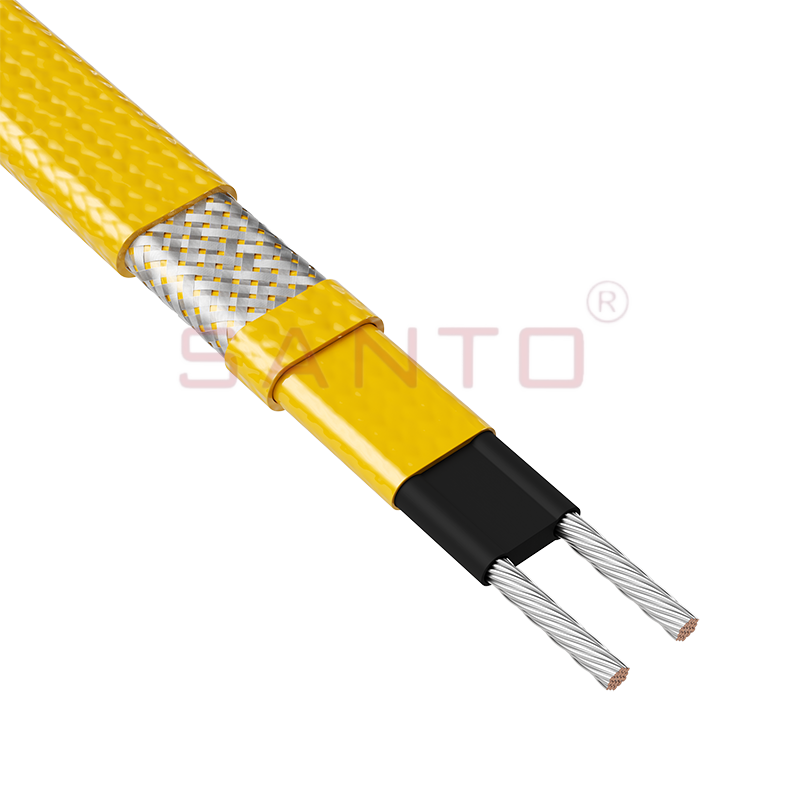
The SANTO UFD series of self-regulating heating cables are mainly used for freeze protection of pipes and vessels, but can also be used to maintain processes up to 200°C. These heating cables are avai...
See Details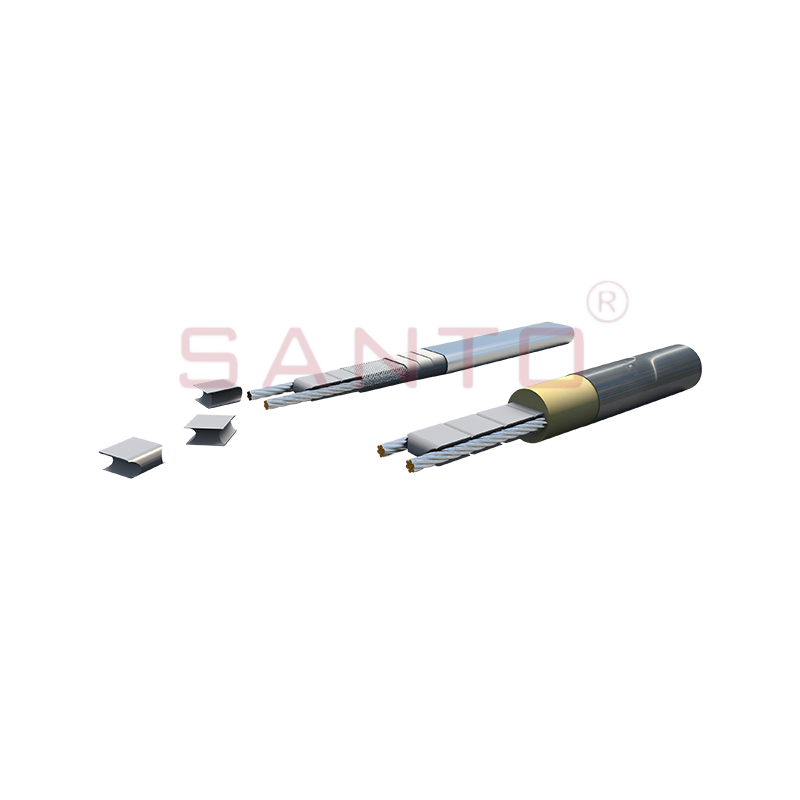
SANTO UFY heating wire is suitable for applications that maintain process temperatures up to 260 ℃ and can be steam blown; The self-regulating and parallel circuit heating wires of the UFY series are ...
See Details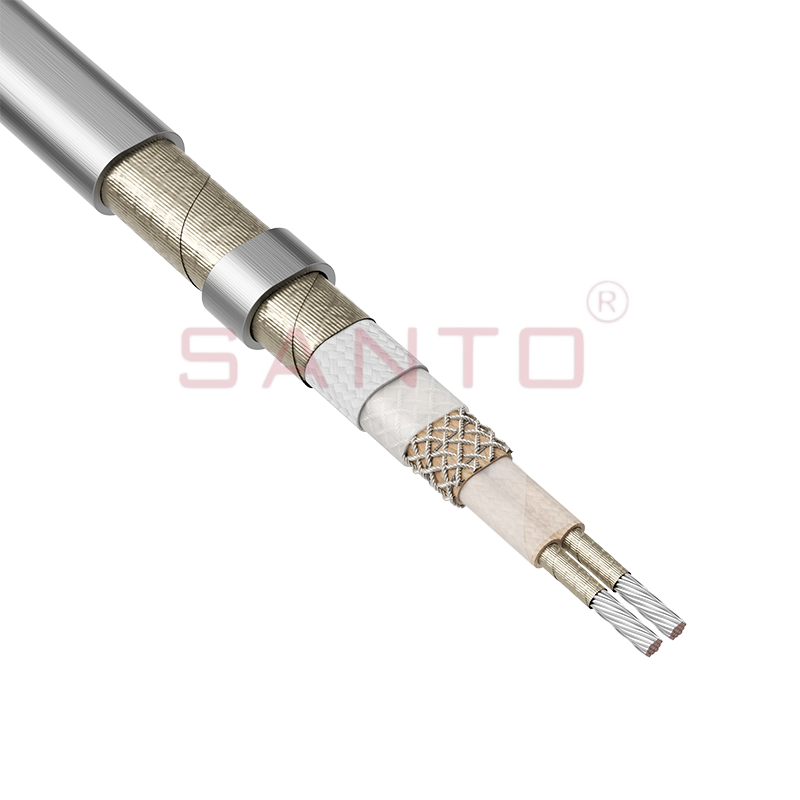
The SANTO UFM series self-regulating heating cables are mainly used for freeze protection of pipes and vessels, but can also be used to maintain processes up to 400°C. These heating cables are availab...
See Details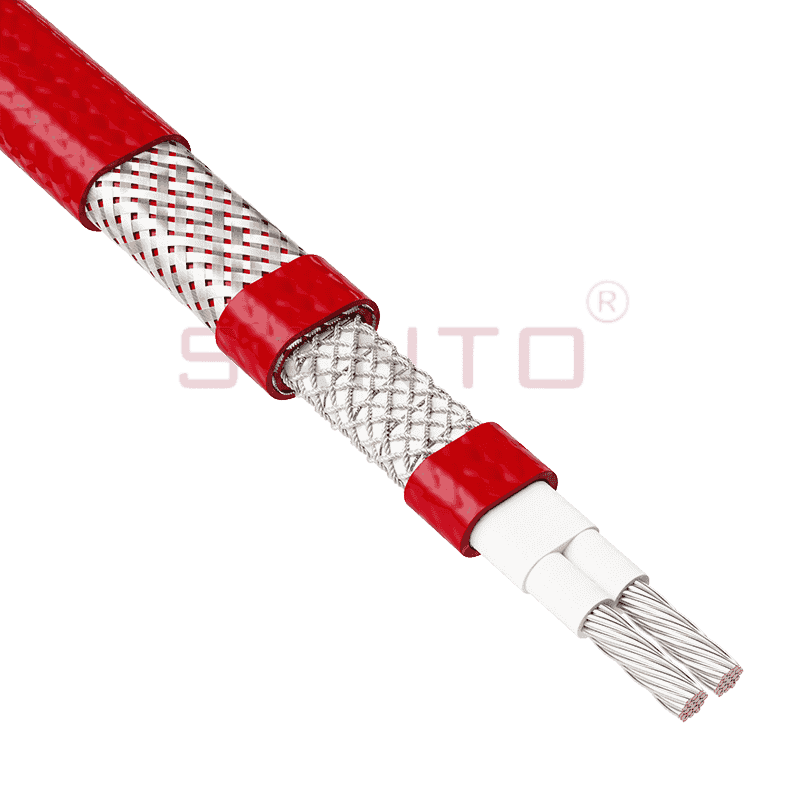
The SANTO ACC range of power-limiting heating cables is mainly used for temperature maintenance of processes and offers the advantage of a high power output at high temperatures which can reduce the n...
See Details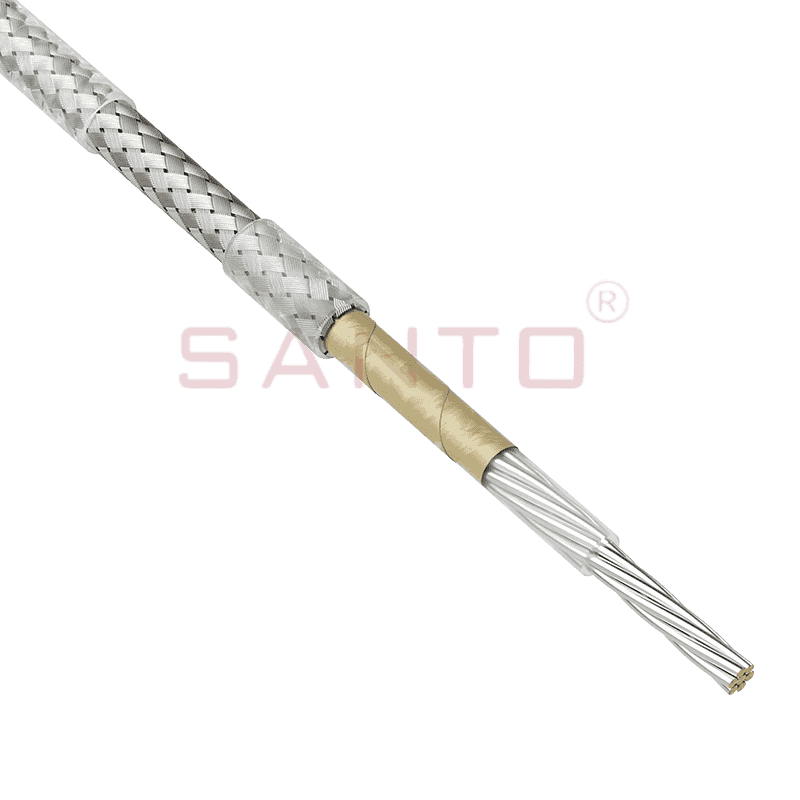
The stranded high temperature conductor is nickel plated to ensure a long life at elevated temperatures in corrosive environments. It is electrically isolated using an innovative sandwich construction...
See Details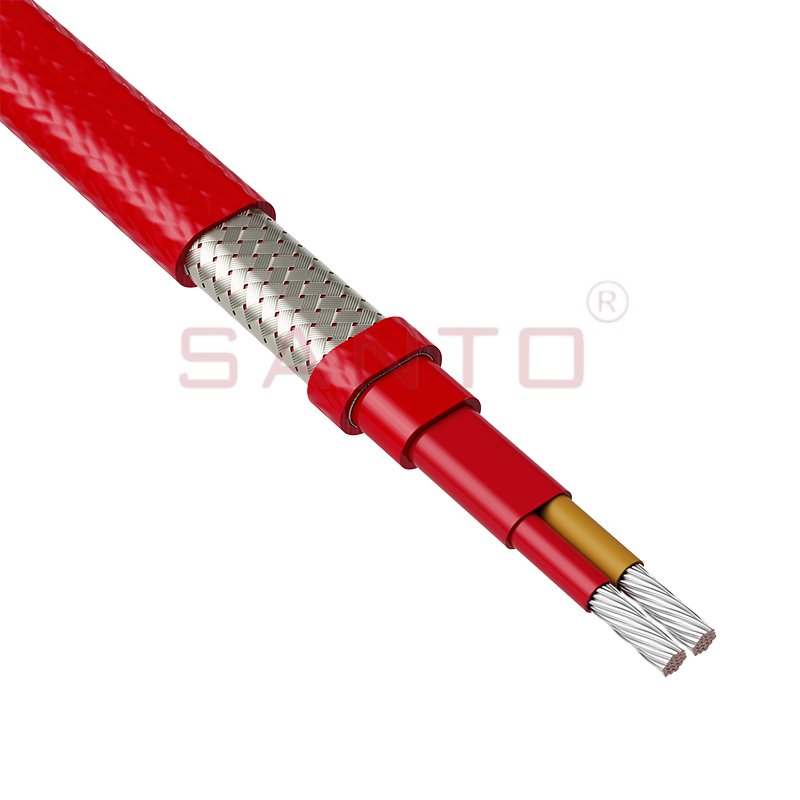
The stranded high temperature conductor is nickel plated to ensure a long life at elevated temperatures in corrosive environments. It is electrically isolated using an innovative sandwich construction...
See Details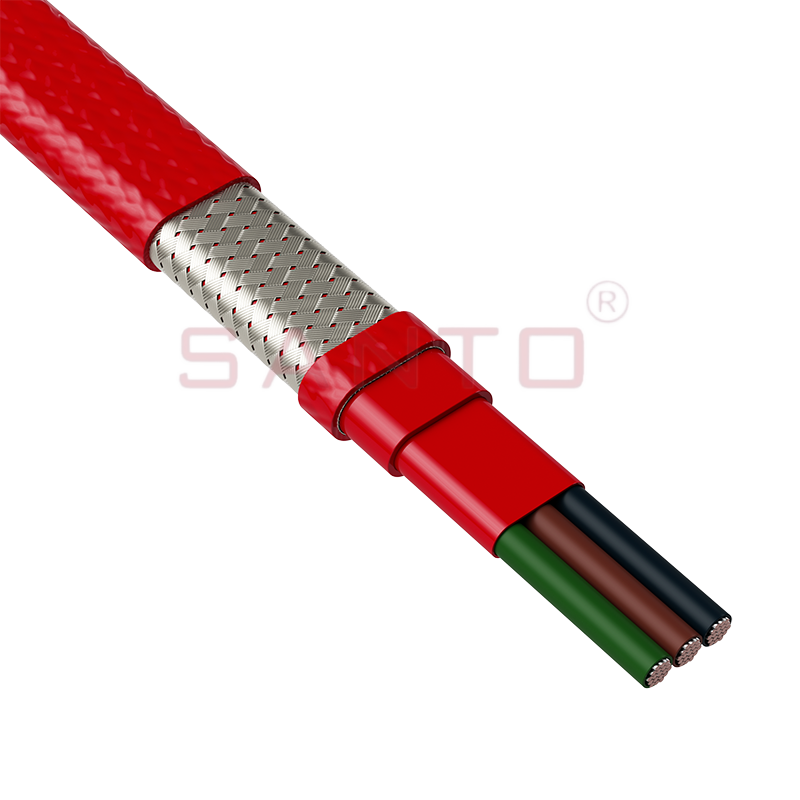
The stranded high temperature conductor is nickel plated to ensure a long life at elevated temperatures in corrosive environments. It is electrically isolated using an innovative sandwich construction...
See Details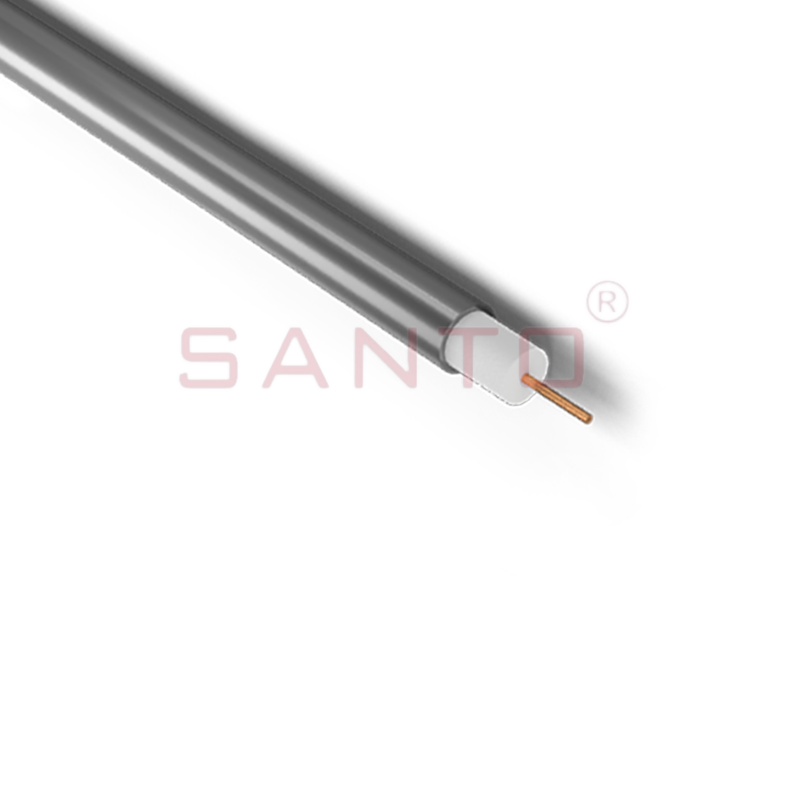
SANTO HAx mineral insulated (MI) Alloy 825 series heating cables are suitable for use in hazardous areas. They have been designed for use in freeze protection and temperature maintenance applications ...
See Details
Santo electric heating strips are widely used in key industries in China.

