 English
  English
 русский
 日本語
日本語 Español
 中文简体
中文简体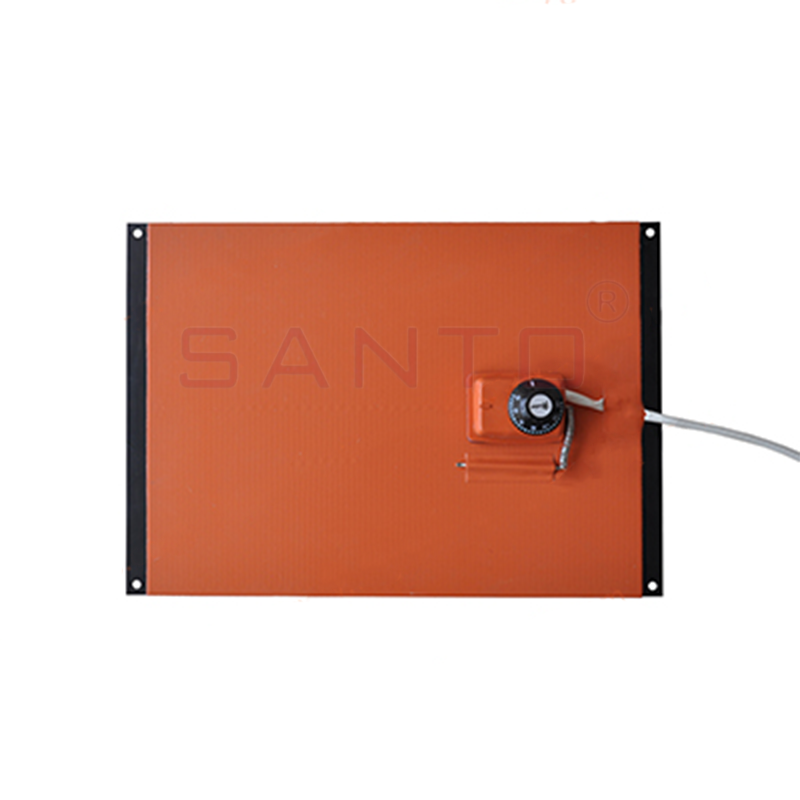

The SANTO UFA range of self-regulating heating cables is mainly used for frost protection of pipes and vessels but can also be used to maintain processes up to 65°C. These heating cables are available...
See Details
Content
Electrical and electronic cabinets are the control centers of modern industry. They protect switchgear, communication equipment, lighting control systems, automation modules, measuring instruments, computer cases, distribution boxes, and many other sensitive components. Although these cabinets are designed to shield internal equipment from dust, mechanical impact, and environmental exposure, they often face a hidden threat: moisture and condensation. When temperature changes cause humidity to condense on electrical parts, the result can be corrosion, insulation breakdown, short circuits, control failure, nuisance tripping, and expensive downtime.
A cabinet heater is a compact but highly important heating device used to maintain a safe internal cabinet climate. Its primary purpose is not only to raise temperature, but also to prevent condensation, stabilize humidity, improve insulation reliability, and protect electrical equipment from environmental stress. In cold or humid environments, cabinet heaters help ensure that electrical panels remain dry and operational. In industrial sites where temperature fluctuation is frequent, they provide reliable background heat that reduces the risk of equipment failure.
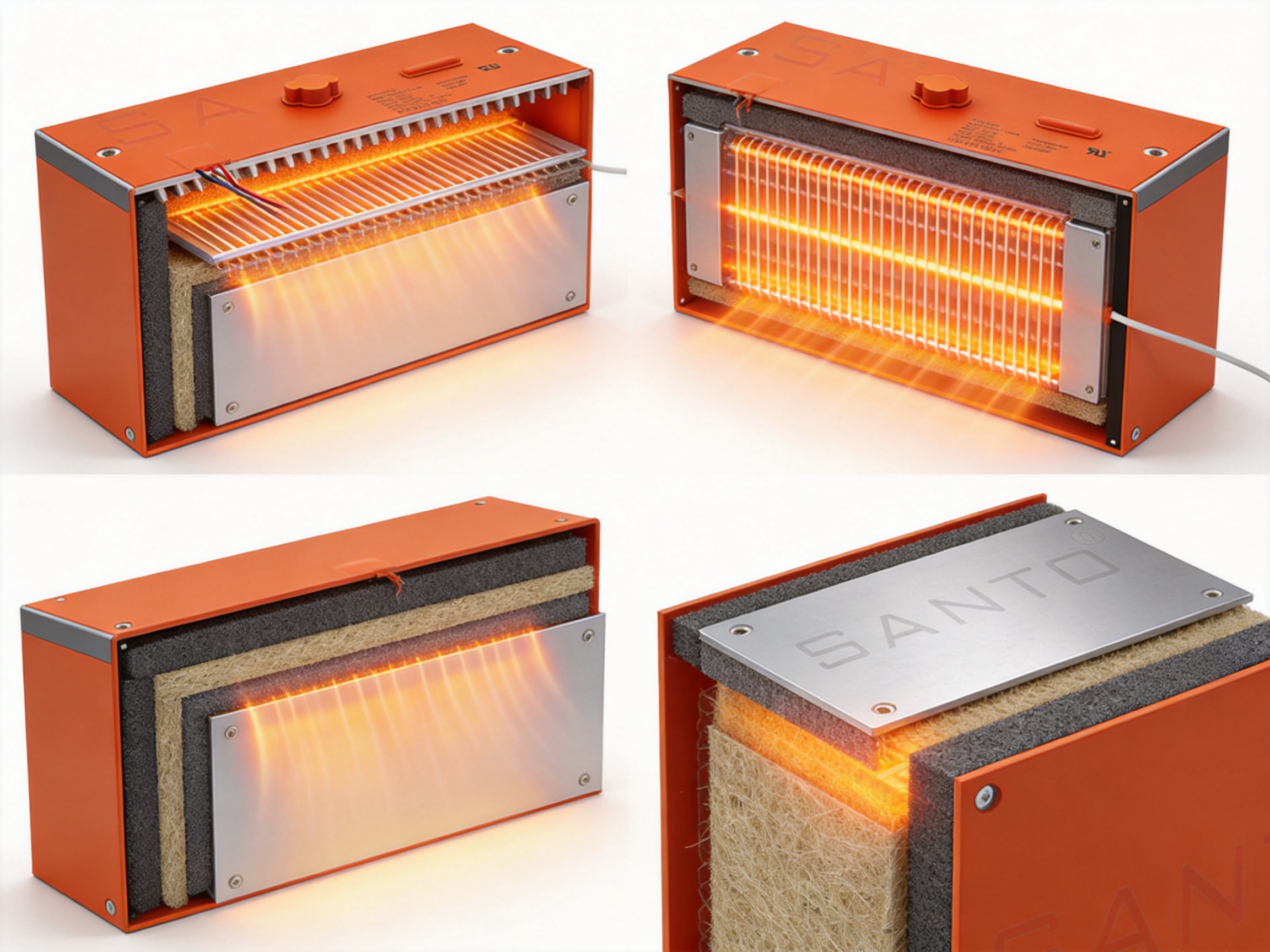
The cabinet heater discussed in this article is designed for heating, insulation, and moisture removal in various cabinets and boxes, including switchgear cabinets, communication cabinets, lighting cabinets, anti-condensation boxes, computer cases, and instrument boxes. It uses a nickel alloy foil heating element processed through etching technology, moisture-resistant silicone rubber, alkali-free glass fiber double insulation, and aluminum heat-dissipation plates. These design features allow it to deliver fast heating, high thermal efficiency, reliable insulation, and long service life.
Compared with ordinary cabinet heaters, this product emphasizes stable performance, safer insulation, improved heat transfer, and stronger environmental adaptability. It is especially suitable for users who need a dependable heating component for electrical cabinets operating under demanding industrial, commercial, or infrastructure conditions. Its rated voltage is 220 V, dielectric strength is 2000 V per minute, insulation resistance is greater than 50 MΩ, and the silicone rubber insulation material is suitable for a wide temperature range from approximately -60 °C to 250 °C.
The cabinet heater is a specialized electrical heating component intended for enclosed spaces where humidity control and temperature stabilization are essential. Instead of delivering aggressive high-temperature heating, it provides controlled and efficient heat distribution inside the cabinet. This makes it ideal for anti-condensation applications and for protecting equipment that must operate reliably in fluctuating ambient conditions.
The product has three major structural strengths. First, the heating element is made of nickel alloy foil through etching processing. This method creates a precise heating pattern, improving uniformity and response speed. Second, the heater uses moisture-resistant silicone rubber and alkali-free glass fiber double insulation, which improves dielectric reliability and resistance to humid environments. Third, aluminum plates assist in heat dissipation, helping heat spread more effectively through the cabinet interior while reducing localized overheating.
Cabinet heaters are widely used in the electricity industry, telecommunications, automation control, transportation infrastructure, outdoor lighting systems, instrumentation systems, and other applications involving enclosed electrical or electronic assemblies. Wherever electrical cabinets are exposed to humidity, cold air, seasonal temperature changes, or rapid day-night temperature swings, a properly designed heater can significantly improve system reliability.
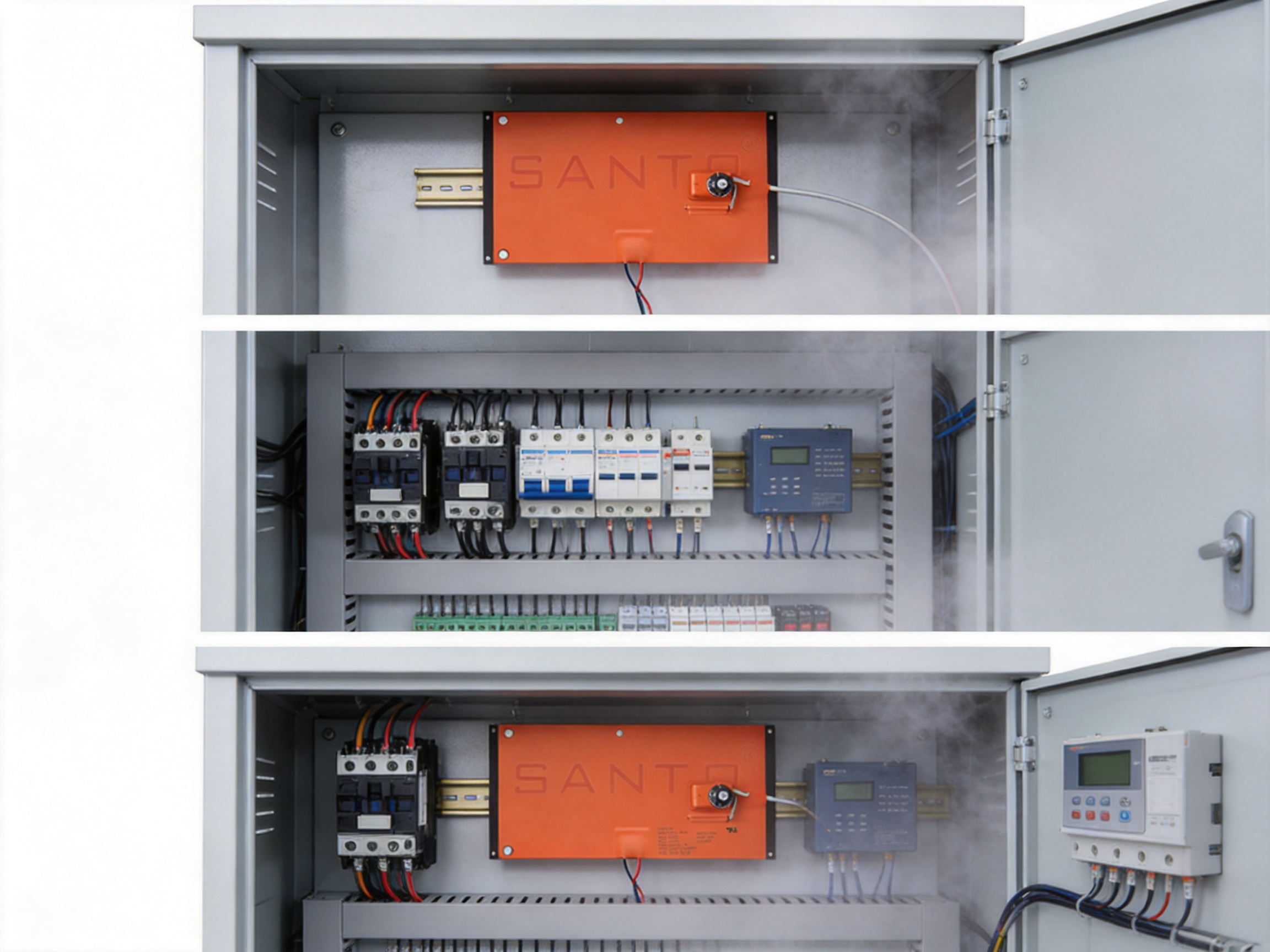
The compact design allows convenient installation in different cabinet structures. When matched with suitable thermostats, humidity controllers, or control circuits, the heater can operate only when required, helping reduce energy consumption while maintaining a safe operating environment. This is particularly important for distributed electrical installations, where many cabinets must be protected simultaneously but energy efficiency remains a priority.
| Item | Specification | Practical Meaning |
|---|---|---|
| Product Type | Cabinet heater | Designed for heating, insulation support, and condensation prevention in electrical cabinets and boxes. |
| Typical Applications | Switchgear, communication cabinets, lighting cabinets, anti-condensation boxes, computer cases, instrument boxes | Suitable for a wide range of electrical and electronic enclosure environments. |
| Heating Element | Nickel alloy foil processed by etching | Provides fast heat-up, uniform heating performance, high efficiency, and long service life. |
| Insulation Structure | Moisture-resistant silicone rubber plus alkali-free glass fiber double insulation | Improves electrical safety, moisture resistance, and long-term reliability. |
| Heat Dissipation Support | Aluminum plates | Enhances heat distribution and helps protect the heating element from thermal stress. |
| Rated Voltage | 220 V | Compatible with common industrial and commercial electrical power systems. |
| Dielectric Strength | 2000 V per minute | Indicates strong insulation performance under high-voltage testing conditions. |
| Insulation Resistance | Greater than 50 MΩ | Supports safer operation by reducing leakage current risk. |
| Silicone Rubber Temperature Range | Approximately -60 °C to 250 °C | Allows use in cold, humid, and high-temperature-adjacent environments. |
The design of a cabinet heater must balance safety, durability, thermal efficiency, compactness, and ease of installation. In an electrical enclosure, uncontrolled heat can be just as harmful as insufficient heat. Sensitive relays, communication modules, meters, control boards, and switchgear components may fail if exposed to excessive temperature. Therefore, an effective cabinet heater should provide stable and evenly distributed heat rather than intense localized heating.
This cabinet heater is built around a nickel alloy foil heating element. Nickel alloy is widely recognized for its electrical resistance stability, heat resistance, and durability. Through etching processing, the foil can be formed into a controlled heating circuit with accurate resistance and uniform heat generation. This approach differs from simple wire-wound heating elements, which may produce uneven heat points, slower response, and higher mechanical stress under repeated thermal cycling.
The etched foil structure contributes to fast heating because the heating layer is thin and thermally responsive. When power is applied, heat is generated rapidly over the designed surface area. The heat then transfers through the insulation and aluminum plate into the cabinet air. Faster response is valuable in environments where humidity changes quickly or when cabinets are exposed to sudden cold starts.
Double insulation is another key design concept. Moisture-resistant silicone rubber provides flexibility, electrical insulation, and resistance to temperature extremes. Alkali-free glass fiber adds reinforcement and improves structural stability. Together, these materials help the heater remain reliable in humid, vibrating, or thermally variable environments. The insulation design supports the product’s dielectric strength and insulation resistance, which are critical for electrical safety.
The use of aluminum plates further improves the product’s practical performance. Aluminum is lightweight, corrosion-resistant under many conditions, and highly thermally conductive. By assisting heat dissipation, aluminum plates help distribute heat more evenly and reduce the risk of excessive temperature concentration. This can extend service life and improve cabinet climate uniformity.
Switchgear cabinets often operate in power distribution rooms, industrial facilities, substations, and outdoor installations. These cabinets contain circuit breakers, busbars, relays, fuses, terminals, and protection devices. Condensation inside switchgear can lead to insulation tracking, corrosion, flashover risk, and unreliable switching performance. A cabinet heater helps maintain a dry internal environment, protecting critical electrical functions.
In many switchgear applications, the heater operates with a thermostat or humidity controller. When temperature falls below a set point or humidity rises, the heater activates to prevent moisture accumulation. This controlled operation reduces unnecessary energy use while maintaining protection. The heater’s dielectric strength and high insulation resistance make it suitable for environments where electrical safety is a priority.
Communication cabinets may contain routers, signal processors, fiber optic systems, base station components, power modules, and monitoring devices. These cabinets are often installed outdoors, in remote areas, along transportation lines, near industrial sites, or in utility facilities. Temperature variation and humidity can degrade connectors, circuit boards, and power supplies.
By keeping internal air slightly warmer than the surrounding environment, a cabinet heater reduces the chance of condensation on electronic components. The fast response of nickel alloy foil heating is useful for cabinets exposed to changing outdoor conditions. The heater’s compact structure also makes it suitable for communication cabinets where space is limited and airflow must remain unobstructed.
Lighting control cabinets are common in municipal lighting, tunnels, airports, factories, commercial buildings, ports, and transportation systems. Many of these cabinets are exposed to outdoor conditions or semi-open installation environments. Moisture can damage timers, contactors, control boards, and terminal blocks. A cabinet heater helps protect these components, improving the dependability of lighting systems.
For public infrastructure, reliability is especially important. A heater that supports long service life can reduce maintenance frequency and emergency repair costs. The combination of silicone rubber insulation, glass fiber reinforcement, and aluminum heat dissipation makes the product suitable for continuous or periodic duty in such environments.
Anti-condensation boxes are designed specifically to protect sensitive electrical or measuring equipment against moisture. In these enclosures, the heater is often a central component of the climate-control strategy. It may work alongside ventilation elements, thermostats, hygrostats, filters, or drainage measures. The goal is to ensure that the internal temperature remains above the dew point.
This cabinet heater is well matched for anti-condensation functions because it is built for moisture resistance and insulation reliability. Its heating characteristics help maintain a dry internal microclimate without excessive temperature rise. For instrument protection, this balance is essential.
Industrial computer cases and instrument boxes may be used in laboratories, control rooms, outdoor stations, measurement systems, and process equipment. When these devices are exposed to cold or humid surroundings, condensation may affect circuit boards, displays, sensors, and connectors. A compact cabinet heater can prevent moisture-related faults and improve equipment uptime.
Instrumentation systems often require stable measurement conditions. Temperature instability can influence sensor response, calibration accuracy, and electronics performance. By reducing extreme internal temperature shifts, the heater helps protect both functionality and measurement reliability.
One of the most important advantages of this cabinet heater is its fast heating response. The nickel alloy foil heating element has a thin and efficient structure, allowing electrical energy to convert into heat quickly. Compared with traditional resistance wire heaters, etched foil designs generally have lower thermal mass and more uniform surface distribution. This means the cabinet can reach protective temperature conditions more quickly after startup.
Fast response is particularly useful when cabinets are energized after a shutdown, when outdoor temperatures drop suddenly, or when humidity rises rapidly. In these moments, slow heating may allow condensation to form before the cabinet climate is stabilized. A quick-response heater reduces this risk and provides more effective protection for internal equipment.
Thermal efficiency is not only about saving energy. It also affects heating uniformity, component life, and cabinet safety. The etched nickel alloy foil element generates heat across a designed surface pattern, while the aluminum plate helps transfer this heat into the surrounding air. This combination reduces wasted heat concentration and improves useful heat output.
In many low-cost heaters, heat may concentrate around a wire or small contact zone, causing hot spots and inefficient transfer. Hot spots can accelerate insulation aging and reduce service life. By improving heat spread, this cabinet heater supports stable operation and helps lower long-term maintenance costs.
Electrical insulation is a critical performance factor for any heater installed inside an electrical cabinet. This product uses moisture-resistant silicone rubber and alkali-free glass fiber double insulation. Silicone rubber is valued for flexibility, temperature resistance, and moisture resistance. Alkali-free glass fiber contributes mechanical strength and electrical stability.
The product’s dielectric strength of 2000 V per minute and insulation resistance greater than 50 MΩ indicate a design focused on electrical safety. In humid cabinet environments, insulation materials must resist degradation and leakage current. The double-insulation structure gives the heater a clear advantage over basic heaters that rely on single-layer insulation or less robust materials.
Service life is influenced by material quality, heating uniformity, insulation stability, and thermal management. The nickel alloy foil element provides durable resistance heating performance. The aluminum plate reduces thermal stress by spreading heat. The silicone rubber and glass fiber insulation resist moisture and temperature extremes. Together, these features help the heater maintain performance over extended use.
Long service life matters because cabinet heaters are often installed in remote or hard-to-access locations. Replacing a heater may require cabinet shutdown, technician travel, safety procedures, and system inspection. A durable heater reduces these burdens and improves overall operational reliability.
Condensation control is one of the most common reasons for installing cabinet heaters. This product is especially suited for moisture-prone environments because of its moisture-resistant insulation materials and efficient heating structure. It helps keep the internal cabinet air dry, reducing corrosion and electrical leakage risks.
Many competing heaters may provide basic warmth but lack sufficient insulation quality for humid environments. When a heater itself becomes vulnerable to moisture, it can become a reliability problem rather than a solution. This product’s double-insulation design helps address that challenge.
The aluminum heat-dissipation plate is a practical advantage. It helps distribute heat more evenly across the heater surface and into the cabinet space. Better heat distribution reduces the likelihood of localized overheating near cables, terminals, or plastic components.
Even heat distribution also improves the effectiveness of cabinet climate control. Instead of heating only a small area, the heater can support more uniform warming of the enclosure air. This is especially helpful when the heater is used with temperature or humidity controls.
A cabinet heater may appear simple from the outside, but its performance depends heavily on manufacturing precision. The heating element, insulation layer, bonding quality, heat-dissipation structure, and electrical testing all influence whether the product will remain safe and stable over time. The company behind this product has long-term experience in electric heating products, including self-limiting heating cables, heat tracing belts, constant-power heating cables, glass fiber heating belts, mineral-insulated cables, silicone rubber heating systems, snow melting cables, and heating accessories.
This broad product background is important because it gives the manufacturer deep knowledge of electric heating behavior, insulation systems, resistance materials, thermal transfer, and application engineering. Experience in heat tracing, anti-freezing, deicing, industrial insulation, and special heating systems supports the development of compact heaters for cabinets and boxes. The same engineering principles that apply to pipeline heat tracing and industrial heating can be used to improve reliability in enclosure heating.
The company operates as a high-tech enterprise and has emphasized research, design, production, manufacturing, and international market development. Its product development history includes advanced heating technologies, explosion-proof certification experience, EAC certification experience, and patent-related innovation in heating products. This indicates that the manufacturer is not simply assembling standard heaters, but is involved in heating technology improvement and product engineering.
The heating element is made from nickel alloy foil by etching processing. Etching is a precision manufacturing technique that allows controlled shaping of the heating circuit. Rather than mechanically winding wire or placing a simple resistance element, etching can create a consistent pattern with accurate electrical resistance. This helps achieve predictable heating output and uniform heat distribution.
The advantages of etched foil manufacturing include dimensional accuracy, repeatable resistance values, rapid thermal response, and design flexibility. The heating circuit can be optimized for the size and shape of the cabinet heater. This contributes directly to product performance, especially where compactness and uniformity are required.
Competitors using simpler manufacturing methods may face greater variation in heating performance from batch to batch. Wire spacing, contact pressure, and insulation bonding can affect output consistency. Etched foil technology improves repeatability and supports higher quality control standards.
The product uses moisture-resistant silicone rubber and alkali-free glass fiber double insulation. Manufacturing this structure requires proper material selection, surface preparation, bonding, curing, and dimensional control. If insulation layers are poorly bonded, moisture can penetrate, air gaps can form, and heat transfer can be reduced. If curing is inconsistent, the heater may suffer from premature aging or electrical leakage.
Advanced manufacturing processes help ensure that insulation layers remain stable under heating and cooling cycles. Silicone rubber provides flexible sealing, while glass fiber provides reinforcement. When combined correctly, the heater can withstand practical cabinet environments, including vibration, temperature variation, humidity, and long operating hours.
Aluminum plates assist in heat dissipation and improve heating efficiency. Proper integration of aluminum into the heater structure requires attention to flatness, contact quality, thermal transfer, and mechanical stability. If the aluminum plate is poorly attached, thermal resistance increases and hot spots may occur. If the structure is too rigid or poorly matched to the heating layer, thermal expansion may create stress.
A well-manufactured aluminum-assisted heater provides more consistent heat output and better durability. It also makes installation more reliable because the heater can maintain shape and heat-spreading performance over time. This design reflects a practical understanding of how enclosure heaters operate in real field conditions.
Every heater intended for electrical cabinet use must be tested for safety and performance. Important tests include resistance measurement, dielectric strength testing, insulation resistance testing, visual inspection, and functional heating verification. The stated dielectric strength of 2000 V per minute and insulation resistance greater than 50 MΩ reflect the need for strict quality assurance.
A manufacturer with ISO9001 quality system certification experience and a long development history is better positioned to control production consistency. Quality management is especially important for heating products because small defects may not be visible but can affect long-term safety. Proper testing helps identify insulation flaws, connection problems, resistance deviation, and material inconsistencies before shipment.
The manufacturer has more than three decades of experience in the electric heating industry. Long-term experience provides several advantages to customers. First, the company understands diverse application conditions, from petroleum and chemical facilities to construction, gas systems, solar energy, geothermal cultivation, and electrical systems. Second, it has accumulated practical knowledge about heating material behavior, installation challenges, and customer requirements. Third, it has developed a broad product portfolio that supports integrated heating solutions rather than isolated components.
The company’s main product range includes automatic temperature-control electric heating belts, self-limiting electric heating belts, heat tracing belts, constant-power electric heating belts, glass fiber electric heating belts, mineral-insulated cables, silicone rubber electric heating strips, electric hot wires, snow melting cables, tracked heaters, and accessories. This wide manufacturing base demonstrates strong process capability and material expertise.
Its international market presence shows that the products are designed with global application needs in mind. Different regions may have different electrical systems, climate conditions, certification expectations, and installation practices. A manufacturer serving multiple regions must pay attention to adaptability, documentation, packaging, and customer support. For cabinet heaters, this means the ability to support varied cabinet sizes, installation environments, and operating requirements.
The company’s development history also indicates continuous innovation. It established production foundations early, passed quality system certification, developed irradiation capabilities, built brand and certification strength, obtained patents in heating technologies, expanded factory scale, and established overseas operations. Such development reflects the ability to invest in product improvement and long-term service.
Condensation occurs when moist air inside a cabinet contacts a surface whose temperature is below the dew point. Electrical cabinets are especially vulnerable because metal walls, cable entries, terminals, and components may cool faster than the surrounding air. Once water droplets form, they can bridge conductive surfaces, promote corrosion, and reduce insulation resistance.
A cabinet heater reduces condensation by keeping the internal temperature slightly elevated. This helps ensure that component surfaces remain above the dew point. In many cases, only a modest temperature increase is required to prevent water formation. Therefore, a cabinet heater is an efficient and practical anti-condensation solution.
Moisture accelerates corrosion of terminals, screws, busbars, connectors, relay contacts, and circuit board traces. Corrosion increases contact resistance, causes signal instability, and can eventually lead to complete failure. In electrical cabinets, corrosion may remain unnoticed until a fault occurs.
By maintaining a drier internal environment, the heater helps slow corrosion processes. This is particularly valuable for outdoor cabinets, coastal areas, chemical environments, underground facilities, tunnels, and locations with large daily temperature swings.
Electrical insulation materials can absorb moisture or become contaminated by moisture mixed with dust. This reduces insulation resistance and increases leakage current. In high-voltage or control systems, insulation degradation can cause dangerous faults.
The heater helps maintain dryness, supporting the insulation performance of internal components. Because the heater itself also has high insulation resistance and strong dielectric strength, it contributes protection without adding significant electrical risk when properly installed.
Many electronic components operate best within controlled temperature and humidity ranges. Excessive cold can affect displays, batteries, capacitors, sensors, relays, and mechanical switching parts. Temperature cycling can also cause expansion and contraction, leading to mechanical stress on solder joints and connectors.
A cabinet heater can reduce extreme internal temperature changes, helping electronics remain stable. While it is not a replacement for full climate-control systems in all applications, it is an effective and economical solution for many cabinets that mainly require condensation prevention and low-temperature support.
Correct installation is essential for cabinet heater performance. The heater should be mounted in a location that allows natural convection and avoids direct contact with heat-sensitive components. In many cabinets, heaters are installed near the lower section because warm air rises and circulates upward. However, the exact position should be selected according to cabinet size, component layout, ventilation, and safety requirements.
The heater should be securely fixed to prevent movement during vibration or maintenance. Wiring should be routed safely, protected from sharp edges, and connected according to electrical standards. A thermostat or humidity controller is recommended for energy-efficient operation and better cabinet climate control. Protective devices such as fuses or circuit breakers should be used according to the electrical design.
Installers should ensure that the heater’s rated voltage matches the supply voltage. The product is rated for 220 V, so incorrect voltage selection may cause insufficient heating or product damage. The cabinet should also allow enough air circulation around the heater. Blocking the heater with cables, documents, plastic covers, or components can reduce performance and create localized heat accumulation.
For outdoor or high-humidity cabinets, cable entries and cabinet seals should also be inspected. A heater can reduce condensation, but excessive water ingress must still be prevented through proper enclosure design. The best results are achieved when the heater is part of a complete cabinet protection strategy, including sealing, drainage, ventilation, filtration, and control devices where needed.
A cabinet heater should provide protection without unnecessary energy consumption. The most efficient approach is to operate the heater only when conditions require heating or dehumidification. This can be achieved by using thermostats, hygrostats, or combined temperature and humidity controllers.
A thermostat activates the heater when the cabinet temperature falls below a set value. This is useful in cold environments where low temperature itself is a concern. A hygrostat activates the heater when humidity rises above a set value. This is useful for anti-condensation applications where moisture control is the main objective. A combined controller can provide more advanced climate management by considering both temperature and humidity.
The fast heating response of the etched nickel alloy foil element supports efficient control. Because the heater responds quickly, it does not need to run continuously for long periods to begin affecting cabinet conditions. The aluminum heat-dissipation structure also improves useful heat transfer, helping the cabinet environment stabilize more effectively.
Energy savings become especially important when many cabinets are installed across a facility or infrastructure network. Even small efficiency improvements per cabinet can lead to meaningful operational savings over time. A durable heater with effective heat transfer and compatible control options provides both protection and economical operation.
Nickel alloy is selected for its stable resistance characteristics and durability under heating conditions. In foil form, it provides a large heating surface relative to its thickness. Etching allows the foil to become a controlled resistance pathway, enabling uniform heat generation and precise design.
Compared with basic resistance wire, nickel alloy foil can reduce hot-spot concentration and improve response time. It also supports compact heater designs suitable for electrical cabinets where space is limited. This material choice reflects a focus on performance rather than low-cost simplification.
Silicone rubber is widely used in electrical heating products because it remains flexible across a broad temperature range and provides strong resistance to moisture. The stated temperature suitability of approximately -60 °C to 250 °C gives the heater excellent environmental adaptability. This is important for cabinets exposed to cold winters, warm equipment rooms, or variable thermal conditions.
Silicone rubber also helps protect the heating element from moisture penetration and mechanical stress. Its flexibility allows the heater to tolerate expansion and contraction during thermal cycling, contributing to long service life.
Alkali-free glass fiber strengthens the insulation system. It provides dimensional stability and reinforcement while supporting electrical insulation. In heating applications, reinforcement is important because repeated temperature cycling can strain insulation layers. Glass fiber helps maintain structural integrity over time.
The combination of silicone rubber and glass fiber creates a double-insulation system that is more reliable than single-layer constructions. This is a major advantage in humid or industrial cabinet environments.
Aluminum is used to assist heat dissipation. It conducts heat efficiently and spreads the thermal output over a larger area. This helps improve heater efficiency, reduce localized overheating, and extend product service life. Aluminum also provides a stable physical structure for installation and heat transfer.
In cabinet heating, heat distribution is just as important as heat generation. The aluminum plate helps transform electrical heat into useful environmental heating within the enclosure.
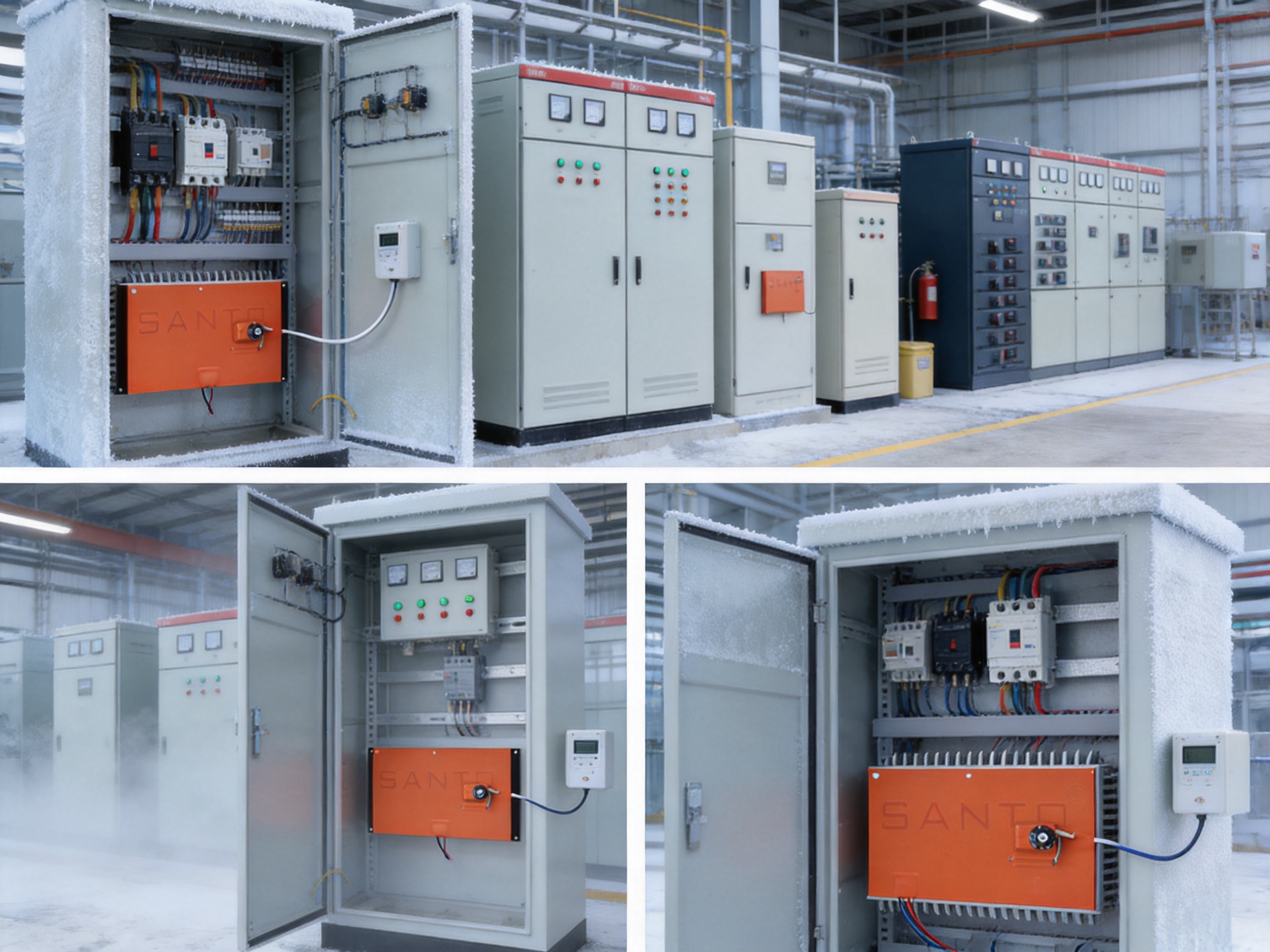
Electrical cabinets can be heated using several types of products, including wire-wound heaters, ceramic heaters, PTC heaters, fan heaters, and flexible pad heaters. Each technology has its strengths, but this etched nickel alloy foil cabinet heater offers a balanced combination of speed, insulation reliability, moisture resistance, and compact heat distribution.
Wire-wound heaters are simple and widely available, but they may create uneven heat and require careful spacing to avoid hot spots. Ceramic heaters can provide robust heating, but they may be bulkier and less suitable for thin or compact installation spaces. Fan heaters improve air circulation but include moving parts that may require maintenance and can draw in dust. PTC heaters offer self-regulating characteristics, but their output profile may not match every cabinet design. Basic flexible heaters may be compact but may lack advanced double insulation or effective heat-spreading structures.
The cabinet heater described here is particularly strong in applications where moisture resistance, insulation safety, and compact efficient heat transfer are priorities. Its nickel alloy foil element provides rapid and uniform heat generation, while the aluminum plate improves dissipation. The silicone rubber and glass fiber double insulation help protect against electrical and environmental risks.
For many users, the best heater is not simply the one with the highest wattage. It is the one that protects equipment consistently, installs easily, operates safely, and lasts long. This product is designed around those practical requirements.
Cabinet heaters generally require minimal maintenance when properly installed, but periodic inspection is still recommended. Maintenance personnel should check that the heater remains securely mounted, wiring is intact, insulation is not damaged, and airflow around the heater is not blocked. They should also verify that thermostats or humidity controllers are functioning correctly.
Dust accumulation should be controlled because dust can reduce heat transfer and may absorb moisture. In industrial environments, regular cabinet cleaning helps improve heater effectiveness and overall electrical safety. If the cabinet is exposed to vibration, mounting points should be inspected periodically.
The product’s long service life is supported by its nickel alloy foil element, double insulation, and aluminum heat dissipation. However, any electrical heating device should be operated within its rated conditions. Overvoltage, physical damage, severe chemical exposure, blocked heat dissipation, or improper installation can reduce service life. Following correct installation and inspection practices helps users gain maximum value from the heater.
Because the manufacturer has broad experience in electric heating products, it can support customers who need more than a standard heater. Different cabinet sizes, climate conditions, voltage requirements, mounting preferences, and control strategies may require tailored solutions. Experience in heating cable manufacturing, silicone rubber heating systems, heat tracing products, and accessories gives the company a strong foundation for customization.
System integration may include heaters combined with thermostats, humidity controllers, wiring accessories, mounting hardware, and cabinet climate-control planning. For large projects, consistent heater quality and reliable supply capacity are important. The company’s scale, annual output capability, distributor network, and international business experience support project-based procurement and long-term cooperation.
Customization is especially valuable for original equipment manufacturers, panel builders, electrical contractors, automation system suppliers, and infrastructure projects. A heater that matches the cabinet design from the beginning can improve installation efficiency and reduce field modification. It can also support more consistent safety and performance across production batches.
When selecting a cabinet heater, buyers often compare price, dimensions, power rating, and delivery time. These factors are important, but they do not fully define product value. Manufacturing experience influences material selection, process control, product testing, packaging, documentation, and after-sales support. A low-cost heater that fails early can cost far more than a well-designed heater with stable performance.
An experienced manufacturer understands how heating products behave under real operating conditions. It knows that moisture resistance is not optional for cabinet heaters. It knows that insulation testing must be strict. It knows that heat distribution affects both safety and service life. It also understands customer needs across industries such as petroleum, chemical processing, gas systems, construction, solar energy, electric heating, and geothermal applications.
The company’s history of quality certification, product development, and international expansion provides confidence that it can serve professional customers. Its commitment to new product development, technology guidance, scientific management, product quality, and after-sales service supports long-term cooperation. For buyers who need reliable cabinet heaters in electrical systems, this manufacturing background is a significant advantage.
Before choosing a cabinet heater, users should evaluate the cabinet size, installation environment, humidity level, ambient temperature range, power supply, internal component sensitivity, and required control method. A small indoor cabinet may need only modest heating, while an outdoor switchgear cabinet in a cold or humid region may require stronger climate protection.
Users should also consider whether the heater will operate continuously or under controller-based switching. Controller-based operation is usually recommended because it improves energy efficiency and reduces unnecessary heat exposure. The heater should be installed where it can warm cabinet air effectively without damaging nearby components.
Electrical safety should always be prioritized. Buyers should review dielectric strength, insulation resistance, insulation materials, rated voltage, and manufacturing quality. The product’s 2000 V per minute dielectric strength and insulation resistance greater than 50 MΩ are important indicators. The double-insulation structure further supports safety in moisture-prone environments.
For project procurement, buyers should also consider supplier capability. A supplier with long experience, wide product range, quality management, and export experience can provide better technical support and more consistent supply. This is especially important for infrastructure, industrial automation, and utility projects where reliability is non-negotiable.
The main purpose of a cabinet heater is to prevent condensation, reduce humidity-related electrical risks, and maintain a stable internal temperature inside electrical or electronic enclosures. It helps protect switchgear, communication equipment, lighting controls, computer cases, and instrument boxes from moisture, corrosion, and insulation failure.
Nickel alloy foil offers stable electrical resistance, durability, and rapid thermal response. When processed by etching, it can form a precise heating circuit that distributes heat evenly. This provides faster heating, higher thermal efficiency, and improved consistency compared with many traditional wire-based heaters.
The heater uses moisture-resistant silicone rubber and alkali-free glass fiber double insulation. Silicone rubber provides flexibility, temperature resistance, and moisture protection, while glass fiber adds reinforcement and electrical stability. This structure improves insulation reliability, especially in humid cabinet environments.
The aluminum plate assists heat dissipation. It spreads heat more evenly, improves heating efficiency, reduces localized hot spots, and helps extend the service life of the heater. Better heat distribution also improves the overall climate-control effect inside the cabinet.
It can be used in switchgear cabinets, communication cabinets, lighting cabinets, anti-condensation boxes, computer cases, instrument boxes, and other electrical or electronic enclosures that require heating, insulation support, or condensation prevention.
Yes. The product is designed with moisture-resistant silicone rubber and reinforced insulation, making it suitable for humid environments when installed correctly. It is especially useful for preventing condensation inside cabinets.
The rated voltage is 220 V. Users should ensure that the power supply matches the rated voltage and that installation follows applicable electrical safety standards.
Using a thermostat, hygrostat, or combined temperature and humidity controller is recommended. This allows the heater to operate only when needed, improving energy efficiency and maintaining better cabinet climate control.
Compared with many ordinary wire heaters, this product provides faster response, more uniform heating, stronger insulation reliability, better moisture resistance, and improved heat dissipation through the aluminum plate. These advantages support longer service life and safer cabinet operation.
Maintenance is usually simple. Users should periodically check mounting security, wiring condition, controller function, insulation integrity, and airflow around the heater. Dust and obstructions should be removed to maintain effective heat transfer.
A cabinet heater is a small component with a major impact on electrical reliability. By preventing condensation, supporting insulation performance, reducing corrosion, and stabilizing cabinet temperature, it helps protect valuable electrical and electronic equipment. For switchgear, communication cabinets, lighting cabinets, anti-condensation boxes, computer cases, and instrument boxes, reliable heating is an essential part of enclosure protection.
This cabinet heater stands out because of its etched nickel alloy foil heating element, moisture-resistant silicone rubber and alkali-free glass fiber double insulation, and aluminum heat-dissipation plate. These features deliver fast heating, high thermal efficiency, reliable insulation, and long service life. Its rated voltage of 220 V, dielectric strength of 2000 V per minute, insulation resistance greater than 50 MΩ, and wide silicone rubber temperature range further support safe and dependable operation.
Beyond the product itself, the manufacturer’s deep experience in electric heating technology, broad product portfolio, quality management background, research and development capability, and international market presence provide additional value. Buyers benefit from a supplier that understands heating systems, material behavior, manufacturing precision, and practical field requirements.
For customers seeking a durable, efficient, and safety-focused solution for cabinet climate control, this cabinet heater offers a strong balance of technical performance and manufacturing reliability. It is well suited for professional electrical applications where moisture prevention, equipment protection, and long-term operational stability are essential.
1. IEC 60068, Environmental Testing Standards for Electrical and Electronic Products.
2. IEC 61439, Low-Voltage Switchgear and Controlgear Assemblies.
3. IEC 60243, Electric Strength of Insulating Materials Test Methods.
4. ASTM D149, Standard Test Method for Dielectric Breakdown Voltage and Dielectric Strength of Solid Electrical Insulating Materials.
5. ASTM D257, Standard Test Methods for DC Resistance or Conductance of Insulating Materials.
6. Holman, J. P., Heat Transfer, McGraw-Hill Education.
7. Incropera, F. P., DeWitt, D. P., Bergman, T. L., and Lavine, A. S., Fundamentals of Heat and Mass Transfer, Wiley.
8. Electrical Enclosure Climate Control Application Guides, Industrial Electrical Engineering References.
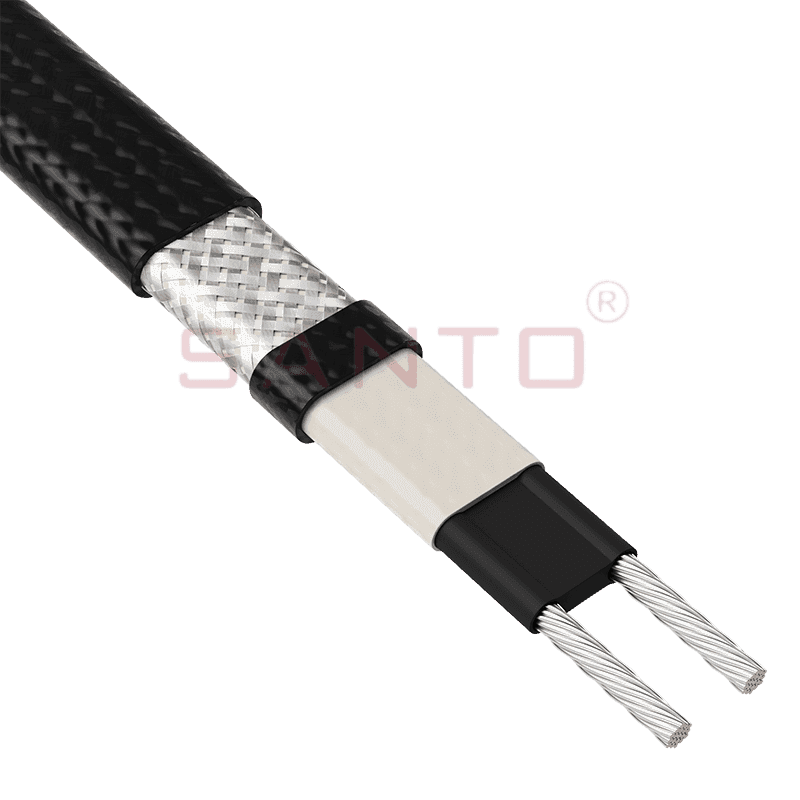
The SANTO UFA range of self-regulating heating cables is mainly used for frost protection of pipes and vessels but can also be used to maintain processes up to 65°C. These heating cables are available...
See Details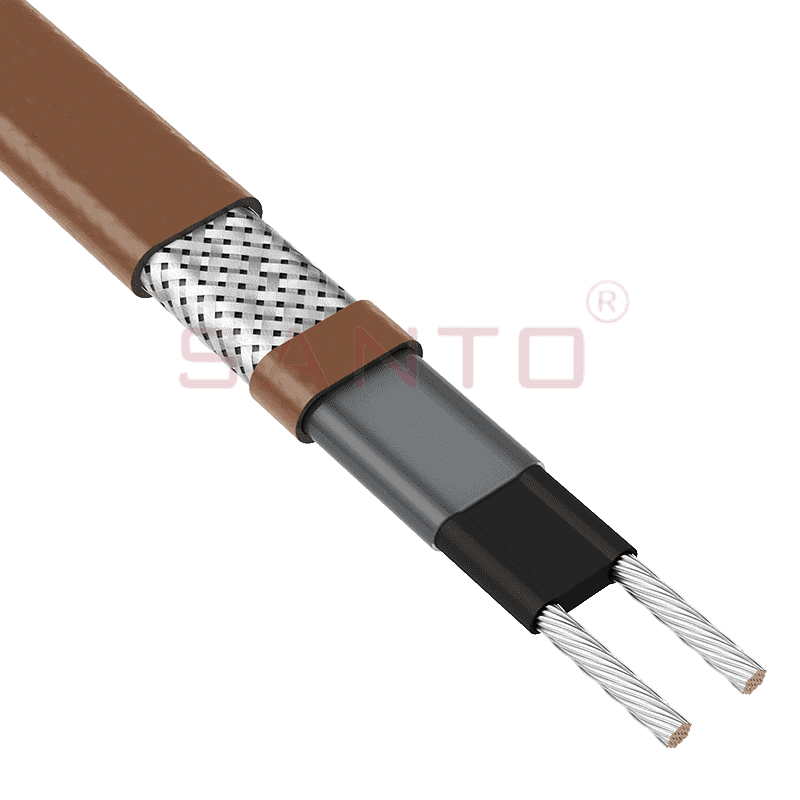
The SANTO UFB range of self-regulating heating cables is mainly used for frost protection of pipes and vessels requiring a higher power output than the UFA heating cables can supply. They can also be ...
See Details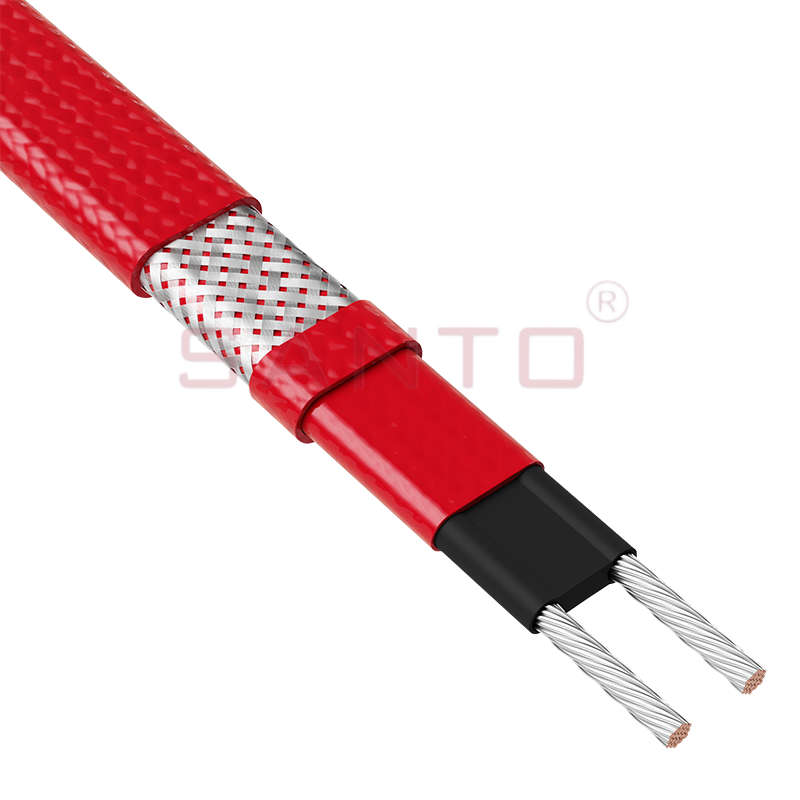
The SANTO UFC range of self-regulating heating cables is used for frost protection of pipes and vessels that require steam cleaning. They can also be used to maintain processes up to 121°C. These heat...
See Details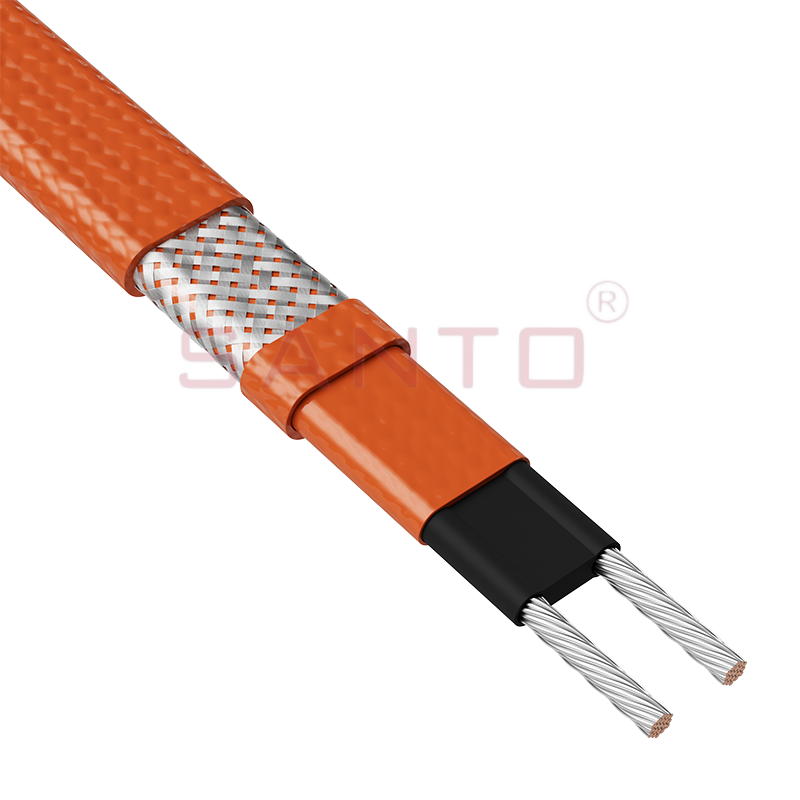
The SANTO UFO range of self-regulating heating cables is mainly used for frost protection of pipes and vessels that require steam cleaning . They can also be used to maintain processes up to 150°C. Th...
See Details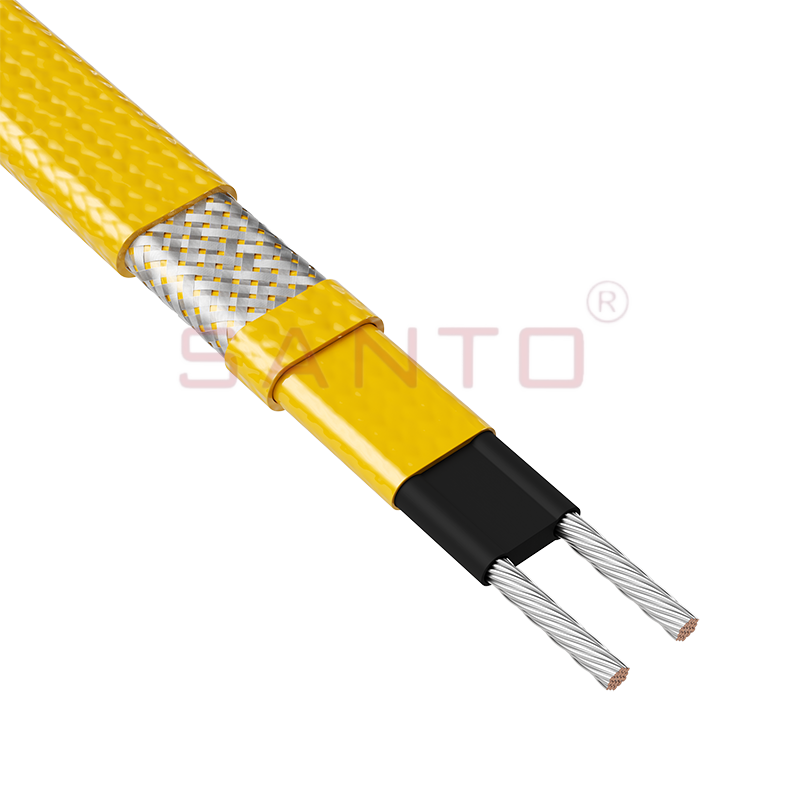
The SANTO UFD series of self-regulating heating cables are mainly used for freeze protection of pipes and vessels, but can also be used to maintain processes up to 200°C. These heating cables are avai...
See Details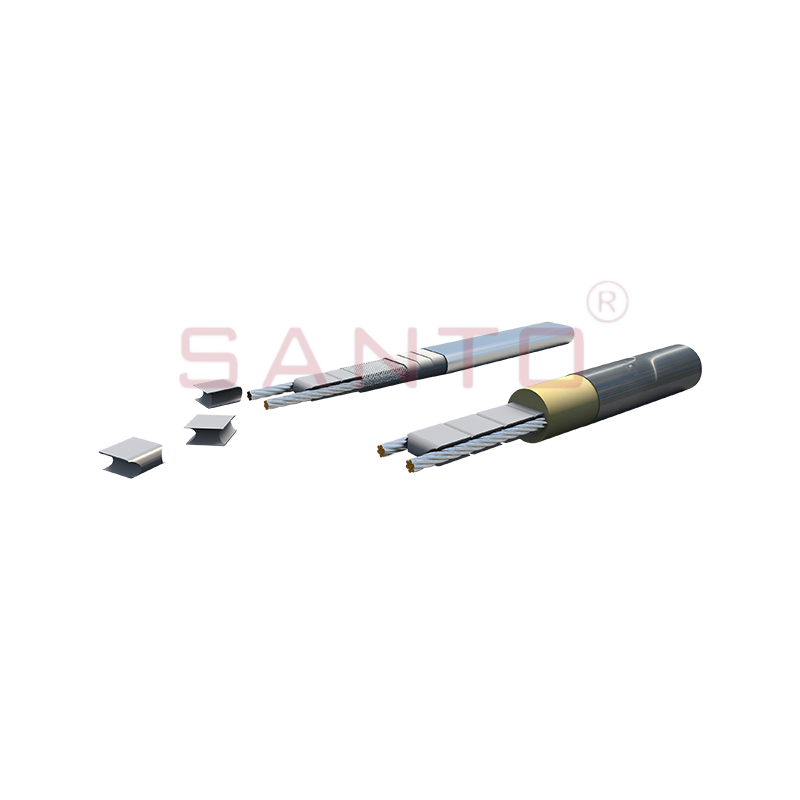
SANTO UFY heating wire is suitable for applications that maintain process temperatures up to 260 ℃ and can be steam blown; The self-regulating and parallel circuit heating wires of the UFY series are ...
See Details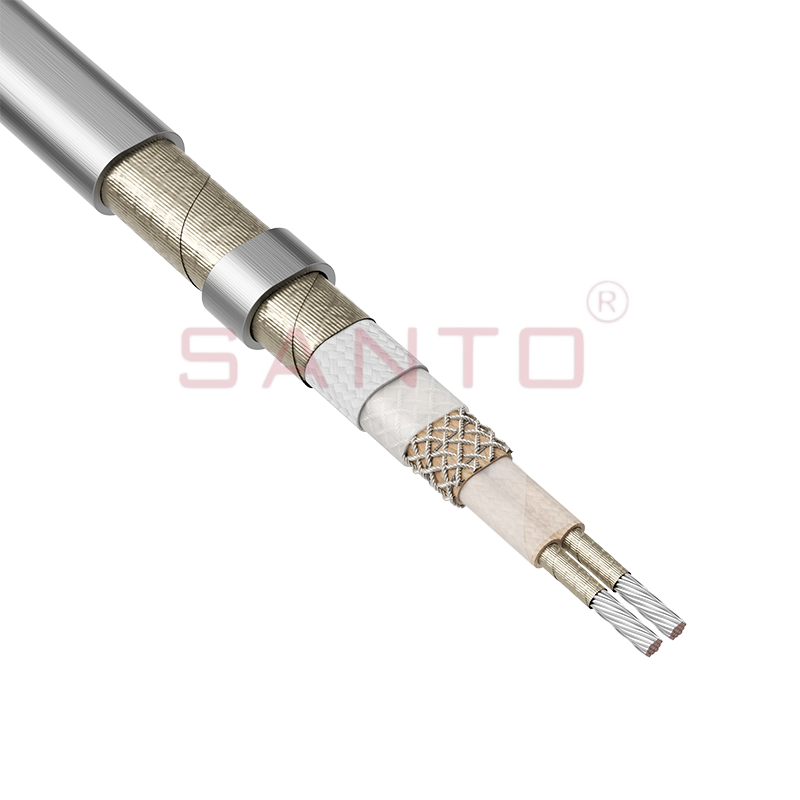
The SANTO UFM series self-regulating heating cables are mainly used for freeze protection of pipes and vessels, but can also be used to maintain processes up to 400°C. These heating cables are availab...
See Details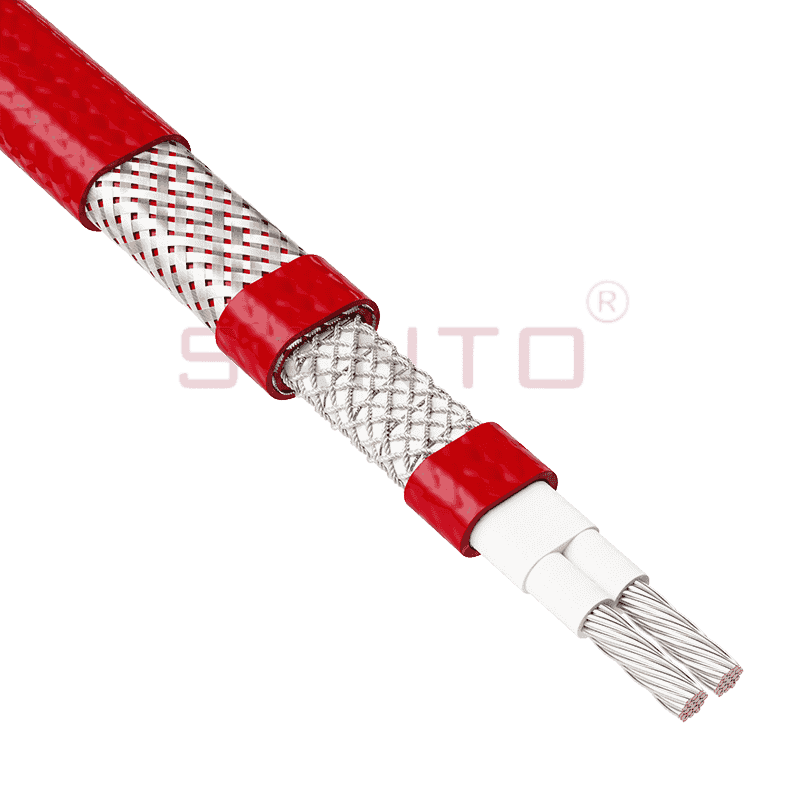
The SANTO ACC range of power-limiting heating cables is mainly used for temperature maintenance of processes and offers the advantage of a high power output at high temperatures which can reduce the n...
See Details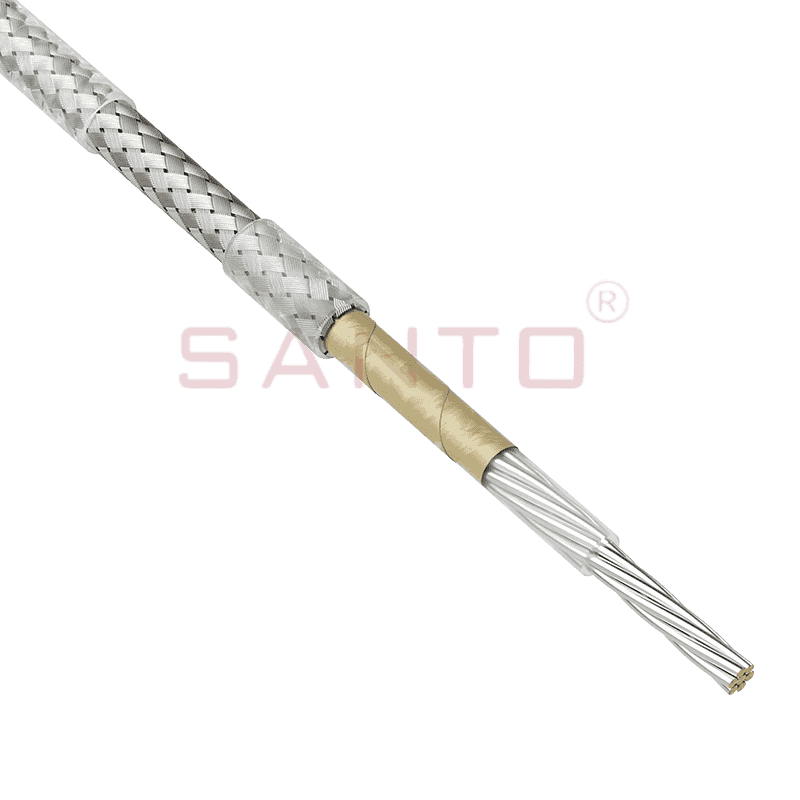
The stranded high temperature conductor is nickel plated to ensure a long life at elevated temperatures in corrosive environments. It is electrically isolated using an innovative sandwich construction...
See Details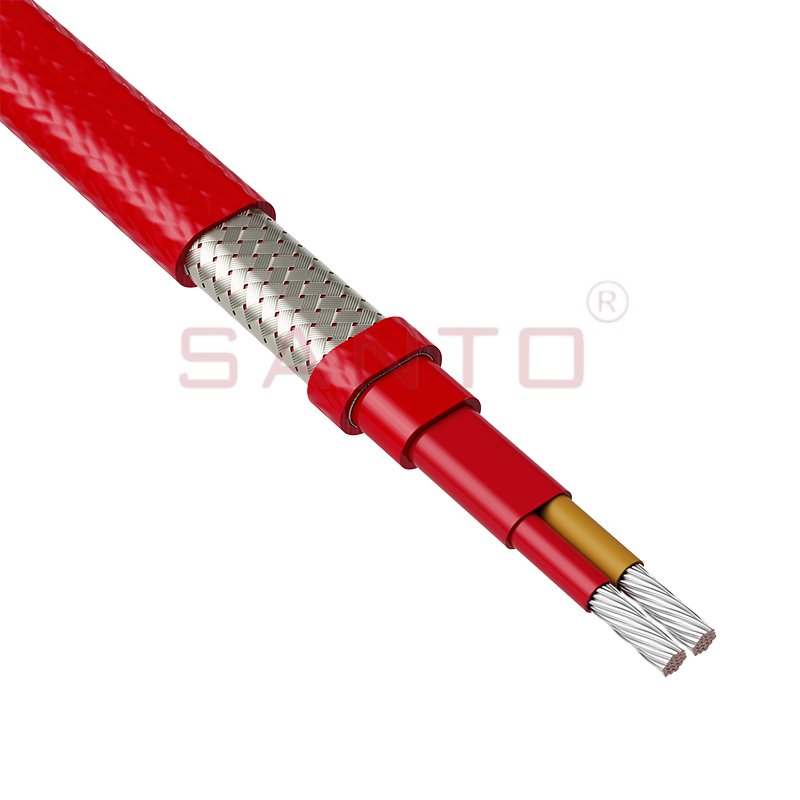
The stranded high temperature conductor is nickel plated to ensure a long life at elevated temperatures in corrosive environments. It is electrically isolated using an innovative sandwich construction...
See Details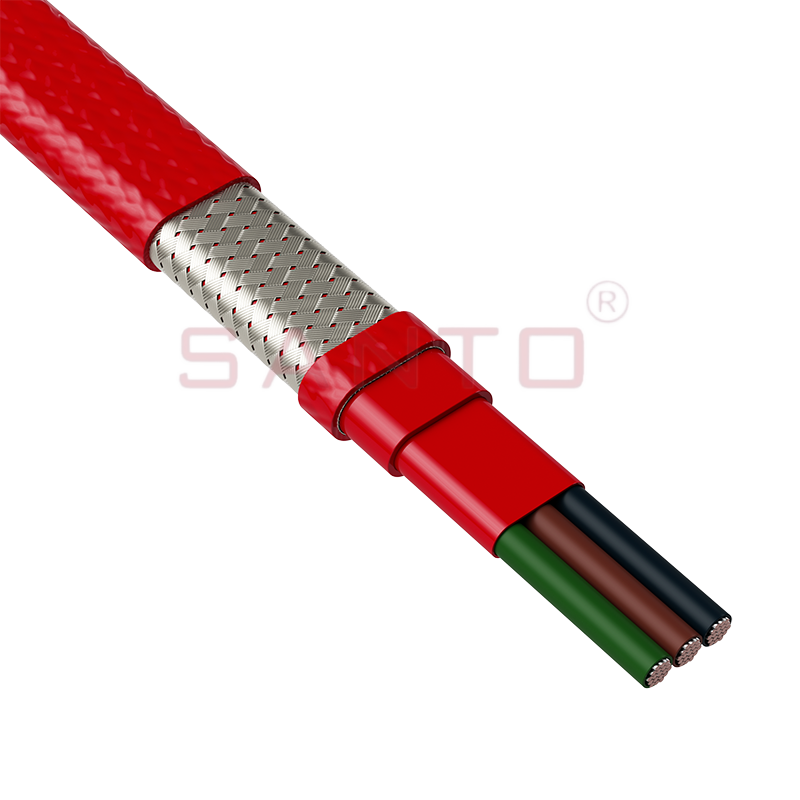
The stranded high temperature conductor is nickel plated to ensure a long life at elevated temperatures in corrosive environments. It is electrically isolated using an innovative sandwich construction...
See Details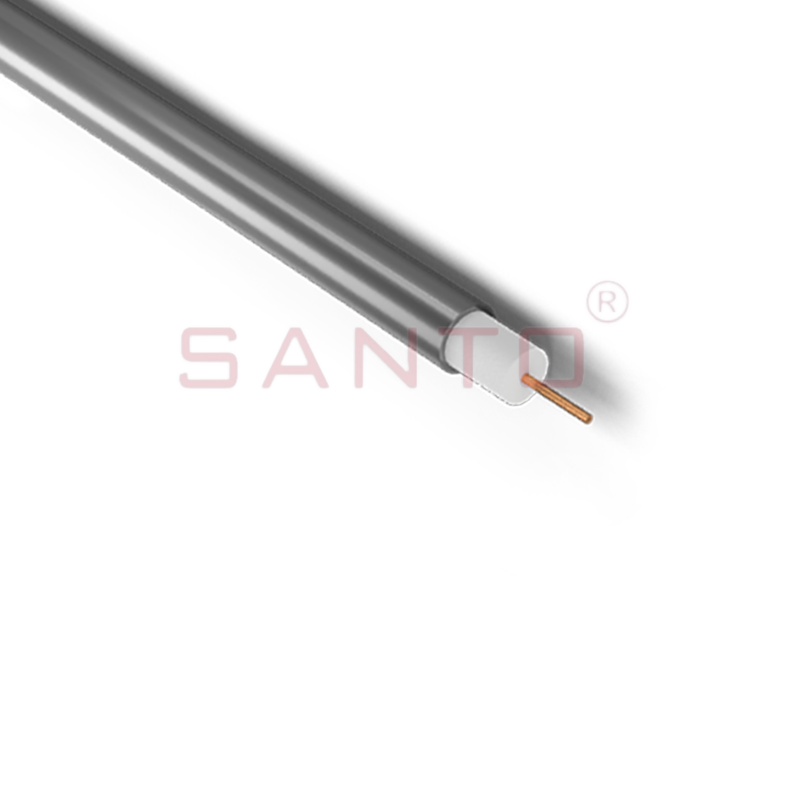
SANTO HAx mineral insulated (MI) Alloy 825 series heating cables are suitable for use in hazardous areas. They have been designed for use in freeze protection and temperature maintenance applications ...
See Details
Santo electric heating strips are widely used in key industries in China.

