 English
  English
 русский
 日本語
日本語 Español
 中文简体
中文简体
The SANTO UFA range of self-regulating heating cables is mainly used for frost protection of pipes and vessels but can also be used to maintain processes up to 65°C. These heating cables are available...
See Details
Industrial heat tracing is no longer a simple matter of adding warmth to a pipe. In modern petroleum, chemical processing, gas transmission, construction, solar energy, geothermal cultivation, and deicing applications, heat tracing must be accurate, durable, safe, energy-conscious, and adaptable to complex field conditions. The AKK high temperature constant power heating cable is designed for these demanding environments, especially where stable output, higher temperature resistance, long service life, and dependable installation performance are required.
As a parallel constant power heating cable, the AKK cable provides a consistent heating output along its circuit design, making it suitable for pipelines, tanks, valves, instruments, and process equipment that require reliable temperature maintenance or freeze protection. Unlike ordinary low-temperature heating wires or basic self-regulating cables used only in mild environments, this product is intended for applications where process stability and thermal continuity matter. Its structure supports industrial heat tracing layouts in which multiple heating zones, field cutting, and practical installation flexibility may be required.
Manufactured by Santo Thermal Control Technology Co., Ltd., the product benefits from a company background deeply connected with electric heating cable engineering. Located in Jiangsu Province, an important regional base for electric heating belt production in China, the company has accumulated extensive experience in research, design, production, and manufacturing of electric heating belts, self-limiting heating cables, constant-power heating cables, glass fiber heating belts, mineral insulated cables, snow melting cables, silicone rubber heating products, and related accessories. This broad product foundation helps the AKK high temperature constant power heating cable stand out not merely as an isolated product, but as part of a complete thermal control system.
AKK high temperature constant power heating cable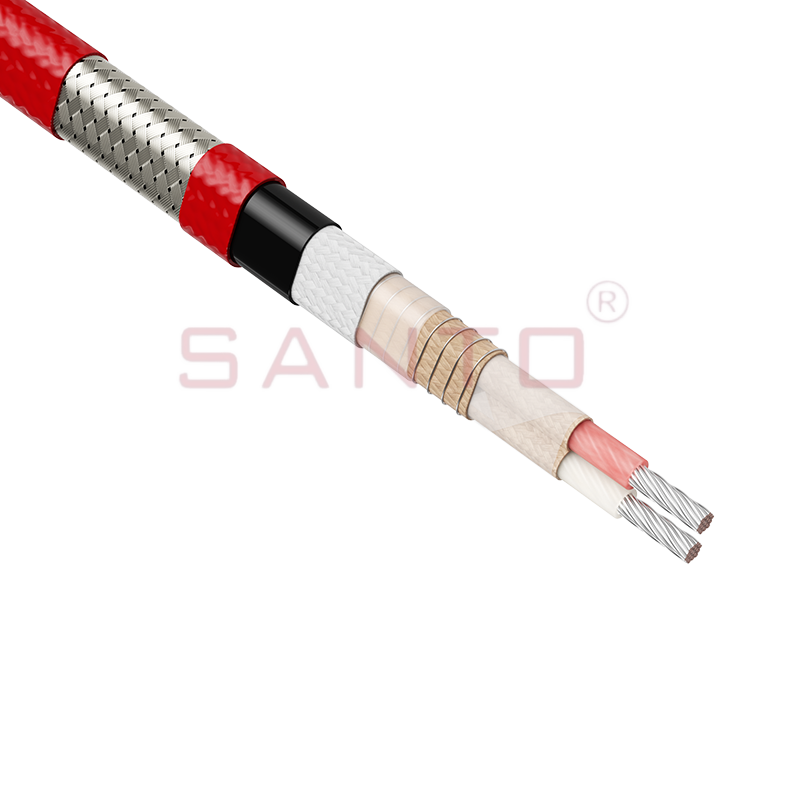
Content
The AKK high temperature constant power heating cable belongs to the parallel constant power heating cable category. It is designed to deliver stable heat output for heat tracing and temperature maintenance applications. Its main value lies in its ability to provide consistent wattage over a designed circuit, helping users maintain predictable thermal performance in industrial systems.
In many plants, thermal failures are not caused by a lack of heating equipment, but by unstable heating distribution, insufficient temperature resistance, poor insulation quality, or unsuitable cable selection. A heating cable used in a demanding operating environment must maintain electrical stability, resist environmental stress, and support safe, repeatable installation. The AKK cable addresses these priorities by combining constant power heating performance with high temperature capability and industrial-grade construction.
Parallel constant power heating cable technology is especially useful when a heat tracing system must maintain relatively uniform output along a defined length. In comparison with single-ended or series resistance heating cables, a parallel structure can offer installation flexibility because heating sections are typically supplied through conductors running along the cable length, with heating elements connected in repeated intervals. This allows practical cutting and termination according to project requirements, provided installation instructions and rated parameters are followed.
The product is suitable for applications such as pipeline freeze protection, process temperature maintenance, tank wall heating support, pump and valve insulation, instrument line heating, and general industrial heat conservation. When used with proper insulation materials, temperature controllers, junction boxes, end seals, and power connection kits, the heating cable can become part of a complete heat tracing system designed for stable operation under demanding field conditions.
Industrial processes often depend on keeping fluids, gases, or materials within a required temperature range. If the temperature falls too low, viscous fluids may thicken, water may freeze, gas hydrates may form, chemical reactions may slow, or production lines may stop. For this reason, heat tracing cables are used not only for comfort or convenience, but for operational continuity and asset protection.
A constant power heating cable is valued because it produces a defined heat output rather than relying only on ambient temperature changes. This predictable output helps engineers calculate heat loss compensation more accurately. When a pipe, tank, or vessel has a known heat loss value, a constant wattage cable can be selected to match that requirement, allowing system designers to build a stable thermal protection strategy.
Compared with many commodity heating cables, the AKK high temperature constant power heating cable is better suited for conditions where temperature requirements are elevated, heat loss is significant, or process reliability is essential. In harsh sites, cable selection based only on low price can result in insulation breakdown, uneven heating, premature aging, field rework, or downtime. A constant power heating cable designed for high temperature applications helps reduce such risks when properly specified and installed.
The AKK high temperature constant power heating cable offers several practical advantages over lower-grade alternatives. These advantages are especially important for industrial users who must balance performance, safety, installation efficiency, service life, and total operating cost.
The most direct advantage is stable heating output. In industrial heat tracing, output consistency affects the temperature uniformity of the pipe or equipment being protected. If a cable has unstable power distribution, certain areas may be overheated while others remain underheated. The AKK cable is designed to provide constant power performance within its rated operating conditions, helping users achieve more reliable thermal control.
This stability is beneficial for maintaining fluids that are sensitive to temperature fluctuation. It can also support freeze protection systems where predictable heating is necessary during long periods of low ambient temperature. For plants operating continuously, stable heat output helps reduce the likelihood of emergency maintenance caused by frozen lines, blocked pipes, or interrupted flow.
Many basic heating cables are designed only for low or moderate temperature environments. When exposed to high process temperatures or high sheath temperatures, their insulation materials may age quickly, harden, crack, or lose dielectric strength. The AKK high temperature constant power heating cable is positioned for higher temperature applications, making it more suitable for industrial process lines, heated vessels, and environments where ordinary cables may fail prematurely.
High temperature resistance is not only about the maximum number on a specification sheet. It is also about material compatibility, insulation endurance, conductor stability, and manufacturing consistency. A cable intended for high temperature service must be designed so that its electrical and mechanical properties remain dependable during long-term use. This is where professional manufacturing and process control become critical.
The parallel constant power structure provides installation advantages on complex piping systems. Industrial pipes rarely run in simple straight lines. They include elbows, flanges, valves, pumps, reducers, supports, and instrumentation. A cable that can be practically arranged around these elements helps installers build an effective system without excessive waste or unnecessary complexity.
When used according to engineering design and manufacturer instructions, the parallel structure can support field layout flexibility. This helps reduce material waste compared with heating solutions that require exact factory lengths for every section. For contractors and maintenance teams, easier adaptation on site can shorten installation time and reduce project risk.
Heat tracing cables used in industrial facilities are exposed to mechanical handling, temperature cycling, insulation materials, moisture, chemical atmospheres, and outdoor weather. Durability must therefore be considered from the inside out. Conductors, heating elements, insulation layers, outer jackets, braiding, and termination accessories all influence the final reliability of the system.
The AKK cable benefits from Santo Thermal Control Technology Co., Ltd.’s long experience with electric heating products across petroleum, chemical, gas, construction, solar, electric heating, and geothermal fields. This experience contributes to product design that reflects real-world operating conditions rather than laboratory assumptions alone.
A heating cable is rarely used alone. It is normally combined with temperature controllers, power connection kits, end seals, junction boxes, mounting tapes, warning labels, thermal insulation, and sometimes monitoring systems. A manufacturer with a wide portfolio of heating cables and accessories can provide better system matching than a supplier offering only single cable products.
Santo produces and supplies a range of electric heating products and accessories, including self-limiting heating belts, constant-power heating belts, glass fiber heating belts, silicone rubber heating systems, mineral insulated cables, snow melting cables, and heating cable accessories. This allows customers to build coordinated heat tracing solutions with consistent technical support and product compatibility.
In a heat tracing system, the heating cable compensates for heat lost from a pipe, tank, or equipment surface to the surrounding environment. The amount of heat loss depends on the process temperature, ambient temperature, pipe size, insulation thickness, insulation material, wind exposure, fluid properties, and safety margin. If the installed heat output is too low, the system may fail to maintain the required temperature. If it is too high and uncontrolled, energy may be wasted or the equipment may be overheated.
The AKK high temperature constant power heating cable is particularly useful where a defined wattage per unit length is required. Engineers can calculate heat loss and then select cable output accordingly. When combined with suitable controls, the cable can help maintain stable temperatures while limiting unnecessary energy consumption.
The cable may be applied in straight runs along pipework, spiral-wrapped where additional heat density is needed, or arranged carefully around valves and flanges to compensate for higher local heat loss. In each case, installation should follow design documents and relevant standards. Thermal insulation must be installed correctly after cable placement because heat tracing performance depends heavily on insulation quality. Even a high-grade heating cable cannot compensate efficiently for damaged or missing insulation.
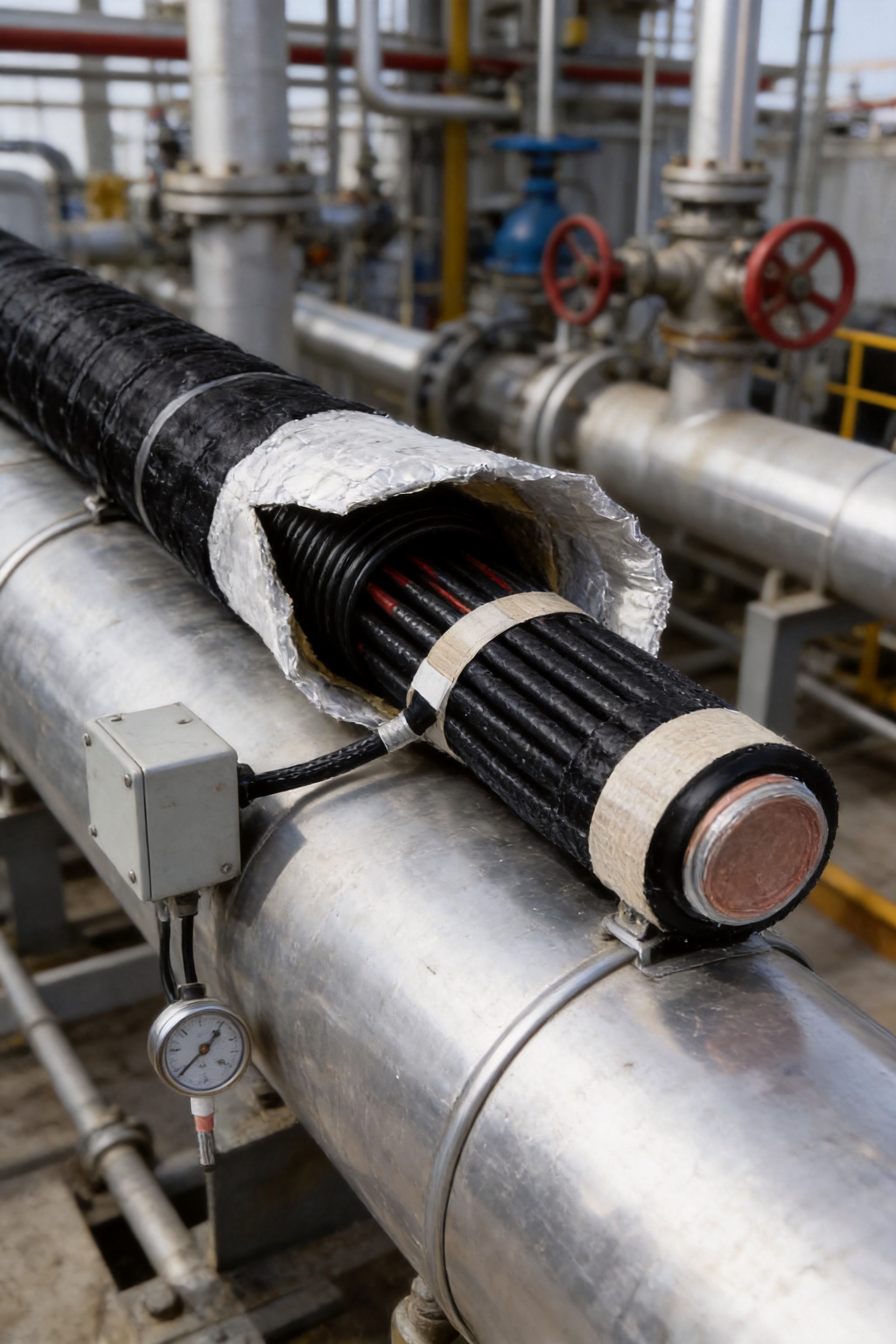
Petroleum and chemical plants often transport liquids that must remain above a minimum temperature. Crude oil, heavy oil, wax-containing fluids, resins, polymers, caustic solutions, and certain chemical intermediates can become difficult to pump if the temperature drops. Constant power heat tracing helps maintain flowability and supports process continuity.
In these environments, high temperature resistance is important because pipelines may be exposed to both internal process temperatures and external heating requirements. The AKK cable can be used as part of a designed system to support temperature maintenance and antifreeze protection for process lines, storage areas, and auxiliary equipment.
Gas facilities may use heat tracing to protect instrument lines, valves, regulators, and condensate lines from freezing or hydrate formation. Reliable heat tracing can help avoid instrument malfunction and flow restrictions. Constant power cable output is useful where predictable heating is required across sections of the system.
For energy facilities, including solar thermal and other heating-related systems, heat tracing may be used to protect circulating lines and maintain system readiness in cold weather. The AKK cable’s industrial construction helps support long-term use in demanding environments.
In building systems, heat tracing can prevent freezing in water supply pipes, fire protection systems, drainage lines, and exposed mechanical services. While some building applications may use self-regulating cables, high temperature constant power cables may be selected where specific wattage, higher thermal demand, or specialized operating conditions are present.
Infrastructure projects may also require heat tracing for bridges, outdoor equipment, utility lines, and industrial service stations. A dependable cable reduces maintenance burden and helps protect critical systems during severe weather.
Controlled thermal environments are valuable in agriculture, greenhouse operations, and geothermal cultivation. Heating cables can support stable temperatures for irrigation lines, nutrient delivery systems, or cultivation beds. The AKK product may be used where a constant heat output is desired and the application requires robust cable performance.
Tanks and vessels can lose large amounts of heat because of their surface area and exposure. Heat tracing cables can be arranged around tank walls, nozzles, manways, and associated piping to reduce temperature loss. Constant power output helps maintain predictable heating patterns when properly designed and controlled.
Equipment such as pumps, strainers, filters, flow meters, and valve assemblies often requires additional heat tracing because these components have irregular shapes and higher local heat loss. The flexibility of a parallel constant power cable can be useful in these locations.
The following table summarizes how a high temperature constant power heating cable can compare with common alternative heating products in industrial applications. Actual selection should always be based on engineering conditions, temperature requirements, area classification, electrical parameters, and applicable standards.
| Comparison Item | AKK High Temperature Constant Power Heating Cable | Ordinary Low-Temperature Heating Wire | General Self-Regulating Cable | Series Resistance Heating Cable |
|---|---|---|---|---|
| Heating Output | Designed for stable constant power output within rated conditions | May provide basic heat but often with limited industrial control | Output changes with temperature and may decline at higher temperatures | Output depends on fixed factory length and circuit design |
| Temperature Capability | Suitable for higher temperature heat tracing applications | Usually limited to low or moderate temperature use | Available in different grades, but many are limited in high temperature environments | Can be high temperature if specially designed, but less flexible in length |
| Installation Flexibility | Parallel structure supports practical field layout when used correctly | Often simple but not optimized for complex industrial tracing | Generally flexible and field cuttable depending on type | Usually requires precise factory length and careful circuit matching |
| Process Temperature Maintenance | Well suited for predictable heat loss compensation | Less suitable for critical process systems | Useful for freeze protection and moderate temperature maintenance | Useful for long lines but design changes are less convenient |
| Industrial Reliability | Designed for demanding industrial heat tracing with appropriate accessories | May have shorter service life in harsh conditions | Reliable when properly selected, but output characteristics differ | Reliable when engineered precisely, but field modification is limited |
| Best Use Scenario | High temperature pipelines, tanks, valves, and process equipment | Simple warming or non-critical applications | Freeze protection, moderate maintenance, variable temperature zones | Long-distance tracing with predefined lengths |
A heating cable’s performance depends not only on its design but also on the manufacturer’s process control. Santo Thermal Control Technology Co., Ltd. has built its strength through decades of involvement in electric heating belt technology. The company’s background includes research, design, production, manufacturing, and sales of multiple electric heating product categories. This integrated structure allows feedback from field applications to influence product development and manufacturing improvement.
The company has more than 35 years of industry experience, with a development history that includes early factory establishment, ISO quality system certification, irradiation capability, brand development, explosion-proof certification, EAC Eurasian Union certification, invention patents, public recognition, factory expansion, and international market development. These milestones demonstrate a long-term commitment to thermal control products rather than short-term trading activity.
For industrial customers, manufacturing depth is important. A supplier with actual production capabilities can control raw material selection, extrusion quality, electrical testing, mechanical inspection, packaging, and documentation. This reduces the risk of inconsistent batches and improves accountability when technical support is required.
The company is engaged in the research and development of automatic temperature-control electric heating belts, self-limiting heating cables, heat tracing belts, constant-power heating cables, glass fiber heating belts, mineral insulated cables, and related electric heating products. A diverse research base helps engineers understand the strengths and limitations of different heating technologies. This knowledge is valuable when developing a high temperature constant power cable because it requires balanced performance in electrical output, insulation strength, thermal endurance, flexibility, and safety.
Product development in heating cable manufacturing often includes conductor selection, resistance element design, insulation formulation, extrusion process control, temperature aging tests, bending performance checks, dielectric strength testing, and compatibility evaluation with accessories. For high temperature cables, special attention must be given to long-term thermal aging and material stability. Even small variations in insulation quality can affect service life.
The company has passed ISO9001 quality system certification, and its products have obtained national CCC certification. It has also obtained explosion-proof certification and EAC Eurasian Union certification in its development history. These certifications reflect attention to quality management and market compliance. For customers in industrial and international projects, such certification awareness is important because heat tracing systems are often installed in regulated environments.
A quality management system helps standardize production, inspection, corrective actions, supplier management, and documentation. In heating cable manufacturing, repeatability is critical. A cable may look similar from the outside, but conductor resistance, insulation thickness, jacket adhesion, braid coverage, and termination compatibility determine whether it performs reliably in the field. Quality control systems help ensure that each production batch meets defined requirements.
Santo’s product portfolio includes constant-power electric heating strips, self-limiting electric heating strips, silicone rubber electric heating strips, glass fiber electric heating strips, electric hot wires, mineral insulated cables, snow melting cables, tracked heaters, and accessories. This range gives the company practical manufacturing experience with different materials and construction methods.
For example, silicone rubber heating products require elastomer processing knowledge, glass fiber heating belts require textile and insulation knowledge, mineral insulated cables require metal sheath and mineral insulation expertise, and self-limiting cables require polymer conductive core technology. This cross-product experience supports broader problem-solving capability when designing or manufacturing constant power cables.
Although every heating cable design has its own specific process, high-quality constant power cable manufacturing generally follows a disciplined sequence. The manufacturer must control raw materials, conductor preparation, heating element configuration, insulation extrusion, protective layers, electrical testing, marking, cutting, packaging, and final inspection. Each step affects final cable reliability.
Raw material selection is the foundation of cable performance. Conductors must offer suitable electrical conductivity, mechanical strength, and corrosion resistance. Heating elements must deliver the intended resistance characteristics. Insulating materials must withstand rated temperature, voltage stress, bending, moisture, and aging. Outer jackets must resist field exposure and installation damage.
For a high temperature constant power heating cable, material selection is especially important because continuous thermal stress can accelerate aging. The right insulation and jacket materials help the cable retain dielectric strength and flexibility over time. A manufacturer with long-term experience can select materials not only for laboratory performance but also for actual jobsite conditions.
Parallel constant power cables typically use bus wires and repeated heating elements to create heating zones. The precision of this structure affects power output consistency. If the resistance elements are inconsistent or if connection points are poorly controlled, heating output may vary along the cable length. Advanced production methods help maintain stable electrical characteristics and reduce defects.
During production, conductor alignment, spacing, and connection reliability must be controlled. Heating circuit formation must be repeatable so that each section of the cable performs as intended. This requires trained operators, suitable equipment, and electrical verification.
Insulation processing is one of the most important steps in heating cable manufacturing. The insulation layer must be uniform, free from voids, and properly bonded or formed around the internal components. Poor extrusion can create weak points that may fail under voltage, moisture, or heat.
For high temperature service, insulation must also resist hardening and cracking. Jacket processing must provide mechanical protection while preserving cable flexibility. A well-manufactured cable should be manageable during installation but robust enough to withstand industrial handling.
Electrical testing is essential for every heating cable. Common checks may include conductor continuity, resistance measurement, insulation resistance, high-voltage withstand testing, and output verification. Thermal testing may include heat output confirmation and temperature endurance assessment. For industrial products, sample testing and batch inspection help ensure reliability.
Testing is not merely a final step. It is a feedback mechanism for production improvement. If resistance values drift, insulation defects appear, or output uniformity changes, the production process must be adjusted. A manufacturer with strong quality management can identify such issues early and prevent nonconforming product from reaching customers.
Power connection kits, end seals, splices, junction boxes, and controllers must be compatible with the cable. Even a well-made heating cable can fail if accessories are poorly matched or incorrectly installed. Santo’s supply of related electric heating accessories helps support complete system implementation.
In industrial heat tracing, terminations are especially important because moisture ingress, loose connections, or improper sealing can cause electrical faults. A complete manufacturer can provide guidance on connection methods, accessory selection, and installation precautions.
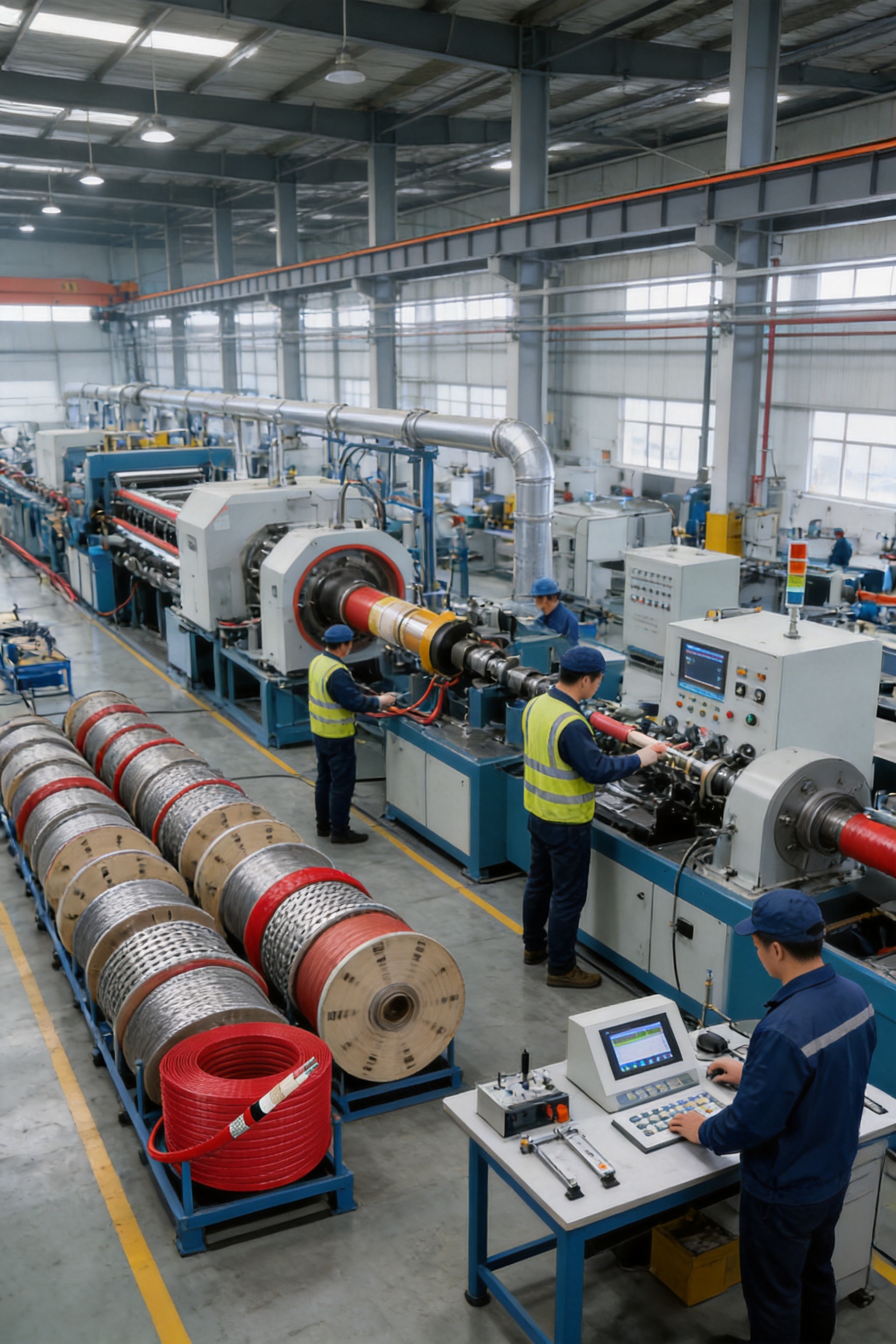
The company’s SEO positioning emphasizes OEM heating cable manufacturing and ODM heating cable factory capability. For international buyers, engineering contractors, distributors, and equipment manufacturers, OEM and ODM capability can be a major advantage. It means the supplier can support custom heating cable requirements rather than only selling standard items.
Customization may involve output rating, voltage, cable length, jacket material, operating temperature range, certification requirements, packaging, labeling, accessory kits, or project-specific documentation. With 35 years of industry experience and production capability, Santo can support customers seeking custom heating cable export sales and application-focused solutions.
OEM and ODM support also helps distributors build product lines suited to local markets. For example, a cold-region distributor may need heat tracing products for freeze protection and snow melting, while a chemical industry supplier may require high temperature process maintenance cables. A manufacturer with multiple product categories can support both needs with coordinated technical resources.
When comparing heating cables, purchase price is only one part of the total cost. Industrial users must consider installation labor, design flexibility, energy use, maintenance frequency, downtime risk, replacement cost, and safety performance. A cheaper cable may become expensive if it fails early, requires difficult installation, or cannot maintain the required temperature.
The AKK high temperature constant power heating cable can help reduce total cost of ownership in several ways. Its stable output supports more predictable heat tracing design. Its high temperature capability reduces the risk of premature material aging in demanding environments. Its parallel structure can improve field layout efficiency. Its compatibility with a broad accessory system supports complete installation. Its manufacturing background provides customers with stronger technical confidence.
For critical industrial systems, avoiding downtime is often more valuable than saving a small amount on cable cost. A frozen line, blocked process pipe, or failed heating circuit can lead to production losses, emergency labor, material waste, or safety hazards. Selecting a higher-quality cable at the beginning is therefore a practical investment in operational reliability.
To obtain the best performance from the AKK high temperature constant power heating cable, proper engineering and installation are essential. Heat tracing systems should be designed according to heat loss calculations, process requirements, electrical capacity, insulation specifications, and environmental conditions.
Before selecting cable output, engineers should determine the heat loss of the pipe or equipment. This calculation considers pipe diameter, required maintenance temperature, minimum ambient temperature, insulation type, insulation thickness, wind conditions, and safety factors. A constant power cable should be selected so that installed output compensates for expected heat loss without excessive overheating.
Although constant power cables deliver stable output, many systems should use temperature controllers or thermostats to regulate operation. Controls help save energy and prevent unnecessary heating. For high temperature applications, sensor placement is important. Sensors should be installed where they accurately reflect the controlled temperature and should be protected from damage.
Thermal insulation is essential for heat tracing efficiency. After the cable is installed and tested, insulation should be applied correctly and protected with weatherproof cladding where needed. Gaps, crushed insulation, water ingress, or missing sections can greatly reduce system performance.
Heating cable circuits should include suitable electrical protection devices. Ground-fault protection, circuit breakers, and proper grounding practices help improve safety. Electrical installation should be performed by qualified personnel following local codes and project standards.
Testing should be performed before and after insulation installation. Insulation resistance and continuity checks help identify damage caused during handling. Documentation of test results is useful for commissioning and future maintenance.
Safety is a central concern in any electric heating system. Heating cables operate in close contact with metal pipes, insulation, and sometimes hazardous or corrosive environments. Therefore, cable quality, installation workmanship, and system protection must work together.
The AKK high temperature constant power heating cable is intended to be part of a correctly engineered system. Users should follow product instructions, applicable standards, and site safety requirements. In hazardous areas, certified products and appropriate explosion-proof accessories may be required. The company’s experience with explosion-proof certification and international market requirements supports customers who must address such compliance concerns.
Reliability also depends on preventing mechanical damage. Cables should not be sharply bent beyond specified limits, crushed under supports, cut accidentally, or exposed to incompatible chemicals unless the jacket is designed for that environment. During maintenance, technicians should avoid damaging the heating cable when removing insulation or working around traced equipment.
Industrial customers often evaluate suppliers based on price, delivery, and specification sheets. However, manufacturer experience is equally important. Heat tracing products must perform for years in environments that combine electricity, heat, moisture, mechanical stress, and process risk. A manufacturer with decades of experience is more likely to understand how small design and production details affect long-term field performance.
Santo Thermal Control Technology Co., Ltd. traces its development through multiple milestones. The company’s predecessor factory was founded in 2000, ISO quality system certification was achieved in 2002, an irradiation center was established in 2013, the SANTO brand was established in 2016, invention work continued around high-temperature pipeline heating and carbon fiber parallel heating cable technology, and the company expanded through new factory construction and international market development. These developments show a sustained focus on electric heating technology.
The company reports business in more than 85 areas, more than 2,000 distributors, and annual output exceeding 10,000 units or sets across its product scope. Such market presence suggests practical experience with diverse applications and customer requirements. For international buyers, this can translate into better communication, faster product matching, and improved after-sales support.
Santo Thermal Control Technology Co., Ltd. positions itself as a China OEM heating cable manufacturer and ODM heating cable factory with custom heating cable export capability. The company’s location in Wuxing Industrial Zone, Dainan Town, Xinghua City, Jiangsu Province gives it access to an established electric heating industry environment. Its product range and manufacturing background support both standard and customized heat tracing needs.
The company emphasizes innovation, cooperation, effectiveness, and development as core values. Its mission is to create value and a better life, while its vision is connected with protecting environmental health. In the heat tracing industry, these values can be reflected through durable products, improved energy management, process reliability, and long-term customer partnerships.
For customers, supplier strength is not just a matter of factory size. It includes technical consultation, production control, delivery capability, documentation, certifications, accessory availability, and after-sales response. A complete supplier can help customers move from product selection to system implementation more efficiently.
The AKK high temperature constant power heating cable competes in a market that includes low-cost heating wires, standard self-regulating cables, imported heat tracing systems, local custom cable makers, and specialized mineral insulated cables. Its competitive advantage lies in combining high temperature constant power performance with practical parallel cable flexibility and the support of an experienced manufacturer.
Against ordinary low-cost heating wires, the AKK cable offers stronger industrial relevance, better suitability for process heat tracing, and greater focus on high temperature service. Against general self-regulating cables, it offers predictable constant wattage for applications where heat loss compensation requires stable output. Against series resistance cables, it can offer more practical field layout flexibility in many installations. Against high-cost imported solutions, it may provide a favorable balance of performance, customization, and cost competitiveness.
This positioning is especially valuable for customers who need reliable industrial heating cables but also require OEM support, competitive manufacturing cost, and responsive supply. The product is not merely a commodity cable; it is part of a broader thermal control capability that includes design knowledge, manufacturing experience, quality systems, and accessory support.
To maximize service life, users should develop a maintenance plan for heat tracing systems. Periodic inspection can identify damaged insulation, loose junction boxes, failed controllers, water ingress, mechanical damage, or abnormal power consumption before they cause major problems.
Recommended maintenance activities include visual inspection of traced lines, checking warning labels, verifying controller settings, testing circuit continuity, measuring insulation resistance, inspecting power connections, and confirming that thermal insulation remains dry and intact. In cold climates, inspections should be completed before winter. In process plants, inspections may be aligned with shutdown schedules.
If a section of heating cable is damaged, repairs should be made using approved methods and compatible accessories. Improvised splices or unsealed connections can create safety hazards. Qualified personnel should perform troubleshooting and repairs according to site electrical rules and manufacturer guidance.
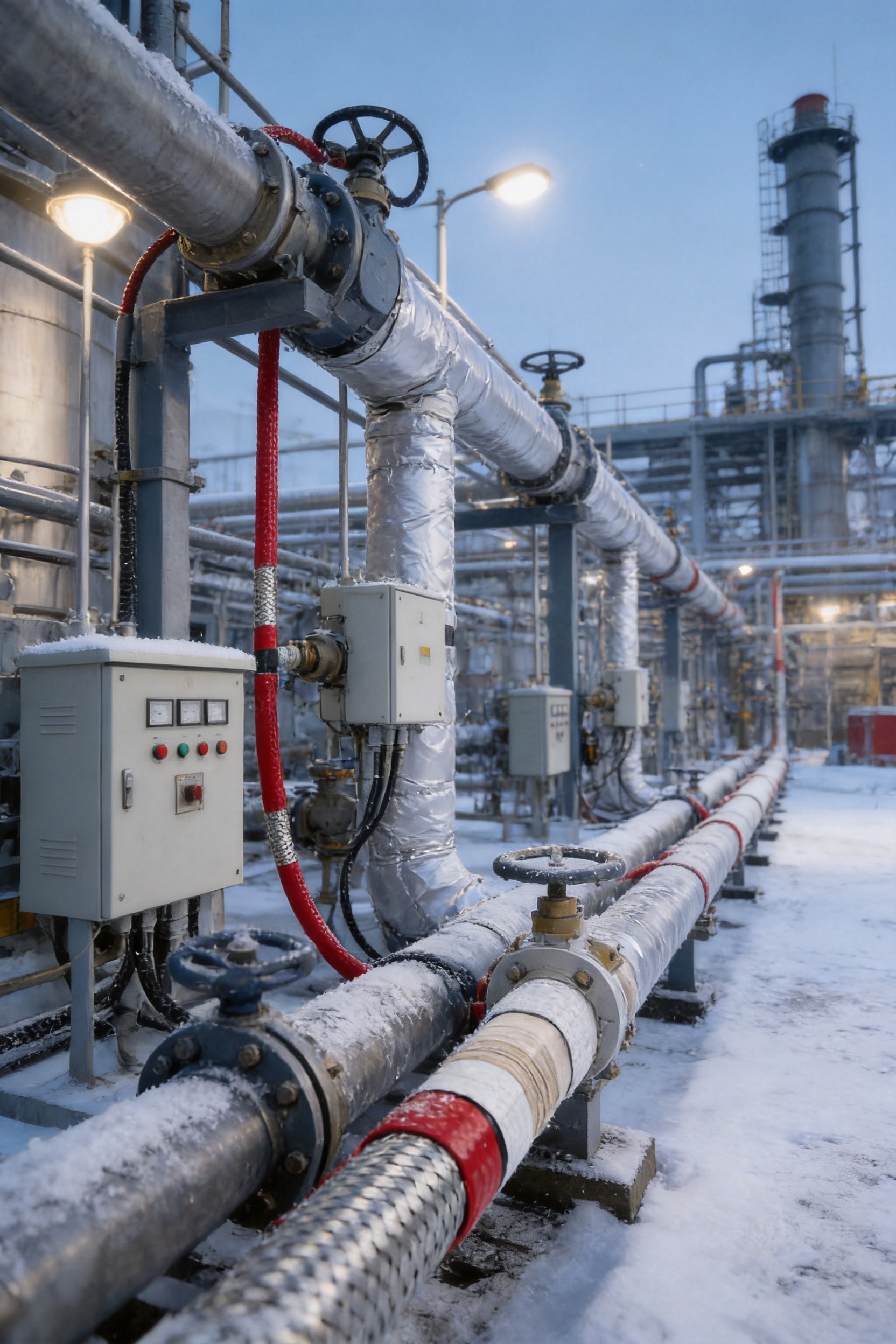
It is used for industrial heat tracing, freeze protection, process temperature maintenance, and heat conservation on pipelines, tanks, valves, instruments, and equipment. It is especially suitable for applications requiring stable constant power output and higher temperature capability.
A constant power heating cable is designed to provide a defined heat output within its rated conditions. A self-regulating cable changes its output according to temperature because of its conductive polymer core. Constant power cables are useful when predictable wattage is required, while self-regulating cables are often used for freeze protection and variable temperature conditions.
High temperature resistance helps the cable survive demanding process environments. Ordinary cables may age quickly, crack, or lose insulation performance when exposed to elevated temperatures. A high temperature cable is designed with materials and construction suitable for more severe thermal conditions.
Yes, it can be used as part of a properly engineered heat tracing system for chemical plant pipelines, provided the cable rating, jacket material, temperature range, area classification, and accessories are suitable for the specific application.
Many constant power heat tracing systems should use temperature control to improve energy efficiency and prevent overheating. The exact control method depends on the process temperature, cable output, installation design, and safety requirements.
Typical accessories include power connection kits, end seals, junction boxes, mounting tapes, warning labels, thermostats or controllers, and sometimes splicing kits. Thermal insulation and weatherproof cladding are also essential for system efficiency.
Its main advantages include stable constant power output, high temperature capability, industrial durability, parallel cable installation flexibility, and support from an experienced manufacturer with a broad electric heating product portfolio.
Yes. The manufacturer provides OEM and ODM heating cable support, including custom solutions for different application requirements, ratings, packaging, and market needs, depending on project feasibility and technical specifications.
Users should select the correct cable rating, install it according to instructions, use compatible accessories, apply proper thermal insulation, include electrical protection, perform commissioning tests, and maintain the system regularly.
It may be used outdoors when the selected cable construction, accessories, insulation, and weatherproof protection are suitable for outdoor exposure. Weatherproof cladding and proper sealing are important to prevent moisture-related failures.
The AKK high temperature constant power heating cable provides a practical and reliable solution for industrial heat tracing applications that require stable output and higher temperature performance. Its parallel constant power design supports predictable heat delivery and practical installation flexibility, making it suitable for pipelines, tanks, valves, instruments, and equipment in petroleum, chemical, gas, construction, energy, agricultural, and industrial environments.
Compared with ordinary heating wires and many standard heating cable options, the AKK cable offers stronger suitability for demanding process conditions. Its value is not limited to the cable itself; it is reinforced by the manufacturing strength of Santo Thermal Control Technology Co., Ltd., a company with decades of experience, broad product capabilities, quality system certification, technology development history, and international market activity.
For users seeking a dependable heat tracing cable, the most important decision is not simply choosing a product with an attractive specification. It is choosing a product supported by engineering understanding, production discipline, material control, testing capability, accessory compatibility, and after-sales confidence. In this respect, the AKK high temperature constant power heating cable is positioned as a strong choice for customers who need industrial-grade thermal control performance and long-term operating reliability.
1. IEEE Standard 515, Standard for the Testing, Design, Installation, and Maintenance of Electrical Resistance Trace Heating for Industrial Applications.
2. IEC 60079-30, Explosive Atmospheres: Electrical Resistance Trace Heating.
3. ISO 9001, Quality Management Systems: Requirements.
4. ASHRAE Handbook, HVAC Applications: Pipe Heating and Freeze Protection Principles.
5. Electric Heat Tracing Design Guide, Industrial Process Heating and Temperature Maintenance Practices.
6. Materials Engineering Handbook, Thermal Aging and Insulation Performance in Electrical Cable Systems.
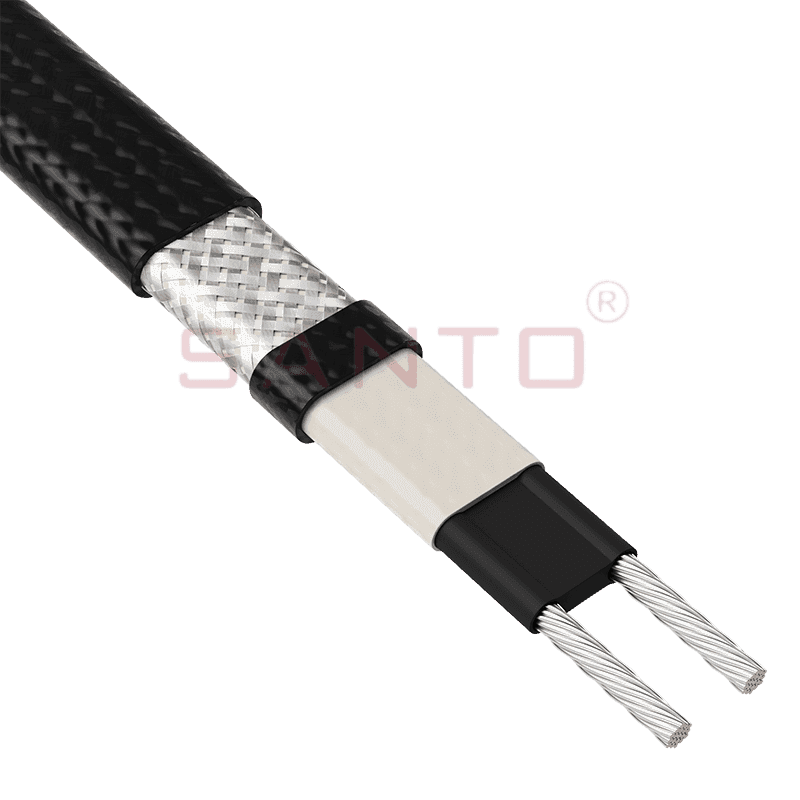
The SANTO UFA range of self-regulating heating cables is mainly used for frost protection of pipes and vessels but can also be used to maintain processes up to 65°C. These heating cables are available...
See Details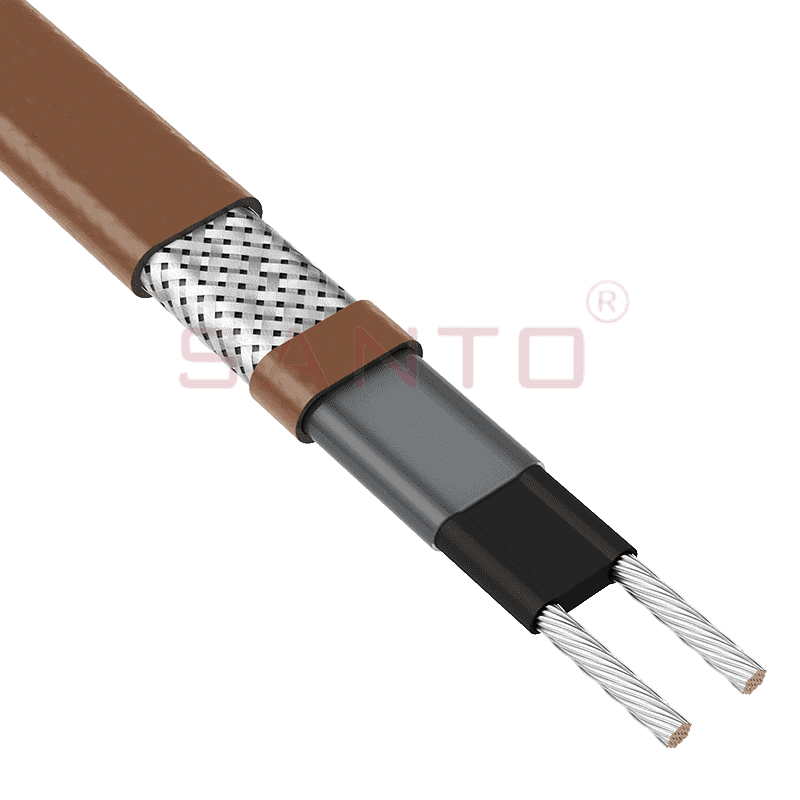
The SANTO UFB range of self-regulating heating cables is mainly used for frost protection of pipes and vessels requiring a higher power output than the UFA heating cables can supply. They can also be ...
See Details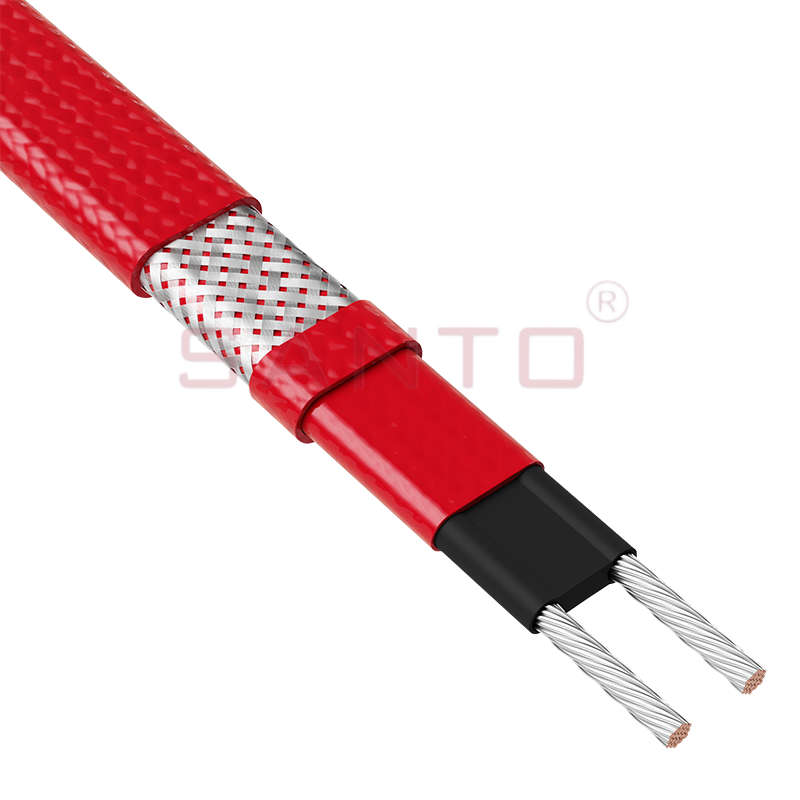
The SANTO UFC range of self-regulating heating cables is used for frost protection of pipes and vessels that require steam cleaning. They can also be used to maintain processes up to 121°C. These heat...
See Details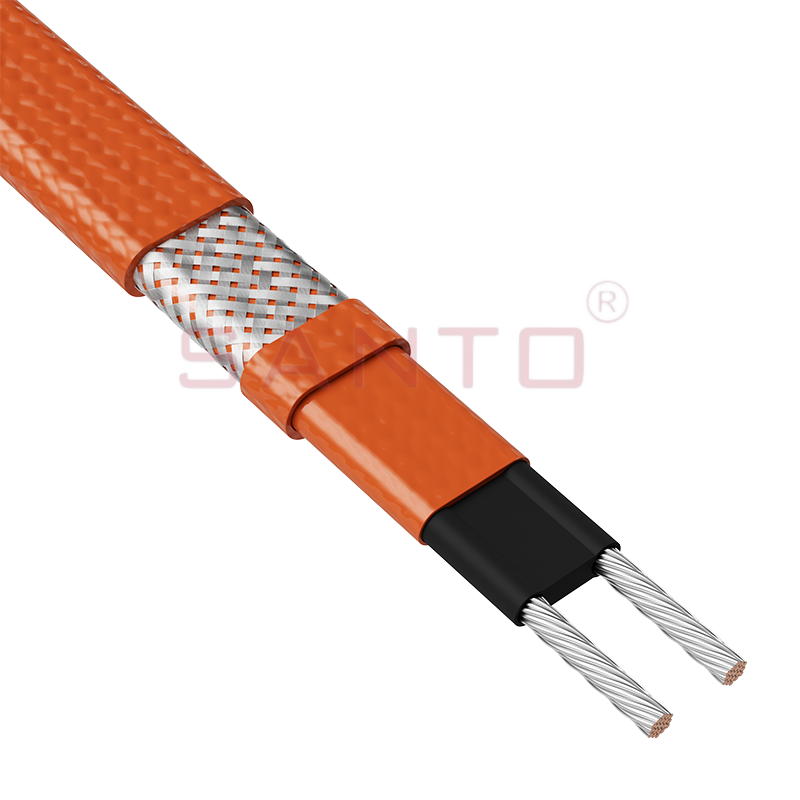
The SANTO UFO range of self-regulating heating cables is mainly used for frost protection of pipes and vessels that require steam cleaning . They can also be used to maintain processes up to 150°C. Th...
See Details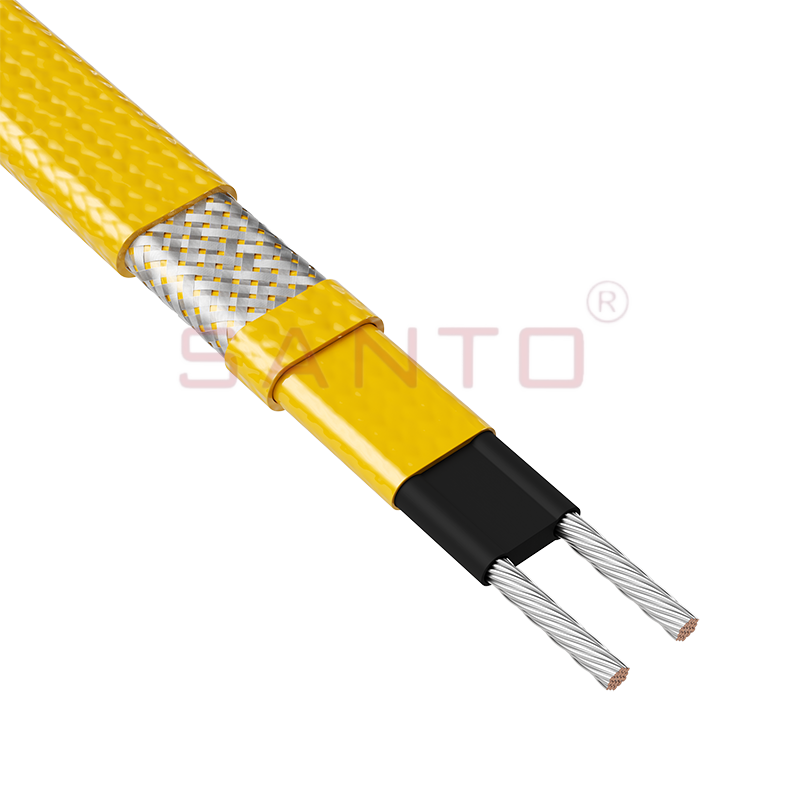
The SANTO UFD series of self-regulating heating cables are mainly used for freeze protection of pipes and vessels, but can also be used to maintain processes up to 200°C. These heating cables are avai...
See Details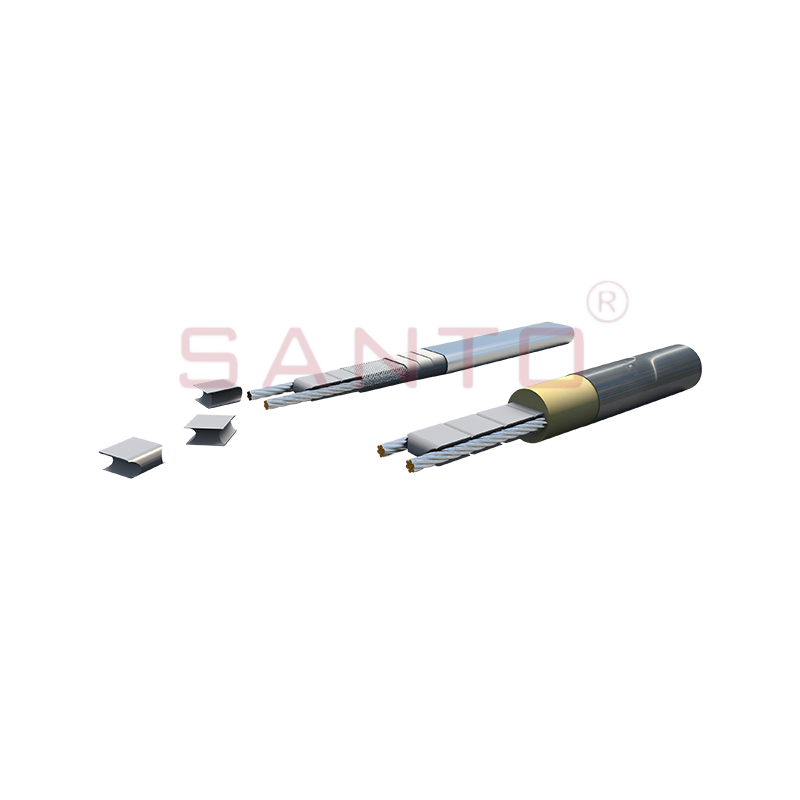
SANTO UFY heating wire is suitable for applications that maintain process temperatures up to 260 ℃ and can be steam blown; The self-regulating and parallel circuit heating wires of the UFY series are ...
See Details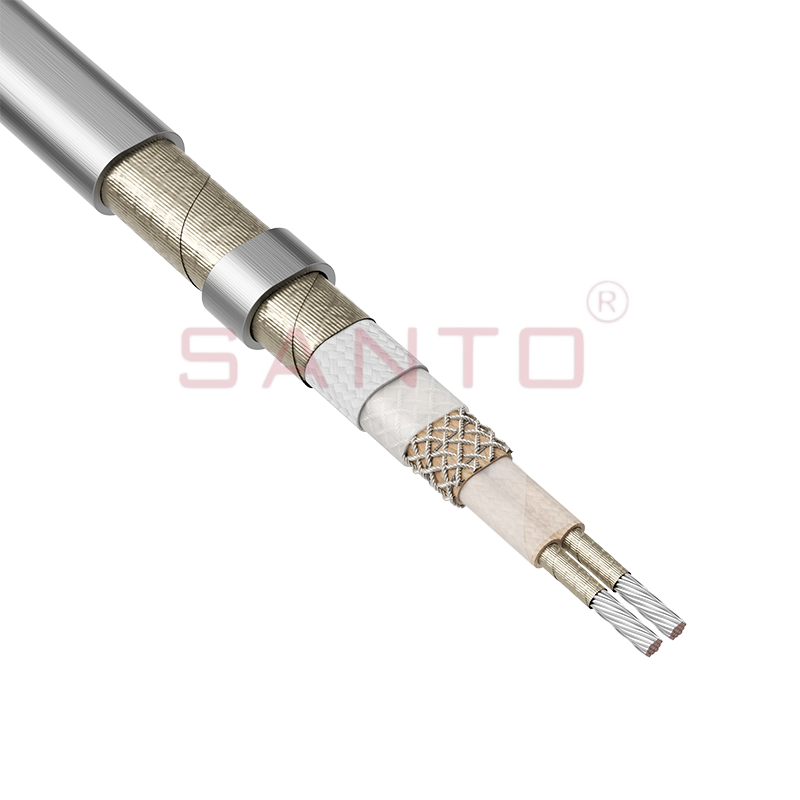
The SANTO UFM series self-regulating heating cables are mainly used for freeze protection of pipes and vessels, but can also be used to maintain processes up to 400°C. These heating cables are availab...
See Details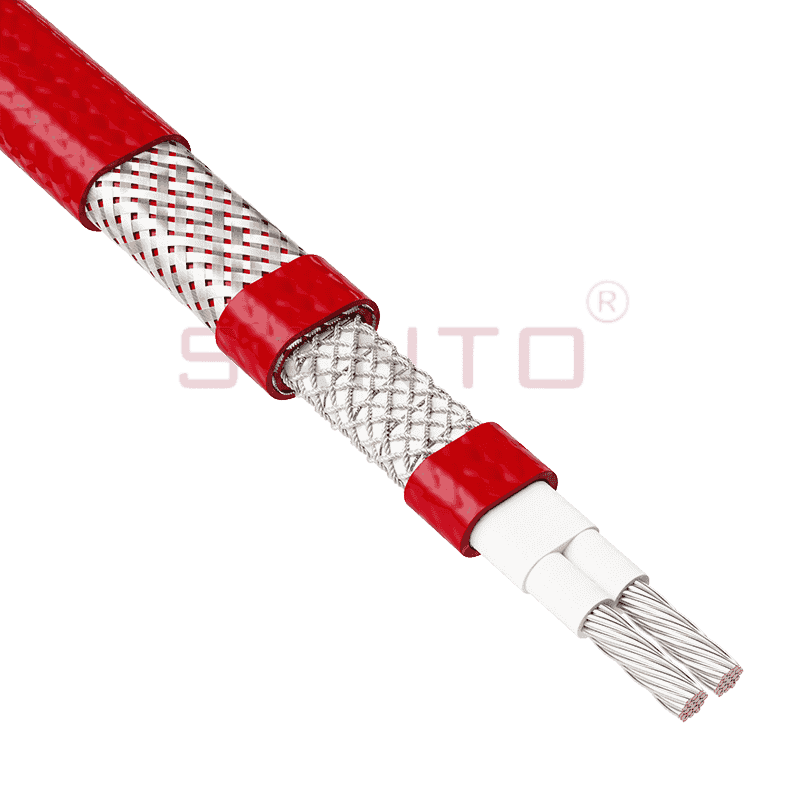
The SANTO ACC range of power-limiting heating cables is mainly used for temperature maintenance of processes and offers the advantage of a high power output at high temperatures which can reduce the n...
See Details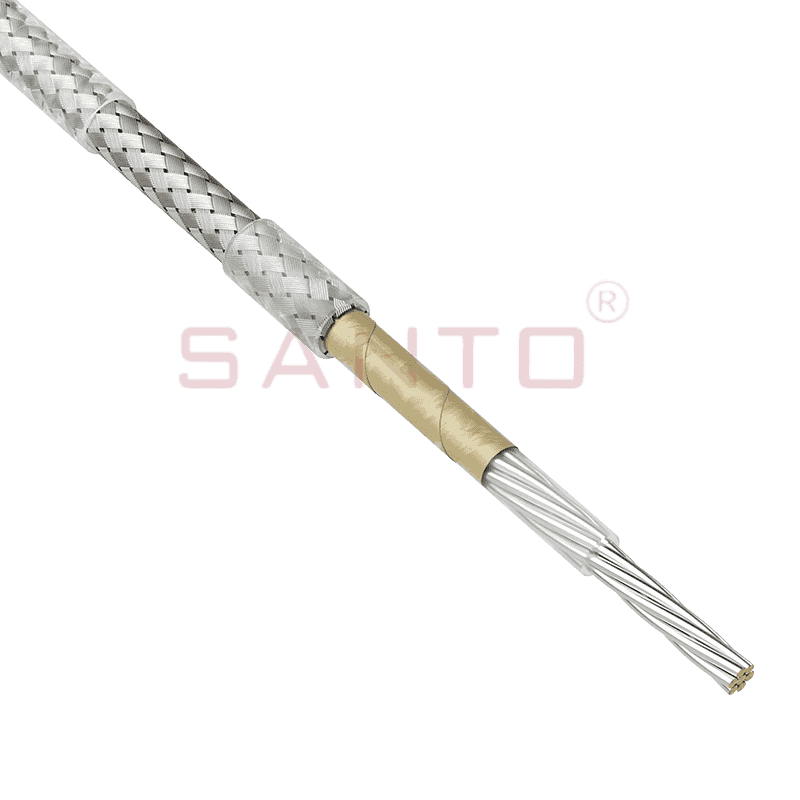
The stranded high temperature conductor is nickel plated to ensure a long life at elevated temperatures in corrosive environments. It is electrically isolated using an innovative sandwich construction...
See Details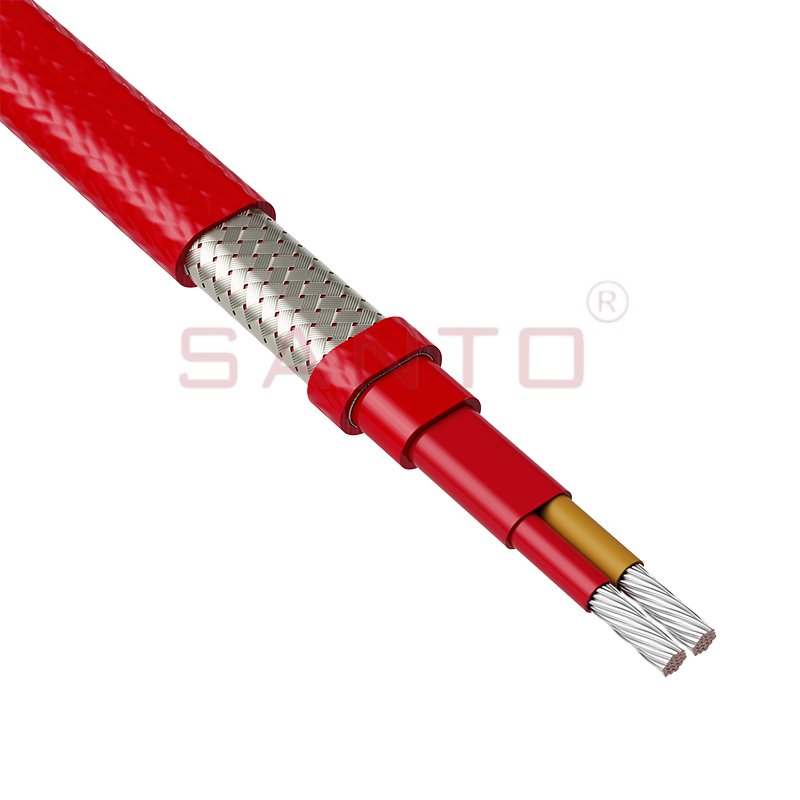
The stranded high temperature conductor is nickel plated to ensure a long life at elevated temperatures in corrosive environments. It is electrically isolated using an innovative sandwich construction...
See Details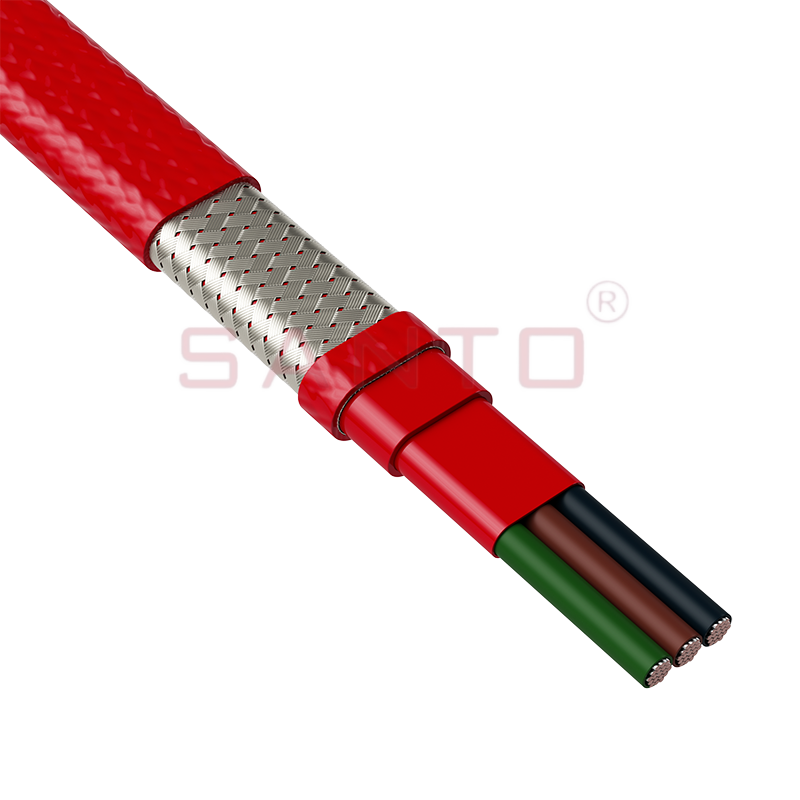
The stranded high temperature conductor is nickel plated to ensure a long life at elevated temperatures in corrosive environments. It is electrically isolated using an innovative sandwich construction...
See Details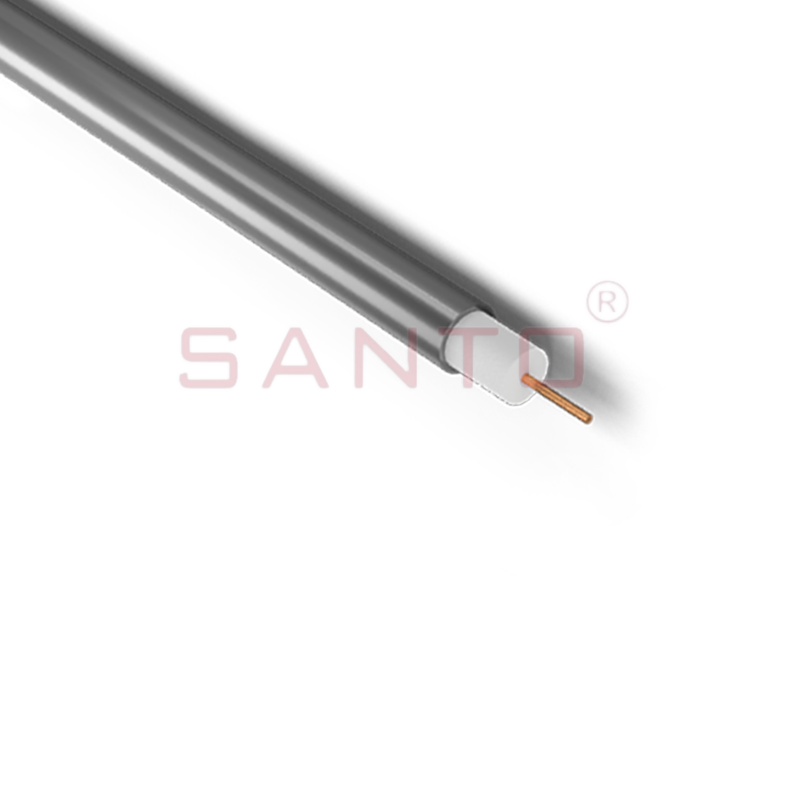
SANTO HAx mineral insulated (MI) Alloy 825 series heating cables are suitable for use in hazardous areas. They have been designed for use in freeze protection and temperature maintenance applications ...
See Details
Santo electric heating strips are widely used in key industries in China.

