 English
  English
 русский
 日本語
日本語 Español
 中文简体
中文简体
The SANTO UFA range of self-regulating heating cables is mainly used for frost protection of pipes and vessels but can also be used to maintain processes up to 65°C. These heating cables are available...
See Details
Battery performance is strongly influenced by temperature. In new energy electric vehicles, electric buses, utility vehicles, energy storage vehicles, and specialized battery-powered equipment, the battery pack must operate within a controlled thermal range to deliver dependable power, acceptable charging performance, long service life, and consistent safety. When the temperature falls too low, battery chemistry slows down, internal resistance increases, charging efficiency declines, and available power may be restricted. A purpose-designed battery heater helps solve these problems by supplying controlled heat directly to the battery assembly or to a selected battery enclosure surface.
An epoxy board battery heater is a compact electric heating component developed for this type of application. It combines an electrical heating circuit with an epoxy-based insulating and supporting board. The result is a thin, stable, adaptable, and mechanically robust heating solution that can be installed beneath, beside, or around a battery module according to the vehicle design. Compared with improvised resistance wires, general-purpose heating pads, or bulky external heaters, the epoxy board structure offers better dimensional stability, cleaner integration, and more predictable heat transfer.
This article explains the operating principle, construction, manufacturing process, performance advantages, application methods, customization options, quality controls, and selection considerations for epoxy board battery heaters. It also examines how an experienced thermal-control manufacturer can support original equipment manufacturers, battery pack assemblers, vehicle producers, and engineering companies from early design through mass production.
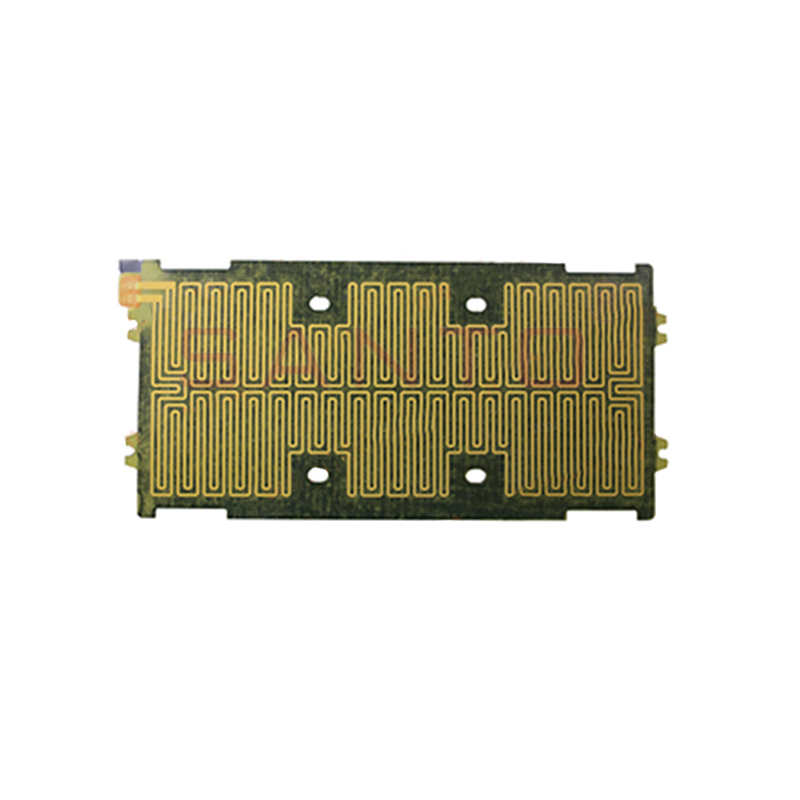
Epoxy board battery heater
Content
Lithium-ion batteries are widely used in electric vehicles because they provide high energy density, favorable cycle life, and efficient energy storage. However, their performance is not constant under all environmental conditions. Low ambient temperatures can significantly affect the movement of ions inside the cells and increase the resistance of the electrochemical system.
At low temperatures, a battery may show several undesirable behaviors. The available discharge power can decrease, regenerative braking may be limited, charging may become slower, and the battery management system may prevent charging until the cells reach a safer temperature. If charging is attempted while the cells are excessively cold, lithium plating and other forms of degradation may occur. These effects can reduce usable capacity and shorten the expected service life of the battery pack.
For vehicles operating in northern climates, high-altitude regions, winter logistics environments, refrigerated transport, outdoor construction sites, and other cold locations, battery heating is therefore not merely a comfort feature. It can be an essential part of the battery thermal management strategy. A heater can warm the battery before charging, maintain the pack within an operating range during use, and support a more stable temperature distribution across individual modules.
The required heating method depends on the battery architecture. Some packs use liquid cooling and heating circuits, while others use air channels, conductive plates, or direct surface heaters. An epoxy board battery heater is particularly suitable where a slim electrical heater must be attached to a metal plate, battery tray, module housing, or enclosure wall without adding a large volume or complicated plumbing system.
An epoxy board battery heater is an electrically powered resistive heating assembly built on or within an epoxy-insulated board. When electrical current passes through the resistive heating element, electrical energy is converted into heat. The epoxy board supports the circuit, provides electrical insulation, helps protect the heating element, and contributes to the heater’s mechanical stability.
The heater may be designed as a flat plate, strip, shaped panel, or customized form that follows the available installation space. Depending on the application, the heating circuit may be produced using etched metal foil, formed resistance wire, printed conductive material, or another engineered resistive element. The board can include lead wires, terminals, connectors, mounting holes, adhesive areas, temperature sensors, or other interfaces specified by the customer.
The term “epoxy board” describes the structural and insulating platform rather than a single universal design. The exact material, thickness, resistance value, heating power, surface finish, terminal arrangement, and mounting method can be adjusted according to the battery pack requirements. This design flexibility is important because vehicle battery enclosures differ considerably in shape, available space, voltage architecture, cooling arrangement, and control strategy.
In a typical installation, the heater is placed in close contact with a heat-spreading plate or the lower surface of a battery module. Heat then travels through the plate or housing and gradually raises the temperature of the cells. In other designs, the heater is mounted against a battery compartment wall or integrated into a module support structure. The objective is not simply to produce a high surface temperature, but to deliver uniform and controllable heat while avoiding local hot spots.
The epoxy board forms the structural foundation of the heater. Epoxy materials are valued for their electrical insulation, dimensional stability, adhesion characteristics, and resistance to many environmental influences. The board helps keep the heating circuit in a defined position and reduces the risk of electrical contact between the resistive element and surrounding conductive components.
For vehicle use, the board should be selected according to temperature requirements, mechanical loading, vibration, moisture exposure, and the available installation space. The board may be manufactured in different thicknesses and shapes. A thinner board can support compact installation, while a thicker or reinforced board may provide greater rigidity where the heater is exposed to handling or mechanical stress.
The resistive element is the part that converts electricity into heat. Its resistance value is calculated according to the required voltage and power. For a basic resistive heater, the relationship between voltage, resistance, and power is represented by the following formulas:
Power = Voltage × Current
Power = Voltage² ÷ Resistance
These relationships allow the heater to be designed for different vehicle electrical systems. A low-voltage heater may be suitable for a compact auxiliary battery or a controlled module circuit, while a higher-voltage version may be connected through an approved power and control system. The final electrical design must always consider the vehicle’s battery architecture, insulation requirements, control unit, fusing, and applicable safety standards.
Additional layers may be used to protect the heating circuit and improve heat distribution. These can include insulating coatings, protective laminates, bonding layers, heat-spreading plates, or encapsulating materials. The selected layer arrangement depends on the intended contact surface and the thermal path from the heater to the battery.
A carefully designed protective structure can improve resistance to vibration, humidity, dust, and handling damage. It can also help ensure that the heater remains stable during repeated heating and cooling cycles. In a vehicle, this stability is important because the component may be exposed to road vibration, acceleration, braking, temperature changes, and occasional mechanical shock.
Electrical leads must be selected for the working voltage, current, temperature, insulation environment, and installation route. The lead exit position can be placed at the edge, corner, rear, or another location that matches the battery pack design. Connectors may be supplied according to customer requirements, or the heater may be delivered with bare leads for integration into a larger wiring harness.
Connection design is a critical part of product reliability. The lead attachment must withstand thermal cycling and mechanical movement without creating excessive resistance or a local temperature rise. Strain relief may be added to reduce stress on the connection area. Where the heater is installed in a sealed enclosure, the lead design must also be compatible with the enclosure’s sealing and insulation system.
Electric vehicle battery packs are designed around strict space, weight, and packaging requirements. A large external heater may be difficult to install, while a heated fluid loop may require pumps, valves, hoses, coolant, and additional controls. An epoxy board battery heater can be manufactured in a thin, flat, or specially shaped form, allowing it to fit into locations where other heating systems cannot.
The compact construction can reduce interference with battery modules, busbars, cooling passages, sensors, and enclosure components. It also allows the heating function to be positioned close to the target surface, which can improve the efficiency of heat transfer and simplify the overall thermal design.
Standard heating pads may not match the outline of a vehicle battery tray. Gaps, unused corners, mounting brackets, and access openings can reduce the effectiveness of a standard product. A customized epoxy board heater can follow the actual installation area, including irregular outlines, cutouts, mounting holes, and designated cable exits.
Electrical parameters can also be developed for the customer’s system. The heater may be designed for a specified voltage, resistance, power density, heating time, or temperature range. This allows engineers to balance warm-up speed against energy consumption and thermal safety instead of selecting a generic product with unsuitable performance.
A properly designed resistance pattern distributes heat across the usable board area. This is an important advantage over a single concentrated heating wire, which may create a narrow hot line and leave other areas relatively cold. Uniform heat distribution helps reduce thermal gradients within the battery module and supports more consistent battery operation.
Uniformity depends on several factors, including the resistance pattern, board geometry, contact quality, heat-spreading material, battery structure, insulation, and control strategy. A professional manufacturer can evaluate these factors during the design stage and modify the circuit layout to suit the actual battery assembly.
The epoxy board holds the heating element in a defined position and provides a more stable form than a loose resistance wire. This makes the heater easier to handle during assembly and reduces the possibility of the heating element moving, crossing, or contacting an unintended conductive surface.
When correctly selected and manufactured, the board can maintain its shape through repeated heating and cooling cycles. This supports long-term reliability in vehicles that may experience substantial daily temperature variation and vibration.
The heater can be connected to a battery management system, vehicle control unit, thermostat, relay, power controller, or independent temperature controller. A sensor can be positioned near the heater or at a representative location on the battery module. The control system can then activate heating only when required, reducing unnecessary energy consumption.
For more advanced designs, multiple heating zones can be developed. Different areas of a battery pack may require different heating power because of enclosure geometry, cooling conditions, or cell placement. Zoned heating can support more precise thermal management than a single undifferentiated heater.
A direct electric heater does not require a liquid circulation loop. This can reduce the number of components in the thermal management system and eliminate concerns related to coolant leakage, hose routing, pump maintenance, or fluid compatibility. The benefit is especially relevant for compact battery packs and applications where a simple electrical solution is preferred.
This does not mean that an epoxy board heater replaces every liquid heating system. High-capacity vehicles with integrated liquid thermal management may benefit from a coolant heater. However, for many modules and auxiliary packs, a direct surface heater offers a practical and efficient alternative.
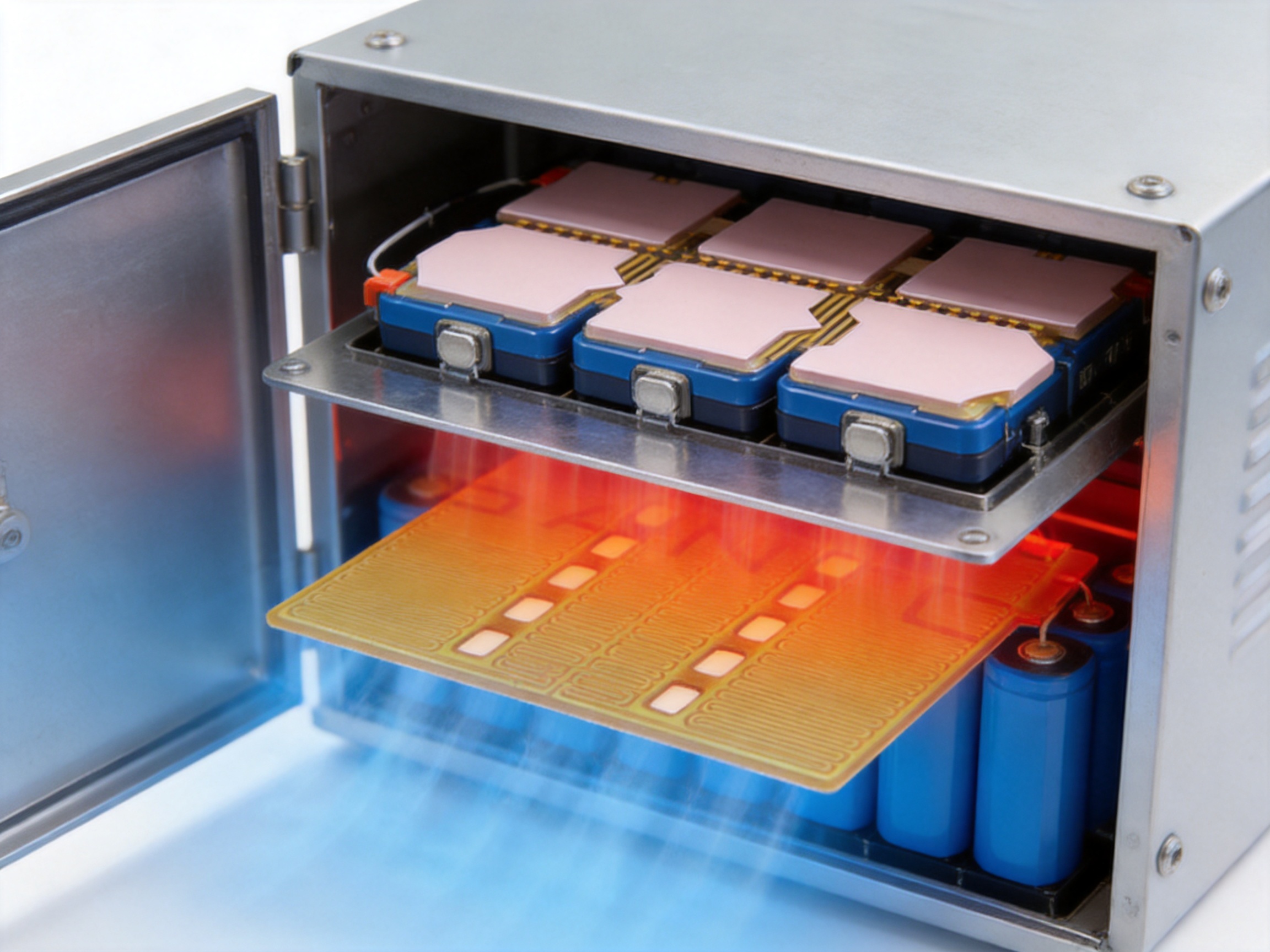
The quality of a battery heater depends not only on the selected materials but also on the consistency of the manufacturing process. A reliable production program should control design, material preparation, circuit formation, encapsulation, connection, inspection, and final testing as an integrated sequence.
Production begins with a review of the customer’s application. Important information includes battery dimensions, available mounting area, target temperature, ambient temperature, working voltage, required power, heating time, control method, environmental conditions, cable routing, and expected service life.
The manufacturer may also request drawings, three-dimensional models, electrical diagrams, test data, or representative battery components. This information helps engineers determine the ideal heater outline, resistance pattern, lead position, mounting method, and thermal interface. A design review at this stage can prevent later problems such as interference with fasteners, insufficient contact pressure, connector obstruction, or unsuitable heat density.
Epoxy boards, resistance materials, insulating layers, wires, terminals, adhesives, and protective components must be inspected before production. Material traceability is important for industrial and automotive projects because it allows the manufacturer to identify the source and batch of key materials.
Material preparation may include cutting boards to size, preparing circuit substrates, stripping and tinning lead wires, forming terminals, and conditioning materials according to process requirements. Epoxy systems may need controlled mixing, storage, or curing conditions to achieve stable properties.
The heating element can be formed using a selected process such as precision resistance wire placement, foil etching, stamping, printing, or another controlled method. The correct process depends on the required outline, power distribution, production volume, and dimensional tolerance.
The resistance path must be designed to avoid sharp stress points and excessive concentration of heat. Its spacing, width, length, and connection areas influence the final power distribution. Automated or semi-automated equipment can improve repeatability, while skilled technicians remain important for process setup, inspection, and handling of customized designs.
After the heating element is positioned, it is assembled with the epoxy board and protective layers. The assembly may be laminated, bonded, coated, or encapsulated according to the design. Proper bonding is essential because air gaps can increase thermal resistance and create uneven heating. Encapsulation also helps protect the circuit from movement, moisture, and mechanical damage.
Curing conditions must be controlled carefully. Insufficient curing may reduce mechanical strength and insulation stability, while excessive or uneven curing may cause deformation, internal stress, or dimensional variation. Production records should include relevant parameters such as mixing ratio, curing time, curing temperature, pressure, and environmental conditions when applicable.
Lead wires are connected using a method appropriate for the current, temperature, and mechanical requirements. The connection is then inspected for proper bonding, electrical continuity, and insulation. Strain relief may be applied around the lead exit to reduce bending stress and prevent damage during vehicle assembly.
For custom projects, the lead length, direction, connector type, terminal position, and protective sleeve can all be matched to the customer’s wiring harness. Such details may appear minor, but they can significantly affect assembly efficiency and long-term reliability.
Finished heaters should be checked for length, width, thickness, hole position, lead location, surface quality, edge condition, and visible defects. Inspectors look for cracks, delamination, exposed conductors, contamination, uneven encapsulation, and other conditions that could affect installation or service performance.
For shaped heaters, templates, coordinate measurement, or digital inspection equipment may be used. Consistent dimensional control ensures that the heater fits the battery assembly without forcing, bending, or unintended contact.
Electrical testing can include resistance measurement, insulation resistance testing, dielectric withstand testing, continuity testing, and current verification. Thermal testing may include surface temperature measurement, warm-up evaluation, thermal distribution mapping, and functional testing with the intended controller.
Testing should be performed according to the product design and customer requirements. A production heater should not be judged only by whether it becomes hot. It must also provide the correct resistance, maintain electrical insulation, avoid unsafe local temperatures, and operate consistently across the approved voltage range.
A capable supplier contributes more than a finished heating pad. The supplier should provide material knowledge, electrical design support, production engineering, quality management, customization, testing, and after-sales assistance. These capabilities are especially valuable when the heater is part of a new vehicle platform or an updated battery architecture.
Santo Thermal Control Technology Co., Ltd. is an electric heating product manufacturer based in Jiangsu Province, China. The company operates in a region recognized for electric heating belt production and has developed experience in research, design, manufacturing, and international sales of thermal-control products. Its wider product range includes self-limiting heating cables, constant-power heating cables, silicone rubber heaters, glass fiber heating products, mineral-insulated cables, snow-melting cables, electric hot wires, and related accessories.
This broader product background is relevant to battery heater development because battery thermal management often requires more than one type of heating component. A supplier familiar with different heating technologies can compare alternatives and recommend a solution based on power, flexibility, temperature, environmental exposure, and installation method.
The company reports more than 35 years of industry experience, annual output exceeding 10,000 units or product assemblies across its business, more than 2,000 distributors, and business coverage in more than 85 areas. It has also established additional production and testing capacity as part of its development plan. Such experience can support both prototype quantities and repeat production programs.
Its quality and development history includes ISO9001 quality system certification, national CCC certification for applicable products, explosion-proof certification for relevant product categories, and EAC certification for applicable markets. Certifications must always be checked against the exact heater model and intended application, but a structured quality system provides an important foundation for project control.
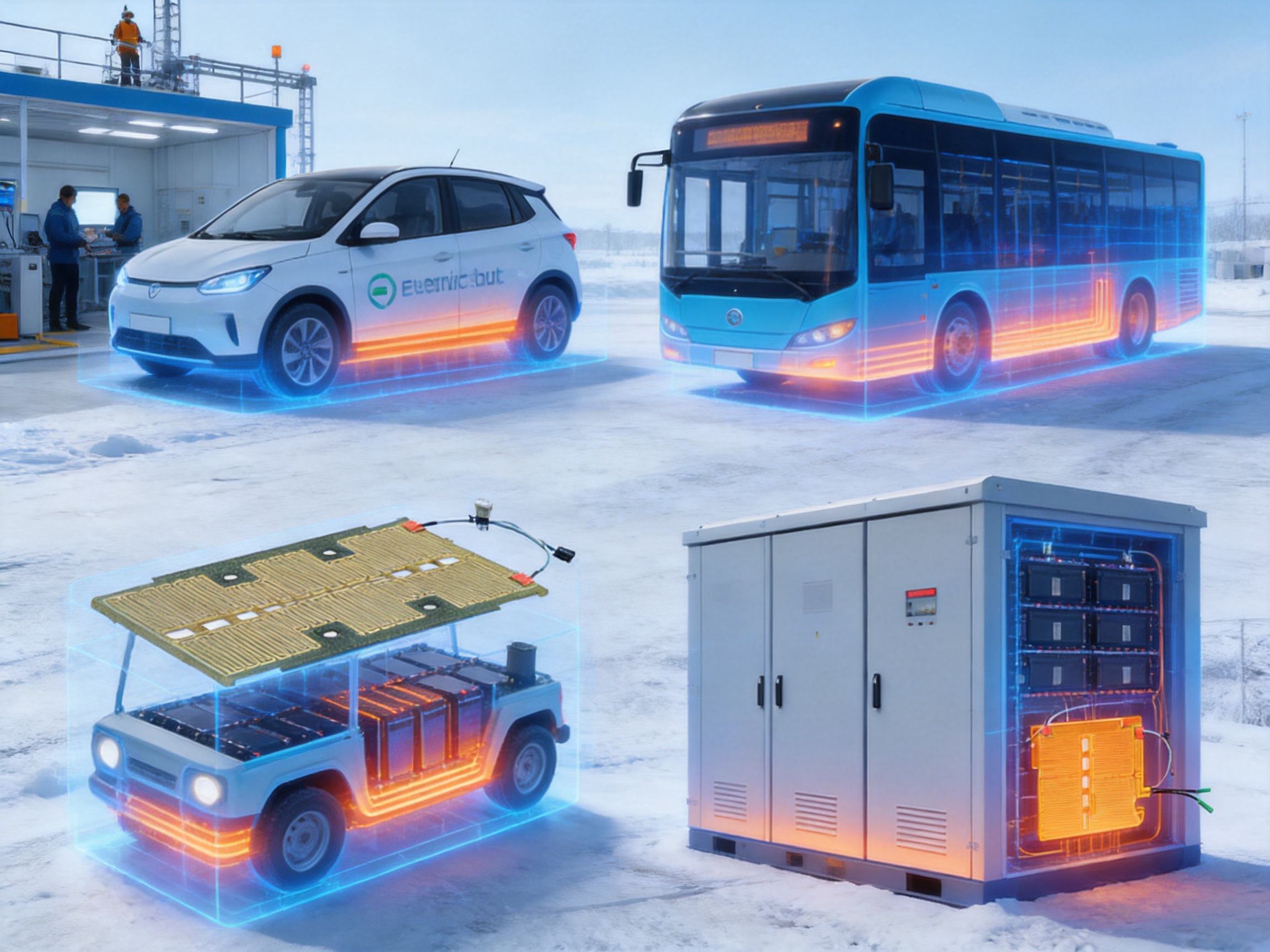
In passenger electric vehicles, battery heating can support winter starting, charging readiness, and stable power delivery. The heater may be integrated into the battery tray, module support, or enclosure floor. A slim custom board is useful when the battery pack has very limited free space.
Buses, delivery vans, and commercial vehicles often operate on fixed schedules and cannot remain idle for long periods while the battery warms naturally. A controlled battery heater can shorten preparation time and help maintain operating performance in cold depots or outdoor parking areas.
Golf carts, utility vehicles, patrol vehicles, airport equipment, warehouse vehicles, and agricultural electric machines may use battery systems that do not have the same integrated thermal infrastructure as passenger cars. An epoxy board heater can provide a relatively straightforward retrofit or original equipment solution.
Stationary energy storage systems may be installed outdoors, in remote sites, or in unheated rooms. Low temperatures can affect charging and discharge performance in these systems as well. A board heater can be installed beneath a module, inside a cabinet, or on a battery support plate, provided that the system design includes suitable temperature control and electrical protection.
Battery-powered refrigeration equipment and cold-chain vehicles can operate in environments where the surrounding temperature is already low. The heater may help keep the battery within an acceptable range while the vehicle remains exposed to cold air for extended periods.
Battery test fixtures and environmental test systems may use controlled heaters to simulate operating conditions or maintain a specified battery temperature. In these applications, accurate resistance, repeatability, and sensor integration may be more important than maximum heating power.
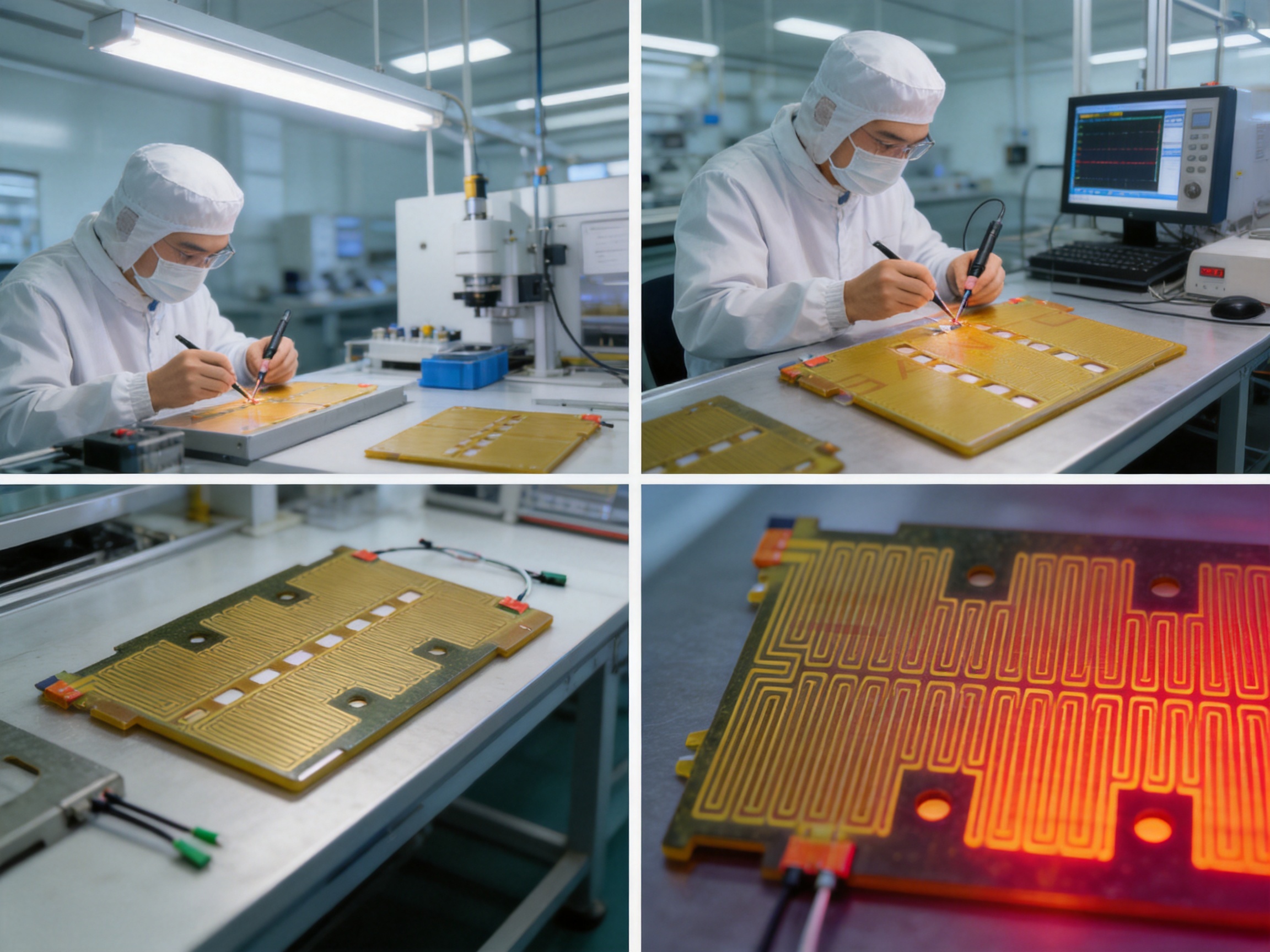
The heater can be designed as a rectangle, strip, irregular plate, ring, frame, or another two-dimensional shape. Cutouts may be included for bolts, sensors, cables, brackets, vents, and structural features. A digital drawing or sample component can be used as the basis for development.
Electrical values should be selected according to the battery system and control architecture. The design must account for starting current, continuous current, fuse rating, switching components, and the possibility of voltage variation. The nominal power should be sufficient for the required warm-up time without producing excessive surface temperature.
Temperature control may be achieved through a thermostat, thermistor, resistance temperature detector, temperature switch, vehicle battery management system, or external controller. The most appropriate method depends on the required accuracy and the communication architecture of the vehicle.
A built-in sensor can be located near the heating area, but sensor placement should represent the actual battery temperature rather than only the heater surface. The thermal response of the complete assembly should be evaluated because a sensor that is too close to the resistance element may react faster than the battery itself.
Possible mounting methods include pressure contact, mechanical fastening, thermally conductive adhesive, bonding film, clips, or integration into a laminated support structure. The choice must balance thermal contact, serviceability, vibration resistance, insulation, and assembly cost.
For a heater installed beneath a battery module, consistent contact pressure is usually desirable. Air gaps can reduce heat transfer and create hot spots. If adhesive is used, its operating temperature, dielectric properties, thickness, curing process, and long-term compatibility must be considered.
A heat-spreading plate made from aluminum or another suitable material may be placed between the heater and the battery. This can distribute heat over a larger area and reduce localized temperature differences. The plate thickness and thermal conductivity influence the warm-up response, so the complete assembly should be tested rather than evaluating the heater alone.
Custom wiring can include selected cable insulation, protective sleeving, connector systems, terminals, waterproof interfaces, and specified cable lengths. The wire route should avoid sharp edges, high-temperature zones, moving components, and areas where it could be pinched during enclosure assembly.
Before selecting an epoxy board battery heater, the buyer should prepare a clear technical specification. The specification should describe the battery type, module size, installation location, ambient temperature range, target battery temperature, available electrical supply, required warm-up time, duty cycle, control method, and expected service environment.
Mechanical information is equally important. Engineers should identify the usable heating area, enclosure material, mounting points, pressure conditions, vibration exposure, moisture protection, and any nearby conductive parts. Drawings should show prohibited zones as well as the preferred heater outline.
Thermal calculations can provide an initial estimate of required power. The energy needed to raise a mass through a temperature difference can be approximated by:
Energy = Mass × Specific Heat Capacity × Temperature Change
In a real battery pack, additional energy is required to compensate for heat loss through the enclosure, mounting structure, cables, and surrounding air. Warm-up time, insulation quality, wind, contact resistance, and the thermal mass of the housing must therefore be included in practical testing.
It is also important to distinguish between heater rating and actual battery temperature. A high-wattage heater may warm a small area quickly but could produce unsafe local temperatures if heat transfer is poor. A lower-power heater with good coverage and a stable thermal interface may provide better overall performance.
Battery heaters operate close to valuable energy storage devices, so quality assurance must address both electrical and thermal risks. A responsible production program should use documented procedures, inspection records, calibrated instruments, and traceable materials.
Resistance testing confirms that the circuit has the intended electrical value. Large deviations may indicate an incorrect heating element, poor connection, damaged conductors, or a manufacturing error. Insulation resistance testing evaluates whether the heater remains electrically isolated from the board surface, protective layer, and adjacent conductive structures.
Dielectric withstand testing can help verify that the insulation system tolerates the specified test voltage without breakdown. The exact test value and method should be defined according to the heater’s voltage class and applicable product requirements.
Thermal testing should evaluate not only maximum temperature but also temperature distribution. Infrared imaging, contact sensors, embedded thermocouples, or other instruments can be used to identify hot areas and confirm that the heater warms the intended surface. Tests should be performed with the actual mounting plate, adhesive, enclosure material, or battery module whenever possible.
Thermal cycling is useful for evaluating repeated expansion and contraction. Vibration testing can assess the strength of the board, lead attachment, terminals, and mounting structure. Moisture or environmental testing may be necessary when the heater is exposed to condensation, road spray, humidity, dust, or outdoor storage.
Product validation should also consider abnormal conditions. Examples include blocked heat transfer, sensor failure, controller malfunction, incorrect voltage, interrupted airflow, and partial detachment from the mounting surface. Protective devices and control logic should be designed to reduce the consequences of these conditions.
The heater should be installed only by personnel who understand the battery system, electrical protection, and thermal management design. Before installation, the battery pack should be isolated according to the vehicle manufacturer’s service procedure. The mounting surface should be clean, dry, flat, and free from sharp projections or contamination.
The heater should not be sharply bent, folded, drilled, or cut unless the design specifically allows such operations. Damage to the board or heating circuit may change the resistance path or compromise insulation. Lead wires should be routed with adequate clearance and secured against vibration.
Good thermal contact is essential. If the design uses a heat-conductive adhesive or interface material, the layer should be applied evenly and within the specified thickness. Excessive adhesive can increase thermal resistance, while insufficient adhesive may leave air gaps. Mechanical fasteners should provide the required pressure without crushing or distorting the board.
After installation, the system should be checked for electrical continuity, insulation, correct polarity where applicable, cable security, and interference with other components. Initial operation should be monitored with suitable temperature sensors. The battery management system or controller should confirm that heating stops at the intended temperature and that abnormal conditions trigger a safe shutdown.
Routine maintenance may include inspection of leads, connectors, mounting points, and signs of overheating or moisture ingress. The heater should not be operated outside its specified voltage, temperature, or environmental limits. Any modification to the battery enclosure or control system should be reviewed by qualified engineers.
| Heating method | Main strengths | Potential limitations | Typical suitability |
|---|---|---|---|
| Epoxy board battery heater | Thin construction, customizable outline, direct heat transfer, stable support, simple electrical integration | Requires careful contact and temperature control; power is limited by available electrical supply | Battery modules, trays, auxiliary packs, compact vehicle systems, storage cabinets |
| Flexible silicone rubber heater | Flexible, lightweight, suitable for curved or irregular surfaces | May require additional mechanical support; dimensional stability depends on the design | Curved housings, pipes, enclosures, and flexible mounting locations |
| Heating cable | Flexible routing, useful for long or narrow heating zones | May require careful spacing and fixation to achieve uniform surface heating | Large surfaces, cable runs, enclosures, and distributed heating layouts |
| Liquid coolant heater | Can integrate with a liquid thermal management loop and serve multiple components | Requires pump, hoses, valves, coolant, sealing, and additional system controls | Large vehicle battery systems with established liquid circuits |
| Air heater | Can heat an enclosure or air channel without direct surface attachment | May have lower heat transfer efficiency and require airflow management | Battery compartments with designed air circulation |
The epoxy board design is not automatically the best choice for every battery system. Its principal advantage is the combination of direct surface heating, compact geometry, and customization. The final selection should be based on the entire thermal architecture, not on the heater component alone.
Vehicle and battery manufacturers frequently require a heater that is different from an off-the-shelf product. The battery enclosure may have a unique outline, and the electrical system may impose a specific voltage, connector, or control method. OEM and ODM support allows the heater to be developed around the customer’s actual product rather than forcing the product to accommodate a standard heater.
A design-capable supplier can assist with drawing review, power calculation, circuit layout, prototype preparation, thermal testing, sample revision, pilot production, and repeat manufacturing. Early technical communication can reduce redesign risk and help identify potential issues before tooling or mass production begins.
Customization may cover dimensions, resistance value, wattage, wire length, connector type, mounting holes, sensor location, protective layer, surface finish, labeling, packaging, and inspection documentation. For projects with multiple battery sizes, the manufacturer may develop a product family using a common design approach while varying the outline and electrical parameters.
Production continuity is also important. Once the heater is validated, the customer needs stable material sourcing, consistent process control, controlled engineering changes, and reliable delivery. A supplier with an established electric heating product portfolio can often support related products such as enclosure heaters, cable heaters, sensor assemblies, or thermal-control accessories.
Thermal-control products require cooperation between electrical engineering, materials engineering, mechanical design, manufacturing engineering, and quality management. A battery heater may appear simple from the outside, but its performance depends on the interaction between the resistance circuit, board material, adhesive, battery housing, sensor, controller, and surrounding environment.
Santo Thermal Control Technology Co., Ltd. describes a development history that includes electric heating research, self-limiting temperature technologies, carbon fiber parallel heating cable development, infrared heating products, and production testing capability. The company also reports cooperation in product research with Harvard University in the United States. Such research-oriented activity can support the development of heating products for applications requiring more than a basic fixed-power element.
Self-limiting and temperature-responsive technologies may be useful in certain thermal-control designs because they can reduce power as the product becomes warmer. However, an epoxy board battery heater may also use a conventional fixed-resistance circuit with external control. The correct choice depends on the battery specification, control system, target temperature, and required protection concept.
A mature research and manufacturing organization should be able to explain why a particular circuit pattern, board material, interface layer, and control method has been selected. It should also be able to identify the limits of the product and recommend additional protection where the operating environment demands it.
Battery heating consumes energy, so efficient design is important. The purpose of the heater is to place heat where it is needed and operate only for the required duration. A compact heater with good thermal contact can reduce waste compared with a system that heats a large volume of surrounding air or fluid.
Thermal insulation around the battery enclosure can further reduce heat loss. However, insulation must be balanced with the need to dissipate heat during high-power operation. The complete battery thermal management system should therefore be evaluated across both cold-weather heating and normal or high-temperature operation.
Temperature-based control is one of the simplest ways to improve efficiency. The controller can activate the heater below a defined threshold, reduce power during warm-up, and stop heating when the battery reaches the required condition. Preheating during grid connection may also reduce the impact on driving energy, provided that the vehicle and charging system are designed for this operating mode.
Durable construction contributes to sustainability by reducing replacement frequency and preventing premature disposal. Stable materials, controlled curing, reliable connections, and documented testing all help extend useful service life.
The heater can potentially be adapted to different battery systems, but compatibility must be evaluated for the specific chemistry, module construction, allowable temperature range, and battery management strategy. The heater does not replace the battery manufacturer’s thermal limits or charging requirements.
Not always. It may be controlled by the vehicle’s battery management system, a dedicated temperature controller, a thermostat, a sensor-based switch, or a combination of these. The control method should be selected during system design so that the heater cannot continue operating beyond the approved temperature range.
Direct contact with cells should only be used when approved by the battery and vehicle design authority. In many systems, the heater is installed against a module housing, tray, or heat-spreading plate rather than directly against individual cells. The mounting arrangement must protect the cells and maintain even thermal transfer.
Useful information includes a drawing or sample, heater dimensions, voltage, power or resistance, target temperature, warm-up time, operating environment, cable requirements, connector requirements, quantity, and required certifications or inspection documents.
The main purpose is to provide controlled electrical heat to a battery module, battery tray, or battery enclosure so that the battery can operate and charge more reliably in cold conditions. The heater supports temperature management but must be integrated with an appropriate controller and battery protection system.
The epoxy board fixes the heating circuit in a stable position, provides electrical insulation, supports a defined shape, and can help distribute heat across a planned area. A loose wire may be more difficult to position uniformly and may require additional fixation and protection.
Both approaches are possible. Standard versions may be suitable for common dimensions and electrical conditions, while custom versions can be developed for a particular battery pack outline, voltage, power, sensor, cable, connector, or mounting system.
A heater can be engineered for different electrical systems, but high-voltage applications require careful design of insulation, creepage and clearance, dielectric strength, connectors, fusing, control, and service procedures. The exact heater specification must be validated for the intended system.
Overheating prevention may use a thermostat, temperature sensor, battery management system, current protection, a thermal fuse, self-limiting technology, or multiple protection methods. The final arrangement depends on the risk assessment and the customer’s electrical architecture.
It may, depending on the control strategy and ambient temperature. The controller should activate the heater only when the battery requires additional heat. In some applications, heating is performed before driving or during charging, while in others it may continue intermittently during operation.
It can be considered for energy storage cabinets and battery modules exposed to cold environments. The cabinet design must provide suitable insulation, ventilation or heat dissipation where necessary, electrical protection, sensor placement, and safe access for maintenance.
Service life depends on operating temperature, voltage, heating cycles, vibration, moisture, mounting quality, control accuracy, and material selection. A precise service-life statement requires validation under the actual application conditions. Proper thermal contact and avoidance of excessive temperature are particularly important.
Yes. A sensor can be integrated or supplied near the heater, subject to the available space and control requirements. Sensor position should be selected to represent the temperature that must be controlled, not merely the hottest point on the heater.
Certification depends on the exact product, market, voltage, and application. The manufacturer reports ISO9001 quality system certification and relevant product certifications such as CCC, explosion-proof, and EAC for applicable product categories. Customers should request documentation for the specific model and intended use.
A successful custom heater project normally begins with a technical consultation. The customer provides the battery pack data, installation drawing, operating conditions, and performance target. The manufacturer then reviews the requirements and identifies any missing information.
The next stage is preliminary design. Engineers select the board outline, heating circuit, resistance value, lead configuration, mounting method, and control interface. Thermal calculations and initial simulations may be used to estimate performance, but physical testing remains necessary.
Prototype samples are then produced for installation and evaluation. Testing should use the intended battery module, heat-spreading plate, adhesive, enclosure, and controller whenever possible. Feedback from the prototype stage may lead to changes in circuit layout, thickness, cable exit, sensor position, or mounting structure.
After design approval, a pilot batch can verify the production process and inspection standards. The production stage should use controlled documents, approved materials, traceability, and final testing. Any design or material change should be reviewed to confirm that it does not alter electrical, thermal, or mechanical performance.
For long-term supply, both parties should establish packaging, delivery, quality documentation, spare sample retention, technical communication, and after-sales procedures. This approach is especially important for vehicle programs where the heater may remain in production for many years.
An epoxy board battery heater is a practical thermal-management component for new energy electric vehicles and related battery-powered systems. Its combination of a stable epoxy insulating board, engineered resistance circuit, compact structure, customizable shape, and direct heat-transfer capability makes it suitable for applications where low-temperature performance is a concern.
Its advantages over general-purpose heating solutions include efficient use of limited space, more controlled heat distribution, straightforward electrical integration, reduced system complexity compared with fluid heating, and the ability to match a specific battery pack design. These benefits are strongest when the heater is developed together with the battery enclosure, heat-spreading plate, sensor, controller, and mounting system.
Reliable performance depends on professional design and manufacturing. Material control, circuit accuracy, encapsulation quality, lead attachment, dimensional inspection, electrical testing, thermal mapping, and environmental validation all contribute to the final product. An experienced thermal-control supplier can provide valuable support by combining heating technology knowledge with OEM and ODM engineering capability.
For customers seeking a custom battery heater, the most effective starting point is a complete technical discussion covering battery dimensions, voltage, power, temperature limits, warm-up requirements, installation conditions, and control strategy. With these details, the heater can be designed as an integrated part of the battery system rather than as an isolated accessory.
1. General principles of lithium-ion battery temperature management and low-temperature charging protection.
2. Fundamentals of electrical resistance heating, power calculation, and temperature control.
3. Industrial practices for electrical insulation, dielectric testing, and thermal-cycle validation.
4. Guidelines for battery pack mechanical integration, thermal interfaces, vibration resistance, and enclosure design.
5. Quality management principles for customized electrical heating components and OEM production.
6. Manufacturer-provided technical information concerning epoxy board battery heaters, electric heating products, quality systems, certifications, research activities, and production capabilities.
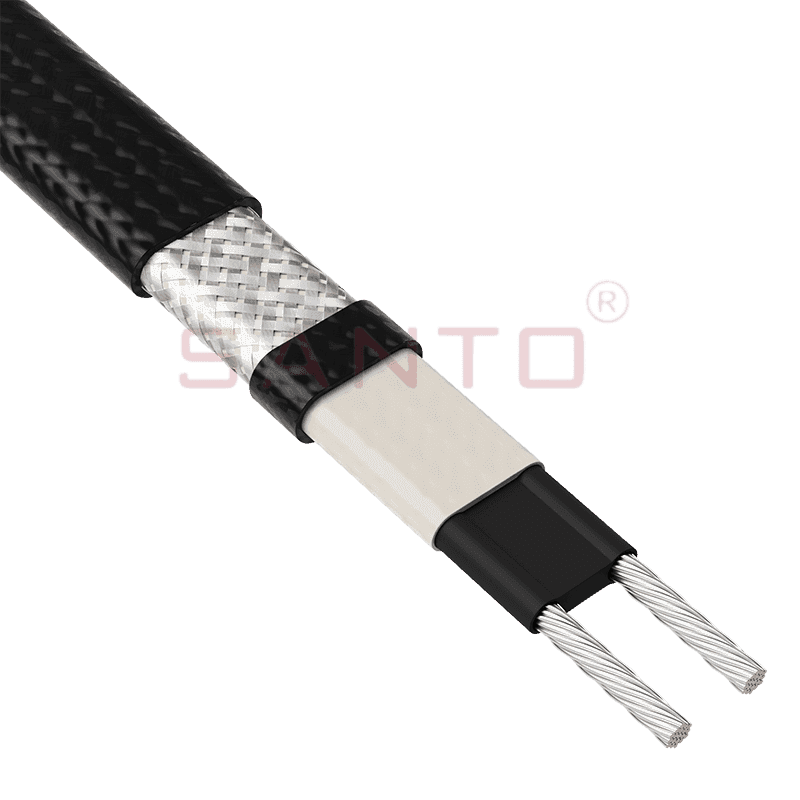
The SANTO UFA range of self-regulating heating cables is mainly used for frost protection of pipes and vessels but can also be used to maintain processes up to 65°C. These heating cables are available...
See Details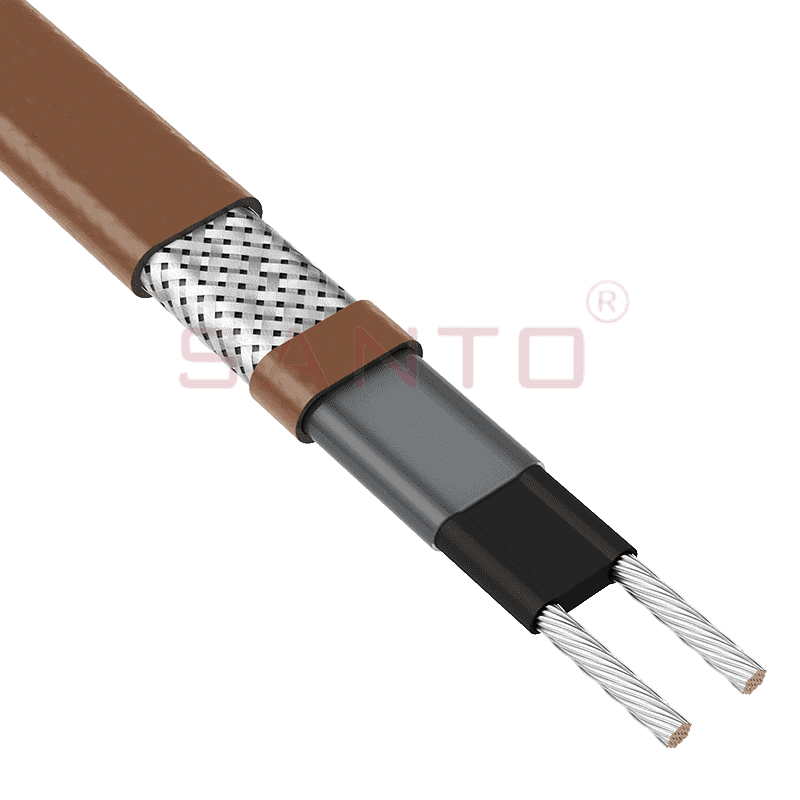
The SANTO UFB range of self-regulating heating cables is mainly used for frost protection of pipes and vessels requiring a higher power output than the UFA heating cables can supply. They can also be ...
See Details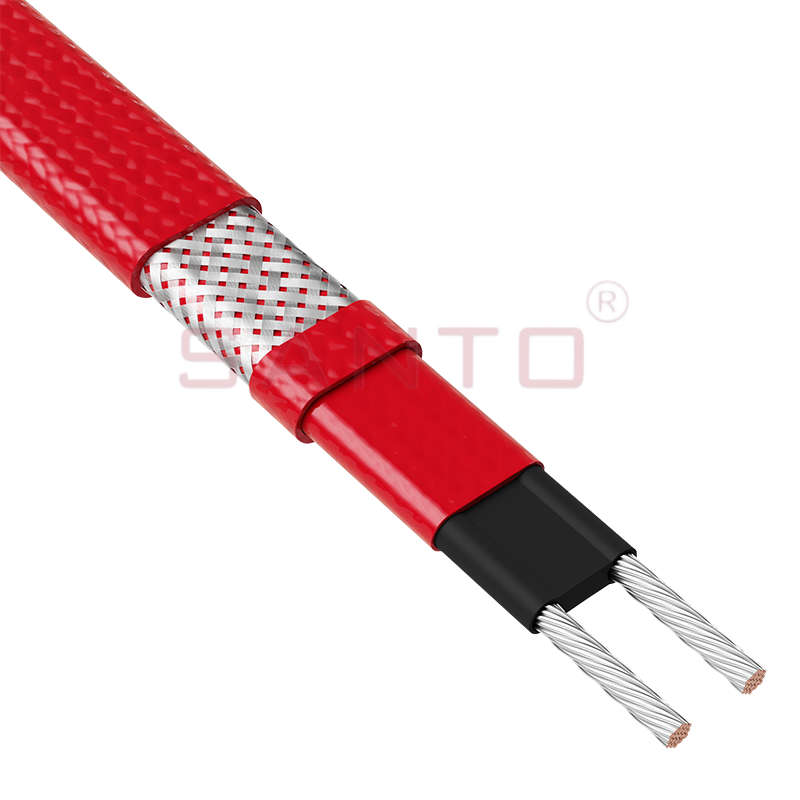
The SANTO UFC range of self-regulating heating cables is used for frost protection of pipes and vessels that require steam cleaning. They can also be used to maintain processes up to 121°C. These heat...
See Details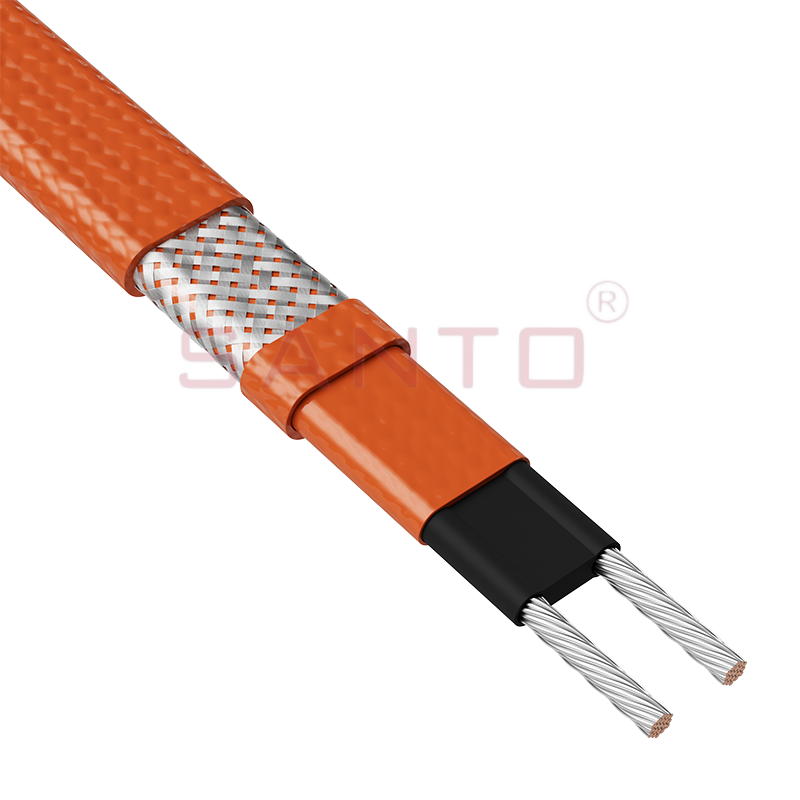
The SANTO UFO range of self-regulating heating cables is mainly used for frost protection of pipes and vessels that require steam cleaning . They can also be used to maintain processes up to 150°C. Th...
See Details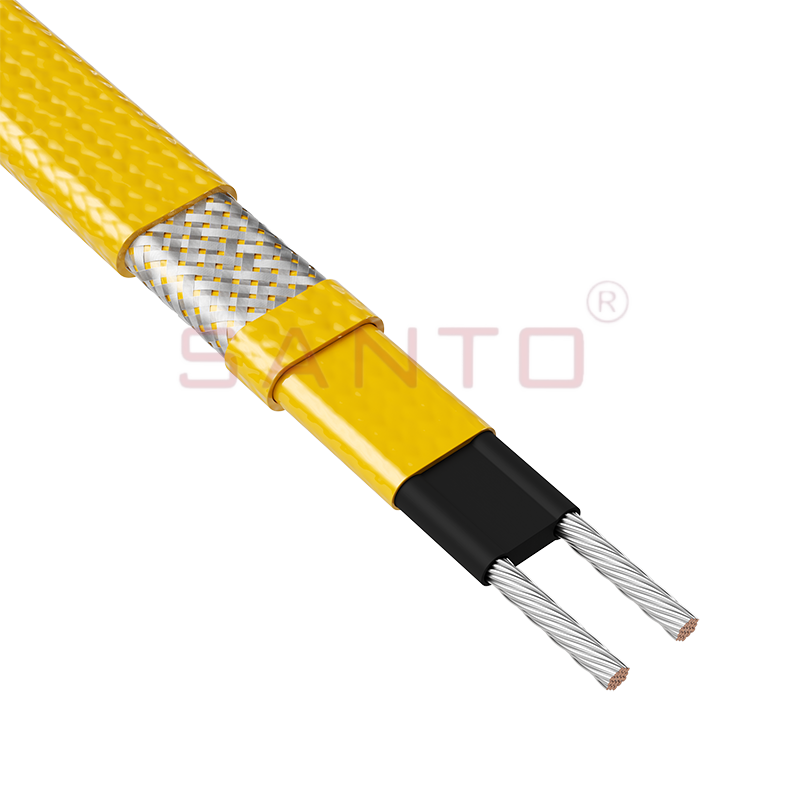
The SANTO UFD series of self-regulating heating cables are mainly used for freeze protection of pipes and vessels, but can also be used to maintain processes up to 200°C. These heating cables are avai...
See Details
SANTO UFY heating wire is suitable for applications that maintain process temperatures up to 260 ℃ and can be steam blown; The self-regulating and parallel circuit heating wires of the UFY series are ...
See Details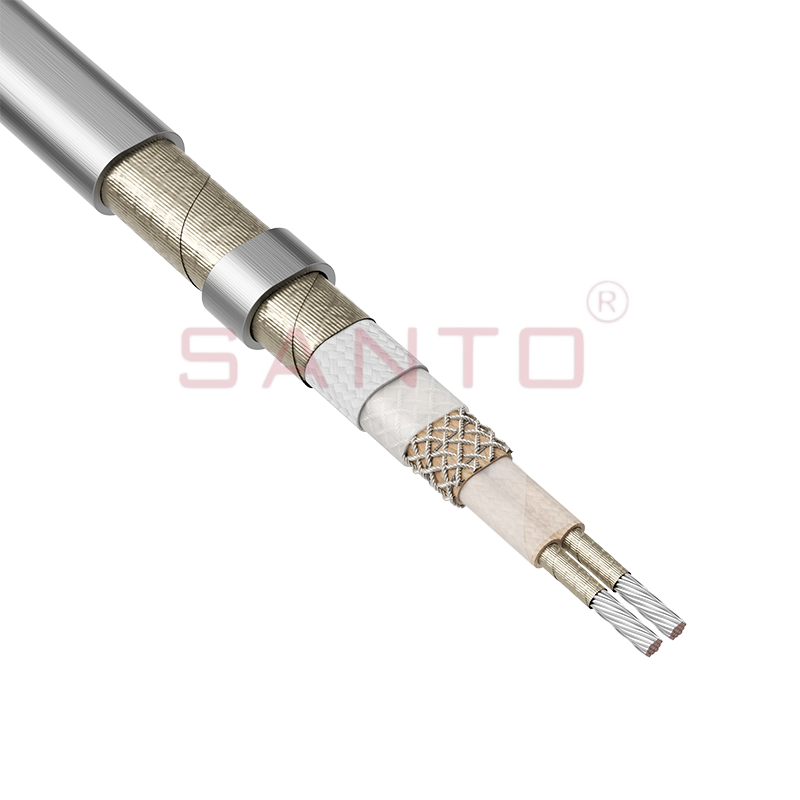
The SANTO UFM series self-regulating heating cables are mainly used for freeze protection of pipes and vessels, but can also be used to maintain processes up to 400°C. These heating cables are availab...
See Details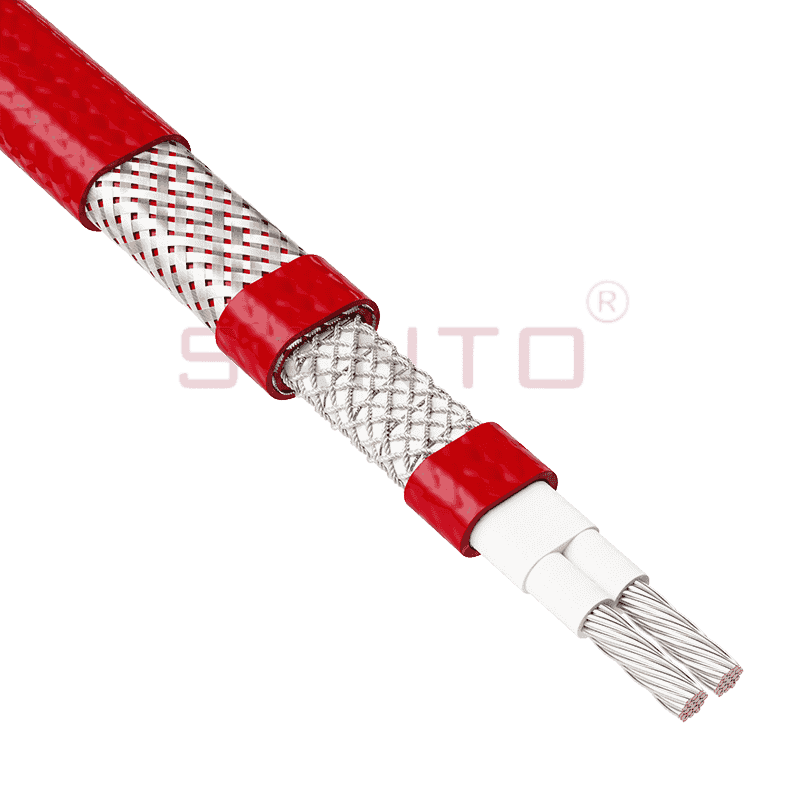
The SANTO ACC range of power-limiting heating cables is mainly used for temperature maintenance of processes and offers the advantage of a high power output at high temperatures which can reduce the n...
See Details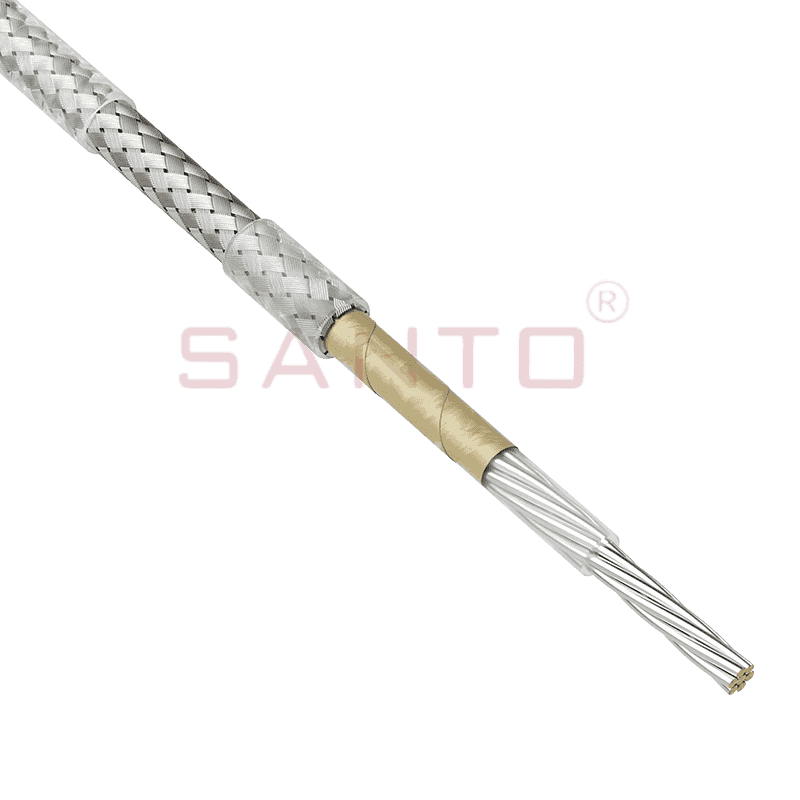
The stranded high temperature conductor is nickel plated to ensure a long life at elevated temperatures in corrosive environments. It is electrically isolated using an innovative sandwich construction...
See Details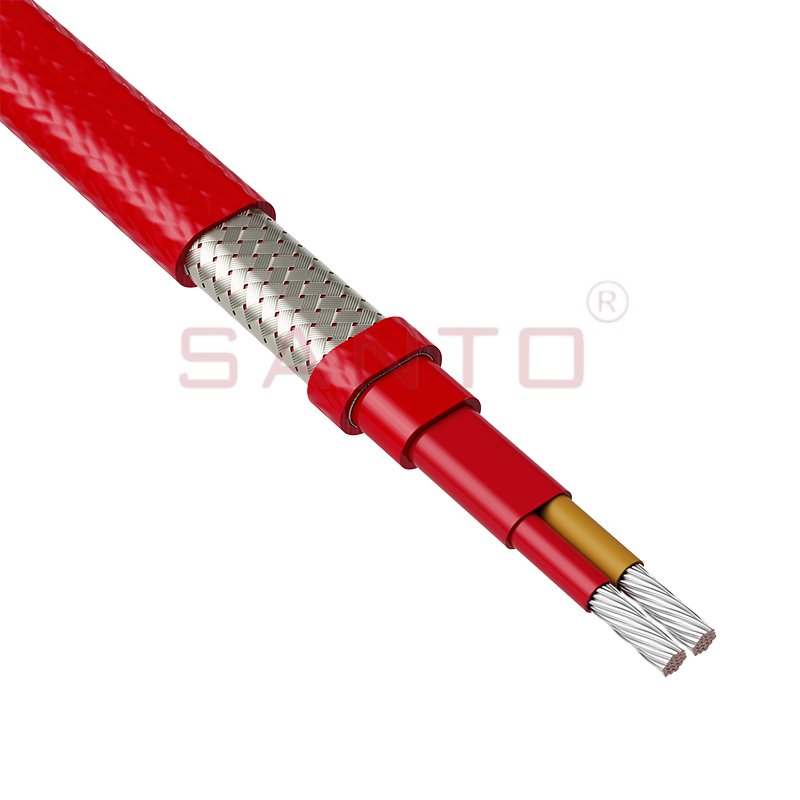
The stranded high temperature conductor is nickel plated to ensure a long life at elevated temperatures in corrosive environments. It is electrically isolated using an innovative sandwich construction...
See Details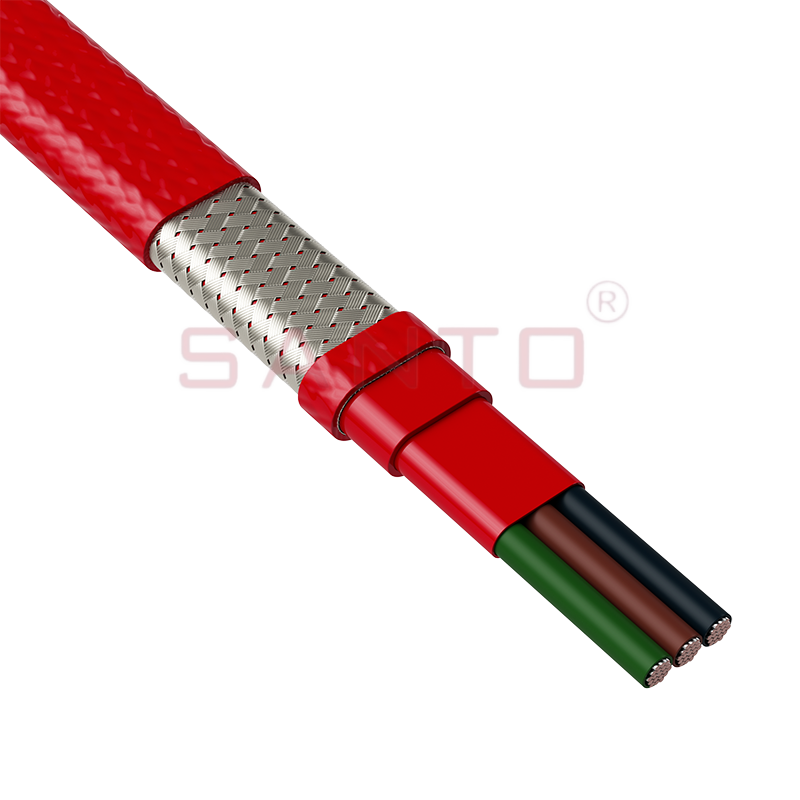
The stranded high temperature conductor is nickel plated to ensure a long life at elevated temperatures in corrosive environments. It is electrically isolated using an innovative sandwich construction...
See Details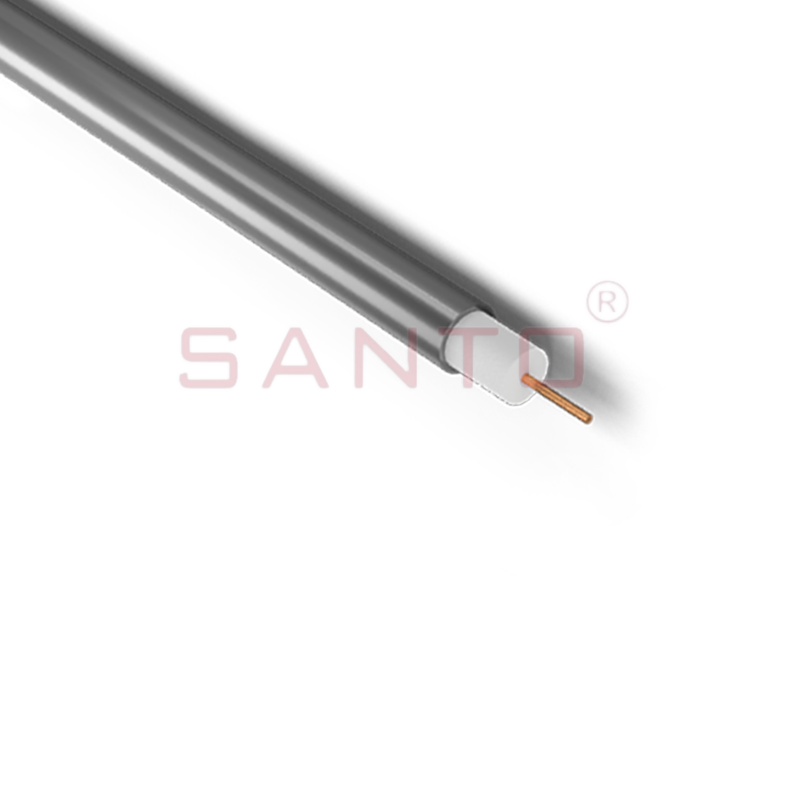
SANTO HAx mineral insulated (MI) Alloy 825 series heating cables are suitable for use in hazardous areas. They have been designed for use in freeze protection and temperature maintenance applications ...
See Details
Santo electric heating strips are widely used in key industries in China.

