 English
  English
 русский
 日本語
日本語 Español
 中文简体
中文简体
The SANTO UFA range of self-regulating heating cables is mainly used for frost protection of pipes and vessels but can also be used to maintain processes up to 65°C. These heating cables are available...
See Details
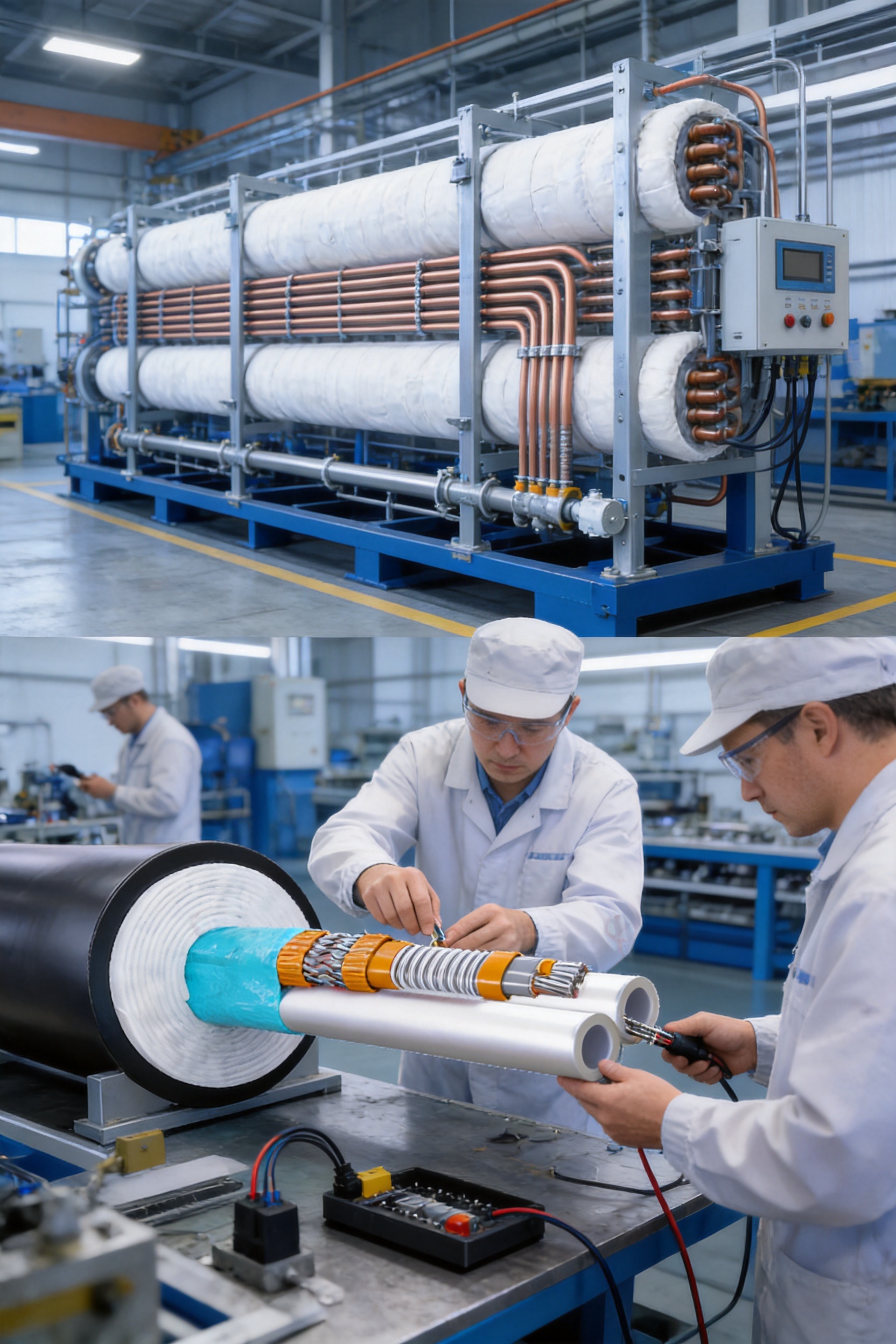
DTB2-ABB Tubing Bundles are engineered electric heating tube bundles designed to protect tubing from freezing and to maintain the temperature of process, sampling, instrumentation, and analyzer lines. The system combines tubing with cut-to-length DTB2-ABB constant-watt heat tracing, creating an integrated thermal solution for applications where stable heat, dependable operation, and long service life are essential.
In many industrial installations, a small tube can become a major source of operational risk. Instrument lines, analyzer sampling tubes, pneumatic control lines, and process tubing may carry water, hydrocarbons, chemicals, gases, or other media that must remain within a defined temperature range. When ambient temperatures fall below the required operating level, the contents may freeze, condense, become too viscous, or lose measurement accuracy. A properly designed tubing bundle helps prevent these problems by delivering controlled, continuous heat along the length of the tube.
The DTB2-ABB solution is especially suitable for emissions monitoring and process analyzer applications. Its construction is designed for durability in demanding industrial environments, while its constant-watt heating technology provides consistent watt density per unit length. Unlike some heating systems that experience a high inrush current during startup, DTB2-ABB constant-watt heat tracing is designed to operate without a significant startup surge. This can simplify electrical planning, reduce the need for oversized circuit breakers, and support long circuit lengths.
Manufactured by Santo Thermal Control Technology Co., Ltd., the DTB2-ABB product is supported by a company with extensive experience in electric heating technology, heat tracing design, manufacturing, research, and international supply. The company produces a broad portfolio that includes constant-power heating products, self-limiting heating cables, silicone rubber heating systems, mineral-insulated cables, snow-melting cables, glass-fiber heating products, and related accessories.
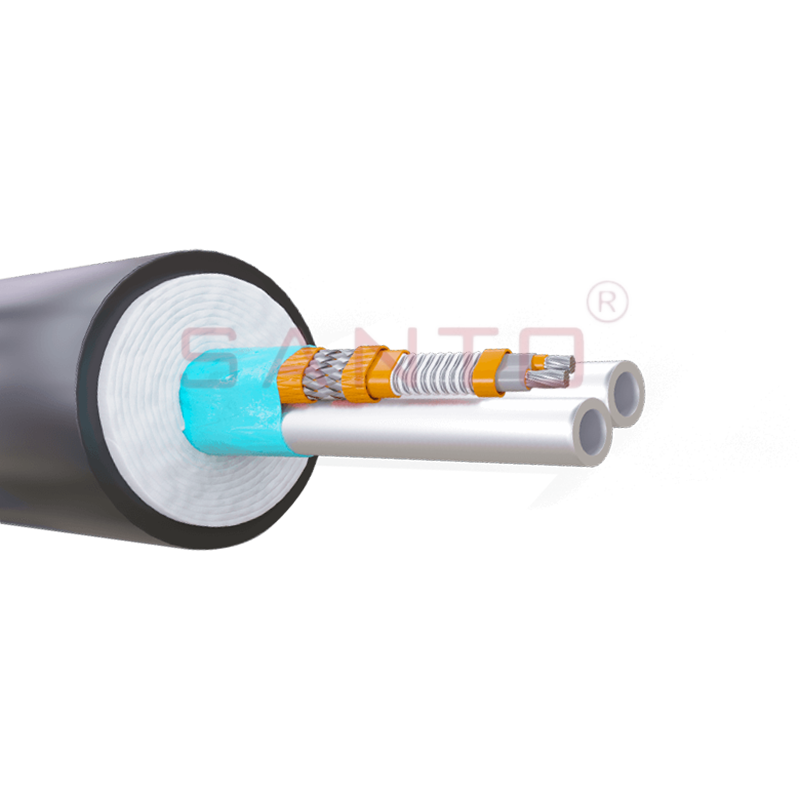
DTB2-ABB Tubing Bundles
Content
A tubing bundle is an integrated assembly in which one or more process tubes are combined with an electric heat-tracing element and protective construction. Depending on the design, the assembly may also include insulation, an outer jacket, support components, identification markings, and termination accessories. The purpose is to maintain the tubing and its contents at a suitable temperature throughout the route from the source to the destination.
Without heat tracing, tubing exposed to cold weather can lose heat rapidly. The risk is particularly high when the tube has a small internal diameter, a long exposed route, or limited flow. A line may appear insignificant in size, yet a small amount of ice, wax, condensate, or solidified process material can obstruct it completely. In analyzer applications, even partial blockage can interrupt sampling, produce inaccurate readings, or cause extended equipment downtime.
DTB2-ABB Tubing Bundles address this challenge by applying heat continuously along the tube. The heat is not concentrated at one point. Instead, the system is arranged to provide a consistent watt density over the selected length. This supports more uniform temperature maintenance and helps reduce the risk of cold spots caused by uneven heating.
The “cut-to-length” characteristic is also important. A tubing bundle can be prepared to suit the required route rather than forcing the installer to use a standard length that is significantly longer or shorter than necessary. A properly selected length reduces unnecessary unused cable, simplifies installation planning, and helps the final system match the actual process layout.
DTB2-ABB heat tracing is based on constant-watt heating technology. The heating element is designed to provide a consistent watt density per unit length when connected to the specified power supply. This characteristic gives engineers a predictable heat output for calculating temperature maintenance requirements.
Predictable heat output is valuable in industrial design. It allows the heating system to be evaluated against ambient temperature, tube dimensions, insulation performance, process temperature, exposure conditions, and required safety margins. By comparison, a system whose output changes substantially with local conditions may be more difficult to model and control.
The cut-to-length design helps adapt the product to individual project requirements. Tubing routes vary considerably between equipment, analyzer shelters, process skids, storage systems, and outdoor pipe racks. A flexible length option can reduce field modifications and make it easier to coordinate the heating system with the actual tubing arrangement.
Cut-to-length production can also support more organized installation. When the tube bundle is prepared for the intended route, installers have fewer excess sections to manage. This may improve cable routing, reduce unnecessary bends, and make identification and maintenance easier.
DTB2-ABB constant-watt heat tracing is not subject to high inrush current on startup under its intended operating conditions. This is a notable advantage for projects where electrical distribution capacity is limited or where many heating circuits are energized at the same time.
A lower startup surge can help reduce nuisance tripping and simplify the selection of circuit protection. It also makes it easier to coordinate multiple heating circuits within an electrical panel. The system must still be designed with the correct voltage, current, circuit length, protection, grounding, and control method, but the absence of a high startup inrush can make the overall electrical design more straightforward.
Long circuit capability is useful in large process facilities, remote analyzer locations, extended sampling lines, and installations where distribution panels are separated from the heated tubing. Longer circuits may reduce the number of branch circuits and simplify panel organization, provided that the product specifications and local electrical requirements are followed.
Long circuit design can also reduce the quantity of individual power connections. Fewer circuits may mean fewer terminations, fewer protective devices, and a simpler maintenance schedule. Engineering teams should evaluate voltage drop, ambient conditions, circuit loading, hazardous-area requirements, and installation routing before finalizing circuit lengths.
The product is approved for use in hazardous classified areas when installed in accordance with its applicable approvals, certification requirements, and installation instructions. This makes the system relevant to oil and gas facilities, chemical plants, refineries, gas processing units, emissions monitoring systems, and other locations where flammable gases, vapors, or dust may be present.
Hazardous-area use requires careful attention to the complete installation. The heating product, power connection, termination kit, junction box, control equipment, glands, grounding system, and installation method must all be suitable for the classification. Approval of one component does not automatically approve an incomplete system. Qualified personnel should verify the area classification and all applicable regulations before installation.
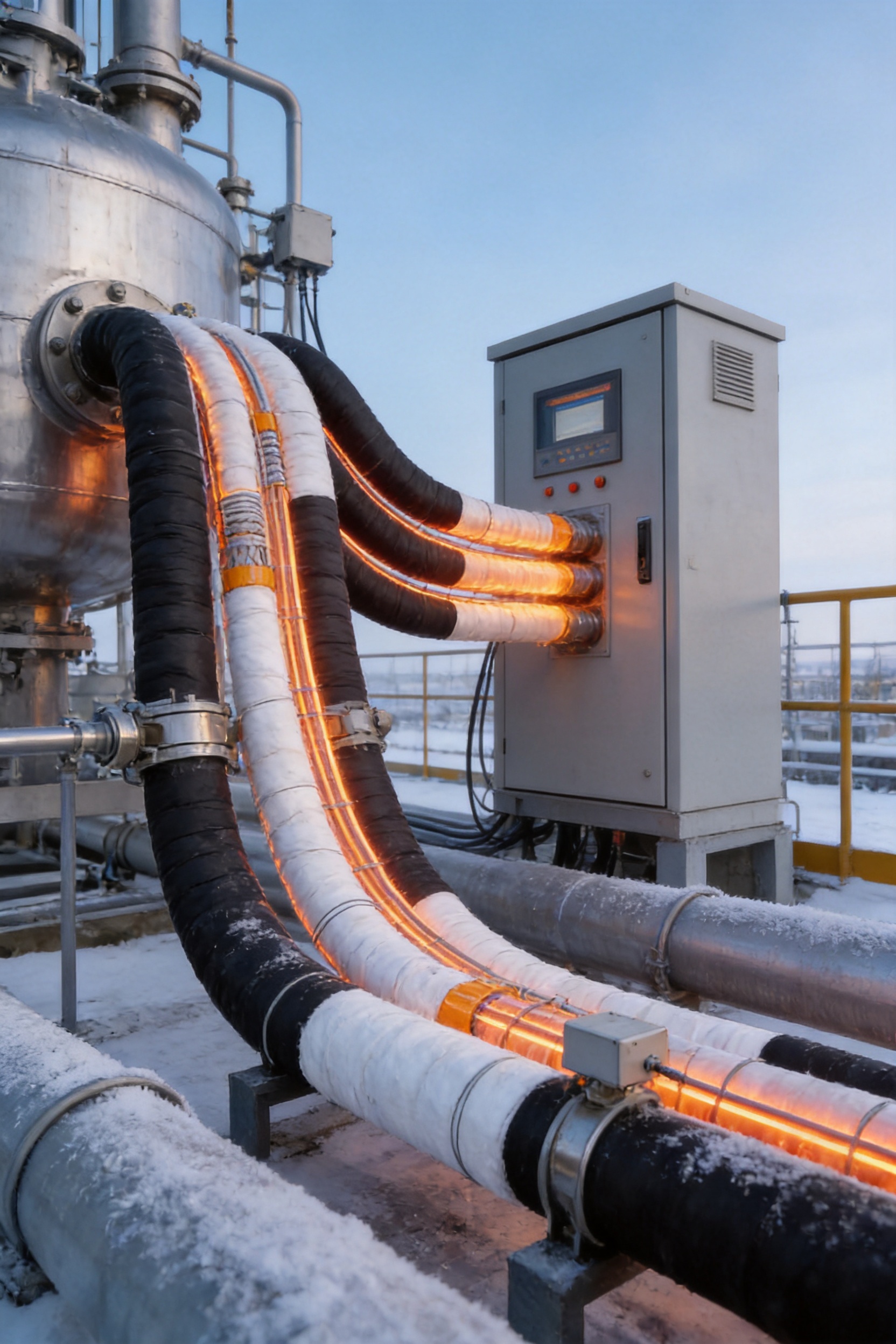
One of the most important applications for DTB2-ABB Tubing Bundles is the protection of analyzer sampling lines. Emissions monitoring systems often draw a sample from a stack, process stream, combustion system, or exhaust source and transport it to an analyzer. The sample must arrive without freezing, condensing excessively, or changing composition in a way that affects the measurement.
A heated tube bundle helps maintain the required temperature between the sampling point and the analyzer. It can help prevent water condensation, protect against freezing, and support consistent sample transport. This is particularly important for outdoor systems exposed to winter conditions or for process gases that must remain above a dew point to avoid liquid formation.
In an analyzer application, temperature control must be matched to the sample composition and analyzer requirements. Excessive heating can be just as undesirable as insufficient heating if it changes the sample or damages sensitive materials. The engineering design should therefore consider the required set point, insulation, response time, sensor location, process chemistry, and analyzer manufacturer recommendations.
Instrumentation tubing may carry air, gas, water, hydraulic fluid, or process samples. If the fluid freezes or becomes too viscous, control valves, transmitters, analyzers, and other instruments may stop functioning correctly. A heated bundle can provide freeze protection for these smaller lines, especially when they are routed outdoors or through low-temperature areas.
Maintaining the tubing temperature also helps avoid measurement errors caused by changing fluid properties. Stable temperature can support more repeatable pressure, flow, density, and composition measurements, depending on the application.
Chemical samples may crystallize, solidify, or separate when exposed to cold surfaces. A heated tube bundle can help maintain the sample in a transportable condition. The heating design should be selected based on the chemical compatibility of the tube, jacket, insulation, and heating element, as well as the required operating temperature.
Process sampling systems frequently require a balance between heat retention and controlled temperature. The heating system should not create local overheating or degrade the sample. Constant watt density, suitable insulation, and correctly selected controls help provide a stable thermal environment.
Remote instruments and equipment are often more difficult to inspect and repair. Freeze damage in a remote tubing line can cause a process interruption that is disproportionate to the small size of the affected component. DTB2-ABB Tubing Bundles can provide an integrated method of protecting lines in outdoor installations, including pipe racks, analyzer houses, tank farms, utility areas, and process modules.
For remote sites, reliability and maintainability are especially important. The bundle should be routed to avoid mechanical damage, supported at appropriate intervals, labeled clearly, and connected to a suitable control and protection system. Inspection planning should include visual checks of the outer jacket, terminations, support points, and electrical condition.
One common weakness of improvised heating arrangements is uneven heat distribution. A heating cable may be loosely wrapped, installed with variable spacing, or concentrated near connection points. This can create hot sections and cold sections along the tube. An integrated tubing bundle is designed as a coordinated assembly, helping the heating element remain properly positioned relative to the tubing.
Consistent watt density supports more reliable temperature maintenance. It also simplifies calculations because the designer can work with a known output per unit length instead of estimating the effect of irregular field installation.
Systems with high starting current may require larger circuit breakers, contactors, conductors, and power supplies than their normal operating load would suggest. DTB2-ABB constant-watt heat tracing is designed without a high inrush current on startup, reducing the need to oversize circuit breakers for that reason alone.
This does not eliminate the need for proper electrical design. The normal operating current, ambient temperature correction, voltage drop, fault protection, grounding, and local standards must still be considered. However, predictable startup behavior can improve equipment selection and reduce unnecessary capacity allowances.
Combining the tube and heating element in a bundle can make the installation more orderly than attaching separate heating cables to separate tubes in the field. A bundled construction reduces the number of individual components that must be positioned, supported, identified, and insulated.
Better organization is valuable in crowded process areas. It can reduce interference with nearby cables, piping, instruments, and maintenance access. It may also help technicians identify the heated line and its electrical circuit more quickly during inspection.
The construction of DTB2-ABB heat trace is intended to provide durability for industrial applications. Process and analyzer installations may be exposed to vibration, outdoor weather, temperature cycling, chemicals, ultraviolet radiation, and mechanical handling. A robust assembly can improve service reliability when combined with correct installation and protection.
Durability is not determined by the heating element alone. The complete bundle must be selected for the environment, including the tubing material, outer jacket, insulation, termination method, support arrangement, and chemical exposure. Santo’s broad product experience enables the company to work with different electric heating technologies and application requirements.
A successful heated tubing installation begins with a clear understanding of the thermal requirement. The designer should determine whether the purpose is freeze protection, temperature maintenance, viscosity control, condensation prevention, or a combination of these objectives.
For freeze protection, the required temperature may be only slightly above the freezing point of the process medium. For analyzer sampling, the required temperature may be based on a dew point or a minimum transport temperature. For process materials that become viscous or solidify, the design temperature may be significantly higher.
The following factors should be evaluated before selecting the bundle:
• Minimum and maximum ambient temperature.
• Required tube or process-medium temperature.
• Tube material, diameter, wall thickness, and number of tubes.
• Tube route length and total circuit length.
• Insulation type, thickness, and condition.
• Exposure to wind, rain, snow, sunlight, chemicals, vibration, and mechanical impact.
• Available supply voltage and electrical distribution capacity.
• Area classification and certification requirements.
• Control method, sensor location, and temperature limits.
• Required termination and connection accessories.
• Maintenance access and replacement strategy.
Constant-watt heating systems generally require appropriate temperature control or limitation because the output does not automatically reduce as the surrounding temperature increases. The control system should be selected to prevent overheating and to maintain the required process conditions. A thermostat, electronic controller, temperature sensor, or approved control arrangement may be used depending on the project specification.
Insulation is an essential part of the thermal design. The heating element supplies heat, but insulation helps retain it. Insufficient or damaged insulation increases heat loss, raises power consumption, and can prevent the tubing from reaching the required temperature.
Outdoor insulation should be protected against water penetration, ultraviolet exposure, mechanical damage, and weathering. Wet insulation can lose much of its thermal effectiveness. The outer covering should be compatible with the site environment and should not compress the tubing bundle or create excessive pressure on the heating element.
At valves, fittings, supports, and transitions, special attention is needed because heat loss may be higher. These locations should be insulated carefully while keeping terminations and access points available for inspection and maintenance.
The power supply must match the product rating. The installer should verify operating voltage, current, circuit length, conductor size, protective device rating, grounding, and control equipment. Circuit protection should be selected according to the product instructions and applicable electrical codes.
Although the DTB2-ABB design avoids high startup inrush under normal conditions, the circuit still carries a continuous load while energized. Protective devices must be capable of handling the operating current and interrupting faults safely. Ground-fault protection may be required depending on the installation and local regulations.
Electrical connections should be made using suitable components rated for the environment. In hazardous areas, certified glands, junction boxes, seals, and termination assemblies must be used as required. Connections should be protected from moisture, contamination, vibration, and accidental mechanical damage.
The tube bundle should follow the approved route without sharp bends, crushing, twisting, or excessive tension. Bending radius limits must be respected. The bundle should be supported in a manner that prevents sagging while avoiding pressure points that could damage the outer jacket or tubing.
At equipment connections, movement and vibration should be considered. A suitable transition can reduce stress at the point where the bundle enters a junction box, analyzer cabinet, instrument enclosure, or process connection. The route should also allow access to valves, fittings, sampling probes, and other components that require service.
The quality of a tubing bundle depends heavily on manufacturing discipline. Consistent heating output, reliable insulation, accurate length, sound electrical connections, and durable outer construction all require controlled production processes. Santo Thermal Control Technology Co., Ltd. integrates research, development, manufacturing, quality management, and sales within its electric heating product operations.
The company is located in Jiangsu Province, an area recognized for electric heating belt production and related industrial expertise. Its manufacturing scope includes automatic temperature-control heating belts, self-limiting heating belts, heat-tracing products, constant-power heating belts, glass-fiber heating belts, mineral-insulated cables, silicone rubber heating products, snow-melting cables, and accessories.
Santo reports more than 35 years of industry experience and a history that began with the establishment of Desheng Electric Heating Instrument Factory in 2000. Over time, the company expanded from electric heating product manufacturing into research, engineering development, irradiation processing, international certification, and broader industrial applications.
This accumulated experience is relevant to the DTB2-ABB product because tubing bundles combine several technical disciplines. The manufacturer must understand electrical resistance, heat transfer, insulation, material selection, temperature control, mechanical protection, and field installation requirements. Experience across multiple heating technologies helps support product development for different environments and temperature ranges.
The company has developed and introduced a range of electric heating technologies. Its development history includes work on self-limiting temperature nano far-infrared heating products for high-temperature pipeline heating and tracing, as well as carbon-fiber parallel heating cables. These activities demonstrate an emphasis on product development rather than reliance on a single heating construction.
Research and development are important for modern heat-tracing systems because industrial users increasingly require improved energy efficiency, precise temperature management, higher environmental resistance, and compatibility with specialized equipment. A manufacturer that develops multiple product families can evaluate the strengths of each technology and select an appropriate solution for a particular application.
Manufacturing a constant-watt tube bundle requires control over conductor resistance, heating-element arrangement, insulation application, jacket construction, bundle geometry, and final termination. The product must maintain its intended electrical and thermal properties along the specified length.
Typical production controls for this type of product include material verification, dimensional checks, resistance testing, insulation integrity testing, visual inspection, length measurement, and final product identification. Depending on the project, additional tests may be required for dielectric strength, grounding continuity, temperature performance, mechanical durability, or certification compliance.
Accurate length control is especially important for cut-to-length products. An incorrect length may create installation difficulties, insufficient coverage, excess material, or an electrical load different from the design calculation. Controlled production helps ensure that the supplied bundle corresponds to the customer’s order and technical requirements.
Santo has passed ISO9001 quality management system certification and reports that its products have obtained national CCC certification. These credentials reflect the company’s commitment to organized processes, documented quality controls, and conformity assessment within applicable product categories.
Certification requirements vary by market, product type, voltage, hazardous-area classification, and installation method. Customers should confirm the exact approvals required for their project and request current documentation for the selected DTB2-ABB configuration. The product should not be substituted or modified in a way that invalidates its certification.
Santo’s products have entered international markets, and the company reports a network of more than 2,000 distributors and business activity in more than 85 areas. International experience can help a manufacturer understand different technical specifications, documentation expectations, packaging requirements, and customer service practices.
For large projects, supply capability is also important. The company reports annual output exceeding 10,000 units or product sets, although the exact capacity applicable to a particular tubing bundle configuration should be confirmed during quotation. Production planning, technical review, inspection, packaging, and delivery coordination are essential when multiple heated lines must be supplied for a complete facility.
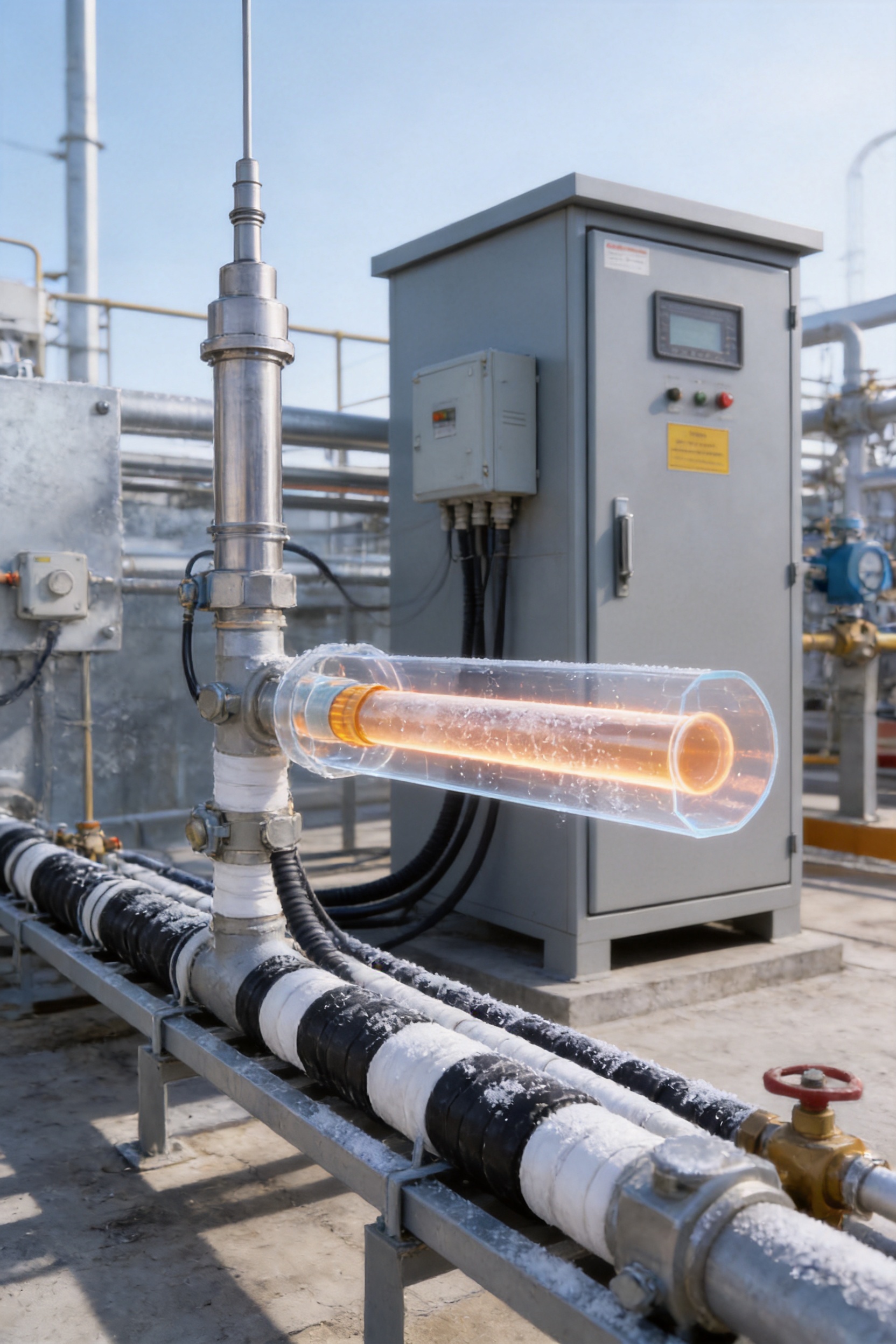
Selecting a DTB2-ABB Tubing Bundle should begin with a technical information exchange between the customer and manufacturer. The customer should provide the tube type, required length, operating temperature, minimum ambient temperature, power supply, location classification, insulation expectations, and intended application.
For analyzer applications, additional information may include sample composition, dew point, sample flow rate, analyzer inlet temperature, sample conditioning equipment, probe arrangement, and whether the line must be heated continuously or controlled in zones.
The manufacturer can then evaluate the required heating output, bundle configuration, circuit length, connection method, and accessories. If the installation includes several tubes, the arrangement and spacing should be discussed because the thermal relationship between the tubes and heating element affects performance.
A complete quotation request may include the following information:
• Product name and DTB2-ABB configuration.
• Number of tubing bundles required.
• Required cut length for each bundle.
• Number, size, and material of process tubes.
• Required operating and maintenance temperature.
• Minimum and maximum ambient temperature.
• Supply voltage and available control equipment.
• Hazardous-area classification.
• Required certifications and inspection documents.
• Installation location and environmental conditions.
• Required delivery schedule and packaging instructions.
Providing complete information at the beginning helps prevent changes later in the project. It also allows the manufacturer to identify whether additional termination kits, sensors, controllers, junction boxes, mounting accessories, or protective components are needed.
A tubing bundle is normally part of a larger heating system. Accessories may include power connection kits, end seals, thermostats, electronic temperature controllers, sensors, junction boxes, mounting components, labels, and protective fittings. The exact accessory set depends on the project design.
Accessories should be selected as a complete system. A compatible termination is necessary to maintain insulation integrity and electrical safety. In hazardous areas, every connection component must meet the required certification and environmental rating. Improvised terminations can compromise performance and may create a safety hazard.
| Performance factor | DTB2-ABB Tubing Bundles | Potential concern with improvised heating | Design benefit |
|---|---|---|---|
| Heat output | Constant watt density per unit length | Output may vary because of inconsistent cable spacing or installation | More predictable thermal calculations and coverage |
| Length selection | Cut-to-length configuration | Excess material or field modification may be required | Better alignment with actual tube routes |
| Startup behavior | Not subject to high inrush current on startup under intended conditions | High startup demand may cause nuisance tripping or oversizing | Simplified circuit protection planning |
| Industrial durability | Integrated construction designed for demanding service | Separate components may be exposed or poorly protected | Improved mechanical organization and protection |
| Long circuits | Suitable for long circuit applications when specified correctly | Shorter practical circuits may require more panels and connections | Potentially fewer branch circuits and terminations |
| Hazardous locations | Approved configurations are available for classified areas | Ordinary heating products may not be acceptable | Better suitability for industrial process environments |
| Application focus | Freeze protection and temperature maintenance for tubing | General-purpose heating may not address analyzer requirements | Designed around process and instrument tubing needs |
Installation should be performed by personnel familiar with electric heat tracing, industrial tubing systems, and the applicable electrical and hazardous-area requirements. Before installation, the bundle should be inspected for shipping damage, correct length, correct identification, and conformity with the project documentation.
The tube bundle should be laid out carefully before final placement. Do not drag it over sharp edges, pull it with excessive force, or place heavy objects on it. Avoid cutting, splicing, drilling, or modifying the heating element unless the manufacturer has specifically approved the procedure. The cut-to-length design is intended to reduce the need for field cutting.
When routing the bundle, maintain the required bend radius and avoid tight loops. Support the assembly without crushing it. If the route passes near hot surfaces, moving equipment, sharp structures, or areas subject to impact, install suitable protection or revise the route.
Connections should be installed using the approved kits and methods. Terminations must remain dry and mechanically secure. The power connection should be clearly identified, and the circuit should be labeled at the distribution panel and field equipment.
After installation, electrical tests should be carried out before energization. These may include resistance measurement, insulation resistance testing, continuity checks, grounding verification, and inspection of terminations. Test results should be recorded as part of the project documentation.
Commissioning should confirm that the bundle reaches the intended operating condition without abnormal heating, tripping, or loss of insulation integrity. If temperature sensors or controllers are used, their location and calibration should be verified. The control set point should be compared with the process requirement and the manufacturer’s allowable temperature range.
The system should be monitored during initial operation. Check the current draw, supply voltage, surface condition, temperature response, and controller performance. Any unexpected hot spot, cold section, electrical fault, or repeated protective-device operation should be investigated before the system is placed into continuous service.
Electric tubing bundles are generally low-maintenance products when correctly installed, but regular inspection remains important. Maintenance personnel should check the outer jacket for cuts, abrasion, chemical attack, ultraviolet degradation, and signs of overheating. Insulation should be inspected for water ingress, compression, missing sections, and damage around fittings.
Electrical connections should be checked for looseness, corrosion, contamination, and moisture. In hazardous areas, inspection must follow the site’s approved maintenance procedures and certification requirements. Any replacement component must be suitable for the original system.
Temperature control equipment should be inspected and tested at appropriate intervals. A failed sensor or incorrectly adjusted controller can lead to underheating or overheating. Where the application is critical, the site may establish alarm functions for low temperature, high temperature, ground fault, loss of power, and controller failure.
Maintenance records should include circuit identification, resistance readings, insulation test results, controller settings, inspection dates, and repairs. Comparing current measurements with original commissioning data can help identify gradual deterioration.
Energy efficiency in a heated tubing system depends on the heat required by the process and the quality of the insulation and controls. Constant-watt heating provides a known output, allowing the design team to calculate electrical demand more accurately. Efficient insulation and appropriate temperature control help prevent unnecessary operation.
In many applications, the heating system should operate only when required. A controller can use ambient temperature, tube temperature, process temperature, or a combination of signals to energize the circuit. For freeze protection, a lower temperature set point may be sufficient. For analyzer lines, the control strategy may need to maintain a specific process temperature continuously.
Energy savings should never be achieved by reducing the temperature below the level required to protect the process. Inadequate heating may cause freezing, condensation, solidification, or unreliable measurements, resulting in costs that exceed the electrical energy saved. The best approach is to balance accurate heat output, effective insulation, and intelligent control.
The selection of a tubing bundle is not only a product purchase. It is a technical decision involving electrical design, thermal calculations, materials, safety, installation, and long-term service. An experienced manufacturer can help identify potential conflicts before production, such as insufficient heat output, unsuitable jacket materials, incorrect circuit length, incompatible terminations, or inadequate hazardous-area documentation.
Santo Thermal Control Technology Co., Ltd. combines product manufacturing with technical development and application experience. The company’s range of heating technologies allows it to support different requirements rather than treating every application as identical. Its reported history includes ISO9001 certification, national CCC certification, explosion-proof certification, and EAC Eurasian Union certification for applicable products.
The company also reports cooperation in product research with Harvard University in the United States and the establishment of an irradiation center in 2013. These activities are part of its broader development history and reflect an effort to strengthen technical capabilities, process control, and product reliability.
Its business model includes research, design, production, manufacturing, sales, and after-sales service. For industrial customers, this integrated approach can simplify communication. Technical questions, quotation requirements, production details, inspection requests, and service concerns can be coordinated through one supplier relationship.
An emissions analyzer located in an outdoor cabinet receives a gas sample through a long tube route from a stack-mounted probe. During winter, the sample line may be exposed to subzero temperatures. A DTB2-ABB Tubing Bundle can be specified to maintain the required sample temperature along the route. Insulation and temperature control are added according to the sample dew point and analyzer requirements.
In this example, the engineering team should verify the sample composition, minimum ambient temperature, tube length, voltage, classification, and required inlet temperature. The bundle should be routed with appropriate support and connected using approved terminations. Commissioning should confirm that the sample arrives at the analyzer without undesirable condensation or freezing.
A control valve in an outdoor process unit uses an instrument air line that may be exposed to freezing conditions. Moisture in the line could freeze and affect valve operation. A heated tube bundle can provide freeze protection along the exposed section, while the control system maintains the line above the required minimum temperature.
The design should consider whether the heat is required continuously or only under low-ambient conditions. The bundle should not be installed in a way that interferes with valve movement, maintenance access, or pressure connections.
A process sample becomes increasingly viscous as its temperature falls. If the sample cools in the transport tube, flow may become too slow for accurate analysis. Constant-watt heat tracing can help maintain the temperature required for transport, provided that the tubing material and heating system are compatible with the process.
In this case, the target temperature may be higher than a simple freeze-protection temperature. The insulation design, controller set point, sensor position, and maximum allowable process temperature must be evaluated carefully.
Customers preparing to purchase DTB2-ABB Tubing Bundles should submit a request for quotation with clear technical information. A detailed request helps the manufacturer evaluate the application and identify any required accessories or documentation.
Technical discussions may cover product specifications, installation information, hazardous-area requirements, circuit lengths, termination options, temperature control, and delivery planning. For projects with multiple lines, a schedule or line list can help organize bundle lengths, destinations, circuit numbers, and control zones.
Before placing an order, customers should confirm the final product description, quantity, length, tube configuration, voltage, approvals, accessories, packaging, inspection requirements, and delivery terms. Any changes to the tubing route after order placement should be reviewed because they may affect length, power, heat loss, or control strategy.
The main purpose is to provide freeze protection or temperature maintenance for tubing. The bundle combines tubing with cut-to-length DTB2-ABB constant-watt heat tracing and is suitable for instrument, process, emissions, and analyzer applications.
Constant watt density means that the heating system is designed to provide a consistent amount of heat per unit length. This gives the designer a predictable basis for calculating thermal performance and circuit load.
Yes. The DTB2-ABB product is described as a cut-to-length tubing bundle. The required length should be confirmed with the manufacturer based on the actual route and technical configuration.
DTB2-ABB constant-watt heat tracing is designed not to be subject to high inrush current on startup. Normal operating current and all electrical protection requirements must still be calculated for the selected voltage, length, and configuration.
Approved configurations are available for hazardous classified areas. The complete installation must use suitable certified components and follow the applicable area classification, product approvals, electrical codes, and manufacturer instructions.
Common applications include emissions monitoring, process analyzers, instrument tubing, pneumatic systems, chemical sampling lines, outdoor equipment, and other tubing that requires freeze protection or controlled temperature maintenance.
Insulation reduces heat loss and helps the bundle maintain the required temperature. Damaged, wet, compressed, or insufficient insulation can increase energy consumption and prevent the system from achieving the desired performance.
The correct control method depends on the application, product configuration, operating temperature, and safety requirements. Constant-watt systems generally require suitable temperature control or limitation to prevent overheating. The manufacturer’s technical instructions should be followed.
Important information includes tube size and material, bundle length, number of tubes, operating temperature, minimum ambient temperature, insulation, voltage, area classification, control requirements, and the intended process or analyzer application.
An integrated bundle can provide more consistent heating geometry, better installation organization, cut-to-length flexibility, and reduced risk of uneven cable spacing. It also simplifies the coordination of tubing, heating, insulation, and identification.
Maintenance personnel should inspect the jacket, insulation, supports, terminations, electrical connections, temperature sensors, controllers, and protective devices. Resistance and insulation readings should be compared with commissioning records when appropriate.
Customers can contact Santo Thermal Control Technology Co., Ltd. through its sales and technical support channels and provide the application details required for selection. A request should include the tubing arrangement, required length, operating conditions, power supply, approvals, and delivery requirements.
DTB2-ABB Tubing Bundles provide a practical and industrially focused solution for protecting tubing from freezing and maintaining process temperature. Their cut-to-length construction supports project-specific routing, while constant-watt heating provides consistent watt density and predictable thermal output. The product is designed to avoid high startup inrush current, reduce the need for oversized circuit breakers, support long circuit lengths, and serve approved hazardous-area applications.
The product is particularly valuable for emissions and process analyzer systems, where sample temperature can directly affect measurement reliability. It is also suitable for instrument tubing, pneumatic lines, chemical sampling, remote equipment, and other exposed tubing that requires dependable heat tracing.
Product performance depends on correct selection, appropriate insulation, suitable control, qualified installation, and regular inspection. By combining the DTB2-ABB heating technology with disciplined manufacturing and the broader technical experience of Santo Thermal Control Technology Co., Ltd., customers can develop a more organized and reliable tubing heat-tracing system.
Santo’s experience in electric heating research, product development, manufacturing, quality management, certification, and international supply provides a strong foundation for industrial heating applications. Its broad product portfolio and reported global distribution network also support customers seeking customized heating solutions and long-term technical cooperation.
For any project, the final product configuration should be confirmed against the specific process conditions, electrical requirements, environmental exposure, certification needs, and installation instructions. When these factors are addressed systematically, DTB2-ABB Tubing Bundles can contribute to stable operation, reduced freeze-related downtime, improved analyzer availability, and more dependable process temperature control.
1. Santo Thermal Control Technology Co., Ltd., DTB2-ABB Tubing Bundles product information.
2. Santo Thermal Control Technology Co., Ltd., Electric Heat-Tracing Product and Company Information.
3. ISO 9001, Quality Management Systems—Requirements.
4. International Electrotechnical Commission, Electrical Installations in Hazardous Areas—General Principles and Equipment Requirements.
5. National and regional electrical codes applicable to electric heat-tracing systems and classified locations.
6. Industrial process analyzer manufacturers’ general guidance for heated sample lines and temperature-controlled sampling systems.
7. Manufacturer installation, operation, maintenance, certification, and termination instructions for the selected tubing bundle configuration.
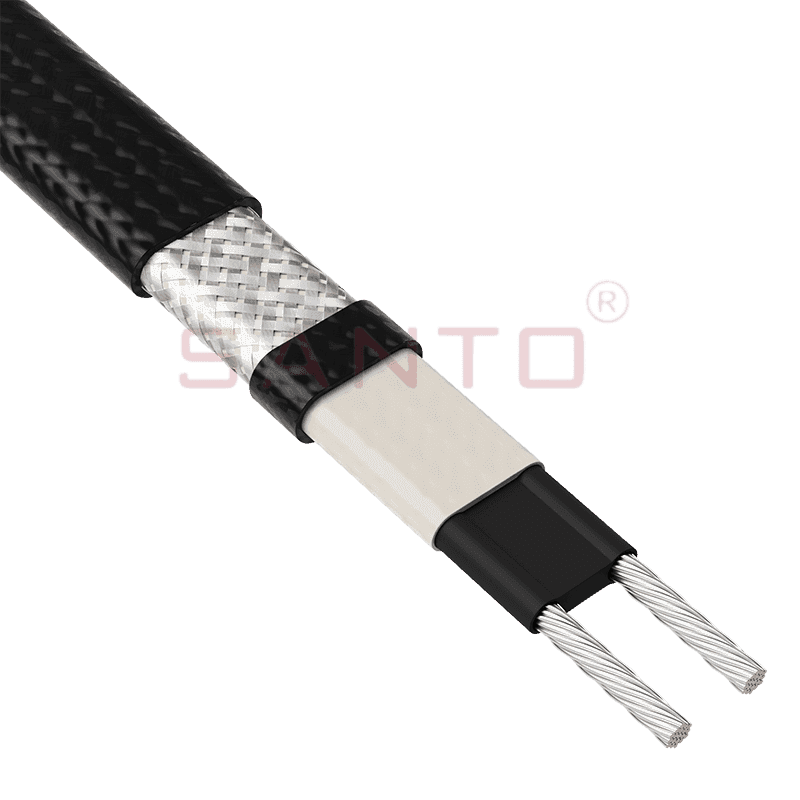
The SANTO UFA range of self-regulating heating cables is mainly used for frost protection of pipes and vessels but can also be used to maintain processes up to 65°C. These heating cables are available...
See Details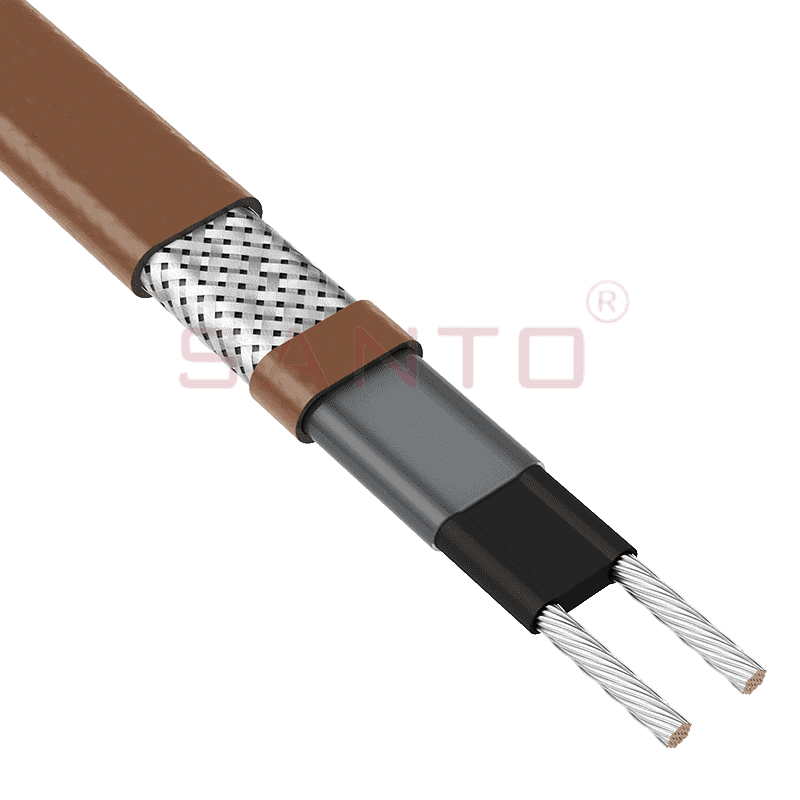
The SANTO UFB range of self-regulating heating cables is mainly used for frost protection of pipes and vessels requiring a higher power output than the UFA heating cables can supply. They can also be ...
See Details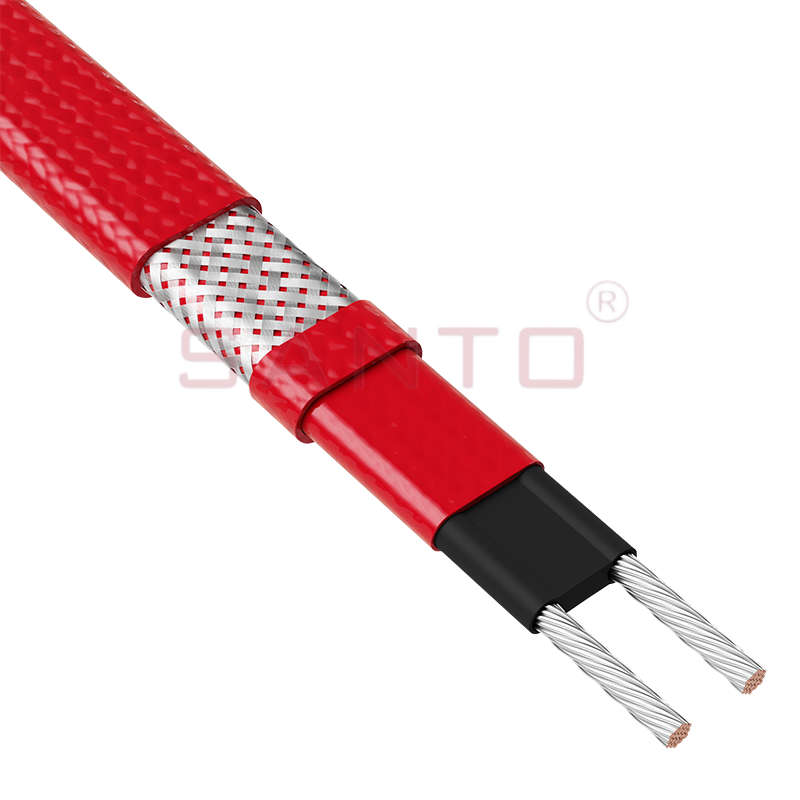
The SANTO UFC range of self-regulating heating cables is used for frost protection of pipes and vessels that require steam cleaning. They can also be used to maintain processes up to 121°C. These heat...
See Details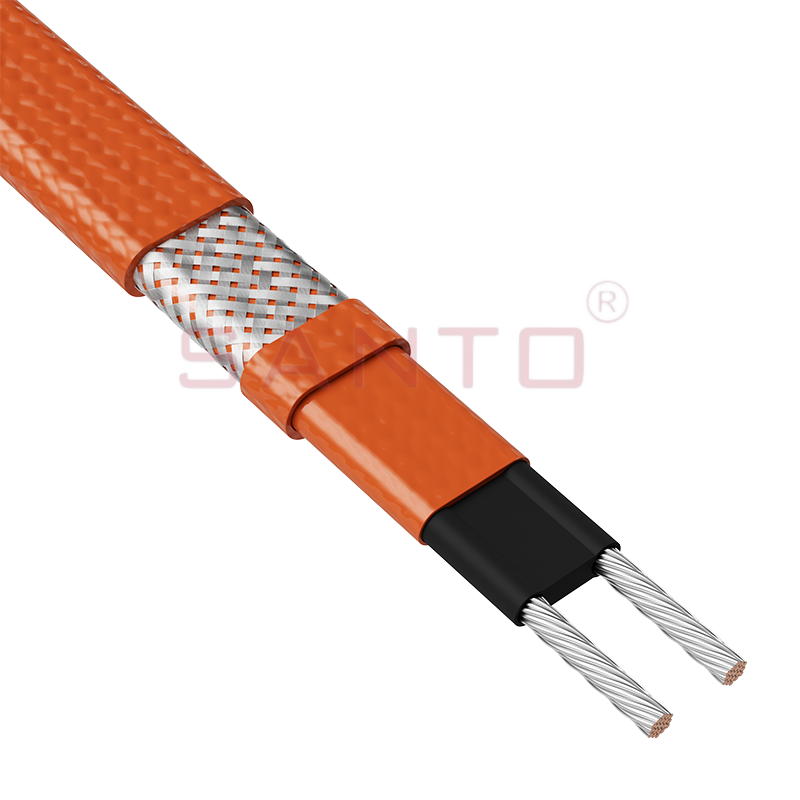
The SANTO UFO range of self-regulating heating cables is mainly used for frost protection of pipes and vessels that require steam cleaning . They can also be used to maintain processes up to 150°C. Th...
See Details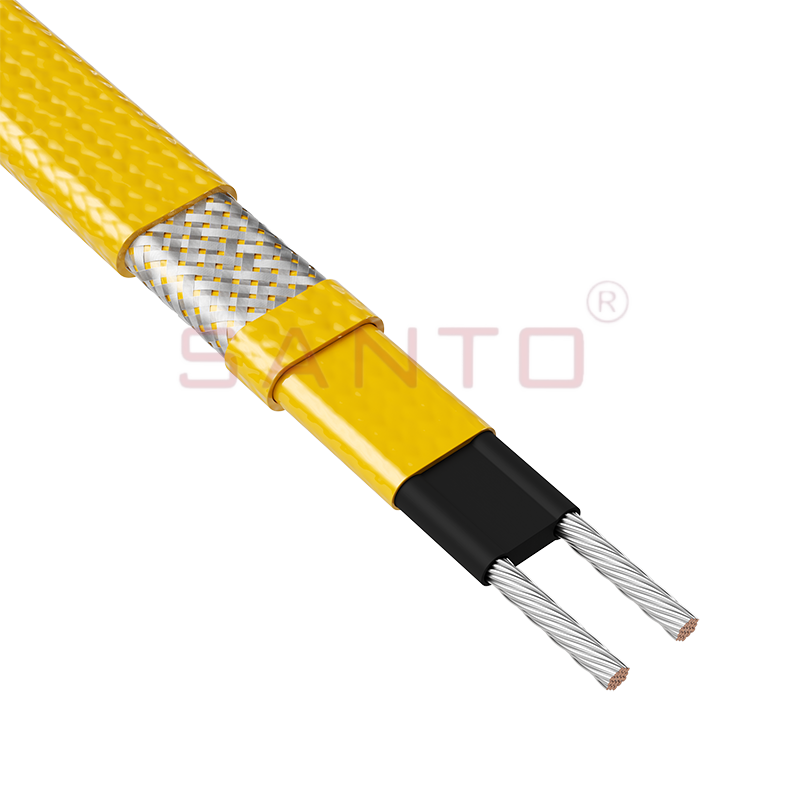
The SANTO UFD series of self-regulating heating cables are mainly used for freeze protection of pipes and vessels, but can also be used to maintain processes up to 200°C. These heating cables are avai...
See Details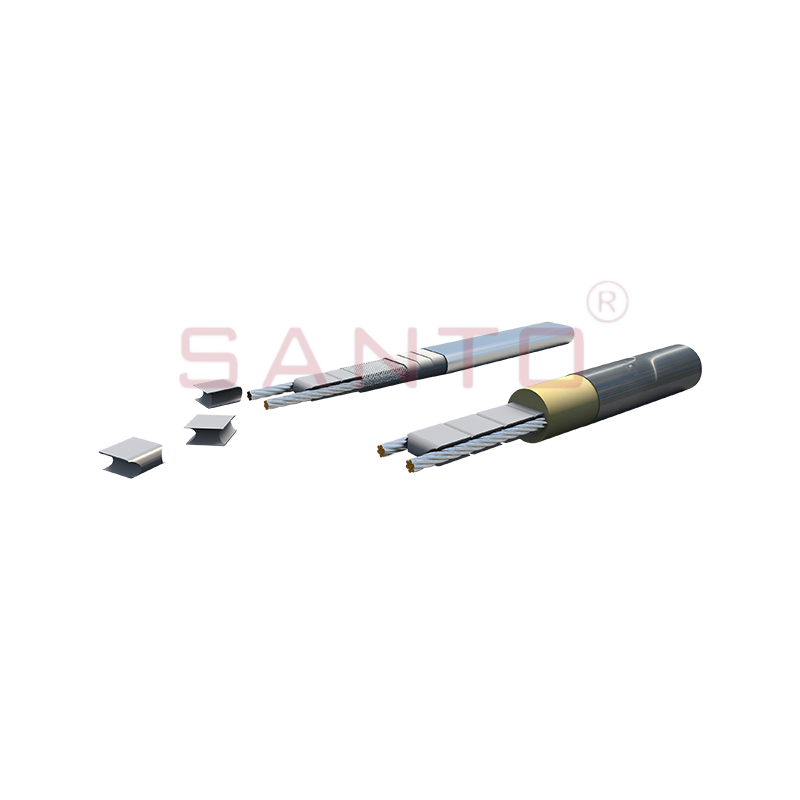
SANTO UFY heating wire is suitable for applications that maintain process temperatures up to 260 ℃ and can be steam blown; The self-regulating and parallel circuit heating wires of the UFY series are ...
See Details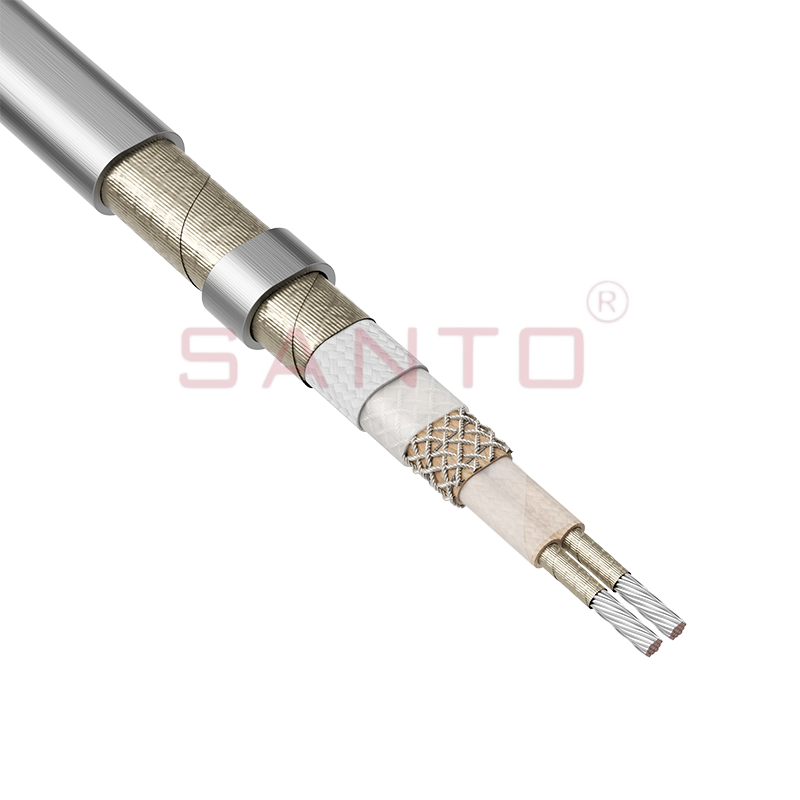
The SANTO UFM series self-regulating heating cables are mainly used for freeze protection of pipes and vessels, but can also be used to maintain processes up to 400°C. These heating cables are availab...
See Details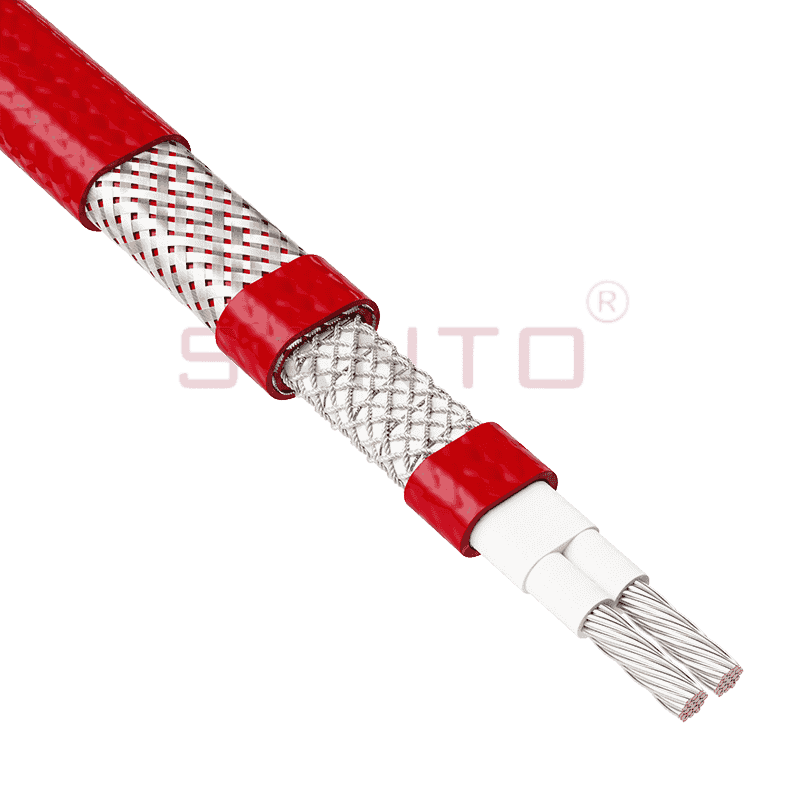
The SANTO ACC range of power-limiting heating cables is mainly used for temperature maintenance of processes and offers the advantage of a high power output at high temperatures which can reduce the n...
See Details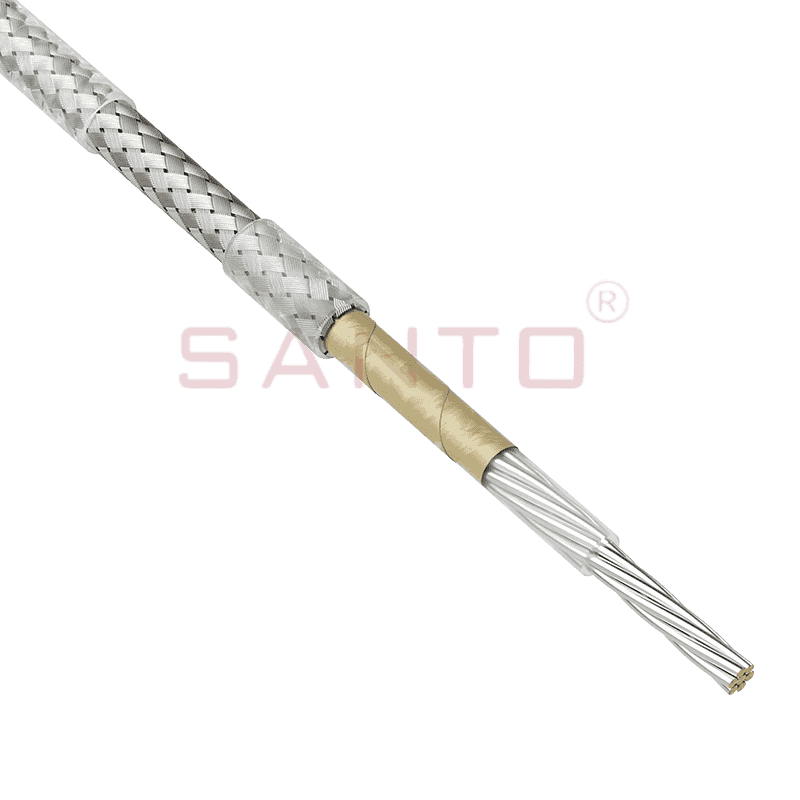
The stranded high temperature conductor is nickel plated to ensure a long life at elevated temperatures in corrosive environments. It is electrically isolated using an innovative sandwich construction...
See Details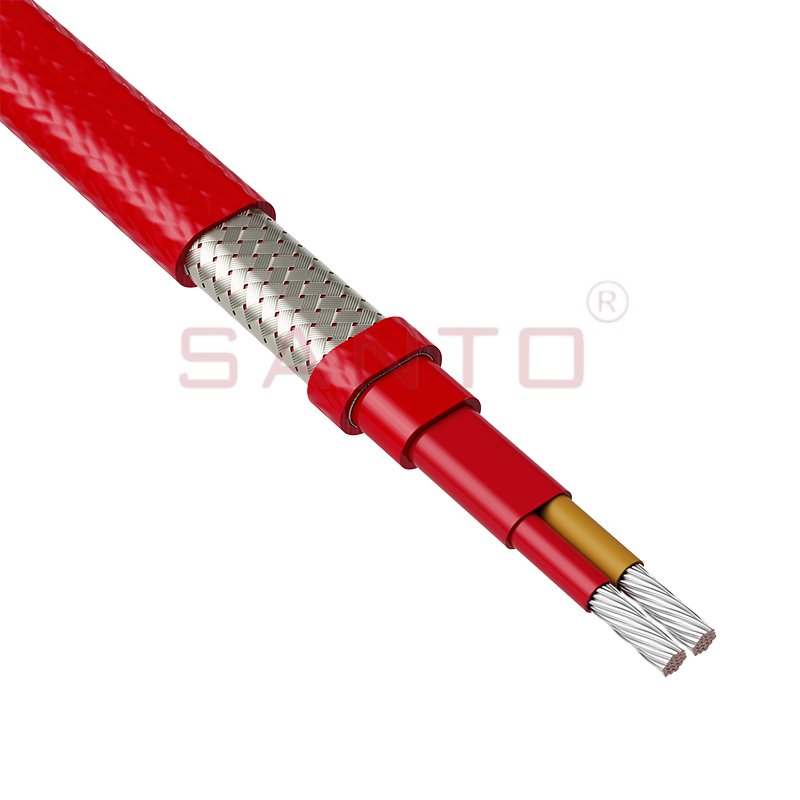
The stranded high temperature conductor is nickel plated to ensure a long life at elevated temperatures in corrosive environments. It is electrically isolated using an innovative sandwich construction...
See Details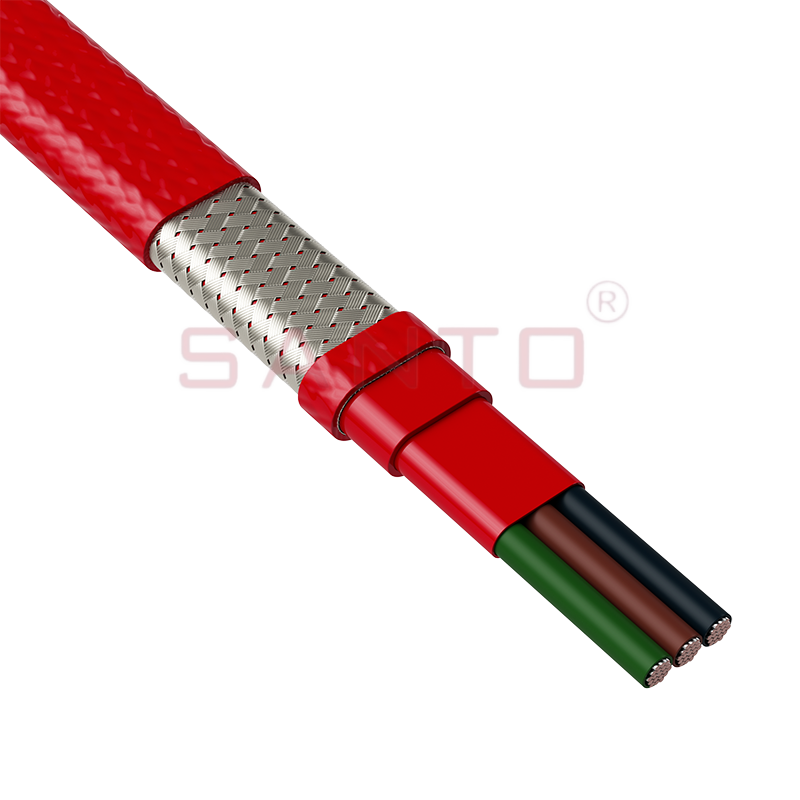
The stranded high temperature conductor is nickel plated to ensure a long life at elevated temperatures in corrosive environments. It is electrically isolated using an innovative sandwich construction...
See Details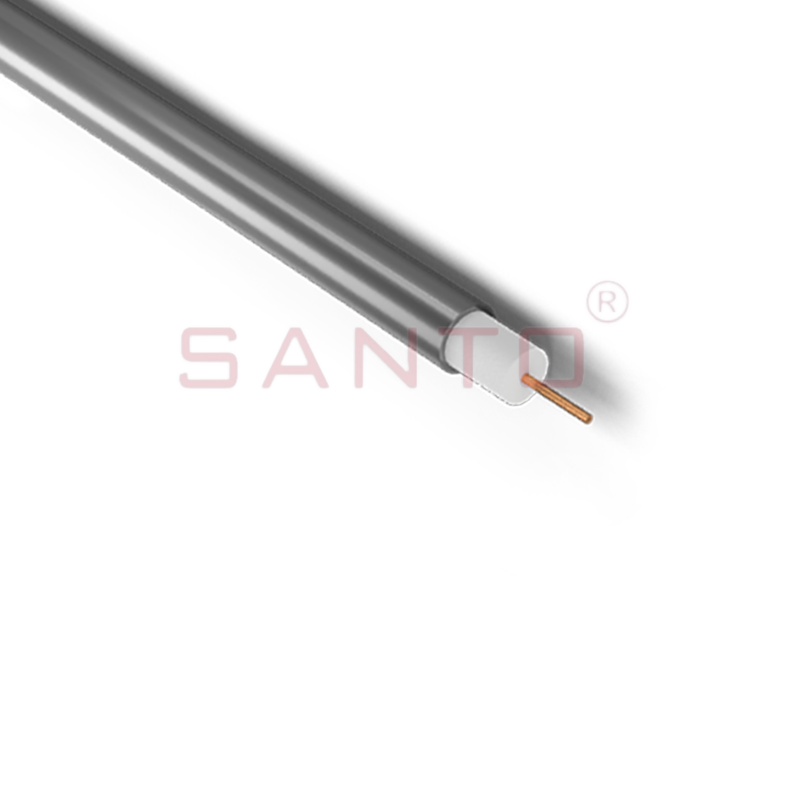
SANTO HAx mineral insulated (MI) Alloy 825 series heating cables are suitable for use in hazardous areas. They have been designed for use in freeze protection and temperature maintenance applications ...
See Details
Santo electric heating strips are widely used in key industries in China.

