 English
 English
 русский
 日本語
 Español
 中文简体

The SANTO UFA range of self-regulating heating cables is mainly used for frost protection of pipes and vessels but can also be used to maintain processes up to 65°C. These heating cables are available...
See Details
Medical equipment requires stable, predictable, and carefully controlled thermal performance. In anesthesia systems, heating may be necessary to support temperature-sensitive components, reduce condensation, protect tubing and assemblies, and maintain reliable operation in demanding clinical environments. A heater designed for this purpose must do more than generate heat. It must fit the available installation space, operate safely, provide consistent thermal distribution, and remain compatible with the equipment’s electrical and mechanical design.
The thermal imager heater presented by Santo Thermal Control Technology Co., Ltd. is a customizable heating solution for anesthesia machines and related medical equipment. Although the product is listed under the name “thermal imager heater,” its stated application is the heating of anesthesia machines. The heater can be adapted according to customer requirements, including dimensions, wiring, adhesive layers, thermal-conductivity materials, insulation, aluminum plates, temperature controllers, and sensors.
Its available technical specifications include a minimum thickness of 1.0 mm, a maximum heating temperature of 200°C, a maximum power density of 3 W/cm², and an insulation resistance of at least 100 MΩ when tested at 1000 V. These characteristics allow the product to be considered for compact, surface-mounted, and application-specific heating assemblies where space, temperature control, and electrical insulation are important.
This article examines the product’s construction options, operating characteristics, customization advantages, manufacturing strengths, quality management, and suitability for medical equipment applications. It also explains how a specialized heating manufacturer can support equipment developers and medical-device integrators from early design through production.
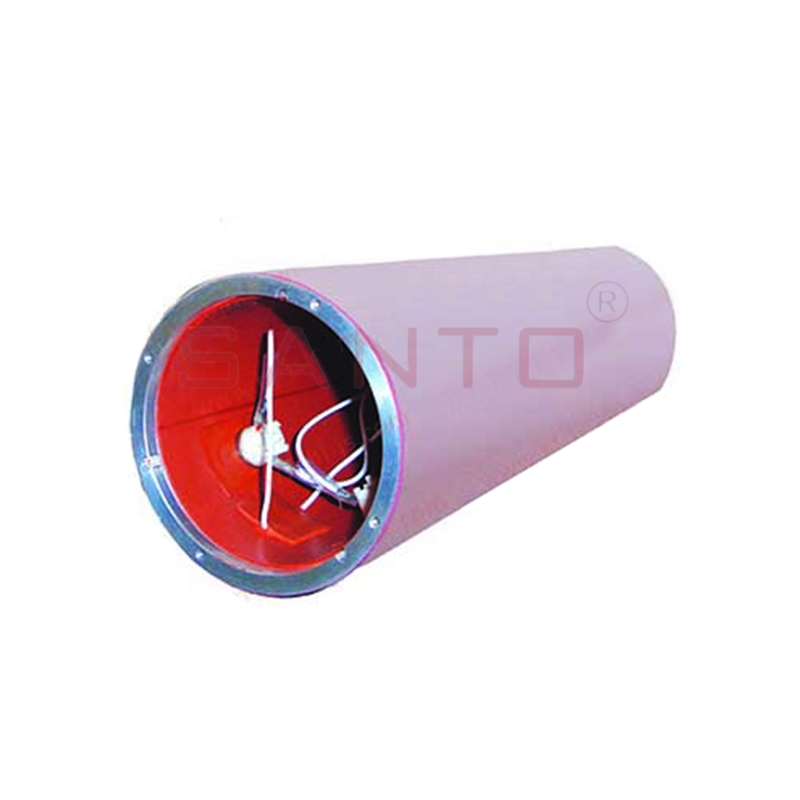
Thermal imager heater
Content
The thermal imager heater is a compact electric heating component designed for integration into anesthesia machines. Its principal function is to convert electrical energy into controlled surface heat. Depending on the machine design, the heater may be installed on a panel, housing, tube assembly, fluid path, enclosure, or other component requiring localized warming.
Unlike general-purpose heating cables, a customized heater for medical equipment is normally developed around a specific installation area. The heater’s shape, power distribution, lead position, insulation structure, mounting method, and control accessories may all be selected to match the equipment. This design approach is particularly useful when the available installation space is limited or when heat must be delivered to a defined surface rather than distributed along a long cable.
The product can be supplied with several optional accessories. These include electrical wires, adhesive layers, aluminum plates, thermal-conductivity materials, insulation materials, temperature controllers, and temperature sensors. The availability of these options allows the heater to be supplied as a more complete thermal-management assembly instead of as an isolated heating element.
For equipment manufacturers, this can simplify integration. Rather than sourcing the heater, mounting material, temperature sensor, insulation, and controller from multiple suppliers, the customer can request a coordinated configuration from one experienced thermal-control manufacturer. The final design can then be evaluated according to the required temperature, available voltage, mounting surface, heat-spreading requirements, and control method.
The product specifications supplied for the thermal imager heater are summarized below. Actual values for a particular project should be confirmed during technical consultation and prototype approval, because customized heaters may use different dimensions, resistance values, power ratings, and accessory combinations.
| Characteristic | Stated specification | Engineering significance |
|---|---|---|
| Application | Heating anesthesia machines | Supports localized thermal management within medical equipment |
| Minimum thickness | ≥ 1.0 mm | Allows a relatively compact heater structure for equipment integration |
| Heating temperature | ≤ 200°C | Defines the stated upper heating-temperature capability |
| Power density | ≤ 3 W/cm² | Provides a reference for heat output per unit surface area |
| Insulation resistance | 1000 V, ≥ 100 MΩ | Indicates strong electrical insulation under the stated test condition |
| Optional accessories | Wire, adhesive layer, aluminum plate, thermal-conductivity material, insulation, controller, and sensor | Enables the heater to be adapted to the equipment’s mechanical, thermal, and control requirements |
Thickness is an important consideration in anesthesia-machine design. Medical equipment often contains numerous components within a compact enclosure, so a heater that can be integrated without significantly increasing the equipment footprint is valuable. A minimum thickness specification of 1.0 mm provides a design reference for customers planning a surface-mounted or layered heating assembly.
The stated heating-temperature limit of 200°C provides a broad operating range for a variety of industrial and equipment-heating tasks. However, the required operating temperature of an anesthesia-machine application will normally be substantially lower than the maximum capability. The heater should therefore be operated with an appropriate controller, sensor, and safety strategy selected for the final equipment design.
Power density is another key parameter. A maximum stated value of 3 W/cm² helps engineers evaluate how much heat may be generated over a given area. In practice, the correct power density depends on the material being heated, ambient conditions, thermal losses, desired warm-up time, allowable surface temperature, and the use of thermal-conductivity or heat-spreading materials.
Insulation resistance is especially important in medical equipment. The stated value of at least 100 MΩ at 1000 V indicates a high level of electrical separation under the specified test condition. Electrical insulation helps reduce the risk of leakage and unintended current paths, although the complete medical equipment must still be evaluated according to the applicable product standards, system architecture, grounding design, and regulatory requirements.
A standard heater may be suitable for a general industrial enclosure, but medical equipment often requires a more coordinated design. An anesthesia machine may contain gas pathways, sensors, valves, displays, control electronics, tubing, and structural parts in a relatively small volume. Heat must be introduced carefully so that the intended component receives sufficient thermal energy without exposing adjacent parts to unnecessary temperatures.
Customization allows the heater to follow the geometry of the target surface. The heating element can be developed for a specific length, width, shape, lead orientation, and mounting arrangement. This can help reduce unused heating areas and improve contact between the heater and the component being warmed.
A custom adhesive layer can simplify installation on a suitable surface. An aluminum plate may help distribute heat over a broader area, while a thermal-conductivity material can improve heat transfer between the heater and the target component. Insulation materials may be added to reduce heat loss toward an unwanted direction. A sensor and controller can be incorporated to support temperature regulation.
These options are particularly useful when the customer has already developed the medical equipment’s mechanical structure. Instead of redesigning the machine around an off-the-shelf heater, the heater can be developed around the machine. This approach can reduce design compromises and support a cleaner integration process.
Customization also allows the electrical configuration to be coordinated with the equipment’s power supply. The heater’s voltage, resistance, lead type, wire length, and connector arrangement may be reviewed as part of the technical project. The objective is to create a heating assembly that is compatible with the equipment’s available power and control system.
In addition, a customized heater may support more consistent production. Once the dimensions, materials, wire routing, sensor position, and test requirements have been confirmed, the supplier can manufacture repeat units according to an approved specification. This is important for equipment manufacturers that require stable performance across multiple production batches.
One of the principal advantages of this product is its ability to be customized for the installation location. Generic heating cables are often flexible and versatile, but they may not provide the same surface conformity or controlled heat distribution as a heater developed for a particular component. A customized heater can be shaped to fit the available area and can place the heating region where it is needed.
This can be beneficial when the heated component has a flat, curved, narrow, or irregular surface. The final design can take into account clearances, mounting holes, cable exits, corners, and adjacent components. Such attention to geometry may help improve installation efficiency and reduce the possibility of uneven contact.
The product can be supplied with optional materials that support thermal transfer, insulation, and temperature control. This creates an advantage over products that are delivered only as a bare heating element. The heater, mounting layer, heat-spreading layer, insulation, sensor, and controller can be considered as parts of one thermal system.
An aluminum plate, for example, may help spread heat from the active element across a larger surface. A thermal-conductivity layer may reduce contact resistance between the heater and the target component. An insulation layer may direct more heat toward the intended surface and protect nearby parts. The correct combination depends on the customer’s equipment design.
Medical equipment designers often work under strict space constraints. A heater with a minimum thickness specification of 1.0 mm may be easier to install in a compact assembly than a bulky heating device. Compact construction can support lower-profile equipment design and may reduce interference with covers, tubing, electrical boards, and service panels.
The actual thickness of a completed heater assembly will depend on the selected substrate, insulation, adhesive, heat-spreading plate, and other accessories. Engineers should therefore review the complete assembly dimension rather than considering the heating element alone.
The stated power-density limit of 3 W/cm² gives engineers a useful starting point for thermal calculations. A controlled power density can help avoid concentrating excessive heat in a small region. This is important for equipment containing plastics, seals, electronic components, sensors, and other materials that may have specific temperature limitations.
Power-density selection should be based on the entire heat-transfer system. A heater may require a different power density when it is mounted to metal than when it is mounted to an insulating polymer. Ambient temperature, airflow, contact pressure, and thermal insulation also influence the result. For this reason, prototype testing is recommended before final production approval.
The availability of temperature controllers and sensors allows the heater to be used in a regulated thermal system. Instead of operating continuously at a fixed electrical input, the heater can be paired with a sensor-based control strategy. Depending on the machine architecture, the controller may regulate temperature through switching, proportional control, or another approved method.
A sensor can be located near the heated surface or at another position selected by the customer. Correct sensor placement is important because the measured temperature must represent the condition that the control system is intended to regulate. The heater supplier can assist with evaluating the relationship between the heater, sensor, heat-spreading material, and target component.
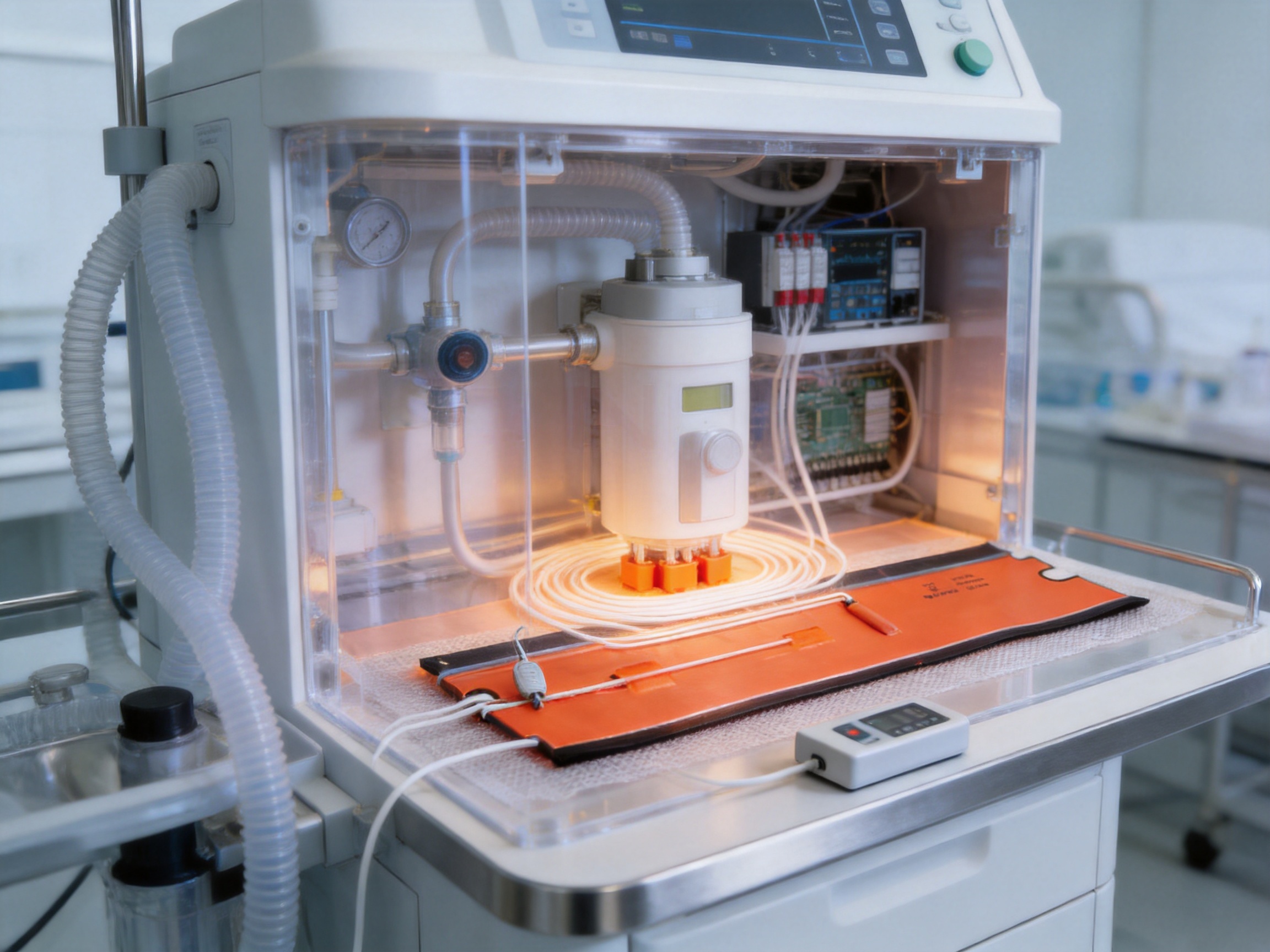
Santo Thermal Control Technology Co., Ltd. is a specialized manufacturer of electric heating and thermal-control products. The company’s product range includes automatic temperature-control heating belts, self-regulating heating belts, heat-tracing belts, constant-power heating belts, glass-fiber heating belts, mineral-insulated cables, snow-melting cables, silicone-rubber heating products, electric heating wires, and related accessories.
This broad product background is relevant to the manufacture of a customized medical heater. Although the thermal imager heater is a specific product for anesthesia-machine applications, its development involves many of the same core capabilities required for other electric heating products: resistance design, insulation, temperature management, material selection, cable termination, heat transfer, quality inspection, and application engineering.
The company states that it integrates scientific research, product development, manufacturing, and sales. This integrated structure can be beneficial for custom projects because technical questions do not have to be separated from production considerations. A design can be reviewed not only for theoretical performance but also for manufacturability, material availability, assembly method, inspection requirements, and production consistency.
The company reports cooperation in product research with Harvard University in the United States and identifies itself as a high-tech enterprise in Jiangsu Province. Its development history includes work on self-limiting temperature nano far-infrared heaters, carbon-fiber parallel heating cables, and other electric-heating technologies.
Research experience in self-regulating and advanced heating products can support the development of more specialized heating solutions. For a medical-equipment customer, this may translate into better assistance with heat distribution, temperature control, material selection, and the adaptation of a heater to a particular operating condition.
Research capability is also valuable when the customer’s requirements do not match a standard product. For example, the customer may require a special shape, a particular lead exit, a different mounting material, or a defined warm-up response. An experienced engineering team can evaluate these requirements and determine whether they can be supported by existing materials or require a new design.
The company reports more than 35 years of industry experience and an annual output of more than 10,000 units or products across its business. It also reports the establishment of an irradiation center in 2013. In electric-heating manufacturing, controlled processing and insulation-related capabilities are important because the performance of a heater depends not only on its resistance wire but also on its insulation, protective layers, connection points, and finished assembly.
The company further reports that it purchased additional land in 2022 to build a new factory and product simulation testing laboratory. A product simulation and testing facility can support development work before mass production by allowing the manufacturer and customer to evaluate heating behavior, temperature distribution, response time, insulation, and mechanical installation.
For a customized anesthesia-machine heater, testing under representative conditions is particularly useful. The heater should ideally be evaluated with the intended mounting surface, thermal interface materials, insulation, sensor, controller, and surrounding components. This produces more meaningful results than testing the heater as an isolated part.
The company states that it has passed ISO9001 quality-system certification and that its products have obtained national CCC certification. These credentials indicate that the company has established formal quality-management and product-compliance processes within the scope of the relevant certifications.
For medical equipment customers, quality management is important throughout the supplier relationship. It includes the review of incoming materials, control of manufacturing processes, documentation of inspections, traceability of production batches, management of nonconforming products, and control of design changes. A stable quality system helps the customer manage supplier evaluation and production approval.
Certification alone does not replace application-specific validation. The complete anesthesia machine remains responsible for meeting the standards and regulatory requirements applicable to its market. However, working with a manufacturer that maintains a documented quality system can provide a stronger foundation for design verification, supplier qualification, and production control.
The precise production process depends on the heater’s construction, but a typical custom project can include several stages. The first stage is technical requirement review. The customer provides the target component, available installation space, power supply, desired temperature, heating area, operating environment, mounting method, control requirements, and applicable documentation needs.
The manufacturer then evaluates the electrical and thermal design. Resistance, power, power density, conductor arrangement, insulation structure, sensor position, lead length, and accessory selection are considered together. At this stage, the customer and supplier may review drawings or samples to confirm dimensions and connection details.
Material selection follows design confirmation. Depending on the product construction, the heater may include a resistive heating element, insulating layers, protective layers, adhesive materials, heat-spreading components, thermal interface materials, and electrical leads. Each material must be compatible with the intended temperature range and assembly conditions.
During assembly, the heating element and related layers are positioned according to the approved design. Lead exits and connection points must be placed accurately so that the completed heater can be installed without excessive bending or mechanical stress. If an aluminum plate or other heat-spreading component is used, it must be aligned with the active heating region.
Insulation is an essential part of the assembly. The heater must be designed to reduce the possibility of electrical contact with adjacent conductive parts. Insulating layers should also remain stable under the expected temperature, pressure, vibration, and handling conditions. The stated insulation-resistance requirement provides an important inspection reference.
After assembly, the product may undergo dimensional inspection, resistance testing, insulation-resistance testing, appearance inspection, lead and connection checks, and functional heating tests. Customized orders may also require temperature-distribution testing, warm-up testing, sensor verification, and inspection of the adhesive or thermal interface layer.
For larger projects, prototype production is often followed by design adjustment. The first sample may reveal that the heater warms too slowly, creates a temperature gradient, requires a different insulation layer, or needs a revised lead position. Making these changes before mass production can improve integration and reduce later equipment redesign.
The stated use of this heater is the heating of anesthesia machines. Anesthesia systems may require thermal management for several reasons, depending on their design. Heating may help maintain a required temperature in a specific component, reduce the effect of condensation, support stable operation of a gas or fluid pathway, or protect a temperature-sensitive assembly from unfavorable environmental conditions.
The exact purpose must be determined by the equipment manufacturer. The heater should not be treated as a universal solution for every part of an anesthesia system. Instead, the customer should identify the component that requires heating and define the expected operating conditions. This may include the normal and abnormal ambient temperatures, warm-up time, target temperature, maximum permissible temperature, duty cycle, cleaning conditions, and service life.
For medical equipment, temperature uniformity may be as important as maximum temperature. A heater that produces a high temperature in one small area may not be suitable if the target component requires gentle and even warming. Heat-spreading plates and thermal-conductivity materials can help improve distribution, but they must be selected and tested as part of the complete assembly.
The heater’s sensor and controller should also be integrated carefully. The sensor must measure a meaningful temperature, and the control system should include appropriate limits or fault responses. If the sensor becomes disconnected or produces an abnormal signal, the equipment designer should determine how the controller responds. These system-level safety decisions remain the responsibility of the medical-equipment manufacturer.
Installation instructions are also important. The heater should be mounted on a compatible surface and should not be folded, sharply creased, punctured, or compressed in a manner that could damage its internal structure. The wiring should be routed to avoid abrasion, excessive bending, heat exposure beyond its rating, or interference with moving and serviceable parts.
Reliable heating performance begins with correct electrical design. The heater’s voltage and resistance determine its nominal power, while the heated area determines the resulting power density. If the customer changes the voltage, mounting area, or control method, the thermal result may change significantly. Therefore, the heater should be specified as part of the final equipment system rather than selected solely by nominal wattage.
Thermal contact also affects reliability. A gap between the heater and the target surface can increase thermal resistance and create hot spots. An appropriate adhesive or thermal interface material may improve contact, but the material must be compatible with the surface and with the expected temperature and service conditions.
Insulation contributes to both safety and performance. It can reduce heat loss, protect adjacent components, and maintain electrical separation. However, adding insulation may also slow heat dissipation. The design must balance thermal efficiency with the need to prevent excessive temperatures in the heater and surrounding equipment.
Mechanical stability is another consideration. A heater installed in mobile or transportable medical equipment may be exposed to vibration, repeated handling, and maintenance activities. The selected adhesive, protective layer, wire attachment, and mounting arrangement should be evaluated for the expected mechanical environment.
Environmental compatibility should also be reviewed. Depending on the anesthesia-machine design, the heater may encounter cleaning agents, humidity, temperature cycling, or occasional exposure to medical-environment contaminants. The customer should provide this information during the design stage so that appropriate materials and protection can be selected.
Long-term reliability depends on operating the heater within its specified limits. The maximum heating temperature and maximum power density should not be exceeded. The control system should prevent uncontrolled heating, and the complete machine should be evaluated for abnormal conditions. Regular production inspection and documented change control can further support consistent performance.
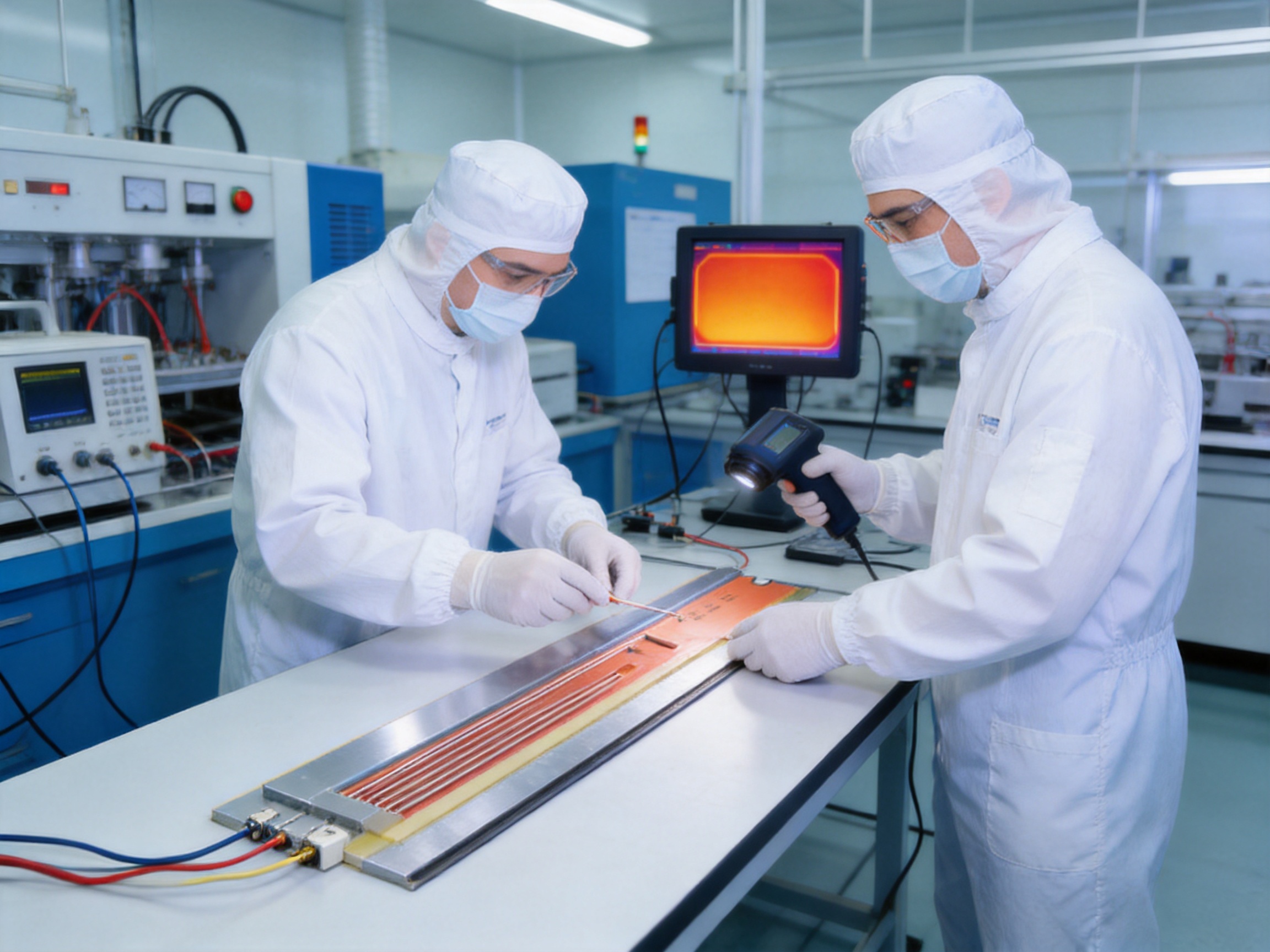
A custom heater project may involve more than the heating element. Wires, adhesive layers, aluminum plates, thermal interface materials, insulation, temperature controllers, and sensors may all be needed. The ability to source these options from one specialized supplier can simplify purchasing and technical communication.
It can also reduce the risk of incompatibility between components. For example, the heater’s temperature range should be compatible with the adhesive, the sensor should work with the controller, and the heat-spreading material should fit the mechanical assembly. A coordinated supply approach gives the customer an opportunity to review these relationships with one engineering team.
The company describes itself as an OEM and ODM manufacturer of heating products. For equipment manufacturers, OEM and ODM support may include product customization, production to customer drawings, engineering suggestions, prototype development, and adaptation of materials or accessories.
This is useful when a medical-equipment company wants to preserve its own product architecture while obtaining a heater built to its requirements. The heater supplier can manufacture according to an approved specification while supporting improvements in thermal performance and production practicality.
The company reports more than 35 years of experience in electric heating and thermal-control products. Its products serve applications in petroleum, chemical processing, gas, construction, solar energy, geothermal cultivation, deicing, heat tracing, and insulation. These industries expose heating products to diverse thermal, electrical, mechanical, and environmental requirements.
Although medical equipment has its own standards and validation requirements, experience across demanding industries can contribute to a practical understanding of insulation, heat transfer, temperature control, cable construction, and long-term operation. The customer can use this experience during the process of developing a more specialized heater.
The company states that its products have entered international markets, that it has more than 2,000 distributors, and that its business covers more than 85 areas. It also reports the establishment of a factory in Russia in 2023. International business experience may help the company coordinate export documentation, communication, packaging, and customer-support requirements.
For an overseas equipment manufacturer, supplier communication and documentation are important parts of product development. Clear drawings, specifications, inspection reports, samples, and change notifications can help reduce misunderstandings during a custom project.
The customer should define the required quality documents before placing a production order. These may include a product drawing, material list, electrical specification, resistance tolerance, insulation-resistance requirement, dimensional tolerance, inspection plan, and packaging specification.
Incoming-material control helps ensure that the resistive element, insulation, adhesive, thermal interface material, wires, and other components meet the approved requirements. Process control helps maintain consistent positioning, bonding, lamination, termination, and finishing. Final inspection confirms that each completed heater meets the agreed specifications.
Electrical testing should include resistance measurement and insulation-resistance testing under the defined conditions. The supplied requirement of at least 100 MΩ at 1000 V should be treated as a key reference for the product. The test method, test duration, temperature, humidity, and acceptance criteria should be documented clearly between the customer and supplier.
Functional testing may include energizing the heater and recording temperature rise or surface temperature. For a customized anesthesia-machine heater, the most useful test may be performed with the heater attached to the intended component and operated with the intended controller. This allows the customer to review actual heat distribution rather than relying only on electrical calculations.
Design validation should consider normal operation and foreseeable abnormal conditions. The equipment manufacturer may need to evaluate sensor failure, controller failure, blocked heat dissipation, incorrect installation, power interruption, repeated cycling, and extended operation. These tests should be planned according to the complete medical device and its applicable regulatory framework.
Supplier change control is also important. Changes to the heating element, insulation, adhesive, wire, thermal plate, production process, or test method may affect performance. The customer should establish a process requiring notification and, where appropriate, requalification before significant changes are introduced.
Before installation, the customer should verify the heater’s dimensions, mounting surface, lead direction, electrical rating, and sensor position. The receiving surface should be clean, dry, smooth, and compatible with the selected adhesive or mounting method. Any protective liner should be removed according to the supplier’s instructions, and the heater should be applied without trapping air pockets or creating sharp folds.
The heater should be positioned so that its active area is in close contact with the target component. If an aluminum plate or thermal-conductivity layer is included, it should be installed in the correct order. Insulation should not cover areas that must remain available for electrical connection or sensor operation unless the design specifically allows it.
Wires should be supported and routed to minimize mechanical stress on the heater termination. A service loop may be needed where movement or maintenance access is expected, but excessive loose wiring should be avoided. The wire route should remain clear of sharp edges, high-temperature surfaces, moving mechanisms, and components that could pinch or abrade the insulation.
The controller and sensor should be tested after installation. The equipment manufacturer should confirm that the controller reads the sensor correctly, the heater switches as intended, and the target component reaches the desired temperature within the required time. The system should also be checked for overshoot and temperature differences across the heated area.
After final assembly, the machine should undergo a complete functional test. The heater should be evaluated together with the equipment’s power supply, control software or hardware, alarms, enclosure, and adjacent components. This helps identify integration issues that may not be visible during standalone heater testing.
To develop a suitable heater, the customer should provide as much information as possible. Important data includes the target component and its material, the required heating area, maximum available space, desired temperature, ambient temperature range, warm-up time, available voltage, required power, operating cycle, mounting method, cleaning environment, and expected service life.
The customer should also identify any areas that must not be heated. These may include electronic boards, seals, display components, sensors, connectors, or surfaces that operators may touch. This information helps the manufacturer position the heating zone and select suitable insulation or heat-spreading materials.
If the heater will be controlled by an existing medical-equipment system, the customer should provide information about the controller input, sensor type, control logic, alarm functions, and failure response. If the customer does not have a control solution, a temperature controller and sensor may be considered as optional accessories.
Drawings and physical samples are valuable during development. A drawing can define exact dimensions and tolerances, while a sample of the target component allows the supplier to evaluate fit, contact, heat distribution, and installation. Prototype testing should be completed before the final production specification is released.
Heating cables are useful when heat must be distributed along a pipe, tube, or extended route. They are common in heat tracing, freeze protection, and deicing. However, a cable may require manual routing and fastening, and its heat distribution depends on the installation pattern. A customized surface heater may be more appropriate when the target area is compact and clearly defined.
Rigid cartridge or tubular heaters can provide high power, but they may require a dedicated bore, bracket, or metal enclosure. They are not always suitable for thin surfaces or irregular equipment housings. A low-profile customized heater can offer easier surface integration where a conventional rigid heater cannot be installed.
General-purpose heating pads may be available in standard sizes, but they may not match the customer’s required shape, wire exit, sensor location, or insulation structure. A custom product can reduce unused area and can be developed around the equipment’s specific mechanical and thermal requirements.
Self-regulating heating cables offer useful temperature-response characteristics in many applications, but they may not provide the same controlled surface geometry as a purpose-designed heater. The most suitable technology depends on the target component, required control accuracy, operating environment, and installation method.
The thermal imager heater’s main competitive advantage is therefore not simply its ability to produce heat. Its value lies in the combination of compact construction, application-specific design, optional thermal accessories, electrical insulation, temperature-control options, and support from a manufacturer experienced in multiple heating technologies.
Efficient thermal design can reduce unnecessary energy consumption. If the heater is correctly sized for the target area and combined with appropriate insulation, a greater proportion of the electrical energy may be directed toward the required component. A temperature controller can further reduce energy use by limiting operation to the periods when heating is necessary.
Heat-spreading materials can also support efficiency by improving contact and reducing localized hot spots. When heat is distributed more evenly, the control system may be able to operate at a lower peak output while still maintaining the required target temperature.
The company’s stated vision emphasizes environmental health, and its product range includes heating solutions for antifreeze, deicing, heat tracing, and insulation. For medical equipment, sustainability should be considered together with reliability, service life, repairability, and safe operation. A heater that maintains stable performance over a long service period may reduce replacement and maintenance requirements.
Energy performance should be verified through testing rather than assumed from nominal specifications. The customer can compare warm-up time, steady-state power consumption, temperature uniformity, and cycling behavior under representative conditions. This information can support both engineering decisions and product documentation.
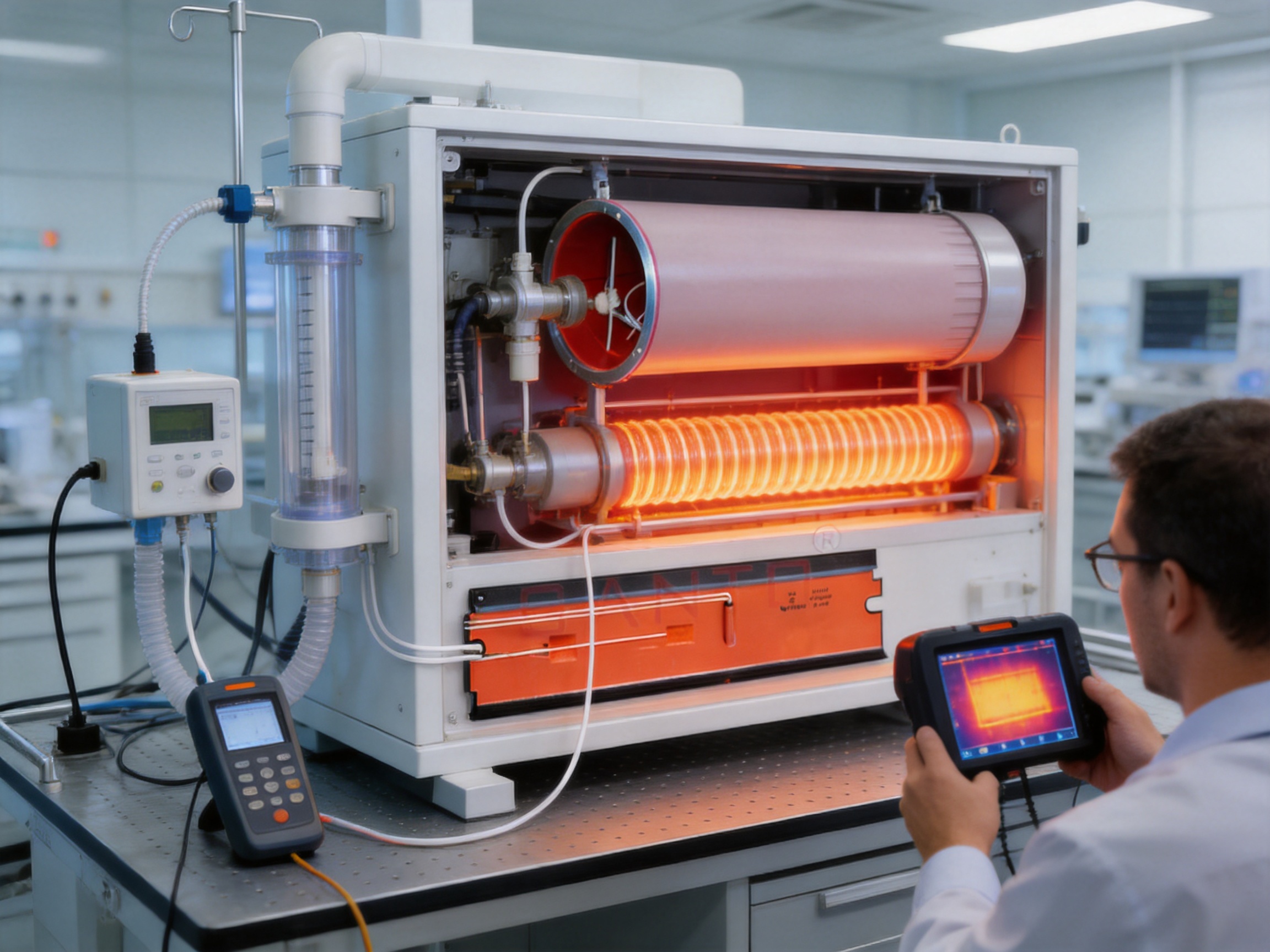
Identify what must be heated and why. The objective may be temperature maintenance, condensation reduction, protection against low ambient temperatures, or support for a specific internal process. A clear objective helps determine the correct temperature range and control strategy.
Record the target surface dimensions, shape, available clearance, mounting points, cable route, and adjacent components. Include any areas where heating is prohibited. Accurate dimensional information helps prevent interference during equipment assembly.
Provide the available supply voltage, maximum current, desired power, duty cycle, connector type, and controller interface. The supplier can then calculate a suitable resistance and heating configuration while maintaining the specified power-density limit.
Determine whether the design requires an adhesive layer, aluminum plate, thermal-conductivity material, insulation, temperature sensor, or controller. The correct selection depends on the target material, heat-transfer direction, installation method, and control requirements.
Prototype heaters should be tested on the intended component. Review fit, installation, warm-up time, temperature distribution, sensor response, insulation resistance, and controller behavior. Adjust the design if necessary.
After testing, approve the final drawing, material list, electrical values, inspection requirements, packaging, and change-control procedure. This approved specification becomes the reference for production batches.
Install the heater in the complete anesthesia machine and perform functional, safety, environmental, and reliability evaluations required by the equipment manufacturer. The heater should be considered one part of the overall medical-device system.
The product is stated to be used for heating anesthesia machines. Its exact function depends on the equipment design and may involve localized warming of a component, surface, pathway, or assembly. The final application should be confirmed with the heater manufacturer and the medical-equipment designer.
Yes. The product can be customized according to customer requirements. Customization may include dimensions, shape, power, wiring, mounting method, insulation, heat-spreading materials, sensor placement, and temperature-control accessories.
The stated thickness is at least 1.0 mm. The complete assembly may be thicker when an adhesive layer, aluminum plate, thermal-conductivity material, insulation, or other accessory is added.
The stated heating temperature is no more than 200°C. The actual operating temperature for an anesthesia-machine application should be determined by the equipment requirements and controlled using a suitable sensor and controller.
The stated power density is no more than 3 W/cm². The correct operating value should be selected according to the target material, heating area, thermal losses, mounting arrangement, and required temperature.
The specified insulation resistance is at least 100 MΩ when tested at 1000 V. The test method and acceptance conditions should be confirmed in the customer’s technical specification.
Yes. A temperature sensor is listed as an optional accessory. Sensor type, location, wiring, and compatibility with the customer’s controller should be confirmed during the design stage.
Yes. An adhesive layer can be supplied as an optional accessory when it is suitable for the selected surface and operating conditions. Adhesive compatibility, temperature resistance, surface preparation, and service life should be evaluated during validation.
An aluminum plate can help spread heat across a broader area and may improve thermal uniformity. Its suitability depends on the heater geometry, target component, available space, and required heat-transfer direction.
The product can be supplied with different levels of customization, so the final installation requirements depend on the agreed configuration. The customer should review the drawing, wiring, mounting method, controller, sensor, and insulation before installation.
The electrical heater may be designed for a particular power input, but the need for a controller depends on the application. For medical equipment, controlled operation is generally important because the system may need to maintain a defined temperature and respond to abnormal conditions.
Validation should include dimensional fit, electrical resistance, insulation resistance, temperature rise, temperature distribution, sensor response, controller operation, repeated cycling, and system-level safety tests. The required tests depend on the complete anesthesia machine and its applicable standards.
No. A heater component must be evaluated as part of the complete medical equipment. The customer is responsible for determining the applicable regulatory and safety requirements. Supplier certifications and test documents can support this process but do not replace complete equipment validation.
The customer should provide the target component, drawings or dimensions, desired temperature, available voltage, heating area, operating environment, warm-up time, mounting method, sensor requirements, wire length, and expected quantity. A physical sample can also be useful for custom development.
A specialized manufacturer can combine heating-element design, insulation, temperature control, thermal interface materials, wiring, testing, and production support. This may simplify development and reduce the risk of incompatibility between separate heating-system components.
The thermal imager heater is a customizable electric heating solution intended for anesthesia machines and related medical-equipment applications. Its stated specifications include a minimum thickness of 1.0 mm, a maximum heating temperature of 200°C, a maximum power density of 3 W/cm², and insulation resistance of at least 100 MΩ at 1000 V.
Its main advantages are associated with application-specific design and the availability of integrated accessories. Wires, adhesive layers, aluminum plates, thermal-conductivity materials, insulation, temperature controllers, and sensors can be selected according to the customer’s equipment requirements. This provides more flexibility than a generic heater that must be adapted without coordinated thermal and electrical support.
Santo Thermal Control Technology Co., Ltd. brings a broad electric-heating product background, reported experience of more than 35 years, research and development capabilities, international market experience, ISO9001 quality-system certification, CCC certification, an irradiation center, and plans for expanded factory and product-testing facilities. These strengths can support OEM and ODM projects requiring custom dimensions, controlled heating, reliable insulation, and coordinated manufacturing.
For the best result, the heater should be developed as part of the complete anesthesia-machine system. Careful attention should be given to the target temperature, power density, heat distribution, sensor location, controller response, insulation, mounting surface, wiring, environmental conditions, and validation requirements. With appropriate engineering cooperation and prototype testing, a customized heater can become a practical and reliable part of a modern medical-equipment design.
1. Santo Thermal Control Technology Co., Ltd., product information for thermal imager heaters used in anesthesia machines.
2. Santo Thermal Control Technology Co., Ltd., technical information concerning electric heating belts, silicone-rubber heating systems, heat-tracing products, and related accessories.
3. Santo Thermal Control Technology Co., Ltd., company profile, manufacturing history, research activities, certifications, and development milestones.
4. ISO 9001, Quality Management Systems—Requirements.
5. General engineering principles for electric-heater resistance calculation, power-density evaluation, thermal transfer, and insulation-resistance testing.
6. General medical-equipment design practices concerning temperature control, electrical insulation, component integration, risk management, and system-level validation.
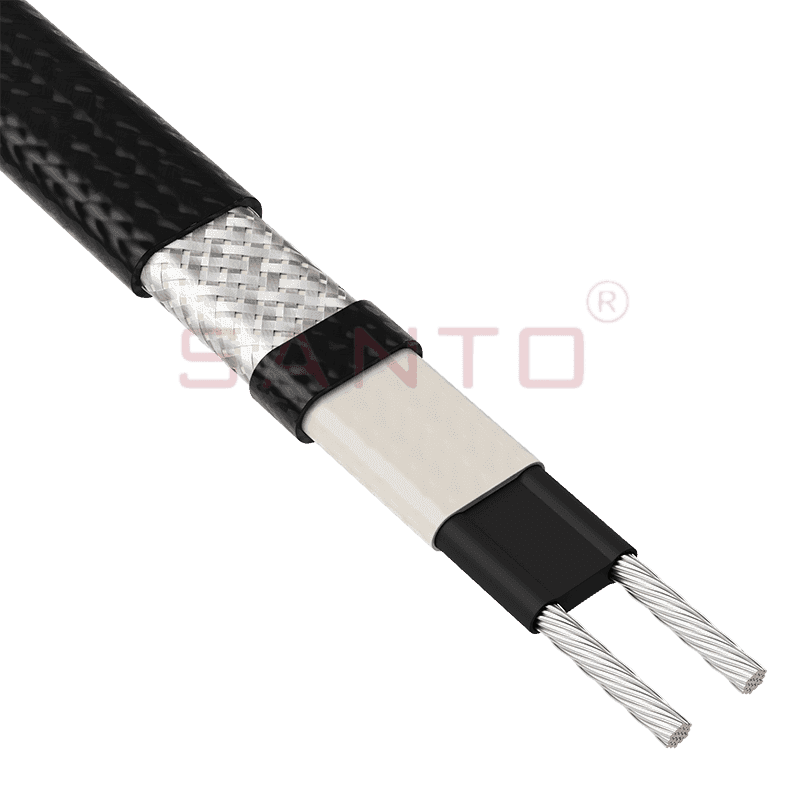
The SANTO UFA range of self-regulating heating cables is mainly used for frost protection of pipes and vessels but can also be used to maintain processes up to 65°C. These heating cables are available...
See Details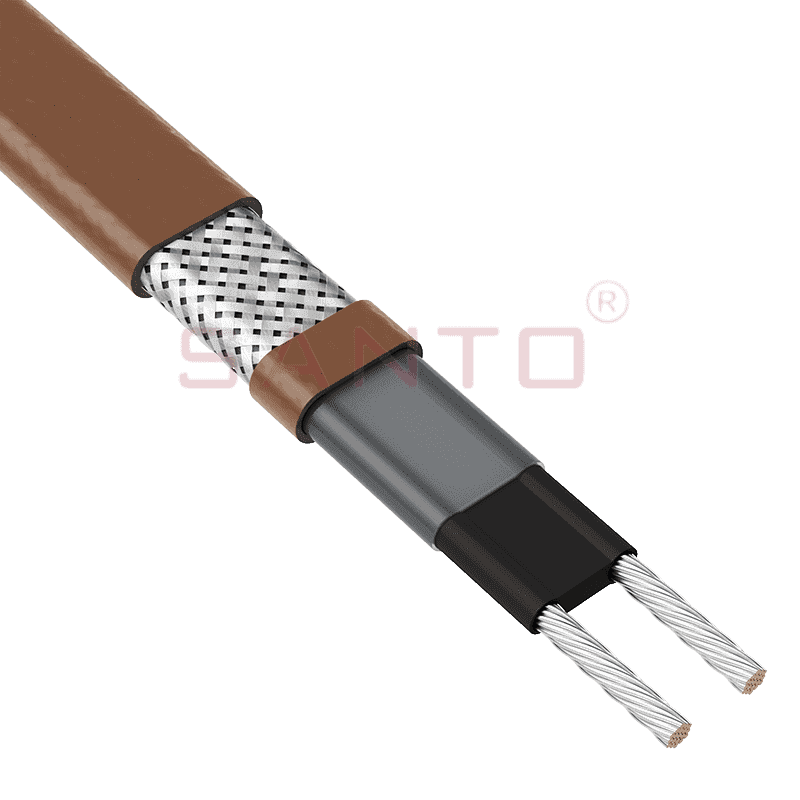
The SANTO UFB range of self-regulating heating cables is mainly used for frost protection of pipes and vessels requiring a higher power output than the UFA heating cables can supply. They can also be ...
See Details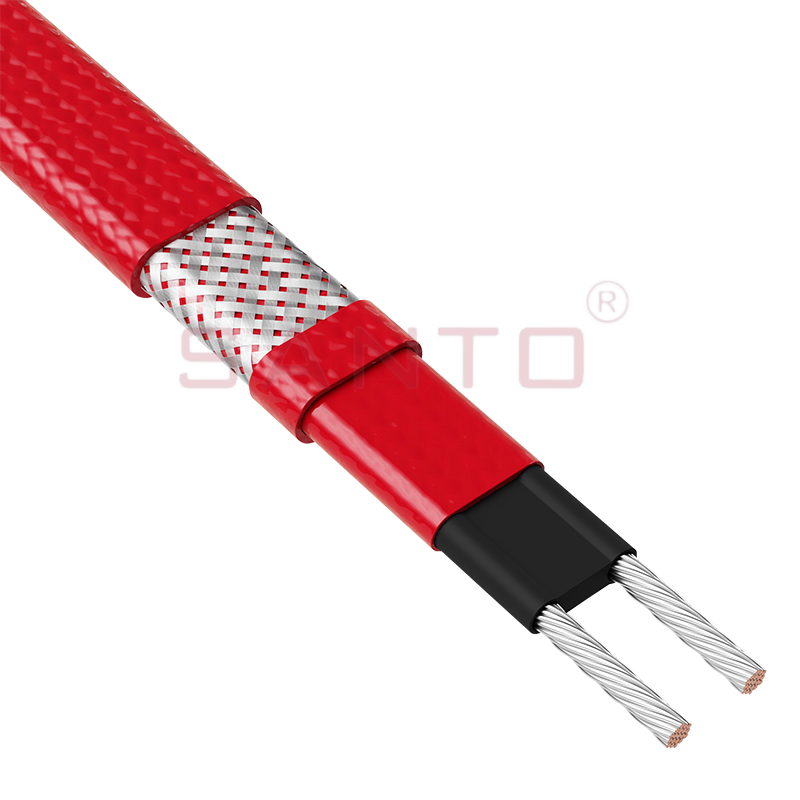
The SANTO UFC range of self-regulating heating cables is used for frost protection of pipes and vessels that require steam cleaning. They can also be used to maintain processes up to 121°C. These heat...
See Details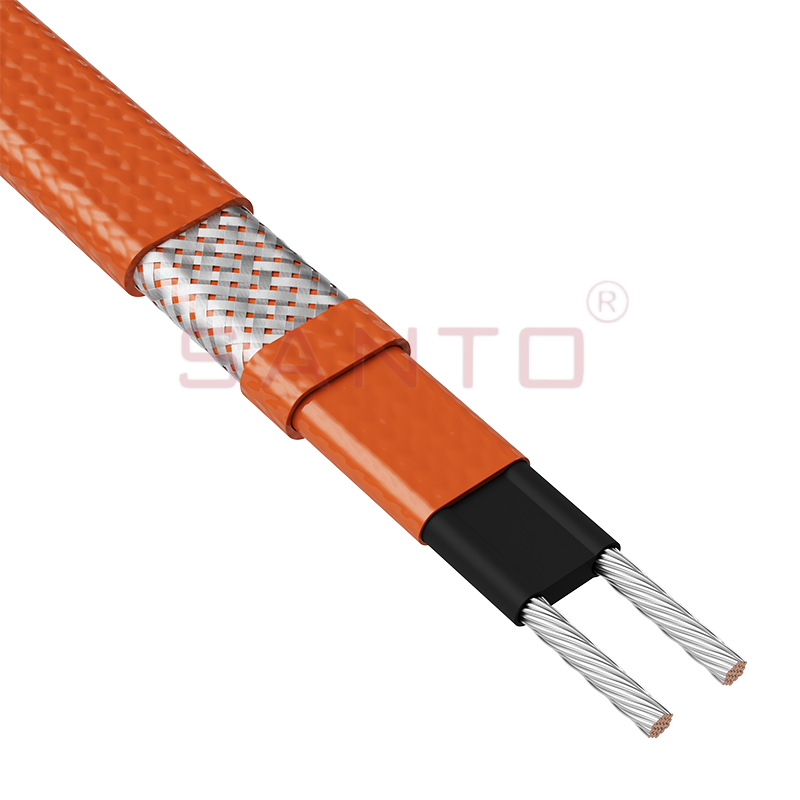
The SANTO UFO range of self-regulating heating cables is mainly used for frost protection of pipes and vessels that require steam cleaning . They can also be used to maintain processes up to 150°C. Th...
See Details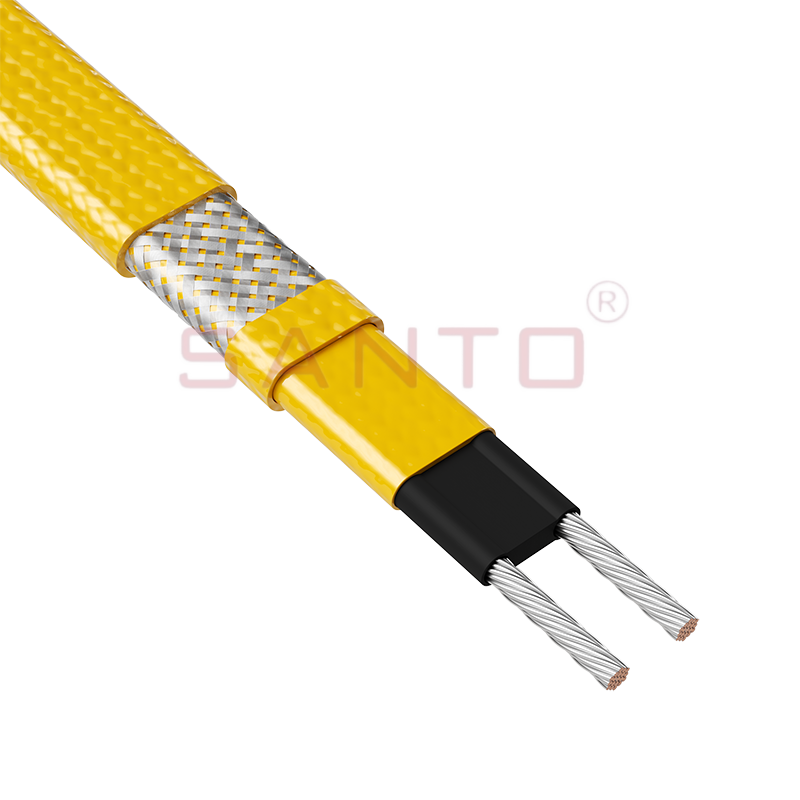
The SANTO UFD series of self-regulating heating cables are mainly used for freeze protection of pipes and vessels, but can also be used to maintain processes up to 200°C. These heating cables are avai...
See Details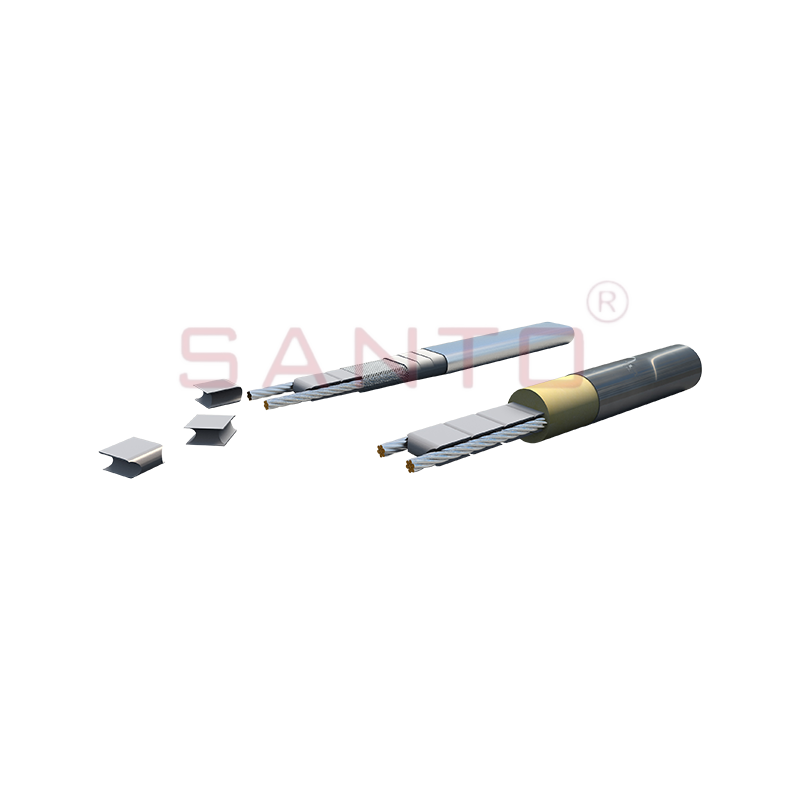
SANTO UFY heating wire is suitable for applications that maintain process temperatures up to 260 ℃ and can be steam blown; The self-regulating and parallel circuit heating wires of the UFY series are ...
See Details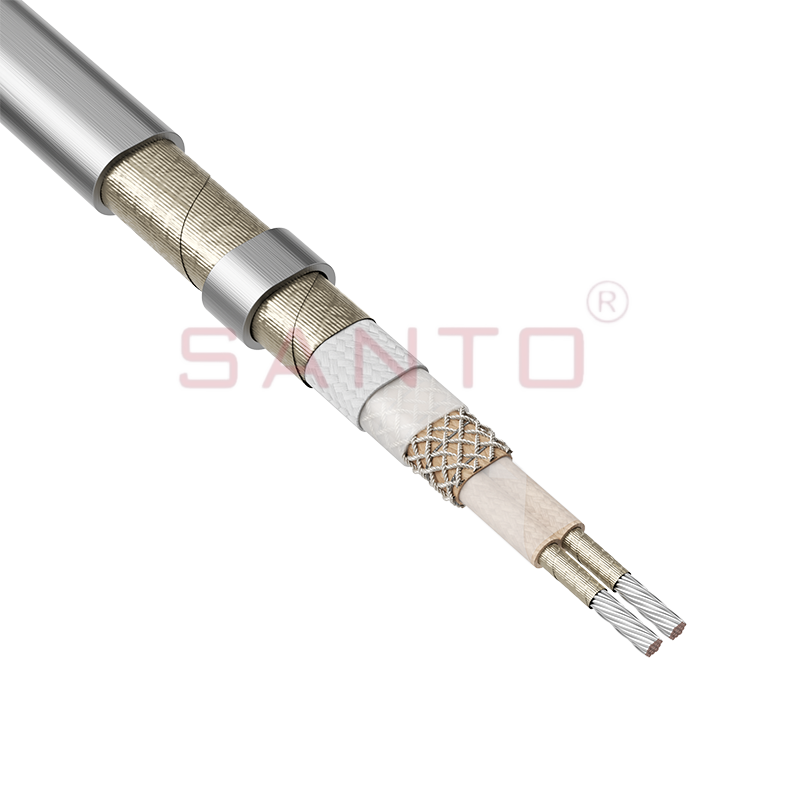
The SANTO UFM series self-regulating heating cables are mainly used for freeze protection of pipes and vessels, but can also be used to maintain processes up to 400°C. These heating cables are availab...
See Details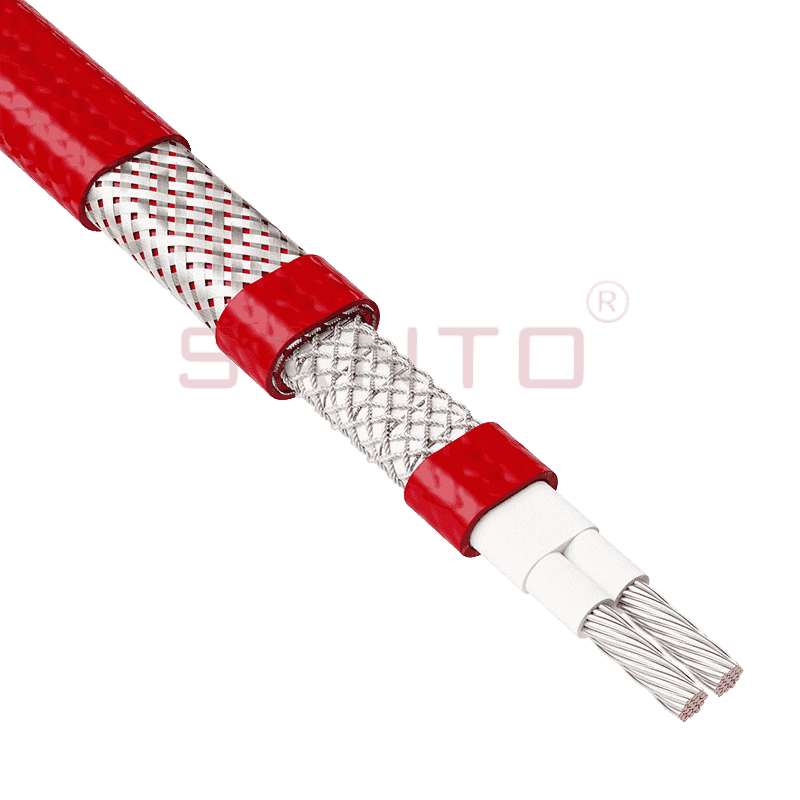
The SANTO ACC range of power-limiting heating cables is mainly used for temperature maintenance of processes and offers the advantage of a high power output at high temperatures which can reduce the n...
See Details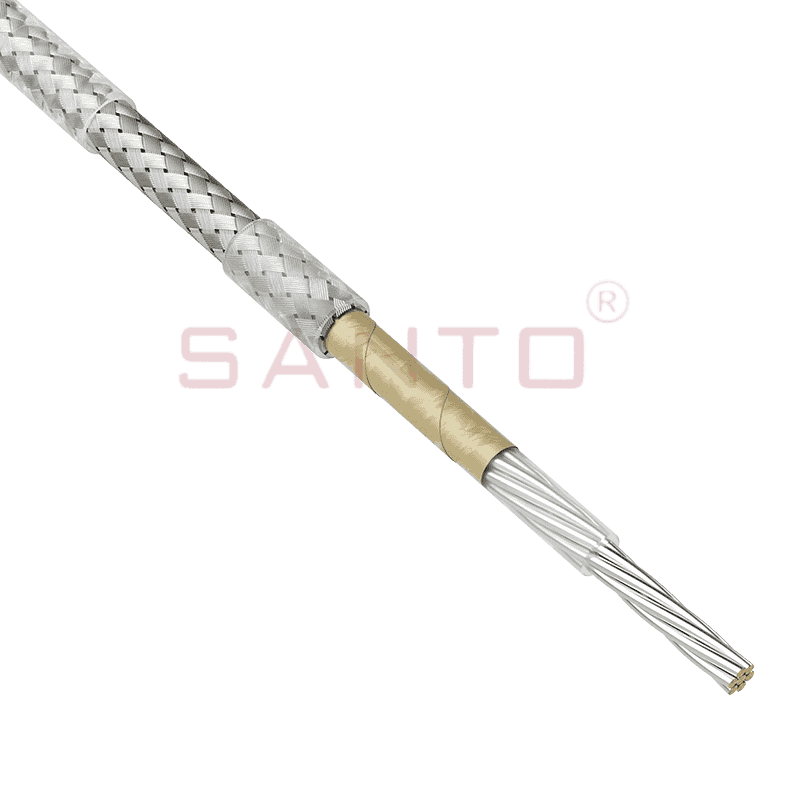
The stranded high temperature conductor is nickel plated to ensure a long life at elevated temperatures in corrosive environments. It is electrically isolated using an innovative sandwich construction...
See Details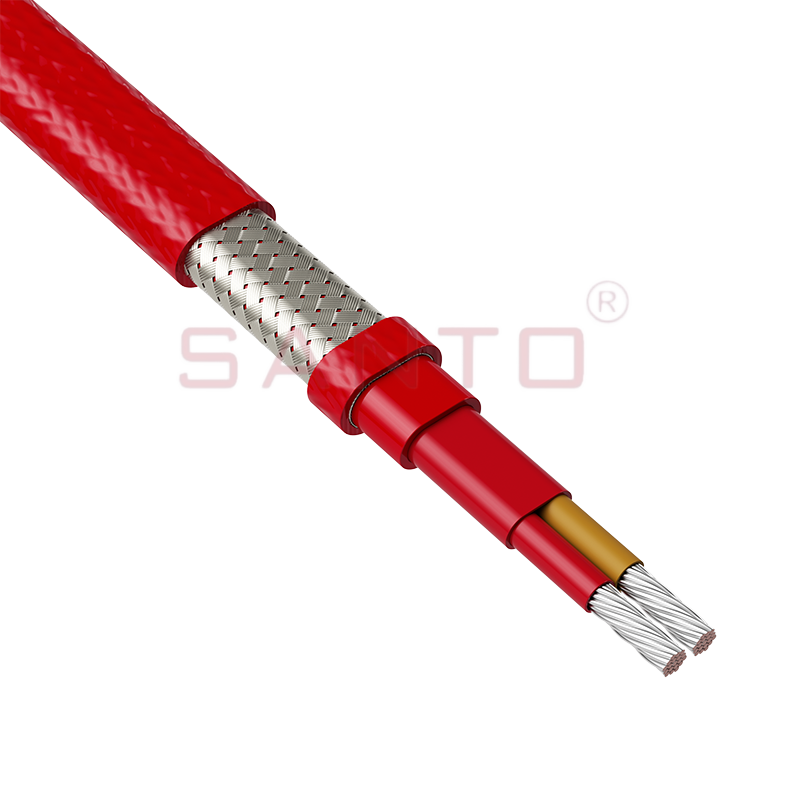
The stranded high temperature conductor is nickel plated to ensure a long life at elevated temperatures in corrosive environments. It is electrically isolated using an innovative sandwich construction...
See Details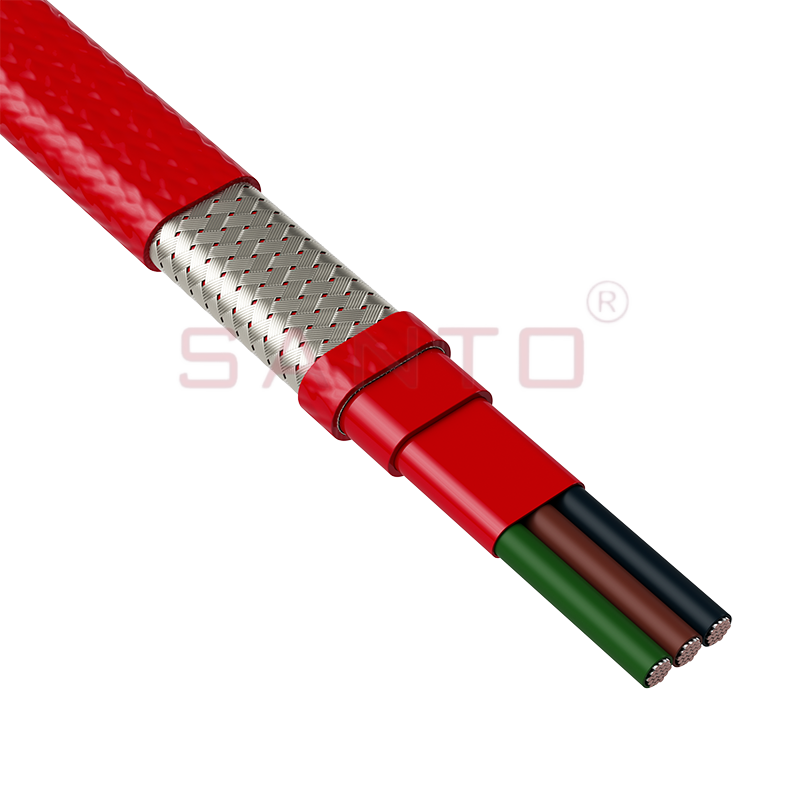
The stranded high temperature conductor is nickel plated to ensure a long life at elevated temperatures in corrosive environments. It is electrically isolated using an innovative sandwich construction...
See Details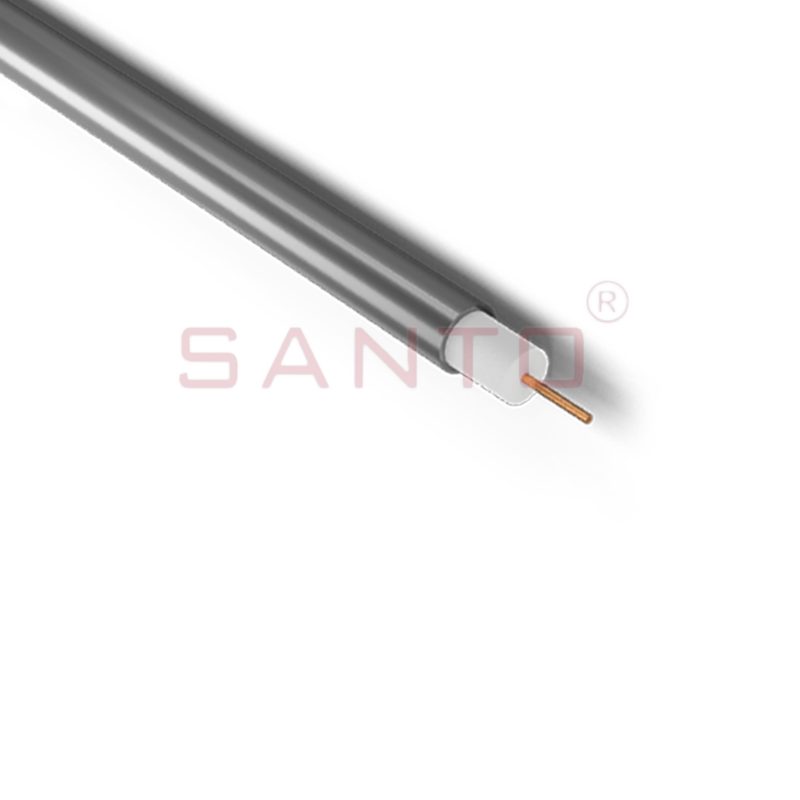
SANTO HAx mineral insulated (MI) Alloy 825 series heating cables are suitable for use in hazardous areas. They have been designed for use in freeze protection and temperature maintenance applications ...
See Details
Santo electric heating strips are widely used in key industries in China.

