 English
 English
 русский
 日本語
 Español
 中文简体

The SANTO UFA range of self-regulating heating cables is mainly used for frost protection of pipes and vessels but can also be used to maintain processes up to 65°C. These heating cables are available...
See Details
Blood analyzers are sophisticated medical instruments that depend on stable operating conditions. Their performance is influenced not only by optics, electronics, fluid handling, and software, but also by the ability to maintain precise temperatures at critical points in the analytical process. Reagent chambers, reaction blocks, sample paths, cuvettes, tubing, sensor assemblies, and other components may require controlled heating to support repeatable test conditions. A purpose-designed blood analyzer heater provides the localized, efficient, and dependable thermal control needed for these applications.
The blood analyzer heater described in this article is a customizable electric heating component designed for medical equipment manufacturers and system integrators. It can be produced in different shapes, dimensions, circuit patterns, power ratings, and connection configurations according to the requirements of the instrument. Instead of relying on a standard, one-size-fits-all heating element, equipment designers can specify a heater that matches the geometry, thermal load, insulation requirements, and operating sequence of the blood analyzer.
This flexibility is particularly valuable in modern diagnostic equipment, where available installation space is limited and heating zones may have irregular shapes. A heater may be designed to warm a specific circuit or section while other sections function as insulation or heat-tracing zones. Separate heating circuits can also support different temperature requirements within the same assembly. This makes the product suitable for applications that require controlled thermal distribution rather than simple general-purpose heating.
The heater can be engineered with a thickness of at least 0.15 mm, a maximum heating temperature of 180°C, a power density of up to 3 W/cm², and an insulation resistance of at least 100 MΩ when tested at 1,000 V. Optional accessories include wires, adhesive layers, aluminum plates, thermally conductive materials, insulation materials, temperature controllers, and temperature sensors. These options allow the heater to be integrated into a complete thermal management solution instead of being treated as an isolated component.
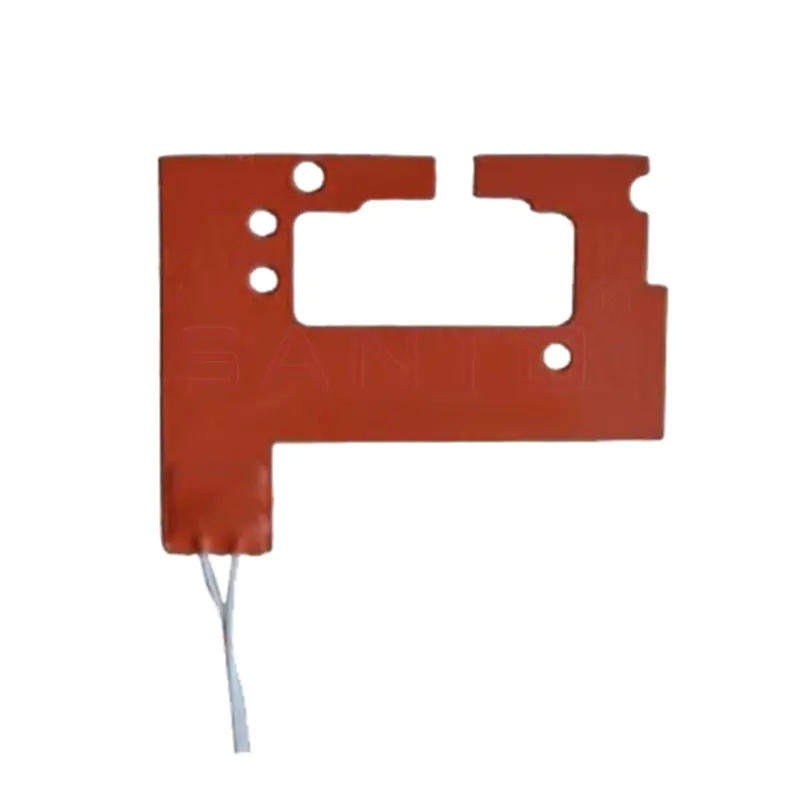
Blood analyzer heater
Content
Blood analysis involves chemical, biological, and mechanical processes that can be sensitive to temperature. Many reagents are formulated to react within a defined thermal range. If the temperature is too low, reaction rates may slow down or fail to reach the intended condition. If the temperature is too high, reagent stability, sample characteristics, or reaction behavior may be affected. Even a relatively small temperature variation can influence the repeatability of results in applications that require consistent processing.
Temperature stability is also important during sample preparation and fluid movement. Changes in viscosity may affect the transport of blood or reagent through narrow channels and tubing. Condensation or localized cooling may interfere with optical measurement windows. In some instruments, a heater is used to maintain a stable temperature around a reaction chamber, a measurement cell, or a fluid path so that the analyzer can operate consistently during repeated testing cycles.
A heater must therefore do more than generate heat. It must deliver heat in a predictable pattern, fit securely within the instrument, operate safely near sensitive electronics, and remain compatible with the equipment’s control system. The heating component should also be capable of supporting the analyzer’s startup, standby, measurement, cleaning, and shutdown cycles without creating excessive thermal stress.
For these reasons, the design of a blood analyzer heater normally considers several factors at the same time:
• Required operating temperature and temperature tolerance.
• Available installation area and three-dimensional component geometry.
• Desired warm-up speed and heat distribution.
• Power supply voltage and electrical load.
• Contact method between the heater and the target surface.
• Insulation, grounding, and electrical safety requirements.
• Compatibility with sensors and temperature controllers.
• Resistance to cleaning procedures, vibration, and repeated thermal cycling.
• Serviceability and replacement requirements.
A custom heater enables these factors to be considered during the design stage. This approach can reduce the need for improvised mounting methods and can help equipment manufacturers achieve a more compact and organized internal layout.
The blood analyzer heater is a thin, electrically powered heating solution intended for integration into medical analysis equipment. Its design can be adapted to flat surfaces, curved areas, narrow zones, or other application-specific geometries. The manufacturer can develop heating circuits that correspond to the shape of the workpiece, allowing the active heating area to be concentrated where thermal energy is required.
Depending on the application, the product may be configured as a flexible heater, bonded heater, insulated heating pad, aluminum-supported heating assembly, or a heater combined with a temperature control system. The final construction depends on the analyzer’s mechanical structure, thermal requirements, electrical interface, and installation method.
The heater can be used for direct surface heating, indirect heating through a conductive plate, localized heat tracing, or temperature maintenance. In a blood analyzer, the component may be positioned around a reaction zone, below a sample platform, along a fluidic channel, or near a tubing assembly. Each arrangement requires a different thermal design, and the product’s customizable format allows the heating circuit to be adapted accordingly.
| Specification | Available Performance | Application Significance |
|---|---|---|
| Minimum thickness | ≥ 0.15 mm | Supports compact installation where internal space is limited |
| Maximum heating temperature | ≤ 180°C | Provides a broad design range for controlled heating applications |
| Maximum power density | ≤ 3 W/cm² | Allows the thermal output to be matched to the target area and heat load |
| Insulation resistance | ≥ 100 MΩ at 1,000 V | Supports electrical insulation requirements when properly designed and tested |
| Shape and dimensions | Custom according to requirements | Improves mechanical compatibility with the analyzer assembly |
| Heating circuits | Single or multiple custom circuits | Allows separate heating and insulation or heat-tracing zones |
| Optional components | Wires, adhesive layer, aluminum plate, thermal materials, insulation, controller, sensor | Enables development of an integrated thermal module |
The values in the table represent product design capabilities and should be confirmed for each individual project. The final electrical, thermal, mechanical, and safety specifications should be selected according to the analyzer’s operating requirements and applicable medical equipment standards.
One of the major advantages of a custom blood analyzer heater is its ability to follow the shape of the target component. Standard cartridge heaters, ceramic heaters, or generic heating pads may be effective in simple applications, but they may be difficult to install in compact diagnostic systems. A standard heater may leave unheated areas, create excessive local temperature, require additional mounting hardware, or occupy valuable internal space.
A custom heating circuit can be arranged to match the available surface. The heater may be manufactured as a narrow strip, flat panel, ring, shaped pad, or other configuration defined by the customer’s drawings and technical requirements. The circuit can also be divided into zones if the equipment requires different thermal functions in different areas.
This design freedom offers several practical benefits. First, it can improve thermal contact between the heater and the component being heated. Better contact generally supports more efficient heat transfer and can reduce unnecessary heat loss. Second, it can help minimize cold spots that may otherwise develop near the edges or around openings. Third, it can support a smaller overall instrument design because the heater does not need to be oversized merely to compensate for a poor fit.
Shape customization is especially useful when the heater is installed close to optical components, fluidic channels, motors, circuit boards, or housings with complex contours. The heater can be developed with suitable clearances and connection positions to avoid interference with neighboring parts. These details are important in medical equipment, where internal assemblies are often densely arranged and difficult to modify after production begins.
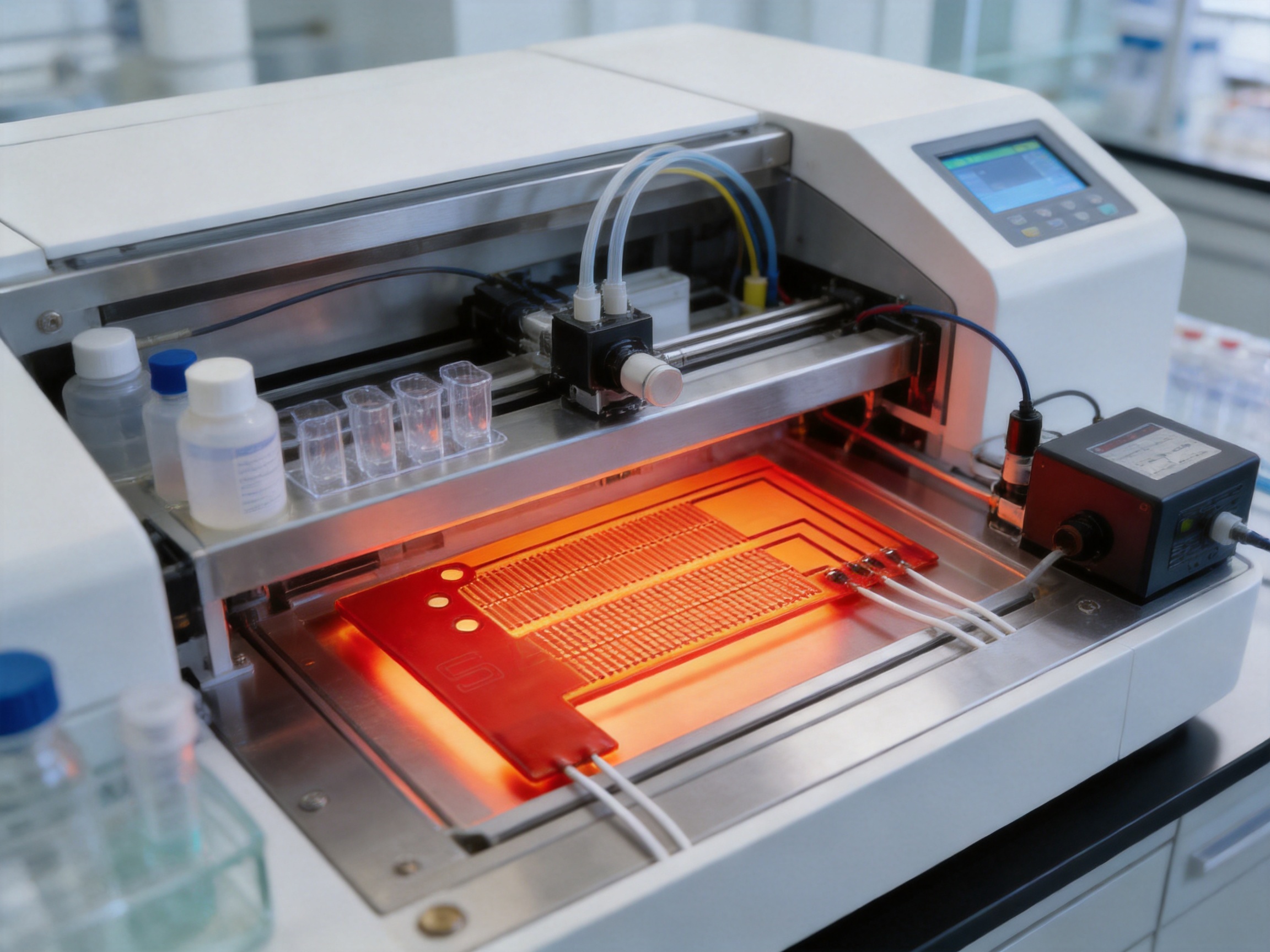
Power density is a central consideration in heater design. It determines how much electrical power is applied to a defined area and strongly influences warm-up time, surface temperature, and heat distribution. The blood analyzer heater supports a power density of up to 3 W/cm², while the actual value can be customized according to the target temperature, material, contact condition, and control strategy.
A high power density is not automatically better. Excessive power in a small area may create hot spots, thermal gradients, or unnecessary stress on the target component. Conversely, power that is too low may lead to slow warm-up and poor temperature recovery when the analyzer is used repeatedly. The appropriate design balances the required heating speed with stable and uniform thermal performance.
During development, engineers can consider the thermal mass of the heated part, ambient temperature, insulation level, airflow, duty cycle, and heat loss to surrounding structures. A conductive aluminum plate or other thermal transfer material may be added to spread heat over a wider area. Insulation can be added to reduce heat loss and direct energy toward the working surface. A temperature sensor can be positioned at a representative location to support closed-loop control.
When several independent heating zones are needed, the circuits can be configured so that each zone is controlled separately. This arrangement can be useful when a blood analyzer contains a reaction area and a fluidic area with different thermal requirements. It may also allow the equipment manufacturer to create distinct operating modes, such as rapid warm-up, stable measurement, standby, and energy-saving operation.
The heating pattern should always be evaluated as part of the complete assembly. Surface temperature measurements, thermal imaging, sensor response, and cycle testing can help verify whether the heater delivers the intended temperature distribution. A design that performs well in open air may behave differently after being installed inside an analyzer housing, so prototype evaluation is an important part of product development.
With a minimum thickness of 0.15 mm, the heater can be suitable for applications where the available installation space is restricted. Thin construction can reduce the impact on component spacing, housing dimensions, and assembly tolerances. It may also make it easier to position the heater close to the surface that requires heating.
A thin heater is not simply a smaller version of a thick heater. The materials, electrical insulation, conductor arrangement, bonding method, and mechanical protection must be considered together. The construction must be sufficiently robust for handling and installation while preserving the desired flexibility and thermal response.
Thin heating elements can also have a relatively low thermal mass. This may help them respond quickly when power is applied or removed, depending on the substrate, protective layers, and mounting conditions. Fast response can support more precise temperature control, although the control system and sensor placement remain equally important.
For a blood analyzer manufacturer, compact construction can create more freedom in system architecture. The heater may be installed beneath a plate, on the outer surface of a chamber, along a channel, or between a component and its insulation layer. The appropriate placement depends on the required heat path and the mechanical design of the instrument.
The product can be developed with different heating circuits according to the requirements of the heated workpiece. Some circuits may be dedicated to active heating, while other circuits may support insulation or heat tracing. This makes it possible to design a multifunctional thermal assembly rather than a single undifferentiated heating zone.
For example, a blood analyzer may need a primary heating zone around a reaction chamber and a lower-power heat-tracing zone along a narrow sample path. The main zone can provide the energy required for temperature stabilization, while the secondary zone can help prevent cooling along the path. Separating these functions may improve control and reduce the chance that one area will be overheated in an attempt to compensate for another area’s heat loss.
Custom circuits can also be designed for staged operation. One circuit may provide rapid warm-up, while another maintains the temperature after the target range is reached. Alternatively, separate zones can be activated in response to different sensors or process steps. The final arrangement depends on the analyzer’s control architecture and the customer’s electrical requirements.
This flexibility is a significant advantage compared with generic heating products that offer only one fixed resistance and one fixed heating pattern. A custom circuit can be matched to the instrument’s available voltage, power budget, connector configuration, and control logic. It can also be designed with suitable lead placement to simplify wiring and reduce the risk of interference with moving or sensitive components.
A heating element alone cannot guarantee a stable process temperature. Reliable thermal control typically requires a suitable sensor, controller, and control algorithm. The blood analyzer heater can be supplied with optional temperature controllers and sensors to support an integrated solution.
The sensor may be selected according to the operating temperature range, response speed, physical size, and control system interface. Its position should represent the temperature of the component or process that matters most. A sensor located too far from the heated surface may respond slowly, while a sensor placed directly above a hot spot may not represent the average process temperature.
Closed-loop control can regulate heater power by comparing the measured temperature with the target value. Proportional, proportional-integral, or other control strategies may be used depending on the equipment design. Protection functions can also be incorporated, such as over-temperature shutdown, sensor fault detection, current monitoring, and startup diagnostics.
For medical analysis equipment, control behavior should be evaluated under normal and abnormal conditions. Testing may include empty operation, maximum sample load, repeated cycles, interrupted airflow, sensor disconnection, power fluctuations, and prolonged standby. The heater supplier can support the mechanical and electrical design, while the instrument manufacturer remains responsible for validating the complete product in its intended use.
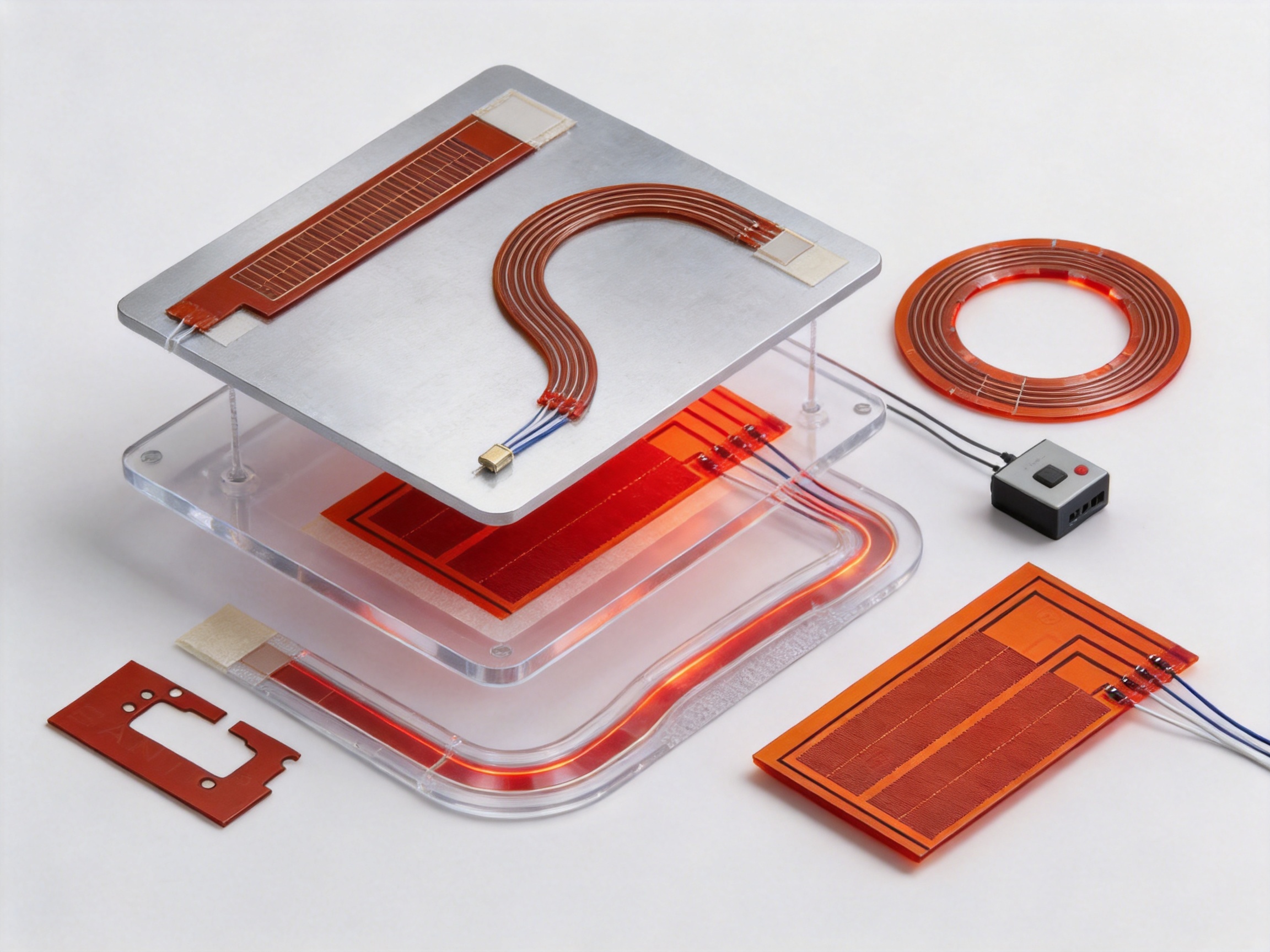
The heater can be supplied with several optional accessories and supporting materials. These options are intended to simplify integration and improve thermal performance. The appropriate combination depends on the target surface, the installation method, the required insulation level, and the service conditions.
Lead wires can be selected and positioned according to the equipment’s available space and connection method. Factors such as conductor size, insulation type, length, bend radius, terminal style, and routing direction should be considered during development. Proper lead design helps prevent mechanical strain at the heater connection and makes assembly more efficient.
An adhesive layer may be used to bond the heater to a compatible surface. Adhesive mounting can improve contact and reduce air gaps, both of which can influence heat transfer. The adhesive must be compatible with the operating temperature, surface material, cleaning process, and expected service life. Surface preparation and assembly pressure may also affect the final result.
An aluminum plate can act as a heat-spreading layer or mechanical support. Aluminum has useful thermal conductivity and can help distribute energy across a target surface. It may also make the heater easier to handle during assembly. The plate thickness, flatness, mounting method, and thermal interface should be selected according to the thermal and mechanical requirements of the analyzer.
Thermally conductive materials can be added to reduce contact resistance and improve the transfer of heat from the heater to the target component. These materials should be chosen with attention to electrical insulation, outgassing, chemical compatibility, compression behavior, and long-term stability.
Insulation can reduce heat loss to the surrounding structure and protect nearby components from unwanted temperature increases. It may also help direct heat toward the intended surface. The insulation design must not trap heat in areas where it could damage electronics, wiring, plastic components, or sensitive sensors.
Santo Thermal Control Technology Co., Ltd. is a China-based electric heating manufacturer with more than 35 years of industry experience. The company combines research, design, production, manufacturing, and sales in the development of electric heating products. Its product portfolio includes self-limiting heating cables, constant-power heating belts, silicone rubber heating belts, glass fiber heating belts, mineral-insulated cables, snow-melting cables, electric heating wires, and related accessories.
The company’s broader experience in electric heating technology supports the development of specialized heating components for medical equipment. Although different applications have different requirements, the fundamental engineering principles remain important across industries: accurate resistance design, reliable insulation, controlled power output, suitable materials, stable manufacturing processes, and consistent quality verification.
The company reports that it is located in Jiangsu Province, an area recognized for electric heating belt manufacturing. It operates as a high-tech enterprise and cooperates in product research with Harvard University in the United States. Its production and development capabilities have expanded from traditional heat-tracing products to customized heating assemblies for applications requiring controlled and localized thermal energy.
A mature manufacturing organization can provide several benefits to a medical equipment customer. These benefits include engineering communication, drawing review, prototype development, material selection, circuit customization, production planning, and after-sales support. For a customized blood analyzer heater, close communication between the heater manufacturer and the instrument designer is essential because the thermal component must fit the complete equipment architecture.
The company states that it has strengthened new product development, technical guidance, scientific management, product quality, and after-sales service. It has also obtained ISO9001 quality system certification and national CCC certification. Certifications and management systems do not replace product-specific validation, but they can provide a structured foundation for documentation, process control, corrective action, and continuous improvement.
Manufacturing a customized heater requires more than cutting a heating element to a specified size. The production process must control electrical resistance, dimensions, insulation, circuit placement, connection quality, and surface condition. Each of these factors can influence the final performance of the heating assembly.
The first stage is normally technical review. The customer provides drawings, three-dimensional data, electrical requirements, operating temperatures, installation details, and control preferences. Engineers then evaluate the heating area, power density, circuit layout, lead locations, insulation structure, and mounting method. If necessary, the design can be revised to address uneven heating, excessive edge temperature, limited clearance, or difficult assembly conditions.
Material selection is another important stage. The substrate and insulation materials must provide the required combination of electrical strength, flexibility, thermal resistance, mechanical stability, and compatibility with the application. Conductive materials and circuit patterns must be selected to achieve the target resistance and power output. Supporting plates, adhesive layers, and thermal interface materials must be compatible with the complete assembly.
During production, process controls may include dimensional inspection, resistance testing, insulation testing, visual inspection, lead attachment verification, and functional heating tests. The specified insulation resistance of at least 100 MΩ at 1,000 V provides an important electrical performance target, but the test method, test duration, environmental conditions, and acceptance criteria should be defined for the individual product.
Thermal testing can include warm-up time, temperature distribution, maximum surface temperature, steady-state behavior, sensor response, and repeated cycling. For a blood analyzer application, testing should be performed with the heater installed in a representative fixture whenever possible. The surrounding housing, thermal interface, insulation, airflow, and mounting pressure can all change the measured result.
Traceability is also valuable for customized medical equipment components. Production records may include material batches, resistance values, inspection results, drawing revisions, and test data. Clear documentation can help the customer manage incoming inspection, engineering changes, field service, and long-term product support.
The principal advantage of this blood analyzer heater is customization. A generic heater may be available quickly, but it may require compromises in size, shape, power, mounting, or electrical connection. A custom heater is developed around the actual instrument and can therefore address the specific thermal and mechanical constraints of the application.
Another advantage is the possibility of integrating multiple functions. The product may combine a heating circuit, insulation, heat-spreading plate, adhesive layer, temperature sensor, and controller. This can reduce the number of separate parts that the equipment manufacturer must source and assemble. It can also improve consistency between production batches if the thermal module is supplied as a defined assembly.
The thin construction can provide an advantage where internal space is limited. Instead of using a bulky heater and additional brackets, the heating element may be positioned directly against the required surface. This can support smaller instrument designs and reduce interference with fluidic or electronic systems.
Custom power density and circuit layout can also improve energy efficiency. By directing heat to the required area and reducing unnecessary heating of surrounding components, the system may achieve the target temperature with less wasted energy. Actual energy performance depends on the equipment’s insulation and control strategy, but a correctly designed heater provides a stronger foundation for optimization.
Compared with heaters that provide only simple on-and-off operation, the availability of sensors and temperature controllers supports more advanced control. The instrument manufacturer can develop a system that limits overshoot, compensates for changing loads, and maintains temperature during repeated operating cycles.
The company’s broad product experience is another differentiating factor. Its work with electric heating cables, self-limiting products, constant-power heaters, silicone rubber heating systems, mineral-insulated cables, and snow-melting systems indicates experience with different heating structures and application environments. This cross-industry knowledge can contribute to the design of specialized thermal components, although each medical application still requires its own verification and qualification program.
A successful custom heater project normally begins with a clear technical specification. The customer should provide the target temperature, allowable tolerance, heating area, warm-up time, power supply, duty cycle, installation method, surrounding materials, and environmental conditions. Photographs, mechanical drawings, three-dimensional models, and sample components can also help the manufacturer understand the application.
The next step is a design review. Engineers can propose the heater outline, circuit layout, resistance, power density, insulation structure, wire position, and optional accessories. The customer should review these details against the analyzer’s mechanical and electrical design before prototype production.
Prototype testing should evaluate both the heater and the complete instrument. Important tests may include dimensional fit, electrical connection, resistance, insulation, warm-up, temperature uniformity, control response, repeated cycling, and interaction with nearby components. If the analyzer uses liquid reagents or biological samples, the thermal evaluation should be performed under realistic operating conditions.
After the design is confirmed, production specifications and inspection criteria can be established. Any changes to the heater outline, material, circuit, lead wire, adhesive, sensor, or controller should be reviewed through a controlled engineering change process. This helps preserve consistency between qualified prototypes and production units.
Installation instructions should define the correct surface preparation, bonding pressure, wire routing, insulation placement, electrical connection, and testing procedure. Incorrect installation can create air gaps, mechanical stress, local overheating, or reduced insulation performance. The customer should also specify whether the heater is replaceable in the field or installed as a permanent internal module.
Because a blood analyzer is medical equipment, the heater should be evaluated as part of the complete device rather than as an independent component. Electrical safety, temperature control, electromagnetic compatibility, materials compatibility, cleaning procedures, and risk management should all be considered during product development.
Protection against over-temperature is particularly important. A sensor failure, controller fault, incorrect installation, or blocked heat path could cause a temperature increase beyond the intended operating condition. Independent thermal protection, software limits, current monitoring, or redundant sensing may be appropriate depending on the risk assessment.
Electrical insulation must also be maintained during normal operation and foreseeable fault conditions. The heater’s insulation resistance, dielectric performance, lead attachment, and grounding arrangement should be tested according to the applicable equipment design requirements. The stated insulation resistance value of at least 100 MΩ at 1,000 V is a useful product specification, but the system designer must determine the complete safety requirements.
Reliability testing can include thermal cycling, humidity exposure, vibration, mechanical handling, power cycling, and long-duration operation. The severity and duration of testing should reflect the analyzer’s expected service conditions. If the heater is bonded to a surface, the bond should be checked after cycling to verify that it has not lifted, cracked, or created an air gap.
Material compatibility is also essential. Components inside a diagnostic instrument may be exposed to cleaning agents, disinfectants, reagent vapors, condensation, or laboratory humidity. The heater construction, adhesive, insulation, wires, and protective layers should be selected and tested for the expected environment.
The heater may be adapted for different parts of an analyzer. A reaction area may require uniform heating over a defined surface. A reagent compartment may need temperature maintenance to reduce the effect of ambient changes. A fluidic path may require heat tracing to prevent cooling or condensation. A cuvette or measurement chamber may need thermal stabilization before optical analysis.
In sample-handling systems, a heater can be integrated beneath a platform or along a channel. The design must avoid interfering with sample movement, cleaning access, or disposable components. In reagent systems, the heater may be placed around a reservoir or chamber, with insulation used to protect adjacent bottles or electronic assemblies.
In compact point-of-care instruments, the heater’s thin profile and custom outline can be especially useful. These devices often have limited space, lower power budgets, and demanding startup requirements. A carefully designed heater can provide localized thermal control without requiring a large external heating block.
For larger laboratory analyzers, multiple heaters may be used in different modules. The ability to produce consistent custom circuits can help standardize thermal architecture across a product family while allowing each module to use a different outline or power rating.

A blood analyzer heater is an electrically powered heating component designed to provide controlled heat inside blood testing and diagnostic equipment. It may be used for reaction zones, sample paths, reagent areas, chambers, tubing, platforms, or other components that require stable temperature conditions.
Yes. The product can be designed in different shapes, dimensions, and circuit layouts according to customer requirements. Drawings, samples, or three-dimensional models can be used as the basis for design review and prototype development.
The stated minimum thickness is 0.15 mm. The final thickness depends on the selected materials, insulation structure, connection method, mechanical requirements, and thermal performance target.
The stated heating temperature is up to 180°C. The recommended operating temperature for a blood analyzer will normally be much lower and should be selected according to the instrument’s components, reagents, control strategy, and safety assessment.
The stated maximum power density is 3 W/cm². The correct value for a particular analyzer should be calculated according to the heated area, thermal mass, warm-up time, heat loss, surface materials, and allowable temperature range.
Yes. The manufacturer can develop different heating circuits for separate functions. One zone may provide active heating while another supports insulation or heat tracing. Independent zones may also be suitable for staged heating or different temperature requirements.
Yes. Temperature sensors and controllers are available as optional accessories. Sensor type, position, response time, and interface should be selected according to the analyzer’s control system and thermal measurement requirements.
An adhesive layer can be supplied when it is suitable for the target surface and operating environment. The adhesive must be evaluated for temperature resistance, chemical compatibility, long-term bonding, and installation conditions.
Yes. An aluminum plate may be used as a heat-spreading layer, mechanical support, or thermal transfer component. Its size and thickness should be selected according to the desired temperature distribution and available installation space.
The heater is a customizable component and must be evaluated as part of the complete analyzer. The equipment manufacturer is responsible for system-level validation, regulatory compliance, risk management, and confirmation that the final product meets the applicable medical device requirements.
Useful information includes the heater outline, target surface, operating temperature, power supply, desired wattage, heating area, warm-up time, installation method, sensor requirements, wire details, environmental conditions, annual quantity, and any applicable inspection or certification requirements.
Performance can be verified through resistance testing, insulation testing, dimensional inspection, warm-up testing, thermal mapping, steady-state measurement, temperature cycling, sensor calibration checks, and complete equipment testing. The acceptance criteria should be defined before production.
A blood analyzer heater is a small but important component in the thermal architecture of diagnostic equipment. By providing localized and controlled heating, it can help support consistent reaction conditions, stable fluid handling, improved measurement repeatability, and efficient instrument operation. The product described here offers a combination of thin construction, customized geometry, adjustable power density, multiple circuit options, high insulation resistance, and optional thermal control accessories.
Its main advantage over generic heating products is the ability to adapt the heater to the actual instrument. The circuit can follow the shape of the workpiece, separate heating and heat-tracing functions, and include wires, adhesive layers, aluminum plates, conductive materials, insulation, sensors, or controllers. This flexibility can simplify integration and provide a more efficient path to thermal performance optimization.
Santo Thermal Control Technology Co., Ltd. brings more than 35 years of electric heating experience to customized product development. Its manufacturing scope, research activities, quality management system, product certifications, and experience with different heating technologies provide a foundation for cooperation with medical equipment manufacturers. At the same time, every blood analyzer application requires detailed engineering review, prototype testing, and system-level validation.
When the heater is designed in cooperation with the analyzer manufacturer, thermal performance can be considered from the beginning of the product development process. The result is a heating component that is not only capable of producing heat, but also shaped, insulated, controlled, and tested to work as part of a complete medical diagnostic system.
1. Santo Thermal Control Technology Co., Ltd. Product information for customized blood analyzer heaters and electric heating systems.
2. Santo Thermal Control Technology Co., Ltd. Corporate information, product range, manufacturing capabilities, and development history.
3. ISO 9001, Quality Management Systems—Requirements.
4. International Electrotechnical Commission. General principles for temperature control, electrical insulation, and safety evaluation of electrical heating components.
5. International Organization for Standardization. Risk management principles for medical devices.
6. International Electrotechnical Commission. Safety requirements for medical electrical equipment and systems.
7. General engineering guidance on thermal design, heat transfer, temperature sensing, and thermal cycling for compact electronic equipment.
The SANTO UFA range of self-regulating heating cables is mainly used for frost protection of pipes and vessels but can also be used to maintain processes up to 65°C. These heating cables are available...
See Details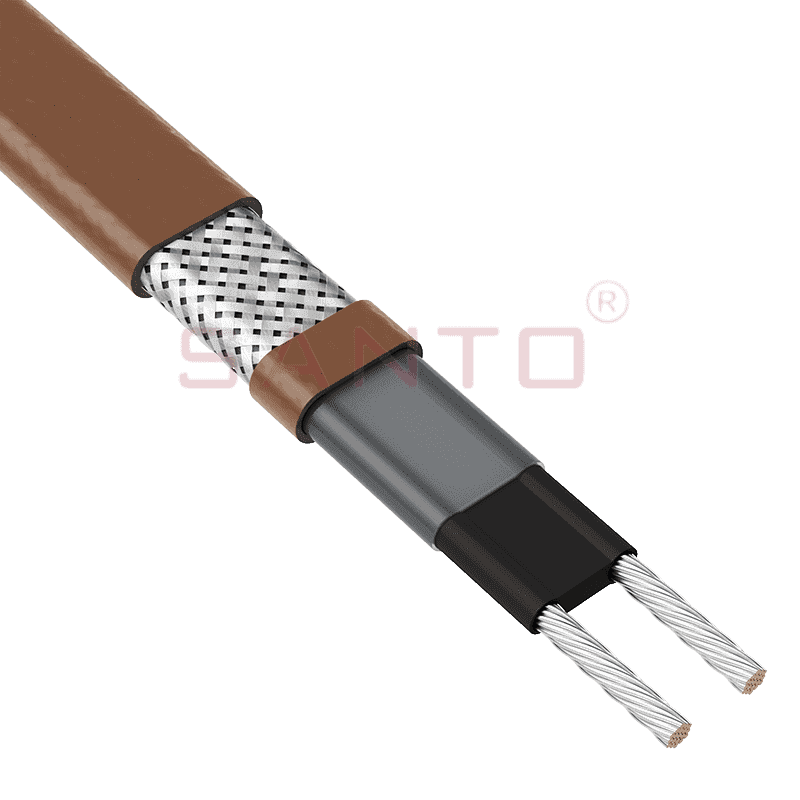
The SANTO UFB range of self-regulating heating cables is mainly used for frost protection of pipes and vessels requiring a higher power output than the UFA heating cables can supply. They can also be ...
See Details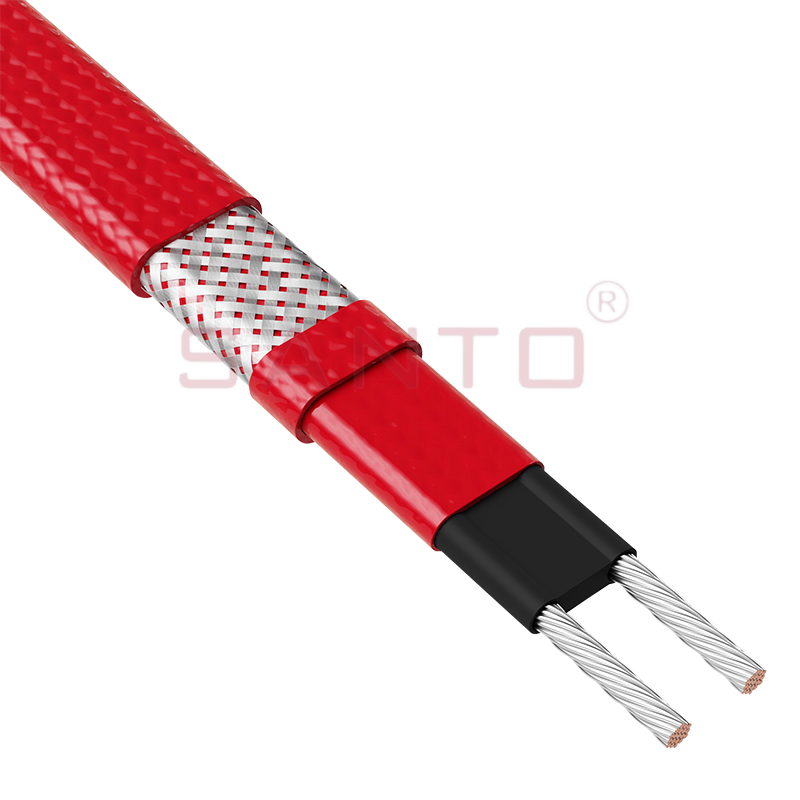
The SANTO UFC range of self-regulating heating cables is used for frost protection of pipes and vessels that require steam cleaning. They can also be used to maintain processes up to 121°C. These heat...
See Details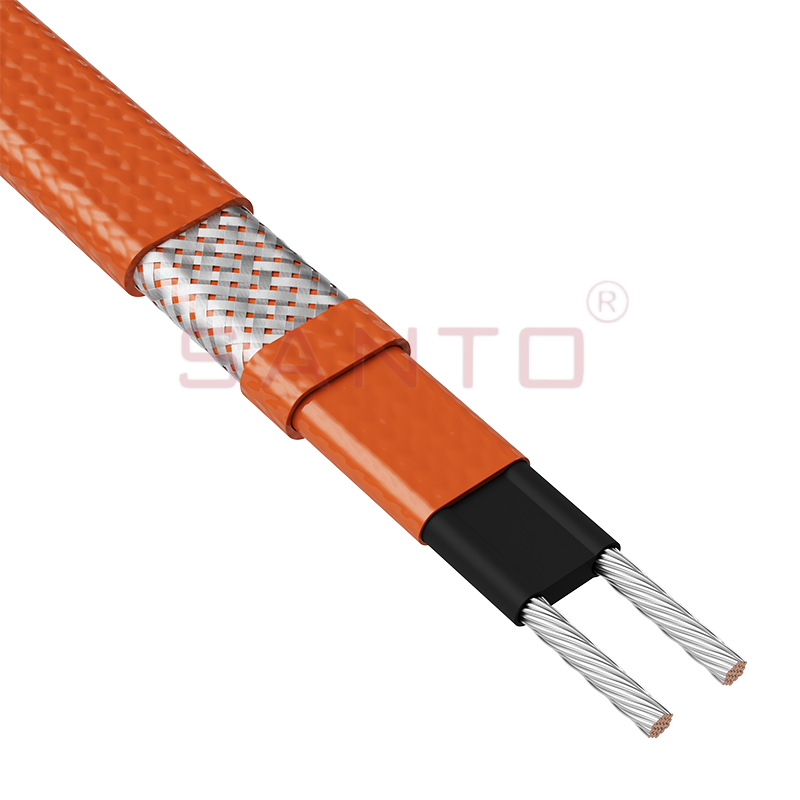
The SANTO UFO range of self-regulating heating cables is mainly used for frost protection of pipes and vessels that require steam cleaning . They can also be used to maintain processes up to 150°C. Th...
See Details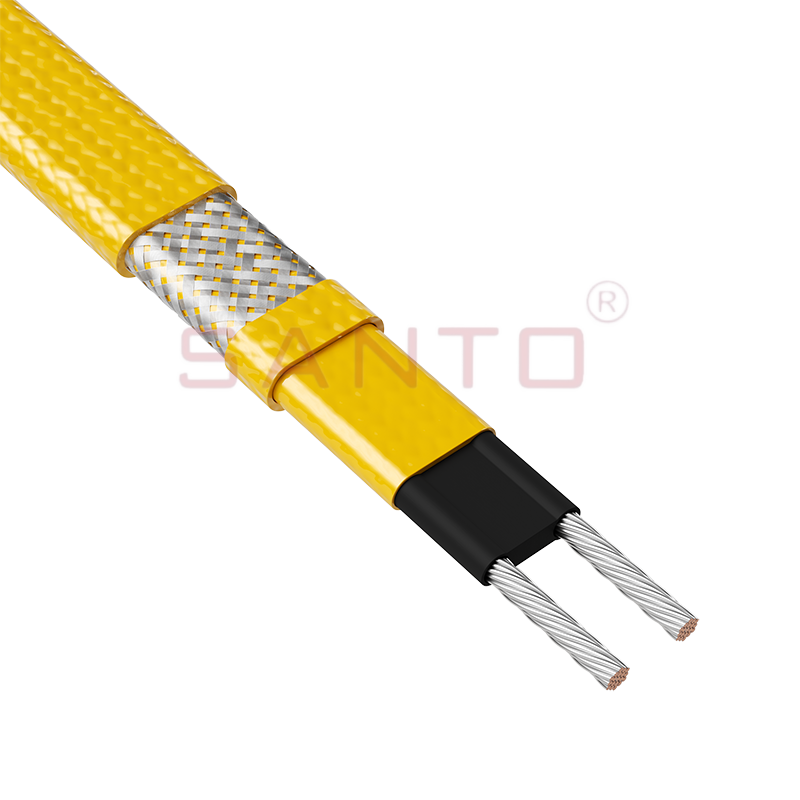
The SANTO UFD series of self-regulating heating cables are mainly used for freeze protection of pipes and vessels, but can also be used to maintain processes up to 200°C. These heating cables are avai...
See Details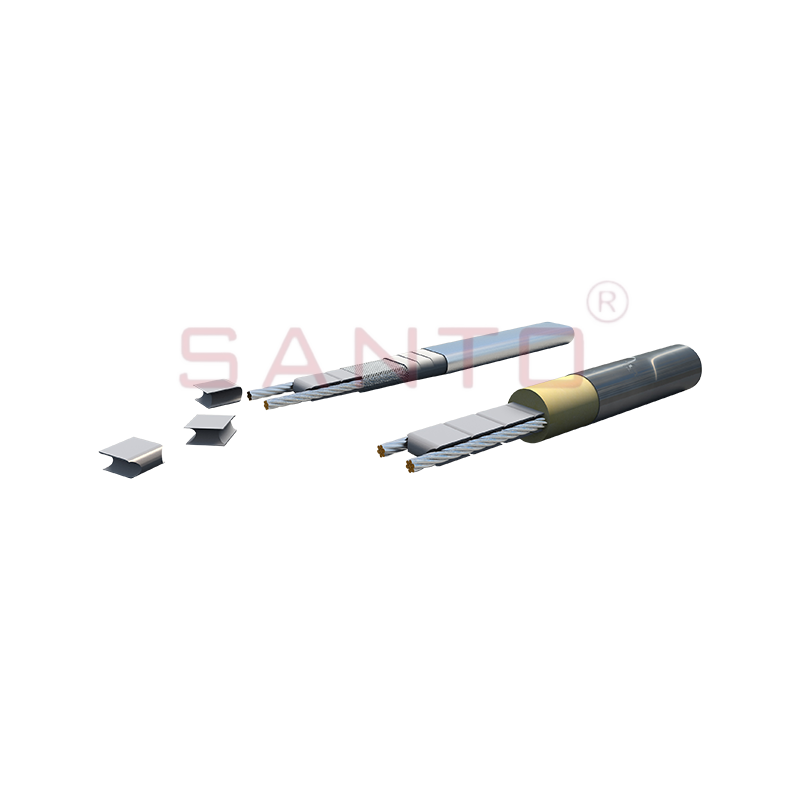
SANTO UFY heating wire is suitable for applications that maintain process temperatures up to 260 ℃ and can be steam blown; The self-regulating and parallel circuit heating wires of the UFY series are ...
See Details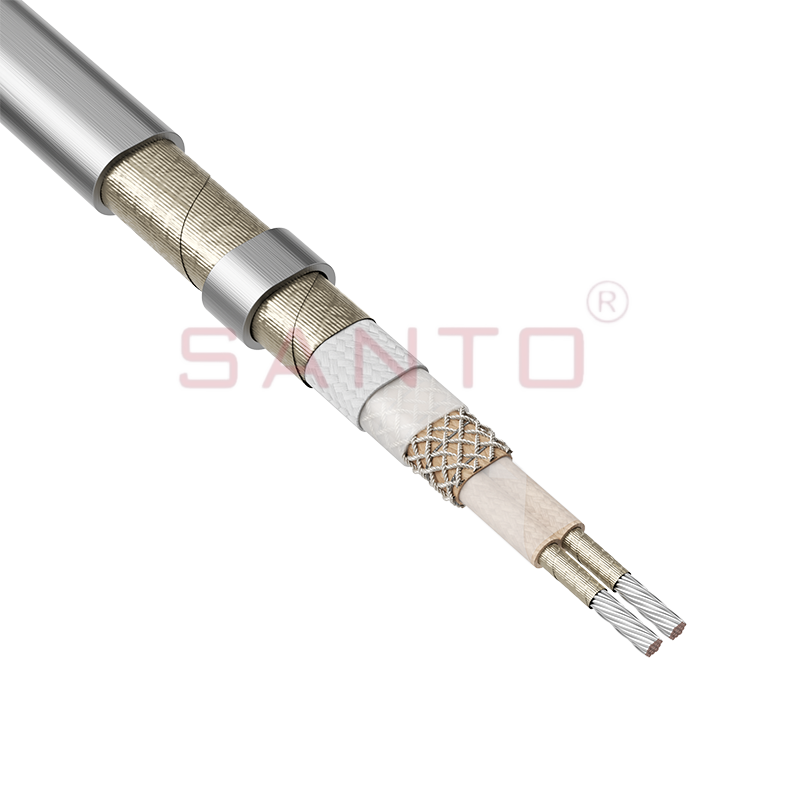
The SANTO UFM series self-regulating heating cables are mainly used for freeze protection of pipes and vessels, but can also be used to maintain processes up to 400°C. These heating cables are availab...
See Details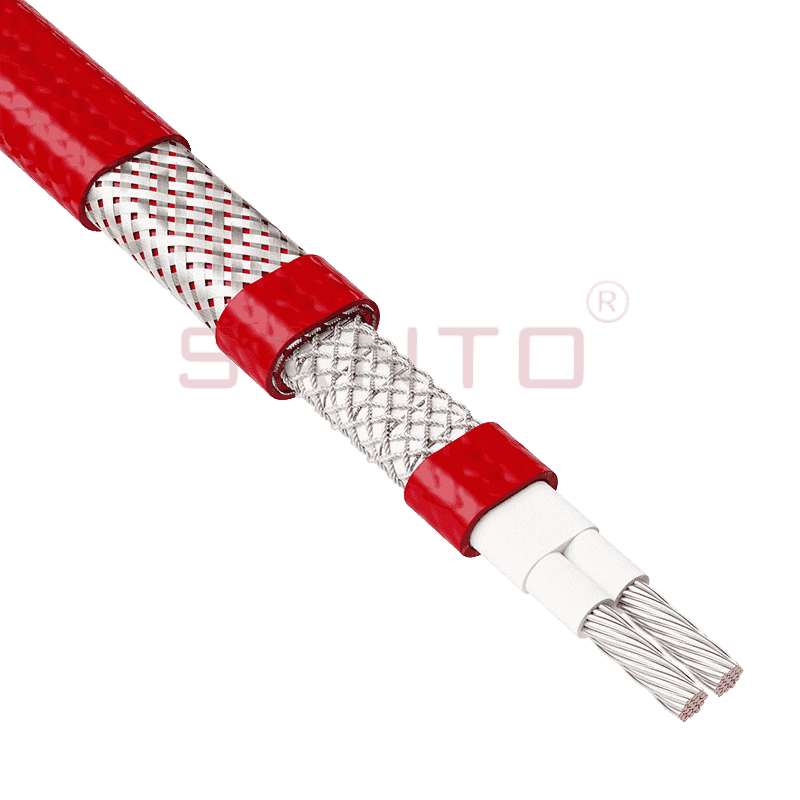
The SANTO ACC range of power-limiting heating cables is mainly used for temperature maintenance of processes and offers the advantage of a high power output at high temperatures which can reduce the n...
See Details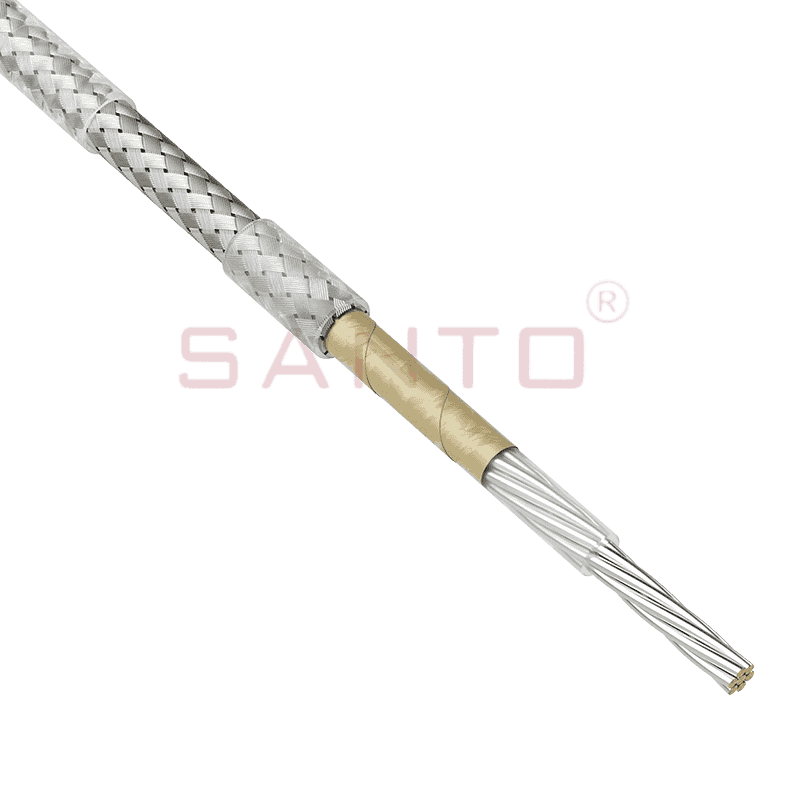
The stranded high temperature conductor is nickel plated to ensure a long life at elevated temperatures in corrosive environments. It is electrically isolated using an innovative sandwich construction...
See Details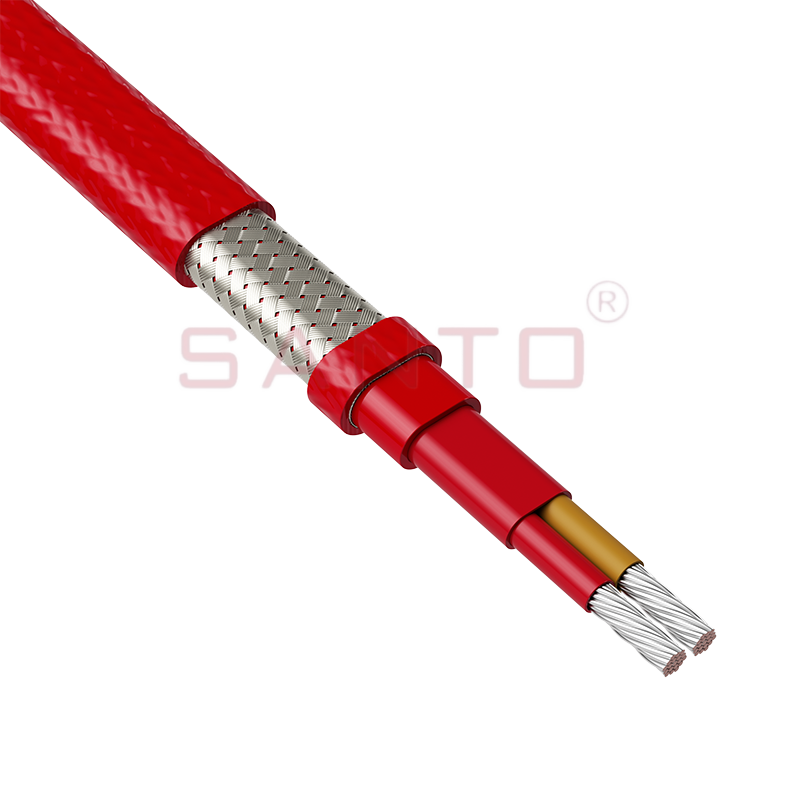
The stranded high temperature conductor is nickel plated to ensure a long life at elevated temperatures in corrosive environments. It is electrically isolated using an innovative sandwich construction...
See Details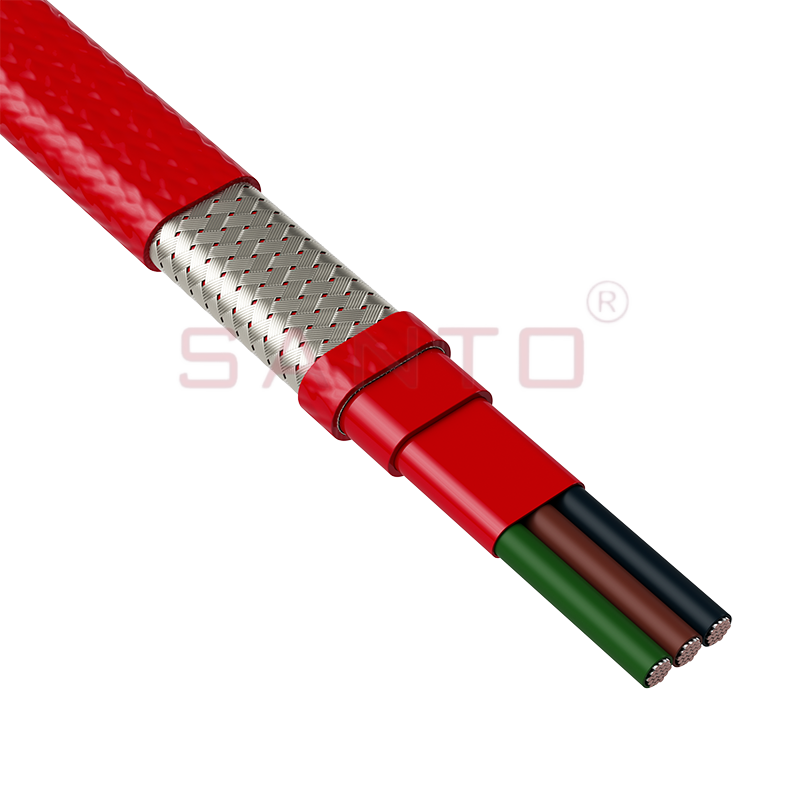
The stranded high temperature conductor is nickel plated to ensure a long life at elevated temperatures in corrosive environments. It is electrically isolated using an innovative sandwich construction...
See Details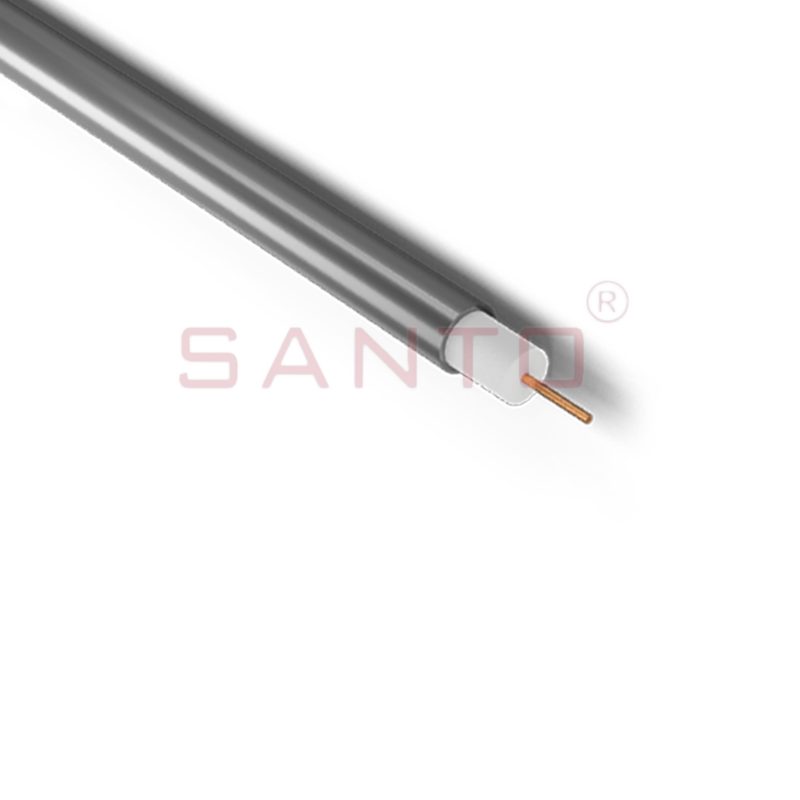
SANTO HAx mineral insulated (MI) Alloy 825 series heating cables are suitable for use in hazardous areas. They have been designed for use in freeze protection and temperature maintenance applications ...
See Details
Santo electric heating strips are widely used in key industries in China.

