 English
  English
 русский
 日本語
日本語 Español
 中文简体
中文简体
The SANTO UFA range of self-regulating heating cables is mainly used for frost protection of pipes and vessels but can also be used to maintain processes up to 65°C. These heating cables are available...
See Details
In modern process plants, reliable heat tracing is not a convenience; it is a fundamental requirement for safety, measurement accuracy, process continuity, and winterization. Sample lines, analyzer lines, and impulse lines connected to pressure transmitters are often exposed to severe ambient conditions while carrying fluids or vapors that must remain within a defined temperature range. When these lines freeze, condense, plug, or cool too rapidly, the result can be inaccurate readings, equipment downtime, unplanned maintenance, and potential safety risks.
DTB2-ACC Tubing Bundles are pre-engineered electric traced tube bundles designed for steam sample lines and impulse lines to pressure transmitters. The product is engineered to provide water freeze protection in ambient conditions down to -45°C, equivalent to approximately -50°F, even under wind conditions of 40 kph, or approximately 25 mph. In addition, the system is designed to withstand continuous steam exposure temperatures up to 399°C, or 750°F. This combination of low-temperature freeze protection and high-temperature exposure resistance makes the product especially valuable in demanding industrial environments.
Unlike traditional field-assembled heat tracing approaches, a pre-engineered tubing bundle integrates the tube, electric heat tracing, thermal insulation, protective jacket, and application-focused design into one coordinated system. This helps reduce installation complexity, improve consistency, shorten procurement cycles, and minimize the risk of incorrect field assembly. For facilities that cannot afford measurement delays or freeze-related failures, the advantages are substantial.
DTB2-ACC Tubing Bundles are particularly important because they address a long-standing challenge in high-temperature service. In the past, tubing exposed to high steam temperatures was frequently traced with series resistance mineral insulated heat trace. Mineral insulated heaters can be highly durable, but they are often custom-made to suit each application. Custom manufacturing can extend delivery times, complicate replacement, and limit flexibility during project execution. DTB2-ACC Tubing Bundles provide a practical alternative by using parallel resistance heat trace that is isolated from direct contact with high-temperature tubing, helping deliver performance while improving lead-time efficiency and installation convenience.
Content
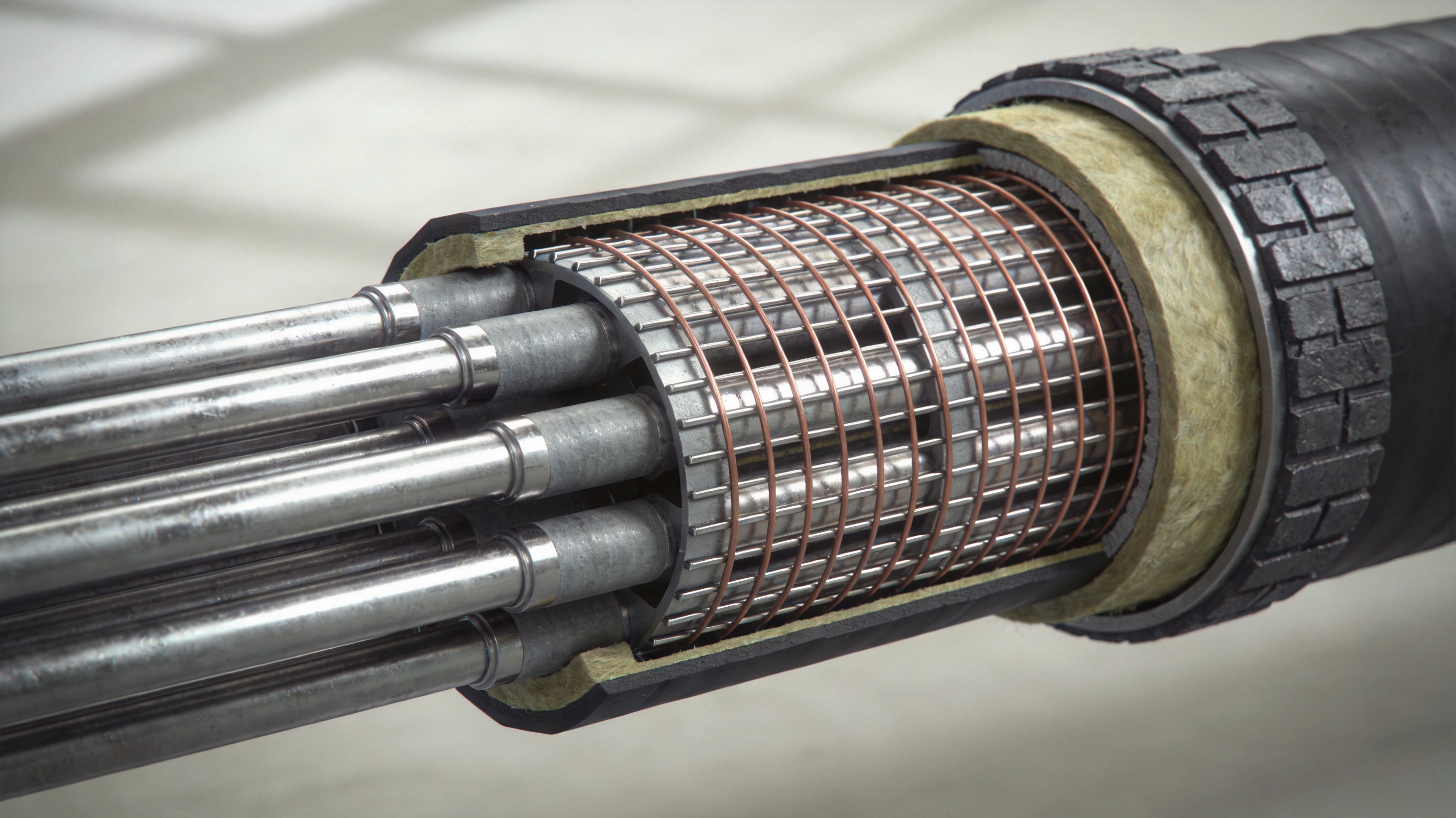
DTB2-ACC Tubing Bundles are engineered for process applications where tubing requires dependable heat tracing and environmental protection. The product is designed as an electric traced tube bundle, meaning the heating element and the process or instrument tubing are assembled together in a controlled configuration. This design helps ensure that the heat tracing arrangement is consistent, protected, and suitable for field installation.
The main purpose of the product is to maintain functional tubing performance in cold climates and demanding process conditions. In practical terms, this means protecting water-containing or condensation-prone lines from freezing, maintaining sample flow, supporting accurate pressure measurement, and reducing the risk of tubing blockage. For steam sample lines and impulse lines, this reliability is especially important because the tubing often supports measurement, control, monitoring, or safety-related functions.
The product can be used in facilities such as petroleum plants, chemical processing units, gas facilities, power-related process systems, and other industrial sites where traced tubing is required. Because it can withstand continuous steam exposure up to 399°C, it is suitable for environments where conventional low-temperature tracing systems may not provide sufficient durability. At the same time, its freeze protection capability down to -45°C makes it highly suitable for northern climates, exposed pipe racks, outdoor installations, and locations with strong wind chill effects.
Process measurement depends on stable physical conditions. An impulse line connected to a pressure transmitter must accurately communicate pressure from the process connection to the instrument. If the line freezes, partially plugs, or fills with condensate in an uncontrolled way, the transmitter reading can become delayed, distorted, or completely unreliable. In severe cases, the instrument may indicate a safe condition while the actual process condition is outside the expected range.
Sample lines face similar challenges. A representative sample must reach the analyzer or sampling station without phase change, freezing, or contamination. If the line loses too much heat, condensable components may drop out. If water freezes inside the line, flow may stop. If maintenance staff must repeatedly thaw or clean lines, operating costs rise and plant reliability declines.
A tubing bundle solves these challenges by packaging the required elements together. The tubing carries the process medium or impulse signal. The electric tracing provides controlled heat input. The insulation reduces heat loss. The outer jacket protects the bundle from moisture, mechanical contact, and environmental exposure. When these elements are engineered as a system rather than assembled separately in the field, the result is more predictable performance.
For project teams, tubing bundles also simplify specification and installation. Instead of separately selecting tube material, heat tracing cable, insulation thickness, attachment method, and external protection, the bundle can be ordered as a coordinated product. This helps reduce engineering errors, improves repeatability across multiple lines, and shortens construction time.
The first major performance feature of DTB2-ACC Tubing Bundles is freeze protection in extremely cold ambient conditions. The system is designed to protect water against freezing down to -45°C under wind conditions of 40 kph. This rating is significant because wind increases convective heat loss. A tubing system that performs in calm air may fail under windy conditions if the heat tracing and insulation are not properly designed. By considering both temperature and wind, the product addresses real outdoor plant conditions rather than ideal laboratory assumptions.
The second major performance feature is resistance to continuous steam exposure up to 399°C. Many traced tubing applications involve steam service, steam sampling, or lines located near hot process equipment. Materials in the bundle must tolerate high external or internal thermal conditions without rapid degradation. This capability is critical for users who need freeze protection while also working around high-temperature steam systems.
The third key feature is the use of parallel resistance heat tracing isolated from direct contact with high-temperature tubing. Isolation from direct contact helps protect the electric heating element from excessive thermal stress caused by hot tubing exposure. At the same time, the parallel resistance design supports practical installation and manufacturing advantages compared with custom series resistance mineral insulated heaters.
The fourth feature is pre-engineered construction. A pre-engineered bundle reduces the dependence on field workmanship. Field installation quality is always important, but a factory-built assembly helps ensure that critical relationships among tube, heater, insulation, and jacket are maintained from the start.
Mineral insulated heat trace has historically been used in high-temperature applications because it can withstand harsh conditions. However, it is not always the most convenient or cost-effective solution for every traced tubing project. Series resistance mineral insulated heaters are typically custom manufactured to the required circuit length and power output. If project dimensions change, if replacement is needed, or if urgent delivery is required, custom MI products may create scheduling challenges.
DTB2-ACC Tubing Bundles provide an alternative approach. By using parallel resistance heat trace isolated from direct contact with the high-temperature tubing, the product addresses high-temperature exposure while avoiding many disadvantages associated with custom MI heaters. This can reduce procurement complexity and help users respond more quickly to project demands.
Another difference is installation efficiency. Field installation of separate heat trace on small tubing can be labor-intensive. Installers must route the heater correctly, secure it, insulate it, weatherproof it, and avoid damaging the tubing or heating cable. A pre-engineered bundle arrives with the tracing and insulation integrated. This helps reduce jobsite variability and can improve installation productivity.
Maintenance and replacement planning may also improve. When a plant uses standardized pre-engineered tubing bundles, spare parts planning becomes easier. Engineers and maintenance teams can identify a repeatable product configuration rather than managing many different custom heater designs.
| Evaluation Area | DTB2-ACC Tubing Bundles | Traditional Series Resistance MI Heat Trace |
|---|---|---|
| Design Approach | Pre-engineered electric traced tubing bundle with integrated protection | Custom heater design commonly matched to each application |
| Lead-Time Efficiency | Supports faster project planning through standardized bundle construction | Longer lead times may occur due to custom manufacturing requirements |
| High-Temperature Suitability | Withstands continuous steam exposure up to 399°C | Often suitable for high temperature, depending on exact design |
| Freeze Protection | Designed for water freeze protection down to -45°C with 40 kph wind | Depends on custom sizing, insulation, and field installation quality |
| Installation Complexity | Reduced because tubing, heat tracing, insulation, and jacket are integrated | Higher when heater, insulation, and protection are installed separately |
| Field Consistency | Improved by controlled bundle manufacturing | More dependent on jobsite workmanship and weatherproofing |
One of the strongest advantages of DTB2-ACC Tubing Bundles is the balance between thermal performance and project efficiency. Many products can provide heat, and many tubing assemblies can protect process lines, but the value of this system lies in bringing those functions together for demanding steam sample and impulse line applications.
Compared with basic field-wrapped heat tracing, the product offers greater consistency. A field-wrapped installation may vary depending on installer experience, cable positioning, tape spacing, insulation fit, weather barrier quality, and jobsite conditions. Even when good materials are used, inconsistent workmanship can create cold spots, excessive heat loss, or premature failure. A pre-engineered bundle minimizes these risks by integrating the elements in a controlled arrangement.
Compared with simple insulated tubing without heat tracing, the product offers active freeze protection. Insulation alone only slows heat loss. It does not create heat. In very cold weather, especially with wind exposure, insulation-only systems eventually approach ambient temperature. For water-containing or condensation-prone lines, this can lead to freezing. DTB2-ACC Tubing Bundles actively supply heat while insulation helps retain it.
Compared with custom MI heating systems, the product offers improved standardization and potentially shorter delivery cycles. Custom MI heaters are effective in many cases, but their application-specific nature can create long procurement timelines. DTB2-ACC Tubing Bundles reduce this concern by using an engineered parallel resistance approach within a bundle system.
Compared with lower-grade heating cable assemblies, the product is designed for demanding thermal exposure. Continuous steam exposure up to 399°C is a serious requirement. A product used near steam sample lines must be selected not only for heating output but also for thermal durability. The isolated heat trace arrangement is a key design detail that supports dependable operation in these conditions.
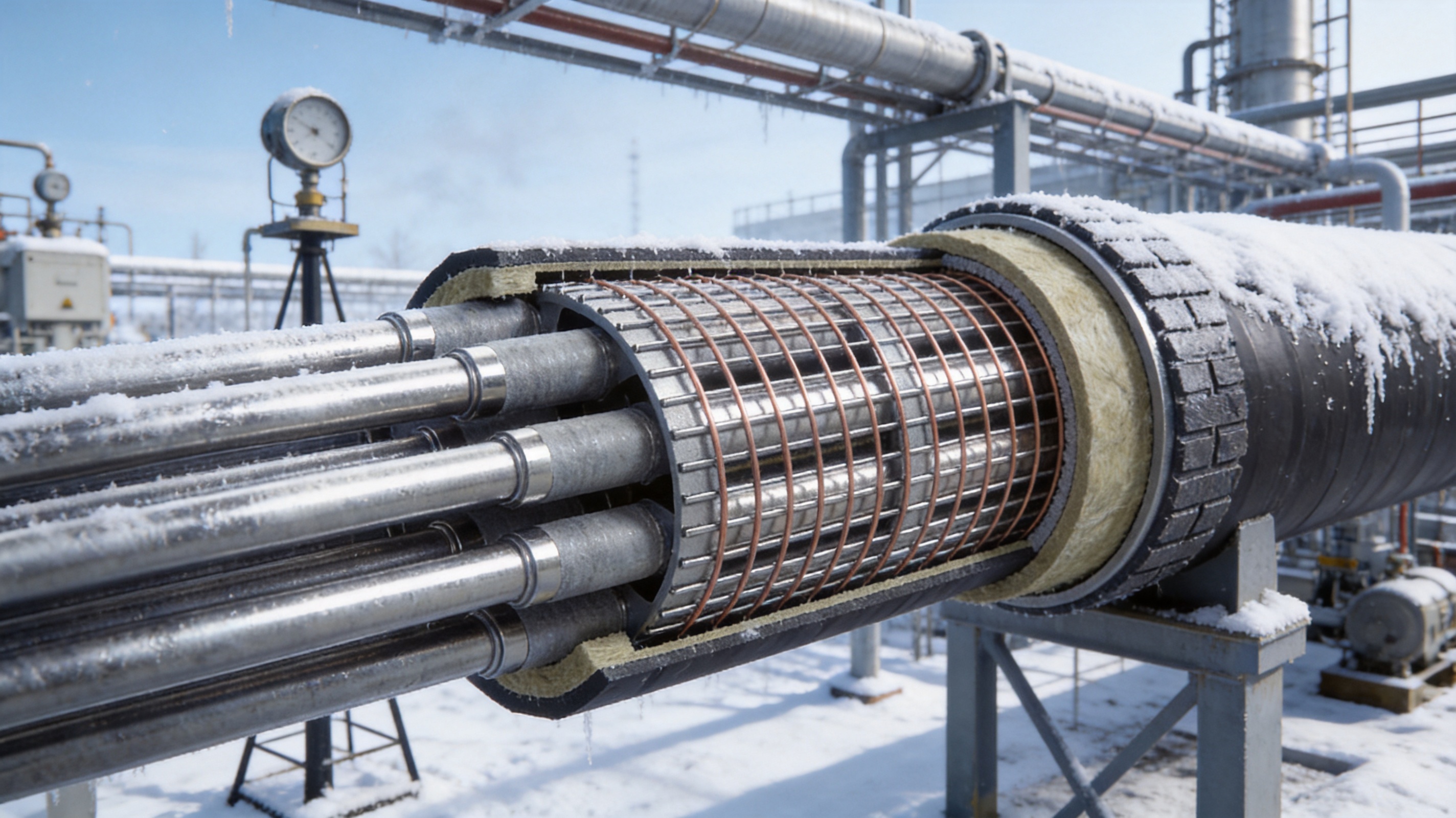
DTB2-ACC Tubing Bundles are well suited for steam sample lines. Steam sampling requires careful management because the sample path may experience high temperature, condensation, and exposure to cold weather. If condensate freezes or if the sample condition changes before analysis, reliability suffers. A traced tubing bundle helps maintain continuity and reduces winter operation risk.
The product is also suitable for impulse lines to pressure transmitters. Pressure measurement is a core function in process control. A frozen impulse line can result in false pressure readings, unstable control loops, nuisance alarms, or unsafe operating decisions. In cold climates, pressure transmitter tubing is often one of the most vulnerable points in an instrumentation system. Electric traced tubing bundles help protect these small-diameter lines from freezing.
In petroleum and chemical facilities, the product may be used in outdoor process units, tank farms, loading areas, and analyzer shelters. These sites often contain long runs of small tubing exposed to wind, precipitation, and low temperatures. The tubing may carry water, steam condensate, gas samples, or other media requiring temperature control.
Gas processing facilities can also benefit from traced tubing. Moisture or hydrocarbon liquids may condense and freeze in small lines, particularly in pressure measurement and sampling circuits. Electric traced tubing bundles help maintain line availability and reduce winter maintenance.
Construction, energy, solar, and other industrial markets may also require electric heat tracing solutions. While DTB2-ACC Tubing Bundles are specifically described for steam sample and impulse line service, the broader manufacturing expertise behind the product supports many thermal control applications, including antifreeze, deicing, heating, tracing, and insulation.
The design of DTB2-ACC Tubing Bundles is based on an important engineering principle: heat must be delivered where it is needed, but sensitive electrical components must be protected from unnecessary thermal stress. In high-temperature tubing applications, direct contact between the heater and a hot tube can expose the heater to temperatures beyond the desired operating range. By isolating the parallel resistance heat trace from direct contact with the high-temperature tubing, the bundle achieves a more practical thermal arrangement.
The insulation layer is equally important. Heat tracing alone is inefficient without proper insulation. The heater provides thermal energy, but insulation reduces the rate at which that energy is lost to the environment. In cold and windy conditions, insulation helps ensure that the heat input is used effectively. The protective outer jacket then helps defend the bundle against weather, moisture, abrasion, and mechanical impact during installation and operation.
Pre-engineered construction also improves dimensional control. Small tubing lines are sensitive to bending, compression, and improper attachment. If a heat tracing cable is applied too tightly or routed incorrectly, it may damage the tube, create uneven heat distribution, or reduce service life. Factory-controlled assembly reduces these risks and produces a more repeatable product.
Another design advantage is system simplification. Rather than treating tubing, heater, insulation, and protection as separate components, the product treats them as an integrated thermal system. This approach makes specification easier and supports more predictable field results.
The manufacturer behind DTB2-ACC Tubing Bundles has extensive experience in electric heating products, with more than 35 years of industry involvement. Long-term experience matters in heat tracing because product reliability depends on material selection, electrical design, extrusion or insulation processes, testing, quality control, and knowledge of real operating environments. A company that has produced a broad range of electric heating products is better positioned to understand how heating elements behave over time under thermal, mechanical, and environmental stress.
The company is located in Jiangsu Province, a region known for electric heating belt industry development. Its product portfolio includes automatic temperature-control electric heating belts, self-limiting electric heating belts, heat tracing belts, constant-power electric heating belts, glass fiber electric heating belts, mineral insulated cables, silicone rubber heating products, snow melting cables, and electric heating accessories. This broad manufacturing base supports the development of specialized tubing bundles because the company understands multiple heating technologies and their practical limitations.
Advanced manufacturing begins with material control. For a traced tubing bundle, the tube, heater, insulation, jacket, and accessory components must be compatible with the intended environment. The tube must be suitable for process or instrumentation service. The heating element must provide reliable resistance performance. The insulation must reduce heat loss and withstand expected temperature exposure. The outer jacket must protect the assembly against moisture and jobsite handling.
Electrical performance testing is also critical. Heating products must be tested for continuity, insulation resistance, power output, and safety-related characteristics. Reliable manufacturers apply controlled inspection procedures so that defects are identified before shipment. This reduces the risk of field failure and helps contractors install the product with greater confidence.
The company has passed ISO9001 quality system certification, and its products have obtained national CCC certification. It has also developed certifications related to explosion-proof applications and EAC Eurasian Union requirements. These certifications indicate an emphasis on quality management, product compliance, and international market readiness. For industrial buyers, certification and quality systems are not merely administrative details; they provide confidence that manufacturing is controlled, documented, and repeatable.
Manufacturing electric traced tubing bundles requires more than assembling parts. It requires coordinated production capability. Heating cable production involves conductor selection, insulation processing, heating element control, jacket application, and testing. Tubing bundle production then requires accurate placement of the heat trace, controlled insulation wrapping or formation, stable outer jacket construction, and final inspection.
The manufacturer has developed capabilities across multiple heating technologies, including self-limiting, constant-power, glass fiber, silicone rubber, and mineral insulated heating products. This diversity is important because different applications require different heating methods. Experience with both conventional and advanced heating products helps the company select appropriate design strategies for demanding applications such as high-temperature steam exposure and low-temperature freeze protection.
Research and development are also emphasized. The company has invested in new product development, technical guidance, scientific management, product quality, and after-sales service. Its history includes the establishment of an irradiation center, patented developments in heating technology, and continued expansion into new facilities and product simulation testing. Product simulation testing is particularly valuable for heat tracing because real performance depends on the interaction of ambient temperature, wind, insulation, heat input, and tubing content.
The ability to simulate or evaluate operating conditions supports better design decisions. For example, freeze protection at -45°C with wind exposure requires careful attention to heat loss. A product must not only produce enough heat under ideal conditions; it must perform when installed outdoors, exposed to moving air, moisture, and mechanical handling. Testing and process knowledge help ensure that the final product meets demanding expectations.
Annual output exceeding 10,000 units and a distributor network of more than 2,000 partners indicate production scale and market reach. Business activity in more than 85 areas suggests experience serving diverse climates and industrial standards. For customers, this scale can mean better supply continuity, broader application knowledge, and more responsive service.
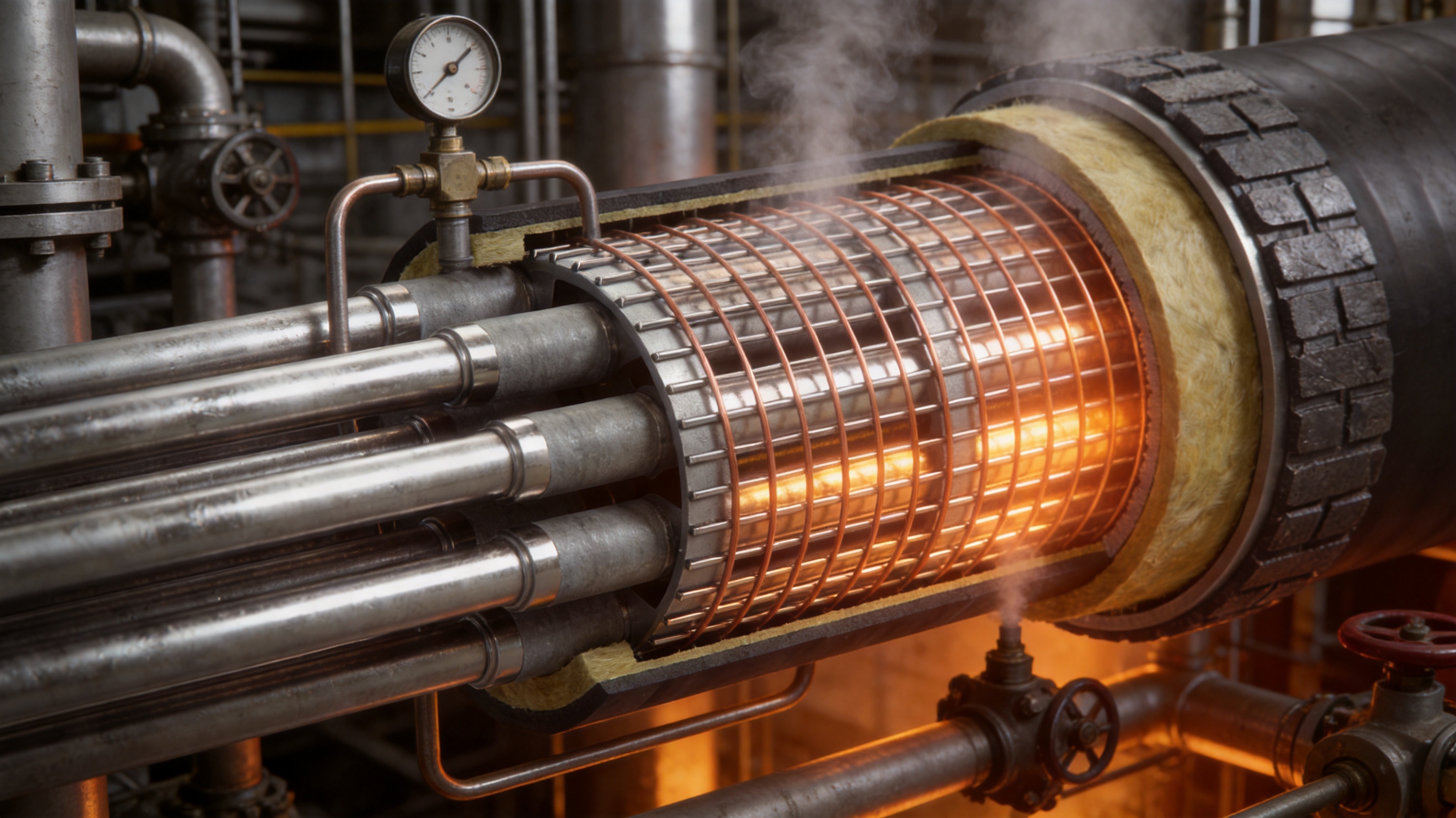
Installation time is a major cost factor in industrial projects. Labor hours spent applying heat tracing, insulation, and weatherproofing to small tubing can be substantial. Work may take place in congested areas, elevated pipe racks, outdoor winter conditions, or active plant environments. A pre-engineered tubing bundle reduces field work by delivering an integrated product ready for installation according to project requirements.
Because the bundle is pre-engineered, contractors can focus on routing, support, termination, and connection rather than building the thermal system from separate parts. This can reduce errors and improve construction efficiency. In large projects with many transmitter impulse lines or sample lines, the time savings can be significant.
Standardization also supports commissioning. When multiple lines use a consistent bundle type, inspection procedures become simpler. Technicians can verify installation, electrical connection, and line routing with a clearer understanding of the product configuration. This reduces uncertainty during startup and can shorten troubleshooting time.
For maintenance teams, the product can help reduce winter emergency work. Frozen tubing often results in urgent field calls, temporary heating, line replacement, or instrument recalibration. Preventing these issues through a properly designed electric traced tubing bundle improves uptime and reduces the hidden costs associated with unreliable instrumentation.
The freeze protection rating of -45°C with 40 kph wind conditions is one of the product’s defining strengths. Severe cold is difficult for small tubing because the surface area is large relative to the fluid volume. This means heat is lost rapidly. If wind is present, heat loss increases further. Even short sections of exposed tubing can freeze and block an entire measurement line.
A traced tubing bundle combats this problem in two ways. First, the electric heat trace supplies heat to offset losses. Second, the insulation and jacket reduce heat transfer to the environment. Together, these features help maintain the tubing above the freezing point of water under specified conditions.
In industrial settings, freeze protection must be reliable over long periods. A product may be exposed to repeated freeze-thaw cycles, moisture, vibration, sunlight, and handling during maintenance. Durable construction helps protect the internal heating element and tubing from these stresses. The protective jacket plays an important role by acting as the first line of defense against environmental damage.
Reliability also depends on appropriate power design and installation. Users should follow recommended installation practices, electrical protection requirements, and inspection procedures. When installed and operated correctly, the tubing bundle becomes part of a comprehensive winterization strategy.
Steam exposure up to 399°C places serious demands on materials. Many conventional polymer-based heating products are not intended for direct high-temperature service. In steam sample and impulse line applications, the tubing may encounter high process temperatures while the surrounding environment may still require freeze protection. The product must therefore handle a difficult combination: high thermal exposure from the process and low ambient temperature from the environment.
DTB2-ACC Tubing Bundles address this challenge by isolating the parallel resistance heat trace from direct contact with the high-temperature tubing. This design reduces direct thermal loading on the heater while maintaining the benefits of electric tracing. The result is a system that can withstand continuous steam exposure temperatures while providing freeze protection where needed.
This capability is especially valuable for plants that operate through winter while handling steam or high-temperature process streams. Without an appropriate tracing solution, users may be forced to choose between expensive custom heating systems, complex field installation, or insufficient freeze protection. The tubing bundle offers a practical engineered option.
Heat tracing is often viewed as a utility function, but its impact on process accuracy and safety is significant. Pressure transmitters, analyzers, and sampling systems depend on clear, stable tubing paths. If a line freezes or plugs, operators may lose visibility into the process. If a sample condition changes before analysis, data quality may decline. If measurement data is wrong, control decisions may be wrong.
By protecting impulse and sample lines, DTB2-ACC Tubing Bundles support accurate measurement and reliable control. In a pressure transmitter application, maintaining line integrity helps preserve response time and measurement accuracy. In a sample line application, maintaining flow helps ensure that the sample reaching the analyzer is representative.
Safety also improves when maintenance exposure is reduced. Frozen lines often require technicians to work outdoors in severe weather, sometimes at height or near operating equipment. Reducing freeze-related failures can reduce emergency maintenance activities and associated risks.
When selecting a traced tubing bundle, engineers should consider the process medium, tube size, tube material, ambient temperature, wind exposure, required maintain temperature, maximum exposure temperature, voltage, hazardous area classification, and installation environment. DTB2-ACC Tubing Bundles are designed for demanding steam sample and impulse line applications, but final selection should always align with project conditions.
The high-temperature exposure rating is particularly important. If tubing is exposed to continuous steam at elevated temperature, the heating system must be selected with that exposure in mind. A low-temperature freeze protection cable installed directly on hot tubing may fail prematurely. The isolated heat trace design of DTB2-ACC Tubing Bundles helps address this issue.
Electrical design should also be considered. Proper circuit protection, grounding, termination, and control methods are necessary for safe operation. Depending on the application, temperature control may be used to improve energy efficiency and maintain desired conditions. Accessories and connection kits should be compatible with the tubing bundle and installation environment.
Mechanical routing is another key factor. Tubing bundles should be supported appropriately, protected from sharp edges, and routed to avoid unnecessary strain. Bend radius requirements should be followed. Penetrations through walls, cabinets, or enclosures should be sealed and protected according to site standards.
Electric heat tracing consumes energy, so efficiency matters. A well-designed tubing bundle improves efficiency by combining targeted heat input with insulation. The heater does not need to overcome uncontrolled heat loss from bare tubing; instead, the insulation helps retain energy near the tube. This reduces wasted heat and supports more stable performance.
Compared with ad hoc field tracing, factory-integrated construction can also improve efficiency by maintaining consistent heater placement and insulation coverage. Gaps, crushed insulation, exposed tubing, or poor weatherproofing can increase heat loss. A pre-engineered bundle reduces the likelihood of these weaknesses.
Temperature control can further improve efficiency. In some applications, thermostats or control panels may energize the circuit only when needed. This helps reduce energy consumption while maintaining freeze protection. The correct control strategy depends on process requirements, ambient conditions, and site operating philosophy.
The company’s development history reflects continuous investment in electric heating technology. Founded from an electric heating instrument background, the organization progressed through quality certification, irradiation capability, brand development, explosion-proof and international certifications, patented heating technologies, product recognition, factory expansion, and international market development. This history demonstrates a long-term commitment to thermal control products rather than short-term assembly operations.
Innovation is part of the company’s stated culture. Core values include innovation, cooperation, effectiveness, and development. These values are important in the heat tracing industry because customer needs continue to evolve. Plants are built in colder climates, process temperatures become more demanding, environmental expectations increase, and project schedules become shorter. Manufacturers must respond with products that are practical, reliable, and easier to install.
The company’s mission to create value and a better life, and its vision related to environmental health, align with efficient thermal management. Reliable heat tracing reduces waste caused by line failures, product loss, emergency maintenance, and inefficient heating. Well-designed electric heating products can contribute to safer and more efficient industrial operation.
Pre-engineering means that the product is designed before it reaches the jobsite. The thermal relationship among the tubing, heat tracing, insulation, and outer jacket is established by the manufacturer. This approach differs from field-built systems, where many performance-critical details are left to installation crews.
Consistency matters because heat tracing performance is highly sensitive to construction details. If the heat trace is placed too far from the tube, heat transfer may be reduced. If insulation is uneven, cold spots may develop. If the outer jacket is damaged or improperly sealed, moisture may enter and degrade performance. If the heater contacts surfaces beyond its intended exposure, service life may be shortened.
By delivering a complete bundle, the product reduces these risks. The installer still has important responsibilities, including routing, supporting, connecting, and testing the system, but the most delicate thermal assembly steps are already completed. This improves repeatability from one line to another.
For procurement teams, a pre-engineered tubing bundle simplifies ordering. Rather than sourcing tubing, heat tracing cable, insulation, jacketing, tapes, and accessories separately, the buyer can request a coordinated product. This reduces the number of suppliers involved and helps avoid compatibility issues.
For engineering teams, the product simplifies specification. The main performance requirements can be defined around freeze protection, exposure temperature, line type, electrical requirements, and installation environment. The product then provides a bundled solution suited to the application.
For project managers, shorter and more predictable delivery is valuable. Traditional custom MI heaters may require detailed length-specific manufacturing and longer production cycles. DTB2-ACC Tubing Bundles are intended to reduce such delays by using a parallel resistance heat trace approach within a pre-engineered system.
For end users, the primary benefit is operational reliability. A well-selected tubing bundle helps protect measurement and sample lines, reduce freeze-related failures, and support stable plant operation during severe weather.
Industrial heat tracing products require support beyond shipment. Customers may need help with product selection, installation guidance, troubleshooting, replacement planning, and accessory selection. The manufacturer emphasizes after-sales service as part of its quality and management approach. This support is especially important for customers operating in harsh climates or critical process environments.
A strong distributor network also improves service availability. With more than 2,000 distributors and business presence in more than 85 areas, the company is positioned to support a wide range of customers and project locations. This can help reduce response time and improve communication during procurement and maintenance planning.
Technical guidance is valuable because heat tracing is application-specific. The same product may perform differently depending on ambient conditions, wind, insulation integrity, voltage, controls, and installation routing. Knowledgeable support helps users apply the product correctly and avoid common mistakes.
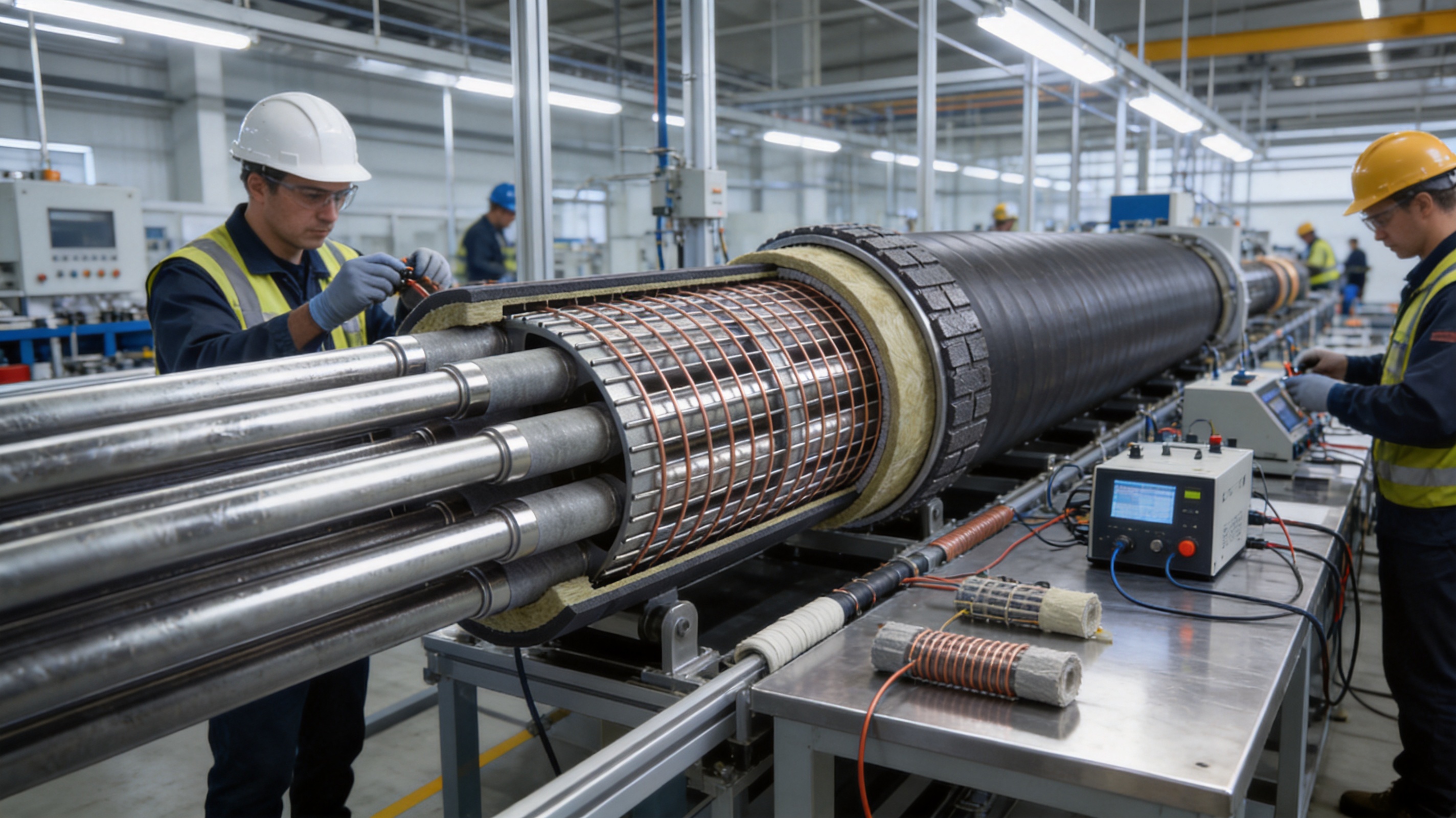
DTB2-ACC Tubing Bundles are designed to provide electric heat tracing for steam sample lines and impulse lines to pressure transmitters. Their main purpose is to protect tubing from freezing in severe ambient conditions while also withstanding high-temperature steam exposure.
The product is designed to provide water freeze protection in ambient conditions down to -45°C, or approximately -50°F, with wind conditions of 40 kph, or approximately 25 mph.
DTB2-ACC Tubing Bundles can withstand continuous steam exposure temperatures up to 399°C, or approximately 750°F.
Isolation helps protect the parallel resistance heat trace from direct exposure to the highest tubing temperatures. This design helps improve suitability for high-temperature steam-related applications while still providing the heat needed for freeze protection.
Mineral insulated heat tracing is often custom-made for each application, which can lead to longer lead times and less flexibility. DTB2-ACC Tubing Bundles use a pre-engineered approach with parallel resistance heat trace, helping reduce procurement complexity and installation effort while maintaining strong high-temperature and low-temperature performance.
Steam sample lines are one of the primary applications, but the product is also designed for impulse lines to pressure transmitters. It may be considered for other similar tubing applications where the operating conditions match the product’s capabilities and project requirements.
Industries such as petroleum, chemical processing, gas processing, power-related systems, construction, and other industrial sectors can benefit from electric traced tubing bundles, especially where freeze protection, sample reliability, and instrument accuracy are important.
Insulation alone slows heat loss but does not generate heat. In very cold or windy conditions, insulated tubing can still freeze. Electric traced tubing bundles provide active heat input in addition to insulation, making them more suitable for severe freeze protection.
Pre-engineered construction improves consistency by integrating the tubing, heat tracing, insulation, and protective jacket in a controlled manufacturing process. This reduces field assembly work, minimizes installation variability, and supports more predictable performance.
Users should consider the process medium, tube size, ambient temperature, wind exposure, required freeze protection level, maximum exposure temperature, voltage, control method, hazardous area requirements, routing, and accessories. Proper selection ensures that the bundle matches the intended application.
DTB2-ACC Tubing Bundles provide a strong solution for facilities that require reliable electric tracing of steam sample lines and impulse lines to pressure transmitters. The product combines severe cold freeze protection down to -45°C with 40 kph wind conditions and continuous steam exposure resistance up to 399°C. This combination addresses a difficult industrial need: protecting small tubing from freezing while operating in or near high-temperature steam environments.
The product’s parallel resistance heat trace, isolated from direct contact with high-temperature tubing, gives it an important advantage over traditional custom mineral insulated heater approaches. It supports practical manufacturing, improved lead-time efficiency, and simplified installation while maintaining the durability required for demanding applications.
Its pre-engineered bundle construction reduces field assembly complexity, improves consistency, and supports better project execution. For contractors, this means easier installation. For engineers, it means simpler specification. For maintenance teams, it means fewer freeze-related emergencies. For plant operators, it means improved measurement reliability and process continuity.
The manufacturer’s strengths further enhance the product’s value. With decades of electric heating experience, broad product capabilities, quality system certification, advanced development history, large-scale production, and international market presence, the company brings manufacturing depth and technical knowledge to the tubing bundle market.
For industrial users seeking a dependable traced tubing solution that can handle harsh winter conditions and high steam exposure, DTB2-ACC Tubing Bundles represent a practical, advanced, and competitive choice.
1. Electric Heat Tracing Systems: Design, Installation, and Maintenance Guidelines, Industrial Thermal Engineering Handbook.
2. Process Instrumentation Tubing Practices for Freeze Protection and Reliability, Instrument Engineering Reference Manual.
3. Steam Sampling System Design Principles, Power and Process Plant Operations Guide.
4. Industrial Insulation and Heat Loss Control, Mechanical Systems Engineering Publication.
5. Quality Management Systems for Electrical Heating Product Manufacturing, ISO9001 Application Guide.
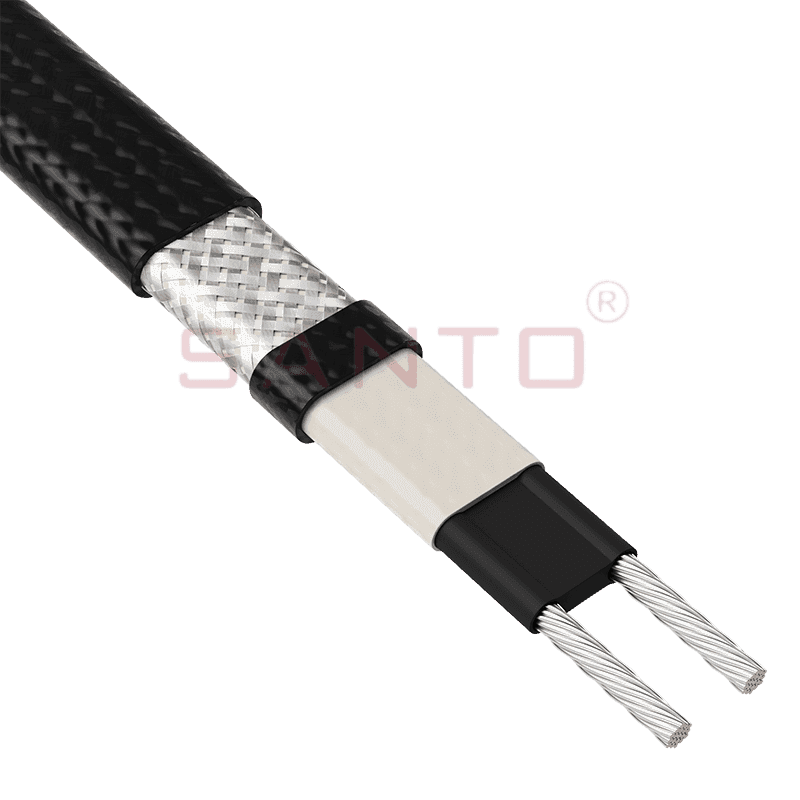
The SANTO UFA range of self-regulating heating cables is mainly used for frost protection of pipes and vessels but can also be used to maintain processes up to 65°C. These heating cables are available...
See Details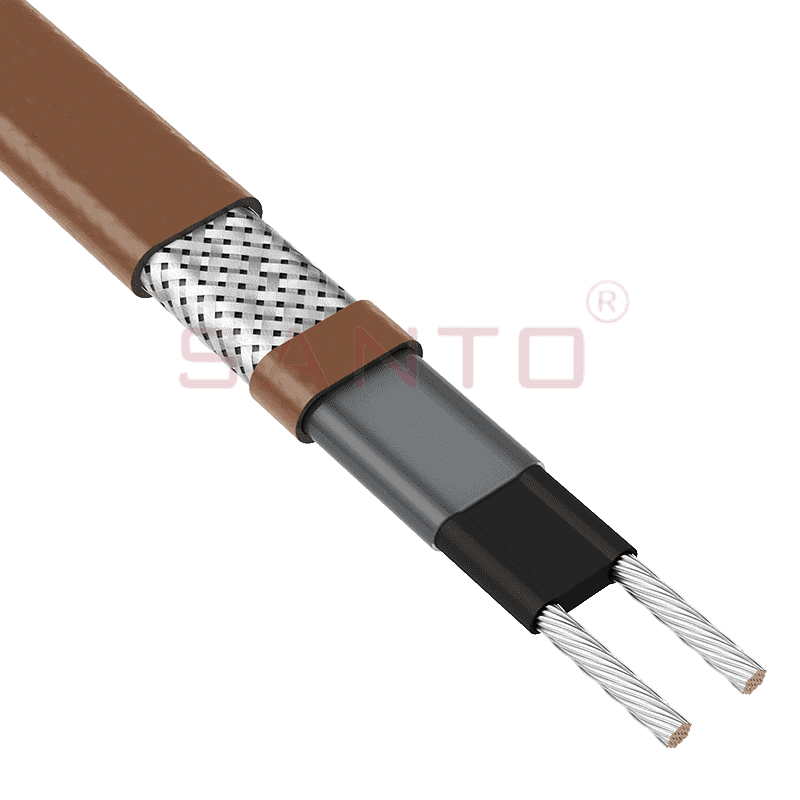
The SANTO UFB range of self-regulating heating cables is mainly used for frost protection of pipes and vessels requiring a higher power output than the UFA heating cables can supply. They can also be ...
See Details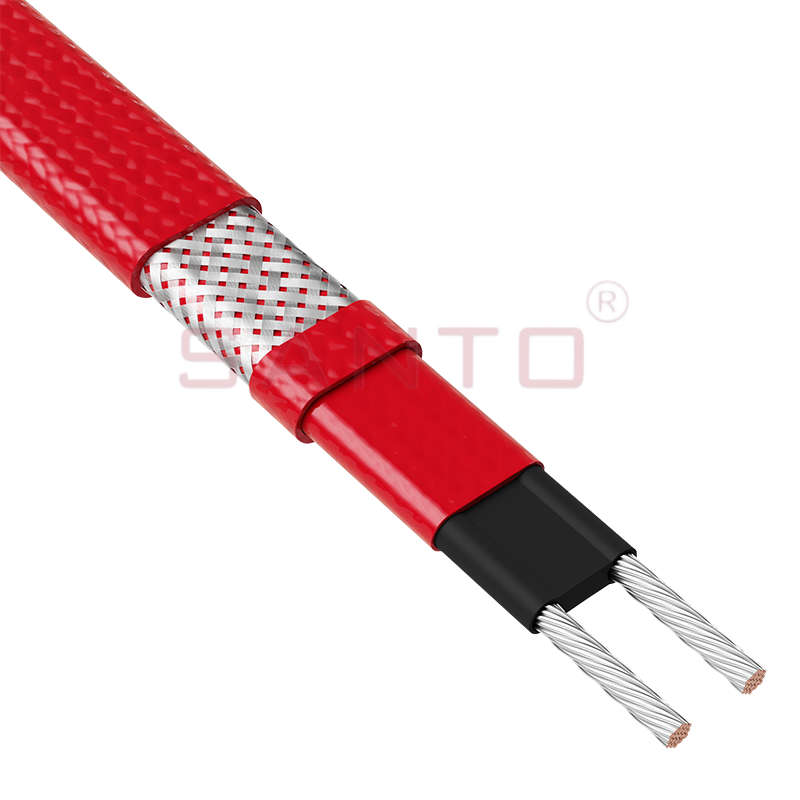
The SANTO UFC range of self-regulating heating cables is used for frost protection of pipes and vessels that require steam cleaning. They can also be used to maintain processes up to 121°C. These heat...
See Details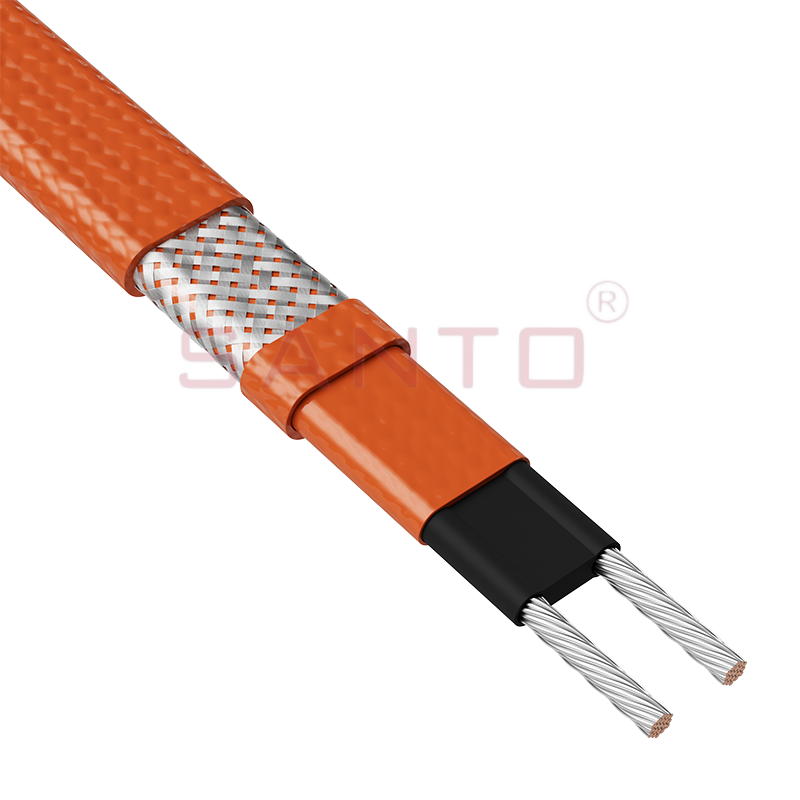
The SANTO UFO range of self-regulating heating cables is mainly used for frost protection of pipes and vessels that require steam cleaning . They can also be used to maintain processes up to 150°C. Th...
See Details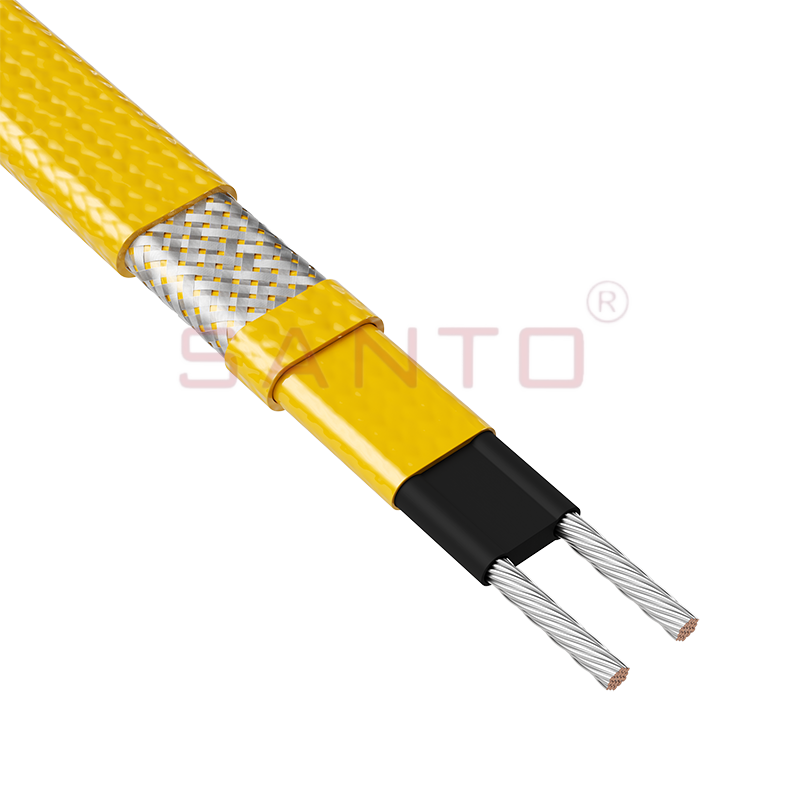
The SANTO UFD series of self-regulating heating cables are mainly used for freeze protection of pipes and vessels, but can also be used to maintain processes up to 200°C. These heating cables are avai...
See Details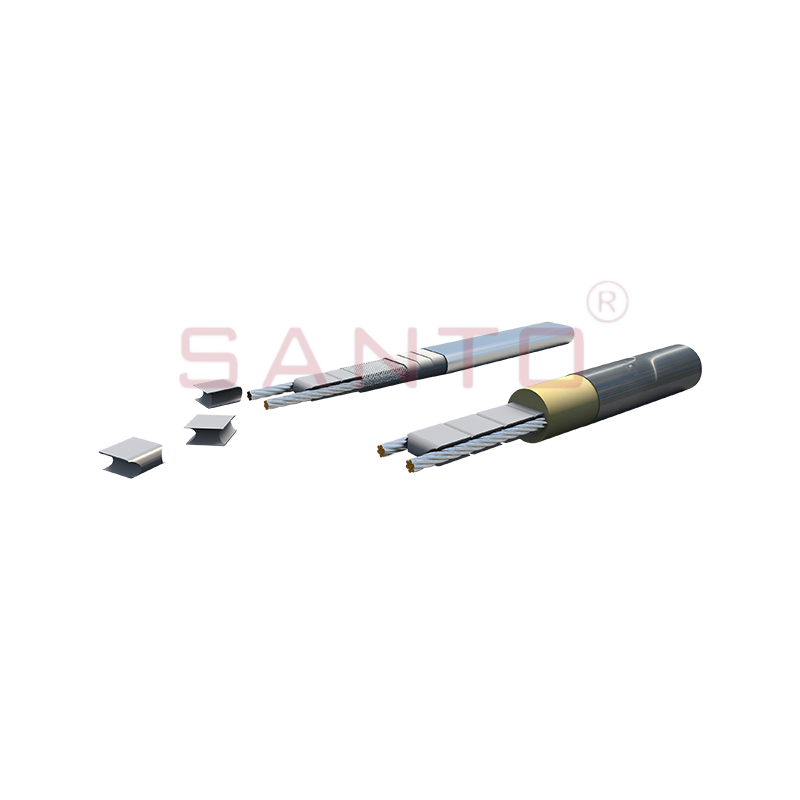
SANTO UFY heating wire is suitable for applications that maintain process temperatures up to 260 ℃ and can be steam blown; The self-regulating and parallel circuit heating wires of the UFY series are ...
See Details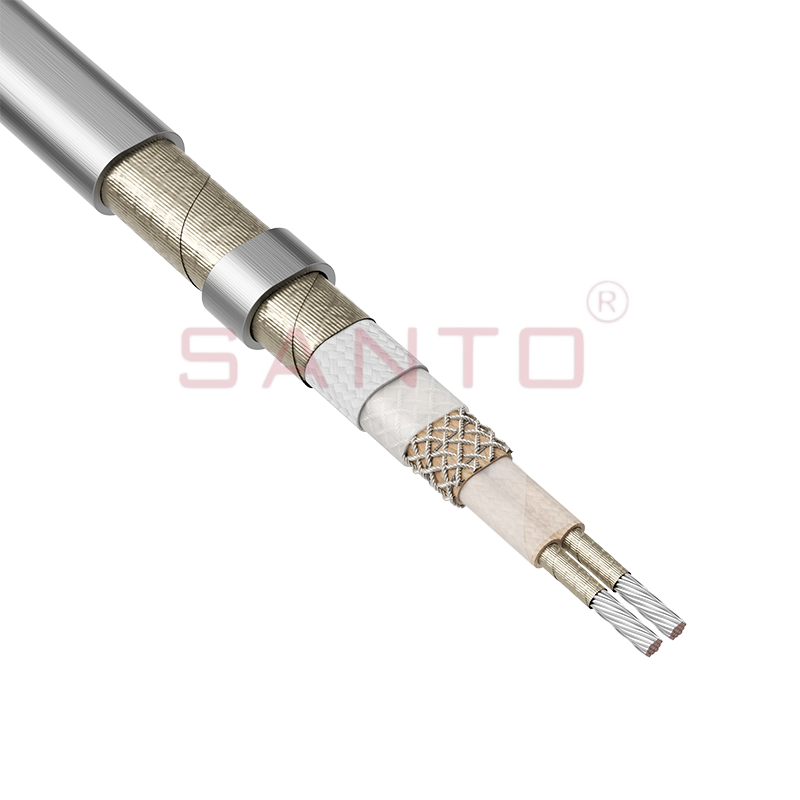
The SANTO UFM series self-regulating heating cables are mainly used for freeze protection of pipes and vessels, but can also be used to maintain processes up to 400°C. These heating cables are availab...
See Details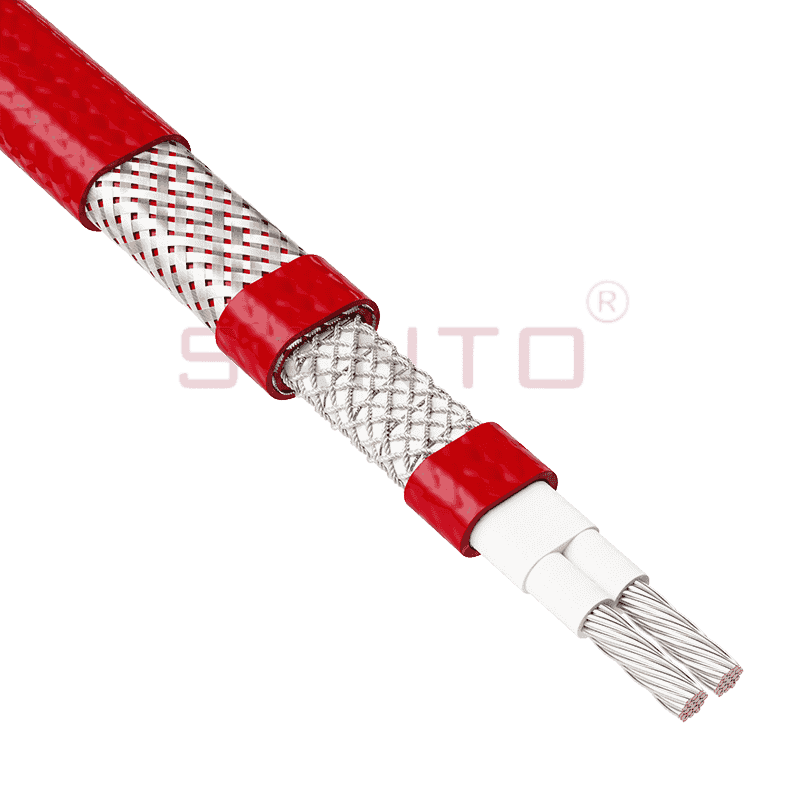
The SANTO ACC range of power-limiting heating cables is mainly used for temperature maintenance of processes and offers the advantage of a high power output at high temperatures which can reduce the n...
See Details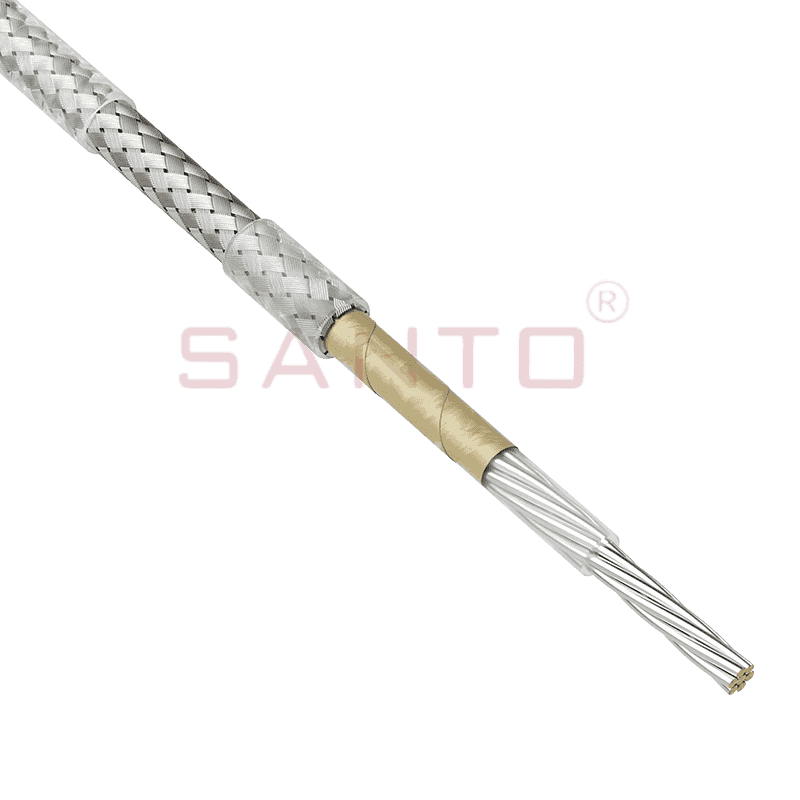
The stranded high temperature conductor is nickel plated to ensure a long life at elevated temperatures in corrosive environments. It is electrically isolated using an innovative sandwich construction...
See Details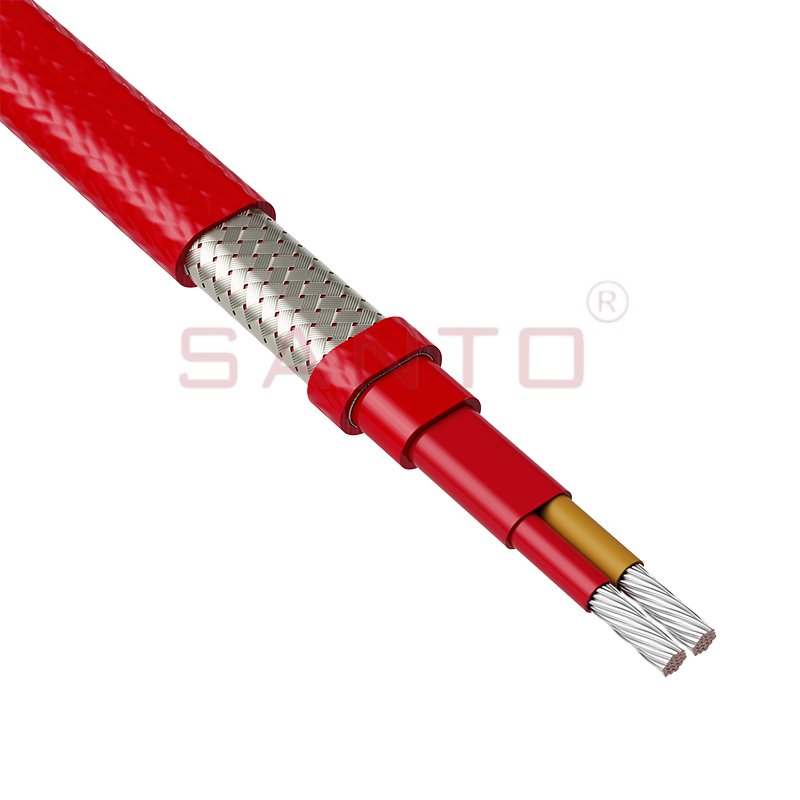
The stranded high temperature conductor is nickel plated to ensure a long life at elevated temperatures in corrosive environments. It is electrically isolated using an innovative sandwich construction...
See Details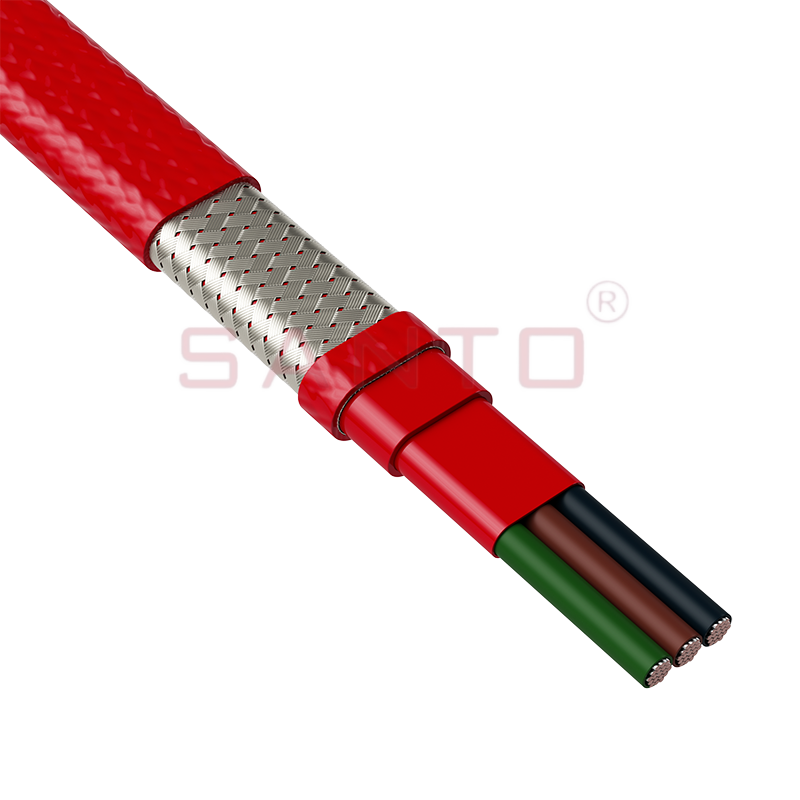
The stranded high temperature conductor is nickel plated to ensure a long life at elevated temperatures in corrosive environments. It is electrically isolated using an innovative sandwich construction...
See Details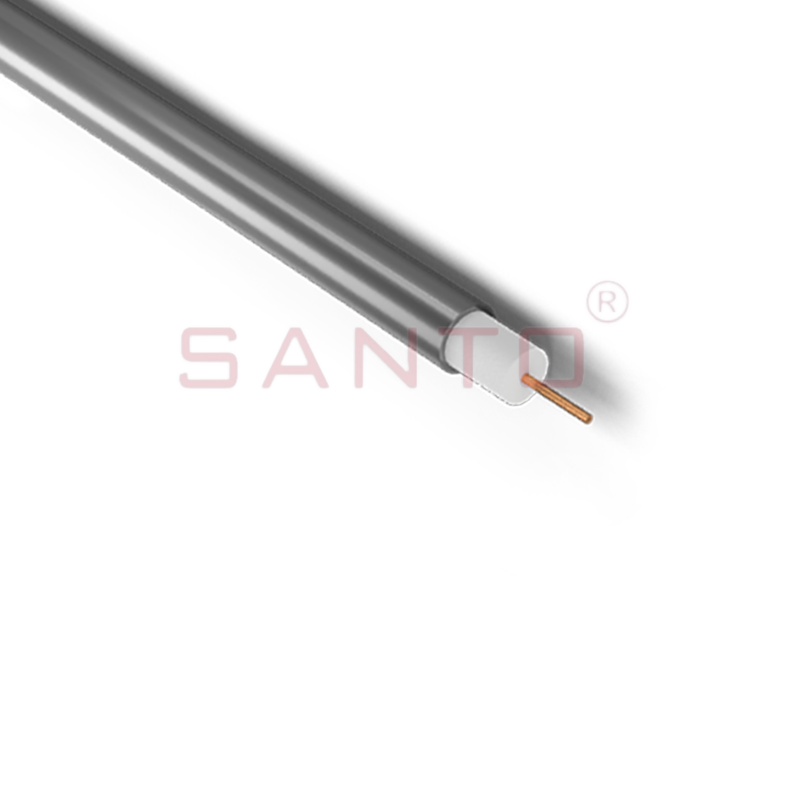
SANTO HAx mineral insulated (MI) Alloy 825 series heating cables are suitable for use in hazardous areas. They have been designed for use in freeze protection and temperature maintenance applications ...
See Details
Santo electric heating strips are widely used in key industries in China.

