 English
  English
 русский
 日本語
日本語 Español
 中文简体
中文简体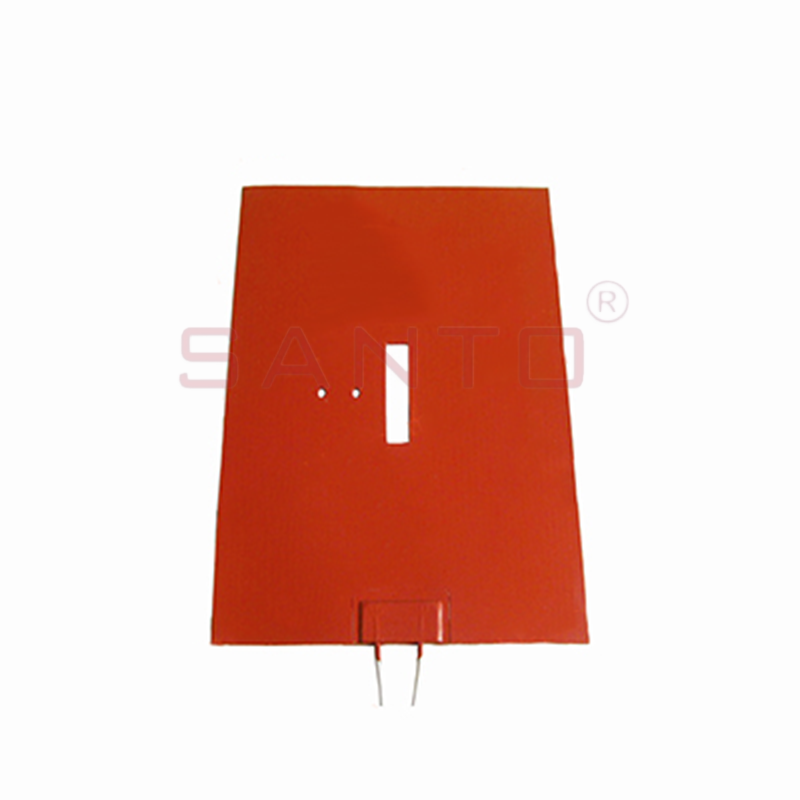

The SANTO UFA range of self-regulating heating cables is mainly used for frost protection of pipes and vessels but can also be used to maintain processes up to 65°C. These heating cables are available...
See Details
In modern diagnostic laboratories, precision is not only a performance target but also a clinical necessity. A pathological analyzer must operate under controlled conditions to support reliable sample processing, accurate measurement, and repeatable diagnostic outcomes. Among the many elements that influence analyzer stability, thermal control is one of the most critical. The pathological analyzer heater is designed specifically to satisfy the heating requirements of medical analytical equipment, providing controlled temperature, strong adaptability, and high safety performance in a compact, customizable heating structure.
Unlike general industrial heaters, a heater used in a pathological analyzer must perform in a sensitive medical environment where space is limited, temperature deviation can affect results, and long-term reliability is essential. This product is engineered with a thickness of at least 1.0 mm, a heating temperature capability of up to 200°C, power density of up to 3 W/cm², and insulation resistance of at least 100 MΩ under 1000 V test conditions. These values reflect a balance between thermal output, electrical insulation, structural flexibility, and operational safety.
The product can be configured with wires, adhesive layers, aluminum plates, thermal conductive materials, insulation materials, temperature controllers, sensors, and other supporting components. This modular approach allows the heater to be integrated into different pathological analyzer structures, including heating plates, reagent chambers, sample zones, incubation modules, or other temperature-sensitive assemblies. The result is a heater solution that can be adapted to OEM equipment design rather than forcing the equipment manufacturer to redesign around a standard heater.
Santo Thermal Control Technology Co., Ltd. brings extensive experience in electric heating product development, design, production, and manufacturing. With a background in automatic temperature-control electric heating belts, self-limiting heating belts, heat tracing belts, constant-power heating belts, silicone rubber heating systems, MI cables, snow melting cables, and heating accessories, the company applies mature electric heating technology to specialized medical heating applications. This combination of industrial heating expertise and customized product engineering makes the pathological analyzer heater a practical solution for laboratories, instrument manufacturers, and medical equipment integrators seeking precise thermal performance and dependable safety.
Content
The pathological analyzer heater is a customized heating component developed for the specific thermal demands of analyzer systems. In pathological analysis, temperature may influence reagent reaction speed, sample viscosity, incubation consistency, staining processes, and sensor calibration stability. If heating is unstable or uneven, the analyzer may experience measurement drift, processing delays, or inconsistent test conditions. Therefore, the heater must deliver controlled heat within a defined area while maintaining electrical safety and mechanical compatibility.
This heater is characterized by constant temperature performance, strong adaptability, and high safety performance. Constant temperature capability means that the heater can work with temperature controllers and sensors to keep the operating zone within a stable thermal range. Strong adaptability means that the heater can be manufactured in different sizes, shapes, interface configurations, adhesive structures, and heat transfer combinations. High safety performance means that insulation, material selection, and electrical design are carefully considered to reduce risks during continuous or repeated use.
The heating temperature limit of up to 200°C provides enough capacity for many medical instrument heating requirements while remaining suitable for compact equipment designs. The power density of up to 3 W/cm² allows the heater to generate effective heat without creating excessive localized stress when properly designed. The insulation resistance specification of 1000 V and at least 100 MΩ supports reliable electrical isolation, an essential requirement in medical and laboratory equipment where users, samples, and electronics must be protected.
The product may be integrated with optional accessories, including wires for electrical connection, adhesive layers for installation, aluminum plates for thermal distribution, thermal conductive materials for improved heat transfer, insulation materials for heat retention and safety, temperature controllers for regulation, and sensors for feedback monitoring. This accessory flexibility is especially important for pathological analyzers because each instrument model may have unique installation constraints and thermal response requirements.
The following table summarizes the key product parameters and their practical significance for analyzer design and integration.
| Parameter | Specification | Practical Meaning |
|---|---|---|
| Product Type | Pathological analyzer heater | Specialized heating component for medical analytical equipment |
| Application Category | Medical industry | Suitable for instrument modules requiring controlled heating |
| Thickness | At least 1.0 mm | Supports compact installation while maintaining structural reliability |
| Heating Temperature | Up to 200°C | Covers a wide range of analyzer heating and incubation requirements |
| Power Density | Up to 3 W/cm² | Provides effective heat generation for fast and stable thermal response |
| Insulation Resistance | 1000 V, at least 100 MΩ | Supports electrical safety and dependable insulation performance |
| Optional Accessories | Wire, adhesive layer, aluminum plate, thermal conductive material, insulation material, temperature controller, sensor | Allows customized assembly according to analyzer design requirements |
Pathological analyzers operate in environments where accuracy depends on stable process conditions. Many analytical procedures involve biological materials, reagents, stains, buffers, or controlled reaction steps. Even when the analyzer uses advanced optical, mechanical, or electronic systems, the quality of temperature control can directly influence repeatability. A heater that provides stable, uniform, and predictable heat contributes to the overall reliability of the analyzer.
In diagnostic laboratories, time efficiency is also important. A heater with appropriate power density can help the analyzer reach target temperature within a reasonable time, reducing warm-up delays and improving workflow. However, power must be controlled carefully. Excessive heat concentration may lead to sample degradation, material deformation, or electronic interference. The pathological analyzer heater addresses this challenge by combining suitable power density with optional thermal conductive layers, aluminum distribution plates, sensors, and controllers.
Temperature uniformity is another key factor. In many analyzer modules, heat must be distributed over a defined surface or chamber. If one area is hotter than another, samples may not experience the same processing conditions. When paired with aluminum plates or thermal conductive materials, the heater can help achieve more uniform heat transfer. This design flexibility is particularly valuable when equipment manufacturers must heat irregular surfaces, small cavities, or compact assemblies.
Long-term stability is equally important. Laboratory analyzers may run repeatedly throughout the day, often under demanding schedules. A heater must withstand repeated heating and cooling cycles without significant degradation. Good insulation resistance, appropriate material selection, and controlled manufacturing processes support long service life. For medical equipment manufacturers, this reliability can reduce service calls, warranty issues, and customer dissatisfaction.
Many generic heaters are designed for broad industrial use rather than for precise medical instrument integration. They may provide heat, but they often require compromise in installation, control accuracy, durability, or safety. The pathological analyzer heater offers several advantages because it is designed according to the specific heating requirements of analyzer systems.
A major advantage of this product is customization. Pathological analyzers differ greatly in internal layout, heating area, electrical interface, control method, and mechanical constraints. A standard heater may not match the required shape, thickness, power distribution, or mounting position. By contrast, this heater can be designed with optional wires, adhesive layers, aluminum plates, sensors, controllers, thermal conductive materials, and insulation structures. This makes integration easier and supports better thermal performance.
Competitor products that rely heavily on standard catalog sizes may increase the burden on equipment engineers. The analyzer manufacturer may need to redesign brackets, plates, chambers, or wiring paths to fit the heater. Custom heating design reduces that burden by adapting the heater to the equipment. This can shorten development cycles and improve the final instrument structure.
The power density of up to 3 W/cm² gives designers flexibility in balancing heating speed and safety. A heater must be strong enough to reach the desired temperature but not so aggressive that it creates hotspots or excessive stress. In analyzer applications, this balance is important because surrounding components may include plastics, sensors, circuit boards, reagents, and precision mechanical parts.
Compared with low-output heaters, this product can provide more responsive heating when needed. Compared with overly aggressive heating elements, it can be engineered for controlled output and paired with feedback devices. The ability to select appropriate accessories and layout supports a more refined thermal design.
Electrical safety is a major concern in medical and laboratory environments. The insulation resistance specification of 1000 V and at least 100 MΩ indicates strong electrical isolation. This is important not only for user protection but also for preventing interference with analyzer electronics. Poor insulation may lead to leakage current, unstable readings, or equipment failure.
Some low-cost heaters may focus only on heating output while giving insufficient attention to insulation consistency. In contrast, this product emphasizes safety performance as a core feature. When integrated properly into the analyzer system, it helps support reliable operation under repeated use.
Medical analyzers often contain many components in a small enclosure, including fluidic systems, sample holders, sensors, motors, optical units, control boards, and user interface modules. A heater with thickness starting from 1.0 mm can fit into compact structures where bulky heating assemblies would be difficult to install. The compact profile also supports direct attachment to heating surfaces, improving heat transfer and reducing unnecessary mechanical complexity.
Compared with rigid or thick heater blocks, a thinner heating element can reduce equipment weight and preserve internal space. This is especially useful for benchtop analyzers, compact pathology systems, and modular laboratory devices. The product therefore offers both thermal and mechanical advantages.
The optional accessory range is one of the product’s practical strengths. Adhesive layers can simplify mounting and improve contact with the heated surface. Aluminum plates can spread heat evenly. Thermal conductive materials can reduce thermal resistance. Insulation materials can reduce heat loss and protect nearby parts. Temperature controllers and sensors can create a closed-loop control system for stable operation.
Generic heaters may require the buyer to source these components separately, increasing assembly complexity and compatibility risk. A heater supplied with matched accessories can improve installation quality and reduce system-level uncertainty. For equipment manufacturers, this can mean fewer design iterations and more predictable production results.
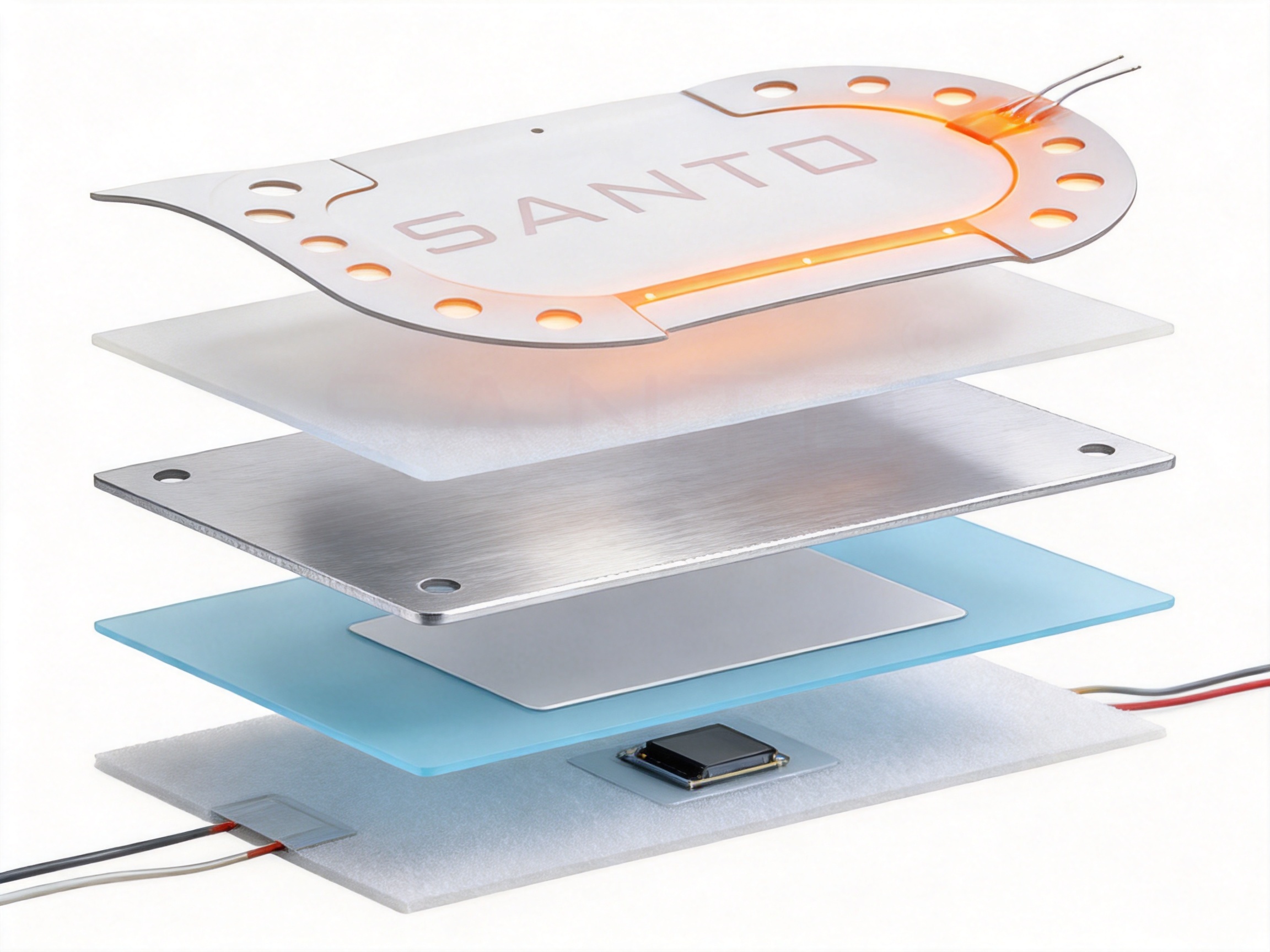
A heater for pathological analyzers must be designed with careful attention to materials. It needs to tolerate the target operating temperature, maintain insulation properties, support stable heat transfer, and fit within the analyzer’s mechanical structure. The product’s minimum thickness of 1.0 mm indicates a structure that is compact but still robust enough for reliable application.
Thermal conductive materials may be used to improve heat flow from the heating element to the target surface. This is important because air gaps or poor contact can reduce heating efficiency and cause temperature differences. Adhesive layers may be selected to provide stable attachment and reduce installation time. Aluminum plates can be added when the design requires broader heat spreading. Insulation materials may be added on the non-heating side to direct heat toward the target area and protect surrounding components.
Wiring design is also important. The heater must connect safely to the power and control system of the analyzer. Wire type, length, exit direction, connector requirements, and strain relief can all be customized. Poorly designed wiring can interfere with assembly, increase maintenance difficulty, or create reliability risks. A customized wire configuration improves the integration process.
When sensors and temperature controllers are included, the heater becomes part of a controlled thermal subsystem. Sensor placement affects control accuracy. If the sensor is too far from the heated area, the system may respond slowly. If it is too close to the heating element without considering the sample zone, it may not represent the true operating temperature. Proper design considers the thermal path, controller response, and required temperature stability.
Santo Thermal Control Technology Co., Ltd. has developed a broad range of electric heating technologies over decades of operation. The company is located in Jiangsu Province, an important base for electric heating belt industry development. Its experience covers automatic temperature-control electric heating belts, self-limiting heating belts, heat tracing belts, constant-power heating belts, glass fiber heating belts, MI cables, silicone rubber heating systems, snow melting cables, electric hot wires, LCD tracked heaters, and related accessories.
This broad manufacturing background is significant because a pathological analyzer heater is not an isolated product. It benefits from knowledge accumulated in temperature control, insulation design, power distribution, material processing, and product testing. Industrial heating applications often require durability under harsh conditions, while medical instrument applications require compact precision and safety. Combining these disciplines gives the company a strong foundation for customized heater development.
The company has more than 35 years of industry experience, an annual output exceeding 10,000 units, more than 2,000 distributors, and business coverage in more than 85 areas. These figures reflect not only production capacity but also market experience. A supplier serving diverse applications is more likely to understand different installation challenges, environmental requirements, and customer expectations.
The company has strengthened new product development, technical guidance, scientific management, product quality, and after-sales service. It has passed ISO9001 quality system certification, and its products have obtained national CCC certification. The company has also obtained explosion-proof certification and EAC Eurasian Union certification for relevant product lines. These qualifications demonstrate attention to quality management and compliance in electric heating product manufacturing.
Producing a reliable pathological analyzer heater requires more than assembling a heating element. The process begins with requirement analysis. Engineers must understand target temperature, heating area, voltage, power density, control method, installation method, operating environment, and safety expectations. For medical analyzer applications, the design must also consider cleanliness, compactness, heat uniformity, and compatibility with sensitive components.
After technical requirements are defined, the heater layout can be developed. This includes determining the heating circuit arrangement, power distribution, connection points, insulation layers, sensor positions, and optional thermal spreading structures. A good design aims to reduce hotspots, improve heat transfer, and maintain stable operation. If necessary, prototypes can be made for functional testing and adjustment.
Material selection is a key step. Materials must withstand the heating temperature and maintain stable electrical and mechanical properties. Adhesive layers must provide reliable bonding under thermal cycling. Aluminum plates must be selected and processed to support uniform heat distribution. Insulation materials must reduce risk while fitting within the available space. Wires must be suitable for operating temperature and electrical load.
Manufacturing requires process control to maintain product consistency. Thickness, resistance value, insulation integrity, wire connection quality, surface finish, and accessory assembly must be checked. For customized products, repeatability is especially important. Once the prototype is approved, the production process should reproduce the same performance across batches.
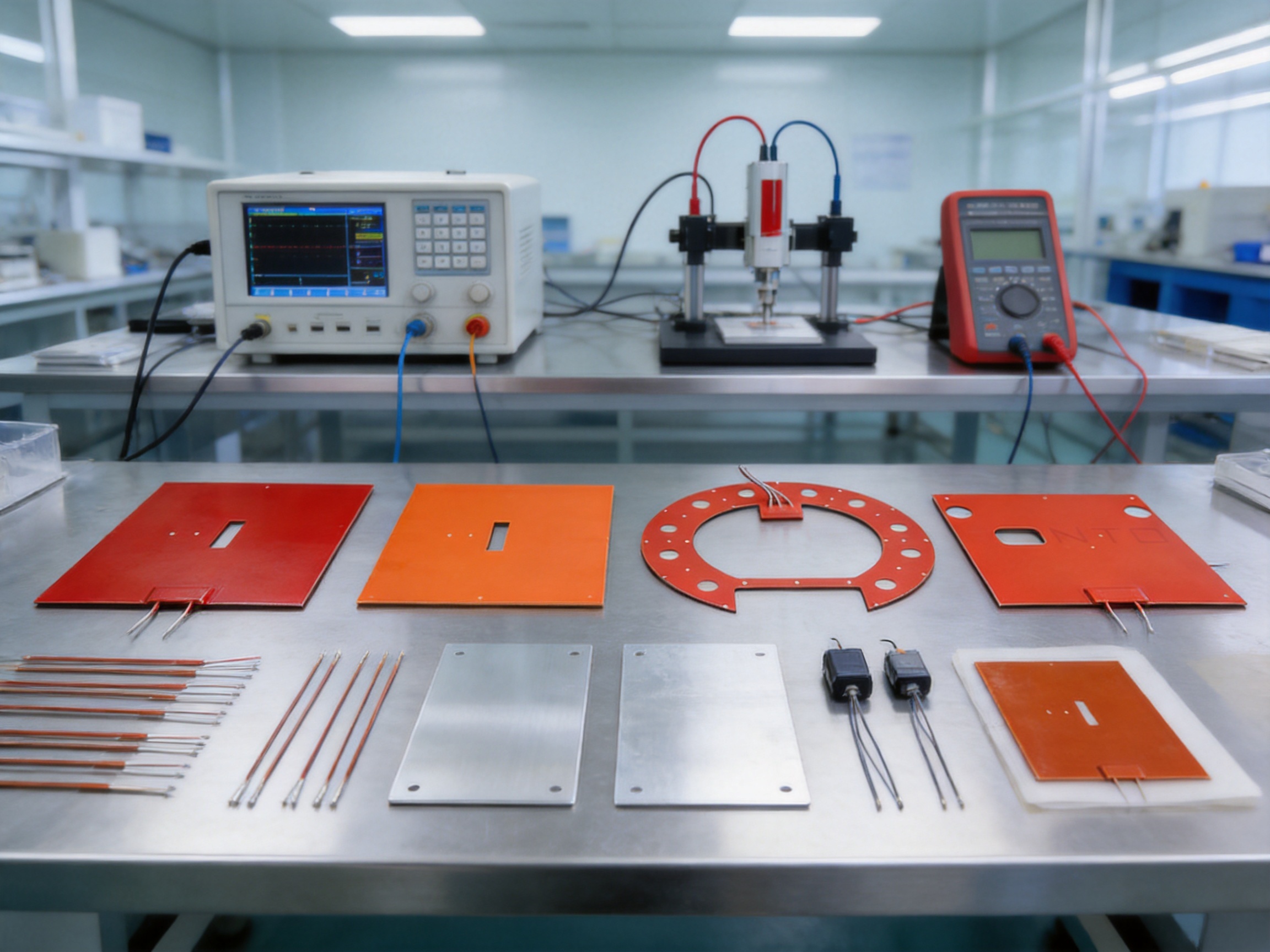
Electrical testing is essential. Insulation resistance testing helps confirm that the heater can maintain safe isolation. Resistance measurement helps verify power output. Visual inspection helps identify surface damage, connection problems, or assembly defects. Where required, thermal testing can be conducted to observe heating speed, temperature distribution, and controller response. These inspections help ensure that the product received by the equipment manufacturer matches the design intent.
The company’s experience in electric heating belts and related heating products supports disciplined manufacturing. Heat tracing products, self-limiting cables, constant-power heating cables, and MI cables all require careful control of electrical properties and insulation performance. This knowledge transfers well to analyzer heater production, where precision and safety are priorities.
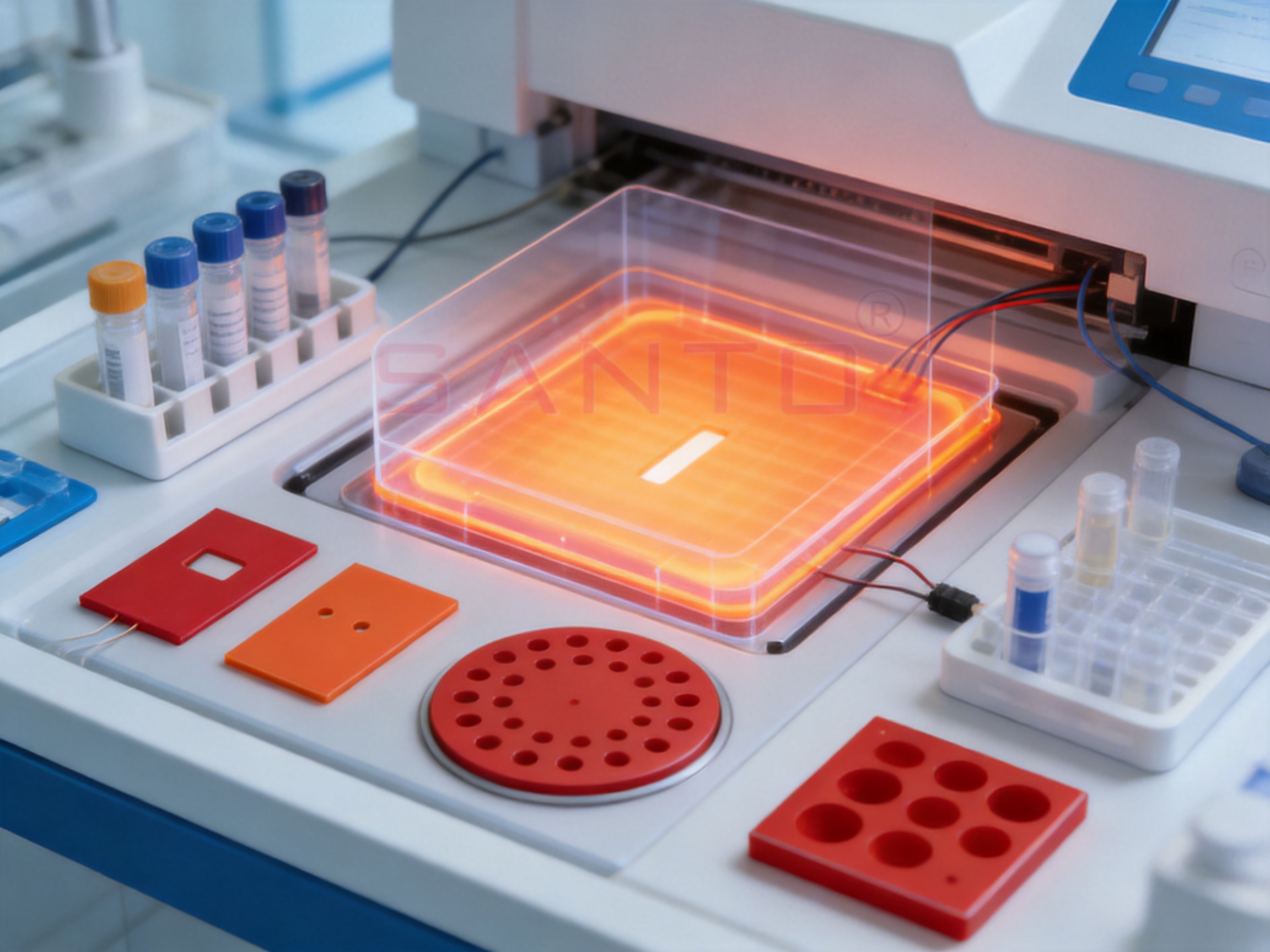
The pathological analyzer heater can be used in multiple parts of an analyzer depending on instrument design. One common application is maintaining a stable temperature in a sample processing area. Biological samples may require controlled thermal conditions to ensure consistency during preparation or reaction steps. A compact heater can be attached directly to a plate or chamber to provide the required heat.
Another application is reagent temperature control. Reagents may perform best within a specified temperature range. If the laboratory environment varies, reagent behavior can change. A heater integrated into a reagent holding module can help reduce temperature variation and support more consistent analysis.
The heater can also be used in incubation zones. Many pathological processes involve timed exposure at controlled temperatures. A heater with sensor feedback and controller support can maintain the required environment during incubation. Uniform heat distribution is important in this scenario, and accessory options such as aluminum plates and thermal conductive materials can help.
Some analyzer components may require anti-condensation or temperature stabilization. In humid environments, temperature differences can cause condensation on sensitive surfaces. Controlled heating can reduce this risk. Similarly, optical or detection modules may benefit from stable thermal conditions to reduce drift. While the exact application depends on the analyzer design, the heater’s custom structure allows it to serve diverse roles.
For OEM manufacturers, a heater is not merely a component; it is part of the complete instrument architecture. The heater must be easy to install, compatible with assembly processes, and reliable throughout the equipment’s service life. A customized pathological analyzer heater supports these needs by allowing engineers to specify dimensions, power, wiring, mounting method, thermal interface, insulation approach, and control accessories.
During development, OEM engineers may need to test multiple heater configurations. For example, one design may prioritize rapid warm-up, while another may prioritize energy efficiency or temperature uniformity. The supplier’s ability to provide technical guidance and customized samples can accelerate the development process. This is where manufacturing experience becomes valuable. A company familiar with electric heating design can advise on power density, sensor location, material selection, and insulation strategy.
Installation efficiency is also important for mass production. Adhesive-backed heaters can reduce assembly steps. Pre-attached wires and connectors can simplify electrical integration. Aluminum plates or insulation layers can be delivered as part of the heater assembly rather than separately installed by the OEM. This reduces labor variation and improves production consistency.
Maintenance and replacement should also be considered. A heater designed with appropriate wire routing, durable bonding, and stable insulation can reduce field failures. If replacement is necessary, a well-defined customized design makes service easier. For analyzer manufacturers, reliable heater integration contributes to brand reputation and customer satisfaction.
Safety is one of the defining requirements of a heater used in medical analytical equipment. The product’s insulation resistance specification helps reduce electrical risk. However, safety also depends on complete system design. Proper grounding, current protection, temperature control, sensor reliability, mechanical protection, and installation procedures should be considered by the equipment manufacturer.
The heater’s maximum heating temperature of 200°C offers useful capability, but the actual operating temperature in a pathological analyzer may be lower depending on application. Temperature controllers and sensors can help prevent overheating. Insulation materials can reduce unwanted heat transfer to nearby components. Aluminum plates can prevent localized hotspots by spreading heat across the heating surface.
Compared with competitors that provide simple heating pads without integrated safety options, this product can be configured as a more complete thermal control solution. The ability to include sensors and controllers is particularly important for closed-loop control. A controlled heater can respond to changes in ambient temperature, thermal load, or operating cycle, helping maintain safer and more stable conditions.
Medical laboratories also value reliability because equipment downtime can delay testing. A safe heater must therefore remain stable over time. Good manufacturing control, electrical testing, and appropriate material selection help support durable operation. The company’s quality management background further strengthens confidence in product consistency.
Effective heating requires more than generating heat. The heater must deliver heat to the target area efficiently and uniformly. In a pathological analyzer, the target may be a metal plate, reagent chamber, sample tray, or compact module. Each has different thermal mass, contact surface, and heat loss conditions.
If the heater is attached directly to a surface with good contact, heat transfer can be efficient. If there are gaps, rough surfaces, or uneven pressure, thermal resistance increases. This can cause slower heating and temperature variation. Optional adhesive layers and thermal conductive materials help address this challenge by improving contact between the heater and the target component.
Aluminum plates are useful when uniformity is a priority. Aluminum has good thermal conductivity and can spread heat from the heating element across a wider area. This reduces localized temperature peaks and helps the analyzer maintain consistent conditions. In applications where heat must be directed toward the sample or reagent while protecting the opposite side, insulation materials can be added.
The final thermal performance depends on the full assembly. The heater, controller, sensor, thermal interface, mounting pressure, heated object, and surrounding airflow all influence results. Because the product is customizable, it can be optimized for the actual analyzer structure rather than treated as a generic component.
Pathological analyzers may use several heating approaches, including cartridge heaters, ceramic heaters, flexible heating pads, metal heating blocks, or external temperature chambers. Each method has strengths and limitations. The pathological analyzer heater described here is especially valuable where compact size, custom shape, surface heating, insulation performance, and accessory integration are required.
Cartridge heaters can provide high power but usually require drilled metal blocks and may not suit thin or irregular surfaces. Ceramic heaters may provide fast heating but can be brittle or limited in shape flexibility. Large metal heating blocks provide thermal stability but add weight and take up space. Generic flexible heaters may fit some surfaces but may lack optimized power distribution or accessory integration.
The pathological analyzer heater offers a balanced solution. It can be thin, customized, and integrated with thermal spreading and control components. Its temperature capability and power density are suitable for many analyzer heating needs. Its insulation resistance supports safety. These characteristics make it practical for equipment manufacturers seeking a reliable heater that does not require excessive redesign of the instrument.
The company behind this product has a long development history in electric heating. Its foundation traces back to the establishment of Desheng Electric Heating Instrument Factory in 2000. The company passed ISO9001:2000 quality system certification in 2002 and continued expanding its technical capabilities. In 2013, an irradiation center was established. In 2014, founder Xu Jingsheng invented a self-limiting temperature nano far-infrared heater for ultra-high-temperature pipeline heating and tracing. In 2016, the brand was established and the company obtained explosion-proof certification and EAC Eurasian Union certification. In 2017, a carbon fiber parallel heating cable was invented and multiple invention patents were obtained. In 2018, CCTV’s “Cultural Inheritor” program featured the company and its founder. In 2019, the company was officially renamed Santo Thermal Control Technology Jiangsu Co., Ltd. In 2022, additional land was purchased to build a new factory and product simulation testing laboratory. In 2023, a Russia factory was established to expand international presence.
This history matters because innovation in heating technology requires continuous development. The ability to create self-limiting heaters, carbon fiber parallel heating cables, and specialized heating systems shows that the company is not only a manufacturer but also a developer of heating solutions. For medical analyzer heaters, this development capability supports customized engineering, technical problem solving, and product improvement.
The company’s cooperation in product research with Harvard University in the United States further reflects an emphasis on technical advancement. While the pathological analyzer heater must be judged by its own specifications and performance, a research-oriented culture can help support better materials, better structures, and better application solutions.
Quality management is essential when producing components for medical and laboratory equipment. The company has passed ISO9001 quality system certification, indicating that it follows structured quality management procedures. Its products have obtained national CCC certification, and relevant product lines have achieved additional certifications such as explosion-proof and EAC Eurasian Union certification. These qualifications are important for customers who need suppliers with established quality systems and compliance awareness.
For the pathological analyzer heater, quality management may include incoming material inspection, process control, resistance testing, insulation testing, dimensional verification, visual inspection, and packaging control. Since analyzer manufacturers often require consistent batch performance, documented procedures and repeatable manufacturing processes are important.
After-sales service is also part of quality strength. If an OEM customer encounters an installation or thermal performance issue, technical support can help identify whether the challenge is related to power selection, sensor location, contact condition, controller settings, or insulation design. A supplier with engineering experience can contribute more value than a simple component seller.
The heater can be customized with several optional accessories. Each accessory plays a specific role in improving performance or simplifying integration. Wires provide electrical connection and can be selected according to temperature, flexibility, length, and installation path. Adhesive layers help attach the heater to the analyzer component and improve thermal contact. Aluminum plates improve temperature uniformity and mechanical support. Thermal conductive materials reduce heat transfer resistance. Insulation materials help direct heat and protect nearby components. Temperature controllers regulate heating output. Sensors provide feedback for accurate control.
Customization can also include physical size, shape, hole positions, lead direction, power level, voltage, surface structure, and mounting method. This flexibility is important in medical analyzers because internal structures are often highly optimized. A heater that fits precisely can improve assembly, reduce stress, and deliver better thermal performance.
For example, a reagent module may require a heater with a special cutout to avoid a screw boss or sensor port. A sample tray may require uniform heating across a flat surface with minimal thickness. An incubation chamber may require insulation on one side and an aluminum plate on the other. A compact portable analyzer may require low-profile wiring and adhesive installation. These application differences can be addressed through customized heater design.
Although the heater is often purchased by equipment manufacturers, its benefits ultimately reach laboratories and end users. Stable heating supports reliable analyzer performance. Reliable analyzer performance supports consistent diagnostic workflows. When equipment reaches temperature quickly, maintains stability, and operates safely, laboratory personnel can work with greater confidence.
Reduced maintenance is another benefit. A well-designed heater with strong insulation and durable materials is less likely to fail prematurely. This helps reduce downtime and service interruptions. In busy laboratories, equipment downtime can cause delays, sample backlog, and operational stress. A dependable heater contributes to smoother daily operation.
Energy efficiency may also improve when heat is directed properly. Insulation materials reduce unnecessary heat loss. Good thermal contact improves heat transfer. Proper power density avoids excessive energy input. While the heater is only one part of the analyzer, its design can influence overall thermal efficiency.
Safety is also visible to end users. Laboratory personnel expect equipment to operate without electrical hazards, overheating, or unstable temperature behavior. The product’s insulation resistance and compatibility with controllers and sensors support safer operation when integrated correctly by the equipment manufacturer.
OEM manufacturers need components that improve product performance while simplifying development and production. The pathological analyzer heater offers several benefits. First, it supports customized design, allowing the heater to match the analyzer rather than requiring the analyzer to match the heater. Second, it provides controlled thermal performance with suitable power density and accessory options. Third, it supports safety through strong insulation resistance and optional control components. Fourth, it can improve assembly efficiency through adhesive layers, pre-attached wires, and integrated thermal structures.
Working with an experienced heating manufacturer can also reduce technical risk. During product development, thermal issues can be difficult to solve because they involve materials, electronics, mechanical design, and environmental conditions. A supplier with extensive electric heating experience can provide design recommendations and help optimize heater structure. This can shorten development time and improve final product reliability.
For OEMs targeting international markets, supplier stability and production capacity matter. The company’s experience, distributor network, annual output, and international business presence support long-term cooperation. This is important because medical equipment projects may require ongoing supply, engineering changes, replacement parts, and support for multiple product generations.
Medical equipment markets are competitive. Analyzer manufacturers must improve accuracy, speed, reliability, size, usability, and cost efficiency. Thermal design contributes to several of these goals. A heater that provides fast and stable heating can improve warm-up time and process consistency. A compact heater can support smaller instrument design. A customized heater can reduce assembly complexity. A reliable heater can reduce service cost.
Compared with competitors using generic heating components, analyzer manufacturers using a custom pathological analyzer heater may achieve better integration. They can place heat exactly where needed, reduce wasted space, and optimize temperature feedback. This can support a more refined and dependable analyzer platform.
Thermal stability also supports product reputation. If users experience inconsistent results, slow warm-up, or frequent errors related to temperature control, confidence in the analyzer decreases. A high-quality heater helps prevent these issues. While it is one component among many, it plays a foundational role in controlled analytical processes.
To achieve the best performance, the heater should be integrated according to proper engineering principles. The heated surface should be clean, flat, and compatible with the selected adhesive or mounting method. Good contact between the heater and target surface is essential. If an adhesive layer is used, installation pressure and curing or bonding conditions should follow the recommended process.
Sensor placement should reflect the temperature that matters most in the analyzer. If the goal is to control sample temperature, the sensor should represent the sample zone as closely as practical. If the goal is to protect the heater from overheating, a sensor closer to the heater may be required. In some systems, multiple sensors may be used for both control and safety monitoring.
The controller should be selected according to heater power, voltage, response requirements, and safety strategy. A good controller can reduce overshoot and maintain stable temperature. Thermal insulation should be used carefully to improve efficiency without trapping excessive heat near sensitive components. Wire routing should avoid sharp edges, moving parts, and high-stress areas.
During validation, the complete analyzer assembly should be tested under expected operating conditions. Testing may include warm-up time, steady-state temperature, temperature uniformity, cycling durability, safety response, and operation under different ambient temperatures. These tests help confirm that the heater performs as intended in the real system.
A durable heater supports sustainability by reducing replacement frequency and equipment downtime. When components last longer, fewer materials are consumed over the product life cycle. Efficient heat transfer can also reduce unnecessary energy use. The company’s vision of protecting environmental health and mission of creating value and a better life align with the development of dependable heating products that support practical, long-lasting equipment.
Long-term value is created through stable performance, lower maintenance, easier integration, and reliable supply. For analyzer manufacturers, choosing a heater solely by initial price may lead to hidden costs if the component causes assembly problems, thermal instability, or service failures. A well-engineered heater may provide greater total value even if it involves more careful design at the beginning.
It is used to provide controlled heating in pathological analyzer systems and related medical analytical equipment. It can support temperature control for sample areas, reagent modules, incubation zones, anti-condensation functions, or other analyzer components that require stable heat.
The heater has a thickness of at least 1.0 mm, heating temperature capability of up to 200°C, power density of up to 3 W/cm², and insulation resistance of at least 100 MΩ under 1000 V test conditions.
It is suitable because it provides constant temperature performance, customizable structure, compact thickness, strong adaptability, and high safety performance. These qualities match the needs of medical instruments that require stable thermal control in limited spaces.
Yes. The heater can be customized with wires, adhesive layers, aluminum plates, thermal conductive materials, insulation materials, temperature controllers, sensors, and other components. Dimensions, shape, wiring direction, mounting method, and power configuration can also be adjusted according to application requirements.
Generic heaters may not match the exact size, power distribution, mounting method, or safety requirements of a pathological analyzer. This heater is designed according to specific analyzer needs, allowing better integration, improved thermal performance, and stronger system compatibility.
High insulation resistance helps ensure electrical isolation and safety. In medical and laboratory equipment, strong insulation performance is important for protecting users, samples, and sensitive electronics.
Aluminum plates help distribute heat more evenly, while thermal conductive materials improve heat transfer between the heater and the target surface. These accessories can reduce hotspots and improve temperature uniformity.
For most precision analyzer applications, a temperature controller and sensor are recommended. They allow closed-loop control, helping maintain stable temperature and prevent overheating.
The manufacturer has more than 35 years of electric heating industry experience, ISO9001 quality system certification, national CCC certification for products, extensive heating product lines, research and development capability, international market experience, and large-scale production capacity.
OEM manufacturers should define the required heating area, target temperature, voltage, power density, installation method, sensor location, controller type, wire configuration, thermal interface, and safety requirements. Clear specifications help ensure that the customized heater matches the analyzer design.
The pathological analyzer heater is a specialized thermal control product designed for the medical industry. With constant temperature characteristics, strong adaptability, high safety performance, a compact thickness of at least 1.0 mm, heating capability up to 200°C, power density up to 3 W/cm², and insulation resistance of at least 100 MΩ at 1000 V, it provides a strong foundation for reliable analyzer heating.
Its greatest advantage lies in customization. By integrating wires, adhesive layers, aluminum plates, thermal conductive materials, insulation materials, temperature controllers, and sensors, the heater can be adapted to the unique requirements of different analyzer systems. This makes it superior to many generic heating solutions that may lack precision, installation flexibility, or safety-oriented design.
The product is supported by the manufacturing strength of Santo Thermal Control Technology Co., Ltd., a company with extensive experience in electric heating technology, advanced product development capability, ISO9001 quality management, certified product lines, and broad international market experience. Its background in heating cables, heat tracing systems, silicone rubber heating systems, MI cables, and other thermal products provides a strong technical base for medical heater customization.
For pathological analyzer manufacturers, selecting the right heater can improve thermal stability, shorten development cycles, simplify assembly, and enhance equipment reliability. For laboratories and end users, stable heating contributes to consistent operation, reduced downtime, and safer equipment performance. In a field where precision and reliability matter, a well-designed pathological analyzer heater is not a minor accessory but an essential component of dependable diagnostic technology.
1. International Organization for Standardization. ISO 9001 Quality Management Systems: Requirements.
2. IEC Technical Standards for Electrical Safety and Insulation Testing in Electrical Equipment.
3. Medical Laboratory Equipment Design Guidelines for Temperature Control and Electrical Safety.
4. Engineering Principles of Heat Transfer, Thermal Conductivity, and Temperature Regulation in Compact Devices.
5. Manufacturer Technical Materials for Pathological Analyzer Heater Specifications and Electric Heating Product Capabilities.
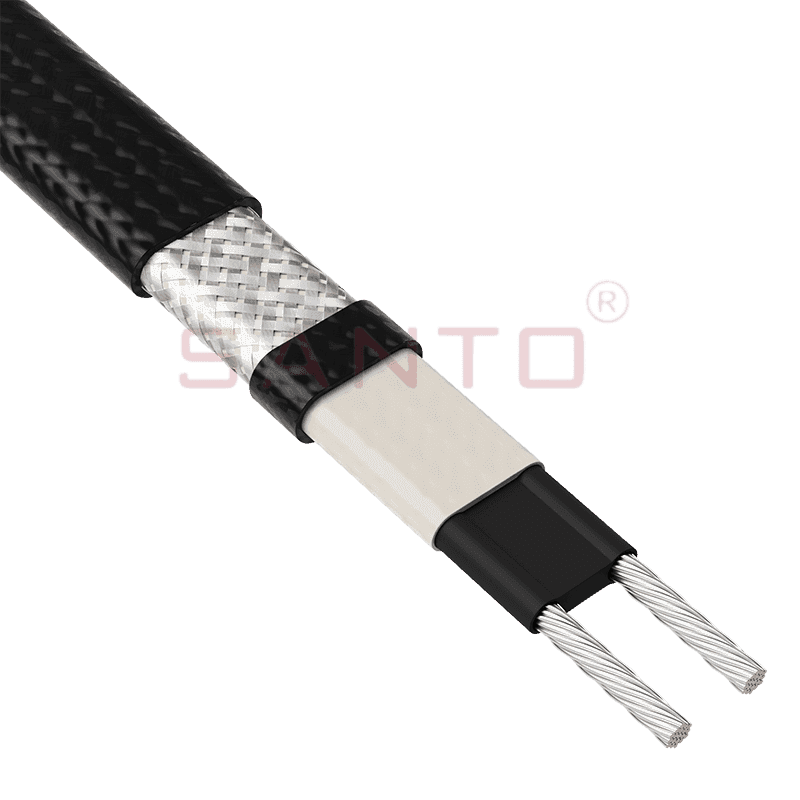
The SANTO UFA range of self-regulating heating cables is mainly used for frost protection of pipes and vessels but can also be used to maintain processes up to 65°C. These heating cables are available...
See Details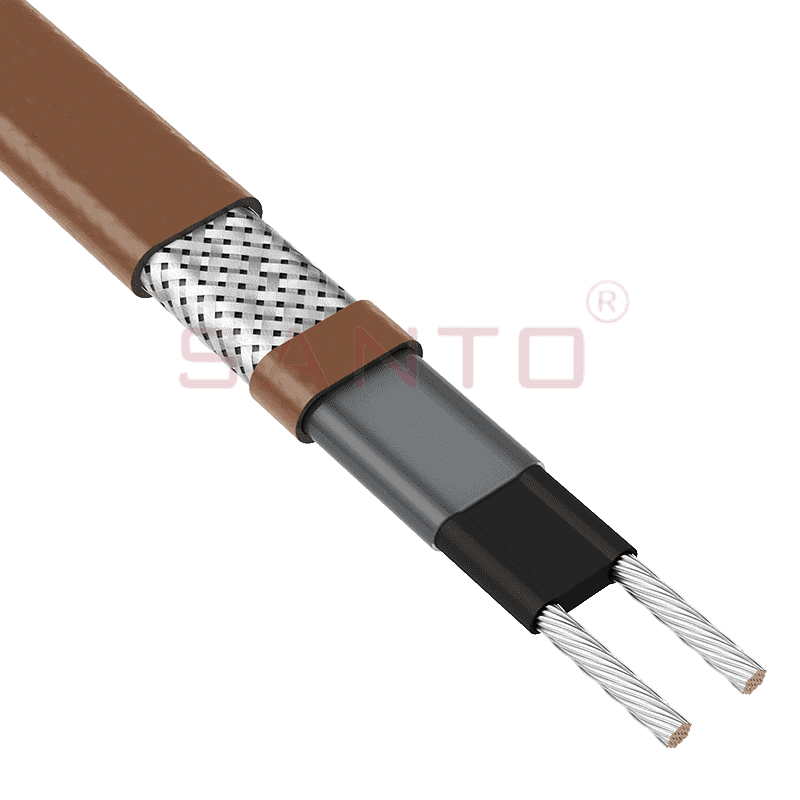
The SANTO UFB range of self-regulating heating cables is mainly used for frost protection of pipes and vessels requiring a higher power output than the UFA heating cables can supply. They can also be ...
See Details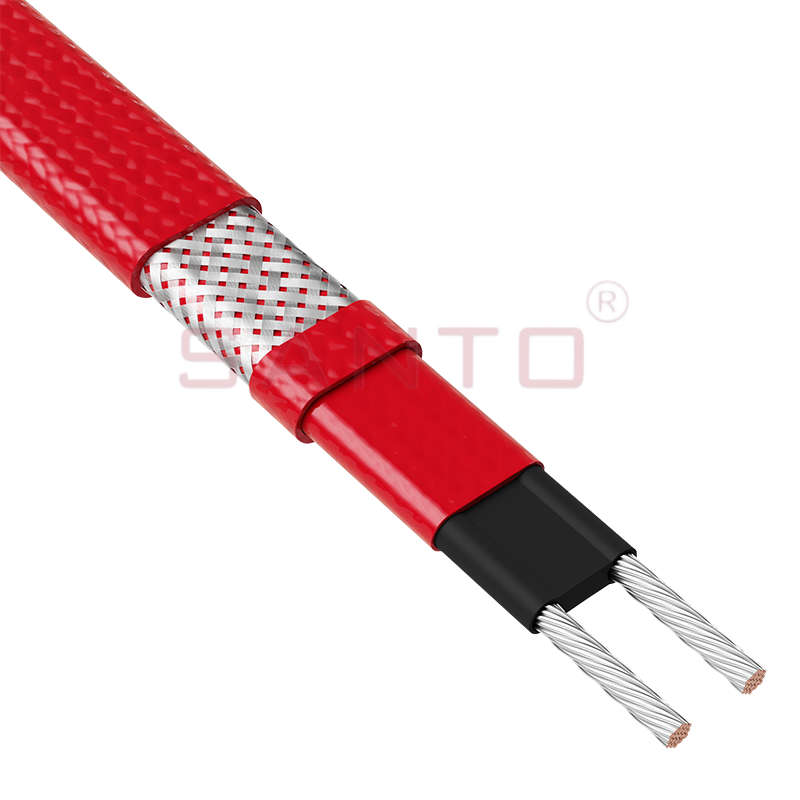
The SANTO UFC range of self-regulating heating cables is used for frost protection of pipes and vessels that require steam cleaning. They can also be used to maintain processes up to 121°C. These heat...
See Details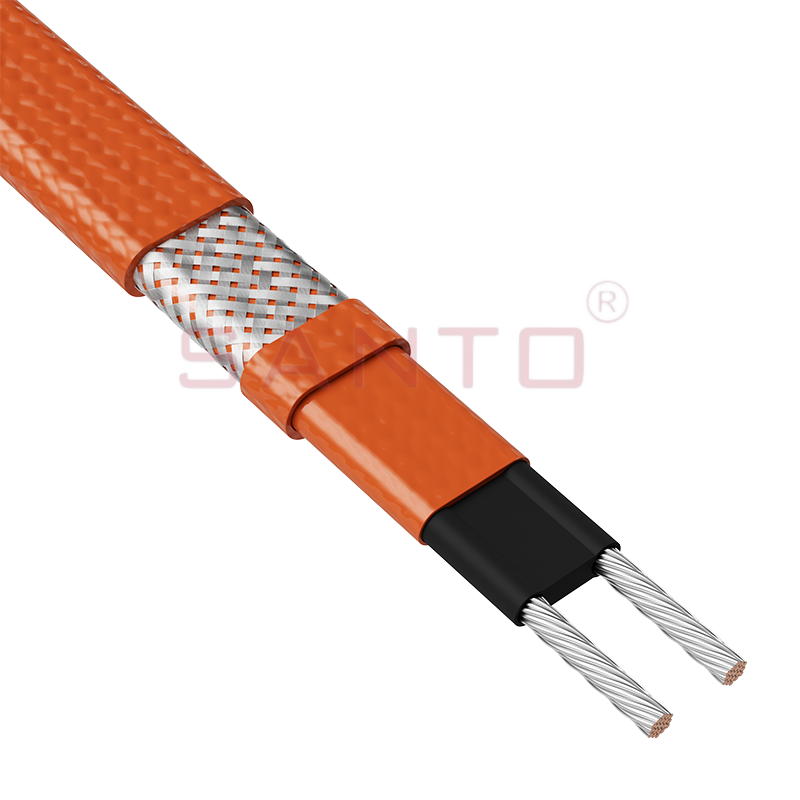
The SANTO UFO range of self-regulating heating cables is mainly used for frost protection of pipes and vessels that require steam cleaning . They can also be used to maintain processes up to 150°C. Th...
See Details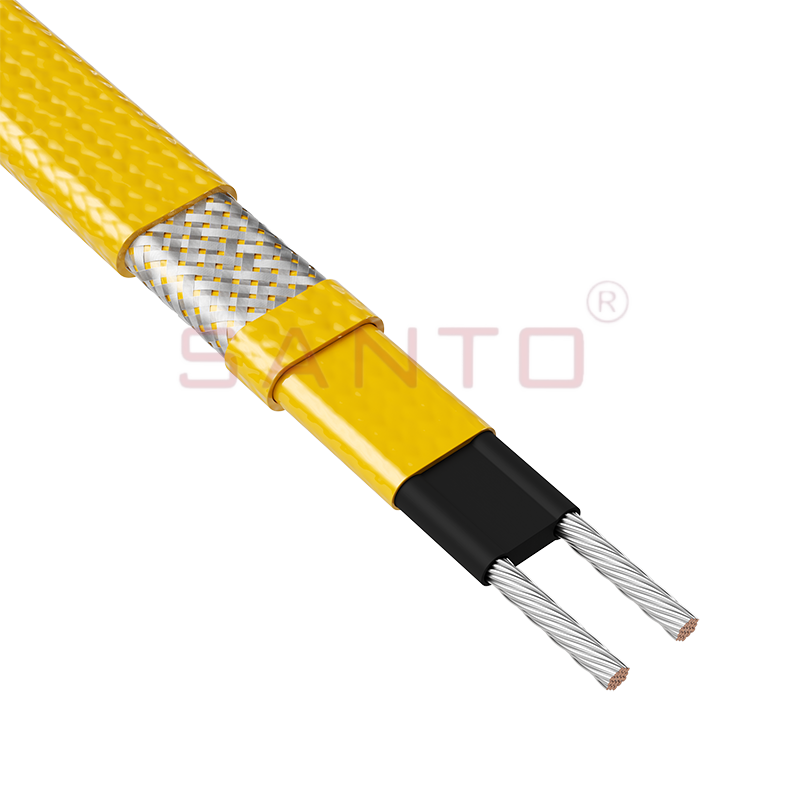
The SANTO UFD series of self-regulating heating cables are mainly used for freeze protection of pipes and vessels, but can also be used to maintain processes up to 200°C. These heating cables are avai...
See Details
SANTO UFY heating wire is suitable for applications that maintain process temperatures up to 260 ℃ and can be steam blown; The self-regulating and parallel circuit heating wires of the UFY series are ...
See Details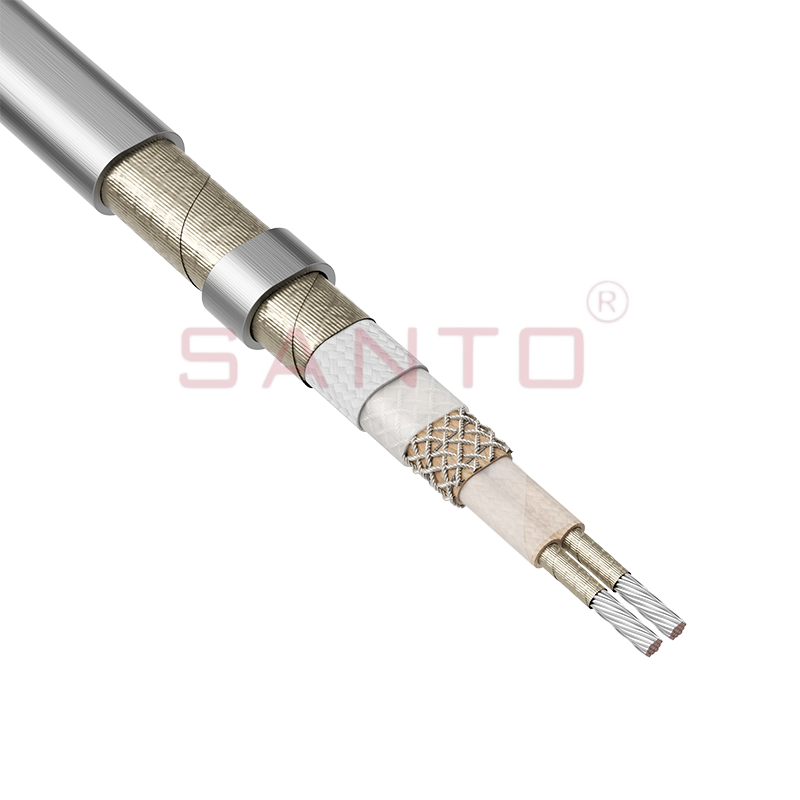
The SANTO UFM series self-regulating heating cables are mainly used for freeze protection of pipes and vessels, but can also be used to maintain processes up to 400°C. These heating cables are availab...
See Details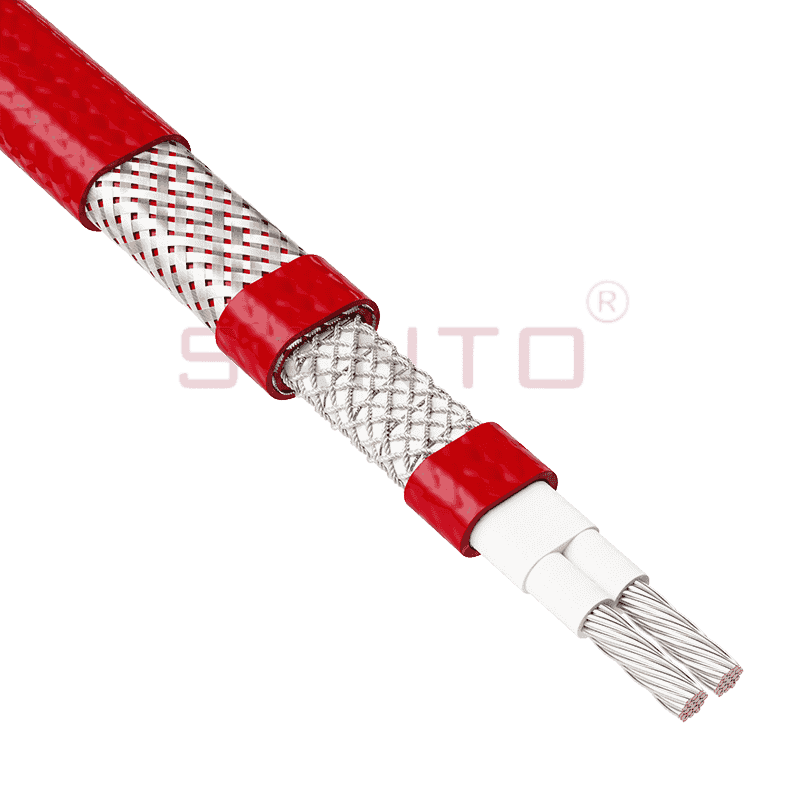
The SANTO ACC range of power-limiting heating cables is mainly used for temperature maintenance of processes and offers the advantage of a high power output at high temperatures which can reduce the n...
See Details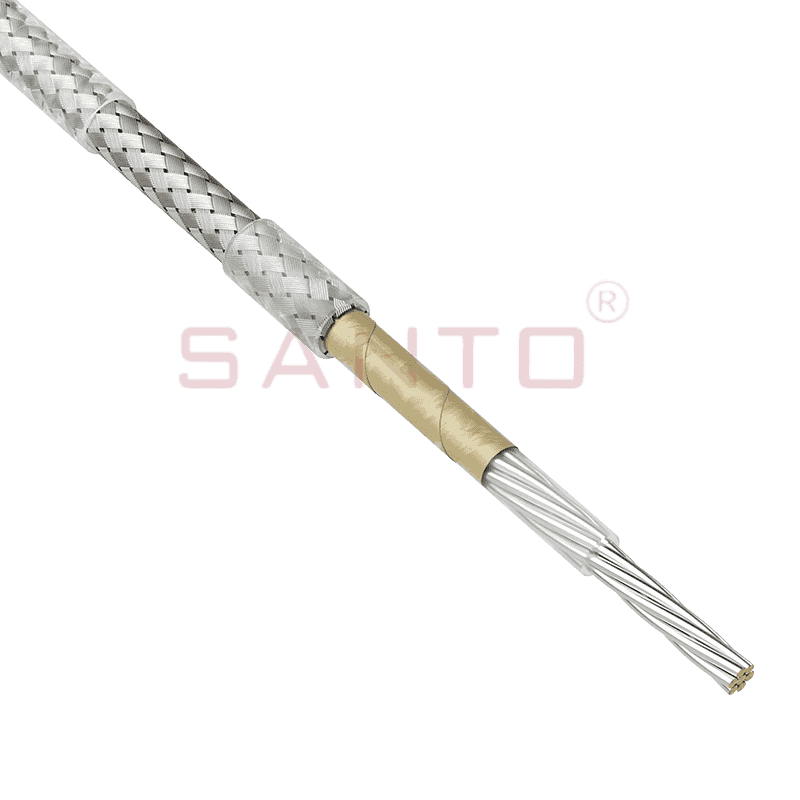
The stranded high temperature conductor is nickel plated to ensure a long life at elevated temperatures in corrosive environments. It is electrically isolated using an innovative sandwich construction...
See Details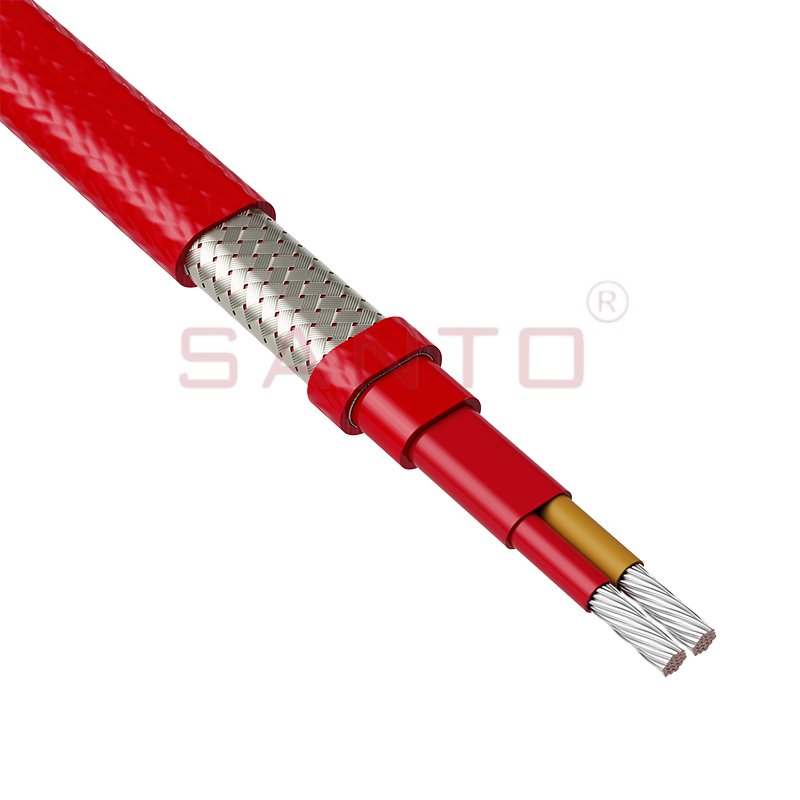
The stranded high temperature conductor is nickel plated to ensure a long life at elevated temperatures in corrosive environments. It is electrically isolated using an innovative sandwich construction...
See Details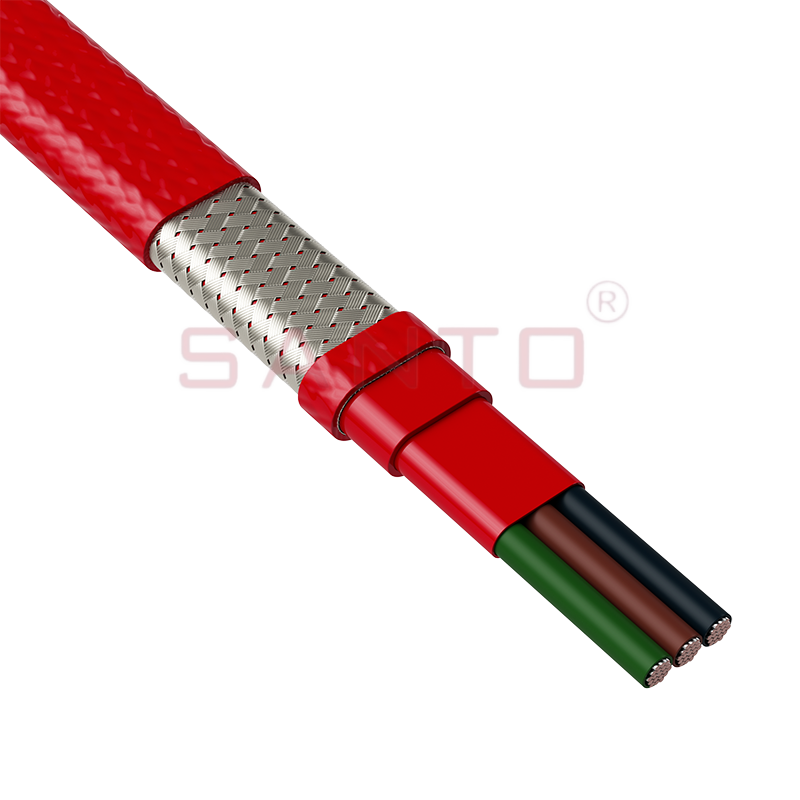
The stranded high temperature conductor is nickel plated to ensure a long life at elevated temperatures in corrosive environments. It is electrically isolated using an innovative sandwich construction...
See Details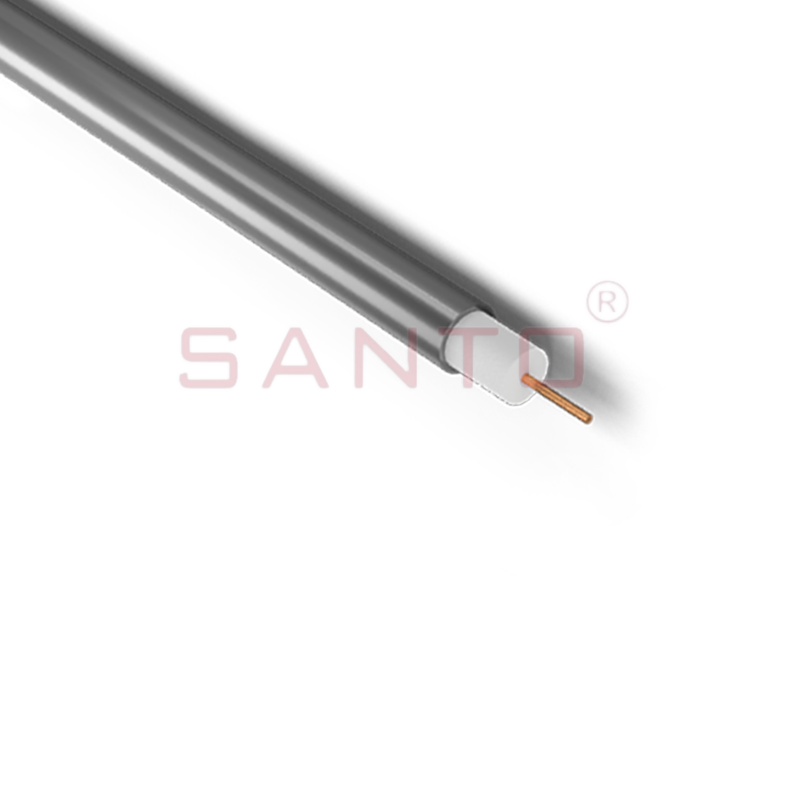
SANTO HAx mineral insulated (MI) Alloy 825 series heating cables are suitable for use in hazardous areas. They have been designed for use in freeze protection and temperature maintenance applications ...
See Details
Santo electric heating strips are widely used in key industries in China.

