 English
  English
 русский
 日本語
日本語 Español
 中文简体
中文简体
The SANTO UFA range of self-regulating heating cables is mainly used for frost protection of pipes and vessels but can also be used to maintain processes up to 65°C. These heating cables are available...
See Details
Industrial piping, vessels, valves, instruments, and storage systems often operate in environments where temperature control is not optional but essential. When fluids cool below their required process temperature, viscosity can rise, flow can slow, crystallization can begin, and production reliability can be compromised. In cold climates, even simple water lines can freeze, rupture, and cause costly downtime. Power-limiting heat tracing cables provide a practical and efficient answer to these challenges by combining strong heat output, controlled thermal behavior, chemical resistance, and installation flexibility.
ACC-CT power-limiting heat tracing cables are designed for process temperature maintenance, frost protection, and demanding industrial heat tracing applications. They are especially valuable where a high heat output is required at elevated temperatures, helping reduce the number of heating cable runs compared with some lower-output alternatives. The product family includes 5ACC-CT, 10ACC-CT, 15ACC-CT, and 20ACC-CT models, offering rated output options of approximately 15 W/m, 30 W/m, 45 W/m, and 61 W/m at 10°C. With fluoropolymer outer jackets, hazardous-area suitability, and broad temperature capability, these cables are well suited for petroleum, chemical, gas, construction, energy, and industrial maintenance applications.
ACC-CT Power-Limiting Heat Tracing Cables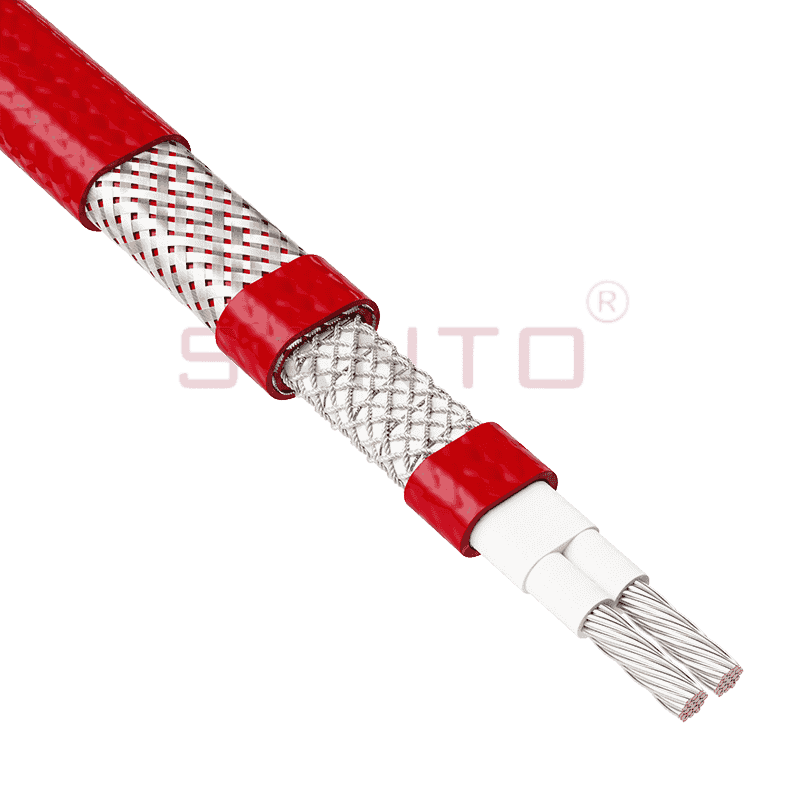
Content
Heat tracing is more than simply attaching a heater to a pipe. A successful heat tracing system must deliver the correct amount of heat at the correct location while remaining safe, durable, and economical throughout its service life. Power-limiting heat tracing technology is positioned between traditional constant-wattage heating cables and self-regulating heating cables. It provides a strong thermal output while limiting power as temperature rises, creating a balance between process performance and operational safety.
In many industrial applications, the temperature to be maintained is higher than the level typically required for basic freeze protection. For example, a chemical line may need to remain warm enough to keep a fluid pumpable. A heavy oil pipeline may need stable heat input to maintain viscosity. A process vessel may need thermal compensation after cleaning, draining, or exposure to outdoor conditions. In these cases, heating cables that lose too much output at higher temperatures may require multiple passes, increasing installation labor, material cost, and complexity.
Power-limiting heat tracing cables address this issue by delivering high output at elevated temperatures. This is one of their key advantages over many self-regulating alternatives, which can reduce output significantly as surface temperature rises. While self-regulating cables are excellent for many freeze-protection and low-to-medium-temperature uses, a power-limiting cable can be a stronger choice when the application calls for higher heat density, fewer cable runs, and longer-term process stability.
The ACC-CT range is built for these demanding conditions. It is primarily used for maintaining process temperatures, but it can also be used for frost protection of pipes and vessels, including installations that may experience steam cleaning. This versatility makes it useful for industrial facilities where the same heat tracing specification must support both normal operation and periodic maintenance procedures.
The ACC-CT power-limiting heat tracing cable range includes several output levels to match different thermal requirements. The available models are designed for common industrial voltages and are supplied with a fluoropolymer outer jacket for high chemical resistance. The product line is suitable for carbon steel, stainless steel, and coated or unpainted metal surfaces, making it adaptable to many industrial piping and equipment configurations.
The product is available for common AC power systems. Materials provided for this product list 230 Vac and 254 Vac specifications, while the broader product range may support other voltage options upon request. In project design, the final voltage selection should always be verified according to the electrical distribution system, circuit length, breaker size, hazardous-area requirements, and thermal design calculation.
One of the most important characteristics of this product family is its elevated exposure temperature capability. Depending on the model and supply voltage, the maximum exposure temperature while continuously energized can range from 150°C to 230°C. The maximum exposure temperature during continuous power-off conditions is 260°C. The minimum installation temperature is -60°C, supporting installation in extremely cold construction environments. The minimum bend radius at -60°C is 20 mm, allowing the cable to be routed around typical industrial pipework when installed according to proper procedures.
The product family also offers hazardous-area suitability for Zone 1 and Zone 2 gas environments and Zone 21 and Zone 22 dust environments. This is especially relevant for chemical plants, refineries, gas facilities, bulk storage sites, and industrial zones where flammable gases, vapors, or combustible dusts may be present. In such applications, correct system design, temperature classification, temperature limitation, junction box selection, earthing, circuit protection, and installation inspection are essential.
| Item | 5ACC-CT | 10ACC-CT | 15ACC-CT | 20ACC-CT |
| Rated output at 10°C | 15 W/m | 30 W/m | 45 W/m | 61 W/m |
| Maximum energized exposure at 230 V | 230°C | 210°C | 180°C | 150°C |
| Maximum energized exposure at 254 V | 225°C | 200°C | 145°C | Not recommended |
| Maximum power-off exposure | 260°C | 260°C | 260°C | 260°C |
| Standard thickness | 7.5 mm | 7.5 mm | 7.5 mm | 7.5 mm |
| Standard width | 10.7 mm | 10.7 mm | 10.7 mm | 10.7 mm |
| Approximate weight | 180 g/m | 180 g/m | 180 g/m | 180 g/m |
| Minimum installation temperature | -60°C | -60°C | -60°C | -60°C |
| Minimum bend radius at -60°C | 20 mm | 20 mm | 20 mm | 20 mm |
This table summarizes core product data for preliminary understanding. Final system design should include heat-loss calculation, pipe diameter, insulation type and thickness, ambient temperature, wind exposure, start-up conditions, maintain temperature, process temperature limits, electrical protection, and hazardous-area classification.
A major advantage of power-limiting technology is its ability to provide strong heat output at temperatures where some self-regulating heating cables may provide substantially reduced output. This is important in process maintenance because the heating cable must compensate for heat loss while the pipe or vessel remains at an elevated temperature. If output drops too much, more cable must be installed, often in multiple spiral or straight runs. ACC-CT cables can help reduce the number of heating runs required, simplifying installation and reducing the number of components, clips, tapes, terminations, and power points.
Longer circuit length potential is an important design advantage. In large industrial sites, every power connection point adds material cost, labor, maintenance responsibility, and potential inspection requirements. When a cable supports longer circuits under suitable breaker and voltage conditions, it can reduce the number of power supplies and simplify the electrical layout. This benefit is especially useful on pipe racks, long transfer lines, storage tank manifolds, and distributed process units.
The fluoropolymer outer jacket gives the cable strong resistance to organic and corrosive substances. Industrial heat tracing systems may be exposed to oils, chemicals, cleaning agents, acids, alkalis, solvents, salt spray, and contaminated outdoor environments. A chemically resistant jacket helps protect the heating element, insulation, and electrical performance over time. For aggressive chemical environments, project-specific confirmation is recommended, but the fluoropolymer jacket provides a strong baseline for demanding applications.
Many industrial heat tracing systems are installed in classified locations. The ACC-CT product range is suitable for hazardous areas including Zone 1, Zone 2, Zone 21, and Zone 22 when designed and installed correctly. This capability distinguishes it from ordinary heating products intended only for non-hazardous environments. The ability to support both gas and dust hazardous zones makes the cable relevant for oil and gas, chemical processing, powder handling, grain processing, and other facilities requiring controlled ignition-risk management.
Construction schedules often require installation during winter or in cold regions. With a minimum installation temperature of -60°C, the cable is suitable for extremely cold work sites. This capability supports projects in northern climates, outdoor industrial parks, mining facilities, terminals, and remote energy infrastructure. The specified minimum bend radius of 20 mm at -60°C supports practical routing while maintaining mechanical reliability.
Some industrial lines and vessels must be steam cleaned. Steam cleaning can expose heating cables to elevated temperatures even when the cable is not actively heating. The ACC-CT range has a maximum power-off exposure temperature of 260°C, supporting use in applications where steam cleaning or high-temperature maintenance procedures may occur. The design engineer must still verify time, temperature, control, and insulation conditions, but this elevated exposure rating is an important benefit.
Traditional constant-wattage heating cables generally must not overlap because overlap can create localized overheating. Power-limiting cable technology is more forgiving in certain installation conditions. The provided product material indicates that ACC-CT power-limiting cables can tolerate a single overlap, unlike some constant-power heating cables. This does not mean careless installation is acceptable; professional layout, supervision, and adherence to installation instructions remain essential. However, added tolerance can reduce risk during complex routing around valves, flanges, supports, and irregular equipment.
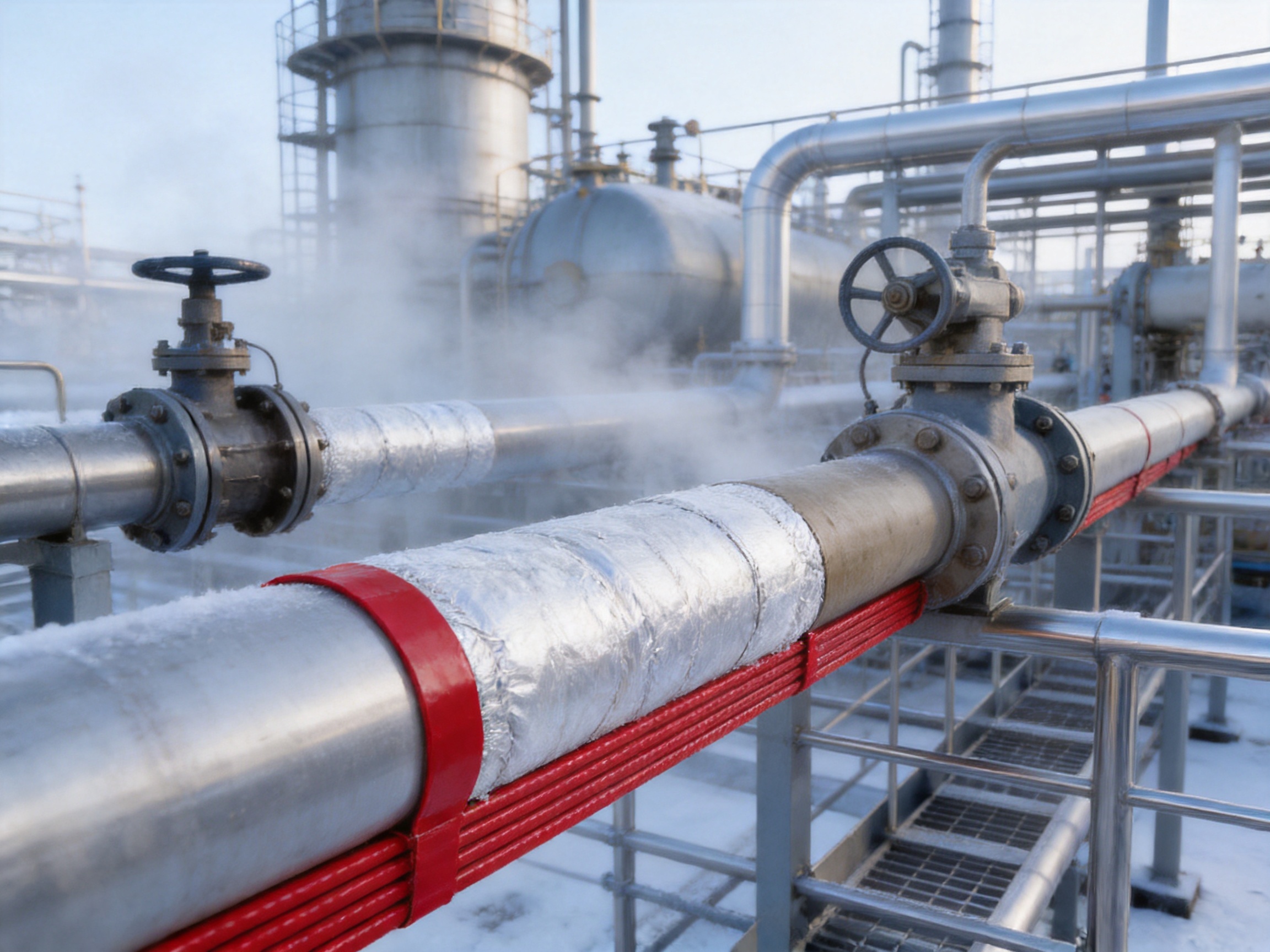
Process piping is one of the most common applications for power-limiting heat tracing. Fluids such as oils, resins, waxes, chemicals, and process intermediates often require a stable temperature range. If the pipe wall temperature falls below the required maintain temperature, product quality and flow reliability may suffer. ACC-CT cables can be installed along the pipe surface beneath insulation to compensate for heat loss and maintain the process condition.
Storage tanks, pump suction lines, discharge headers, and transfer manifolds often require freeze protection or temperature maintenance. While tank heating may require a combination of technologies, heat tracing cables are often used on small nozzles, instrument lines, drain lines, and external piping. The chemical resistance and high output of the ACC-CT range make it useful in these environments.
Small vessels, filters, separators, skids, and packaged process equipment may require external heating. Power-limiting heating cable can be arranged over equipment surfaces using appropriate attachment methods and thermal insulation. The ability to maintain temperature while supporting industrial cleaning and maintenance routines can improve uptime and process control.
Although the product range is particularly valuable for process temperature maintenance, it can also serve frost-protection duties. Water lines, fire-protection auxiliary lines, instrument impulse lines, drain lines, and utility piping may require protection from freezing. In these cases, correct thermostat or control selection can reduce energy consumption and extend system life.
The fluoropolymer jacket is valuable in chemical plants, offshore-related facilities, industrial cleaning areas, and process zones where corrosive exposure may occur. Heat tracing cables in these settings must resist not only temperature but also chemical attack, moisture, and mechanical stress. Jacket integrity is therefore a key part of long-term reliability.
Power-limiting heating cables are designed so their heat output decreases as temperature rises, but they can still provide high output at elevated operating temperatures compared with many self-regulating products. This behavior helps reduce the risk of uncontrolled overheating while supporting demanding process conditions. The cable construction typically includes conductive heating elements, insulation, protective layers, and an outer jacket engineered for environmental resistance.
The ACC-CT cable has a flat profile with standard dimensions of approximately 7.5 mm thickness and 10.7 mm width. This geometry supports good contact with pipe surfaces, which is important because heat transfer from cable to pipe depends on contact area, attachment quality, and insulation. Aluminum tape, stainless steel tie wire, glass tape, or approved fixing methods may be used depending on pipe material, temperature, and project specification.
The cable is not a standalone system. A complete heat tracing system includes the heating cable, power connection kits, end terminations, junction boxes, thermostats or controllers, sensors, circuit breakers, residual current protection, warning labels, thermal insulation, and installation documentation. Proper system integration is what converts a high-quality cable into a reliable operating solution.
Electrical design must consider voltage, circuit length, breaker size, start-up temperature, inrush behavior, leakage protection, and local electrical codes. Product data indicates maximum circuit lengths based on IEC 60898 compliant type C circuit breakers. For example, at 230 V, 5ACC-CT can reach estimated circuit lengths up to approximately 195 m to 220 m depending on breaker size and start temperature. Higher-output models have shorter maximum circuit lengths because they draw more current per meter.
For a 16 A breaker at -20°C start temperature, estimated maximum lengths are approximately 195 m for 5ACC-CT, 100 m for 10ACC-CT, 70 m for 15ACC-CT, and 50 m for 20ACC-CT. With larger breakers, maximum lengths may increase within specified limits. These values are useful for preliminary planning, but final values must be verified for the specific project.
Residual current protection is strongly recommended. The provided product information recommends a 30 mA leakage protection device for maximum safety and fire prevention. In some applications with high leakage current, a device up to 300 mA may be required, but all safety performance must be verified. The correct protection device should be chosen by qualified electrical engineers in accordance with applicable standards and site requirements.
Unlike self-regulating heating cables that may have defined T-class behavior under certain conditions, the T-classification for power-limiting heating cables must be calculated according to design conditions. This is especially important in hazardous areas, where the maximum surface temperature of equipment must remain below ignition-related limits. The design may require a safety temperature limiter, especially where process upset, insulation damage, controller failure, or high ambient temperatures could lead to excessive surface temperature.
A complete temperature-control strategy may include line-sensing thermostats, ambient-sensing controllers, electronic temperature controllers, resistance temperature detectors, thermocouples, high-limit cutouts, and alarm contacts. The choice depends on whether the application is simple freeze protection, precise process maintenance, or hazardous-area temperature limitation. For critical processes, redundancy and independent high-limit control are often recommended.
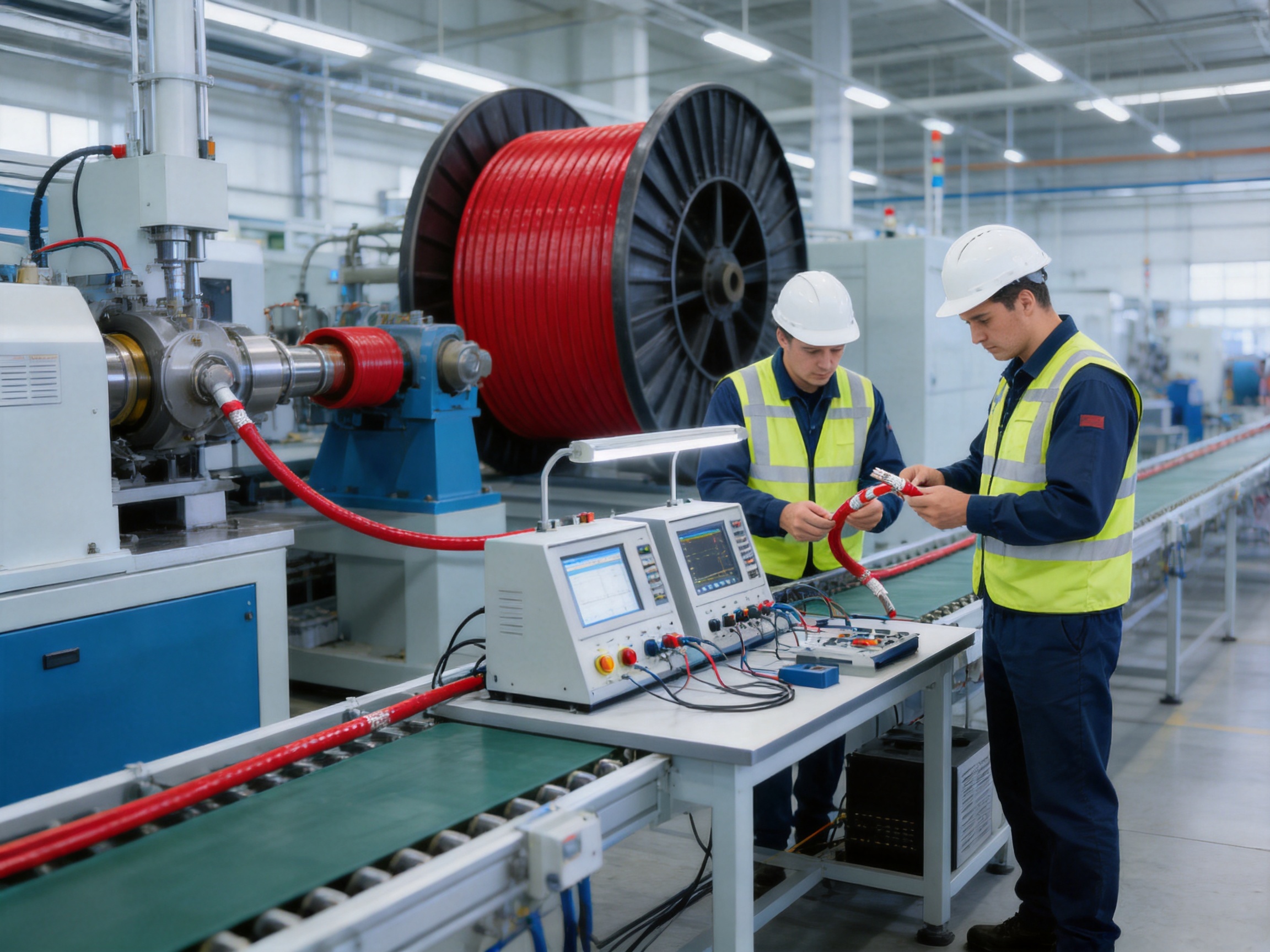
Successful heat tracing installation begins with clean, dry, and properly prepared surfaces. Pipes and equipment should be inspected for sharp edges, burrs, welding spatter, or protrusions that could damage the cable jacket. Cable should be unreeled carefully and kept free from kinks, crushing, excessive pulling tension, and unauthorized splicing. The minimum bend radius must be respected, especially in cold conditions.
Heating cable should be placed according to the thermal design, commonly along the lower quadrant of the pipe for liquid service. At valves, flanges, supports, pumps, and instruments, additional allowance may be required because these items create higher heat losses. Careful routing around such components helps maintain uniform temperature and permits future maintenance. Cable should not be installed in a way that interferes with valve operation, flange access, or equipment removal.
After cable installation, insulation resistance testing should be performed before thermal insulation is applied, after insulation is applied, and during commissioning. Testing helps detect damage early, when corrective work is easier. Thermal insulation must be installed promptly and protected with weatherproof cladding because wet or damaged insulation can dramatically increase heat loss and energy consumption.
Warning labels should be applied to indicate electrically heated equipment. As-built drawings, circuit schedules, test records, controller settings, breaker information, and hazardous-area documentation should be preserved for maintenance teams. A heat tracing system is a long-life asset, and documentation is critical for safe future operation.
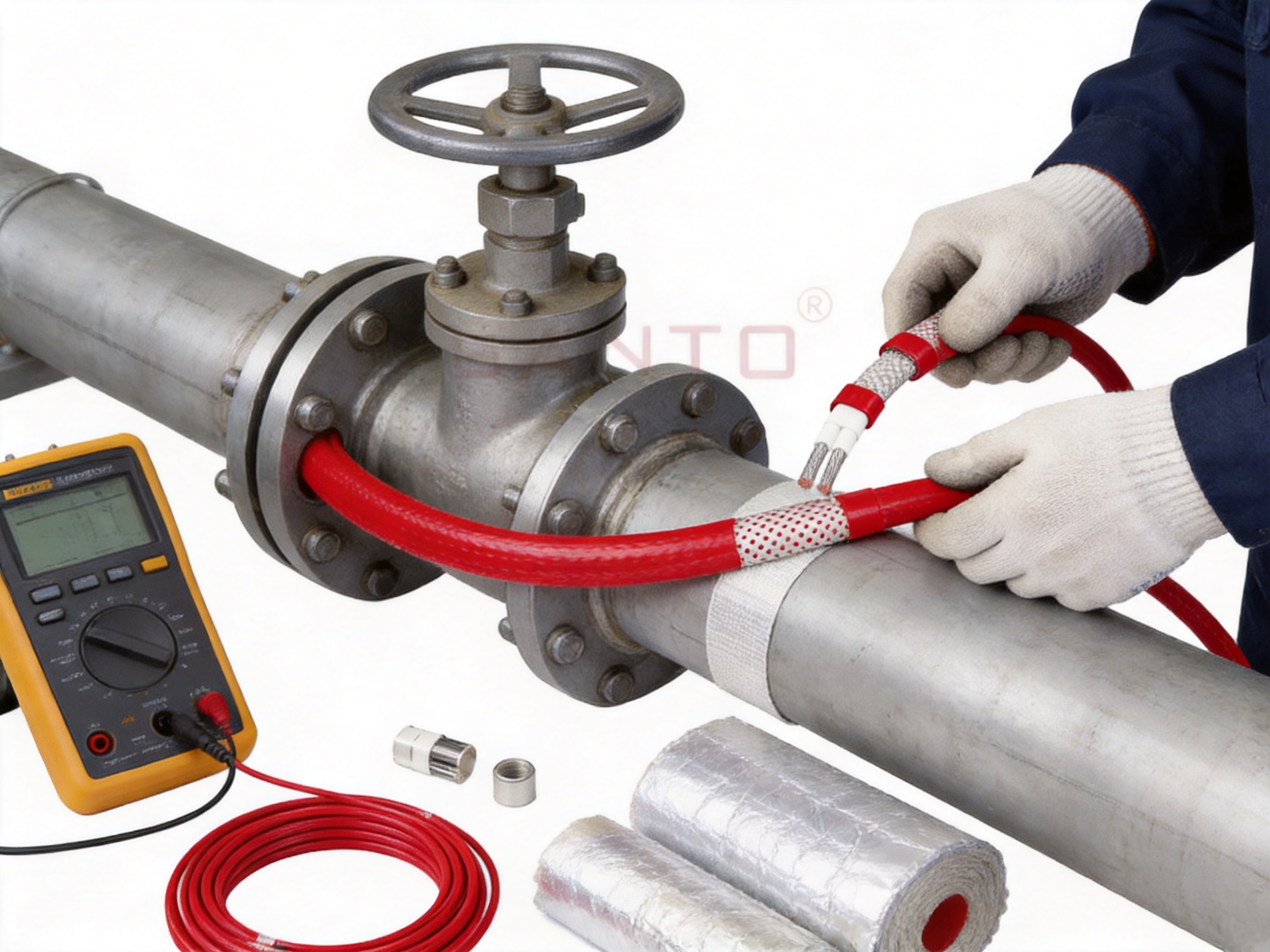
The performance of a power-limiting heating cable depends not only on its design but also on the precision and consistency of its manufacturing. High-quality heat tracing cable production requires controlled material selection, conductor processing, polymer compounding, extrusion accuracy, irradiation or crosslinking capability where applicable, jacket integrity, electrical testing, and traceable quality management. The manufacturer behind this product has more than 35 years of experience in electric heating technology and has developed a broad portfolio including self-limiting heating cables, constant-power heating cables, glass fiber heating cables, mineral-insulated cables, silicone rubber heating systems, snow-melting cables, and accessories.
Long-term industry experience matters because heat tracing applications are highly diverse. A cable that performs well on a short indoor water pipe may not be adequate for a long outdoor chemical line in a hazardous area. Decades of manufacturing and project support provide practical knowledge about failure modes, installation difficulties, material compatibility, and customer requirements. This experience is reflected in product selection guidance, custom manufacturing capability, and system-level thinking.
Material selection is central to heating cable reliability. Conductors must provide stable electrical performance. Insulation must resist heat, moisture, and electrical stress. Jackets must protect against chemicals, abrasion, and environmental exposure. The fluoropolymer jacket used on ACC-CT cables is a key material advantage, especially for industrial sites where chemical resistance is essential. Quality manufacturing requires strict incoming inspection of raw materials and controlled storage to prevent contamination or degradation.
Extrusion quality affects insulation thickness, jacket concentricity, surface smoothness, and dimensional consistency. A cable with inconsistent thickness may have weak points, poor flexibility, or uneven heat transfer. Advanced extrusion lines with controlled temperature, pressure, speed, and cooling improve repeatability. Online monitoring and dimensional checks help ensure that the cable maintains its standard profile of approximately 7.5 mm by 10.7 mm.
The company’s development history includes the establishment of an irradiation center. Irradiation processing is used in many advanced polymer applications to improve thermal, mechanical, and chemical properties. In electric heating products, controlled crosslinking can improve insulation performance, heat resistance, and durability. Such capability demonstrates an investment in advanced production technology rather than simple assembly.
Reliable heat tracing products require testing at multiple stages. Typical quality checks may include conductor resistance measurement, dielectric strength testing, insulation resistance testing, dimensional inspection, spark testing, jacket inspection, output verification, bending performance checks, and aging or thermal exposure tests. For hazardous-area applications, documentation and consistency are particularly important because product safety depends on repeatable manufacturing control.
The company has passed ISO9001 quality system certification, and its products have obtained national CCC certification. It has also obtained explosion-proof certification and EAC Eurasian Union certification for relevant products. These certifications support product credibility in domestic and international markets and demonstrate that production is managed under recognized quality and safety frameworks.
The manufacturer maintains a strong focus on research and product development. Its history includes patented innovations in self-limiting temperature nano far-infrared heating and carbon fiber parallel heating cable technology. The company also engages in academic research cooperation, supporting the development of new heating materials and advanced thermal-control solutions. This research orientation is important for customers who need not only standard products but also custom engineering support.
Industrial buyers need confidence that a supplier can deliver consistent products, documentation, and after-sales support. The manufacturer has developed a broad production and sales structure, with more than 10,000 units of annual output, over 2,000 distributors, and business in more than 85 areas. This scale supports stable supply for projects ranging from small maintenance jobs to large industrial installations.
The company is located in Jiangsu Province, a region known for electric heating belt industry development. Its product portfolio supports multiple sectors including petroleum, chemical processing, gas, building services, solar energy, geothermal cultivation, electric heating, deicing, antifreeze, insulation, and process temperature maintenance. This broad application background allows the company to understand different market requirements and adapt products for different climates, voltages, standards, and installation practices.
Manufacturing strength is also reflected in the ability to supply accessories. Heat tracing systems require connection kits, end seals, junction boxes, controllers, sensors, tapes, labels, and other components. A supplier with both cable and accessory capability can help customers reduce compatibility issues and simplify procurement. System-level support is especially important for hazardous-area or high-temperature projects.
Self-regulating heating cables are widely used because they automatically reduce output as temperature increases and are often simple to design for freeze protection. However, their output curve can be a limitation in higher-temperature process maintenance. When surface temperature rises, output may decrease to a level that requires multiple cable runs. This can increase installation time and cost. Power-limiting cables such as ACC-CT are advantageous when the project requires higher output at elevated temperature and a more compact cable layout.
Self-regulating cables are often selected for applications where overlapping tolerance, simple freeze protection, and energy reduction at warmer temperatures are priorities. Power-limiting cables are often selected where process temperature maintenance, high heat output, steam-cleaning exposure, and longer circuit planning are important. The best choice depends on the application. A professional thermal design should compare heat loss, maintain temperature, maximum exposure temperature, hazardous-area classification, and lifecycle cost.
Constant-wattage heating cables deliver a relatively fixed output regardless of temperature. They can be effective for many applications, but they require careful control to avoid overheating. They generally cannot overlap, because overlapping may create localized hot spots. Power-limiting heating cables provide a more adaptive output behavior and can offer greater tolerance in certain installation conditions. The ACC-CT range therefore provides a useful alternative for applications requiring high output but also a degree of power limitation.
Another advantage is system optimization. If a power-limiting cable can provide sufficient heat with fewer passes or longer circuit lengths, it may reduce installation cost, power connection points, and maintenance complexity. Compared with constant-wattage systems, it may also offer improved thermal behavior under changing temperature conditions. However, as with all heating technologies, correct control and temperature limitation remain important.
The cost of a heat tracing system is not limited to the cable price. Total lifecycle cost includes engineering, procurement, installation labor, power distribution, control panels, insulation, commissioning, maintenance, downtime risk, and energy consumption. A cable that reduces the number of runs or supply points can lower total installed cost even if its unit price is higher than a basic cable. A chemically resistant jacket can reduce replacement frequency. Reliable manufacturing can reduce commissioning failures and field repairs. Hazardous-area suitability can prevent costly redesigns.
ACC-CT power-limiting heating cables offer lifecycle value by combining high heat output, temperature capability, chemical resistance, low-temperature installation suitability, and industrial approval support. For demanding process plants, these characteristics can be more important than initial purchase price alone.
Choosing the correct ACC-CT model begins with the heat-loss calculation. The designer should identify pipe size, insulation thickness, maintain temperature, minimum ambient temperature, wind speed, pipe material, fluid properties, and whether the line is normally full or intermittently operated. The required heat output per meter is then compared with cable output at the expected operating temperature.
If the required heat input is moderate, 5ACC-CT or 10ACC-CT may be suitable. For higher heat losses or higher maintain temperatures, 15ACC-CT or 20ACC-CT may be considered. However, higher-output cables have lower maximum energized exposure temperatures and shorter allowable circuit lengths, so selection must balance thermal demand with electrical and temperature limits. For 254 V systems, the 20ACC-CT model is indicated as not recommended, so voltage must be considered carefully.
Control strategy is also important. Freeze protection may use ambient-sensing or line-sensing thermostats. Process maintenance usually benefits from line-sensing electronic control. Hazardous-area or high-temperature systems may require independent high-limit protection. The selected controller must be compatible with the area classification and installed according to relevant electrical standards.
Heat tracing systems should be inspected periodically. Maintenance teams should check power supply status, controller settings, alarm history, insulation resistance, continuity, junction boxes, cable damage, thermal insulation condition, weatherproofing, and warning labels. After any pipe repair, insulation removal, valve replacement, or steam-cleaning operation, the heat tracing system should be retested before being returned to service.
Most field problems are caused not by the cable itself but by damaged insulation, water ingress, incorrect termination, mechanical impact, poor documentation, or unauthorized modification. A high-quality cable reduces risk, but disciplined maintenance practices are essential for long-term reliability.
Its main purpose is process temperature maintenance for pipes, vessels, and industrial equipment. It can also be used for frost protection, especially where higher heat output or exposure to steam-cleaning temperatures may be required.
A self-regulating cable automatically reduces output as temperature rises and is often used for freeze protection. ACC-CT power-limiting cable also limits power as temperature increases, but it is designed to provide higher output at elevated temperatures, making it useful for process maintenance where fewer heating runs may be desired.
Yes. The product information indicates suitability for hazardous areas including Zone 1 and Zone 2 gas environments and Zone 21 and Zone 22 dust environments. Correct design, temperature classification, control, installation, and inspection are required.
The range includes 5ACC-CT, 10ACC-CT, 15ACC-CT, and 20ACC-CT, with rated outputs of approximately 15 W/m, 30 W/m, 45 W/m, and 61 W/m at 10°C.
The maximum energized exposure temperature depends on model and voltage. At 230 V, values range from 150°C to 230°C. The maximum continuous power-off exposure temperature is 260°C.
Yes. The minimum installation temperature is -60°C, and the minimum bend radius at -60°C is 20 mm. Installers should still handle the cable carefully and follow approved procedures.
Most applications require a thermostat or controller for energy efficiency and temperature safety. Hazardous-area and high-temperature systems may also require an independent safety temperature limiter.
The product information indicates that ACC-CT power-limiting cable can tolerate a single overlap, unlike many constant-wattage cables. However, installation must still follow the manufacturer’s instructions and project design requirements.
The fluoropolymer jacket provides high chemical resistance, helping protect the cable in environments exposed to organic substances, corrosive materials, oils, solvents, and industrial contaminants.
The provided information recommends a 30 mA leakage protection device for maximum safety and fire prevention. In applications with higher leakage current, up to 300 mA may be necessary, subject to verification by qualified professionals.
ACC-CT power-limiting heat tracing cables provide a strong solution for industrial temperature maintenance, frost protection, steam-cleaning-related exposure, and hazardous-area applications. Their key advantages include high output at elevated temperatures, potential reduction in heating cable runs, chemical-resistant fluoropolymer jackets, broad low-temperature installation capability, and suitability for gas and dust hazardous zones. Compared with many self-regulating cables, they can deliver stronger heat output for process maintenance. Compared with many constant-wattage cables, they offer more adaptive power behavior and improved installation tolerance under controlled conditions.
The value of the product is reinforced by the manufacturer’s advanced production capability, long industry experience, quality management systems, certification background, research commitment, irradiation processing capability, and broad system product portfolio. For industrial facilities seeking reliable heat tracing performance, the ACC-CT range offers a practical combination of engineering performance, manufacturing strength, and lifecycle value.
IEC 60898, Electrical Accessories: Circuit Breakers for Overcurrent Protection for Household and Similar Installations.
IEC 60079 Series, Explosive Atmospheres: Equipment Design, Installation, Inspection, and Maintenance Principles.
IEEE 515, Standard for the Testing, Design, Installation, and Maintenance of Electrical Resistance Trace Heating for Industrial Applications.
IEC 62395, Electrical Resistance Trace Heating Systems for Industrial and Commercial Applications.
ISO 9001, Quality Management Systems: Requirements.
Industrial Heat Tracing Design Guides, Process Temperature Maintenance and Freeze Protection Engineering References.
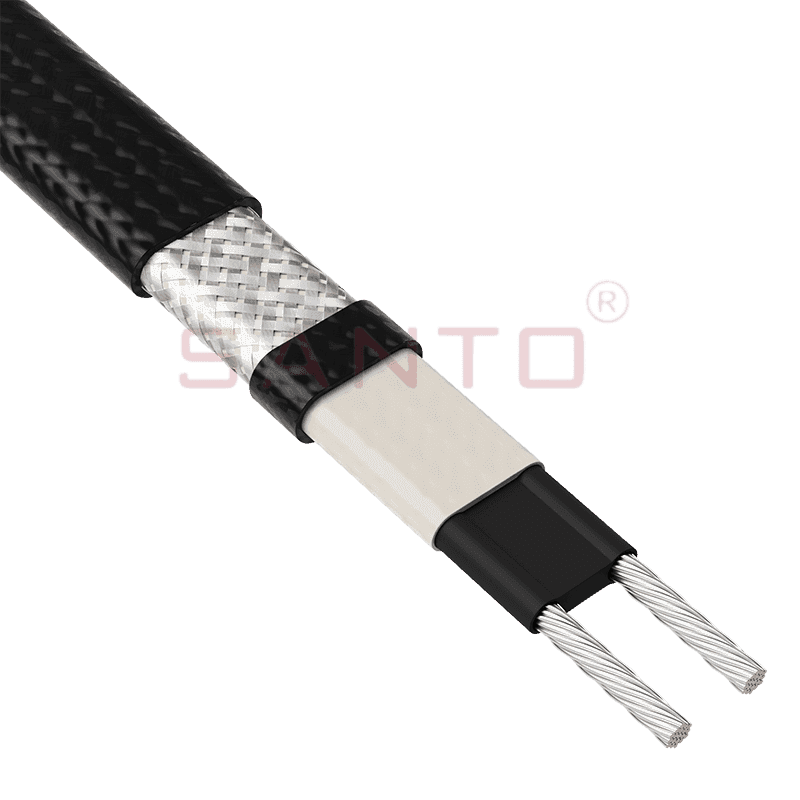
The SANTO UFA range of self-regulating heating cables is mainly used for frost protection of pipes and vessels but can also be used to maintain processes up to 65°C. These heating cables are available...
See Details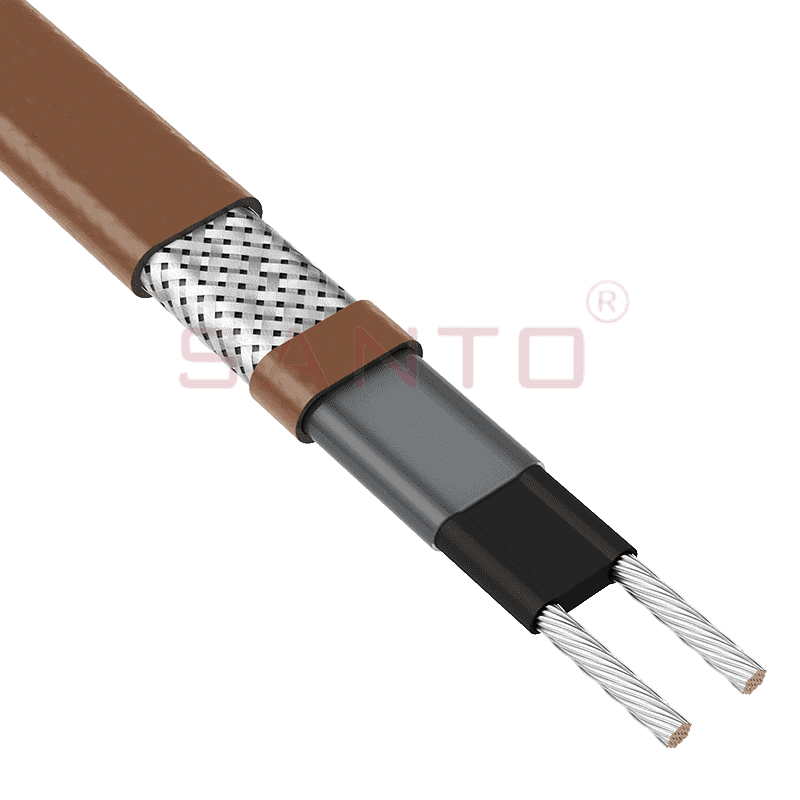
The SANTO UFB range of self-regulating heating cables is mainly used for frost protection of pipes and vessels requiring a higher power output than the UFA heating cables can supply. They can also be ...
See Details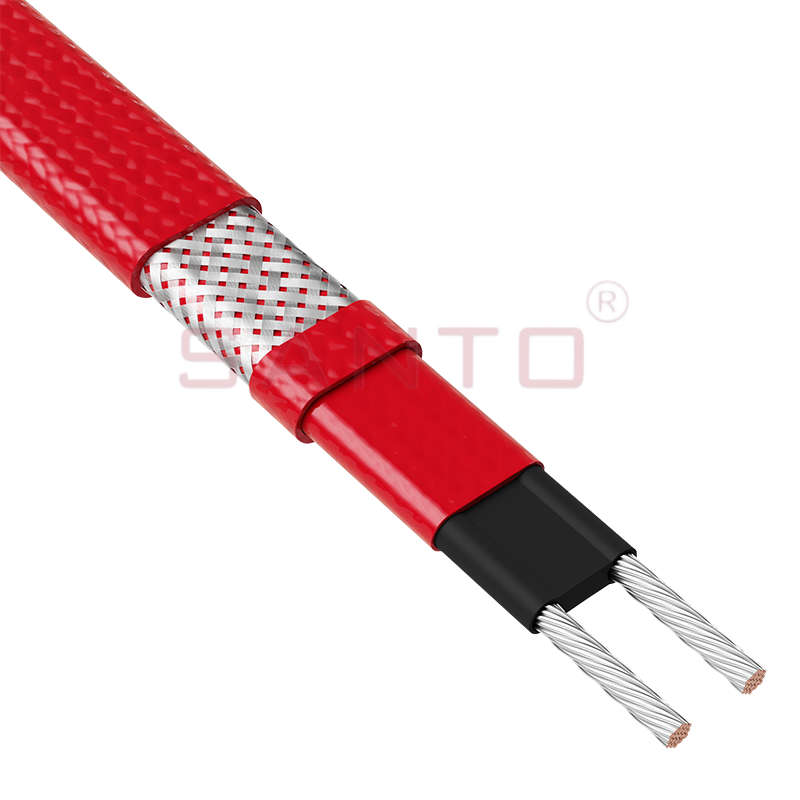
The SANTO UFC range of self-regulating heating cables is used for frost protection of pipes and vessels that require steam cleaning. They can also be used to maintain processes up to 121°C. These heat...
See Details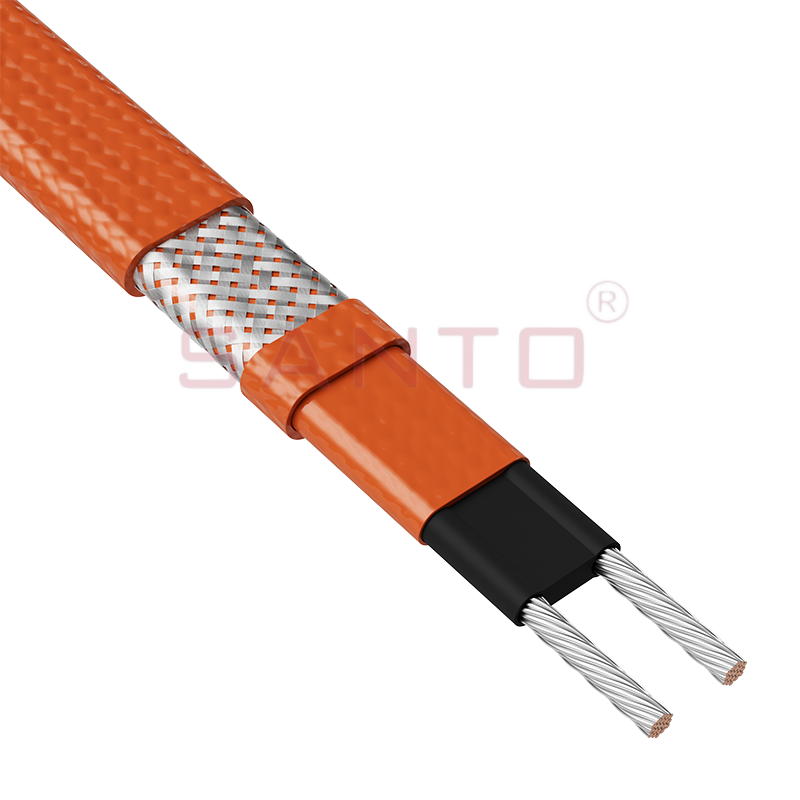
The SANTO UFO range of self-regulating heating cables is mainly used for frost protection of pipes and vessels that require steam cleaning . They can also be used to maintain processes up to 150°C. Th...
See Details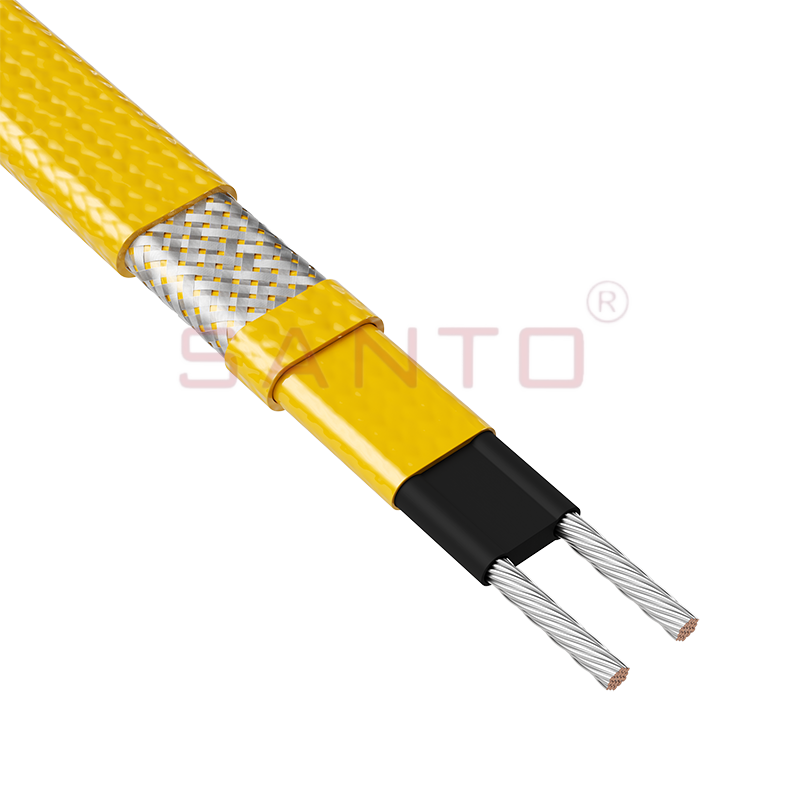
The SANTO UFD series of self-regulating heating cables are mainly used for freeze protection of pipes and vessels, but can also be used to maintain processes up to 200°C. These heating cables are avai...
See Details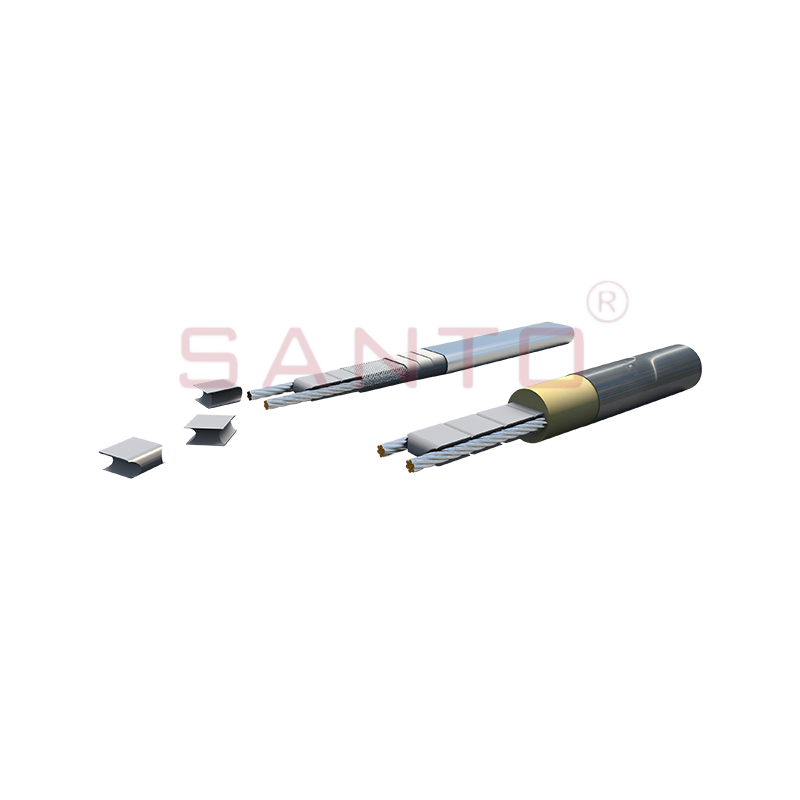
SANTO UFY heating wire is suitable for applications that maintain process temperatures up to 260 ℃ and can be steam blown; The self-regulating and parallel circuit heating wires of the UFY series are ...
See Details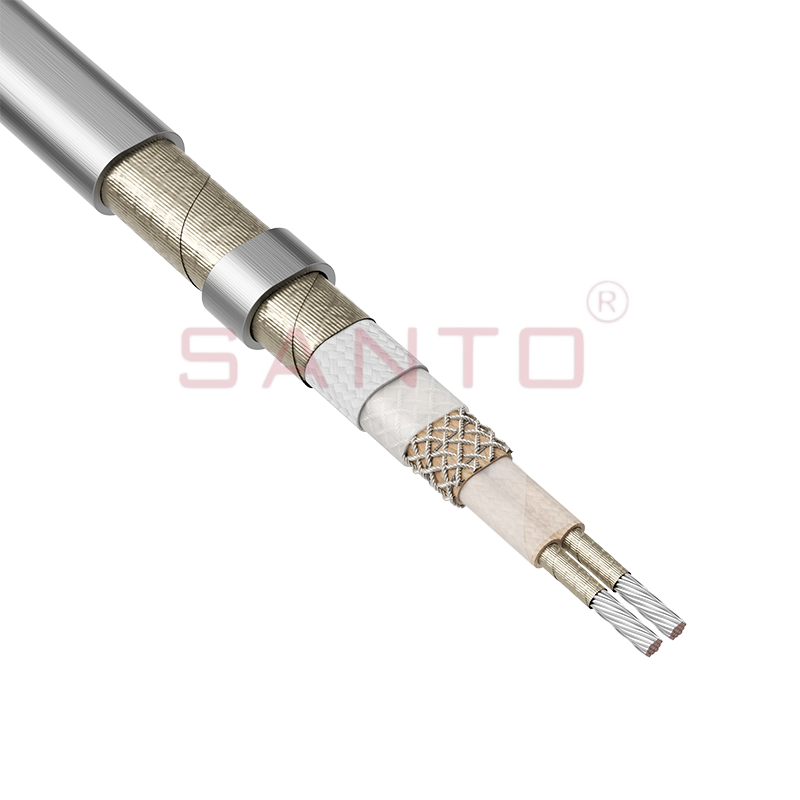
The SANTO UFM series self-regulating heating cables are mainly used for freeze protection of pipes and vessels, but can also be used to maintain processes up to 400°C. These heating cables are availab...
See Details
The SANTO ACC range of power-limiting heating cables is mainly used for temperature maintenance of processes and offers the advantage of a high power output at high temperatures which can reduce the n...
See Details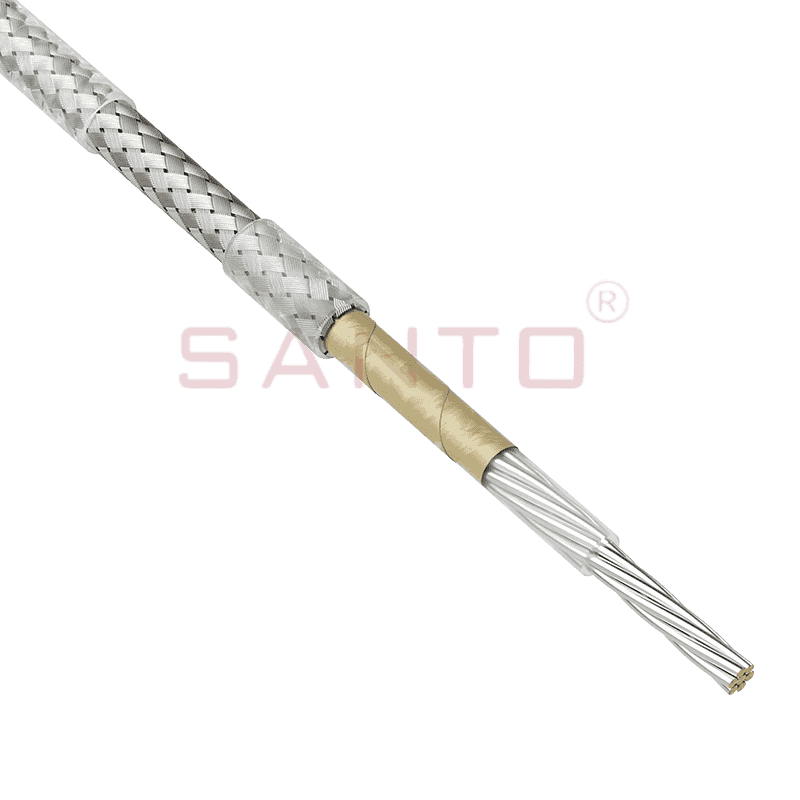
The stranded high temperature conductor is nickel plated to ensure a long life at elevated temperatures in corrosive environments. It is electrically isolated using an innovative sandwich construction...
See Details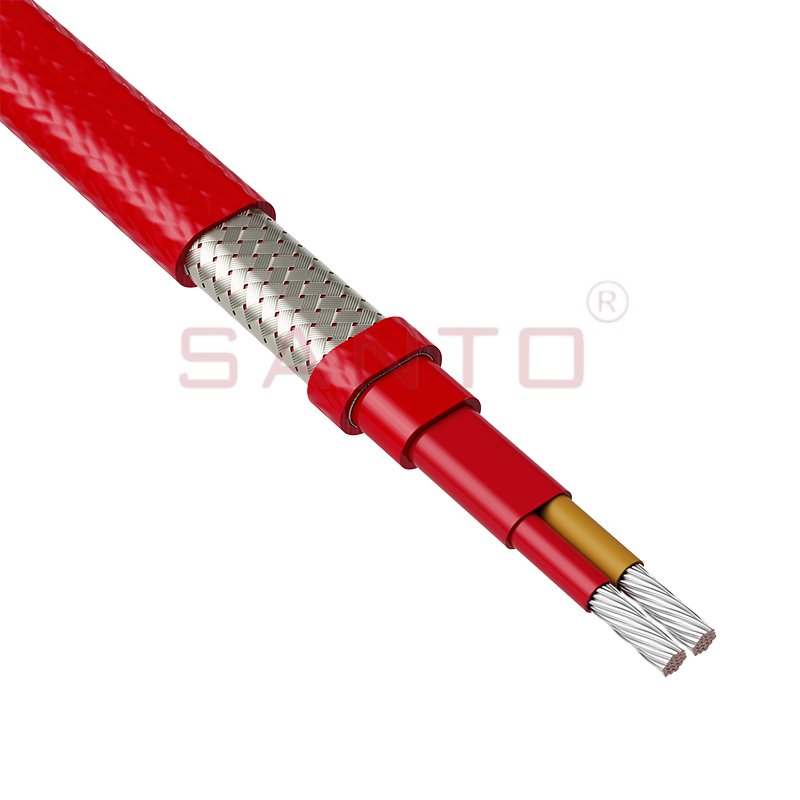
The stranded high temperature conductor is nickel plated to ensure a long life at elevated temperatures in corrosive environments. It is electrically isolated using an innovative sandwich construction...
See Details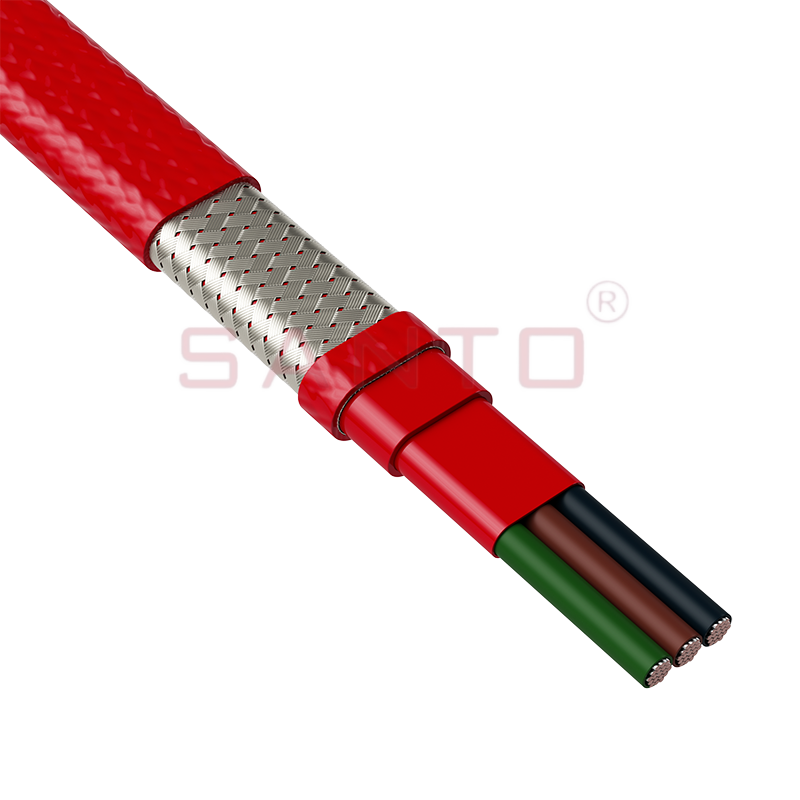
The stranded high temperature conductor is nickel plated to ensure a long life at elevated temperatures in corrosive environments. It is electrically isolated using an innovative sandwich construction...
See Details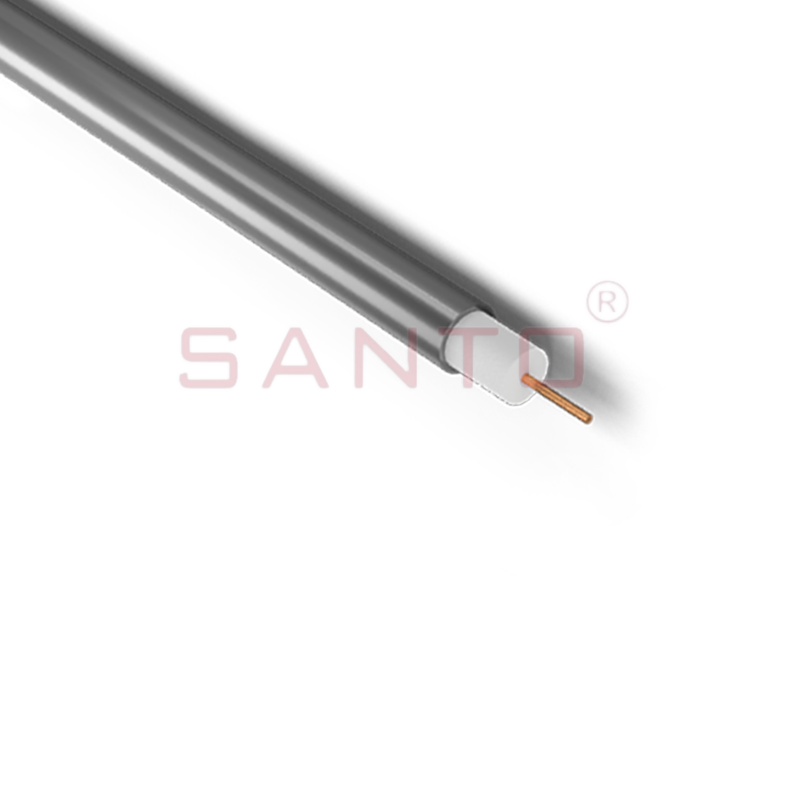
SANTO HAx mineral insulated (MI) Alloy 825 series heating cables are suitable for use in hazardous areas. They have been designed for use in freeze protection and temperature maintenance applications ...
See Details
Santo electric heating strips are widely used in key industries in China.

