 English
  English
 русский
 日本語
日本語 Español
 中文简体
中文简体
The SANTO UFA range of self-regulating heating cables is mainly used for frost protection of pipes and vessels but can also be used to maintain processes up to 65°C. These heating cables are available...
See Details
In modern pathology laboratories, temperature stability is not a minor convenience; it is a condition for dependable diagnostic performance. A pathological analyzer processes biological samples, reagents, slides, fluids, or reaction zones that may be sensitive to changes in heat. When temperature fluctuates, analytical consistency can be affected, warm-up time can increase, condensation can appear, and instrument performance may become less predictable. The pathological analyzer heater described here is engineered for this demanding medical environment, where compact structure, constant temperature performance, electrical safety, and reliable customization are essential.
This heater is designed according to the specific heating requirements of the analyzer. Its purpose is not simply to generate heat, but to deliver controlled, stable, and safe thermal support inside or around the analyzer module. With a thickness of at least 1.0 mm, a heating temperature capability of up to 200 ℃, a power density of up to 3 W/cm2, and insulation resistance of at least 100 MΩ under 1000 V testing, the product is built for applications that require both precision and confidence. Optional accessories such as wires, adhesive layers, aluminum plates, thermal conductivity materials, insulation materials, temperature controllers, and sensors allow the heater to be adapted to different analyzer architectures.
Compared with ordinary heating elements, this medical-industry heater emphasizes three major advantages: constant temperature behavior, strong adaptability, and high safety performance. In a pathological analyzer, the heater may need to warm a small chamber, maintain a reagent area, stabilize an analytical platform, support fluidic operation, or prevent thermal drift in a critical component. These tasks demand more than off-the-shelf heating films. They require careful engineering of heat distribution, insulation structure, power density, electrical connection, sensor integration, and installation method.
Santo Thermal Control Technology Co., Ltd. supports this product with long-term experience in electric heating and thermal control. The company has more than 35 years of industry experience and is engaged in research, design, production, and manufacturing of automatic temperature-control electric heating belts, self-limiting heating belts, heat tracing belts, constant-power heating belts, glass fiber heating belts, MI cables, silicone rubber heating systems, snow melting cables, medical heaters, and related electric heating products. This wide industrial foundation provides technical depth for medical heating products, because many principles used in industrial heat tracing, insulation, anti-freezing, and temperature maintenance can be refined and miniaturized for analyzer heating.
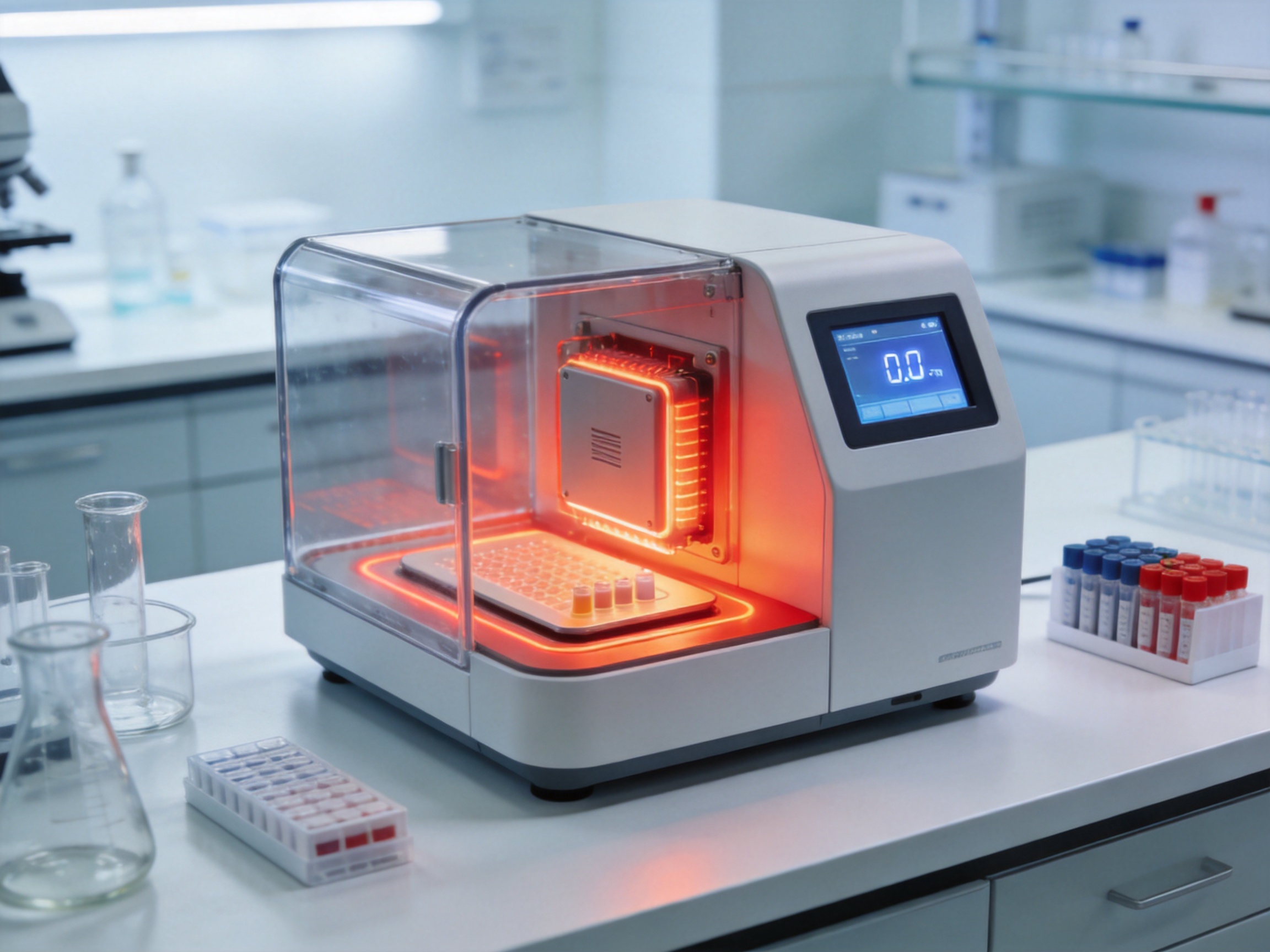
Content
Pathological analysis often depends on repeatable processing conditions. Whether an instrument is involved in tissue processing, sample preparation, staining support, reaction control, or reagent handling, thermal variation can influence the final result. Even small temperature differences may alter reaction speed, fluid viscosity, evaporation behavior, condensation risk, or sensor response. For this reason, a well-designed heater must become part of the analyzer’s stability system rather than a simple auxiliary component.
A pathological analyzer is typically made of several functional zones. Some zones may require active heating, some may require passive thermal insulation, and some may need a combination of heat spreading and feedback control. A heater installed in such equipment must be compact enough to fit within the limited internal space, yet durable enough to operate for long periods. It must avoid hot spots, maintain electrical insulation, and respond correctly to the temperature controller. The product described here is well suited to these conditions because it can be customized with thermal conductive materials, insulation materials, adhesive layers, aluminum plates, controllers, and sensors.
In diagnostic equipment, uncontrolled heat can be just as problematic as insufficient heat. If a heating element has excessive power density, poor layout, weak insulation, or unstable output, it may create localized overheating. This can shorten component life, affect nearby plastic parts, or compromise sample conditions. By limiting power density to no more than 3 W/cm2 and designing according to the analyzer’s specific heating requirements, the heater provides a practical balance between effective thermal output and safe operating behavior.
Medical device manufacturers also value heaters that can be integrated into established instrument designs without requiring major redesign. The availability of optional adhesive layers allows mounting to flat or curved surfaces. Aluminum plates can improve heat spreading and mechanical support. Sensors and temperature controllers can create closed-loop control. Insulation materials can reduce heat loss and protect nearby components. These options help equipment designers build a controlled thermal module around the heater rather than forcing the analyzer to adapt to a rigid heating component.
The pathological analyzer heater is designed for constant temperature operation, adaptability, and safety. These three qualities define its value in the medical industry. Constant temperature performance helps the analyzer maintain stable working conditions. Adaptability allows the heater to be customized for different shapes, mounting methods, control schemes, and thermal loads. High safety performance supports long-term operation in equipment that must protect users, samples, electronic components, and laboratory environments.
The heater’s minimum thickness of 1.0 mm supports compact installation while maintaining structural integrity. In many analyzers, internal space is restricted by optical modules, pumps, tubing, sample trays, control boards, and mechanical assemblies. A thin heater can be installed close to the target heating area, reducing thermal lag and improving response. At the same time, thickness cannot be reduced without considering insulation, mechanical strength, and long-term reliability. The minimum 1.0 mm design reflects the need for a practical combination of thinness and durability.
The maximum heating temperature of 200 ℃ provides a broad operating margin for different analyzer requirements. Many medical applications may operate below this limit, but having a heater capable of this range allows it to support varied design conditions. This does not mean every instrument should operate at the maximum temperature; instead, it indicates that the heater material system and construction can tolerate elevated heating needs when properly controlled. For medical instrument designers, this margin can be useful during development, testing, and product platform expansion.
The power density of up to 3 W/cm2 is another important specification. Power density determines how much heat can be delivered through a given area. A suitable power density helps the heater reach target temperature efficiently while avoiding excessive localized energy. For a pathological analyzer, where heat may be applied near sensitive components, a controlled power density is crucial. It supports safe warm-up, smoother temperature distribution, and more predictable control.
Electrical insulation is a critical performance indicator. The heater’s insulation resistance is specified as at least 100 MΩ under 1000 V. This indicates strong electrical isolation between conductive heating elements and external surfaces or related components. In medical and laboratory equipment, insulation performance contributes to safety, reliability, and compliance-oriented design. High insulation resistance also helps reduce leakage risk and supports stable operation over time.
| Parameter | Specification | Practical Meaning for Analyzer Applications |
|---|---|---|
| Product Type | Pathological analyzer heater | Customized heating component for medical diagnostic equipment |
| Application Category | Medical industry | Suitable for analyzer temperature maintenance and controlled heating zones |
| Thickness | ≥ 1.0 mm | Compact structure with practical mechanical and insulation performance |
| Heating Temperature | ≤ 200 ℃ | Supports a wide thermal design range when used with proper control |
| Power Density | ≤ 3 W/cm2 | Balances heating efficiency with safe, stable thermal distribution |
| Insulation Resistance | 1000 V, ≥ 100 MΩ | Provides strong electrical insulation for reliable equipment integration |
| Optional Accessories | Wire, adhesive layer, aluminum plate, thermal conductivity material, insulation material, temperature controller, sensor | Enables flexible installation, heat spreading, feedback control, and thermal protection |
A pathological analyzer heater must be built from materials that support stable heating, electrical insulation, mechanical flexibility or rigidity as required, and long-term resistance to aging. The product can be configured with thermal conductivity materials to improve heat transfer to the target surface. This is especially important when the heater must warm a metal block, a reaction platform, a reagent chamber, or a sample-contact support plate. Efficient heat transfer reduces wasted energy and improves response time.
An aluminum plate can be used when the application requires more uniform heat distribution or additional mechanical support. Aluminum is widely used as a heat spreader because it conducts heat effectively and can reduce localized hot spots. In a pathological analyzer, heat uniformity is often more valuable than raw heating power. A heater with a suitable aluminum plate can spread energy across the working surface, supporting more even temperature conditions for the analyzer’s functional zone.
Insulation materials can be added to direct heat toward the desired location and reduce heat loss to the surrounding structure. This improves efficiency and helps protect nearby components, including electronic boards, plastic covers, optical parts, or fluidic connectors. In compact instruments, thermal isolation is essential because one heated zone may be located near a zone that must remain cooler. A customizable heater construction allows engineers to create a more controlled internal thermal environment.
Adhesive layers provide straightforward installation. A pressure-sensitive or specially selected adhesive layer can help bond the heater to a flat or contoured surface, reducing installation time and improving contact. Good contact reduces air gaps, which can otherwise act as thermal barriers and produce uneven heating. For equipment manufacturers, reliable adhesive integration can also improve assembly repeatability during mass production.
Sensor and controller options further improve the heater’s value. A sensor positioned near the target heating area can provide real-time feedback to the temperature controller. Closed-loop control helps maintain the desired temperature and reduces overshoot. In a pathology analyzer, this feedback function is important because actual operating temperature depends on ambient conditions, instrument materials, airflow, sample load, and duty cycle. A heater integrated with sensor and controller options provides more complete thermal management than a bare heating element.
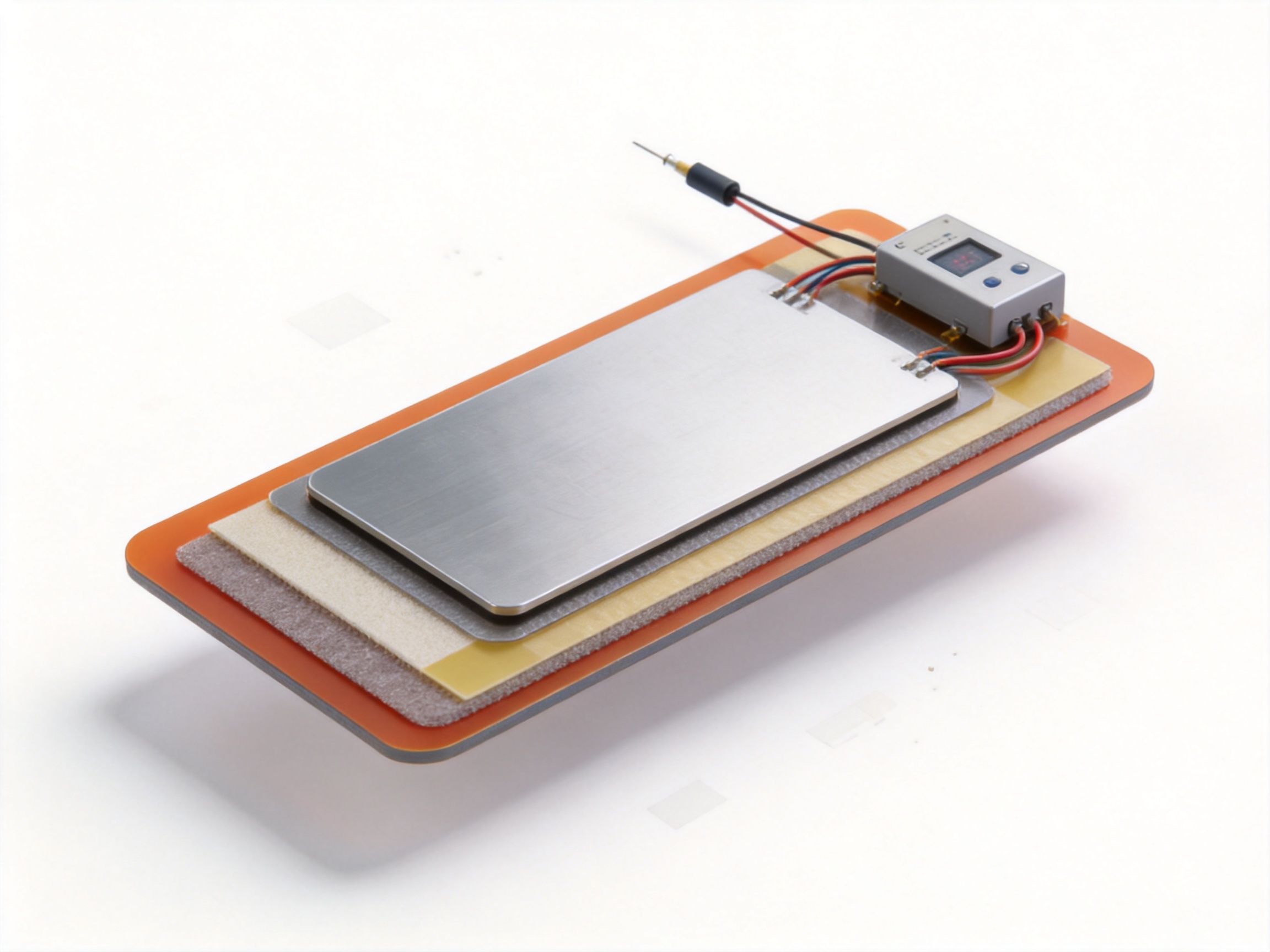
Many conventional heating components are designed as general-purpose heaters. They may provide heat, but they are not necessarily optimized for medical analyzer integration. The pathological analyzer heater described here offers advantages in customization, thermal stability, compactness, insulation performance, accessory integration, and manufacturing support. These differences matter because analyzer manufacturers often need a heater that fits a precise design envelope and meets practical reliability expectations.
The heater is designed according to the specific heating requirements of the analyzer. This is a major advantage over standard catalog products. Generic heaters may require the equipment designer to compromise on size, shape, lead position, mounting style, or control method. In contrast, an application-specific heater can be developed around the analyzer’s actual heating zone, target temperature, available space, sensor position, power supply, and assembly process. This reduces design conflict and can improve the final instrument’s reliability.
Competitor heaters may focus mainly on wattage or surface temperature, but medical analyzer applications require stable control. This heater emphasizes constant temperature behavior, especially when paired with temperature controllers and sensors. Stable heating reduces thermal drift and supports repeatable analysis. It also helps the instrument reach operating conditions more predictably after startup, which can improve user experience and laboratory workflow.
With insulation resistance of at least 100 MΩ under 1000 V testing, the heater provides strong electrical isolation. This is a competitive advantage when compared with low-cost heaters that may not provide the same insulation confidence or testing discipline. In medical equipment, electrical insulation is not merely a product feature; it is part of the safety philosophy of the entire instrument. Strong insulation performance supports safer integration and reduces long-term risk.
The power density limit of up to 3 W/cm2 helps prevent aggressive heat concentration. Some competing heaters may advertise higher watt density, but higher is not always better in diagnostic equipment. Excessive watt density can make temperature control more difficult and may create hot spots. This heater’s controlled power density supports balanced heating that is more suitable for compact, sensitive medical devices.
The optional accessory system gives the heater a strong advantage. Wires, adhesive layers, aluminum plates, thermal conductive layers, insulation materials, temperature controllers, and sensors can all be selected according to the analyzer’s needs. This means the heater can be delivered as a more complete thermal solution. Equipment manufacturers benefit from fewer separate sourcing steps, simplified assembly, and better compatibility between heating, sensing, and mounting functions.
Santo Thermal Control Technology Co., Ltd. has experience not only in medical heaters but also in heating cables, heat tracing belts, self-limiting heating systems, constant-power heating systems, silicone rubber heating systems, MI cables, and accessories. This broad product base creates technical advantages. Knowledge from industrial heat tracing contributes to reliability and insulation design. Experience with silicone rubber heating systems contributes to flexible heater construction. Experience with constant-power and self-limiting systems supports understanding of thermal regulation. This multi-technology background helps the company solve complex heating problems more effectively than suppliers focused on only one product format.
Reliability in medical equipment is the result of stable design, consistent manufacturing, quality inspection, and correct integration. The pathological analyzer heater contributes to reliability in several ways. First, it can be shaped and configured to fit the instrument precisely, reducing mechanical stress and installation errors. Second, it can include heat spreading or insulation layers, reducing thermal stress on nearby parts. Third, it can be paired with sensors and controllers for feedback control. Fourth, its electrical insulation performance supports safe operation.
Thermal stability also supports component life. When heaters produce uneven hot spots, nearby materials may age faster. Adhesives may weaken, plastics may deform, and electronic components may experience thermal fatigue. A properly designed heater with controlled power density and heat-spreading options helps reduce these risks. By keeping heat where it is needed and limiting excess thermal exposure, the heater supports longer instrument service life.
Another reliability advantage is repeatability. During mass production of analyzers, each heater must perform consistently. Variations in resistance, material thickness, bonding quality, lead connection, or insulation can result in inconsistent warm-up times or control behavior. A manufacturer with established process control and quality management can reduce these variations. Santo has passed ISO9001 quality system certification, and its products have obtained national CCC certification. The company has also obtained explosion-proof certification and EAC Eurasian Union certification for relevant product categories, showing an ongoing commitment to compliance-oriented manufacturing.
The company’s annual output scale and distributor network also support supply reliability. With more than 10,000 annual output capacity, more than 2,000 distributors, and business in more than 85 areas, the organization has experience managing production, distribution, and after-sales support. For medical equipment manufacturers, supplier stability is important because analyzer models may remain in production for years. A heater supplier must be able to provide consistent products over long production cycles.
The quality of a pathological analyzer heater depends not only on design but also on manufacturing discipline. A typical advanced process begins with requirement analysis. Engineers evaluate the analyzer’s target temperature, available voltage, operating environment, installation surface, heating area, warm-up time, uniformity requirement, and safety expectations. This information is used to determine heater size, power density, circuit layout, lead configuration, insulation structure, and accessory selection.
After design confirmation, material selection becomes critical. Heating elements must provide stable resistance and reliable heat output. Insulation layers must tolerate the required temperature and maintain dielectric strength. Adhesives must remain bonded under operating conditions. Thermal conductive materials must transfer heat efficiently without compromising insulation or assembly reliability. If an aluminum plate is included, its thickness and shape must match the desired heat spreading and mechanical requirements.
Precision processing follows. The heating circuit must be produced with consistent geometry to ensure predictable resistance and uniform heat distribution. Lead wires must be connected securely, because the lead joint is often one of the most important reliability points in a heater. The connection area should be designed to reduce mechanical strain and electrical resistance concentration. The heater layers are then assembled, laminated, bonded, or otherwise formed according to the selected construction.
For silicone rubber heating systems and related flexible heater structures, controlled vulcanization or curing may be used to bond layers and create a durable, insulated assembly. Process parameters such as pressure, temperature, time, and alignment influence the finished product’s quality. A well-controlled process helps eliminate bubbles, weak adhesion, wrinkles, and uneven thickness. These details are especially important in medical analyzers, where installation surfaces may be small and performance must remain consistent.
Quality inspection is then performed at multiple stages. Dimensional inspection verifies that the heater fits the intended space. Resistance testing confirms electrical output. Insulation resistance testing checks safety performance. Visual inspection identifies surface defects, lead issues, and bonding problems. Thermal testing may be performed to confirm heating behavior and temperature distribution. Aging or burn-in tests can help verify reliability before shipment. Proper packaging protects the heater during transportation and storage.
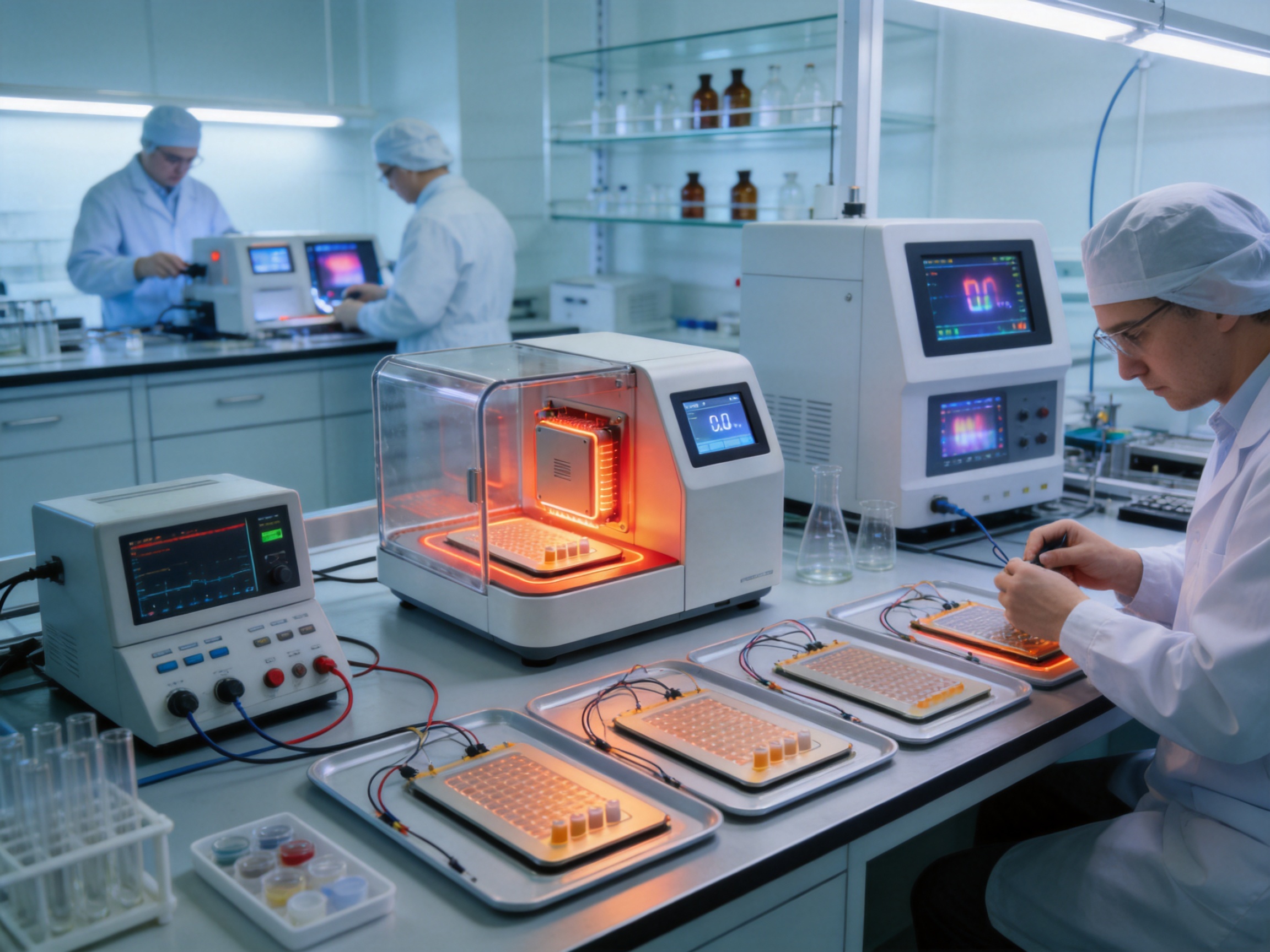
Santo Thermal Control Technology Co., Ltd. is located in Jiangsu Province, an area known for electric heating belt industry development. The company has grown from its early foundation into a high-tech enterprise with research, development, manufacturing, and sales capabilities. Its long history gives it practical knowledge of materials, production methods, heating behavior, and field application requirements. For a pathological analyzer heater, this background is valuable because medical equipment requires both precision and proven heating expertise.
The company has emphasized new product development, technology guidance, scientific management, product quality, and after-sales service. These priorities are important for custom heaters, because each analyzer may require a different thermal solution. A supplier must be able to work with engineering drawings, prototype requirements, test feedback, and production schedules. By combining design capability with manufacturing capacity, the company can support both OEM and ODM cooperation.
Research collaboration has also been part of the company’s development. The company cooperates in product research with Harvard University in the United States, according to the provided company information. Such collaboration reflects an orientation toward innovation and technical improvement. For customers in the medical industry, this innovation culture can translate into better problem-solving, more careful product development, and stronger support for specialized heater designs.
The company’s product family includes self-limiting electric heating belts, constant-power electric heating belts, glass fiber electric heating belts, MI cables, silicone rubber electric heating products, electric hot wires, snow melting cables, LCD tracked heaters, electric heating strip accessories, tubing bundles, snow and ice melting systems, and skin-effect heating systems. This wide range is more than a sales list. It demonstrates that the company works with diverse heating principles, installation environments, insulation systems, and control requirements. Such experience helps engineers select suitable materials and structures for medical analyzer heating.
The company’s development history also shows continuity. Its predecessor was founded in 2000. It passed ISO9001:2000 quality system certification in 2002. An irradiation center was established in 2013. The SANTO brand was established in 2016, and the company obtained explosion-proof certification and EAC Eurasian Union certification. In 2017, founder Xu Jingsheng invented a carbon fiber parallel heating cable and obtained multiple invention patents. In 2022, the company purchased additional land to build a new factory and product simulation testing laboratory. In 2023, it established a Russia factory to expand its business presence. This history supports the company’s ability to grow, invest, and serve international customers.
No two pathological analyzers are exactly the same. One instrument may require a small heater attached to a metal block. Another may need a flat heating pad under a sample platform. Another may require a heater with an integrated sensor and insulation backing. Some designs prioritize fast warm-up, while others prioritize low power consumption or maximum uniformity. The pathological analyzer heater can be customized to meet these different needs.
Customization can begin with dimensions. The heater can be designed to match the available surface area, avoiding interference with screws, sensors, tubing, optical paths, or mechanical moving parts. Shape customization helps the heater fit around holes, edges, channels, or irregular boundaries. Lead wire location can also be adjusted to simplify wiring and reduce strain during assembly.
Thermal customization is equally important. If the heating target requires uniform temperature, a heat-spreading aluminum plate may be selected. If the analyzer must protect nearby components, insulation backing may be added. If fast heat transfer is required, thermal conductive materials can improve contact. If the installation surface is difficult to access, an adhesive layer may simplify assembly. These choices allow the heater to become part of the analyzer’s thermal architecture.
Electrical customization may include voltage, resistance, power, lead length, connector type, grounding strategy, sensor type, and controller compatibility. The heater can be designed to work with the equipment manufacturer’s control board or with a dedicated temperature controller. Sensor placement can be optimized to measure the temperature most relevant to the analyzer’s function, rather than simply measuring heater surface temperature.
Mechanical customization can also improve long-term performance. A heater installed on a moving component may need flexible leads and strain relief. A heater mounted to a rigid block may benefit from an aluminum support plate. A heater in a humid or chemically exposed environment may require special attention to sealing and material selection. By discussing these details during the design stage, the manufacturer can reduce later reliability issues.
Safety is one of the most important requirements for any heater used in medical or laboratory equipment. The heater must be electrically insulated, thermally controlled, mechanically stable, and compatible with the analyzer’s operating environment. The specified insulation resistance of at least 100 MΩ under 1000 V demonstrates attention to electrical isolation. This helps protect the equipment and supports safe integration into the analyzer.
Temperature control is also a safety matter. A heater capable of reaching up to 200 ℃ must be used with appropriate control and protection. Temperature controllers and sensors help prevent overheating and maintain the desired working point. In some designs, additional thermal cutoffs, software limits, or independent safety circuits may be used by the equipment manufacturer. The heater’s compatibility with sensors and controllers supports these safety strategies.
Material selection affects safety as well. Insulation materials must remain stable under expected temperatures. Adhesives should not degrade prematurely. Lead wires should be rated for the electrical and thermal conditions. Thermal conductive layers should improve heat flow without compromising electrical separation. A reliable manufacturing process ensures that these material functions are preserved in the final product.
Mechanical installation must also be considered. A heater should be installed without sharp bending, excessive compression, or lead wire tension. Good thermal contact should be maintained. If an adhesive layer is used, the mounting surface should be clean and compatible. If screws, clamps, or plates are used, pressure should be distributed properly. The supplier’s ability to provide design guidance and accessory options helps customers install the heater safely and effectively.
For analyzer manufacturers, the heater provides benefits across design, production, and end-use operation. During design, customization reduces compromise. Engineers can specify the heater according to actual thermal requirements instead of adapting the instrument to a standard heater. This can shorten development time and improve the final thermal layout.
During production, optional adhesive layers, pre-attached plates, wires, sensors, and controller compatibility can simplify assembly. A heater that arrives as a more complete module reduces the number of separate parts and assembly steps. This can improve production efficiency and reduce installation errors. Consistent manufacturing quality also helps maintain uniform performance from one analyzer to another.
During operation, stable heating supports instrument readiness and repeatability. A pathological analyzer that warms up predictably and maintains temperature accurately is easier for laboratory staff to use. Stable temperature can also reduce unnecessary recalibration or troubleshooting. Over time, reliable heating contributes to the analyzer’s reputation and customer satisfaction.
From a business perspective, working with an experienced OEM and ODM heating manufacturer can support product platform development. If an analyzer company later develops a new model, changes the chamber layout, or expands to a different diagnostic system, the heater supplier can modify the design. This continuity reduces sourcing risk and supports long-term cooperation.
Low-cost heaters may appear attractive during early procurement, but they can introduce hidden costs. If a heater lacks customization, engineers may need additional brackets, insulation, wiring changes, or control compensation. If heat distribution is poor, the analyzer may require extra validation effort. If insulation performance is inconsistent, safety testing may become more difficult. If adhesive or lead quality is weak, field failures may increase.
The pathological analyzer heater reduces these risks by focusing on medical equipment needs from the beginning. Its specifications are not only numbers; they represent design choices. Thickness of at least 1.0 mm supports compact but durable construction. Heating temperature capability up to 200 ℃ provides design margin. Power density up to 3 W/cm2 supports controlled heating. Insulation resistance of at least 100 MΩ under 1000 V supports electrical safety. Optional accessories support integration rather than forcing customers to solve every detail themselves.
Experienced manufacturing also matters. A low-cost supplier may produce simple heaters but may lack advanced process control, simulation testing, quality management, or long-term product support. In contrast, Santo’s background in multiple electric heating technologies, ISO9001 quality system certification, product certifications, and investment in a new factory and product simulation testing laboratory indicate a more complete manufacturing foundation.
For medical instrument companies, the lowest purchase price is not always the lowest total cost. A heater that improves assembly efficiency, reduces failure risk, supports compliance testing, and provides stable performance can create greater value over the product life cycle. This is especially true in medical equipment, where reliability and reputation are critical.
A high-quality pathological analyzer heater should be tested through a structured quality control system. Resistance testing confirms that the heater will generate the expected power under the specified voltage. Insulation resistance testing verifies that electrical isolation meets requirements. Dimensional inspection ensures that the heater fits the analyzer’s mechanical design. Visual inspection confirms that surfaces, edges, lead joints, and bonding areas are acceptable.
Thermal performance testing may include checking warm-up behavior, surface temperature distribution, and response under controller operation. If a heater includes an aluminum plate, testing can confirm that the plate spreads heat as intended. If an insulation layer is included, testing can confirm that heat is directed toward the target area. If a sensor is integrated, its position and response should be validated.
Aging tests can help identify early failures before shipment. Repeated thermal cycling may be used to evaluate how the heater handles expansion and contraction. Lead pull or bend tests may be used where mechanical stress is expected. Adhesion checks may be applied when adhesive layers are used. Packaging inspection ensures that the heater is protected during transport.
The company’s broader quality philosophy is supported by its ISO9001 certification and long-term emphasis on scientific management, product quality, and after-sales service. For custom medical heaters, this quality discipline is essential because the product must match customer drawings, specifications, and application conditions. A strong quality system improves consistency from prototype to mass production.
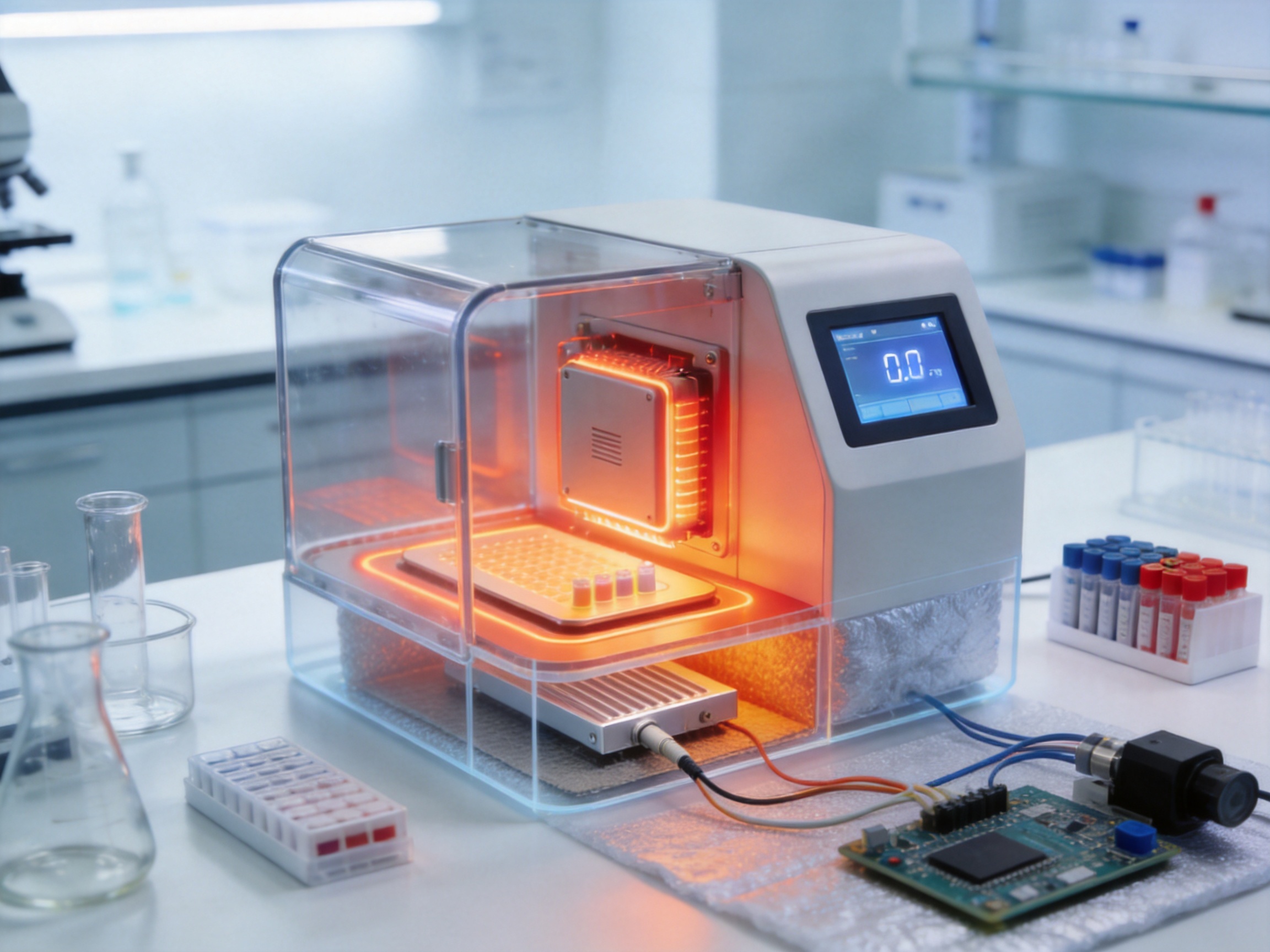
To achieve the best performance, equipment designers should define the heater’s role early in the analyzer design process. The target temperature, allowable warm-up time, mounting surface, available power, sensor position, control method, and environmental conditions should be documented. This allows the heater manufacturer to recommend the best combination of heating element, insulation layer, thermal conductive layer, adhesive, aluminum plate, wire, and sensor.
The heater should be installed with good thermal contact. Air gaps reduce heat transfer and may cause uneven temperature. If an adhesive layer is used, the mounting surface should be clean, dry, and suitable for bonding. If a thermal conductive material is used, it should be applied evenly. If an aluminum plate is selected, it should be mechanically supported according to the analyzer design.
Sensor placement should reflect the actual temperature that matters to the analysis process. In some cases, the best sensor position is near the heater. In other cases, it is better to measure the temperature of the heated block, chamber, or sample platform. The control algorithm should be tuned to avoid overshoot and oscillation. Because the heater can be configured with sensors and temperature controllers, it supports different control strategies.
Electrical connections should be protected from strain, abrasion, and excessive heat. Lead wires should be routed away from moving parts and sharp edges. Connectors should match the analyzer’s service and assembly requirements. If the analyzer is intended for long-term continuous operation, additional safety measures such as independent temperature limits may be considered by the equipment manufacturer.
Pathological analyzers may operate in laboratories with changing ambient temperatures, humidity, and duty cycles. The heater must respond consistently under these conditions. Thermal insulation can reduce the influence of ambient variation. Closed-loop control can compensate for external changes. Strong insulation resistance helps maintain electrical reliability even when the surrounding environment is less than ideal.
Some analyzers may be cleaned frequently or exposed to mild chemical vapors. While the heater is usually installed inside the equipment rather than directly exposed, material compatibility should still be considered. If the installation zone may encounter moisture, condensation, or cleaning agents, the heater design should include suitable sealing and insulation strategies. The supplier should be informed of these conditions during customization.
Mechanical vibration and transportation should also be considered. An analyzer may be shipped internationally, moved between laboratory areas, or operated near pumps and motors. The heater’s lead connections, adhesive bond, and layer structure should withstand reasonable mechanical conditions. Proper packaging and installation guidance reduce the risk of transport or assembly damage.
Energy efficiency is another practical consideration. A heater that transfers heat efficiently to the target zone consumes less power to maintain temperature. Thermal conductive layers, heat spreaders, and insulation materials all contribute to efficiency. In modern medical equipment, efficient thermal design can reduce power supply burden, lower internal heat load, and improve overall system stability.
Santo Thermal Control Technology Co., Ltd. serves domestic and international markets with a broad range of electric heating products. Its products are used in petroleum, chemical, gas, construction, solar energy, electric heating, geothermal cultivation, and other industries for antifreeze, deicing, heating, heat tracing, and insulation. This wide application experience gives the company a deep understanding of how heaters perform under different environments and requirements.
The company’s medical heater capability benefits from this industrial knowledge. Industrial heating products often face demanding conditions such as long operating hours, harsh environments, strict insulation requirements, and installation complexity. When this knowledge is applied to medical equipment, it supports durable design and careful process control. The pathological analyzer heater is an example of how broad heating expertise can be refined for a specialized instrument application.
The company’s scale also supports customer confidence. More than 35 years of industry experience, more than 10,000 annual output, more than 2,000 distributors, and business in more than 85 areas show that the company has operational reach. Its history of certifications, patents, research, and factory expansion demonstrates continuous development. For OEM and ODM customers, these factors are important when selecting a long-term heater supplier.
The company’s brand culture emphasizes environmental health, value creation, innovation, cooperation, effectiveness, development, perseverance, hard work, realism, and pragmatism. These values align well with medical equipment supply, where practical engineering, cooperation with customers, and continuous improvement are necessary. A heater is a component, but its success depends on communication between the heater manufacturer and the analyzer manufacturer.
The heater can be used in several possible zones of a pathological analyzer. One common application is maintaining the temperature of a sample processing platform. A stable platform temperature can improve repeatability and reduce the influence of ambient changes. Another application is heating a reagent area to keep fluids within an appropriate temperature range. Temperature affects viscosity, reaction behavior, and dispensing consistency, so controlled heating can support smoother operation.
The heater may also be used to prevent condensation. In instruments where temperature differences exist between internal and external zones, condensation can form on surfaces and interfere with optics, electronics, or sample handling. A low-profile heater can keep selected areas above the dew point, reducing condensation risk. In this type of application, uniform low-level heating and good control are often more important than high temperature.
Another possible application is thermal stabilization of a measurement chamber. Some analytical systems require a stable environment around sensors, reaction areas, or optical paths. The heater can be designed with insulation and heat spreading to maintain this stable environment. When paired with a sensor and controller, it can provide responsive feedback control.
Because the heater can be customized, it can support both new instrument design and replacement or upgrade projects. For new designs, engineers can optimize the heater from the beginning. For existing analyzers, a custom heater may solve temperature instability, slow warm-up, or installation limitations. In both cases, the product’s adaptability is a key advantage.
A pathological analyzer heater provides controlled heat inside or around a medical diagnostic instrument. Its main purpose is to maintain stable temperature conditions for analyzer modules, reagent areas, sample platforms, chambers, or related components. Stable heating supports repeatable operation and helps reduce the influence of ambient temperature changes.
The heater has a thickness of at least 1.0 mm, a heating temperature capability of up to 200 ℃, power density of up to 3 W/cm2, and insulation resistance of at least 100 MΩ under 1000 V testing. Optional accessories include wires, adhesive layers, aluminum plates, thermal conductivity materials, insulation materials, temperature controllers, and sensors.
Controlled power density helps the heater deliver effective warmth without creating excessive localized heat. In a pathological analyzer, sensitive components may be located close to the heating zone. A power density of up to 3 W/cm2 supports balanced heating, safer temperature control, and reduced hot-spot risk.
Yes. The heater can be customized in size, shape, lead position, accessory configuration, thermal conductive structure, insulation design, aluminum plate integration, sensor placement, and controller compatibility. This adaptability makes it suitable for different analyzer platforms and thermal requirements.
The heater improves safety through strong electrical insulation, controlled power density, stable material construction, and compatibility with sensors and temperature controllers. The insulation resistance specification of at least 100 MΩ under 1000 V testing supports reliable electrical isolation.
Compared with ordinary heaters, this product is designed specifically for analyzer requirements. It offers better customization, stable temperature performance, high insulation resistance, optional heat spreading, optional insulation backing, adhesive mounting, and integrated control accessories. These features reduce integration difficulty and improve reliability.
Medical analyzer heaters require precise design and consistent manufacturing. Santo Thermal Control Technology Co., Ltd. has more than 35 years of experience in electric heating products, including heating cables, heat tracing belts, silicone rubber heating systems, MI cables, and related accessories. This background supports stronger design capability, process control, and long-term supply reliability.
The heater can support heating temperatures up to 200 ℃ when used under proper design and control conditions. However, actual operating temperature should be selected according to the analyzer’s requirements, material limits, safety design, and control system.
Installation depends on the selected configuration. It may use an adhesive layer, mechanical support, an aluminum plate, thermal conductive material, or insulation backing. Good thermal contact is important. Lead wires should be protected from strain and sharp edges, and sensor placement should reflect the temperature point that matters most to the analyzer.
Customers should provide target temperature, voltage, power requirements, available space, mounting surface details, warm-up expectations, uniformity requirements, sensor preferences, control method, environmental conditions, and any mechanical limitations. Drawings or 3D models are especially useful for accurate customization.
The pathological analyzer heater is a specialized thermal component designed for the medical industry. Its value lies in more than its ability to produce heat. It is engineered to support constant temperature performance, strong adaptability, and high safety performance in diagnostic equipment. With thickness of at least 1.0 mm, heating temperature capability up to 200 ℃, power density up to 3 W/cm2, and insulation resistance of at least 100 MΩ under 1000 V testing, it provides a dependable foundation for analyzer thermal design.
Its optional accessories make it especially practical. Wires, adhesive layers, aluminum plates, thermal conductivity materials, insulation materials, temperature controllers, and sensors allow the heater to be configured for different analyzer structures and operating requirements. This flexibility helps equipment manufacturers reduce design compromise, improve assembly efficiency, and enhance instrument stability.
The product also benefits from the manufacturing strength of Santo Thermal Control Technology Co., Ltd. The company’s long experience, broad heating product portfolio, quality management, certifications, research orientation, production scale, and international market presence provide strong support for OEM and ODM customers. In comparison with ordinary or low-cost heaters, this pathological analyzer heater offers a more complete combination of customization, safety, thermal performance, and manufacturing reliability.
For medical equipment manufacturers seeking a heater that can be integrated into precise diagnostic instruments, this product offers a practical and high-value solution. It supports stable analyzer performance, safer operation, and long-term product development. As pathology laboratories continue to demand reliable, efficient, and accurate instruments, specialized heating components like this will remain essential to the next generation of diagnostic technology.
International Organization for Standardization. ISO 9001 Quality Management Systems: Requirements.
International Electrotechnical Commission. IEC 60601 Series: Medical Electrical Equipment Safety and Essential Performance Standards.
International Electrotechnical Commission. IEC 61010 Series: Safety Requirements for Electrical Equipment for Measurement, Control, and Laboratory Use.
ASTM International. ASTM D149: Standard Test Method for Dielectric Breakdown Voltage and Dielectric Strength of Solid Electrical Insulating Materials.
ASTM International. ASTM D257: Standard Test Methods for DC Resistance or Conductance of Insulating Materials.
Holman, J. P. Heat Transfer. McGraw-Hill Education.
Incropera, F. P., DeWitt, D. P., Bergman, T. L., and Lavine, A. S. Fundamentals of Heat and Mass Transfer. Wiley.
Medical Device Engineering Literature. Thermal Management Practices for Diagnostic and Laboratory Instruments.
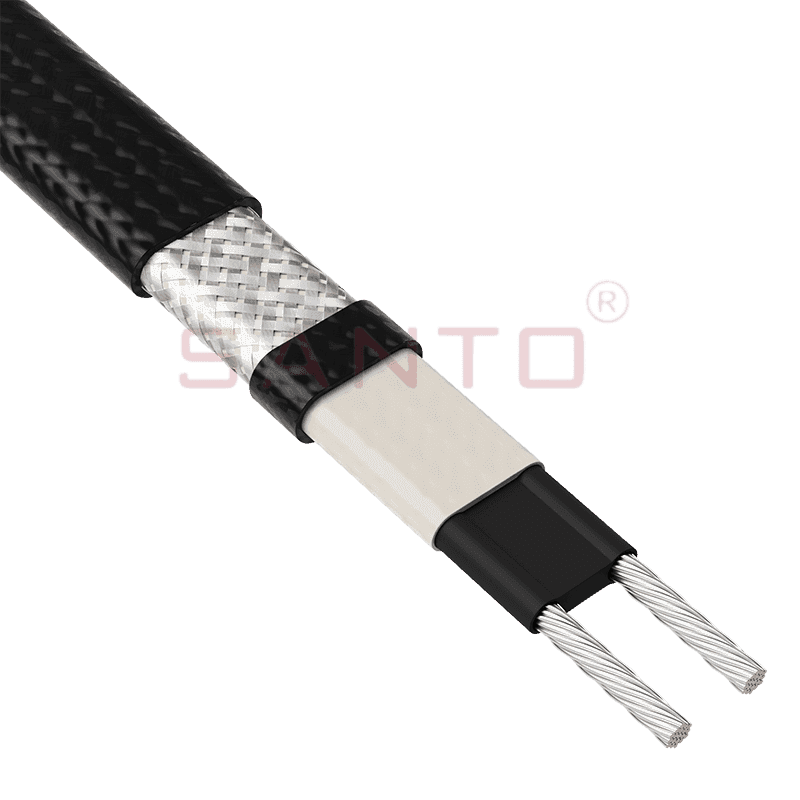
The SANTO UFA range of self-regulating heating cables is mainly used for frost protection of pipes and vessels but can also be used to maintain processes up to 65°C. These heating cables are available...
See Details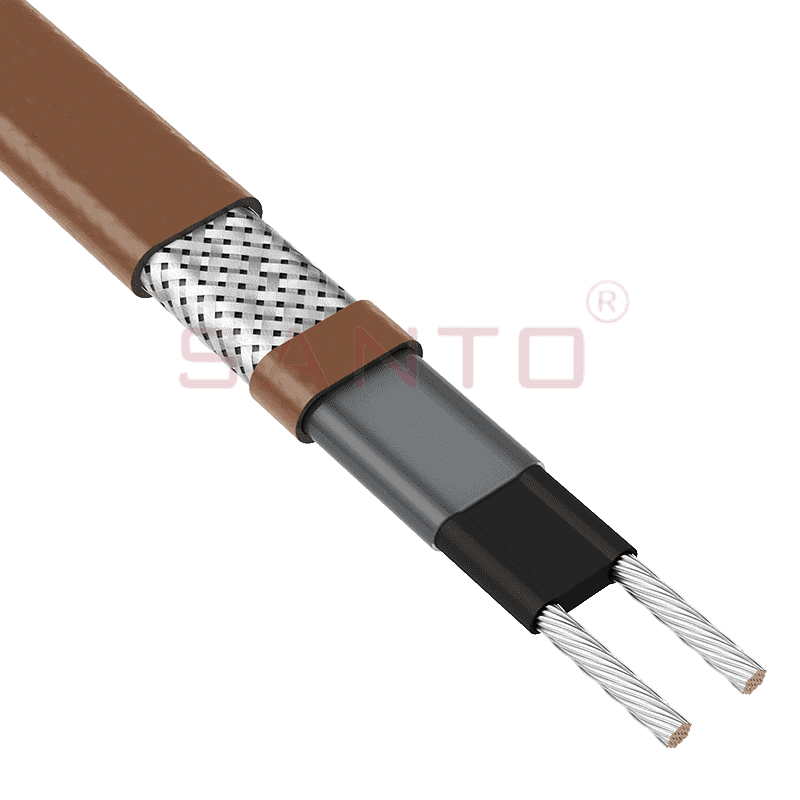
The SANTO UFB range of self-regulating heating cables is mainly used for frost protection of pipes and vessels requiring a higher power output than the UFA heating cables can supply. They can also be ...
See Details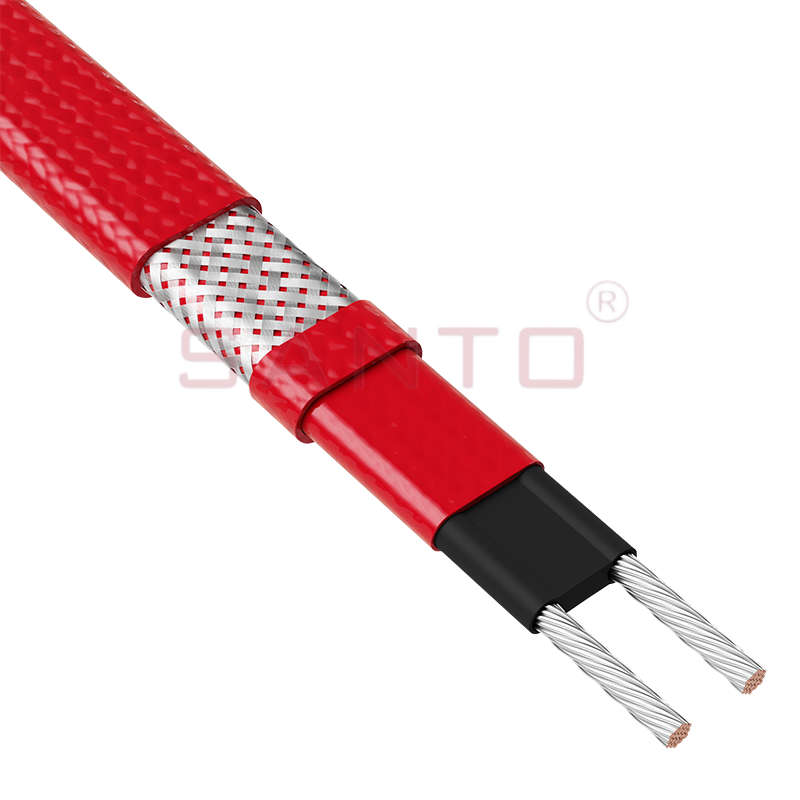
The SANTO UFC range of self-regulating heating cables is used for frost protection of pipes and vessels that require steam cleaning. They can also be used to maintain processes up to 121°C. These heat...
See Details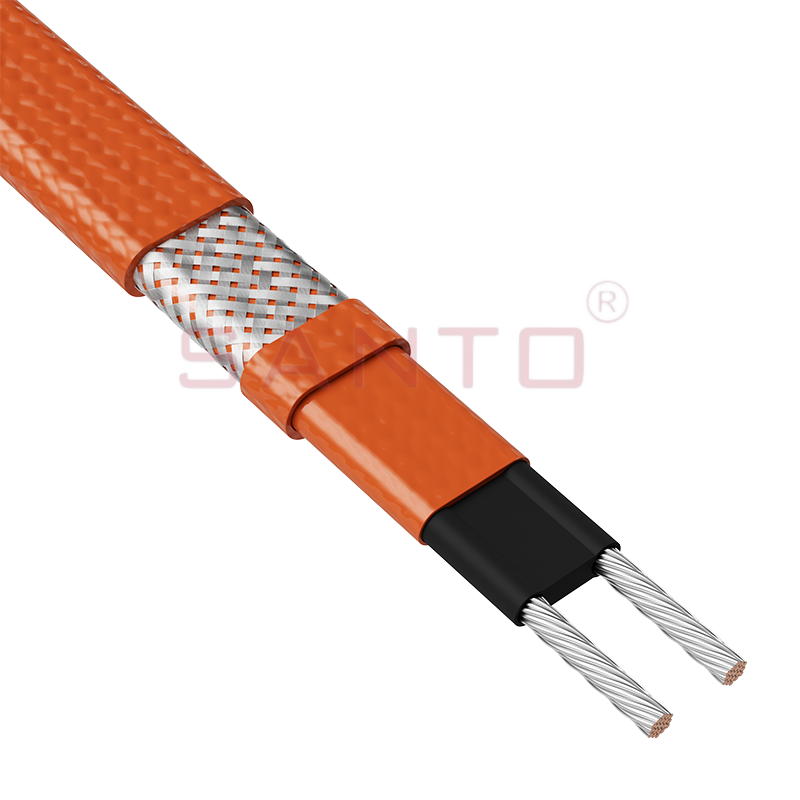
The SANTO UFO range of self-regulating heating cables is mainly used for frost protection of pipes and vessels that require steam cleaning . They can also be used to maintain processes up to 150°C. Th...
See Details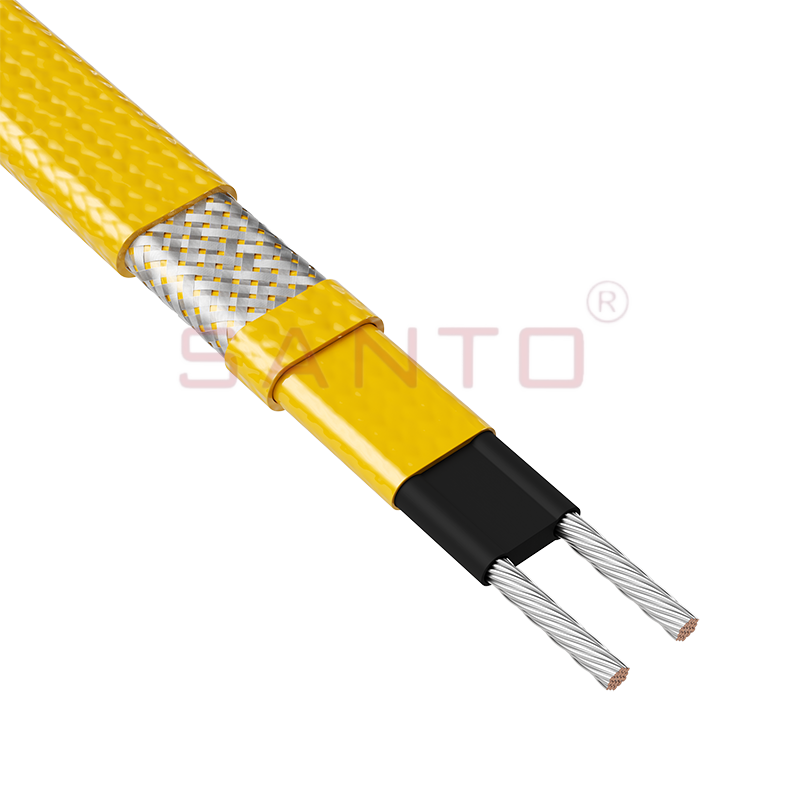
The SANTO UFD series of self-regulating heating cables are mainly used for freeze protection of pipes and vessels, but can also be used to maintain processes up to 200°C. These heating cables are avai...
See Details
SANTO UFY heating wire is suitable for applications that maintain process temperatures up to 260 ℃ and can be steam blown; The self-regulating and parallel circuit heating wires of the UFY series are ...
See Details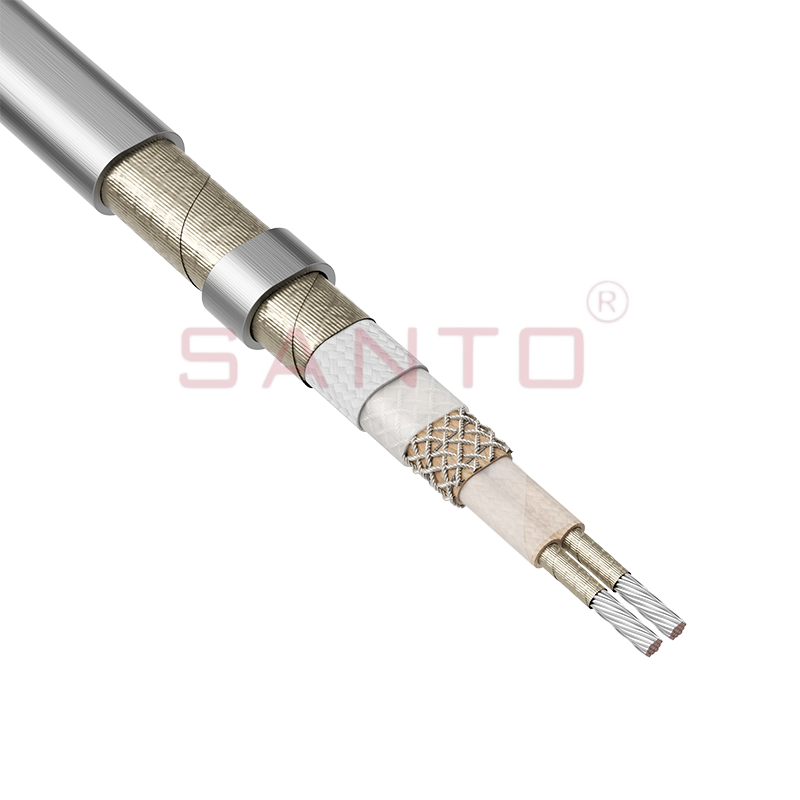
The SANTO UFM series self-regulating heating cables are mainly used for freeze protection of pipes and vessels, but can also be used to maintain processes up to 400°C. These heating cables are availab...
See Details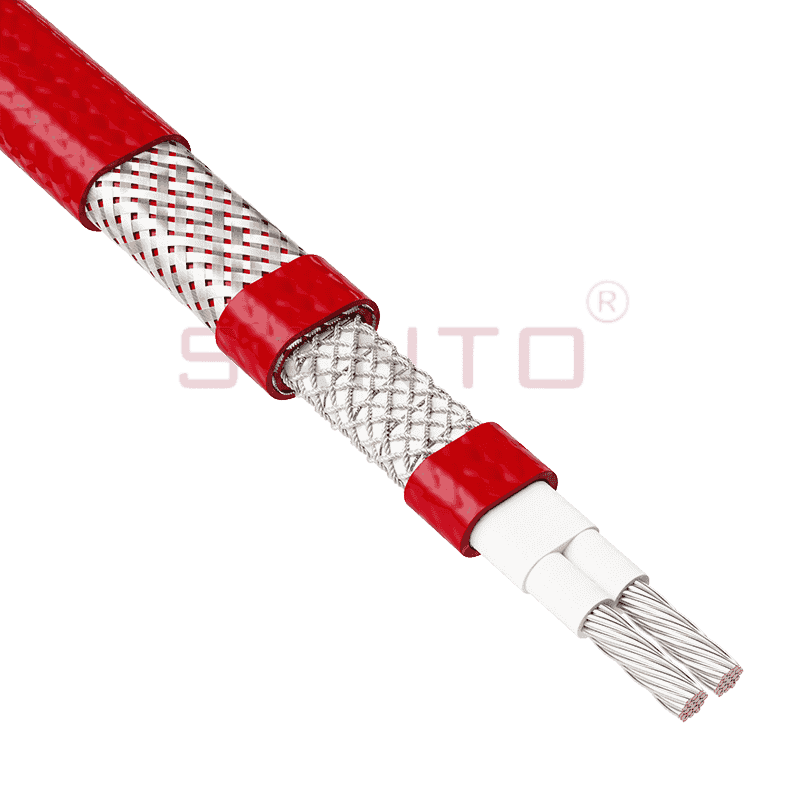
The SANTO ACC range of power-limiting heating cables is mainly used for temperature maintenance of processes and offers the advantage of a high power output at high temperatures which can reduce the n...
See Details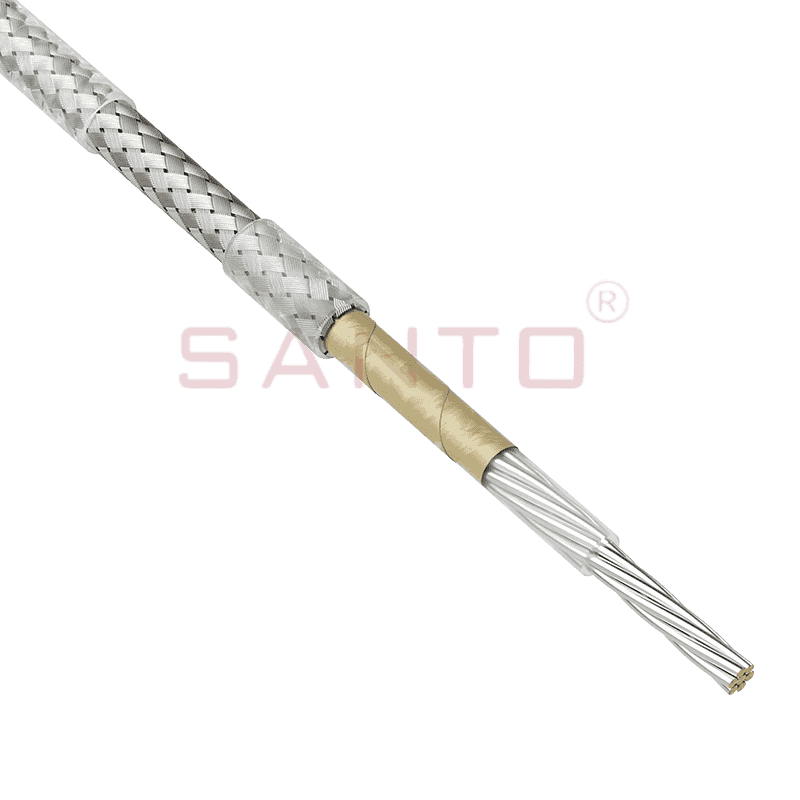
The stranded high temperature conductor is nickel plated to ensure a long life at elevated temperatures in corrosive environments. It is electrically isolated using an innovative sandwich construction...
See Details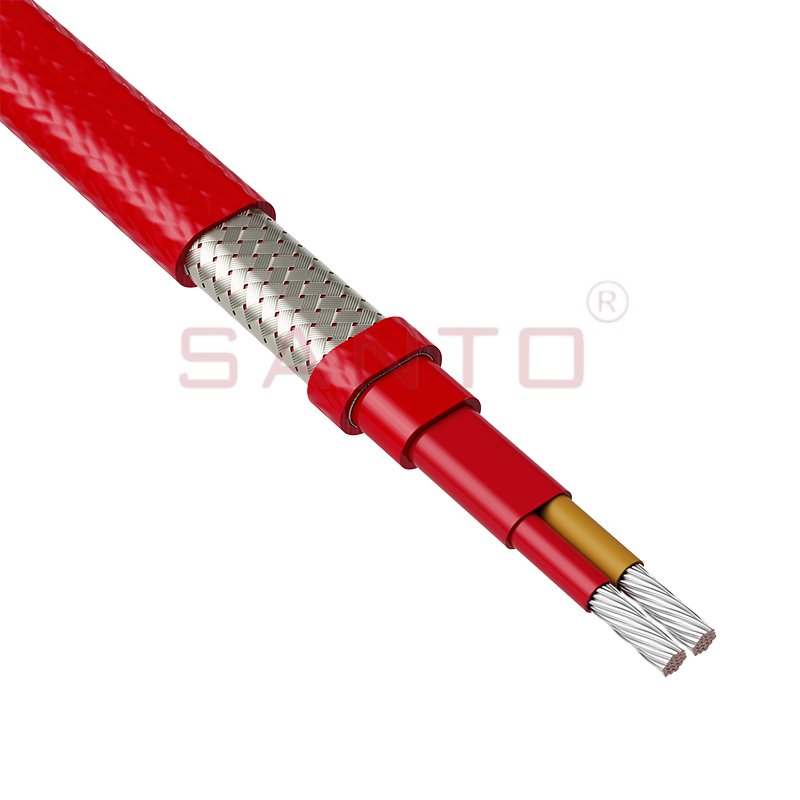
The stranded high temperature conductor is nickel plated to ensure a long life at elevated temperatures in corrosive environments. It is electrically isolated using an innovative sandwich construction...
See Details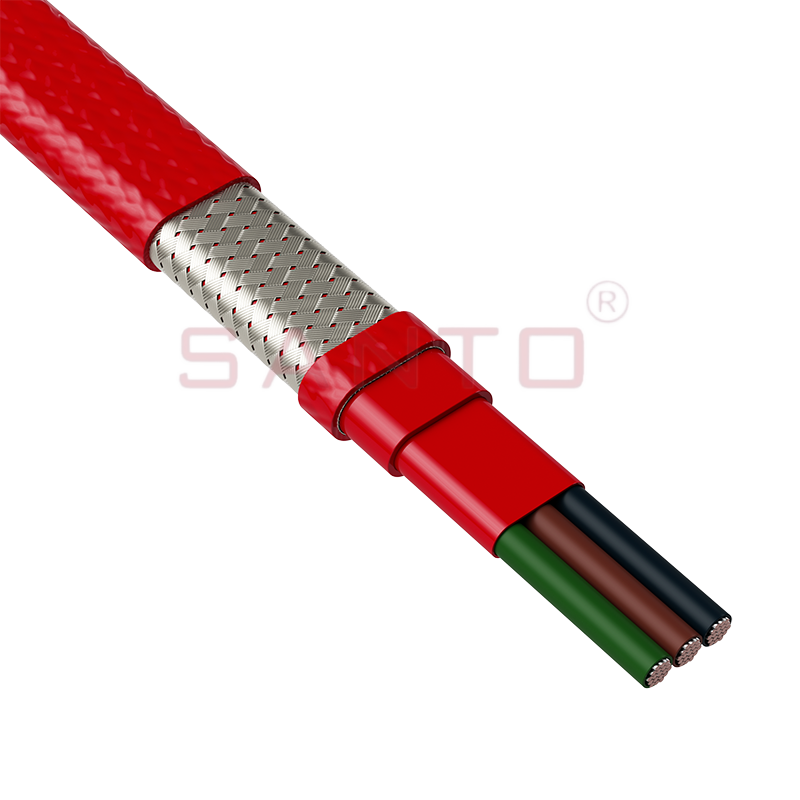
The stranded high temperature conductor is nickel plated to ensure a long life at elevated temperatures in corrosive environments. It is electrically isolated using an innovative sandwich construction...
See Details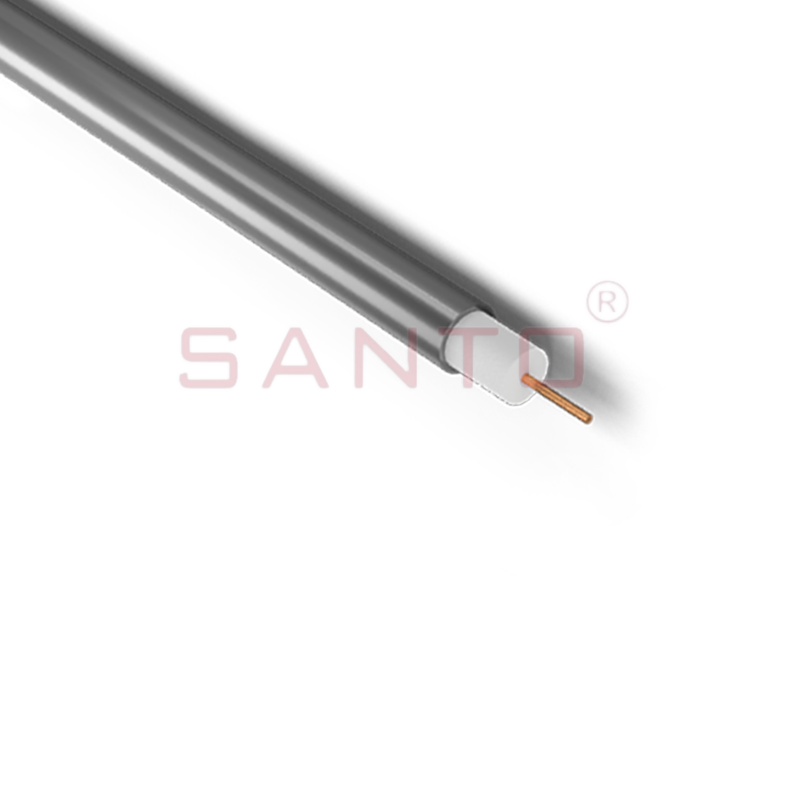
SANTO HAx mineral insulated (MI) Alloy 825 series heating cables are suitable for use in hazardous areas. They have been designed for use in freeze protection and temperature maintenance applications ...
See Details
Santo electric heating strips are widely used in key industries in China.

