 English
 English
 русский
 日本語
 Español
 中文简体

The SANTO UFA range of self-regulating heating cables is mainly used for frost protection of pipes and vessels but can also be used to maintain processes up to 65°C. These heating cables are available...
See Details
Content
Nuclear magnetic resonance instruments require carefully controlled operating conditions to deliver stable, repeatable, and reliable performance. Although the primary function of an NMR system is based on magnetic resonance technology, its supporting components may also depend on controlled heating. Temperature-sensitive tubing, analytical chambers, sample-handling assemblies, fluid paths, sensors, housings, and other auxiliary parts can require carefully distributed heat to prevent condensation, maintain process stability, or keep operating temperatures within a defined range.
A nuclear magnetic resonance instrument heater is designed to provide this controlled thermal support. Unlike a general-purpose heating element, a heater for medical and laboratory equipment must combine compact construction, accurate heat distribution, electrical safety, long service life, and compatibility with specialized equipment layouts. The heater must also work without unnecessarily interfering with the instrument’s mechanical arrangement, service accessibility, or operating environment.
The custom nuclear magnetic resonance instrument heater described in this article is a thin, flexible, and configurable electric heating solution for NMR equipment. It can be manufactured according to the dimensions, power requirements, installation method, and control strategy of the target instrument. With a minimum thickness of 0.15 mm, a maximum recommended heating temperature of 180°C, a power density of up to 3 W/cm², and insulation resistance of at least 100 MΩ at 1,000 V, the heater is suitable for a wide range of controlled thermal applications.
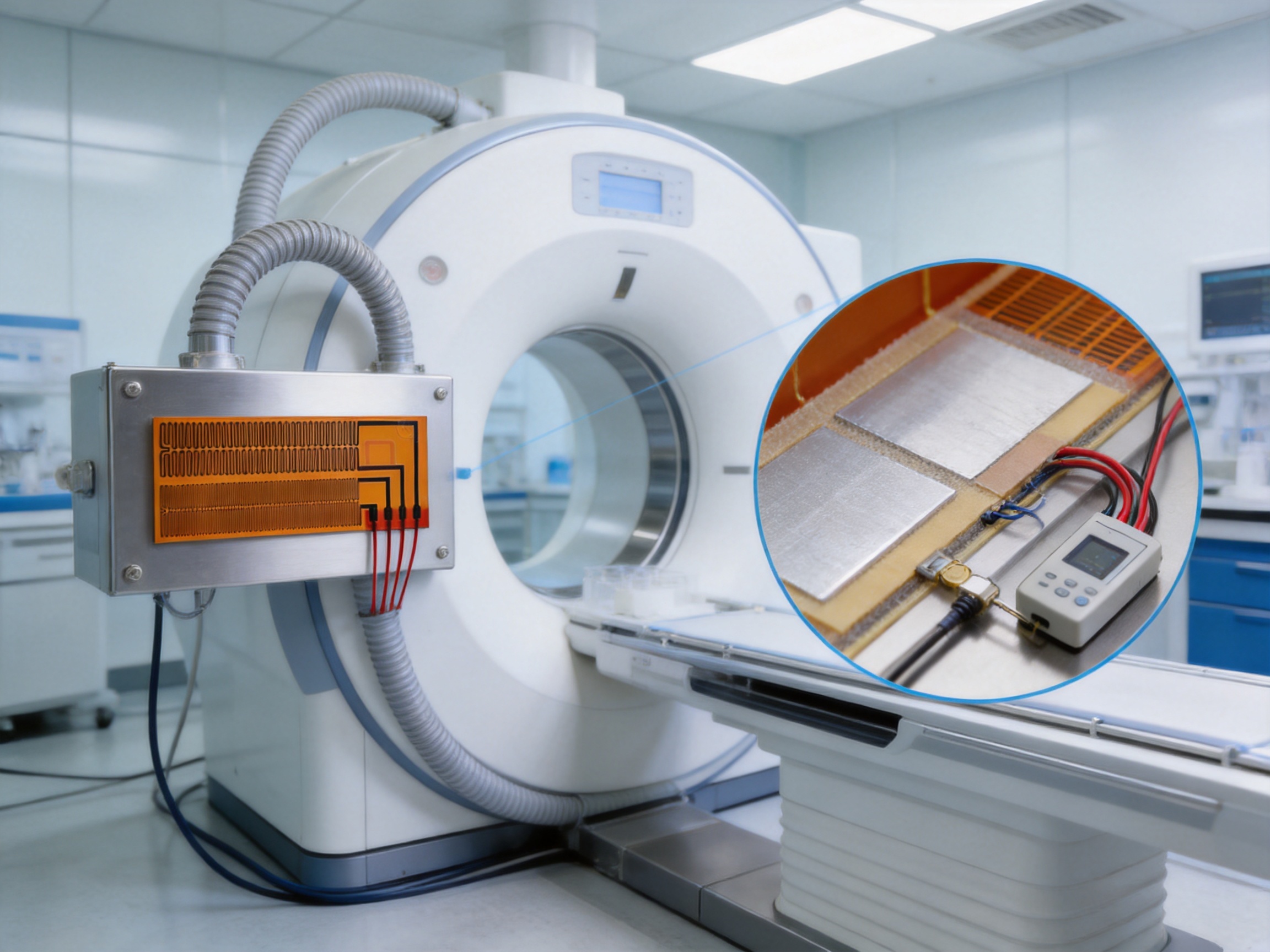
Its value is not limited to the heating element itself. The overall solution may include connecting wires, an adhesive layer, an aluminum plate, thermally conductive materials, insulation materials, a temperature controller, and a temperature sensor. This modular approach allows equipment designers to specify a complete heating assembly instead of adapting a standard heater to an application for which it was not originally designed.
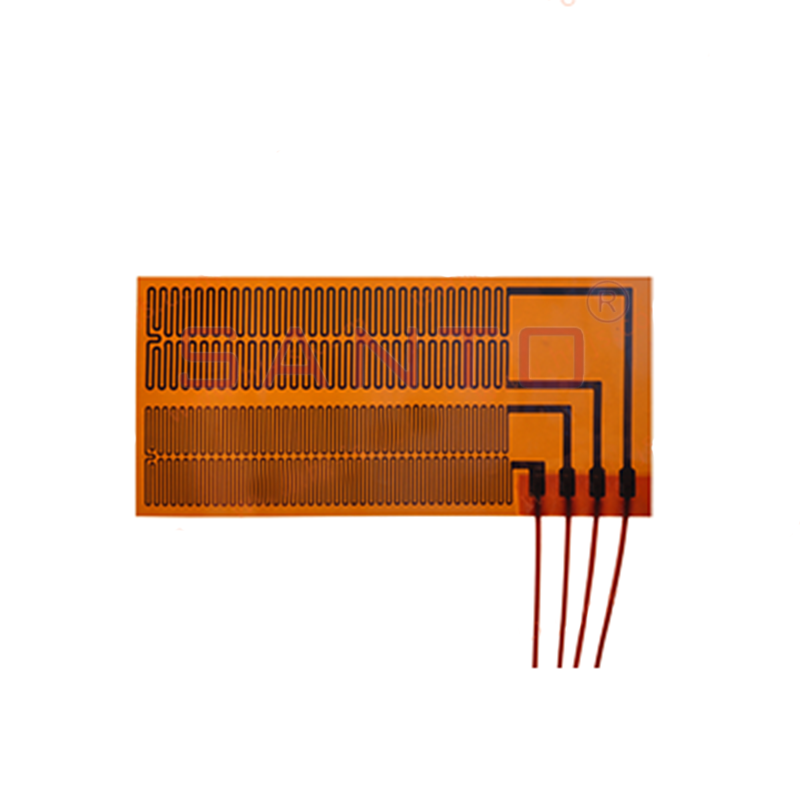
Nuclear magnetic resonance instrument heater
NMR instruments are precision systems. Their performance may depend on the coordinated operation of a magnet, probe, sample area, electronic modules, fluid circuits, mechanical supports, and software-controlled measurement systems. Temperature variations can influence materials, fluid viscosity, condensation behavior, dimensional stability, and the repeatability of an analytical process. For this reason, thermal management may be required even when the instrument is installed in a controlled laboratory or clinical environment.
In some applications, heating is used to prevent a component from falling below a minimum temperature. In others, the purpose is to maintain a uniform temperature across a surface or to compensate for heat loss through a housing, tube, plate, or chamber. A heater may also be used to keep a sample pathway or related assembly within an appropriate temperature range before, during, or after a measurement.
Uniform heating is particularly important. A heater that creates concentrated hot spots can place unnecessary stress on a component and may produce inconsistent thermal conditions. A heater that is too thick can interfere with installation or create unwanted gaps between mating surfaces. A heater with poor insulation can create electrical hazards, while an inadequately protected heater may have a shortened service life in the presence of moisture, cleaning agents, vibration, or repeated thermal cycling.
For these reasons, a heating solution for NMR equipment should be assessed as a complete engineered assembly. The heating element, insulation system, wiring, attachment method, temperature sensor, controller, and installation surface all contribute to the final result.
The nuclear magnetic resonance instrument heater is a customized electric heating product developed for medical-industry equipment. It can be produced in different shapes and sizes to suit the available installation area. Depending on the equipment requirements, the product may be supplied as a thin flexible heater, a heater bonded to an aluminum plate, a heater combined with thermally conductive material, or a complete assembly with insulation, wiring, sensing, and temperature-control accessories.
The design objective is to provide effective and predictable heat transfer while keeping the heater compact. The minimum stated thickness is 0.15 mm, which supports installation in applications where space is limited. A thin profile can reduce interference with surrounding components and help the heater conform to curved or irregular surfaces when the selected construction permits such flexibility.
The specified heating temperature is no higher than 180°C. This upper limit provides a broad design range for controlled warming and temperature maintenance, while the actual operating temperature should be selected according to the NMR instrument, the heated component, the surrounding materials, and the requirements of the equipment manufacturer.
The power density can be designed at up to 3 W/cm². The correct power density depends on the size of the heated surface, the material receiving the heat, the amount of heat loss, the desired warm-up time, the insulation arrangement, and the control method. Higher power density does not automatically mean better performance. In precision equipment, the most suitable design is normally the one that reaches the required temperature without excessive thermal gradients.
Insulation resistance is specified at 1,000 V with a minimum value of 100 MΩ. This electrical insulation performance supports safe integration when the heater is correctly manufactured, installed, grounded where necessary, and operated within its specified limits. Verification should be performed during production and, where appropriate, as part of the customer’s equipment validation process.
| Item | Specification or Option | Engineering Significance |
|---|---|---|
| Product type | Nuclear magnetic resonance instrument heater | Designed for controlled heating of NMR-related medical and laboratory equipment |
| Minimum thickness | 0.15 mm or greater | Supports compact installation in space-constrained assemblies |
| Heating temperature | Up to 180°C | Provides a broad operating range for warming and temperature maintenance |
| Maximum power density | Up to 3 W/cm² | Allows the heating output to be matched to heat loss and warm-up requirements |
| Insulation resistance | At least 100 MΩ at 1,000 V | Supports electrical safety and insulation verification |
| Wiring | Optional | Can be selected according to routing, connector, and installation requirements |
| Adhesive layer | Optional | Supports surface attachment and thermal contact |
| Aluminum plate | Optional | Can improve mechanical support and heat distribution |
| Thermal conductivity material | Optional | Helps transfer heat from the heater to the target surface |
| Insulation material | Optional | Helps reduce heat loss and protect adjacent parts |
| Temperature controller | Optional | Regulates heater operation according to the application |
| Temperature sensor | Optional | Provides feedback for monitoring and closed-loop control |
Standard heating products are often designed for broad industrial applications. Their dimensions, terminals, mounting holes, and power characteristics may not match a medical instrument. A customized heater can be designed around the available space rather than forcing the equipment designer to redesign the surrounding assembly.
The thin construction of this product is especially useful where the heater must fit between a surface and a protective cover, around a tube, beneath a plate, or inside a compact module. Reducing unnecessary bulk can simplify installation and may help preserve the original mechanical arrangement of the instrument.
A thin heater can also shorten the thermal path between the heating element and the target surface. When combined with suitable thermal interface materials, this may improve heat transfer efficiency and reduce the energy required to maintain the desired temperature. The final result depends on the materials and installation method, but the low-profile construction provides a useful starting point for efficient thermal design.
The heater can be designed to match the shape of the area requiring heat. This is important when a component has a non-rectangular outline, a narrow heating zone, a curved surface, or several areas that must be heated independently. By placing the heating pattern where heat is needed, the design can reduce unnecessary heating of surrounding parts.
Distributed heating is also valuable for minimizing temperature differences across a component. A properly selected heating pattern can provide more even surface coverage than a point heater or a loosely positioned heating wire. More uniform heating can help reduce thermal stress and improve the consistency of the operating environment.
The heater may be supplied with different accessory combinations. A customer may require only the heating element, or may need a complete assembly with leads, adhesive, insulation, a heat-spreading plate, sensor, and controller. This flexibility allows the product to be adapted to different installation and control philosophies.
For example, an aluminum plate may be selected when mechanical support and heat spreading are important. A thermally conductive layer may be used to improve contact between the heater and a target surface. An insulating layer may be added to direct heat toward the component and reduce losses to the surrounding structure. A temperature sensor may be positioned near the critical point so that the controller can respond to the actual temperature of the heated assembly.
Medical and laboratory equipment requires careful attention to electrical safety. The stated insulation resistance of at least 100 MΩ at 1,000 V provides a clear performance target for the heater assembly. This value should be verified using appropriate test procedures and should be considered together with creepage, clearance, grounding, wiring protection, connector selection, and the overall design of the instrument.
High insulation resistance can also support long-term reliability by reducing the risk associated with leakage paths, moisture exposure, and insulation deterioration. The actual service performance will depend on the operating environment, assembly materials, temperature cycling, mechanical stress, and maintenance conditions.
A heater used in an NMR instrument may be expected to operate for long periods and may experience repeated switching or temperature cycles. A suitable heating structure, stable insulation, controlled operating temperature, and appropriate attachment method can all contribute to service life.
Long service life is not achieved by the heating element alone. The product must be correctly matched to the application. Operating a heater continuously above its intended temperature, bending it beyond its design capability, installing it on an unsuitable surface, or allowing localized overheating can reduce its life. For this reason, the supplier’s engineering process and the customer’s installation instructions are both important parts of the product solution.
Several heating methods may be considered for temperature control in laboratory and medical equipment. These may include loose resistance wire, cartridge heaters, ceramic heaters, air heaters, external heating plates, or general-purpose flexible heaters. Each has possible uses, but their suitability depends on the available space, required temperature, heat distribution, and control accuracy.
Loose resistance wire can be economical and adaptable, but it may be difficult to position consistently. It may require additional supports, may produce uneven spacing, and can create localized hot spots if the installation is not carefully engineered. A formed or patterned thin heater provides a more repeatable heating layout and may simplify assembly.
A customized heater can also include integrated insulation and an attachment layer. This reduces the number of separate parts that the equipment manufacturer must source and install. Fewer uncontrolled variables can improve assembly consistency.
Cartridge and rod heaters are useful when a concentrated heat source is required inside a metal block or vessel. However, they normally require a drilled hole, a dedicated mounting structure, and a suitable thermal path. They may not be appropriate for thin surfaces, flexible components, or assemblies where drilling is impractical.
A thin surface heater can be attached directly to the area requiring heat. This can reduce mechanical modification and may provide a more distributed temperature profile. It is therefore potentially more suitable for compact NMR subassemblies and external surfaces.
General-purpose heating mats can provide broad coverage, but their dimensions and power ratings may not be optimized for a particular instrument. Excess material may need to be folded or left unused, while insufficient coverage may create cold zones. A custom heating pattern is designed around the target application, helping the heater occupy the available area more effectively.
Customization also makes it possible to specify the location of wire exits, sensor positions, adhesive boundaries, cutouts, and insulation layers. These details can be important when the heater must be integrated into a complex piece of medical equipment.
Hot-air heating can warm a large area, but it may produce air movement, noise, uneven temperature distribution, and heat transfer to unwanted locations. It also requires airflow space and may not be suitable for enclosed or sensitive assemblies.
A direct-contact electric heater transfers heat at the component surface and can be controlled locally. This can make the design more compact and may reduce unnecessary heating of the surrounding environment.
The manufacturer specializes in electric heating products, including automatic temperature-control heating belts, self-regulating heating belts, heat tracing belts, constant-power heating belts, glass-fiber heating belts, mineral-insulated cables, snow-melting cables, silicone rubber heating products, heating wires, and related accessories. This product range provides experience across different heating technologies and application conditions.
For a custom NMR instrument heater, this broader knowledge can support the selection of suitable conductors, insulation systems, thermal interface materials, wiring arrangements, control components, and protective layers. A supplier that understands several heating technologies can evaluate the application more broadly rather than treating every request as a simple resistance calculation.
The company integrates research, design, production, manufacturing, and sales. This integrated structure can improve communication between the technical and production teams. It also allows design changes to be reviewed in relation to manufacturing capability, inspection requirements, material availability, and final installation.
Custom production begins with understanding the equipment. Important information may include the heated component’s dimensions, material, shape, operating temperature, permitted temperature variation, available voltage, required wattage, warm-up time, heat-loss conditions, installation orientation, and expected duty cycle.
Additional information may include the location of nearby electronics, the presence of fluids or cleaning agents, restrictions on adhesive use, requirements for removable installation, sensor position, cable routing, and the need for protective grounding. These factors help determine the heater’s geometry and accessory configuration.
The design can then be reviewed against the practical installation process. A heater that performs well in a laboratory test may still be difficult to assemble if its wires exit in the wrong direction, its adhesive cannot tolerate the surface, or its dimensions do not allow access for maintenance. Engineering review should therefore include both thermal performance and manufacturability.
Material selection influences flexibility, thermal response, insulation, mechanical strength, and service life. Depending on the design, the heater may include conductive heating tracks, electrical insulation layers, protective films, an adhesive layer, thermal interface materials, and an external support plate.
The purpose of each layer should be clearly defined. The heating layer generates heat. The insulation layers separate the conductive parts from the equipment and the operator. A thermally conductive layer improves contact with the target surface. An aluminum plate may spread heat and increase structural rigidity. An adhesive layer holds the heater in position and can also reduce air gaps.
Using the correct combination of materials can help balance flexibility and durability. A heater for a curved surface may require a flexible construction, while a heater mounted beneath a rigid plate may benefit from a more reinforced structure. The final design should be selected according to the installation conditions rather than using one construction for every application.
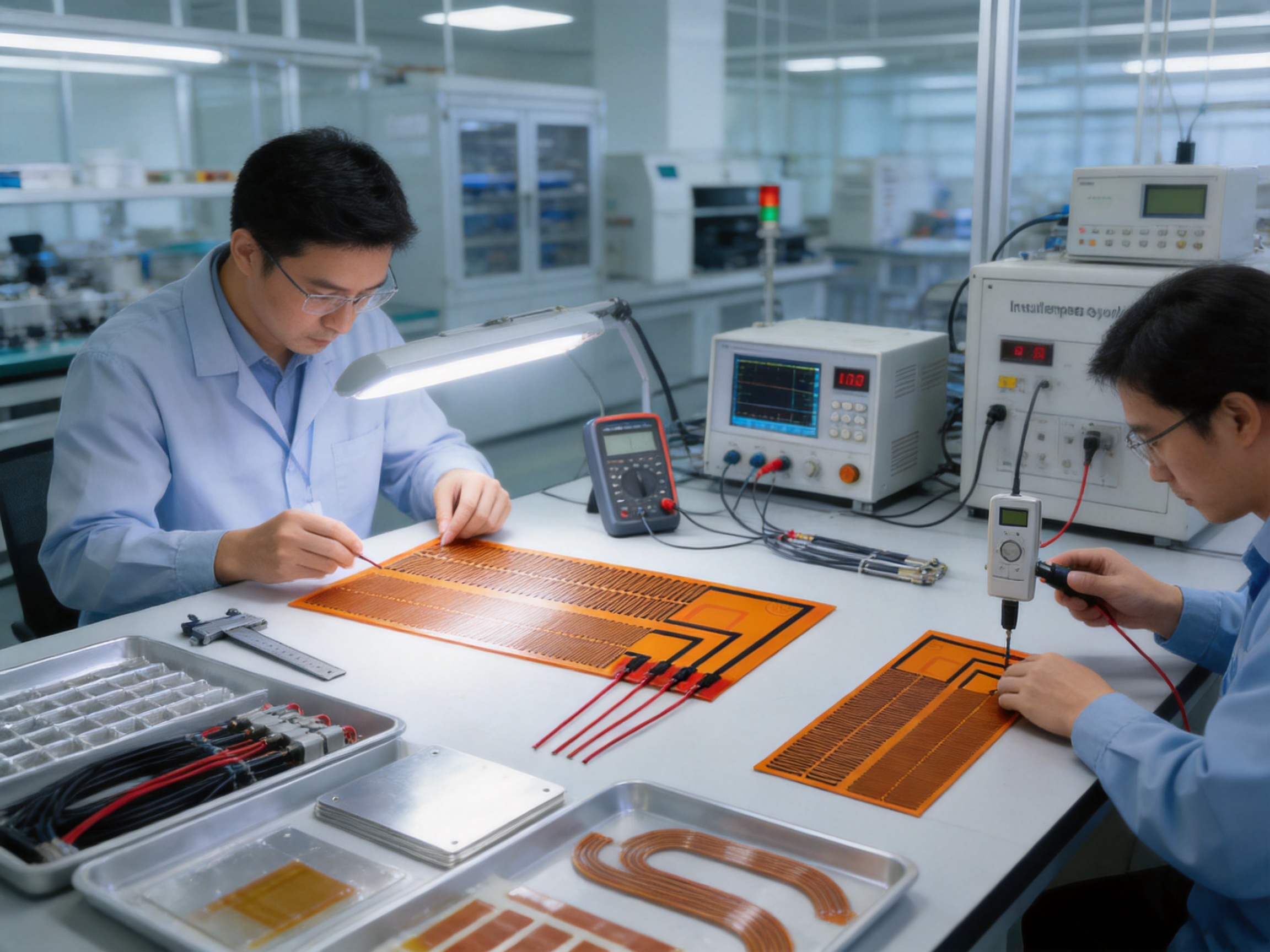
Manufacturing quality depends on repeatability. The heating pattern, dimensions, conductor resistance, insulation coverage, wire attachment, and accessory placement should be controlled during production. Appropriate inspection can identify problems before the heater is delivered to the equipment manufacturer.
Typical verification activities may include dimensional inspection, resistance measurement, insulation resistance testing, visual examination, wire-pull evaluation, adhesion assessment, thermal performance testing, and functional testing with the designated controller or sensor. The exact test plan should be established according to the product design and customer requirements.
The company has passed ISO9001 quality system certification and has experience producing heating products for domestic and international markets. A documented quality system can support traceability, process control, corrective action, and consistent handling of customer specifications.
The company has a history of developing electric heating technologies. Its reported development milestones include the establishment of an electric heating instrument factory, the creation of an irradiation center, the development of self-limiting temperature nano far-infrared heating technology, the invention of carbon-fiber parallel heating cable technology, and the expansion of product simulation and testing facilities.
This development background is relevant to custom heating because demanding applications often require more than a standard catalog item. Product development experience can help the engineering team evaluate new shapes, insulation structures, power arrangements, and control methods. It may also support the creation of samples and prototypes before formal production.
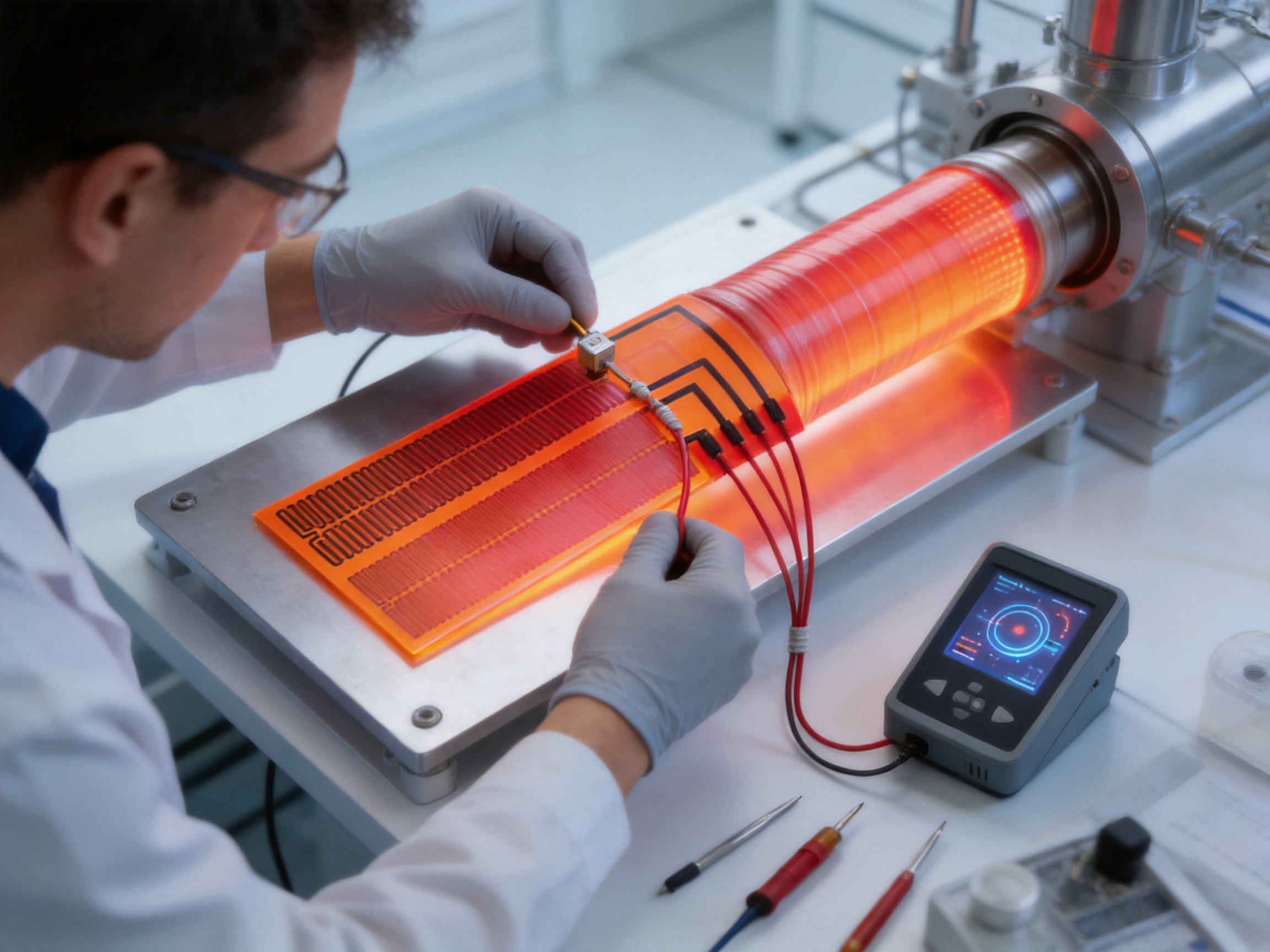
A heater should not be selected independently from its control system. The maximum heater temperature and the desired component temperature are not necessarily the same. The heater may be capable of reaching a higher temperature than the equipment should experience, so a controller and sensor are often used to regulate operation.
A temperature sensor can be mounted close to the critical surface or integrated into the heater assembly. The best position depends on the purpose of the control system. If the objective is to protect the equipment, the sensor may need to monitor the hottest sensitive location. If the objective is to maintain a process temperature, the sensor may need to be placed at the point where the process temperature is most representative.
Control methods may include on-off switching, proportional control, programmable control, or integration with the instrument’s existing monitoring system. The control strategy should account for heater wattage, thermal mass, heat loss, sensor response, and the risk of overshoot.
Safety protection may include an independent temperature limit, a thermal fuse, software alarms, fault detection, or a redundant sensor. These features are not automatically included in every heater and should be specified according to the equipment risk assessment and applicable requirements.
Correct installation is essential for effective heat transfer and reliable operation. The mounting surface should be clean, smooth, and compatible with the selected adhesive or mechanical attachment method. Contaminants, roughness, trapped air, or wrinkles can increase thermal resistance and create uneven heating.
The heater should be installed without sharp folds, punctures, or excessive tensile stress. Flexible construction does not mean that the product can be folded arbitrarily. Minimum bend radius, lead exit direction, pressure limits, and mounting restrictions should be confirmed before installation.
If an adhesive layer is used, the adhesive must be compatible with the operating temperature and the surface material. It should provide sufficient contact without leaving gaps. In applications requiring future removal, a removable attachment strategy may be more appropriate than a permanent adhesive.
Wires should be routed away from sharp edges, moving parts, high-temperature zones outside the heater’s rated area, and sources of electromagnetic or mechanical interference. Strain relief should be provided near the wire exit so that repeated handling does not transfer force to the electrical connection.
Where an aluminum plate or thermal spreader is included, it should be installed with adequate surface contact. Where insulation is added, it should not prevent the heater from transferring heat to the target component. The thermal direction of the assembly should be considered so that insulation is placed where it reduces unwanted losses rather than blocking the intended heat path.
Before integration into an NMR instrument, the heater assembly should be evaluated under representative conditions. Testing may include initial resistance, insulation resistance, warm-up behavior, steady-state temperature, temperature uniformity, controller response, repeated cycling, and operation under expected environmental conditions.
Validation should also consider the complete instrument. The heater should not interfere with access panels, sensors, wiring, magnetic components, sample handling, fluid lines, or other equipment functions. The effect of the heater on nearby temperatures should be measured, especially where sensitive components are located.
Reliability testing may include accelerated thermal cycling, operating endurance, start-stop cycling, vibration exposure where relevant, and inspection after testing. The selection of tests depends on the instrument design and the intended service environment. A laboratory prototype and a production medical instrument may require different validation plans.
The insulation resistance specification provides an important electrical benchmark, but it is only one part of the safety assessment. The complete assembly should also be evaluated for grounding, protective barriers, connector safety, cable insulation, leakage current where applicable, and safe behavior in the event of a sensor or controller fault.
A controlled heater can help maintain a stable thermal environment for components that must remain within a defined temperature range. By compensating for heat loss or preventing excessive cooling, the heater may support more consistent equipment operation.
In some environments, controlled warming may reduce the likelihood of condensation on selected surfaces. Condensation control must be designed carefully because excessive heating can damage materials or create other thermal problems. The heater should therefore be operated under a defined control strategy.
A custom heater can be produced with specified dimensions, wire positions, cutouts, and mounting features. This reduces the need for improvised installation and may simplify production of the final instrument.
Direct surface heating can deliver energy where it is needed. When the heater is matched to the target area and combined with appropriate insulation, less heat may be wasted in the surrounding air or structure. Energy performance depends on the complete installation, but the compact design supports efficient thermal management.
The manufacturer provides OEM and ODM heating cable services and can customize heating products according to equipment requirements. This is useful for instrument manufacturers that need a repeatable component for a new product, a replacement for an existing heating system, or a specialized heater for a small production run.
Customers should begin by defining the function of the heater. The required function may be temperature maintenance, frost prevention, condensation reduction, warm-up, process support, or protection of a sensitive component. A clear functional objective makes it easier to choose the power level and control method.
The next step is to document the installation area. Useful information includes a drawing or three-dimensional model, length and width, curvature, available thickness, mounting surface, cable exit location, and any holes or cutouts. Photographs and installation sketches can also help clarify the practical conditions.
Electrical requirements should include voltage, wattage, resistance, power density, duty cycle, connector type, cable length, and grounding requirements. The customer should also state whether the heater will operate continuously or intermittently.
Thermal requirements should include the desired operating temperature, maximum permitted temperature, ambient temperature, warm-up time, temperature uniformity, and nearby materials. If the heater is attached to a liquid-filled component or a thermally conductive metal part, the heat capacity and heat-loss conditions should be considered.
Control requirements should define whether a temperature sensor, controller, alarm, independent limit, or connection to the instrument control system is needed. If the customer already has a preferred sensor or controller, that information should be provided during the design stage.
Finally, the customer should identify applicable quality and documentation requirements. These may include inspection records, material information, production samples, test reports, labeling, packaging requirements, and traceability information.
The company has more than 35 years of experience in the electric heating industry and produces a broad range of heating and heat-tracing products. Its products serve applications in petroleum, chemicals, gas, construction, solar energy, electric heating, geothermal cultivation, and other sectors requiring antifreeze, deicing, heating, heat tracing, and insulation.
This cross-industry experience can be beneficial when developing a medical-equipment heater because thermal problems often involve more than one discipline. Electrical design, heat transfer, insulation, mechanical installation, environmental protection, and process control must work together.
The company reports an annual output of more than 10,000 units or product assemblies, a distribution network of more than 2,000 distributors, and business coverage in more than 85 areas. It also reports international market experience, explosion-proof certification for relevant products, EAC certification, and national CCC certification for applicable products. Certifications and approvals should always be checked against the exact heater model and the intended application, because not every certification applies to every product.
Additional production and testing facilities have been developed to support new product development and product simulation. For OEM customers, such facilities may help with sample evaluation, design improvement, and repeat production.
The heater should be operated only within the electrical, thermal, and mechanical limits established for the specific design. The maximum stated heating temperature of 180°C should not be interpreted as the required operating temperature for every NMR application. The actual target temperature may be much lower.
Power density should also be selected carefully. The stated maximum of 3 W/cm² is a design limit, not a universal recommendation. A lower power density may be preferable when the target component is sensitive, when temperature uniformity is especially important, or when the heater operates continuously.
The heater should not be energized while detached if detachment can prevent heat transfer or cause the heater to exceed its intended temperature. Sensors and controllers should be checked for correct operation. If a fault condition is detected, the heater should be disconnected according to the equipment safety procedure.
Medical and laboratory equipment manufacturers are responsible for integrating the heater into the complete system and determining the applicable regulatory and safety requirements. The heater supplier can provide product information and technical cooperation, but system-level compliance depends on the final equipment design.
It is a customized electric heating assembly designed to provide controlled heat to selected components or areas of an NMR instrument. It may be used for temperature maintenance, warm-up, condensation prevention, heat compensation, or other thermal-management functions.
Yes. The heater can be customized according to the equipment’s dimensions, surface shape, installation space, wire-exit location, cutouts, and thermal requirements. Drawings, samples, photographs, and technical specifications can be used during the design process.
The stated minimum thickness is 0.15 mm. The final thickness depends on the heating construction, insulation layers, adhesive, protective materials, and any aluminum plate or thermal interface material included in the assembly.
The specified heating temperature is no higher than 180°C. The recommended operating temperature must be determined for the actual NMR component and should remain within the limits of the heater, the equipment, and the surrounding materials.
The stated power density is up to 3 W/cm². The appropriate design value may be lower depending on the target temperature, heat loss, surface material, required uniformity, and control method.
Yes. A temperature sensor is an optional accessory. Its position and type should be selected according to the control objective and the location of the component whose temperature must be monitored.
Yes. A temperature controller can be supplied as an optional accessory or specified as part of the complete heating system. The controller should be matched to the heater’s voltage, current, sensor, control method, and safety requirements.
The stated insulation resistance is at least 100 MΩ when tested at 1,000 V. The actual test procedure and acceptance criteria should be confirmed for the final product and the customer’s quality system.
Yes. An adhesive layer is an optional accessory. Its suitability depends on the mounting surface, operating temperature, expected service life, removal requirements, and environmental conditions.
An aluminum plate can provide mechanical support and help spread heat over a larger area. It may be useful when the heater must be mounted as a more rigid assembly or when improved heat distribution is required.
It may be suitable for continuous operation if the design, power density, temperature, insulation, controller, and installation conditions are selected for that duty cycle. Continuous operation should be confirmed during engineering review and validation testing.
Recommended checks may include dimensional inspection, resistance measurement, insulation resistance testing, visual inspection, sensor verification, controller function, warm-up behavior, steady-state temperature, and temperature uniformity. The final test plan should reflect the equipment’s risk and quality requirements.
The product is described for nuclear magnetic resonance instruments and medical-industry applications. It may be adaptable to other equipment, but each new application requires a separate assessment of temperature, voltage, materials, safety, electromagnetic environment, and regulatory requirements.
A nuclear magnetic resonance instrument heater is a specialized thermal-management component rather than a simple heating wire. Its performance depends on a combination of low-profile construction, suitable power density, reliable insulation, accurate heat distribution, correct installation, and effective temperature control.
The described product offers a minimum thickness of 0.15 mm, heating temperatures up to 180°C, power density up to 3 W/cm², and insulation resistance of at least 100 MΩ at 1,000 V. Optional wires, adhesive layers, aluminum plates, thermal conductivity materials, insulation materials, temperature controllers, and sensors allow the heater to be configured around the requirements of a particular NMR instrument.
Its principal advantage over many standard heating approaches is the ability to integrate the heater into the equipment’s actual geometry and operating conditions. Custom dimensions, controlled heating patterns, flexible accessory selection, and production support can simplify equipment design and improve application reliability.
The manufacturer’s experience in electric heating products, quality-system certification, product development, international supply, and customized OEM and ODM manufacturing provides a foundation for developing specialized thermal solutions. Final performance, however, depends on correct engineering, appropriate materials, suitable controls, careful installation, and system-level validation.
For equipment manufacturers and laboratory-system designers, the best approach is to provide complete application information at the beginning of the project. When the thermal objective, installation space, electrical requirements, control method, and validation expectations are clearly defined, the heater can be designed as an integrated part of the NMR instrument rather than as an afterthought.
1. Product specification information for the customized nuclear magnetic resonance instrument heater, including thickness, heating temperature, power density, insulation resistance, and optional accessories.
2. General principles of electrical resistance heating and flexible surface-heater design.
3. General engineering practices for thermal management in medical and laboratory equipment.
4. ISO 9001 quality management system principles for manufacturing organizations.
5. General guidance on insulation resistance testing, electrical safety, and temperature-control verification.
6. Manufacturer-provided information concerning electric heating products, research and development, production capabilities, certifications, and application industries.
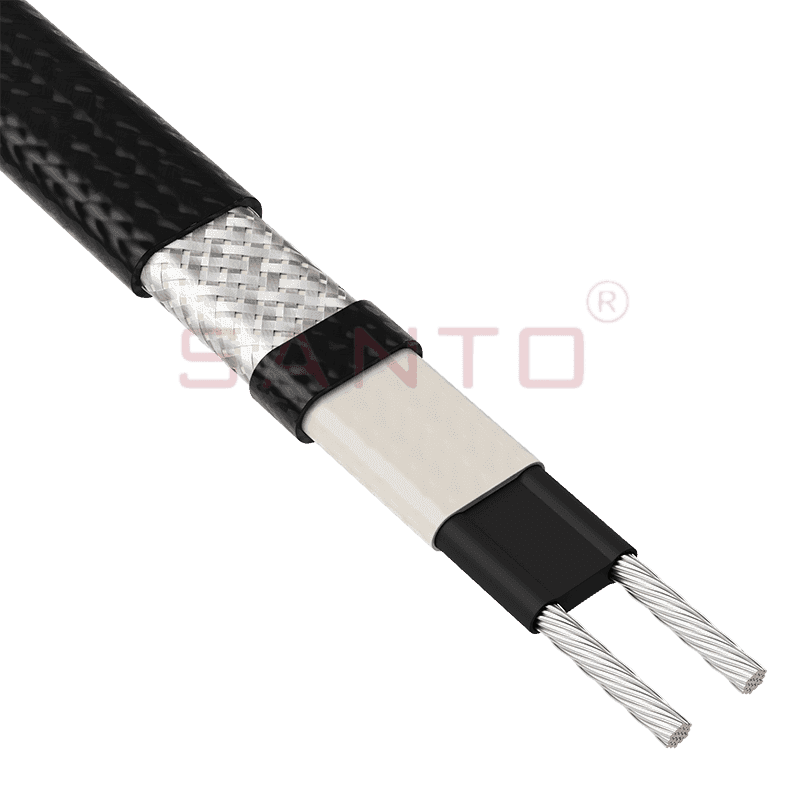
The SANTO UFA range of self-regulating heating cables is mainly used for frost protection of pipes and vessels but can also be used to maintain processes up to 65°C. These heating cables are available...
See Details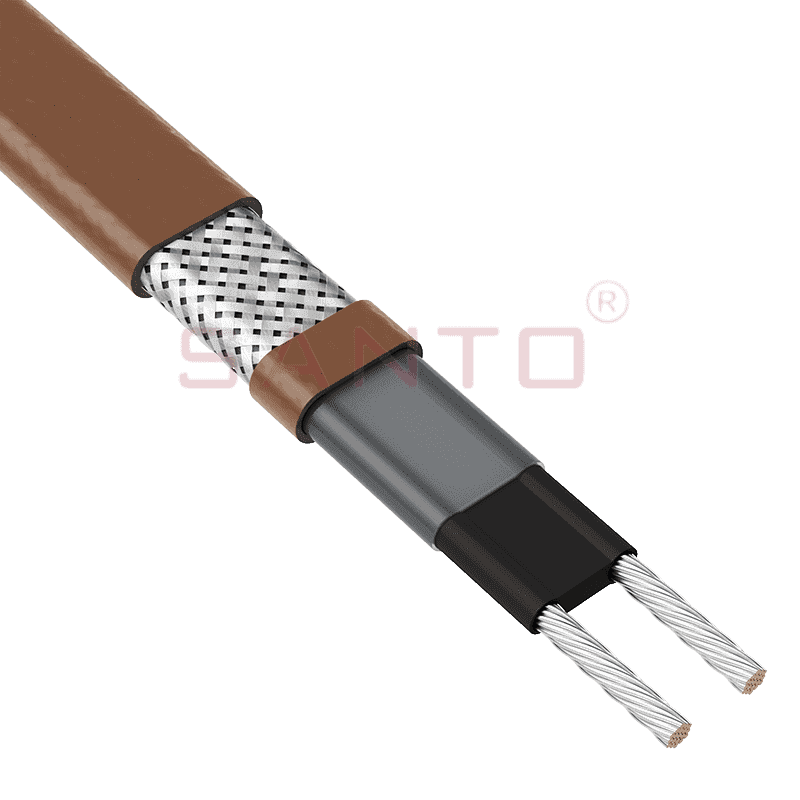
The SANTO UFB range of self-regulating heating cables is mainly used for frost protection of pipes and vessels requiring a higher power output than the UFA heating cables can supply. They can also be ...
See Details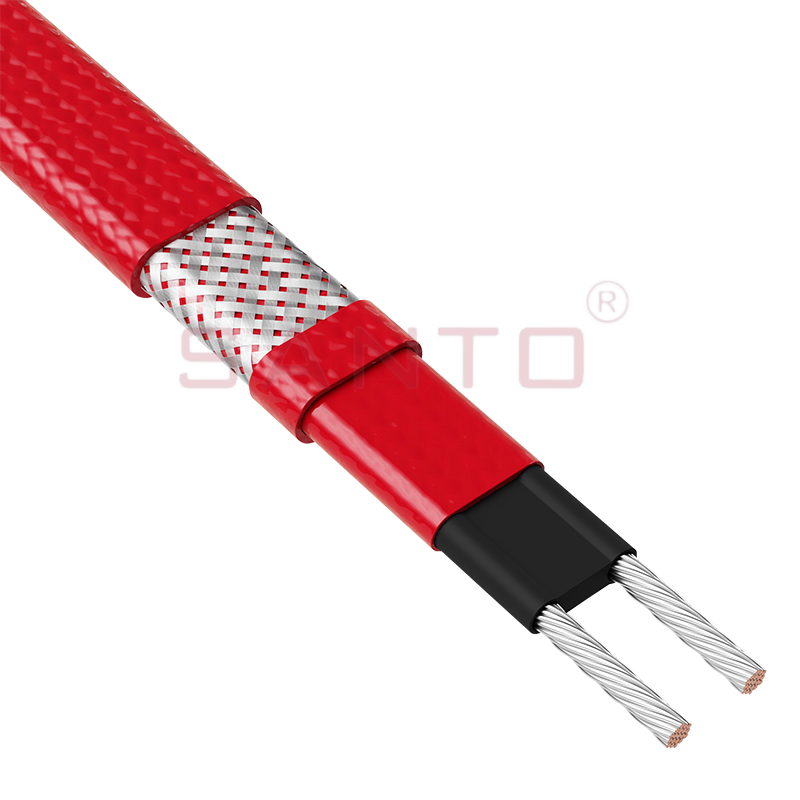
The SANTO UFC range of self-regulating heating cables is used for frost protection of pipes and vessels that require steam cleaning. They can also be used to maintain processes up to 121°C. These heat...
See Details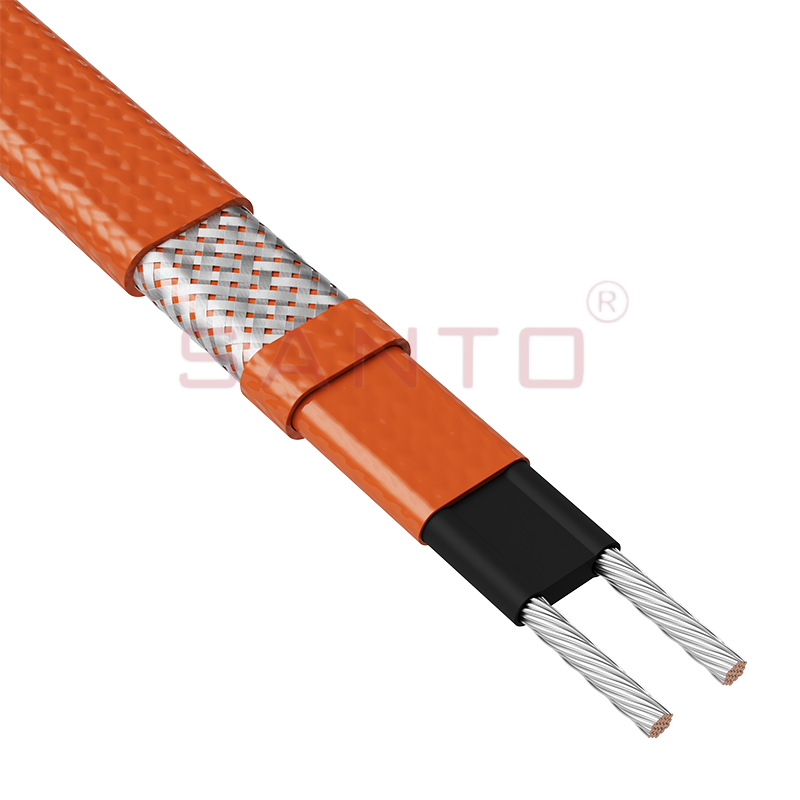
The SANTO UFO range of self-regulating heating cables is mainly used for frost protection of pipes and vessels that require steam cleaning . They can also be used to maintain processes up to 150°C. Th...
See Details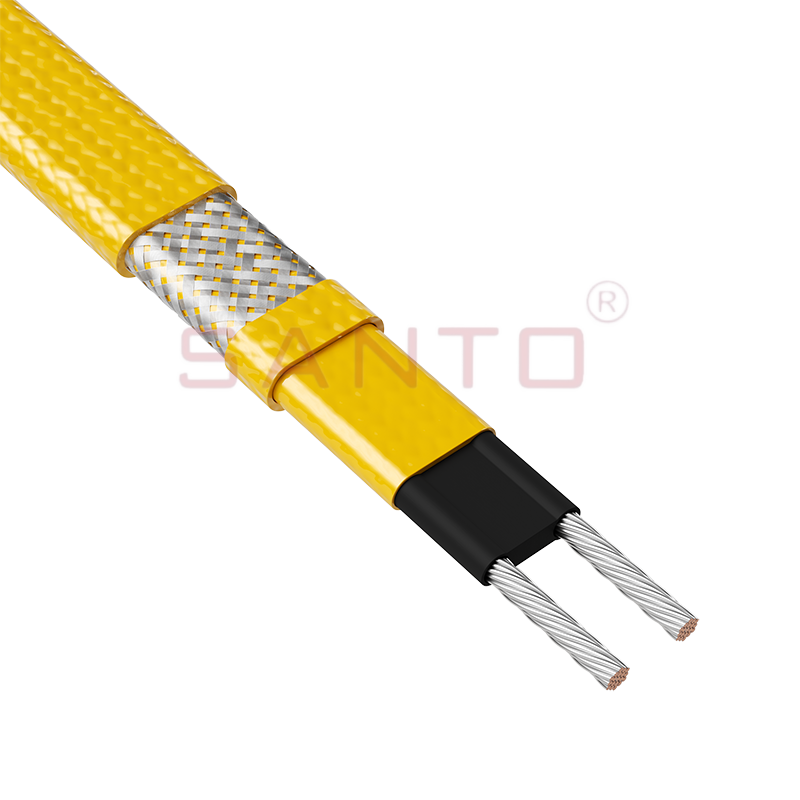
The SANTO UFD series of self-regulating heating cables are mainly used for freeze protection of pipes and vessels, but can also be used to maintain processes up to 200°C. These heating cables are avai...
See Details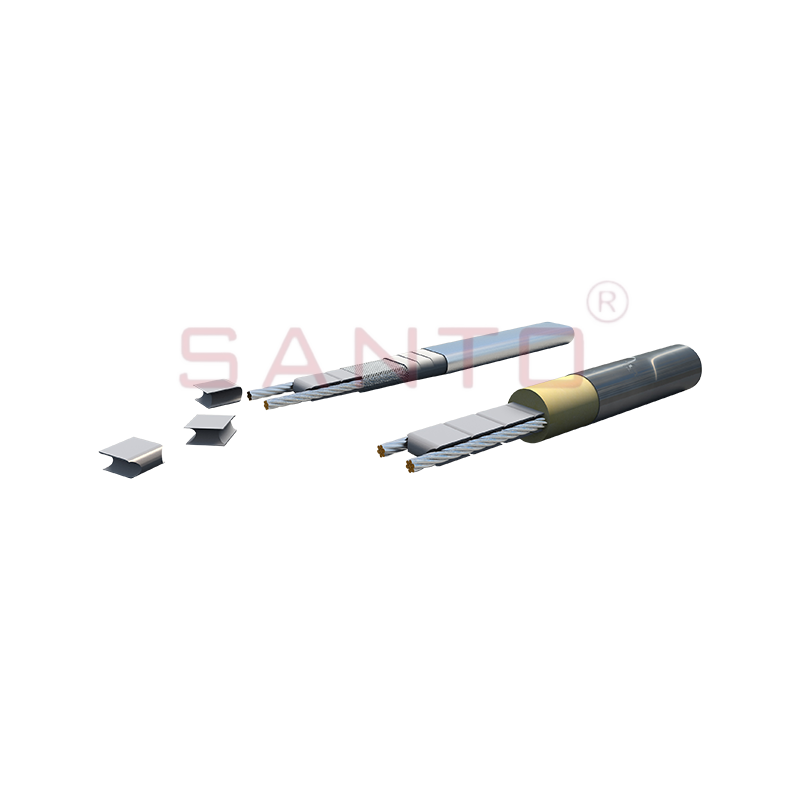
SANTO UFY heating wire is suitable for applications that maintain process temperatures up to 260 ℃ and can be steam blown; The self-regulating and parallel circuit heating wires of the UFY series are ...
See Details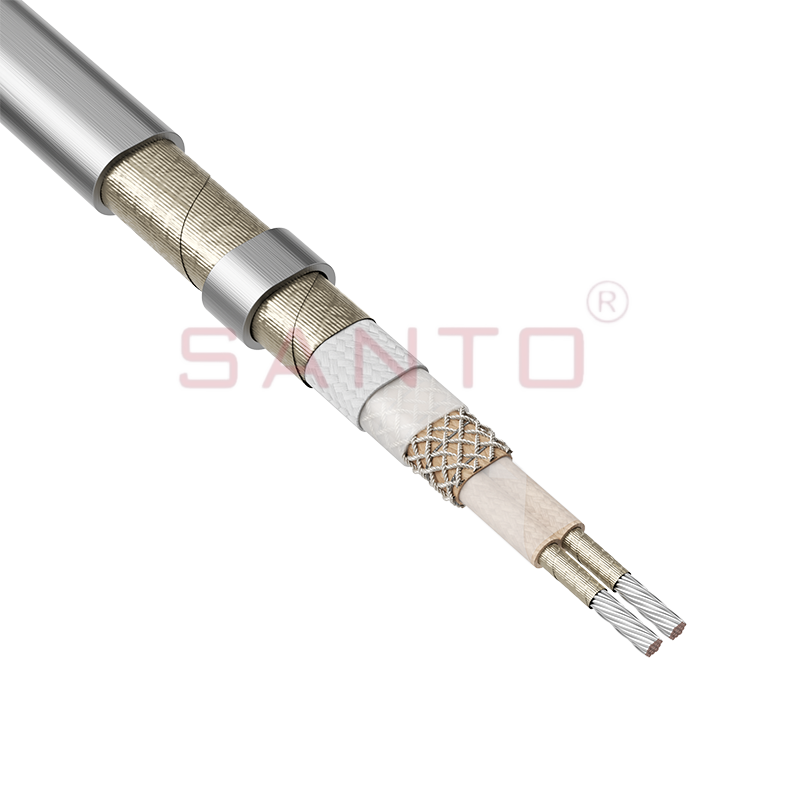
The SANTO UFM series self-regulating heating cables are mainly used for freeze protection of pipes and vessels, but can also be used to maintain processes up to 400°C. These heating cables are availab...
See Details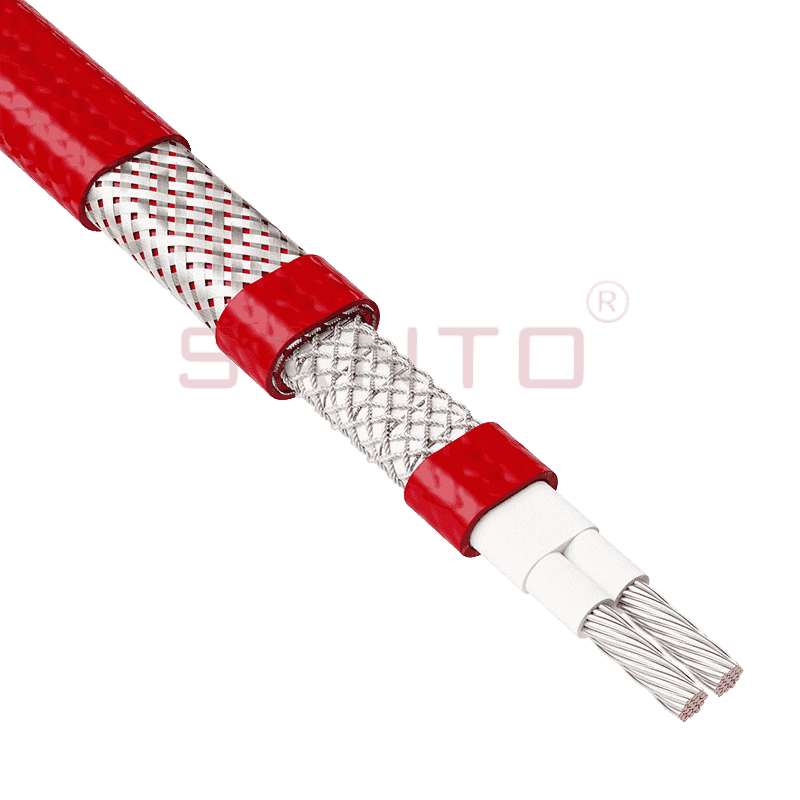
The SANTO ACC range of power-limiting heating cables is mainly used for temperature maintenance of processes and offers the advantage of a high power output at high temperatures which can reduce the n...
See Details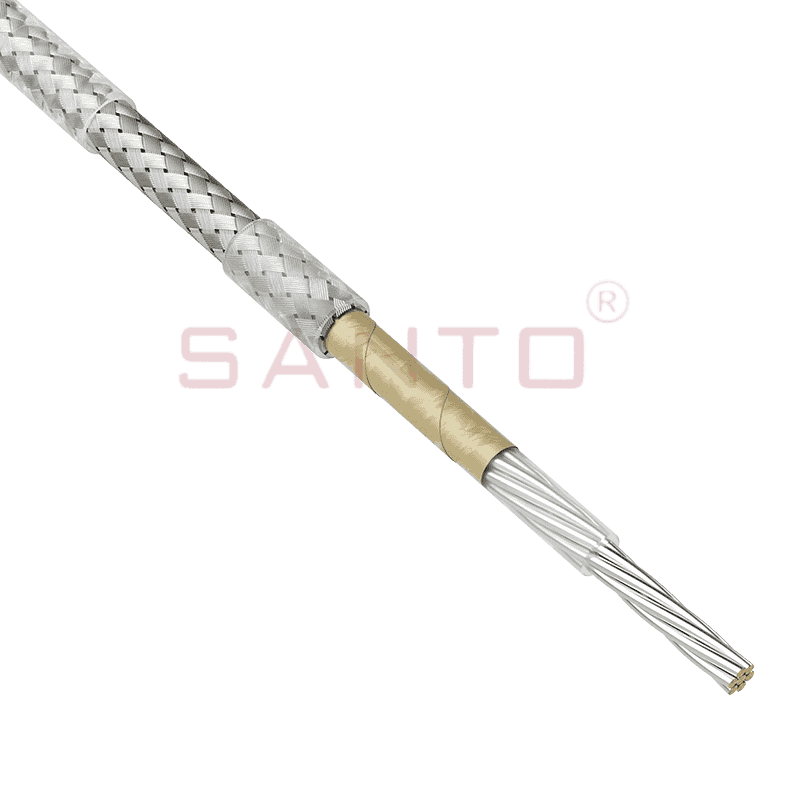
The stranded high temperature conductor is nickel plated to ensure a long life at elevated temperatures in corrosive environments. It is electrically isolated using an innovative sandwich construction...
See Details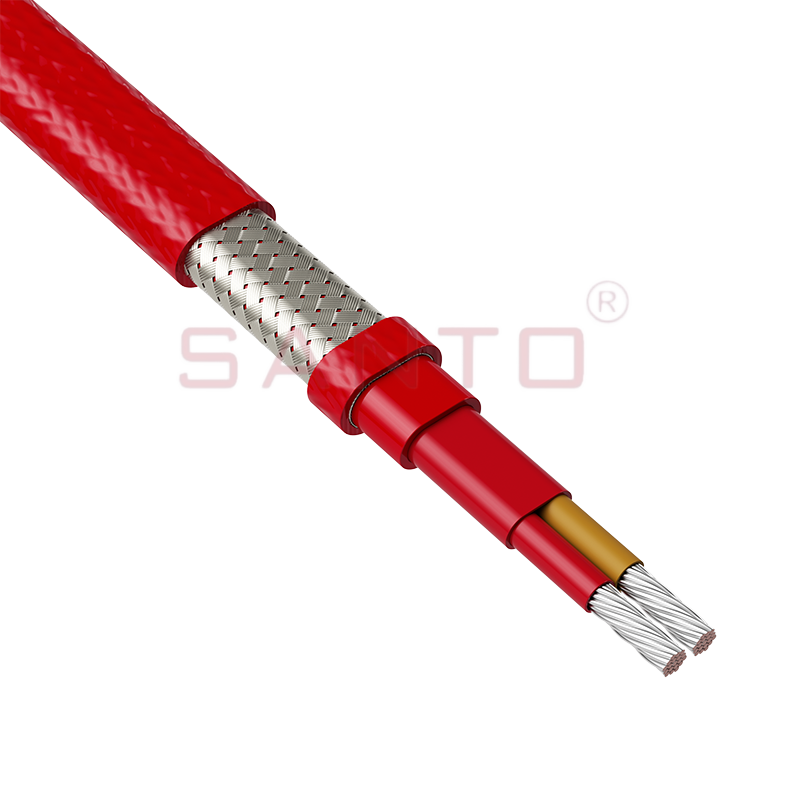
The stranded high temperature conductor is nickel plated to ensure a long life at elevated temperatures in corrosive environments. It is electrically isolated using an innovative sandwich construction...
See Details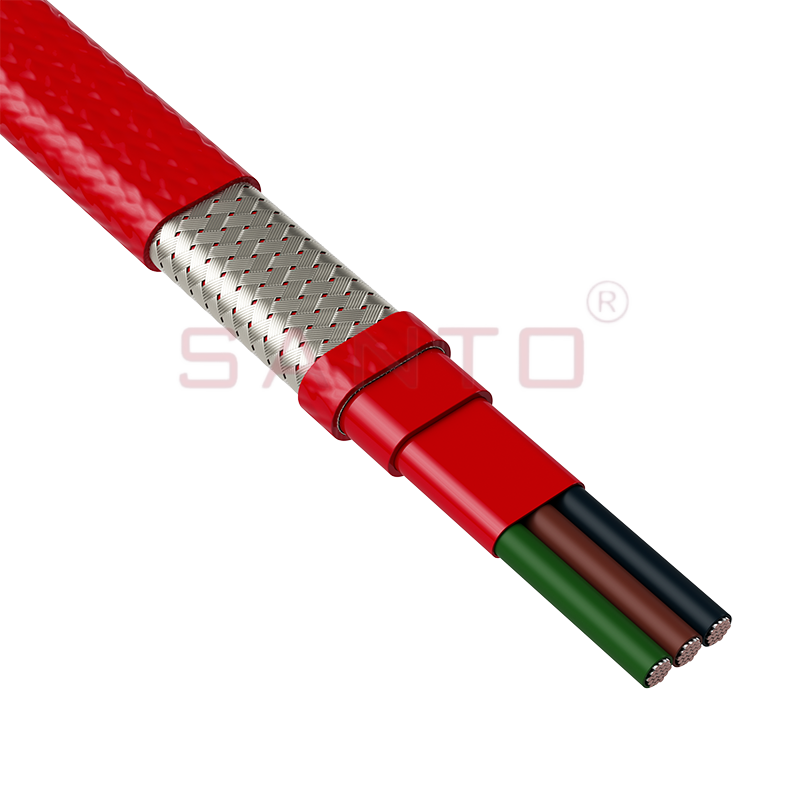
The stranded high temperature conductor is nickel plated to ensure a long life at elevated temperatures in corrosive environments. It is electrically isolated using an innovative sandwich construction...
See Details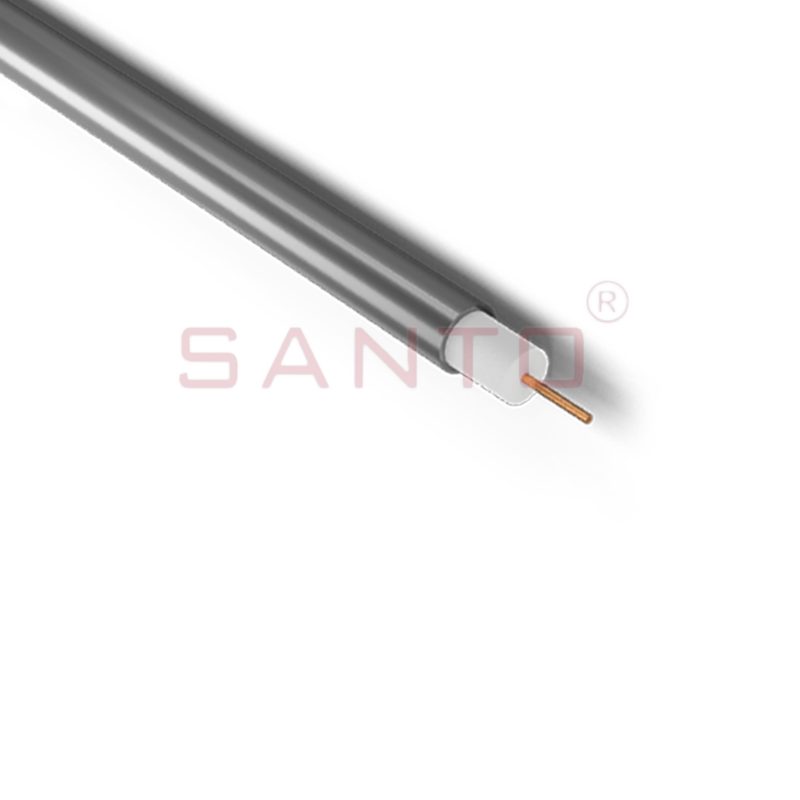
SANTO HAx mineral insulated (MI) Alloy 825 series heating cables are suitable for use in hazardous areas. They have been designed for use in freeze protection and temperature maintenance applications ...
See Details
Santo electric heating strips are widely used in key industries in China.

