 English
  English
 русский
 日本語
日本語 Español
 中文简体
中文简体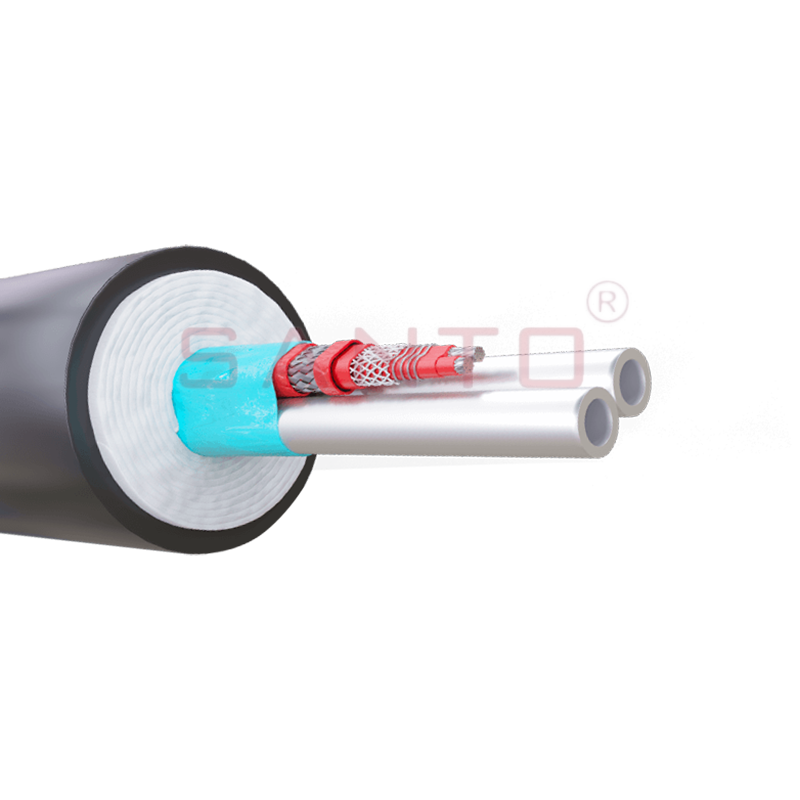

The SANTO UFA range of self-regulating heating cables is mainly used for frost protection of pipes and vessels but can also be used to maintain processes up to 65°C. These heating cables are available...
See Details
Industrial tubing systems often carry gases, liquids, samples, and process fluids that must remain within a controlled temperature range. When a tube is exposed to cold weather, wind, low ambient temperatures, or heat loss along a long route, the material inside may freeze, condense, become too viscous, or lose the stable characteristics required for accurate processing. In high-temperature environments, the opposite problem can occur: the heating system may be exposed to elevated temperatures that exceed the capability of ordinary heat-tracing products.
DTB2-ACC Tubing Bundles are designed for these demanding conditions. Combining a tubing bundle with cut-to-length, power-limiting heat tracing, the system provides freeze protection and temperature maintenance where high-temperature exposure capability is required. The heating cable is engineered to withstand temperature exposure up to 260°C (500°F), making it suitable for high-temperature emissions monitoring, process analyzer systems, and other industrial applications that require durable and dependable thermal management.
The product is manufactured and supplied by Santo Thermal Control Technology Co., Ltd., a specialist in electric heating and thermal control products. With more than 35 years of industry experience, the company integrates research, design, production, manufacturing, quality management, and international sales. Its product range includes self-limiting heating cables, constant-power heating cables, silicone rubber heating systems, glass-fiber heating products, mineral-insulated cables, snow-melting cables, heating accessories, and specialized tracing systems.
DTB2-ACC Tubing Bundles stand out because the heating element is not simply attached to a tube as an afterthought. The composite construction combines the heating element with a fiber substrate and an additional fiber cushion layer. This structure improves durability, supports high-temperature performance, and helps protect the heating cable during installation and long-term operation. The result is a practical tubing-heating solution for applications where reliability, controlled output, and resistance to demanding conditions are essential.
Content
A tubing bundle generally consists of one or more process tubes combined with heating, insulation, protective layers, and, where needed, additional signal or utility lines. The bundle is routed between a sampling point and an analyzer, between process equipment and instrumentation, or along an exposed industrial pipeline. Its purpose is to deliver the process material while helping maintain the required temperature until the material reaches its destination.
Temperature loss in a tube can create several operational problems. A gas sample may condense before analysis. A liquid may become too thick to flow. Water or another fluid may freeze and block the tube. A chemical sample may change phase or composition. Moisture may accumulate in an emissions-monitoring line, damaging measurement accuracy and increasing maintenance requirements.
Traditional insulation can reduce heat loss, but insulation alone does not add heat when ambient conditions fall below the required operating temperature. In many installations, passive insulation must therefore be combined with an active heating source. An electric heat-tracing system supplies controlled heat along the length of the tube, helping compensate for heat loss and stabilizing the process material.
DTB2-ACC Tubing Bundles are intended for applications where this active heating function must operate reliably over long circuits and under variable environmental conditions. The product is particularly valuable when the installation may experience cold weather, high wind, changing ambient temperatures, or elevated temperatures near process equipment.
Because the tubing bundle and heating system are integrated, installation can be simpler than assembling separate tubing, heating cable, insulation, and protective components on site. A properly designed factory-built bundle can help improve consistency, reduce installation labor, and limit the risk of uneven heating or inadequate thermal contact.
DTB2-ACC Tubing Bundles use cut-to-length DTB2-ACC power-limiting heat tracing. The cut-to-length design provides flexibility for project-specific routing. Rather than being restricted to a small number of fixed factory lengths, the heating solution can be prepared to suit the required tubing run, subject to design, installation, and electrical limitations.
The system is designed primarily for freeze protection and temperature maintenance. Freeze protection means preventing the contents of a tube from reaching a temperature at which freezing or blockage can occur. Temperature maintenance means holding the process material close to a defined operating range so that it remains suitable for transport, analysis, or processing.
One of the most important characteristics of DTB2-ACC is its power-limiting behavior. The output varies in response to surrounding conditions along the circuit. When the local environment is colder, the system can provide more heat. As the surrounding temperature rises, the heat output decreases. This response helps the cable adapt to actual conditions along its length rather than operating at one unchanged power level everywhere.
In a long circuit, different sections of tubing may experience different thermal conditions. One part may be outdoors in cold air, another may pass through a warmer equipment area, and another may be near a heated enclosure. A power-limiting system can respond to these differences more effectively than a simple constant-watt design.
The product is also designed for high-temperature exposure. The supplied product information identifies HPT capability up to 260°C (500°F). This rating is important for installations where the tubing bundle may be located near hot process equipment, high-temperature ducts, emissions systems, or other sources of elevated heat. The temperature rating applies to the specified product configuration and must be considered together with the actual tube, insulation, connection, control, and installation requirements.
The heating cable incorporates a composite construction consisting of the heating element and a fiber substrate, together with an additional fiber cushion layer. This arrangement supports mechanical durability and helps protect the heating element. It is especially useful in industrial situations where the bundle may experience handling, vibration, thermal cycling, or difficult routing conditions.
Rather than treating the heating component as a fragile wire, the composite structure provides a more robust foundation for the cable. The fiber substrate supports the heating element, while the additional cushion layer helps absorb mechanical stress and reduce direct abrasion. These construction details contribute to the product’s suitability for high-temperature emissions and process analyzer applications.
| Product characteristic | Practical benefit |
|---|---|
| Cut-to-length power-limiting heat tracing | Allows project-specific circuit preparation and adaptable installation |
| Variable heat output along the circuit | Responds to changing ambient conditions and helps reduce unnecessary heating |
| High-temperature exposure capability | Supports applications with exposure up to 260°C (500°F), subject to system design |
| Composite heating element and fiber substrate | Improves structural support and long-term durability |
| Additional fiber cushion layer | Helps protect the cable against mechanical stress and handling damage |
| Integrated tubing-bundle format | Provides a coordinated heating and tubing solution for industrial routing |
| Application focus on analyzer and emissions systems | Supports stable sample transport and reduced condensation or freezing risk |
These features make DTB2-ACC Tubing Bundles more than a basic heated tube. They represent a coordinated thermal-control system for applications where temperature stability, high-temperature resistance, and mechanical durability must work together.
Power-limiting heat tracing is designed to adjust its heat output in response to the surrounding temperature. The heating behavior is distributed along the circuit, allowing different sections of cable to react to their local thermal environment. This is useful where the tubing route passes through several temperature zones.
At a colder section of the tubing bundle, heat loss to the environment increases. The cable can respond by producing a higher level of heat. At a warmer section, less heat is required, and the output decreases. This operating principle can help maintain the required tube temperature while reducing the likelihood of excessive heating.
A constant-watt heating cable, by comparison, is designed to produce a relatively fixed amount of heat per unit length when energized. Constant-watt products can be effective when the circuit is carefully designed and the environmental conditions are uniform. However, a long industrial tubing route may not have uniform conditions. Power-limiting technology can therefore offer an advantage where the ambient temperature varies along the installation.
The variable response also reduces the risk of overheating the tube or process material compared with a constant-watt design. This does not eliminate the need for temperature controls, correct circuit design, or installation according to technical instructions. Instead, it provides an additional layer of thermal adaptability within the heating cable itself.
Power-limiting behavior is particularly valuable for process analyzer tubing. Sample lines often need enough heat to prevent condensation, but excessive heat can alter the sample, damage sensitive components, or affect measurement accuracy. A system that adapts to the surrounding environment can help create a more stable thermal condition without applying the same maximum output everywhere.
The system can also be useful in freeze-protection applications. During mild weather, the required heat input may be modest. During severe cold, wind, or sudden temperature drops, the heat requirement increases. The cable’s response helps address these changing demands over the circuit’s operating life.
Power-limiting tracing offers several practical advantages over a constant-watt approach. First, it can reduce localized overheating in warmer sections. Second, it can provide increased output where colder conditions create greater heat loss. Third, it can make the circuit more tolerant of changing weather and process-area temperatures.
Another advantage is the reduced risk associated with uneven ambient conditions. A constant-watt cable selected for the coldest section may produce more heat than necessary in warmer sections. A cable selected for average conditions may not provide enough protection in the coldest area. Power-limiting technology helps bridge this difference by responding locally.
For operators, this can support more consistent process performance and reduce the number of temperature-related interruptions. For designers, it provides greater flexibility when planning routes that cross indoor, outdoor, elevated, exposed, and enclosed areas.
Although power-limiting heat tracing is inherently adaptable, a complete system should still include suitable electrical protection, temperature control, termination components, and installation practices. The required control method depends on the application, voltage, circuit length, ambient conditions, tube material, insulation system, and process temperature.
Control devices may be used to energize the circuit when heating is required and disconnect it when the desired condition has been reached. Sensors, thermostats, control panels, and monitoring systems should be selected according to the project’s safety and process requirements. In hazardous or classified areas, all components must be suitable for the site classification and approved installation method.
Correct design is also essential to prevent excessive current, inadequate heat transfer, poor termination, or an incorrectly selected circuit length. The heating system should be treated as part of the complete tubing-bundle design rather than as an isolated electrical accessory.
Many heated tubing products are designed primarily for low-temperature freeze protection. They may perform well in ordinary outdoor conditions but become unsuitable when exposed to high process temperatures, hot equipment surfaces, or elevated ambient temperatures. DTB2-ACC Tubing Bundles address this need with a high-temperature exposure capability identified at up to 260°C (500°F) for the HPT configuration.
High-temperature capability is valuable in emissions-monitoring systems because sampling equipment is often installed close to stacks, ducts, combustion systems, chemical processes, or other hot industrial sources. The sample line may need to remain heated while also withstanding the surrounding heat. If the heating cable or outer construction cannot tolerate these conditions, premature deterioration and unreliable operation may result.
The same consideration applies to process analyzers. Analyzer systems depend on representative samples arriving at the measurement equipment in a suitable physical condition. A sample that condenses, freezes, separates, or changes viscosity during transport may lead to inaccurate readings or frequent maintenance. A durable heated tubing bundle helps stabilize the path between the sampling point and the analyzer.
Temperature exposure capability is not the same as continuous operating temperature for every component in every configuration. Project engineers should verify the temperature limits of the tubing, jacket, insulation, fittings, end seals, power connections, control equipment, and surrounding materials. Nevertheless, the high-temperature design of the heating cable provides an important foundation for demanding applications.
Thermal cycling is another concern. Industrial systems may repeatedly heat up and cool down as equipment starts, stops, or changes load. Repeated expansion and contraction can stress poorly constructed heating products. The composite element, fiber substrate, and cushion layer of DTB2-ACC are intended to support durability under such demanding service conditions.
Mechanical strength is equally important. Tubing bundles are often pulled through trays, routed around equipment, secured to structures, or installed in areas where access is limited. A heating cable that is vulnerable to abrasion, crushing, or sharp bending may be damaged before the system is even energized. The reinforced composite construction helps improve resistance to the practical stresses associated with industrial installation.
The heating element and fiber substrate form the primary composite structure of the DTB2-ACC heating cable. This design supports the element and helps distribute mechanical forces over the cable structure. The additional fiber cushion layer provides another protective interface, helping reduce the effect of handling and contact stresses.
In a factory-built tubing bundle, every layer has a purpose. The process tube carries the material. The heating cable provides thermal energy. Insulation helps retain that energy. Protective layers support mechanical integrity and environmental resistance. The relationship between these layers affects heat transfer, service life, and ease of installation.
A well-designed composite structure can help maintain consistent contact between the heating cable and the heated tube. Good thermal contact improves heat transfer and reduces the possibility of cold spots. It also helps ensure that the heating system performs more predictably along the route.
The fiber substrate contributes to the cable’s ability to remain stable during handling and operation. The cushion layer can help protect against localized pressure, rubbing, and other mechanical effects. Together, these features help explain why the product is positioned as a durable solution for high-temperature emissions and process analyzer applications.
Durability has direct economic value. A damaged or unreliable heating system may cause analyzer downtime, emergency maintenance, product loss, sample contamination, or process interruptions. A more robust tubing bundle can help reduce these risks and support longer service intervals when properly selected and maintained.
Durability also improves installation confidence. Installers working with a stronger product can route and secure the bundle with less concern about minor handling stresses, provided they still follow the specified minimum bend radius, pulling force, attachment method, and termination procedures. The product should never be bent, compressed, cut, or connected outside its technical limits.
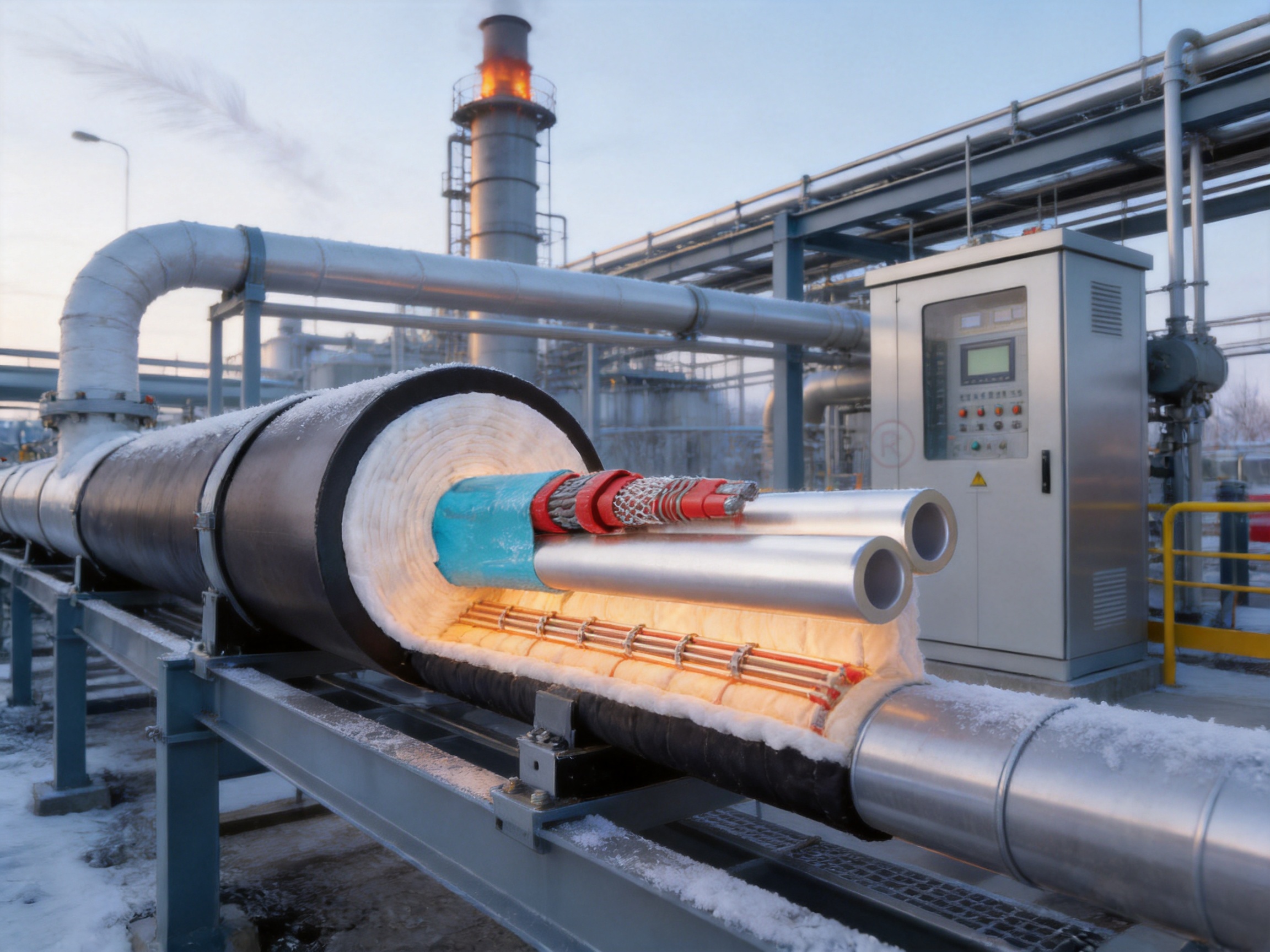
Emissions-monitoring equipment requires dependable sample transport. The sample must travel from the source to the analyzer without excessive condensation, freezing, or temperature-related alteration. A heated tubing bundle helps maintain the sample line at a suitable temperature and supports more stable analyzer performance.
High-temperature exposure capability is especially relevant near stacks, flues, ducts, and combustion equipment. The tubing bundle may be located in an area where the ambient temperature is significantly higher than ordinary outdoor conditions. The heating cable must continue to operate without deterioration caused by heat exposure.
By reducing moisture and condensation in the sample path, the system can help minimize blockage, corrosion, and contamination. It can also reduce the frequency of manual draining and cleaning. The exact operating temperature should be determined by the sample composition, dew point, analyzer requirements, tubing material, and applicable environmental regulations.
Process analyzers are used in chemical, petroleum, gas, energy, and manufacturing facilities to monitor composition, quality, and process conditions. The sample line connecting the process to the analyzer is often a critical part of the measurement chain.
If the sample cools too much, heavier components may condense or solids may form. If the sample becomes too cold, flow may become restricted. If the sample is heated unevenly, its composition may change before analysis. A properly designed heated tubing bundle helps preserve the intended sample condition during transport.
The DTB2-ACC system is well suited to analyzer applications because it combines temperature maintenance with durability and adaptable heat output. The power-limiting characteristic helps the cable respond to different ambient zones, while the high-temperature construction supports installation in challenging process areas.
Instrument tubing may contain water, process liquids, hydraulic fluids, or other materials that are vulnerable to freezing. A frozen tube can block flow, damage components, create pressure changes, and delay the return of equipment to service.
DTB2-ACC Tubing Bundles provide active heat for exposed tubing routes. The system can be used in outdoor installations, cold regions, elevated structures, utility areas, and other locations where passive insulation may not be sufficient.
The amount of heat required depends on the tube size, material, insulation thickness, minimum ambient temperature, wind conditions, process temperature, and desired maintenance temperature. These factors should be evaluated during engineering rather than relying on a general assumption.
Some sampling lines do not need to be heated to a very high temperature; they simply need to remain above a defined minimum. In such applications, power-limiting tracing can provide a practical way to compensate for changing heat loss.
The system is useful where tubing routes pass through different areas of a plant. For example, a line may begin near a hot process unit, cross an outdoor pipe rack, and terminate inside a cooler analyzer shelter. The thermal requirements are not identical along the route. A responsive heating cable can help accommodate these differences.
Chemical and petrochemical plants commonly use sample lines, impulse lines, instrument tubing, and process tubing that require freeze protection or temperature maintenance. These sites may also include areas with elevated process temperatures and strict requirements for equipment reliability.
DTB2-ACC Tubing Bundles can support such installations when the complete product configuration is compatible with the chemical environment, area classification, temperature requirements, and electrical standards of the facility. Engineering review is necessary to select suitable tube materials, insulation, connections, controls, and protective accessories.
Gas-processing and energy facilities depend on accurate sampling and reliable instrumentation. Changes in temperature can affect gas composition, pressure, condensation behavior, and analyzer readings. Heated tubing can help preserve the condition of the sample during transport.
The product’s high-temperature exposure capability may be helpful near hot equipment, while its power-limiting operation provides adaptability in areas with changing ambient conditions. The tubing-bundle design also helps organize the heating and process-transport functions into a coordinated installation.
DTB2-ACC Tubing Bundles offer several advantages compared with ordinary unheated tubing, basic constant-watt heating cables, and less durable heated-tube assemblies.
Unheated tubing depends entirely on process heat and passive insulation. This may be adequate in a controlled indoor environment, but it is vulnerable to cold ambient conditions, wind, long routing distances, and heat loss at fittings. DTB2-ACC adds active thermal compensation, helping protect against freezing and maintain process temperature.
Constant-watt heating produces a fixed output that may not match the needs of every section of a circuit. A system selected for the coldest area can provide unnecessary heat elsewhere, while a system selected for average conditions may be insufficient during severe cold. The power-limiting response of DTB2-ACC helps adjust the output along the circuit, reducing this mismatch.
Some general-purpose heating cables are not designed for high-temperature exposure. Their jackets, insulation systems, or internal materials may degrade when installed near hot process equipment. The high-temperature capability of the specified DTB2-ACC/HPT configuration provides a stronger option for demanding applications, subject to confirmation of all system ratings.
Low-cost heating products may use a relatively simple construction that provides limited protection during installation. The composite heating element, fiber substrate, and additional fiber cushion layer of DTB2-ACC create a more durable product structure. This is particularly advantageous in industrial environments where vibration, routing stress, and repeated thermal cycling are present.
Assembling tubing, heating cable, insulation, and protection separately at the job site can produce inconsistent results. Gaps in thermal contact, uneven cable spacing, and poor insulation overlaps may create cold spots. An integrated tubing-bundle approach provides a more coordinated construction and can make installation more repeatable.
The product is supported by a company whose portfolio is focused on electric heating and thermal-control technology. This specialization covers self-limiting heating cables, constant-power products, silicone rubber heating systems, glass-fiber heating cables, mineral-insulated cables, snow-melting systems, and accessories. Such a broad product base supports more informed product matching for different industrial requirements.
| Comparison point | Unheated tube | Constant-watt heated tube | DTB2-ACC Tubing Bundle |
|---|---|---|---|
| Freeze protection | Limited to insulation and process heat | Available with fixed output | Available with power-limiting response |
| Response to changing ambient conditions | None | Limited | Output varies along the circuit |
| Risk of excess heating in warm areas | Not applicable | Relatively higher if output is fixed | Reduced compared with constant-watt designs |
| High-temperature exposure | Depends on tube and insulation | Depends on cable construction | Designed for high-temperature exposure in the specified configuration |
| Mechanical protection | Depends on tubing material | Depends on cable construction | Supported by composite and fiber cushion construction |
| Installation coordination | Simple tube installation | Requires separate heat-tracing arrangement | Integrated tubing-bundle solution |
| Typical industrial value | Lowest initial complexity | Useful for uniform conditions | Strong fit for variable and demanding conditions |
Santo Thermal Control Technology Co., Ltd. combines product development with specialized manufacturing of electric heating and thermal-control equipment. The company is located in Jiangsu Province, an area recognized in the supplied company information for its concentration of electric heating belt manufacturing expertise.
The company’s capabilities cover research, design, production, manufacturing, sales, and after-sales service. This integrated structure is important for specialized products such as heated tubing bundles because performance depends on the interaction of materials, electrical characteristics, thermal design, mechanical construction, and installation accessories.
Rather than focusing on a single generic heating cable, the company develops several technology platforms. These include automatic temperature-control heating belts, self-limiting heating belts, constant-power heating belts, glass-fiber heating belts, mineral-insulated cables, silicone rubber heating systems, snow-melting cables, carbon-fiber parallel heating cables, LCD-tracked heaters, and related accessories.
This product diversity allows the manufacturer to compare different heating technologies and select an appropriate solution for each application. It also supports custom development and OEM or ODM cooperation, which can be important when a customer requires a specific tube size, cable length, jacket arrangement, voltage, power level, connection method, or packaging configuration.
The company reports cooperation in product research with Harvard University in the United States and identifies itself as a high-tech enterprise in Jiangsu Province. Its development history includes research into self-limiting temperature nano far-infrared heating technology for ultra-high-temperature pipeline heating and tracing, as well as carbon-fiber parallel heating cable technology.
Research and development experience is valuable for tubing-bundle production because the product must balance multiple requirements. The heating cable must produce sufficient thermal output, respond appropriately to ambient conditions, withstand its maximum exposure temperature, remain mechanically stable, and fit within a practical bundle structure.
Development work also supports continuous improvement in insulation, substrate materials, fiber protection, connection components, production consistency, and testing methods. These factors directly influence the reliability of the final product.
Manufacturing a high-performance tubing bundle requires controlled preparation of the tube, heating cable, substrate, cushion, insulation, outer protection, and electrical terminations. Dimensional consistency is important because the heating cable must remain correctly positioned relative to the tube. The insulation must also be applied evenly to reduce heat loss and avoid localized thermal differences.
Production process integration can improve repeatability. When materials are assembled under controlled factory conditions, the manufacturer can standardize routing, spacing, wrapping, insulation, marking, testing, and packaging. This helps reduce variation between production batches and makes the final bundle easier to install correctly.
The company’s experience with multiple categories of electric heating products supports this type of process knowledge. Manufacturing heating belts, cables, mats, silicone rubber heaters, and accessories requires understanding of conductor preparation, polymer and fiber materials, electrical insulation, thermal transfer, and quality inspection.
Santo reports ISO9001 quality-system certification and national CCC certification for its products. Quality certification does not replace project-specific engineering, but it demonstrates the company’s commitment to documented procedures, controlled production, inspection, corrective action, and continual improvement.
For industrial tubing bundles, a quality system can support traceability of materials, production records, electrical testing, dimensional checks, and final inspection. It can also help ensure that customer requirements are reviewed before production and that nonconforming products are identified and controlled.
Because tubing bundles may be manufactured for specific lengths and applications, quality control should cover both the heating cable and the completed assembly. A cable may meet its electrical requirements while the finished bundle still requires additional inspection for routing, insulation, end treatment, identification, and mechanical integrity.
The company reports plans and investment in product simulation testing facilities, including the construction of a product simulation testing laboratory. Testing and simulation are important for thermal-control products because laboratory evaluation can help verify heat output, temperature response, insulation performance, electrical behavior, and mechanical durability before products are released for field use.
In a tubing-bundle application, testing may examine the relationship between heating output and tube temperature under different ambient conditions. It may also assess how the system behaves during startup, steady-state operation, cooling, temperature cycling, and exposure to elevated temperatures.
Testing should be interpreted according to the actual product configuration. Tube material, insulation thickness, outer covering, supply voltage, circuit length, mounting method, and ambient conditions all influence performance. A professional manufacturer therefore provides technical information and installation guidance so that the product can be applied within its intended limits.
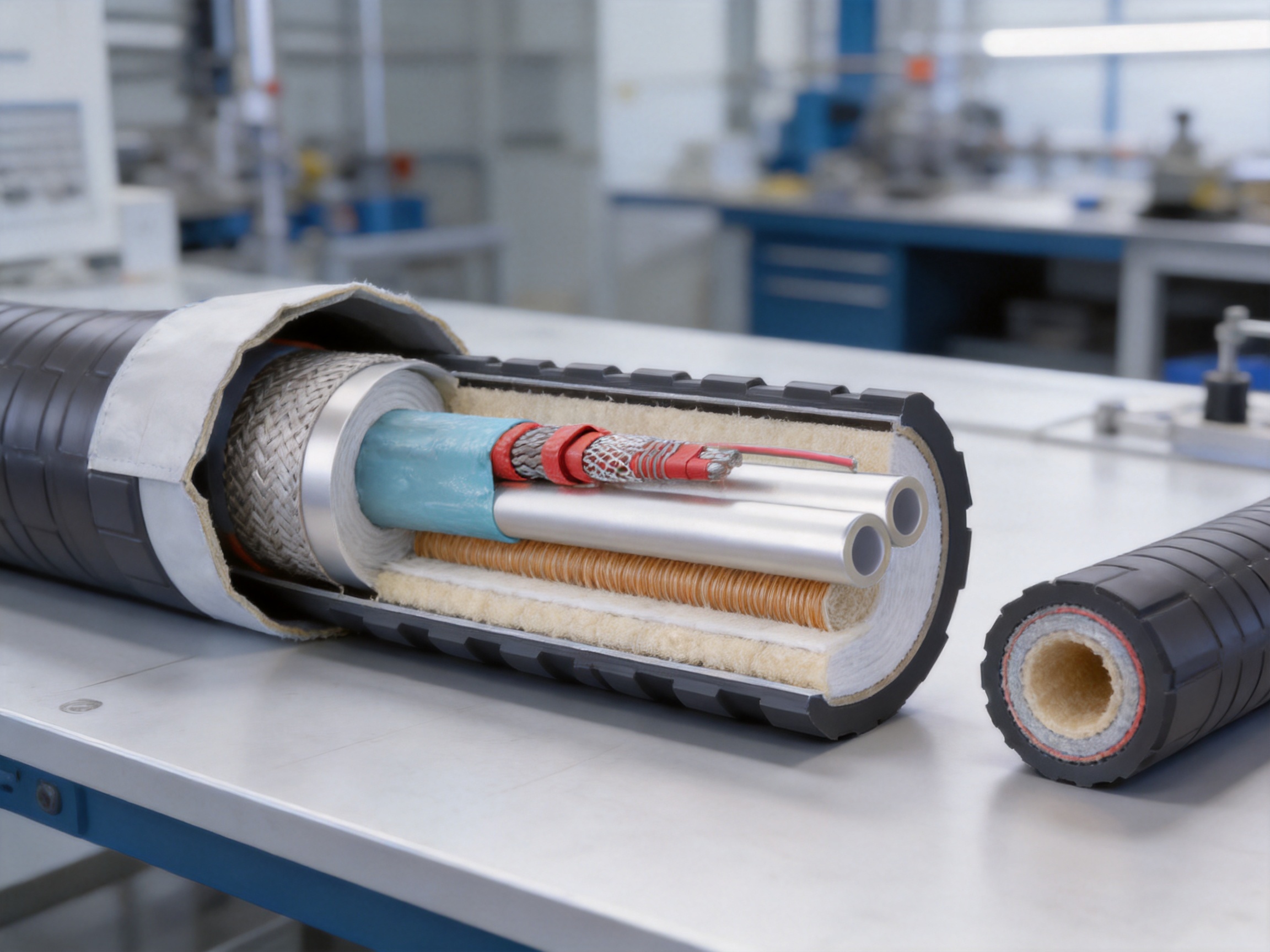
Industrial projects rarely have identical requirements. A customer may need a tubing bundle with a particular tube diameter, number of tubes, heating length, operating voltage, power range, insulation thickness, outer jacket, end termination, sensor position, or connector arrangement. Custom manufacturing can help adapt the product to these project conditions.
Santo identifies itself as a China OEM heating cable manufacturer and ODM heating cable factory. This capability supports cooperation with distributors, engineering companies, equipment manufacturers, and industrial users that require private-label production, customized construction, or application-specific heating solutions.
For a customized DTB2-ACC Tubing Bundle, the design process should begin with a detailed technical specification. Important information may include the fluid or gas being transported, minimum ambient temperature, maximum ambient or exposure temperature, required maintenance temperature, tube length, routing arrangement, available power supply, hazardous-area classification, insulation requirements, control method, and environmental exposure.
The required heating power should be calculated rather than estimated solely from tube length. Heat loss depends on the tube, insulation, ambient temperature, wind, supports, fittings, exposure, and desired temperature. The manufacturer can use the project data to determine an appropriate heating configuration and provide a quotation or technical recommendation.
OEM and ODM support can also extend to product markings, packaging, documentation, cable identification, connection assemblies, and delivery formats. Such flexibility is useful for equipment builders that want to integrate heated tubing bundles into larger analyzer packages or process-monitoring systems.
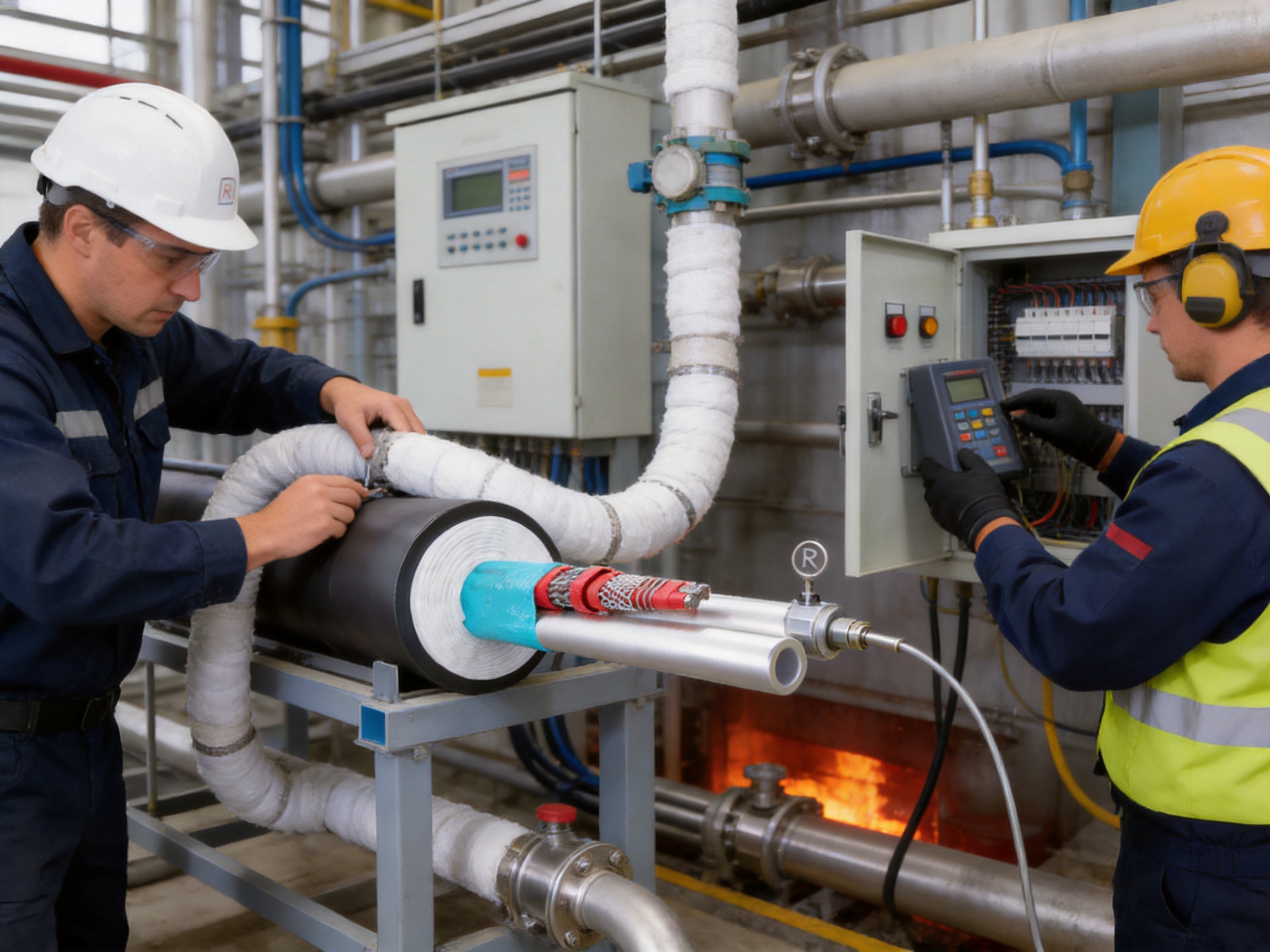
Correct installation is essential to achieve the expected performance of a heated tubing bundle. The installer should review the manufacturer’s installation instructions, product specifications, electrical requirements, and project drawings before work begins.
The route should be inspected for sharp edges, hot surfaces, moving equipment, chemical exposure, standing water, and locations that may crush or abrade the bundle. Supports should be arranged so that the tubing bundle is held securely without excessive compression.
Where the bundle crosses expansion joints or enters equipment, the design should allow for movement and service access. Bends should comply with the specified minimum bend radius. The bundle should not be twisted, flattened, stretched, or pulled beyond the manufacturer’s stated limits.
Electrical connections should be completed by qualified personnel. The supply voltage, circuit length, current, protective devices, grounding, control equipment, and termination components must be compatible with the product configuration.
End seals and connection points should be installed carefully because moisture entry or poor electrical contact can cause failures. Connections should be protected from mechanical damage and positioned where they remain accessible for inspection or maintenance when required.
The control strategy should match the process requirement. Freeze protection may require a control point based on ambient or tube temperature. Process analyzer applications may require a specific maintenance temperature that avoids condensation without unnecessarily heating the sample.
Temperature sensors should be located where they provide a representative reading. A sensor placed too close to a heat source may cause the system to shut off before the coldest area is protected. A sensor placed in an unusually cold or exposed location may cause longer heating operation than necessary.
Insulation is a key part of the complete thermal system. Even a high-quality heating cable can lose heat rapidly if insulation is missing, wet, compressed, or incorrectly installed. Insulation should be continuous and properly sealed at joints, fittings, supports, and penetrations.
Outdoor systems may require weatherproofing and an outer protective layer. Water entering the insulation can increase heat loss and contribute to corrosion or electrical problems. The selected outer covering should be compatible with the environmental conditions and the maximum exposure temperature.
A tubing-bundle heating system should be included in the site’s preventive-maintenance program. Routine inspection can identify damaged outer layers, loose supports, exposed insulation, failed controls, abnormal temperatures, or changes in sample flow.
Operators should monitor the analyzer or process equipment for signs of temperature-related problems. These may include condensation, unstable readings, slow sample response, blocked tubing, unexpected alarms, or repeated circuit trips. Such symptoms may indicate a problem with the heating circuit, sensor, insulation, power supply, or process condition.
Electrical testing should be performed according to site procedures and manufacturer recommendations. Insulation resistance, continuity, current draw, and control operation may be checked by qualified personnel. Testing should be carried out safely, with the circuit isolated when required.
Insulation should be inspected after maintenance work on nearby equipment. A removed or damaged insulation section can create a local cold spot even when the heating cable remains electrically functional. Similarly, a modified route may alter the heat-loss calculation and should be reviewed before the system is returned to service.
Maintenance personnel should avoid cutting or modifying the heating cable without approval. The cut-to-length feature applies to the specified manufacturing and installation design; it does not mean that any energized or completed circuit can be cut freely in the field. Changes to length, terminations, or routing may affect electrical safety and thermal performance.
Heating systems must be selected and installed in accordance with applicable electrical, industrial, and site-specific safety requirements. The product should be used within its rated voltage, temperature, power, and environmental limits.
Where the tubing bundle is installed in a hazardous or potentially explosive area, the complete system must be evaluated for area classification, certification, grounding, temperature class, control, and installation method. Accessories and connection components are part of the safety system and must be suitable for the application.
High-temperature surfaces should be identified and protected against accidental contact. The operating temperature of the tube and outer covering may be high even when the surrounding air feels moderate. Warning labels, barriers, and safe access procedures may be required.
The transported fluid or gas must also be considered. Chemical compatibility, pressure rating, leakage prevention, and material selection are separate from the heating function but equally important to overall system safety. The heated tubing bundle should be specified as a complete engineered assembly.
Before ordering DTB2-ACC Tubing Bundles, customers should prepare a clear application brief. The following information can help the manufacturer develop a suitable proposal:
• Process medium and physical state.
• Required minimum and maximum operating temperatures.
• Minimum ambient temperature and expected wind exposure.
• Maximum external temperature or hot-surface exposure.
• Tube material, outside diameter, wall thickness, and pressure requirement.
• Required tubing length and routing arrangement.
• Number of tubes or additional conductors in the bundle.
• Available voltage and electrical supply characteristics.
• Required control method and sensor arrangement.
• Insulation, outer jacket, weather protection, and mechanical requirements.
• Hazardous-area or certification requirements.
• Connection, termination, labeling, packaging, and documentation requirements.
The manufacturer can then evaluate whether the standard DTB2-ACC configuration is appropriate or whether a custom assembly is needed. The final selection should account for the full thermal path, from the heating element through the tube wall and insulation to the surrounding environment.
| Design input | Why it matters | Potential design consequence |
|---|---|---|
| Minimum ambient temperature | Determines the worst-case heat loss | Influences heating output and insulation requirements |
| Maximum exposure temperature | Protects the cable and bundle materials from thermal damage | May require high-temperature construction and specialized accessories |
| Tube material and size | Affects heat transfer, pressure, and fluid capacity | Influences cable placement and total heat requirement |
| Required maintenance temperature | Defines the performance target | Determines control and sensor selection |
| Circuit length | Influences electrical load and voltage drop | Determines power supply and circuit arrangement |
| Wind and weather exposure | Can substantially increase heat loss | May require improved insulation or protection |
| Hazardous-area classification | Sets additional safety and certification requirements | Determines acceptable components and installation methods |
| Process sensitivity | Prevents excessive heating or sample alteration | May require tighter temperature control |
A heated tubing bundle is a specialized product. Its success depends on more than selecting a cable with an appropriate wattage. The manufacturer must understand thermal transfer, electrical behavior, insulation, mechanical construction, materials, controls, and field installation.
Santo’s long-term specialization in electric heating products provides a foundation for this type of application knowledge. The company reports more than 35 years of industry experience, annual output exceeding 10,000 units, more than 2,000 distributors, and business coverage in more than 85 areas. These figures indicate an established production and distribution structure.
The company’s history includes the founding of Desheng Electric Heating Instrument Factory in 2000, ISO9001 certification in 2002, establishment of an irradiation center in 2013, development of high-temperature self-limiting heating technology in 2014, and creation of the SANTO brand in 2016. Later developments included carbon-fiber parallel heating cable technology, additional factory construction, product simulation laboratory development, and expansion through a Russia factory.
This history demonstrates a continuing investment in product development, manufacturing capacity, and international market support. For customers purchasing tubing bundles, this can be important because industrial projects often require technical communication before ordering, production coordination during manufacturing, and documentation or support after delivery.
A manufacturer with a broad product portfolio can also recommend alternatives when an application does not fit a single standard technology. Some installations may require self-limiting heating, others constant-power heating, silicone rubber heaters, mineral-insulated cables, or specialized accessories. Product diversity improves the chance of finding a technically suitable solution rather than forcing every application into the same design.
Thermal-control systems should provide enough heat to protect the process without creating unnecessary energy consumption. Power-limiting operation supports this objective by reducing output in warmer areas and increasing it where heat loss is greater.
Energy performance also depends on insulation quality, control accuracy, circuit scheduling, ambient conditions, and maintenance. A damaged or wet insulation system can cause continuous heat loss and increase operating costs. Correctly positioned sensors and properly configured controls can help prevent unnecessary operation.
Reliable temperature maintenance may also reduce waste caused by blocked tubes, inaccurate sampling, spoiled process material, or repeated maintenance activities. In emissions-monitoring applications, stable sample transport supports dependable environmental measurements, which can contribute to better process control and regulatory reporting.
The company’s stated vision is to protect the world’s environmental health. Its products are applied in petroleum, chemical, gas, construction, solar energy, electric heating, geothermal cultivation, antifreeze, deicing, heat tracing, and insulation. The DTB2-ACC tubing-bundle application contributes to this broader objective by supporting stable industrial monitoring and efficient thermal protection.
They are used for freeze protection and temperature maintenance of tubing in industrial applications. Typical uses include high-temperature emissions-monitoring systems, process analyzer sample lines, exposed instrument tubing, and other tubing routes that require controlled heating.
It means the DTB2-ACC power-limiting heat-tracing solution can be prepared for a required circuit length rather than being limited to a small selection of standard lengths. The final length and configuration must still comply with electrical, thermal, and installation requirements.
Power-limiting heat tracing varies its output in response to surrounding conditions along the circuit. It can provide more heat in colder areas and less heat in warmer areas. Constant-watt heating is designed to provide a relatively fixed output per unit length, which may be less adaptable when ambient conditions vary.
No heating system should be considered immune to overheating under every condition. The power-limiting design lowers the risk of overheating compared with constant-watt designs, but suitable controls, temperature limits, insulation, electrical protection, and correct installation remain necessary.
The supplied product information states that HPT withstands temperature exposures of up to 260°C (500°F). Customers should confirm whether this rating applies to the exact proposed configuration and should also verify the temperature limits of the tube, insulation, outer jacket, end seals, and accessories.
The fiber substrate supports the heating element and contributes to the composite structure of the cable. Together with the additional fiber cushion layer, it helps improve durability and protect the heating cable during handling and operation.
They may be suitable for outdoor use when the selected configuration includes appropriate insulation, weather protection, electrical components, and environmental resistance. The minimum ambient temperature, wind, moisture, ultraviolet exposure, and site classification should be reviewed during design.
Suitability depends on the complete product configuration and the requirements of the installation area. The heating cable, controls, connections, grounding, and accessories must meet the relevant hazardous-area requirements. A project engineer should confirm certification and installation conditions before purchase.
Santo Thermal Control Technology Co., Ltd. identifies itself as an OEM and ODM heating-cable manufacturer. Customization may be available for length, tube arrangement, heating design, insulation, outer protection, connections, labeling, and packaging, subject to technical review and production requirements.
Useful information includes tube type and size, total length, process medium, required temperature, minimum ambient temperature, maximum exposure temperature, power supply, control method, environmental conditions, hazardous-area requirements, and desired delivery configuration.
Field cutting should not be performed unless explicitly permitted by the manufacturer’s instructions for the specific product and configuration. Cutting can affect the electrical circuit, end termination, sealing, heat distribution, and safety. Any modification should be reviewed and completed by qualified personnel.
Potential industries include petroleum, petrochemical, chemical processing, gas, energy, industrial manufacturing, environmental monitoring, process instrumentation, and other sectors that use heated sampling or instrument tubing.
No. Heating and insulation perform different functions. The cable adds heat, while insulation reduces heat loss. Both are necessary for an efficient and stable thermal-control system.
It helps maintain the temperature of the sample line, reducing the risk of freezing, condensation, blockage, or undesirable changes in the sample before it reaches the analyzer. The exact maintenance temperature should be selected according to the sample and analyzer requirements.
The heating element and fiber substrate are formed into a composite construction, and an additional fiber cushion layer provides protection. This structure is intended to improve resistance to handling stresses and support reliable operation in high-temperature emissions and process analyzer applications.
DTB2-ACC Tubing Bundles provide an integrated approach to industrial tube heating. Their combination of cut-to-length power-limiting heat tracing, high-temperature exposure capability, composite construction, and fiber cushion protection addresses several weaknesses found in ordinary heated or unheated tubing solutions.
The power-limiting design responds to surrounding conditions along the circuit, helping provide more heat where the environment is colder and less heat where conditions are warmer. This reduces the risk of overheating compared with constant-watt designs and provides greater adaptability for routes that pass through multiple temperature zones.
The high-temperature capability identified for the HPT configuration makes the product suitable for demanding applications involving emissions monitoring, process analyzers, hot equipment, and industrial sampling systems. The composite heating element, fiber substrate, and additional cushion layer support the durability required for installation, thermal cycling, and long-term industrial service.
Behind the product is a manufacturer with experience in electric heating technology, research and development, quality management, specialized production, OEM and ODM cooperation, and international distribution. Santo Thermal Control Technology Co., Ltd. offers a broad product portfolio and the technical foundation needed to support customized thermal-control requirements.
For best results, every project should be engineered around its actual tube size, process medium, temperature range, ambient conditions, insulation, electrical supply, control method, and site safety requirements. When properly selected, installed, and maintained, DTB2-ACC Tubing Bundles can help protect tubing from freezing, preserve sample integrity, improve analyzer reliability, and maintain stable industrial processes.
1. Product information supplied for DTB2-ACC Tubing Bundles, including product description, construction, application range, and HPT temperature-exposure capability.
2. Santo Thermal Control Technology Co., Ltd. company profile, product portfolio, manufacturing capabilities, certification information, and development history.
3. General engineering principles for electric heat tracing, freeze protection, process temperature maintenance, tubing-bundle design, and industrial insulation.
4. General quality-management principles associated with ISO9001-certified manufacturing systems.
5. General industrial practices for process analyzer sample lines and emissions-monitoring tubing systems.
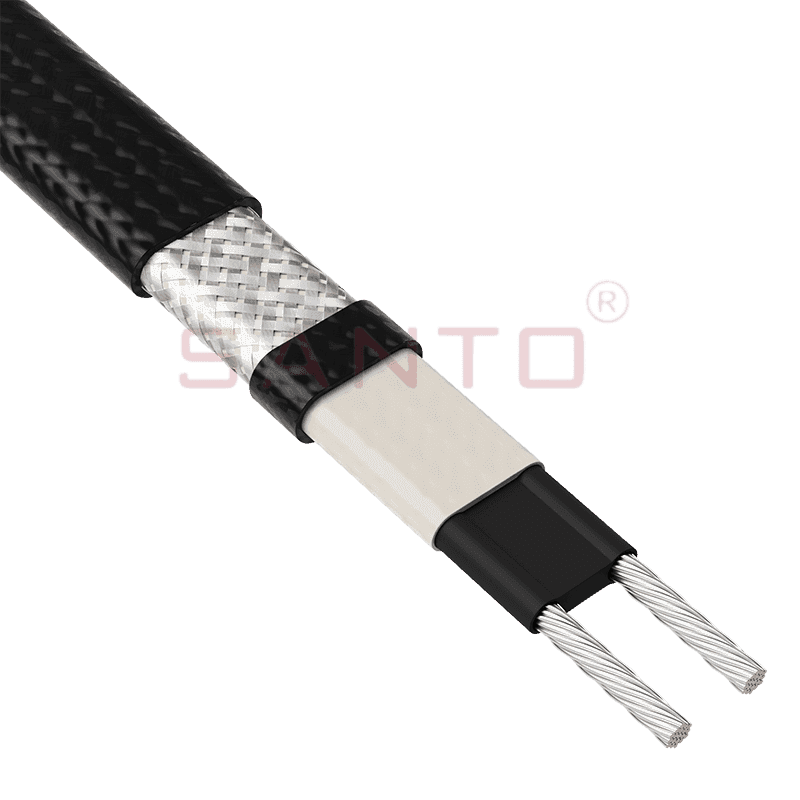
The SANTO UFA range of self-regulating heating cables is mainly used for frost protection of pipes and vessels but can also be used to maintain processes up to 65°C. These heating cables are available...
See Details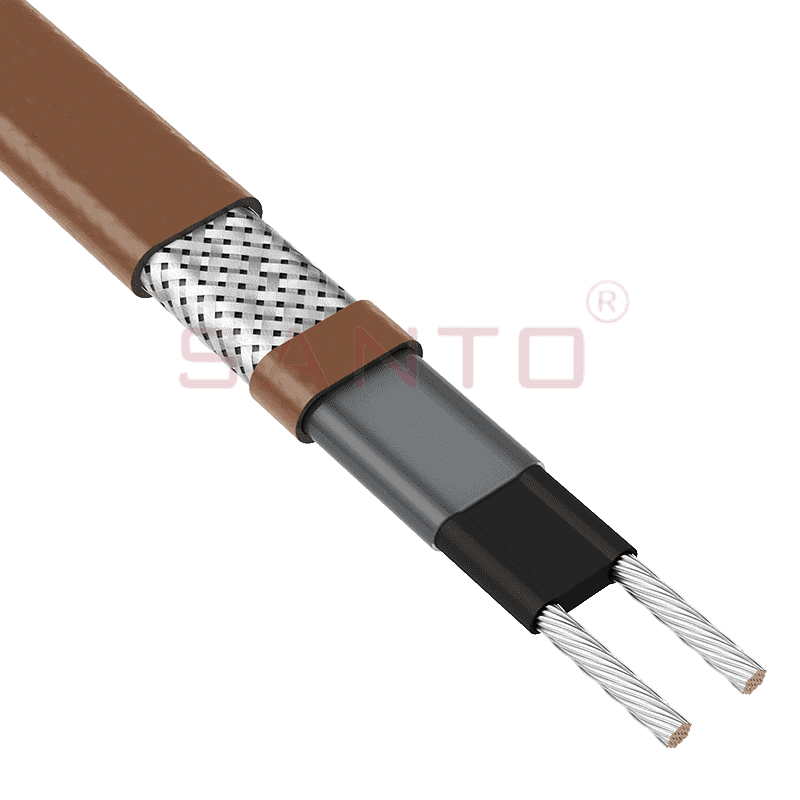
The SANTO UFB range of self-regulating heating cables is mainly used for frost protection of pipes and vessels requiring a higher power output than the UFA heating cables can supply. They can also be ...
See Details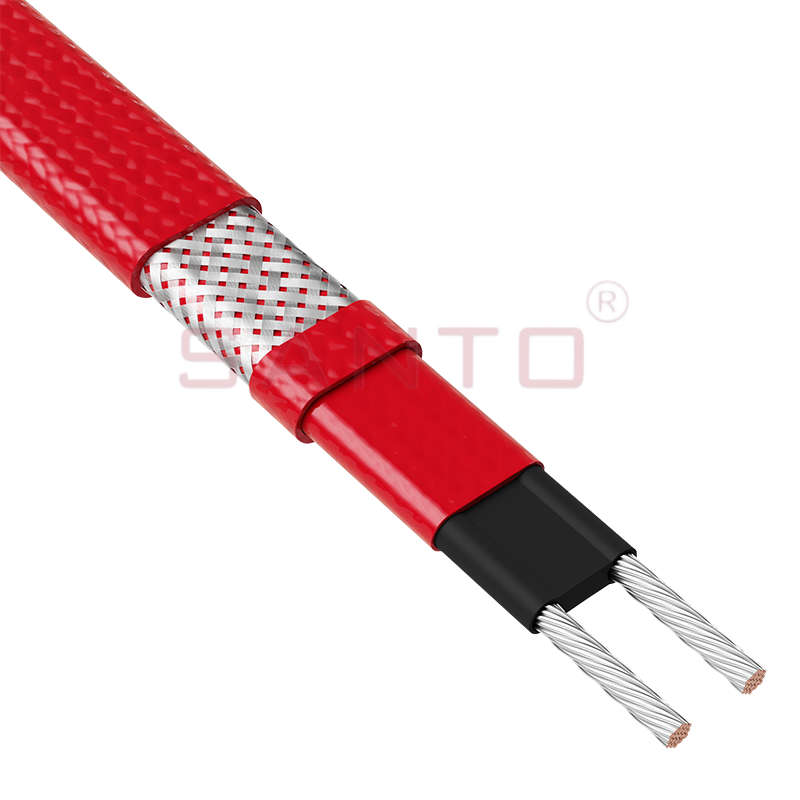
The SANTO UFC range of self-regulating heating cables is used for frost protection of pipes and vessels that require steam cleaning. They can also be used to maintain processes up to 121°C. These heat...
See Details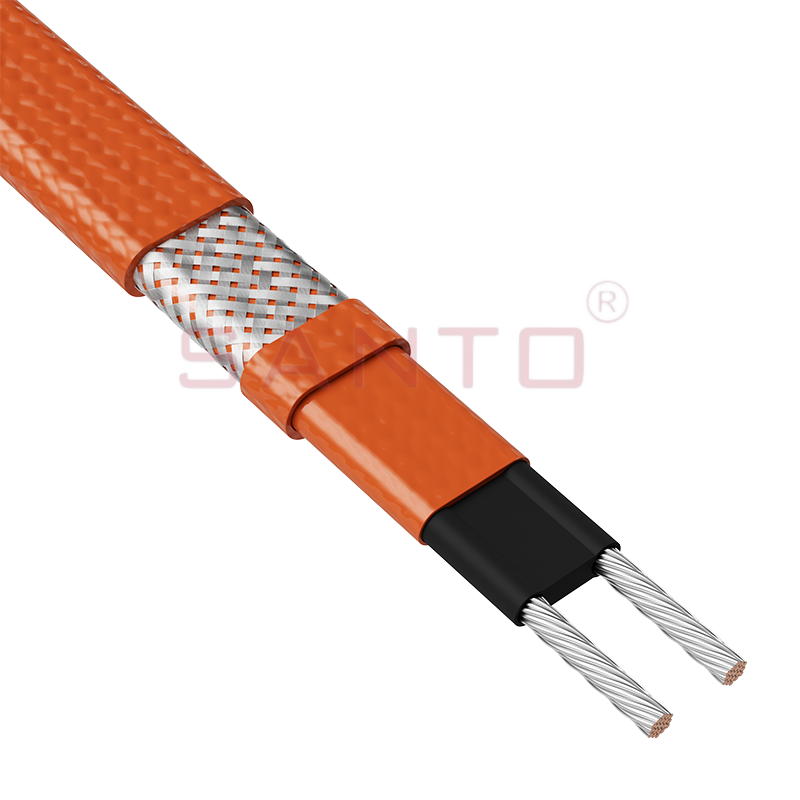
The SANTO UFO range of self-regulating heating cables is mainly used for frost protection of pipes and vessels that require steam cleaning . They can also be used to maintain processes up to 150°C. Th...
See Details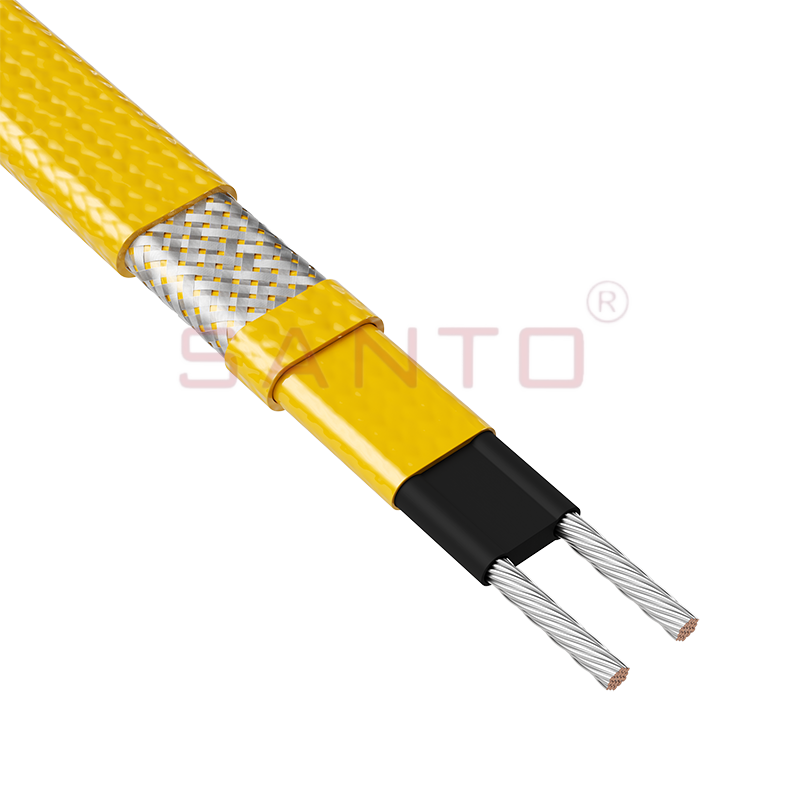
The SANTO UFD series of self-regulating heating cables are mainly used for freeze protection of pipes and vessels, but can also be used to maintain processes up to 200°C. These heating cables are avai...
See Details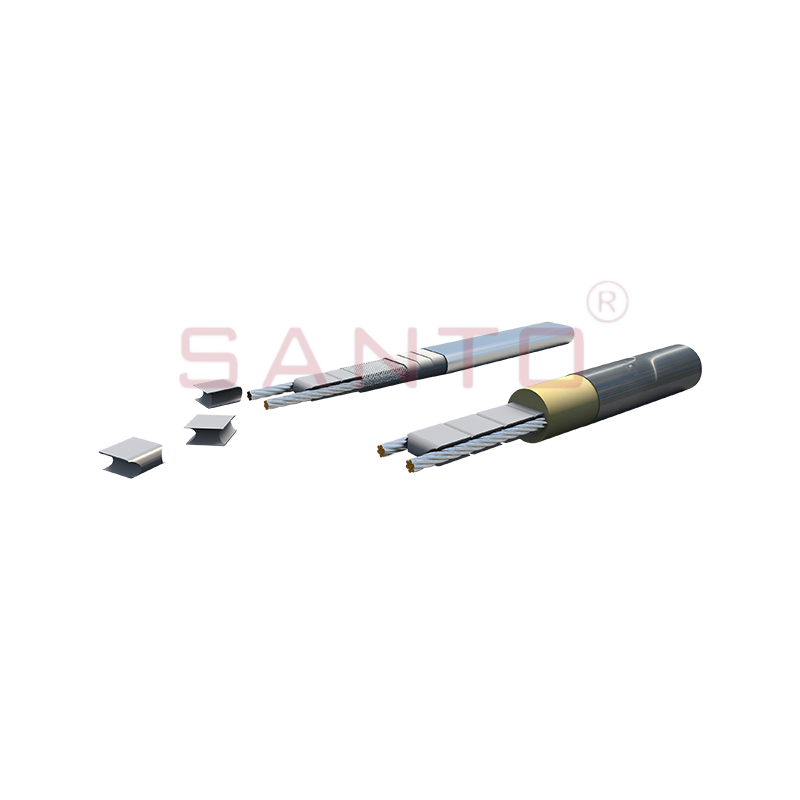
SANTO UFY heating wire is suitable for applications that maintain process temperatures up to 260 ℃ and can be steam blown; The self-regulating and parallel circuit heating wires of the UFY series are ...
See Details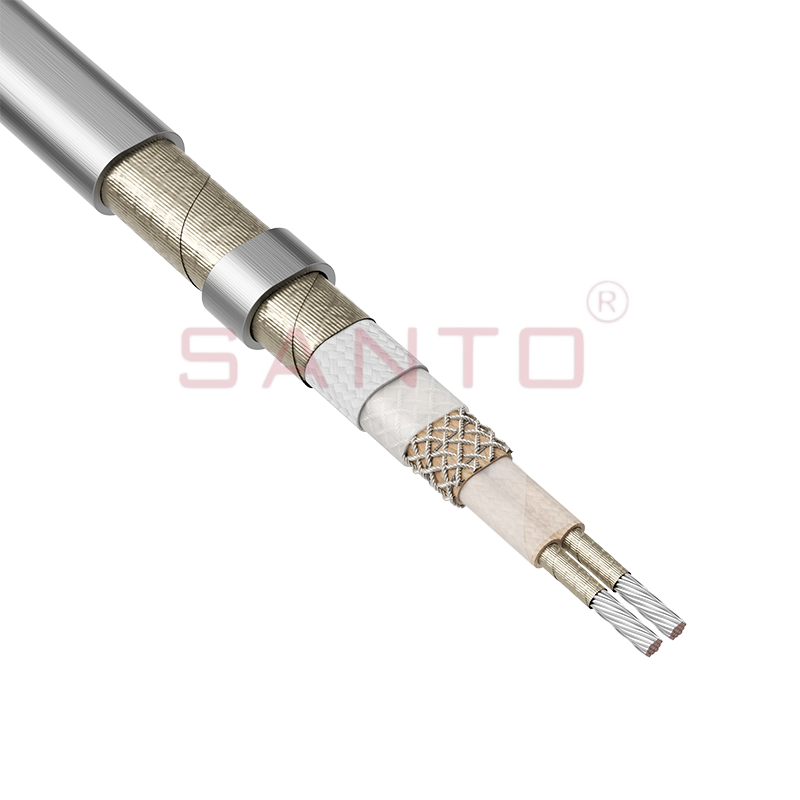
The SANTO UFM series self-regulating heating cables are mainly used for freeze protection of pipes and vessels, but can also be used to maintain processes up to 400°C. These heating cables are availab...
See Details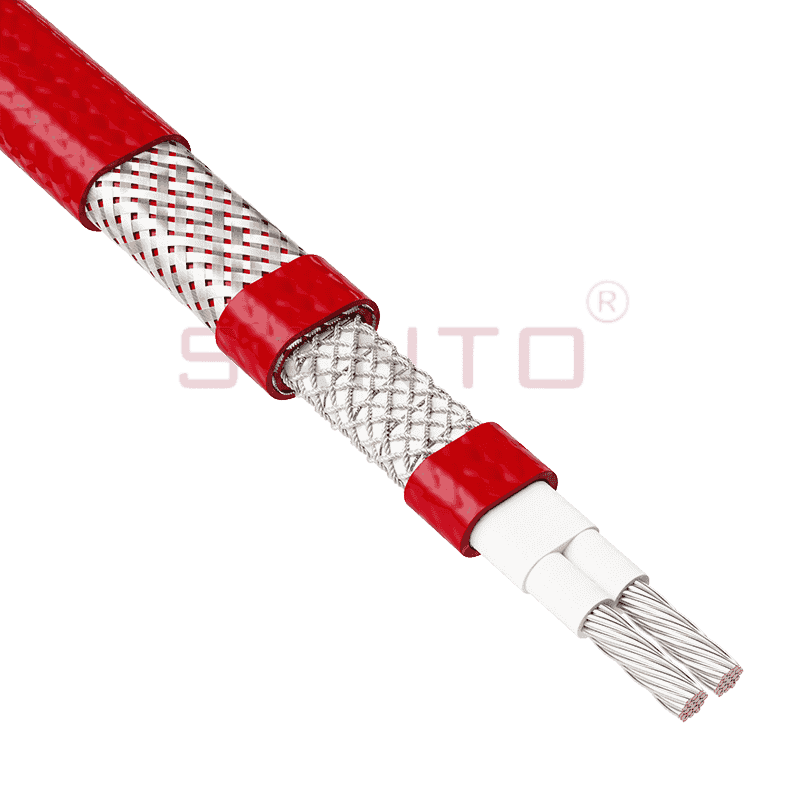
The SANTO ACC range of power-limiting heating cables is mainly used for temperature maintenance of processes and offers the advantage of a high power output at high temperatures which can reduce the n...
See Details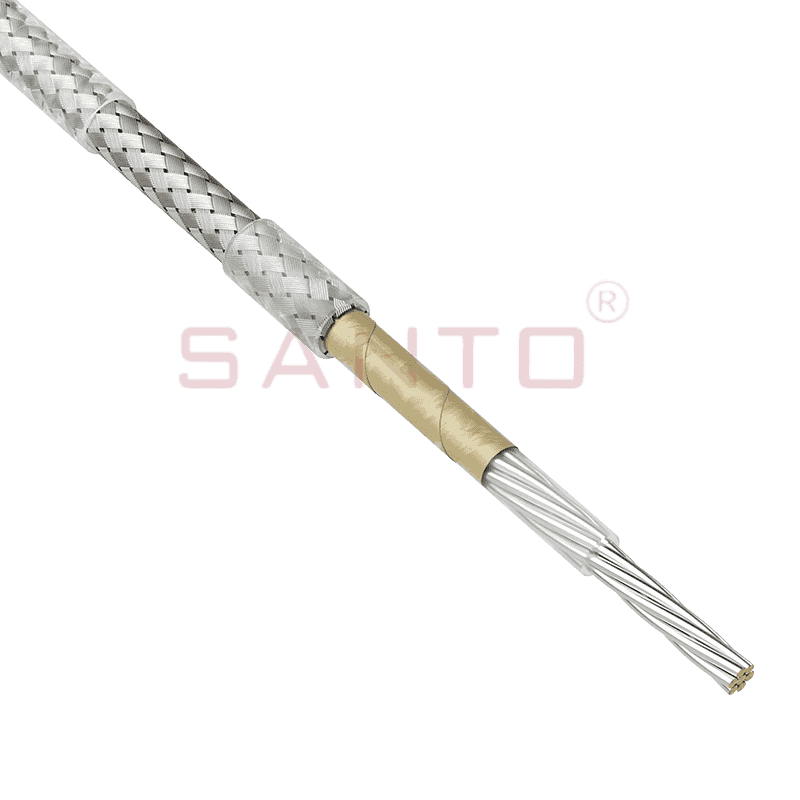
The stranded high temperature conductor is nickel plated to ensure a long life at elevated temperatures in corrosive environments. It is electrically isolated using an innovative sandwich construction...
See Details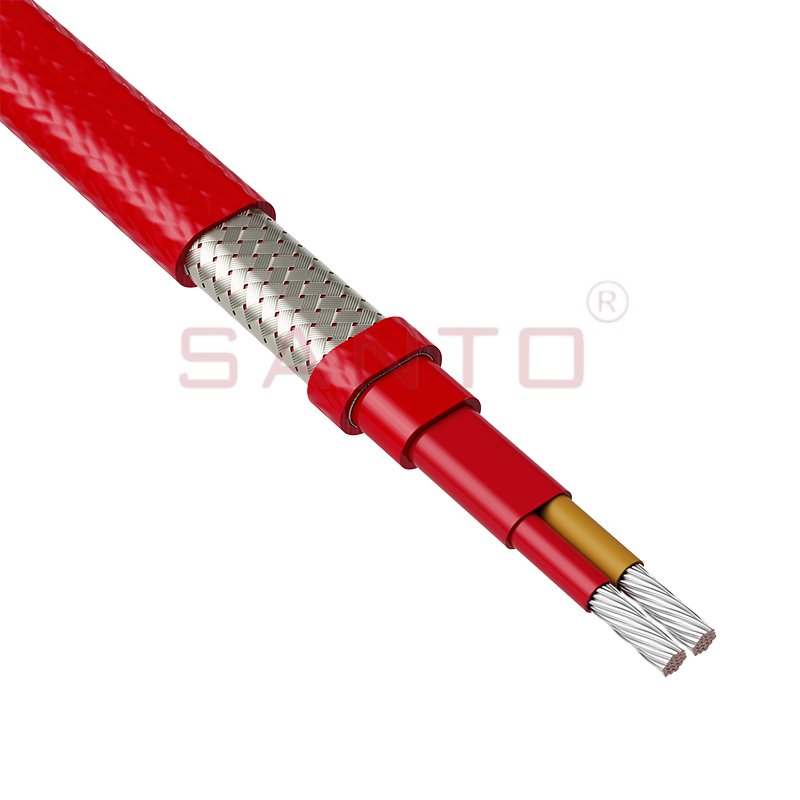
The stranded high temperature conductor is nickel plated to ensure a long life at elevated temperatures in corrosive environments. It is electrically isolated using an innovative sandwich construction...
See Details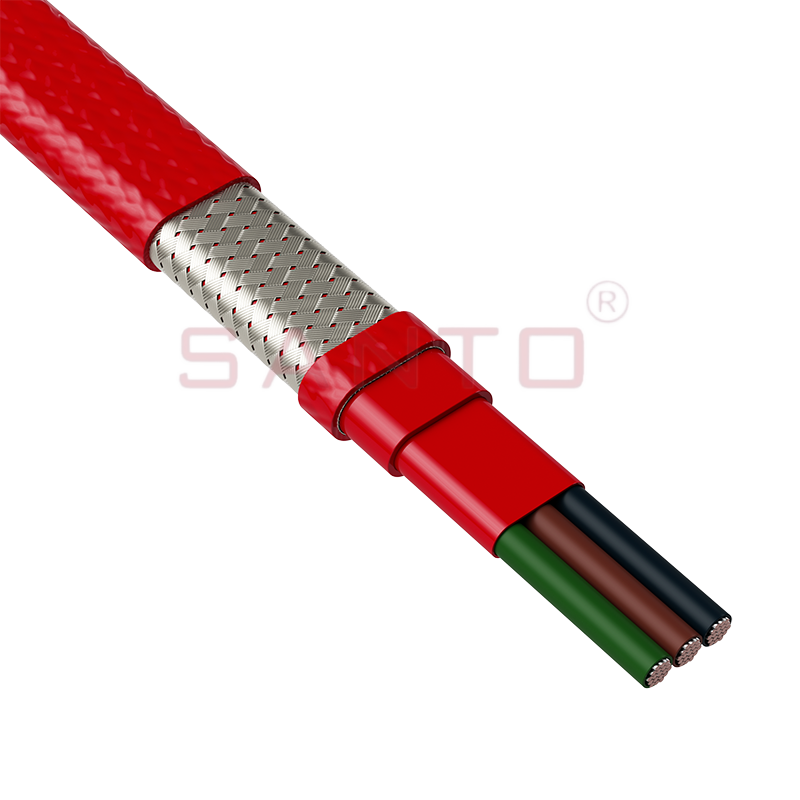
The stranded high temperature conductor is nickel plated to ensure a long life at elevated temperatures in corrosive environments. It is electrically isolated using an innovative sandwich construction...
See Details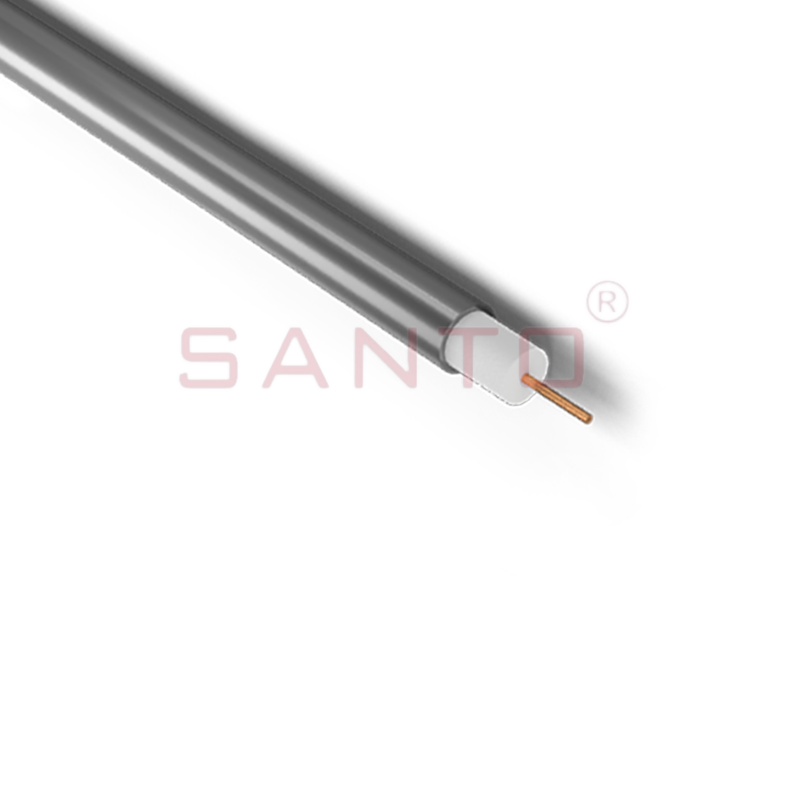
SANTO HAx mineral insulated (MI) Alloy 825 series heating cables are suitable for use in hazardous areas. They have been designed for use in freeze protection and temperature maintenance applications ...
See Details
Santo electric heating strips are widely used in key industries in China.

