 English
  English
 русский
 日本語
日本語 Español
 中文简体
中文简体
The SANTO UFA range of self-regulating heating cables is mainly used for frost protection of pipes and vessels but can also be used to maintain processes up to 65°C. These heating cables are available...
See Details
Industrial heat tracing is no longer a simple matter of wrapping a pipe with an electric cable. Modern process facilities require predictable thermal output, long service life, chemical resistance, mechanical reliability, safe operation in hazardous areas, and dependable engineering support from design through installation. The XPI-2 polymer-insulated PI series resistive heating cable is designed for demanding applications where process temperature maintenance, freeze protection, viscosity control, and high-temperature exposure must be managed with precision.
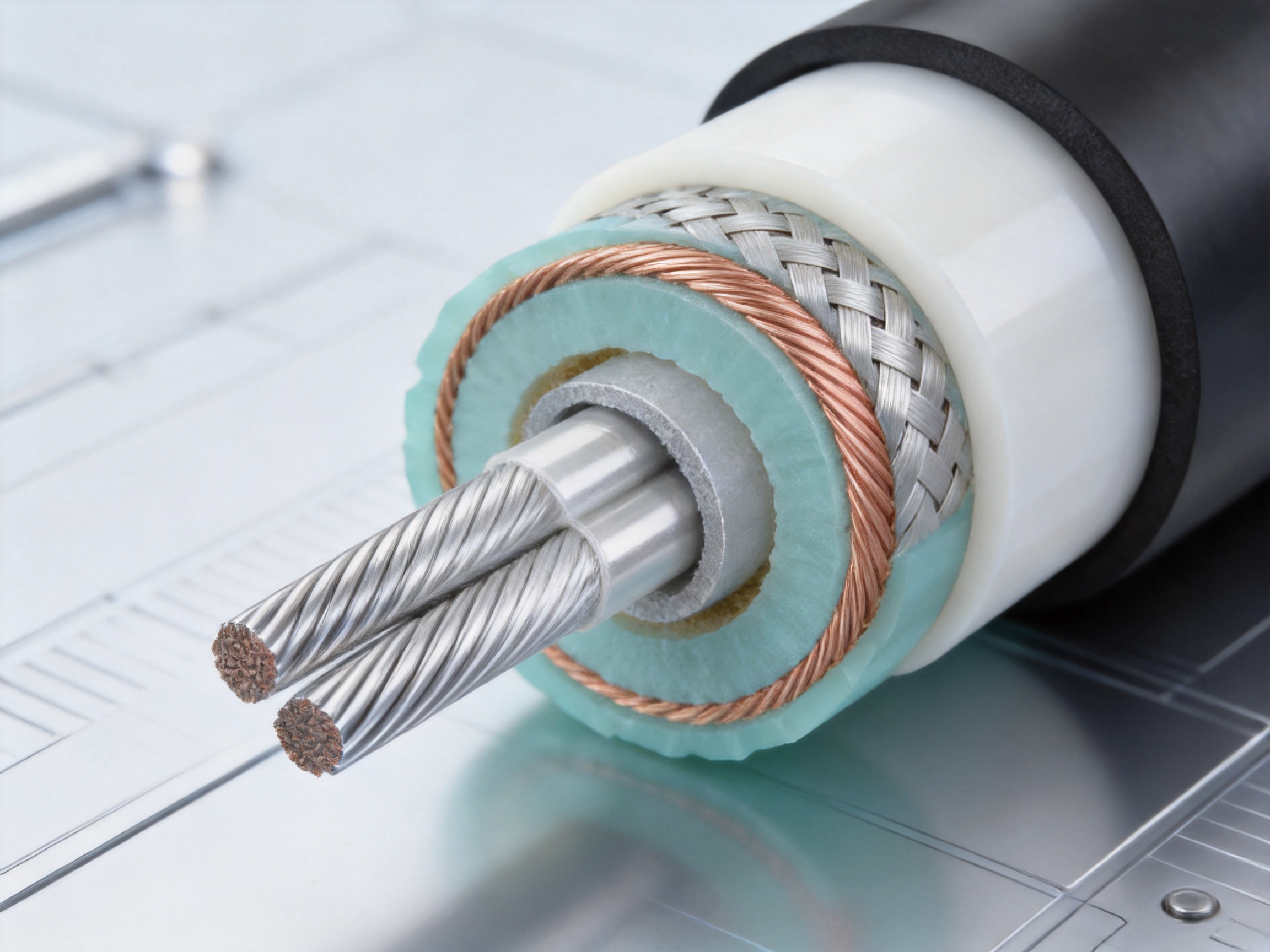
As a series constant power heating cable, XPI-2 is engineered for applications that require stable heat output over long circuit lengths and through complex industrial environments. Its structure combines a stranded high-temperature nickel-plated conductor, advanced fluoropolymer insulation, nickel-plated copper braid, and a final PTFE outer jacket. This layered construction allows the cable to operate in corrosive surroundings, withstand elevated temperatures, provide reliable electrical insulation, and deliver mechanical protection suitable for industrial heat tracing systems.
Content
The XPI-2 polymer-insulated PI series resistive heating cable belongs to the series constant power heating cable category. Unlike self-regulating heating cables, which vary their output according to local temperature, a series resistance heating cable is designed around calculated resistance, voltage, circuit length, and required watt density. This makes it especially suitable for engineered systems where the heat tracing design must be customized to match pipe diameter, insulation thickness, ambient conditions, process temperature, and control method.
The cable is intended for industrial heat tracing duties in sectors such as petrochemical processing, chemical production, gas systems, construction services, solar energy, geothermal cultivation, and general process heating. It is suitable for antifreeze protection, deicing, heat preservation, process temperature maintenance, and insulation support. Because industrial heat tracing often takes place in difficult environments, the cable’s material selection is central to its performance. The nickel-plated conductor supports operation at elevated temperatures. The fluoropolymer insulation system delivers electrical isolation and thermal endurance. The metallic braid contributes mechanical strength and grounding continuity. The PTFE jacket improves resistance to aggressive chemicals and high-temperature exposure.
One of the most important advantages of the XPI-2 design is that it brings together high-temperature capability and corrosion resistance in a compact cable structure. In many industrial environments, heating cables are exposed not only to heat but also to vibration, moisture, organic substances, corrosive agents, and installation stress. A lower-grade cable may perform adequately during early operation but can deteriorate as insulation ages, jackets crack, braid corrosion increases, or electrical leakage rises. XPI-2 is designed to reduce those risks by using materials and construction methods appropriate for long-term service.
The inner heating element of the XPI-2 cable is a stranded high-temperature conductor with nickel plating. Stranding improves flexibility compared with a solid conductor and allows the cable to tolerate bending during installation. Nickel plating is especially valuable because it protects the conductor surface in high-temperature and corrosive environments. At elevated temperatures, ordinary copper conductors may oxidize or suffer surface degradation if not properly protected. Nickel plating helps maintain stable conductor characteristics and contributes to long service life.
Electrical isolation is achieved through an innovative sandwich construction using selected high-temperature fluoropolymers. This insulation system is a major advantage in industrial applications because fluoropolymer materials are known for excellent thermal stability, chemical resistance, and dielectric properties. The sandwich design helps ensure that the conductor remains electrically separated from the braid and the surrounding environment while the cable operates under demanding thermal conditions.
Outside the insulation, a braid of nickel-plated copper strands provides two key functions. First, it creates mechanical protection against abrasion and handling damage. Second, it provides a low-ohmic-resistance earth path, supporting system safety and electrical protection design. In heat tracing systems, grounding continuity is essential because cables may be installed across long runs, around metallic piping, and in hazardous areas where fault conditions must be controlled quickly and reliably.
The final PTFE jacket is another essential feature. PTFE offers exceptional chemical resistance and high-temperature performance. In facilities handling organic chemicals, corrosive substances, solvents, cleaning agents, or process vapors, the outer jacket protects the inner layers from attack. A heating cable with a weaker jacket may suffer swelling, cracking, embrittlement, or chemical penetration over time. The PTFE jacket helps the XPI-2 cable preserve its mechanical and electrical integrity in harsh environments.
The XPI-2 heating cable family is intended for use in areas that may include hazardous gas and dust zones as well as normal industrial areas, subject to the complete system design, certification requirements, and installation rules. The product information identifies suitability for danger areas, Zone 1, Zone 2 for gas, and Zone 21 and Zone 22 for dust, along with normal areas. For such applications, reliable design principles or temperature limiters must be used to determine and control temperature levels.
The cable can tolerate maximum exposure temperatures of 260°C during continuous power-off exposure and 300°C during intermittent power-off exposure for up to 1000 hours. This is an important distinction. Exposure temperature is not the same as continuous energized operating temperature; rather, it describes the thermal environment the cable can withstand when not powered. Proper design must account for energized sheath temperature, process temperature, ambient temperature, insulation, control settings, and fault conditions.
The minimum installation temperature is -70°C, which gives the cable a strong advantage in cold-region projects. Many heating cables become stiff or difficult to handle in low temperatures. A cable that can be installed at very low ambient temperature provides greater flexibility for winter maintenance, remote site construction, and outdoor projects where installation schedules cannot always wait for warm weather.
The maximum power output is identified as 30 W/m as a standard value, depending on application. Rated voltage is up to 450/750 VAC, expressed as U0/U. The cable has a minimum impact resistance of 4 joules according to EN 50019 standards, and the recommended minimum spacing between heating lines is 20 mm. These technical limits support safe design, but they also demonstrate that the cable is intended for engineered applications rather than casual field improvisation.
| Performance Item | XPI-2 Polymer-Insulated PI Series Heating Cable | Design Significance |
| Heating cable type | Series constant power resistive heating cable | Suitable for engineered long-circuit heat tracing and calculated watt output |
| Conductor | Stranded high-temperature nickel-plated conductor | Improves flexibility, oxidation resistance, and durability at elevated temperature |
| Insulation | High-temperature fluoropolymer sandwich construction | Provides electrical isolation, thermal endurance, and chemical resistance |
| Protective braid | Nickel-plated copper braid | Adds mechanical protection and low-resistance grounding path |
| Outer jacket | PTFE | Enhances chemical resistance and high-temperature capability |
| Maximum exposure temperature | 260°C continuous power-off, 300°C intermittent power-off up to 1000 hours | Supports high-temperature process environments when correctly engineered |
| Minimum installation temperature | -70°C | Allows installation in severe cold climates and winter conditions |
| Rated voltage | Maximum 450/750 VAC | Supports industrial electrical distribution designs |
| Maximum power output | 30 W/m standard value, application dependent | Provides practical heat output for freeze protection and process maintenance |
| Minimum cable spacing | 20 mm between heating lines | Helps prevent overheating and supports safe installation geometry |
In a series resistance heating cable, heat is generated by the electrical resistance of the conductor. The circuit is engineered so that the applied voltage, conductor resistance, and cable length produce the required heat output. This creates several advantages for industrial heat tracing. The system can be designed for long pipelines, tanks, transfer lines, instrument lines, and process circuits where power distribution and temperature maintenance must be calculated precisely.
Compared with many parallel heating cable systems, a series resistance cable can be particularly efficient for long runs because the entire circuit is treated as a designed electrical load. When engineers know the cable resistance and circuit length, they can calculate power output and select appropriate controls, terminations, and protection devices. This makes the XPI-2 series valuable for projects where customized engineering is more important than simple cut-to-length convenience.
Series constant power technology also supports high-temperature heat tracing where self-regulating polymers may be limited by maximum exposure temperature or output degradation over time. Self-regulating cables are useful in many low- and medium-temperature applications, but industrial processes involving high temperature, aggressive chemicals, or long circuits may demand a different technology. The XPI-2 cable fills this need with a robust material system and resistance options that can be selected for specific design requirements.
Another benefit is consistent output along the circuit when the design is properly calculated and installed. In processes that require stable thermal maintenance, predictable output helps prevent cold spots, viscosity changes, crystallization, wax formation, condensation, or freezing. For chemical and oil-related services, such stability can reduce downtime and improve process reliability.
Many heating cables on the market are designed for general freeze protection or light-duty commercial use. Such products may be adequate for water lines, roof deicing, or moderate-temperature applications, but they often lack the full material protection required in industrial chemical environments. XPI-2 differentiates itself through its combination of high-temperature conductor design, fluoropolymer insulation, metallic braid, and PTFE jacket.
A key advantage is the nickel-plated conductor. Competitor products using unprotected conductors may be more vulnerable to oxidation, thermal aging, and corrosion. In high-temperature environments, even small material weaknesses can accumulate over time, affecting electrical resistance, circuit stability, and service life. Nickel plating helps the XPI-2 cable maintain a durable conductor surface in more severe environments.
The sandwich fluoropolymer insulation system is another competitive strength. Lower-cost cables may use insulation materials that are adequate at moderate temperatures but less stable under high thermal exposure or aggressive chemical contact. Fluoropolymers provide excellent dielectric strength and chemical inertness, making them well suited for demanding industrial installations. The layered insulation approach further improves reliability by providing controlled electrical separation and thermal endurance.
The nickel-plated copper braid provides both mechanical and electrical advantages. Some competitor products may include shielding or braiding that is less corrosion-resistant or mechanically robust. The braid in the XPI-2 cable helps protect the insulation from abrasion and improves grounding continuity. In hazardous areas, grounding and fault protection are not optional features; they are essential parts of the safety design.
The PTFE jacket gives XPI-2 a notable advantage where chemical exposure is likely. Many industrial sites contain solvents, oils, acids, alkalis, cleaning agents, and corrosive vapors. Jacket failure can lead to moisture ingress, insulation damage, leakage current, or system shutdown. PTFE is widely respected for its resistance to chemical attack, helping the cable survive in environments where ordinary polymer jackets may degrade.
The ability to install at -70°C also distinguishes the cable from products that become too stiff or fragile in cold conditions. For northern climates, offshore platforms, winter construction sites, and remote facilities, installation flexibility can directly affect project schedule and labor cost. A cable that can be installed under severe cold conditions provides practical value beyond the product data sheet.
The XPI-2 heating cable is applicable across a wide range of industrial and commercial systems. In petrochemical facilities, it can maintain process temperatures for pipelines carrying viscous fluids, waxy hydrocarbons, or chemicals with crystallization risks. Heat tracing prevents process interruptions caused by solidification, freezing, or flow restriction.
In chemical plants, the cable’s chemical resistance is especially important. Pipelines, valves, pumps, and tanks may be exposed to organic and corrosive substances, either through direct contact, splashing, vapor, or cleaning operations. The PTFE jacket and fluoropolymer insulation system make the cable suitable for environments where chemical compatibility is a serious design concern.
In gas and energy systems, heat tracing helps prevent hydrate formation, freezing of condensate lines, and malfunction of instruments. Instrument impulse lines and small-diameter tubing are particularly vulnerable to freezing because they have limited thermal mass. A reliable heating cable can help maintain measurement accuracy and operational safety.
For construction and infrastructure, heat tracing can be used for freeze protection of water pipes, fire protection lines, drainage systems, and process utility lines. Although XPI-2 is an industrial-grade cable, its high-performance construction may be selected for critical services where reliability is more important than minimum initial cost.
Solar energy and geothermal cultivation systems may also use electric heating products for freeze protection, temperature stabilization, and environmental control. In such applications, long service life and stable thermal performance help reduce maintenance and improve seasonal reliability.
Heat tracing in hazardous areas requires careful engineering. The product information identifies application in dangerous areas, Zone 1, Zone 2 for gas, and Zone 21 and Zone 22 for dust, as well as normal areas. However, hazardous area suitability depends on the complete heating system, including cable selection, terminations, junction boxes, controls, sensors, temperature limitation, overcurrent protection, grounding, installation method, and documentation.
In explosive gas or dust atmospheres, surface temperature control is critical. A heating cable must not exceed the temperature class or ignition temperature limits of the surrounding environment. The information provided emphasizes that reliable design principles or temperature limiters must be used to determine temperature levels. This is why industrial heat tracing should be designed by qualified engineers rather than selected only by cable wattage.
Leakage current protection is also important. The product information recommends the use of one 30 mA leakage protection device to ensure maximum safety and prevent fires. For applications where the design may result in high leakage current, it may be necessary to use a leakage protection device up to 300 mA. All safety performance should be verified. This demonstrates a safety-centered approach: the cable is only one component of a complete electrical heating system, and protection devices must be selected according to actual circuit behavior.
The XPI heating cable range includes many resistance options, allowing engineers to select a model that matches circuit length and power requirements. Standard resistance values listed in the product information range from very low resistance values such as 0.8 ohm per kilometer to high resistance values such as 8000 ohms per kilometer at 20°C. This wide range is important because heat tracing projects vary significantly. A short high-output circuit may require a different resistance than a long pipeline maintaining a moderate temperature.
Temperature coefficient is another design factor. For heating wires with resistance less than 31.5 ohms per kilometer, the resistance of conductive materials is a function of temperature and must be considered during design. This means that the cold start current and hot operating current may differ. Engineers must calculate startup conditions, steady-state output, control strategy, and protective device coordination.
The product information also identifies recommended cold end wire options. Cold leads are needed to connect the heating circuit to power supply equipment while keeping the heated section properly located on the pipe or equipment. Correct selection and installation of cold ends are essential for safe operation, especially in hazardous or high-temperature areas.
Supply length depends on the resistor model and is limited by a maximum weight of 120 kilograms per roll, with each section being 1000 meters. Not all models are standard stock items, so delivery time should be confirmed for specific projects. This reflects the customized nature of industrial heat tracing: cables are often selected and supplied according to project engineering rather than treated as generic inventory.
Santo Thermal Control Technology Co., Ltd. is located in Jiangsu Province, an important manufacturing region for electric heating belt and cable technology. The company is engaged in research, design, production, and manufacturing of automatic temperature-control electric heating belts, self-limiting electric heating belts, heat tracing belts, constant-power electric heating belts, glass fiber electric heating belts, mineral-insulated cables, silicone rubber heating products, snow melting cables, and electric heating accessories.
The company’s manufacturing strength is not limited to a single product line. Its broad product portfolio means that it understands multiple heating technologies and can recommend solutions according to actual application conditions. This is valuable because not every heat tracing problem should be solved with the same cable type. Some systems require self-limiting heating cables, others require constant wattage cables, and high-temperature or long-distance applications may require series resistance technology such as XPI-2.
The company has more than 35 years of industry experience, a large annual output capacity, an extensive distributor network, and business presence in many areas. Such scale supports stable production, project supply capability, and after-sales support. For industrial buyers, manufacturer stability is an important risk-control factor. A cable must not only perform well; it must be backed by documentation, production consistency, engineering support, and reliable delivery.
Quality management is another important strength. The company has passed ISO9001 quality system certification, and its products have obtained national CCC certification. It has also obtained explosion-proof certification and EAC Eurasian Union certification for relevant products and systems. These certifications indicate that the company works within recognized quality and safety frameworks, which is especially important for heat tracing products used in industrial and hazardous environments.
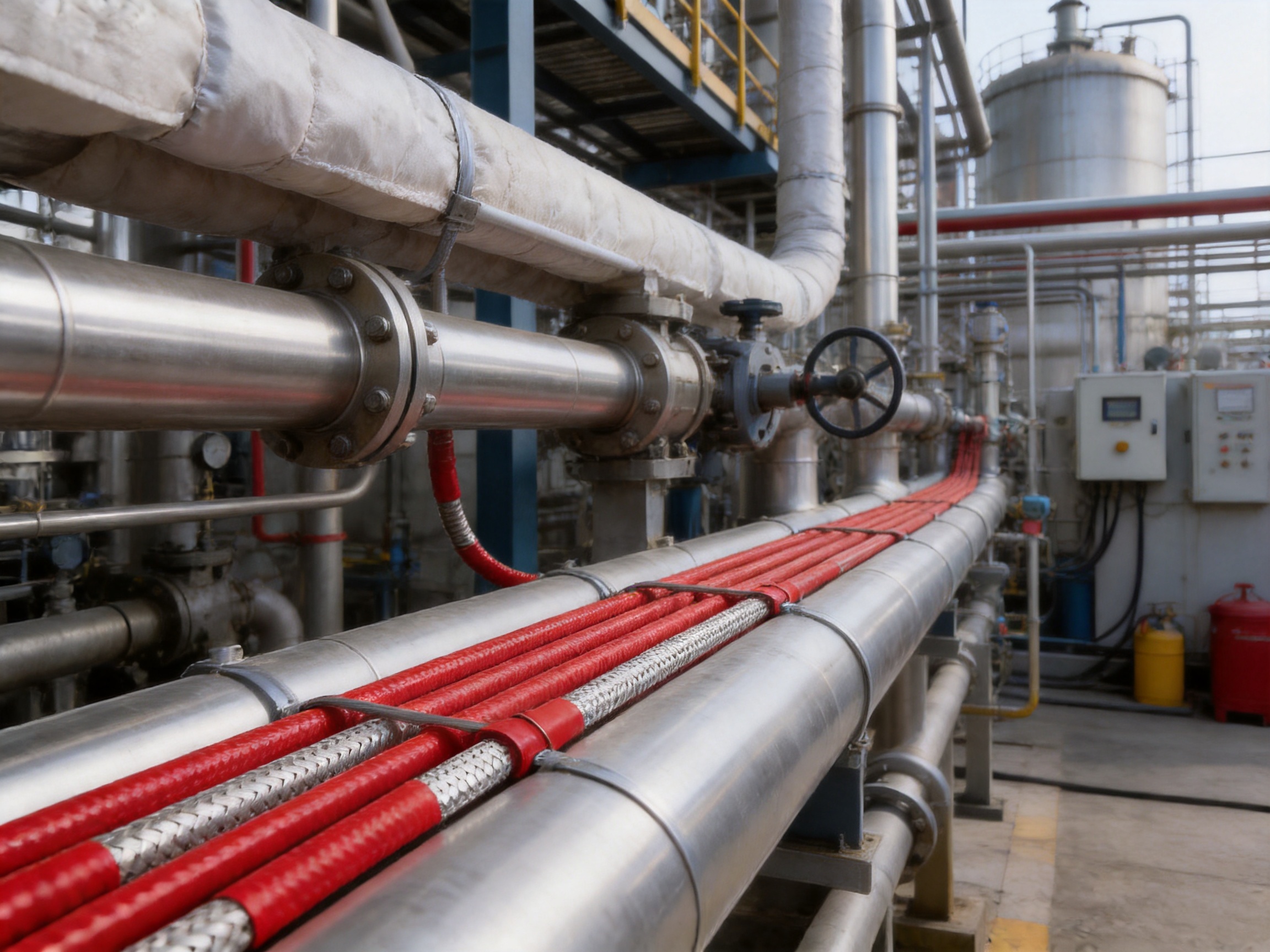
The performance of a heating cable depends heavily on manufacturing precision. The XPI-2 structure requires careful control over conductor preparation, plating quality, insulation extrusion, braid application, jacket processing, electrical testing, and final inspection. Each layer must meet dimensional and material requirements. If the conductor is inconsistent, resistance may vary. If insulation thickness is uneven, dielectric strength may be compromised. If the braid is poorly applied, grounding continuity or mechanical protection may suffer. If the outer jacket is defective, chemical resistance and moisture protection may be reduced.
In a high-quality manufacturing process, the conductor is selected according to resistance specification and stranded for flexibility. Nickel plating must be uniform and adherent to protect the conductor surface. The fluoropolymer insulation layers must be applied under controlled conditions to ensure proper coverage, adhesion, and electrical performance. The sandwich insulation structure requires precise processing because each layer contributes to the complete dielectric and thermal protection system.
Braiding is also a critical operation. Nickel-plated copper strands must be applied evenly around the insulated core to provide mechanical coverage and a low-resistance earth path. Proper braid coverage helps reduce localized vulnerability and improves the cable’s ability to withstand installation handling. After braiding, the PTFE jacket is applied to create the final chemical and thermal barrier. PTFE processing requires specialized knowledge because the material behaves differently from ordinary thermoplastics.
Testing should include resistance verification, dimensional inspection, insulation integrity checks, high-voltage testing, continuity testing, and visual examination. For industrial heat tracing, documentation and traceability are important. Project owners may require cable data, batch identification, test reports, installation manuals, and system design documents. A manufacturer with mature processes can provide these materials more reliably than a supplier focused only on low-cost production.
One of the major advantages of working with an experienced heat tracing manufacturer is access to application knowledge. Selecting the right heating cable is not only a matter of choosing wattage. Engineers must calculate heat loss, required maintain temperature, maximum exposure temperature, insulation type and thickness, pipe material, ambient temperature, wind conditions, startup conditions, electrical supply, control method, hazardous area classification, and maintenance requirements.
For XPI-2, resistance selection is especially important because series circuits must be designed as complete electrical systems. The required output depends on circuit length and total resistance. The designer must ensure that the cable operates within rated voltage and power limits while maintaining the required process temperature. Where high leakage current may occur, leakage protection must be selected carefully and safety performance verified.
Good engineering support can also reduce installation errors. Heat tracing failures often occur not because the cable itself is poor, but because the wrong cable is selected, minimum bending radius is ignored, cables are overlapped too closely, termination kits are installed incorrectly, insulation is damaged during pipe work, or controls are set improperly. Clear design and installation guidance helps protect the investment.
The product information identifies minimum bending radius requirements at 70°C. When the heating wire diameter is less than 6 mm, the bending radius should be 25 times the heating wire diameter. When the heating wire diameter is greater than 6 mm, the bending radius should be 6 times the heating wire diameter. These requirements help prevent mechanical damage to the conductor and insulation. They are also examples of practical installation rules that should be followed to preserve cable life.
Proper installation is essential for XPI-2 performance. Before installation, the heating circuit should be checked against the design documents. The cable model, resistance, length, voltage, area classification, and control method should match the engineering plan. The pipe or equipment surface should be clean and free from sharp edges, weld spatter, and burrs that could damage the cable jacket.
The cable should be installed with the required minimum spacing between adjacent heating lines. The product information specifies at least 20 mm between heating lines. Overlapping or crossing heating cable can create localized overheating, especially in constant power systems. Installers should also respect bending radius limits and avoid crushing, kinking, twisting, or pulling the cable with excessive force.
After the cable is attached to the pipe, thermal insulation must be installed correctly. Heat tracing cannot work efficiently without proper insulation. Damaged, wet, or poorly fitted insulation can increase heat loss and cause the system to consume more power while failing to maintain target temperature. Weatherproofing is also important for outdoor installations because moisture ingress into insulation can dramatically reduce thermal performance.
Electrical testing should be performed before, during, and after installation. Insulation resistance testing, continuity testing, and resistance verification help identify damage before the system is energized. Records should be kept for commissioning and future maintenance. When the system is operated in hazardous areas, all testing and documentation should follow applicable standards and site procedures.
The XPI-2 cable is designed for environments where ordinary cables may age prematurely. High temperatures accelerate material degradation, while chemicals can attack jackets and insulation. The combination of nickel plating, fluoropolymer insulation, metallic braid, and PTFE jacket directly addresses these challenges.
In chemical plants, a cable may be exposed to acidic vapors, alkaline cleaning agents, hydrocarbons, solvents, or process residues. PTFE is a preferred material in many such settings because of its low chemical reactivity. The fluoropolymer insulation further supports dielectric stability even when the cable is operating near hot equipment. The braid and jacket together help protect the core against mechanical and environmental damage.
In oil and gas applications, temperature maintenance may be required for heavy oil, sulfur-containing streams, waxy fluids, and condensate systems. Stable heat tracing reduces the risk of flow restriction and shutdown. The cable’s high exposure temperature capability is useful when lines are steam cleaned, exposed to process heat, or located near high-temperature equipment, provided the application remains within the validated design limits.
For process industries, maintenance access may be limited once insulation and cladding are installed. A durable cable reduces the likelihood of costly insulation removal and cable replacement. Although the initial cost of a higher-grade cable may be greater than that of a basic product, lifecycle cost can be lower when reduced downtime, improved safety, and longer service life are considered.
Self-regulating heating cables are popular because they are easy to design for many applications and can adjust output according to temperature. However, their polymer heating matrix may have limits in high-temperature environments, and output can decline with age or repeated thermal cycling. For moderate freeze protection, they are often excellent. For high-temperature, long-circuit, or chemically aggressive applications, series resistance technology may be the better choice.
Parallel constant wattage cables provide fixed watt output per unit length and can often be cut to length within specified limits. They are useful for many commercial and industrial installations. However, they may not be optimal for very long circuits or high-temperature exposure requiring specialized insulation and jacket systems. XPI-2 offers a purpose-built solution where engineered resistance, long circuit capability, and robust materials are priorities.
Mineral-insulated cables can withstand very high temperatures and provide excellent mechanical strength, but they are less flexible and may require more specialized installation. In applications where flexibility, chemical resistance, and high exposure temperature are needed together, polymer-insulated PI series cables such as XPI-2 can offer an attractive balance.
Silicone rubber heating systems are flexible and useful for many surface heating applications, but they may not provide the same chemical resistance as PTFE-jacketed fluoropolymer systems in aggressive industrial environments. The XPI-2 design is therefore particularly compelling where corrosive substances, hazardous areas, and high-temperature process conditions intersect.
Safety in electric heat tracing depends on both product design and system control. Constant power heating cables require proper temperature control because they do not automatically reduce output in the same way as self-regulating cables. The product information specifically notes that reliable design principles or temperature limiters must be used to determine temperature levels. This is especially important in hazardous areas and on temperature-sensitive processes.
Temperature sensors may be installed on the pipe surface, in the process, or in ambient conditions depending on the control strategy. Thermostats, electronic controllers, power distribution panels, and safety limiters should be selected according to the process requirements. For critical services, redundant sensing or independent high-temperature cutout may be appropriate.
Ground-fault or leakage protection should be included according to design requirements. The recommendation of 30 mA leakage protection for maximum safety reflects a conservative approach to fire prevention and personnel protection. In some large or complex circuits, leakage current may be higher, and a maximum leakage protection device of 300 mA may be necessary. The correct choice should be verified through engineering evaluation and testing.
Overcurrent protection, grounding, junction boxes, terminations, and warning labels are also part of the safety system. A high-quality cable is the foundation, but the complete installation must follow applicable electrical codes, hazardous area requirements, and manufacturer instructions.
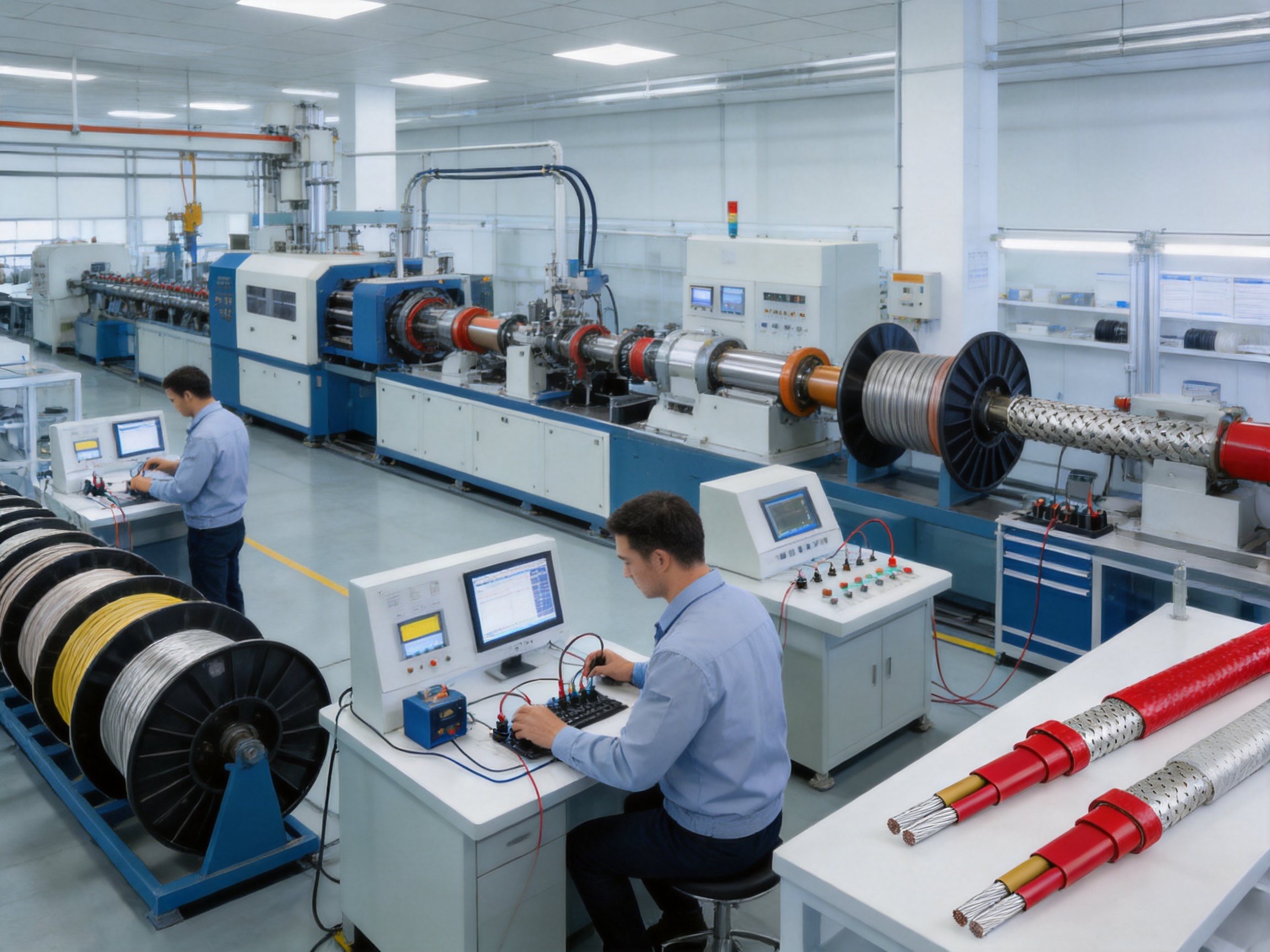
Santo Thermal Control Technology Co., Ltd. has developed from an electric heating instrument factory into a high-tech enterprise with broad product capability. Its history includes ISO quality certification, establishment of irradiation capability, development of advanced self-limiting heating technologies, creation of the SANTO brand, explosion-proof and EAC certifications, patented carbon fiber parallel heating cable technology, national media recognition, company expansion, and establishment of overseas manufacturing presence.
This development path matters because industrial customers need a supplier with continuity. Heat tracing systems can remain in service for years, and expansion projects may require compatible products, spare parts, accessories, and technical support. A manufacturer with a long development history and international market experience is better positioned to support those needs.
The company’s stated values include innovation, cooperation, effectiveness, and development. Its product range supports applications including antifreeze, deicing, heating, heat tracing, and insulation. By manufacturing constant-power electric heating strips, self-limiting electric heating strips, silicone rubber electric heating strips, glass fiber electric heating strips, electric hot wires, mineral-insulated cables, snow melting cables, tracked heaters, and accessories, the company can provide a wide thermal control solution rather than a single product.
The company has also invested in new factory development and product simulation testing capability. Simulation and testing are important in heat tracing because real applications involve complex heat transfer. Pipe diameter, insulation, wind, ambient temperature, support losses, valves, flanges, and control cycles all influence performance. Testing and simulation help improve product validation and application accuracy.
When purchasing XPI-2 heating cable, buyers should provide complete application data. This should include pipe or equipment dimensions, maintain temperature, maximum exposure temperature, minimum ambient temperature, insulation type and thickness, area classification, supply voltage, available circuit length, process fluid, chemical exposure, installation location, and required certification. Better input data leads to better system design.
Buyers should also confirm the resistance model, cable length, cold lead requirements, termination accessories, control panel configuration, leakage protection requirements, and delivery time. Because not all resistance options may be standard stock items, project planning should include lead-time confirmation. For large projects, batch consistency, packaging, reel weight, and installation sequencing should also be discussed.
Documentation should be requested where necessary. This may include product data sheets, installation instructions, test reports, quality certificates, hazardous area documentation, and system design calculations. For regulated industries, documentation can be as important as the physical product because it supports commissioning, audit, maintenance, and future modification.
A properly designed and installed XPI-2 heat tracing system can deliver long lifecycle value. Maintenance should include periodic visual inspection of power connections, junction boxes, controllers, sensors, insulation, cladding, and warning labels. Electrical testing should be performed according to site procedures, especially after maintenance work, insulation removal, process modification, or mechanical damage.
Because heat tracing is often hidden beneath insulation, preventive maintenance is important. Operators should monitor circuit current, controller readings, alarms, ground-fault status, and process temperature. Unexpected current changes may indicate cable damage, connection issues, insulation problems, or control malfunction. Early detection can prevent process interruption.
The lifecycle value of XPI-2 comes from reducing failure risks in demanding environments. The initial purchase price of a premium cable may be higher than that of a general-purpose competitor, but industrial users should evaluate total cost of ownership. A cable failure may require process shutdown, insulation removal, troubleshooting, cable replacement, recommissioning, and production loss. In hazardous areas, safety risks and compliance costs further increase the importance of reliable products.
XPI-2 is a polymer-insulated PI series resistive heating cable in the series constant power heating cable category. It is designed for engineered industrial heat tracing systems where resistance, circuit length, voltage, and heat output are calculated to meet specific process requirements.
The cable uses a stranded high-temperature nickel-plated conductor, high-temperature fluoropolymer insulation, nickel-plated copper braid, and a PTFE outer jacket. This construction supports exposure temperatures up to 260°C during continuous power-off conditions and 300°C during intermittent power-off conditions for up to 1000 hours, subject to proper system design.
The PTFE jacket provides strong chemical resistance and high-temperature capability. It protects the cable from many organic and corrosive substances that may be present in chemical plants, petrochemical facilities, and other industrial environments.
The product information identifies application in dangerous areas, Zone 1, Zone 2 for gas, and Zone 21 and Zone 22 for dust, as well as normal areas. However, hazardous area use depends on the complete heating system design, including certification, temperature control, grounding, terminations, protection devices, and installation practices.
Self-regulating cables are useful for many moderate-temperature applications and adjust output according to local temperature. XPI-2 is better suited to engineered series resistance applications where high-temperature exposure, long circuit design, chemical resistance, and calculated constant power output are required.
The standard maximum power output is identified as 30 W/m, depending on the specific application. Actual output must be calculated according to resistance, voltage, length, installation conditions, and control strategy.
The cable can be installed at temperatures as low as -70°C, making it suitable for severe cold climates and winter construction conditions.
Leakage protection helps improve safety and reduce fire risk. The product information recommends a 30 mA leakage protection device for maximum safety. In applications where high leakage current may occur, a leakage protection device up to 300 mA may be required, and all safety performance should be verified.
Customers should provide pipe or equipment size, maintain temperature, maximum exposure temperature, minimum ambient temperature, insulation details, hazardous area classification, supply voltage, circuit length, process fluid, chemical exposure, and certification requirements. This information helps engineers select the correct resistance model and system configuration.
The XPI-2 polymer-insulated PI series resistive heating cable is a high-performance solution for industrial heat tracing applications that demand thermal reliability, chemical resistance, mechanical protection, and engineered electrical performance. Its nickel-plated high-temperature conductor, fluoropolymer sandwich insulation, nickel-plated copper braid, and PTFE jacket form a robust construction designed for harsh service environments.
Compared with ordinary competitor cables, XPI-2 offers stronger material protection, better suitability for corrosive and high-temperature conditions, excellent installation capability in severe cold, and design flexibility through multiple resistance options. It is especially valuable where long circuits, hazardous areas, chemical exposure, and process temperature maintenance require a professional engineering approach.
Backed by Santo Thermal Control Technology Co., Ltd.’s manufacturing experience, product range, certifications, and commitment to research and quality management, XPI-2 represents more than a heating cable. It is part of a complete thermal control capability that supports industrial users from design and product selection through installation, operation, and long-term maintenance. For facilities that prioritize safety, durability, and lifecycle value, XPI-2 provides a technically advanced and commercially practical heat tracing option.
1. Product technical data for XPI polymer-insulated PI series resistive heating cable.
2. EN 50019 standard reference for electrical apparatus and impact resistance considerations.
3. Industrial heat tracing design principles for process temperature maintenance and freeze protection.
4. Fluoropolymer materials literature for high-temperature insulation and chemical resistance applications.
5. PTFE jacket performance references for corrosive industrial environments.
6. Electrical heat tracing safety guidance for grounding, leakage protection, and hazardous area temperature limitation.
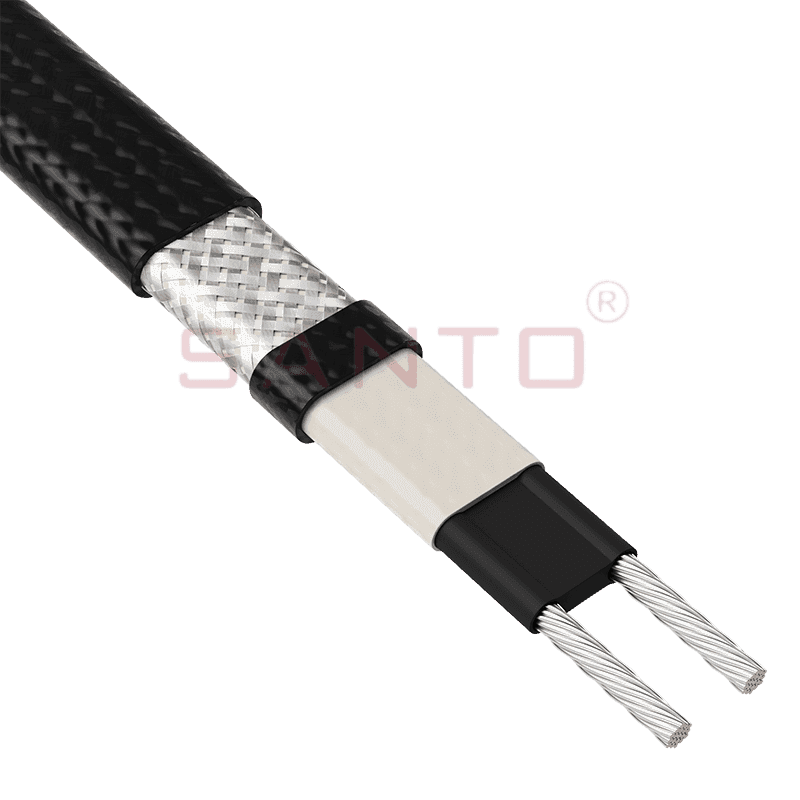
The SANTO UFA range of self-regulating heating cables is mainly used for frost protection of pipes and vessels but can also be used to maintain processes up to 65°C. These heating cables are available...
See Details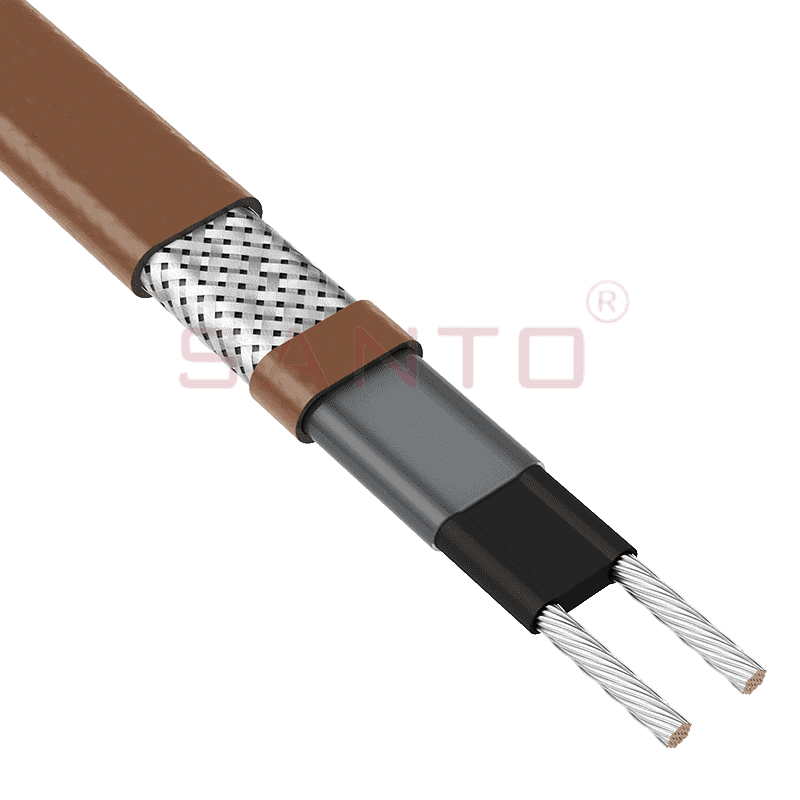
The SANTO UFB range of self-regulating heating cables is mainly used for frost protection of pipes and vessels requiring a higher power output than the UFA heating cables can supply. They can also be ...
See Details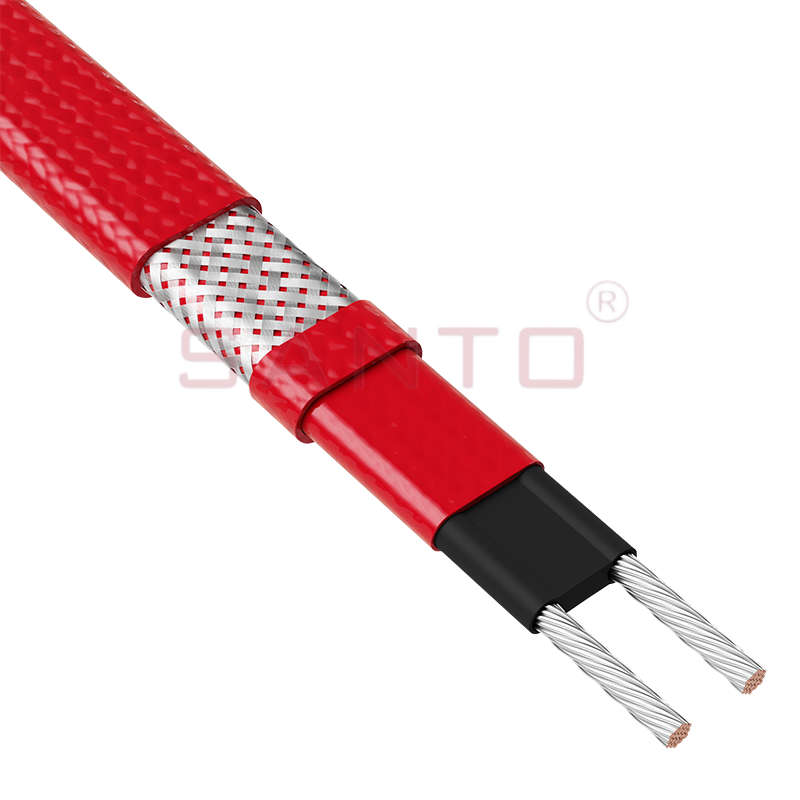
The SANTO UFC range of self-regulating heating cables is used for frost protection of pipes and vessels that require steam cleaning. They can also be used to maintain processes up to 121°C. These heat...
See Details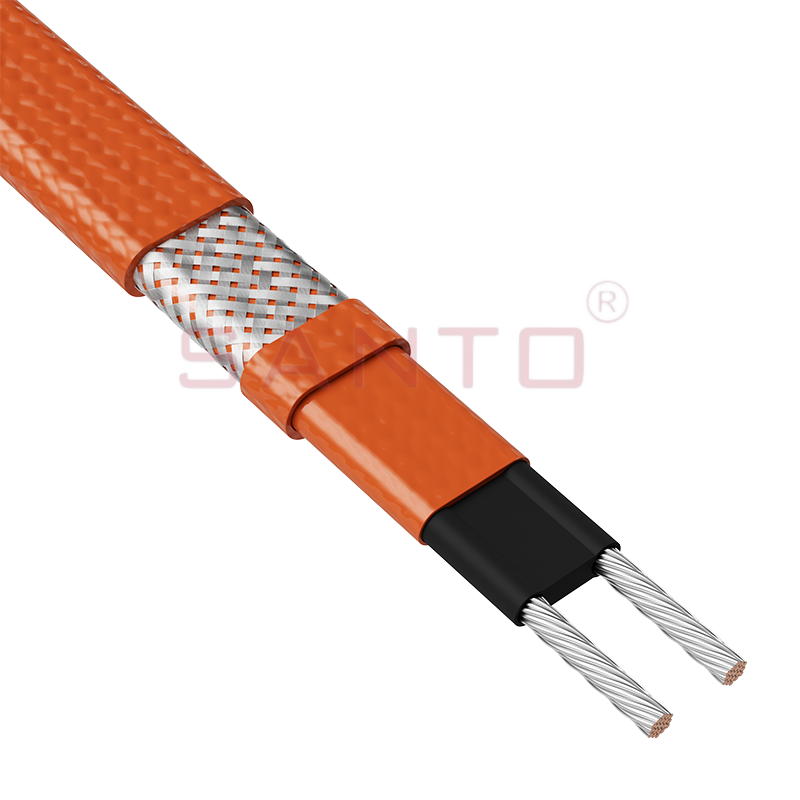
The SANTO UFO range of self-regulating heating cables is mainly used for frost protection of pipes and vessels that require steam cleaning . They can also be used to maintain processes up to 150°C. Th...
See Details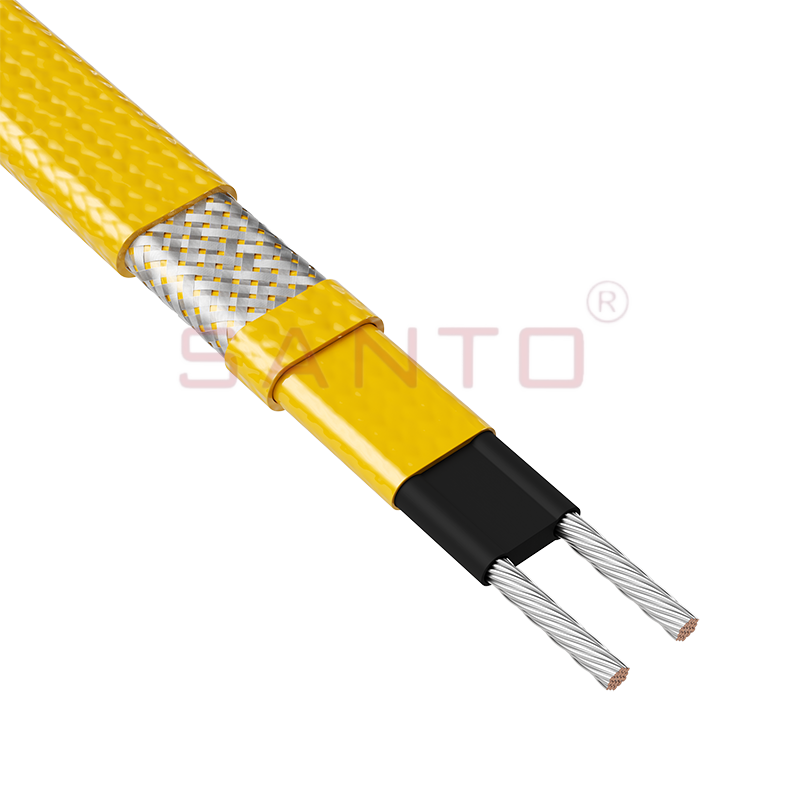
The SANTO UFD series of self-regulating heating cables are mainly used for freeze protection of pipes and vessels, but can also be used to maintain processes up to 200°C. These heating cables are avai...
See Details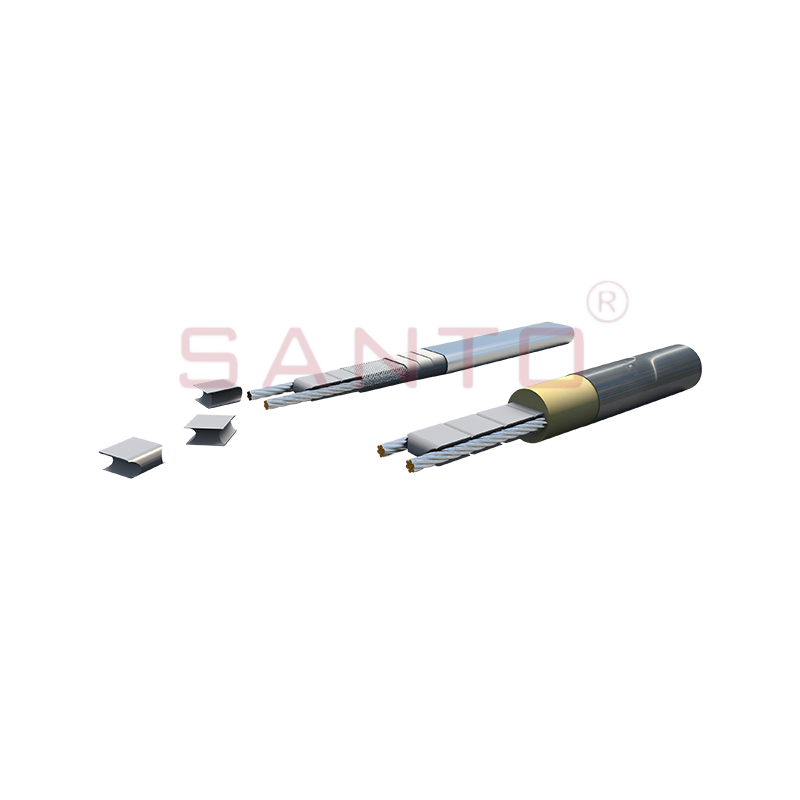
SANTO UFY heating wire is suitable for applications that maintain process temperatures up to 260 ℃ and can be steam blown; The self-regulating and parallel circuit heating wires of the UFY series are ...
See Details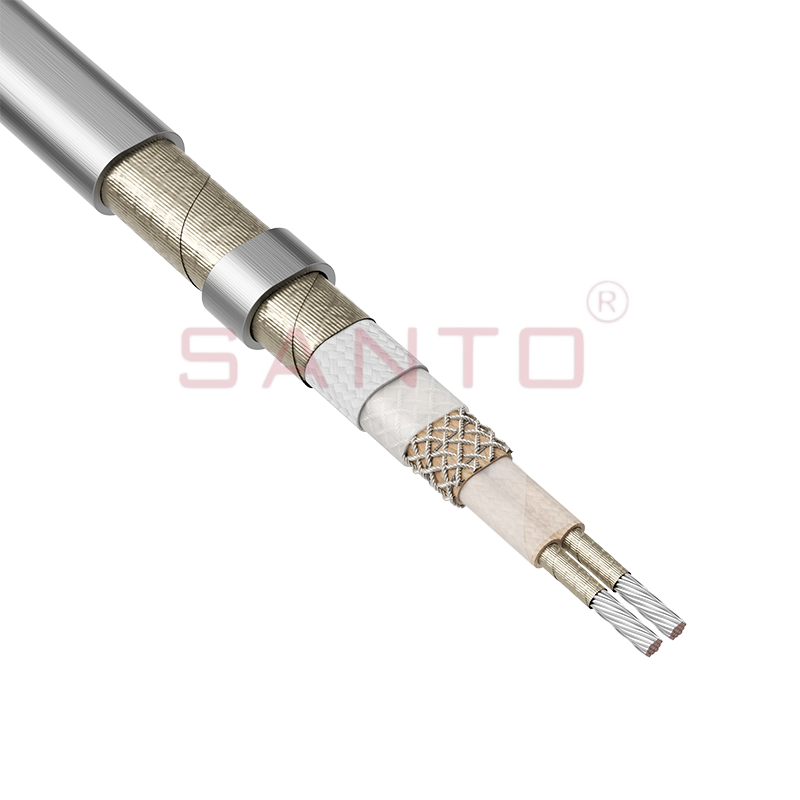
The SANTO UFM series self-regulating heating cables are mainly used for freeze protection of pipes and vessels, but can also be used to maintain processes up to 400°C. These heating cables are availab...
See Details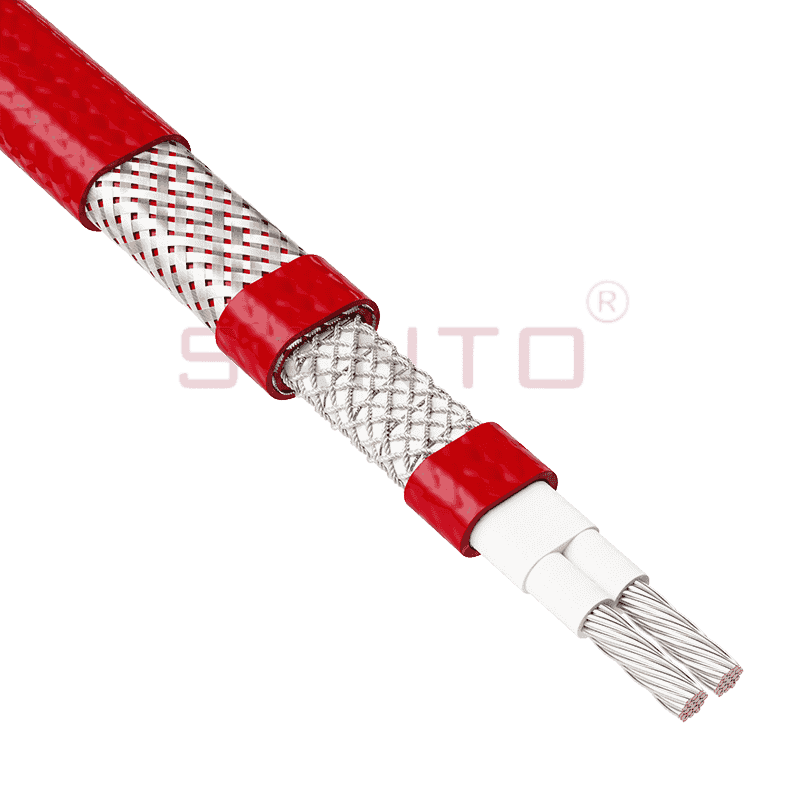
The SANTO ACC range of power-limiting heating cables is mainly used for temperature maintenance of processes and offers the advantage of a high power output at high temperatures which can reduce the n...
See Details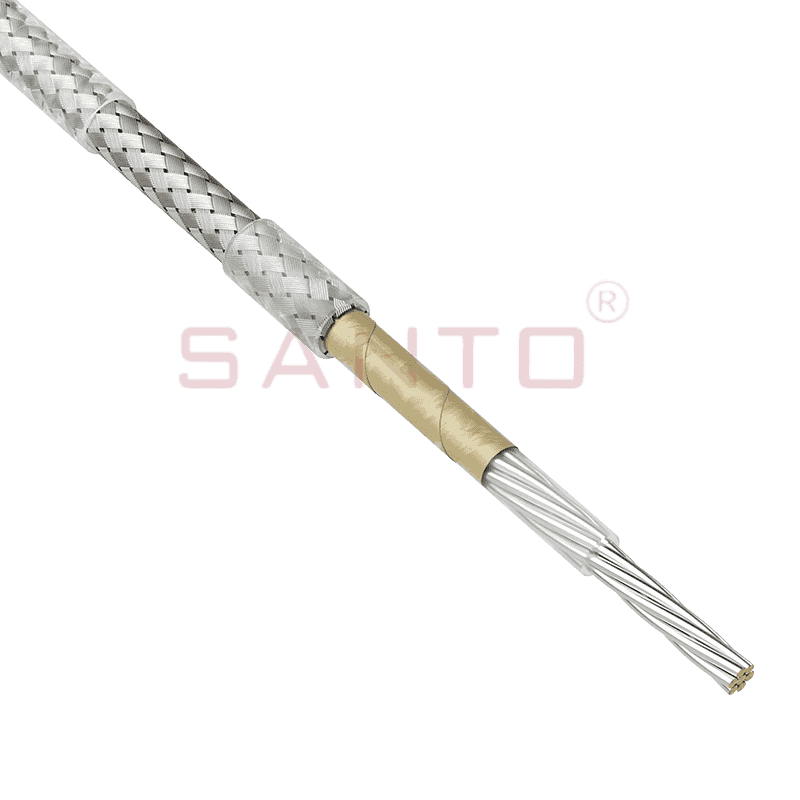
The stranded high temperature conductor is nickel plated to ensure a long life at elevated temperatures in corrosive environments. It is electrically isolated using an innovative sandwich construction...
See Details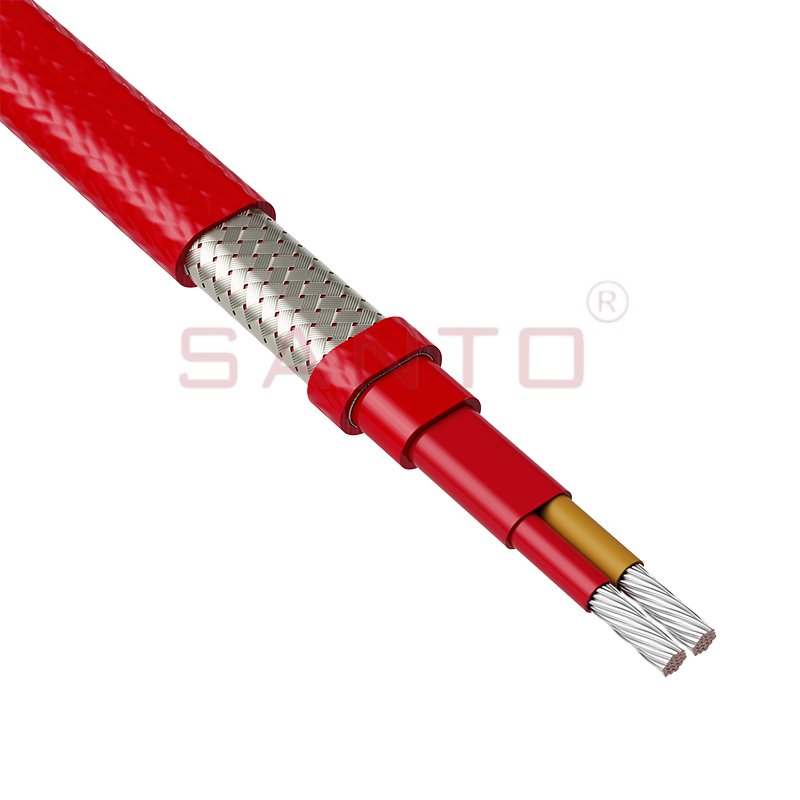
The stranded high temperature conductor is nickel plated to ensure a long life at elevated temperatures in corrosive environments. It is electrically isolated using an innovative sandwich construction...
See Details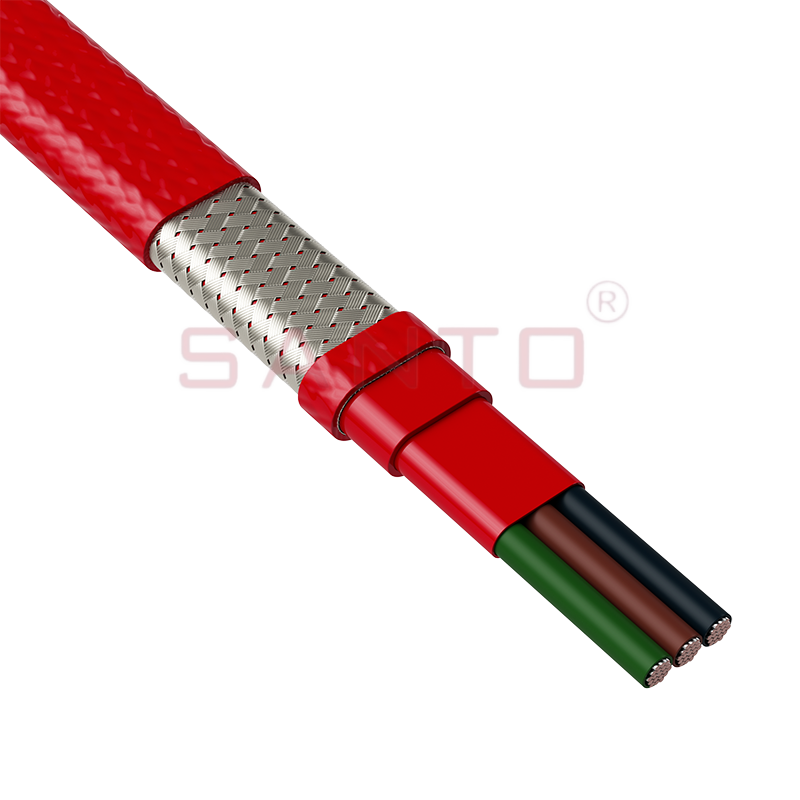
The stranded high temperature conductor is nickel plated to ensure a long life at elevated temperatures in corrosive environments. It is electrically isolated using an innovative sandwich construction...
See Details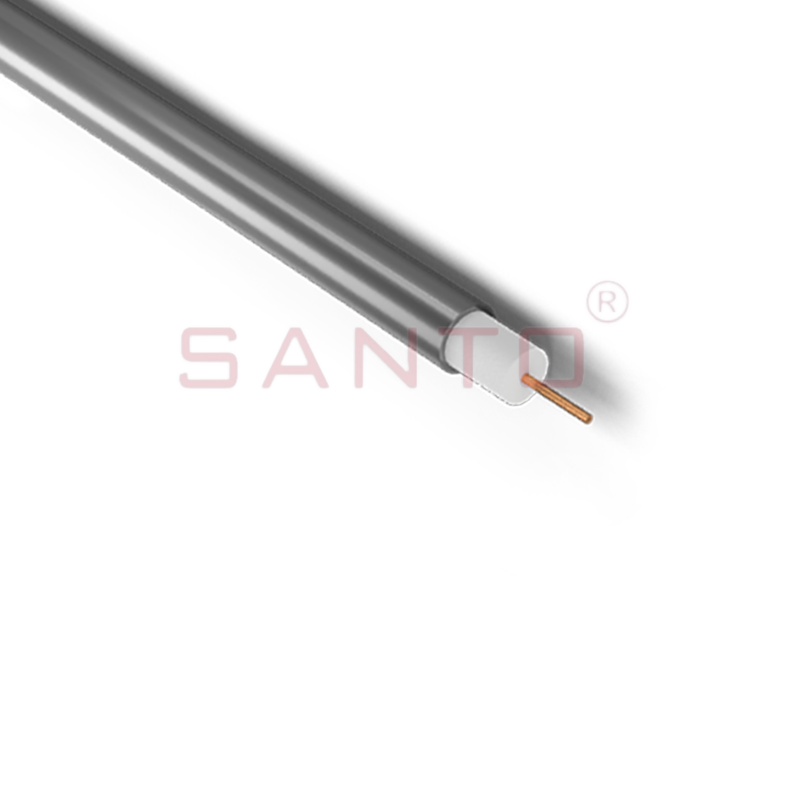
SANTO HAx mineral insulated (MI) Alloy 825 series heating cables are suitable for use in hazardous areas. They have been designed for use in freeze protection and temperature maintenance applications ...
See Details
Santo electric heating strips are widely used in key industries in China.

