 English
  English
 русский
 日本語
日本語 Español
 中文简体
中文简体
The SANTO UFA range of self-regulating heating cables is mainly used for frost protection of pipes and vessels but can also be used to maintain processes up to 65°C. These heating cables are available...
See Details
Continuous emissions monitoring has become one of the most demanding applications in modern industrial measurement. Power plants, refineries, chemical facilities, waste treatment sites, cement plants, and metallurgical operations must prove that stack emissions are measured accurately, continuously, and in compliance with strict regulatory expectations. In these environments, a sample line is not just a tube that carries gas from one point to another. It is a controlled thermal pathway that protects the integrity of the sample, prevents condensation, minimizes adsorption losses, and supports stable analyzer performance.
CEMS and analyzer sample lines based on electrically heated tubing bundles are designed for this precise purpose. They combine process tubing, thermal insulation, electric heating elements, protective jackets, and optional signal or calibration lines into a flexible, factory-built assembly. For high-temperature extractive sampling, mercury monitoring, acid gas measurement, moisture-sensitive analysis, and other demanding applications, heated tubing bundles help maintain the sample at a consistent temperature from the extraction point to the analyzer shelter or cabinet.
For industrial operators, the value of a high-quality heated sample line is measured in uptime, data accuracy, regulatory confidence, and reduced maintenance. Poor temperature control can cause water vapor, acids, ammonium salts, hydrocarbons, or other compounds to condense inside the line. Once condensation occurs, the sample is no longer representative. Analyzer readings may drift, response times may increase, and maintenance teams may be forced into repeated line cleaning or replacement. A well-engineered electrically heated tubing bundle helps eliminate these risks by delivering uniform, dependable heat along the entire sample path.
Santo Thermal Control Technology Co., Ltd. manufactures electric heating products with decades of experience in heat tracing, heated tubing, self-regulating heating cables, constant-power heating cables, silicone rubber heating systems, MI cables, snow melting cables, and related accessories. The company’s CEMS and analyzer sample lines reflect this manufacturing background. They are intended for applications where temperature stability, installation flexibility, corrosion resistance, and long service life are essential.
CEMS and Analyzer Sample Lines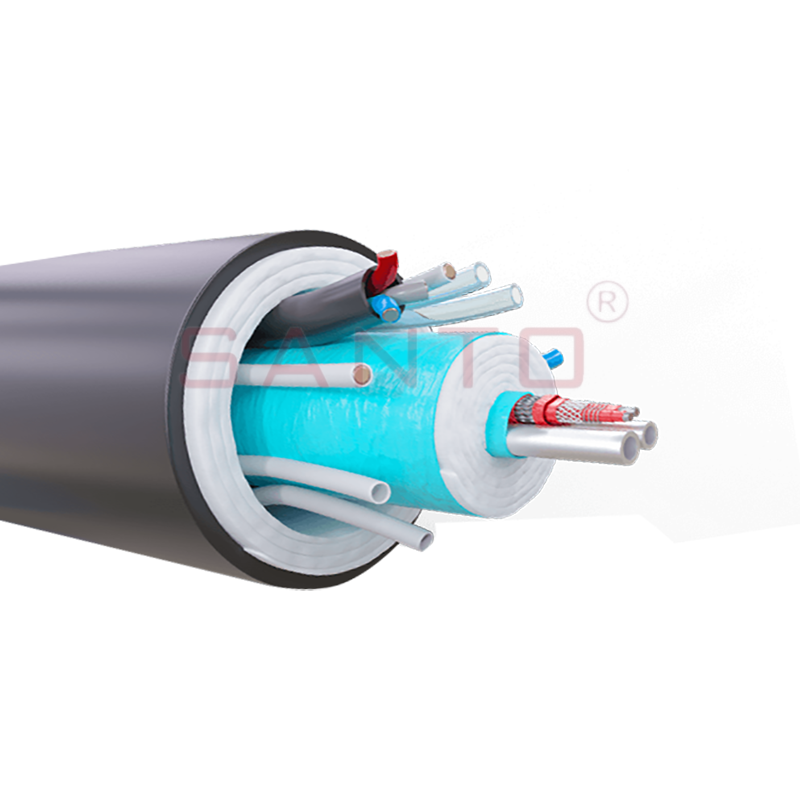
Content
Continuous emissions monitoring systems are often installed to satisfy environmental regulations, but their operational importance goes far beyond compliance. They provide real-time insight into combustion efficiency, pollutant trends, process stability, and emission control performance. If the sample delivered to the analyzer is altered before measurement, even the most advanced analyzer cannot produce reliable data.
Extractive CEMS systems remove a gas sample from a duct, stack, reactor outlet, or process stream and transport it to an analyzer. During this transfer, the sample may travel through outdoor weather, high elevations, long pipe routes, or temperature-variable plant areas. The gas may contain water vapor, sulfur compounds, nitrogen oxides, hydrogen chloride, ammonia, mercury, volatile organic compounds, or particulate traces. Many of these components are highly sensitive to temperature changes.
If the sample cools below its dew point, moisture condenses inside the line. This can dissolve soluble gases such as sulfur dioxide, hydrogen chloride, ammonia, or nitrogen dioxide, causing analyzer readings to become artificially low. Condensed moisture can also form corrosive acid solutions, attacking tubing and fittings. In mercury monitoring, improper temperature control can lead to adsorption or loss of mercury species, compromising measurement accuracy. In systems measuring hydrocarbons, condensation can create slow response, memory effects, or sample carryover.
Electrically heated tubing bundles are engineered to address these problems. By maintaining the sample above the required temperature, they preserve gas composition and help deliver a representative sample to the analyzer. In high-temperature extractive and mercury CEMS applications, this is especially important because the cost of inaccurate data can include regulatory penalties, failed audits, unnecessary process adjustments, and increased maintenance expenses.
CEMS and analyzer sample lines are specialized electrically heated tubing bundles designed to transport gas samples under controlled thermal conditions. A typical bundle includes one or more process tubes, an electric heating cable or heating element, thermal insulation, a temperature sensor if required, and an outer protective jacket. Depending on the application, the bundle can also include calibration gas tubes, blowback lines, electrical conductors, communication wires, or additional service tubes.
The product category is Electric Heating Tube Bundle, and it belongs to a broader family of industrial thermal control solutions that includes electrically heated tracing cables, skin-effect heating tracing systems, snow and ice melting systems, underfloor heating mats, tubing bundles, accessories, and silicone rubber heating systems. Compared with field-assembled tubing and tracing, a factory-manufactured heated tubing bundle provides better consistency, cleaner routing, easier installation, and more predictable thermal performance.
The main purpose of the sample line is to keep the sample temperature constant and uniform over the required length. This is achieved by integrating the electric heating element with the tubing bundle and surrounding it with insulation and a durable outer jacket. The heating element compensates for environmental heat loss, while the insulation reduces energy consumption and protects against temperature fluctuations. The resulting assembly can be installed across complex plant routes while maintaining stable sample conditions.
These sample lines are particularly suitable for high-temperature extractive sampling and mercury CEMS applications. They can be configured to withstand harsh outdoor environments, corrosive gases, industrial vibration, and challenging installation layouts. Flexibility is one of the key advantages: the bundle can be routed around structural steel, equipment, platforms, stack access points, analyzer shelters, and existing plant obstacles with less field labor than rigid heated piping.
One of the strongest advantages of a factory-built electrically heated tubing bundle is uniform heating. In field-traced tubing systems, heat cable placement may vary from installer to installer. Uneven cable contact, loose spiraling, insufficient insulation, and inconsistent jacket sealing can all lead to cold spots. Cold spots are especially dangerous in CEMS work because even a short unheated section can allow condensation or adsorption. A properly engineered heated tubing bundle minimizes this risk by integrating heating, tubing, and insulation into a controlled assembly.
Another advantage is installation efficiency. Traditional systems may require separate tubing installation, heat tracing attachment, insulation wrapping, weatherproofing, identification, and testing. This process consumes labor and can create quality differences across the route. A preassembled heated sample line reduces site work. Installers can route the bundle, secure it, terminate the electrical connections, connect tubing fittings, and perform commissioning checks. This is valuable in plants where shutdown time is limited and work access is difficult.
The product also provides superior protection against mechanical and environmental damage. The outer jacket protects the internal tube, heating element, and insulation from moisture, abrasion, sunlight, dust, and plant contaminants. Compared with exposed traced tubing, the bundle is cleaner, more compact, and less vulnerable to accidental contact or weather-related degradation.
Temperature control is another competitive advantage. CEMS and analyzer sample lines can be paired with suitable temperature controllers, sensors, power connections, and accessories to maintain setpoint conditions. Stable temperature reduces analyzer drift, prevents sample loss, and supports faster response times. In emissions monitoring, consistent response time is important because analyzers must track process changes accurately and satisfy system performance tests.
The flexibility of the bundle gives it an advantage over rigid heated piping. Industrial facilities rarely provide straight, unobstructed routes from stack probes to analyzer houses. Sample lines must often pass around platforms, ladders, structural beams, cable trays, handrails, and equipment. A flexible heated bundle simplifies routing and reduces the need for multiple fittings. Fewer fittings can mean fewer potential leak points, less installation time, and improved long-term reliability.
Material quality is equally important. The tubing must resist corrosion and contamination, while the heating and insulation materials must tolerate the required operating temperature. Lower-grade sample lines may use inadequate insulation, poor jacket materials, or tubing that is not compatible with the sample gas. Such choices may reduce initial cost but increase lifetime operating cost through failures, contamination, or frequent replacement. High-quality heated sample lines are designed for the real chemistry and temperature conditions of the application.
CEMS and analyzer sample lines are used wherever a gas sample must be transported without losing its original characteristics. In power generation, they support monitoring of sulfur dioxide, nitrogen oxides, carbon monoxide, carbon dioxide, oxygen, moisture, ammonia slip, mercury, and other regulated compounds. In refinery and petrochemical operations, they assist process analyzers and environmental monitoring systems that require stable sample transfer from hot or corrosive process streams.
Waste incineration facilities often use heated sample lines because flue gas can contain moisture, acidic gases, heavy metals, and organic compounds. Cement and lime plants require reliable monitoring under dusty, hot, and chemically complex conditions. Metal smelting and chemical production facilities also benefit from heated lines where sample condensation, salt formation, or corrosion can compromise analyzer reliability.
For mercury CEMS, heated sample transport is especially significant. Mercury species may adsorb onto surfaces or change form if the sample cools or contacts unsuitable materials. Maintaining the proper temperature helps reduce measurement bias and improves data confidence. The same principle applies to ammonia monitoring, where ammonium salts can form if temperature control is poor, and to acid gas monitoring, where condensation can dissolve target components.
Beyond environmental monitoring, heated tubing bundles are used in process analyzer systems, laboratory sampling systems, pilot plants, gas blending systems, and specialty chemical sampling. Any application requiring controlled transfer of a gas or vapor sample can benefit from the same design principles: uniform temperature, chemical compatibility, leak resistance, durability, and ease of installation.
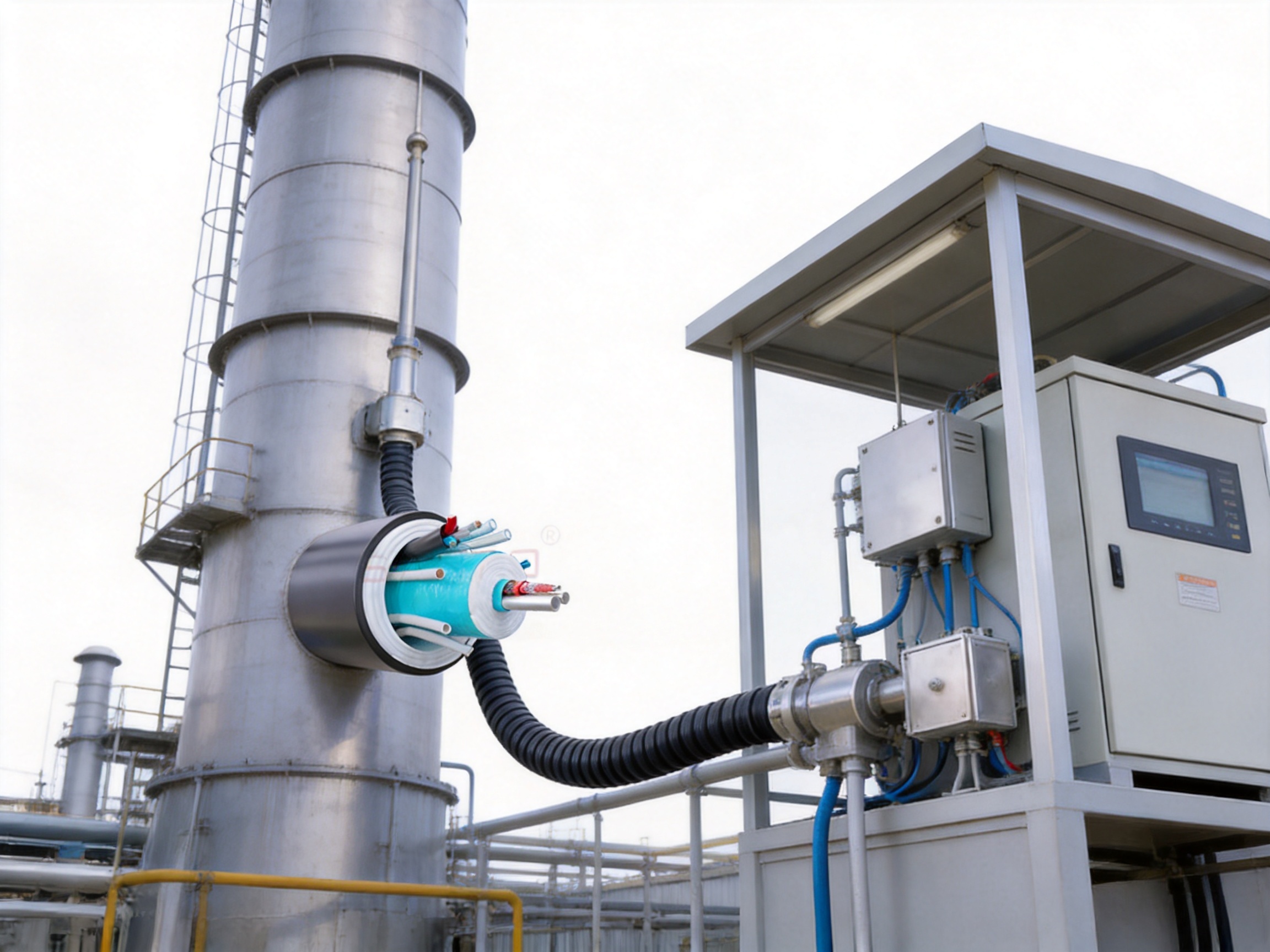
A heated sample line performs well only when every layer of its construction supports the application. The process tube is the first critical element. It must be selected according to sample gas composition, temperature, pressure, and purity requirements. Stainless steel tubing is commonly used for strength and high-temperature resistance, while fluoropolymer or specialty alloy options may be selected for highly corrosive or adsorption-sensitive gases.
The heating element is the second key component. It must provide sufficient wattage to overcome heat loss under expected ambient conditions while avoiding overheating. The design must consider bundle diameter, insulation thickness, operating temperature, wind exposure, minimum ambient temperature, power supply, and control method. A well-designed heating element distributes heat evenly and remains stable over long service periods.
Thermal insulation reduces energy consumption and improves temperature uniformity. High-quality insulation also helps the bundle recover quickly after cold starts and protects the sample from sudden ambient changes. In outdoor installations, insulation quality directly affects performance during rain, snow, wind, and seasonal temperature swings.
The outer jacket protects the assembly. It must resist abrasion, moisture, ultraviolet exposure, chemical splash, and mechanical stress. A weak jacket can allow water ingress, insulation degradation, heat loss, and electrical failure. A robust jacket helps preserve the integrity of the bundle over years of operation.
Temperature sensing and control options provide an additional layer of reliability. Some applications require simple heating, while others demand precise closed-loop control. Temperature sensors can be embedded or installed at strategic points to monitor bundle performance. Controllers maintain the desired setpoint and can provide alarms for high or low temperature conditions.
Optional internal components can make the sample line more functional. Calibration gas lines allow automatic calibration or validation gas delivery. Blowback tubes support probe cleaning. Signal wires can connect sensors or devices. Multiple sample tubes can be incorporated for redundant measurement or multi-point sampling. By combining these elements in one bundle, the system becomes more organized and easier to install.
The performance of a heated sample line depends heavily on manufacturing discipline. Santo Thermal Control Technology Co., Ltd. has long experience in electric heating product design and production, including self-limiting heating belts, constant-power electric heating belts, glass fiber heating belts, silicone rubber electric heating systems, MI cables, heat tracing products, and accessories. This background supports the development of tubing bundles that require both mechanical assembly expertise and thermal engineering knowledge.
Advanced manufacturing begins with material selection. Tubing, heating elements, insulation, jackets, sensors, and termination components must be chosen according to application requirements. Materials are inspected to ensure they meet dimensional, electrical, thermal, and mechanical expectations. For sample lines used in emissions monitoring, the correct material selection is essential because even small contamination or compatibility issues can affect measurement results.
Heating element integration is one of the most important production steps. The heating component must be positioned to provide uniform thermal coverage without damaging the process tube. The manufacturing process must maintain consistent contact, spacing, and alignment. Poor integration can create hot spots, cold zones, or premature failure points. Controlled manufacturing helps maintain repeatability across different production batches and custom lengths.
Insulation application must be uniform and complete. Gaps, compression differences, or uneven thickness can change heat loss characteristics. Proper insulation handling ensures that the final bundle maintains stable temperature with efficient energy use. In high-temperature CEMS service, insulation must remain stable during long operating periods and repeated heating cycles.
The outer jacket is applied to protect the internal construction and provide a professional finished assembly. Jacket quality affects weather resistance, mechanical durability, and installation convenience. A smooth, tough jacket also improves handling during routing and reduces the likelihood of damage from pulling, bending, or fastening.
Electrical quality control is essential. Heated tubing bundles must be tested for continuity, insulation resistance, power output, and safe operation. Where sensors are included, sensor response and wiring integrity should be verified. Dimensional checks, visual inspection, and pressure or leak testing of tubes may also be performed depending on configuration. These steps help ensure that each sample line is ready for field installation.
The company’s broader manufacturing capability is supported by a history of product development, quality system certification, and expansion into international markets. With over 35 years of industry experience, significant annual output capacity, and business presence across many regions, the manufacturer is positioned to support both standard and custom heated sample line requirements. This is particularly valuable for engineering contractors and end users who need reliable supply, technical customization, and consistent product quality.
No two CEMS projects are exactly the same. Stack height, analyzer shelter location, sample chemistry, ambient temperature, regulatory requirements, and plant layout all influence sample line design. A major advantage of electrically heated tubing bundles is their ability to be customized for the project rather than forcing the project to adapt to a generic product.
Customization may begin with tube material and size. The internal tube diameter must support the required flow rate and response time while minimizing pressure drop. The tube material must be compatible with the gas components. For corrosive gases, special materials may be needed. For mercury or trace-level analysis, surface interaction must be carefully considered.
Operating temperature is another central design parameter. Some CEMS sample lines operate at moderate temperatures to prevent moisture condensation, while others must maintain high temperatures for mercury, acid gas, or hot-wet extractive analysis. The heating wattage, insulation thickness, controller type, and jacket material must all be coordinated with the required temperature.
Length is also project-specific. Short lines may connect a probe to a nearby analyzer cabinet, while long lines may travel from a high stack platform to a ground-level shelter. Longer routes require careful heat loss calculation and power design. Voltage, circuit length, control zoning, and installation method all influence final performance.
Additional tubes can be added for calibration, validation, or backpurge functions. This simplifies installation because multiple services are bundled together. A compact bundle also improves route management and reduces the number of separate supports required.
Environmental conditions must be considered. Outdoor installations may face rain, snow, ultraviolet exposure, high wind, dust, chemical splash, or salt air. Indoor industrial installations may face mechanical abrasion, heat from nearby equipment, or exposure to oils and solvents. The outer jacket and support method should be selected accordingly.
By offering custom heating cable and heated tubing solutions, the manufacturer can serve OEM projects, engineering contractors, analyzer system integrators, and plant end users. This flexibility is an important advantage over suppliers limited to fixed specifications or narrow product ranges.
| Evaluation Factor | High-Quality Electrically Heated Tubing Bundle | Field-Traced Conventional Tubing | Low-Grade Heated Line |
|---|---|---|---|
| Temperature Uniformity | Factory-integrated heating and insulation support consistent temperature along the line. | Depends heavily on installer skill and field conditions. | May have cold spots or uneven heating due to weak design. |
| Installation Efficiency | Preassembled construction reduces site labor and simplifies routing. | Requires separate tubing, tracing, insulation, and weatherproofing work. | May install quickly but often lacks robust protection. |
| Sample Integrity | Helps prevent condensation, adsorption, and composition changes. | Performance varies if insulation or heat tracing is inconsistent. | Higher risk of sample loss, analyzer drift, and slow response. |
| Durability | Protective jacket and selected materials improve long-term service life. | Exposed components may be vulnerable to damage. | Lower material quality can reduce service life. |
| Customization | Can include multiple tubes, sensors, calibration lines, and project-specific heating design. | Possible but labor-intensive and less standardized. | Often limited to basic configurations. |
| Maintenance Impact | Stable heating reduces plugging, condensation, and frequent cleaning. | Maintenance depends on field assembly quality. | More likely to require troubleshooting and replacement. |
Analyzer accuracy begins before the sample reaches the analyzer. The sample conditioning system, probe, filter, heated line, pumps, and valves all influence measurement quality. Among these components, the heated sample line is often the longest and most exposed section. A small thermal weakness over this distance can have a large impact on data quality.
Water condensation is the most common problem caused by poor temperature control. Once liquid water forms, soluble gases dissolve into it. The analyzer then receives a gas sample with reduced concentration of those components. Even if the line later reheats, residues may remain and cause delayed release, corrosion, or plugging.
Acid condensation is even more damaging. Sulfur trioxide, hydrogen chloride, and other acid-forming compounds can produce corrosive liquids when combined with moisture. These liquids attack metal surfaces, fittings, filters, and analyzer components. A heated tubing bundle that maintains the sample above the acid dew point helps reduce this corrosion risk.
Mercury measurement presents additional challenges. Mercury can exist in elemental and oxidized forms, and it can interact with surfaces or particulate matter. Maintaining a controlled temperature reduces the likelihood of losing mercury species before analysis. For facilities subject to mercury emission limits, this can be critical for compliance and process optimization.
Response time is another important factor. A sample line with condensation or adsorption effects may show delayed analyzer response. This delay can make process control less effective and can create problems during calibration checks or performance testing. Clean, uniformly heated tubing supports faster and more repeatable response.
Temperature stability also improves system predictability. Operators and maintenance personnel can trust that analyzer changes reflect process changes rather than sample transport problems. This confidence is essential in regulated monitoring because questionable data can create reporting complications and additional verification work.
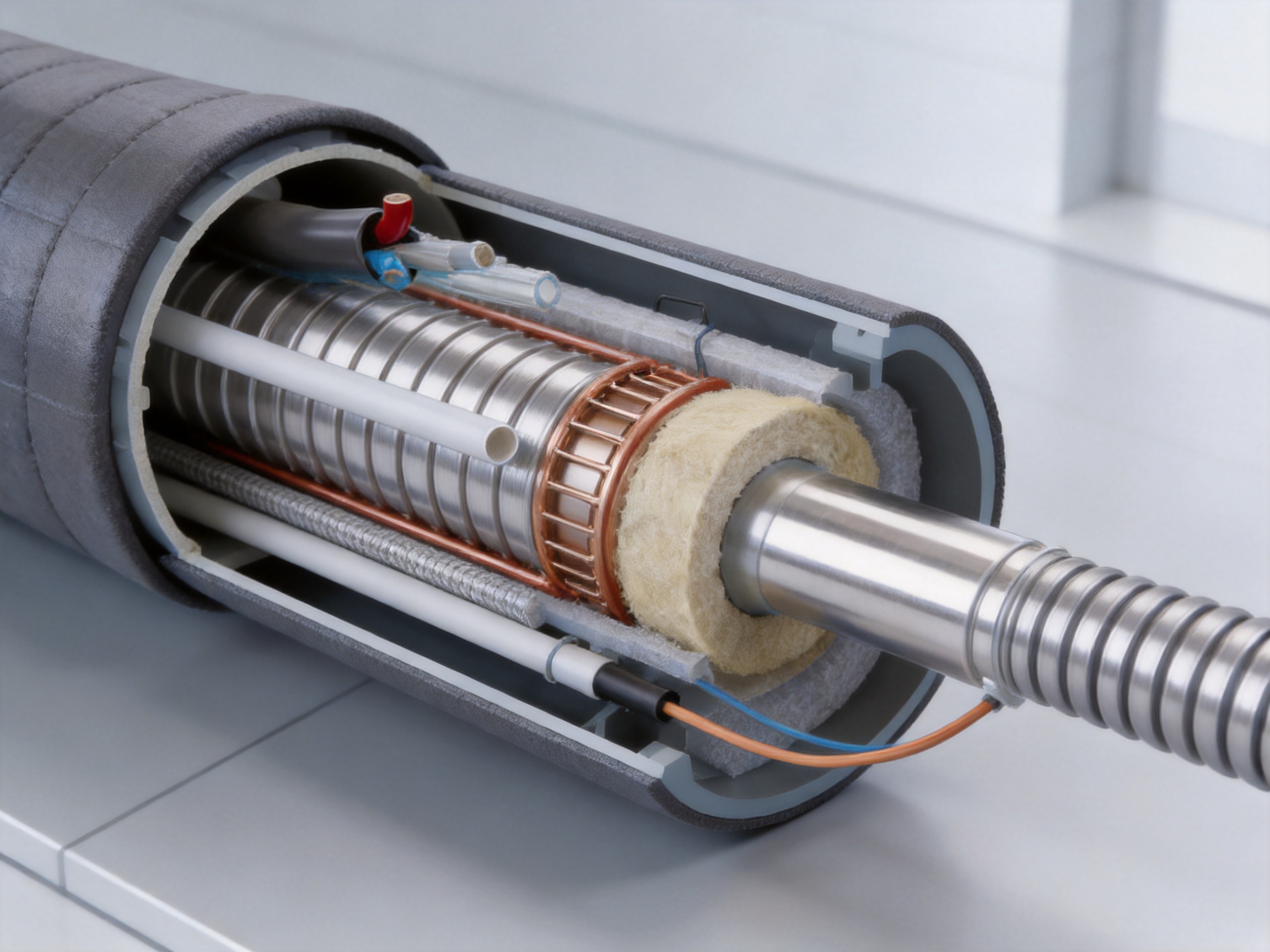
Although factory-built heated tubing bundles reduce installation complexity, proper field installation remains important. The route should be planned to minimize sharp bends, avoid unnecessary mechanical stress, and protect the line from falling objects, excessive vibration, or direct contact with hot surfaces. Supports should be spaced appropriately so the bundle does not sag, kink, or experience strain at connection points.
Bend radius must be respected. Excessive bending can damage the tubing, heating element, insulation, or jacket. Installers should follow the recommended minimum bend radius and avoid twisting the bundle during routing. Where the line passes through walls or platforms, protective sleeves or bushings may be used to prevent abrasion.
Electrical connections must be performed according to applicable standards and project requirements. Power supply voltage, circuit protection, grounding, and controller settings should match the product design. Temperature sensors should be connected correctly, and alarm functions should be tested if included. In hazardous areas, explosion-proof or certified accessories may be required depending on site classification.
Tube connections should be leak-tight and compatible with the analyzer system. Proper fittings, torque, and cleanliness are essential. After installation, the system should be checked for leaks, electrical integrity, temperature rise, and stable operation before being placed into continuous service.
Weatherproofing of terminations is especially important. Even a well-made bundle can suffer if water enters at poorly sealed ends. End seals, glands, junction boxes, and termination kits should be installed carefully. The outer jacket should be inspected for cuts or abrasions after pulling or routing.
Documentation also matters. Installers and operators should record bundle length, circuit identification, temperature setpoint, power supply information, tube service, calibration line function, and maintenance notes. Good documentation improves troubleshooting and supports compliance audits.
A properly designed and installed heated sample line requires relatively low maintenance compared with systems that suffer frequent condensation or plugging. However, periodic inspection helps preserve reliability. Operators should check controller readings, temperature alarms, power status, and physical condition of the line. Any signs of jacket damage, loose supports, water ingress, or abnormal temperature should be addressed promptly.
Analyzer performance can also reveal sample line issues. Slow response, unstable readings, unexpected calibration drift, or repeated filter plugging may indicate a temperature or transport problem. Maintenance teams should consider the heated line as part of the full sample conditioning system rather than treating it as a passive component.
Electrical testing may be performed during scheduled outages. Insulation resistance, continuity, and power output checks help identify developing problems before failure. If the bundle includes multiple tubes, each tube should be verified for flow and leak integrity as required by the application.
Keeping the sample line clean internally depends largely on proper temperature control and upstream filtration. Probe filters, heated filters, and blowback systems should be maintained so particles do not accumulate in the line. For severe applications, calibration and validation routines can help confirm that the entire sample path remains functional.
Long service life is achieved through the combination of correct design, quality manufacturing, careful installation, and preventive maintenance. The advantage of a robust heated tubing bundle is that it reduces the number of problems that would otherwise appear repeatedly in harsh CEMS service.
Santo Thermal Control Technology Co., Ltd. is located in Jiangsu Province, an important region for electric heating belt production. The company has developed from its early manufacturing roots into a high-tech enterprise engaged in research, design, production, and sales of electric heating products. Its product range includes automatic temperature-control electric heating belts, self-limiting electric heating belts, heat tracing belts, constant-power electric heating belts, glass fiber heating belts, MI cables, silicone rubber heating systems, snow melting cables, tubing bundles, and accessories.
The company’s experience is relevant to CEMS sample lines because heated tubing bundles require the same core capabilities found in advanced heat tracing manufacturing: electrical design, thermal calculation, material compatibility, insulation technology, quality testing, and custom production. A manufacturer that understands heat tracing fundamentals can design sample lines that maintain stable temperature under real operating conditions.
Quality management is another strength. The company has passed ISO9001 quality system certification, and its products have obtained national CCC certification. It has also pursued explosion-proof certification and EAC Eurasian Union certification, reflecting its interest in serving demanding domestic and international markets. For industrial customers, certification and quality systems help reduce procurement risk and support project documentation.
The company emphasizes product development and technical improvement. Its development history includes self-limiting temperature heating technology, carbon fiber parallel heating cable innovation, irradiation center establishment, and expansion of factory and testing facilities. These activities demonstrate a manufacturing culture focused on continuous improvement rather than simple commodity production.
Production scale also supports customer needs. With more than 35 years of industry experience, significant annual output, thousands of distributors, and business activity in many regions, the company can serve customers requiring stable supply and project support. For engineering companies and OEM analyzer system builders, the ability to obtain customized products consistently is often as important as the performance of a single sample line.
The company’s stated vision, mission, and values emphasize environmental health, value creation, innovation, cooperation, effectiveness, and development. These principles align closely with the purpose of CEMS products: helping industrial facilities monitor and manage emissions responsibly.
OEM analyzer system manufacturers need components that integrate smoothly into complete CEMS packages. Heated sample lines must match analyzer requirements, cabinet layout, probe design, control philosophy, and customer specifications. A customizable electrically heated tubing bundle allows OEMs to offer complete, reliable systems without excessive field modification.
Engineering contractors benefit from reduced installation uncertainty. A preassembled heated tubing bundle simplifies scheduling, reduces labor, and improves consistency across multiple installation points. This can be especially valuable in large environmental upgrade projects where many monitoring systems must be installed under tight timelines.
Plant end users benefit from operational reliability. Stable sample temperature means fewer analyzer problems, fewer emergency maintenance calls, and more confidence in reported emissions data. In regulated industries, reliable data is essential not only for compliance but also for public trust and internal environmental management.
Compared with competitors that supply only basic heated lines, a manufacturer with a broad electric heating background can better address unusual requirements. Projects may involve high temperatures, long lengths, corrosive gases, multiple tubes, special jackets, hazardous areas, or strict documentation. Technical flexibility allows the product to be adapted to these needs.
The product also supports lifecycle cost reduction. While a low-cost line may appear attractive initially, the true cost includes installation labor, downtime, analyzer maintenance, failed compliance tests, and replacement. A durable, well-designed heated tubing bundle can lower total cost by preventing recurring sample transport problems.
Selecting the correct CEMS and analyzer sample line begins with understanding the sample. The gas composition, moisture content, acid dew point, temperature, pressure, particulate loading, and target analytes should be reviewed. The required line temperature should be selected to prevent condensation and maintain analyte stability.
The required flow rate and response time determine tube size and length considerations. Smaller tubes can improve response time by reducing volume, but they may increase pressure drop or clogging risk. Larger tubes may support higher flow but require more sample volume. The selection should match the analyzer and sampling system design.
Environmental conditions should be defined clearly. Minimum and maximum ambient temperature, wind exposure, rainfall, snow, sunlight, chemical exposure, and mechanical hazards all influence insulation, jacket, and heating design. Outdoor lines require strong weather resistance, while indoor industrial lines may need abrasion or chemical protection.
Electrical requirements should be coordinated early. Voltage, available power, control panel design, hazardous area classification, and cable termination methods must match the site. Temperature controller selection should consider accuracy, alarms, communication, and maintenance accessibility.
Project documentation should include line length, tube materials, number of tubes, heating wattage, operating temperature, jacket material, bend radius, termination details, and testing requirements. Clear documentation reduces procurement errors and improves installation quality.
Working with an experienced manufacturer helps convert these requirements into a practical product configuration. This is especially important for high-temperature extractive and mercury CEMS applications, where generic sample lines may not provide adequate performance.
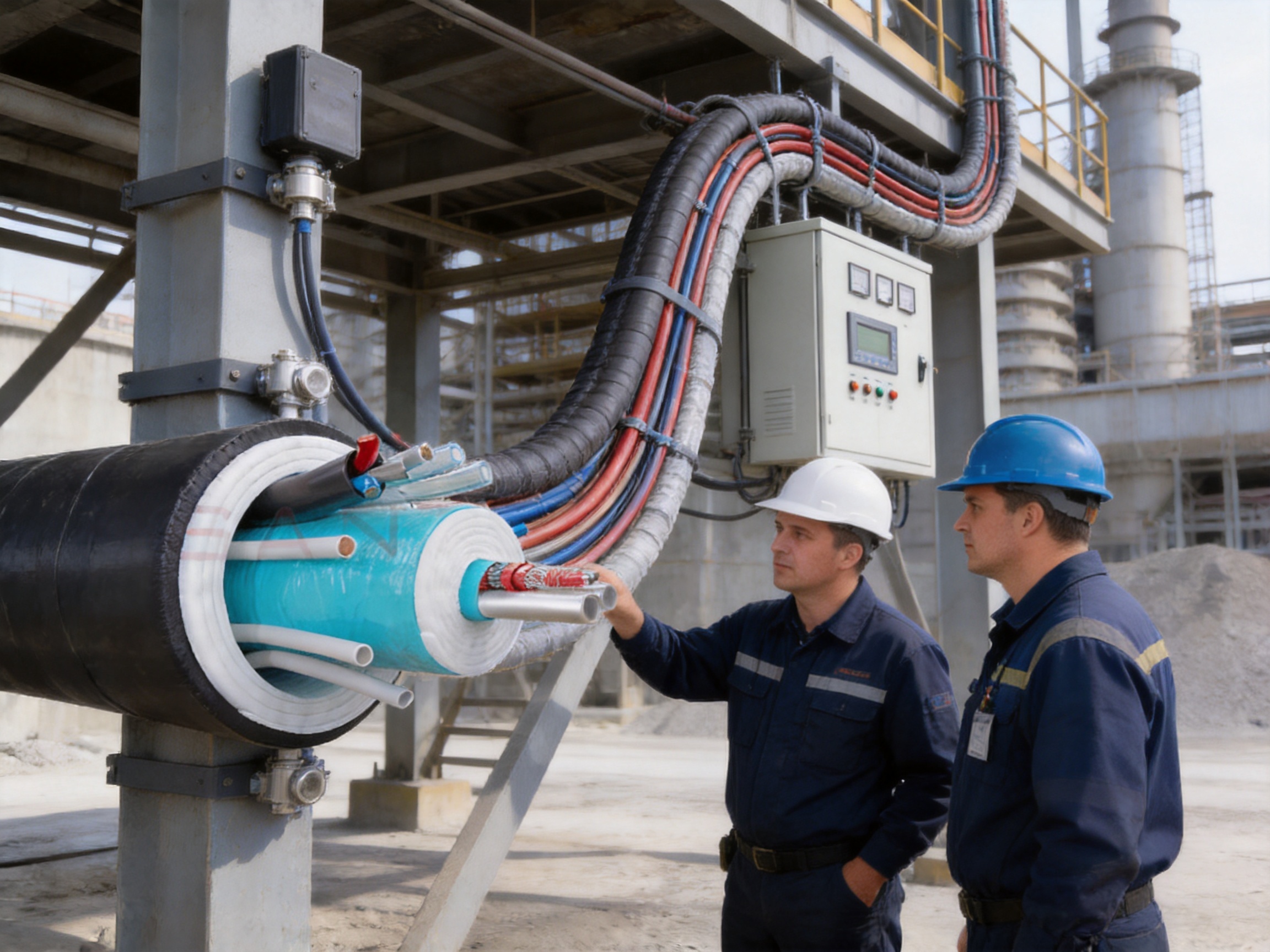
A CEMS and analyzer sample line is a heated tubing assembly used to transport a gas sample from a stack, duct, process pipe, or sampling probe to an analyzer. It maintains the sample at a controlled temperature so the gas composition remains representative during transfer.
Electrical heating prevents the sample from cooling below its dew point or reaction temperature. Without heating, moisture, acids, hydrocarbons, mercury species, or other components may condense, adsorb, or react inside the tubing, causing inaccurate analyzer readings.
A factory-built heated tubing bundle provides integrated heating, insulation, tubing, and jacketing in one controlled assembly. This improves temperature uniformity, reduces installation labor, lowers the risk of cold spots, and offers better mechanical protection than many field-traced systems.
Yes. Customization may include tube material, tube size, number of tubes, heating wattage, operating temperature, insulation type, jacket material, length, sensors, calibration gas lines, and other functional elements. Custom design is important because CEMS projects differ widely in sample chemistry and installation conditions.
They are widely used in power generation, waste incineration, cement production, petrochemical processing, refining, chemical manufacturing, metallurgy, environmental monitoring, and process analysis systems.
Mercury measurement is sensitive to temperature and surface interaction. A heated sample line helps maintain the required temperature, reducing mercury loss, adsorption, and sample transformation before the gas reaches the analyzer.
Important factors include target analytes, moisture level, acid dew point, sample temperature, tube material, line length, ambient conditions, required operating temperature, electrical supply, hazardous area requirements, and installation route.
Experience in heating cables, heat tracing systems, silicone rubber heating, MI cables, and electric heating accessories supports better thermal design, material selection, production control, and quality testing. This helps produce heated tubing bundles suitable for demanding industrial applications.
CEMS and analyzer sample lines are critical components in modern emissions monitoring and process analysis. Their role is to preserve sample integrity between the extraction point and the analyzer. In high-temperature extractive sampling, mercury monitoring, acid gas measurement, and moisture-sensitive analysis, the difference between reliable data and problematic data often depends on the quality of the heated sample line.
Electrically heated tubing bundles provide clear advantages over conventional field-traced tubing and low-grade heated lines. They offer uniform heating, faster installation, better mechanical protection, improved customization, and stronger long-term reliability. By preventing condensation, adsorption, corrosion, and sample delay, they help analyzers deliver accurate and consistent results.
Santo Thermal Control Technology Co., Ltd. brings extensive electric heating manufacturing experience to this product category. Its background in self-limiting heating cables, constant-power heating products, silicone rubber systems, MI cables, heat tracing accessories, and custom thermal control solutions supports the development of durable and efficient heated tubing bundles for demanding industrial users.
For plant operators, OEM analyzer system builders, and engineering contractors, choosing a high-quality CEMS and analyzer sample line is an investment in compliance confidence, operational stability, and lifecycle cost reduction. As regulatory requirements continue to tighten and emissions monitoring becomes increasingly important, reliable heated sample transport will remain a foundation of accurate environmental measurement.
U.S. Environmental Protection Agency. Performance Specifications for Continuous Emission Monitoring Systems.
International Organization for Standardization. ISO 9001 Quality Management Systems Requirements.
Instrument Society of America. Process Analyzer Sample Conditioning and Transport Practices.
European Committee for Standardization. Stationary Source Emissions Measurement and Quality Assurance Guidance.
Air & Waste Management Association. Continuous Emissions Monitoring: Principles, Practices, and Applications.
Industrial Heating and Thermal Control Engineering Handbooks. Heat Tracing Design and Application Principles.
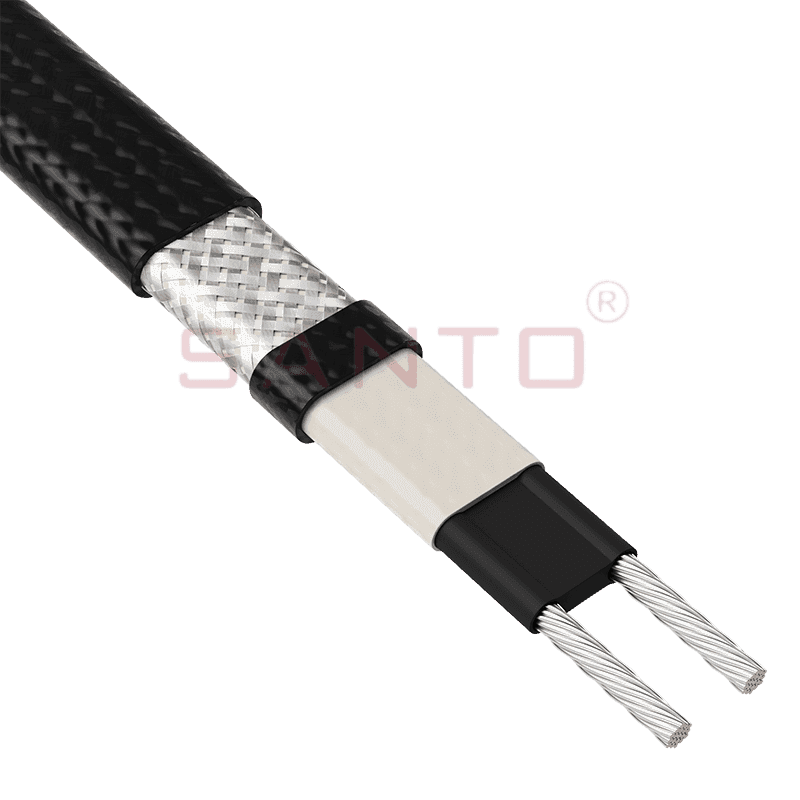
The SANTO UFA range of self-regulating heating cables is mainly used for frost protection of pipes and vessels but can also be used to maintain processes up to 65°C. These heating cables are available...
See Details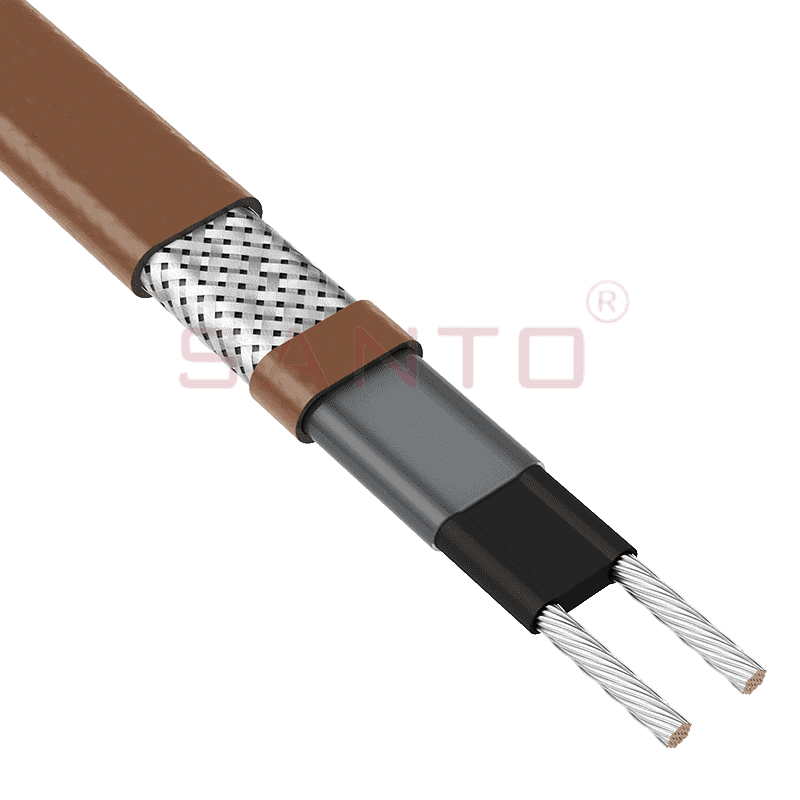
The SANTO UFB range of self-regulating heating cables is mainly used for frost protection of pipes and vessels requiring a higher power output than the UFA heating cables can supply. They can also be ...
See Details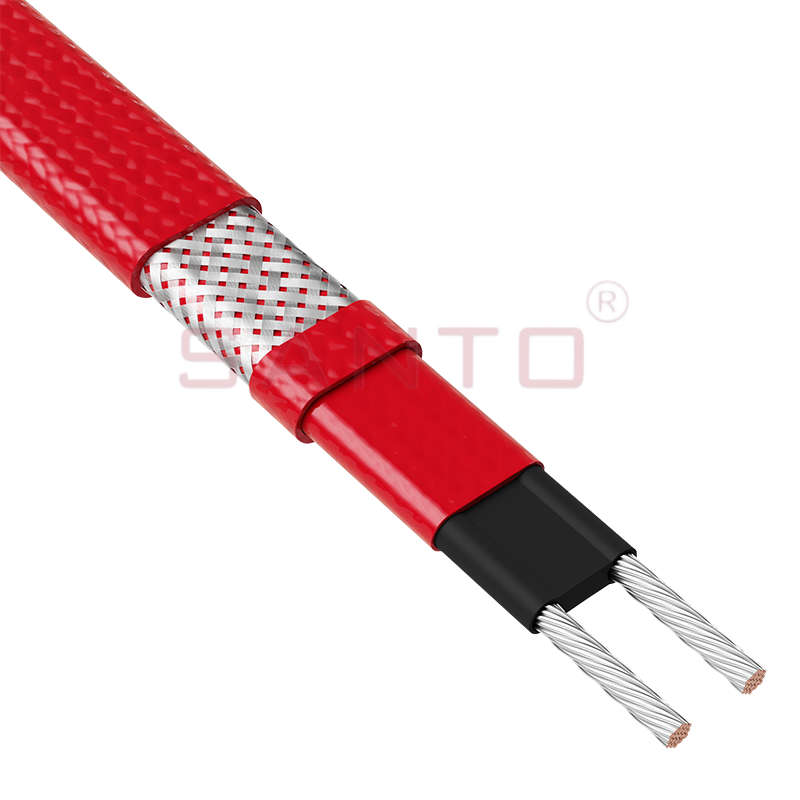
The SANTO UFC range of self-regulating heating cables is used for frost protection of pipes and vessels that require steam cleaning. They can also be used to maintain processes up to 121°C. These heat...
See Details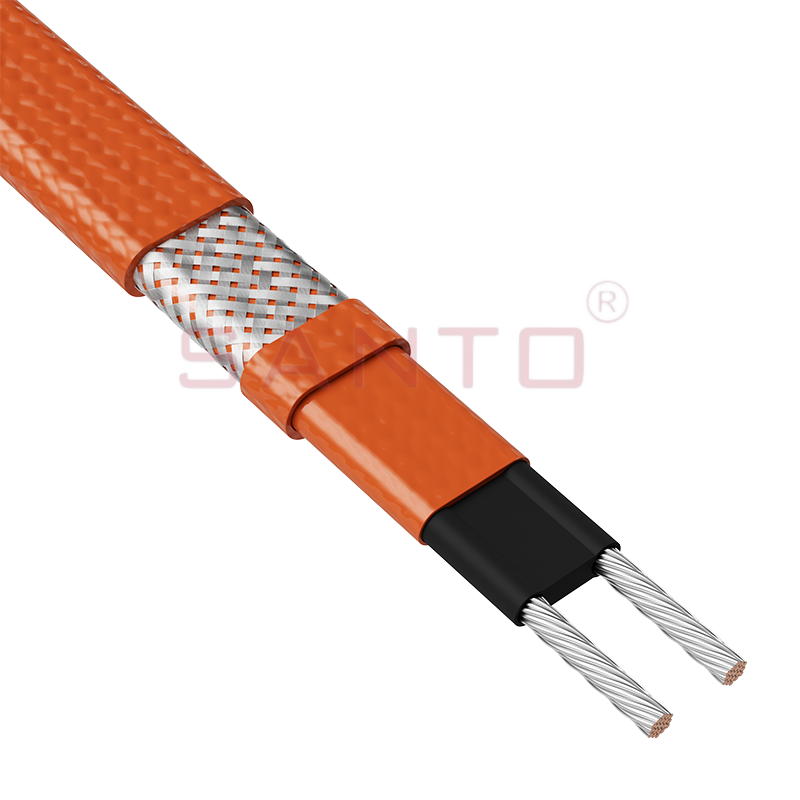
The SANTO UFO range of self-regulating heating cables is mainly used for frost protection of pipes and vessels that require steam cleaning . They can also be used to maintain processes up to 150°C. Th...
See Details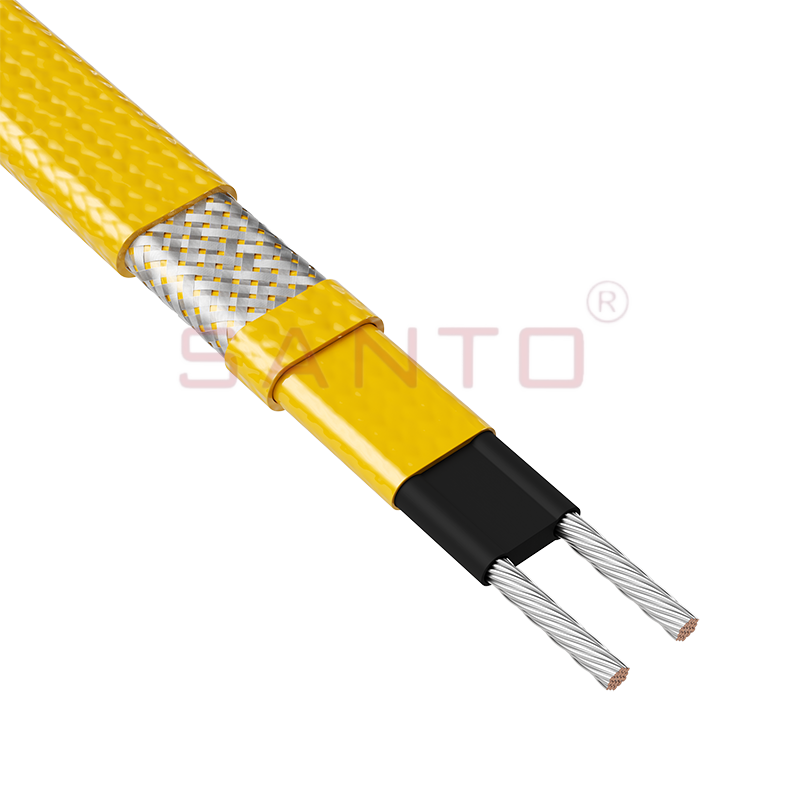
The SANTO UFD series of self-regulating heating cables are mainly used for freeze protection of pipes and vessels, but can also be used to maintain processes up to 200°C. These heating cables are avai...
See Details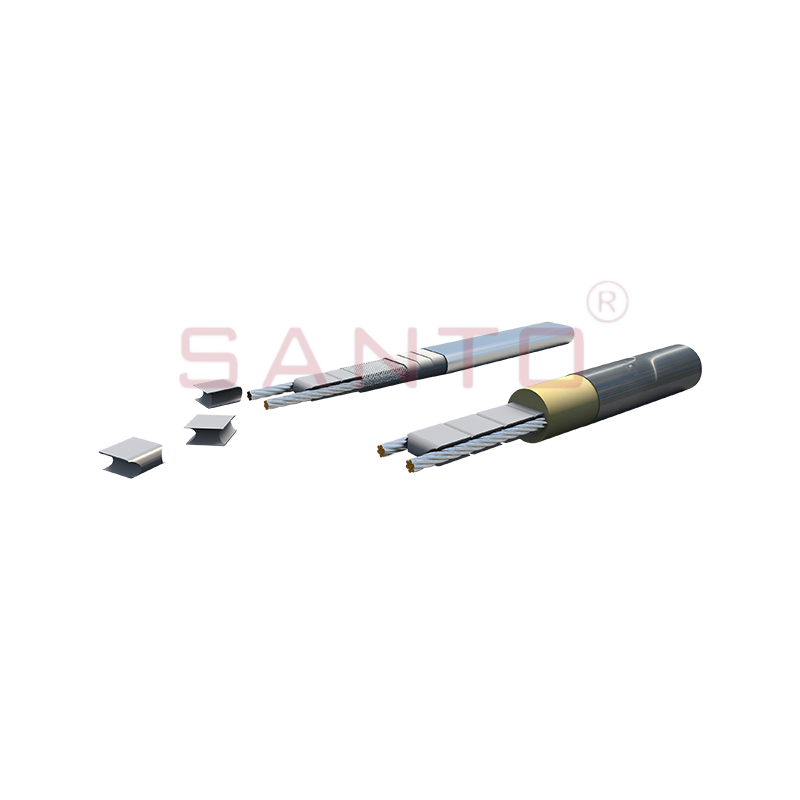
SANTO UFY heating wire is suitable for applications that maintain process temperatures up to 260 ℃ and can be steam blown; The self-regulating and parallel circuit heating wires of the UFY series are ...
See Details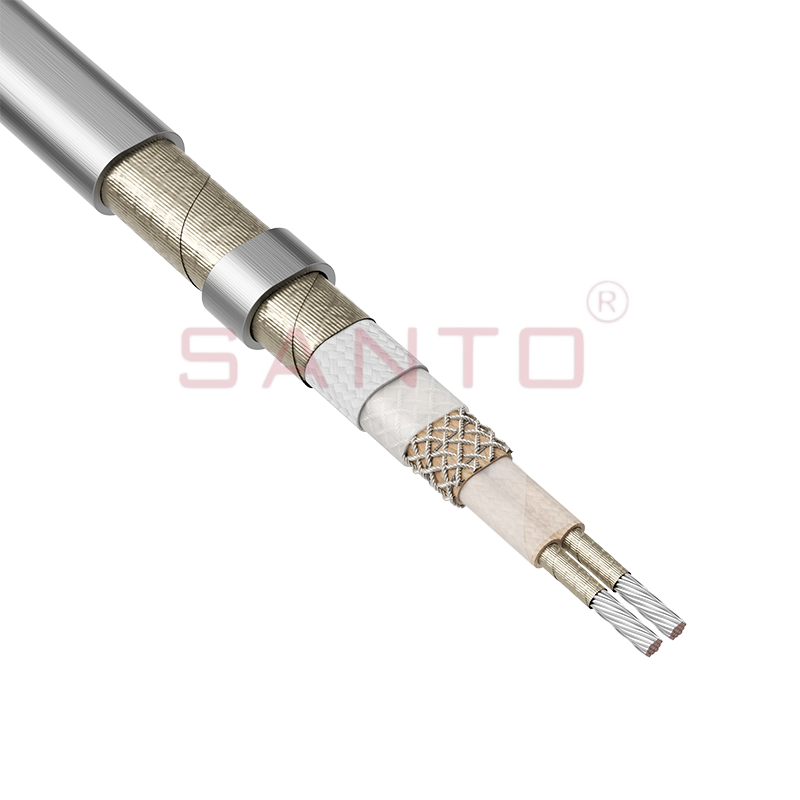
The SANTO UFM series self-regulating heating cables are mainly used for freeze protection of pipes and vessels, but can also be used to maintain processes up to 400°C. These heating cables are availab...
See Details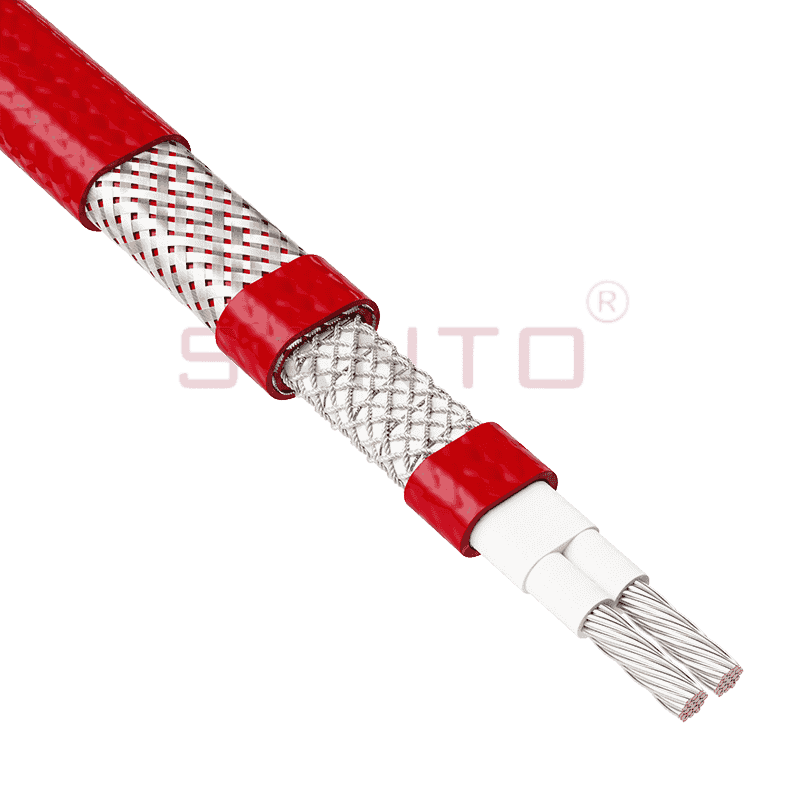
The SANTO ACC range of power-limiting heating cables is mainly used for temperature maintenance of processes and offers the advantage of a high power output at high temperatures which can reduce the n...
See Details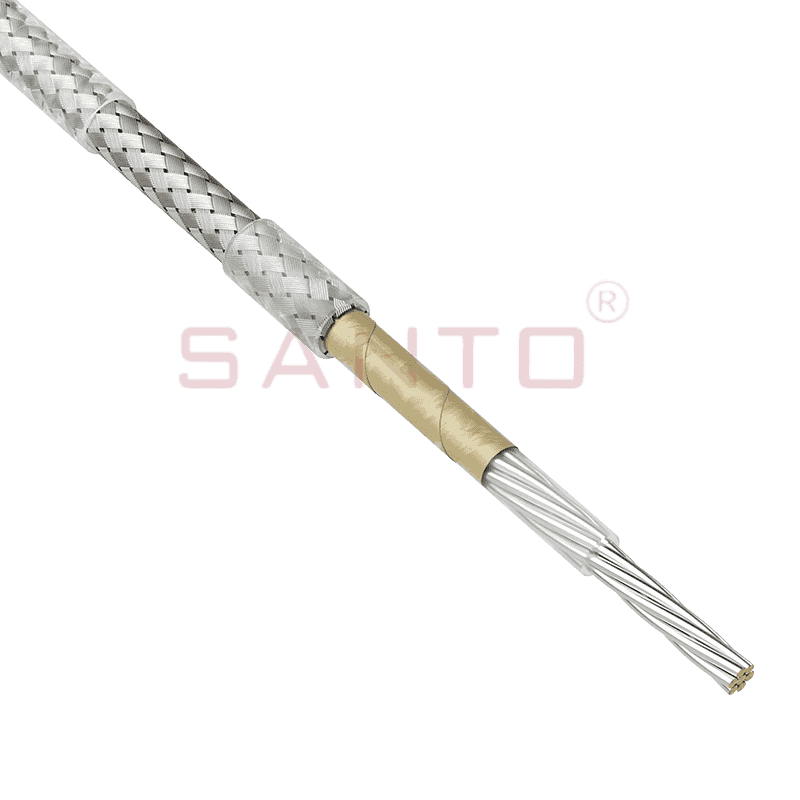
The stranded high temperature conductor is nickel plated to ensure a long life at elevated temperatures in corrosive environments. It is electrically isolated using an innovative sandwich construction...
See Details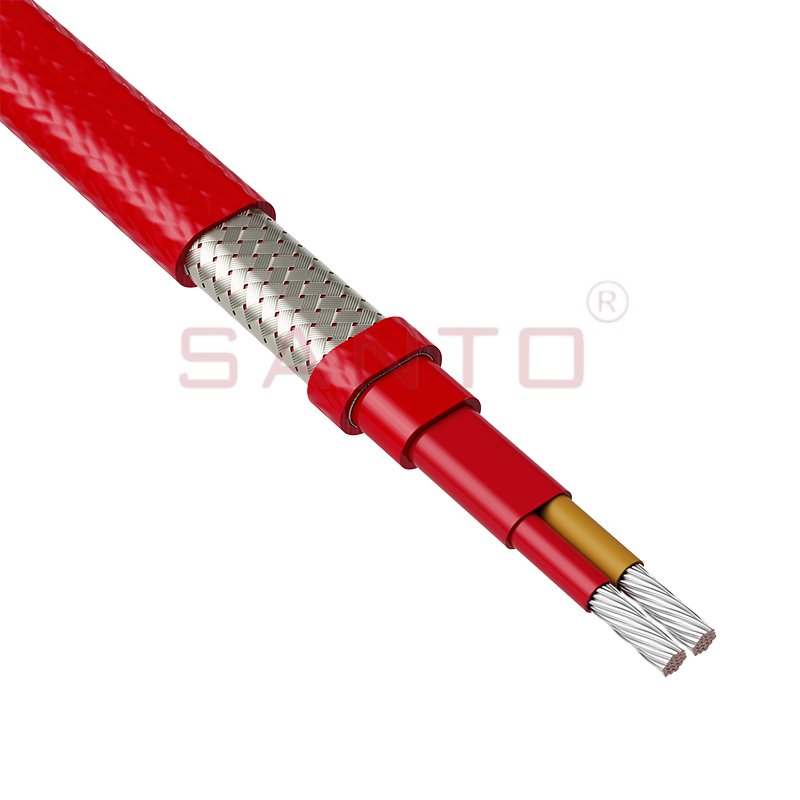
The stranded high temperature conductor is nickel plated to ensure a long life at elevated temperatures in corrosive environments. It is electrically isolated using an innovative sandwich construction...
See Details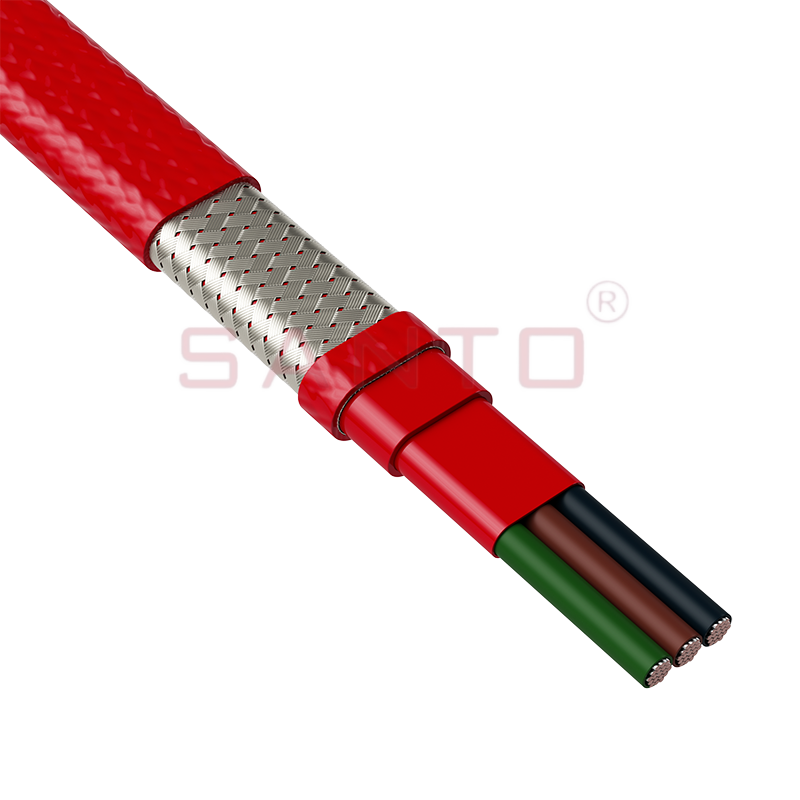
The stranded high temperature conductor is nickel plated to ensure a long life at elevated temperatures in corrosive environments. It is electrically isolated using an innovative sandwich construction...
See Details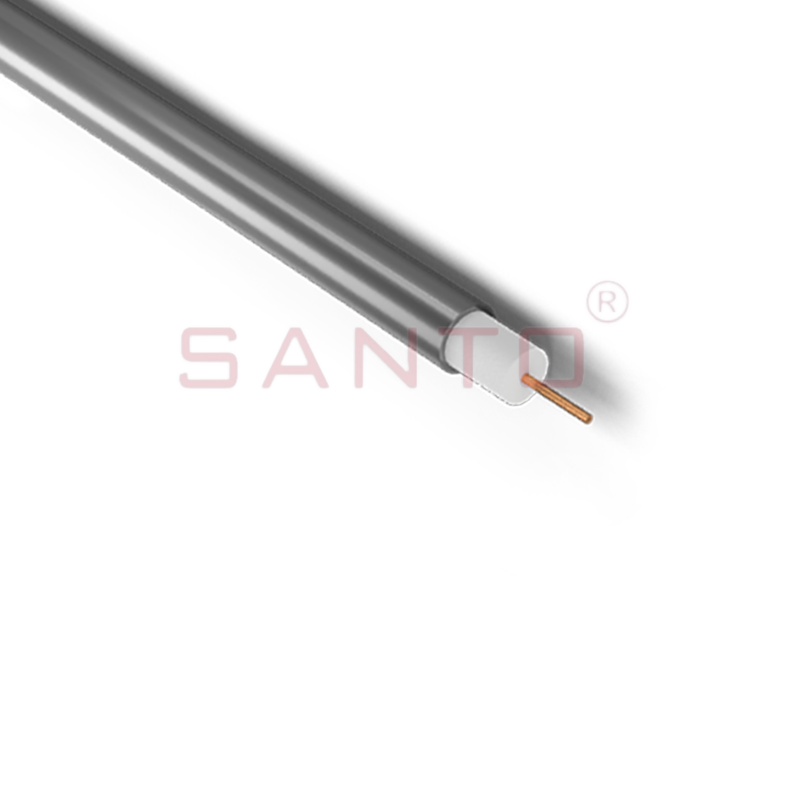
SANTO HAx mineral insulated (MI) Alloy 825 series heating cables are suitable for use in hazardous areas. They have been designed for use in freeze protection and temperature maintenance applications ...
See Details
Santo electric heating strips are widely used in key industries in China.

