 English
  English
 русский
 日本語
日本語 Español
 中文简体
中文简体
The SANTO UFA range of self-regulating heating cables is mainly used for frost protection of pipes and vessels but can also be used to maintain processes up to 65°C. These heating cables are available...
See Details
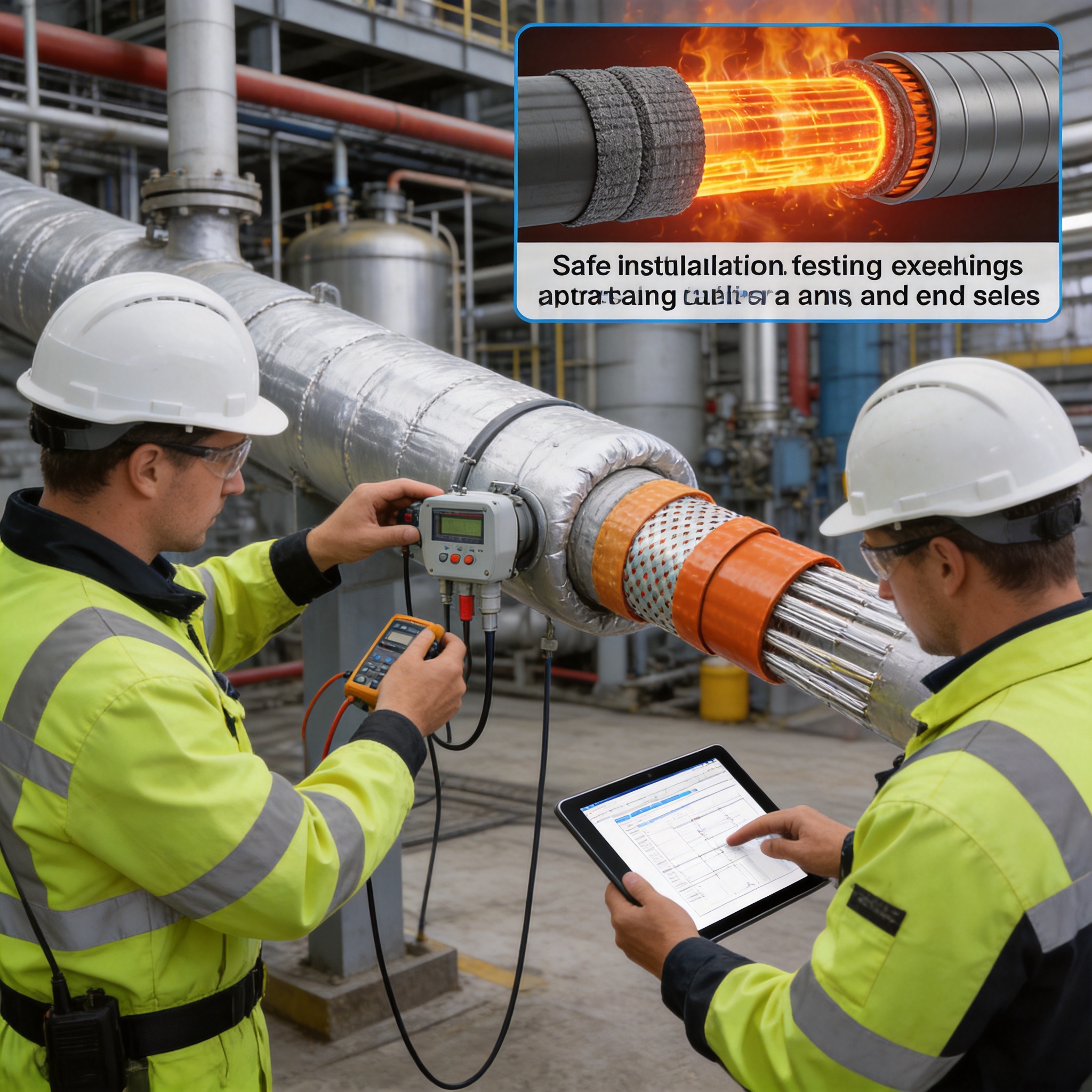
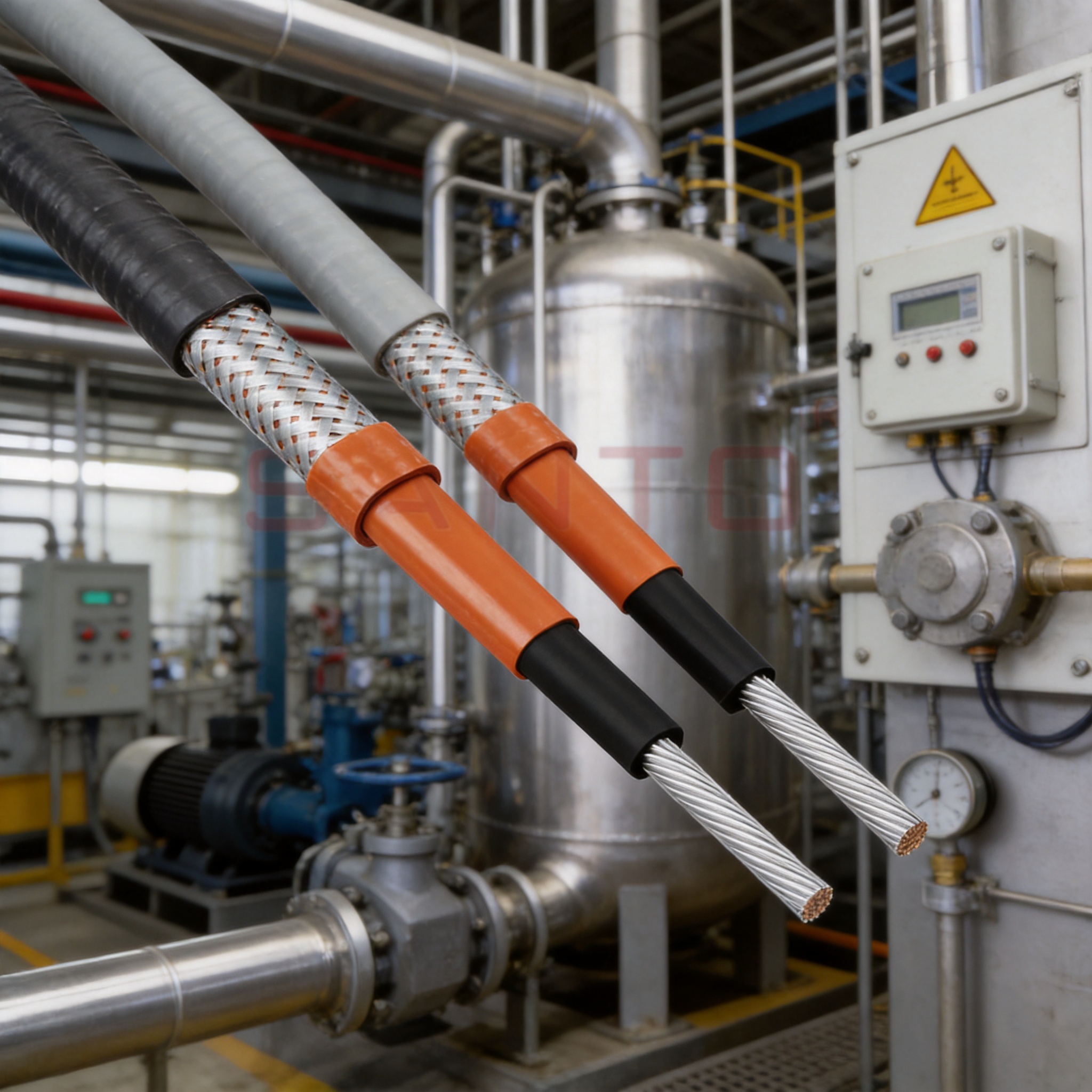
Self-regulating heating cables are an important solution for protecting pipes, vessels, valves, tanks, drains, and process equipment from freezing and unwanted temperature loss. Unlike basic electrical conductors that deliver a largely fixed heat output, a self-regulating cable responds to the temperature of the surrounding installation. As the local temperature falls, the cable can provide more heating. As the temperature rises, its heat output decreases. This operating principle supports energy-conscious heating, more consistent temperature control, and safer installation design.
The SANTO UFO series is designed for demanding industrial and commercial applications in which freeze protection, temperature maintenance, chemical resistance, and hazardous-area certification are all important. The series is mainly intended for freeze protection of pipes and vessels, while selected applications can use the cable to maintain process temperatures up to 150°C. Two outer sheath options are available: a polyolefin sheath identified by the -CR designation and a fluoropolymer sheath identified by the -CT designation.
The -CR version is intended for environments involving mild inorganic solutions. The -CT version provides a higher level of chemical resistance and is suitable where the cable may encounter more aggressive substances. This choice enables system designers to match the cable construction to actual site conditions instead of using one sheath material for every application.
The cable series is also approved for use in hazardous areas classified as Zone 1 and Zone 2 for gas atmospheres, as well as Zone 21 and Zone 22 for dust atmospheres. It carries an absolute temperature rating of T2 in accordance with the European standard EN 60079-30-1. These characteristics make the product relevant to petroleum, chemical, gas, industrial processing, storage, and other facilities where electrical heating must be selected with careful attention to both thermal and explosion-protection requirements.
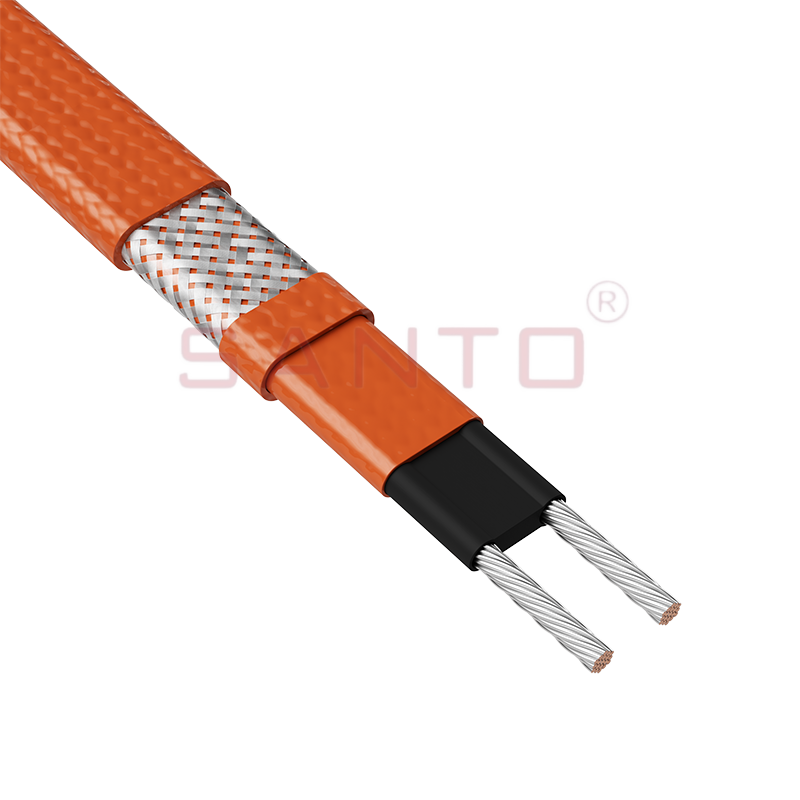
SANTO UFO
Content
A self-regulating heating cable generally contains two parallel bus wires embedded in a conductive polymer heating core. The heating core changes its electrical behavior in response to temperature. At lower temperatures, the polymer structure permits greater current flow between the bus wires, producing a higher heat output. At higher temperatures, the material expands or changes its conductive pathways, restricting current flow and reducing the heat output.
This behavior is distributed along the cable. One section may be cold while another section is warmer, and each section can respond to its own local conditions. This is particularly useful on pipe systems with changing exposure conditions. For example, a section passing outdoors may require more heat than a section located inside a warm equipment room. A self-regulating design can respond to these local differences more effectively than a simple fixed-output heater.
Self-regulation does not mean that a cable can be installed without engineering controls. The complete system still requires proper circuit protection, suitable power connection components, correct installation methods, appropriate insulation, and verification of the expected operating temperature. In hazardous areas, the installation must also comply with applicable regulations, certification conditions, and project documentation.
The self-regulating effect offers several practical advantages. It helps reduce the possibility of excessive local heating when the surrounding temperature increases. It can accommodate overlapping sections more effectively than many constant-wattage designs, although the permitted installation method must always be confirmed. It also simplifies certain layouts because the cable can be cut to the required field length when the product design and installation accessories allow this practice.
In a conventional constant-power heating circuit, each section is designed to produce a fixed heat output. If the cable is placed under insulation, exposed to changing ambient conditions, or routed through areas with different heat losses, the system may require more detailed zoning and control. A self-regulating product can provide a more flexible foundation for these installations, while still requiring suitable temperature control and overcurrent protection.
The performance of a heat tracing cable depends on more than its heating core. The outer sheath is the first line of defense against moisture, chemicals, mechanical contact, and the general environment. The SANTO UFO series provides two sheath material options so that the cable can be selected according to exposure conditions.
The polyolefin outer sheath is identified by the -CR designation. It is intended for locations where the cable is exposed only to mild inorganic solutions. This option can be appropriate for many standard freeze-protection applications in which the main environmental concerns are moisture, ordinary industrial exposure, and limited chemical contact.
Polyolefin materials are widely used in cable and electrical product construction because they can provide a practical balance of flexibility, insulation performance, durability, and cost. When the chemical environment is moderate, the -CR version can offer an efficient way to meet heating requirements without selecting a more chemically resistant sheath than the application needs.
Although the -CR sheath is suitable for mild inorganic solutions, it should not be treated as universally chemical-resistant. Designers should review the expected fluids, concentration, temperature, exposure duration, cleaning agents, and accidental spill scenarios before selecting the sheath. The product specification and compatibility information should be checked for every project.
The fluoropolymer outer sheath is identified by the -CT designation. It is intended for applications requiring high chemical resistance. Fluoropolymer materials are commonly selected when a cable may be exposed to more aggressive chemicals, process vapors, solvents, corrosive liquids, or demanding cleaning environments.
The -CT option allows the SANTO UFO series to serve applications where a standard polyolefin sheath may not provide a suitable margin of protection. This can be important in chemical processing areas, petroleum facilities, laboratories, industrial plants, and other locations where the cable is installed near process fluids.
High chemical resistance does not eliminate the need for a compatibility review. Chemical performance can depend on concentration, temperature, pressure, exposure time, mechanical stress, and combinations of substances. A responsible selection process should identify the substances that may contact the outer sheath during normal operation, maintenance, cleaning, and foreseeable incidents.
Choosing the correct sheath can improve the useful life of a heat tracing system and reduce the risk of premature cable replacement. A cable that is electrically suitable but chemically incompatible may suffer sheath degradation, loss of insulation performance, or reduced mechanical protection. Conversely, selecting a highly resistant sheath for every application can increase system cost without providing a practical benefit.
The two available sheath options provide a more precise approach to system design. The installer, engineering contractor, or end user can match the cable to the actual environment and can document the reasoning in the project specification. This is a meaningful advantage over product ranges that offer only one general-purpose jacket.
The SANTO UFO series is mainly used for freeze protection, but it can also be used to maintain processes up to 150°C. This expands its usefulness beyond simple winter protection. Industrial equipment may require a stable minimum temperature to prevent crystallization, viscosity changes, solidification, condensation, or loss of process performance.
Examples include maintaining the flowability of selected liquids in pipes, protecting valves and instruments from cold conditions, reducing the chance of wax or material deposits, and preventing temperature-sensitive products from falling below a specified process limit. The suitability of the cable depends on the actual required holding temperature, the cable construction, the insulation system, the control method, and the certification conditions.
Temperature maintenance design should consider the difference between the desired process temperature and the lowest surrounding temperature. It should also account for pipe diameter, material, insulation thickness, wind exposure, supports, valves, flanges, pumps, instrument connections, and heat sinks. Heat losses through fittings and interruptions can be significant, so a complete design should include all components that require protection.
The stated process capability of up to 150°C should not be interpreted as a universal installation temperature for every configuration. Maximum exposure temperature, continuous operating temperature, start-up temperature, sheath limitation, power connection limitation, and hazardous-area temperature classification may each affect the acceptable design. The latest product documentation should be used when establishing final engineering values.
Many industrial facilities contain locations where flammable gases, vapors, or combustible dust may be present. In such areas, heating cables must be selected and installed according to the relevant explosion-protection requirements. The SANTO UFO series is approved for hazardous areas classified as Zone 1, Zone 2, Zone 21, and Zone 22, with a T2 absolute temperature rating under EN 60079-30-1.
Zone 1 and Zone 2 classifications relate to areas where an explosive gas atmosphere may occur. Zone 1 generally represents a location where such an atmosphere is likely to occur during normal operation, while Zone 2 generally represents a location where it is not likely during normal operation but could occur for a short period if it does occur. Zone 21 and Zone 22 apply to combustible dust atmospheres under corresponding principles.
The T2 temperature classification places a limit on the maximum surface temperature relevant to the hazardous-area system. This is important because the surface temperature of electrical equipment must remain below the ignition temperature of the surrounding atmosphere, subject to the applicable classification and project requirements.
Hazardous-area approval is a major advantage over ordinary heating cables that are intended only for general industrial or domestic use. However, approval of the cable does not automatically approve every installation. The entire heat tracing system may include connection kits, end seals, junction boxes, thermostats, controllers, glands, supports, insulation, and protective devices. Each component must be suitable for the area classification and installed in accordance with the applicable certification documentation.
Installation should be performed by qualified personnel familiar with electrical heat tracing and hazardous-area requirements. Documentation should identify cable type, circuit length, power supply, protective device, control method, maximum temperature, insulation specification, inspection requirements, and maintenance procedures. The final system should be inspected and tested before commissioning.
The SANTO UFO series competes with several types of heating technology, including constant-wattage cables, mineral-insulated cables, resistance heaters, steam tracing, and general-purpose electrical heating products. Each technology has appropriate uses, but self-regulating heating cables offer specific advantages for freeze protection and moderate process temperature maintenance.
Constant-wattage cables deliver a defined heat output along their heated length. They can perform effectively when the circuit is carefully designed and controlled, but the output remains relatively fixed even when local conditions change. A self-regulating cable responds more naturally to local temperature variations.
This response can reduce unnecessary heat output in warmer sections and increase heat delivery in colder sections. It can also make certain layouts more forgiving, particularly where pipe temperature varies along the route. Nevertheless, constant-wattage systems may be preferred for higher temperatures, long circuits, or applications requiring highly uniform heat output. The correct comparison should consider the full system rather than cable type alone.
General-purpose heating cables may lack hazardous-area approval, specialized sheath options, or the documentation required for industrial heat tracing. A product designed for household frost protection should not automatically be used on chemical process equipment or in a classified area.
The SANTO UFO series is positioned for industrial use, including hazardous locations and chemical exposure conditions. Its available sheath materials and EN 60079-30-1-related approval provide a stronger basis for demanding project specifications than an unclassified general-purpose product.
Steam tracing can deliver substantial heat and is common in large process facilities. However, it requires steam generation, condensate management, traps, piping, valves, and maintenance. Steam systems can also be difficult to install on remote or small process lines, and they may provide more heat than a modest freeze-protection duty requires.
Electric self-regulating tracing can be installed where electrical infrastructure is available and where a compact, modular system is preferred. It does not require a steam supply or condensate return system. Its suitability depends on available electrical capacity, circuit length, area classification, required temperature, and lifecycle cost.
Mineral-insulated cables can withstand very high temperatures and severe industrial conditions. They are useful for applications beyond the temperature range of many polymer-based self-regulating products. However, they may require more specialized handling, bending control, termination, and installation expertise.
For freeze protection and process maintenance up to the specified application limit, a self-regulating cable can provide a simpler and more adaptable solution. The decision should be based on temperature, chemical exposure, mechanical conditions, circuit length, maintainability, and total installed cost.
| Selection Consideration | SANTO UFO Self-Regulating Cable | Typical Constant-Wattage Cable | Typical Steam Tracing |
|---|---|---|---|
| Local heat response | Output changes with local temperature | Generally fixed output | Depends on steam conditions and control |
| Freeze protection | Well suited to pipe and vessel protection | Suitable with careful design | Effective but may be excessive for small duties |
| Hazardous-area availability | Approved versions for specified zones | Depends on product certification | Uses a different protection approach |
| Chemical exposure options | Polyolefin -CR or fluoropolymer -CT sheath | Varies by product | Depends mainly on steam-tracing materials |
| Installation flexibility | Suitable for varied routes and local conditions | Requires controlled circuit design | Requires steam and condensate infrastructure |
| Process temperature capability | Selected applications up to 150°C | Varies widely | Can support high temperatures with suitable design |
The most common use of the SANTO UFO series is protecting water, utility, fire protection, drainage, and process lines from freezing. When liquid freezes inside a pipe, expansion can rupture the pipe, damage valves, impair instruments, and interrupt production. Heat tracing maintains the pipe wall and fluid above the required minimum temperature when combined with appropriate insulation.
The design should identify the minimum ambient temperature, pipe material, pipe diameter, fluid characteristics, insulation thickness, wind speed, and desired maintenance temperature. Special attention should be paid to valves, flanges, strainers, supports, drains, and other components that may lose heat faster than a straight pipe section.
Vessels, tanks, hoppers, and small storage containers may require protection against freezing or excessive viscosity. Heating cable can be installed around the vessel surface or along selected areas, subject to the product’s installation instructions and allowable bending radius. The vessel material, surface temperature, insulation, contents, and agitation conditions should be evaluated.
For larger tanks, the cable layout may require multiple circuits, independent temperature sensors, or a combination of heating zones. The control system should be arranged so that a fault in one circuit does not unnecessarily disable critical protection elsewhere.
Valves and instruments are often vulnerable points because they have complex shapes and may not be covered adequately by ordinary insulation. Self-regulating cable can be routed around selected components to reduce cold spots. In hazardous areas, all connection and termination components must be certified and installed correctly.
Instrumentation lines may need a lower holding temperature than process pipes, while impulse lines and sampling systems may require precise temperature control. The cable must not interfere with instrument operation, calibration, access, or maintenance.
Outdoor pipelines are exposed to wind, rain, snow, low ambient temperature, and rapid temperature changes. The cable must be secured in a manner that avoids damage to the sheath and must be covered by insulation that remains dry and mechanically protected.
Moisture management is essential. Water entering the insulation can increase heat loss, reduce thermal performance, and create a maintenance problem. Weatherproof jacketing, sealed penetrations, correct end seals, and periodic inspection all contribute to reliable operation.
Some liquids become difficult to pump or handle when their temperature falls. Others may crystallize, separate, solidify, or form deposits. A heat tracing system can maintain a minimum process temperature and help keep the line ready for normal operation.
When the process temperature is higher than ordinary freeze protection, engineering must verify the cable’s continuous service limits, the expected surface temperature, control method, insulation, and hazardous-area classification. A thermostat or electronic controller may be required to prevent the process from exceeding its permitted temperature.
The company behind the SANTO UFO series, Santo Thermal Control Technology Co., Ltd., specializes in electric heating products and heat tracing systems. Its stated activities include research, design, production, manufacturing, and sales of automatic temperature-control heating belts, self-limiting heating belts, constant-power heating products, silicone rubber heating belts, glass fiber heating products, mineral-insulated cables, snow-melting cables, and related accessories.
This broad product range is valuable because heat tracing projects rarely involve only one type of heating cable. A supplier with experience across self-regulating, constant-power, silicone rubber, glass fiber, and mineral-insulated technologies can help customers select a product according to temperature, chemical, mechanical, and control requirements rather than forcing every application into a single product category.
The company reports more than 35 years of industry experience, annual output exceeding 10,000 units or product items, more than 2,000 distributors, and business coverage in more than 85 areas. These figures indicate an established operating base and an international market orientation. They also suggest experience in supporting different climatic conditions, installation practices, regulatory environments, and application sectors.
The company states that it cooperates with Harvard University in product research and has invested in the development of electric heating technology. It also reports the creation of an irradiation center and the development of specialized self-limiting and carbon-fiber heating products.
Research and development capability is particularly important for self-regulating cables because performance depends on material formulation, polymer behavior, conductor geometry, extrusion quality, irradiation or cross-linking processes, sheath selection, and long-term thermal stability. A supplier that develops multiple heating technologies can use application experience to improve product design and manufacturing controls.
The company’s reported development history includes the establishment of an electric heating factory in 2000, ISO9001 quality system certification in 2002, an irradiation center in 2013, development of a self-limiting temperature nano far-infrared heater in 2014, creation of the SANTO brand and acquisition of explosion-proof certification in 2016, development of a carbon-fiber parallel heating cable in 2017, and expansion of factory and testing capabilities in later years.
These milestones demonstrate a progression from general electric heating production toward specialized materials, certification, testing, and international market development. For industrial customers, this progression is relevant because product reliability depends on the maturity of the manufacturing system as much as on the nominal cable design.
A self-regulating heating cable is produced through several important manufacturing stages. Conductive heating material must be prepared with consistent electrical and thermal behavior. Bus wires must be positioned accurately within the heating core. Insulating and protective layers must be extruded uniformly. The selected outer sheath must provide the required chemical and mechanical performance.
Where irradiation or cross-linking is used, process control is essential. The treatment must support dimensional stability and long-term performance without damaging the material. The company’s reported irradiation center indicates that it has developed internal capability relevant to this type of cable production and material processing.
Quality control should address conductor resistance, insulation resistance, dielectric strength, dimensions, sheath integrity, heat output, temperature behavior, mechanical performance, and visual defects. For products intended for hazardous areas, production and documentation must also support the applicable certification system.
Manufacturing control is especially important for cable lengths supplied for industrial projects. Small variations in conductor position, polymer composition, sheath thickness, or insulation quality can influence electrical performance and durability. A mature factory should use controlled processes, inspection records, calibrated test instruments, traceability, and defined acceptance criteria.
The company reports ISO9001 quality system certification. A quality management system provides a framework for document control, purchasing, production, inspection, corrective action, customer feedback, and continual improvement. Certification does not replace product-specific testing, but it supports a repeatable management process.
The company also reports national CCC certification for relevant products and explosion-proof certification for applicable products. Customers should request the current certificates, technical files, product markings, and certification conditions for the exact cable type being considered. Certification scope can differ between product families, sheath versions, voltage ratings, temperature ratings, and installation configurations.
For export and industrial projects, a capable manufacturer should also be able to provide technical datasheets, installation instructions, packing information, test reports, declarations, certificates, cable identification, and after-sales support. These documents help engineering teams verify that the product is suitable before purchase and installation.
A heating cable should always be treated as part of a complete heat tracing system. The cable alone cannot compensate for inadequate insulation, incorrect circuit protection, poor termination, water ingress, or unsuitable control settings.
The first design step is to estimate heat loss from the pipe, vessel, or equipment. Important parameters include the lowest ambient temperature, wind exposure, surface dimensions, material, insulation type, insulation thickness, operating temperature, and required safety margin.
Heat loss is generally higher at valves, flanges, supports, pumps, strainers, instrument connections, and other irregular components. These areas may need additional cable length or separate design factors. The selected cable output must be sufficient under the coldest expected conditions while remaining within the permitted temperature range.
The electrical designer should determine the circuit voltage, cable length, start-up current, steady-state current, circuit-breaker rating, residual-current protection, maximum circuit length, and control arrangement. Self-regulating cables can draw higher current during cold start-up than during normal operation, so protective devices must be selected accordingly.
Each circuit should be identified and documented. Junction boxes, power connection kits, end seals, thermostats, sensors, and control panels should be compatible with the cable and the installation environment. In hazardous areas, the electrical design must follow the certification requirements for the specific product and location.
The cable should be installed without crushing, cutting, excessive stretching, or exceeding the specified bending radius. It should be arranged to maintain good thermal contact with the pipe or equipment. Suitable fixing methods should be used, and sharp edges should be avoided.
Insulation should be installed promptly after the cable is placed. The cable route should be recorded before insulation conceals the installation. Warning labels and circuit identification should remain visible at appropriate points so that future maintenance personnel know that electric heating is present.
Self-regulation does not eliminate the value of a thermostat or electronic controller. Control can reduce energy use, maintain a defined process temperature, provide alarms, and identify faults. A low-temperature alarm, high-temperature cutout, or supervisory monitoring system may be appropriate for critical process lines.
For hazardous-area applications, sensors and control devices must be selected according to the area classification and system design. The control strategy should also consider process start-up, shutdown, cleaning cycles, seasonal operation, and emergency conditions.
A properly installed heat tracing system can provide reliable service for many years, but periodic inspection remains important. Maintenance personnel should check the electrical protection, visible cable sections, connection points, insulation condition, weatherproofing, labels, control settings, and temperature readings.
Insulation should remain dry and intact. Damaged cladding, open seams, water penetration, and missing insulation can increase heat loss and create unsafe conditions. Any work on the pipe or vessel should include a check to ensure that the heating cable has not been cut, crushed, disconnected, or covered by incompatible materials.
Electrical tests may include insulation resistance testing, continuity checks, circuit current measurement, and verification of control operation. Testing procedures should follow the product instructions and site safety rules. In hazardous areas, inspection and maintenance should be carried out by competent personnel using approved procedures.
Good documentation improves lifecycle performance. Records should include the original design, circuit lengths, cable types, installation photographs, test results, control settings, repair history, and replacement components. If a circuit is modified, the documentation should be updated so future technicians do not rely on outdated information.
Customers selecting the SANTO UFO series should provide sufficient application information to the manufacturer or technical distributor. Useful information includes pipe or vessel dimensions, material, process fluid, minimum ambient temperature, required maintenance temperature, insulation specification, hazardous-area classification, chemical exposure, available voltage, circuit length, control requirements, and installation location.
The -CR or -CT sheath should be selected according to the chemical environment. If the installation includes cleaning chemicals, process vapors, or accidental splash exposure, these conditions should be disclosed. The customer should also identify whether the cable will be installed indoors, outdoors, underground, in a wet area, on a tank, or in an area subject to mechanical impact.
Product length, power characteristics, termination requirements, connection accessories, packaging, and certification documents should be confirmed before production or shipment. For large projects, sample approval or pre-production technical review can reduce the risk of installation problems.
The supplier’s experience with self-regulating cables, constant-power products, silicone rubber systems, glass fiber heaters, mineral-insulated cables, snow-melting cables, and accessories can support broader project procurement. Customers may be able to source compatible heating products for multiple areas of a facility through one experienced manufacturer.
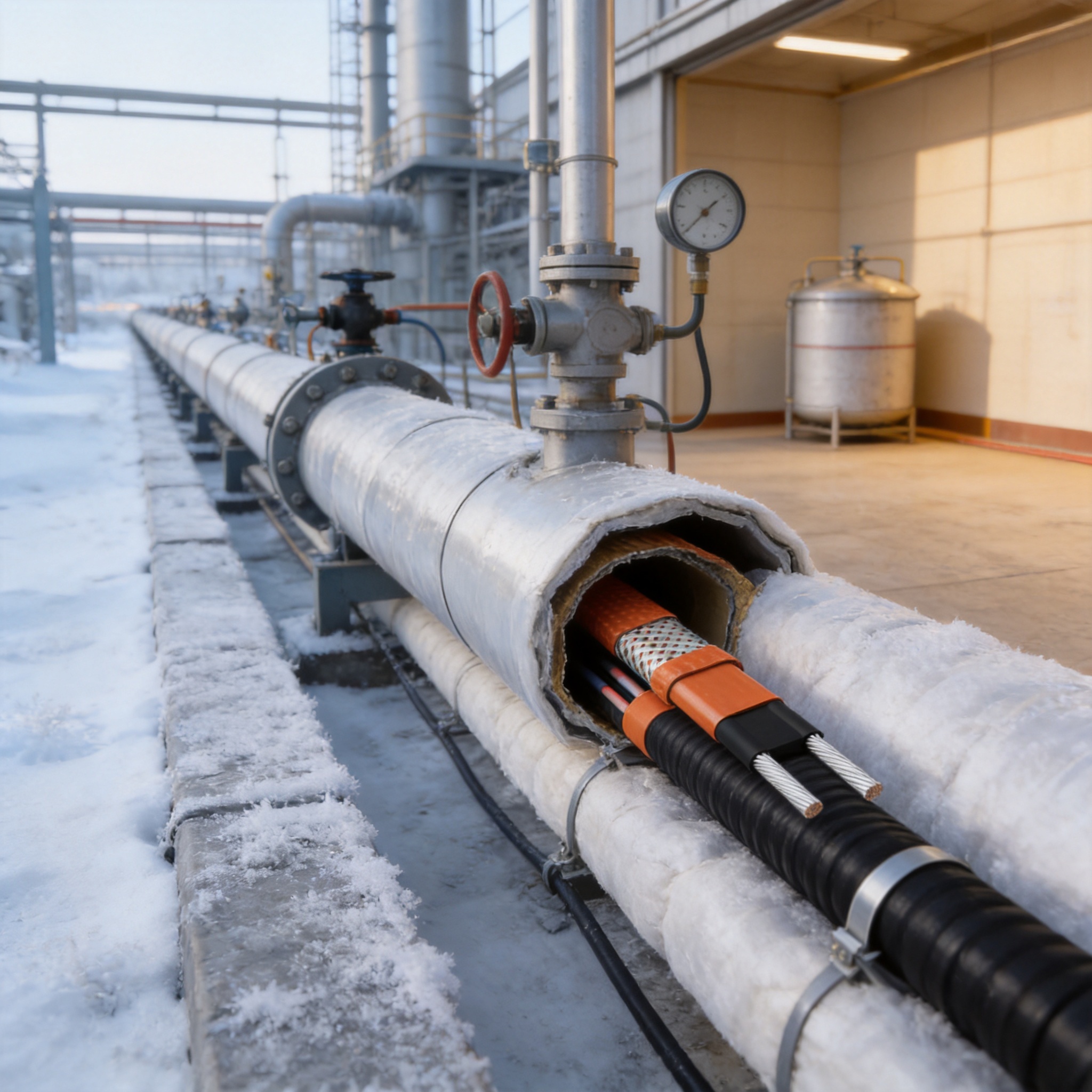
The SANTO UFO series combines several characteristics that are valuable in industrial heat tracing. Its self-regulating behavior supports flexible temperature response. Its principal application is freeze protection, a widespread requirement in exposed piping and equipment. Its process maintenance capability extends its use to selected applications up to 150°C. Its two sheath options address different chemical environments. Its hazardous-area approvals support use in specified gas and dust zones.
These characteristics provide a broader application range than an ordinary household heating cable. They also offer a more adaptable alternative to fixed-output systems in installations where ambient temperature, heat loss, and process conditions vary along the route.
The supplier’s experience, product range, reported research activity, irradiation capability, quality management system, certification history, and international market presence further strengthen the product proposition. For customers, the value is not limited to the cable itself. It includes access to technical selection, suitable accessories, manufacturing support, documentation, and after-sales assistance.
As with every industrial heating product, the final performance depends on correct design and installation. The cable should be selected from current technical documentation, installed by qualified personnel, protected by suitable electrical equipment, covered with properly designed insulation, and inspected throughout its service life.
The primary purpose is freeze protection for pipes and vessels. The series can also be used for selected process temperature maintenance applications up to 150°C when the cable, insulation, control system, and installation conditions are suitable.
Self-regulating means that the cable’s heat output changes in response to the temperature around each section of the cable. It generally produces more heat in colder conditions and less heat as the surrounding temperature rises. This behavior helps the cable adapt to changing local heat loss.
The -CR version has a polyolefin outer sheath and is intended for exposure to mild inorganic solutions. The -CT version has a fluoropolymer outer sheath and is designed for higher chemical resistance. The selection should be based on the actual substances and conditions present at the installation site.
The product information states that the series is approved for Zone 1, Zone 2, Zone 21, and Zone 22 applications, with an absolute T2 temperature rating in accordance with EN 60079-30-1. The exact cable, accessories, installation method, and certification conditions must be verified for the specific project.
Self-regulation can reduce the need for complex temperature zoning, but it does not automatically eliminate the need for control. A thermostat, controller, sensor, or high-temperature cutout may be required for process maintenance, energy management, safety, or hazardous-area compliance.
No. The stated process capability is up to 150°C for selected applications, but the actual suitability depends on continuous temperature, exposure temperature, sheath material, insulation, control settings, area classification, and certification limitations. Higher-temperature duties may require another heating technology.
The insulation should be selected according to heat loss, operating temperature, moisture exposure, mechanical conditions, and area requirements. The cable manufacturer’s installation instructions should be followed, and the insulation should be protected from water penetration and physical damage.
Potential industries include petroleum, chemical processing, gas, utilities, construction, storage, manufacturing, solar energy, geothermal cultivation, and other sectors requiring antifreeze, deicing, heating, heat tracing, or insulation support.
Even when the cable’s electrical performance is suitable, an incompatible chemical environment can damage the outer sheath. Chemical exposure should be evaluated under normal operation, maintenance, cleaning, accidental spills, and elevated temperature conditions. The -CR or -CT version should be selected accordingly.
Customers should provide the application, pipe or vessel dimensions, required temperature, minimum ambient temperature, insulation details, process medium, chemical exposure, installation location, hazardous-area classification, available voltage, circuit length, control requirements, and desired certifications or documentation.
A specialized manufacturer can support product selection, cable configuration, sheath selection, accessory matching, technical documentation, certification review, production planning, inspection records, and after-sales service. For complex projects, early technical communication helps ensure that the cable and accessories match the site conditions.
The SANTO UFO self-regulating heating cable series is designed for reliable freeze protection and selected process temperature maintenance applications. Its temperature-responsive heating behavior, available polyolefin and fluoropolymer sheath options, hazardous-area approvals, and process capability up to 150°C provide a versatile foundation for industrial heat tracing.
The product’s advantages become especially clear when it is compared with ordinary general-purpose cables. It offers a more application-focused construction, chemical sheath selection, and certification for specified gas and dust zones. Compared with constant-wattage systems, its self-regulating behavior can simplify temperature response in installations with changing local conditions. Compared with steam tracing, it can provide a compact electrical solution without steam and condensate infrastructure.
The manufacturer strengthens this offering through reported long-term industry experience, broad electric heating expertise, research and development activity, irradiation capability, ISO9001 quality management, certification experience, international distribution, and a wide range of related heating products. These capabilities support not only the manufacture of the cable but also the engineering, documentation, and service requirements of industrial customers.
For the best results, the cable should be specified as part of a complete engineered system. Correct sheath selection, heat-loss calculation, electrical protection, hazardous-area compliance, insulation, control, installation, testing, and maintenance are all essential. When these elements are properly addressed, a self-regulating heating cable can provide dependable protection for pipes, vessels, valves, instruments, and process equipment in challenging industrial environments.
EN 60079-30-1, Explosive Atmospheres — Electrical Resistance Trace Heating — General and Testing Requirements.
ISO 9001, Quality Management Systems — Requirements.
Manufacturer technical information for the SANTO UFO series of self-regulating heating cables.
Manufacturer information concerning polyolefin -CR and fluoropolymer -CT outer sheath options.
Manufacturer information concerning hazardous-area applications, Zone 1, Zone 2, Zone 21, Zone 22, and T2 temperature classification.
Manufacturer company profile, product development history, quality certifications, and electric heating product range.
General engineering practice for electrical heat tracing design, insulation, circuit protection, installation, inspection, and maintenance.
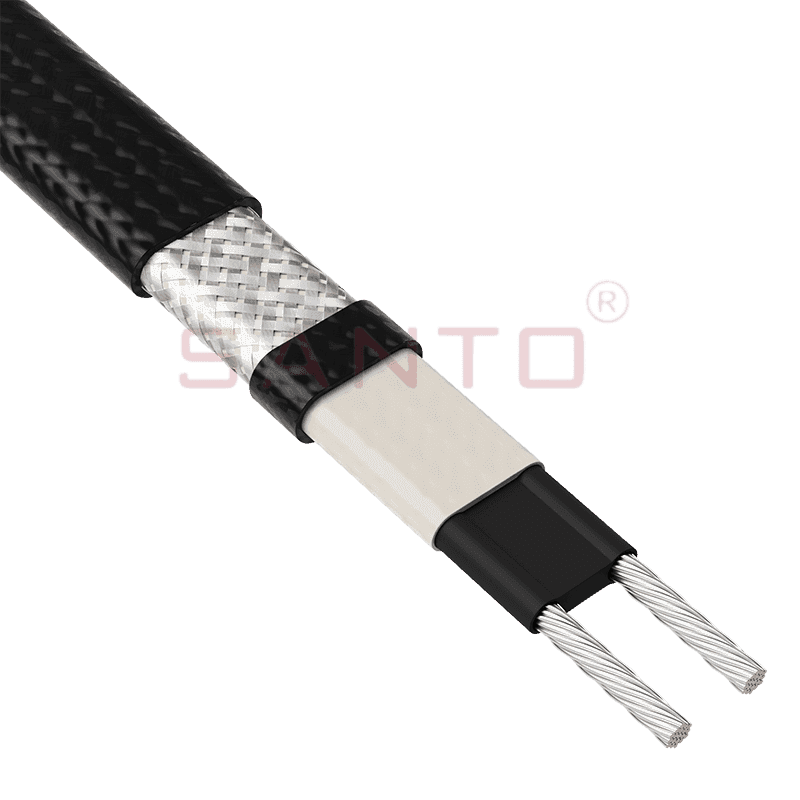
The SANTO UFA range of self-regulating heating cables is mainly used for frost protection of pipes and vessels but can also be used to maintain processes up to 65°C. These heating cables are available...
See Details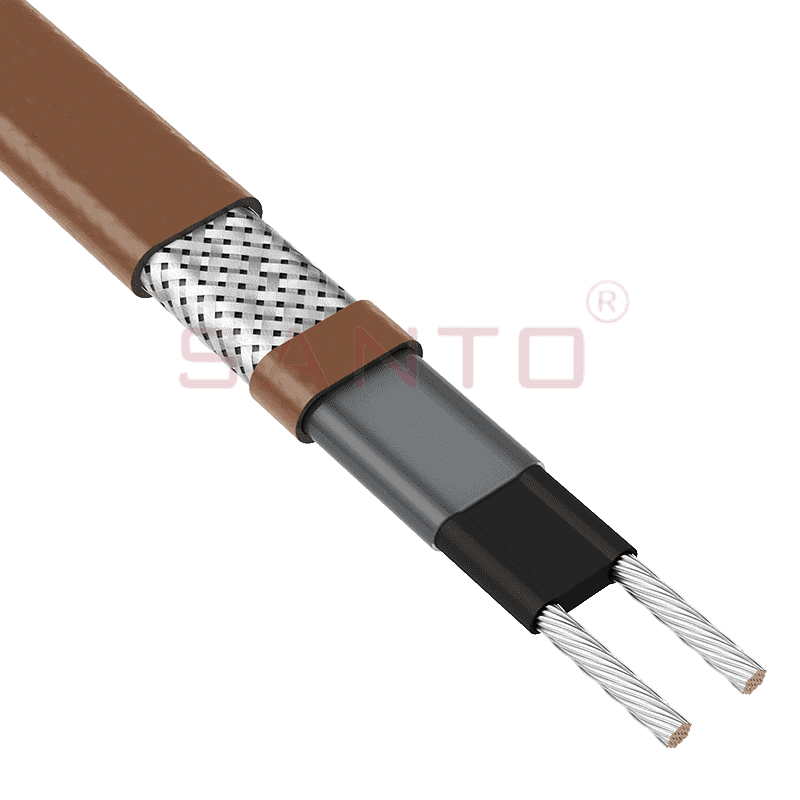
The SANTO UFB range of self-regulating heating cables is mainly used for frost protection of pipes and vessels requiring a higher power output than the UFA heating cables can supply. They can also be ...
See Details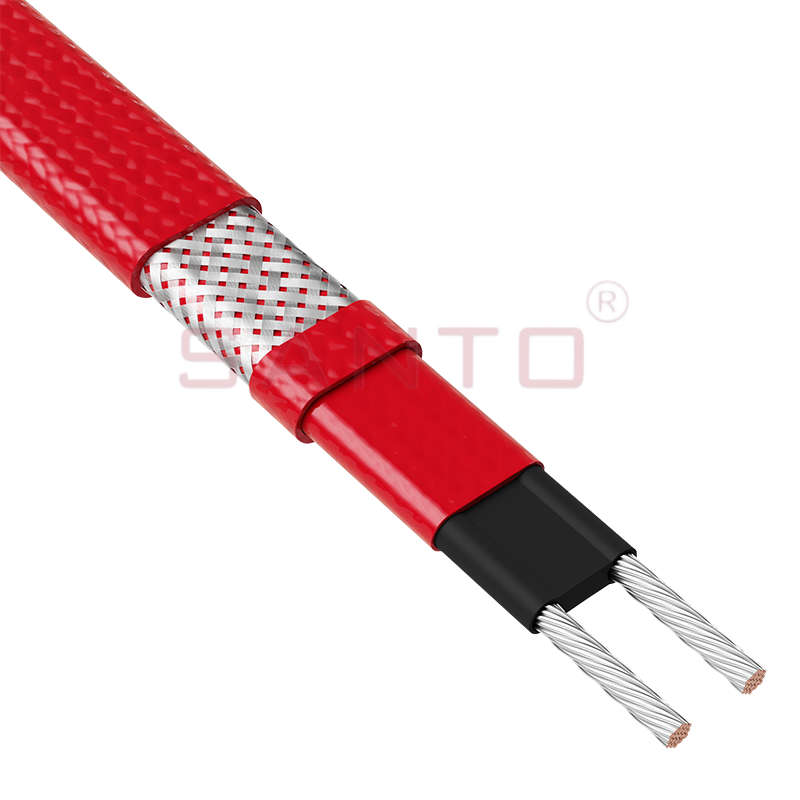
The SANTO UFC range of self-regulating heating cables is used for frost protection of pipes and vessels that require steam cleaning. They can also be used to maintain processes up to 121°C. These heat...
See Details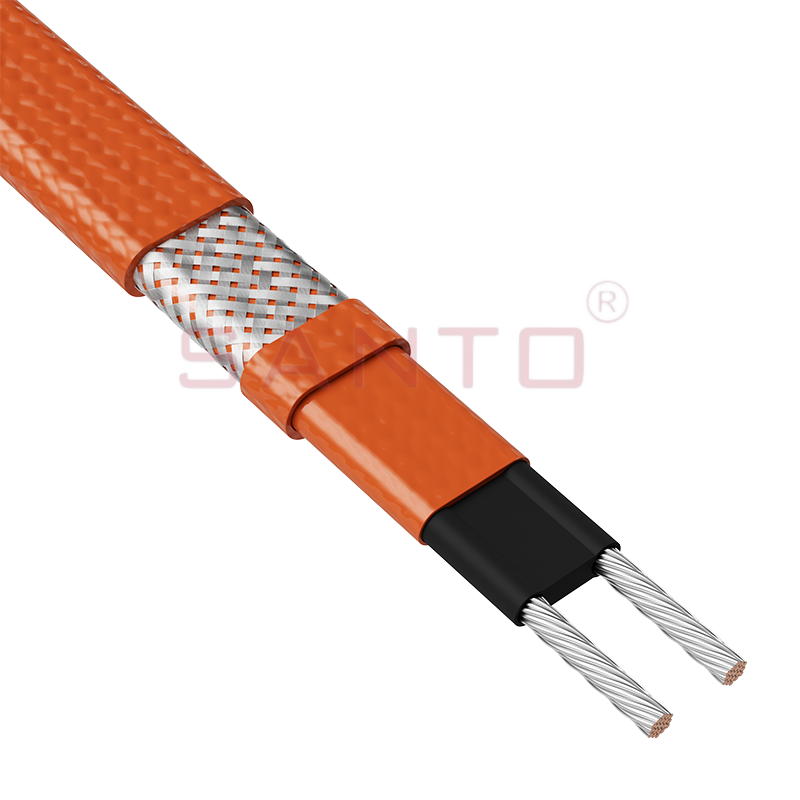
The SANTO UFO range of self-regulating heating cables is mainly used for frost protection of pipes and vessels that require steam cleaning . They can also be used to maintain processes up to 150°C. Th...
See Details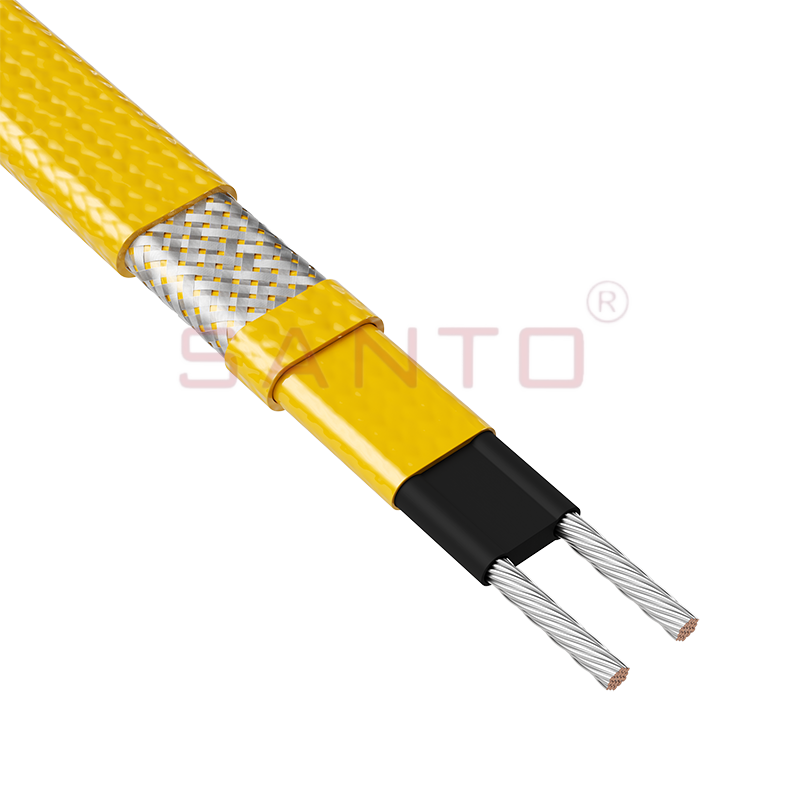
The SANTO UFD series of self-regulating heating cables are mainly used for freeze protection of pipes and vessels, but can also be used to maintain processes up to 200°C. These heating cables are avai...
See Details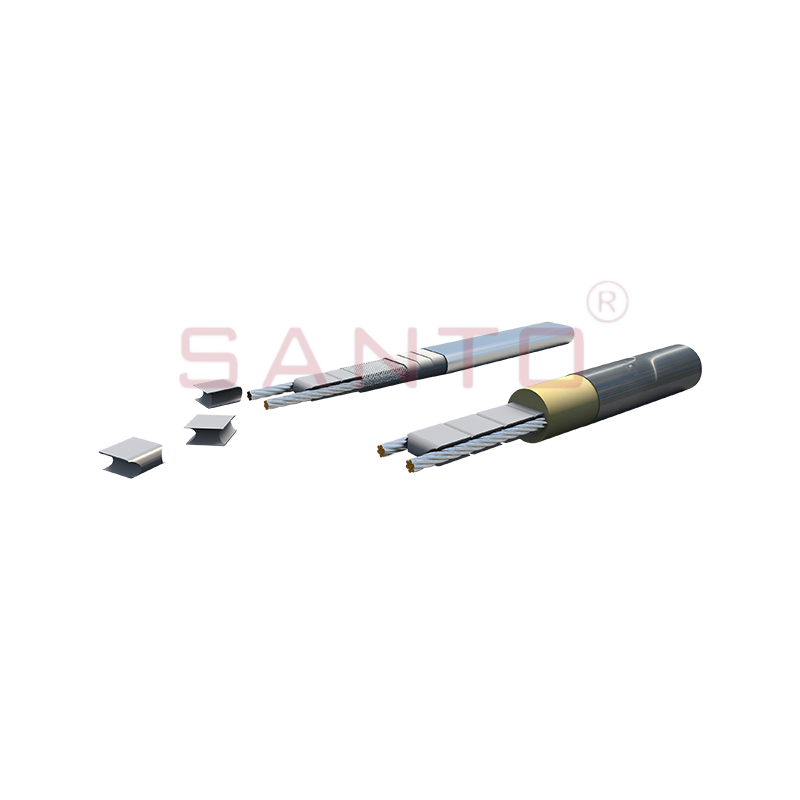
SANTO UFY heating wire is suitable for applications that maintain process temperatures up to 260 ℃ and can be steam blown; The self-regulating and parallel circuit heating wires of the UFY series are ...
See Details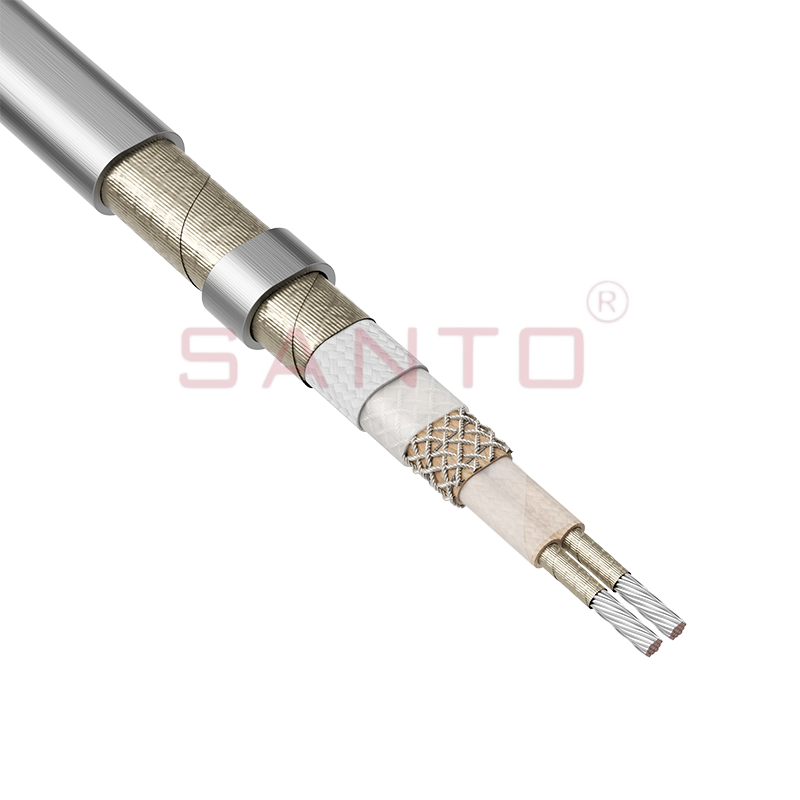
The SANTO UFM series self-regulating heating cables are mainly used for freeze protection of pipes and vessels, but can also be used to maintain processes up to 400°C. These heating cables are availab...
See Details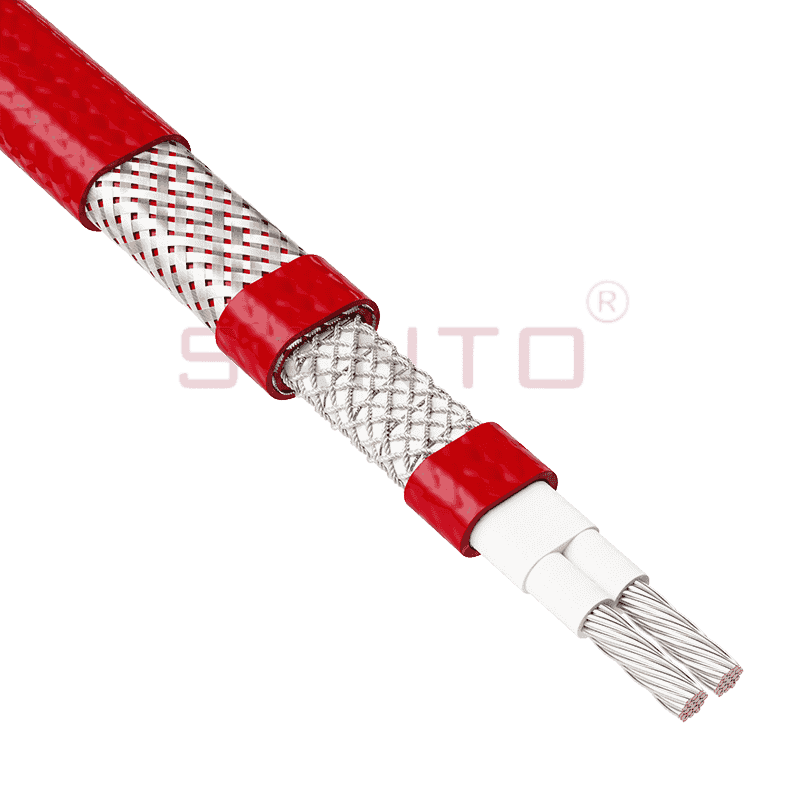
The SANTO ACC range of power-limiting heating cables is mainly used for temperature maintenance of processes and offers the advantage of a high power output at high temperatures which can reduce the n...
See Details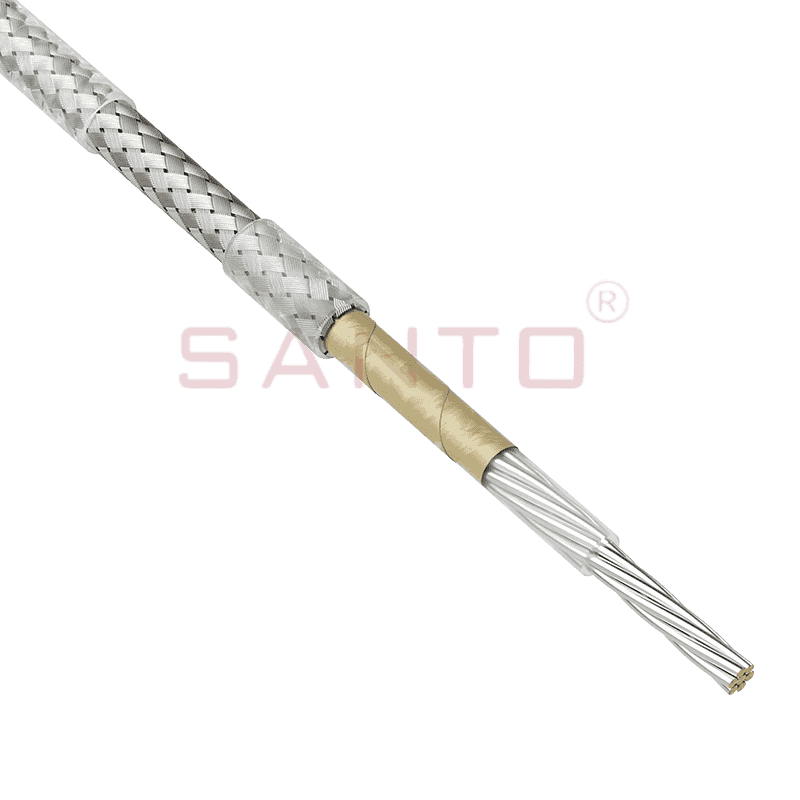
The stranded high temperature conductor is nickel plated to ensure a long life at elevated temperatures in corrosive environments. It is electrically isolated using an innovative sandwich construction...
See Details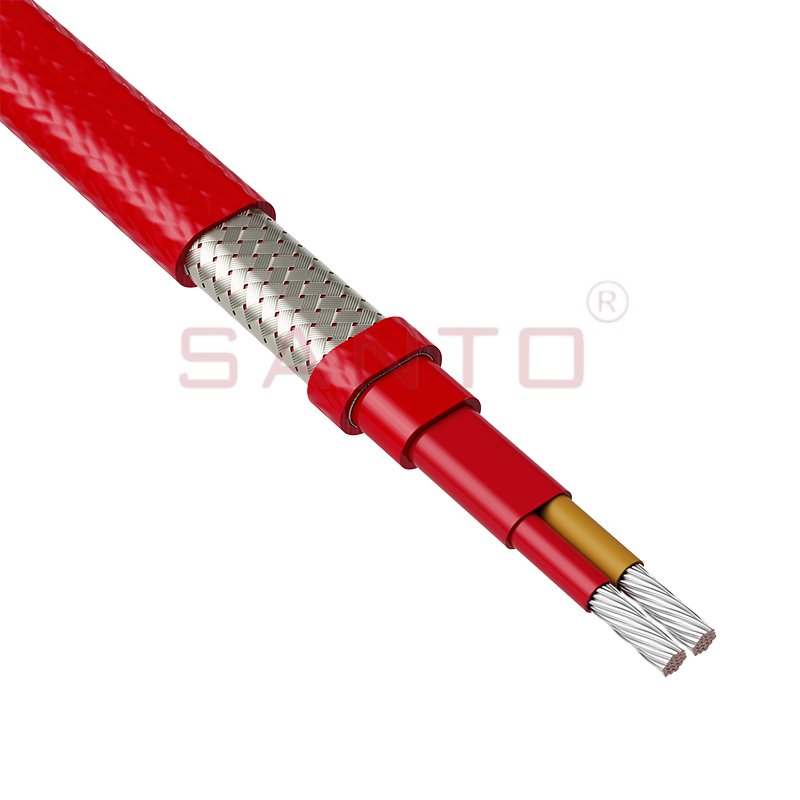
The stranded high temperature conductor is nickel plated to ensure a long life at elevated temperatures in corrosive environments. It is electrically isolated using an innovative sandwich construction...
See Details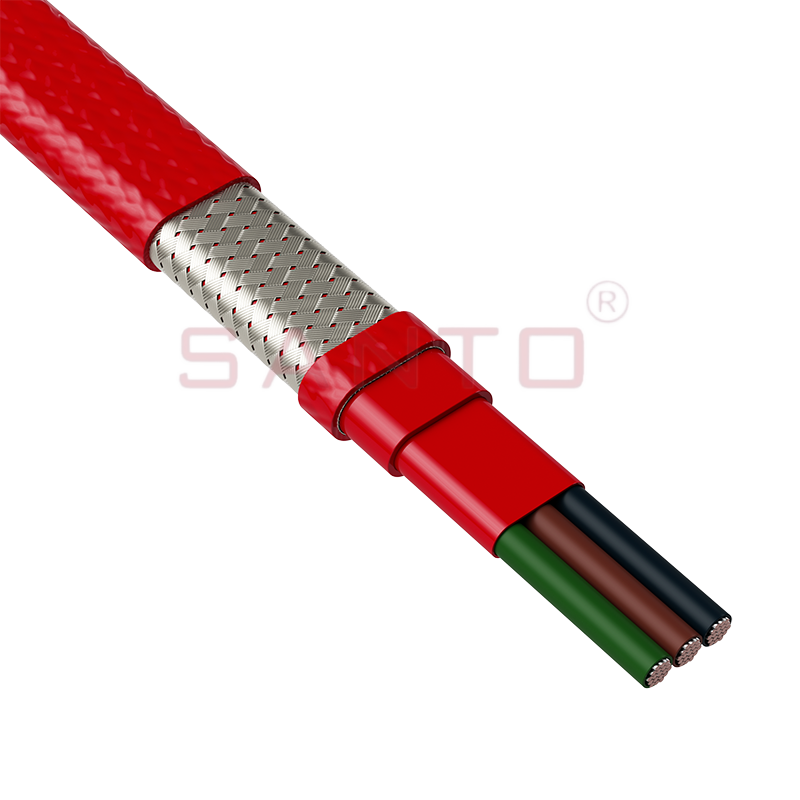
The stranded high temperature conductor is nickel plated to ensure a long life at elevated temperatures in corrosive environments. It is electrically isolated using an innovative sandwich construction...
See Details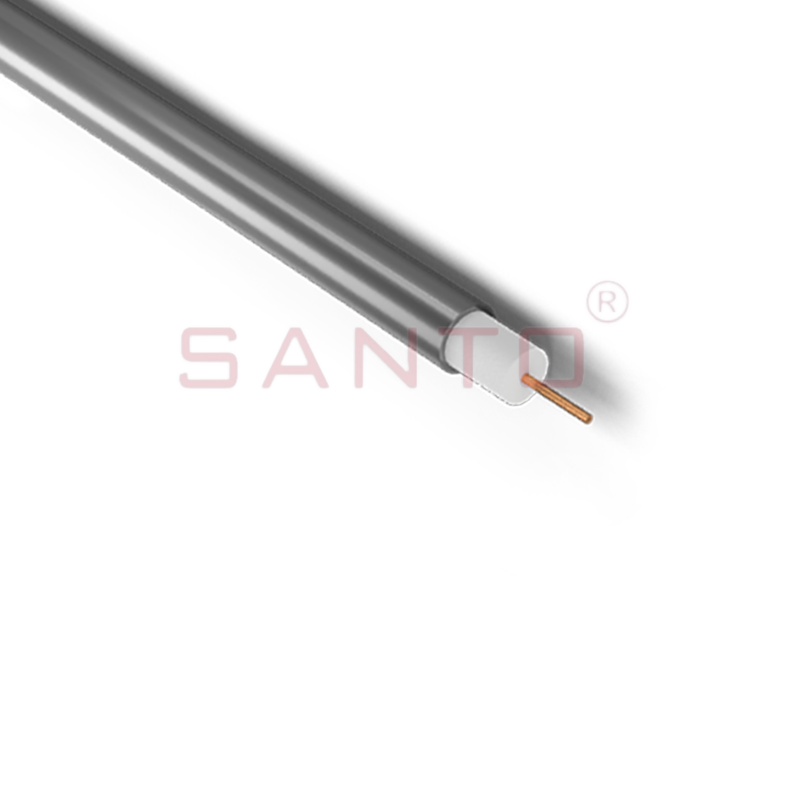
SANTO HAx mineral insulated (MI) Alloy 825 series heating cables are suitable for use in hazardous areas. They have been designed for use in freeze protection and temperature maintenance applications ...
See Details
Santo electric heating strips are widely used in key industries in China.

