 English
 English
 русский
 日本語
 Español
 中文简体

The SANTO UFA range of self-regulating heating cables is mainly used for frost protection of pipes and vessels but can also be used to maintain processes up to 65°C. These heating cables are available...
See Details
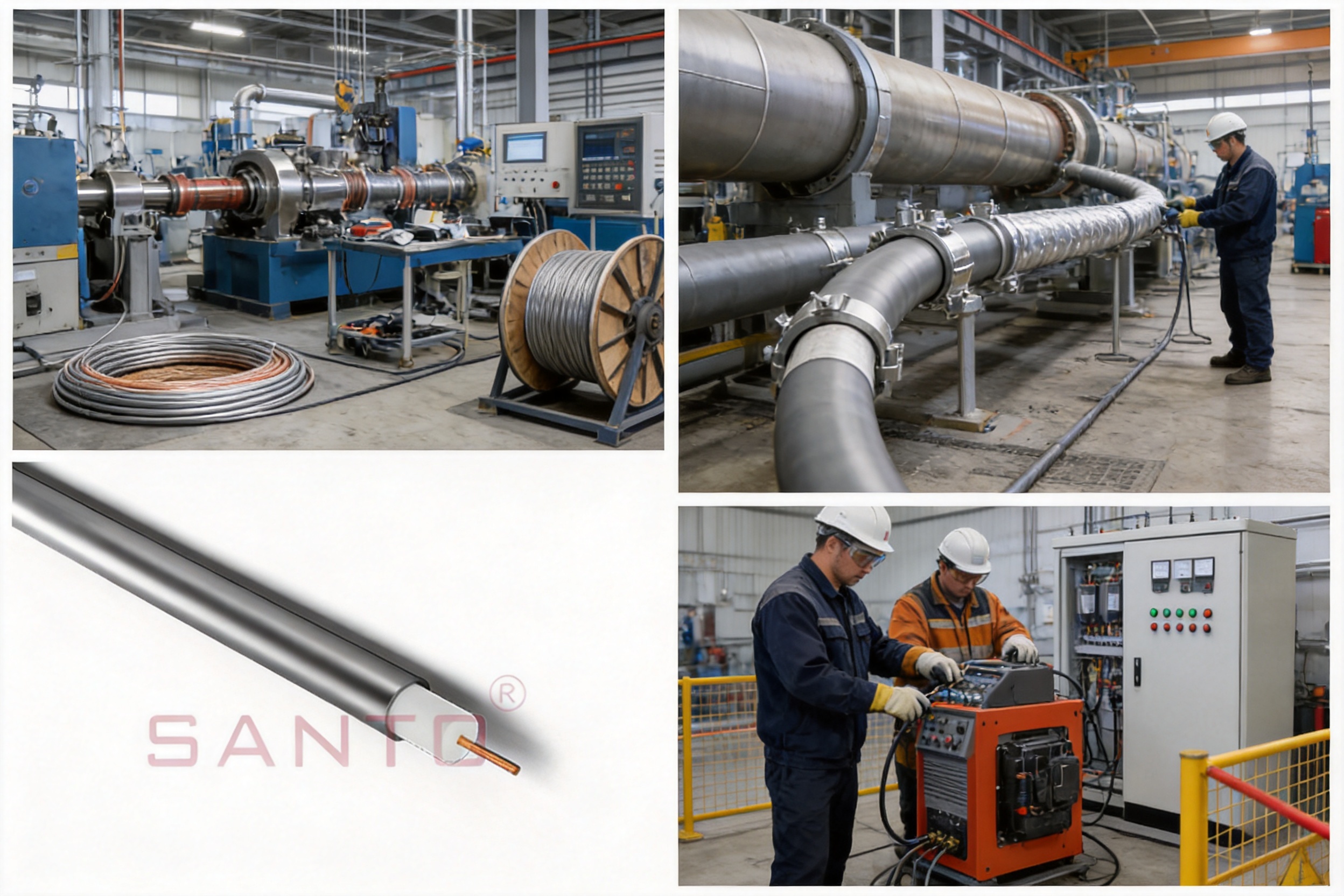
Industrial heating systems must often operate in environments where ordinary electrical heating products cannot provide sufficient temperature capability, mechanical durability, chemical resistance, or fire safety. Pipes, tanks, reactors, pressure vessels, process lines, sodium circuits, and production equipment may require stable heat in locations exposed to corrosive chemicals, vibration, impact, moisture, and extreme operating temperatures. The 321 stainless steel sheathed mineral insulated heating cable is designed for these demanding conditions.
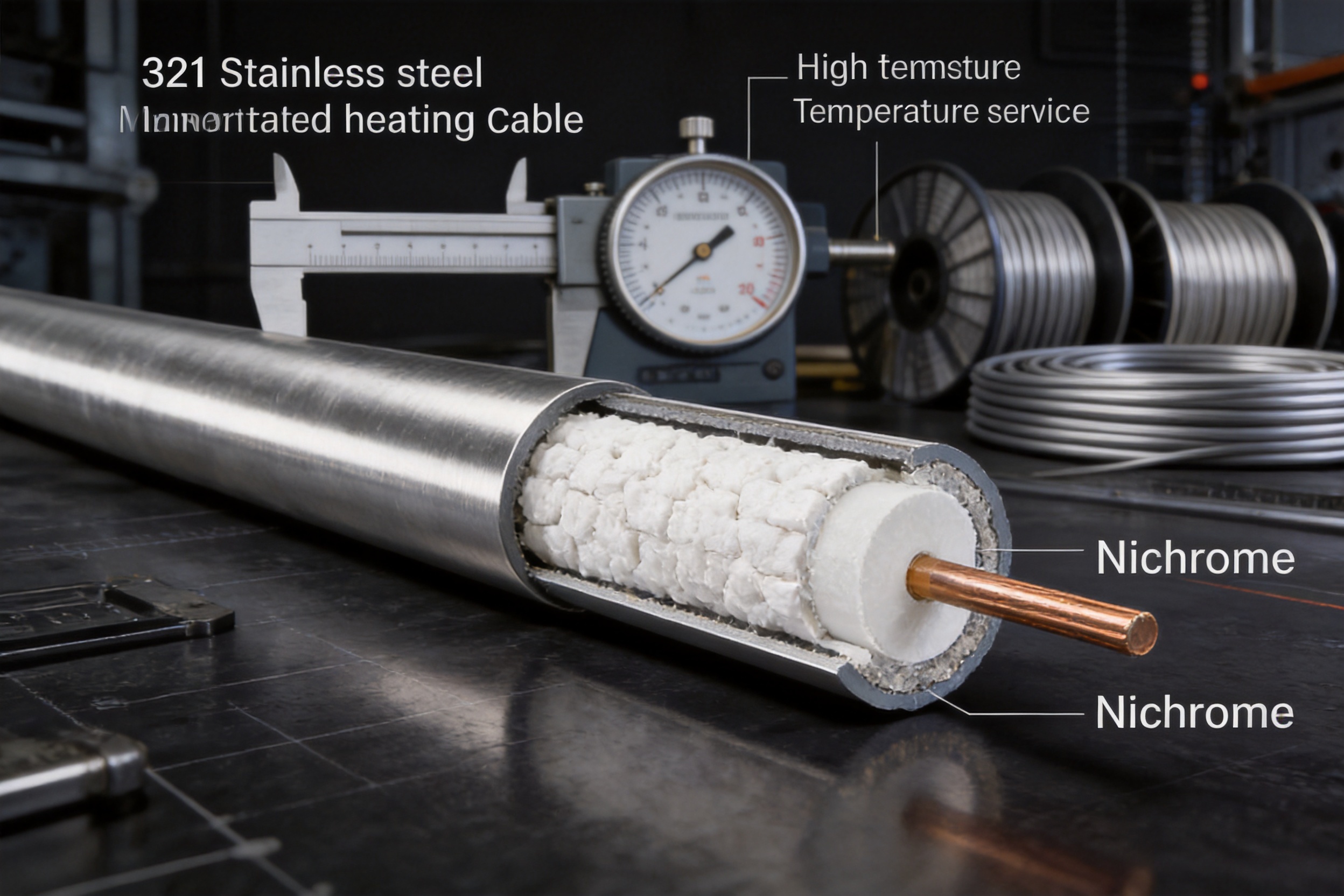
This type of mineral insulated, or MI, heating cable combines a 321 stainless steel outer sheath, compacted magnesium oxide insulation, and a Nichrome resistance conductor. The resulting construction provides reliable heat transfer, high mechanical strength, strong electrical insulation, and a maximum sheath temperature of up to 600°C when properly designed and installed. It is suitable for industrial heat tracing, process temperature maintenance, freeze protection, and specialized high-temperature heating applications.
Unlike many polymer-jacketed heating cables, the 321 MI heating cable does not depend on an organic outer jacket for its primary environmental protection. Its metallic sheath and inorganic insulation allow it to function in applications involving high temperatures, fire exposure, harsh industrial atmospheres, and demanding installation conditions. This makes it an important option for facilities that need durable and controllable heating over long service periods.
Content
The 321 stainless steel sheathed mineral insulated heating cable is manufactured as a compact heating assembly in which the resistance conductor is surrounded by magnesium oxide insulation and enclosed within a stainless steel sheath. The sheath serves several purposes at the same time. It protects the internal conductor and insulation from mechanical damage, provides a durable external surface, supports heat transfer to the heated object, and can be connected to an appropriate grounding system.
The internal heating conductor is made from Nichrome, an alloy widely used in electrical heating elements because of its resistance stability and ability to withstand elevated temperatures. Different conductor diameters and resistance values are available. This allows the cable to be selected according to required voltage, heating length, power output, circuit design, and installation conditions.
Magnesium oxide is used as the primary electrical insulation material. It is an inorganic material with good dielectric performance and excellent temperature resistance. When compacted correctly, it also provides a firm internal structure that helps the cable tolerate bending, vibration, and mechanical handling. The quality and density of the mineral insulation are essential to the cable’s insulation resistance, heat transfer, and long-term reliability.
The outer sheath is made from 321 stainless steel. This austenitic stainless steel grade contains titanium stabilization and is commonly selected for applications requiring a combination of corrosion resistance, strength, and high-temperature capability. The sheath is suitable for many industrial environments, although the exact chemical compatibility must always be evaluated according to the chemical concentration, exposure duration, operating temperature, and presence of contaminants.
When electrical voltage is applied to the cable, current flows through the Nichrome resistance conductor. Electrical energy is converted into heat along the active heating length. The heat passes through the compacted magnesium oxide insulation and stainless steel sheath before entering the pipe, tank, vessel, equipment surface, or surrounding process environment.
The cable can be installed as a continuous heating circuit or assembled into a system with suitable cold leads, termination components, controllers, sensors, junction boxes, and protective devices. System design determines the final power per meter, circuit length, operating voltage, sheath temperature, and temperature-control method.
Mineral insulation provides a short thermal path between the conductor and the sheath. This supports efficient heat transfer and helps the cable respond effectively to changes in the temperature of the heated surface. Compared with bulky externally mounted heating systems, a compact MI cable can be routed closely along process equipment and arranged to deliver heat where it is needed.
The stainless steel sheath also provides a stable electrical reference and mechanical barrier. In a properly grounded installation, the metallic sheath helps support electrical safety. Because the cable can operate at high temperatures, the design must include suitable temperature monitoring and control. The maximum sheath temperature is not the same as the desired process temperature. A qualified designer must calculate heat loss, select the appropriate cable, and confirm the resulting sheath temperature under the most demanding operating conditions.
321 stainless steel is an 18/8 austenitic stainless steel stabilized with titanium. The titanium addition helps reduce the risk of harmful carbide precipitation during certain elevated-temperature exposures. This feature makes the material useful in heating systems that experience repeated or prolonged high-temperature service.
The stainless steel sheath offers better environmental protection than many polymeric materials. It is not easily damaged by ordinary abrasion, compression, or contact with hot industrial surfaces. It can also maintain its integrity at temperatures that exceed the practical limits of many plastic and elastomeric cable jackets.
Its corrosion resistance is valuable in industrial heat tracing applications involving moisture, process residues, and many atmospheric contaminants. However, stainless steel is not universally resistant to every chemical. The product data identifies 321 stainless steel as suitable for some environments and unsuitable or not recommended for others, including certain concentrations of sulfuric acid, hydrochloric acid, hydrofluoric acid, phosphoric acid, seawater, and chlorine. Chemical compatibility should therefore be confirmed before product selection.
The use of a 321 stainless steel sheath provides a balanced solution for applications that need higher temperature performance than ordinary jacketed cables but do not necessarily require a more specialized alloy. It can provide a practical combination of durability, availability, fabrication suitability, and cost control.
The cable is designed for industrial systems with demanding electrical and thermal requirements. The principal characteristics include a 321 stainless steel sheath, magnesium oxide insulation, Nichrome heating conductor, operating voltages up to 300/500 V AC, and a rated pressure resistance of 2.0 kV AC RMS.
The factory-grade insulation resistance is specified as 1000 MΩ per 1000 meters. Actual installed resistance depends on cable length, termination quality, ambient conditions, moisture exposure, and installation workmanship. Insulation testing should be completed before energization and repeated as required during commissioning and maintenance.
The minimum installation temperature is specified as -60°C. At this temperature, the minimum bend radius is six times the outside diameter of the cable. The cable must not be bent more tightly than the permitted radius because excessive bending may deform the sheath, damage the internal insulation structure, or reduce long-term electrical reliability.
For hazardous-area applications, a minimum cable spacing of 25 mm is specified in the supplied technical information. Actual spacing, circuit layout, maximum surface temperature, equipment classification, and installation accessories must comply with the applicable hazardous-area requirements and project specifications.
Characteristic | Specification |
Sheath material | 321 stainless steel |
Insulation material | Magnesium oxide, MgO |
Heating conductor | Nichrome |
Maximum sheath temperature | Up to 600°C |
Maximum listed voltage | Up to 300/500 V AC |
Pressure resistance | 2.0 kV AC RMS |
Factory insulation resistance | 1000 MΩ per 1000 m |
Minimum installation temperature | -60°C |
Minimum bend radius | Six times cable outside diameter at -60°C |
Minimum hazardous-area spacing | 25 mm, subject to project and code requirements |
The product range includes different cable models with different resistance values and conductor diameters. A higher resistance per kilometer generally allows longer cable lengths at a given voltage, while a lower resistance per kilometer generally supports higher current and greater power over a shorter circuit. Selection should always be based on the required heating output, voltage, circuit length, installation environment, and control strategy.
The model designation includes the 321 sheath family and a resistance reference. For example, the 321 1M1000 model has a nominal resistance of 1000 ohms per kilometer at 20°C. The listed data also provides cable diameter, standard single-reel length, reel diameter, and approximate cable weight. These details are important for transportation, storage, routing, support design, and installation planning.
Cable model | Outside diameter, mm | Conductor diameter, mm | Resistance, ohms/km at 20°C | Standard reel length, m | Approximate weight, kg/km |
321 1M10K | 3.2 | 0.37 | 10,000 | 717 | 39 |
321 1M6300 | 3.2 | 0.47 | 6,300 | 717 | 39 |
321 1M4000 | 3.2 | 0.59 | 4,000 | 717 | 39 |
321 1M2500 | 3.4 | 0.74 | 2,500 | 639 | 46 |
321 1M1600 | 3.6 | 0.93 | 1,600 | 572 | 52 |
321 1M1000 | 3.9 | 1.17 | 1,000 | 499 | 62 |
321 1M630 | 4.3 | 1.48 | 630 | 405 | 78 |
321 1M400 | 4.7 | 1.85 | 400 | 342 | 96 |
321 1M250 | 5.3 | 2.35 | 250 | 271 | 127 |
321 1M160 | 6.5 | 2.93 | 160 | 180 | 191 |
The table is a general product reference rather than a substitute for a project-specific design. Resistance values, cable lengths, voltage, current, heating output, and surface temperature must be checked together. A cable that appears suitable based only on resistance may be unsuitable if its calculated sheath temperature exceeds the permitted value or if the installation has inadequate heat dissipation.
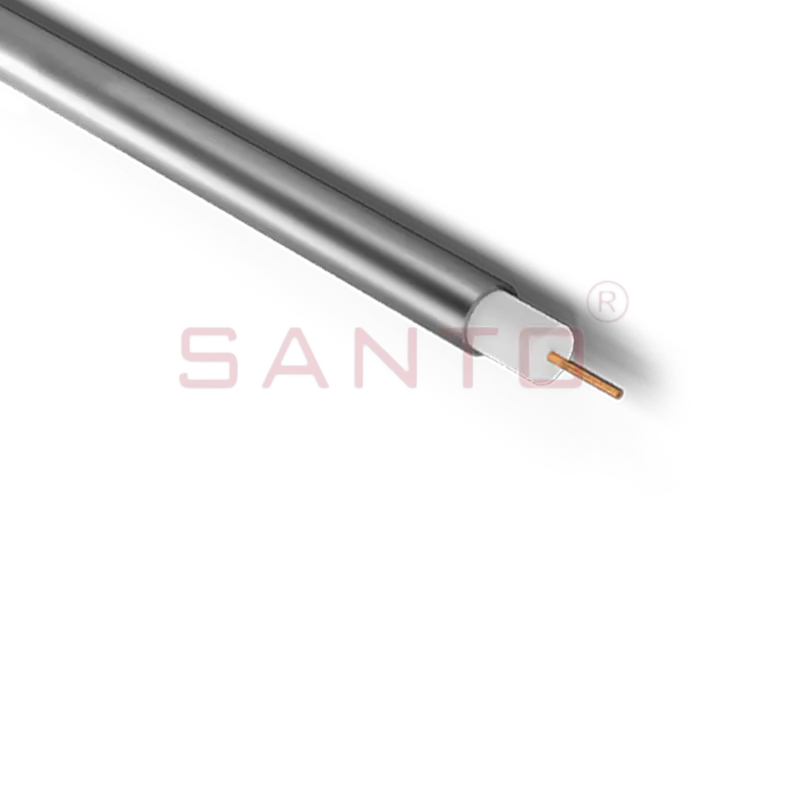
Mi Heating Cable-321 Stainless Steel Sheathed Mineral Insulated Heating Cable
The principal advantage of the 321 MI heating cable is its ability to combine high-temperature performance with a durable metallic construction. Conventional polymer-insulated heating cables may be effective for low- and medium-temperature applications, but their outer jackets can limit the maximum operating temperature. They may also be more vulnerable to cuts, abrasion, compression, solvents, and process heat.
The stainless steel sheath of the MI cable is better suited to severe industrial service. It can withstand higher temperatures and offers greater resistance to mechanical damage than many flexible plastic jackets. This is particularly important when cables are installed near pumps, valves, flanges, supports, hot equipment, or maintenance access areas.
The mineral insulation is nonflammable and does not rely on an organic material to maintain electrical separation. This supports use in systems where fire resistance is important. It also reduces the risk associated with melting or burning insulation when the cable is exposed to abnormal heat, although all electrical circuits still require correct protection and temperature control.
Another advantage is the compact cable diameter. The product range includes cables from approximately 3.2 mm to 6.5 mm in outside diameter. This allows the cable to be routed in confined areas and installed close to process surfaces. A smaller diameter can simplify attachment to pipes and equipment, while larger models can provide different electrical and power characteristics.
The cable’s high mechanical strength can reduce the chance of damage during installation and operation. The sheath protects the internal conductor from ordinary impact and handling stresses. Nevertheless, MI cable is not indestructible. It must be installed by personnel who understand the importance of bend radius, termination integrity, surface contact, support spacing, and protection from sharp edges.
Compared with open-wire heating arrangements, the sheathed MI design provides a more controlled and protected heating element. Compared with large rigid heaters, it offers greater routing flexibility. Compared with lower-temperature polymeric products, it provides a wider operating temperature range. These benefits make it suitable for applications where reliability and lifecycle performance are more important than the lowest initial purchase price.
The maximum sheath temperature of up to 600°C is one of the product’s defining features. This capability does not mean that every cable circuit can continuously operate at 600°C under every installation condition. The final temperature depends on cable model, power density, ambient temperature, thermal insulation, mounting arrangement, surface emissivity, process temperature, airflow, and control method.
Thermal design must begin with the heat requirement. The designer should determine the heat loss from the pipe or equipment, including conduction through supports, convection to the atmosphere, radiation, process flow effects, and expected low-temperature conditions. The design should then include an appropriate safety margin without creating excessive surface temperature.
The product information provides rating factors for different models. These factors are used to adjust the nominal watt-per-meter rating. For example, a nominal 100 W/m design using the 321 1M1000 model has a rating factor of 0.840. The adjusted value is calculated as follows: 100 W/m multiplied by 0.840 equals 84 W/m.
The adjusted heating output is then compared with the applicable performance graph or design data to estimate the cable sheath temperature required to maintain the target process temperature. This process is important because conductor resistance, output, and sheath temperature are connected. The same nominal design approach cannot be applied equally to every cable model.
Cable model | Rating factor |
321 1M10K | 1.000 |
321 1M6300 | 1.000 |
321 1M4000 | 1.000 |
321 1M2500 | 0.952 |
321 1M1600 | 0.901 |
321 1M1000 | 0.840 |
321 1M630 | 0.769 |
321 1M400 | 0.714 |
321 1M250 | 0.645 |
321 1M160 | 0.538 |
Temperature control should normally use a suitable sensor and controller. In critical systems, independent high-temperature cutouts, alarms, or shutdown devices may also be required. The use of a residual-current protection device is specified for maximum safety, with a 30 mA leakage protection device recommended in the supplied information. Some applications may also require a larger 300 mA embedded-current protection device according to the system design and applicable regulations.
Asphalt production and handling systems require temperature maintenance to keep bituminous materials processable and to prevent unwanted solidification. Heating may be needed around pipes, valves, pumps, tanks, transfer lines, and process equipment. The MI cable’s high-temperature capability and mechanical strength make it suitable for these areas, where surfaces may be hot, dirty, exposed to vibration, and difficult to access.
The stainless steel sheath can be selected for equipment areas where ordinary flexible jackets may be vulnerable to abrasion or heat. The cable can be arranged to provide uniform heating along process lines, provided that the installation is designed to account for equipment geometry, insulation, supports, and thermal expansion.
Gas processing and refining facilities use heat tracing to prevent freezing, maintain viscosity, stabilize process temperatures, and protect instruments and process lines. The 321 MI cable can be applied to pipes, valves, vessels, sampling systems, and selected process components where a high-temperature metallic heating element is required.
Many refineries and gas plants also contain classified hazardous areas. The cable system must therefore be designed with appropriate certified components, spacing, grounding, control equipment, and installation methods. The heating cable alone does not automatically make an installation suitable for a hazardous area. The complete system must satisfy the relevant classification and certification requirements.
Reactors and pressure vessels may require heat to maintain reaction conditions, prevent crystallization, compensate for heat loss, or support cleaning and production cycles. The MI cable can be installed on external vessel surfaces or associated piping when the design allows adequate contact and thermal distribution.
Because reactor and vessel surfaces may have complex shapes, cable routing must be planned before installation. The designer should consider nozzles, reinforcement rings, inspection openings, supports, insulation blankets, and areas where the cable could be crushed or overheated. Expansion and maintenance requirements should also be addressed.
Sodium-based systems often require precise temperature control because the process medium may become difficult to circulate or may solidify when the temperature falls below a specified level. MI heating cable can provide stable heat along circuits, equipment, and connecting lines when the cable material and system design are chemically compatible.
Such systems require careful engineering because sodium service can involve elevated temperatures and specific safety risks. The heating cable should be selected as part of a complete system that includes monitoring, insulation, emergency shutdown, and suitable process safeguards.
The cable can also be used for freeze protection of pipes, tanks, instruments, and other equipment. In these applications, the required temperature may be much lower than the cable’s maximum capability. The advantage of selecting an MI product is that the same robust construction can provide additional resistance to impact, weather, and industrial exposure.
Freeze-protection designs must avoid excessive output and must include proper thermostatic control where required. Insulation quality is especially important because poor insulation can increase energy consumption and cause the cable to operate at a higher temperature than necessary.
Producing a dependable MI heating cable requires more than assembling a conductor and a metal tube. Dimensional control, material quality, insulation compaction, resistance consistency, sheath integrity, termination workmanship, and electrical testing all influence the finished product. The manufacturer’s production capabilities are therefore an important part of product selection.
The manufacturer described in the supplied materials specializes in electric heating and thermal-control products, including self-regulating heating belts, constant-power heating cables, silicone rubber heating products, glass-fiber heating belts, snow-melting cables, MI cables, and related accessories. This product breadth supports practical knowledge across multiple heating technologies and applications.
The manufacturing process begins with the selection and inspection of raw materials. The stainless steel sheath material must conform to the required grade and dimensional specifications. The Nichrome conductor must provide stable electrical resistance and suitable high-temperature performance. Magnesium oxide must be sufficiently pure and suitable for compaction into a dense, continuous insulation structure.
The resistance conductor is positioned within the sheath, and magnesium oxide is introduced around it. The assembly is then compacted to reduce voids and establish close contact between the conductor, insulation, and sheath. Proper compaction improves dielectric strength, heat transfer, and mechanical stability. It also helps maintain consistent dimensions during subsequent processing.
Controlled reduction and forming operations bring the assembly to the required outer diameter. These operations must be managed carefully so that the sheath remains uniform and the internal conductor stays centered. Excessive deformation or poor control can affect resistance, insulation thickness, bend performance, and electrical reliability.
After forming, the cable is typically subjected to thermal treatment and electrical testing according to the applicable production procedure. Testing may include resistance measurement, insulation-resistance testing, high-voltage withstand testing, dimensional inspection, visual inspection, and continuity verification. The supplied technical information identifies a pressure-resistance test value of 2.0 kV AC RMS and a factory insulation-resistance reference of 1000 MΩ per 1000 meters.
Finished cable may be supplied in standard reel lengths or manufactured according to a customer’s required length and configuration. Customization can include resistance selection, cable length, cold-lead arrangements, termination assemblies, circuit grouping, and accessories. For large industrial projects, the ability to coordinate cable production with drawings and heat-tracing schedules can simplify procurement and installation.
The manufacturer also reports experience in research, design, production, and international export. Its development activities include cooperation with external research institutions, investment in product simulation and testing facilities, and continued development of electric heating technologies. These capabilities support product improvement and help address different industrial requirements.
Quality-system certification and product certification are also important considerations. The supplied company information identifies ISO 9001 quality-system certification and national CCC certification, along with explosion-proof and EAC-related certification achievements for relevant products or markets. Project purchasers should confirm the exact certificate scope for the cable, termination components, controller, and complete installation before approval.
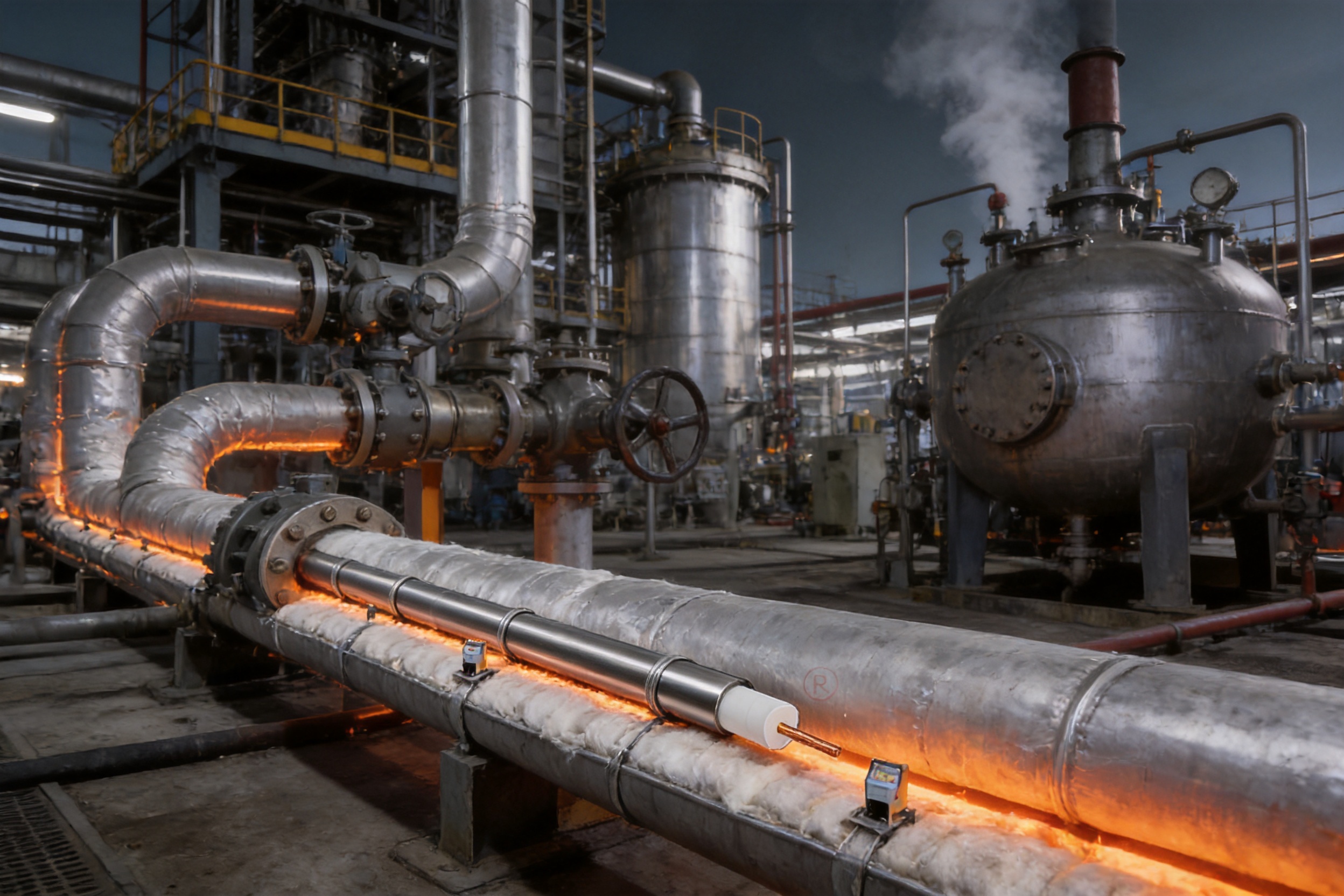
Correct installation is essential to achieve the rated performance of an MI heating cable. Before installation, the cable should be inspected for damage, the correct model and length should be confirmed, and the route should be checked against the approved heat-tracing drawings. The surface should be clean, dry, and free from sharp projections that could damage the sheath.
The cable should be laid closely against the heated surface to promote heat transfer. Suitable fixing methods should hold the cable in position without crushing, cutting, or creating excessive point pressure. The cable should not be crossed or overlapped unless the system design explicitly permits it and the resulting temperature has been evaluated.
Bends must comply with the specified minimum radius. The supplied data identifies a minimum radius of six times the cable outside diameter at -60°C. A larger radius may be preferable in practice, especially near terminations, junctions, supports, and equipment transitions.
Terminations require particular attention. The termination must maintain electrical insulation, environmental sealing, mechanical support, and grounding continuity. Moisture entering the mineral insulation can reduce insulation resistance, especially if cable ends are left unsealed. Termination work should therefore be carried out using approved components and documented procedures.
After installation and before energization, the completed circuit should be tested. Recommended checks include conductor continuity, resistance measurement, insulation resistance between conductor and sheath, sheath continuity, grounding continuity, and high-voltage testing where required by the project specification. Test results should be recorded for future maintenance comparison.
Thermal insulation should be installed only after the cable position and test results have been accepted. The insulation must not contain sharp fasteners or compression points that could damage the cable. Labels should identify the heating circuit, voltage, control zone, maximum permitted temperature, and any special maintenance requirements.
High-temperature heating cables must be treated as engineered electrical systems rather than simple plug-in products. The circuit should be protected by appropriately rated overcurrent devices, residual-current protection, grounding, temperature control, and emergency shutdown arrangements. The selected protection must match the cable’s operating current and the characteristics of the power supply.
Residual-current protection is particularly important because leakage current can increase if cable ends are exposed to moisture or if the insulation is damaged. The supplied information recommends a 1 x 30 mA leakage protection device for maximum safety and fire prevention. The final protection arrangement must be confirmed by a qualified electrical engineer according to local regulations and project conditions.
In hazardous areas, the design must prevent the cable surface from exceeding the permitted temperature class. Spacing, surface temperature, controller location, junction boxes, glands, terminations, and grounding must all be assessed as part of the complete system. The 25 mm minimum spacing identified in the technical information should not be treated as a universal substitute for hazardous-area design rules.
Maintenance personnel should isolate the circuit before inspection or repair. The cable should be checked for physical damage, loose attachments, overheating, corrosion, insulation deterioration, and changes in resistance. Any repair or replacement should use compatible materials and approved procedures.
One of the reasons to choose an MI heating cable is its potential for long service life in demanding environments. The metallic sheath is durable, and the inorganic insulation is stable at high temperatures. Actual service life depends on design, installation quality, control accuracy, chemical exposure, mechanical stresses, and maintenance practices.
Periodic inspections can identify problems before they become failures. Insulation resistance should be compared with the original commissioning value. A gradual decline may indicate moisture ingress, sheath damage, termination deterioration, or contamination. Resistance measurements can also reveal changes in the heating conductor or connection system.
Thermal imaging may be useful for detecting cold sections, uneven heating, loose connections, or abnormal hot spots. Temperature sensors and controllers should be calibrated at appropriate intervals. Process insulation should be inspected for water penetration, compression, gaps, and damage because poor insulation can increase the cable’s operating temperature and energy consumption.
When the cable is temporarily disconnected, its ends should be protected against moisture. If an installed circuit is exposed during maintenance, the cable should not be stepped on, dragged across sharp edges, or subjected to impact from tools and equipment.
Effective heat tracing prevents process temperature loss and avoids unnecessary reheating. By applying heat directly along a pipe or equipment surface, an MI cable can reduce the need for oversized heating equipment and help maintain a more uniform temperature. The compact form also allows the cable to be placed close to areas where heat loss is concentrated, such as valves, flanges, supports, and fittings.
Energy efficiency depends on the complete system rather than the heating cable alone. Correct thermal insulation, accurate temperature sensors, suitable control logic, appropriate cable spacing, and proper power selection are all necessary. A cable that is too powerful may waste energy and create excessive surface temperature, while an undersized cable may fail to maintain the process temperature.
Constant-power MI cable systems can be zoned and controlled according to the process requirements. Independent control zones may be used for different pipe sizes, equipment sections, ambient conditions, or operating temperatures. This approach can improve process stability and reduce unnecessary electrical consumption.
Industrial heat-tracing projects rarely have identical requirements. Pipe diameter, process temperature, ambient temperature, insulation thickness, hazardous-area classification, voltage, circuit length, and control architecture vary from project to project. A manufacturer with a broad heating-product range can support different applications with a coordinated product selection.
Customization may include cable resistance, cable diameter, standard or special reel length, power output, cold-lead length, termination design, and accessory selection. The supplier may also support technical schedules, circuit lists, installation drawings, product data sheets, and inspection documentation.
For original equipment manufacturers, custom cable assemblies can reduce field installation time. For industrial contractors, clearly identified reels and preconfigured terminations can improve installation accuracy. For plant owners, product standardization can simplify spare-parts management and maintenance training.
Before ordering a 321 MI heating cable, the user should define the process and installation conditions. The required holding temperature, minimum ambient temperature, heated length, pipe or equipment material, thermal insulation, available voltage, hazardous-area classification, and chemical environment should all be documented.
The required heating output should then be calculated. Heat loss should include the process, ambient conditions, insulation, wind, supports, fittings, and operating margins. The cable model should be selected based on resistance, voltage, circuit length, power per meter, and allowable sheath temperature.
Material compatibility should be reviewed separately from temperature capability. A stainless steel sheath may be suitable for one process and unsuitable for another. Chemicals such as chlorine, hydrochloric acid, hydrofluoric acid, sulfuric acid, seawater, and certain alkaline or organic environments require detailed review of concentration and temperature.
The complete system should include appropriate controls and protection. This may include thermostats, programmable controllers, temperature limiters, sensors, contactors, circuit breakers, residual-current devices, junction boxes, termination kits, mounting materials, and thermal insulation.
Documentation should state the selected cable model, nominal resistance, cable length, operating voltage, calculated current, power output, maximum sheath temperature, control setpoint, installation spacing, termination type, and test requirements. This information helps prevent errors during installation and future maintenance.
MI means mineral insulated. In this product, a Nichrome resistance conductor is surrounded by compacted magnesium oxide insulation and enclosed in a 321 stainless steel sheath. The mineral insulation provides electrical separation and high-temperature stability, while the sheath protects the cable and transfers heat to the application.
The maximum listed sheath temperature is up to 600°C. This is a design limit for the sheath and should not be interpreted as a universal operating temperature for every cable model or installation. The actual temperature must be calculated from the selected cable, power density, installation arrangement, insulation, and control conditions.
Yes. It can be used for freeze protection on pipes, tanks, instruments, and industrial equipment. A suitable heat-loss calculation and temperature-control method are required to prevent excessive heating and to maintain the desired temperature efficiently.
No. 321 stainless steel offers useful corrosion resistance, but no stainless steel grade is suitable for every chemical environment. The supplied corrosion data indicates that suitability depends on the chemical and operating conditions. Acid concentration, temperature, contamination, exposure time, and process chemistry must be reviewed before selection.
The heating conductor is Nichrome. The product range includes different conductor diameters and resistance values, allowing the cable to be selected for different voltage, length, and power requirements.
The insulation is magnesium oxide, commonly abbreviated as MgO. It is an inorganic, high-temperature insulation material that supports electrical isolation, heat transfer, and mechanical stability when properly compacted.
The supplied technical information specifies a minimum bend radius of six times the cable outside diameter at -60°C. Installers should avoid sharp bends and should use a larger radius where practical, especially near terminations and transitions.
It may be used in hazardous-area applications when the complete heating system is correctly designed, certified, installed, and controlled for the area classification. The cable, terminations, junction boxes, controllers, protection devices, spacing, grounding, and maximum surface temperature must all satisfy the applicable requirements.
The supplied information recommends a 30 mA leakage protection device for maximum safety and fire prevention. The final protective arrangement must be confirmed by a qualified electrical professional based on the circuit design, local electrical regulations, equipment classification, and project requirements.
The completed circuit should be checked for continuity, resistance, insulation resistance, sheath grounding continuity, and any required high-voltage withstand performance. Test values should be recorded before energization and retained as a baseline for future maintenance.
Typical applications include asphalt plants, gas plants, refineries, chemical processing facilities, reactors, pressure vessels, sodium circuits, process pipelines, tanks, and other industrial systems requiring high-temperature heat tracing or freeze protection.
The MI cable generally offers higher temperature capability, stronger mechanical protection, improved fire resistance, and greater suitability for severe industrial environments. Polymer-jacketed cables may remain preferable for lower-temperature applications where flexibility, simplicity, or lower initial cost is the main priority.
Depending on project requirements, customization may include resistance, diameter, length, cold-lead configuration, termination arrangement, accessories, and documentation. A technical review should be completed before production to verify the electrical and thermal design.
The 321 stainless steel sheathed mineral insulated heating cable is a specialized solution for industrial heat tracing applications that require high-temperature performance, corrosion resistance, mechanical strength, fire resistance, and reliable heat transfer. Its Nichrome conductor, compacted magnesium oxide insulation, and 321 stainless steel sheath provide a robust construction for demanding environments.
Its main advantages over conventional heating cables are the high allowable sheath temperature, durable metallic protection, inorganic insulation, compact design, and availability in multiple resistance and diameter options. These features make it appropriate for asphalt plants, gas plants, refineries, reactors, pressure vessels, sodium circuits, freeze-protection systems, and other critical process applications.
Product performance depends on proper engineering. Heat loss, cable resistance, power density, sheath temperature, chemical compatibility, hazardous-area classification, electrical protection, installation spacing, and termination quality must all be considered. When these factors are addressed correctly, the cable can provide dependable temperature maintenance and long-term service in harsh industrial conditions.
The manufacturer’s experience in electric heating products, research, product development, manufacturing, testing, quality management, and international supply provides additional value for customized projects. A combination of suitable materials, controlled manufacturing, product testing, technical support, and correct field installation allows the 321 MI heating cable to serve as a reliable component in modern industrial temperature-control systems.
1. Product technical information for 321 stainless steel sheathed mineral insulated heating cable, including construction, electrical characteristics, cable models, resistance values, and installation requirements.
2. Mineral insulated heating cable design data, including rating factors, power-density considerations, sheath-temperature guidance, and application principles.
3. Stainless steel material guidance for 321 stainless steel, including high-temperature behavior, corrosion-resistance considerations, and chemical compatibility limitations.
4. General industrial heat-tracing engineering practice for pipe freeze protection, process temperature maintenance, thermal insulation, control, and electrical protection.
5. Manufacturer quality and company information concerning electric heating product development, manufacturing, product testing, certification, and international supply.
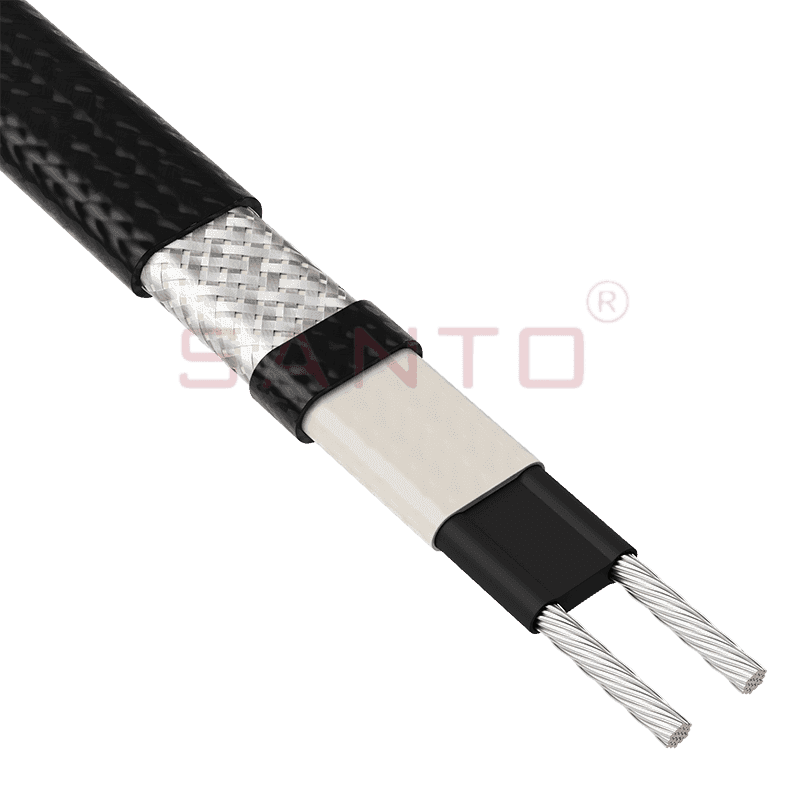
The SANTO UFA range of self-regulating heating cables is mainly used for frost protection of pipes and vessels but can also be used to maintain processes up to 65°C. These heating cables are available...
See Details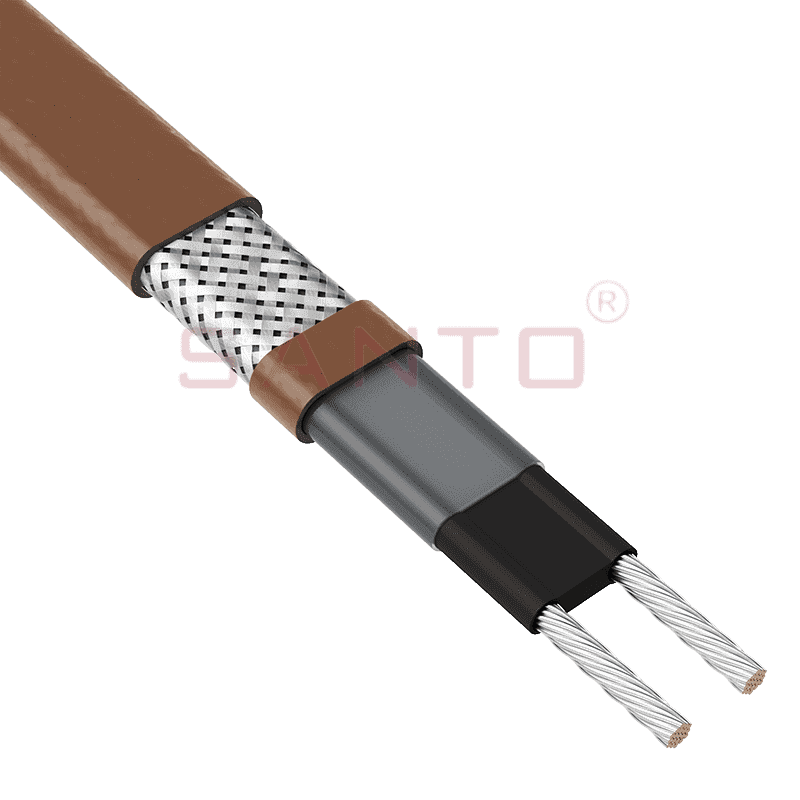
The SANTO UFB range of self-regulating heating cables is mainly used for frost protection of pipes and vessels requiring a higher power output than the UFA heating cables can supply. They can also be ...
See Details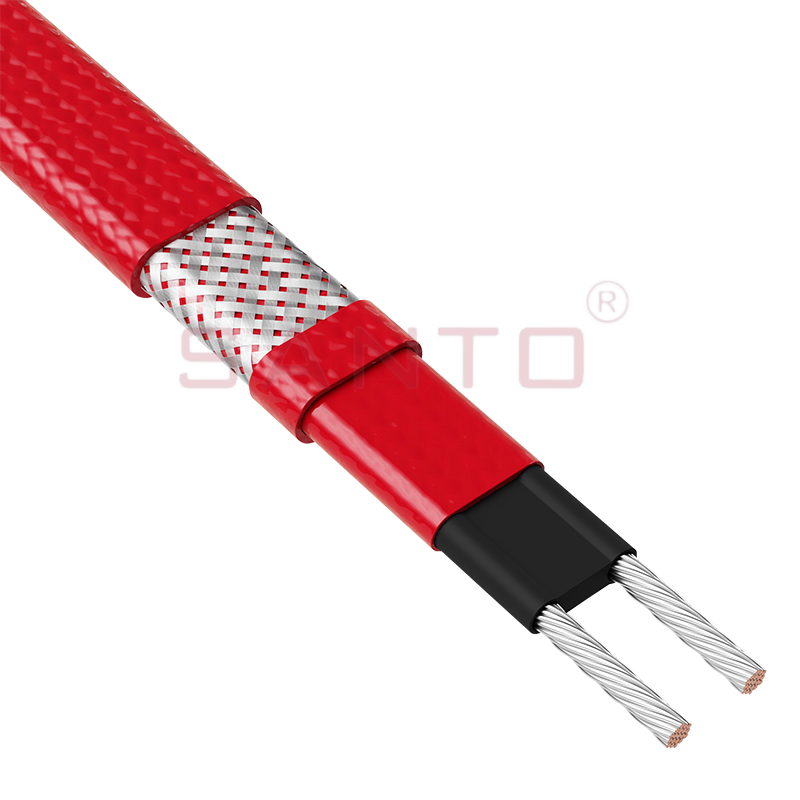
The SANTO UFC range of self-regulating heating cables is used for frost protection of pipes and vessels that require steam cleaning. They can also be used to maintain processes up to 121°C. These heat...
See Details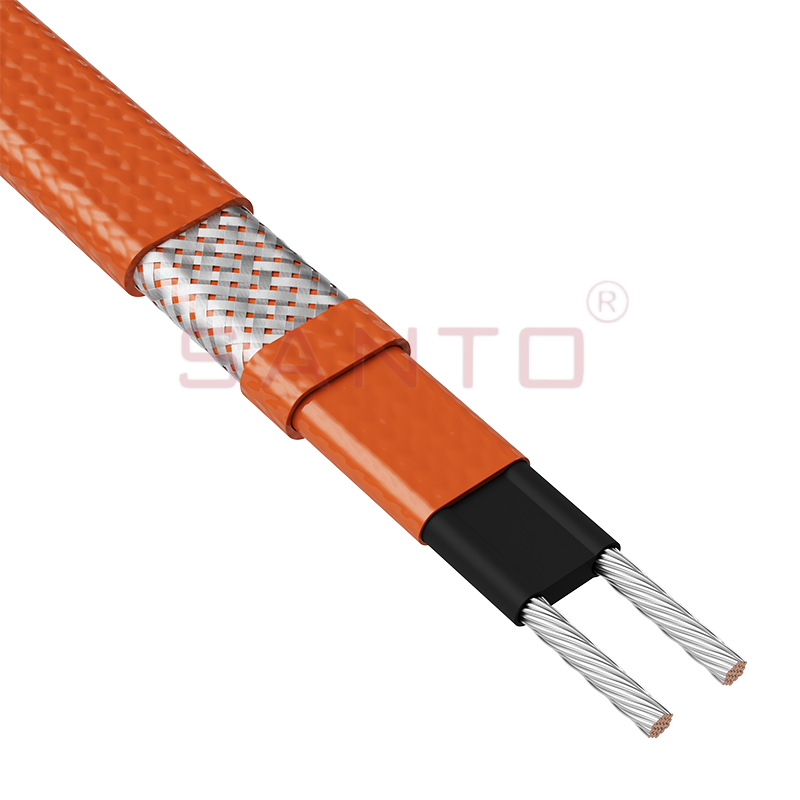
The SANTO UFO range of self-regulating heating cables is mainly used for frost protection of pipes and vessels that require steam cleaning . They can also be used to maintain processes up to 150°C. Th...
See Details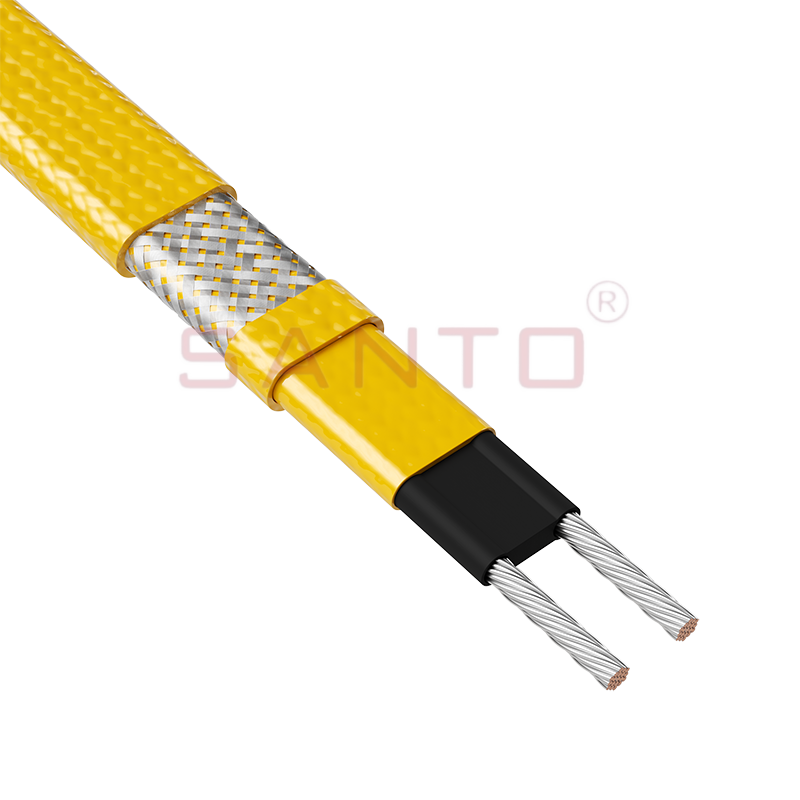
The SANTO UFD series of self-regulating heating cables are mainly used for freeze protection of pipes and vessels, but can also be used to maintain processes up to 200°C. These heating cables are avai...
See Details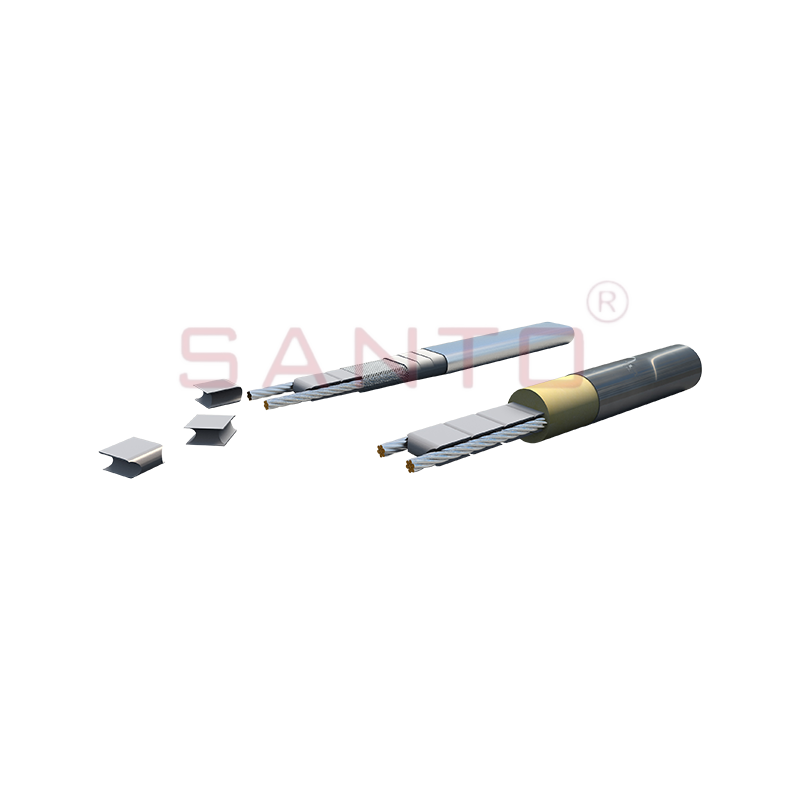
SANTO UFY heating wire is suitable for applications that maintain process temperatures up to 260 ℃ and can be steam blown; The self-regulating and parallel circuit heating wires of the UFY series are ...
See Details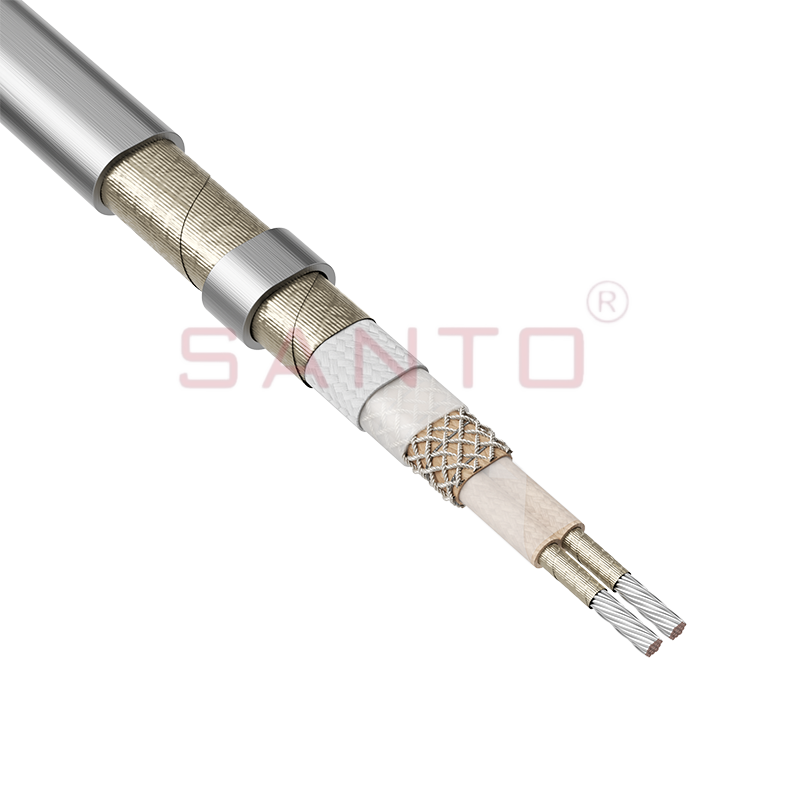
The SANTO UFM series self-regulating heating cables are mainly used for freeze protection of pipes and vessels, but can also be used to maintain processes up to 400°C. These heating cables are availab...
See Details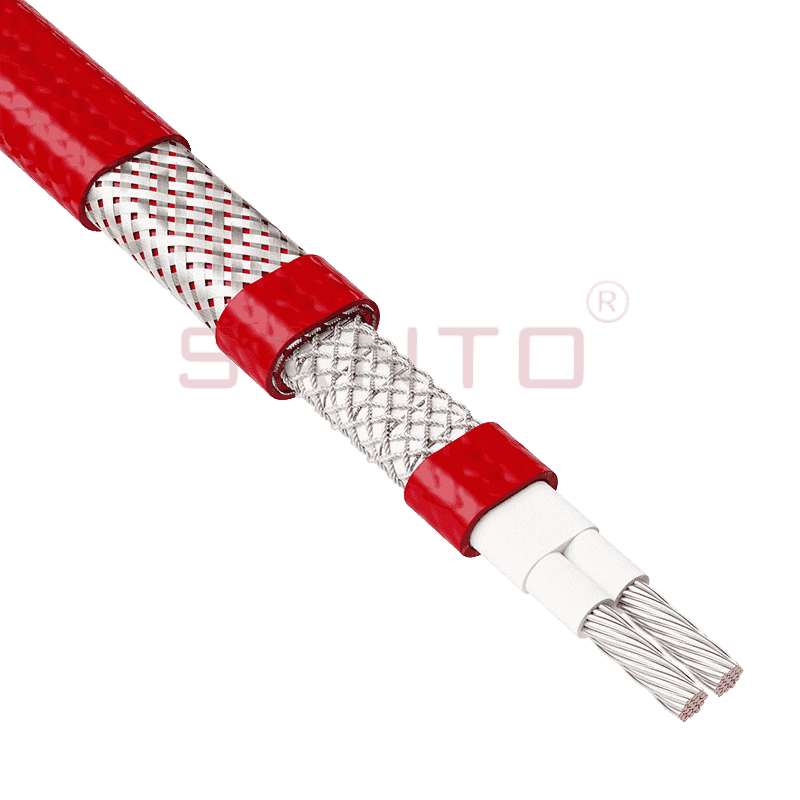
The SANTO ACC range of power-limiting heating cables is mainly used for temperature maintenance of processes and offers the advantage of a high power output at high temperatures which can reduce the n...
See Details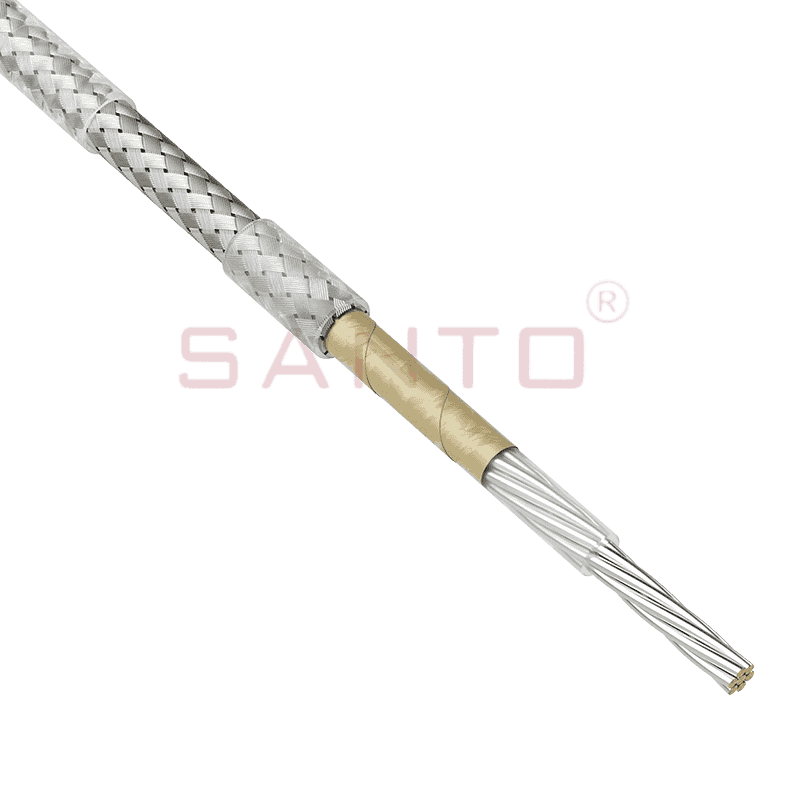
The stranded high temperature conductor is nickel plated to ensure a long life at elevated temperatures in corrosive environments. It is electrically isolated using an innovative sandwich construction...
See Details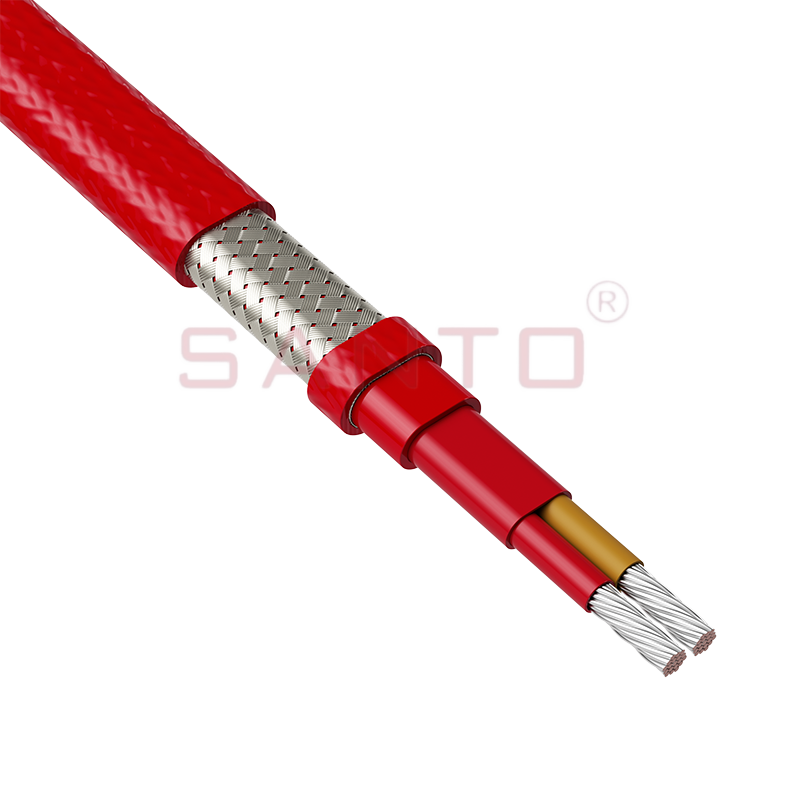
The stranded high temperature conductor is nickel plated to ensure a long life at elevated temperatures in corrosive environments. It is electrically isolated using an innovative sandwich construction...
See Details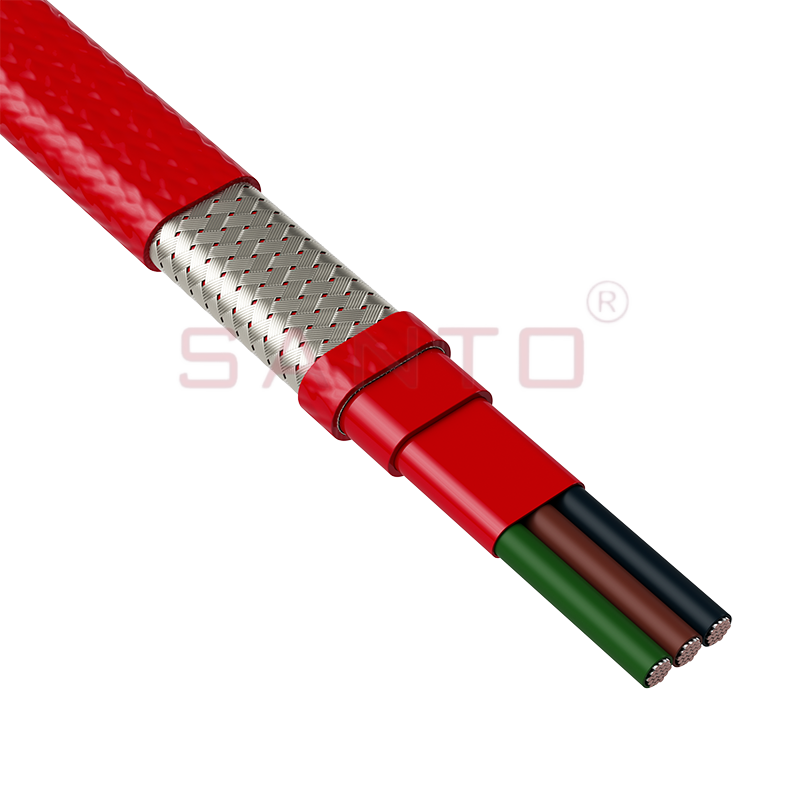
The stranded high temperature conductor is nickel plated to ensure a long life at elevated temperatures in corrosive environments. It is electrically isolated using an innovative sandwich construction...
See Details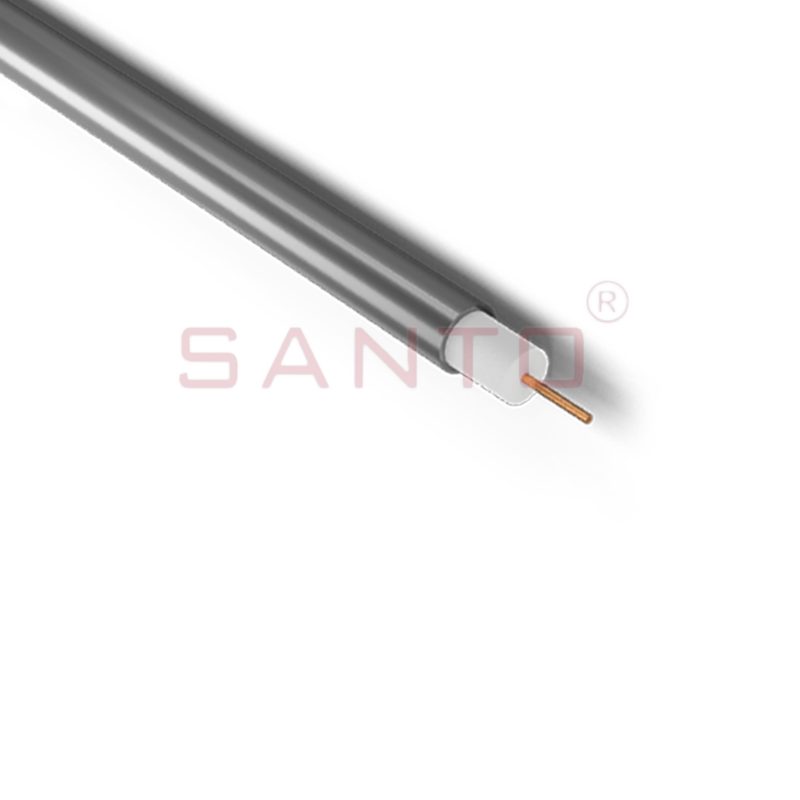
SANTO HAx mineral insulated (MI) Alloy 825 series heating cables are suitable for use in hazardous areas. They have been designed for use in freeze protection and temperature maintenance applications ...
See Details
Santo electric heating strips are widely used in key industries in China.

