 English
  English
 русский
 日本語
日本語 Español
 中文简体
中文简体
The SANTO UFA range of self-regulating heating cables is mainly used for frost protection of pipes and vessels but can also be used to maintain processes up to 65°C. These heating cables are available...
See Details
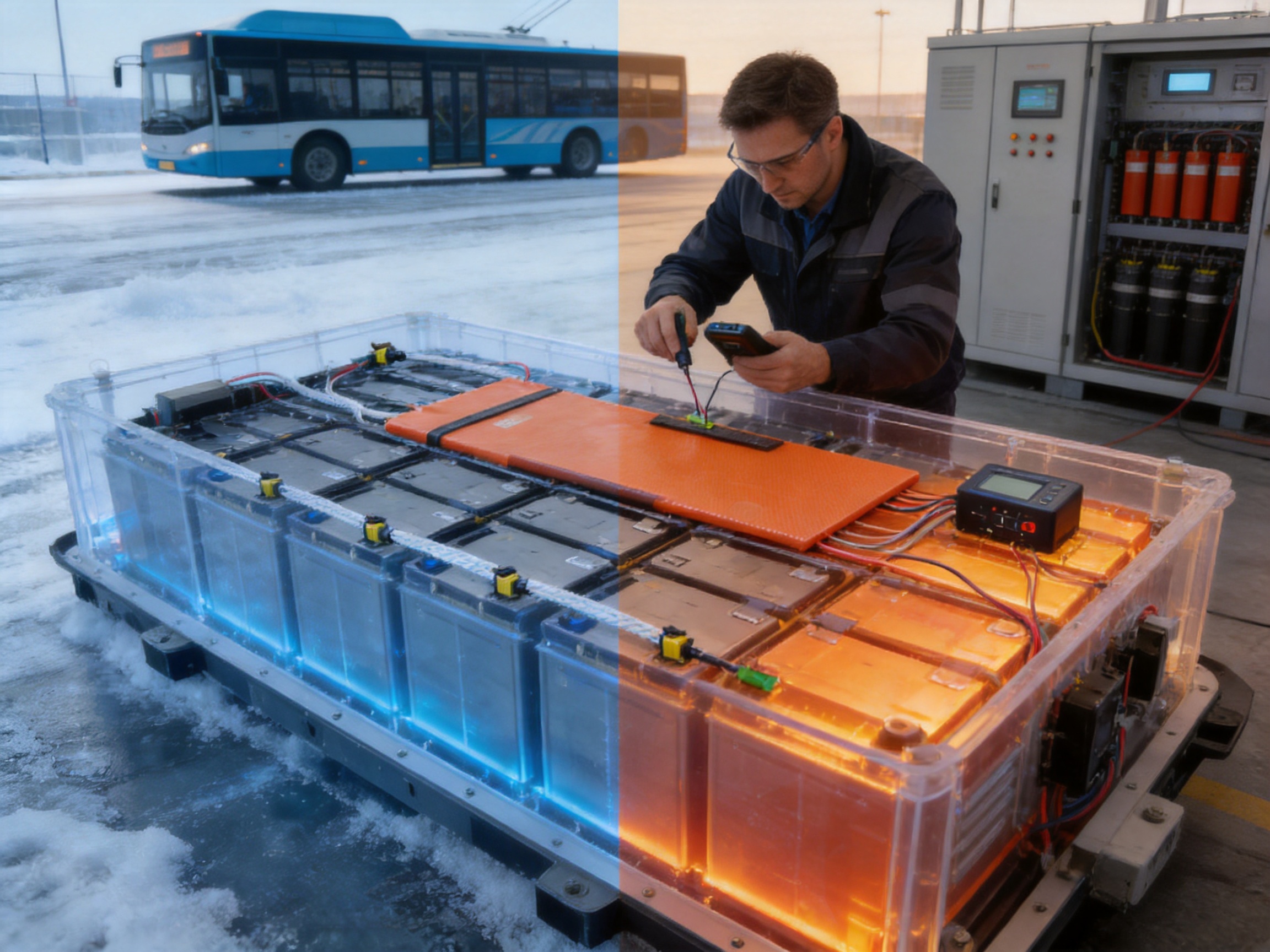
Battery performance is strongly influenced by temperature. In cold environments, the chemical reactions inside a power battery slow down, internal resistance rises, charging becomes less efficient, and available driving range may decrease. For electric vehicles, hybrid vehicles, commercial electric transport, mobile energy equipment, and other battery-powered systems, a carefully designed heating solution can help maintain a more suitable operating temperature and improve system reliability.
A silicone rubber car battery heater is a flexible electric heating component developed to provide controlled heat to a power battery or its surrounding battery enclosure. It can be manufactured in customized shapes, sizes, power ratings, materials, and configurations to match the battery pack design. Unlike rigid heating components, a silicone rubber heater can conform closely to curved, irregular, or compact surfaces, supporting efficient heat transfer while making better use of limited installation space.
Santo Thermal Control Technology Co., Ltd. develops and manufactures silicone rubber heating products and other electric heating systems for industrial and transportation applications. Its battery heater solutions are designed for customers requiring customized thermal management, stable electrical insulation, flexible installation, and dependable performance in demanding environments.
Content
Power batteries operate within a preferred temperature range. When the temperature is too low, battery materials and electrolyte systems do not perform at their best. The effects may include reduced discharge power, slower charging, greater voltage fluctuation, lower regenerative braking capability, and temporary loss of available capacity. In some battery chemistries, charging at very low temperatures can increase the risk of lithium plating, which may affect service life and safety if not properly controlled.
Low temperature also affects the complete vehicle rather than only the battery cells. A cold battery may limit acceleration power and charging current. The vehicle control system may reduce available output to protect the cells. Cabin heating can place additional demand on the electrical system, while a battery with increased internal resistance may deliver less usable energy. These combined effects can be particularly noticeable in winter climates, at high altitudes, during outdoor parking, and in fleet applications involving repeated cold starts.
A battery heater provides a practical method of supporting thermal conditioning before or during operation. The heater transfers heat to the battery pack, battery tray, module enclosure, or another designated thermal interface. With a suitable sensor and temperature controller, the heating system can operate automatically and help prevent unnecessary energy consumption. The result is a more predictable battery response during charging, starting, and driving.
Heating does not replace the battery management system or the vehicle’s complete thermal management architecture. Instead, it functions as a coordinated component within that architecture. The heater can be designed to work with existing controllers, sensors, insulation layers, heat-spreading plates, and vehicle power systems.
The silicone rubber car battery heater is a thin, flexible electric heater intended for power battery thermal conditioning. It uses a silicone rubber construction that can be engineered around the mechanical and thermal requirements of an individual battery pack. The product may be bonded to a surface, clamped between structural components, installed under a battery enclosure, or integrated with an aluminum heat-spreading plate.
According to the available product specifications, the heater can be manufactured with a thickness of at least 1.0 millimeter. Its heating temperature can be designed for applications up to 200 degrees Celsius, while the power density can be configured up to 3 watts per square centimeter, subject to the actual design and application conditions. The stated insulation resistance is at least 100 megohms when tested at 1000 volts.
These figures describe design capabilities rather than a single fixed model. Actual operating temperature, wattage, dimensions, voltage, resistance, and control method should be confirmed for each battery application. A battery heater must be selected according to cell chemistry, enclosure material, permitted surface temperature, required warm-up time, available electrical supply, and the vehicle’s control strategy.
Optional accessories may include power wires, adhesive layers, aluminum plates, thermally conductive materials, insulating materials, temperature controllers, and temperature sensors. This accessory flexibility allows the heater to be supplied as a more complete thermal assembly instead of a basic heating element alone.
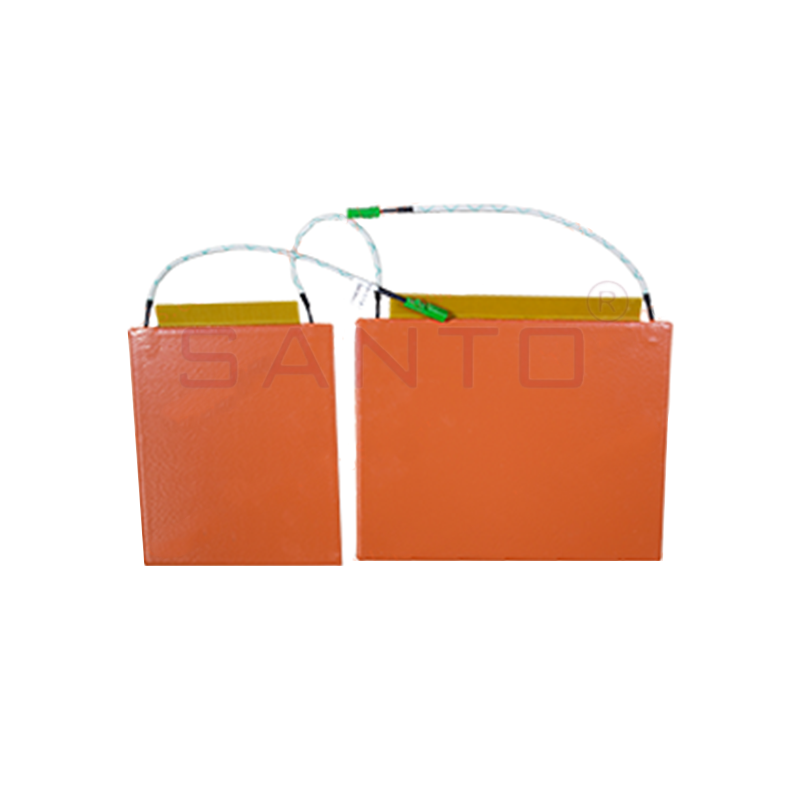
Silicone rubber car battery heater
A silicone rubber heater generally consists of a resistance heating circuit embedded or laminated between electrically insulating silicone rubber layers. The heating circuit converts electrical energy into heat. The silicone body protects the heating element, provides electrical insulation, and gives the component flexibility. Depending on the required design, the heater may include lead wires, terminals, a sensor pocket, a reinforced edge, mounting holes, an adhesive backing, or a metal heat-spreading layer.
Silicone rubber is suitable for heating applications because it combines flexibility, electrical insulation, and resistance to many environmental stresses. A flexible heater can follow the contour of a battery enclosure more closely than a rigid metal heater. This can reduce air gaps and improve contact between the heater and the target surface.
The silicone body also supports thin-profile designs. A thinner heater can be valuable where the battery pack has limited clearance or where additional thickness would interfere with protective covers, brackets, cooling channels, or service access. The stated minimum thickness capability of 1.0 millimeter provides a basis for compact installation, although the final thickness depends on insulation requirements, mechanical protection, voltage, heating pattern, and production tolerances.
The resistance circuit can be designed according to the shape and thermal requirements of the battery. Instead of concentrating heat in a small area, the circuit can be distributed over the active heating surface. A carefully calculated circuit helps reduce cold spots and excessive local temperature. The designer can also create multiple heating zones when different areas of the battery require different thermal outputs.
Heating circuit geometry is important for both performance and durability. Bend radii, conductor spacing, lead exit locations, edge distances, and transitions between active and inactive areas must be considered during design. A well-engineered layout helps maintain consistent resistance and reduces mechanical stress during assembly or use.
For some battery packs, a silicone heater alone may not provide the desired heat distribution. An aluminum plate or thermally conductive layer can spread heat across a larger surface. This may be useful for a battery enclosure with localized contact points or for a pack requiring a more uniform thermal profile.
Additional insulation can direct heat toward the battery and reduce heat loss to the surrounding structure. The insulation material, thickness, and location should be selected with regard to temperature, compression, vibration, fire safety, and available space. A thermal design may therefore include a heating layer, a conductive layer, an insulation layer, and an external protective layer.
Power wires and terminals must be selected for the heater’s current, voltage, temperature, vibration, and installation environment. The wire exit should be positioned to avoid sharp bends, pinch points, high-voltage components, and moving parts. Strain relief may be added to prevent repeated movement from transferring stress to the heating circuit.
A temperature sensor can be embedded into, attached to, or positioned near the heater. The sensor provides feedback to a controller or battery management system. This supports automatic switching, staged heating, temperature limiting, and fault detection. Sensor placement is important because the measured temperature should represent the relevant battery surface or thermal zone rather than an isolated location that may heat faster or slower than the rest of the pack.
One of the principal advantages of a silicone rubber battery heater is its ability to conform to non-flat surfaces. Many battery enclosures contain steps, corners, channels, ribs, and curved sections. Rigid heating plates may require additional brackets or leave gaps between the heater and the enclosure. A flexible heater can be shaped to match the available installation area, reducing the need for complex mechanical adaptation.
This adaptability can simplify system design and help customers use the same basic heating technology across multiple battery pack sizes. The outline can be customized to match a module, a tray, a side wall, a bottom plate, or another designated surface.
Vehicle battery packs are designed around strict space and weight constraints. A low-profile heater is easier to integrate into a compact pack than a bulky air heater or a large rigid heating assembly. It can be placed close to the battery surface without taking up substantial volume.
Direct surface heating can also reduce the thermal distance between the heat source and the battery. Compared with heating the entire air volume inside an enclosure, a surface heater can transfer energy more directly to the target area. This may support faster thermal response and reduce unnecessary heating of surrounding structures.
Different battery packs require different heating outputs. A small auxiliary battery, a passenger vehicle battery pack, and a heavy-duty commercial vehicle system do not have the same thermal mass or warm-up requirements. The heater can be customized in length, width, resistance, voltage, wattage, active area, and circuit arrangement.
Power density can also be selected according to the required heating rate and permissible surface temperature. The available specification of up to 3 watts per square centimeter provides design flexibility, but the appropriate value must be established through thermal analysis and testing. A high power density is not automatically better; it must be balanced with heat spreading, control accuracy, battery material limitations, and contact conditions.
Electrical insulation is essential in a high-voltage battery environment. The product specification states insulation resistance of at least 100 megohms at 1000 volts. This provides a stated electrical performance benchmark for the heater design. The complete battery assembly must still be evaluated as a system, including the heater, wires, connectors, enclosure, grounding arrangement, moisture protection, and high-voltage isolation strategy.
Silicone rubber insulation can help separate the resistance circuit from the battery housing and other conductive components. Appropriate material selection, lamination, curing, edge sealing, and electrical testing are necessary to maintain insulation performance throughout production and service.
The heater can be supplied with an adhesive layer, aluminum plate, thermal interface material, or insulation material. These options provide different methods of attaching and integrating the product. An adhesive-backed heater may be suitable for a smooth, clean surface. A plate-mounted assembly may be preferable where mechanical protection and improved heat distribution are required.
Installation options also support easier maintenance and platform development. Engineers can select the combination that best fits the enclosure, manufacturing sequence, service requirements, and expected vibration conditions.
The heater can be designed for heating temperatures up to 200 degrees Celsius, according to the supplied product information. This does not mean that a battery should be exposed to that temperature. Battery applications normally require substantially lower controlled temperatures, and the permitted temperature must be determined by the battery manufacturer and vehicle system designer.
The higher material capability can provide design margin for certain industrial heating environments, localized thermal interfaces, or non-battery applications. For a vehicle battery, the controller, sensor, heat-spreading structure, and safety limits should determine the actual working temperature.
The quality of a silicone rubber heater depends not only on the raw materials but also on circuit design, material preparation, lamination, curing, dimensional control, electrical testing, and final inspection. Santo Thermal Control Technology Co., Ltd. combines product research, design, production, manufacturing, and sales. This integrated structure can shorten communication between the customer’s engineering team and the factory’s production team.
The company reports more than 35 years of industry experience and began its electric heating business in 2000. Long-term experience is valuable because heating products involve the interaction of electricity, heat, insulation, materials, and installation conditions. Small design details can significantly affect service life, including conductor spacing, lead construction, edge sealing, bending limitations, and thermal expansion.
Experience across different electric heating products also supports broader engineering knowledge. The company manufactures or develops self-limiting heating belts, constant-power heating belts, silicone rubber electric heating strips, glass fiber heating products, heating wires, mineral-insulated cables, snow-melting cables, liquid crystal tracked heaters, and related accessories. This product range provides an engineering foundation for selecting the most suitable heating approach for a specific application.
The company describes itself as a high-tech enterprise in Jiangsu Province and reports cooperation in product research with Harvard University in the United States. It has also developed products involving self-limiting temperature technology, nano far-infrared heating, and carbon fiber parallel heating cable technology. These activities indicate a focus on continued research rather than relying only on standard catalog products.
For battery heater customers, research capability is especially important because vehicle platforms often require customized dimensions and thermal behavior. A supplier must be able to interpret battery drawings, heating targets, controller requirements, and installation restrictions, then convert them into a manufacturable design.
Silicone rubber heating products require consistent material preparation and bonding. The heating circuit must be positioned accurately between insulating layers, and the layers must be joined without voids, contamination, wrinkles, or unintended displacement. Production controls may include material inspection, circuit resistance checks, dimensional verification, lamination pressure control, curing control, and visual inspection.
Accurate lamination is important for thermal consistency and insulation reliability. If the heating element is too close to an edge, if the insulation layer is uneven, or if air pockets remain around the circuit, the product may not perform as intended. Process discipline helps ensure that each heater follows the approved drawing and electrical specification.
The company established an irradiation center in 2013. Irradiation resources can be relevant to the processing or treatment of certain cable and polymer-related products, depending on the product structure and approved manufacturing method. For customers, the practical value is the availability of specialized production infrastructure within the broader electric heating business.
Any irradiation treatment used for a specific battery heater must be defined in the technical documentation and validated for the selected silicone, insulation, wire, adhesive, and accessory materials. Material compatibility and performance after treatment should be confirmed through testing rather than assumed solely from the existence of the process.
The company reports ISO 9001 quality system certification and national CCC certification for its products. A quality management system supports documented procedures, corrective actions, supplier management, production records, inspection routines, and continual improvement. Certification does not eliminate the need for application-specific validation, but it provides a structured foundation for consistent manufacturing.
Battery heater projects may also require customer-specific standards, automotive quality requirements, environmental tests, high-voltage isolation checks, vibration testing, thermal cycling, moisture resistance, and flammability evaluation. These requirements should be agreed upon before production. A professional supplier should be able to discuss test plans, sample approval, production records, and change-control procedures.
The company reports annual output exceeding 10,000 units, more than 2,000 distributors, and business coverage in more than 85 areas. These figures suggest experience in serving a broad customer base and supporting different markets. For an electric vehicle component project, supply capability is important because the customer may require prototype samples, pilot batches, repeat production, replacement units, and engineering changes over time.
A supplier with a wider product platform can also provide related components such as temperature controllers, sensors, wires, insulation materials, heat-conductive materials, and other heating products. This can reduce the number of separate vendors involved in a thermal management project.

A custom silicone rubber battery heater should be developed through a defined engineering process. The first stage is collecting the application data. Important information includes the battery chemistry, module or pack dimensions, installation surface, available voltage, target heating time, ambient temperature range, maximum permitted battery temperature, heat-loss conditions, mounting method, and expected vibration or moisture exposure.
The customer should identify what the heater must achieve. The objective may be to raise the battery from a low storage temperature to a charging-ready temperature, maintain a minimum temperature during outdoor operation, reduce cold-start limitations, or protect a battery enclosure from freezing conditions.
The required heating time and temperature rise determine much of the heater’s power requirement. The calculation should consider battery mass, enclosure mass, heat capacity, insulation, heat loss, contact resistance, ambient airflow, and the efficiency of the thermal path. A heater that is oversized may consume unnecessary energy or create local hot spots, while an undersized heater may not meet the warm-up target.
Drawings or three-dimensional models should identify the active heating area, inactive areas, holes, cutouts, folds, corners, wire exits, fasteners, and restricted zones. The heater should not interfere with cell vents, pressure-relief devices, cooling channels, busbars, high-voltage connectors, or service covers.
The silicone rubber heater may be designed as a rectangle, strip, ring, irregular panel, multi-zone mat, or another custom shape. The final outline should include appropriate edge margins and bending limitations. If an adhesive layer is required, the surface condition and cleaning method should be specified to ensure reliable attachment.
Voltage, power, current, and resistance must be coordinated with the available vehicle or battery electrical system. The designer can calculate the nominal resistance using the relationship between voltage and power. Current capacity, wire gauge, terminal design, connector rating, fuse protection, and controller output must then be checked.
For a high-voltage battery system, isolation requirements are especially important. The heater should be designed so that its conductive circuit is adequately insulated from the battery enclosure and other accessible conductive parts. Electrical resistance, dielectric strength, leakage current, and grounding conditions should be documented according to the project’s safety requirements.
An aluminum plate can be added where greater heat distribution or mechanical rigidity is required. A thermal interface material may improve contact between the heater and the battery tray. An insulation layer can reduce heat loss and protect adjacent components. A temperature controller can provide automatic regulation, while a sensor can measure the battery or heater temperature.
The selection of accessories should be made as a complete system. A highly conductive interface may spread heat effectively but could increase mechanical complexity. A thick insulation layer may improve efficiency but reduce flexibility. An adhesive may simplify assembly but require careful consideration of surface preparation, aging, and removability.
Prototype heaters should be tested on representative battery hardware. Testing should examine warm-up time, surface temperature distribution, power consumption, sensor response, insulation resistance, adhesion, dimensional stability, and interaction with the battery enclosure.
Environmental validation may include thermal cycling, low-temperature startup, high-temperature exposure, humidity, water or spray exposure, vibration, shock, compression, bending, and repeated operating cycles. The exact test program should be based on the vehicle environment and customer standards.
Thermal imaging, embedded thermocouples, resistance monitoring, and data logging can help identify hot spots or uneven heat transfer. Testing should be performed with the intended controller and installation method, because a heater’s performance can change significantly when it is mounted differently from the laboratory setup.
A battery heater should operate as part of a coordinated thermal management strategy. The battery management system can authorize heating when the battery temperature is below a defined threshold and stop or reduce heating when the target temperature is reached. The system may also prevent heating when the state of charge is too low or when an electrical fault is detected.
Temperature control can be simple on-off regulation, staged power control, pulse-width modulation, or a more advanced closed-loop strategy. The best method depends on the heater design, sensor accuracy, controller capability, and thermal mass of the battery pack. Hysteresis may be used to prevent rapid switching around a temperature threshold.
Sensor placement should be reviewed carefully. If the sensor is mounted directly on the heater, it may register the heater temperature before the battery has warmed sufficiently. If it is placed too far from the heater, the controller may respond slowly. A battery pack may need several sensors to monitor different modules or thermal zones.
Thermal insulation can improve efficiency by directing heat toward the battery. However, insulation must not trap heat in a way that causes excessive temperatures during operation. The same battery enclosure may experience both cold-weather heating and high-temperature driving, so the complete thermal design must support both conditions.
Although the product is described as a silicone rubber car battery heater, the same design principles can support many new energy applications. Electric buses, delivery vans, warehouse vehicles, electric motorcycles, utility vehicles, recreational vehicles, and off-road equipment may all require battery heating in cold conditions.
Stationary energy storage systems may use flexible heaters to protect batteries in outdoor cabinets, telecommunications enclosures, remote monitoring stations, and renewable energy installations. In these systems, the heater may be used to maintain a minimum temperature before charging or to protect sensitive components from condensation and freezing.
Industrial battery systems for mining, logistics, marine equipment, and emergency power may also benefit from customized heating. These applications can involve severe vibration, dust, moisture, and large temperature changes. Heater construction, wiring, enclosure protection, and controller selection should be adapted to the specific operating environment.
The technology may additionally be adapted for battery trays, control boxes, fluid lines, instrument panels, and other equipment requiring flexible surface heating. The product category includes silicone rubber heating systems and related accessories, allowing the manufacturer to support both vehicle and industrial thermal control projects.

Battery heating systems must be designed with safety as a primary objective. The heater should not create uncontrolled hot spots, damage cell packaging, interfere with pressure-relief mechanisms, or compromise high-voltage isolation. The target temperature should be established with reference to the battery manufacturer’s requirements.
The maximum material heating capability of 200 degrees Celsius should not be interpreted as a recommended battery operating temperature. Battery cells, adhesives, plastics, seals, and electronic components may have lower allowable temperatures. A controller, sensor, thermal fuse, or independent over-temperature protection device may be required.
The heater circuit should include appropriate fusing or current protection. Wiring must be protected against abrasion, compression, sharp edges, and excessive bending. Connectors should be properly rated for the voltage, current, temperature, and environmental exposure. The complete assembly should be tested for insulation resistance and dielectric withstand according to the applicable project standards.
The heater should be installed without creases, punctures, excessive stretching, or sharp folds. If the battery enclosure is exposed to vibration, the heater and wires should be secured to prevent movement. An aluminum plate or protective layer may be beneficial where the heater could otherwise be damaged by fasteners, tools, debris, or repeated service operations.
Water, electrolyte contamination, road salt, dust, and cleaning chemicals may affect insulation and adhesive performance. The heater’s sealing method and the enclosure’s protection level must be considered together. Tests should simulate the actual environment rather than relying only on a dry laboratory inspection.
Any change to silicone material, resistance wire, adhesive, lead wire, sensor, dimensions, or manufacturing process can affect performance. Approved drawings and material specifications should be maintained. Changes should be evaluated through documented testing before being introduced into production.
A standard heating pad may be adequate for simple applications, but an electric vehicle battery pack frequently requires a customized solution. The battery may have unusual contours, restricted mounting areas, multiple thermal zones, special voltage requirements, or strict connector and sensor specifications. A manufacturer capable of custom production can address these conditions more effectively than a supplier offering only fixed-size products.
Santo Thermal Control Technology Co., Ltd. states that it can customize heater products according to different materials, sizes, shapes, powers, and performance requirements. This is important for original equipment manufacturers, battery integrators, engineering companies, and fleet operators developing products for specific climates or vehicle platforms.
Customization can also improve the overall system rather than simply changing the heater outline. The supplier can help evaluate power density, insulation thickness, wire routing, adhesive selection, heat spreading, temperature sensing, and controller compatibility. Early technical cooperation can reduce redesign, installation problems, and delays during sample approval.
A reliable production workflow normally begins with technical review. Customer drawings, specifications, and application conditions are examined to identify potential issues before tooling or mass production. The heater layout is then developed and reviewed for electrical resistance, heating distribution, mechanical fit, and accessory placement.
During production, materials should be identified and controlled according to approved specifications. The resistance circuit should be checked before encapsulation or lamination. After assembly, the heater should undergo dimensional inspection, resistance testing, insulation testing, visual inspection, and any additional tests specified by the customer.
Process records can help trace the product from raw materials through final inspection. If a problem occurs in the field, traceability supports investigation and corrective action. A quality management system such as ISO 9001 encourages this type of documented control.
For prototype and small-batch projects, engineering flexibility is important. For larger orders, repeatability and capacity become more important. A supplier should be able to manage both stages, maintaining the approved design while responding to reasonable engineering changes.
| Heating method | Typical strengths | Potential limitations | Suitability for battery packs |
|---|---|---|---|
| Silicone rubber surface heater | Flexible, thin, customizable, direct surface heating, optional sensors and insulation | Requires careful mounting and temperature control | Highly suitable for customized battery trays and enclosures |
| Rigid metal heating plate | Strong structure and broad heat-spreading capability | Heavier, less adaptable to irregular shapes, may require brackets | Suitable for flat surfaces and mechanically protected installations |
| Air heater | Can heat an enclosure without direct surface contact | May require fans, ducts, space, and additional energy to heat air and structure | Suitable where airflow is already part of the thermal system |
| Coolant heater | Can integrate with liquid thermal management circuits | Requires pumps, hoses, coolant, fittings, and leak control | Suitable for battery systems with established liquid cooling loops |
| Self-regulating heater | Can reduce output as temperature rises in certain designs | Power-temperature behavior may be less customizable | Useful where passive temperature compensation is preferred |
The comparison does not mean that one technology is universally superior. The correct choice depends on the battery architecture and vehicle thermal management design. The silicone rubber surface heater is particularly attractive when the customer needs a low-profile, flexible, direct-contact, and highly customized heat source.
Before installation, the mounting surface should be clean, dry, smooth, and free from oil, dust, burrs, and loose coatings. The heater should be checked against the approved drawing to confirm its dimensions, wire exit location, and accessory configuration.
If an adhesive layer is supplied, the release liner should be removed only immediately before bonding. The heater should be positioned carefully because repositioning may reduce adhesive strength or create wrinkles. Firm, even pressure should be applied according to the adhesive supplier’s instructions.
If the heater is installed with a plate, clamp, or mechanical fastener, the mounting method should distribute pressure evenly. Excessive point loading may damage the silicone body or heating circuit. The design should also allow for thermal expansion and should not force the heater into a bend smaller than its approved minimum radius.
Wires should be routed away from high-temperature surfaces, sharp edges, moving mechanisms, and high-voltage conductors unless the insulation and separation requirements have been verified. Strain relief should be provided near the wire exit. The connector should be secured so that vibration does not pull on the heater.
After installation, electrical tests and a controlled heating test should be performed. The technician should verify resistance, insulation, sensor response, current consumption, warm-up behavior, and temperature distribution. The battery system should not be placed into normal service until the complete installation has passed the customer’s safety and functional checks.
Heating a battery consumes energy, so the control strategy should be designed to provide only the required thermal support. Preheating while the vehicle is connected to an external power source can reduce the effect on driving range. Scheduled charging and departure-time control can allow the battery to reach a suitable temperature before use.
Insulation and good thermal contact can improve efficiency. If the heater is separated from the battery by a large air gap, more energy may be lost to the enclosure. If the heater is placed outside a well-insulated battery tray, the surrounding structure may absorb heat before the cells receive it. Thermal modeling and testing can identify the most effective location.
Heating control should also account for ambient temperature, battery state of charge, charging status, vehicle operation, and cell temperature. The system may use different heating limits during charging and driving. A controller can reduce output as the target temperature is approached, helping avoid overshoot and unnecessary energy use.
For a custom heater project, technical communication is as important as factory equipment. The customer should provide drawings, application conditions, target specifications, and test requirements. The manufacturer should respond with a proposed design, a technical data sheet, a sample plan, and information about available accessories.
Santo provides multiple contact channels for product consultation and custom heating projects. Customers can request discussions about dimensions, power, wires, adhesive layers, aluminum plates, thermal materials, insulation, controllers, sensors, and other requirements. The final commercial and technical details should be confirmed directly with the manufacturer before ordering.
A successful project normally includes sample approval, installation verification, performance testing, production confirmation, packaging requirements, and after-sales support. Long-term cooperation is easier when both parties establish clear responsibility for design changes, testing, field feedback, and replacement procedures.
It is a flexible electric heating component designed to warm a vehicle power battery or its enclosure. A resistance heating circuit is integrated into a silicone rubber body, allowing the heater to be shaped for a particular battery pack and installed directly on a designated surface.
Low temperatures can increase internal resistance, reduce available power, slow charging, and limit regenerative braking. Controlled heating helps the battery approach a more suitable operating temperature and can improve the consistency of vehicle performance.
Yes. The product can be customized in different sizes, shapes, powers, materials, and performance configurations. The customer should provide accurate drawings and identify areas that must remain free for connectors, cooling channels, fasteners, vents, or service access.
The supplied specification indicates a heating temperature of up to 200 degrees Celsius. This is a product design capability, not a recommended battery temperature. The actual operating limit must be set according to the battery cells, enclosure materials, controller, sensor, and vehicle safety requirements.
The supplied specification lists a power density of up to 3 watts per square centimeter. The correct power density for a battery pack must be calculated and validated. Higher power density may shorten warm-up time, but it also requires careful heat spreading and temperature control.
The stated insulation resistance is at least 100 megohms when tested at 1000 volts. The complete installed system should undergo the customer’s required insulation and dielectric tests, including the heater, wires, connectors, enclosure, and related components.
Yes. A temperature sensor is listed as an optional accessory. Its location and type should be selected according to the battery thermal design. The sensor can provide feedback for an external controller or the vehicle’s battery management system.
Yes. An adhesive layer can be supplied as an optional accessory. Adhesive selection depends on the mounting surface, temperature range, vibration, moisture, service requirements, and expected product life. Surface preparation and installation pressure are important for reliable bonding.
An aluminum plate can improve heat distribution, add mechanical support, and create a more uniform thermal interface. It may be useful when the installation surface is uneven or when the battery design requires a rigid heat-spreading layer.
It may be suitable when designed and tested for the vehicle’s voltage and isolation requirements. High-voltage applications require appropriate insulation, wiring, connectors, protection, grounding, fusing, and system-level validation. The final design must be approved according to the vehicle’s applicable safety standards.
Yes. The same flexible heating technology may be adapted for battery cabinets, outdoor energy storage units, telecommunications backup systems, and other battery applications. The enclosure, controller, environmental protection, and mounting design should be adapted to the stationary installation.
Power should be determined from the required temperature rise and heating time, while considering battery mass, enclosure materials, insulation, heat loss, ambient airflow, contact quality, and efficiency. Thermal simulation followed by physical testing is recommended for accurate selection.
No. A flexible heater is a thermal component, not a replacement for a battery management system. The heater should operate under suitable control and protection logic, with temperature sensing and fault handling appropriate to the battery system.
Santo Thermal Control Technology Co., Ltd. reports ISO 9001 quality system certification and national CCC certification for its products. Customers should confirm which certifications apply to the specific heater model and identify any additional automotive or project-specific testing required.
The customer should provide the heater outline, active area, voltage, wattage, resistance, target temperature, ambient temperature, heating time, mounting method, wire length, connector type, sensor requirements, insulation requirements, quantity, and testing standards. Battery pack drawings and installation photographs can also improve quotation accuracy.
A silicone rubber car battery heater provides a flexible and customizable method of supporting battery performance in low-temperature environments. Its thin profile, conformable construction, adjustable power, optional thermal accessories, and stated high insulation resistance make it suitable for many battery pack designs. Direct surface heating can also offer an efficient alternative where a rigid plate, air heater, or coolant heater would require excessive space or additional system hardware.
The product’s effectiveness depends on more than the heating element itself. Correct power density, heat spreading, insulation, sensor placement, controller coordination, mounting, wiring, and validation are all essential. A reliable supplier must therefore combine material knowledge, electrical heating experience, customization capability, production control, and responsive technical service.
Santo Thermal Control Technology Co., Ltd. brings reported experience in electric heating product development, manufacturing, quality management, and international supply. Its silicone rubber heating systems can be customized with wires, adhesive layers, aluminum plates, thermal conductivity materials, insulation, controllers, and sensors. For electric vehicle manufacturers, battery integrators, and energy equipment developers, this combination of flexible product design and manufacturing support can help create a practical thermal solution tailored to the application.
1. Santo Thermal Control Technology Co., Ltd. Product information for silicone rubber car battery heaters, including thickness, heating temperature, power density, insulation resistance, and optional accessories.
2. Santo Thermal Control Technology Co., Ltd. Corporate information concerning electric heating product development, manufacturing capabilities, certifications, product categories, and company history.
3. General engineering principles for lithium-ion battery thermal management, low-temperature charging, battery internal resistance, and thermal conditioning.
4. General design practices for flexible silicone rubber electric heaters, resistance heating circuits, thermal interface materials, electrical insulation, and temperature control.
5. General quality and validation practices for customized electric heating components used in transportation and industrial environments.
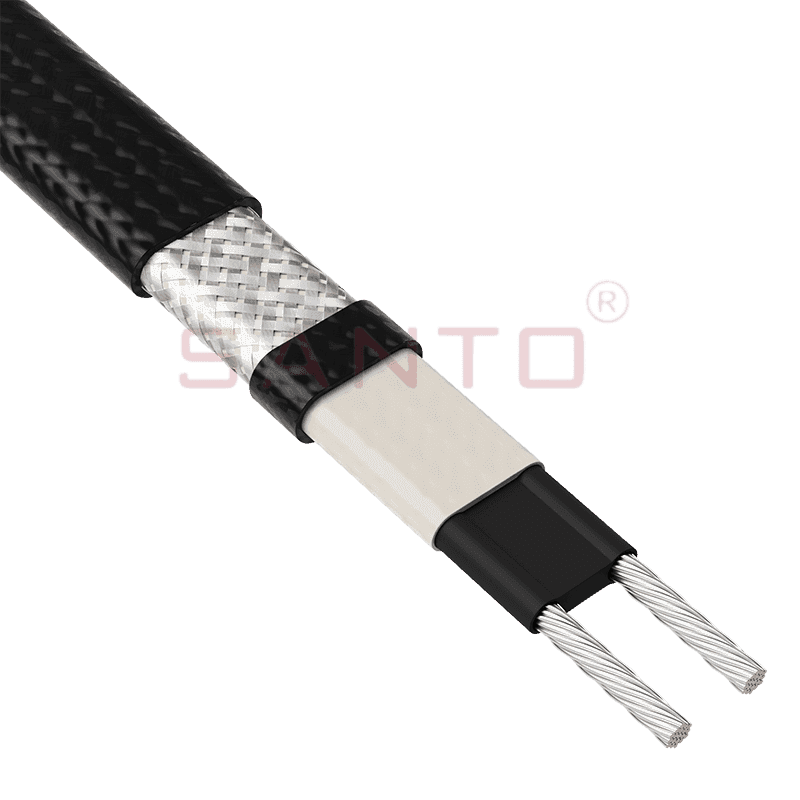
The SANTO UFA range of self-regulating heating cables is mainly used for frost protection of pipes and vessels but can also be used to maintain processes up to 65°C. These heating cables are available...
See Details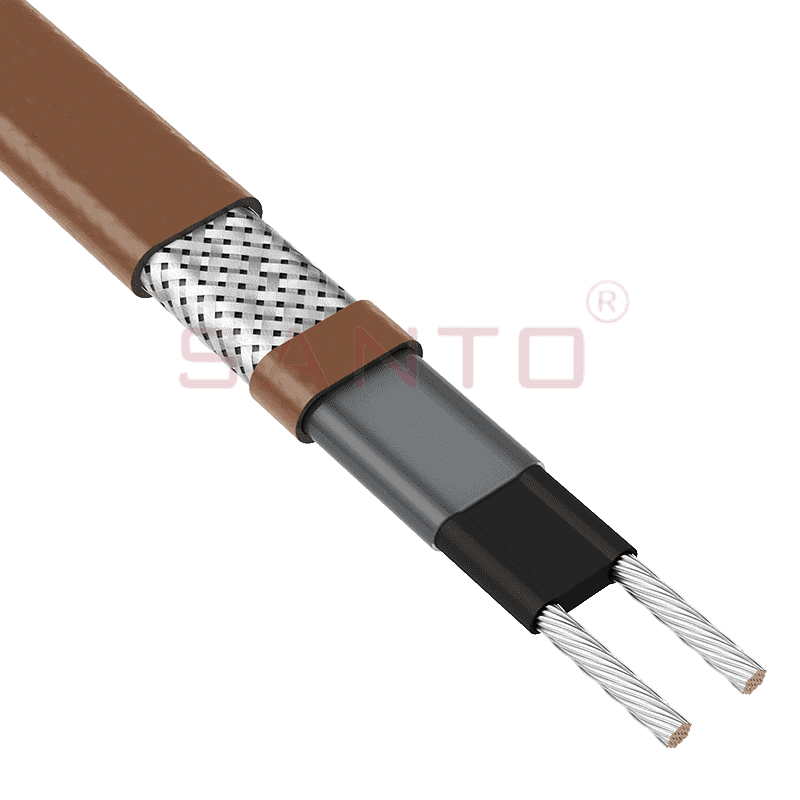
The SANTO UFB range of self-regulating heating cables is mainly used for frost protection of pipes and vessels requiring a higher power output than the UFA heating cables can supply. They can also be ...
See Details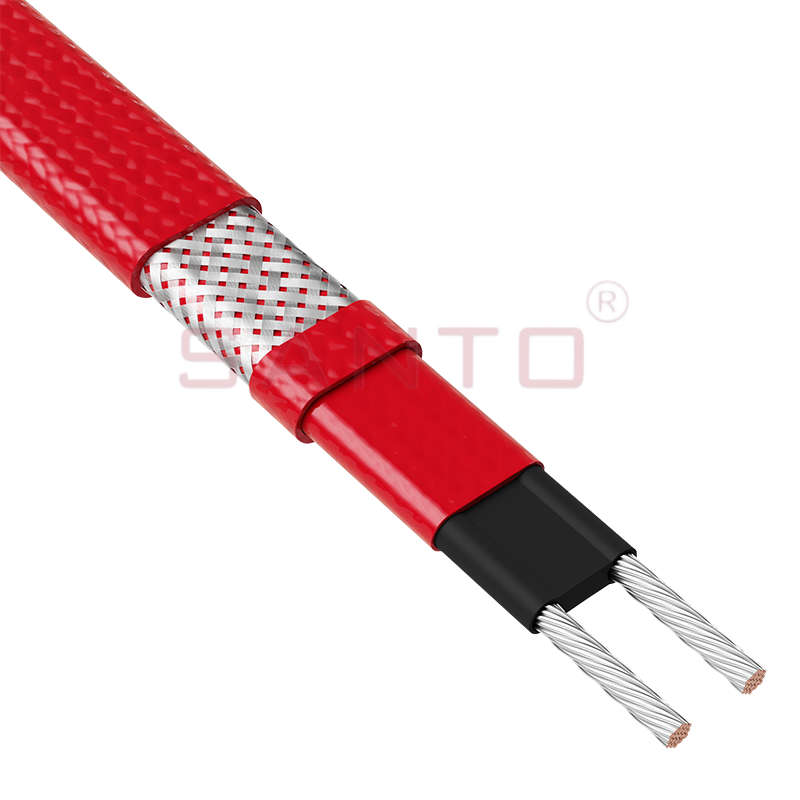
The SANTO UFC range of self-regulating heating cables is used for frost protection of pipes and vessels that require steam cleaning. They can also be used to maintain processes up to 121°C. These heat...
See Details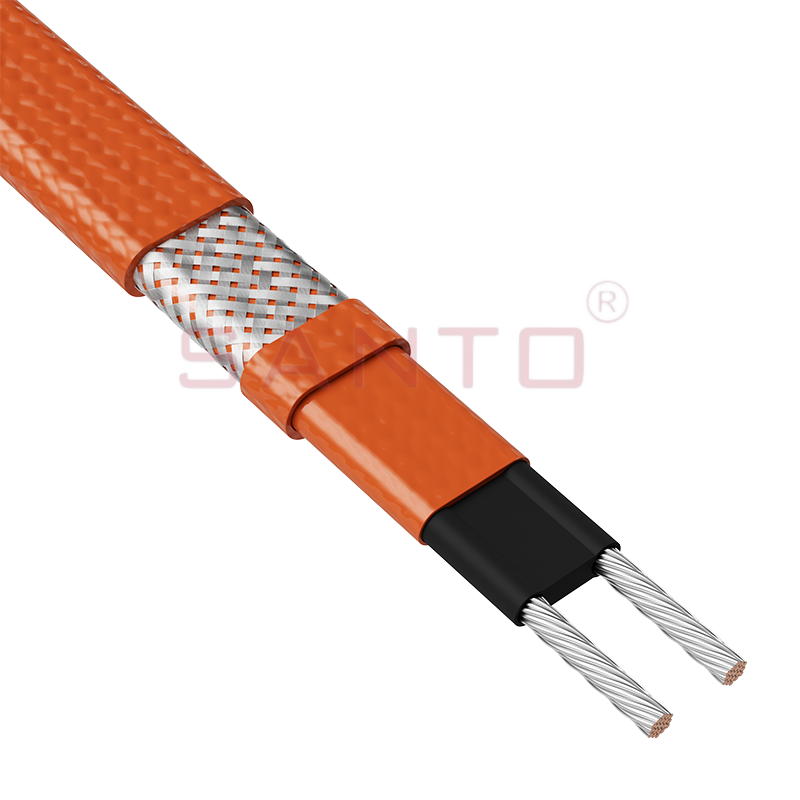
The SANTO UFO range of self-regulating heating cables is mainly used for frost protection of pipes and vessels that require steam cleaning . They can also be used to maintain processes up to 150°C. Th...
See Details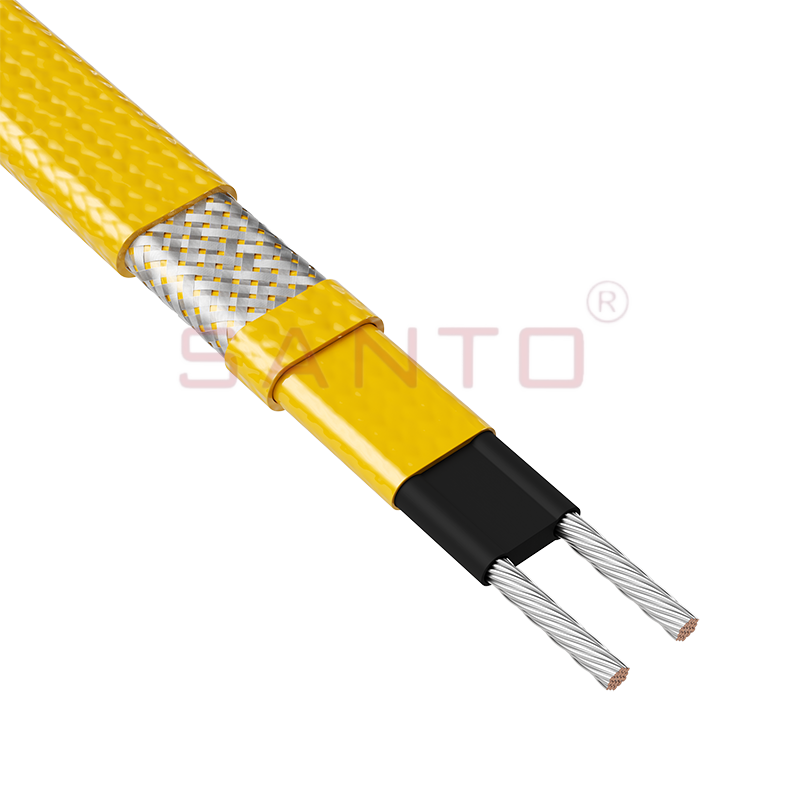
The SANTO UFD series of self-regulating heating cables are mainly used for freeze protection of pipes and vessels, but can also be used to maintain processes up to 200°C. These heating cables are avai...
See Details
SANTO UFY heating wire is suitable for applications that maintain process temperatures up to 260 ℃ and can be steam blown; The self-regulating and parallel circuit heating wires of the UFY series are ...
See Details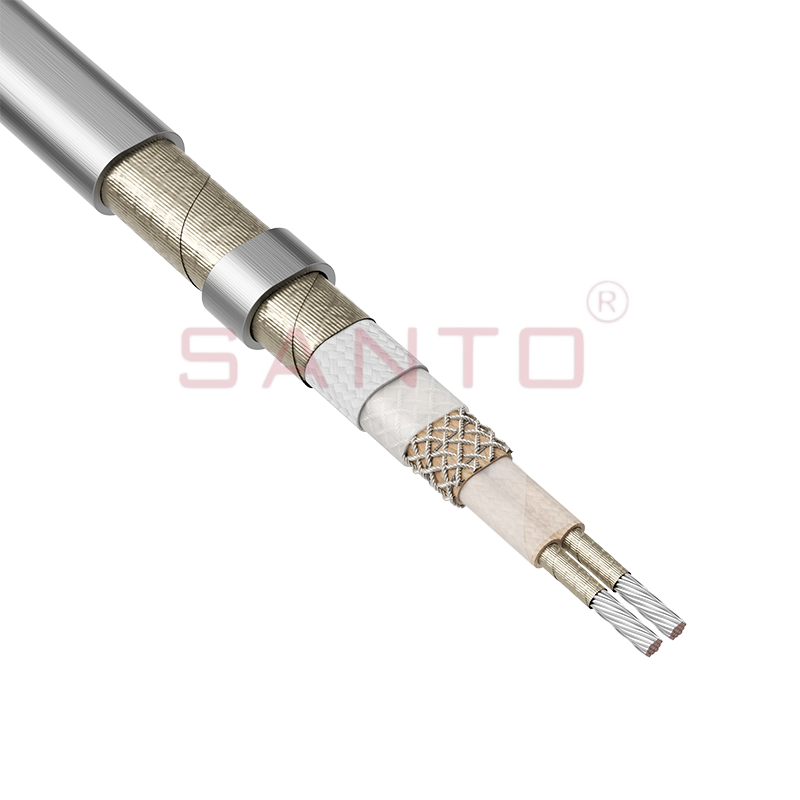
The SANTO UFM series self-regulating heating cables are mainly used for freeze protection of pipes and vessels, but can also be used to maintain processes up to 400°C. These heating cables are availab...
See Details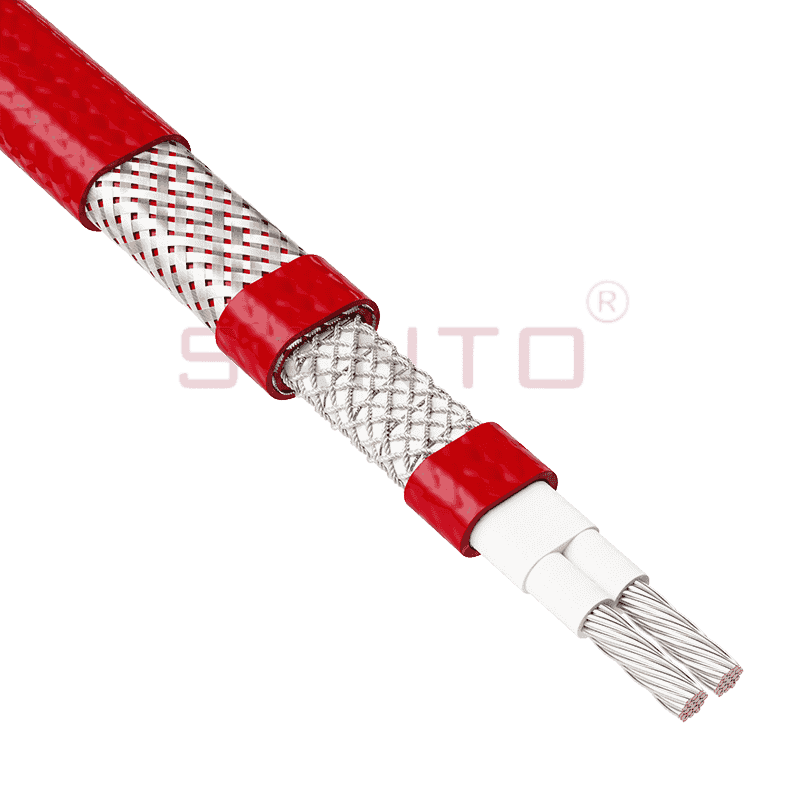
The SANTO ACC range of power-limiting heating cables is mainly used for temperature maintenance of processes and offers the advantage of a high power output at high temperatures which can reduce the n...
See Details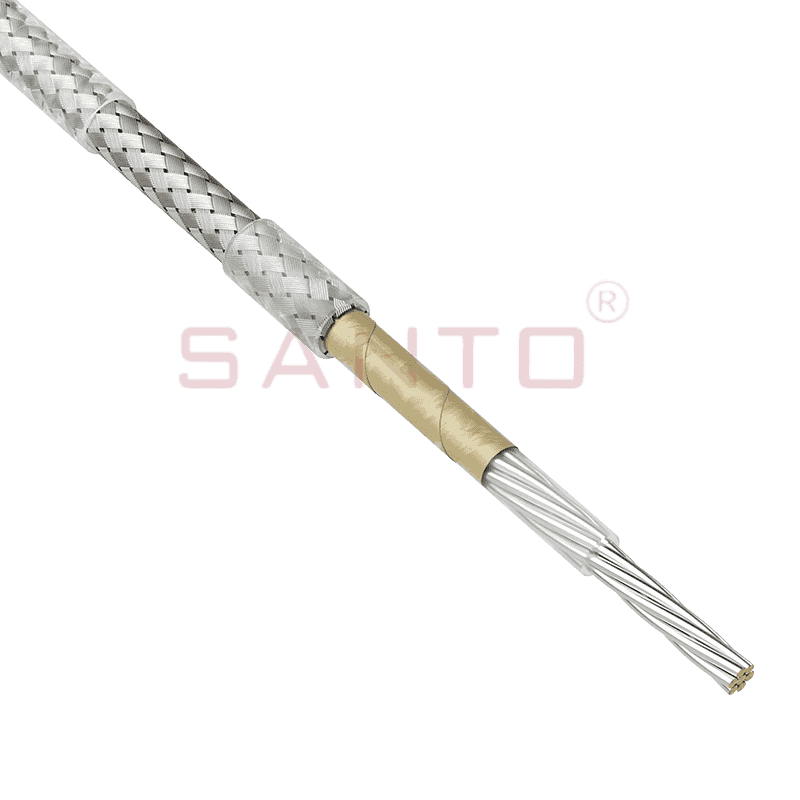
The stranded high temperature conductor is nickel plated to ensure a long life at elevated temperatures in corrosive environments. It is electrically isolated using an innovative sandwich construction...
See Details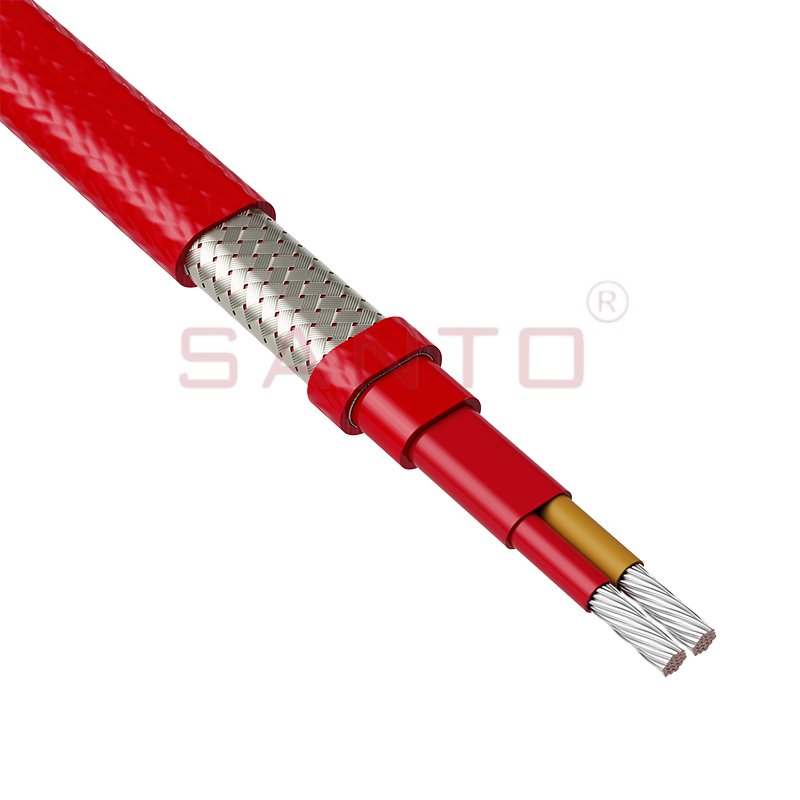
The stranded high temperature conductor is nickel plated to ensure a long life at elevated temperatures in corrosive environments. It is electrically isolated using an innovative sandwich construction...
See Details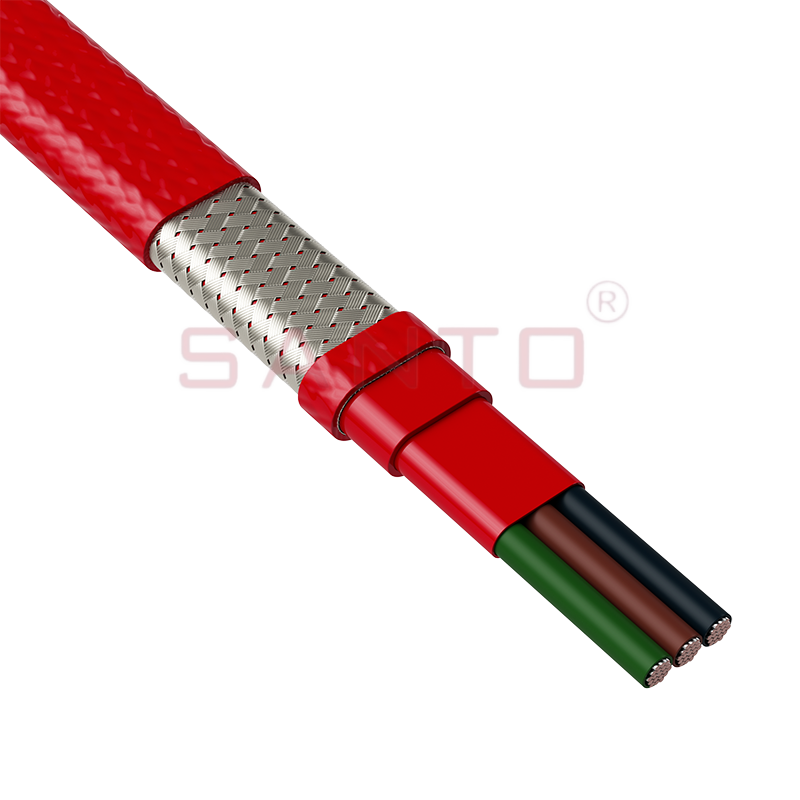
The stranded high temperature conductor is nickel plated to ensure a long life at elevated temperatures in corrosive environments. It is electrically isolated using an innovative sandwich construction...
See Details
SANTO HAx mineral insulated (MI) Alloy 825 series heating cables are suitable for use in hazardous areas. They have been designed for use in freeze protection and temperature maintenance applications ...
See Details
Santo electric heating strips are widely used in key industries in China.

