 English
 English
 русский
 日本語
 Español
 中文简体

The SANTO UFA range of self-regulating heating cables is mainly used for frost protection of pipes and vessels but can also be used to maintain processes up to 65°C. These heating cables are available...
See Details
Self-regulating heating cables provide a practical and adaptable method for protecting pipes, vessels, valves, instrumentation, and process equipment from freezing while also supporting controlled temperature maintenance. Among the solutions available for industrial heat tracing, the SANTO UFO series is designed for applications that require dependable thermal performance, flexible installation, chemical resistance, and suitability for hazardous environments.
The series is primarily intended for freeze protection of pipes and vessels. It can also be used for process temperature maintenance up to 150°C when the system is correctly selected, designed, installed, and controlled. Its self-regulating operating principle allows the heating cable to respond to local temperature changes along its length. This characteristic makes it particularly useful on systems with varying heat-loss conditions, irregular equipment geometry, branches, valves, supports, and other areas where a uniform heating response is important.
The product is available with two different outer sheath options. The polyolefin version, identified by the -CR designation, is suitable for environments involving mild inorganic solutions. The fluoropolymer version, identified by the -CT designation, provides a higher level of chemical resistance for more demanding industrial conditions. Both options are intended to help users match the cable construction to the surrounding environment rather than relying on a single covering material for every application.
In addition, the SANTO UFO series is approved for use in hazardous areas classified as Zone 1, Zone 2 for gas atmospheres, Zone 21, and Zone 22 for dust atmospheres. The product carries an absolute temperature rating of T2 in accordance with the European standard EN 60079-30-1. These characteristics enable the series to address applications in industries where heating equipment must be evaluated not only for thermal performance but also for ignition protection and installation safety.
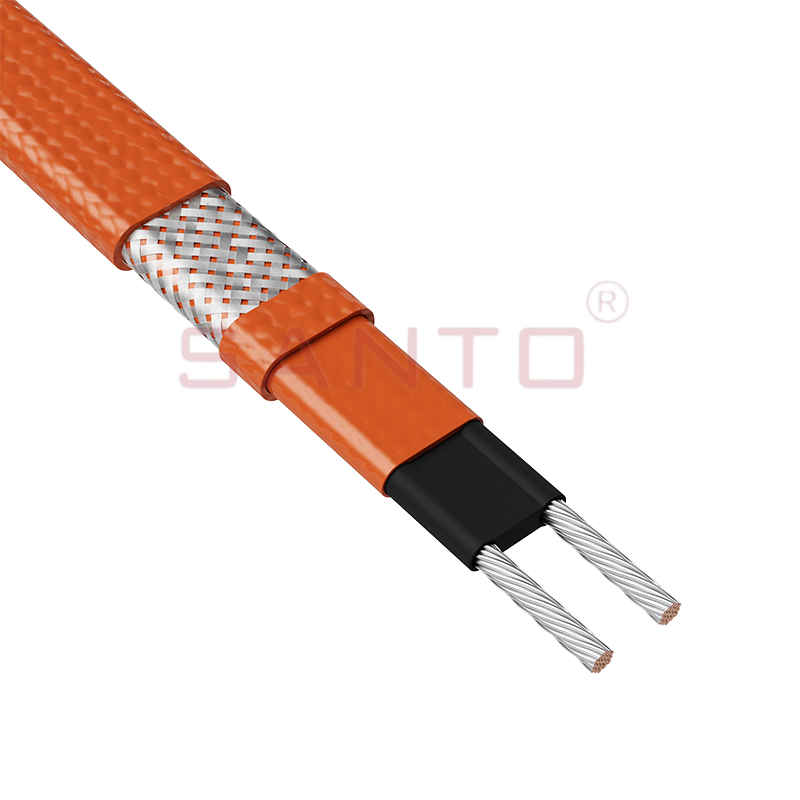
SANTO UFO
Content
A self-regulating heating cable contains a conductive heating element whose electrical behavior changes as its temperature changes. When the surrounding area is cold, the element produces a higher level of heat. As the local temperature rises, the material reduces its power output. This creates a distributed heating effect that is responsive to local conditions along the cable route.
This operating principle differs from a simple constant-wattage cable. A constant-wattage product generally produces a similar output along its heated length whenever power is applied. A self-regulating product can adjust its output at different points, allowing one section to operate at a higher level where heat loss is greater while another section reduces its output where the surrounding temperature is already adequate.
The response is especially useful on complex industrial systems. A pipe exposed to wind, a valve body, a flange, and a pipe support may not lose heat at the same rate. If the cable can respond to these local conditions, the heat-tracing system has greater flexibility than a system based only on uniform heating output.
Self-regulation does not mean that the cable independently measures and controls the entire process temperature. A complete heat-tracing system still requires proper engineering, circuit protection, installation, insulation, and, where necessary, thermostatic or electronic control. The self-regulating function is one part of the overall design. It helps the cable adjust its local heating output, while the system designer remains responsible for selecting the correct cable, power supply, control strategy, and protective devices.
The most important functional advantage of a self-regulating cable is its ability to respond to local temperature differences. If one portion of a pipe becomes colder, that area can increase its heat output relative to warmer sections. This is valuable when equipment has uneven insulation, changes in elevation, exposed fittings, or different levels of environmental exposure.
Local response can also reduce the risk of excessive heating in areas where the surrounding temperature is already higher. However, installation conditions must remain within the product’s specified limits. The cable should not be treated as a substitute for correct temperature design, suitable insulation, or compliance with the installation instructions.
Heating cables are generally easier to route than rigid heating components. They can follow straight pipe runs, vessels, bends, flanges, valves, and irregular surfaces when installed according to the manufacturer’s recommendations. This flexibility reduces the need for custom-fabricated heating panels or multiple rigid heater shapes.
For maintenance teams, a flexible cable can also simplify field replacement and modification. When an industrial line is extended or a valve is changed, the heat-tracing layout can often be adapted more easily than a system based on fixed heating elements. Every modification must still be reviewed for electrical loading, hazardous-area requirements, mechanical protection, and temperature limitations.
The SANTO UFO series is mainly used for freeze protection of pipes and vessels. Freeze protection is essential wherever water, aqueous solutions, residual liquids, or other temperature-sensitive substances may solidify or become too viscous during low-temperature conditions. Freezing can block flow, damage valves, split pipework, deform vessels, and create long recovery periods after a cold-weather event.
By supplying heat along the protected surface, the cable helps compensate for heat lost through the pipe wall, insulation, fittings, and surrounding environment. The objective is normally to prevent the contents from reaching an unacceptable low temperature rather than to heat the process rapidly from a cold start.
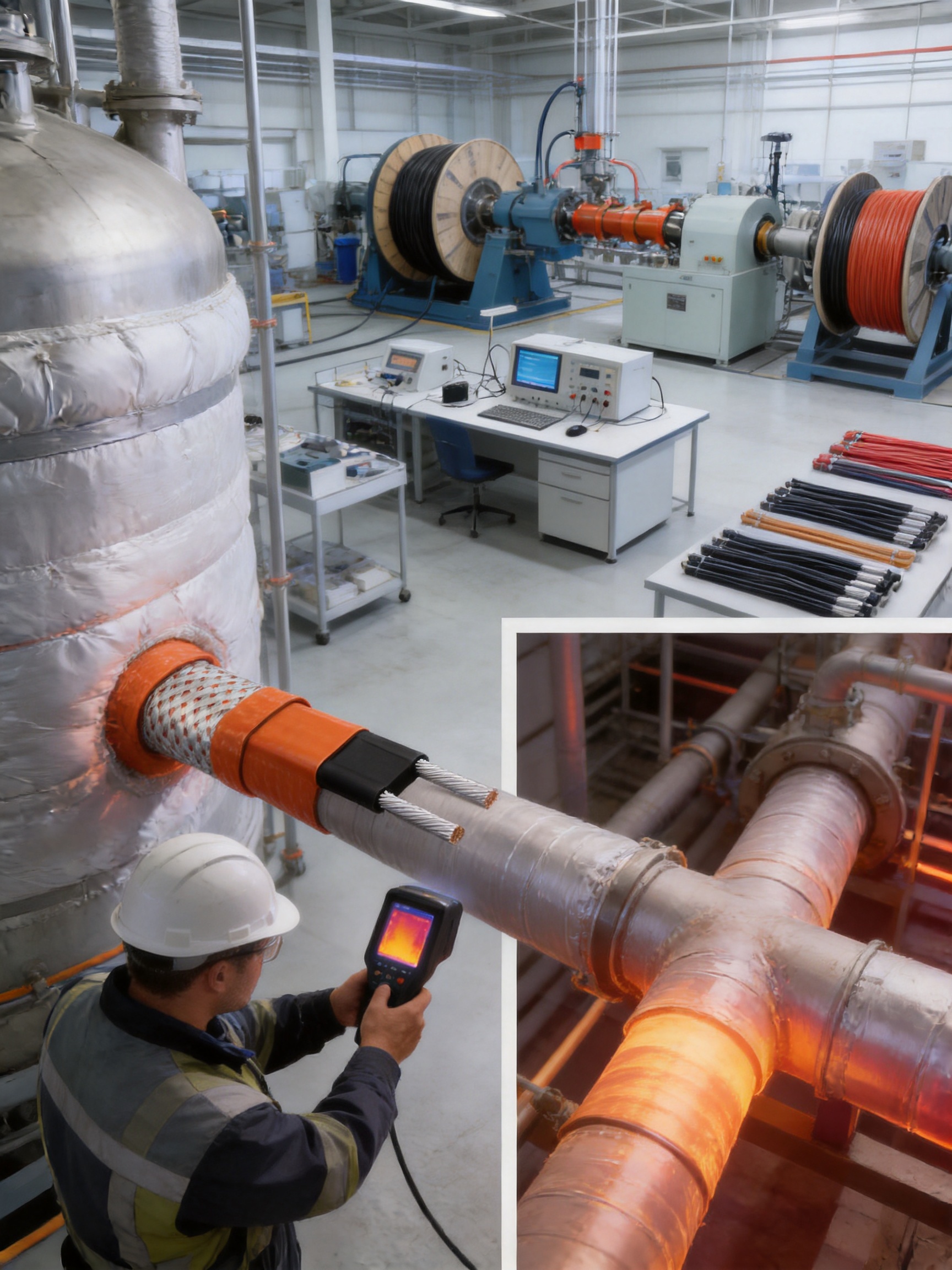
Pipework is one of the most common applications for self-regulating heat tracing. The cable can be installed along a pipe and covered with suitable thermal insulation. Depending on the engineering design, additional cable may be required at valves, flanges, supports, dead legs, drains, and other components that lose more heat than the main pipe.
Protection may be required for water lines, fire protection systems, condensate lines, outdoor utility piping, instrument impulse lines, and process lines containing liquids that can freeze or become difficult to move. The correct cable selection depends on the pipe material, pipe diameter, insulation type and thickness, minimum ambient temperature, wind exposure, required maintenance temperature, and the nature of the process fluid.
Vessels may lose heat through large exposed surfaces, nozzles, manways, supports, and access fittings. A self-regulating cable system can be arranged around selected areas or across the vessel surface, depending on the heat-loss calculation and installation method. The design must account for the vessel material, surface temperature limits, insulation construction, and any internal product requirements.
For vessels that contain water-based products, chemicals, lubricants, or other temperature-sensitive materials, freeze protection can preserve fluid mobility and help maintain operational readiness. The cable should not be used without verifying compatibility between the sheath, the vessel surface, the process environment, and any external chemicals that may contact the installation.
Although freeze protection is the main application, the SANTO UFO series can also support process temperature maintenance up to 150°C. This is relevant when a process fluid must remain above a minimum temperature to preserve viscosity, prevent crystallization, maintain pumping performance, or support stable operation.
Process maintenance is different from freeze protection because it normally involves a defined operating temperature, a more detailed heat-loss calculation, and closer coordination with process controls. The designer must consider the normal operating temperature, maximum allowable temperature, start-up conditions, ambient conditions, insulation performance, and the possibility of localized hot spots.
The stated 150°C process capability should be understood as an application limit requiring suitable product selection and system design. It does not mean that every installation can operate continuously at that temperature under every condition. The cable, accessories, insulation, control equipment, and process surface must all be compatible with the intended operating range.
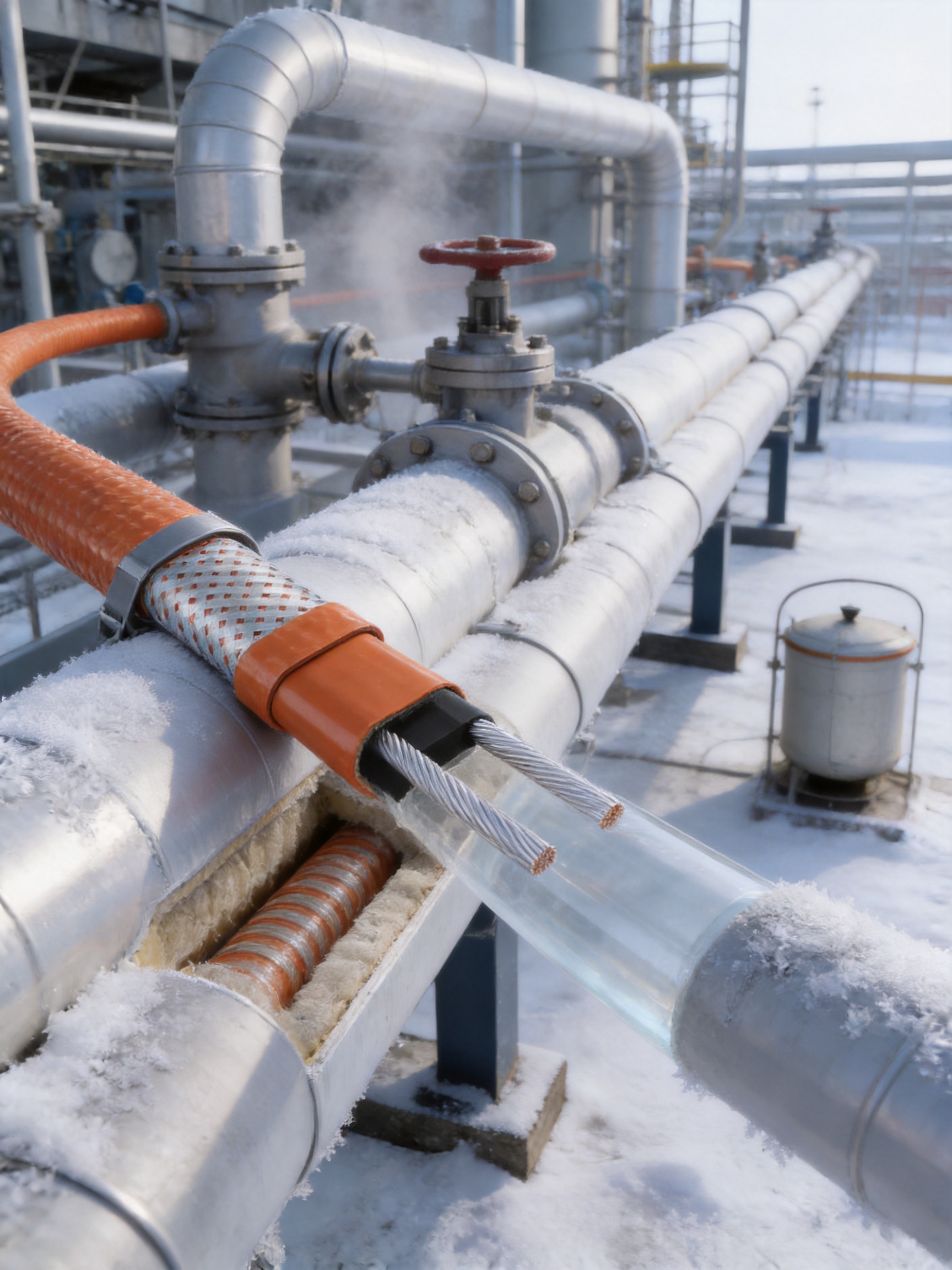
One of the key design advantages of the product family is the availability of two outer sheath materials. The outer sheath is an important barrier between the heating cable and the surrounding environment. It influences resistance to moisture, chemicals, abrasion, and other installation conditions.
| Version | Outer sheath material | Typical environmental suitability | Main selection consideration |
|---|---|---|---|
| -CR | Polyolefin | Areas exposed only to mild inorganic solutions | Suitable where chemical exposure is limited and moderate |
| -CT | Fluoropolymer | Environments requiring high chemical resistance | Preferred where aggressive chemical exposure may occur |
| Both versions | Product-specific cable construction | Freeze protection and selected process maintenance applications | Confirm temperature, chemical, electrical, and hazardous-area requirements before selection |
The -CR version uses a polyolefin outer sheath and is intended for areas where exposure is limited to mild inorganic solutions. This option can be appropriate for utility systems and industrial areas where the cable is not expected to contact aggressive chemicals or solvents.
A polyolefin sheath can provide a practical balance between environmental protection, installation flexibility, and cost. It should nevertheless be selected only after reviewing the chemical conditions at the installation site. Occasional cleaning agents, process drips, vapors, and chemical residues can affect the suitability of a sheath even when the surrounding area does not appear highly corrosive.
The -CT version uses a fluoropolymer outer sheath for applications requiring high chemical resistance. Fluoropolymer materials are widely selected in industrial heating applications because they can offer strong resistance to many aggressive substances and demanding process environments.
This option is particularly relevant in chemical processing, petroleum-related facilities, laboratories, treatment plants, and other locations where the cable may be exposed to corrosive liquids or vapors. The exact compatibility must be confirmed against the actual chemical, concentration, temperature, exposure time, and mechanical conditions. No sheath material should be considered universally resistant to every substance.
Industrial facilities may contain flammable gases, vapors, combustible dust, or mixtures that can create an explosive atmosphere. In these areas, electrical heating equipment must be selected and installed according to the applicable explosion-protection requirements. The SANTO UFO series is approved for use in Zone 1, Zone 2 gas areas, Zone 21 dust areas, and Zone 22 dust areas.
Zone classifications describe the likelihood and duration of an explosive atmosphere. Zone 1 and Zone 21 generally indicate that an explosive atmosphere may occur during normal operation, while Zone 2 and Zone 22 indicate that such an atmosphere is not expected during normal operation but may occur for a short period if abnormal conditions arise.
Approval for these zones is a significant advantage over general-purpose heating cables that are not designed for hazardous locations. It allows engineers to consider the product for a wider range of industrial applications, including facilities where process lines and vessels are located within classified areas.
The product has an absolute temperature rating of T2 in accordance with EN 60079-30-1. Temperature classification is used to ensure that the maximum surface temperature of equipment remains below the ignition temperature of the surrounding hazardous atmosphere, subject to the applicable design and installation conditions.
A T2 classification corresponds to a maximum surface temperature of 300°C under the relevant classification system. This rating must be evaluated together with the actual process temperature, ambient conditions, installation method, thermal insulation, control system, and the ignition temperature of the hazardous substance. The temperature class is not a general permission to operate every installation at 300°C.
Hazardous-area installations require more than selecting a certified cable. They also require compatible power connection components, end seals, junction boxes, controls, protective devices, cable routing, grounding, inspection, and maintenance procedures. The complete system must be installed by qualified personnel in accordance with the applicable regulations and product documentation.
Using a product designed for the classified area can simplify equipment selection and reduce the risk of applying an unsuitable general-purpose heater. It also supports documentation, procurement, inspection, and approval processes for industrial projects.
For project owners, certification can be important when adding heat tracing to existing facilities. A suitable hazardous-area product may help avoid costly redesigns involving non-compliant heating equipment. The product’s approval should always be checked against the specific project specification, certification scope, local requirements, and the intended installation zone.
The SANTO UFO series offers several advantages when compared with ordinary fixed-output heating cables or heating methods that are not designed for industrial chemical and hazardous-area conditions.
A constant-output cable can produce the same nominal power along its length even when the surrounding heat-loss conditions vary. This may result in insufficient heating at cold spots or unnecessary heat at warmer sections. A self-regulating cable is better suited to installations where temperatures vary along the route.
The local power response can help address complex arrangements involving straight pipe sections, fittings, equipment surfaces, and exposed components. It does not eliminate the need for correct layout, but it gives the designer a more adaptable heating element.
Self-regulating cables can often be cut to length in the field within the approved design limits. This can simplify project logistics and reduce the need to stock many pre-manufactured lengths. Proper termination is essential, especially in hazardous areas, and all field work must follow the manufacturer’s instructions.
Flexible routing also allows the cable to be adapted to pipe bends, vessel contours, and equipment changes. In contrast, rigid heaters or fixed heating panels may require more precise fabrication and can be difficult to modify after installation.
The availability of both polyolefin and fluoropolymer sheaths gives engineers a choice based on the exposure environment. A lower-resistance material may be adequate for mild conditions, while a fluoropolymer option can be considered for chemically demanding areas.
This two-option approach is more practical than using a single cable construction for every project. It helps balance chemical resistance, installation requirements, product cost, and long-term durability.
Many basic freeze-protection products are not intended for elevated process temperatures. The ability of the SANTO UFO series to support selected process-maintenance applications up to 150°C broadens its potential use in industrial facilities.
It can be considered for systems where the objective is to maintain fluid mobility, stabilize a process line, or prevent temperature-related changes in a material. The application still requires a detailed design review because process heating can impose more demanding thermal and control requirements than simple freeze protection.
Approval for gas and dust zones gives the product a broader industrial application range than non-certified heating cables. This is particularly important in oil and gas, chemical, pharmaceutical, grain-processing, solvent-handling, and other facilities where hazardous-area classifications are part of the plant design.
The combination of self-regulating operation, alternative sheath materials, process-maintenance capability, and hazardous-area approval makes the product suitable for projects that require more than a basic outdoor pipe heater.
A reliable heating cable installation begins with engineering rather than product placement. The designer must determine the required maintenance temperature, minimum ambient temperature, pipe or vessel dimensions, insulation system, heat-loss rate, cable length, electrical load, and control method.
The heat-tracing system must replace the heat lost from the protected equipment. Heat loss depends on the surface area, material, temperature difference, insulation thickness, thermal conductivity, wind, rain, snow, mounting arrangement, and the presence of fittings or supports.
For a simple pipe, the heat-loss calculation may be relatively straightforward. For a vessel or complex process line, the calculation should include nozzles, manways, flanges, valves, instrumentation connections, and other areas that can act as thermal bridges.
Adding more cable than necessary does not automatically create a better system. Excessive heating can increase electrical demand, complicate temperature control, and create conditions that exceed the limits of the process, insulation, or hazardous-area design. The correct approach is to select the cable and layout based on documented heat-loss requirements.
Thermal insulation is essential to the performance of a heat-tracing system. Without suitable insulation, much of the supplied heat can be lost to the atmosphere instead of maintaining the protected temperature. Insulation should be installed after the cable has been positioned and inspected.
The insulation must be dry, continuous, and properly sealed against water entry. Wet insulation can lose thermal performance and may increase corrosion risk under insulation. The external cladding should protect the insulation and cable from weather, impact, and environmental contamination.
Heat tracing should not be limited to the straight pipe if valves, flanges, pumps, strainers, instruments, and other components are also vulnerable to freezing or excessive heat loss. The layout should identify every component requiring protection.
Special attention is often required at dead legs and low points. These areas may retain liquid after a process is shut down and can be more vulnerable to freezing. Drains and vents may also need protection, depending on the process and operating conditions.
Each circuit must be designed with appropriate electrical protection. Circuit-breaker selection, residual-current protection, grounding, power supply capacity, cable length, start-up current, and distribution arrangements should be reviewed by qualified electrical personnel.
Self-regulating cables can have a higher initial current when they are cold. This characteristic should be included in circuit sizing and protective-device selection. A system that is adequately sized for steady-state operation may still experience nuisance tripping if cold-start behavior is ignored.
The product is supported by a manufacturer with more than 35 years of industry experience in electric heating and thermal-control products. The company’s activity covers research, design, production, manufacturing, and sales of self-regulating heating belts, automatic temperature-control heating products, constant-power heating products, silicone rubber heaters, glass-fiber heating products, MI cables, snow-melting cables, and related accessories.
This broad product portfolio is a strength because heating cable design involves knowledge of conductive materials, insulation systems, extrusion, irradiation, termination, electrical testing, temperature control, and application engineering. Experience across several heating technologies can support product development and cross-application problem solving.
The company reports cooperation in product research with Harvard University in the United States and identifies itself as a high-tech enterprise in Jiangsu Province. Its development history includes the establishment of an irradiation center in 2013 and the development of self-limiting temperature nano far-infrared heating technology for high-temperature pipeline heating and tracing.
The company also reports the invention of a carbon-fiber parallel heating cable and the acquisition of multiple invention patents. These developments indicate a continuing effort to improve heating materials, product structures, and application options rather than relying exclusively on a single established cable design.
For customers, research capability can be valuable when standard products must be adapted to special operating conditions. Custom jacket materials, circuit lengths, accessory configurations, power requirements, or installation arrangements may require technical cooperation between the manufacturer and the project engineering team.
The company established an irradiation center and later purchased additional land for a new factory and product simulation testing laboratory. Irradiation can be an important process in the manufacture of certain polymer-based heating cables because it can improve the stability and performance of insulation or conductive polymer structures when properly controlled.
A product simulation and testing laboratory can support evaluation of heating behavior, temperature response, environmental conditions, and application performance. Laboratory simulation does not replace field engineering, but it can help identify design issues before products are supplied for a project.
Manufacturing strength also depends on process discipline. A complete production system should include incoming-material inspection, controlled extrusion or assembly, dimensional checks, electrical continuity tests, insulation resistance tests, power-output verification, sheath inspection, marking, traceability, and final product release procedures.
The company has passed ISO9001 quality system certification and reports that its products have obtained national CCC certification. A quality management system provides a structured framework for document control, process control, corrective action, supplier management, inspection, and customer feedback.
Certification alone does not guarantee that every application will be successful. However, a documented quality system can improve consistency and provide a clearer basis for managing production and technical support. For industrial buyers, it is appropriate to request current certificates, applicable test records, product specifications, and quality documentation during the procurement process.
The manufacturer reports more than 10,000 units of annual output, more than 2,000 distributors, and business coverage in more than 85 areas. It also reports the establishment of a factory in Russia in 2023 to expand its international presence.
A broad distribution and service network can provide practical advantages for international customers. These may include access to product information, regional communication, replacement materials, technical coordination, and support with export documentation. The actual level of service should be confirmed for each project and destination.
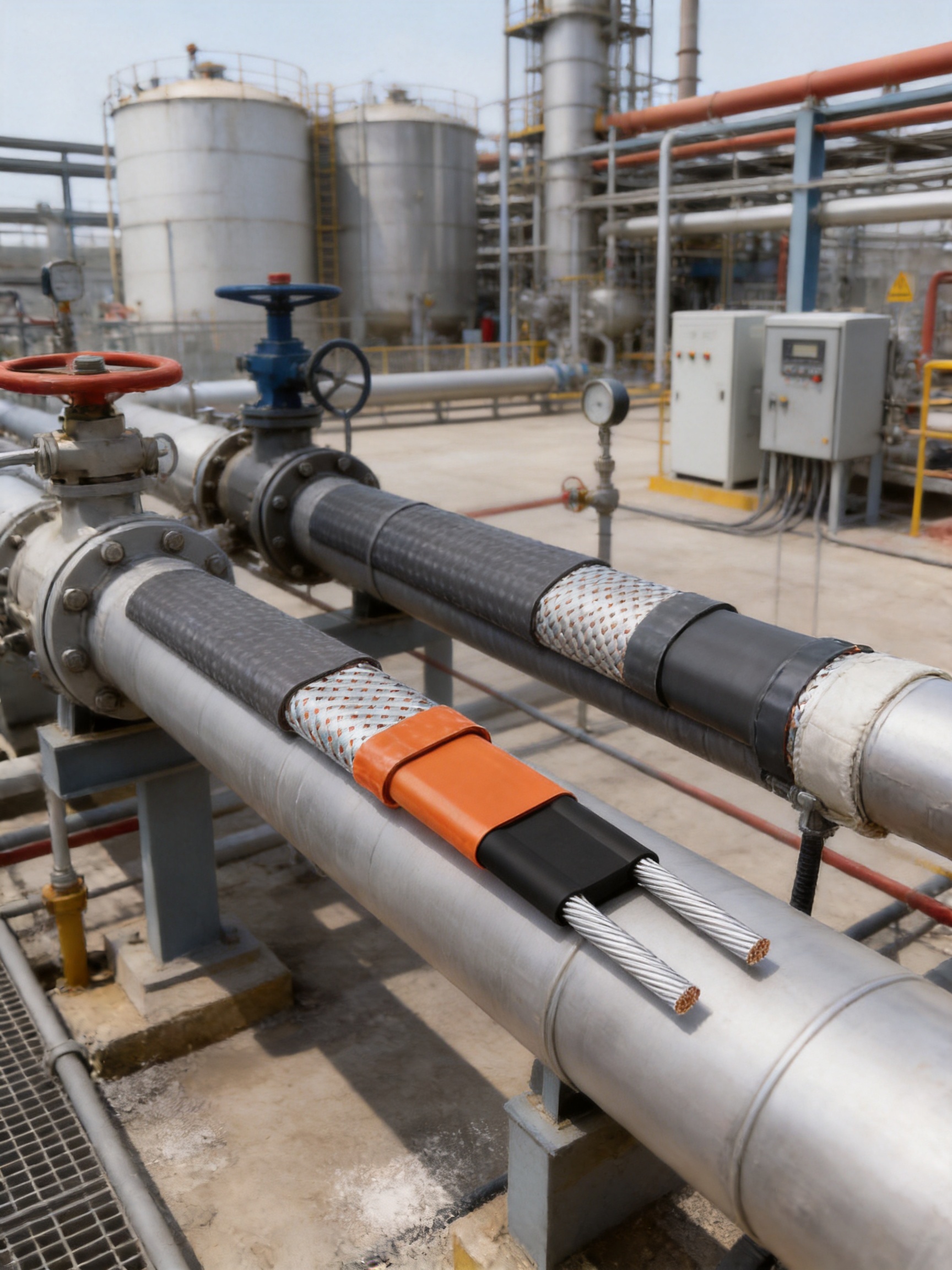
Installation quality has a direct effect on heating performance, safety, and service life. The cable should be inspected before installation for visible damage, correct product identification, and compatibility with the project design.
The cable should normally be installed in close contact with the surface being heated so that heat transfers efficiently. It should not be crushed, sharply bent, crossed in an unauthorized manner, or installed under mechanical stress. The permitted bend radius, spacing, overlap rules, attachment method, and termination requirements must be taken from the product documentation.
Attachment materials should be compatible with the cable sheath and operating temperature. Metal bands, fixing tapes, clips, or other supports should not damage the outer sheath. Sharp edges on pipe supports, flanges, brackets, and vessel attachments should be addressed before the heating cable is installed.
Every heating circuit requires suitable connection and end-sealing accessories. These components protect the conductive core and insulation from moisture, contamination, mechanical damage, and electrical faults. In hazardous areas, accessories must be approved or accepted for use with the cable and the classified location.
Improper termination is one of the most common causes of heating-cable failure. Cutting a cable without completing the required end seal, using an unsuitable connection kit, or allowing moisture to enter the termination can reduce insulation resistance and create a safety hazard.
The complete accessory package may include power connection kits, end seals, junction components, mounting tape, warning labels, thermostats, sensors, circuit identification, and protective coverings. Accessories should be selected as part of the system rather than treated as unrelated items.
After electrical testing and inspection, the protected pipe or vessel should be insulated without displacing or damaging the cable. The insulation should fully cover the heated surface and be sealed against water penetration. Weatherproof cladding is especially important for outdoor installations.
Labels should identify the presence of electric heat tracing under the insulation. Circuit information, warning notices, and hazardous-area markings should remain available for operators and maintenance personnel. Documentation should record the cable route, circuit number, length, power supply, test results, and control settings.
Oil and gas facilities contain process lines, tanks, valves, instruments, and utility systems that may require freeze protection or temperature maintenance. Many parts of these facilities are classified as hazardous areas, making certified heating equipment essential.
The fluoropolymer-sheathed version may be considered where chemical resistance is important. The self-regulating function can be useful on complex pipe networks with different levels of environmental exposure. Project teams must coordinate the heating design with process safety, area classification, electrical classification, and maintenance procedures.
Chemical plants frequently handle liquids that change viscosity, crystallize, solidify, or become difficult to pump when cooled. Heat tracing can help maintain the required process condition and prevent blockages in lines and equipment.
Because chemical exposure varies widely, sheath selection is especially important. The -CR and -CT options allow the designer to distinguish between mild inorganic exposure and environments requiring higher chemical resistance. Compatibility should be confirmed using the actual chemical data rather than a general assumption based only on industry type.
Outdoor water lines, dosing lines, wastewater systems, and utility pipes may be vulnerable to freezing. Self-regulating heating cables can protect these systems while allowing flexible routing around valves, instruments, and fittings.
In water-treatment environments, the cable may be exposed to cleaning chemicals, salts, moisture, or treatment residues. The installation should therefore consider both the chemical resistance of the sheath and the protection provided by insulation and weatherproof cladding.
Commercial and industrial buildings may require freeze protection for rooftop pipes, sprinkler systems, drainage systems, loading areas, and exposed utility lines. Heating cables can be installed in new construction or added to existing systems during renovation.
For building-service applications, the product should be selected according to the building’s electrical system, fire and safety requirements, environmental exposure, and access for inspection. Heating cables should not be concealed permanently without appropriate documentation and testing.
Outdoor renewable-energy facilities may contain water circuits, process lines, storage vessels, and equipment exposed to snow, ice, wind, and low temperatures. Heat tracing can help protect fluid circulation and maintain the operability of temperature-sensitive systems.
Long outdoor cable routes require careful attention to ultraviolet exposure, moisture protection, mechanical damage, insulation continuity, and electrical distribution. The cable sheath option and installation accessories should be selected for the actual environmental conditions.
A heat-tracing system should be inspected as part of the facility’s preventive-maintenance program. Routine checks may include visual inspection of accessible components, electrical testing, control verification, insulation condition, weatherproofing, labels, and circuit protection.
Insulation damage can reduce performance and expose the heating cable to water or mechanical impact. If insulation is removed for maintenance, the cable should be inspected and tested before the insulation is replaced. Any damaged sheath, termination, connection, or accessory should be repaired using approved components.
Electrical resistance and insulation-resistance measurements can provide useful information about circuit condition. Test values should be recorded during commissioning and compared with later readings. Sudden changes may indicate moisture entry, mechanical damage, deterioration, or an installation problem.
In hazardous areas, inspection and maintenance must follow the facility’s explosion-protection procedures. Unauthorized modifications, non-approved accessories, or temporary repairs can compromise the certification and safety of the complete installation.
Product selection should begin with the application environment rather than the cable name alone. The following questions can help define the requirements:
What is the minimum ambient temperature at the installation location?
What temperature must be maintained inside the pipe or vessel?
Is the purpose freeze protection, process temperature maintenance, or both?
What is the maximum permitted surface or process temperature?
Will the cable contact chemicals, solvents, oils, cleaning agents, salts, or corrosive vapors?
Is the installation located in Zone 1, Zone 2, Zone 21, Zone 22, or an unclassified area?
What are the pipe dimensions, vessel dimensions, insulation type, and insulation thickness?
What power supply is available, and what circuit lengths are practical?
Which accessories, controls, sensors, and protective devices are required?
When chemical exposure is mild and limited to suitable inorganic solutions, the -CR polyolefin version may be appropriate. Where high chemical resistance is required, the -CT fluoropolymer version may be the better choice. The final selection should be confirmed against product documentation and project specifications.
Industrial projects often require more than a standard cable length. A manufacturer with experience in multiple electric-heating technologies can support customized requirements such as specific cable lengths, connection arrangements, labeling, packaging, accessory kits, electrical characteristics, and documentation.
Customization should be controlled through an engineering review. Important information includes the application temperature, cable route, environmental exposure, hazardous-area classification, required certifications, power supply, installation method, and delivery conditions.
For original equipment manufacturers and system integrators, customized heating cables can simplify assembly and reduce field work. Factory-prepared sections, identified circuits, or coordinated accessory packages may improve installation consistency. However, customized products should be accompanied by clear drawings, test records, installation instructions, and traceability information.
The company’s experience with self-limiting, constant-power, silicone rubber, glass-fiber, MI, snow-melting, and other electric-heating products can be useful when a project includes several different heating requirements. Instead of sourcing unrelated products from multiple suppliers, an engineering team may be able to coordinate several product categories through one technical partner.
Electric heating cables should be regarded as engineered electrical equipment. They must be installed, tested, operated, and maintained by personnel with appropriate training. The cable should never be energized while it is coiled, because concentrated heat can accumulate and damage the product.
The cable should not be placed where it can be exposed to temperatures beyond its approved limits. It should not be installed over sharp edges, beneath incompatible materials, or in locations where mechanical movement can damage the sheath. The protected surface should be clean and suitable for attachment.
For hazardous-area projects, the cable and every associated component must be evaluated as part of the complete certified installation. The area classification, gas or dust group, temperature class, electrical protection, and installation method must be consistent with the project requirements.
Where a process contains combustible or temperature-sensitive materials, the maximum surface temperature must be considered in addition to the general cable operating temperature. Independent temperature control, monitoring, or limitation may be required depending on the risk assessment.
The primary purpose is freeze protection for pipes and vessels. The series can also support selected process temperature-maintenance applications up to 150°C when the product and complete system are correctly designed for the duty.
A self-regulating cable changes its local heat output in response to temperature conditions along its length. A constant-wattage cable generally produces a more uniform output. Self-regulation is useful where heat loss varies along pipes, vessels, fittings, or equipment surfaces.
The -CR version has a polyolefin outer sheath and is intended for exposure to mild inorganic solutions. The -CT version has a fluoropolymer outer sheath and provides higher chemical resistance for more demanding environments.
It can be considered for chemical process lines after reviewing the chemical exposure, operating temperature, required maintenance temperature, hazardous-area classification, and sheath compatibility. The fluoropolymer-sheathed version may be preferred where higher chemical resistance is needed.
Yes. The series is approved for Zone 1, Zone 2 gas areas, Zone 21 dust areas, and Zone 22 dust areas, subject to the applicable certification conditions and correct installation.
T2 is an absolute temperature classification under the relevant hazardous-area system and corresponds to a maximum surface-temperature classification of 300°C. The actual permitted operating condition still depends on the process, installation, control system, ambient temperature, and applicable certification requirements.
No. Self-regulation provides local output adjustment, but a complete system may still require thermostatic control, temperature sensors, independent limitation, or monitoring. The need depends on the application and the safety assessment.
Yes, heating cables can be routed around valves, flanges, supports, and other components that require protection. These areas may need additional design attention because their heat loss can differ from that of the main pipe.
Insulation reduces heat loss and helps the cable maintain the required temperature efficiently. Poor, wet, damaged, or incomplete insulation can increase energy consumption and prevent the system from achieving its intended performance.
Industrial heating manufacturers commonly support requirements such as cable lengths, connection arrangements, accessory packages, markings, and documentation. Any customization should be reviewed and confirmed against the application, electrical design, certification, and installation requirements.
Buyers should request current product specifications, temperature limits, sheath-compatibility information, hazardous-area certificates where applicable, installation instructions, accessory details, test documentation, packaging information, and technical support arrangements.
The company reports more than 35 years of industry experience, a broad range of electric-heating products, ISO9001 quality system certification, national CCC certification for its products, an irradiation center, product simulation and testing facilities, international distribution, and experience serving multiple industrial sectors.
The SANTO UFO self-regulating heating cable series is designed for industrial users who need reliable freeze protection, adaptable heat output, chemical-resistance options, and hazardous-area suitability. Its primary role is to protect pipes and vessels from freezing, while its stated process-maintenance capability up to 150°C expands its use into selected industrial temperature-control applications.
The two outer sheath options allow the cable to be matched to different environmental conditions. The -CR polyolefin version is intended for areas exposed to mild inorganic solutions, while the -CT fluoropolymer version is designed for environments requiring high chemical resistance. This choice can help engineers avoid using an unnecessarily specialized material in moderate conditions while still providing a more robust option for aggressive chemical exposure.
Approval for Zone 1, Zone 2 gas, Zone 21, and Zone 22 dust areas, together with the T2 classification under EN 60079-30-1, provides an important advantage for industrial facilities with classified locations. Nevertheless, the safety of the complete system depends on correct engineering, compatible accessories, qualified installation, suitable control, and regular maintenance.
The manufacturer’s reported experience in research, manufacturing, quality management, and multiple heating technologies provides a foundation for standard and customized projects. Its product portfolio, development history, testing infrastructure, and international market experience can support customers seeking a long-term heating-cable supplier.
Ultimately, the performance of any heat-tracing system depends on the relationship between the cable, the protected equipment, the insulation, the electrical supply, the control system, and the operating environment. When these elements are designed as one coordinated system, a self-regulating heating cable can provide an efficient and flexible solution for freeze protection and process temperature maintenance.
EN 60079-30-1, Explosive Atmospheres — Electrical Resistance Trace Heating — General and Testing Requirements.
ISO 9001, Quality Management Systems — Requirements.
International Electrotechnical guidance on electrical trace heating systems and hazardous-area installations.
Manufacturer product information for the SANTO UFO self-regulating heating cable series.
Manufacturer technical information concerning polyolefin and fluoropolymer outer sheath options.
Manufacturer company information concerning research, production, quality management, certifications, and industrial applications.
General engineering practice for pipe freeze protection, vessel heating, thermal insulation, electrical protection, and hazardous-area maintenance.
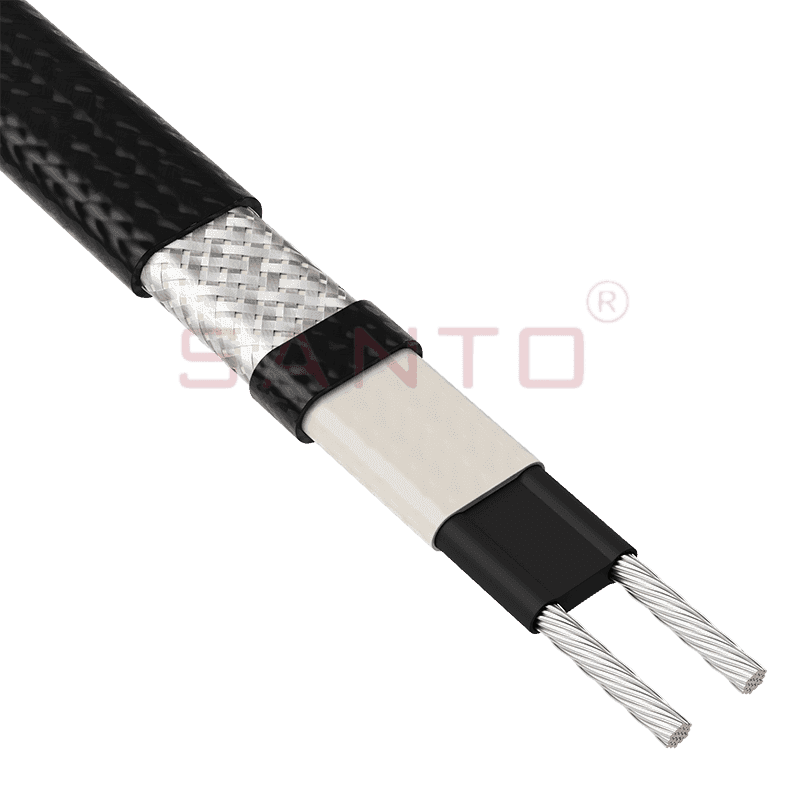
The SANTO UFA range of self-regulating heating cables is mainly used for frost protection of pipes and vessels but can also be used to maintain processes up to 65°C. These heating cables are available...
See Details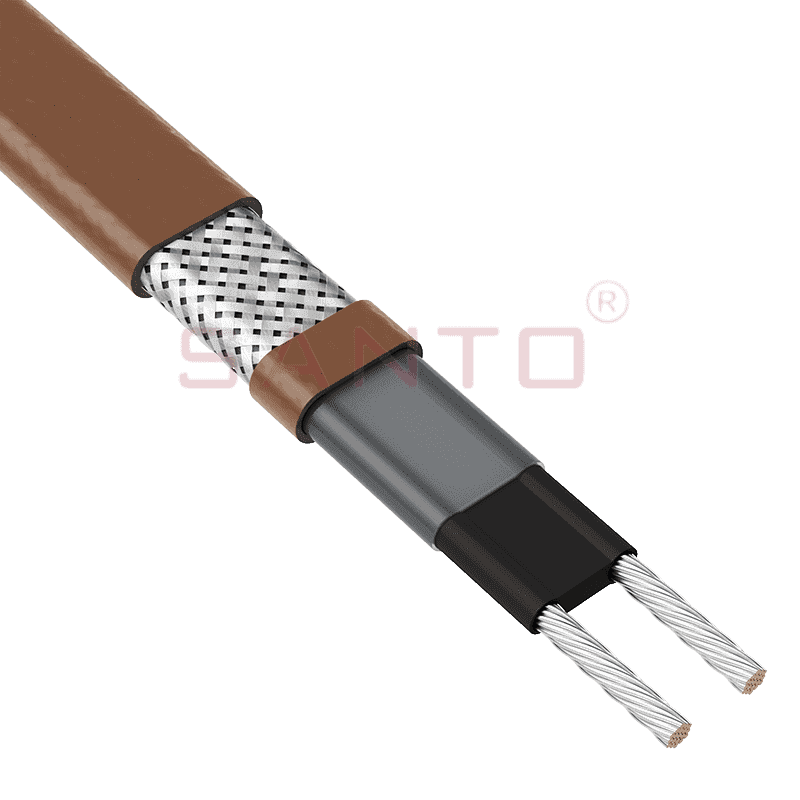
The SANTO UFB range of self-regulating heating cables is mainly used for frost protection of pipes and vessels requiring a higher power output than the UFA heating cables can supply. They can also be ...
See Details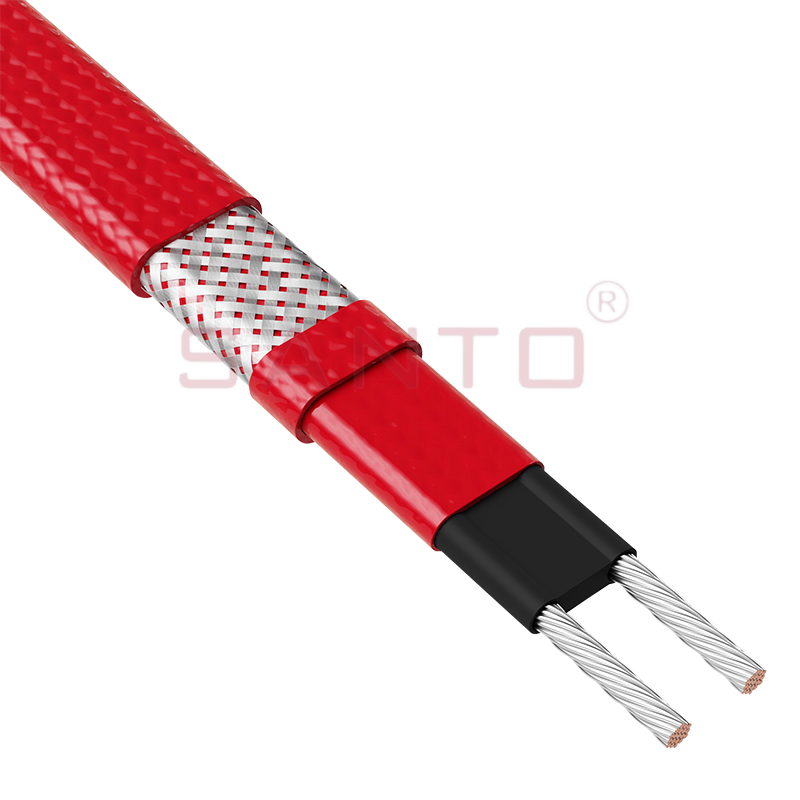
The SANTO UFC range of self-regulating heating cables is used for frost protection of pipes and vessels that require steam cleaning. They can also be used to maintain processes up to 121°C. These heat...
See Details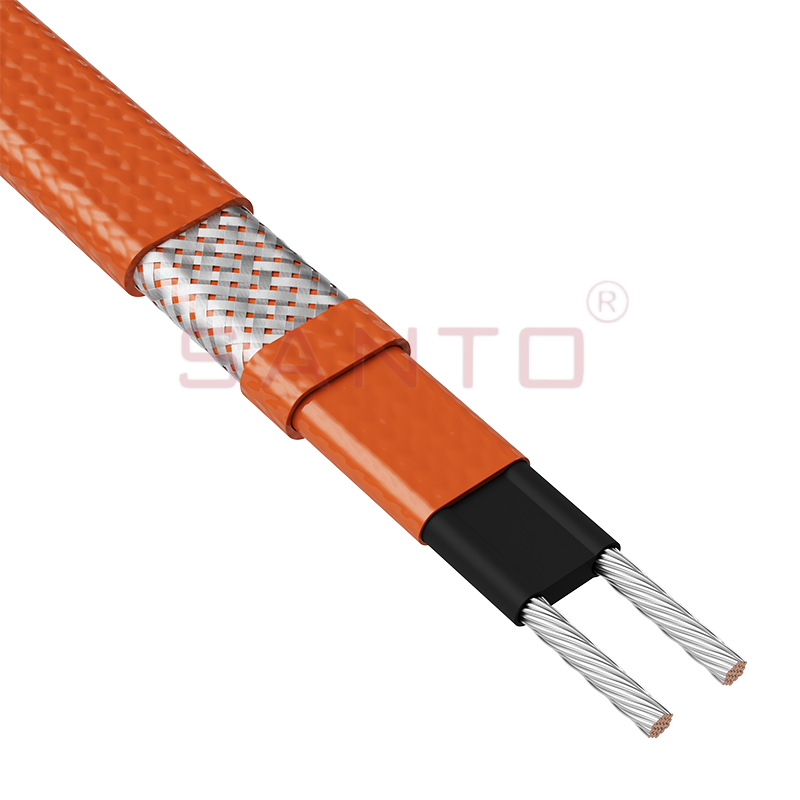
The SANTO UFO range of self-regulating heating cables is mainly used for frost protection of pipes and vessels that require steam cleaning . They can also be used to maintain processes up to 150°C. Th...
See Details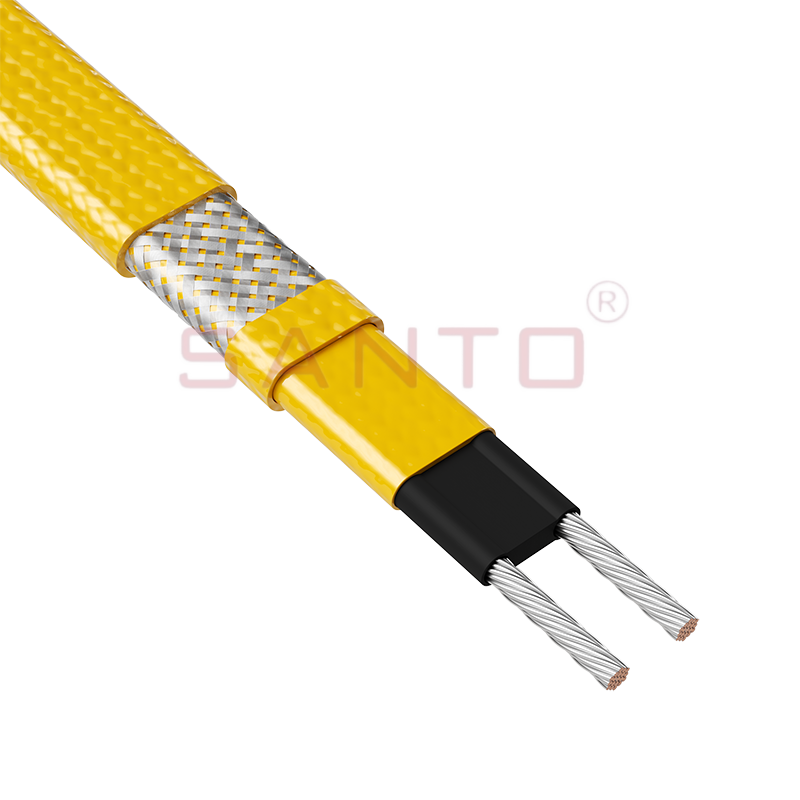
The SANTO UFD series of self-regulating heating cables are mainly used for freeze protection of pipes and vessels, but can also be used to maintain processes up to 200°C. These heating cables are avai...
See Details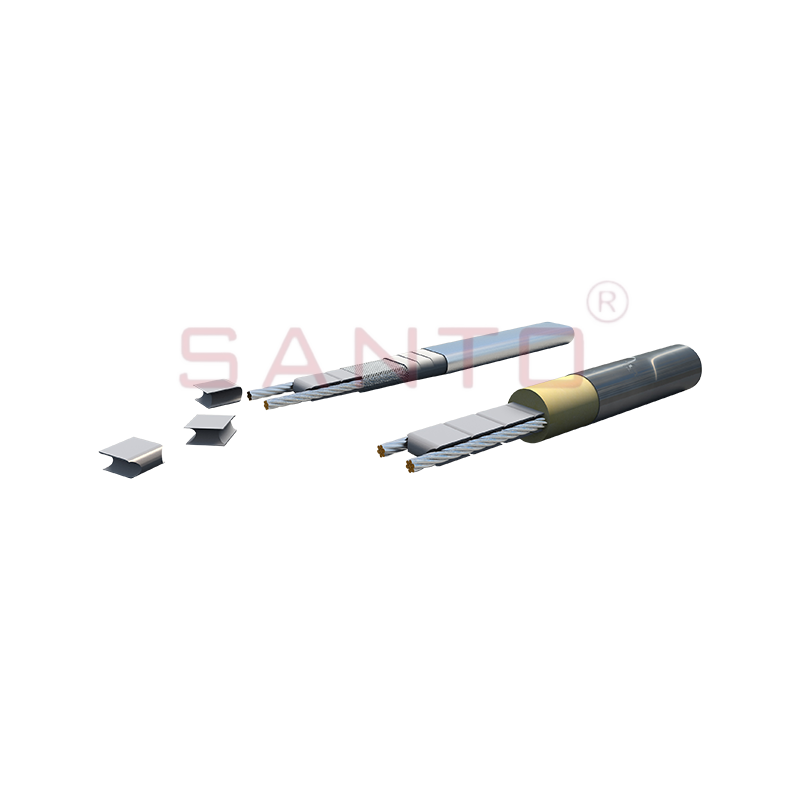
SANTO UFY heating wire is suitable for applications that maintain process temperatures up to 260 ℃ and can be steam blown; The self-regulating and parallel circuit heating wires of the UFY series are ...
See Details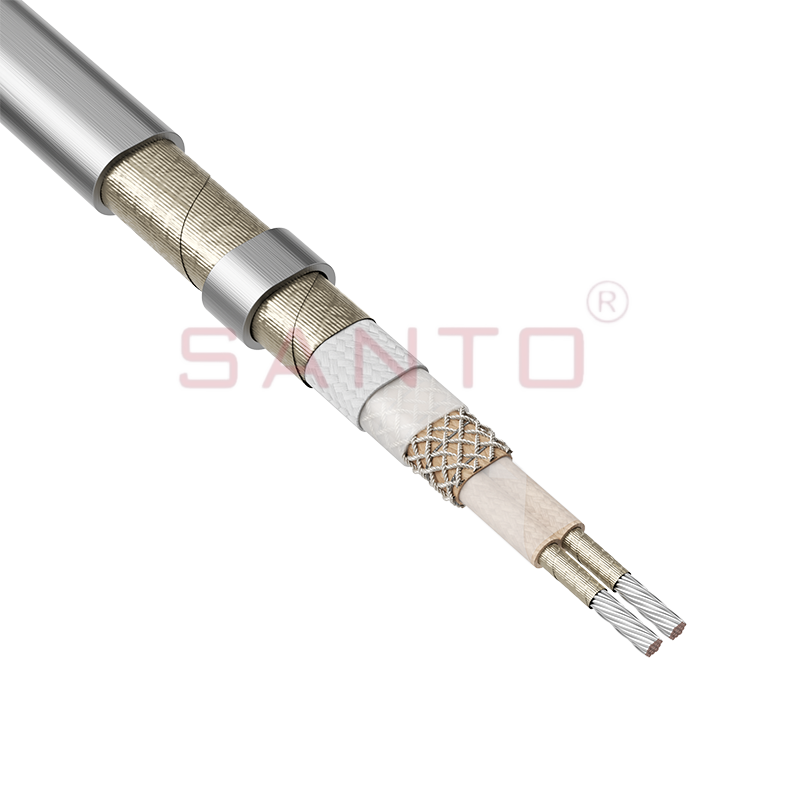
The SANTO UFM series self-regulating heating cables are mainly used for freeze protection of pipes and vessels, but can also be used to maintain processes up to 400°C. These heating cables are availab...
See Details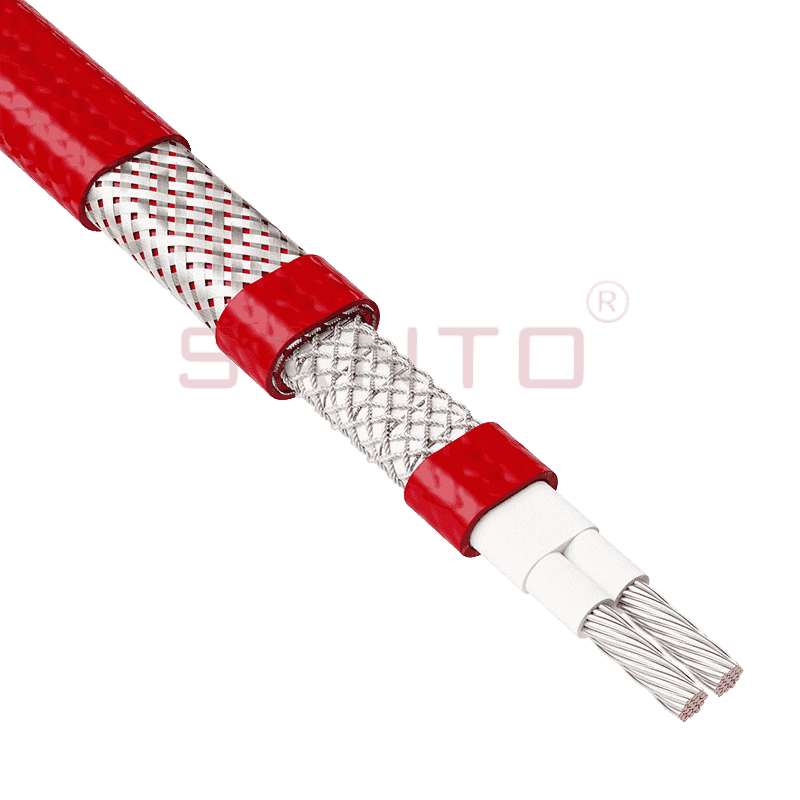
The SANTO ACC range of power-limiting heating cables is mainly used for temperature maintenance of processes and offers the advantage of a high power output at high temperatures which can reduce the n...
See Details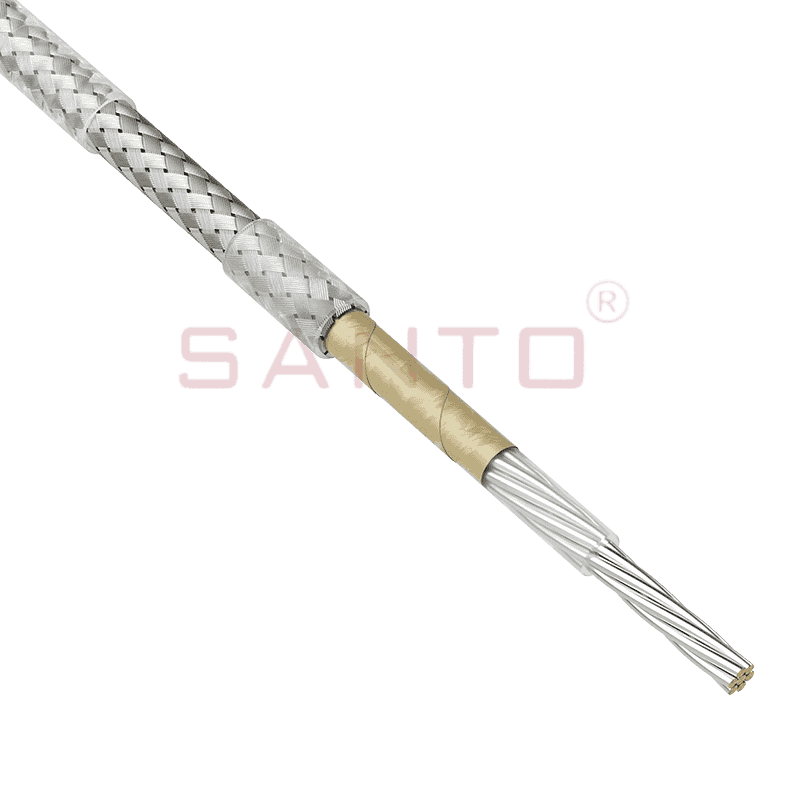
The stranded high temperature conductor is nickel plated to ensure a long life at elevated temperatures in corrosive environments. It is electrically isolated using an innovative sandwich construction...
See Details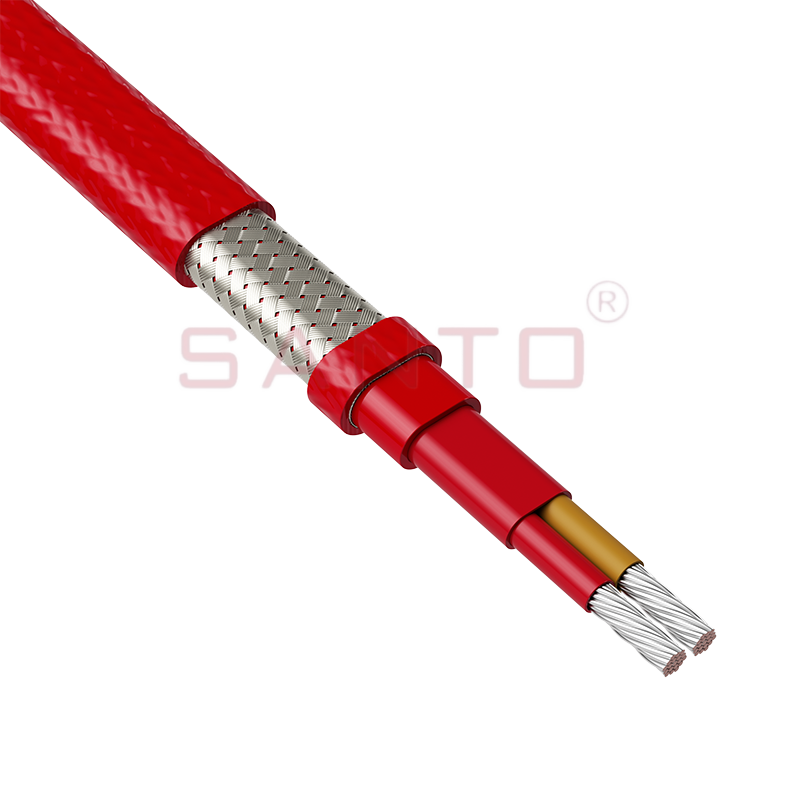
The stranded high temperature conductor is nickel plated to ensure a long life at elevated temperatures in corrosive environments. It is electrically isolated using an innovative sandwich construction...
See Details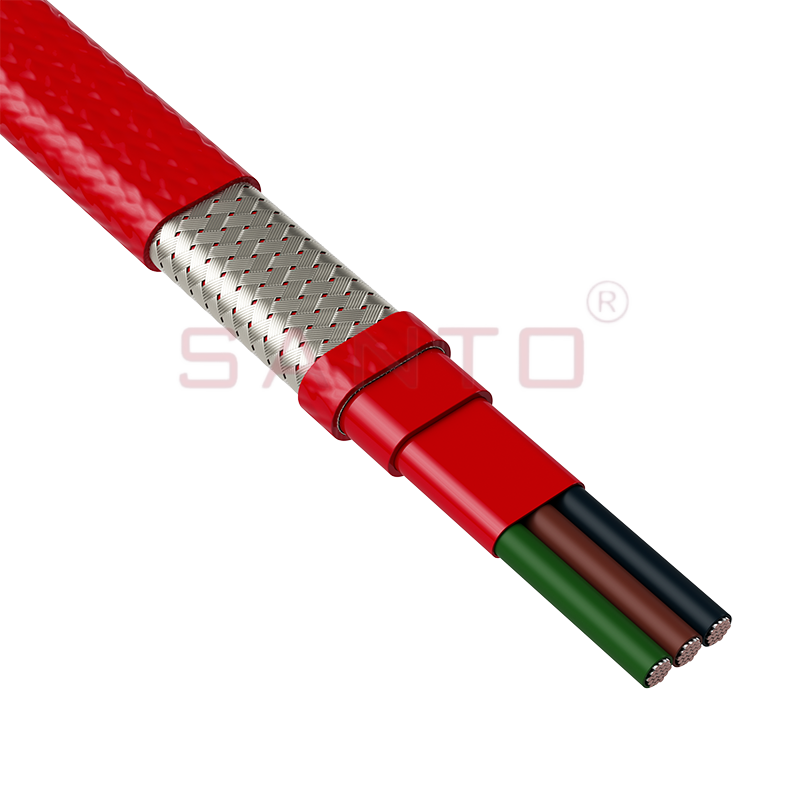
The stranded high temperature conductor is nickel plated to ensure a long life at elevated temperatures in corrosive environments. It is electrically isolated using an innovative sandwich construction...
See Details
SANTO HAx mineral insulated (MI) Alloy 825 series heating cables are suitable for use in hazardous areas. They have been designed for use in freeze protection and temperature maintenance applications ...
See Details
Santo electric heating strips are widely used in key industries in China.

