 English
  English
 русский
 日本語
日本語 Español
 中文简体
中文简体
The SANTO UFA range of self-regulating heating cables is mainly used for frost protection of pipes and vessels but can also be used to maintain processes up to 65°C. These heating cables are available...
See Details

Snow and ice on roads, ramps, walkways, stairs, loading areas, and entrances create serious safety and operating challenges. Even a thin layer of ice can reduce traction, increase braking distances, damage surfaces, and interrupt access for vehicles and pedestrians. Manual snow removal may be labor-intensive and temporary, while chemical deicers can corrode metal, harm vegetation, and affect concrete over time. A properly designed electric ground heating system offers a controlled and dependable way to prevent or remove snow and ice at the surface.
The SANTO UFP self-regulating heating and snow melting cable is designed for road snow melting and ground heat tracing applications. It is suitable for installation in ramps, lanes, roads, walkways, stairs, and other outdoor areas where freezing conditions create a safety risk. The system can be installed beneath concrete, within sand and cement mixtures, or directly under asphalt when the installation method is correctly selected.
Its principal advantage is the combination of durable heating construction, flexible installation, and intelligent control. When paired with the VIA-DU-20 control unit and appropriate sensors, the system can respond to ground temperature, ground humidity, and ambient conditions. Instead of operating only because the temperature has dropped below a fixed setting, the control system can activate heating when moisture, snow, or ice conditions are detected. This approach can reduce unnecessary operating time and may provide energy savings of up to 80 percent compared with conventional constant-temperature control, depending on system design, weather conditions, insulation, and operating practices.
Content
Outdoor snow melting is more demanding than ordinary indoor electric heating. A road or ramp is exposed to rain, snow, freeze-thaw cycles, mechanical loads, construction materials, and changing ambient temperatures. The heating system must remain stable beneath the finished surface while transferring enough heat upward to melt snow and prevent ice formation.
A suitable system must address several design requirements:
First, the heating cable must be compatible with the selected installation environment. Concrete, sand beds, cement mixtures, and asphalt each impose different mechanical and thermal conditions. A cable intended for indoor floor heating may not be suitable for a vehicle ramp or hot-poured asphalt application.
Second, the heating layout must match the shape and use of the area. A rectangular heating zone is relatively simple, but ramps, curved driveways, irregular entrances, drainage channels, and narrow steps require a flexible layout. The heating cable should be arranged to provide consistent coverage without creating cold spots or excessive heating concentration.
Third, the control system must respond to actual snow and ice risk. A basic thermostat that activates whenever the air temperature falls below a set point may run for long periods when the ground is dry. A sensor-based controller can make decisions using both temperature and moisture information, allowing the system to operate more selectively.
Finally, the product and its accessories must support practical installation. Cable routing, end connections, power supply, sensor placement, control panel integration, and commissioning all influence the long-term performance of the system.
The SANTO UFP self-regulating heating and snow melting cable is part of a complete ground heat tracing solution. The cable is intended to generate heat below outdoor surfaces, helping melt snow and remove ice from areas used by vehicles and pedestrians.
The solution is designed for:
Ramps and vehicle lanes
Roads and access routes
Walkways and stairs
Entrances and loading areas
Ground heat tracing applications
Snow and ice prevention zones
The system may be supplied with heating cable, connection components, a sensor arrangement, an advanced control unit, and an integrated control panel. The exact configuration should be selected according to the heated area, surface construction, local climate, electrical supply, required snow-melting performance, and applicable installation standards.
The cable can be adapted to complex heating zones. According to the supplied product information, the heating wire can be cut as required and connected at the tail end on site, while factory-supplied tail-end connection units are also available. This feature can simplify layout work and help installers accommodate ramps, irregularly shaped entrances, and other areas that do not follow a standard grid.
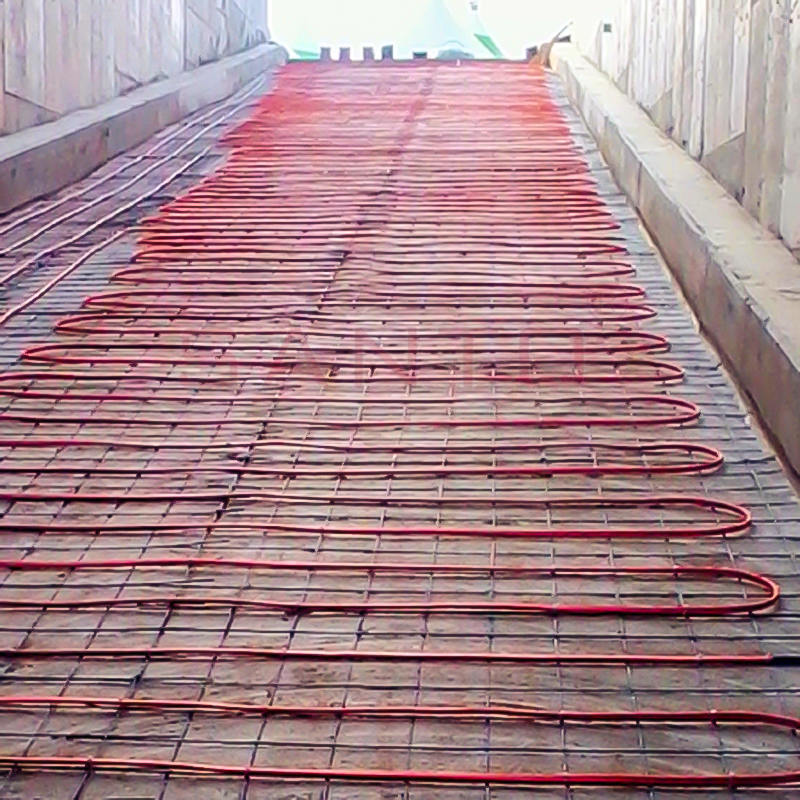
SANTO UFP Self regulating heating and snow melting cable
The self-regulating principle is important in outdoor heating because surface conditions are not uniform. Different parts of a road may have different levels of exposure to wind, shade, vehicle traffic, drainage, and snow accumulation. A cable with self-regulating characteristics can adjust its heat output in response to local temperature conditions, helping reduce the risk of excessive heating in warmer sections while maintaining useful output in colder sections.
Self-regulation should not be confused with automatic system control. The cable controls its heating behavior according to its construction and surrounding conditions, but the overall snow-melting system still requires appropriate electrical protection, switching, sensors, and control logic. The VIA-DU-20 control unit is intended to provide this higher-level control by evaluating environmental conditions before activating the heating circuit.
Compared with a conventional constant-power or constant-temperature arrangement, the combination of self-regulating cable and intelligent control offers several potential benefits:
Reduced unnecessary heating when the surface is cold but dry.
Better adaptation to changing surface conditions.
Lower operating costs when the system is correctly designed and controlled.
Less dependence on manual activation.
Improved convenience for building owners, road operators, and facility managers.
More appropriate heating behavior for areas with variable exposure and moisture.
The actual energy performance depends on many factors. These include cable spacing, installed power, surface type, insulation, drainage, local snowfall, wind, operating temperature, sensor position, and maintenance. The stated potential saving of up to 80 percent is therefore a system-level result associated with intelligent control rather than a guarantee for every installation.
A snow-melting system should ideally operate when snow or ice is likely to form, not simply whenever the air becomes cold. The SANTO VIA-DU-20 control concept addresses this requirement by combining environmental measurements.
The sensor block combination can measure ground temperature, ground humidity, and ambient wall temperature. These measurements allow the controller to distinguish between cold and dry conditions and cold conditions accompanied by moisture. The system can remain off when the ground is below the selected temperature but no snow or water is present. When moisture and low temperature indicate a risk of snow or ice, the controller can activate the heating circuit.
This operating method has an important advantage over basic temperature-only control. In a temperature-only system, the heating cable may operate for extended periods during a dry winter night, even though no snow melting is required. The intelligent control unit can reduce this idle operation by using moisture information as part of the activation decision.
The controller may also continue operation for a suitable period after precipitation or melting begins, depending on the control settings and sensor feedback. Proper commissioning is essential. Sensor positions should represent the area being protected and should not be installed where they are shielded from precipitation, exposed to abnormal heat, or affected by unrelated water sources.
The control system supports the broader goals of safety, energy efficiency, and automatic operation. It can be incorporated into a complete control panel and coordinated with the electrical protection devices required by the project.
A typical operating sequence can be understood in four stages.
In the first stage, the sensors monitor the outdoor environment. The ground sensor checks surface temperature and humidity, while the ambient sensor provides information about surrounding conditions.
In the second stage, the controller evaluates whether the measured conditions indicate a risk of snow or ice. Cold, dry conditions may not require heating. Cold, wet conditions may require activation.
In the third stage, the controller energizes the snow-melting circuit when the programmed conditions are met. The cable begins transferring heat through the surrounding surface structure.
In the fourth stage, the controller stops or reduces operation when the melting demand has passed, according to the system configuration. This helps prevent the heating circuit from continuing unnecessarily after the surface has become safe.
This automated sequence is especially valuable for commercial driveways, building entrances, public walkways, and industrial sites where staff may not be available to monitor the weather continuously.
Manual shoveling and mechanical clearing can remove snow after accumulation, but they require labor, equipment, storage space, and repeated intervention. They may also leave a thin layer of ice behind, particularly when snow is compacted by vehicle traffic or melts and refreezes.
An embedded heating cable works below the surface and can begin melting snow as soon as the control system detects appropriate conditions. This can reduce the need for immediate manual intervention and help preserve access during changing weather.
Salt and other chemical deicers are widely used, but they may contribute to corrosion of vehicles, steel structures, and drainage components. Repeated use may also affect concrete, landscaping, soil, and nearby water systems. A heating system does not introduce chemical deicing agents onto the surface. It can therefore be useful in locations where chemical exposure must be limited, such as entrances, bridges, sensitive landscaping areas, and facilities with strict environmental requirements.
Traditional temperature-controlled systems often operate when the temperature falls below a preset value. This can be simple to understand, but it may lead to long operating periods during dry weather. The SANTO solution uses a combination of temperature and moisture sensing through the VIA-DU-20 control unit. This allows activation to be linked more closely to actual snow and ice conditions.
Some heating products are difficult to adapt when the installation area contains curves, corners, steps, ramps, or irregular boundaries. The flexible design of the SANTO cable allows installers to plan complex heating zones more conveniently. This can improve coverage and reduce the need for multiple unrelated heating sections.
Portable heaters, temporary mats, and repeated snow-clearing equipment may provide short-term assistance but generally do not offer an integrated, concealed solution. An embedded snow-melting cable is protected within the ground structure and remains available throughout the winter season when properly installed and maintained.
The SANTO ground heat tracing system is designed for several common construction formats. The appropriate installation method depends on the project design and must be confirmed by qualified technical personnel.
For concrete areas, the cable can be positioned within the planned slab structure at a controlled depth and spacing. The layout should provide even heat distribution while avoiding damage during reinforcement placement, concrete pouring, finishing, and curing.
Before concrete placement, the cable should be secured so that it cannot move, float, become sharply bent, or be pressed against unsuitable structural components. Electrical continuity and insulation checks should be completed before and after the concrete work, following the applicable project procedures.
A sand bed or cement-based installation can be useful for walkways, steps, and certain paving structures. The heating cable must be positioned so that the surrounding material provides stable mechanical support and effective heat transfer. Care should be taken to prevent sharp aggregate, construction tools, or heavy equipment from damaging the cable.
This installation format may provide flexibility when the surface finish consists of pavers, slabs, or other modular materials. The design should account for thermal expansion, drainage, surface replacement, and access to electrical connection points.
The system can also be used directly under asphalt for appropriate rapid-installation formats. Asphalt placement involves heat, compaction, and mechanical stress, so the cable must be selected and installed for this environment. The installation team should verify temperature limitations, protection requirements, routing, and construction procedures before hot-poured asphalt is applied.
Asphalt work should be coordinated carefully. Vehicles, rollers, rakes, and other equipment must not pull, crush, cut, or displace the heating cable. Cable testing should be performed at defined stages so that any damage can be identified before the surface is completed.
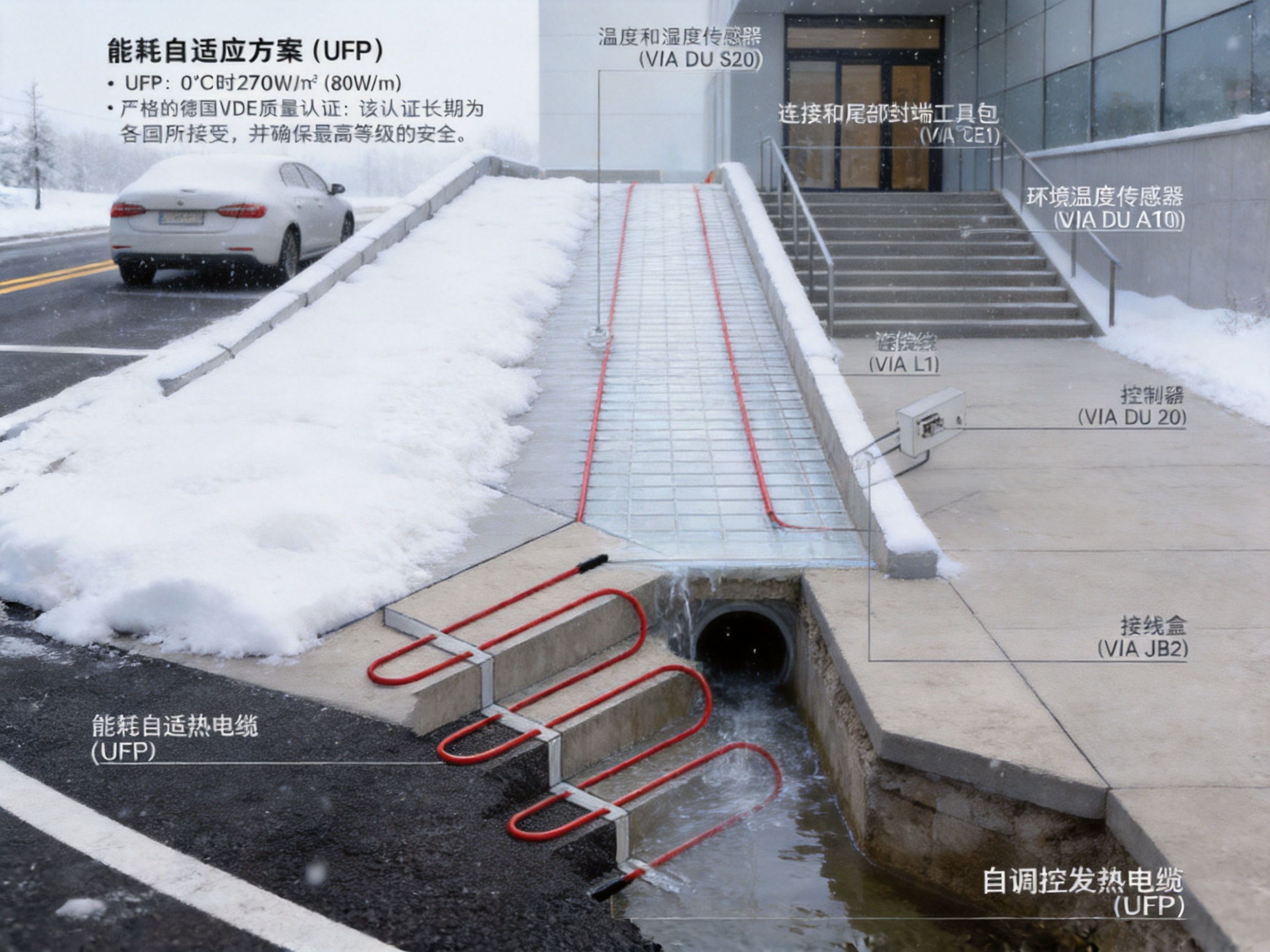
One of the strongest practical advantages of the system is its ability to serve irregular areas. Snow and ice do not occur only on simple rectangular surfaces. Vehicle ramps may widen near the entrance, walkways may curve around a building, and stairs may contain multiple landings. A flexible heating cable makes it easier to follow these shapes while maintaining a planned heating density.
Designers should divide the application into logical heating zones. A zone may be based on surface area, usage, exposure, electrical load, or operational priority. For example, a steep vehicle ramp may require independent control from a flat pedestrian walkway. A shaded entrance may require different operating attention from a sunny road section.
Key design considerations include:
The total heated area.
The required snow-melting performance.
Local minimum temperature and snowfall patterns.
Surface material and thickness.
Drainage and the direction of meltwater.
Cable spacing and installed power.
Electrical circuit capacity.
Sensor locations.
Expansion joints and structural divisions.
Vehicle loading and construction traffic.
Access to control panels and connection points.
Areas beneath permanent obstacles should be reviewed carefully. Heating beneath structures that cannot release heat may produce undesirable thermal conditions. Likewise, drainage routes should be designed so that melted water does not collect and refreeze outside the heated zone.
Outdoor ground heating systems must remain reliable after the surface has been completed. The SANTO system is promoted for harsh installation conditions that may include cement, sand, and hot-poured asphalt. This makes installation quality particularly important because the cable may become inaccessible after construction.
Durability is influenced by both product construction and project execution. A robust cable can still be damaged by incorrect bending, excessive pulling force, unapproved connection methods, sharp tools, or uncontrolled movement during concrete and asphalt placement. For this reason, installation instructions, testing procedures, and site supervision should be treated as essential parts of the system.
The cable should be stored in a clean, dry location before installation. It should be protected from unnecessary impact and should not be dragged across sharp surfaces. The minimum bend radius and other product-specific limitations must be followed. Connections should be made only with approved components and by qualified personnel.
Factory-supplied tail-end connection units can support consistent installation quality. On-site connection capability may also be useful when the heating zone requires a tailored cable length. However, all on-site terminations should be completed according to the manufacturer’s technical instructions and applicable electrical requirements.
A reliable project should include inspections and electrical tests at multiple stages. Before installation, the cable should be checked for visible damage and the identification information should be recorded. After placement, continuity and insulation resistance should be verified. The test results should be documented before the cable is covered by sand, concrete, or asphalt.
Additional testing after surface completion can confirm that the circuit remains intact. The control panel, sensors, protective devices, and switching functions should then be commissioned as a complete system.
These measures help identify construction-related damage before the area enters service. They also create a useful record for future maintenance and troubleshooting.
SANTO Thermal Control Technology Co., Ltd. is described as a high-tech manufacturer based in Jiangsu Province, an area known for electric heating belt production in China. The company integrates research, design, manufacturing, quality management, and sales. Its product range includes automatic temperature-control heating belts, self-limiting heating belts, constant-power heating belts, silicone rubber heating products, glass fiber heating products, MI cables, snow melting cables, LCD tracked heaters, and related accessories.
This broad product base is relevant to snow-melting cable production because it indicates experience across multiple electric heating technologies. A manufacturer working with self-limiting, constant-power, silicone rubber, mineral-insulated, and other heating constructions can apply knowledge of conductor design, insulation, resistance control, protective layers, connection technology, and application engineering.
The company reports more than 35 years of industry experience, annual output exceeding 10,000 units or products, more than 2,000 distributors, and business coverage in over 85 areas. These figures indicate an established production and distribution network. They also suggest experience supporting different climatic conditions, installation practices, and customer requirements.
The company states that it has strengthened new product development, technical guidance, scientific management, product quality, and after-sales service. It has passed ISO9001 quality system certification, and its products have obtained national CCC certification. These certifications and management practices can support consistent manufacturing, although project purchasers should always confirm which certifications apply to the specific cable, control unit, and destination market.
SANTO’s company history includes the development of self-limiting temperature nano far-infrared heating technology for high-temperature pipeline heating and tracing, as well as the invention of carbon fiber parallel heating cable technology. The company also reports cooperation in product research with Harvard University in the United States.
Research experience is valuable because electric heating products must balance heat output, flexibility, electrical stability, mechanical protection, and service life. Product development is not limited to selecting a heating conductor. It also involves insulation systems, jacket materials, termination methods, resistance consistency, production testing, and compatibility with the intended installation environment.
The company’s history includes the establishment of an irradiation center in 2013. Where irradiation processing is used for applicable cable materials, it may help improve cross-linking or material performance. The exact process and its application should be verified for each product model, but the presence of dedicated development and processing capabilities reflects an effort to control important manufacturing stages internally.
Integrated manufacturing can improve coordination between design and production. When a manufacturer develops the cable, connection units, controls, and related accessories within the same product system, it may be easier to maintain compatibility and provide technical support.
Quality management should cover incoming materials, conductor resistance, insulation thickness, dimensional tolerances, electrical performance, connection integrity, visual inspection, and final packaging. For a ground heating product, quality control is especially important because repair access can be limited after installation.
Production records and batch identification can assist with traceability. A professional supplier should be able to provide product documentation, installation guidance, test information, packaging details, and technical support for project-specific requirements.
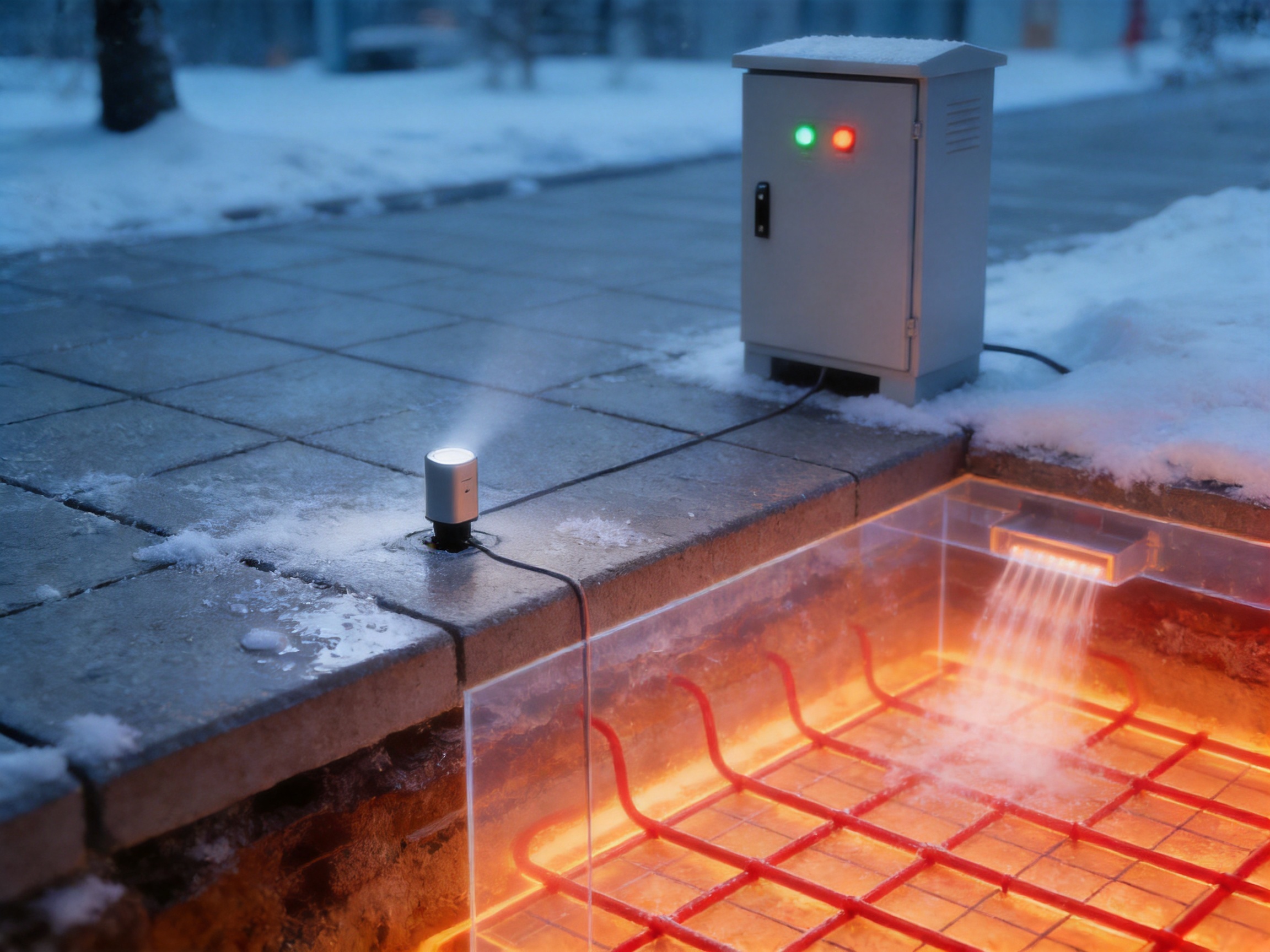
A snow-melting cable should not be considered an isolated product. The best results come from a complete system in which the heating element, sensors, control unit, electrical protection, connection components, surface structure, and drainage work together.
A typical system may include the following components:
Heating cable installed in the road, ramp, walkway, or stair structure.
Cold leads or connection sections routed to the control location.
Tail-end connection units or approved end terminations.
Ground temperature and humidity sensors.
An ambient temperature sensor or wall-mounted sensor.
VIA-DU-20 intelligent control equipment.
An integrated control panel.
Electrical protection and switching devices selected for the installation.
Identification labels, test records, and commissioning documentation.
The heating area should be connected to an electrical supply that matches the calculated load. The control panel should be located in an accessible, protected position. Sensor cables should be routed to avoid interference, mechanical damage, and locations that do not represent actual surface conditions.
Energy efficiency is one of the most important considerations when evaluating an electric snow-melting system. Snow melting requires considerable power during active precipitation, but a system should not consume the same amount of energy during every cold period. The control strategy therefore has a direct effect on operating cost.
The VIA-DU-20 intelligent control unit is designed to reduce unnecessary operating time by using humidity and temperature information together. When the surface is cold but dry, the system can remain off. When low temperature and moisture indicate snow or ice risk, the heating system can activate.
The claimed saving of up to 80 percent compared with standard constant-temperature control reflects the difference between demand-based activation and temperature-only operation. To obtain the best practical result, the sensors must be installed correctly, the control thresholds must be commissioned for the local climate, and the heating zones must be designed according to actual risk areas.
Energy performance can also be improved through construction design. Appropriate surface thickness, adequate drainage, protection from excessive wind exposure where possible, and selective heating of high-priority areas can all influence the total load. Heating every part of a large site may not be necessary if only ramps, entrances, crossings, and access points require snow-free conditions.
Ground snow-melting systems are electrical installations and must be designed, installed, and serviced by qualified professionals. The power supply, protective devices, grounding, insulation, circuit segmentation, and control panel should comply with applicable national and local requirements.
Before each winter season, the system operator should review the control panel, sensor operation, visible cable connection areas, and protective devices. Any alarms, unusual tripping, damaged enclosures, or inconsistent sensor readings should be investigated before severe weather occurs.
The finished surface should also be inspected. Major cracks, unauthorized drilling, resurfacing work, or construction changes may affect the cable. Property owners should maintain records showing the locations of heating zones and connection points so that future work does not accidentally damage the system.
Snow-melting performance depends on heat transfer through the surface. Leaves, dirt, standing water, or surface defects may affect sensor readings and drainage. Keeping drains clear is especially important because melted snow must leave the heated area without creating a new refreezing hazard.
Factories, warehouses, distribution centers, and industrial sites often require continuous access for vehicles. A heated ramp or loading approach can reduce delays and improve operating continuity during winter weather. It may also reduce the labor required for repeated snow clearing around loading doors and emergency routes.
Apartment entrances, office buildings, hotels, shopping centers, and private driveways can use ground heating to improve pedestrian comfort and reduce slip risks. Walkways and steps are particularly suitable because they are difficult to clear completely by mechanical equipment.
Schools, hospitals, transport facilities, public buildings, and community areas may benefit from automatic snow and ice protection. These locations often have a high volume of pedestrian movement and may require reliable access for people with limited mobility, emergency services, or deliveries.
Vehicle ramps and inclined lanes are vulnerable to traction loss. Heating can help maintain a safer surface when snow and ice would otherwise accumulate. Independent heating zones can be used to prioritize steep sections, turning areas, and approach lanes.
Before ordering a snow-melting cable system, the project team should collect detailed information about the site.
The first requirement is an accurate plan of the area. The plan should show boundaries, slopes, drainage points, expansion joints, obstacles, access covers, and locations where heating is not required.
The second requirement is the surface construction. The designer should identify whether the cable will be installed in concrete, a sand and cement bed, beneath pavers, or under asphalt. The installation temperature and mechanical conditions must be considered.
The third requirement is the climate profile. Design decisions should account for minimum temperature, snowfall intensity, freezing rain, wind exposure, solar exposure, and the expected duration of winter conditions.
The fourth requirement is the electrical design. The installer should calculate circuit loads, cable lengths, control zones, protection requirements, supply voltage, and panel capacity. Large areas may need multiple circuits and staged control.
The fifth requirement is sensor planning. Sensors should be installed where they can detect representative ground conditions and should be protected from physical damage. Incorrect placement can cause delayed activation or unnecessary operation.
The sixth requirement is commissioning and documentation. The project should include test procedures, as-built drawings, cable routing records, control settings, and maintenance instructions.
| Project factor | Why it matters | Recommended planning action |
|---|---|---|
| Surface material | Concrete, sand mixtures, and asphalt create different thermal and mechanical conditions. | Select the cable and installation method for the actual surface structure. |
| Area geometry | Curves, ramps, stairs, and irregular boundaries affect cable spacing and routing. | Divide the site into practical heating zones and prepare a layout drawing. |
| Climate | Snowfall, freezing rain, wind, and temperature influence heat demand. | Use local weather information to establish the design basis. |
| Drainage | Meltwater can refreeze if it is not removed from the heated area. | Inspect drains, slopes, channels, and discharge routes before installation. |
| Control strategy | Temperature-only activation may cause unnecessary operation. | Use temperature and moisture sensing where demand-based control is required. |
| Electrical supply | Heating circuits may represent a significant connected load. | Complete load calculations and provide suitable protective equipment. |
| Construction traffic | Tools and machinery can damage or displace the cable before covering. | Protect, secure, and test the cable at each construction stage. |
Snow-melting projects involve more than selecting a cable length. They require coordination between heating design, civil construction, electrical engineering, and commissioning. A manufacturer with experience in electric heating products can help customers identify suitable cable types, connection methods, control options, and installation procedures.
SANTO states that it provides research, product development, manufacturing, technical guidance, and after-sales service. This integrated support can be valuable for original equipment manufacturers, contractors, distributors, and project owners that need customized heating solutions rather than a standard retail product.
The company also describes itself as a China OEM and ODM heating cable manufacturer. OEM and ODM capability may allow products to be adapted for different markets, packaging requirements, electrical systems, cable lengths, connection arrangements, control configurations, and customer branding needs. Any customization should be confirmed through technical drawings, specifications, samples, and formal approval procedures before mass production.
The company’s reported development history began with the establishment of Desheng Electric Heating Instrument Factory in 2000. It later passed ISO9001:2000 quality system certification, established an irradiation center, expanded product research, and developed the SANTO brand. The company was officially renamed Santo Thermal Control Technology Jiangsu Co., Ltd. in 2019.
Further development included the purchase of additional land for a new factory and product simulation testing laboratory in 2022. The company also reports establishing a Russia factory in 2023 to expand its brand and business presence. These developments indicate a strategy focused on manufacturing capacity, testing, international service, and market expansion.
For heating cable buyers, the practical value of this history lies in production continuity and technical depth. A supplier with experience across pipeline tracing, antifreeze, deicing, geothermal cultivation, construction heating, solar applications, and industrial heating may be able to understand the different requirements of both indoor and outdoor systems.
Nevertheless, each project should be evaluated using product-specific documentation. Buyers should request the relevant technical data, installation instructions, certification documents, operating limits, warranty terms, and quality records for the selected model and market.
Electric snow melting can support cleaner site management by reducing the need for chemical deicers. It can also reduce the amount of snow that must be moved, stored, or transported. When controlled intelligently, the system can direct energy toward actual snow and ice events rather than operating continuously during all cold weather.
The environmental performance of any electric heating system depends on the source of electricity, the efficiency of the control strategy, the quality of the installation, and the service life of the product. A durable cable that remains in service for many seasons may provide better lifecycle value than short-term solutions that require frequent replacement or repeated chemical application.
Good drainage and correct surface design remain important environmental measures. Meltwater should be directed safely, and the system should not be used to compensate for drainage problems or poor construction. Heating is most effective when integrated into a complete winter safety plan.
It is designed for electric snow melting and ground heat tracing. Typical applications include roads, ramps, vehicle lanes, walkways, stairs, entrances, and other outdoor areas where snow and ice can create safety or access problems.
Self-regulating describes the heating behavior of the cable in response to surrounding temperature conditions. It is intended to adapt its heat output rather than operating as a simple fixed-output heater in every location. The complete system still requires suitable control equipment and electrical protection.
The supplied information states that the system can be used directly under asphalt for suitable installation formats. Because asphalt placement involves high temperature and mechanical compaction, the cable type, installation procedure, temperature limits, and construction sequence must be confirmed before work begins.
Yes. The system is described as suitable for concrete and sand or cement mixtures. The cable must be secured, protected, tested, and positioned according to the approved design before the concrete or surrounding material is placed.
The control unit combines ground temperature, ground humidity, and ambient temperature information. It can remain off during cold but dry conditions and activate heating when moisture and low temperature indicate snow or ice risk. The stated potential saving is up to 80 percent compared with standard constant-temperature control, but actual savings vary by project.
Temperature alone does not confirm that snow or ice is present. Humidity or moisture information helps the controller identify conditions in which precipitation or surface water may freeze. This can reduce operation during periods when the ground is cold but no melting is required.
Yes. The system is designed for flexible layouts, including ramps, irregular entrances, curved routes, and complex heating zones. A detailed layout should be prepared to ensure appropriate coverage and to avoid obstacles, joints, and areas where heating is unnecessary.
The product information states that the heating wire can be cut as needed and connected at the tail end on site, with factory-supplied tail-end connection units also available. Cutting and termination must follow the manufacturer’s instructions and must be performed by qualified personnel.
No. The system is intended to melt snow and remove ice under designed conditions, but extreme snowfall, unusual weather, power interruption, poor drainage, incorrect settings, or inadequate design may still require manual assistance. It should be considered part of a complete winter maintenance plan.
The project team should confirm the heated area, surface construction, local climate, required performance, cable layout, circuit load, control requirements, sensor positions, installation method, certification needs, and construction schedule.
SANTO reports experience in research, design, production, manufacturing, OEM and ODM service, technical guidance, quality management, and after-sales support. Its product portfolio includes several electric heating technologies and related accessories.
The company states that it has passed ISO9001 quality system certification and that its products have obtained national CCC certification. Buyers should verify the certification status and applicability of the documents for the specific product model, voltage, installation environment, and destination country.
The SANTO UFP self-regulating heating and snow melting cable is designed as a practical solution for roads, ramps, walkways, stairs, and other outdoor surfaces affected by snow and ice. Its strengths include flexible installation, compatibility with concrete, sand-based structures, and suitable asphalt applications, as well as the ability to support complex heating zones.
The system’s most significant competitive advantage is the combination of self-regulating heating technology with intelligent moisture and temperature control. When paired with the VIA-DU-20 control unit, it can respond to actual snow and ice conditions rather than operating solely from a fixed temperature setting. This can improve convenience and may significantly reduce energy consumption compared with conventional control methods.
Its performance also depends on careful engineering. Correct cable spacing, reliable connections, representative sensor placement, sufficient electrical protection, suitable surface construction, effective drainage, and documented testing are all essential. A high-quality product cannot compensate for an unsuitable installation design.
SANTO’s reported manufacturing experience, broad electric heating product portfolio, OEM and ODM capabilities, quality management, research activity, and international development provide a foundation for supplying customized heating cable solutions. For contractors, distributors, industrial users, and project owners seeking dependable winter surface protection, the product can be evaluated as part of a complete, intelligently controlled ground heat tracing system.
SANTO Thermal Control Technology Co., Ltd. Product information for the UFP self-regulating heating and snow melting cable.
SANTO Thermal Control Technology Co., Ltd. Technical information concerning the VIA-DU-20 intelligent snow-melting control unit.
SANTO Thermal Control Technology Co., Ltd. Company profile, product portfolio, manufacturing history, and quality management information.
ISO 9001 quality management system principles for manufacturing and service organizations.
General electrical installation and safety practices for embedded electric heating systems.
General engineering guidance for snow melting, surface drainage, concrete installation, asphalt placement, and winter maintenance planning.
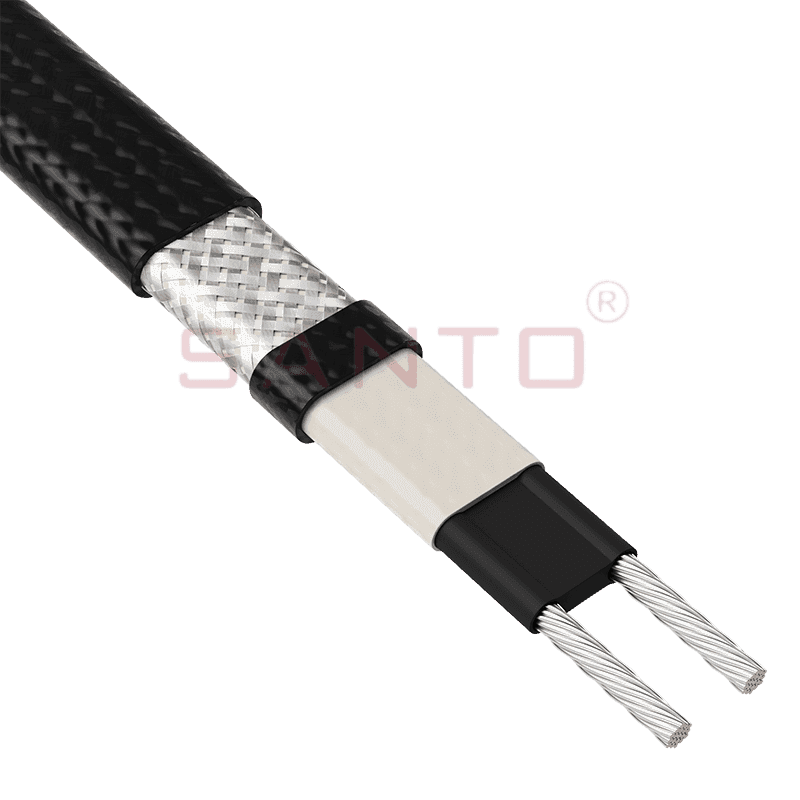
The SANTO UFA range of self-regulating heating cables is mainly used for frost protection of pipes and vessels but can also be used to maintain processes up to 65°C. These heating cables are available...
See Details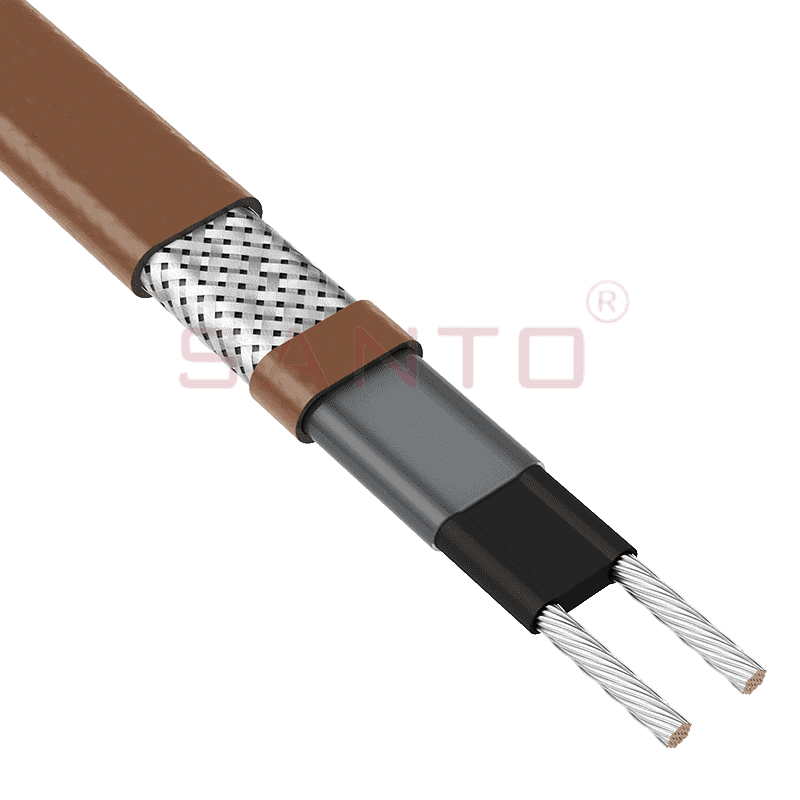
The SANTO UFB range of self-regulating heating cables is mainly used for frost protection of pipes and vessels requiring a higher power output than the UFA heating cables can supply. They can also be ...
See Details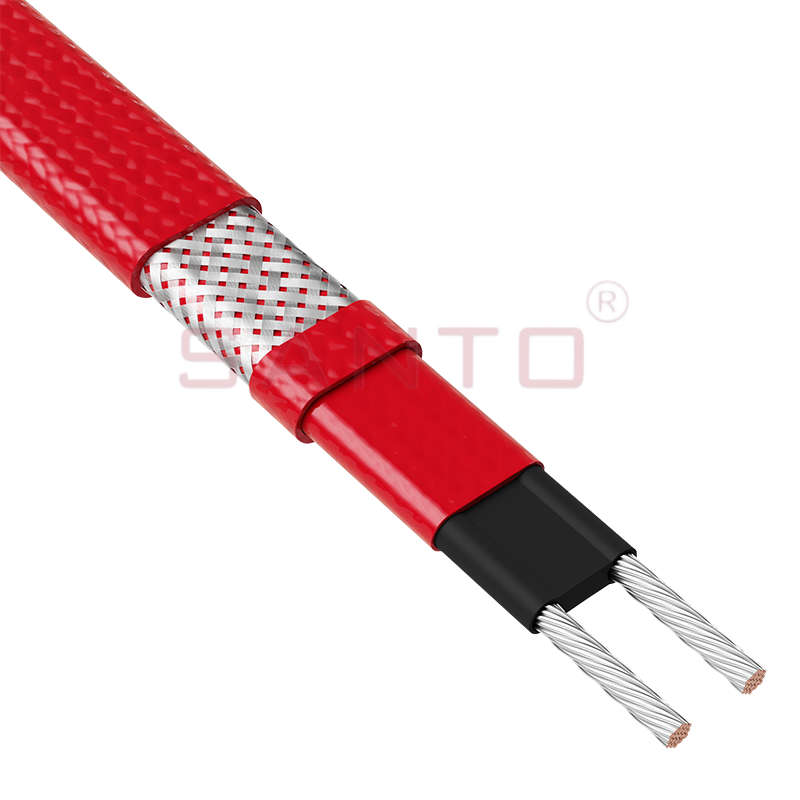
The SANTO UFC range of self-regulating heating cables is used for frost protection of pipes and vessels that require steam cleaning. They can also be used to maintain processes up to 121°C. These heat...
See Details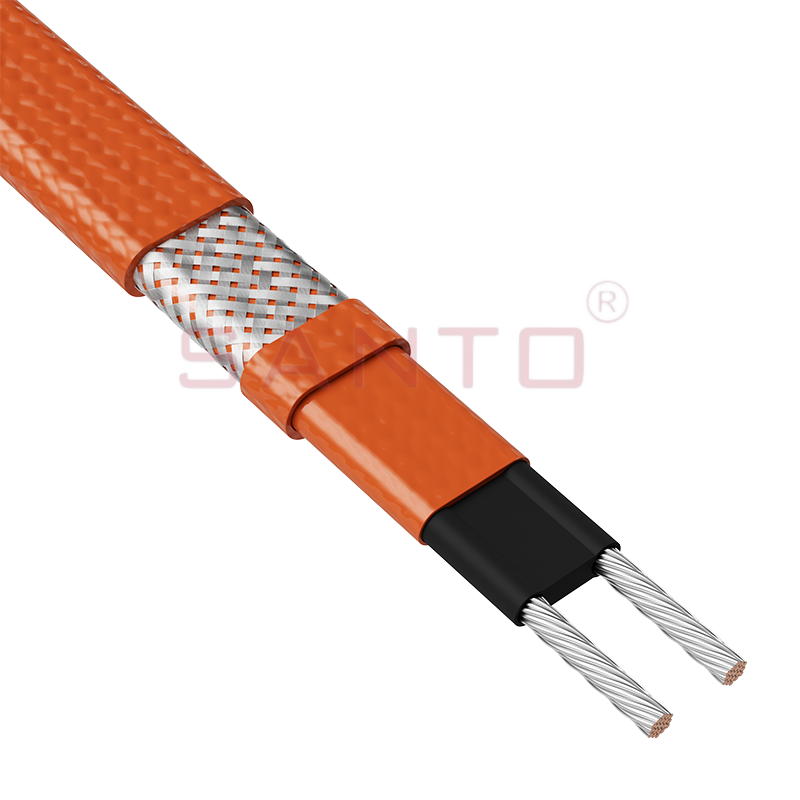
The SANTO UFO range of self-regulating heating cables is mainly used for frost protection of pipes and vessels that require steam cleaning . They can also be used to maintain processes up to 150°C. Th...
See Details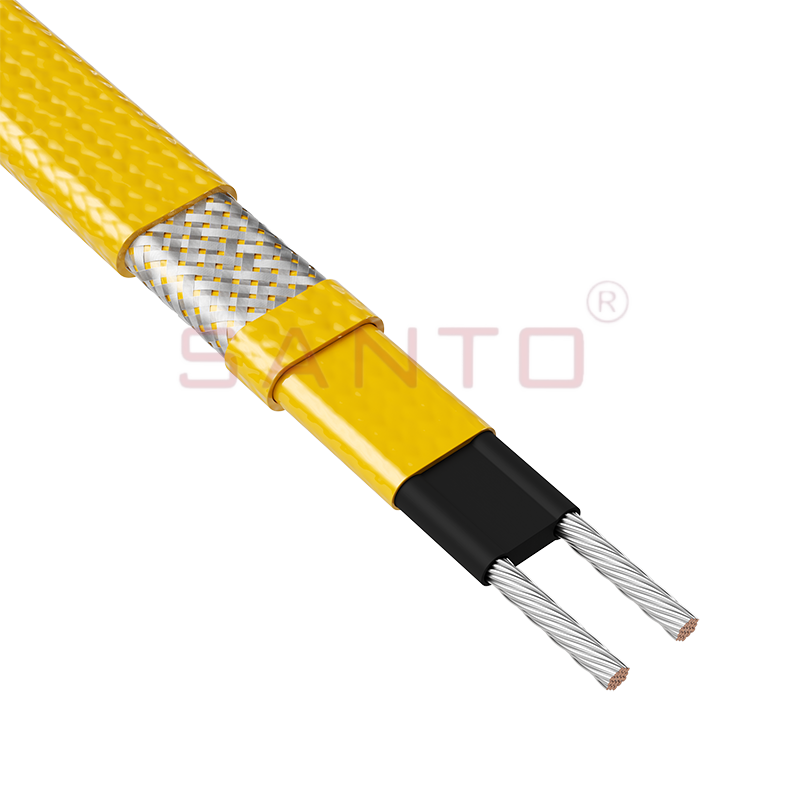
The SANTO UFD series of self-regulating heating cables are mainly used for freeze protection of pipes and vessels, but can also be used to maintain processes up to 200°C. These heating cables are avai...
See Details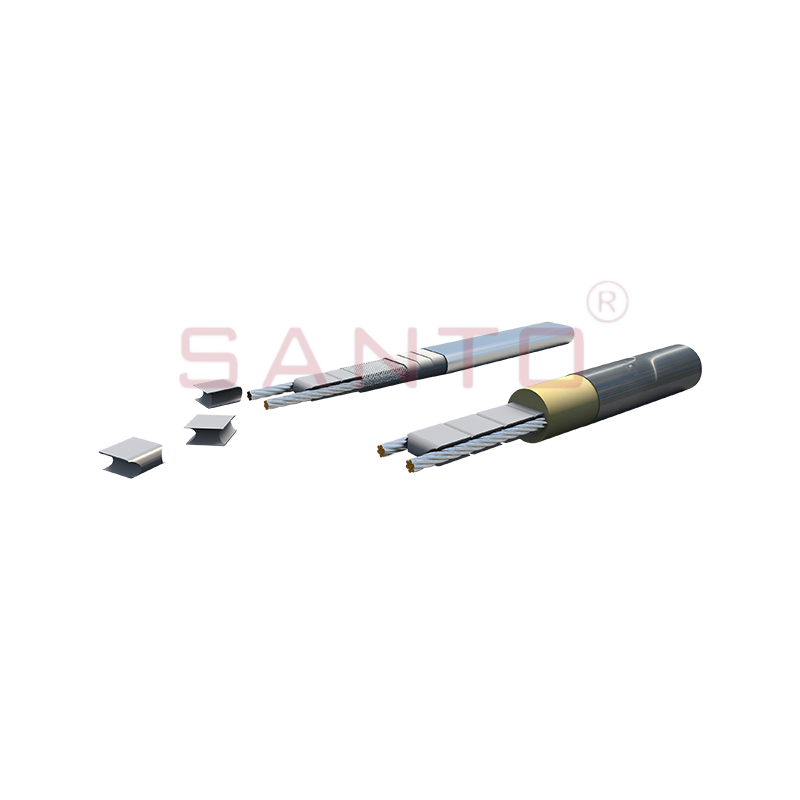
SANTO UFY heating wire is suitable for applications that maintain process temperatures up to 260 ℃ and can be steam blown; The self-regulating and parallel circuit heating wires of the UFY series are ...
See Details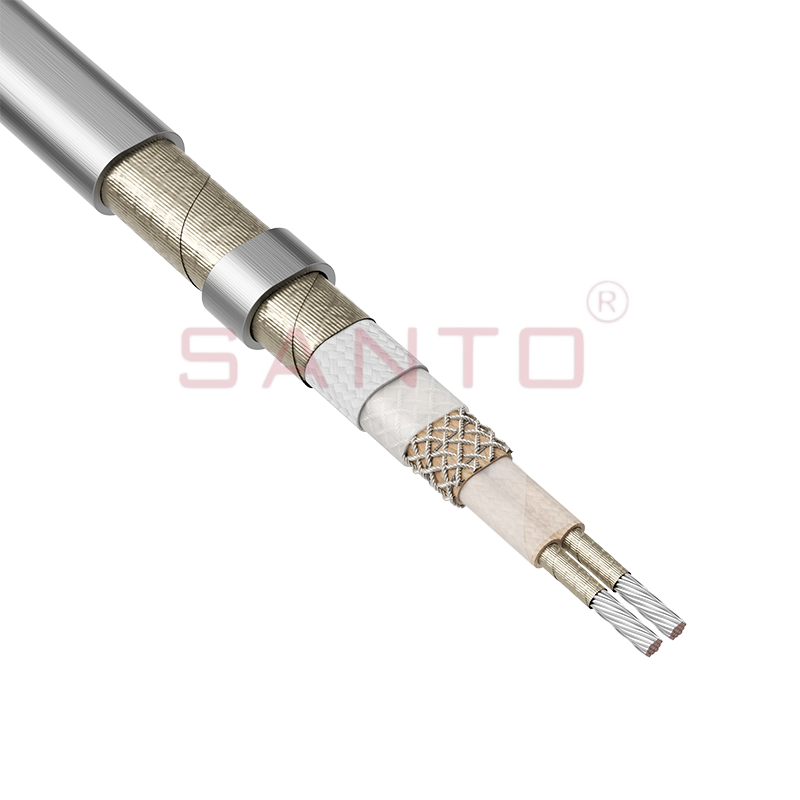
The SANTO UFM series self-regulating heating cables are mainly used for freeze protection of pipes and vessels, but can also be used to maintain processes up to 400°C. These heating cables are availab...
See Details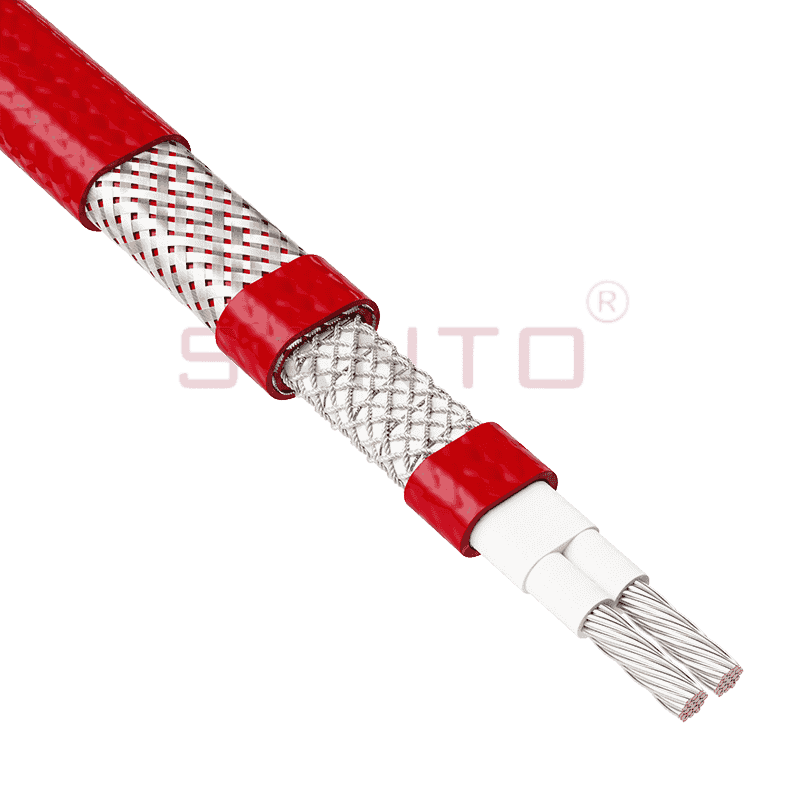
The SANTO ACC range of power-limiting heating cables is mainly used for temperature maintenance of processes and offers the advantage of a high power output at high temperatures which can reduce the n...
See Details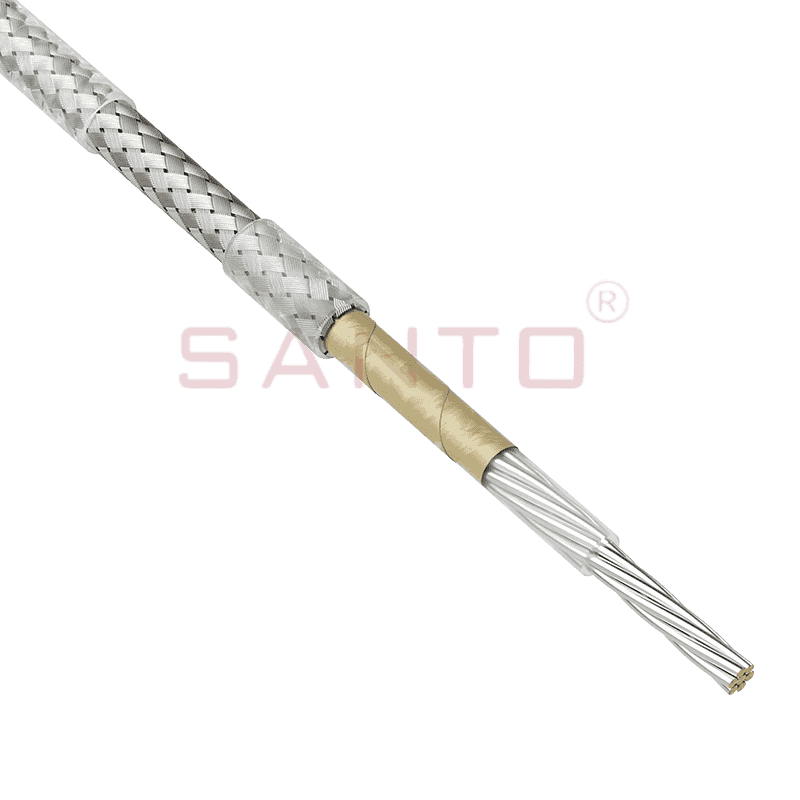
The stranded high temperature conductor is nickel plated to ensure a long life at elevated temperatures in corrosive environments. It is electrically isolated using an innovative sandwich construction...
See Details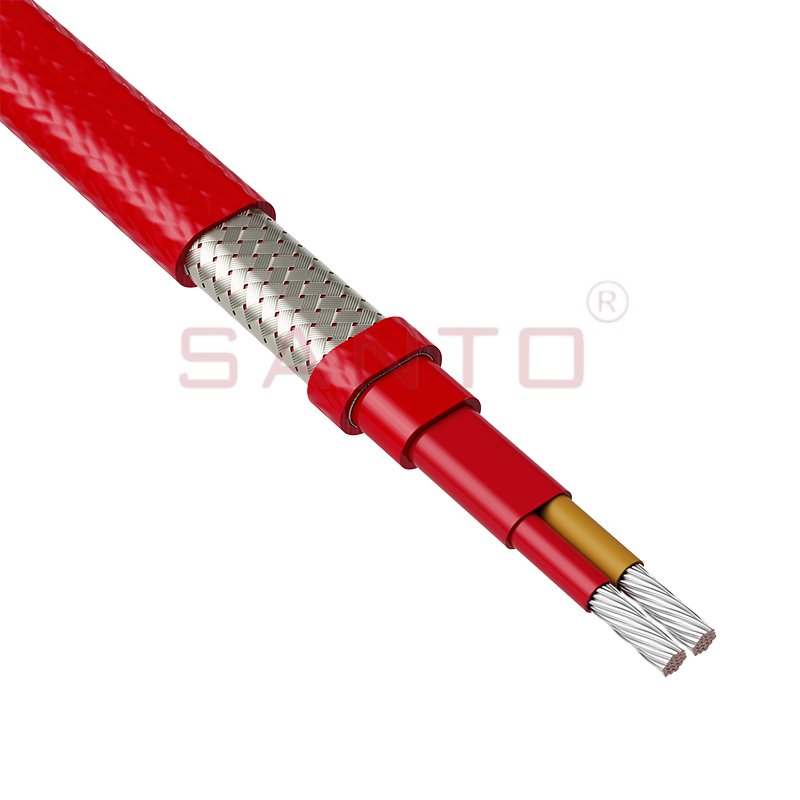
The stranded high temperature conductor is nickel plated to ensure a long life at elevated temperatures in corrosive environments. It is electrically isolated using an innovative sandwich construction...
See Details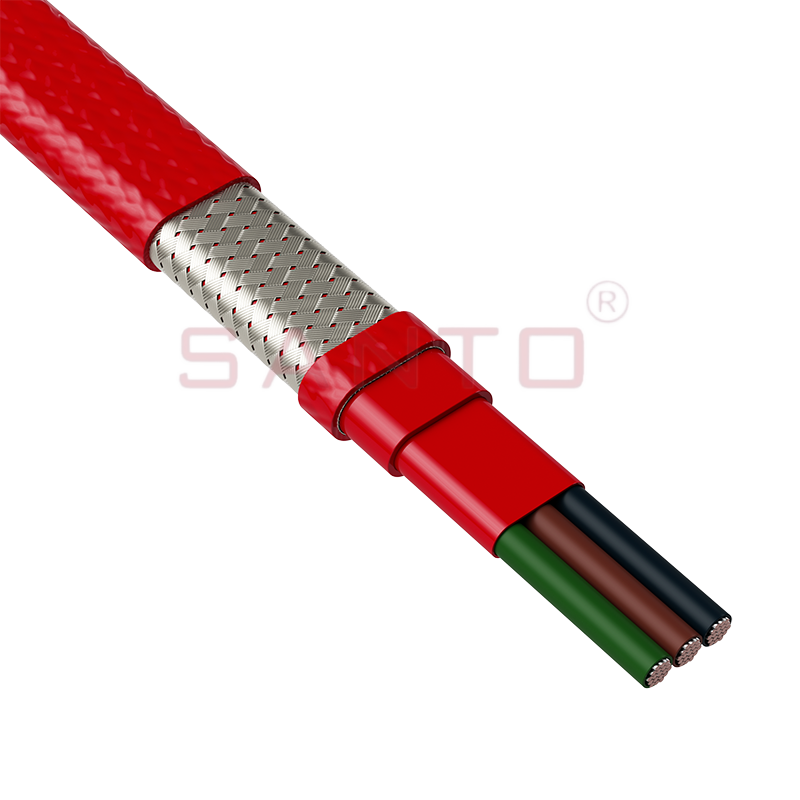
The stranded high temperature conductor is nickel plated to ensure a long life at elevated temperatures in corrosive environments. It is electrically isolated using an innovative sandwich construction...
See Details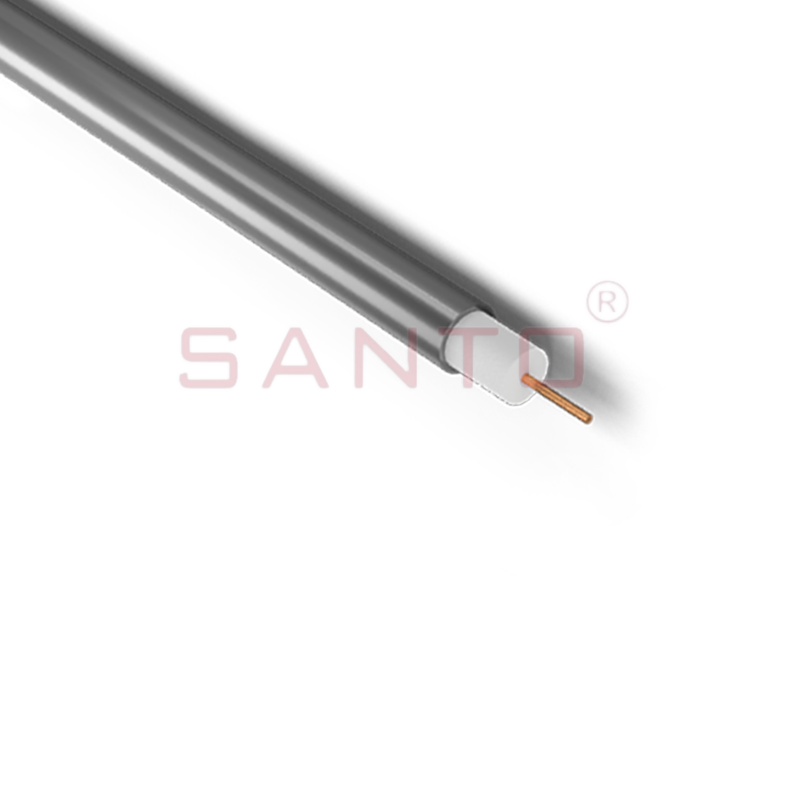
SANTO HAx mineral insulated (MI) Alloy 825 series heating cables are suitable for use in hazardous areas. They have been designed for use in freeze protection and temperature maintenance applications ...
See Details
Santo electric heating strips are widely used in key industries in China.

