 English
  English
 русский
 日本語
日本語 Español
 中文简体
中文简体
The SANTO UFA range of self-regulating heating cables is mainly used for frost protection of pipes and vessels but can also be used to maintain processes up to 65°C. These heating cables are available...
See Details
Reliable temperature measurement is the foundation of any safe and efficient electric heating system. Heat tracing cables, process pipelines, chemical equipment, gas installations, and industrial enclosures all depend on accurate sensing to maintain the required temperature without wasting energy or exposing equipment to unnecessary thermal stress. The MMP-PT100Ex temperature sensor is designed for demanding applications where ordinary temperature probes may not provide sufficient temperature range, mechanical protection, or environmental resistance.
With a measurement range from -73°C to 482°C, an aluminum NEMA 4X sensor housing, a 316 stainless steel sheath, and a 100-ohm platinum resistance element, the MMP-PT100Ex provides a practical solution for high-temperature monitoring and automatic heating control. Its design is especially suitable for electric heat tracing systems installed in industrial, outdoor, corrosive, and potentially hazardous environments.
The sensor is supplied as a complete temperature-sensing component for integration with an appropriate controller, thermostat, monitoring instrument, or process-control system. It is not simply a low-temperature thermostat probe intended for domestic use. Instead, it is engineered for industrial temperature feedback, where stable measurement, durable construction, and compatibility with heating control equipment are essential.
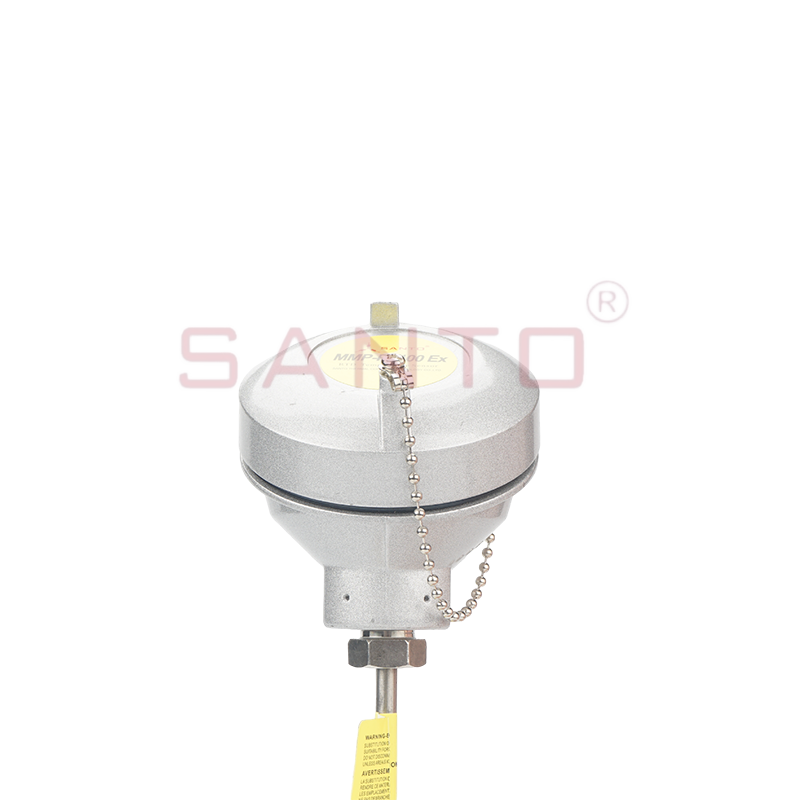
MMP-PT100Ex measures temperature up to 482C MMP-Pt100Ex temperature
Content
The MMP-PT100Ex is a Pt100 resistance temperature detector, commonly called an RTD. The term Pt100 indicates that the sensing element has a nominal resistance of 100 ohms at 0°C. As temperature changes, the resistance of the platinum element changes in a predictable manner. A compatible control instrument measures this resistance and converts it into a temperature reading.
The sensor uses an alpha value of 0.00385 ohms per ohm per degree Celsius, commonly associated with the international Pt100 standard. This characteristic allows the sensor to work with many industrial temperature controllers and process instruments designed for standard platinum RTD inputs.
Its broad temperature range is one of its most important characteristics. The sensor is specified for operation from -73°C to 482°C. This makes it appropriate for applications that experience severe winter conditions, high operating temperatures, or substantial temperature cycling. A single sensor design can therefore support many heating, freeze-protection, process-maintenance, and high-temperature tracing projects.
The MMP-PT100Ex also incorporates a 316 stainless steel sensor sheath. This material is widely selected for industrial temperature sensors because it offers good mechanical strength, resistance to oxidation, and improved corrosion resistance compared with lower-grade stainless steels. The sheath helps protect the sensing element from handling damage and from the surrounding installation environment.
The external sensor housing is made from aluminum and is specified with NEMA 4X protection. This construction is intended to provide a robust enclosure for outdoor and industrial installations. NEMA 4X equipment is generally associated with protection against rain, splashing water, windblown dust, and corrosion-related environmental conditions when correctly installed.
| Specification | Details |
| Product type | Pt100 temperature sensor for heating and process-control applications |
| Model | MMP-PT100Ex |
| Sensor housing | Aluminum, NEMA 4X |
| Sensor sheath | 316 stainless steel |
| Temperature range | -73°C to 482°C |
| Nominal resistance | 100 ohms at 0°C |
| Temperature coefficient | α = 0.00385 ohms/ohm/°C |
| Stated accuracy | At 0°C: 1°F |
| Connection fitting | 3/4-inch, 19 mm NPT pipe fitting |
| Additional installation materials | Hoops, conduits, and 16–22 AWG shielded cables |
| Kit content | One MMP-PT100Ex temperature sensor |
Installation engineers should review the complete product specification and the requirements of the control instrument before final selection. In particular, the sensor connection, cable arrangement, grounding method, hazardous-area classification, and controller input configuration should be confirmed for each project.
Heating cables are often installed to maintain a specific process temperature rather than to generate uncontrolled heat. A heat tracing circuit may be required to prevent a liquid from freezing, maintain the viscosity of a fluid, keep a pipeline above a crystallization temperature, or compensate for heat loss through insulation. In each case, the control system needs dependable temperature information.
A Pt100 sensor provides a repeatable resistance-based measurement. Compared with some basic switching probes, a Pt100 can provide more detailed temperature feedback and can be connected to instruments that offer adjustable set points, alarms, data logging, proportional control, and remote monitoring.
The predictable resistance curve of platinum is another advantage. Platinum is stable over a broad temperature range and has well-established measurement characteristics. This makes the sensor suitable for industrial systems in which the controller must distinguish between a small temperature change and a major process-temperature deviation.
For electric heat tracing, the sensor can be positioned on or near the heated surface, pipeline, vessel, enclosure, or process component being protected. The control system can then energize or de-energize the heating cable according to the measured temperature. Proper placement is essential. The sensor should represent the temperature of the part requiring protection, not merely the temperature of a nearby air pocket or an unheated support.
The specified range of -73°C to 482°C allows the MMP-PT100Ex to serve both low-temperature protection and elevated-temperature process applications. Many conventional commercial probes are designed for a narrower range and may not be suitable for hot pipework, high-temperature equipment, or severe cold-weather installations.
This broad range helps simplify product selection for projects containing different operating zones. Engineers can use the same general sensor platform for freeze protection, winterization, process-temperature maintenance, and high-temperature heat tracing, provided that the complete control system and installation materials are also rated for the application.
The 316 stainless steel sheath protects the sensing element while providing a durable interface with the installation environment. It is suitable for many industrial applications involving moisture, chemical exposure, outdoor weather, and repeated temperature changes. The sheath also helps preserve the position of the sensing element during installation and service.
Material selection is particularly important in chemical plants, petroleum facilities, marine locations, food-processing areas, and wastewater installations. Although no material is universally resistant to every chemical, 316 stainless steel is a well-known industrial choice for improved corrosion resistance and long-term mechanical reliability.
The aluminum NEMA 4X housing provides protection for the sensor connection and associated internal components. An enclosure with environmental protection helps reduce the risk of moisture ingress, contamination, and physical damage during outdoor operation.
The housing is useful in installations where equipment may be exposed to rain, condensation, windblown particles, washing operations, or corrosive industrial atmospheres. Correct cable glands, conduit fittings, covers, and installation practices remain necessary to preserve the intended enclosure performance.
The standard Pt100 principle allows the sensor to be integrated into a wide range of control architectures. Depending on the selected instrument, it may be connected to a heating cable thermostat, programmable temperature controller, PLC input module, digital display, data logger, or building and process management system.
Shielded 16–22 AWG cables are identified among the additional materials required for installation. Shielding can help reduce the influence of electrical noise in industrial environments containing motors, contactors, variable-frequency drives, high-power heating circuits, and long cable runs. The cable type, conductor arrangement, resistance, shielding termination, and maximum distance should be selected according to the controller manufacturer’s instructions.
The MMP-PT100Ex is well suited to temperature feedback in electrically heated tracing systems. Heat tracing is used to maintain the temperature of pipelines, valves, tanks, hoppers, instruments, and process equipment. The sensor supports control of these systems by providing a measured temperature to the thermostat or control panel.
Water lines, fire-protection pipes, condensate drains, and outdoor process lines may freeze when ambient temperatures fall below the freezing point. A properly designed heat tracing system supplies enough heat to offset losses through insulation and maintain the pipe above the required minimum temperature.
A temperature sensor can be attached to a representative cold section of the pipe. The controller uses the Pt100 measurement to activate the heating cable when the pipe temperature approaches the selected limit. This reduces unnecessary operating time compared with leaving the heater energized continuously.
Some fluids must remain within a specific temperature range to preserve flowability, prevent solidification, or maintain the correct production conditions. Examples may include oils, resins, chemicals, waxes, adhesives, and other temperature-sensitive materials.
In such systems, accurate sensing is more important than simply preventing freezing. The heating circuit may need to maintain a relatively stable process temperature while avoiding overheating. The MMP-PT100Ex can provide the feedback required by an appropriate controller, subject to the sensor’s installation location and the controller’s programming capabilities.
Storage tanks and process vessels often lose heat through their walls, fittings, support structures, and exposed surfaces. Heating cables or flexible electric heaters may be installed around the vessel or on selected sections. The sensor can monitor the vessel wall or another representative measurement point.
For vessels containing temperature-sensitive contents, the sensor location should be selected in cooperation with the process engineer. A wall-mounted sensor may not indicate the core temperature of a large tank, especially during filling, emptying, or mixing. Multiple sensors may be required for large or complex equipment.
Small components such as valves, pressure instruments, sampling lines, and measurement devices can be vulnerable to freezing or temperature loss. Heat tracing these components requires careful installation to avoid obstructing maintenance access or damaging sensitive equipment.
A remote temperature sensor can be positioned at a representative point while the heating element is installed around the protected component. This arrangement allows the controller to react to actual equipment temperature rather than relying only on ambient conditions.
Electric heating is used on roofs, gutters, ramps, walkways, loading areas, and drainage systems to reduce snow and ice accumulation. The MMP-PT100Ex can be used where a robust temperature input is required for an industrial snow-melting or deicing control system.
Outdoor installations require attention to water protection, cable routing, mechanical impact, sunlight, drainage, and seasonal maintenance. The sensor should be placed where it can detect the relevant surface or environmental condition without being shielded by structures that create a misleading temperature reading.
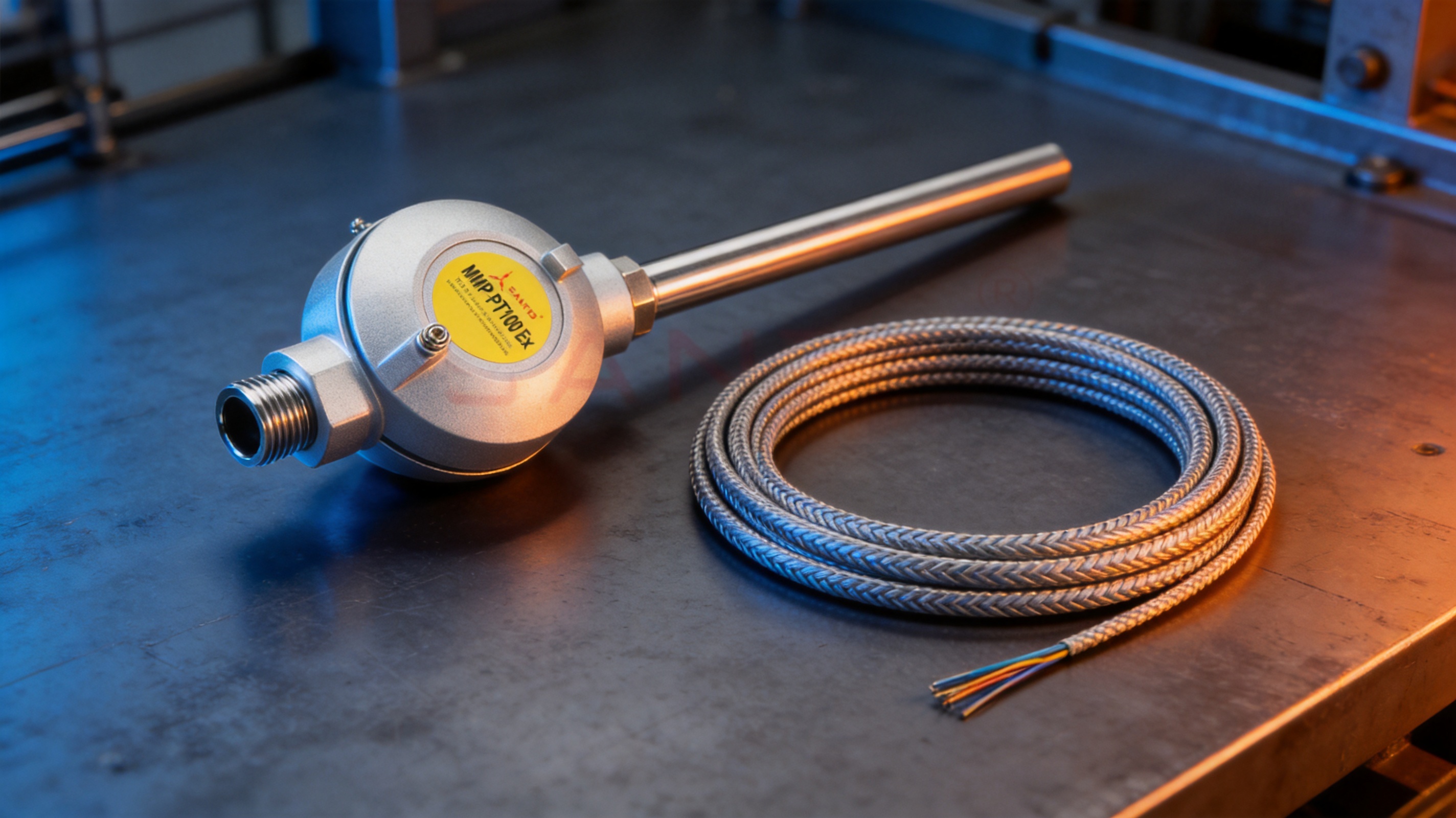
The “Ex” designation in the model name indicates that the product is associated with explosion-protected applications or certification requirements. However, the exact permitted hazardous-area classification, gas or dust group, temperature class, protection concept, and certification scope must always be verified from the current product certificate and technical documentation.
Industrial facilities such as petroleum terminals, chemical plants, gas-processing stations, refineries, storage areas, and certain manufacturing sites may contain flammable gases, vapors, or combustible dust. In these areas, temperature-control equipment must be selected and installed according to applicable regulations and project specifications.
The sensor should not be treated as suitable for every hazardous location solely because its model contains “Ex.” The complete installation includes the sensor, conduit or cable system, junctions, controller, barriers where applicable, grounding, sealing devices, and mounting hardware. All components must be compatible with the area classification and with one another.
Professional installation is particularly important for the MMP-PT100Ex. Technicians should verify that the enclosure is correctly closed, the NPT connection is properly sealed, the cable entry is appropriate, and the sensing element is installed without exceeding its mechanical or thermal limits. Any certification markings and installation restrictions supplied with the product must be followed.
A temperature sensor’s reliability depends not only on the sensing element but also on the materials surrounding it. The MMP-PT100Ex combines a platinum RTD element with a 316 stainless steel sheath and an aluminum external housing. Each material performs a different function.
The platinum element provides the electrical temperature response. Its resistance changes according to temperature, allowing the controller to calculate the measured value. The stainless steel sheath protects the element and transfers heat from the monitored surface or environment. The aluminum housing protects the connection area and supports environmental durability.
This separation of functions is important in industrial design. The sensing element must respond predictably, the sheath must withstand the installation environment, and the housing must protect the electrical connection. A sensor that performs well electrically but lacks sufficient mechanical protection may not provide dependable service in the field.
The 3/4-inch, 19 mm NPT pipe fitting provides a standardized mechanical connection for compatible installation arrangements. NPT fittings are widely used in industrial piping and instrumentation. Before installation, the mating thread, sealant, thread engagement, orientation, and available space should be checked.
Santo Thermal Control Technology Co., Ltd. develops and manufactures electric heating and thermal-control products in Jiangsu, China. The company brings more than 35 years of industry experience to the design, production, and supply of heating cables, temperature-control components, and related electric heating systems.
The company’s product range includes automatic temperature-control heating belts, self-limiting heating belts, constant-power heating cables, silicone rubber heating systems, glass-fiber heating belts, mineral-insulated cables, snow-melting cables, LCD-tracked heaters, and electric heating accessories. This broad product knowledge is valuable when supplying a temperature sensor for integration into a heating system rather than treating the sensor as an isolated component.
Because the company works across several heating technologies, its engineering teams can consider the relationship between heat output, ambient conditions, insulation, control points, electrical load, and temperature measurement. This system-level experience supports better product selection and more practical installation guidance.
The company states that it cooperates in product research with Harvard University in the United States and has invested in the development of new electric heating technologies. Its development history includes work on self-limiting temperature heating products, high-temperature pipeline heating, carbon-fiber parallel heating cables, and other specialized thermal-control solutions.
Research and development are particularly important for products used in demanding environments. Heating cable systems must balance electrical insulation, heat transfer, flexibility, temperature resistance, chemical compatibility, and control performance. A manufacturer that understands these factors can design sensors and accessories with a clearer view of the complete application.
Santo Thermal Control Technology reports an annual output of more than 10,000 units or product sets, supported by a manufacturing base and product simulation testing laboratory. Testing and simulation help manufacturers evaluate product performance under controlled conditions before products are supplied for field installation.
For a high-temperature sensor, manufacturing control may include inspection of the sensing element, verification of resistance characteristics, evaluation of enclosure assembly, review of sheath integrity, dimensional checks, and final product inspection. The exact test program depends on the product specification and applicable certification requirements.
Consistent manufacturing is essential for Pt100 sensors because resistance accuracy depends on the quality and stability of the platinum element, internal connections, insulation, and assembly. Mechanical consistency is also important because the sensor must fit correctly into the intended mounting arrangement.
The company has passed ISO9001 quality-management-system certification and reports that its products have obtained national CCC certification where applicable. Quality-system certification does not replace product-specific certification or installation compliance, but it indicates that documented processes are used to manage design, purchasing, production, inspection, and corrective actions.
A structured quality system can help improve traceability and repeatability. For industrial customers, this is useful when purchasing multiple sensors for a project, maintaining spare parts, or requiring consistent documentation across different production batches.
SANTO electric heating products are reported to be supplied to customers in many regions, with more than 2,000 distributors and business coverage in more than 85 areas. The company also reports the establishment of a Russia factory in 2023 to support international business development.
International supply experience can help a manufacturer understand different electrical standards, installation practices, documentation expectations, packaging requirements, and climatic conditions. Customers should still confirm the certificates and approvals required in their own country before placing an order.
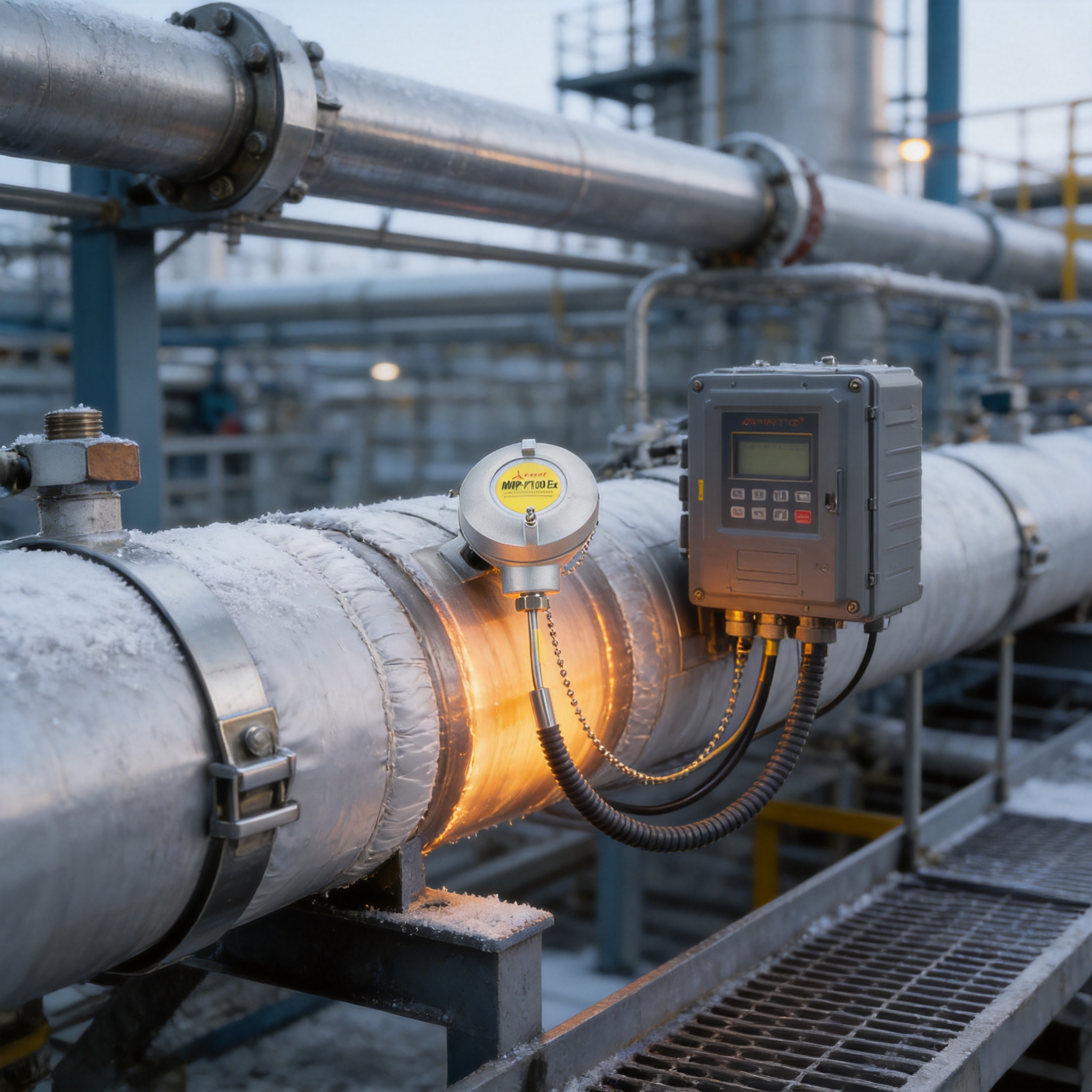
The MMP-PT100Ex has several practical advantages over simple low-temperature probes or general-purpose household sensors. Its operating range is substantially broader, allowing it to monitor both severe cold and high-temperature process conditions. Its stainless steel sheath and protected aluminum housing provide a more industrial construction than many unprotected probes.
The use of a Pt100 element also supports integration with professional temperature-control equipment. A basic bimetal switch may only open or close at a predetermined temperature, while a Pt100 can provide a continuous resistance signal to a controller. This enables more flexible set-point management and more detailed monitoring.
The NEMA 4X housing is another differentiating feature for outdoor and industrial installations. A sensor intended for sheltered indoor use may not be suitable for exposed pipe racks, utility areas, chemical facilities, or washdown environments. The MMP-PT100Ex is designed with environmental protection in mind, although the final installation must preserve that protection.
Compared with sensors selected only by price, this product offers a more complete industrial specification. The temperature range, housing material, sheath material, connection fitting, resistance value, and cable requirements are identified for engineering review. Clear technical information helps reduce the risk of using an unsuitable sensor in a critical heating circuit.
Correct installation begins with identifying the temperature that must be controlled. The sensor may need to measure a pipe wall, tank surface, valve body, enclosure, roof section, or process component. The selected point should reflect the most thermally vulnerable or operationally important location.
The surface should normally be clean and suitable for sensor attachment. The sensor should make reliable thermal contact with the monitored object, and it should be positioned in a way that avoids direct influence from an unrepresentative heat source. For example, placing the sensor immediately beside a heater connection may cause it to read higher than the average pipe temperature.
Where the sensor is used with a heating cable, the heating cable layout should be designed separately from the sensor location. The cable must deliver sufficient heat to the protected object, while the sensor must measure the object accurately. The sensor should not be installed in a location that prevents the heater from warming the process surface evenly.
Hoops, conduits, and shielded 16–22 AWG cables may be required depending on the installation. These materials should be selected for the operating temperature, outdoor exposure, mechanical conditions, and hazardous-area requirements. Cable routing should keep signal wires away from unnecessary sources of electrical interference and should provide adequate strain relief.
The NPT fitting must be installed using compatible fittings and an approved sealing method. Excessive force can damage threads or distort components. Insufficient engagement can compromise mechanical security or environmental protection. Installers should use the fitting manufacturer’s guidance and the project’s piping and instrumentation standards.
A Pt100 sensor can be connected using two-wire, three-wire, or four-wire arrangements, depending on the sensor design and controller input. Three-wire and four-wire configurations are often preferred for industrial measurement because they reduce the effect of lead-wire resistance. The exact connection method must be confirmed from the product wiring information and the receiving instrument.
Shielded cable can be beneficial where the sensor wiring runs near power cables or switching equipment. The shield should be terminated according to the controller or instrumentation standard. Incorrect shield termination can create unwanted ground loops, so the wiring method should be established before installation.
Signal cables should be protected against abrasion, crushing, excessive bending, moisture penetration, and contact with hot surfaces. If conduit is used, the conduit system should be appropriate for the environment and should not create a heat trap that exposes the cable to temperatures above its rating.
Before connecting the sensor to the controller, technicians can perform a resistance check using a calibrated meter. The measured resistance should be compared with the expected value for the ambient temperature, allowing for lead resistance and measurement uncertainty. An open circuit, short circuit, or unstable reading may indicate damaged wiring, a poor connection, or a defective sensor.
The sensor is normally used with a thermostat or temperature controller that determines when heating power should be applied. A simple on-off controller may energize the heater below a low set point and switch it off above a high set point. More advanced controllers may provide proportional control, alarm outputs, multiple stages, remote communication, and historical data.
Control hysteresis should be selected carefully. If the difference between the cut-in and cut-out temperatures is too small, the contactor or switching device may cycle frequently. If the difference is too large, the process may experience unnecessary temperature variation. The correct settings depend on the thermal mass, heater output, insulation quality, ambient conditions, and process requirements.
High-temperature applications may also require independent high-limit protection. A primary sensor and controller can regulate normal operation, while a separate safety device disconnects the heater if the temperature exceeds a defined maximum. Safety controls should be designed according to the risk assessment and applicable electrical standards.
The sensor should never be used to justify operation beyond the limits of the heating cable, insulation, controller, enclosure, or process equipment. The complete system must be designed around the lowest applicable temperature rating and the actual process conditions.
Routine inspection helps maintain reliable temperature control. Maintenance personnel should check the housing, fitting, cable entry, conduit, mounting hardware, and sensor position. Signs of corrosion, loose fittings, cracked insulation, water ingress, or mechanical impact should be investigated promptly.
If the controller displays an abnormally high or low temperature, the sensor circuit should be checked. An open circuit may cause the controller to interpret the signal as an extreme temperature, while a short circuit may create the opposite indication. The resistance should be measured with the sensor disconnected from the controller and compared with the expected Pt100 value.
A drifting temperature reading may result from loose terminals, damaged cable insulation, electromagnetic interference, poor thermal contact, moisture, or a change in the sensing environment. It may also indicate that the sensor is installed too close to the heating element or another local heat source.
Calibration requirements depend on the criticality of the process and the customer’s quality system. In applications where temperature accuracy affects safety, product quality, or regulatory compliance, periodic verification against a traceable reference may be appropriate. Any calibration interval should be determined by application risk, operating conditions, and historical performance.
Replacement should be considered if the sheath is damaged, the housing no longer provides adequate protection, the resistance is unstable, or the sensor fails verification. Repairing a certified or explosion-protected sensor without authorization may affect its compliance and should be avoided.
Before ordering the MMP-PT100Ex, buyers should identify the required temperature range, process medium, mounting method, cable length, control instrument, hazardous-area classification, and certification requirements. The sensor’s nominal Pt100 resistance and coefficient should match the controller input.
The customer should also confirm whether the stated accuracy is suitable for the process. The supplied specification states an accuracy of 1°F at 32°F, equivalent to 0°C. Accuracy over the complete temperature range may vary, and the detailed product specification should be reviewed for additional accuracy information.
The sensor sheath length and insertion depth should be checked against the available installation space. A sensor that is too short may not measure the process accurately, while one that is too long may interfere with internal components or create mechanical hazards.
For large projects, customers may request documentation such as inspection records, material information, certificates, wiring details, dimensional drawings, and product identification. Santo Thermal Control Technology can be consulted regarding customization, compatibility with heating systems, and project-specific supply requirements.
Purchasing a temperature sensor from a company experienced in heating cables can offer practical advantages. The supplier is familiar with heat tracing design, heater output, insulation, temperature control, and installation accessories. This makes it easier to discuss the sensor in the context of the complete application.
Santo Thermal Control Technology manufactures and supplies multiple categories of thermal-control products, including self-limiting heating cables, constant-power heating belts, silicone rubber heating systems, mineral-insulated cables, snow-melting systems, tubing bundles, and accessories. This product breadth can support projects that require more than one type of heater or different heating technologies in different areas.
For original equipment manufacturers, system integrators, distributors, and industrial contractors, a broad product portfolio may simplify sourcing and technical coordination. The same supplier can potentially provide the heating element, temperature sensor, control accessories, and application guidance, subject to project requirements and product availability.
The company’s OEM and ODM orientation is also relevant to customers with specialized requirements. Heating systems may need different cable lengths, connection arrangements, temperature ratings, mounting methods, labels, packaging, or documentation. Customization should be evaluated technically rather than assumed, especially where explosion protection or certification is involved.
Determine the minimum and maximum required process temperatures, the heat-loss conditions, the desired control accuracy, and the consequences of overheating or freezing. This information establishes the basis for selecting the heater and sensor.
Identify outdoor exposure, moisture, chemicals, vibration, dust, mechanical impact, corrosive atmospheres, and hazardous-area classification. Confirm that the sensor materials and enclosure are suitable for the location.
Choose the heating cable or heater according to heat output, voltage, circuit length, operating temperature, flexibility, chemical resistance, and installation method. The sensor should be selected to work with the control strategy used for that heater.
Select a measurement point that represents the protected equipment. Consider cold spots, thermal bridges, insulation discontinuities, valves, supports, wind exposure, and process flow. Document the location for future maintenance.
Verify that the thermostat or controller accepts a Pt100 input with the specified coefficient and wiring arrangement. Confirm the control range, alarm settings, hysteresis, power-switching capacity, and any required safety interlocks.
Install the sensor, fitting, conduit, and shielded cable according to the approved drawings and technical instructions. Test electrical continuity, sensor resistance, insulation, controller response, heater operation, and alarm functions before commissioning.
Keep the model number, serial or batch information, wiring arrangement, set points, test results, calibration records, and maintenance schedule. Complete documentation improves future troubleshooting and helps preserve system reliability.
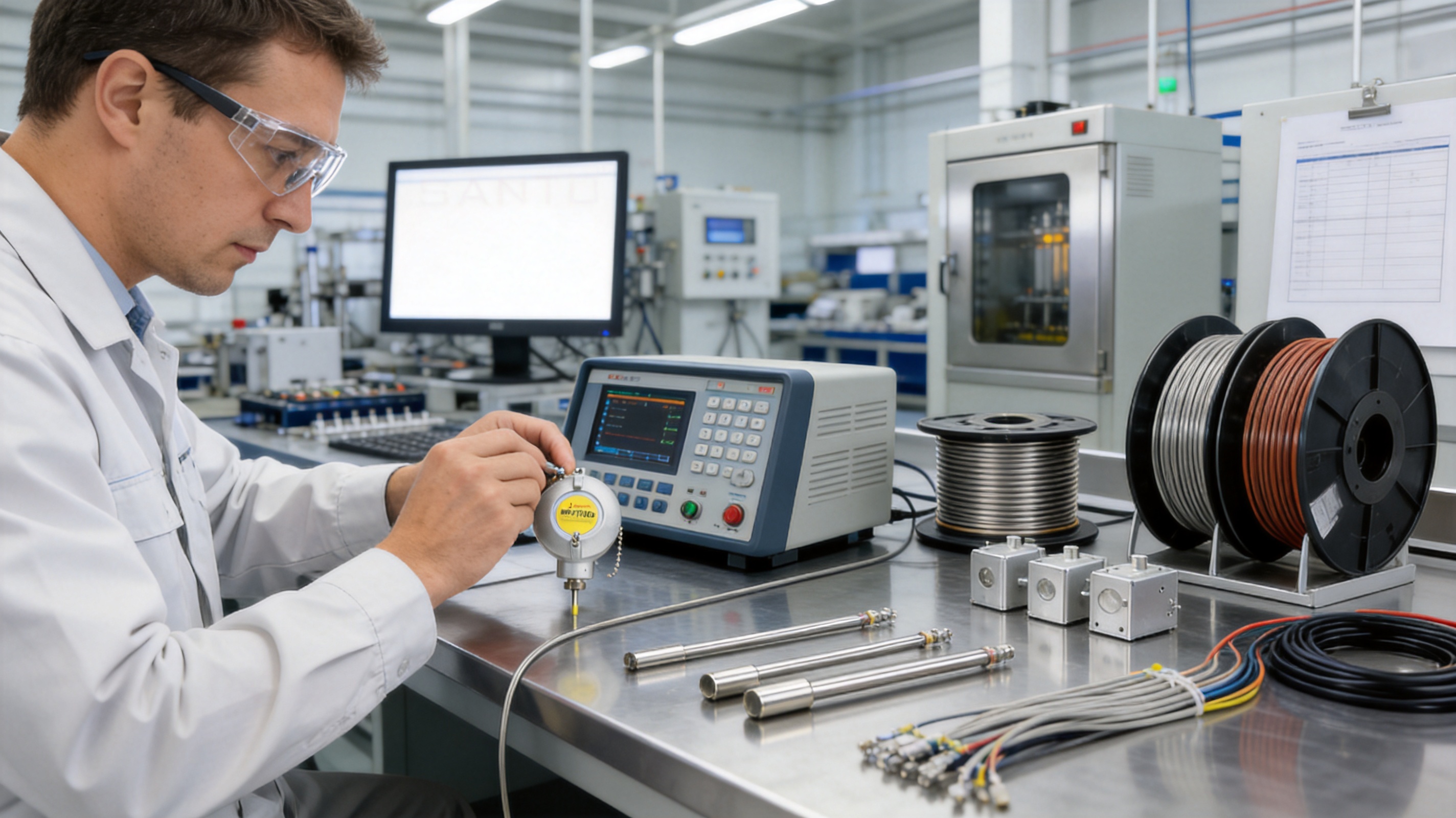
Pt100 refers to a platinum resistance temperature detector with a nominal resistance of 100 ohms at 0°C. The resistance changes as temperature changes, and a compatible controller converts that resistance into a temperature value.
The specified temperature range is -73°C to 482°C. The complete installation must also consider the temperature limitations of the cable, conduit, fittings, controller, insulation, and process equipment.
Yes, it can provide temperature feedback to a compatible thermostat or temperature controller used with an electric heating cable. The sensor itself is the measuring component; the controller is responsible for switching or regulating the heating power.
The aluminum NEMA 4X housing is designed for protected industrial and outdoor environments. Proper cable entries, sealing, mounting, drainage, and installation practices are required to maintain environmental protection.
The designation indicates that the product is associated with explosion-protected applications or requirements. The exact certification, hazardous-area classification, gas or dust group, and temperature class must be verified from the current technical documents before use in a hazardous location.
The sensor housing is aluminum, and the sensor sheath is 316 stainless steel. The sensing element is a platinum RTD with a nominal resistance of 100 ohms at 0°C.
The listed additional materials include 16–22 AWG shielded cables. The final cable selection should take account of distance, temperature, electrical noise, hazardous-area requirements, controller wiring instructions, and local standards.
The sensor is specified with a 3/4-inch, 19 mm NPT pipe fitting. The mating connection and sealing method should be confirmed before installation.
The 316 stainless steel sheath and protected housing are suitable for many industrial conditions, but chemical compatibility depends on the specific substance, concentration, temperature, exposure time, and mechanical conditions. The application should be reviewed before use.
The sensor can be disconnected from the controller and checked with an appropriate resistance meter. The measured resistance should be compared with the expected Pt100 value at the current temperature, taking account of lead resistance and measurement uncertainty.
The listed kit content is one MMP-PT100Ex temperature sensor. A thermostat, controller, heating cable, conduit, hoops, and shielded cable are not identified as included unless separately agreed in the purchase specification.
Customization may be possible depending on the required dimensions, connection, cable arrangement, certification, and project quantity. Customers should provide complete technical requirements for review before placing an OEM or ODM order.
Industrial heating contractors, process-plant operators, OEM equipment manufacturers, distributors, system integrators, and maintenance departments may benefit from a high-temperature Pt100 sensor designed for integration with heating and process-control systems.
The MMP-PT100Ex is a high-temperature Pt100 sensor designed for demanding heating-control and industrial temperature-monitoring applications. Its -73°C to 482°C measurement range, 316 stainless steel sheath, aluminum NEMA 4X housing, standardized 100-ohm platinum element, and industrial NPT connection provide a strong combination of measurement capability and physical protection.
Compared with basic temperature probes, it offers a wider operating range and a more complete industrial construction. It can support freeze protection, heat tracing, process-temperature maintenance, tank heating, valve protection, snow melting, and other applications where accurate temperature feedback is required.
The performance of any temperature sensor depends on correct selection, installation, wiring, calibration, and controller configuration. In hazardous locations, the complete certification and installation arrangement must be reviewed by qualified professionals. When integrated correctly, the MMP-PT100Ex can help improve heating-system control, reduce unnecessary energy consumption, and support safer operation.
Santo Thermal Control Technology Co., Ltd. adds value through its long experience in electric heating, broad product portfolio, research activity, quality-management practices, manufacturing capability, and international market experience. For customers seeking a sensor supplier with knowledge of both temperature measurement and electric heating systems, this product provides a practical foundation for industrial thermal-control projects.
1. Product specification information for the MMP-PT100Ex Pt100 temperature sensor, including housing, sheath, temperature range, resistance, fitting, and installation-material requirements.
2. International technical principles for platinum resistance temperature detectors using the Pt100, 100-ohm nominal resistance, and 0.00385 temperature coefficient.
3. NEMA enclosure protection principles for outdoor, water-resistant, dust-resistant, and corrosion-resistant industrial enclosures.
4. Industrial electric heat tracing design practices for freeze protection, process-temperature maintenance, snow melting, deicing, and equipment heating.
5. Company information and manufacturing history supplied by Santo Thermal Control Technology Co., Ltd.
6. General industrial guidance for RTD wiring, shielded instrumentation cable, temperature-controller integration, testing, maintenance, and hazardous-area installation.
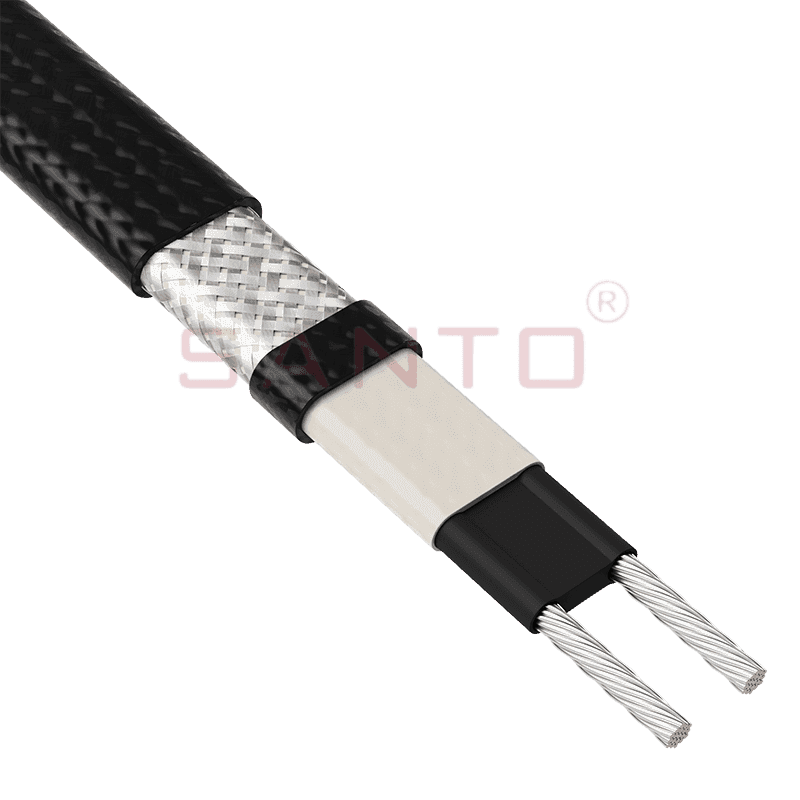
The SANTO UFA range of self-regulating heating cables is mainly used for frost protection of pipes and vessels but can also be used to maintain processes up to 65°C. These heating cables are available...
See Details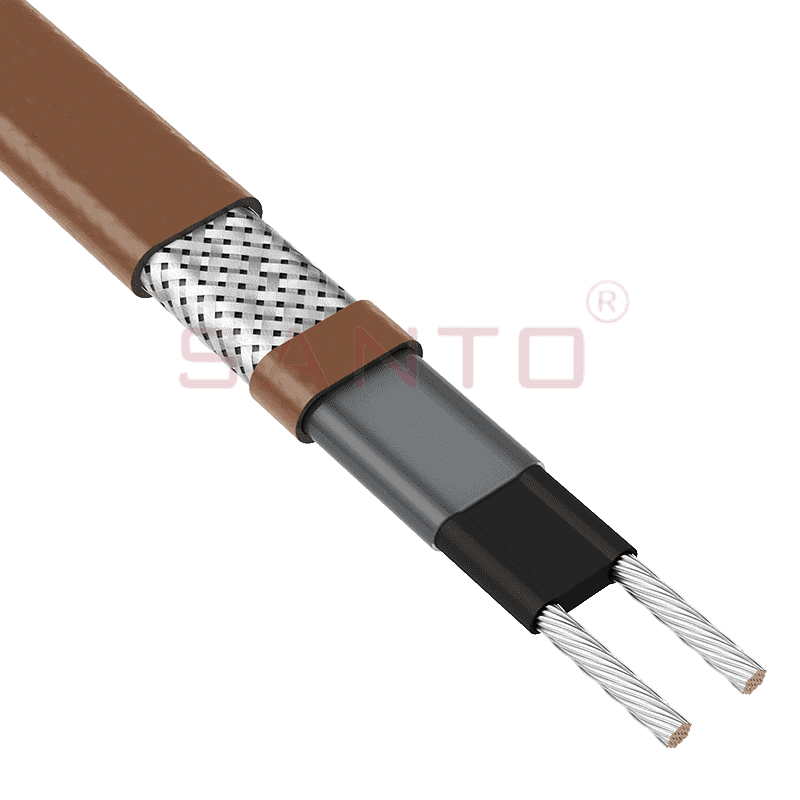
The SANTO UFB range of self-regulating heating cables is mainly used for frost protection of pipes and vessels requiring a higher power output than the UFA heating cables can supply. They can also be ...
See Details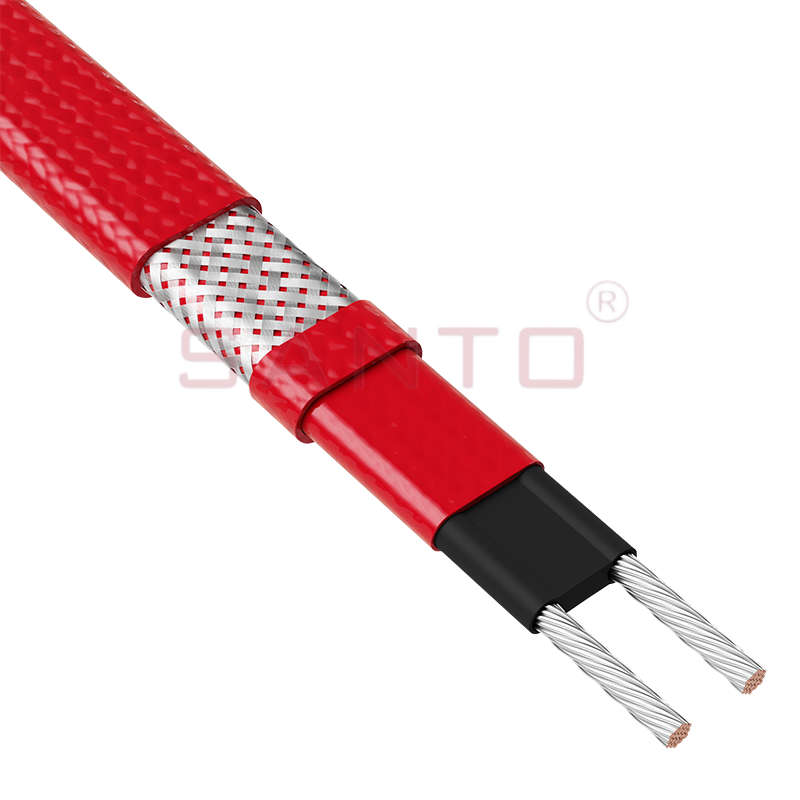
The SANTO UFC range of self-regulating heating cables is used for frost protection of pipes and vessels that require steam cleaning. They can also be used to maintain processes up to 121°C. These heat...
See Details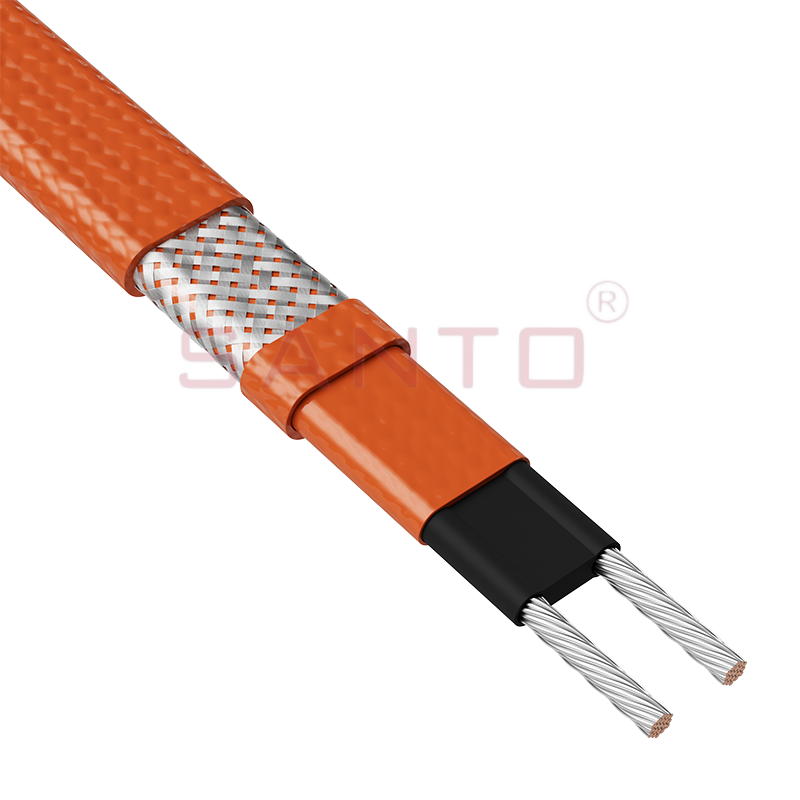
The SANTO UFO range of self-regulating heating cables is mainly used for frost protection of pipes and vessels that require steam cleaning . They can also be used to maintain processes up to 150°C. Th...
See Details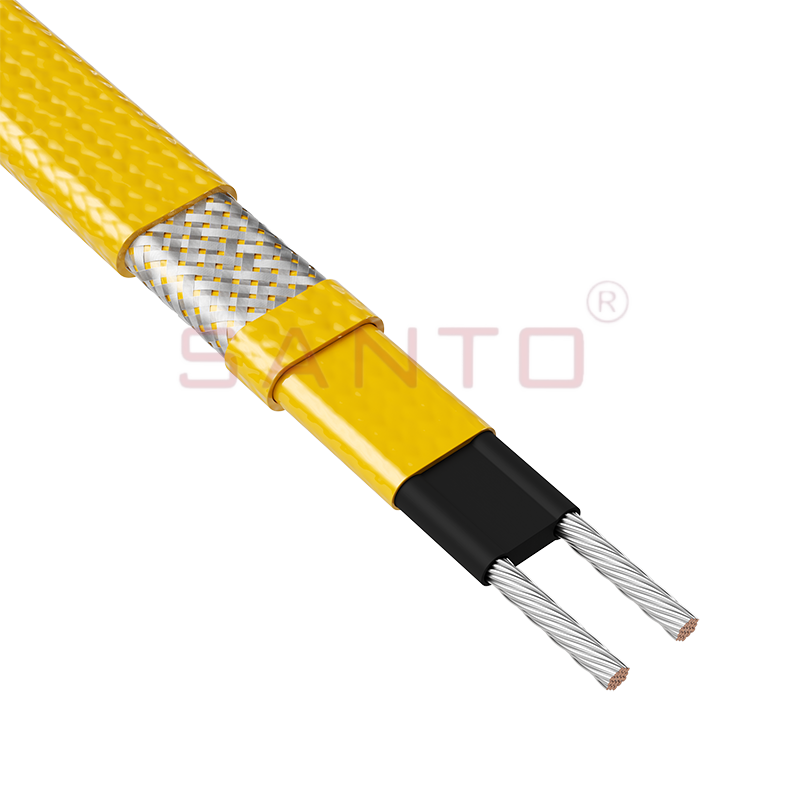
The SANTO UFD series of self-regulating heating cables are mainly used for freeze protection of pipes and vessels, but can also be used to maintain processes up to 200°C. These heating cables are avai...
See Details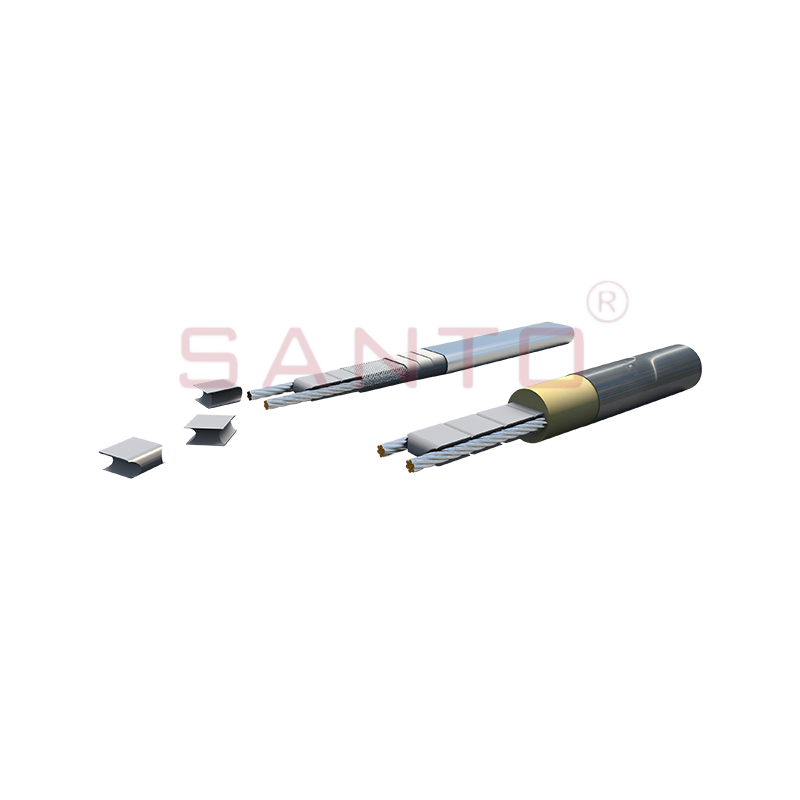
SANTO UFY heating wire is suitable for applications that maintain process temperatures up to 260 ℃ and can be steam blown; The self-regulating and parallel circuit heating wires of the UFY series are ...
See Details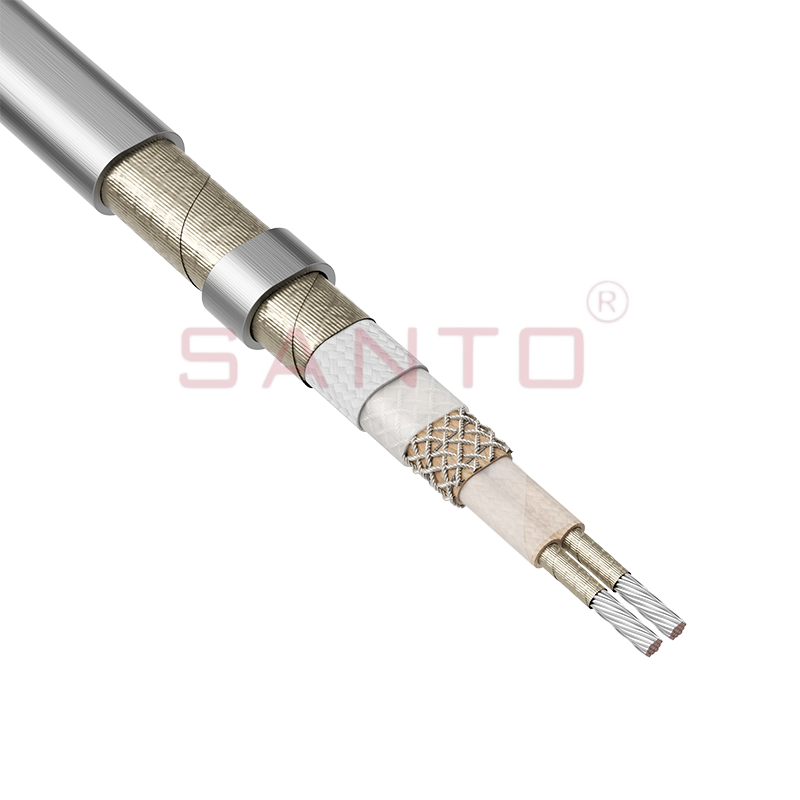
The SANTO UFM series self-regulating heating cables are mainly used for freeze protection of pipes and vessels, but can also be used to maintain processes up to 400°C. These heating cables are availab...
See Details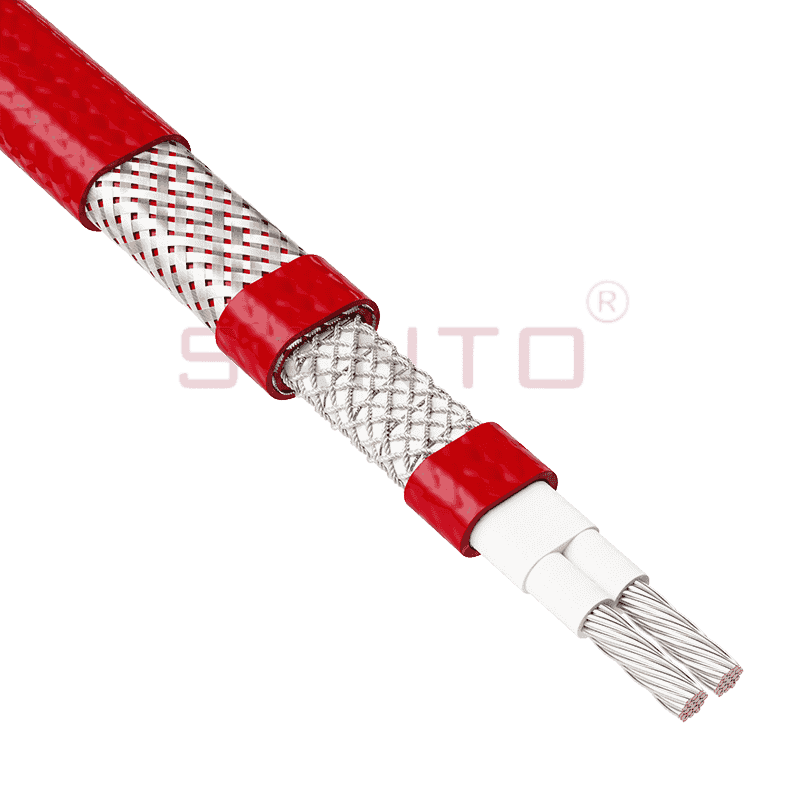
The SANTO ACC range of power-limiting heating cables is mainly used for temperature maintenance of processes and offers the advantage of a high power output at high temperatures which can reduce the n...
See Details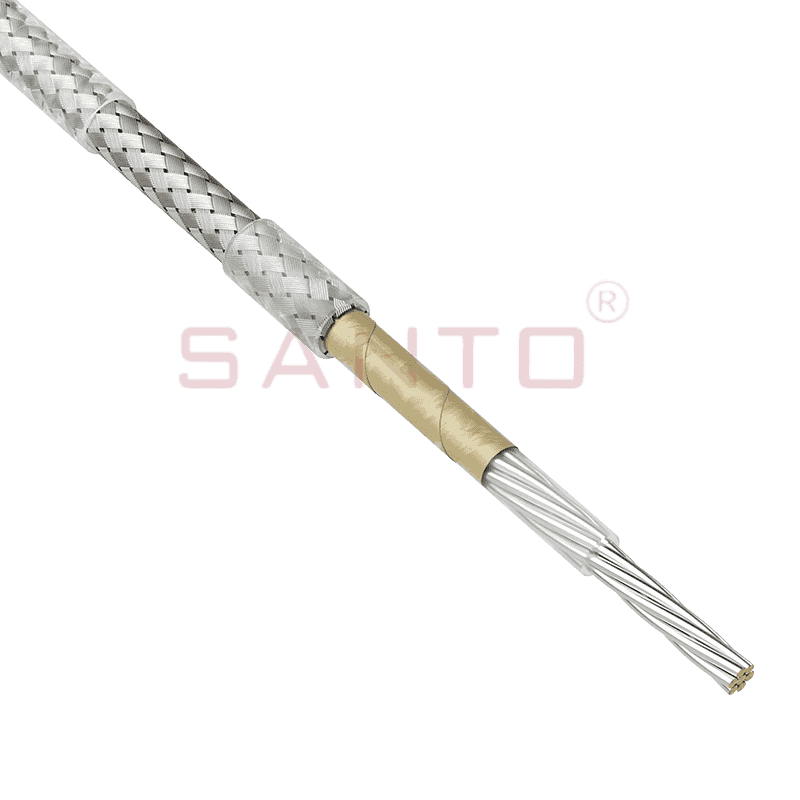
The stranded high temperature conductor is nickel plated to ensure a long life at elevated temperatures in corrosive environments. It is electrically isolated using an innovative sandwich construction...
See Details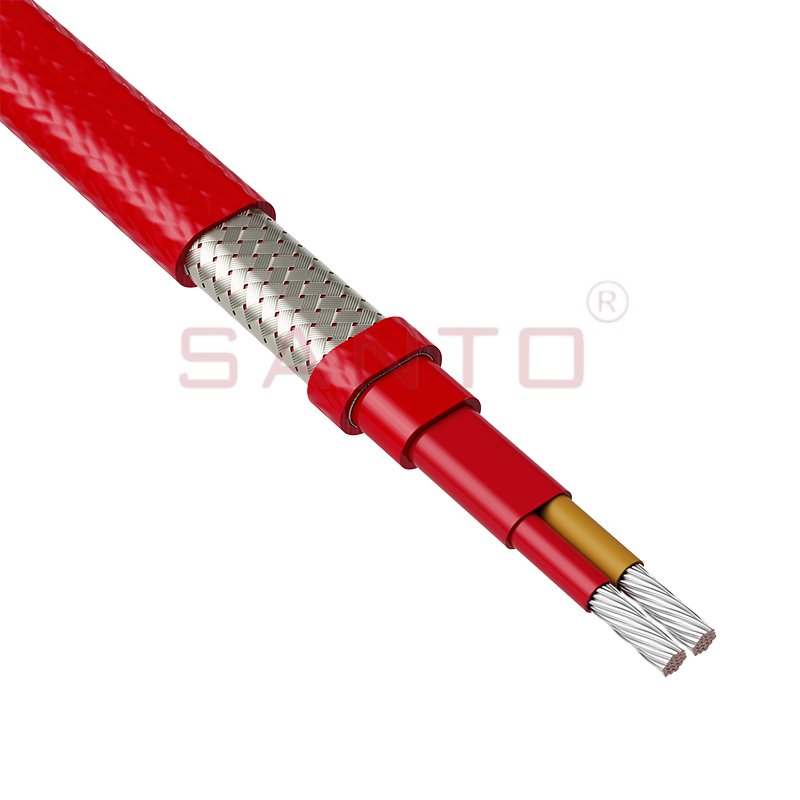
The stranded high temperature conductor is nickel plated to ensure a long life at elevated temperatures in corrosive environments. It is electrically isolated using an innovative sandwich construction...
See Details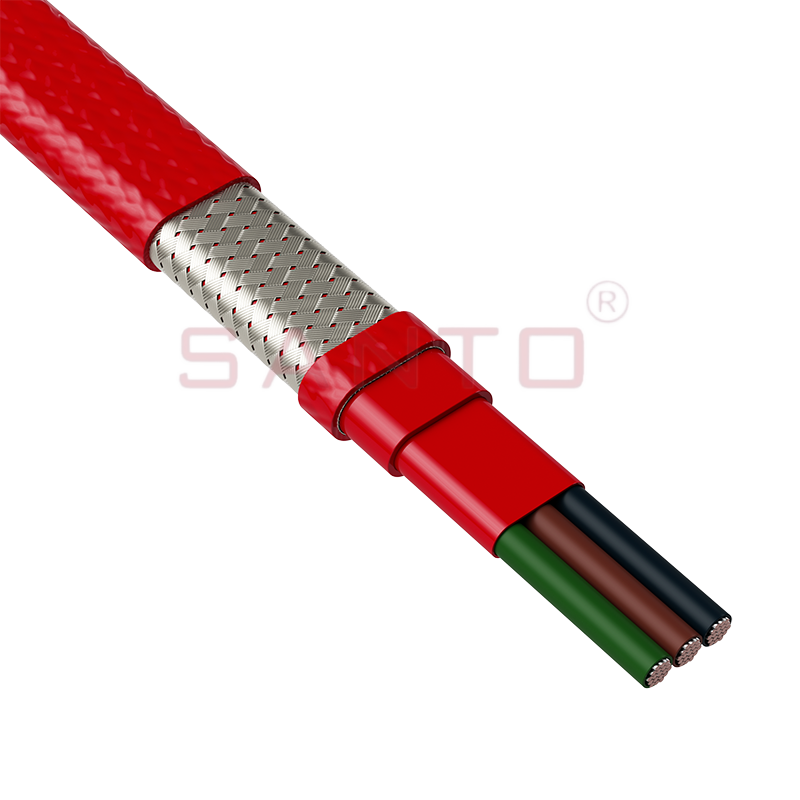
The stranded high temperature conductor is nickel plated to ensure a long life at elevated temperatures in corrosive environments. It is electrically isolated using an innovative sandwich construction...
See Details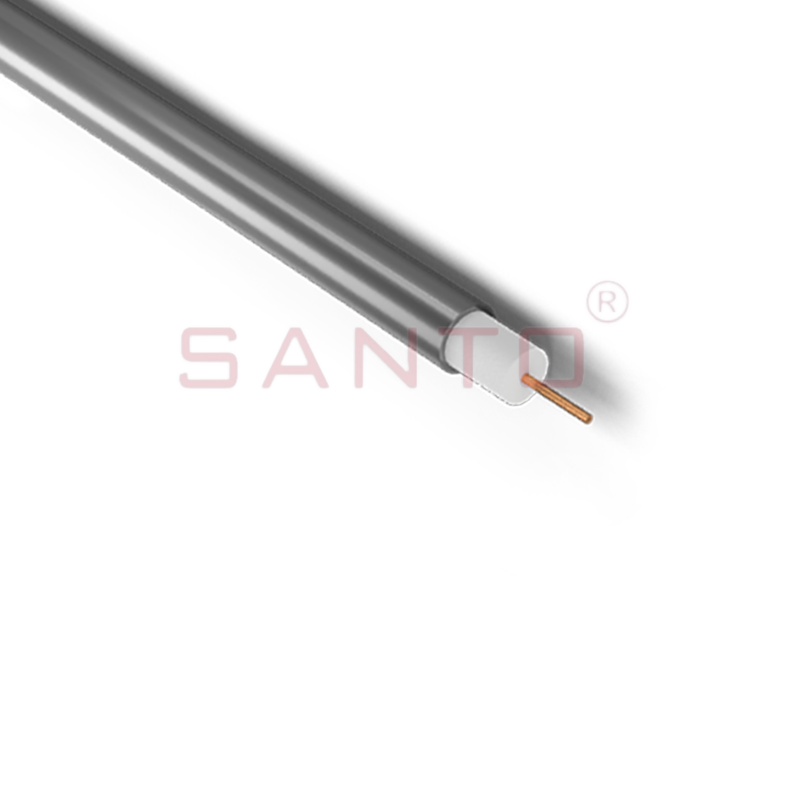
SANTO HAx mineral insulated (MI) Alloy 825 series heating cables are suitable for use in hazardous areas. They have been designed for use in freeze protection and temperature maintenance applications ...
See Details
Santo electric heating strips are widely used in key industries in China.

