 English
  English
 русский
 日本語
日本語 Español
 中文简体
中文简体
The SANTO UFA range of self-regulating heating cables is mainly used for frost protection of pipes and vessels but can also be used to maintain processes up to 65°C. These heating cables are available...
See Details
Industrial heat tracing is no longer a simple accessory for pipelines, tanks, valves, and process equipment. In modern production environments, it is a critical engineering system that protects process stability, prevents freezing, maintains viscosity, improves energy efficiency, and reduces downtime. Among the many heating cable technologies available, the AKK high temperature constant power heating cable stands out as a dependable solution for demanding applications where stable output, heat resistance, and long service life are essential.
As a parallel constant power heating cable, this product is designed to deliver consistent heating performance along the circuit. It is especially suitable for applications requiring controlled heat maintenance over extended lengths, complex pipeline layouts, and higher temperature operating conditions. Compared with many conventional heating products, it offers stronger adaptability, easier installation, reliable power distribution, and a practical balance between performance and cost.
The product is developed and manufactured by Santo Thermal Control Technology Co., Ltd., a specialized heating cable manufacturer with extensive experience in electric heat tracing, self-regulating heating belts, constant-power heating cables, silicone rubber heating systems, MI cables, snow melting cables, tubing bundles, and accessories. With decades of industry practice, advanced production capability, quality management systems, and broad application experience, the company provides both standard and customized heating solutions for domestic and international markets.
AKK high temperature constant power heating cable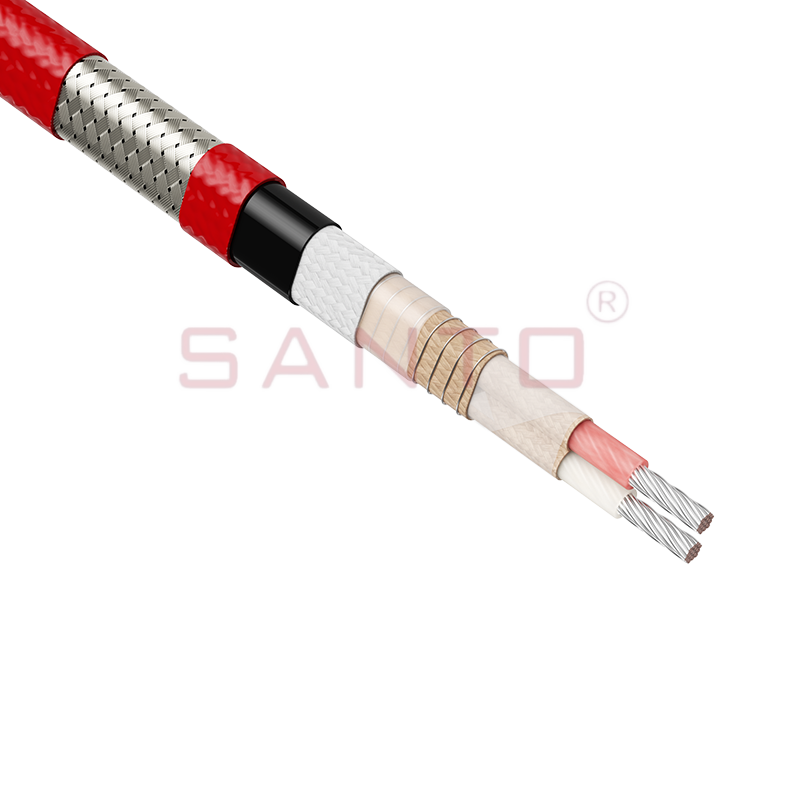
Content
The AKK high temperature constant power heating cable belongs to the category of parallel constant power heating cable. In practical terms, this means the heating cable is engineered to provide a stable heating output over its operating length rather than relying solely on the changing resistance behavior of a self-regulating matrix. This makes it valuable where predictable wattage and dependable thermal output are required.
High temperature constant power heating cables are widely used for industrial heat preservation, freeze protection, viscosity maintenance, anti-condensation, tank heating assistance, and process temperature support. They are suitable for pipelines carrying oils, chemicals, water, gas-related media, and other fluids that must be protected from temperature loss. They can also be used in construction, solar energy, geothermal cultivation, environmental protection systems, and electric heating applications where stable heat tracing is required.
The product is particularly useful for projects where the heating system must be designed with clear power calculations. Engineers can select the appropriate cable output according to pipe diameter, insulation thickness, ambient temperature, desired maintenance temperature, heat loss, safety margin, and installation conditions. The parallel structure also provides installation flexibility because it can often be adapted to different field lengths according to project design requirements.
In an industrial plant, temperature inconsistency can become a costly problem. If a pipeline carrying viscous fluid cools below the required range, pumping efficiency drops, flow resistance increases, production slows, and equipment may be damaged. If a water pipeline freezes, expansion can crack pipes, valves, and fittings. If condensation forms on sensitive equipment, corrosion and electrical faults may follow. A constant power heating cable provides a controlled heat source that helps prevent these risks.
Unlike simple heating wires used for basic warming, an industrial constant power heating cable is designed for systematic heat tracing. It is installed along pipelines or equipment surfaces, covered with thermal insulation, and connected to a power and control system. When properly engineered, it compensates for heat loss and keeps the target object within a desired temperature band.
The AKK high temperature constant power heating cable provides a practical solution for applications where reliable, continuous heating is needed. Its design supports stable output, and its high temperature capability makes it appropriate for more demanding environments than low-temperature heating products.
Choosing a heating cable is not only a matter of purchasing a cable with the correct wattage. Long-term reliability depends on conductor quality, insulation material, heating element design, production precision, testing procedures, certification capability, and engineering support. The AKK high temperature constant power heating cable offers several advantages that differentiate it from many competing products in the market.
The major benefit of a constant power design is predictable heat generation. In many industrial situations, engineers prefer a cable whose output can be calculated accurately at the design stage. Stable output makes it easier to match the cable to pipe heat-loss requirements and to design a complete temperature maintenance system. This reduces underheating, overheating, energy waste, and process instability.
Many ordinary heating cables are suitable only for moderate temperature conditions. In contrast, a high temperature constant power cable is developed for applications where operating temperatures may be more demanding. The use of suitable insulation, conductor, and protective materials helps the cable withstand harsher thermal environments. This makes the product suitable for chemical plants, petroleum facilities, processing lines, and industrial systems where temperature exposure is a key design factor.
The parallel constant power structure offers practical installation benefits. In many projects, field conditions do not perfectly match initial drawings. Pipeline routes may change, valves may require additional tracing, and equipment layouts may be adjusted during construction. A parallel constant power cable can provide flexibility for installation planning, helping reduce site modification difficulty and improving project efficiency.
Industrial heat tracing often involves long pipe networks. A heating cable must maintain performance over extended circuits while remaining safe and controllable. The AKK cable is intended for professional heat tracing projects where consistent heat distribution and installation reliability are essential. It can be integrated with thermostats, junction boxes, power connection kits, end seals, insulation systems, and accessories to create a complete heat tracing system.
One of the most important advantages of working with an experienced manufacturer is access to customization. Different industries require different cable outputs, materials, temperature ratings, jacket options, circuit lengths, control strategies, and accessories. Santo Thermal Control Technology Co., Ltd. specializes in OEM and ODM heating cable solutions, making it possible to provide custom products for project-specific requirements. This is a significant advantage over suppliers that only provide limited standard models.
The manufacturer has developed heating products used in petroleum, chemical, gas, construction, solar energy, electric heating, geothermal cultivation, and other industries. This practical application background helps improve product design and field support. Instead of offering a cable as a standalone item, the company can understand how it functions as part of a complete heat tracing system.
A high temperature constant power heating cable is built from multiple functional layers. Although the exact structure may vary according to specification and customization, the essential design generally includes bus wires, heating elements, insulation layers, protective sheaths, and sometimes shielding or outer jackets. Each layer contributes to electrical performance, mechanical strength, thermal durability, and environmental resistance.
The conductor system is responsible for electrical transmission. High-quality conductors help reduce unnecessary resistance loss and support stable power delivery. The heating element produces heat when current passes through it. In a constant power system, the heating design is engineered so that the output remains consistent within the intended operating conditions. Insulation materials protect the electrical components and help withstand temperature stress. Outer protective layers improve resistance to abrasion, moisture, chemical exposure, and mechanical damage.
For industrial heat tracing, these design elements must work together. A cable may fail if the conductor is weak, if the insulation ages prematurely, if the jacket is unsuitable for the environment, or if production consistency is poor. Therefore, advanced manufacturing and strict testing are as important as the cable design itself.
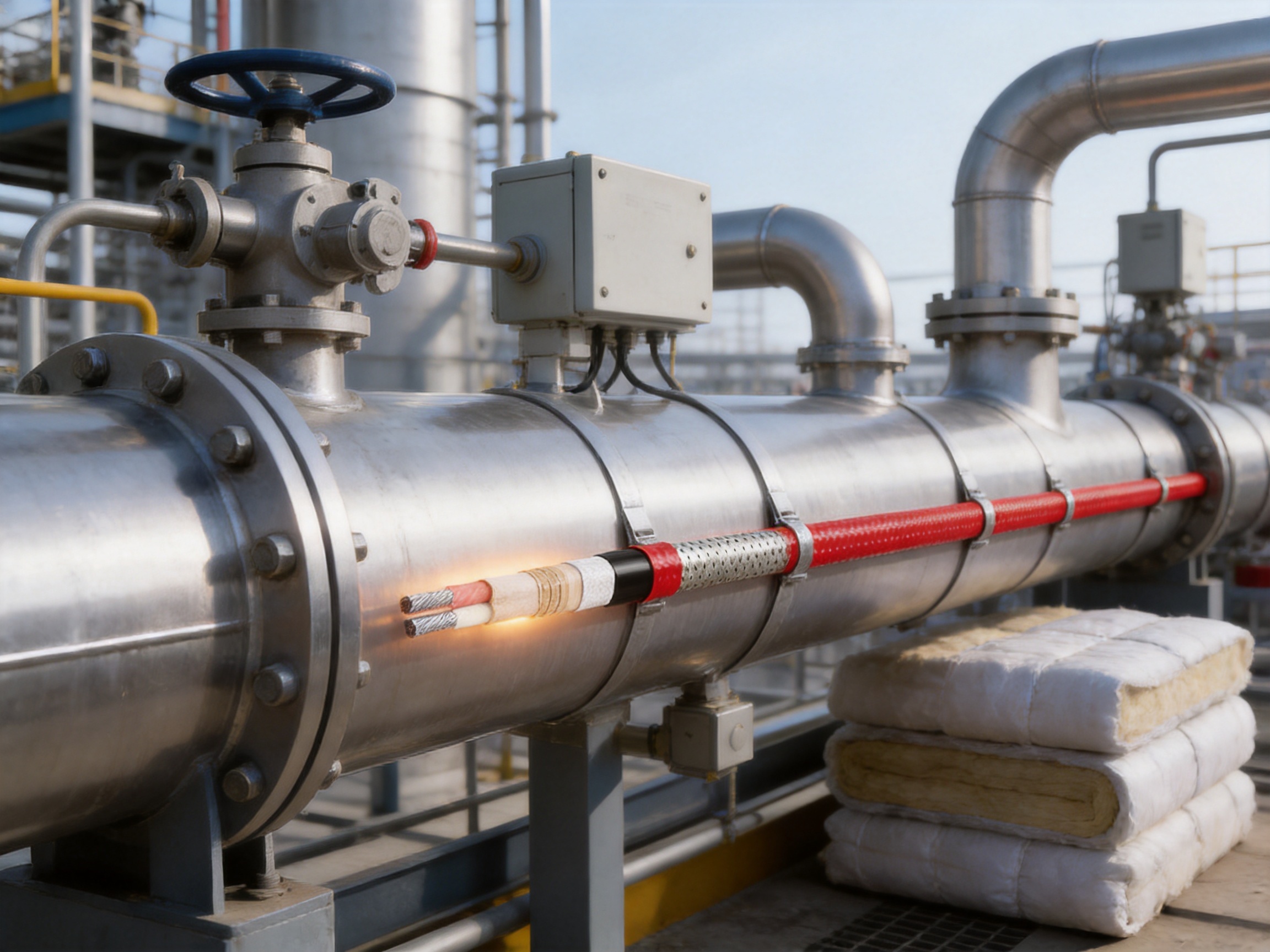
The AKK high temperature constant power heating cable can be applied in many systems where temperature maintenance and freeze protection are required. Its stable heat output and high temperature capability make it useful for industrial, commercial, and infrastructure projects.
Oil and petrochemical media often require temperature maintenance to prevent viscosity increase, wax precipitation, or flow problems. Heating cables installed along pipelines can help keep materials within the required process range. The AKK cable is suitable for these demanding environments when properly selected and installed according to project requirements.
Chemical plants may transport media that crystallize, solidify, or become unstable at low temperatures. Heat tracing supports process continuity by maintaining pipeline temperature. A constant power cable is beneficial because engineers can design predictable heat input for each pipeline section.
In cold climates, exposed or poorly heated water lines can freeze. Freeze damage may interrupt production, building service, or emergency systems. Heating cables provide antifreeze protection for water pipelines, valves, pumps, and related equipment.
Tanks, hoppers, and vessels may require heat maintenance to reduce viscosity, prevent freezing, or protect stored materials. Heating cable can be installed on the surface of the equipment together with insulation and temperature control devices.
Gas-related systems and instrumentation lines may need anti-condensation or freeze protection. Heating cables help reduce moisture-related problems and maintain stable operating conditions for instruments and sample lines.
Heat tracing is also used in buildings, outdoor facilities, drainage systems, and infrastructure where freezing, snow, ice, or condensation may cause safety or operational issues. Although product selection must be matched to the specific application, constant power heating cables can be a reliable option for engineered systems.
Different heating cable technologies have different strengths. Self-regulating cables adjust output according to local temperature changes. Mineral insulated cables offer excellent durability and high temperature capability. Silicone rubber heating systems provide flexibility for certain surfaces. Constant power heating cables are favored where stable wattage, predictable heat output, and practical installation are priorities.
| Heating Technology | Main Strength | Common Limitation | Best Use Scenario |
|---|---|---|---|
| High Temperature Constant Power Heating Cable | Stable output, flexible parallel structure, suitable for engineered heat tracing | Requires correct design and control to avoid overheating | Industrial pipelines, tanks, process temperature maintenance |
| Self-Regulating Heating Cable | Output changes with temperature, useful for freeze protection | Output may decline at higher temperatures and may be less predictable for some processes | Freeze protection and moderate heat maintenance |
| Mineral Insulated Cable | Very high temperature resistance and mechanical durability | Higher installation skill and cost may be required | High temperature industrial and hazardous environments |
| Silicone Rubber Heating System | Flexible surface heating and good adaptability to shaped objects | May not be ideal for long pipeline heat tracing | Drums, tanks, plates, equipment heating |
| Basic Resistance Wire | Simple structure and low initial cost | Limited safety, durability, and industrial suitability | Simple low-demand heating tasks |
This comparison shows why the AKK high temperature constant power heating cable is a strong choice for many industrial heat tracing projects. It offers a balanced combination of controlled output, installation flexibility, and high temperature applicability. For customers who require a more engineered product than basic resistance wire but do not need the cost or complexity of every mineral insulated solution, this cable provides a practical middle path.
A heating cable’s performance depends heavily on manufacturing quality. Even a good design can perform poorly if the production process lacks precision. Santo Thermal Control Technology Co., Ltd. has built its capabilities around research, design, production, manufacturing, and sales of electric heating products. The company’s experience covers automatic temperature-control electric heating belts, self-limiting electric heating belts, heat tracing belts, constant-power electric heating belts, glass fiber electric heating belts, MI cables, and related accessories.
The company is located in Jiangsu Province, an important area for China’s electric heating belt industry. Its long-term specialization allows it to combine material selection, cable design, extrusion technology, electrical testing, and quality assurance into a complete manufacturing system. The company has more than 35 years of industry experience, annual output capacity exceeding 10,000 units or sets, more than 2,000 distributors, and business coverage in more than 85 areas.
Manufacturing strength is not measured only by production volume. It is also reflected in technical knowledge, production consistency, testing discipline, and the ability to support customized projects. For heat tracing customers, this matters because each application may involve different pipe sizes, insulation types, voltage requirements, ambient temperatures, installation practices, safety standards, and operating cycles.
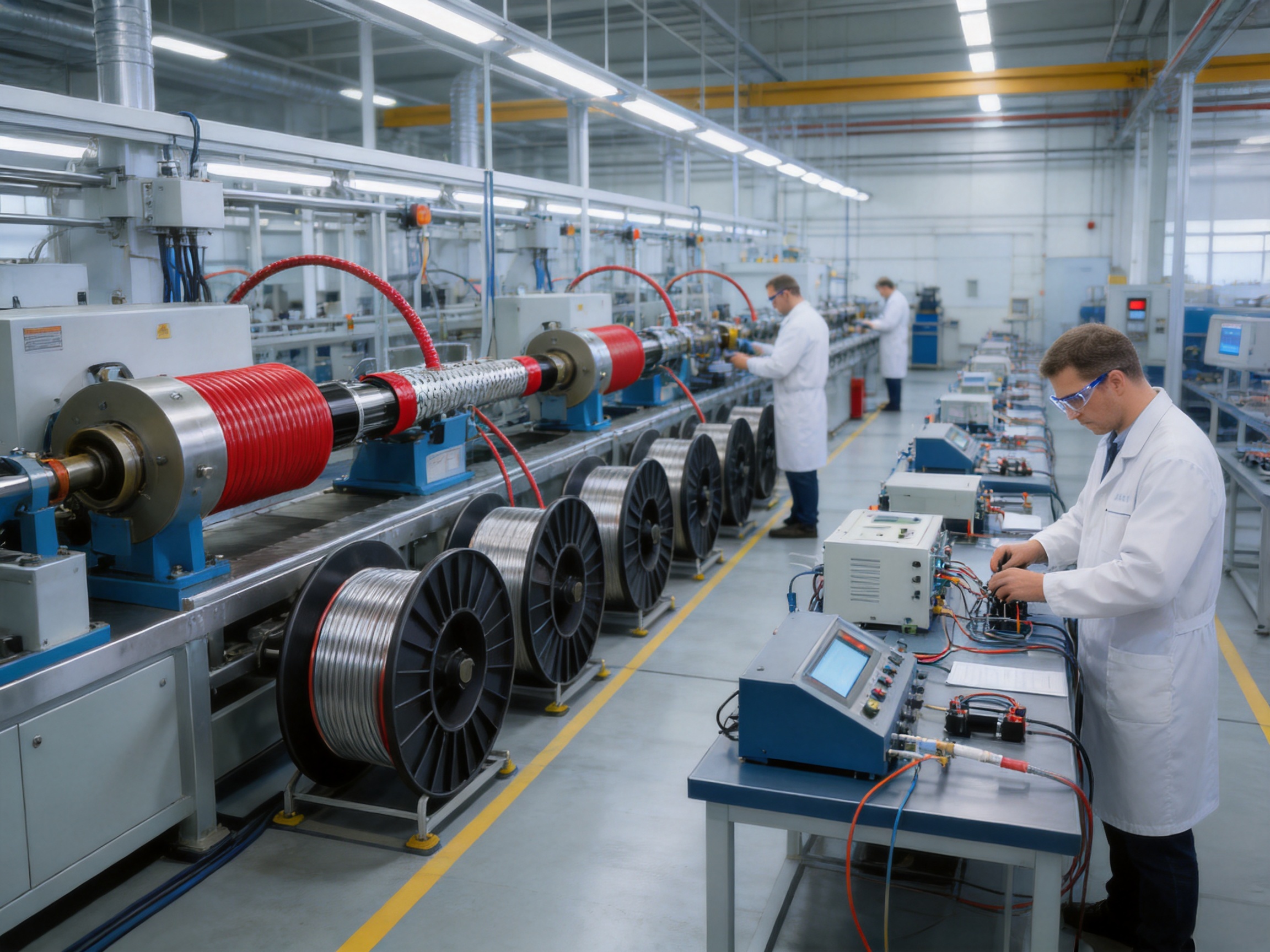
The first step in producing a reliable high temperature constant power heating cable is selecting suitable materials. Conductors must provide reliable electrical performance. Heating elements must generate stable heat. Insulation materials must withstand the designed operating temperature and resist aging. Outer jackets must protect against moisture, mechanical stress, and environmental exposure. In higher temperature applications, material compatibility becomes even more important because heat accelerates aging if unsuitable materials are used.
Constant power heating cables require accurate control during production. The relationship between conductor arrangement, heating element contact, insulation thickness, and cable geometry affects final performance. Consistent processing helps ensure that the heating cable performs according to design specifications. Stable extrusion, controlled winding or wrapping, and careful assembly reduce variation and improve long-term reliability.
Each heating cable must be tested for electrical safety and output performance. Important checks may include resistance testing, insulation resistance testing, dielectric strength testing, continuity testing, and visual inspection. For industrial cables, electrical testing is essential because hidden defects can lead to installation failures, short circuits, uneven heating, or unsafe operation.
Because the cable is designed for high temperature constant power applications, thermal behavior must be verified. Heat output, temperature rise, and insulation performance are key concerns. Manufacturers with dedicated testing capability can evaluate products under simulated operating conditions and improve designs based on measured data.
The company has passed ISO9001 quality system certification, which indicates that it operates with structured quality management procedures. Its products have also obtained national CCC certification, and the company has gained additional certifications such as explosion-proof certification and EAC Eurasian Union certification for relevant products and markets. Certification capability supports customer confidence and helps the company serve international projects.
Santo Thermal Control Technology Co., Ltd. has developed from early electric heating instrument production into a specialized thermal control technology enterprise. Its development history reflects long-term commitment to electric heating and heat tracing. The original factory was founded in 2000. The company passed ISO9001:2000 quality system certification in 2002. An irradiation center was established in 2013, strengthening its technical processing capability. In 2016, the SANTO brand was established and the company obtained explosion-proof and EAC certifications. In 2017, the founder invented a carbon fiber parallel heating cable and obtained multiple invention patents. In 2019, the company was officially renamed Santo Thermal Control Technology Jiangsu Co., Ltd. In 2022, additional land was purchased to build a new factory and product simulation testing laboratory. In 2023, the company established a Russia factory to expand its international presence.
This background is relevant to the AKK high temperature constant power heating cable because product maturity depends on accumulated knowledge. Heat tracing products must handle real-world conditions: outdoor exposure, temperature cycling, installation variation, long operating hours, mechanical vibration, and process interruptions. A manufacturer with long experience can better anticipate these issues and provide more suitable designs.
The company also emphasizes new product development, technical guidance, scientific management, product quality, and after-sales service. It cooperates in product research with Harvard University in the United States, according to the company profile, and has been recognized as a high-tech enterprise in Jiangsu Province. These strengths help support continuous improvement in electric heating products.
To obtain the full benefit of the AKK high temperature constant power heating cable, proper engineering design is necessary. A heating cable is only one part of a heat tracing system. The complete system includes power supply, cable layout, pipe insulation, temperature control, sensors, accessories, junction boxes, circuit protection, and installation methods.
The first design step is calculating the heat loss of the pipeline or equipment. Heat loss depends on pipe size, insulation material, insulation thickness, ambient temperature, wind exposure, required maintenance temperature, and surface area. The selected cable output should compensate for this heat loss with an appropriate safety margin.
Even constant power heating cables should be combined with proper temperature control. Thermostats, controllers, or sensors can help maintain temperature within a desired range and reduce unnecessary energy use. Control systems also improve safety by preventing excessive temperature rise when process conditions change.
Cable layout may be straight, spiral, or arranged in multiple runs depending on heat demand. Valves, flanges, supports, pumps, and instruments often require additional heating because they have greater heat loss than straight pipe. Correct layout is essential for uniform temperature maintenance.
Heat tracing cannot perform efficiently without good thermal insulation. Insulation reduces heat loss, protects the cable from environmental exposure, and improves energy efficiency. Poor insulation may cause the heating cable to run continuously without reaching the required maintenance temperature, increasing operating cost and reducing system reliability.
Industrial heating circuits should include appropriate circuit breakers, ground fault protection, junction boxes, and connection kits. Electrical design must comply with local codes and project standards. Proper grounding and protection reduce the risk of electrical faults and improve personnel safety.
Correct installation is essential for reliable operation. Even a high-quality cable can fail if installed incorrectly. Installers should follow engineering drawings, manufacturer instructions, and relevant safety standards. The cable should not be sharply bent beyond its allowable radius, crushed under heavy objects, cut improperly, or installed on surfaces with burrs and sharp edges.
Before installation, the pipeline or equipment surface should be clean and free from oil, rust flakes, sharp weld splatter, and debris. The heating cable should be fixed securely using suitable tapes or fastening methods compatible with the operating temperature. After installation, electrical testing should be performed before insulation is applied. A second test should be completed after insulation and cladding are installed to confirm that the cable has not been damaged during construction.
Special attention should be paid to valves, flanges, elbows, pumps, instruments, and supports. These components often lose more heat and may require additional cable loops. However, installers should avoid overlapping cable sections unless the specific product design and instructions allow it. Overlapping may create localized overheating in some constant power systems.
End terminations, power connections, and junction boxes should be installed carefully to prevent moisture ingress. Moisture is one of the common causes of electrical failure in heat tracing systems. For outdoor or industrial environments, proper sealing is especially important.
Energy efficiency is a major concern in modern heat tracing systems. Constant power heating cables provide stable output, but efficient operation depends on correct design and control. If a cable is oversized or left uncontrolled, energy consumption may be higher than necessary. If it is undersized, the system may fail to maintain temperature, leading to process problems. The best result comes from matching cable output to heat loss and using appropriate temperature control.
The AKK high temperature constant power heating cable can contribute to efficient operation by providing predictable wattage that supports accurate engineering calculations. When combined with suitable insulation and control devices, it can maintain process temperature reliably without excessive energy waste. This helps reduce operating costs and improve system performance.
Compared with low-cost unregulated heating wires, a professionally designed constant power heating cable system is generally safer, more predictable, and more efficient in industrial service. Compared with some high-cost alternatives, it may also provide a more economical solution for applications that require stable heating but do not demand extreme mechanical or temperature conditions.
Safety is one of the most important factors in electric heat tracing. Industrial environments may involve flammable materials, corrosive chemicals, moisture, mechanical stress, and continuous operation. A reliable heating cable must be manufactured and installed with safety in mind.
The AKK high temperature constant power heating cable is designed for professional heat tracing applications and can be integrated with accessories and control systems to improve safety. Proper insulation, protective sheathing, electrical testing, and circuit protection help reduce the risk of short circuits and electrical leakage. Temperature controllers and sensors help prevent overheating. Certified accessories and proper installation practices further strengthen system reliability.
The manufacturer’s experience with explosion-proof certification and international certification requirements is an advantage for customers working in regulated industries. Although each project must verify the exact product certification and suitability for its specific environment, the company’s certification background demonstrates familiarity with industrial safety expectations.
Many heat tracing projects require customization. A pipeline network in a chemical plant may need different power outputs for different process lines. A cold-region infrastructure project may require special outer jacket materials. An export project may require specific voltage, labeling, packaging, documentation, or certification support. OEM and ODM capability is therefore an important factor when selecting a heating cable supplier.
Santo Thermal Control Technology Co., Ltd. operates as a China OEM heating cable manufacturer and ODM heating cable factory. With decades of experience, it can support custom heating cable export sales and tailored product development. This includes not only producing cables but also helping customers select suitable heating technologies, accessories, and system configurations.
For distributors and engineering contractors, customization can improve market competitiveness. Instead of selling generic heating cables, partners can offer products adapted to local climate, industry standards, voltage systems, packaging preferences, and installation practices. For end users, customization can improve system performance and reduce unnecessary cost.
When buyers compare heating cable suppliers, price is often an important factor, but it should not be the only factor. A low-cost cable that fails prematurely can cause far greater losses than the savings from the initial purchase. Downtime, repair labor, insulation removal, process interruption, safety risk, and replacement cost can all exceed the original cable price.
The AKK high temperature constant power heating cable offers value through stable performance, high temperature capability, manufacturing quality, customization support, and strong supplier experience. Buyers benefit from working with a company that has broad product categories, including electrically heated tracing cables, skin-effect heating tracing systems, snow and ice melting skin effect systems, underfloor heating mats, tubing bundles, accessories, and silicone rubber heating systems. This wide product range allows customers to obtain integrated thermal solutions rather than isolated components.
A supplier with a broad portfolio can recommend the most suitable technology instead of forcing every project into one product type. For example, if a pipeline requires long-distance heating, a skin-effect heating system may be considered. If a floor warming application is needed, underfloor heating mats may be appropriate. If a compact equipment surface needs flexible heating, silicone rubber heating may be better. For many industrial pipelines requiring stable output, the AKK high temperature constant power heating cable is a strong option.
Heating cables are often installed beneath insulation, making maintenance access difficult. Therefore, long service life and reliable operation are crucial. Maintenance should include periodic electrical testing, visual inspection of junction boxes and terminations, verification of controller operation, inspection of insulation condition, and checking for moisture ingress or mechanical damage.
Because constant power cables provide stable output, abnormal system behavior can often be identified through resistance measurements, current readings, or temperature monitoring. A sudden change may indicate cable damage, connection problems, insulation failure, or controller malfunction. Early detection helps prevent larger failures.
Service life depends on operating temperature, exposure conditions, installation quality, electrical stability, and maintenance practices. High-quality materials and manufacturing improve the foundation for long service life, while correct system design prevents unnecessary thermal stress. Santo’s focus on product quality, testing, and after-sales service supports customers throughout the product lifecycle.
The global market for heat tracing products is expanding due to industrial development, energy infrastructure, cold-region construction, renewable energy systems, and process automation. Customers require products that can perform reliably in different climates and comply with varied project standards. Santo’s products have entered international markets, and the company has built business coverage in more than 85 areas.
International customers need more than products. They need responsive communication, export experience, documentation support, consistent packaging, and the ability to provide repeatable quality across orders. The company’s OEM and ODM experience, distributor network, certification background, and Russia factory development contribute to its international competitiveness.
The AKK high temperature constant power heating cable can serve distributors, contractors, engineering companies, and industrial end users seeking a reliable heat tracing solution from an experienced manufacturer. Its combination of performance and customization makes it suitable for export projects where local conditions vary significantly.
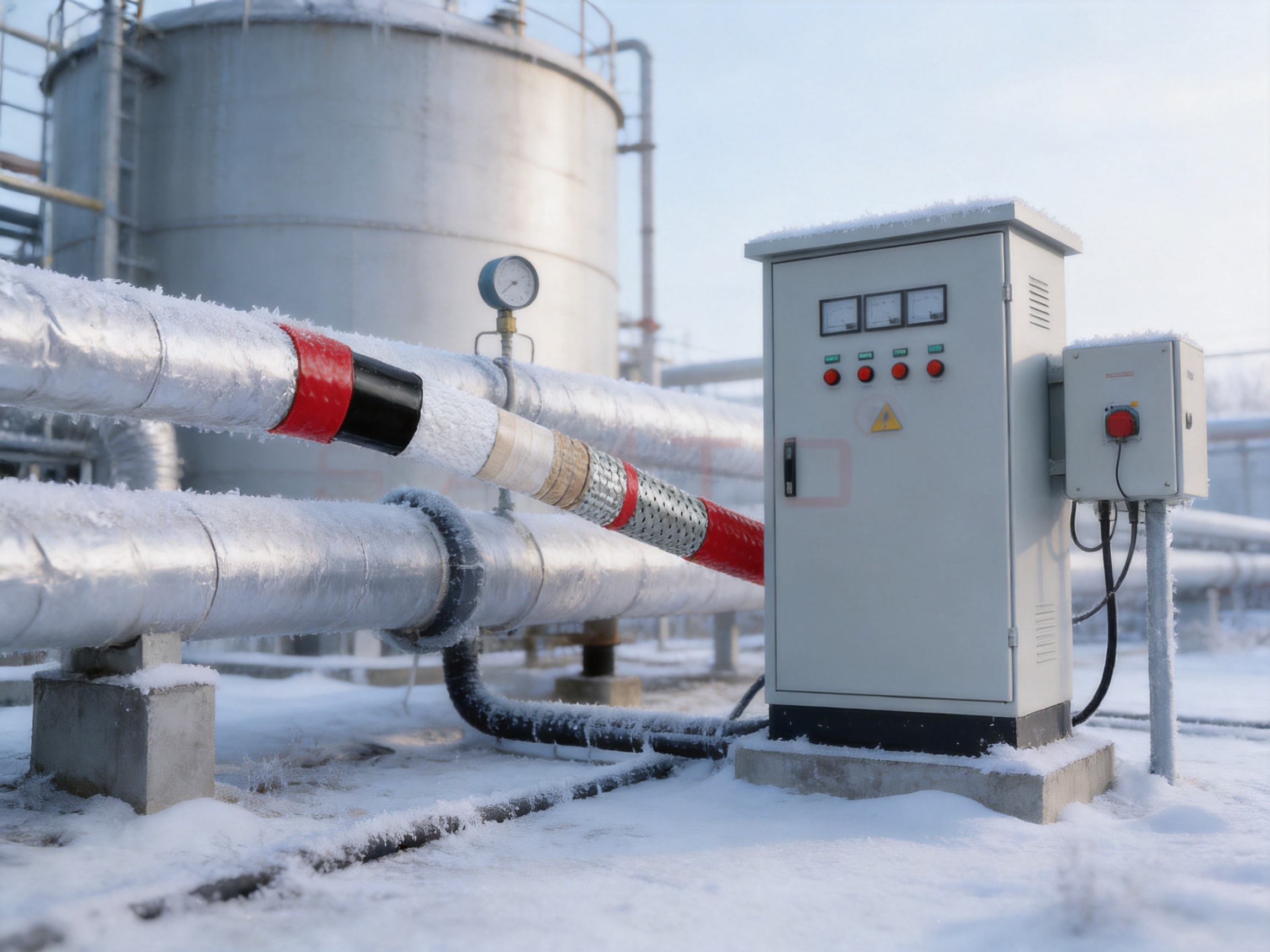
Effective heat tracing can support environmental and operational goals. By preventing leaks caused by freezing, reducing process waste, improving pumping efficiency, and supporting stable production, heating cable systems can indirectly reduce resource loss. Proper temperature maintenance can also help reduce excessive reheating, avoid product solidification, and improve process reliability.
The company’s stated vision is to protect the world’s environmental health, and its mission is to create value and a better life. In practical product terms, this means developing heating solutions that help industries operate safely, efficiently, and reliably. The AKK high temperature constant power heating cable contributes to this mission by protecting pipelines and process systems from temperature-related failures.
Designers benefit from predictable output, application flexibility, and compatibility with control systems. The cable allows heat tracing circuits to be calculated and specified according to project requirements. Reliable manufacturer support can also assist with model selection and design refinement.
Contractors need products that are practical to install, consistent in quality, and supported by accessories. The parallel constant power structure and customization options can help simplify field work. Good packaging, documentation, and technical support reduce installation risk.
Operators require dependable performance and minimal downtime. A stable heating cable helps maintain process temperature, reduce freezing risk, and protect equipment. When combined with good controls and maintenance, it supports long-term operational stability.
Distributors need competitive products from a reliable manufacturer. The company’s broad product range, OEM and ODM capability, and international business experience help distributors serve multiple markets and customer segments.
It is used for industrial heat tracing applications such as pipeline freeze protection, process temperature maintenance, viscosity control, tank heat preservation, anti-condensation, and equipment heating support. It is suitable for industries including petroleum, chemical processing, gas, construction, solar energy, and other fields requiring stable electric heating.
A parallel constant power heating cable is designed to provide stable heating output along the cable circuit. Its parallel structure supports practical installation flexibility and predictable wattage, making it suitable for engineered heat tracing systems.
A self-regulating cable changes its output according to local temperature, while a constant power cable is designed to deliver more stable wattage. Self-regulating cable is often preferred for simple freeze protection, while constant power cable is useful where predictable heat output and controlled temperature maintenance are required.
Yes, the product is designed as a high temperature constant power heating cable. However, the exact suitability depends on the selected model, operating temperature, exposure conditions, control method, and installation design. Project specifications should always be confirmed before use.
In most professional installations, a temperature controller is recommended. Controllers improve energy efficiency, maintain the desired temperature range, and help prevent overheating. They are especially important for constant power systems.
Common industries include petroleum, petrochemical, chemical processing, gas systems, water supply, construction, solar energy, geothermal cultivation, and general industrial manufacturing. It is useful wherever pipelines or equipment must be protected from heat loss.
Its advantages include stable heating output, high temperature capability, flexible parallel design, suitability for industrial heat tracing, customization options, and production by an experienced manufacturer with broad electric heating expertise.
Yes. The manufacturer provides OEM and ODM services for heating cable products. Customization may include power output, voltage, cable structure, jacket material, length, packaging, labeling, and project-specific technical requirements.
Buyers should consider operating temperature, maintenance temperature, pipe size, insulation thickness, ambient temperature, voltage, installation environment, safety requirements, control method, certification needs, and accessory compatibility.
Heating cable performance depends on material quality, production precision, testing, and engineering knowledge. An experienced manufacturer can provide more reliable products, better customization, stronger technical guidance, and more consistent quality control.
The AKK high temperature constant power heating cable is a dependable choice for industrial and commercial heat tracing projects that require stable heating output, high temperature capability, and practical installation flexibility. As a parallel constant power heating cable, it supports accurate engineering design and reliable temperature maintenance for pipelines, tanks, valves, and process equipment.
Its advantages over many competing products include predictable wattage, suitability for demanding applications, customization capability, and integration with complete heat tracing systems. When combined with proper insulation, temperature control, accessories, and professional installation, it can reduce freezing risk, maintain process flow, improve operational stability, and protect valuable equipment.
The product is supported by Santo Thermal Control Technology Co., Ltd., a specialized manufacturer with decades of electric heating experience, ISO9001 quality management, certification capability, broad product categories, OEM and ODM services, and international market presence. The company’s manufacturing strength, research orientation, testing capability, and commitment to product quality give customers confidence in both the cable and the complete heating solution behind it.
For buyers seeking a high temperature constant power heating cable that balances performance, reliability, customization, and supplier strength, the AKK product represents a strong and practical solution for modern heat tracing needs.
International Electrotechnical Commission. IEC 62395: Electrical Resistance Trace Heating Systems for Industrial and Commercial Applications.
IEEE Standards Association. IEEE 515: Standard for the Testing, Design, Installation, and Maintenance of Electrical Resistance Trace Heating for Industrial Applications.
International Organization for Standardization. ISO 9001: Quality Management Systems Requirements.
National Fire Protection Association. NFPA 70: National Electrical Code, Articles Related to Electric Heat Tracing and Industrial Electrical Installation.
Process Industry Practices. Electric Heat Tracing Design, Installation, and Maintenance Guidelines.
Company Technical Profile and Product Information for High Temperature Constant Power Heating Cable and Electric Heat Tracing Systems.
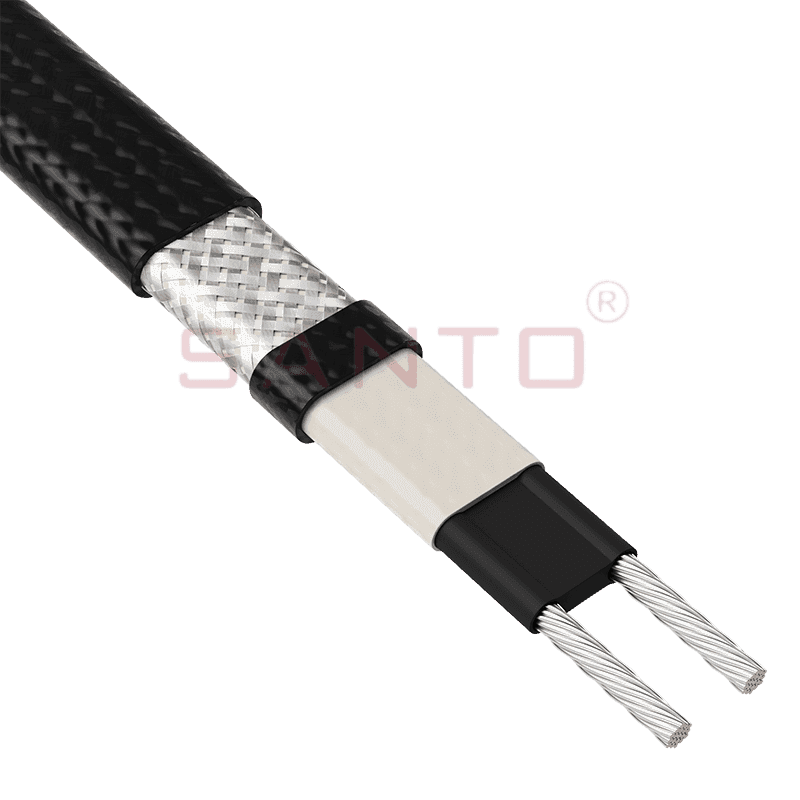
The SANTO UFA range of self-regulating heating cables is mainly used for frost protection of pipes and vessels but can also be used to maintain processes up to 65°C. These heating cables are available...
See Details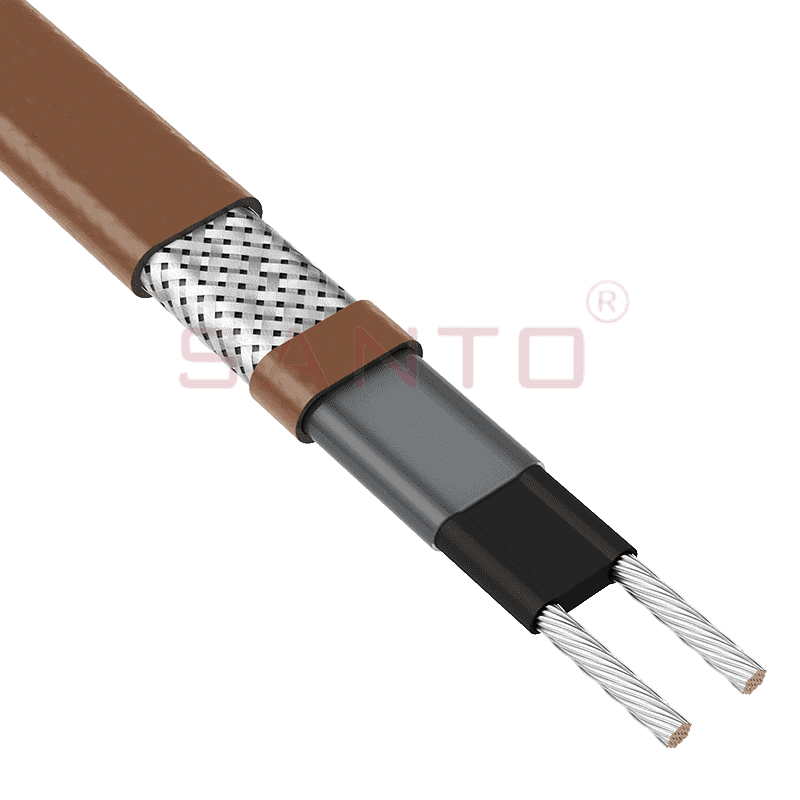
The SANTO UFB range of self-regulating heating cables is mainly used for frost protection of pipes and vessels requiring a higher power output than the UFA heating cables can supply. They can also be ...
See Details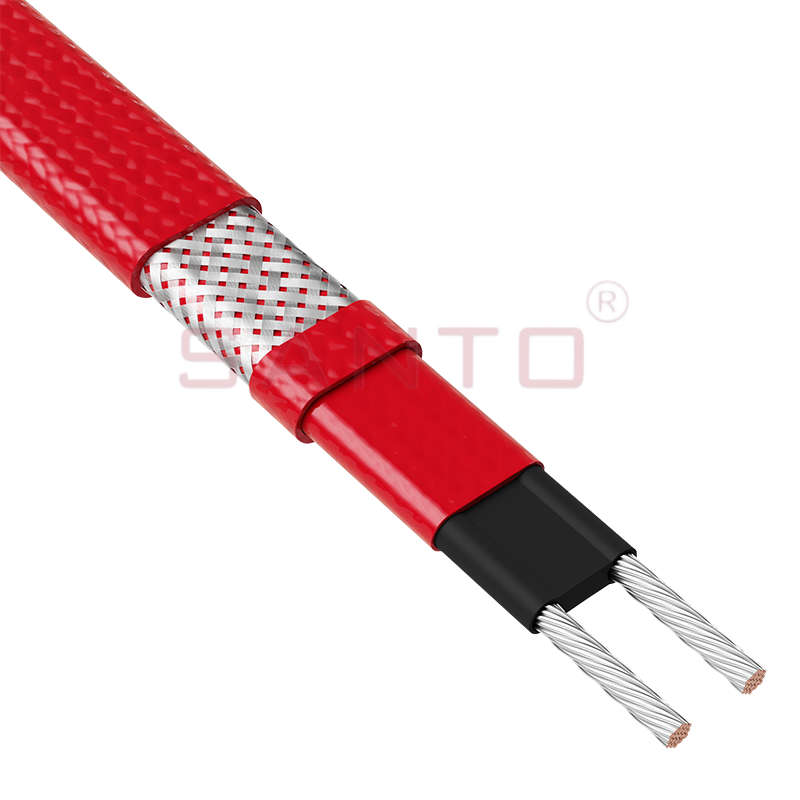
The SANTO UFC range of self-regulating heating cables is used for frost protection of pipes and vessels that require steam cleaning. They can also be used to maintain processes up to 121°C. These heat...
See Details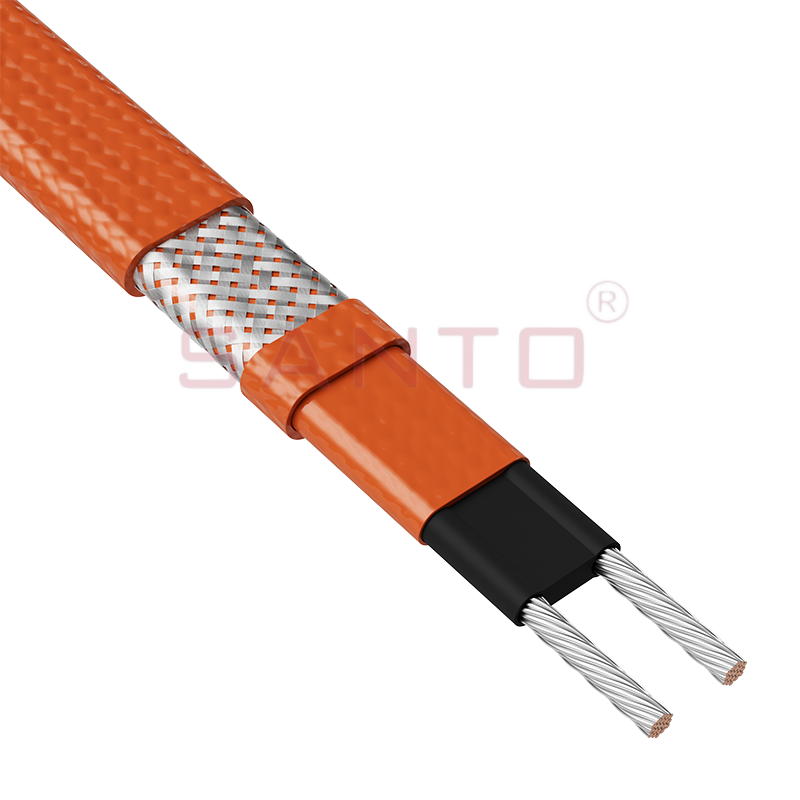
The SANTO UFO range of self-regulating heating cables is mainly used for frost protection of pipes and vessels that require steam cleaning . They can also be used to maintain processes up to 150°C. Th...
See Details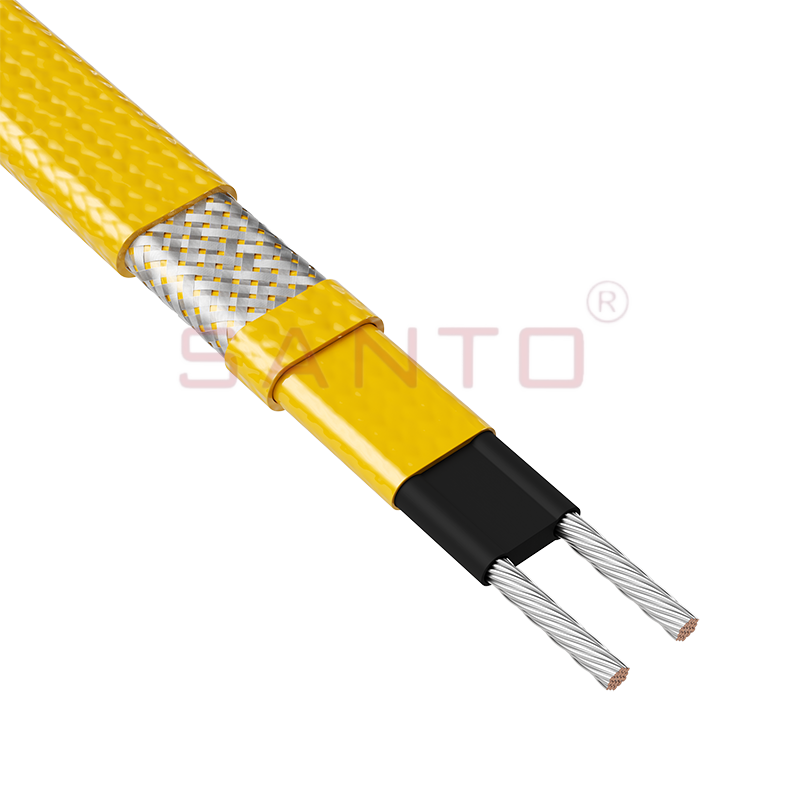
The SANTO UFD series of self-regulating heating cables are mainly used for freeze protection of pipes and vessels, but can also be used to maintain processes up to 200°C. These heating cables are avai...
See Details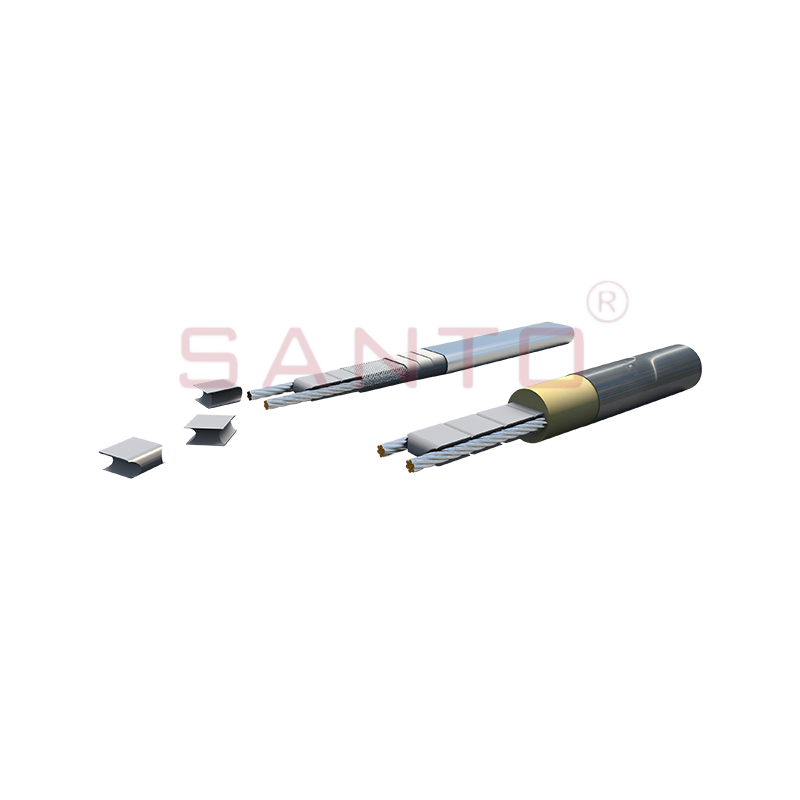
SANTO UFY heating wire is suitable for applications that maintain process temperatures up to 260 ℃ and can be steam blown; The self-regulating and parallel circuit heating wires of the UFY series are ...
See Details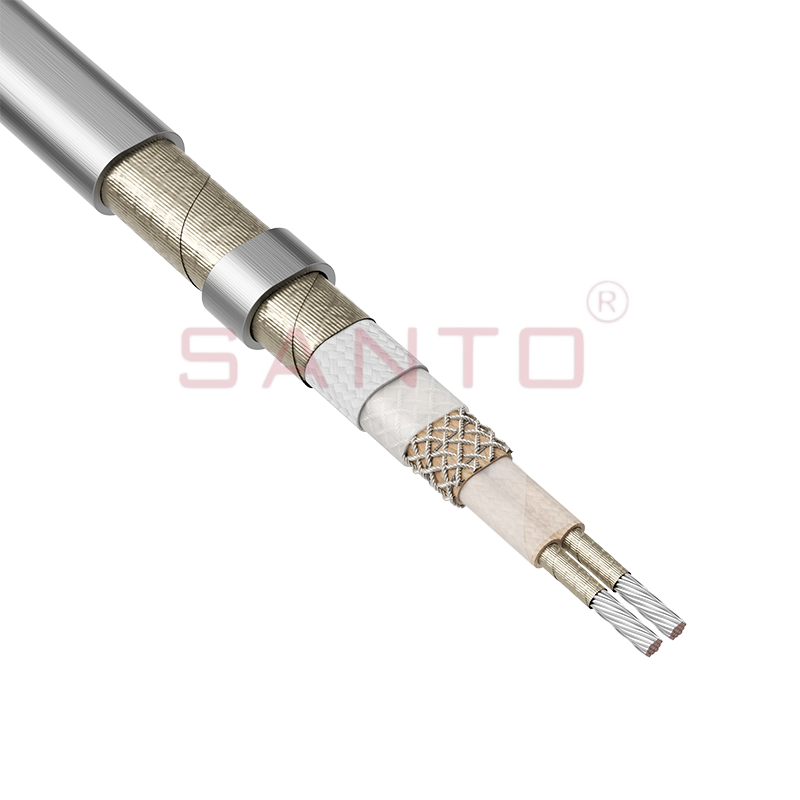
The SANTO UFM series self-regulating heating cables are mainly used for freeze protection of pipes and vessels, but can also be used to maintain processes up to 400°C. These heating cables are availab...
See Details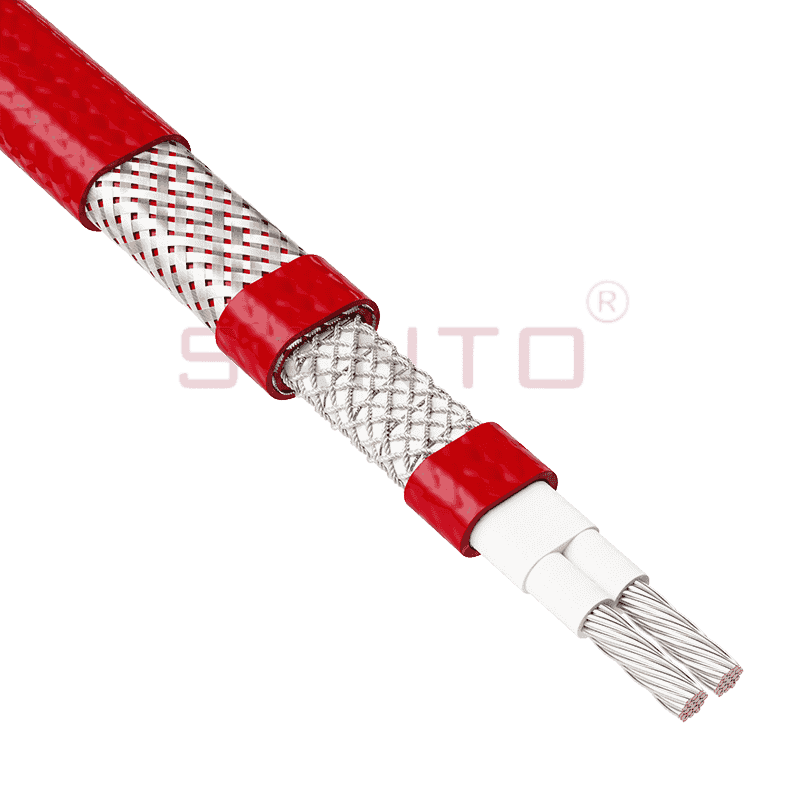
The SANTO ACC range of power-limiting heating cables is mainly used for temperature maintenance of processes and offers the advantage of a high power output at high temperatures which can reduce the n...
See Details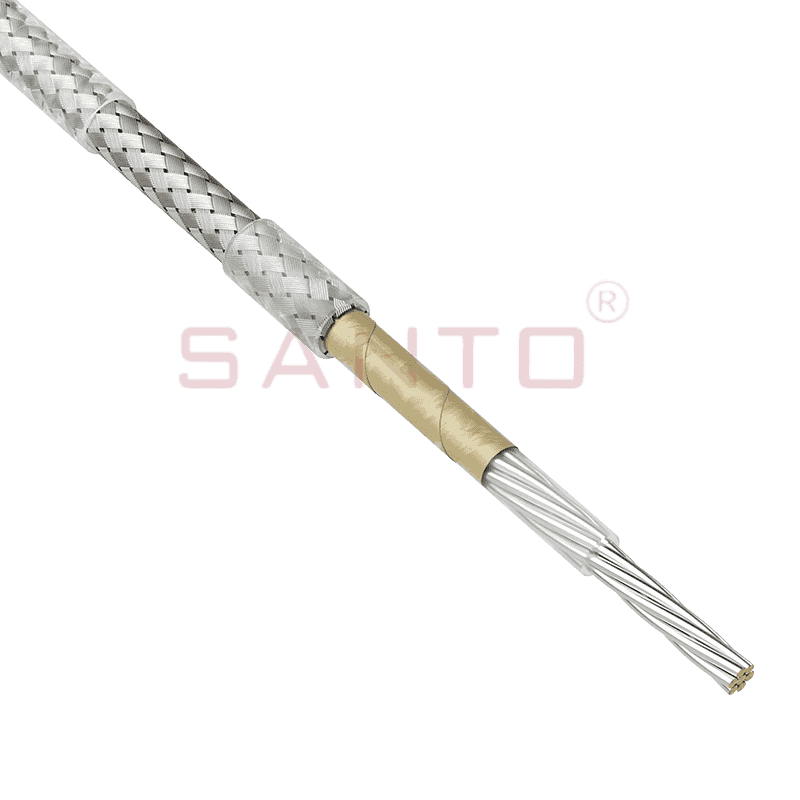
The stranded high temperature conductor is nickel plated to ensure a long life at elevated temperatures in corrosive environments. It is electrically isolated using an innovative sandwich construction...
See Details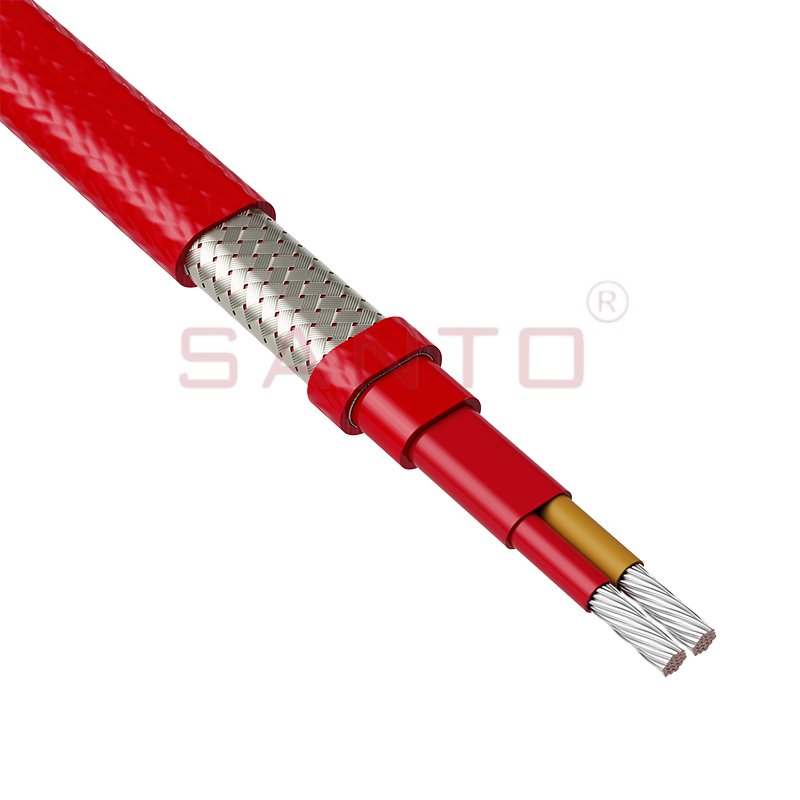
The stranded high temperature conductor is nickel plated to ensure a long life at elevated temperatures in corrosive environments. It is electrically isolated using an innovative sandwich construction...
See Details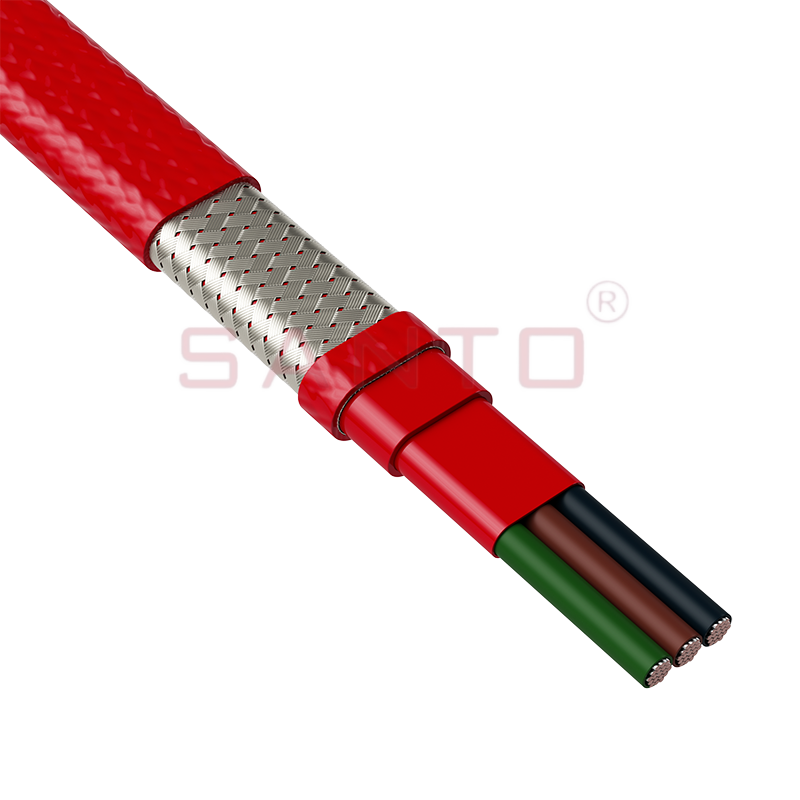
The stranded high temperature conductor is nickel plated to ensure a long life at elevated temperatures in corrosive environments. It is electrically isolated using an innovative sandwich construction...
See Details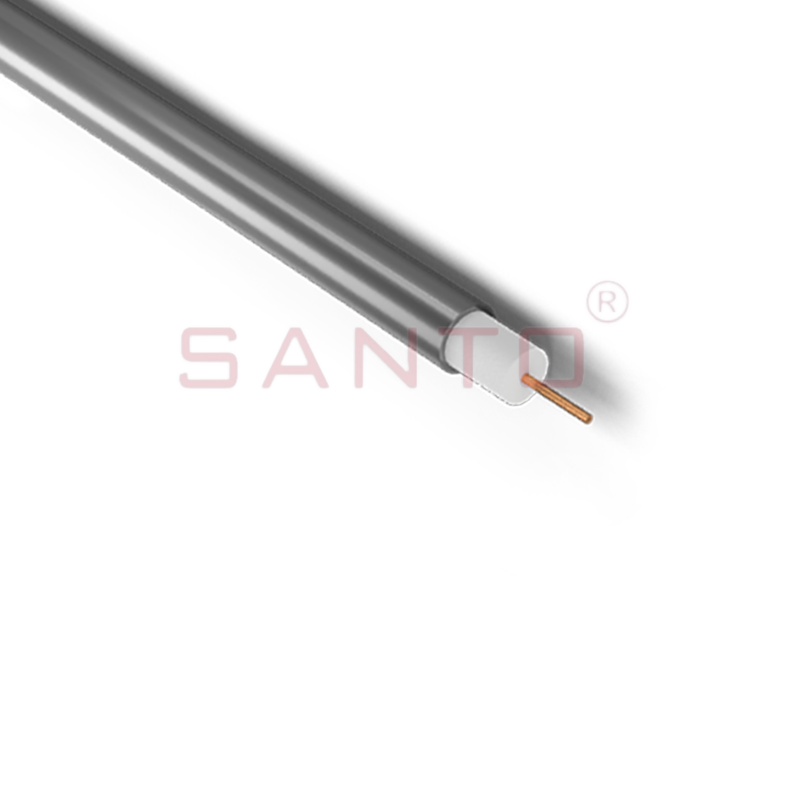
SANTO HAx mineral insulated (MI) Alloy 825 series heating cables are suitable for use in hazardous areas. They have been designed for use in freeze protection and temperature maintenance applications ...
See Details
Santo electric heating strips are widely used in key industries in China.

