 English
  English
 русский
 日本語
日本語 Español
 中文简体
中文简体
The SANTO UFA range of self-regulating heating cables is mainly used for frost protection of pipes and vessels but can also be used to maintain processes up to 65°C. These heating cables are available...
See Details
In industrial heat tracing, measurement accuracy is not a luxury; it is the foundation of process safety, energy efficiency, and system reliability. The MMP-PT100Ex-P temperature sensor for hazardous areas is designed for applications where temperature feedback must remain stable, precise, and dependable even in challenging operating environments. Used with heating cable thermostat systems and electric heat tracing control equipment, this PT100 sensor supports safe temperature monitoring in zones where flammable gases, vapors, dusts, or other hazardous atmospheres may be present.
For facilities in petroleum, chemical processing, gas distribution, construction, solar thermal support, geothermal cultivation, and industrial antifreeze protection, temperature sensors play a critical role in keeping pipelines, tanks, valves, instrument lines, and process equipment within the required thermal range. A heating cable may provide the thermal output, but the temperature sensor tells the controller when heat is needed, when power should be reduced, and when a system may be approaching abnormal conditions. The MMP-PT100Ex-P is therefore more than an accessory; it is a key part of a complete thermal management system.
Santo Thermal Control Technology Co., Ltd. manufactures electric heating and heat tracing products with deep experience in automatic temperature-control heating belts, self-limiting heating cables, constant-power heating cables, glass fiber heating cables, MI cables, silicone rubber heating systems, snow melting cables, tubing bundles, and heating cable accessories. With more than 35 years of industry experience, a broad distributor network, and business presence across many regions, the company brings strong manufacturing knowledge to products used in demanding thermal control applications. This background is especially valuable for a hazardous-area temperature sensor, because the sensor must work as part of a larger engineered system rather than as an isolated component.
The MMP-PT100Ex-P is positioned for hazardous-area use, where reliability, installation quality, signal integrity, and compatibility with heat tracing thermostats matter. Its core function is to detect temperature through a PT100 resistance temperature detector element and transmit a predictable resistance signal to a compatible controller. This allows the thermostat or control cabinet to regulate heating cable operation according to real surface, pipe, or equipment temperature. Compared with basic temperature switches or low-grade sensors, a PT100-based sensor provides a more stable and precise measurement principle, which can help reduce overheating, prevent freezing, improve process consistency, and lower unnecessary energy consumption.
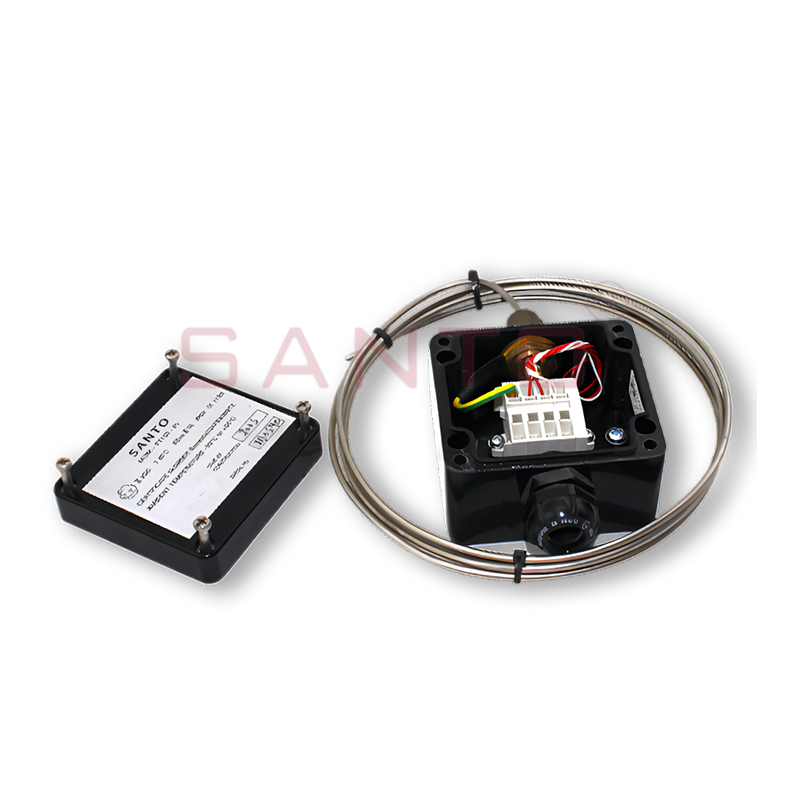
MMP-PT100Ex-P Temperature sensor for hazardous areas
Content
An electric heat tracing system generally includes heating cable, power connection kits, junction boxes, end seals, insulation, temperature controllers, sensors, and mounting accessories. The heating cable delivers heat to the pipe or surface. The insulation reduces heat loss. The controller decides when heating is required. The temperature sensor provides the real-world temperature feedback that makes the control decision possible.
The MMP-PT100Ex-P is intended to serve this feedback role in hazardous environments. In a typical installation, the sensor is mounted on a pipe, tank surface, instrument line, or monitored equipment location. It is installed in close thermal contact with the surface being measured, protected from mechanical damage, and connected to a thermostat or control module. When the measured temperature drops below the set point, the controller can energize or modulate the heating cable. When the temperature rises to the desired range, the controller can reduce or stop heating.
In hazardous areas, this feedback function becomes more important. Excessive temperature can become a safety concern, while insufficient temperature may cause freezing, viscosity problems, crystallization, hydrate formation, process blockage, or instrument failure. A dependable PT100 temperature sensor helps the heat tracing system respond accurately to real conditions. This improves not only operational performance but also maintenance planning and risk control.
The product category is heating cable thermostat accessory, but its influence extends across many heating applications. It can support electrically heated tracing cables, skin-effect heating tracing systems, snow and ice melting skin-effect systems, underfloor heating mats in controlled industrial contexts, tubing bundles, silicone rubber heating systems, and related electric heating assemblies. Its use is especially relevant where the measured temperature must be transmitted accurately to a control device and where the installation environment demands higher protection than ordinary commercial temperature probes.
PT100 sensors are resistance temperature detectors, commonly called RTDs. The term PT100 means that the sensing element has a nominal resistance of 100 ohms at 0 degrees Celsius. As temperature changes, the resistance changes in a predictable way. This stable relationship allows controllers to calculate the measured temperature with good accuracy and repeatability.
Compared with many low-cost thermistors, PT100 sensors are often preferred in industrial systems because of their wider usable temperature range, better long-term stability, and more standardized output behavior. Compared with simple bimetallic thermostats, a PT100 sensor provides continuous temperature feedback rather than only an on-off mechanical action. Compared with some thermocouples, PT100 elements can offer excellent accuracy in moderate temperature ranges commonly encountered in freeze protection, process temperature maintenance, and heat tracing control.
For heat tracing, measurement precision is directly linked to efficiency. If a controller receives inaccurate low temperature readings, it may energize heating cable too often, wasting electricity and shortening component service life. If it receives inaccurate high readings, it may fail to heat when needed, leading to frozen lines or unstable process conditions. A PT100 sensor helps reduce these risks by delivering a stable signal suitable for automated control.
The MMP-PT100Ex-P brings this PT100 principle into hazardous-area applications. Its value is not only the sensing element, but also the product design that enables the element to operate in harsh surroundings. In these environments, the sensor assembly must consider protection against moisture, corrosion exposure, mechanical stress, electrical noise, cable routing conditions, and safety requirements associated with hazardous locations.
Hazardous areas are locations where explosive or flammable atmospheres may exist under normal or abnormal conditions. These locations are common in oil and gas facilities, petrochemical plants, refineries, storage terminals, chemical warehouses, gas transmission stations, and certain manufacturing processes. In such sites, any electrical device must be selected and installed with great care.
The MMP-PT100Ex-P is developed for temperature sensing in hazardous areas, making it suitable for heat tracing systems that operate near flammable substances or within classified industrial zones. While final selection should always be based on project specifications, certification requirements, local regulations, and engineering review, the product is clearly intended for environments beyond ordinary non-hazardous commercial installations.
A major advantage of a hazardous-area temperature sensor is that it allows heat tracing control to be placed close to the real process temperature while supporting the safety philosophy of the site. In many facilities, temperature feedback cannot be compromised. Long pipelines, remote valve stations, outdoor tanks, and exposed process instruments may all require monitoring. A sensor designed for hazardous service helps engineering teams create systems that combine accurate control with appropriate risk management.
The need for hazardous-area temperature sensing is growing as industrial operators modernize thermal management systems. Older installations often relied on manual checks, mechanical thermostats, or oversized heating systems. Modern systems increasingly use electronic controllers, digital monitoring, alarms, and centralized supervision. A PT100 sensor is well suited to this direction because it provides the structured signal required by advanced controllers.
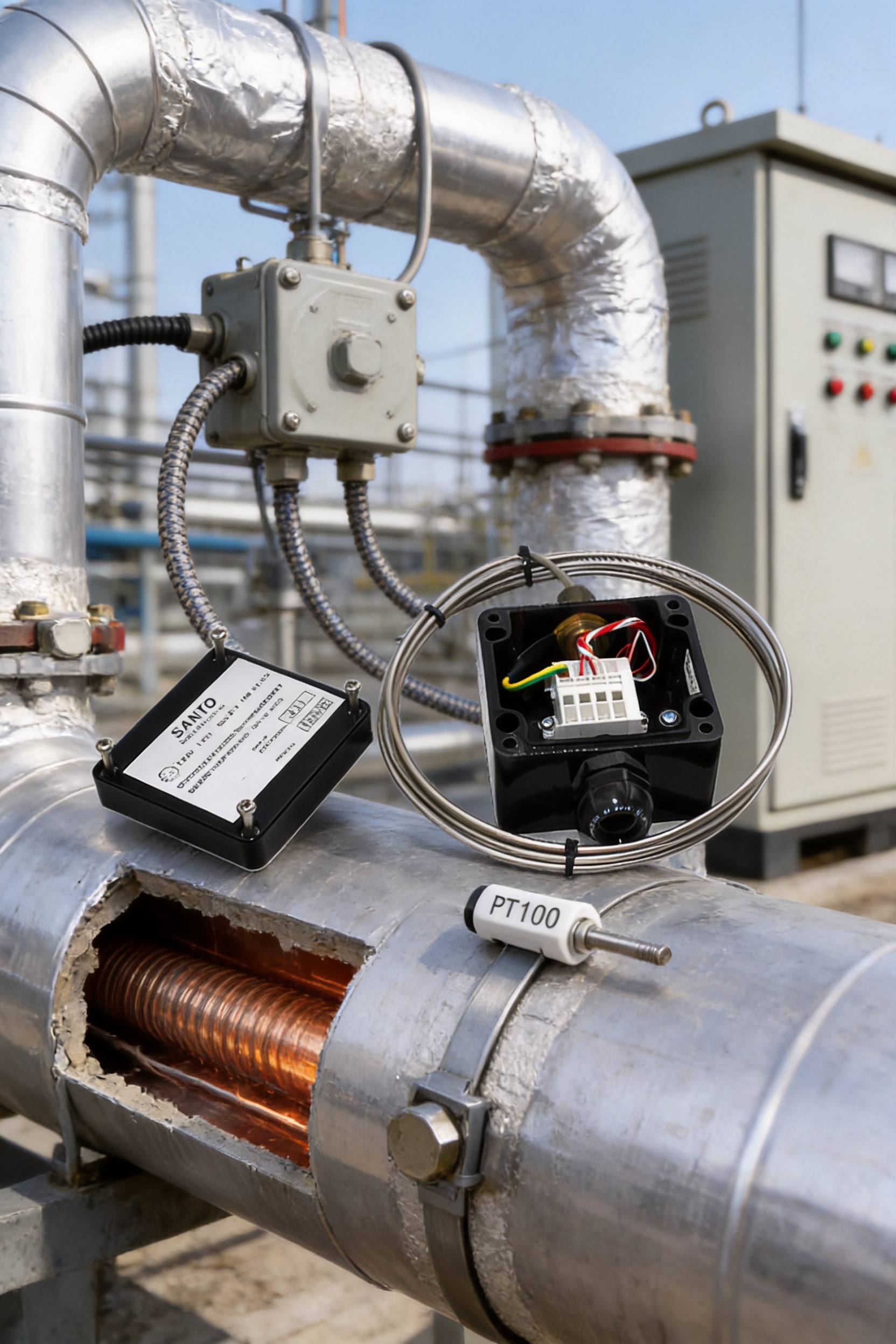
The MMP-PT100Ex-P offers several practical advantages when compared with general-purpose temperature probes or low-cost control sensors that are not specifically suited for demanding heat tracing conditions. These advantages are especially important in hazardous-area applications, where replacement can be difficult, downtime is expensive, and safety margins must be protected.
PT100 technology provides a stable resistance-based signal that is widely recognized in industrial control. This makes the sensor compatible with many controllers designed for RTD inputs. Stable feedback reduces nuisance switching and helps maintain a controlled thermal band. For heat tracing, this can mean fewer temperature swings, reduced energy waste, and better protection for temperature-sensitive materials.
A simple thermostat switch may only open or close at a fixed threshold. While this can be adequate for basic freeze protection, it does not provide detailed temperature information. The MMP-PT100Ex-P supports measurement-based control, allowing compatible thermostats or controllers to monitor actual temperature values. This is valuable for systems requiring alarm functions, temperature display, data logging, or tighter process maintenance.
Ordinary sensors may be designed for indoor panels, HVAC systems, or light-duty use. Heat tracing systems are often installed outdoors, on metallic pipes, near chemicals, in wet conditions, and across long distances. A hazardous-area PT100 sensor is a better match for this environment because it is selected for industrial service and for integration with robust heating cable thermostat equipment.
Energy efficiency in heat tracing depends on proper cable selection, insulation quality, controller settings, and accurate temperature sensing. A sensor that reads too low can cause continuous heating even when it is unnecessary. A sensor that reads too high can create process risk. By providing dependable feedback, the MMP-PT100Ex-P helps the controller operate heating cable only when needed. Over the life of a large installation, this can produce meaningful savings.
Overheating can damage pipe contents, degrade insulation, shorten cable life, or create unsafe surface temperatures. With accurate PT100 feedback, a control system can respond more effectively to rising temperature. This is particularly helpful in systems using constant-power heating cables, skin-effect systems, or high-output heating solutions where controlled operation is essential.
Because Santo Thermal Control Technology Co., Ltd. manufactures a broad range of heating cables, tubing bundles, silicone rubber heating systems, and accessories, the MMP-PT100Ex-P can be considered as part of a complete heat tracing package. This is a meaningful advantage over suppliers that offer only isolated sensor components without deep heating cable application knowledge. System-level understanding helps ensure better product matching, installation support, and practical performance.
In hazardous-area projects, documentation, installation discipline, and component suitability are all important. A temperature sensor designed for hazardous areas supports these project requirements more effectively than a general industrial probe. Engineering teams can integrate it into control schemes for classified locations, subject to final compliance checks and site-specific approvals.
The MMP-PT100Ex-P can support a wide range of heat tracing and thermal management applications. Its primary value appears in locations where temperature monitoring must be accurate and safe under demanding conditions.
Oil and gas facilities use heat tracing for freeze protection, viscosity control, hydrate prevention, and instrument reliability. Outdoor pipelines, transfer lines, sampling systems, and valve assemblies may be exposed to low ambient temperatures. The sensor allows controllers to maintain pipe surface temperature within a target range, reducing operational disruption.
Chemical plants often transport materials that can crystallize, solidify, or become too viscous if temperature drops. Accurate sensing helps prevent process blockages and supports stable production. In hazardous chemical areas, the use of an appropriate sensor is especially important because electrical components must match site safety requirements.
Storage tanks may require heat tracing around nozzles, outlet lines, pump suction lines, or vessel surfaces. A PT100 sensor can provide temperature feedback for control panels, allowing the system to maintain required thermal conditions while avoiding unnecessary heating.
Instrument lines can be small, exposed, and vulnerable to freezing or condensation problems. Tubing bundles with integrated heat tracing often require reliable temperature control to protect analyzers, impulse lines, and process measurement devices. A hazardous-area PT100 sensor supports controlled heating in these critical systems.
Skin-effect snow and ice melting systems may be used for large surfaces or infrastructure requiring deicing. Temperature sensing can be part of a broader control strategy that considers surface conditions and operating requirements. While additional moisture or snow detection may also be used, temperature feedback remains important.
Silicone rubber heaters are often used for drums, tanks, panels, and equipment surfaces. When applied in industrial environments, accurate temperature measurement prevents excessive heating and helps maintain process stability. The MMP-PT100Ex-P can support such systems when hazardous-area suitability is required.
Heat tracing is used in solar thermal piping, building systems, and outdoor utility lines to prevent freezing and maintain flow. For projects located in demanding environments or classified zones, a robust PT100 sensor gives the control system accurate data for dependable operation.
The following table summarizes the product’s practical positioning based on the supplied product information and typical PT100 heat tracing control use. Final detailed specifications should be confirmed through the official product specification document and project engineering requirements.
| Item | Description | Practical Value |
|---|---|---|
| Product Name | MMP-PT100Ex-P temperature sensor for hazardous areas | Designed for industrial temperature feedback in classified or demanding environments |
| Sensor Type | PT100 resistance temperature detector | Provides stable resistance-based temperature measurement for compatible controllers |
| Product Category | Heating cable thermostat accessory | Supports heat tracing control and electric heating system regulation |
| Primary Use | Temperature sensing for hazardous-area heat tracing | Improves safety, control accuracy, and thermal reliability |
| Compatible Systems | Electric heat tracing cables, skin-effect systems, tubing bundles, silicone rubber heaters, and related equipment | Allows integration into broad thermal management projects |
| Control Benefit | Continuous temperature feedback rather than simple manual operation | Helps reduce energy waste and improves process stability |
| Industrial Focus | Petroleum, chemical, gas, construction, solar energy, geothermal cultivation, and industrial antifreeze applications | Meets common needs in demanding thermal control sectors |
| System Role | Input device for thermostat or control panel | Enables automatic heating cable operation according to measured temperature |
A heat tracing system can only perform as well as its control strategy. Even a high-quality heating cable may produce poor results if the temperature sensor is inaccurate, poorly installed, or unsuitable for the environment. The MMP-PT100Ex-P contributes to performance improvement in several ways.
First, it supports accurate switching or regulating decisions. When the controller receives dependable temperature data, it can activate heating cable before the pipe approaches a dangerous low temperature. It can also stop heating when the target range is reached, reducing unnecessary power use.
Second, it supports process consistency. Many industrial fluids must stay above a minimum temperature to remain pumpable or chemically stable. Temperature feedback helps maintain this condition without relying solely on manual inspection. This is especially important in remote sites where frequent inspection is costly.
Third, it supports alarm and monitoring functions. A controller receiving a PT100 signal can often be configured for high and low temperature alarms. These alarms help operators detect insulation damage, power failure, cable faults, process changes, or abnormal heat loss. In advanced systems, the sensor signal can be connected to supervisory control equipment for trend analysis.
Fourth, the sensor supports preventive maintenance. If a heat tracing circuit begins requiring unusually long heating periods, or if temperature response becomes slow, the sensor data may reveal insulation problems, environmental changes, or equipment degradation. This helps maintenance teams act before a failure occurs.
Finally, the sensor improves confidence in hazardous locations. Operators in hazardous areas need equipment that is selected for the conditions. A temperature sensor intended for hazardous-area service helps align the heat tracing system with site safety expectations.
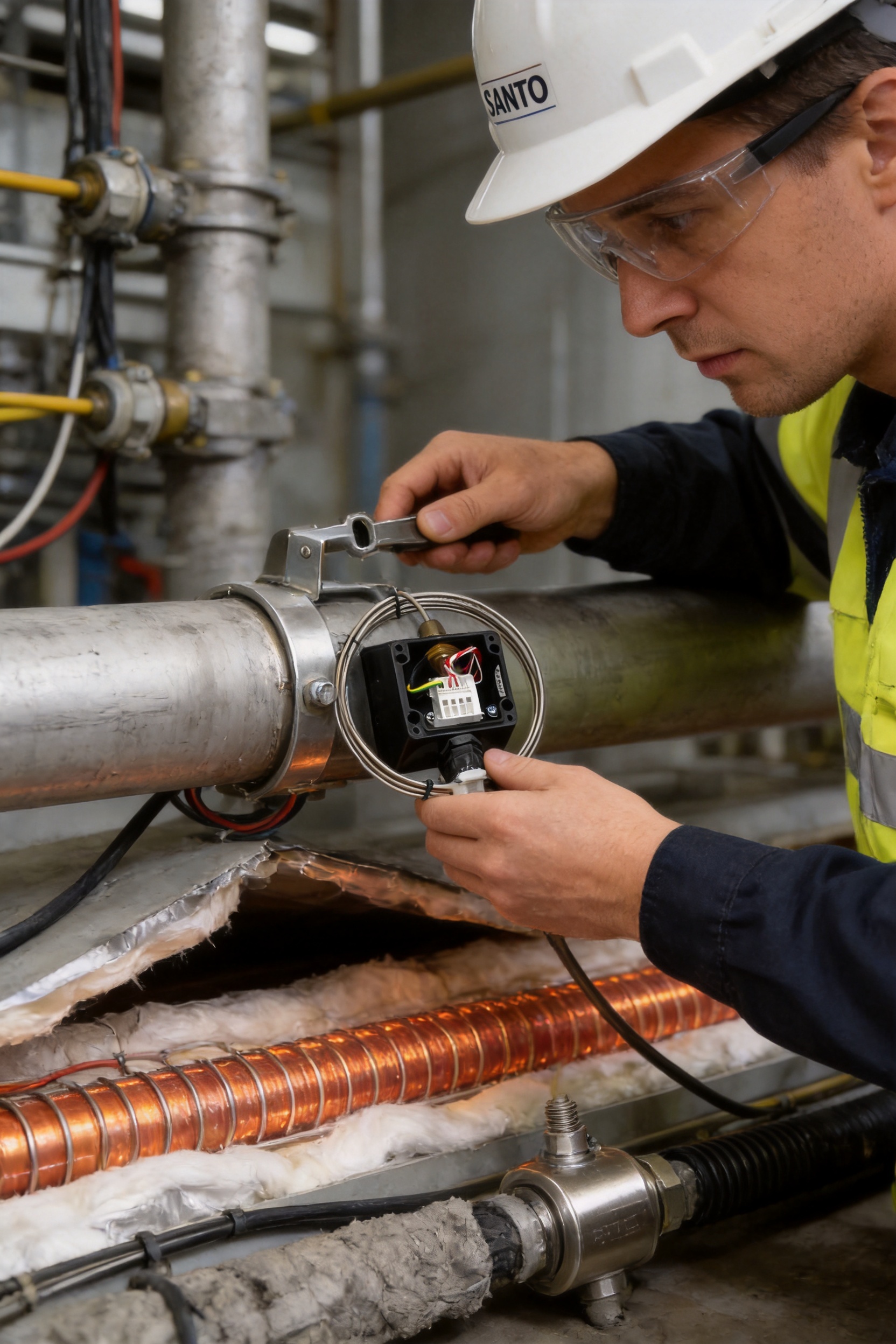
Santo Thermal Control Technology Co., Ltd. has developed from an electric heating instrument factory into a manufacturer with a broad product range and international market presence. The company’s manufacturing strength is not limited to one product type. It covers self-limiting electric heating belts, automatic temperature-control heating belts, constant-power heating cables, glass fiber electric heating belts, MI cables, silicone rubber electric heating strips, snow melting cables, LCD controlled heaters, and related accessories.
This broad product platform gives the company an advantage when producing accessories such as the MMP-PT100Ex-P. A temperature sensor must match real heat tracing applications, and a manufacturer that understands heating cable behavior, insulation requirements, control cabinets, and installation conditions can design and supply more practical sensing solutions.
The company operates with a focus on research, design, production, manufacturing, and sales. Its high-tech enterprise background in Jiangsu Province and cooperation in product research with Harvard University in the United States reflect an emphasis on technical development. The company has also invested in new product development, technology guidance, scientific management, product quality, and after-sales service. These strengths support consistent production and practical customer support.
Quality management is also a key part of the company’s foundation. The company has passed ISO9001 quality system certification, and its products have obtained national CCC certification. It has also obtained explosion-proof certification and EAC Eurasian Union certification in its development history. For customers selecting heat tracing components, these achievements indicate a structured approach to quality and compliance.
The manufacturing of a hazardous-area temperature sensor demands more than simple assembly. Although detailed proprietary processes are not disclosed here, high-quality production generally involves disciplined material selection, controlled assembly, electrical testing, inspection, documentation, and packaging. Santo’s broader heating cable manufacturing experience contributes to this process philosophy.
Reliable heat tracing accessories must be made from materials compatible with industrial environments. Sensor housings, lead wires, insulation materials, sealing components, and connection parts must be selected for electrical performance, mechanical strength, thermal stability, and environmental resistance. Poor material selection can lead to moisture ingress, signal drift, insulation failure, corrosion, or premature breakdown.
A PT100 sensor requires careful placement of the sensing element and dependable electrical connections. Assembly quality affects response time, measurement stability, and service life. In hazardous-area applications, consistent assembly is even more important because the product may be installed in locations where repair access is restricted and where failures can have operational consequences.
Temperature sensors must be checked for resistance behavior, insulation integrity, continuity, and signal stability. Testing helps confirm that the sensor can communicate properly with a compatible thermostat or control device. For heat tracing systems, these tests reduce the risk of commissioning delays and field troubleshooting.
Industrial sensors may face vibration, outdoor temperature changes, moisture, cable bending, and installation stress. Manufacturing and inspection practices should consider these real-world conditions. A sensor that performs well only in a laboratory is not enough for hazardous-area heat tracing. Field reliability must be part of the design and production mindset.
Industrial customers often need product documentation for engineering files, procurement review, installation planning, and maintenance records. A manufacturer with established quality systems is better positioned to provide consistent documentation and support. This improves project efficiency and reduces uncertainty during approval and installation.
Many suppliers can provide a temperature probe, but fewer can provide one with deep understanding of heat tracing systems. Santo Thermal Control Technology Co., Ltd. has more than 35 years of industry experience and has built a product portfolio across multiple electric heating technologies. This experience creates several competitive advantages for the MMP-PT100Ex-P.
First, the company understands the interaction between heating cable output and sensor placement. In heat tracing, the sensor should normally be installed where it measures representative pipe or surface temperature, not where it is overly influenced by cable hot spots or external disturbances. A manufacturer familiar with heat tracing can provide better application guidance.
Second, the company understands the importance of accessories. Power connection kits, end seals, thermostats, junction boxes, and sensors are often the parts that determine whether a system is easy to install and maintain. A heating cable without suitable accessories is not a complete solution. The MMP-PT100Ex-P benefits from being part of this accessory ecosystem.
Third, the company’s experience across constant-power, self-limiting, MI, glass fiber, and silicone rubber heating systems allows customers to obtain coordinated product support. This is useful for projects with multiple heating technologies on the same site. Procurement teams can reduce supplier complexity, while engineers can maintain better consistency in system design.
Fourth, the company’s market reach across many areas and its large distributor network suggest strong supply capability and customer support. In industrial projects, delivery reliability and after-sales assistance can be as important as product design. A temperature sensor failure or delay may hold up commissioning of an entire heat tracing circuit.
The MMP-PT100Ex-P is categorized under heating cable thermostat products, which means its primary purpose is to support temperature regulation. A thermostat or controller receives the PT100 signal and compares the measured temperature with the set point. Depending on configuration, it may switch a relay, control a contactor, trigger an alarm, or communicate with a monitoring system.
When integrated properly, the sensor and thermostat can provide automatic heat tracing operation. This is preferable to leaving heating cables permanently energized, especially on large systems. Continuous operation can waste energy and may expose process materials or equipment to unnecessary heat. Automatic control based on real temperature is a more refined and responsible approach.
The sensor may also be used in systems where multiple circuits are monitored independently. For example, a chemical plant may have separate heat tracing circuits for feed lines, drain lines, sample lines, and tank outlets. Each circuit may require its own sensing point and control set point. PT100 sensors allow these circuits to be monitored with precision.
During commissioning, technicians should verify sensor wiring, controller configuration, measured temperature, and set point operation. Proper installation is critical. The sensor should be firmly attached to the measured surface, protected under insulation where appropriate, and positioned according to engineering guidelines. Incorrect placement can produce inaccurate readings even if the sensor itself is high quality.
Correct installation is essential for any temperature sensor, especially in hazardous areas. The MMP-PT100Ex-P should be installed by qualified personnel following applicable electrical standards, hazardous-area rules, project drawings, and manufacturer instructions. The following considerations support reliable operation.
The sensor should be placed where it represents the temperature that the control system needs to maintain. For pipe freeze protection, this may be on the pipe surface away from direct heat cable contact but under insulation. For process maintenance, the location should reflect critical process temperature. The wrong location can lead to underheating or overheating.
The sensor must maintain firm contact with the surface being measured. Loose mounting can cause delayed or inaccurate readings. Appropriate bands, clamps, or approved attachment methods should be used depending on the application. The installation should avoid damaging the sensor cable or sensing tip.
Industrial sites often involve maintenance activity, vibration, and physical impact. The sensor cable should be routed and secured to reduce strain. It should be protected from sharp edges, excessive bending, crushing, and exposure to conditions beyond its design limits.
PT100 sensors may be connected in different wiring configurations depending on the controller and sensor construction. The installer must ensure compatibility with the thermostat input. Incorrect wiring can cause measurement errors or controller faults. Terminal tightness, cable gland sealing, and junction box suitability are also important.
All installation practices in hazardous areas must follow site classification requirements and relevant standards. The sensor, connection method, cable routing, gland selection, and enclosure choice must be reviewed as part of the total installation. A suitable product must still be installed correctly to maintain safety.
Heat tracing can consume significant power when applied across long pipelines or large industrial facilities. Energy savings therefore come from good engineering, proper insulation, correct cable output, and intelligent control. The MMP-PT100Ex-P contributes by enabling accurate temperature-based operation.
With dependable PT100 feedback, heating cables do not need to run continuously when ambient conditions do not require heating. The controller can respond to actual pipe or equipment temperature rather than relying only on outdoor air temperature or manual schedules. This improves energy efficiency because the system heats based on need.
Reduced energy waste also supports environmental goals. Santo’s stated vision is to protect environmental health, and accurate thermal control aligns with this direction. Efficient heat tracing reduces unnecessary electricity consumption while maintaining safety and production reliability. In industrial sites with many circuits, the cumulative benefit can be substantial.
Better control may also extend equipment life. Heating cable, insulation, connection kits, and controlled surfaces experience less unnecessary thermal stress when the system is properly regulated. This can reduce maintenance frequency and material waste over time.
When purchasing a hazardous-area temperature sensor, customers often compare price, availability, certification, accuracy, and compatibility. However, the manufacturer’s system knowledge should also be considered. A low-cost sensor from a general supplier may appear attractive, but if it lacks proper application support or compatibility with heat tracing systems, the total project cost can increase.
Santo Thermal Control Technology Co., Ltd. offers system-focused value because the company manufactures heating cables, heating mats, tubing bundles, skin-effect systems, silicone rubber heating products, and accessories. This range allows customers to build complete thermal control solutions from a supplier with practical experience in the field.
For OEM and ODM customers, manufacturing flexibility is another advantage. The company specializes in custom heating cable export sales and has long experience in supporting different market requirements. A project may require specific cable lengths, power ratings, control schemes, sensor arrangements, or accessory combinations. A manufacturer with customization experience can respond more effectively than a supplier limited to standard catalog items.
In addition, the company’s development history demonstrates technical continuity. From its early factory foundation to the establishment of an irradiation center, invention of advanced heating technologies, explosion-proof certification, EAC certification, product simulation testing laboratory plans, and expansion into international markets, the company has shown a long-term commitment to electric heating innovation.
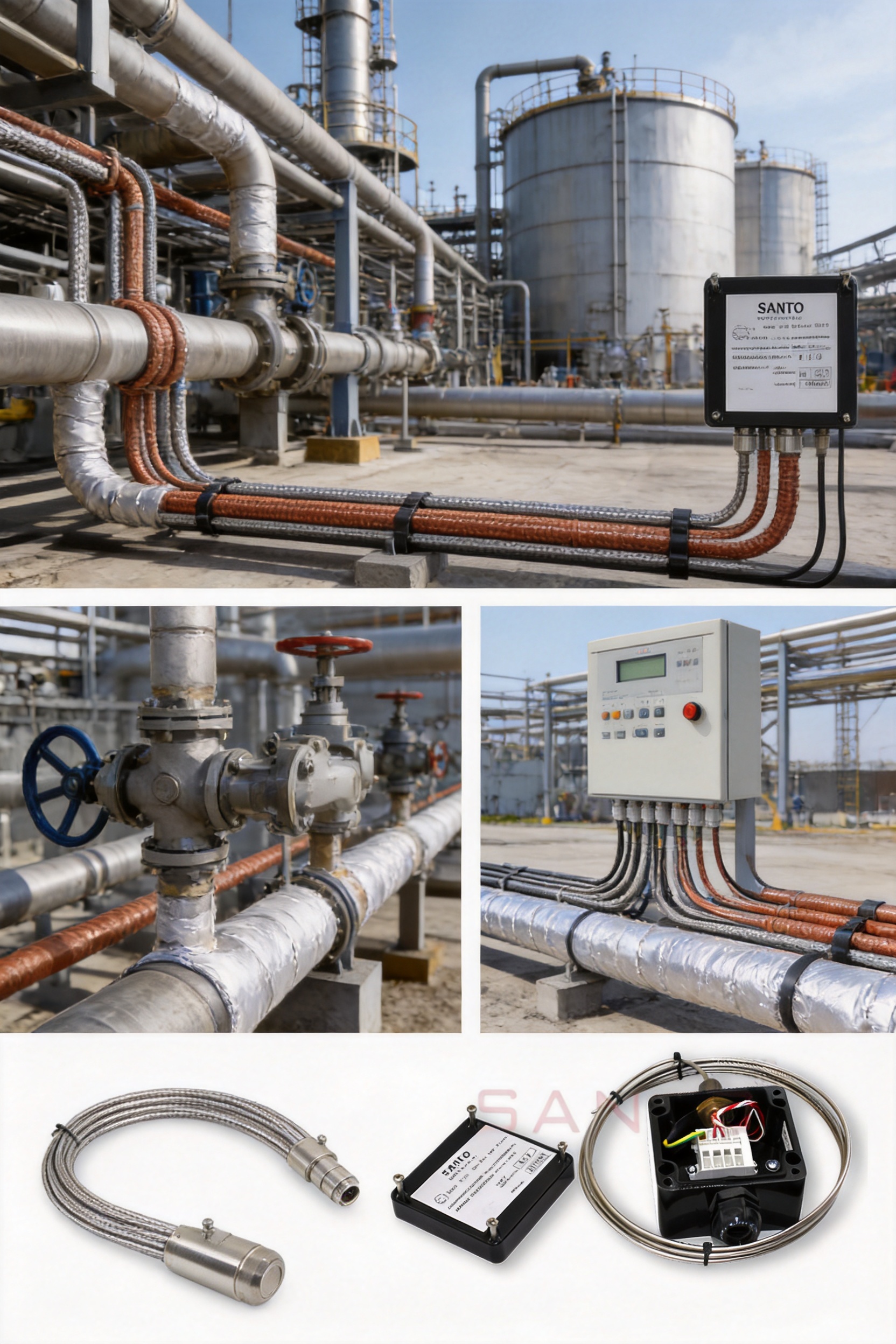
When selecting the MMP-PT100Ex-P for a project, engineers and buyers should consider several factors. The first is the hazardous-area classification of the installation site. The selected sensor and its installation method must match the applicable zone or division, gas or dust group, temperature class, and local regulatory requirements.
The second factor is controller compatibility. The thermostat or control module must accept PT100 input and be configured for the correct wiring arrangement. If the controller uses thermocouple, thermistor, or digital sensor input only, compatibility must be reviewed.
The third factor is the required temperature range and accuracy. While PT100 technology is widely used for accurate industrial measurement, the final product specification should be confirmed from the official product document. The operating environment, measured surface temperature, ambient temperature, and cable exposure should all be considered.
The fourth factor is installation design. Sensor position, cable routing, insulation thickness, junction box location, and maintenance access should be defined before installation. Poor planning can create difficult service conditions or inaccurate readings.
The fifth factor is system integration. The temperature sensor should be selected together with the heating cable, thermostat, power distribution, insulation, and accessories. This ensures that the complete system functions as intended rather than as a collection of mismatched parts.
A high-quality temperature sensor delivers value throughout the lifecycle of a heat tracing system. During installation, a dependable sensor reduces commissioning issues. During operation, it helps maintain stable temperatures. During maintenance, it provides diagnostic information. During upgrades, it can support more advanced control strategies if compatible with the new equipment.
Routine maintenance should include visual inspection of the sensor mounting, cable condition, junction boxes, and insulation. Technicians should check whether the sensor remains securely attached and whether there is any sign of damage, corrosion, moisture ingress, or mechanical strain. Controller readings should be compared with expected values during periodic checks.
If a heat tracing circuit does not perform correctly, the sensor should be considered as part of troubleshooting. A failed or poorly installed sensor may cause the controller to heat continuously, fail to heat, or generate alarms. Because the PT100 signal is resistance-based, qualified technicians can often test the sensor circuit using appropriate instruments and procedures.
The lifecycle value of the MMP-PT100Ex-P is closely connected to the cost of avoided failure. A frozen line, blocked process, damaged instrument, or unplanned plant shutdown can be far more expensive than the sensor itself. Choosing a suitable hazardous-area PT100 sensor is therefore a practical investment in operational reliability.
It is used to measure temperature in hazardous-area heat tracing and electric heating control systems. It provides PT100 temperature feedback to compatible thermostats or controllers so heating cables can operate according to actual measured conditions.
A PT100 sensor provides a stable resistance signal that changes predictably with temperature. This allows a controller to measure temperature more accurately than simple on-off devices and helps maintain better thermal control.
Yes. By giving the controller accurate temperature feedback, the sensor helps heating cables operate only when needed. This can reduce unnecessary power use, especially in large heat tracing systems.
The product is designed for hazardous-area temperature sensing applications. Such use requires attention to product suitability, installation method, wiring, and compliance with site safety standards. Final selection should always be confirmed through official specifications and project requirements.
It can support electric heat tracing cables, skin-effect heating systems, tubing bundles, silicone rubber heating systems, snow and ice melting systems, and other thermal control applications that require PT100 feedback for thermostat control.
A simple thermostat switch generally provides only an on-off action at a set temperature. The MMP-PT100Ex-P provides continuous temperature feedback to a compatible controller, enabling display, alarms, tighter control, and better monitoring options.
A heat tracing manufacturer understands how sensors work with heating cables, insulation, thermostats, and field installation conditions. Santo Thermal Control Technology Co., Ltd. offers broad experience in electric heating products, which supports better system-level selection and application guidance.
Yes. Even a high-quality PT100 sensor can produce poor results if installed in the wrong location or with poor thermal contact. Proper mounting, wiring, insulation, and hazardous-area compliance are essential.
Petroleum, chemical processing, gas, construction, solar energy, geothermal cultivation, storage terminals, and industrial utility systems commonly use hazardous-area temperature sensors for heat tracing and thermal protection.
Detailed technical data should be confirmed in the official MMP-PT100Ex-P product specification document and through project engineering review before procurement and installation.
The MMP-PT100Ex-P temperature sensor for hazardous areas is an important component for safe and efficient heat tracing control. By using PT100 measurement technology, it provides stable temperature feedback to compatible heating cable thermostats and control systems. This helps prevent freezing, reduce overheating, improve energy efficiency, support alarms, and maintain process reliability in demanding industrial environments.
Its advantages become especially clear when compared with ordinary sensors or simple thermostat switches. In hazardous-area heat tracing, accurate feedback, industrial durability, system compatibility, and correct installation are essential. The MMP-PT100Ex-P is positioned to meet these needs as part of a complete thermal management solution.
Santo Thermal Control Technology Co., Ltd. strengthens the product’s value through extensive experience in electric heating cables, heat tracing systems, tubing bundles, silicone rubber heating systems, accessories, and custom manufacturing. The company’s quality management, product development history, broad application knowledge, and international market presence provide customers with more than a single sensor; they provide access to a complete heat tracing manufacturing ecosystem.
For engineers, buyers, and facility operators seeking reliable temperature feedback in hazardous-area heating cable systems, the MMP-PT100Ex-P offers a practical combination of PT100 accuracy, industrial application focus, and system-level manufacturing support. When selected according to official specifications and installed by qualified personnel, it can contribute significantly to safer, smarter, and more efficient thermal control.
International Electrotechnical Commission. IEC 60751: Industrial Platinum Resistance Thermometers and Platinum Temperature Sensors.
International Electrotechnical Commission. IEC 60079 Series: Explosive Atmospheres Standards.
Institute of Electrical and Electronics Engineers. Recommended Practices for Electric Heat Tracing Systems in Industrial Applications.
International Organization for Standardization. ISO 9001 Quality Management Systems Requirements.
National Fire Protection Association. NFPA 70: National Electrical Code, Articles Related to Hazardous Locations and Electric Heat Tracing.
Process Industry Practices. Guidelines for Electric Heat Tracing Design, Installation, and Maintenance.
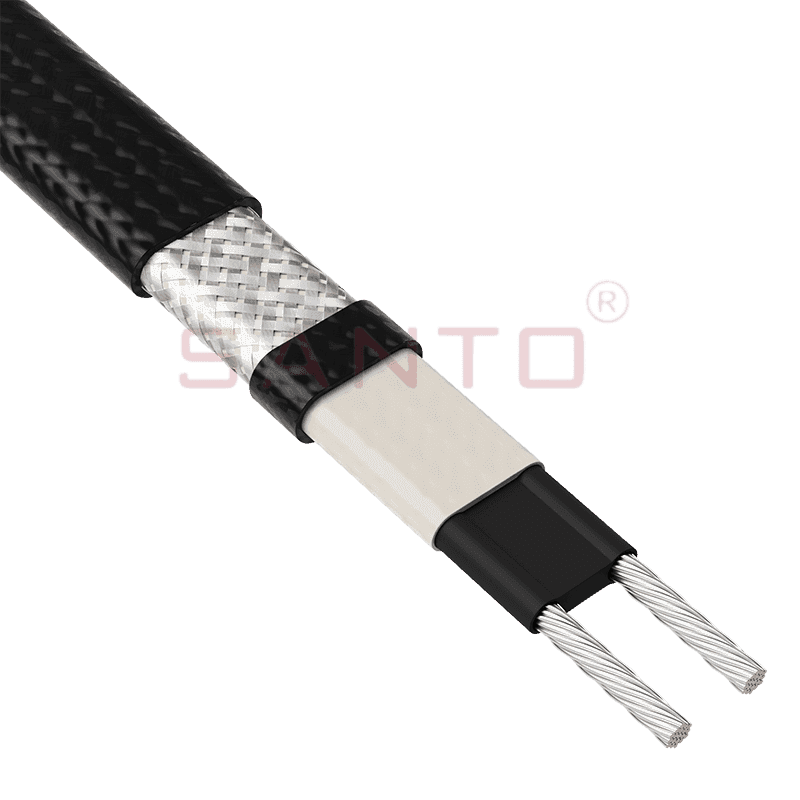
The SANTO UFA range of self-regulating heating cables is mainly used for frost protection of pipes and vessels but can also be used to maintain processes up to 65°C. These heating cables are available...
See Details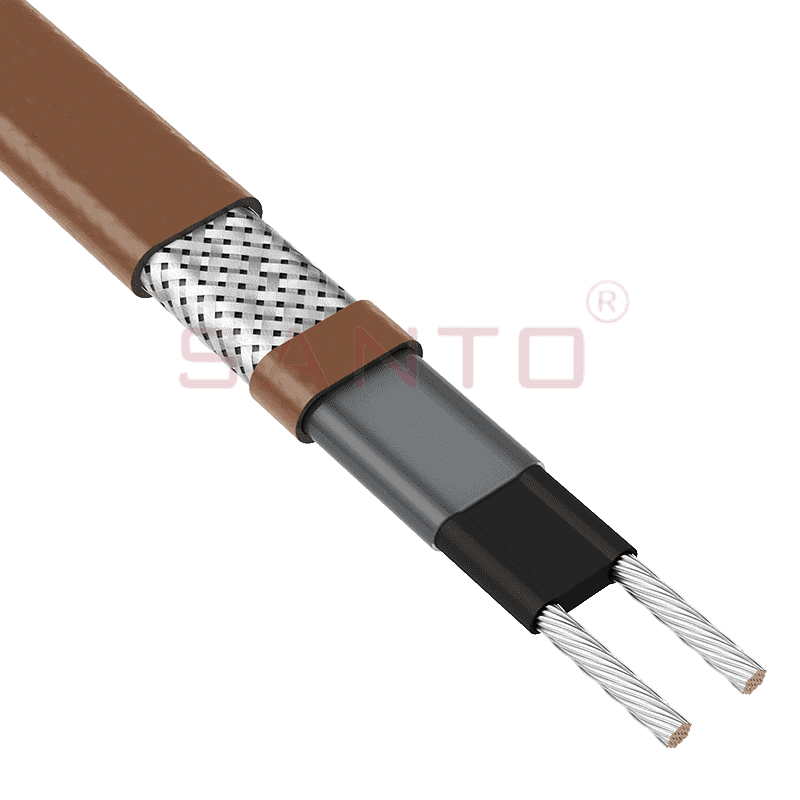
The SANTO UFB range of self-regulating heating cables is mainly used for frost protection of pipes and vessels requiring a higher power output than the UFA heating cables can supply. They can also be ...
See Details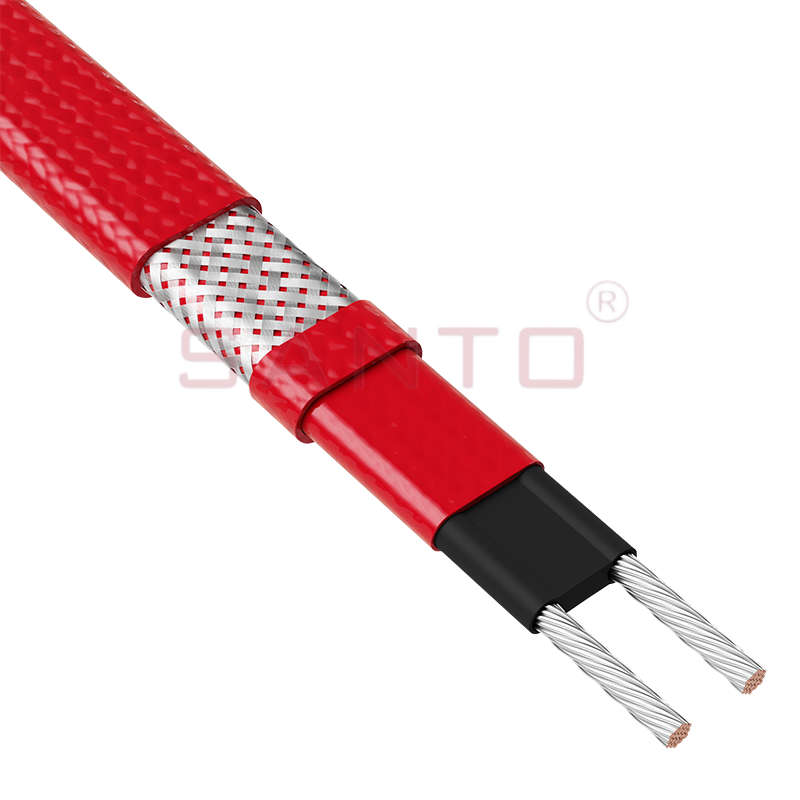
The SANTO UFC range of self-regulating heating cables is used for frost protection of pipes and vessels that require steam cleaning. They can also be used to maintain processes up to 121°C. These heat...
See Details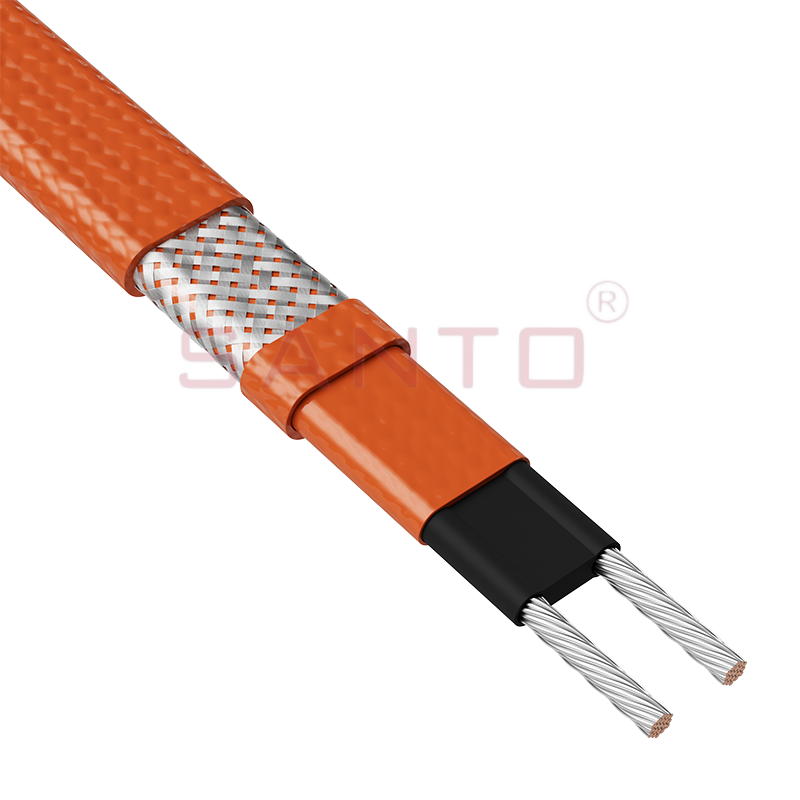
The SANTO UFO range of self-regulating heating cables is mainly used for frost protection of pipes and vessels that require steam cleaning . They can also be used to maintain processes up to 150°C. Th...
See Details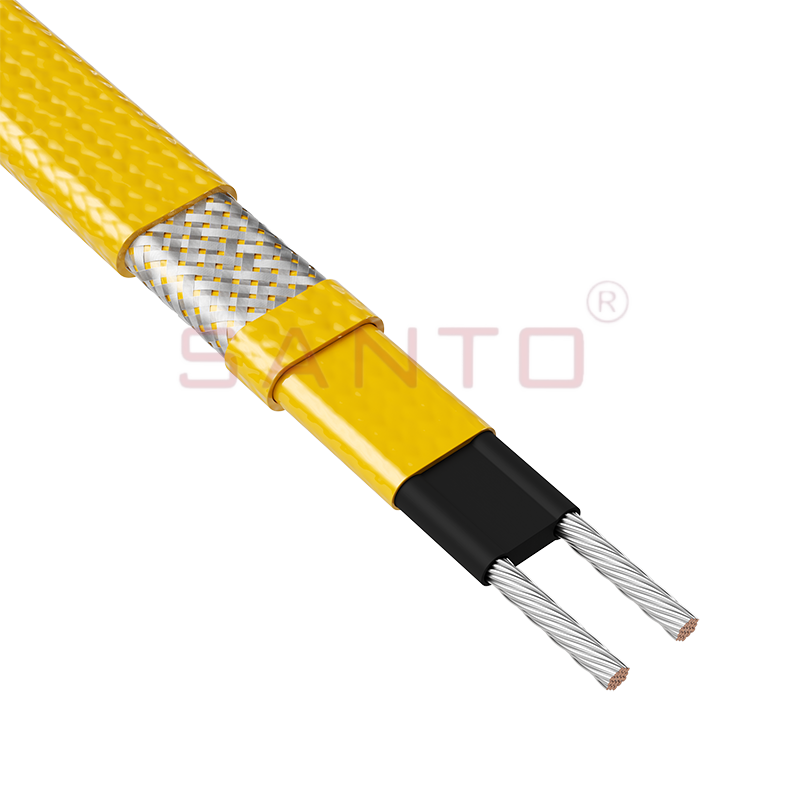
The SANTO UFD series of self-regulating heating cables are mainly used for freeze protection of pipes and vessels, but can also be used to maintain processes up to 200°C. These heating cables are avai...
See Details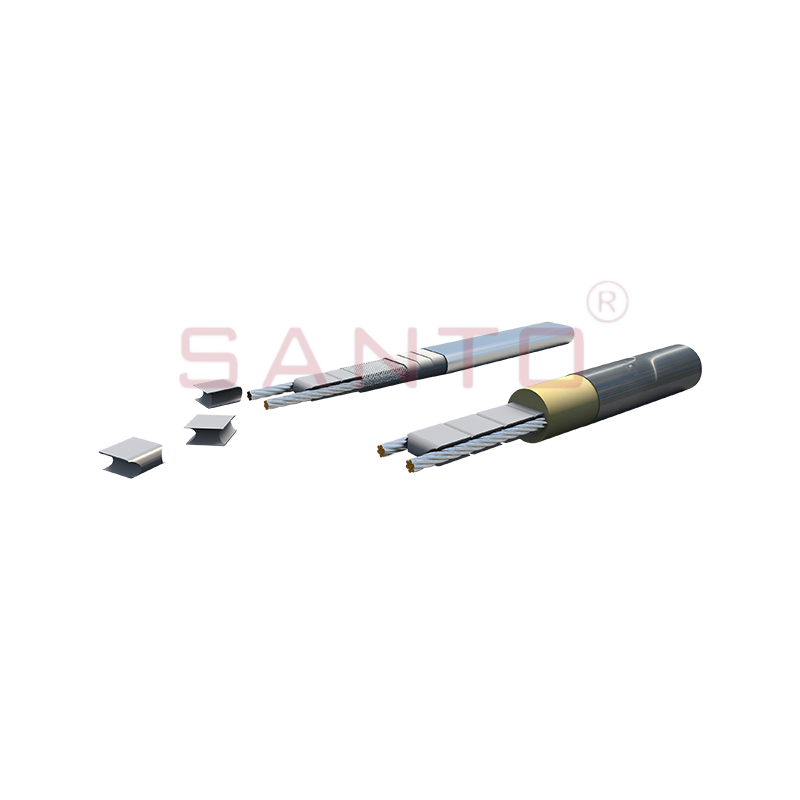
SANTO UFY heating wire is suitable for applications that maintain process temperatures up to 260 ℃ and can be steam blown; The self-regulating and parallel circuit heating wires of the UFY series are ...
See Details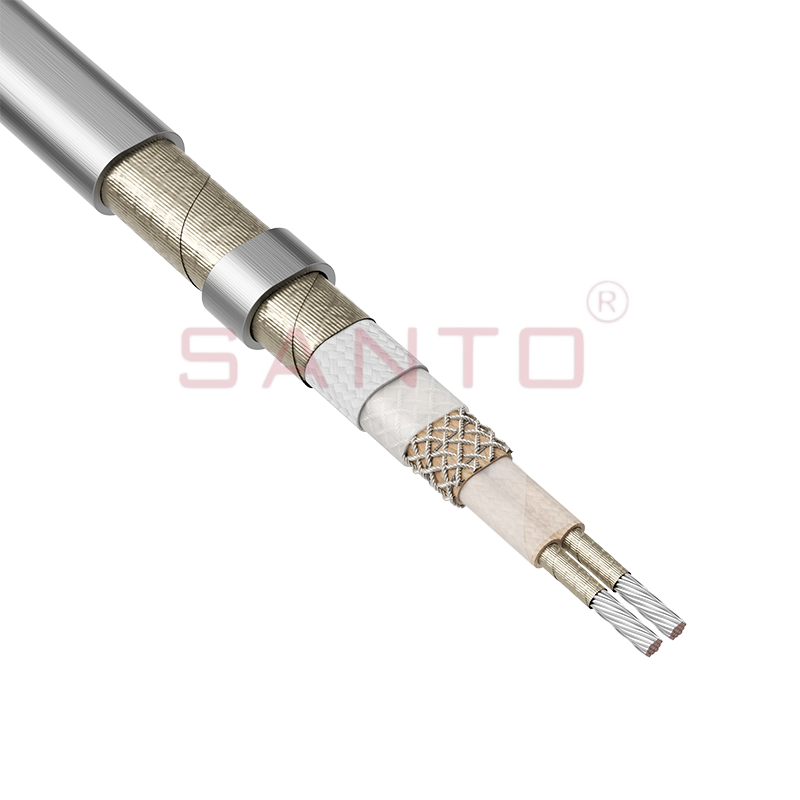
The SANTO UFM series self-regulating heating cables are mainly used for freeze protection of pipes and vessels, but can also be used to maintain processes up to 400°C. These heating cables are availab...
See Details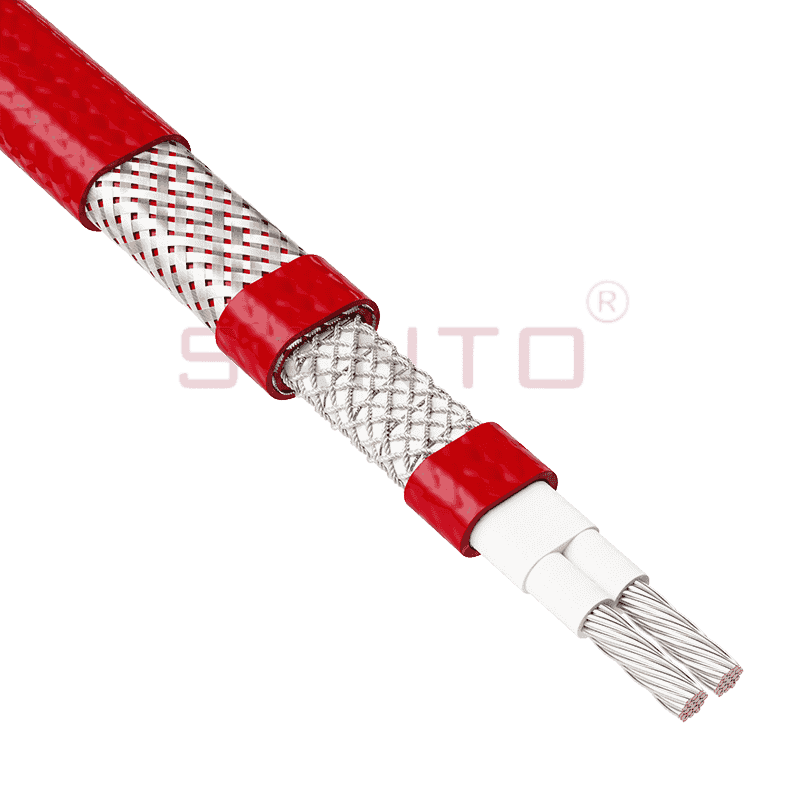
The SANTO ACC range of power-limiting heating cables is mainly used for temperature maintenance of processes and offers the advantage of a high power output at high temperatures which can reduce the n...
See Details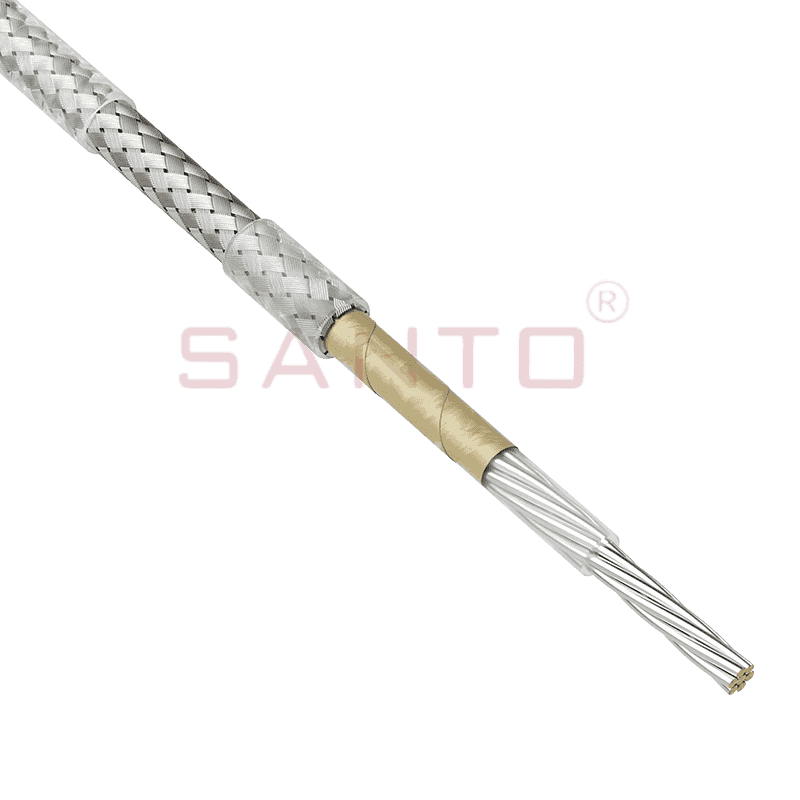
The stranded high temperature conductor is nickel plated to ensure a long life at elevated temperatures in corrosive environments. It is electrically isolated using an innovative sandwich construction...
See Details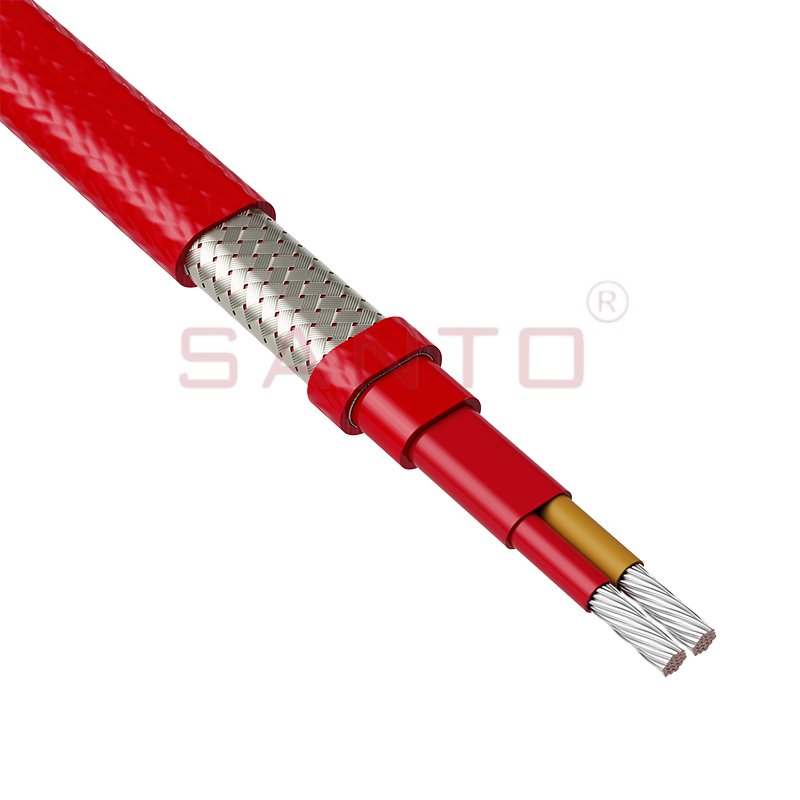
The stranded high temperature conductor is nickel plated to ensure a long life at elevated temperatures in corrosive environments. It is electrically isolated using an innovative sandwich construction...
See Details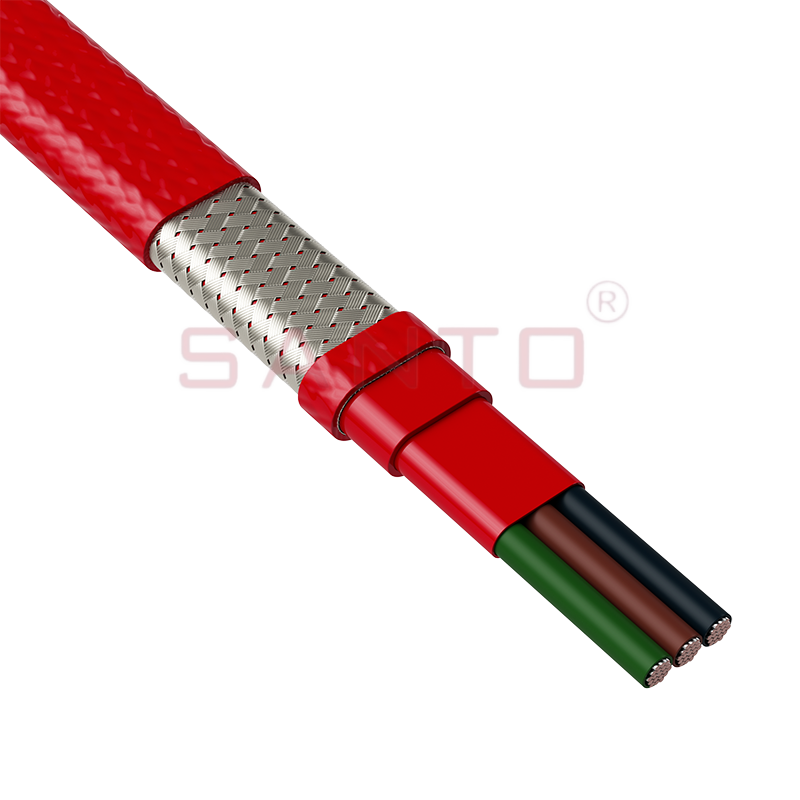
The stranded high temperature conductor is nickel plated to ensure a long life at elevated temperatures in corrosive environments. It is electrically isolated using an innovative sandwich construction...
See Details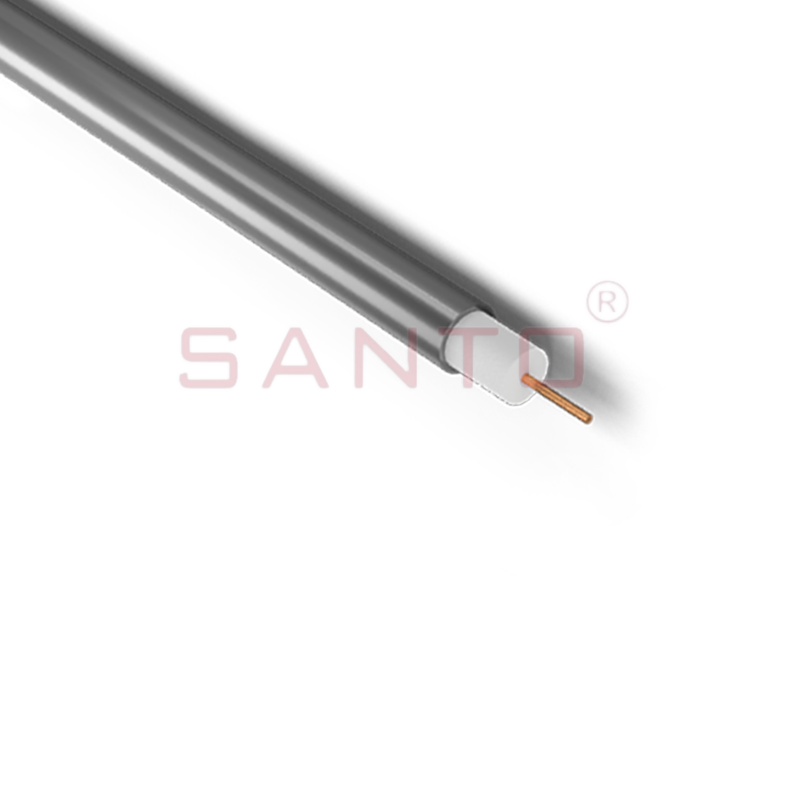
SANTO HAx mineral insulated (MI) Alloy 825 series heating cables are suitable for use in hazardous areas. They have been designed for use in freeze protection and temperature maintenance applications ...
See Details
Santo electric heating strips are widely used in key industries in China.

