 English
  English
 русский
 日本語
日本語 Español
 中文简体
中文简体
The SANTO UFA range of self-regulating heating cables is mainly used for frost protection of pipes and vessels but can also be used to maintain processes up to 65°C. These heating cables are available...
See Details
Electric heating systems are only as reliable as their connection points. Heating cables may be designed for demanding environments, but poorly protected junctions can expose the entire installation to moisture, mechanical damage, insulation failure, short circuits, and fire risk. A properly designed connection enclosure is therefore an essential part of a heat-tracing system rather than a minor accessory.
The JQH-LTC three-way junction box is designed to provide a protected connection point for white control heating wires. It allows three heating cable or control-wire sections to be joined in one organized enclosure while the box remains fixed to the pipeline beneath the external insulation layer. The design accommodates the materials required for the three-way connection inside the box, helping installers create a neater, more controlled, and more serviceable installation.
Manufactured for use with electric heating and heat-tracing applications, the JQH-LTC combines a compact terminal-box format with installation components, clamping plates, washers, pads, cover plates, and a nameplate. It is also described as suitable for use in Ex eil hazardous areas when applied according to the relevant installation requirements, approved system design, and applicable regulations.
This article examines the construction, application, installation principles, safety requirements, and manufacturing strengths associated with the JQH-LTC three-way junction box. It also explains why a purpose-built junction box can provide practical advantages over improvised enclosures, substitute components, and general-purpose connection methods.
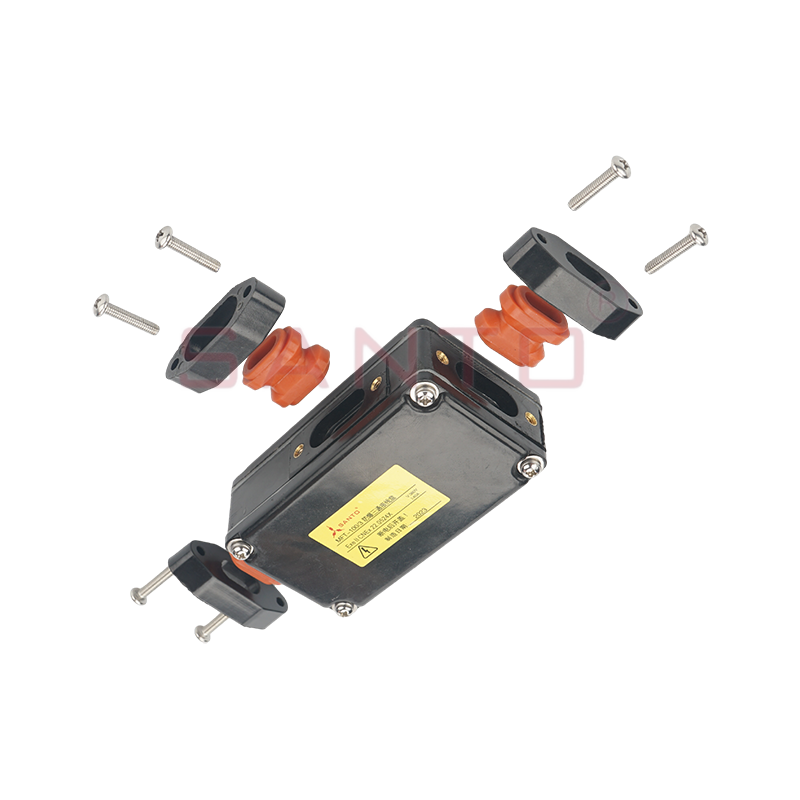
JQH-LTC three-way junction box
Content
Electric heat-tracing systems are installed to maintain temperature, prevent freezing, compensate for heat loss, melt snow and ice, or support industrial process control. They are commonly used on pipelines, valves, tanks, roofs, gutters, loading areas, floors, and process equipment. In each application, heating cables must be connected to power supplies, control circuits, other heating cable sections, or branch circuits.
These connection points are often exposed to conditions that are more severe than those found in ordinary indoor electrical installations. A pipeline may be located outdoors, in a chemical processing area, in a cold region, or beneath thermal insulation. The connection may experience temperature cycling, condensation, vibration, impact, ultraviolet exposure, dust, and contact with industrial contaminants.
A junction box performs several important functions:
First, it protects electrical connection materials from mechanical damage. Conductive plastics, busbars, terminal connections, and insulation layers must remain intact during installation and service. A box reduces the possibility that the connection will be crushed, pulled, or accidentally contacted.
Second, it provides a controlled space for joining conductors. When a three-way connection is made without an appropriate enclosure, the conductors may become crowded, poorly supported, or difficult to inspect. A dedicated box keeps the components in a defined position.
Third, it supports insulation and environmental protection. Heating cable connections are usually installed beneath an insulation layer on a pipeline. The junction box creates a stable interface between the electrical connection and the surrounding insulation system.
Fourth, it improves installation consistency. A complete component set reduces the need for installers to select unrelated screws, washers, plates, or improvised covers. Consistency is especially important when many heating circuits are installed on the same project.
Finally, a junction box provides identification and maintenance benefits. The included nameplate can be used to identify the circuit, branch, line number, voltage, or other project information required by the installation documentation.
The JQH-LTC is a three-way terminal box intended for white control heating wires. Its primary purpose is to organize and protect a three-way wiring connection in an electric heating or heat-tracing system. The box is fixed to the pipeline, and the external insulation layer is installed around the pipeline and connection area as part of the completed heat-tracing assembly.
The three-way configuration is useful when one heating cable route must be connected with two additional sections, when a branch is required, or when a control heating-wire arrangement needs a dedicated connection enclosure. The exact electrical arrangement depends on the heating system design, cable type, circuit voltage, control method, and project drawings.
The product is supplied as a component package rather than as an empty enclosure alone. This is a practical advantage because the installer receives the principal mechanical parts needed for the connection. The components are designed to work together, supporting a more repeatable installation process than a collection of unrelated parts.
The product information identifies the following main characteristics:
• Three-way terminal-block configuration.
• Intended for white control heating wires.
• Designed to comply with IEC standards as specified for the product.
• Suitable for installation on a pipeline beneath an external insulation layer.
• Connection materials can be arranged within the box.
• May be used in Ex eil hazardous areas in accordance with the applicable product approval, system design, and local regulations.
• Supplied with clamping plates, red washers, pads, cover plates, a nameplate, and the main cassette.
These characteristics make the JQH-LTC particularly suitable for industrial heat-tracing projects where connection reliability, controlled assembly, and organized documentation are important.
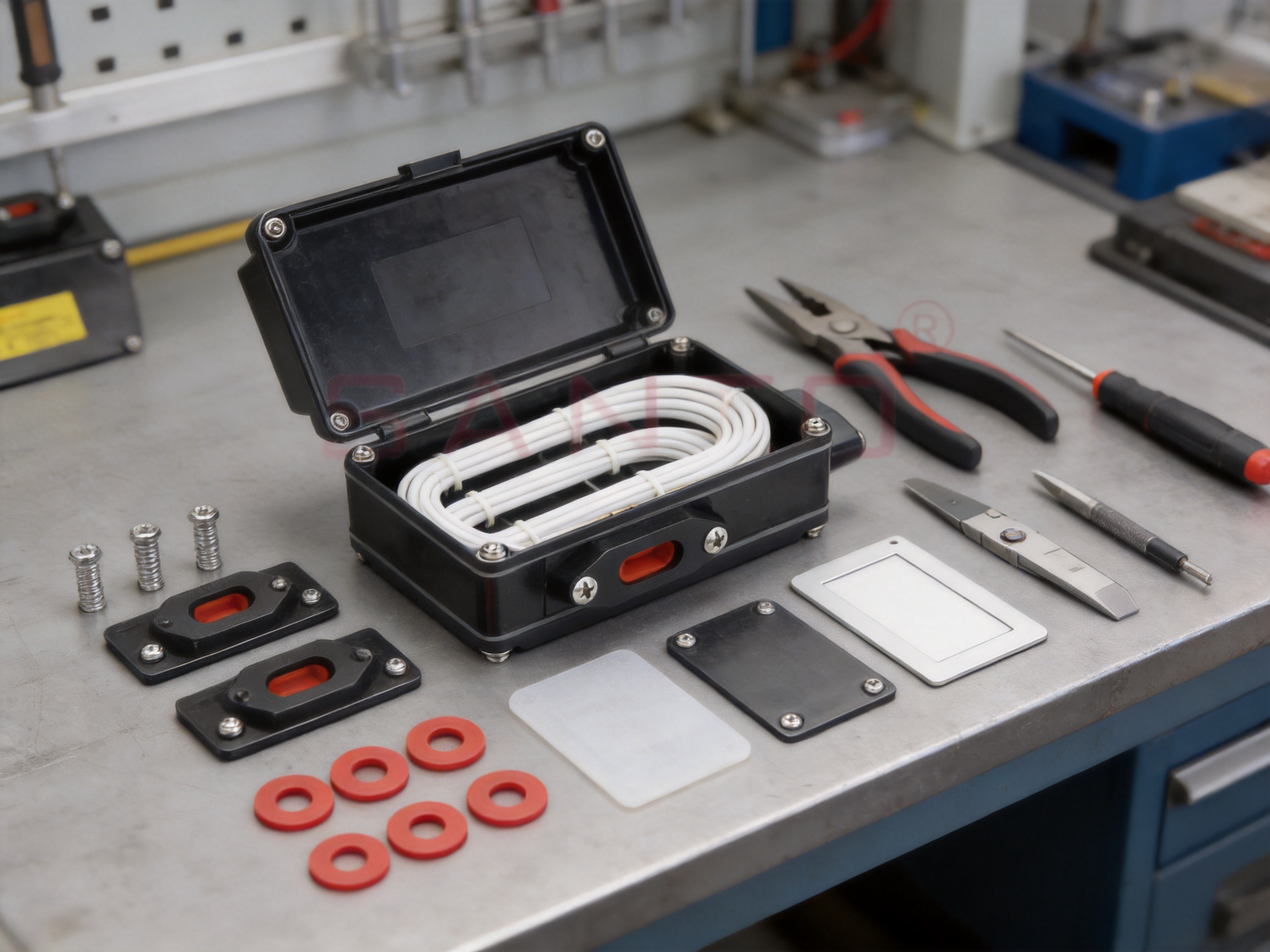
The component list is an important part of the product specification. It allows purchasers, supervisors, and installers to verify that the package is complete before beginning work.
| Project | Quantity | Component | Function in the Assembly |
|---|---|---|---|
| A | 1 | Cassette | Main enclosure or housing for the three-way connection |
| B | 3 | Pressing plates with screws | Secure and hold the connection materials in position |
| C | 3 | Red washers | Support the connection and help maintain separation or positioning |
| D | 2 | Pads | Provide supporting or insulating separation within the assembly |
| E | 2 | Cover plates with screws | Close and protect designated sections of the box |
| F | 1 | Nameplate | Identify the installed circuit or connection point |
The cassette forms the central body of the assembly. It provides the defined space in which the three-way connection is arranged. Because the connection materials are intended to be placed inside the box, the completed assembly can be more compact and easier to protect beneath the pipeline insulation than an exposed or loosely wrapped connection.
The three pressing plates and screws provide mechanical retention. Electrical connections should not rely on conductor tension, insulation tape, or the surrounding thermal insulation for support. Mechanical retention helps prevent movement during installation and reduces the possibility of accidental displacement.
The red washers and pads are small components, but they contribute to the repeatability of the assembly. In electrical connection work, correctly positioned insulating and supporting parts can help maintain separation between conductive elements. Installers should use the supplied components exactly as specified in the installation instructions rather than replacing them with unrelated materials.
The cover plates close the relevant sections of the box and help protect the connection. A cover also provides a visible indication that the assembly has been completed. The nameplate supports circuit identification, which is valuable during commissioning, inspection, troubleshooting, and future maintenance.
The listed installation tools are wire pliers, pointed pliers, a special tool knife, and a screwdriver. Each tool has a specific purpose, and using suitable tools helps prevent damage to the heating cable and its conductive elements.
Wire pliers are used for controlled handling and preparation of the wires. Pointed pliers assist with positioning components in the enclosure, especially where access is limited. The special tool knife is used to remove specified insulation layers or conductive plastic according to the installation procedure. A screwdriver is required to secure the pressing plates, cover plates, and other screw-fastened components.
Tools should be clean, properly maintained, and suitable for the dimensions of the product. A blunt knife may require excessive force and can cause uncontrolled cuts. A screwdriver with the wrong tip can damage screw heads or prevent the correct tightening of the connection. Pliers with damaged gripping surfaces can deform the cable or scrape insulation.
Before starting, the installer should verify the following:
• The heating circuit is isolated from the power supply.
• The correct JQH-LTC package has been selected for the intended heating cable and system.
• The cassette, pressing plates, red washers, pads, cover plates, screws, and nameplate are present.
• The required approved tapes are available.
• The pipeline surface is clean, dry, and suitable for fixing the box.
• The cable routing agrees with the approved electrical drawings.
• The ambient temperature is within the applicable installation range of the selected tape and materials.
• The installer has reviewed the product precautions and installation manual.
Preparation is particularly important in cold weather. The product information identifies GT-66 tape for installation at temperatures above 4°C and GS-54 tape for installation at temperatures above -40°C. The correct tape must be selected according to the actual temperature and the approved installation method. These materials should not be casually substituted with ordinary PVC insulation tape.
The JQH-LTC should be installed by qualified personnel familiar with electrical heating systems and, where applicable, hazardous-area requirements. The following principles describe the work sequence at a general level. The official installation manual and project-specific instructions remain the controlling documents.
Before touching any conductor, isolate the circuit and confirm that it is de-energized using an appropriate test method. Inspect the heating cable and control wires for cuts, crushed areas, moisture, or other damage. A junction box should not be used to conceal a damaged cable.
The cassette should be positioned on the pipeline at the location shown in the system drawings. It should be stable, accessible during installation, and compatible with the planned insulation thickness. The location should not create unnecessary stress on the cable or interfere with valves, supports, clamps, expansion joints, or other equipment.
Because the box is installed on the pipeline and later covered by an insulation layer, the installer should confirm that the completed assembly will remain properly supported and that the insulation can be fitted without crushing the connection. The box should not be allowed to float loosely inside the insulation.
When removing an insulation layer or conductive plastic, the installer must avoid scratching or cutting the busbar. The busbars carry current along the heating cable, and damage may reduce their cross-section, create a weak point, or cause overheating.
Only the required length of material should be removed. Excessive stripping can expose more conductive material than necessary and make it harder to maintain electrical separation. The prepared sections should be clean, dry, and free from loose particles.
The three connection paths should be placed in the cassette according to the product instructions. Conductive elements must remain separated from each other except where the design specifically requires an electrical connection. The pressing plates, washers, and pads should be installed in the correct positions.
The connection should not be forced into the box. If the cable appears too short, excessively bent, or under tension, the installation should be stopped and reviewed. Mechanical stress can later transfer to the electrical connection and compromise its reliability.
Pressing plates and cover plates should be fixed using the supplied screws. Screws should be tightened securely but not excessively. Over-tightening can damage components, deform the enclosure, or place unnecessary pressure on the cable. Under-tightening can allow movement or reduce the stability of the assembly.
The correct tightening method and any specified torque values should be taken from the installation manual. If a project requires torque documentation, the installer should record the relevant information as part of the quality-control process.
The connection should be protected using the specified approved tape and materials. The tape type must match the installation temperature and the application requirements. The completed sealing arrangement should be continuous and free from gaps, folds, contamination, or trapped moisture.
Ordinary PVC insulation tape is not an acceptable substitute where the product instructions require a specific approved material. General-purpose tape may not provide the necessary temperature resistance, adhesion, environmental durability, or electrical insulation performance.
The nameplate should be completed according to the site identification system. Useful information may include the circuit number, line number, branch reference, installation date, or control-panel designation, provided that such information is consistent with the project documentation.
Before applying the final insulation layer, inspect the box, cable entries, screws, covers, conductive separation, and sealing. The inspection should confirm that no busbars are touching, no conductive plastic is exposed unnecessarily, and no component has been omitted.
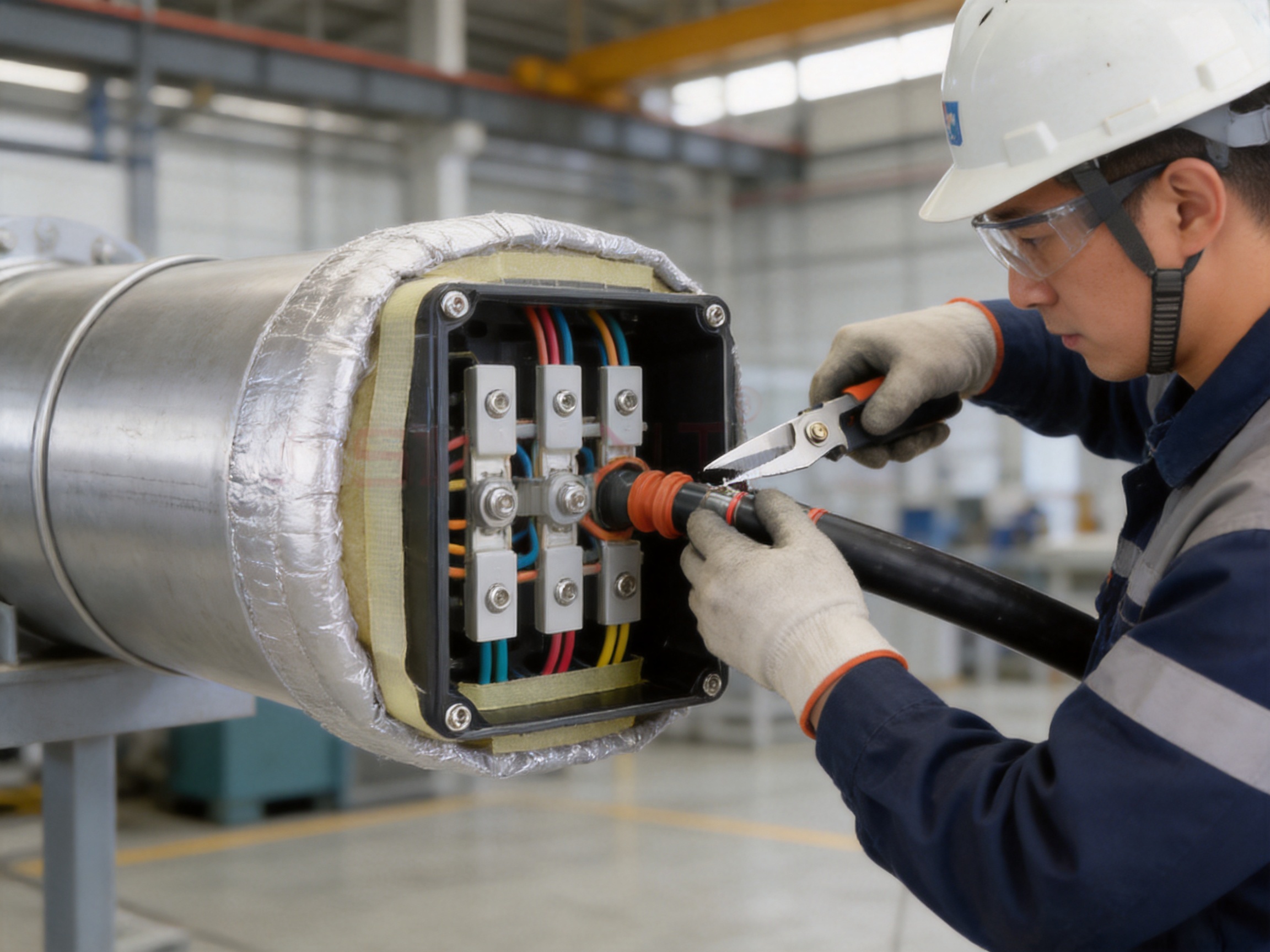
Electric heating cable connections require disciplined installation because a fault can create an electric shock, overheating, equipment damage, or fire hazard. The product information emphasizes several precautions that should be treated as mandatory installation principles.
The JQH-LTC is an electrical device that must be installed and operated correctly. Its fire resistance and suitability for the intended application must be maintained. The installer should read the precautions and installation manual before beginning work.
The junction box must be used only within the electrical and environmental limits established by the product documentation. The heating cable type, supply voltage, circuit protection, temperature control, and hazardous-area classification must all be compatible with the complete system design.
Leakage protection devices should be installed to reduce the risk of fire caused by heating-wire damage or improper installation. The appropriate protective device depends on the system design and local electrical code, but the principle is clear: the heating circuit should include suitable protection against leakage and fault conditions.
Leakage protection does not replace careful installation. It is an additional safeguard, not permission to accept damaged insulation, incorrect connections, or wet components.
Only standard approved components should be used. The supplied washers, pads, plates, screws, and approved tapes form part of the intended installation arrangement. Substitutes can change the insulation distance, mechanical support, chemical compatibility, temperature performance, and fire behavior of the assembly.
In particular, PVC insulation tape should not be used as a replacement for the specified materials. A visually neat wrap is not necessarily an electrically or thermally suitable connection.
The black conductive plastic used as the conductor for the heating wire must be strictly insulated, kept dry, and protected against short circuits. Conductive plastic is not the same as ordinary nonconductive cable insulation. If exposed or contaminated, it can create an unintended current path.
During preparation, the conductive plastic should be handled carefully and should not be scraped, cut, folded sharply, or contaminated with moisture. Any suspected damage should be assessed before the connection is completed.
Busbars must not come into contact with one another unless the connection design explicitly requires that contact. Accidental contact can produce a short circuit, localized heating, insulation damage, or a fire risk. The supplied pads, washers, and pressing plates should be installed in the specified positions to help preserve separation.
The product information states that JQH-LTC three-way wiring can be used in Ex eil hazardous areas. This statement should be understood within the context of the complete installation. Hazardous-area suitability depends not only on the junction box but also on the cable, glands, sealing method, protective devices, temperature class, area classification, installation method, and inspection requirements.
Before use in a hazardous area, the project team should verify the applicable certification documents and confirm that the product marking and installation method correspond to the area classification. The authority having jurisdiction, hazardous-area engineer, or responsible electrical professional should approve the application where required.
Installation practices in hazardous areas should include careful control of ignition sources, appropriate tools and procedures, correct cable entry arrangements, and documented inspection. The enclosure should not be modified by drilling, cutting, or replacing components unless such modification is expressly permitted by the relevant approval and installation instructions.
The external insulation layer must also be compatible with the hazardous-area design. Insulation can affect surface temperature, heat dissipation, and the accumulation of combustible contaminants. The completed heat-tracing system should be evaluated as a complete assembly rather than as an isolated box.
Many heating-system failures originate not from the heating cable itself but from unsuitable connection practices. An improvised junction wrapped in ordinary tape may appear acceptable during commissioning, yet it can deteriorate under temperature cycling, moisture, vibration, or mechanical loading. A general-purpose electrical box may also lack the internal components needed to maintain the correct relationship between conductive plastic, busbars, insulation, and cable supports.
The JQH-LTC offers several practical advantages over such alternatives.
A dedicated three-way box provides an arrangement designed for a branch or three-section connection. This is more efficient than trying to force multiple cables into an enclosure intended for a different geometry. The internal space and component set are organized around the three-way connection requirement.
The cassette, pressing plates, washers, pads, cover plates, and nameplate are supplied as a coordinated package. This reduces the possibility of using incompatible fasteners, missing insulating parts, or incorrectly sized support pieces.
When the same box and component sequence are used throughout a project, installers can follow a consistent method. Supervisors can inspect the work against a repeatable checklist, and maintenance teams can recognize the arrangement more easily.
The enclosure is designed to be fixed to the pipeline before the insulation layer is installed. This creates a more organized connection point and helps protect the electrical materials from accidental contact or impact during insulation work.
The included nameplate provides a dedicated location for circuit information. Identification is especially valuable in facilities with many parallel heating circuits, complex process lines, or restricted access.
The product information specifies approved tape choices for different installation temperatures. This encourages the installer to consider actual site conditions rather than relying on a generic material that may not perform adequately.
The product is associated with a wider range of industrial electric heating products, including self-limiting heating cables, constant-power heating strips, silicone rubber heating strips, glass-fiber heating strips, mineral-insulated cables, snow-melting cables, and related accessories. This broader product background can help support system-level selection rather than isolated component purchasing.
A junction box for heat-tracing applications should be evaluated not only by its visible enclosure but also by the manufacturing system behind it. Consistent materials, controlled assembly, product testing, engineering support, and traceable quality procedures all influence long-term performance.
Santo Thermal Control Technology Co., Ltd. presents itself as an electric heating manufacturer with experience in research, design, production, and export of heating and thermal-control products. Its stated product range includes automatic temperature-control heating belts, self-limiting heating belts, heat-tracing belts, constant-power heating belts, glass-fiber heating belts, mineral-insulated cables, silicone rubber heaters, snow-melting cables, and accessories such as junction components.
The company’s manufacturing and technical strengths can be summarized in several areas.
A manufacturer focused on electric heating products develops knowledge across the full application chain. This includes conductor materials, insulation systems, temperature control, cable construction, connection technology, installation procedures, and field use. Such specialization is valuable because a junction box must work with the electrical and thermal behavior of the heating system around it.
The company states that it cooperates in product research with Harvard University in the United States and has developed new electric-heating technologies. Its history also identifies inventions involving self-limiting temperature nano far-infrared heating equipment and carbon-fiber parallel heating cable technology.
Research activity supports product improvement by allowing manufacturers to study conductor behavior, thermal output, insulation performance, environmental resistance, and installation reliability. Even when a junction box is mechanically simple, its design must be considered in relation to the thermal and electrical characteristics of the cable it serves.
The company states that an irradiation center was established in 2013. In electric cable manufacturing, controlled irradiation processes may be used for selected insulation and material systems to improve thermal and mechanical performance. The exact process and applicable materials must be verified for each product, but the presence of dedicated processing capability indicates an investment in specialized cable manufacturing rather than simple trading or repackaging.
The company reports that additional land was purchased in 2022 for a new factory and product simulation testing laboratory. Testing and simulation facilities can support evaluation of heating output, temperature distribution, environmental conditions, insulation performance, and product behavior under representative service conditions.
For junction-box applications, quality evaluation should include more than appearance. It should consider the fit of the cassette and cover plates, the strength of the clamping arrangement, the compatibility of insulating parts, the durability of approved sealing materials, and the stability of the completed connection during temperature cycling.
Santo states that it has passed ISO9001 quality-system certification. A quality-management system can provide a framework for purchasing controls, production procedures, inspection records, nonconformance handling, corrective action, and customer feedback. Certification alone does not guarantee that every installation will be successful, but it is an important indicator that the manufacturer has established documented quality processes.
The company states that its products have obtained national CCC certification and that the company has obtained explosion-proof and EAC Eurasian Union certifications for relevant products or product families. Certification scope should always be checked against the exact model and intended application, but experience with certification procedures is an advantage when supplying products for regulated industrial markets.
The company also reports business activity across international markets, a distributor network, and a broad geographic customer base. International experience can strengthen packaging, documentation, export coordination, technical communication, and adaptation to different installation standards.

The JQH-LTC is most relevant wherever electric heating cables require a protected three-way connection. Typical applications include pipeline freeze protection, process-temperature maintenance, tank and vessel heating, valve and instrument protection, roof and gutter de-icing, snow-melting systems, and selected construction or industrial heating installations.
In petroleum and chemical facilities, heat tracing may be used to keep fluids moving, prevent crystallization, avoid freezing, or maintain a process temperature. A secure junction box helps maintain the continuity and protection of the heating circuit in an environment where access may be limited and the consequences of failure may be significant.
In gas-related facilities, temperature maintenance can support the operation of instruments, valves, and lines. If the installation is located in a classified area, the complete assembly must satisfy hazardous-area requirements, including suitable connection methods and protective measures.
In construction and infrastructure, heating cables may be used for snow and ice melting on ramps, walkways, roofs, and drainage systems. Although these applications may differ from industrial pipeline tracing, the need for dry, protected, mechanically stable connections remains the same.
In solar and renewable-energy installations, electric heating may protect exposed pipes, drainage lines, or equipment from freezing. A dedicated box can simplify branch connections and future identification, especially where equipment is distributed across a large outdoor site.
Inspection should take place at several stages: before installation, after the connection is assembled, before the insulation layer is closed, during commissioning, and during scheduled maintenance.
Before installation, inspect the box and components for shipping damage, contamination, missing parts, or deformation. Check that the cable type and connection arrangement match the project documents.
After assembly, verify that all three connection paths are correctly routed, that the busbars do not contact each other, that the conductive plastic is properly insulated, and that the supplied plates, washers, pads, and covers are in place.
Before closing the insulation, document the connection with the circuit identification and, where required, photographs or inspection records. Record electrical test results according to the project quality plan. Common tests may include continuity, insulation resistance, protective-conductor checks, and leakage-protection verification, but the exact testing program must be established by the responsible electrical engineer.
During commissioning, energize the heating circuit according to the approved procedure. Monitor current, temperature, control response, and any abnormal heating. A connection that becomes hotter than expected should be investigated immediately.
During maintenance, the insulation surrounding the box should be removed only as necessary and reinstated correctly afterward. The box should be checked for moisture ingress, mechanical damage, loose fasteners, degraded sealing, corrosion, or signs of overheating. Maintenance personnel should never bypass a protective device or repair a damaged heating cable with an unapproved substitute.
Before ordering the JQH-LTC, purchasers should confirm that the product is suitable for the intended cable and connection method. The important questions include:
• Is the application a three-way connection for the specified white control heating wire?
• Does the connection require installation beneath pipeline insulation?
• Is the installation located in a hazardous area?
• What are the minimum and maximum installation temperatures?
• Which approved tape, sealing system, and insulation materials are required?
• Does the project require IEC compliance, national certification, hazardous-area approval, or other documentation?
• What environmental conditions will affect the box, such as moisture, chemicals, vibration, ultraviolet exposure, or temperature cycling?
• What circuit identification and inspection records must be maintained?
The product should be selected as part of a complete heat-tracing design. Cable output, circuit length, supply voltage, control system, protective devices, insulation thickness, and ambient conditions all influence the performance of the installation. A junction box cannot compensate for an incorrectly designed heating circuit, but the correct box can help preserve the quality of a properly engineered system.
Technical support is particularly important for heating products because installation conditions vary widely. A pipeline in a cold outdoor environment may require a different sealing material from one installed indoors. A general industrial area may have different requirements from an Ex eil hazardous area. A self-limiting cable may require different preparation and connection practices from a constant-power cable or mineral-insulated cable.
A manufacturer with a broad electric-heating portfolio can assist customers with product matching, accessory selection, installation documentation, circuit design coordination, and troubleshooting. Santo Thermal Control Technology states that it provides research, design, production, manufacturing, sales, and after-sales service. This integrated structure can simplify communication between the customer and the technical team.
For export projects, support may also include product documentation, packaging, certification files, delivery coordination, and communication with distributors. These services are important when heating equipment is installed across multiple countries or under different engineering standards.
| Inspection Point | Question | Recommended Action |
|---|---|---|
| Product identity | Is the box the correct JQH-LTC model? | Compare the model with the drawings and purchase documents. |
| Components | Are all listed parts present? | Check the cassette, three pressing plates, three red washers, two pads, two cover plates, screws, and nameplate. |
| Tools | Are suitable tools available? | Prepare wire pliers, pointed pliers, the special tool knife, and a screwdriver. |
| Temperature | Is the selected tape suitable for site conditions? | Use GT-66 above 4°C or GS-54 above -40°C as specified, subject to the approved instructions. |
| Circuit isolation | Has the circuit been safely de-energized? | Isolate and verify before handling conductors. |
| Conductor preparation | Has the busbar been protected during stripping? | Remove material carefully without scratching or cutting the busbar. |
| Electrical separation | Are the busbars prevented from touching? | Use the supplied pads, washers, and plates in the correct positions. |
| Mechanical security | Are the plates and covers properly fixed? | Install and tighten the supplied screws according to the manual. |
| Identification | Is the connection clearly labeled? | Complete and attach the nameplate according to the site system. |
| Final testing | Has the completed connection been inspected and tested? | Perform the required electrical and visual checks before energizing. |
One common mistake is treating the junction box as an ordinary enclosure and selecting replacement materials based only on appearance. The specified components are part of the system’s electrical, mechanical, and thermal design. Substitution can create hidden risks.
Another mistake is cutting too deeply into the cable during preparation. The busbar may be damaged even when the outer appearance seems acceptable. Damage can lead to increased resistance, local heating, or failure during operation.
Failure to keep the conductive plastic dry is another serious problem. Moisture can reduce insulation performance and increase the possibility of leakage. The work area should be protected from rain, condensation, snow, and wet tools.
Installers should also avoid placing tension on the cable. The junction should be arranged with adequate slack and support according to the installation procedure. A connection that is pulled tight may be damaged when the pipeline expands, contracts, vibrates, or experiences maintenance activity.
Over-tightening screws can damage the box or connection materials, while under-tightening can permit movement. The appropriate tightening method should be used consistently across the project.
Finally, the insulation layer should not be installed before the connection has been inspected. Once the box is covered, visual access is reduced and mistakes become more difficult to correct.
The value of a three-way junction box is measured over the life of the heating system, not only during initial installation. A well-organized connection can reduce the probability of faults, simplify inspection, improve circuit identification, and support efficient maintenance.
For operators, this can mean fewer unexpected interruptions and faster troubleshooting. For contractors, a standardized component package can make installation training and quality inspection easier. For engineering companies, a defined junction-box solution can simplify specifications and reduce uncertainty in procurement.
The JQH-LTC also supports a more professional appearance beneath insulation. Although visual appearance is not a substitute for electrical performance, an orderly installation is easier to inspect and less likely to conceal missing components or poor routing.
When combined with suitable heating cables, correct control equipment, appropriate protective devices, and properly installed thermal insulation, the box becomes part of a coordinated system for safe and reliable temperature management.
Santo Thermal Control Technology Co., Ltd. describes itself as a China-based OEM and ODM manufacturer of electric heating and heat-tracing products. Its activities include product research, engineering development, manufacturing, sales, and service. The company’s product portfolio covers multiple heating technologies and accessories, allowing customers to source related components from a specialized supplier.
The company states that it has more than three decades of industry experience, more than 10,000 units of annual output, more than 2,000 distributors, and business coverage in more than 85 areas. These figures are supplied as company information and should be confirmed for a specific procurement project where formal qualification is required.
Its stated development history includes the establishment of an electric-heating factory, ISO9001 quality-system certification, the creation of an irradiation center, development of heating technologies, establishment of the SANTO brand, acquisition of explosion-proof and EAC certifications for relevant products, expansion of manufacturing capacity, and development of a product simulation testing laboratory.
These capabilities are relevant to buyers seeking more than a standalone enclosure. A specialized manufacturer can help coordinate the junction box with heating cables, control systems, snow-melting products, silicone rubber heaters, mineral-insulated cables, and other thermal-control equipment.
Customers requiring technical or commercial information can contact the manufacturer through its sales channels. The company lists its address as Wuxing Industrial Zone, Dainan Town, Xinghua City, Jiangsu Province, China, and provides telephone and email contacts for inquiries.
The JQH-LTC is a three-way terminal box used for white control heating wires in electric heating and heat-tracing installations. It provides a protected location for arranging the materials required for a three-way connection.
It is designed to be fixed to a pipeline. An external insulation layer is then installed around the pipeline and the connection area according to the heat-tracing design and installation instructions.
The product information states that JQH-LTC three-way wiring can be used in Ex eil hazardous areas. The exact application must be verified against the relevant certification, hazardous-area classification, cable type, sealing arrangement, and local regulations.
The listed tools are wire pliers, pointed pliers, a special tool knife, and a screwdriver. The tools should be suitable for controlled cable preparation and assembly.
The product information identifies GT-66 for installation at temperatures above 4°C and GS-54 for installation at temperatures above -40°C. The approved installation manual should be consulted to confirm the correct material and method for the actual site conditions.
No. The precautions specifically state that only standard approved components should be used and that substitutes or PVC insulation tape should not be used in place of the specified materials.
The package includes one cassette, three pressing plates with screws, three red washers, two pads, two cover plates with screws, and one nameplate.
Busbar contact can cause a short circuit. The busbars should remain separated except where the approved connection design specifically requires electrical contact.
The insulation layer or conductive plastic should be removed carefully using the specified tool and method. The busbar must not be scratched or cut, because damage may cause overheating or a short circuit.
No. Leakage-protection devices should be installed as part of the electrical system to reduce fire risk caused by heating-wire damage or improper installation. The junction box is one part of the overall protection strategy.
Not automatically. The JQH-LTC is intended for the specified white control heating-wire arrangement. The cable type, electrical characteristics, connection method, environmental conditions, and certification requirements should be confirmed before use.
The nameplate helps identify the circuit or connection point. This supports commissioning, inspection, maintenance, troubleshooting, and safe isolation during future work.
The supplier reports specialized electric-heating manufacturing experience, research and development activity, an irradiation center, product simulation and testing development, ISO9001 quality-system certification, and experience with relevant product certifications and international markets.
The JQH-LTC three-way junction box is a purpose-built accessory for organized and protected connections in electric heating and heat-tracing systems. Its cassette, pressing plates, red washers, pads, cover plates, screws, and nameplate provide a coordinated component package for installers and project managers.
Its key advantages include a dedicated three-way configuration, support for installation beneath pipeline insulation, controlled component placement, improved circuit identification, and compatibility with approved installation materials. The product information also identifies potential use in Ex eil hazardous areas, subject to verification of the complete system and applicable certification requirements.
Safe performance depends on correct installation. Heating circuits must be isolated before work, conductive plastic must remain dry and insulated, busbars must be protected from damage and contact, approved components must be used, and leakage protection must be included in the electrical design.
Backed by a manufacturer focused on electric heating, heat tracing, cable technology, research, testing, quality management, and international supply, the JQH-LTC can serve as a dependable connection solution for industrial pipelines, process systems, infrastructure, snow-melting installations, and other heating applications. When specified and installed correctly, it helps turn a vulnerable cable junction into a controlled, protected, and maintainable part of the complete heating system.
1. JQH-LTC Three-Way Junction Box Product Information and Component Schedule.
2. Product Installation Precautions for White Control Heating Wires.
3. International Electrotechnical Commission, general principles for electrical equipment, wiring, and installation safety.
4. ISO 9001, Quality Management Systems—Requirements.
5. General engineering practices for electric heat-tracing system design, installation, inspection, and maintenance.
6. Hazardous-area electrical installation principles for equipment used in classified locations.
7. Santo Thermal Control Technology Co., Ltd., company profile, product portfolio, manufacturing information, and development history.
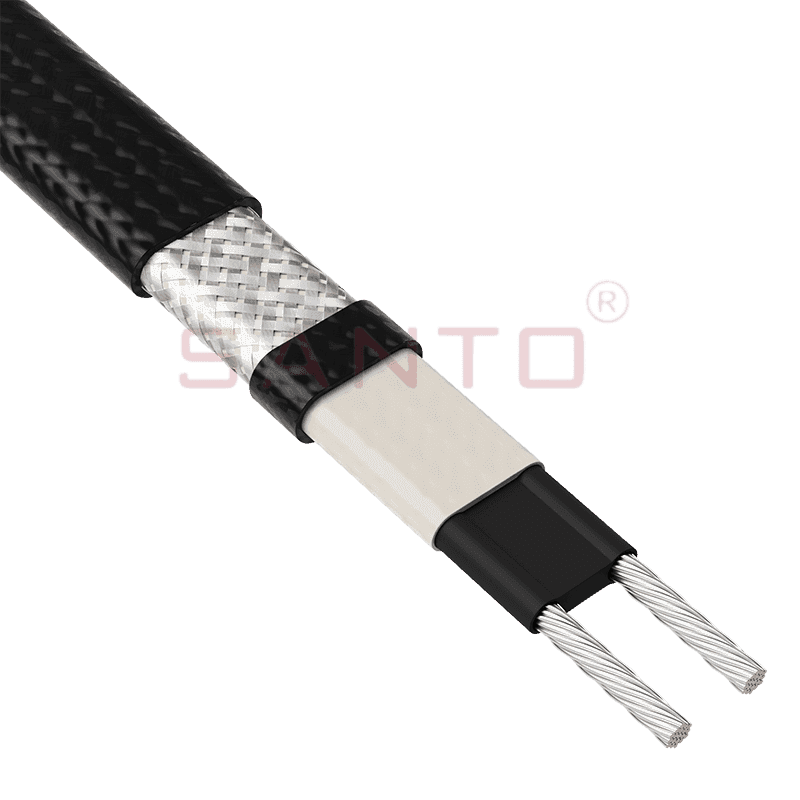
The SANTO UFA range of self-regulating heating cables is mainly used for frost protection of pipes and vessels but can also be used to maintain processes up to 65°C. These heating cables are available...
See Details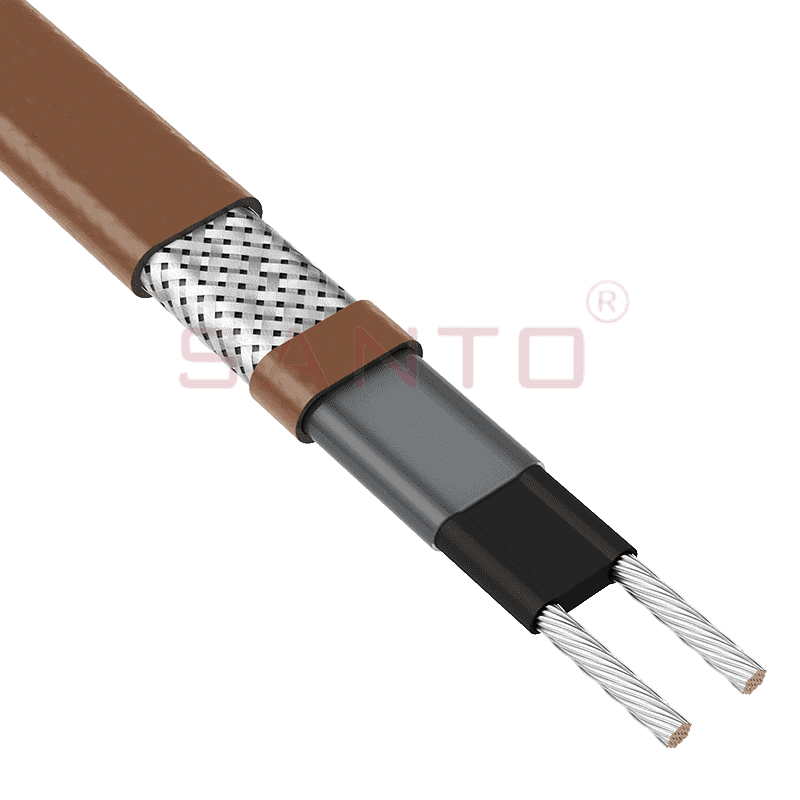
The SANTO UFB range of self-regulating heating cables is mainly used for frost protection of pipes and vessels requiring a higher power output than the UFA heating cables can supply. They can also be ...
See Details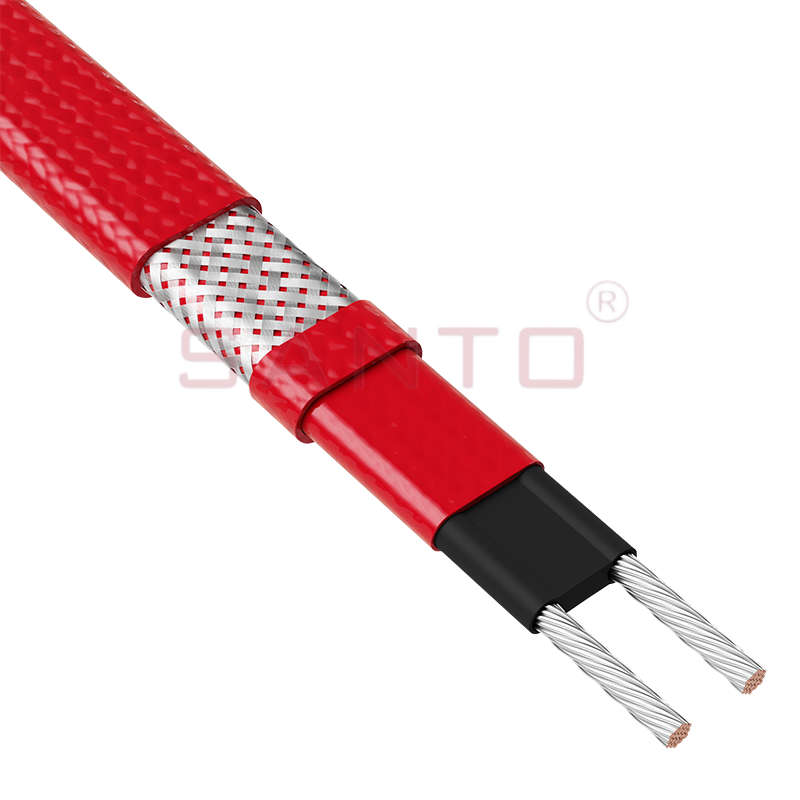
The SANTO UFC range of self-regulating heating cables is used for frost protection of pipes and vessels that require steam cleaning. They can also be used to maintain processes up to 121°C. These heat...
See Details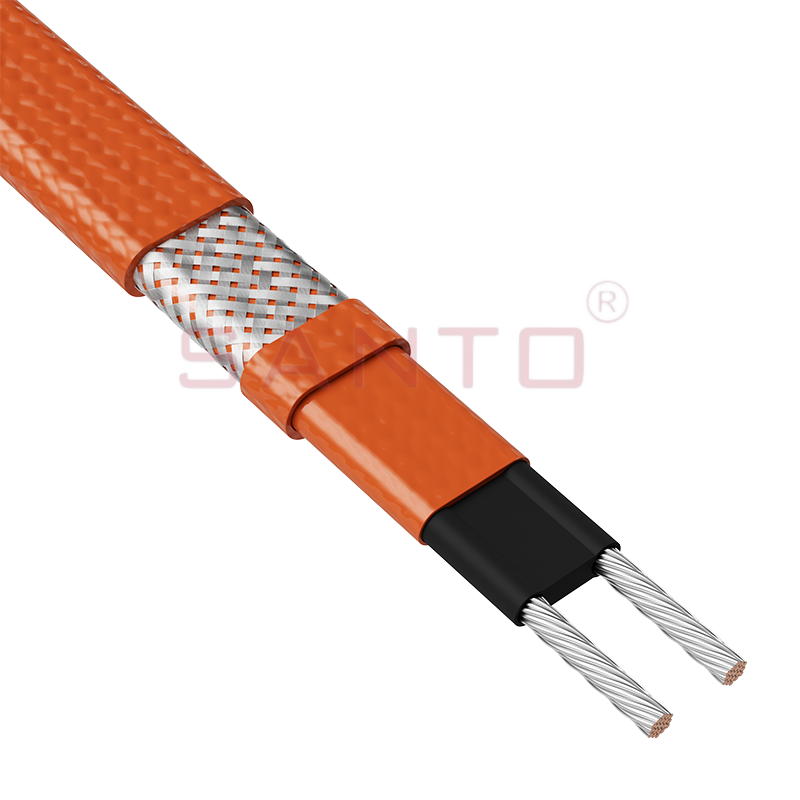
The SANTO UFO range of self-regulating heating cables is mainly used for frost protection of pipes and vessels that require steam cleaning . They can also be used to maintain processes up to 150°C. Th...
See Details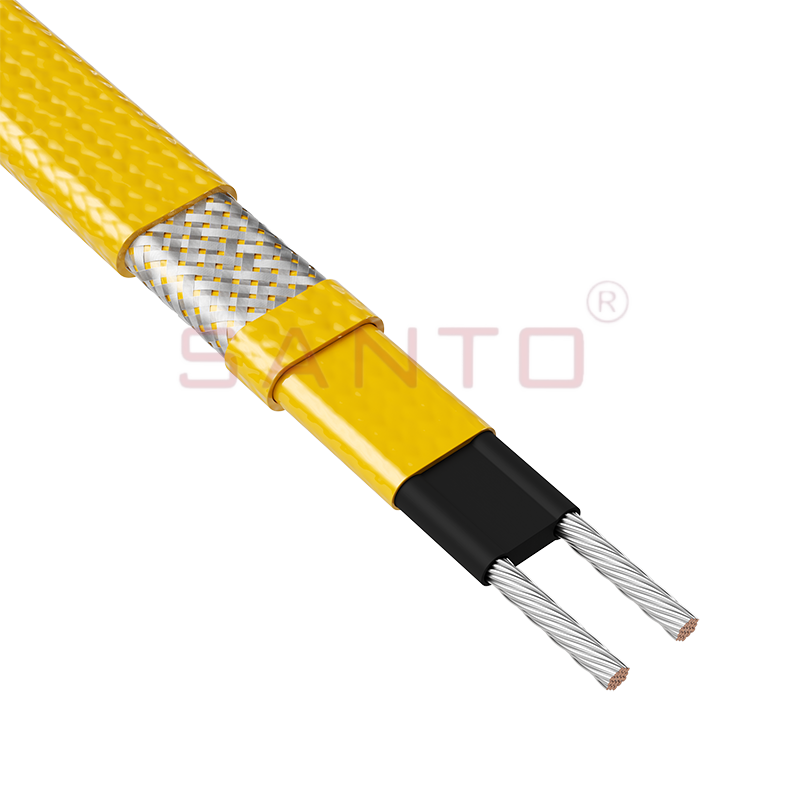
The SANTO UFD series of self-regulating heating cables are mainly used for freeze protection of pipes and vessels, but can also be used to maintain processes up to 200°C. These heating cables are avai...
See Details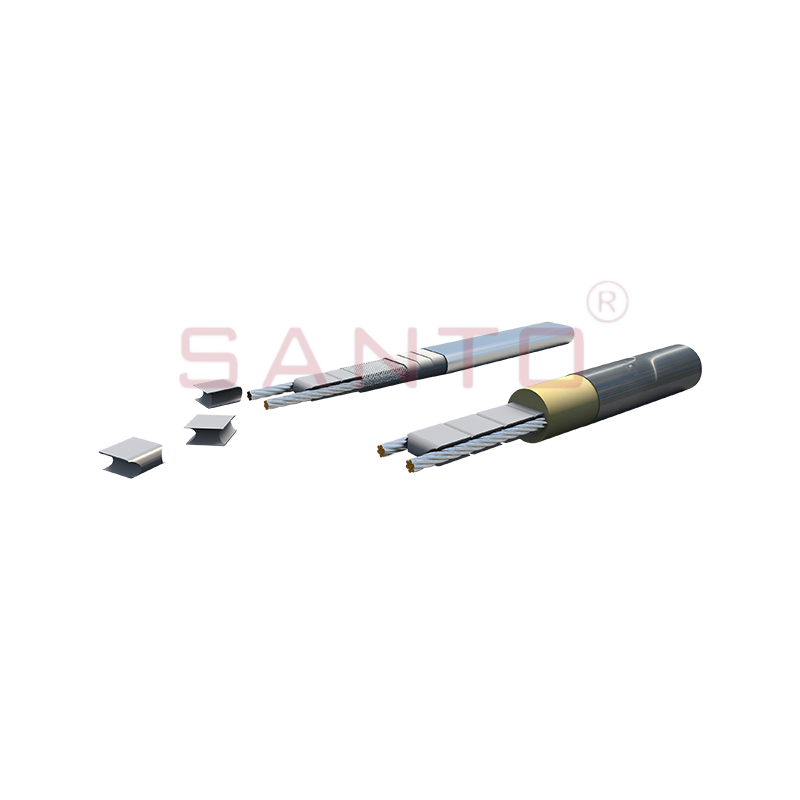
SANTO UFY heating wire is suitable for applications that maintain process temperatures up to 260 ℃ and can be steam blown; The self-regulating and parallel circuit heating wires of the UFY series are ...
See Details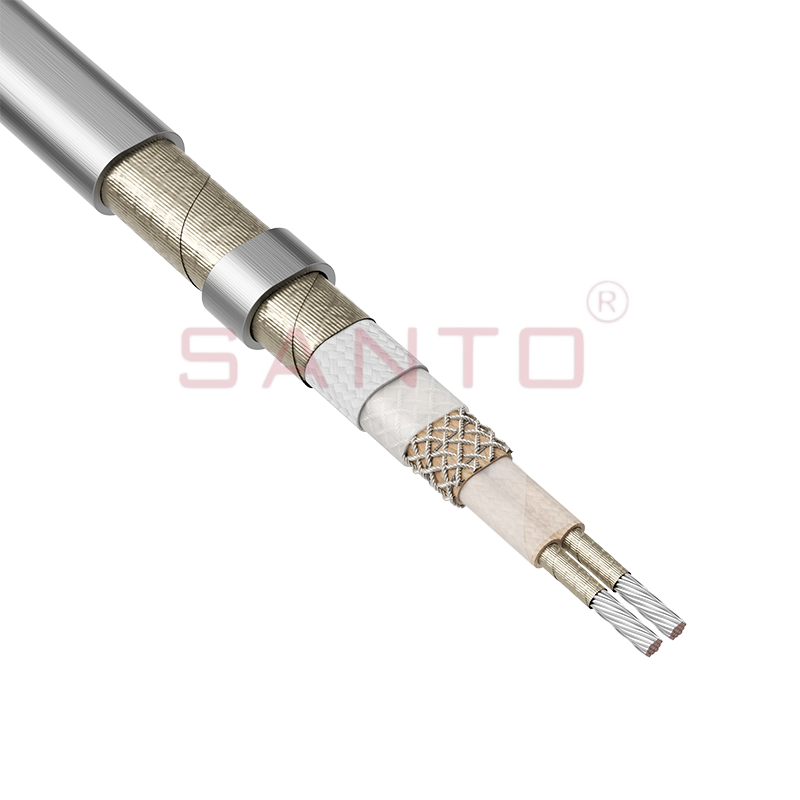
The SANTO UFM series self-regulating heating cables are mainly used for freeze protection of pipes and vessels, but can also be used to maintain processes up to 400°C. These heating cables are availab...
See Details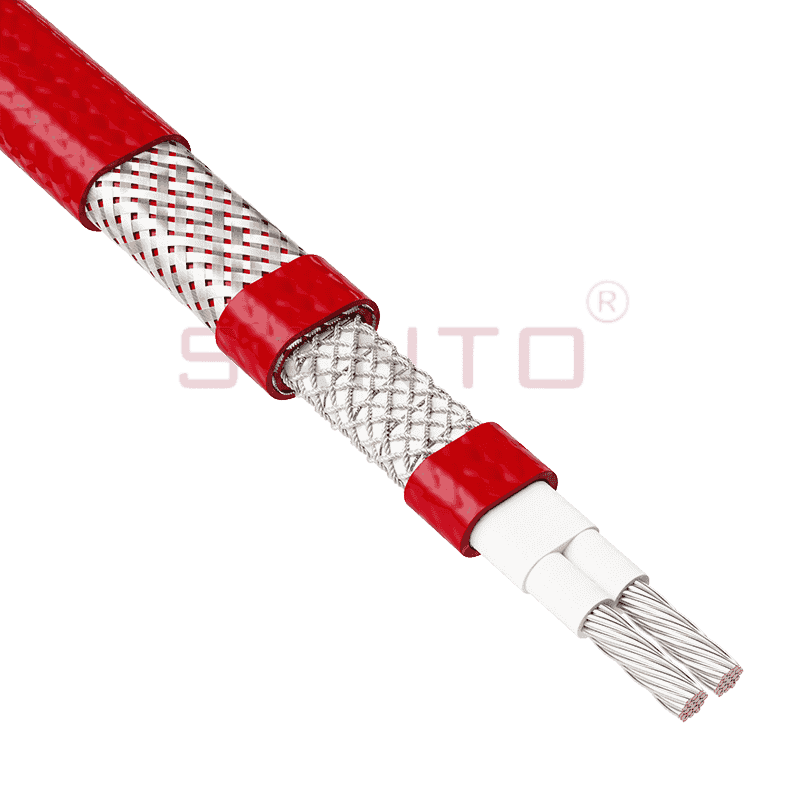
The SANTO ACC range of power-limiting heating cables is mainly used for temperature maintenance of processes and offers the advantage of a high power output at high temperatures which can reduce the n...
See Details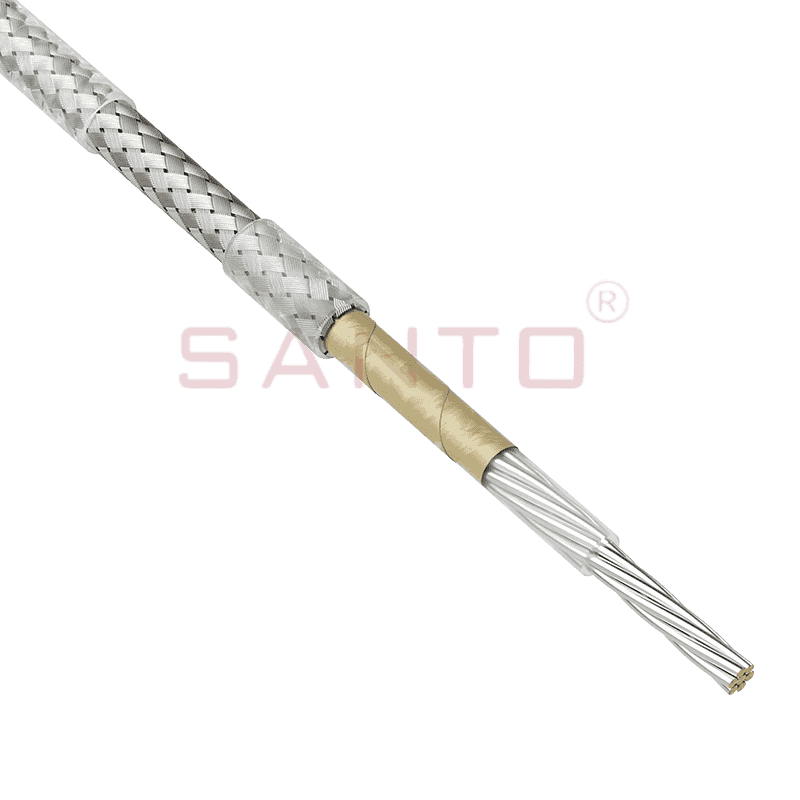
The stranded high temperature conductor is nickel plated to ensure a long life at elevated temperatures in corrosive environments. It is electrically isolated using an innovative sandwich construction...
See Details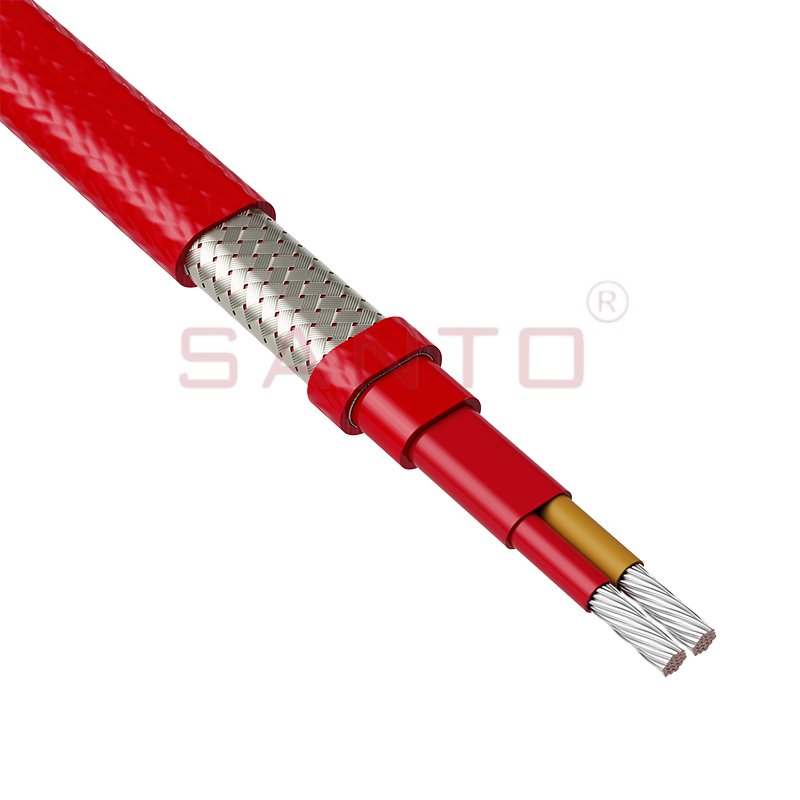
The stranded high temperature conductor is nickel plated to ensure a long life at elevated temperatures in corrosive environments. It is electrically isolated using an innovative sandwich construction...
See Details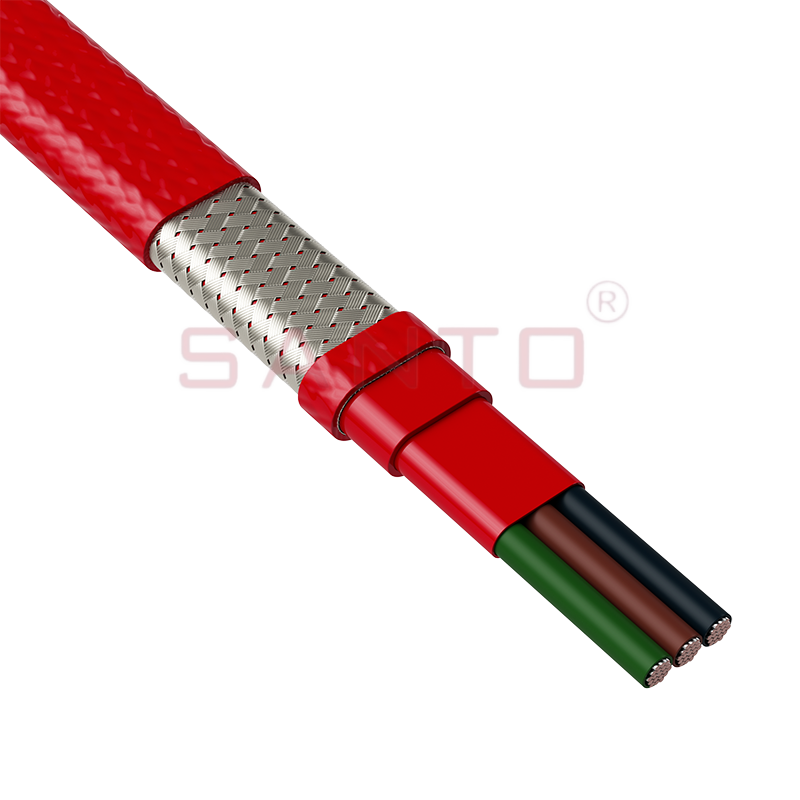
The stranded high temperature conductor is nickel plated to ensure a long life at elevated temperatures in corrosive environments. It is electrically isolated using an innovative sandwich construction...
See Details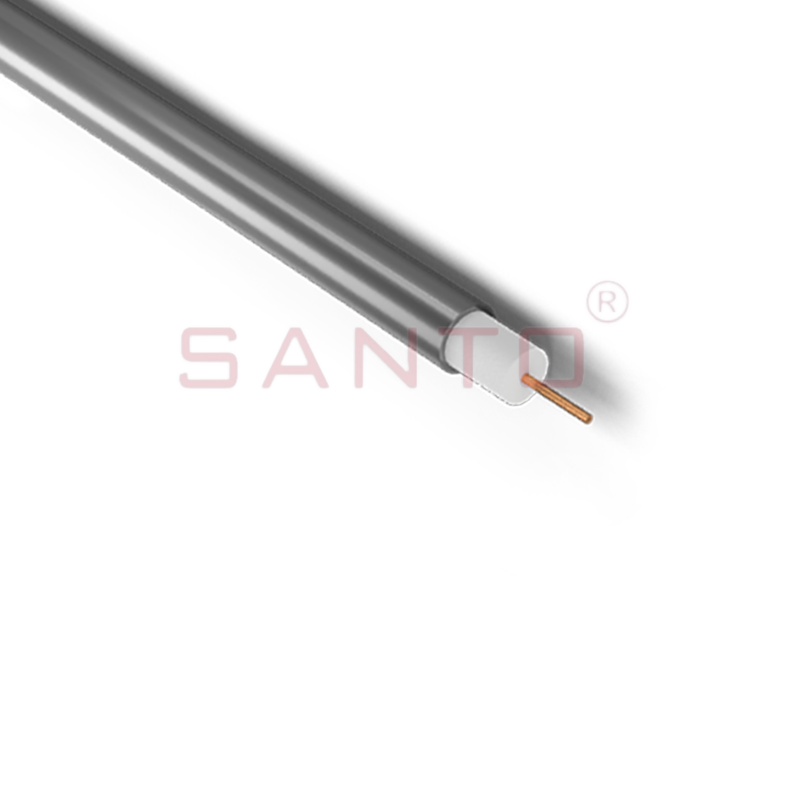
SANTO HAx mineral insulated (MI) Alloy 825 series heating cables are suitable for use in hazardous areas. They have been designed for use in freeze protection and temperature maintenance applications ...
See Details
Santo electric heating strips are widely used in key industries in China.

