 English
  English
 русский
 日本語
日本語 Español
 中文简体
中文简体
The SANTO UFA range of self-regulating heating cables is mainly used for frost protection of pipes and vessels but can also be used to maintain processes up to 65°C. These heating cables are available...
See Details

Electric vehicles depend on battery systems that must deliver stable power across a wide range of operating conditions. Among these conditions, low temperature is one of the most challenging. Cold environments can slow electrochemical reactions inside a battery, reduce available power, increase charging time, limit driving range, and create additional stress during startup. A silicone rubber car battery heater provides a practical thermal management solution by adding controlled heat directly to or around the battery pack.
Designed for new energy electric vehicles, this type of flexible heater supports battery preheating, cold-weather operation, charging preparation, and temperature maintenance. Its construction can be customized according to the battery enclosure, installation area, voltage, power, shape, control strategy, and environmental requirements. Unlike rigid heating components that may be difficult to fit around curved or irregular surfaces, a silicone rubber heating element can be manufactured in different dimensions and configurations to match the battery system.
The product described in this article is manufactured by Santo Thermal Control Technology Co., Ltd., a specialist in electric heating and thermal control products. The company develops and produces silicone rubber heating systems, self-regulating heating cables, constant-power heating products, mineral-insulated cables, snow-melting cables, glass-fiber heating belts, and related accessories. Its experience in electrical heating technology supports the development of customized battery heating solutions for electric mobility and other industrial applications.
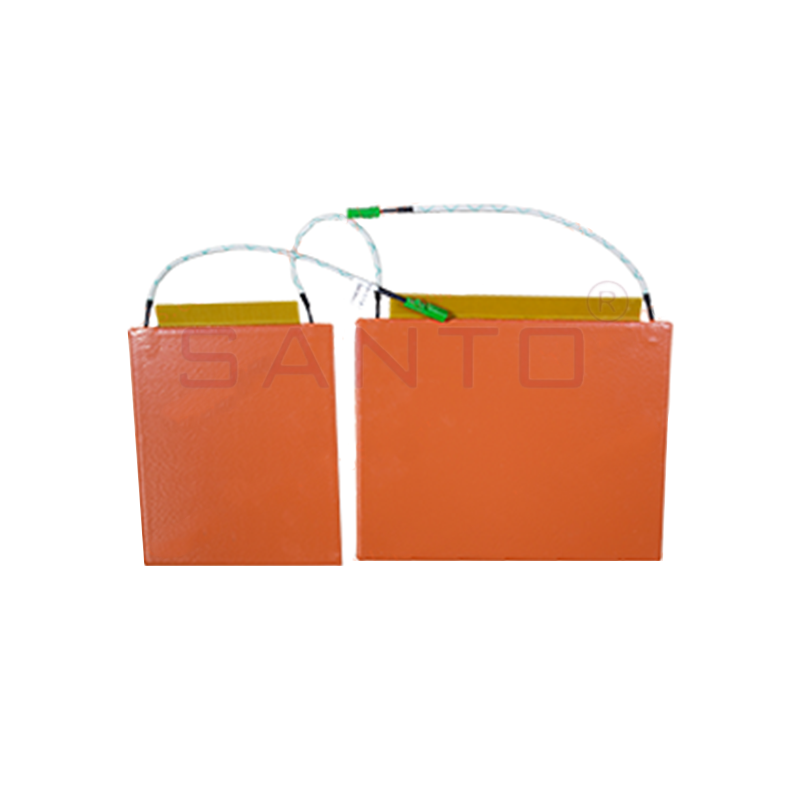
Silicone rubber car battery heater
Content
A rechargeable battery does not perform identically at every temperature. When the temperature falls, the internal chemical reactions that support charging and discharging become slower. The result may include reduced instantaneous power, lower energy acceptance, increased internal resistance, and a noticeable reduction in usable capacity. These effects are especially important for electric vehicles because the battery must support acceleration, regenerative braking, cabin heating, auxiliary systems, and long-distance driving.
Low-temperature charging requires particular attention. If a lithium-ion battery is charged too quickly while its cells are cold, lithium plating and other forms of electrochemical stress may occur. Vehicle battery management systems therefore commonly reduce charging power or delay rapid charging until the cells reach a more suitable temperature. A dedicated battery heater can shorten this preparation period by raising the battery temperature before or during charging.
Heating is also useful before vehicle operation. In winter conditions, a battery that has been warmed can provide more predictable output and improved regenerative braking performance. A heating system can be integrated into the vehicle’s thermal management strategy so that it operates only when required. This approach allows the battery management system, temperature sensors, and controller to coordinate heating with charging, driving, and parking conditions.
A battery heater does not replace the battery management system. Instead, it complements the system by supplying a controllable thermal input. The battery management system remains responsible for monitoring cell voltage, temperature, current, state of charge, and other operating parameters. The heater provides the physical means to improve temperature conditions when the control system determines that heating is necessary.
The silicone rubber car battery heater is a flexible electric heating component designed to provide controlled heat for power batteries. It can be manufactured as a flat pad, shaped panel, wrapped heater, laminated heating assembly, or another configuration suitable for the battery pack. The heating element is embedded within or bonded to a silicone rubber structure that provides electrical insulation, flexibility, and resistance to demanding operating conditions.
The heater can be installed beneath a battery module, between battery sections, on the external surface of a battery enclosure, or in another location selected during the thermal design process. The final structure depends on the required heat distribution, available space, enclosure design, service requirements, and the vehicle manufacturer’s installation method.
Because every battery pack has different dimensions and thermal requirements, customization is a central feature of the product. The manufacturer can develop heaters with different materials, sizes, shapes, power levels, lead-wire arrangements, adhesive layers, insulation structures, and sensor configurations. This makes the product suitable for prototype projects, small production runs, and larger original equipment manufacturing programs.
| Item | Specification or Option |
|---|---|
| Product type | Silicone rubber car battery heater |
| Primary application | Heating and preheating of electric vehicle power batteries |
| Minimum thickness | 1.0 mm or greater, depending on the customized construction |
| Maximum heating temperature | Up to 200 degrees Celsius, subject to design and control conditions |
| Maximum power density | Up to 3 W/cm², subject to thermal design and application requirements |
| Insulation resistance | At least 100 MΩ at a 1000 V insulation test |
| Available accessories | Wires, adhesive layers, aluminum plates, thermal-conductive materials, insulation materials, temperature controllers, and sensors |
| Customization | Materials, dimensions, geometry, wattage, voltage, performance, connection method, and control components |
The specifications should be understood as design parameters rather than a universal configuration for every battery pack. A practical design must consider the battery material, enclosure, heat-transfer path, permitted surface temperature, available electrical supply, environmental exposure, and control strategy. The manufacturer can adjust the heater construction to meet the customer’s actual operating requirements.
A silicone rubber heater normally consists of a resistance heating circuit embedded between insulating layers or integrated into a silicone rubber sheet. When electrical current passes through the resistance circuit, electrical energy is converted into heat. The silicone rubber structure transfers heat toward the battery enclosure or module while electrically isolating the energized heating element from surrounding components.
The resistance circuit can be arranged to produce a relatively uniform heat pattern across the active area. This is important because localized hot spots may create unnecessary thermal gradients. A properly designed heater distributes heat according to the battery pack’s geometry and the required heating rate. In some applications, different zones can be designed with different power densities to address variations in heat loss or module placement.
The heater’s flexibility is one of its most useful characteristics. Silicone rubber can conform to flat, curved, or moderately irregular surfaces. This allows the heater to maintain close contact with a battery tray, housing, or thermal spreader. Good contact reduces air gaps and improves heat transfer. If an aluminum plate or thermal-conductive layer is added, the assembly can distribute heat over a broader area and reduce temperature differences.
The final product may include a pressure-sensitive adhesive layer, mechanical fastening features, a laminated aluminum plate, an insulation layer, or a thermally conductive interface. These options are selected according to the installation method. Adhesive mounting may be appropriate for a lightweight permanent installation, while a mechanical mounting structure may be preferred where service access or replacement is important.
Temperature control is essential for safe and efficient battery heating. A heater can be connected to a thermostat, electronic temperature controller, vehicle control unit, or battery management system. Sensors may be placed on the heater surface, battery enclosure, thermal interface, or near selected battery modules. The sensor position should represent the relevant thermal condition without creating interference with the battery structure.
In a basic system, the controller energizes the heater when the measured temperature falls below a defined threshold and disconnects it when the target temperature is reached. More advanced systems can use proportional control, staged heating, pulse-width modulation, or communication with the vehicle’s thermal management software. The appropriate control method depends on the battery chemistry, vehicle architecture, heating power, and required warm-up time.
Temperature control also helps prevent unnecessary energy consumption. Heating a battery continuously when it is already within the desired operating range would reduce vehicle efficiency. A sensor-based system supplies heat only when required and can coordinate operation with charging schedules, departure times, ambient temperature, and battery state of charge.
Rigid heaters are generally limited by their fixed geometry. They may require brackets, additional spacing, or a specially designed mounting surface. Silicone rubber heaters can be produced in custom shapes, including rectangular, circular, strip, irregular, and multi-section formats. This flexibility supports integration into battery packs with limited clearance or complex external surfaces.
The thin construction is also valuable in applications where packaging space is restricted. A heater with a thickness of at least 1.0 mm can be designed as a low-profile component while still incorporating the required heating circuit and insulation. The actual thickness may be increased when additional mechanical strength, thermal spreading, or insulation is needed.
Close contact between the heater and the battery enclosure supports efficient heat transfer. Optional thermal-conductive materials and aluminum plates can help spread heat across a larger area. This reduces the possibility of isolated hot regions and can make the heating process more uniform than a distant air-heating method.
Direct or near-direct surface heating also allows the thermal design to focus energy where it is needed. Instead of heating the entire vehicle interior or battery compartment, the system can target the battery assembly. This can reduce warm-up losses and improve the effectiveness of preheating during cold weather.
The product is specified with an insulation resistance of at least 100 MΩ at a 1000 V test condition. This high insulation resistance supports separation between the energized heating circuit and the battery enclosure or other conductive components. Electrical insulation is especially important in electric vehicles because battery packs can operate at high voltage and may be exposed to vibration, moisture, condensation, and contamination.
Insulation performance depends on the complete heater design, including the silicone rubber material, encapsulation quality, lead-wire structure, edge sealing, connection points, and installation environment. For this reason, testing should cover the complete assembly rather than only the internal resistance circuit.
The heating temperature can reach up to 200 degrees Celsius under specified design conditions. This capability provides a broad engineering margin for applications that require rapid heating or operation in severe environments. However, the maximum heater temperature is not necessarily the recommended battery surface temperature. The battery manufacturer’s thermal limits must always control the final operating design.
A lower controlled temperature is often sufficient for battery preheating. The heater can be designed with a suitable wattage and sensor system so that the battery reaches its target temperature gradually and remains within the permitted range. The ability to operate at a high maximum temperature gives designers flexibility, while the control system determines the actual temperature used in service.
The specified maximum power density is 3 W/cm². Power density describes how much heating power is applied to a particular surface area. It is a critical parameter because a higher power density can accelerate warm-up, while a lower power density may provide more gradual and uniform heating.
The correct value depends on battery size, thermal mass, insulation, ambient temperature, permissible temperature rise, available voltage, and required preheating time. A manufacturer with experience in customized heaters can balance these factors instead of applying a single standard power rating to every project.
The heater can be supplied with wires, adhesive layers, aluminum plates, thermal-conductive materials, insulation materials, temperature controllers, sensors, and other selected accessories. Integrating these elements during production can simplify assembly and reduce the need for separate parts from different suppliers.
An integrated solution can also improve consistency. The wire exit position, connector type, insulation thickness, sensor location, and adhesive coverage can be specified as part of the heater drawing. This helps the heater fit the battery pack as intended and supports repeatable installation during vehicle production.

Battery thermal management can be achieved through several methods, including liquid cooling and heating circuits, forced-air systems, heat pumps, resistive heating elements, and external heating pads. Each method has advantages and limitations. The suitability of a silicone rubber heater depends on the vehicle platform and the required thermal architecture.
| Heating approach | Typical strength | Potential limitation | Where a silicone rubber heater can help |
|---|---|---|---|
| Liquid thermal loop | Can manage heating and cooling across a larger battery system | Requires pumps, pipes, valves, coolant, and additional service components | Provides a compact supplementary or independent heating source |
| Forced air | Simple concept and useful for some low-power systems | Heat transfer may be slower and less uniform in enclosed battery packs | Delivers heat directly to a selected surface |
| Rigid electric heater | Strong fixed structure and straightforward electrical operation | Less adaptable to irregular shapes and limited spaces | Offers flexible custom geometry and low-profile installation |
| Integrated cell heating | Can heat cells internally or through specialized cell structures | May require complex battery-cell and pack redesign | Can be added at the module or enclosure level with less redesign |
| Silicone rubber heater | Flexible, customizable, electrically insulated, and available with sensors and thermal layers | Requires careful surface contact, control, and thermal design | Supports targeted preheating and temperature maintenance |
The main advantage of a silicone rubber heater over a generic rigid heating element is adaptability. The heater can be designed around the battery pack rather than forcing the battery pack to accept a standard heater shape. Compared with a distant air heater, the product can provide a shorter heat-transfer path. Compared with a complete liquid loop, it can offer a simpler localized heating solution where only a moderate amount of heat is required.
It is important not to treat one technology as universally superior. A high-capacity battery pack may require liquid thermal management for both heating and cooling, while a smaller battery or a specialized module may benefit from a flexible surface heater. In many designs, the silicone rubber heater can function as a supplementary component within a larger thermal management system.
When an electric vehicle is parked in a cold environment, the battery may be below its preferred operating range. A heater can be activated before departure, either through a scheduled charging program, a mobile application, a vehicle timer, or a manual command. Preheating helps the battery deliver more consistent power when the vehicle begins moving.
Preheating can also improve the operation of regenerative braking. Cold batteries may accept regenerative energy less effectively, causing the vehicle control system to limit regenerative braking. Raising the battery temperature before driving can help reduce this limitation when the battery management system permits it.
Rapid charging performance is highly dependent on battery temperature. In cold weather, the battery may need to be warmed before high charging current is allowed. A silicone rubber heater can support this process by delivering controlled heat to the battery enclosure or modules.
The charging system should coordinate with the heater to avoid excessive simultaneous energy demand. In some vehicle designs, the heater operates during an early stage of charging and then reduces or stops operation as the battery reaches the target range. In other designs, the vehicle uses external grid power for heating while the battery remains at a suitable state of charge.
Electric buses, delivery vehicles, utility vehicles, warehouse vehicles, and specialized transport platforms may operate on fixed schedules in cold regions. They can benefit from reliable battery heating because a loss of available battery power can affect route completion, payload performance, and charging turnaround time.
Commercial vehicles often require robust, serviceable components. The heater can be customized with reinforced lead wires, protective insulation, specified adhesive systems, and mounting features suited to vibration and repeated thermal cycling. The manufacturing design can also account for the need to replace or inspect the heater during scheduled maintenance.
Although the product is intended for electric vehicle power batteries, similar technology can be adapted for battery storage cabinets, charging stations, mobile power units, and outdoor energy systems. These applications may require heating to maintain battery availability, prevent low-temperature charging, or protect control electronics and auxiliary components.
The performance of a custom heater depends not only on the raw materials but also on the manufacturing process. A reliable supplier must translate the customer’s thermal requirements into a controlled electrical and mechanical design. Santo Thermal Control Technology Co., Ltd. combines product research, engineering, manufacturing, testing, and sales support in the electric heating field.
The company reports more than 35 years of industry experience and a broad product portfolio covering self-limiting heating belts, constant-power heating belts, silicone rubber heating products, glass-fiber heating belts, mineral-insulated cables, snow-melting cables, electric heating wires, and accessories. Experience across these technologies can support the design of battery heaters because many underlying requirements are shared: resistance control, insulation, thermal transfer, environmental durability, and electrical safety.
Custom production begins with design information. The customer may provide a battery drawing, installation area, required temperature range, available voltage, target heating time, power limit, sensor position, and environmental conditions. Engineers can then determine the heating area, resistance value, circuit layout, wire specification, insulation structure, and accessory configuration.
When a drawing is not complete, the design process can begin with basic measurements and operating requirements. The heater supplier can help convert those requirements into a two-dimensional or three-dimensional design. Prototype samples can then be evaluated on a representative battery housing or thermal test fixture before mass production.
Engineering review should consider more than the active heating surface. The design must also evaluate the cold tail, wire exit, connector, bend radius, mounting method, edge sealing, stress concentration, and interaction with nearby electrical or mechanical parts. These details often determine long-term reliability in a vehicle environment.
Silicone rubber is selected for its flexibility, insulating ability, and suitability for a broad temperature range. Different silicone formulations and reinforcement structures may be used depending on mechanical, thermal, and environmental requirements. The insulation and outer layers must be compatible with the battery enclosure and the expected exposure to moisture, vibration, chemicals, and temperature cycling.
Conductive or thermal-spreading layers may be added when the application needs more uniform heat distribution. Aluminum plates can provide structural support and lateral heat spreading. Thermal-conductive materials can improve the interface between the heater and battery enclosure, while additional insulation can guide heat toward the intended surface and reduce unwanted heat loss.
Wire and connector selection is equally important. The lead assembly must withstand the electrical load, temperature, bending, vibration, and installation route. The wire exit should be positioned to avoid sharp edges, compression, excessive bending, or contact with hot or moving components.
Manufacturing a silicone rubber heater requires consistent placement of the heating circuit, accurate control of insulation layers, reliable bonding or encapsulation, and careful treatment of the lead connection. Any variation in resistance path or material thickness can affect heat distribution and electrical performance.
Production control may include incoming material inspection, resistance measurement, dimensional inspection, visual examination, bonding checks, insulation testing, and functional heating tests. For customized products, production records should identify the drawing revision, material batch, resistance value, accessory configuration, and inspection results.
Automated or semi-automated production equipment can improve repeatability, while skilled technicians remain important for prototype development, special shapes, complex lead arrangements, and small-batch customization. The combination of process equipment and engineering experience helps support both standard and non-standard heater designs.
Electrical testing is a fundamental part of production. Resistance testing verifies that the heating circuit matches the design value. Insulation resistance testing checks the separation between the circuit and accessible conductive surfaces. The stated product specification calls for insulation resistance of at least 100 MΩ at 1000 V.
Functional testing can confirm that the heater produces heat across the intended surface and that the temperature response is consistent. Depending on the project, additional tests may include thermal cycling, humidity exposure, vibration, bending, wire-pull testing, adhesive evaluation, and endurance operation.
The appropriate test program should be agreed upon before production. Vehicle manufacturers may have their own qualification standards, and the heater supplier must understand whether the component is being evaluated as an independent part or as part of a complete battery assembly. A successful component test does not eliminate the need for vehicle-level validation.
A successful custom heater project normally follows a structured process. The first step is requirement collection. Important information includes the battery dimensions, installation surface, voltage, power limit, desired temperature, heating time, ambient temperature, battery chemistry, control method, and expected service life.
The second step is thermal and electrical design. Engineers calculate the resistance, wattage, power density, heating area, and expected temperature rise. The design must also consider the battery pack’s heat capacity and heat losses. A heater that is too small may warm the pack slowly, while one that is too powerful may create unnecessary thermal gradients or exceed the vehicle’s available auxiliary power.
The third step is prototype production. A sample is manufactured with the proposed materials, shape, wiring, and accessories. The sample is installed on a representative battery housing or test fixture. Temperature sensors are placed at multiple points to evaluate uniformity and heating rate.
The fourth step is validation and design improvement. If a thermal map shows cold areas or excessive temperature concentration, the circuit layout, thermal layer, power distribution, or mounting method can be revised. The final design should be confirmed under both normal and worst-case conditions.
The fifth step is controlled mass production. Once the design is approved, the supplier should maintain the same materials, dimensions, resistance range, inspection standards, and packaging requirements. Any later modification should be reviewed and documented to preserve product consistency.
| Requirement area | Recommended information |
|---|---|
| Battery geometry | Length, width, thickness, curvature, mounting holes, clearances, and installation drawings |
| Electrical supply | Working voltage, available current, duty cycle, connector requirements, and control signal |
| Thermal target | Starting temperature, target temperature, heating time, and permitted maximum temperature |
| Environment | Minimum ambient temperature, moisture, dust, vibration, chemicals, and thermal cycling |
| Installation | Adhesive, clamps, aluminum plate, thermal interface, insulation, or other mounting method |
| Monitoring | Sensor type, sensor position, thermostat, controller, or vehicle management system interface |
| Production | Prototype quantity, annual volume, inspection requirements, packaging, and delivery schedule |
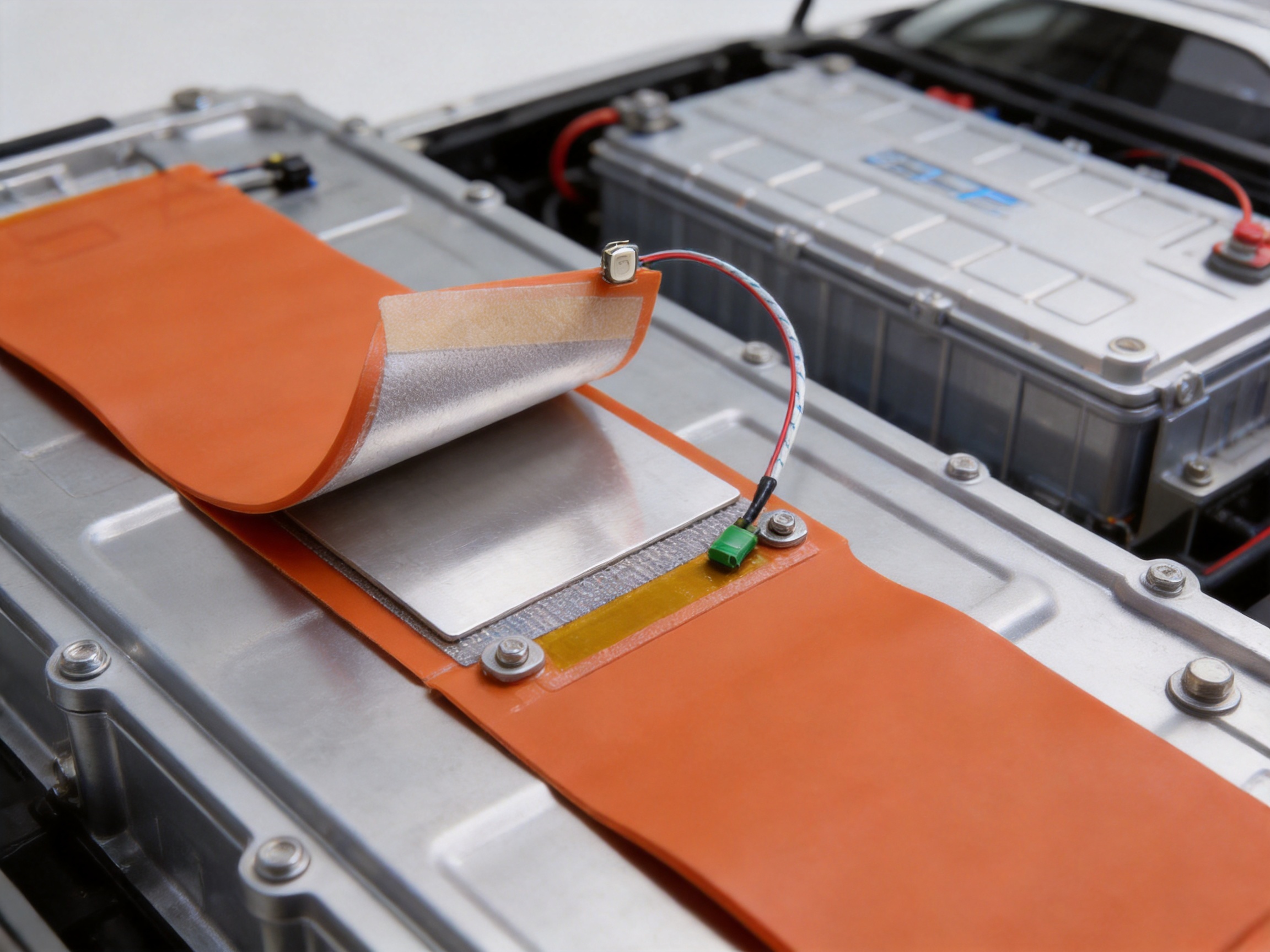
Installation quality directly affects heater performance. The contact surface should be clean, dry, smooth, and free from oil, dust, sharp projections, and loose coatings. If an adhesive layer is used, the bonding process must follow the selected adhesive’s preparation and curing requirements. Poor adhesion can create air gaps, reduce heat transfer, and increase local temperatures.
The heater should not be folded, sharply creased, punctured, or cut unless the design specifically allows it. The active heating area must remain within the approved installation zone. The wire exit should be routed with adequate strain relief and protected from abrasion, compression, and excessive bending.
Mechanical fasteners must apply suitable pressure without damaging the silicone rubber or creating concentrated stress. If an aluminum plate is included, the plate should be mounted so that it remains in close thermal contact with the intended surface. Thermal interface materials must be compatible with the heater, battery enclosure, and operating temperature.
The electrical connection should be protected from moisture and contamination. The connector, terminal, and wire insulation must be selected for the voltage and environmental conditions of the vehicle. Before energizing the heater, technicians should verify polarity where relevant, resistance, insulation resistance, continuity, grounding provisions, and sensor operation.
Thermal validation should be performed after installation. Testing should measure the temperature at multiple positions, including the heater surface, battery enclosure, nearby components, and any locations identified as potential hot spots. The result should be compared with the approved design limits rather than evaluated only by touching the surface or observing a single temperature point.
Battery heating systems must be designed as part of a controlled electrical system. The heater should not operate without appropriate overcurrent protection, temperature monitoring, and a defined control strategy. The vehicle manufacturer must determine the correct fuse, switching device, controller, and emergency shutdown method.
Overheating protection may include one or more temperature sensors, a thermostat, a thermal cutoff, software limits, or redundant monitoring. The selected protection method should account for sensor failure, disconnected wires, controller faults, abnormal mounting, and loss of thermal contact.
Electrical insulation should be checked during production and, where appropriate, during vehicle assembly. The specified insulation resistance of at least 100 MΩ at 1000 V provides an important reference for quality control. The complete vehicle system must also meet applicable high-voltage safety requirements, creepage and clearance requirements, grounding provisions, and electromagnetic compatibility expectations.
Reliability is influenced by repeated heating and cooling cycles. Expansion and contraction can place stress on the heating circuit, silicone rubber, adhesive, wire connection, and battery enclosure. A suitable design should therefore be assessed under thermal cycling and vibration conditions representative of the vehicle application.
Battery heaters should never be operated outside their approved temperature, voltage, power, or installation conditions. The maximum heating temperature of 200 degrees Celsius is a capability of the customized heater design and does not mean that a battery may safely be exposed to that temperature. The battery cell manufacturer’s limits always take priority.
Improving cold-weather battery performance can help electric vehicles operate more consistently in regions with winter conditions. A warm battery may accept charging more effectively, deliver more predictable power, and reduce the need for conservative operating limits. This can contribute to improved vehicle usability and customer confidence.
Targeted heating can also be more efficient than heating a large surrounding volume. By positioning the heater near the battery enclosure or module, electrical energy is directed toward the component that requires thermal conditioning. When combined with insulation and sensor-based control, the system can reduce unnecessary heat loss.
The company’s stated vision emphasizes environmental health, while its product range supports heating, antifreeze protection, deicing, thermal maintenance, and energy-related applications. In electric mobility, a well-designed battery heater can support the practical use of low-emission vehicles in climates where cold temperatures would otherwise reduce performance.
Santo Thermal Control Technology Co., Ltd. is based in Jiangsu Province and operates in the electric heating and thermal control industry. The company reports more than 35 years of industry experience, more than 10,000 units of annual output, over 2,000 distributors, and business coverage in more than 85 areas.
The company’s development history includes the establishment of an electric heating instrument factory in 2000, ISO9001 quality system certification in 2002, the establishment of an irradiation center in 2013, and continued development of self-limiting, carbon-fiber, silicone rubber, and other heating technologies. The SANTO brand was established in 2016, followed by additional product certification and international market development activities.
The company states that it has strengthened new product development, technical guidance, scientific management, product quality, and after-sales service. It also reports cooperation in product research with Harvard University in the United States, national CCC certification for products, ISO9001 quality system certification, explosion-proof certification, and EAC Eurasian Union certification for applicable products.
These capabilities are relevant to battery heater customers because vehicle projects require more than a catalog product. They require engineering communication, drawing review, prototype support, stable production, inspection documentation, and after-sales cooperation. A supplier with a wide heating-product portfolio can also help customers select a suitable technology when the application changes from a simple heater pad to a complete thermal control system.
The first selection factor is the battery’s operating temperature window. The design team should identify the minimum expected battery temperature, the preferred charging temperature, the normal operating range, and the maximum permitted temperature. These values determine the control strategy and help establish the heater’s power requirement.
The second factor is heating time. A vehicle that requires rapid charging preparation may need a higher power density or a larger active area. A vehicle that can preheat for several hours may use a lower-power system. Heating time should be calculated from the battery’s thermal mass, enclosure losses, starting temperature, and target temperature rather than selected by wattage alone.
The third factor is available electrical power. The heater must be compatible with the vehicle’s high-voltage or low-voltage auxiliary supply. Current draw, wiring, fuse rating, controller capacity, and charging strategy must be evaluated together. If the heater is supplied from the traction battery, its energy consumption affects available range and state of charge. If it is supplied externally during charging, the charging system must accommodate the additional load.
The fourth factor is heat distribution. Large battery packs may need several heater zones rather than one large element. Multiple zones can be controlled separately and can follow the arrangement of the battery modules. Aluminum plates or thermal-conductive layers may be used when the battery housing needs more even heat spreading.
The fifth factor is installation and serviceability. A permanent adhesive layer may provide excellent contact, but replacement can be more difficult. A removable mechanically mounted heater may be easier to service, but it may require more space and careful pressure control. The best choice depends on the vehicle’s maintenance concept and expected service life.
Original equipment manufacturers benefit from a heater that can be matched to their own battery architecture. Custom dimensions prevent unnecessary modifications to the pack and can simplify the vehicle’s packaging design. The manufacturer can request specific wire lengths, connector types, sensor locations, insulation structures, and mounting features.
ODM customers may use the supplier’s engineering experience to develop a complete heating assembly based on performance requirements rather than designing every detail internally. The supplier can support the selection of silicone rubber, heating wire, thermal interface material, insulation, and controller components.
Customization can also support product differentiation. Different vehicle models may use different battery sizes or power levels, while retaining a common manufacturing concept. The heater can be adapted without requiring an entirely new technology platform. This is useful for commercial vehicle manufacturers, battery pack integrators, charging equipment companies, and specialized electric vehicle developers.
Routine inspection should include the heater surface, wire routing, connector condition, mounting security, adhesive integrity, and nearby insulation. Signs of damage may include cracking, swelling, discoloration, loose bonding, exposed wire, abnormal odor, repeated controller trips, or uneven heating.
If the heater does not operate, technicians should first confirm the control signal, supply voltage, fuse, connector, resistance, and sensor reading. If the heater operates but does not reach the expected temperature, possible causes include insufficient supply voltage, incorrect power rating, poor surface contact, excessive heat loss, incorrect sensor location, or an unsuitable control threshold.
Uneven heating may result from air gaps, damaged thermal interface material, incorrect installation pressure, obstruction by mounting components, or a design that does not match the battery enclosure. Thermal imaging or multiple contact temperature sensors can help identify the cause.
Any repair or replacement should use components approved for the battery system. Cutting, drilling, folding, or modifying the active heating area can alter electrical resistance and create safety risks. If the heater has been damaged, replacement is generally safer than unauthorized field modification.
It is a flexible electric heating component designed to warm or maintain the temperature of an electric vehicle power battery. A resistance heating circuit is integrated into a silicone rubber structure that provides flexibility and electrical insulation.
Cold temperatures can reduce battery power, available capacity, charging acceptance, and regenerative braking performance. Controlled heating helps bring the battery closer to a suitable operating temperature before driving or charging.
Yes. The product can be customized in different materials, sizes, shapes, powers, and performance configurations. Irregular shapes, cutout areas, wire exits, and mounting features should be defined in the approved drawing.
The stated product capability is up to 200 degrees Celsius under specified design conditions. The actual operating temperature must be controlled according to the battery manufacturer’s limits and the approved vehicle application.
The stated maximum power density is 3 W/cm². The appropriate power density may be lower depending on battery size, thermal mass, heating time, enclosure design, and temperature limits.
It can be controlled by a temperature controller, thermostat, vehicle control unit, battery management system, or another approved control device. Sensors can be supplied and positioned according to the thermal design.
Yes. An adhesive layer is an optional accessory. The correct adhesive depends on the substrate, surface condition, temperature range, environmental exposure, service requirements, and intended installation method.
Yes. Aluminum plates and thermal-conductive materials can be included to improve heat spreading and contact with the battery enclosure. Their use should be confirmed during thermal and mechanical design.
The product specification states an insulation resistance of at least 100 MΩ at a 1000 V test condition. Final testing requirements should be confirmed for the complete heater and vehicle installation.
It can support battery preheating before charging, but suitability depends on the battery chemistry, charging protocol, power requirement, target temperature, and vehicle control system. Testing must confirm that the heater achieves the required temperature within the available preparation time.
Yes. A silicone rubber heater may operate as a supplementary heating element in a battery pack that also uses liquid cooling and heating. The control system must coordinate both thermal functions and prevent excessive temperature differences.
Useful information includes the battery dimensions, heater area, voltage, wattage, target temperature, heating time, minimum ambient temperature, sensor requirements, wire and connector details, mounting method, annual quantity, and applicable testing standards.
The prototype should be installed on a representative battery housing or test fixture. Engineers should measure heating rate, temperature uniformity, maximum surface temperature, insulation resistance, power consumption, sensor response, and performance after thermal cycling.
No. The heater is a thermal component. The battery management system must continue to monitor and control cell voltage, temperature, current, state of charge, and other battery safety parameters.
A customized heater is designed around the actual battery pack. Its shape, heating circuit, resistance, power density, wire routing, sensor position, insulation, thermal interface, and mounting method can be adapted to the application instead of relying on a fixed general-purpose format.
A silicone rubber car battery heater is a compact and adaptable solution for improving electric vehicle performance in cold environments. By delivering controlled heat close to the battery enclosure or module, it can support preheating, charging preparation, power delivery, and regenerative braking performance. Its flexible construction allows it to fit complex battery geometries, while optional thermal layers, aluminum plates, adhesive systems, sensors, controllers, and insulation materials help create a complete application-specific assembly.
The product’s stated technical capabilities include a minimum thickness of 1.0 mm or greater, heating temperatures of up to 200 degrees Celsius, a maximum power density of 3 W/cm², and insulation resistance of at least 100 MΩ at 1000 V. These specifications provide a foundation for design, but the final heater must always be matched to the battery chemistry, thermal limits, electrical supply, installation structure, and control system.
With more than 35 years of experience in electric heating technology, a broad product portfolio, customization capability, quality management, and international market experience, Santo Thermal Control Technology Co., Ltd. can support OEM and ODM customers developing battery heating systems for new energy vehicles. Through engineering design, material selection, prototype testing, controlled production, and application support, the company provides a path from initial thermal requirement to a practical and repeatable heater assembly.
For electric vehicle manufacturers and battery system integrators, the most important selection criteria are not only nominal wattage or maximum temperature. The complete solution must provide suitable heat distribution, reliable insulation, safe control, mechanical compatibility, long-term durability, and consistent production quality. A properly engineered silicone rubber heater can meet these requirements while offering the flexibility needed for modern electric vehicle battery designs.
1. Santo Thermal Control Technology Co., Ltd. Product specification: Silicone Rubber Car Battery Heater.
2. Santo Thermal Control Technology Co., Ltd. Company information and electric heating product portfolio.
3. International Organization for Standardization. ISO 9001 Quality Management Systems: Requirements.
4. International Electrotechnical Commission. Standards and technical guidance concerning electrical insulation, heating equipment, and high-voltage safety.
5. Battery manufacturer technical documentation concerning lithium-ion battery operating temperature, charging temperature, and thermal limits.
6. Electric vehicle battery management system engineering literature concerning cold-weather operation, preheating, charging control, and regenerative braking.
7. Thermal design references for resistance heating elements, thermal interfaces, silicone rubber insulation, and battery pack heat transfer.
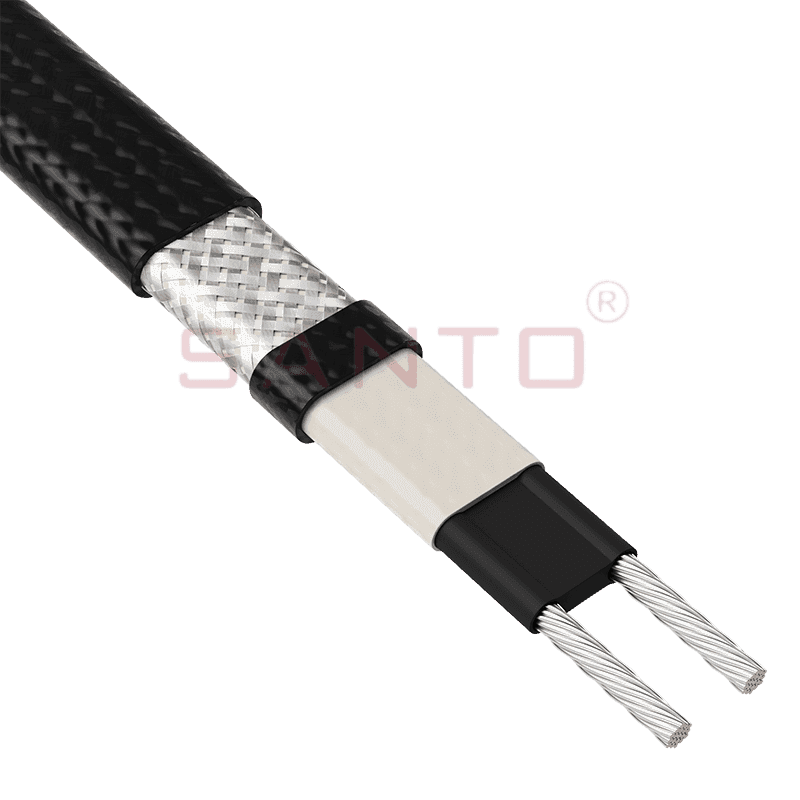
The SANTO UFA range of self-regulating heating cables is mainly used for frost protection of pipes and vessels but can also be used to maintain processes up to 65°C. These heating cables are available...
See Details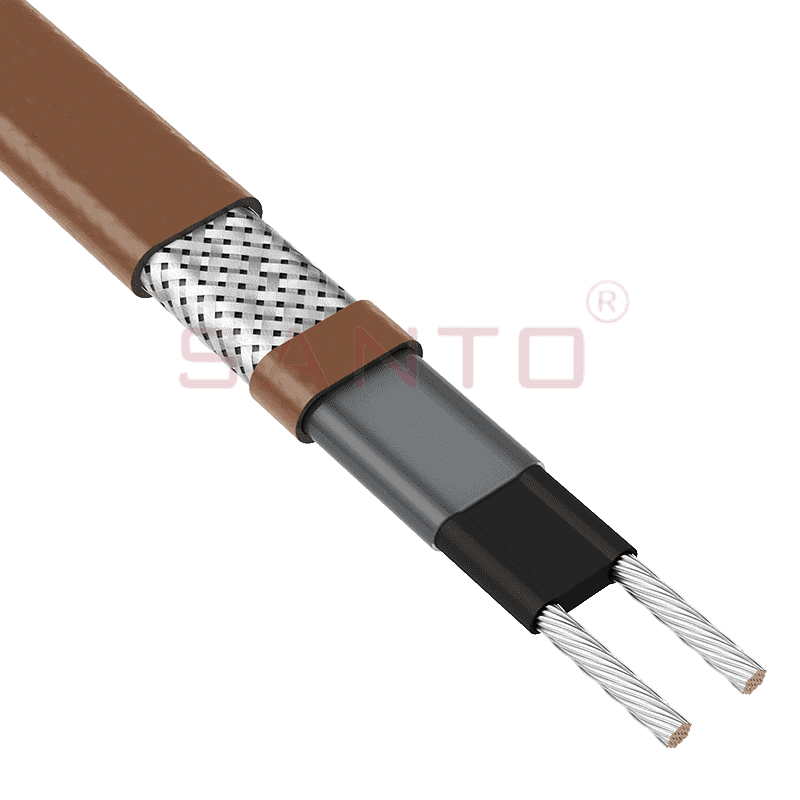
The SANTO UFB range of self-regulating heating cables is mainly used for frost protection of pipes and vessels requiring a higher power output than the UFA heating cables can supply. They can also be ...
See Details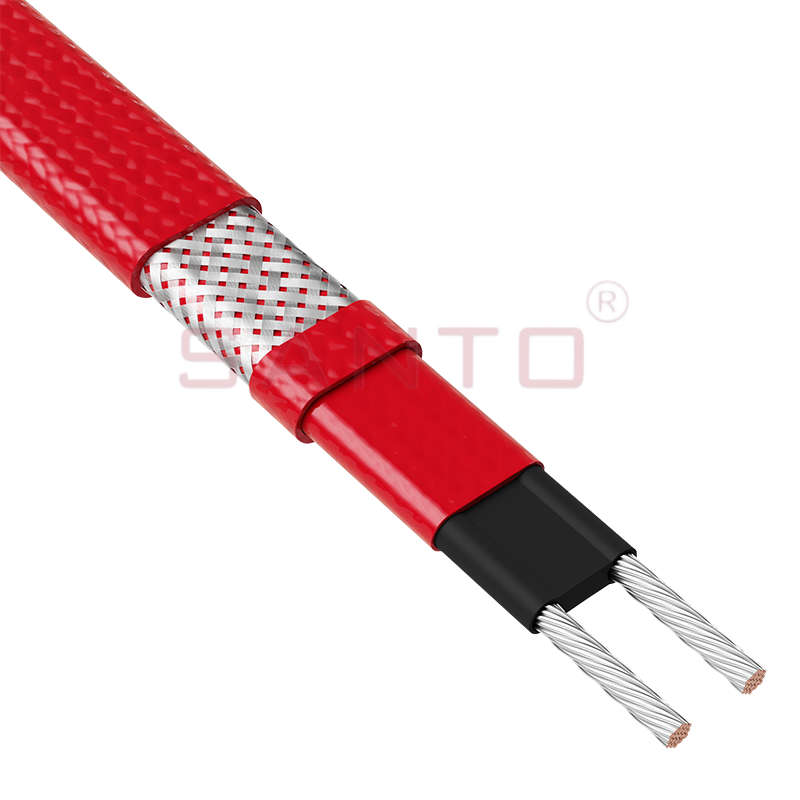
The SANTO UFC range of self-regulating heating cables is used for frost protection of pipes and vessels that require steam cleaning. They can also be used to maintain processes up to 121°C. These heat...
See Details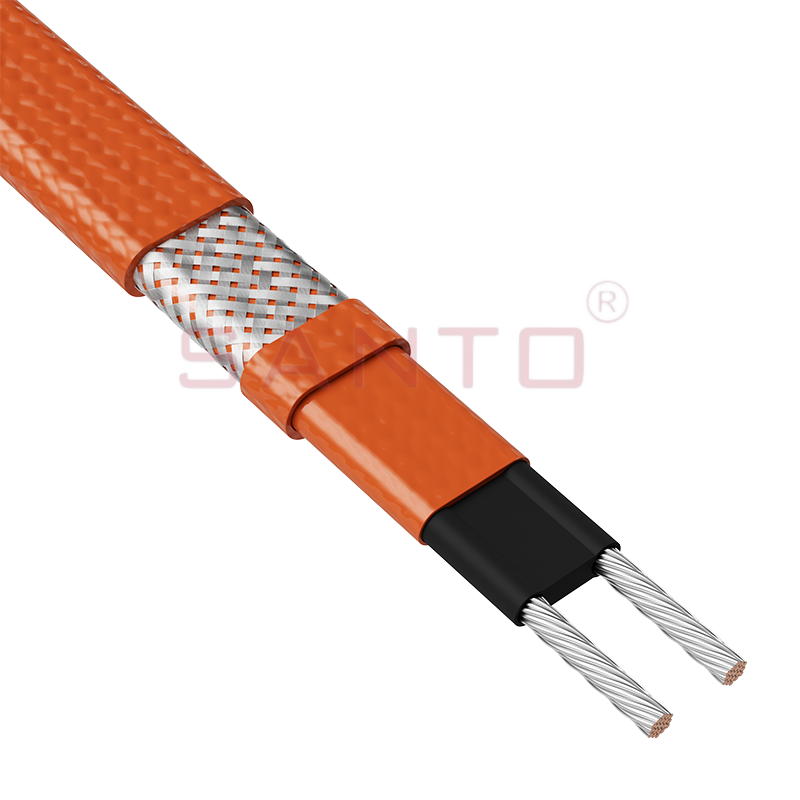
The SANTO UFO range of self-regulating heating cables is mainly used for frost protection of pipes and vessels that require steam cleaning . They can also be used to maintain processes up to 150°C. Th...
See Details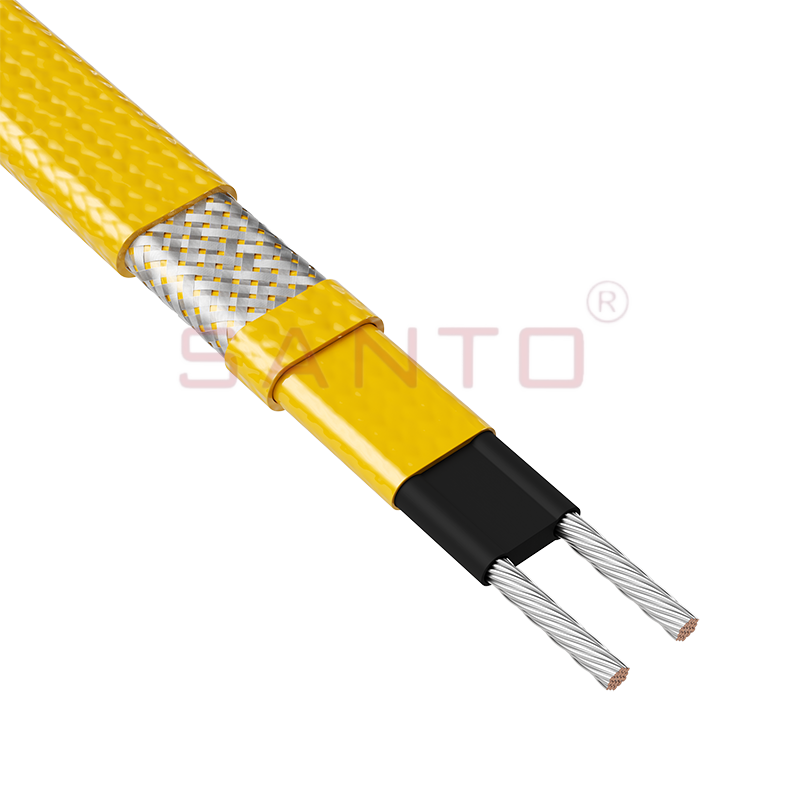
The SANTO UFD series of self-regulating heating cables are mainly used for freeze protection of pipes and vessels, but can also be used to maintain processes up to 200°C. These heating cables are avai...
See Details
SANTO UFY heating wire is suitable for applications that maintain process temperatures up to 260 ℃ and can be steam blown; The self-regulating and parallel circuit heating wires of the UFY series are ...
See Details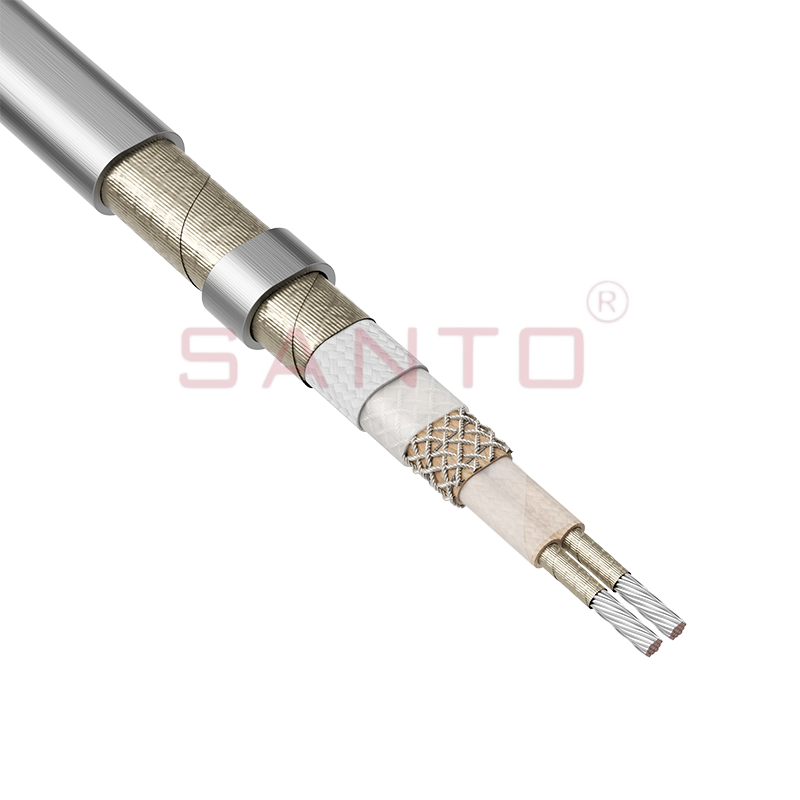
The SANTO UFM series self-regulating heating cables are mainly used for freeze protection of pipes and vessels, but can also be used to maintain processes up to 400°C. These heating cables are availab...
See Details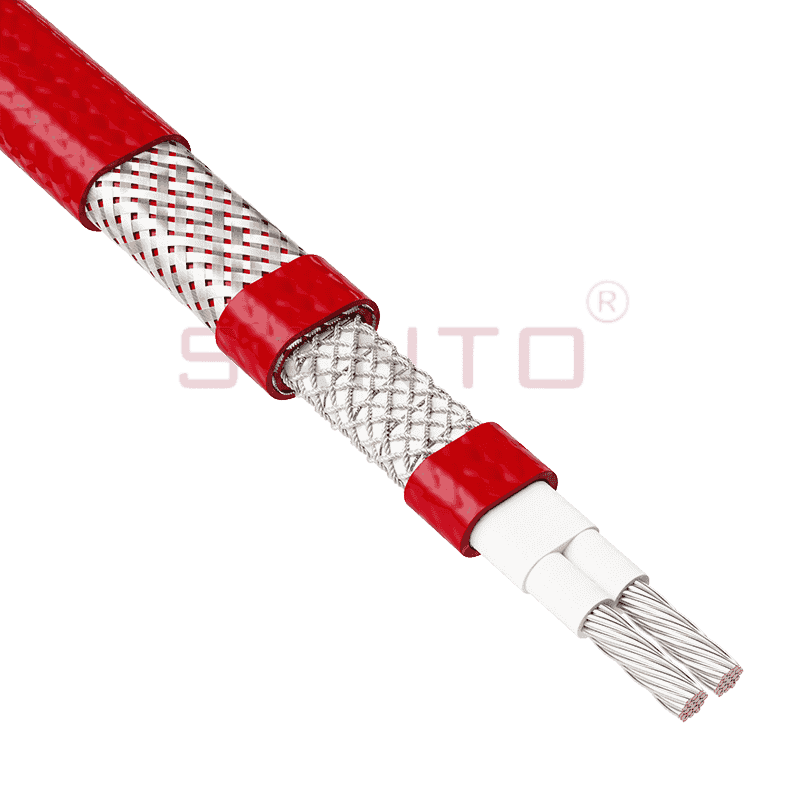
The SANTO ACC range of power-limiting heating cables is mainly used for temperature maintenance of processes and offers the advantage of a high power output at high temperatures which can reduce the n...
See Details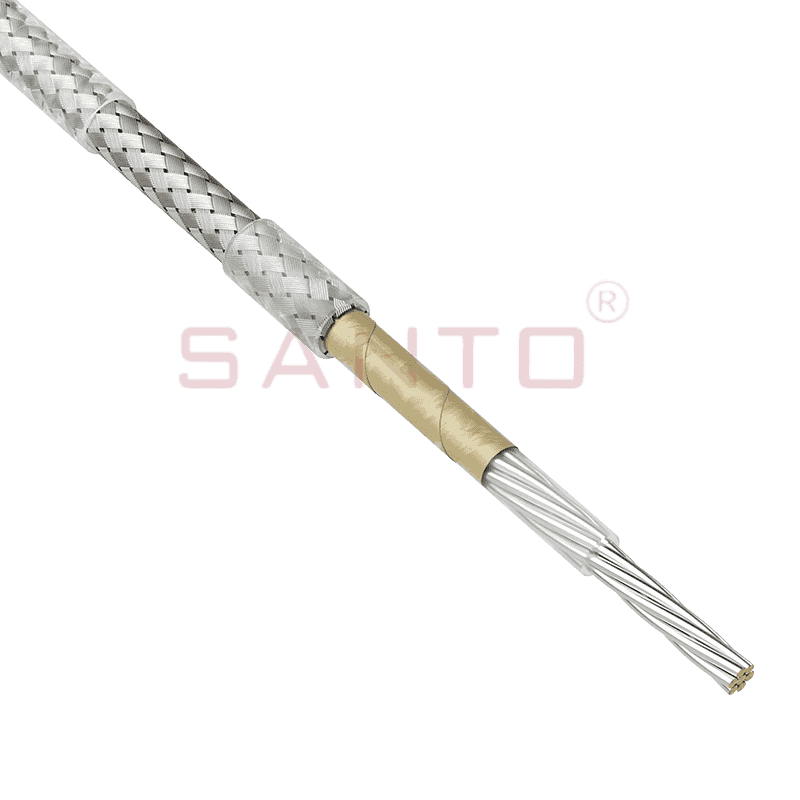
The stranded high temperature conductor is nickel plated to ensure a long life at elevated temperatures in corrosive environments. It is electrically isolated using an innovative sandwich construction...
See Details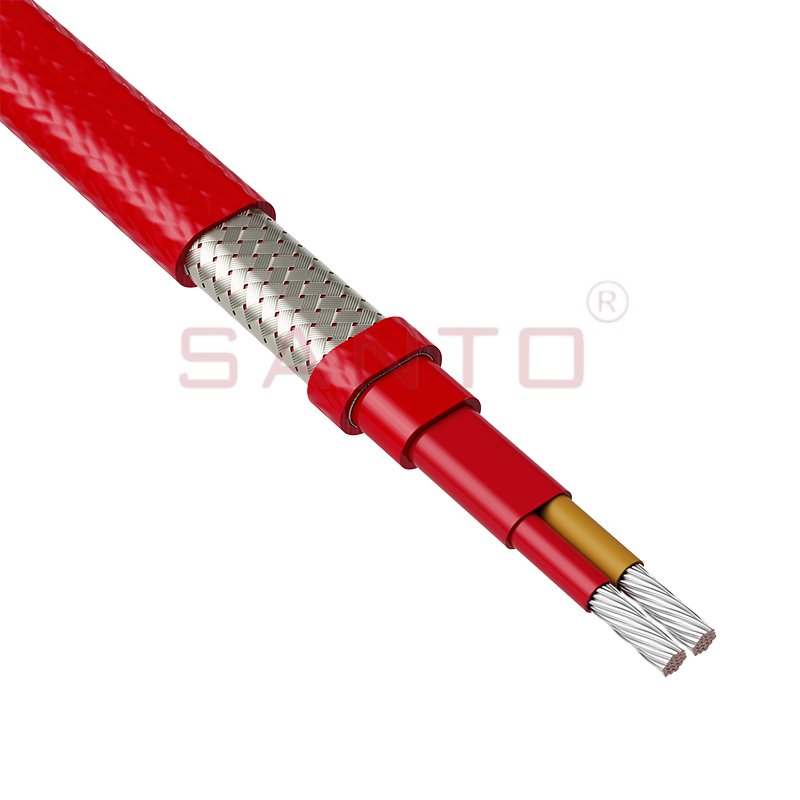
The stranded high temperature conductor is nickel plated to ensure a long life at elevated temperatures in corrosive environments. It is electrically isolated using an innovative sandwich construction...
See Details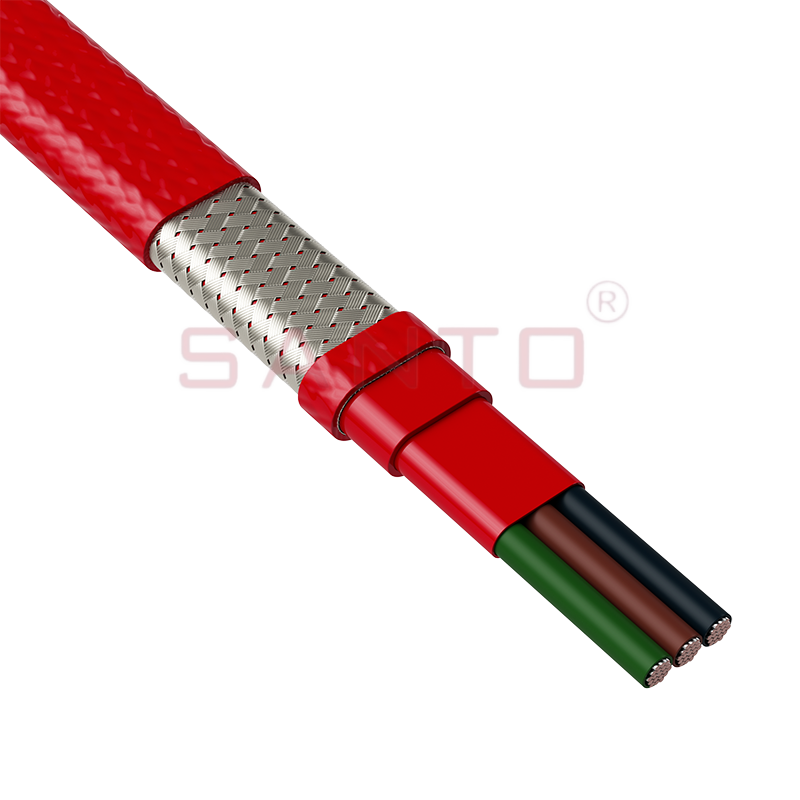
The stranded high temperature conductor is nickel plated to ensure a long life at elevated temperatures in corrosive environments. It is electrically isolated using an innovative sandwich construction...
See Details
SANTO HAx mineral insulated (MI) Alloy 825 series heating cables are suitable for use in hazardous areas. They have been designed for use in freeze protection and temperature maintenance applications ...
See Details
Santo electric heating strips are widely used in key industries in China.

