 English
 English
 русский
 日本語
 Español
 中文简体

The SANTO UFA range of self-regulating heating cables is mainly used for frost protection of pipes and vessels but can also be used to maintain processes up to 65°C. These heating cables are available...
See Details
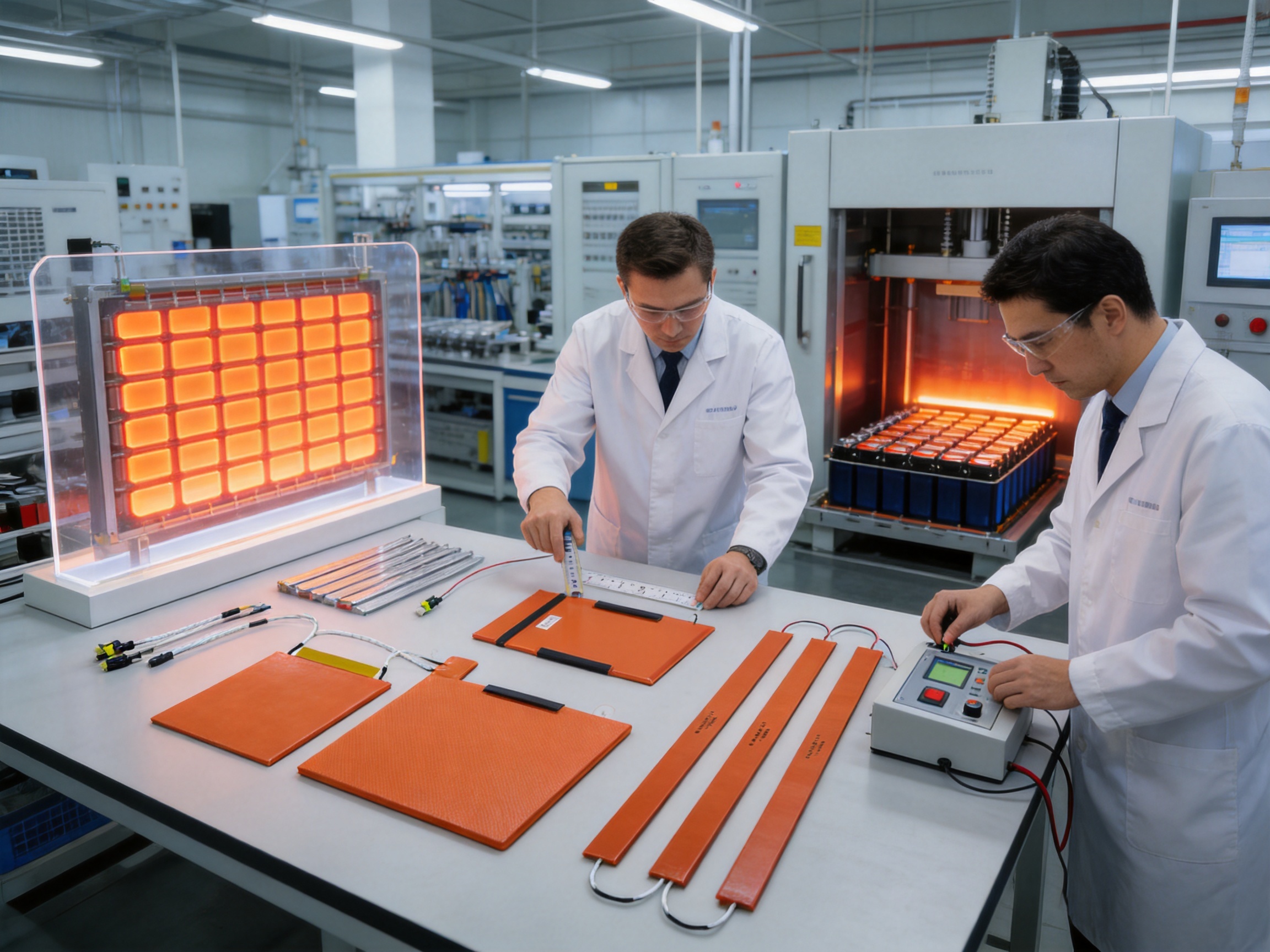
Content
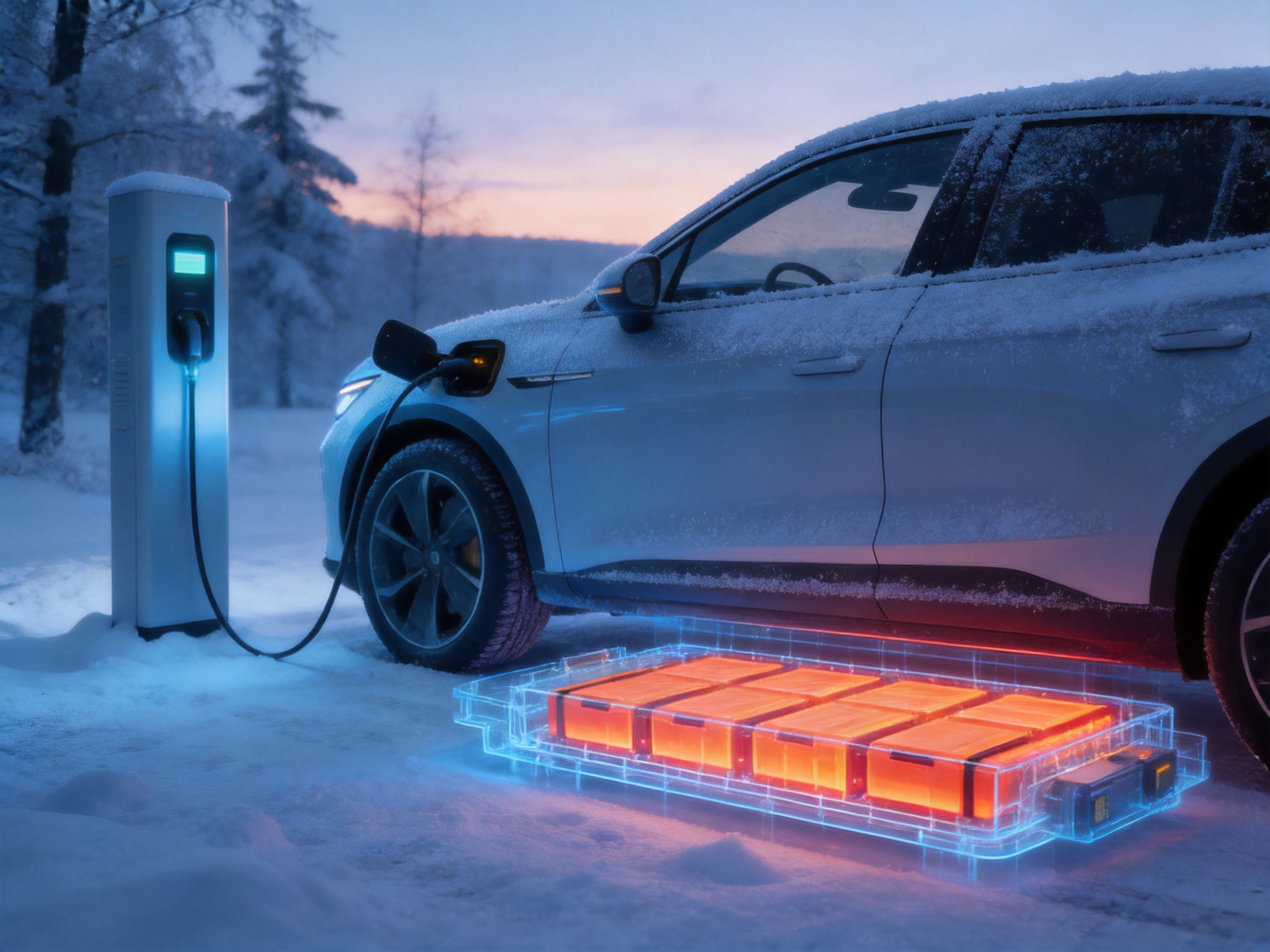
Electric vehicles depend on stable battery performance in every season, but low temperatures can significantly affect the behavior of power batteries. When the temperature falls, battery chemistry slows, internal resistance increases, charging becomes more difficult, and available power may decline. Drivers can experience reduced range, slower charging, limited regenerative braking, and lower acceleration performance. For manufacturers and fleet operators, repeated exposure to cold conditions may also create additional challenges related to battery durability, thermal management, and vehicle availability.
A silicone rubber car battery heater is designed to address these issues by supplying controlled heat directly to or around the battery pack. By helping the battery operate within a more suitable temperature range, the heater can reduce the performance impact of cold environments and support more dependable vehicle operation. It can be used in new energy electric vehicles, battery modules, battery enclosures, mobile power systems, and other applications where low-temperature protection is required.
The silicone rubber car battery heater supplied by Santo Thermal Control Technology Co., Ltd. is a customizable flexible heating solution. It can be manufactured with different materials, dimensions, shapes, power ratings, wiring arrangements, adhesive layers, insulation structures, sensors, and temperature-control components according to the requirements of the vehicle or battery system.
Unlike a general-purpose heater, a vehicle battery heater must be designed around limited installation space, vibration, moisture, electrical safety, thermal uniformity, and the geometry of the battery pack. A properly designed silicone rubber heater combines flexibility with efficient heat transfer and reliable electrical insulation. This makes it suitable for battery packs that contain curved surfaces, irregular edges, restricted mounting areas, or multiple heating zones.
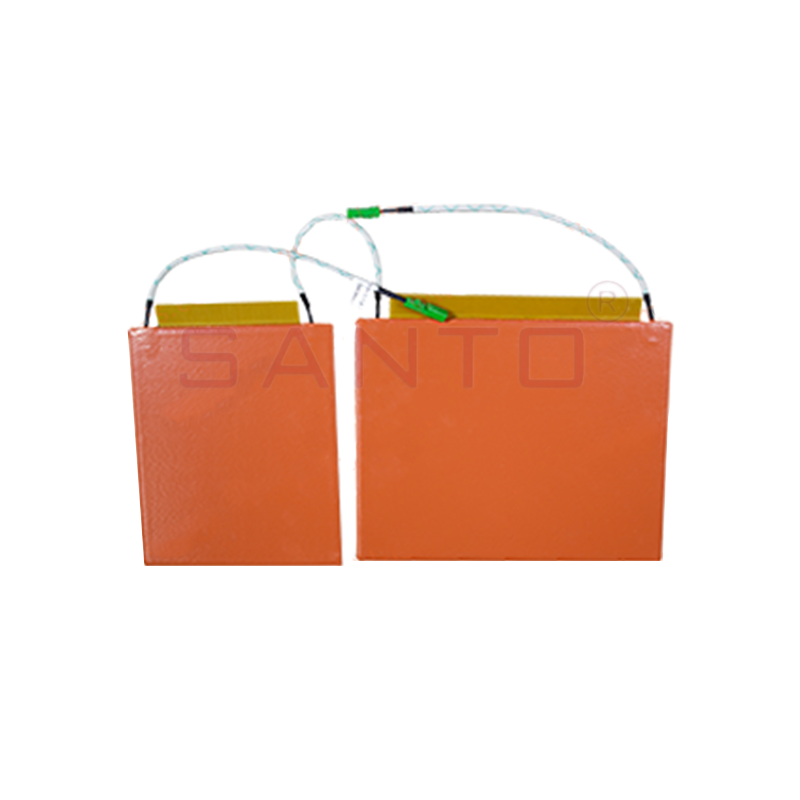
Silicone rubber car battery heater
Lithium-ion batteries and other rechargeable battery technologies are sensitive to operating temperature. In cold conditions, ion movement within the electrolyte becomes slower, and the electrochemical reactions required for charging and discharging become less efficient. The result is an increase in internal resistance and a reduction in the battery’s ability to deliver or accept power.
During vehicle operation, cold batteries may provide less usable energy than they would at moderate temperatures. The vehicle control system may limit current to protect the battery, which can affect acceleration and regenerative braking. During charging, the battery management system may also reduce charging power or delay charging until the cells reach a safer temperature.
Charging a cold lithium battery too aggressively can contribute to lithium plating and other forms of degradation. Although the battery management system provides important protection, an external heating system can help the battery reach an appropriate temperature before or during charging. This supports a more controlled thermal-management strategy and can improve the overall user experience in winter conditions.
A battery heater is not intended to replace the battery management system, coolant circuit, or other vehicle safety controls. Instead, it works as one part of the thermal-management architecture. It provides a controllable heat source that can be integrated with temperature sensors, thermostats, vehicle controllers, or dedicated control modules.
Cold weather can influence an electric vehicle in several ways:
1. Available battery capacity may decrease temporarily, reducing driving range.
2. Battery charging may take longer because the battery management system limits charging current.
3. Regenerative braking may be restricted until the battery reaches a suitable temperature.
4. High internal resistance may reduce power output and acceleration response.
5. Repeated operation in severe cold may increase thermal stress on the battery system.
6. Fleet vehicles may require longer preparation times before entering service.
7. Batteries installed in exposed or poorly insulated positions may cool more quickly than the surrounding vehicle structure.
A correctly sized silicone rubber heater can help reduce these effects by applying heat evenly across the required battery surface. The design can be adapted to the battery’s available mounting area, electrical system, thermal requirements, and control strategy.
The silicone rubber car battery heater is a flexible electric heating element developed for power battery temperature management. It uses a silicone rubber structure that allows the heater to conform closely to flat, curved, or specially shaped battery surfaces. The close fit improves contact and helps distribute heat across the target area.
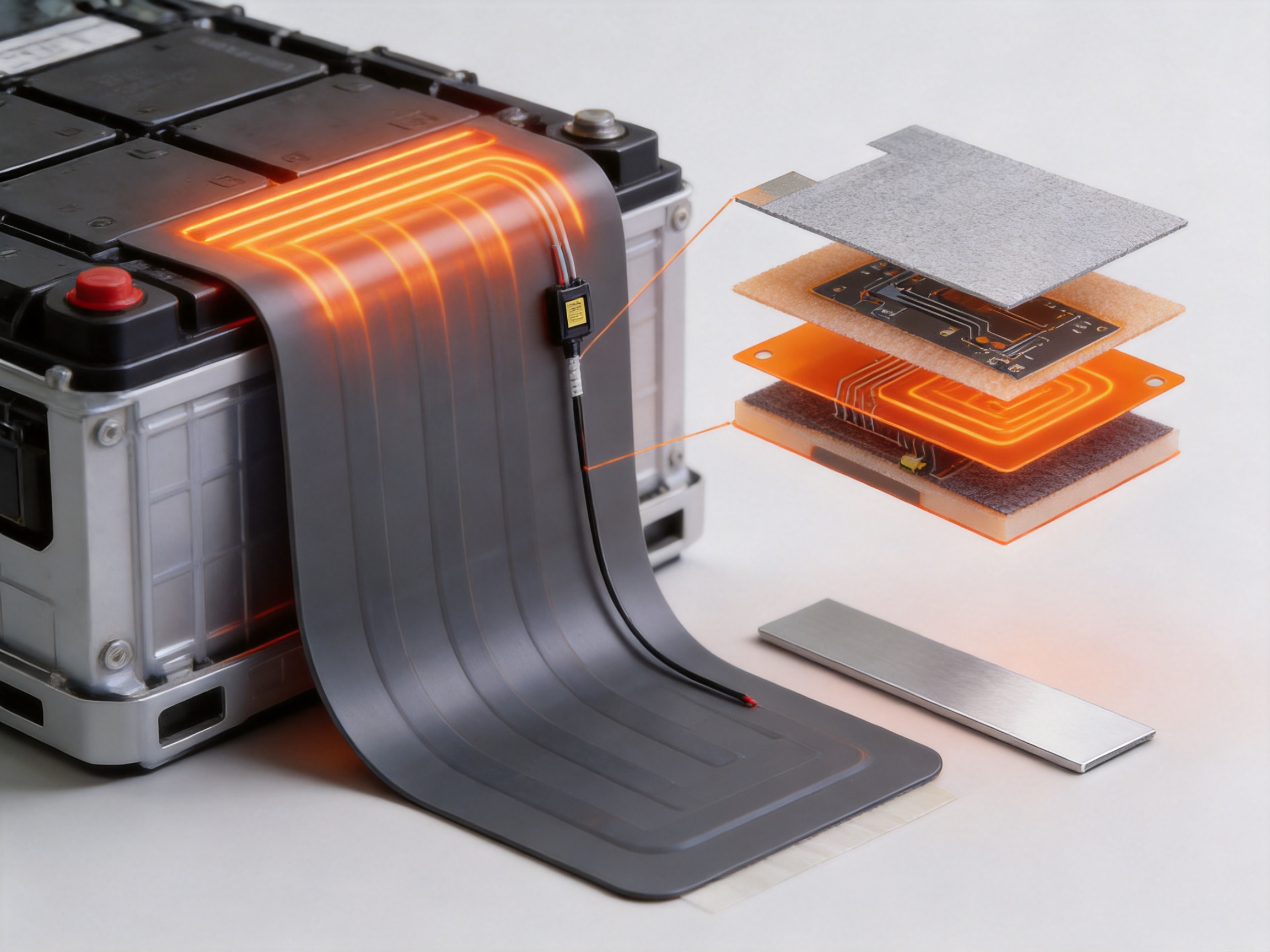
The heater can be manufactured as a single heating pad, a group of connected pads, or a customized heating assembly. The final configuration may include lead wires, adhesive backing, an aluminum support or heat-spreading plate, thermally conductive materials, electrical insulation, a temperature controller, and one or more temperature sensors.
Because battery packs differ widely in size and construction, customization is a central feature of this product. The heater can be developed according to the customer’s drawings, battery dimensions, installation restrictions, voltage requirements, power targets, control method, and environmental conditions.
| Item | Specification or Capability |
|---|---|
| Primary application | Heating of electric vehicle power batteries and related battery systems |
| Product material | Silicone rubber heating construction with optional auxiliary materials |
| Minimum thickness | 1.0 mm or greater, depending on the design |
| Maximum heating temperature | Up to 200°C, subject to the selected structure and control method |
| Maximum power density | Up to 3 W/cm², subject to application requirements |
| Insulation resistance | At 1000 V, at least 100 MΩ |
| Optional components | Wires, adhesive layer, aluminum plate, thermal conductivity material, insulation material, controller, and sensor |
| Design approach | Customized dimensions, shapes, powers, materials, and performance requirements |
The values in the table provide a general product framework. The actual production specification should be confirmed through technical review and testing because heater performance depends on voltage, dimensions, heat dissipation, battery enclosure design, mounting method, ambient temperature, and control settings.
Silicone rubber is flexible enough to follow the shape of many battery components. A heater that remains close to the battery surface can transfer heat more effectively than a rigid heater installed with large air gaps. This is particularly useful when the battery housing includes curved surfaces, small steps, flanges, or limited installation clearances.
Close contact can also reduce localized hot spots. When the heater is designed with an appropriate heating pattern and installed correctly, thermal energy can be spread over the required area rather than concentrated at a few points. Uniform heating is important for battery packs because significant temperature differences between cells or modules may affect performance and control decisions.
The stated minimum thickness is 1.0 mm or greater, allowing the heater to be designed as a relatively low-profile component. A thin heater is easier to integrate into battery enclosures where space is restricted by cell modules, cooling plates, protective covers, structural members, and cable routes.
A lower profile may also simplify installation and reduce interference with existing thermal insulation or protective materials. Depending on the design, the heater can be placed beneath a battery module, on the exterior of a battery case, between protective layers, or in another approved location.
The heating temperature can be designed for applications up to 200°C, while actual operating temperature should be controlled according to the battery manufacturer’s requirements. The high temperature capability of the silicone rubber structure provides design flexibility, but it does not mean that a battery should be heated to the maximum possible value.
For electric vehicle applications, temperature control is essential. A sensor and controller can be used to start, stop, regulate, or modulate heating. The selected set point should be determined by the battery chemistry, cell manufacturer’s recommendations, charging strategy, enclosure design, and vehicle control system.
The product specification provides an insulation resistance of at least 100 MΩ when tested at 1000 V. Strong electrical insulation is important because the heater is installed near high-voltage battery components. The insulation design must also be coordinated with the battery enclosure, grounding strategy, protective devices, cable routing, and vehicle-level electrical safety requirements.
Insulation performance is influenced by material selection, manufacturing quality, lead-wire termination, edge protection, moisture exposure, mechanical stress, and installation conditions. For this reason, insulation testing should be part of production inspection and, where appropriate, system-level validation.
Many standard heating products are available only in fixed dimensions and power ratings. That approach may be unsuitable for battery packs that require unusual shapes or carefully controlled heating zones. The silicone rubber car battery heater can be customized in size, shape, material, power, and performance characteristics.
Custom patterns may include cutouts, holes, narrow sections, multiple heating zones, separated electrical circuits, and specially positioned lead wires. These options can help the heater fit the battery housing and avoid interference with fasteners, sensors, ventilation paths, cooling lines, or electrical connectors.
Battery heating can be achieved through several methods, including coolant-based systems, air heaters, rigid resistance heaters, heating films, and flexible silicone rubber heaters. Each method has a suitable application range. The main advantage of a customized silicone rubber heater is its ability to combine direct surface heating with a thin and adaptable form.
Air heating systems warm the air surrounding the battery. They may be useful when a battery enclosure is designed specifically for airflow, but air has relatively low thermal conductivity. The system may require a fan, ducts, a larger housing, and additional space. Heat distribution may also be affected by airflow patterns and enclosure geometry.
A silicone rubber heater transfers heat more directly to the battery housing or thermal spreader. It does not require a large air channel and can operate without a fan. This may help reduce system complexity, acoustic noise, and the number of moving parts.
Liquid thermal-management systems can provide effective heating and cooling, especially in larger battery packs. However, they require pumps, pipes, fittings, coolant, valves, and leak-management procedures. The battery pack must include an appropriate fluid channel or cold plate.
A silicone rubber heater can be used where a separate liquid circuit is unavailable or where localized supplemental heating is needed. It may also be integrated with an existing liquid system to provide preheating or support in areas that are difficult to warm evenly through coolant circulation.
Rigid metal heaters can offer high mechanical strength and efficient heat transfer, but they may be difficult to install on curved or irregular surfaces. Additional brackets, thermal interface materials, or machining may be needed to obtain good contact.
Silicone rubber heaters are more adaptable to irregular surfaces and can be supplied with adhesive backing or other mounting solutions. Their flexibility can make them easier to position during assembly and more suitable for battery designs that evolve during product development.
Generic heating pads may offer a quick and inexpensive solution, but they may not be designed for high-voltage battery environments, vibration, moisture, long operating periods, or customized thermal patterns. Their wiring and insulation may also be unsuitable for automotive integration.
A purpose-designed battery heater can be developed around the electrical, mechanical, and thermal requirements of the battery system. The engineering process can consider power density, surface area, sensor placement, lead-wire routing, adhesive selection, insulation, and testing requirements before production begins.
| Heating method | Main strengths | Potential limitations | Typical value of a silicone rubber heater |
|---|---|---|---|
| Air heater | Can heat an enclosed space and may serve multiple components | Requires airflow, ducts, fans, and sufficient enclosure volume | Provides direct surface heating with less dependence on airflow |
| Coolant heater | Suitable for integrated liquid thermal-management systems | Requires pumps, pipes, coolant, and leak control | Can work independently or supplement a liquid circuit |
| Rigid metal heater | High structural rigidity and potentially high heat transfer | Less adaptable to curved or irregular surfaces | Offers a flexible profile and customized shape |
| Generic heating pad | Simple and widely available | May lack automotive insulation, control, and environmental design | Can be engineered for a specific battery and installation environment |
| Silicone rubber heater | Flexible, thin, customizable, and suitable for direct contact | Requires correct installation and temperature control | Combines adaptable geometry with controlled electric heating |
Customization begins with understanding the battery system. Important information includes battery chemistry, nominal voltage, operating temperature range, battery dimensions, enclosure material, available mounting area, thermal insulation, charging conditions, and the desired warm-up time.
The heater’s dimensions influence resistance, power, heat distribution, and installation. A larger heating area can provide more uniform coverage, while a smaller area may be suitable for localized protection. The design team can determine whether one large heater or several independently controlled heaters will provide the best result.
The heater may be produced in rectangular, circular, annular, strip, irregular, or multi-section shapes. Cutouts can be included for bolts, connectors, drain points, inspection areas, or structural components. The shape can be matched to a battery tray, module housing, bottom plate, side wall, or other surface.
Multiple heating zones can be beneficial for long battery packs or systems with different thermal requirements. Each zone may have its own circuit, sensor, or control channel. This arrangement can allow more precise temperature balancing and may reduce unnecessary energy consumption.
The heater’s voltage and resistance must be matched to the vehicle’s electrical architecture or to a dedicated power supply. Power density must be considered together with surface area and heat dissipation. The stated maximum power density is 3 W/cm², but the correct value for a battery application may be substantially lower depending on the contact materials and temperature limits.
Power requirements should be evaluated using a thermal model or prototype test. The design should account for ambient temperature, battery mass, enclosure insulation, heat losses, warm-up time, charging schedule, and available electrical energy. A heater that is too small may not warm the battery effectively, while one that is oversized may increase energy consumption or complicate temperature control.
An optional adhesive layer can simplify installation and improve contact between the heater and the target surface. Adhesive selection should consider operating temperature, surface energy, moisture, vibration, removal requirements, and long-term aging.
The installation surface should be clean, dry, smooth, and free from oil, dust, loose coatings, and sharp projections. The heater should not be folded, sharply creased, stretched, or installed over a surface that could damage the silicone structure. If mechanical retention is required, the mounting design should avoid compressing the heater excessively.
An aluminum plate can be added as a heat-spreading or structural component. Aluminum has useful thermal conductivity and low weight, making it suitable for distributing heat across a larger area. A thermally conductive interface material may also be specified to reduce contact resistance between the heater, plate, and battery enclosure.
The correct interface design depends on the battery housing material and the direction in which heat must travel. In some applications, a spreader plate improves uniformity. In others, direct contact may provide a simpler and more efficient solution. Prototype testing should verify the temperature distribution under realistic operating conditions.
Temperature sensors can be positioned on the heater, battery housing, thermal spreader, or another representative point. The sensor location should reflect the control objective. A sensor placed too far from the battery may respond slowly, while a sensor placed directly over a high-temperature region may cause premature shutoff.
A temperature controller may provide on-off control, proportional control, staged heating, or communication with the vehicle’s battery management system. The controller should include appropriate protection against over-temperature, over-current, short circuit, and sensor failure. The heater should never be operated outside its approved design conditions.
The reliability of a battery heater depends not only on the selected materials but also on the manufacturing process. Consistent preparation, accurate resistance placement, secure lead-wire connections, controlled lamination, and complete electrical testing are important for a stable product.
Before production, the customer’s technical information is reviewed. Engineers evaluate the required dimensions, operating voltage, power, temperature, mounting method, cable position, sensor requirements, and insulation structure. Potential interference with the battery housing and other components should be identified at this stage.
When necessary, a drawing or prototype is produced for customer confirmation. This reduces the risk of producing a heater that does not fit the installation area. It also allows the heating pattern, power distribution, and connection method to be assessed before mass production.
Silicone rubber, resistance wire or heating elements, lead wires, insulation layers, adhesives, thermal interface materials, and optional aluminum components are prepared according to the approved specification. Material control is important because variations in thickness, resistance, flexibility, and thermal properties can affect the finished heater.
Materials should be stored and handled in conditions that protect them from contamination, moisture, mechanical damage, and premature aging. Traceability procedures can help identify the production batch and support quality investigations if required.
The heating circuit is formed according to the approved layout. The arrangement must provide the target resistance and a suitable distribution of heat across the active area. Areas near the edge, lead-wire exit, mounting holes, and cutouts require special attention because they may influence current density and heat dissipation.
Accurate positioning helps prevent overlapping heating paths, uneven spacing, and localized hot spots. The circuit should be secured so that it does not shift during lamination, assembly, transport, or vehicle operation.
The heating circuit is incorporated into the silicone rubber structure. The encapsulation process protects the electrical components, provides flexibility, supports insulation, and creates a stable surface for installation. Thickness and bonding should be controlled to maintain consistent performance across the heater.
Proper encapsulation can also reduce the impact of vibration, handling, and environmental exposure. The finished edges should be inspected for damage, incomplete coverage, cracking, contamination, or other defects that could affect service performance.
Lead wires can be supplied in different lengths, gauges, insulation materials, and exit positions. The connection between the heating element and lead wire must be mechanically secure and electrically stable. Strain relief is important because movement of the cable can place stress on the connection.
The wire route should be considered during the vehicle design process. It should avoid sharp edges, high-temperature components, moving parts, and areas where it may be pinched by the battery enclosure. Additional protective sleeving or insulation may be specified when required.
Quality inspection may include visual inspection, dimensional measurement, resistance measurement, insulation-resistance testing, dielectric-strength testing where applicable, temperature-rise evaluation, and functional testing with the intended controller.
The stated insulation resistance requirement is at least 100 MΩ at 1000 V. This value should be verified using an appropriate test method and equipment. Additional tests may be agreed upon according to the customer’s quality plan, vehicle standard, or battery-system requirements.
Prototype and design-validation testing may include repeated heating cycles, thermal uniformity measurement, vibration exposure, moisture resistance, adhesive aging, bending assessment, and environmental temperature testing. The precise test program should correspond to the intended vehicle application.
Santo Thermal Control Technology Co., Ltd. is a China-based thermal-control manufacturer with more than 35 years of industry experience. The company integrates product research, design, manufacturing, and sales. Its product range includes automatic temperature-control electric heating belts, self-limiting heating belts, constant-power heating belts, silicone rubber heating products, glass-fiber heating products, mineral-insulated cables, snow-melting cables, and related accessories.
The company operates from Jiangsu Province, an area known for electric heating belt production. Its technical experience covers antifreeze protection, deicing, heating, heat tracing, insulation, and temperature-control applications. This broad background is relevant to electric vehicle battery heating because battery systems require the coordinated consideration of electrical resistance, thermal transfer, insulation, environmental protection, and control.
The company reports an annual output of more than 10,000 units or products, a distribution network of more than 2,000 distributors, and business coverage in more than 85 areas. These figures indicate experience in serving different application environments and customer requirements. For customized battery heaters, manufacturing capacity and engineering responsiveness are important because customers may require prototype samples, design adjustments, small production batches, and later volume production.
The company has also developed products for petroleum, chemical, gas, construction, solar energy, geothermal cultivation, and other industries. These applications expose heating products to different requirements related to temperature, weather, process control, and installation. Experience across these markets can support the development of durable heating solutions for demanding vehicle and energy applications.
The company states that it cooperates in product research with Harvard University in the United States and has invested in new product development and technical guidance. Its development history includes work on self-limiting temperature nano far-infrared heating products, carbon-fiber parallel heating cables, and other electric heating technologies.
In 2013, the company established an irradiation center. In 2022, it purchased additional land for a new factory and product simulation testing laboratory. A product simulation laboratory can help engineers evaluate thermal performance, heating behavior, and application suitability before a product is released for production.
Research capability is valuable for battery heaters because each new battery configuration may require a different heating pattern. The ability to combine material selection, circuit design, thermal testing, and production engineering can shorten the development process and improve the consistency of customized products.
The company reports ISO9001 quality system certification and national CCC certification for its products. It has also obtained explosion-proof certification and EAC Eurasian Union certification for relevant products. Certification scope should be confirmed for the specific product, configuration, and market before purchase or vehicle integration.
A quality management system supports controlled documentation, process monitoring, corrective action, supplier management, and inspection records. These practices are especially useful for automotive customers that require repeatable production, traceability, change control, and documented testing.
The primary application is the heating of power batteries in new energy electric vehicles. The heater can support passenger cars, commercial vehicles, utility vehicles, logistics vehicles, buses, special-purpose vehicles, and other electric platforms that operate in cold climates.
It may also be applied to battery modules, battery trays, battery enclosures, mobile energy-storage systems, charging equipment, and auxiliary power units. The same design principles can be used where batteries must be warmed before charging, maintained above a minimum temperature, or protected from cold-related performance reduction.
For passenger vehicles, packaging space is limited and customer expectations for winter range and charging convenience are high. A thin flexible heater can be integrated into the battery enclosure without requiring a large separate heating chamber. It can be linked to the vehicle’s thermal-management controller or activated before charging.
Fleet vehicles may operate according to fixed schedules, making fast and reliable battery preparation important. A controlled battery heater can help vehicles reach an appropriate operating condition before departure. This may be especially valuable for buses, delivery vehicles, refrigerated transport vehicles, and industrial electric vehicles that operate in cold regions.
Stationary energy-storage systems may also experience low temperatures in outdoor cabinets, remote sites, and unheated facilities. A customized silicone rubber heater can be designed for battery modules or enclosures where direct heating is preferred. Temperature sensors and controllers can reduce unnecessary heating when the battery is already within the required operating range.
Correct installation is essential for safety and performance. The heater should be installed only according to the approved drawing and technical instructions. The contact surface should be prepared carefully, and the heater should not be folded, punctured, sharply bent, or subjected to excessive tensile force.
The heater must be matched to the correct voltage and control equipment. Electrical connections should be protected from moisture, vibration, abrasion, and accidental contact. The wiring should be routed away from sharp edges and high-temperature surfaces. If an adhesive layer is supplied, the recommended application temperature, pressure, and curing or dwell time should be followed.
Thermal insulation may improve efficiency, but it must not prevent the heater from releasing heat in an uncontrolled manner. The battery manufacturer’s temperature limits always take priority. A sensor, fuse, thermostat, or controller should be used where required to prevent overheating.
Before commissioning, the complete battery heating system should be inspected and tested. The test may include insulation resistance, operating current, sensor response, temperature distribution, controller function, and emergency shutoff. Testing should be performed by qualified personnel familiar with high-voltage battery systems.
A battery heater consumes energy, so the system should be designed to provide the required thermal benefit with minimal unnecessary power use. Efficient operation depends on heater size, insulation, contact quality, control accuracy, ambient temperature, battery mass, and heating duration.
Direct contact heating can reduce heat loss compared with heating a large surrounding air volume. A thermal spreader can improve the use of each watt by distributing heat across the required surface. Insulation around the battery enclosure may reduce heat loss to the environment, although it must be compatible with the vehicle’s overall thermal design.
Control strategy is equally important. The heater may be activated only when the battery temperature falls below a defined threshold. It may also operate before charging, during charging, or during vehicle operation depending on the battery management strategy. A staged system can use higher power during initial warm-up and lower power during temperature maintenance.
Energy efficiency should be evaluated using real operating conditions rather than a single laboratory measurement. Tests may include cold starts, repeated charging cycles, different ambient temperatures, and various battery states of charge. These results can guide the final power rating and control parameters.
Vehicle manufacturers, battery manufacturers, system integrators, and distributors often require more than a standard catalog product. They may need a heater matched to a new battery housing, a special connector, a defined production schedule, or a documented quality process.
The company’s OEM and ODM capability allows customers to request customized materials, dimensions, shapes, powers, and performance requirements. Technical cooperation can begin with a drawing review and sample, followed by testing and design refinement. Once the design is approved, production can be organized according to the required quantity and delivery plan.
Customization can reduce the need for improvised mounting parts and may improve the fit of the heater within the battery assembly. It can also help customers standardize heating components across a product family while using different sizes or circuit arrangements for individual battery models.
For international customers, supplier experience in export sales, quality management, and product certification can simplify communication and documentation. Technical specifications, inspection requirements, packaging, labeling, and shipping arrangements should be agreed upon before production.
It is a flexible electric heating component designed to supply controlled heat to an electric vehicle battery or battery enclosure. It uses a silicone rubber structure and can be customized in size, shape, power, voltage, wiring, insulation, and control configuration.
Low temperatures can increase battery resistance, reduce available power, slow charging, limit regenerative braking, and reduce temporary driving range. Heating helps the battery reach a more suitable temperature for charging and operation.
Yes. The product can be customized in different shapes and may include holes, cutouts, narrow sections, multiple zones, and special lead-wire positions. The final shape should be confirmed using a drawing or sample.
The stated product capability is a heating temperature of up to 200°C. The correct operating temperature for an electric vehicle battery will normally be much lower and must be determined by the battery manufacturer and vehicle thermal-management requirements.
The stated power density is up to 3 W/cm². The appropriate power density for a specific battery depends on the heater size, battery materials, contact condition, thermal dissipation, insulation, and control strategy.
Yes. Sensors are available as optional accessories. Their location and type should be selected according to the control objective and the battery system’s monitoring architecture.
Yes. An adhesive layer can be supplied when it is suitable for the mounting surface and operating conditions. Surface preparation and installation procedures are important for long-term adhesion and thermal contact.
Yes. An aluminum plate may be integrated as a heat-spreading or structural component. A thermally conductive material can also be considered where improved contact or heat distribution is required.
The product specification provides an insulation resistance of at least 100 MΩ when tested at 1000 V. Additional electrical and system-level tests may be required according to the vehicle design, customer quality plan, and applicable standards.
No single heater is suitable for every battery. The voltage, power, dimensions, temperature range, control system, mounting method, and environmental conditions must be reviewed for each application. A custom design and validation test are recommended.
It may be used during charging if the battery manufacturer and vehicle control strategy permit it. The heater must be controlled so that the battery remains within its approved temperature range, and all high-voltage safety requirements must be followed.
Useful information includes battery dimensions, required heating area, operating voltage, target power, expected ambient temperature, desired warm-up time, mounting method, lead-wire requirements, sensor requirements, annual quantity, and applicable testing or certification requirements.
The silicone rubber car battery heater is a practical thermal-management component for electric vehicles and other battery-powered systems exposed to low temperatures. Its flexible construction, thin profile, customizable geometry, optional adhesive and thermal-spreading components, and compatibility with sensors and controllers make it adaptable to many battery designs.
Its key value is not simply the ability to produce heat. The heater can be engineered to match the battery’s shape, electrical architecture, temperature limits, installation space, and control strategy. When properly specified and tested, it can help reduce the effects of cold weather on charging, available power, regenerative braking, and vehicle readiness.
Santo Thermal Control Technology Co., Ltd. combines more than 35 years of electric heating experience with product development, manufacturing, quality management, and international market service. Its capabilities in silicone rubber heating systems, constant-power heating products, self-limiting heating products, cables, accessories, and thermal-control solutions provide a foundation for customized battery-heating projects.
For customers developing a new electric vehicle battery system, the most effective approach is to begin with a technical review. Battery dimensions, electrical requirements, thermal targets, installation conditions, control logic, and testing expectations should be evaluated together. This process helps ensure that the finished heater is safe, efficient, reliable, and suitable for series production.
1. Battery manufacturer technical guidance for lithium-ion battery charging and operating temperature management.
2. General principles of electric vehicle battery thermal management and cold-temperature performance.
3. ISO 9001 quality management system principles for manufacturing organizations.
4. Automotive electrical safety practices for high-voltage battery systems.
5. Manufacturer-provided technical data for silicone rubber heating elements and customized battery heaters.
6. Product development and validation practices for flexible electric heating components.
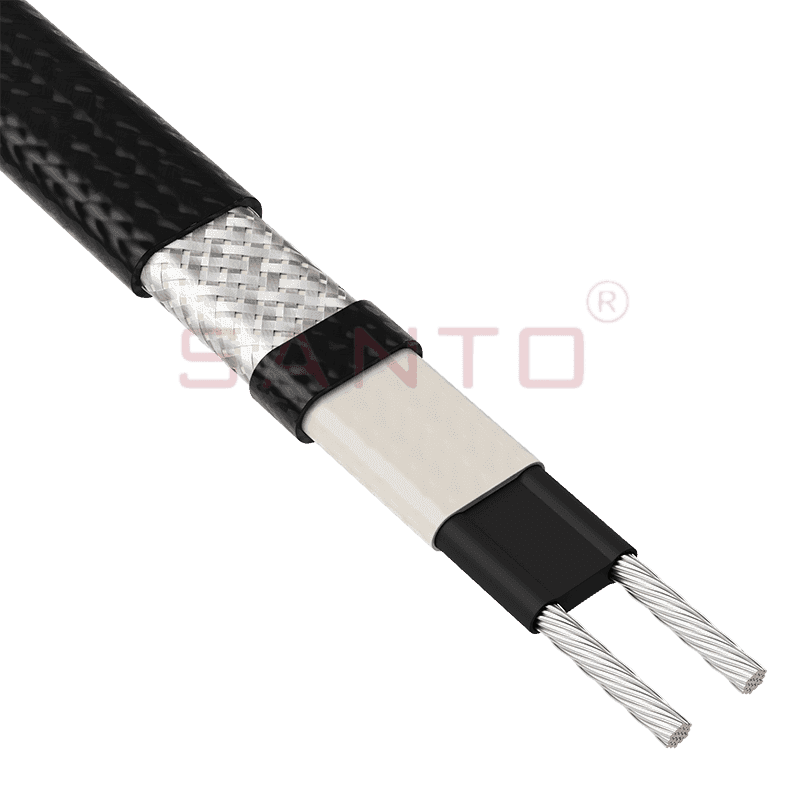
The SANTO UFA range of self-regulating heating cables is mainly used for frost protection of pipes and vessels but can also be used to maintain processes up to 65°C. These heating cables are available...
See Details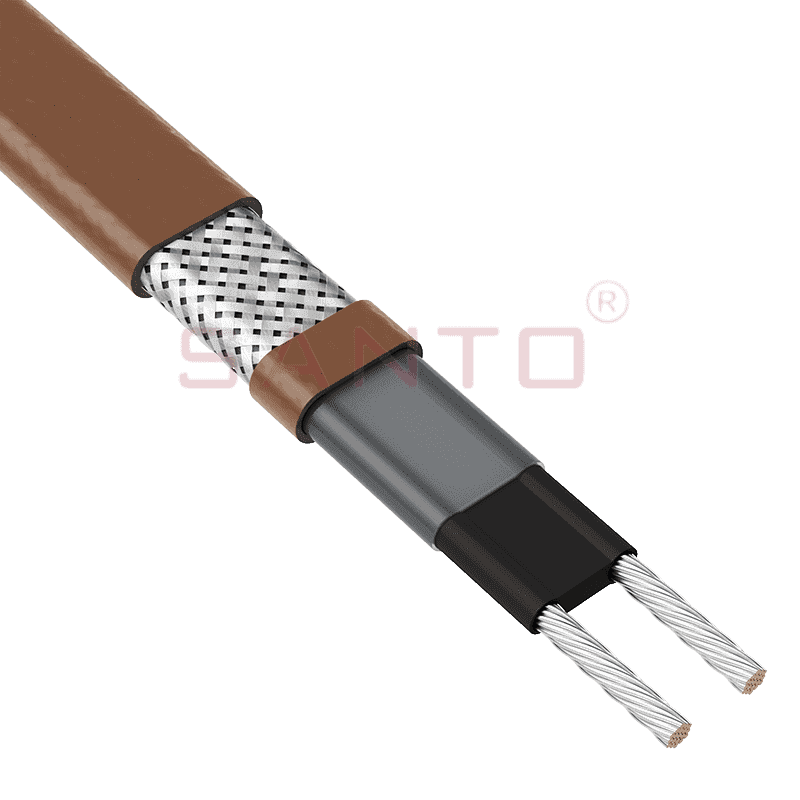
The SANTO UFB range of self-regulating heating cables is mainly used for frost protection of pipes and vessels requiring a higher power output than the UFA heating cables can supply. They can also be ...
See Details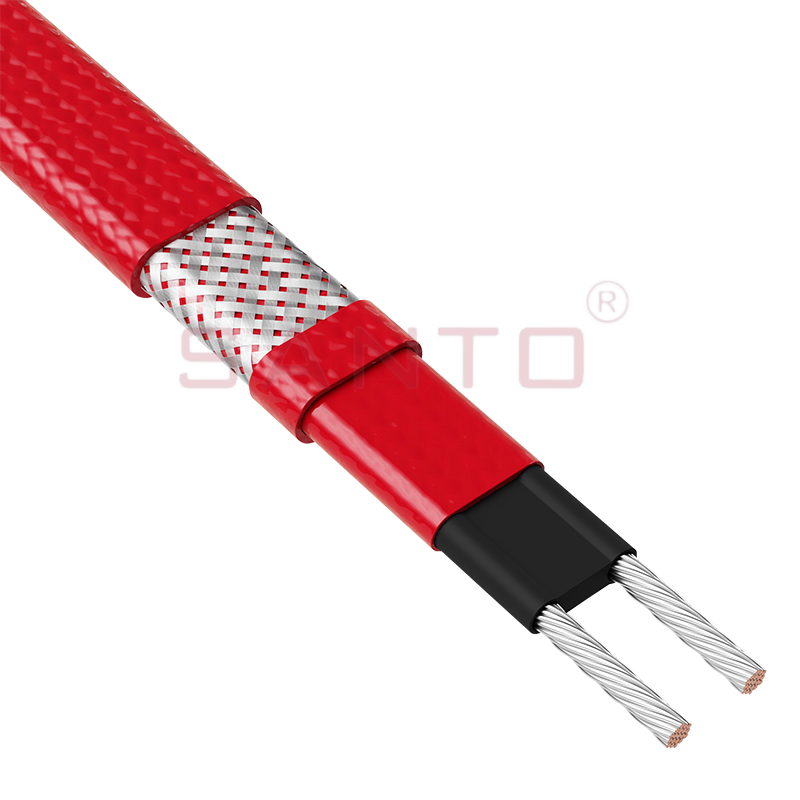
The SANTO UFC range of self-regulating heating cables is used for frost protection of pipes and vessels that require steam cleaning. They can also be used to maintain processes up to 121°C. These heat...
See Details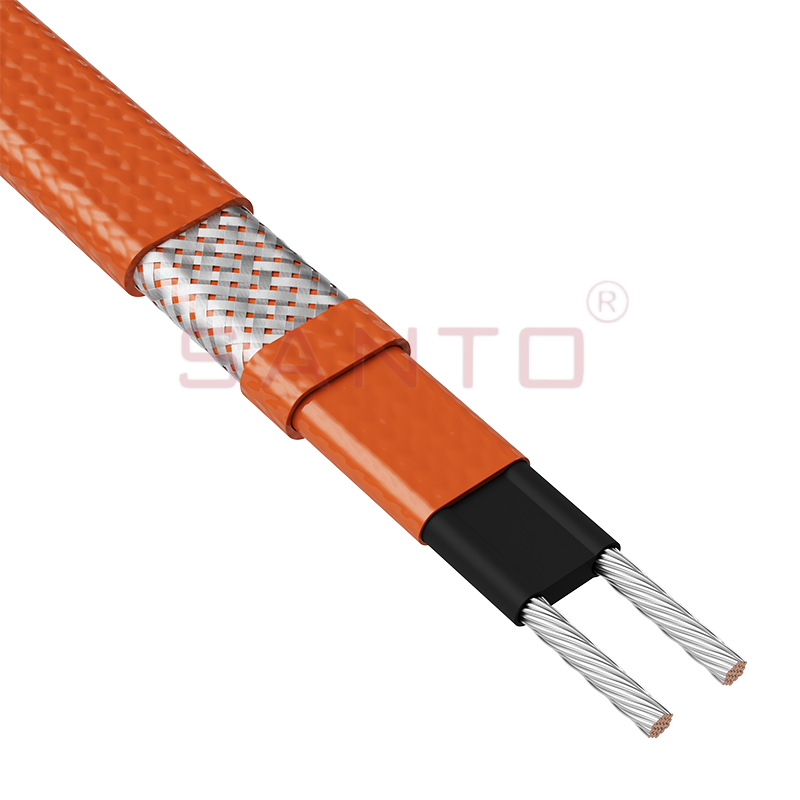
The SANTO UFO range of self-regulating heating cables is mainly used for frost protection of pipes and vessels that require steam cleaning . They can also be used to maintain processes up to 150°C. Th...
See Details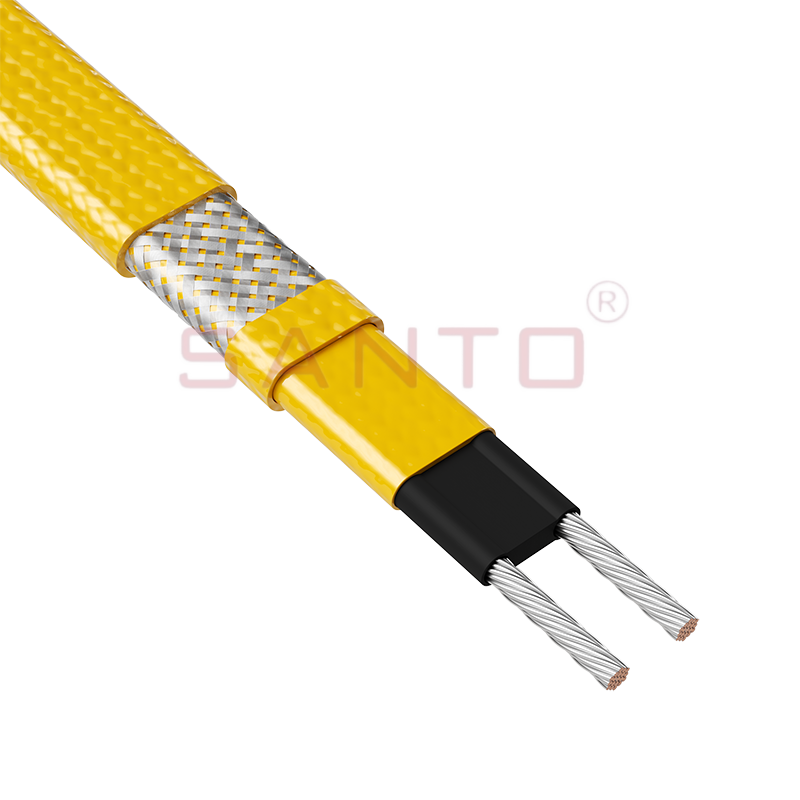
The SANTO UFD series of self-regulating heating cables are mainly used for freeze protection of pipes and vessels, but can also be used to maintain processes up to 200°C. These heating cables are avai...
See Details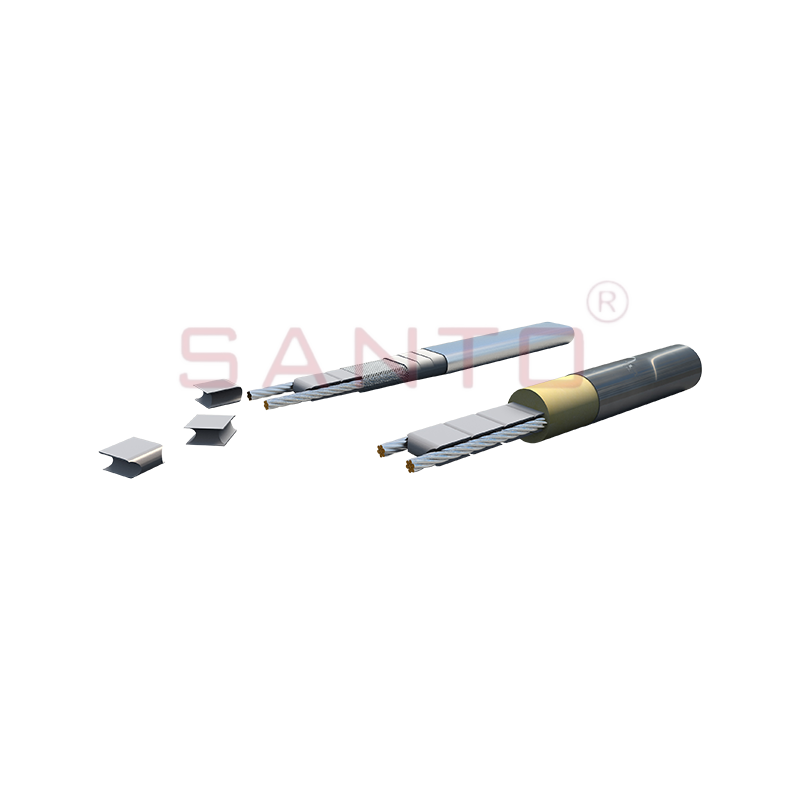
SANTO UFY heating wire is suitable for applications that maintain process temperatures up to 260 ℃ and can be steam blown; The self-regulating and parallel circuit heating wires of the UFY series are ...
See Details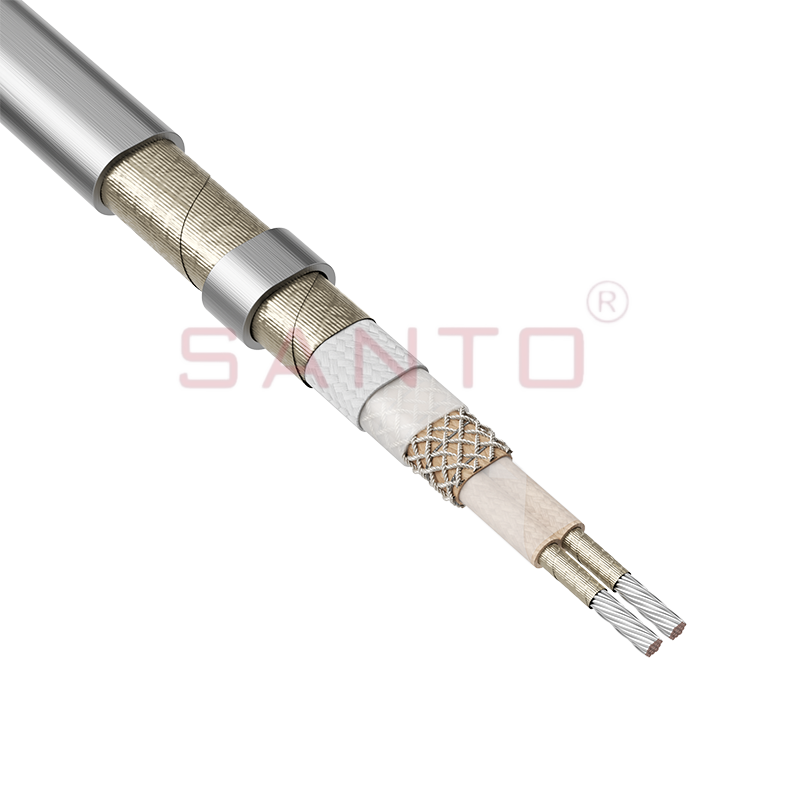
The SANTO UFM series self-regulating heating cables are mainly used for freeze protection of pipes and vessels, but can also be used to maintain processes up to 400°C. These heating cables are availab...
See Details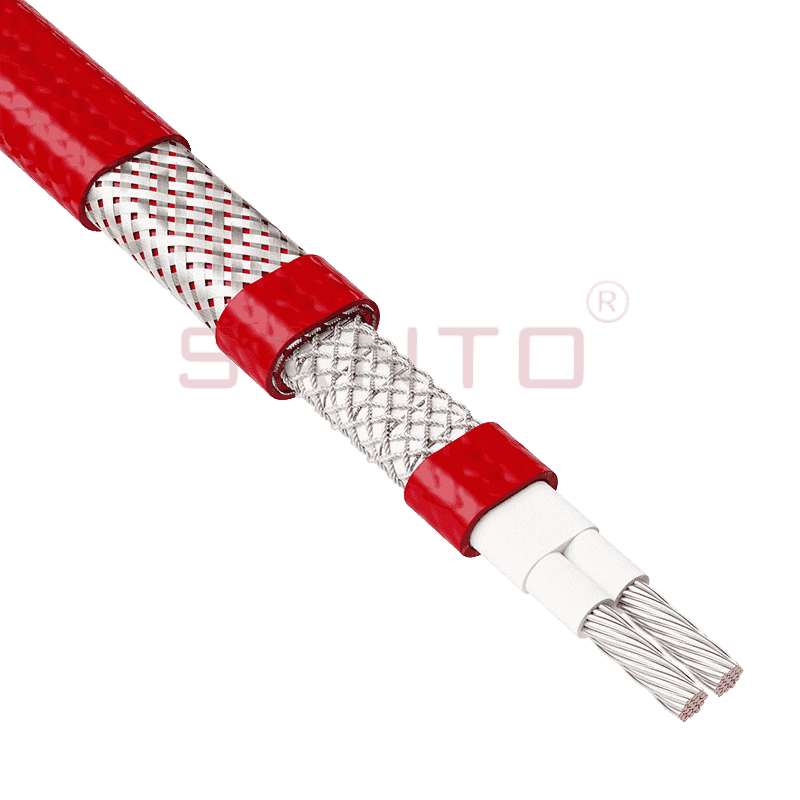
The SANTO ACC range of power-limiting heating cables is mainly used for temperature maintenance of processes and offers the advantage of a high power output at high temperatures which can reduce the n...
See Details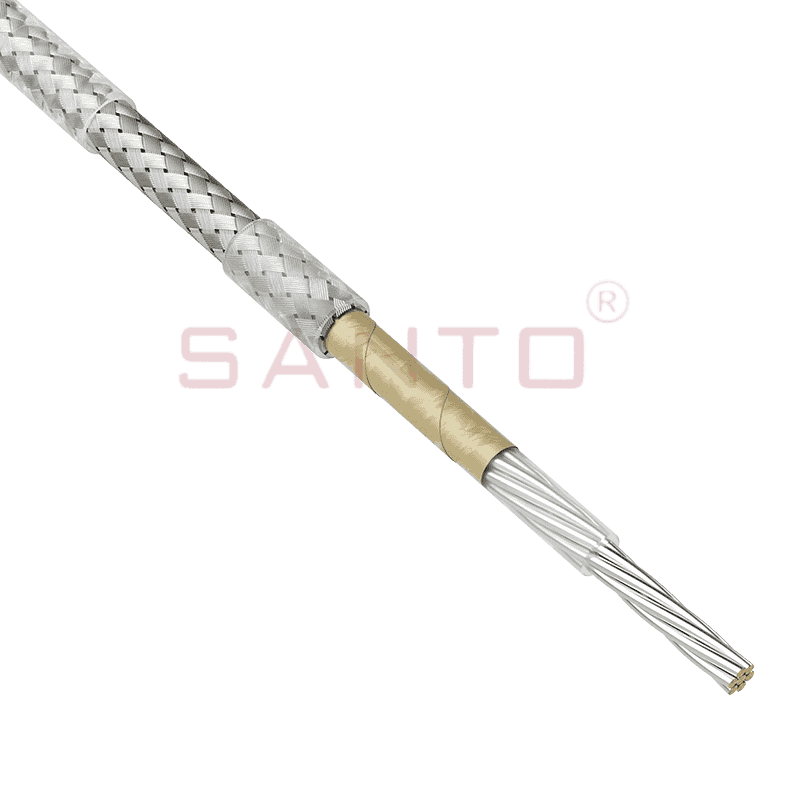
The stranded high temperature conductor is nickel plated to ensure a long life at elevated temperatures in corrosive environments. It is electrically isolated using an innovative sandwich construction...
See Details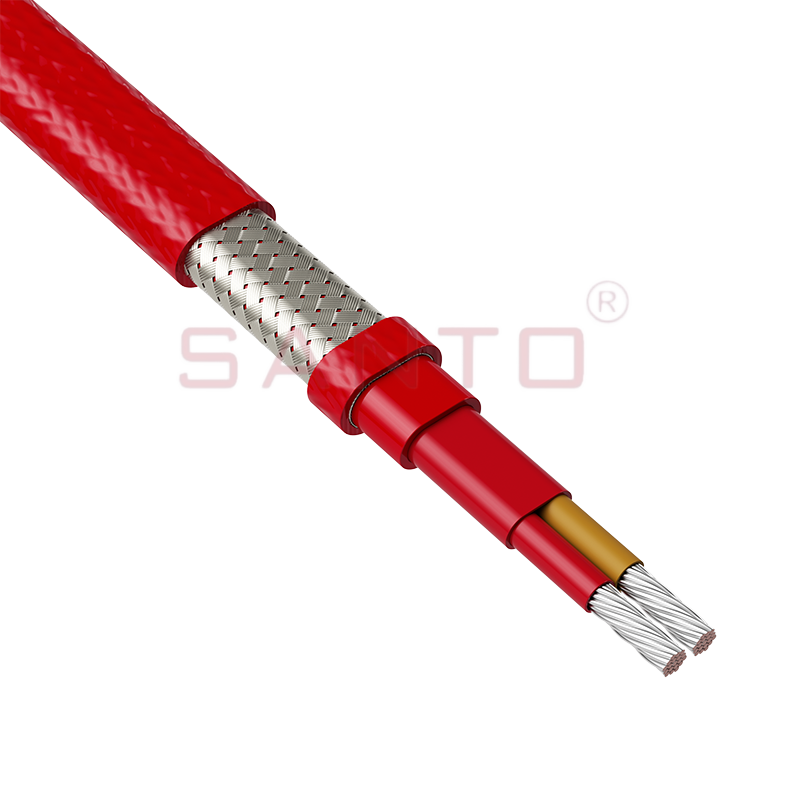
The stranded high temperature conductor is nickel plated to ensure a long life at elevated temperatures in corrosive environments. It is electrically isolated using an innovative sandwich construction...
See Details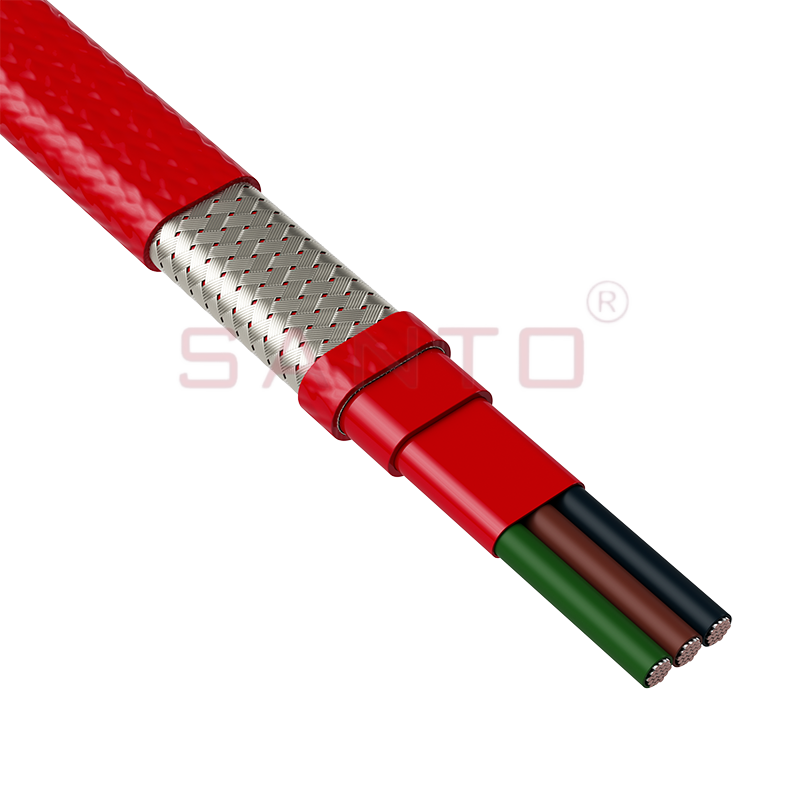
The stranded high temperature conductor is nickel plated to ensure a long life at elevated temperatures in corrosive environments. It is electrically isolated using an innovative sandwich construction...
See Details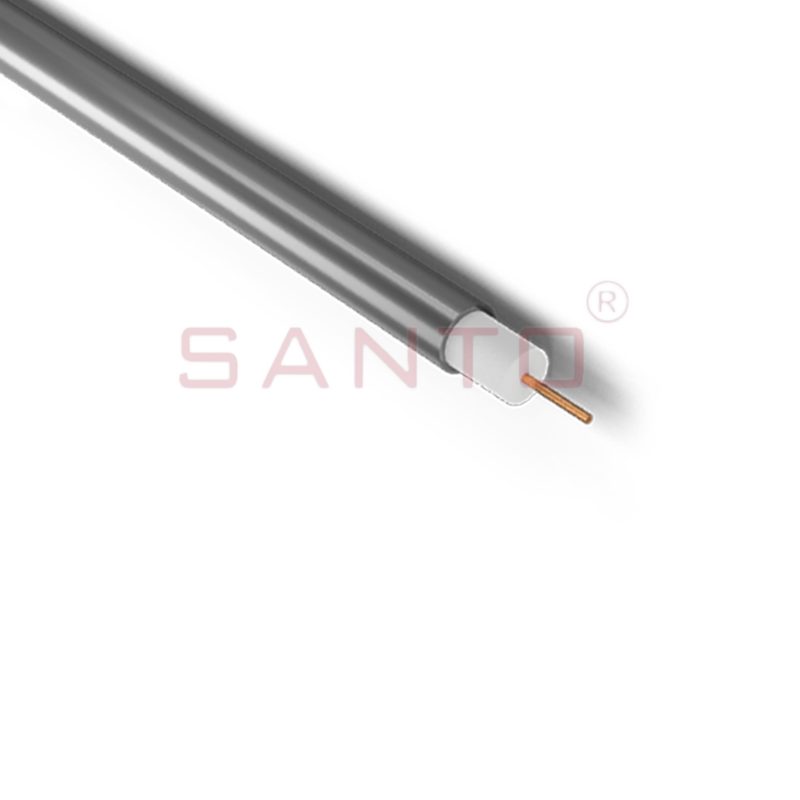
SANTO HAx mineral insulated (MI) Alloy 825 series heating cables are suitable for use in hazardous areas. They have been designed for use in freeze protection and temperature maintenance applications ...
See Details
Santo electric heating strips are widely used in key industries in China.

