 English
  English
 русский
 日本語
日本語 Español
 中文简体
中文简体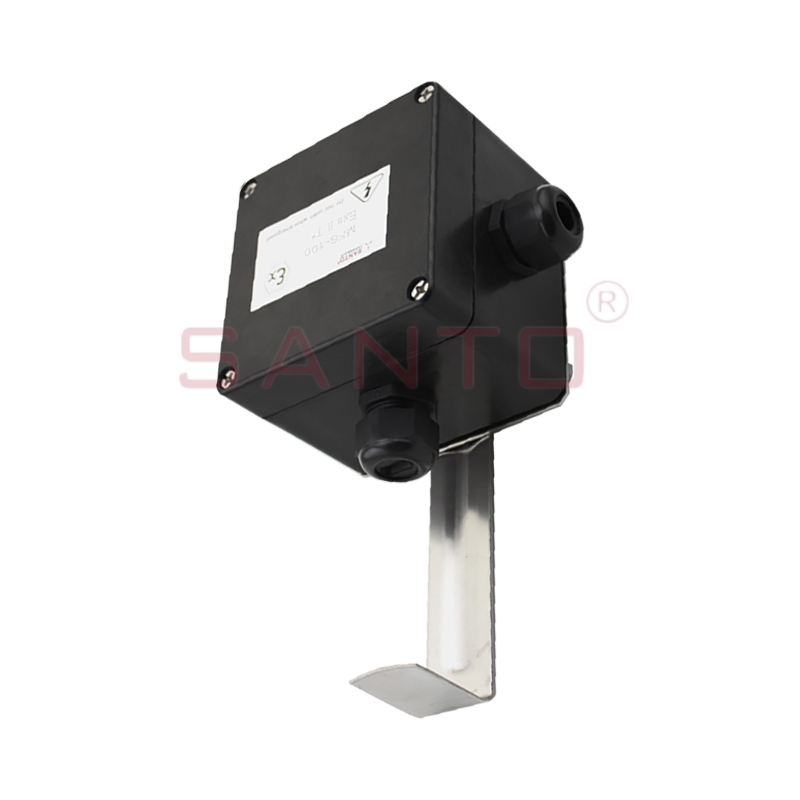

The SANTO UFA range of self-regulating heating cables is mainly used for frost protection of pipes and vessels but can also be used to maintain processes up to 65°C. These heating cables are available...
See Details
In electric heat tracing, a junction box is not a minor accessory; it is a critical control point where power, safety, cable integrity, and installation efficiency meet. The 1MF25-C power junction box is designed for heat tracing applications that require dependable electrical connection, organized cable termination, and stable service in demanding industrial and commercial environments. It supports heating cable systems used for freeze protection, temperature maintenance, snow and ice melting, underfloor heating, tubing bundles, and silicone rubber heating assemblies. By providing a protected power connection interface, the 1MF25-C helps installers create safer, cleaner, and more maintainable heating circuits.
The value of this product is best understood in the context of modern thermal control systems. Heat tracing cables are frequently installed on pipelines, tanks, valves, roofs, gutters, floors, skids, instrumentation lines, and process equipment. These environments can expose electrical components to moisture, dust, vibration, temperature fluctuation, chemical atmosphere, and mechanical impact. A power junction box must therefore do more than simply contain terminals. It must support long-term insulation reliability, reduce wiring errors, protect connection points, simplify inspection, and contribute to the overall service life of the heating system.
The 1MF25-C power junction box is positioned as an accessory for professional electric heating projects, especially where consistency and field practicality matter. It is suitable for use with electrical heat tracing systems such as self-regulating heating cables, constant-wattage heating cables, mineral insulated cables, skin-effect heating systems, snow melting systems, tubing bundles, underfloor heating mats, and silicone rubber heating solutions. For project owners, this means the same connection philosophy can be applied across multiple heating scenarios. For contractors, it reduces installation complexity and helps standardize wiring practices.
Content
The 1MF25-C power junction box is a power connection enclosure used to connect electrical supply conductors with heating cable circuits. It creates a defined transition point between incoming power and heat tracing load cables. In a well-designed electric heating installation, this transition point must be accessible, electrically secure, mechanically stable, and protected from environmental influences. The 1MF25-C is developed for these practical requirements, helping installers achieve a tidy and reliable termination arrangement.
As a power junction box, the product can be used in systems where heating cables must be energized at specific points along pipelines, equipment, or surface heating zones. It can also be installed as part of a broader control network that includes thermostats, sensors, controllers, distribution panels, monitoring devices, and overcurrent protection. The box acts as a field connection point, supporting electrical continuity while helping protect cable ends and conductor interfaces from external damage.
Many heat tracing failures begin at connection areas rather than in the heating cable itself. Improper termination, poor sealing, loose conductors, weak strain relief, insufficient insulation distance, or an unsuitable enclosure can lead to nuisance trips, moisture ingress, overheating, corrosion, or premature system failure. A dedicated power junction box such as the 1MF25-C helps reduce these risks by providing a purpose-built location for cable connection and inspection. This is especially important in projects where heating circuits operate continuously through winter seasons or maintain process temperatures for long periods.
The product is part of a broader family of electric heating accessories that complement heated tracing cables, skin-effect systems, snow and ice melting systems, tubing bundles, underfloor heating mats, and silicone rubber heating systems. Because accessory compatibility is essential to system performance, choosing a junction box from a manufacturer with direct experience in heating cable design and production is a significant advantage. The 1MF25-C benefits from manufacturing knowledge accumulated through years of thermal control product development, including cable construction, insulation behavior, termination methods, and field service requirements.
Electric heat tracing systems transform electrical energy into controlled heat for freeze protection, temperature maintenance, deicing, and process support. The heating cable may be the most visible component, but every connection point is equally important. A high-quality cable installed with an unsuitable junction box can still fail. Likewise, a well-designed connection enclosure can extend the effective life of the system by reducing installation stress and environmental exposure.
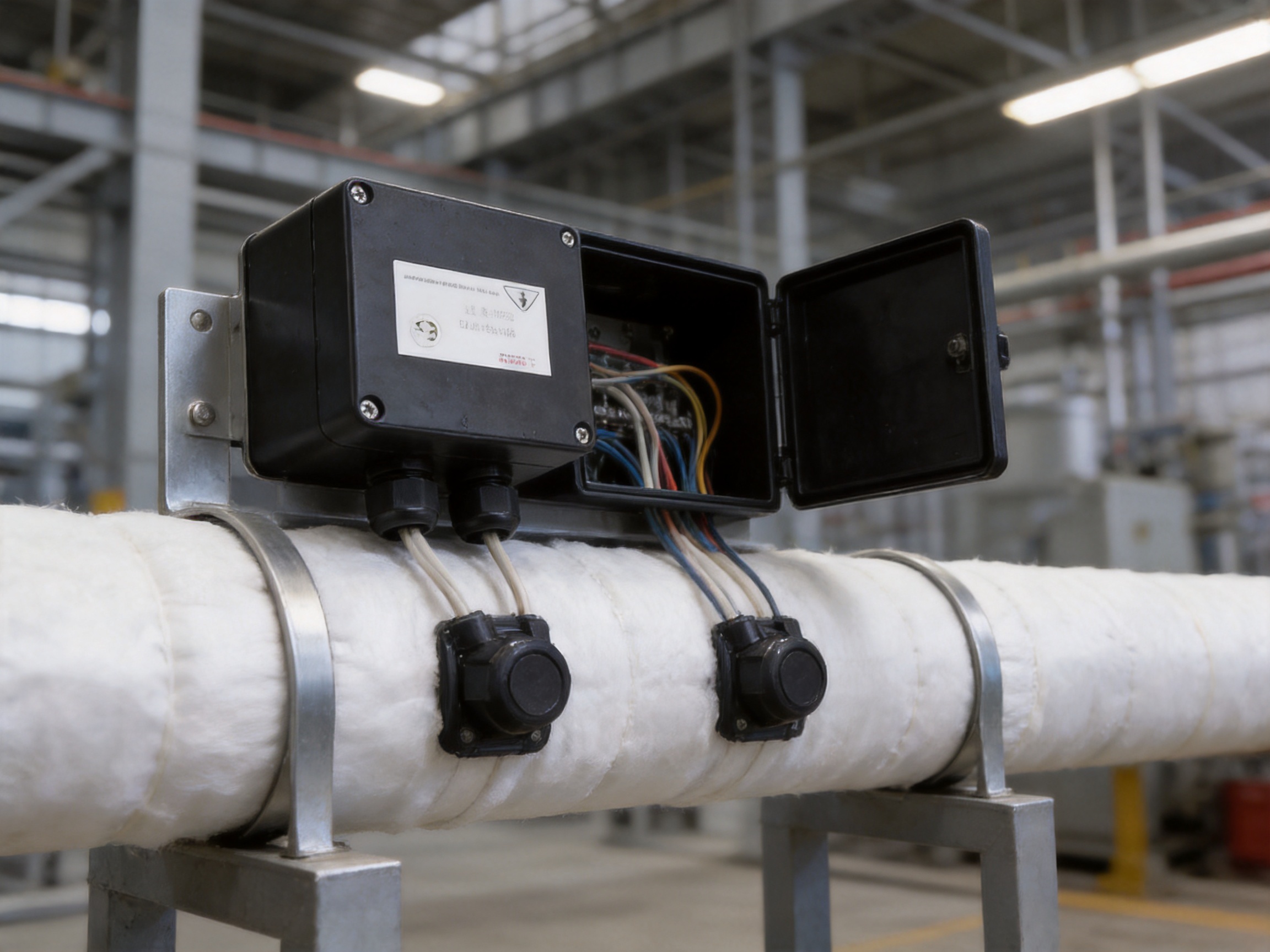
In pipeline freeze protection, the power junction box is usually mounted near the start of a heating circuit. It must connect the power supply to the heat tracing cable while maintaining insulation resistance and mechanical security. If the enclosure permits water or condensation to enter, the circuit may trip during cold weather, exactly when heat tracing is most needed. If terminals loosen under vibration or temperature cycling, localized heating and electrical faults can occur. These practical risks explain why a power junction box must be selected with the same care as the heating cable.
In industrial process applications, the consequences of poor connections can be more serious. Heat tracing systems may protect viscous fluids from solidifying, maintain chemical process temperatures, prevent instrument impulse lines from freezing, or keep fuel and gas lines operating safely. A failed power connection can interrupt production, increase maintenance costs, and create safety hazards. The 1MF25-C power junction box supports system dependability by providing a dedicated, orderly, and serviceable connection location.
In building and infrastructure applications such as roof and gutter deicing, ramp heating, floor warming, and snow melting, junction box reliability also affects user comfort and facility protection. Moisture exposure is common in these applications, and seasonal operation can hide problems until the first severe weather event. A suitable junction box must therefore support protective wiring practices and withstand field conditions over repeated freeze-thaw cycles.
General-purpose electrical boxes can sometimes be used for basic wiring, but electric heat tracing has special needs. Heating cables often include bus wires, heating elements, insulation layers, metallic braids, and outer jackets. Their termination requirements differ from ordinary power cables. The 1MF25-C is intended for the heating cable environment, helping simplify power connection and reducing the chance of mismatch between the enclosure and the heating system.
This purpose-built design is one of the product’s most important advantages over many generic junction boxes. In heat tracing projects, installers need enough space for cable preparation, termination, grounding, and inspection. They also need an enclosure arrangement that supports heat tracing accessories and power entry. By aligning with heating cable applications, the 1MF25-C helps make installation more predictable.
Installation time is a major cost factor in heat tracing projects. A connection box that is difficult to open, mount, wire, or inspect can slow down work and increase labor expense. The 1MF25-C power junction box is designed to support efficient field installation. Its role is to provide a clear connection point, helping technicians organize conductors and complete terminations with fewer improvised steps.
Compared with competitor products that may require additional adaptation, drilling, or accessory modification, a heating-oriented power junction box can reduce field uncertainty. Contractors can standardize their installation method, train teams more easily, and maintain consistent workmanship from one heating circuit to another. This is particularly beneficial for large projects with hundreds or thousands of connection points.
A power junction box must support secure electrical continuity. Loose, exposed, or poorly arranged conductors can generate heat, cause arcing, or reduce insulation performance. The 1MF25-C helps create a stable connection environment for incoming power and heating cable conductors. When installed according to project specifications and applicable electrical standards, it contributes to safe operation and dependable circuit performance.
Reliable electrical connection also supports easier troubleshooting. If a circuit needs inspection, a defined junction location allows technicians to check conductor integrity, grounding, and insulation condition without disturbing the entire heating cable installation. This improves maintainability and reduces downtime.
Heat tracing is often installed in exposed or semi-exposed locations. Moisture, dust, oil mist, process residue, and outdoor weather can affect electrical components. The power junction box serves as a protective barrier around vulnerable conductor interfaces. The 1MF25-C is built for the practical protection needs of heating systems, helping shield terminations from external contact and environmental stress.
Environmental protection is not only about the enclosure body. It also depends on cable entry design, sealing method, installation orientation, and field workmanship. A well-matched junction box helps make these details easier to control. Compared with low-cost generic boxes that may not be optimized for heating cable terminations, the 1MF25-C offers a more application-specific solution.
The 1MF25-C power junction box can be applied across multiple electric heating categories, including electrically heated tracing cables, skin-effect heating tracing systems, snow and ice melting skin-effect systems, underfloor heating mats, tubing bundles, accessories, and silicone rubber heating systems. This broad application potential provides value for distributors, engineering firms, contractors, and end users who manage different types of heating projects.
System compatibility helps reduce inventory complexity. Instead of sourcing unrelated accessories for each project type, users can work with a manufacturer that understands both heating cables and accessory requirements. This integrated supply approach can improve quality consistency and reduce procurement risk.
Not all power junction boxes are designed with heat tracing in mind. Some competitor products are general electrical enclosures adapted for heating cable projects. Others may be low-cost versions that prioritize initial price over field performance. The 1MF25-C is intended to offer a stronger balance between reliability, installation convenience, heating-system compatibility, and long-term value.
| Evaluation Area | 1MF25-C Power Junction Box | Common Generic Alternative | Project Impact |
|---|---|---|---|
| Application Focus | Designed for electric heat tracing power connection needs | Often designed for ordinary electrical wiring | Better alignment with heating cable termination practices |
| Installation Practicality | Supports organized field wiring and standardized connection work | May require adaptation or additional installation effort | Reduced labor time and fewer workmanship variations |
| System Integration | Suitable for multiple heating system categories and accessories | May not match heating cable systems consistently | Easier procurement and more reliable system planning |
| Maintenance Access | Provides a defined inspection point for power connections | Access and internal layout may vary widely | Faster troubleshooting and improved serviceability |
| Manufacturer Expertise | Backed by extensive electric heating product manufacturing experience | May come from suppliers without heat tracing specialization | Higher confidence in application suitability |
| Long-Term Value | Focused on dependable operation in heating environments | Initial cost may be lower, but failure risk can be higher | Lower lifecycle cost through reduced rework and downtime |
The table shows that the main advantage of the 1MF25-C is not a single feature alone, but the combination of product design, application focus, and manufacturing knowledge. In heat tracing, this combination is often more valuable than a low purchase price. A small saving on a junction box can become expensive if it leads to system failure, water ingress, repeated service calls, or emergency downtime during cold weather.
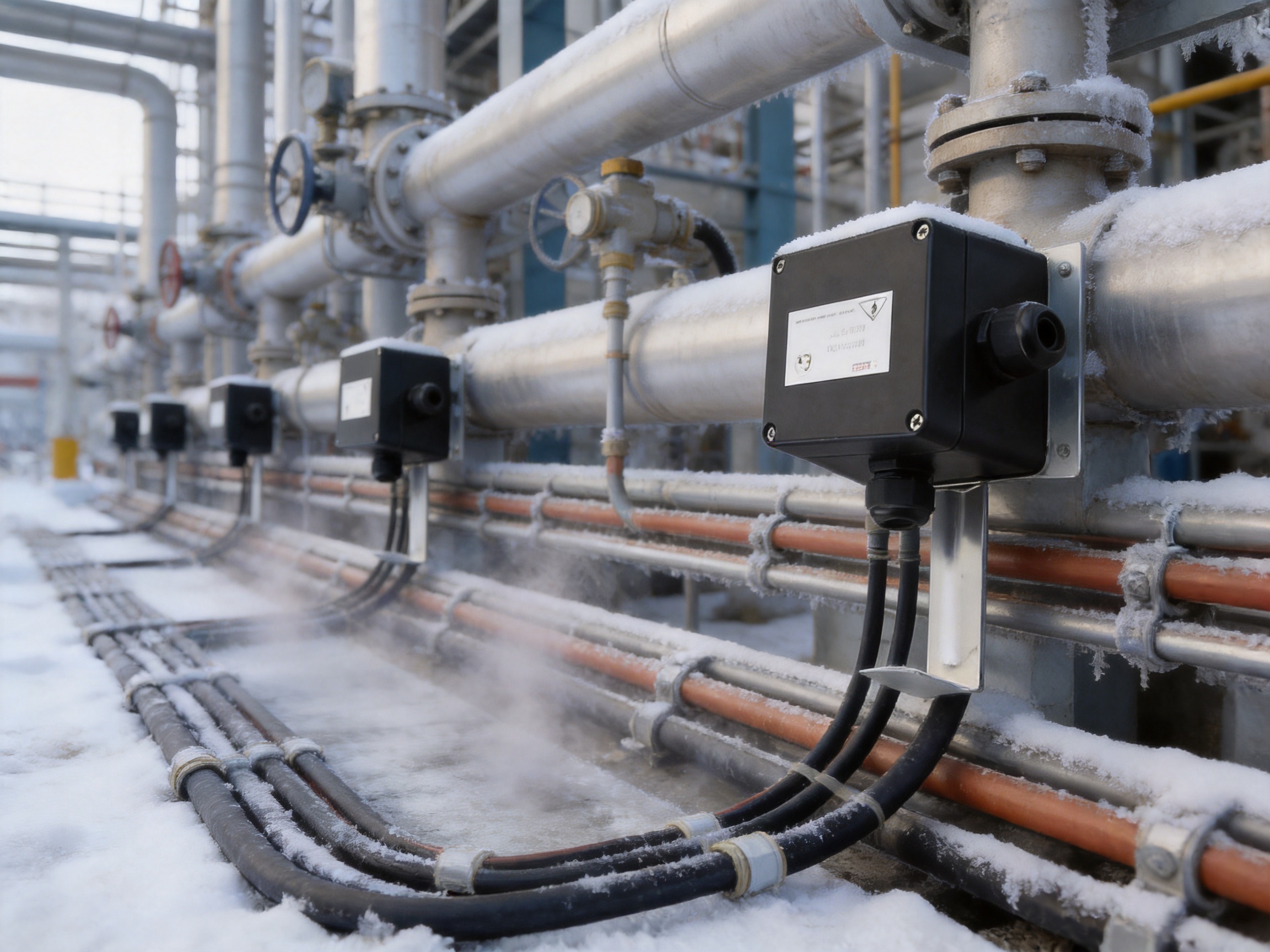
Pipeline freeze protection is one of the most common uses for electric heat tracing. Water lines, fire protection lines, drainage lines, fuel lines, and utility pipelines may require heating to prevent freezing in low temperatures. The 1MF25-C power junction box can serve as the power entry point for heating cable circuits along these pipelines. It supports a clean and accessible termination arrangement so that the heating system can be energized safely and inspected when necessary.
In freeze protection projects, reliability during severe weather is essential. A connection failure may not be discovered until the pipeline has already frozen. By helping protect the power connection and keeping terminations organized, the 1MF25-C contributes to the readiness of the heat tracing system throughout the cold season.
Many industrial materials become difficult to pump, transfer, or process when their temperature drops. Oils, resins, chemicals, food ingredients, waxes, and other fluids may require temperature maintenance. Heat tracing cables installed on pipes and equipment help maintain process conditions. The 1MF25-C power junction box supports the electrical supply connection for these circuits.
Temperature maintenance applications often operate for long periods, sometimes continuously. Because of this, connection quality and enclosure durability are important. A stable power junction point reduces the probability of intermittent faults and helps maintenance teams perform routine checks without unnecessary disruption.
Skin-effect heating systems are used for long pipelines and specialized thermal applications. They rely on electrical and magnetic principles to generate heat in a ferromagnetic tube or heating path. These systems require careful power distribution and connection design. The 1MF25-C belongs to the accessory environment that supports such heating system installations, particularly where protected power connection points are needed.
For long-distance heating applications, reliability at every connection location is crucial. A single weak point may affect a large section of the system. Using purpose-selected connection accessories helps maintain the overall integrity of the installation.
Snow and ice melting systems are installed in roofs, gutters, ramps, driveways, walkways, loading areas, and industrial sites where ice accumulation creates hazards. These systems face moisture, outdoor temperature swings, and seasonal cycling. The 1MF25-C power junction box can be used as part of the power connection arrangement for snow melting circuits.
In deicing projects, the power junction box should help protect electrical connections from water exposure and physical disturbance. It should also support convenient inspection before winter. By creating a dedicated connection point, the 1MF25-C improves system organization and serviceability.
Underfloor heating mats are commonly used in residential, commercial, and special-purpose spaces where comfortable surface heating is required. Although many underfloor systems differ from industrial heat tracing, they still depend on safe electrical connection and proper power distribution. The 1MF25-C can support heating system accessory needs where project design calls for a protected power junction.
For underfloor heating, installation cleanliness matters. A well-arranged junction box helps separate power connection work from heating mat placement and can simplify future maintenance. This is especially important in projects where heating circuits are hidden beneath finished surfaces.
Tubing bundles often combine process tubing, heating cables, insulation, and protective jackets. They are used in instrumentation, sampling, analyzer systems, and process control. Because instrument lines may carry small fluid volumes, they are vulnerable to freezing or temperature loss. A reliable power junction box helps energize tubing bundle heat tracing circuits and provides a practical inspection point.
In industrial facilities, tubing bundles may be installed in areas that are difficult to access. A dependable junction box reduces the need for repeated intervention and supports the continuity of critical measurements and process control signals.
Silicone rubber heaters are flexible heating elements used for tanks, drums, equipment surfaces, and custom heating applications. They require controlled power connection and safe wiring practices. The 1MF25-C power junction box can be used in accessory arrangements associated with silicone rubber heating systems, helping protect electrical connections and support system reliability.
Flexible heaters are often chosen for custom geometries. This makes accessory selection even more important, because the connection arrangement must adapt to the installation without compromising safety. A dedicated power junction box helps establish a stable and serviceable interface.
The performance of a junction box is influenced not only by its design but also by the manufacturing system behind it. Santo Thermal Control Technology Co., Ltd. is located in Jiangsu Province, an important center for China’s electric heating belt industry. The company specializes in research, design, production, and manufacturing of automatic temperature-control electric heating belts, self-limiting heating cables, heat tracing belts, constant-power heating cables, glass fiber heating cables, mineral insulated cables, and related electric heating products.
This manufacturing background gives the company a practical advantage in accessory development. A power junction box for heating cable systems should be designed with knowledge of cable structure, termination behavior, insulation requirements, grounding methods, and field installation challenges. A manufacturer that produces both heating cables and related accessories can evaluate these interactions more effectively than a supplier focused only on generic enclosures.
The company’s history reflects long-term involvement in electric heating technology. Its predecessor was founded in 2000, and the organization has developed through quality certification, irradiation capability, brand establishment, explosion-proof certification, international market expansion, and new factory development. This accumulated experience supports a mature approach to product consistency and application engineering.
The company has passed ISO9001 quality system certification, and its products have obtained national CCC certification. These certifications indicate a structured approach to quality management and compliance. For buyers of the 1MF25-C power junction box, this background provides additional confidence that the product is supported by documented production processes, inspection methods, and quality control procedures.
Quality begins before assembly. For an electrical accessory such as a power junction box, material selection affects mechanical strength, insulation reliability, temperature resistance, corrosion behavior, and service life. A professional manufacturing process includes inspection of incoming materials to verify that they meet defined requirements before production begins.
Material inspection may include visual checks, dimensional verification, batch traceability, and evaluation of key properties relevant to electrical equipment. This step helps prevent inconsistent materials from entering production. For heat tracing accessories, such discipline is important because field conditions can be harsh and failures are costly to correct after installation.
Component accuracy affects fit, sealing, mounting, and assembly efficiency. In a power junction box, even small dimensional inconsistencies can create problems during installation or reduce enclosure performance. Advanced manufacturing emphasizes controlled forming, machining, molding, or fabrication processes depending on the product structure.
The objective is not only appearance but repeatable field performance. Consistent component dimensions help installers mount the box correctly, route cables more easily, and maintain proper clearances inside the enclosure. Compared with competitors using less controlled production methods, a manufacturer with disciplined component preparation can provide more predictable product quality.
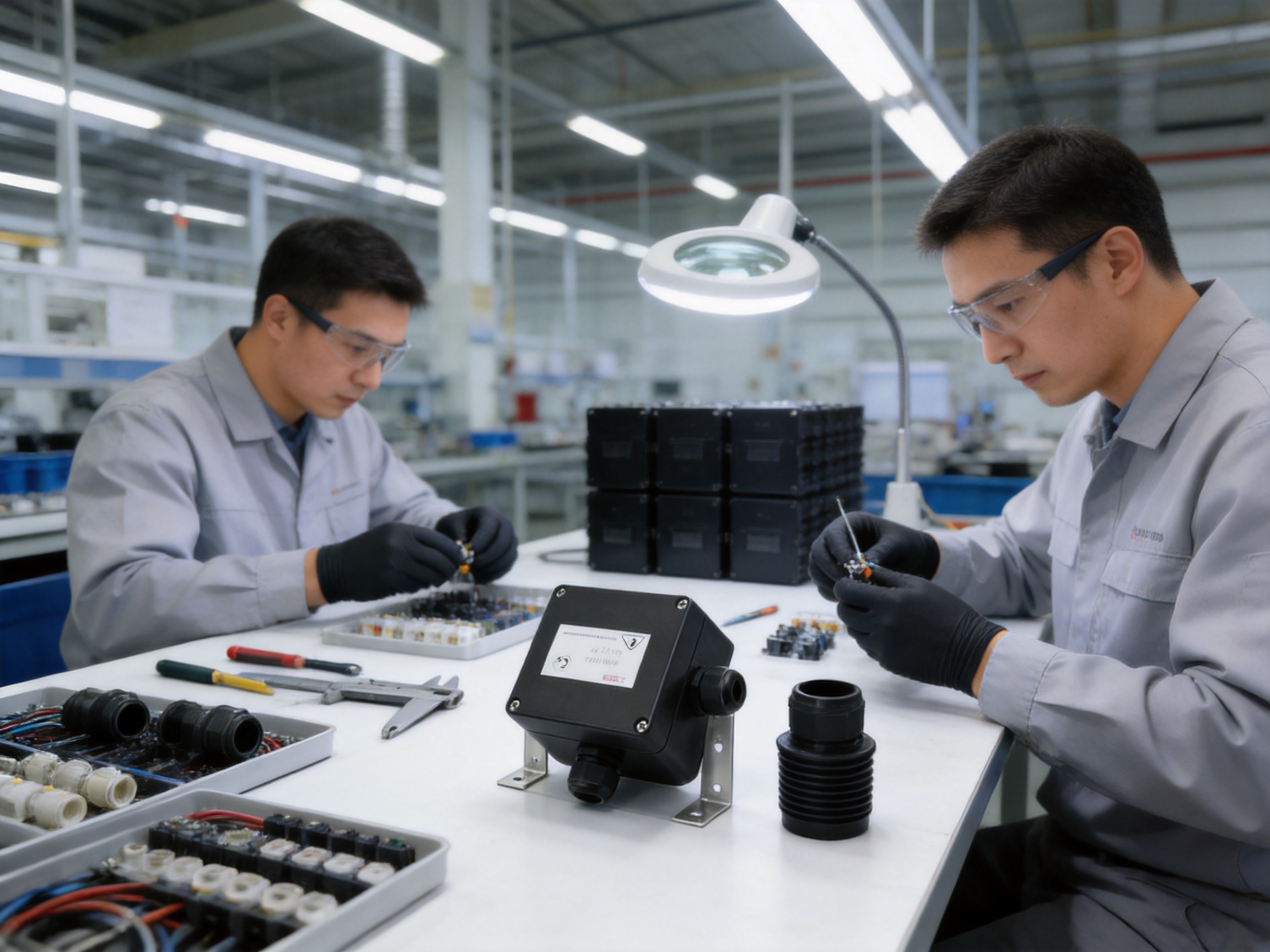
During assembly, the relationship between enclosure body, cover, terminals, grounding provisions, cable entries, fasteners, and sealing parts must be controlled. Poor assembly can compromise the entire product even if individual components are acceptable. A professional manufacturer uses defined assembly procedures to maintain consistency.
For the 1MF25-C power junction box, assembly control supports reliable installation and long-term operation. Consistent assembly reduces the chance of missing parts, loose hardware, incorrect alignment, or poor fit. This matters to distributors and contractors because it lowers the probability of field complaints and rework.
Inspection is essential for electrical accessories. A power junction box must support safe wiring and mechanical protection. Quality control may include checks for dimensional conformity, component fit, terminal arrangement, insulation-related spacing, surface quality, and packaging condition. Depending on project requirements, additional tests or documentation may be provided.
Mechanical inspection helps ensure that the box can be mounted and handled properly. Electrical inspection supports safe termination and grounding. Together, these checks help the product meet practical expectations in the field.
One advantage of a manufacturer deeply involved in electric heating systems is access to application feedback. Field experience from petroleum, chemical, gas, construction, solar energy, geothermal cultivation, and electric heating projects can be used to improve products over time. When installers report challenges, a specialized manufacturer can respond with design refinements, better accessory matching, or clearer installation guidance.
This continuous improvement capability differentiates the 1MF25-C from commodity junction boxes. Commodity products are often designed for broad use and may not evolve based on heat tracing field requirements. By contrast, a heat tracing accessory manufacturer can refine products according to real project experience.
Project designers must consider circuit layout, power distribution, control zones, maintenance access, hazardous or non-hazardous area requirements, ambient exposure, and installation standards. The choice of junction box affects many of these design decisions. The 1MF25-C power junction box gives designers a dedicated accessory option for heating cable power connection, simplifying specification work and supporting system standardization.
A standardized junction box can help create repeatable design details. For example, engineering drawings may show consistent power connection locations, mounting arrangements, and cable routing concepts. This reduces ambiguity during construction and helps quality inspectors verify installation work. On large projects, such consistency can significantly reduce coordination problems.
Designers also value supply reliability. A product supported by an established electric heating manufacturer can be sourced along with heating cables, controllers, and accessories. This reduces interface risk and improves accountability. If technical questions arise, the supplier can provide system-level support rather than only enclosure-level information.
For export projects, manufacturing experience and certification background are also important. The company’s international market presence and experience in many areas show an ability to support diverse customer requirements. While every project must confirm local codes and certifications, choosing a manufacturer familiar with global heating cable applications improves communication and planning.
Installers need products that are practical, reliable, and forgiving of real field conditions. A power junction box may be installed on pipe racks, outdoors, in plant rooms, near tanks, in mechanical spaces, or on structural supports. The 1MF25-C supports a professional installation approach by providing a dedicated connection point for heating circuits.
One major benefit is easier organization. Heat tracing terminations often involve power conductors, heating cable bus wires, ground braids, sealing components, and identification labels. A suitable junction box helps keep these elements arranged in a logical manner. This reduces confusion during installation and makes later inspection easier.
Another benefit is reduced improvisation. When installers must adapt generic boxes, they may need to drill holes, add fittings, adjust cable entries, or create custom mounting methods. Such improvisation increases labor time and may introduce quality risks. A purpose-selected power junction box reduces these uncertainties and supports better workmanship.
Contractors also benefit from repeatability. Once installation teams become familiar with the 1MF25-C, they can apply the same method across multiple circuits. This improves speed, reduces training time, and helps supervisors inspect completed work consistently. Repeatability is a major advantage in large industrial projects and seasonal construction schedules.
Facility owners are primarily concerned with safety, uptime, maintenance cost, and lifecycle value. The junction box is a small part of the initial budget, but it can have a large impact on long-term performance. The 1MF25-C power junction box contributes to system reliability by helping protect and organize the electrical connection between the power supply and heating cable.
For end users, a defined junction point makes maintenance more efficient. Technicians can locate the power connection, inspect the enclosure, verify wiring condition, and troubleshoot circuit problems more easily. This can reduce downtime and service labor, especially in facilities with many heat tracing circuits.
Reliable heat tracing supports asset protection. Frozen pipes, blocked process lines, damaged valves, roof ice accumulation, or failed instrument lines can create expensive problems. A dependable power junction box reduces one of the common weak points in the electrical heating system. This improves the overall resilience of the facility.
Lifecycle value is another important consideration. A cheaper junction box may appear attractive during procurement, but if it increases installation time or failure risk, the total cost can be higher. The 1MF25-C offers value through compatibility, manufacturing quality, and application-specific design.
The 1MF25-C power junction box should be installed by qualified personnel according to the project design, product specification, electrical codes, and heating cable installation instructions. Proper installation is essential to achieve safe and reliable performance. The following considerations are general guidance and should not replace the official product documentation or applicable standards.
First, the mounting location should be selected for accessibility and protection. The box should be positioned where technicians can inspect it without unnecessary difficulty, while avoiding locations subject to excessive mechanical damage. In outdoor or wet environments, installation orientation and sealing practices should be carefully considered.
Second, cable preparation must follow the heating cable manufacturer’s instructions. Self-regulating cables, constant-wattage cables, mineral insulated cables, and skin-effect systems can have different termination methods. Correct stripping length, braid handling, conductor separation, insulation sealing, and grounding are essential.
Third, incoming power conductors should be sized and protected according to the circuit design. Overcurrent protection, ground-fault protection, temperature control, and isolation devices should be selected according to electrical codes and project requirements. The junction box is part of the electrical system and must be integrated into the full safety design.
Fourth, all cable entries and enclosure interfaces should be properly sealed. Moisture ingress is one of the most common causes of electrical faults in heat tracing systems. Suitable glands, seals, and installation practices help preserve insulation resistance and reduce nuisance trips.
Fifth, the completed installation should be inspected and tested before energizing. Typical checks may include visual inspection, continuity verification, insulation resistance testing, grounding confirmation, controller settings, and circuit identification. Records should be maintained for future maintenance.
Maintenance of a power junction box should be planned as part of the heat tracing system maintenance program. Inspections are especially important before cold seasons, after shutdowns, after severe weather, and after mechanical work near heating circuits. The 1MF25-C provides a practical inspection point for these activities.
During inspection, technicians should look for signs of moisture, corrosion, loose hardware, damaged cables, degraded seals, overheating marks, or unauthorized modifications. Any abnormal condition should be corrected before the system is returned to service. Because heat tracing systems may be inactive during warm periods, pre-season testing is recommended.
Electrical tests should be performed according to project procedures. Insulation resistance values can reveal moisture ingress or cable damage before a complete failure occurs. Grounding continuity and protective device operation should also be verified. Good maintenance records help identify trends and support preventive action.
In industrial plants, maintenance teams should also coordinate heat tracing inspections with process maintenance. If insulation is removed from pipes, cables and junction boxes may be disturbed. After work is completed, the heat tracing circuit should be inspected and tested before re-energizing. A well-installed junction box makes this process easier.
Santo Thermal Control Technology Co., Ltd. combines research, development, manufacturing, and sales of electric heating products. The company serves industries including petroleum, chemical, gas, construction, solar energy, electric heating, and geothermal cultivation. Its product range includes constant-power heating strips, self-limiting heating strips, silicone rubber heating strips, glass fiber heating strips, electric hot wires, mineral insulated cables, snow melting cables, tracked heaters, and heating cable accessories.
This broad product capability is important for customers selecting the 1MF25-C power junction box. A heating accessory should not be viewed separately from the heating cable system. The company’s experience across multiple heating technologies allows it to understand how connection boxes interact with different cable types and installation environments.
The company has more than 35 years of industry experience, strong annual output capability, a large distributor network, and business coverage in many areas. These strengths help support timely supply, technical communication, and market responsiveness. For OEM and ODM customers, manufacturing experience and customization capability can be especially valuable.
The organization’s development history also shows an emphasis on innovation. It has established irradiation capability, developed patented heating technologies, obtained certifications, expanded internationally, and invested in new factory and product simulation testing facilities. These developments indicate a long-term commitment to product improvement rather than short-term trading.
Quality management is another key strength. ISO9001 certification reflects systematic control of production and management processes. National product certification further supports confidence in compliance and quality discipline. For international customers, these systems help make cooperation more transparent and reliable.
Safety in electric heat tracing depends on correct product selection, good engineering, proper installation, and regular maintenance. The 1MF25-C contributes to safety by supporting protected and organized power connections. It helps reduce exposure of conductors, supports grounding practices, and provides a defined enclosure for inspection.
Electrical heating systems may operate near flammable materials, process equipment, personnel areas, or critical infrastructure. While the junction box alone cannot guarantee safety, an appropriate connection enclosure is a necessary part of a safe system. It should be selected according to the environment, circuit rating, cable type, and applicable approval requirements.
Compared with improvised connection methods, a purpose-made power junction box reduces uncertainty. It helps ensure that the power connection is not left exposed, loosely arranged, or difficult to inspect. In safety-critical environments, this structured approach is essential.
When purchasing the 1MF25-C power junction box, buyers should confirm project requirements such as cable type, number of circuits, power supply configuration, environmental exposure, mounting method, certification needs, and accessory compatibility. The official product specification should be reviewed before final selection.
Buyers should also consider the value of integrated supply. Sourcing heating cables, junction boxes, end seals, controllers, thermostats, and other accessories from an experienced thermal control manufacturer can reduce compatibility problems. It also simplifies technical support because one supplier understands the complete system.
For OEM and ODM customers, communication with the manufacturer can help align product details with market requirements. Custom heating cable factories and accessory manufacturers can support private-label projects, regional preferences, packaging needs, documentation, and technical adaptation. The 1MF25-C can be part of such a broader supply strategy.
The 1MF25-C power junction box is used as a protected power connection point for electric heating and heat tracing systems. It helps connect incoming electrical power to heating cable circuits while supporting organized termination, inspection, and maintenance.
Yes, it is intended for use in electric heating system environments that may include heat tracing cables, self-regulating cables, constant-power heating cables, skin-effect heating systems, snow melting systems, tubing bundles, underfloor heating mats, and silicone rubber heating systems. Final compatibility should always be confirmed with the product specification and project design.
A dedicated heat tracing junction box is better aligned with heating cable termination requirements, field installation practices, environmental exposure, and maintenance needs. Generic boxes may require adaptation and may not provide the same level of application-specific practicality.
Yes, when correctly installed, it can improve reliability by protecting connection points, reducing wiring disorder, supporting proper grounding, and providing a defined location for inspection. Many heat tracing problems originate at terminations, so a suitable junction box is important.
The product is designed for heating system environments, including applications where protection of electrical connections is required. Outdoor suitability depends on the complete installation, sealing method, cable entries, environmental rating, and project requirements. The official specification should be consulted before use.
Installation should be performed by qualified electrical or heat tracing personnel familiar with applicable codes, project drawings, and heating cable termination procedures. Proper installation is essential for safety and performance.
Periodic visual inspection and electrical testing are recommended, especially before cold seasons or after maintenance work near heating circuits. Technicians should check for moisture, loose connections, damaged cables, degraded seals, and insulation resistance problems.
Its competitiveness comes from application-specific design, compatibility with electric heating systems, installation practicality, and support from a manufacturer with extensive experience in heating cable research, production, quality management, and international supply.
The 1MF25-C power junction box is an important accessory for electric heating and heat tracing systems. It provides a protected and organized power connection point, helping improve installation quality, serviceability, and system reliability. In applications such as pipeline freeze protection, process temperature maintenance, skin-effect heating, snow and ice melting, underfloor heating, tubing bundles, and silicone rubber heating systems, the quality of the power connection can strongly influence long-term performance.
Compared with generic alternatives, the 1MF25-C offers the advantage of being associated with a specialized electric heating product environment. It is supported by a manufacturer with substantial experience in heating cables, accessories, quality management, certification, innovation, and international market service. This background helps ensure that the junction box is not merely an enclosure, but part of a complete thermal control solution.
For designers, it supports specification consistency. For installers, it improves field practicality. For facility owners, it contributes to reliability and lifecycle value. For distributors and OEM customers, it fits within a broader portfolio of electric heating products and accessories. When selected and installed correctly, the 1MF25-C power junction box becomes a small but essential component in a safe, efficient, and durable heat tracing system.
1. Electric Heat Tracing Design Guide, Industrial Thermal Systems Handbook.
2. Electrical Installation Practices for Heat Tracing Systems, Engineering Maintenance Reference Series.
3. ISO 9001 Quality Management Systems: Principles and Application in Electrical Manufacturing.
4. Process Industry Freeze Protection and Temperature Maintenance Manual.
5. Heating Cable Accessories and Termination Methods, Technical Training Notes for Field Installers.
6. Industrial Electrical Enclosure Selection and Maintenance Guidelines.
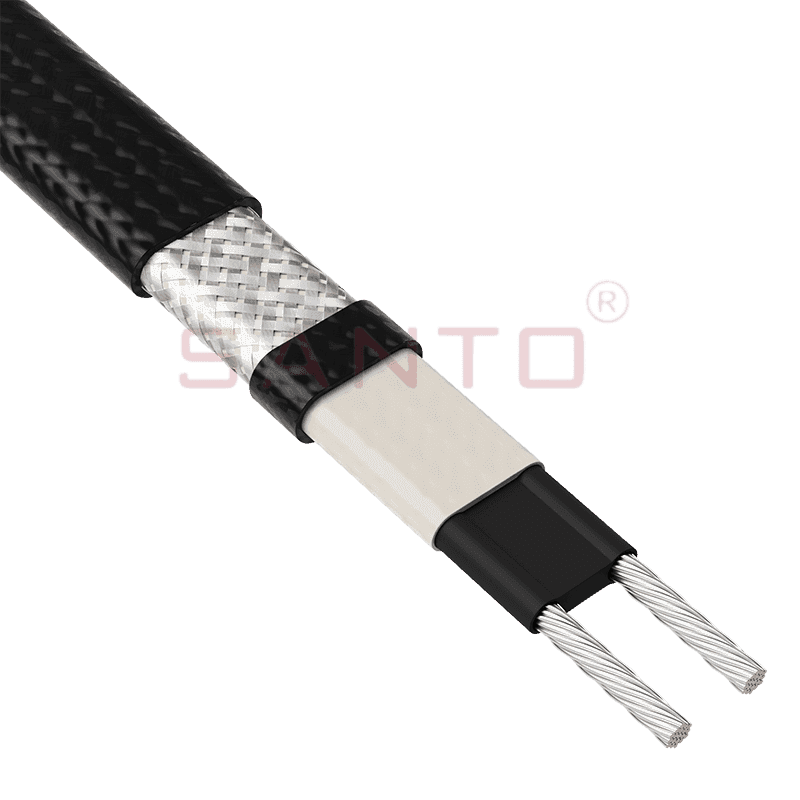
The SANTO UFA range of self-regulating heating cables is mainly used for frost protection of pipes and vessels but can also be used to maintain processes up to 65°C. These heating cables are available...
See Details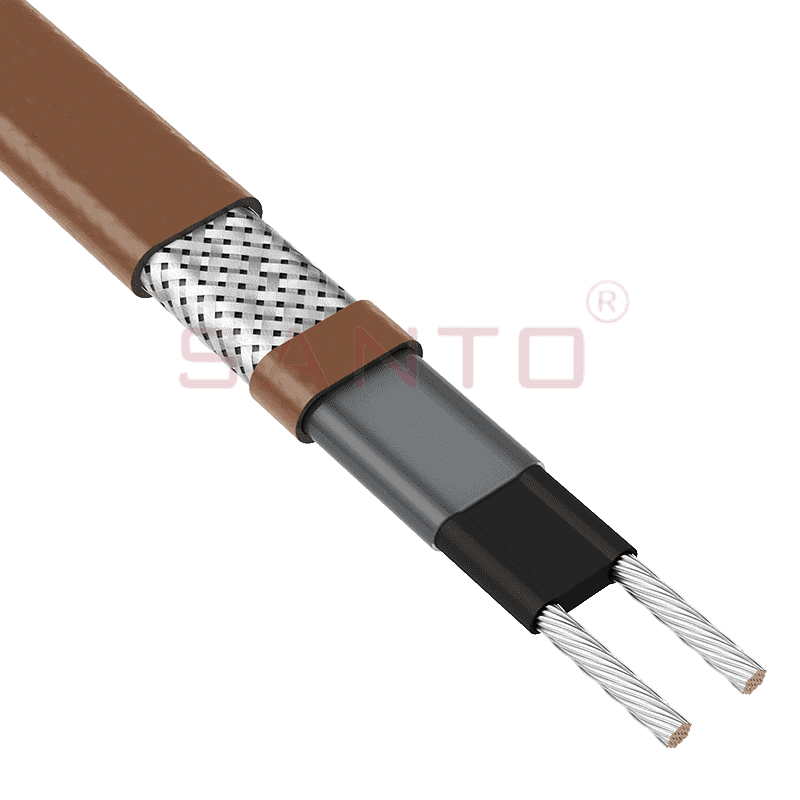
The SANTO UFB range of self-regulating heating cables is mainly used for frost protection of pipes and vessels requiring a higher power output than the UFA heating cables can supply. They can also be ...
See Details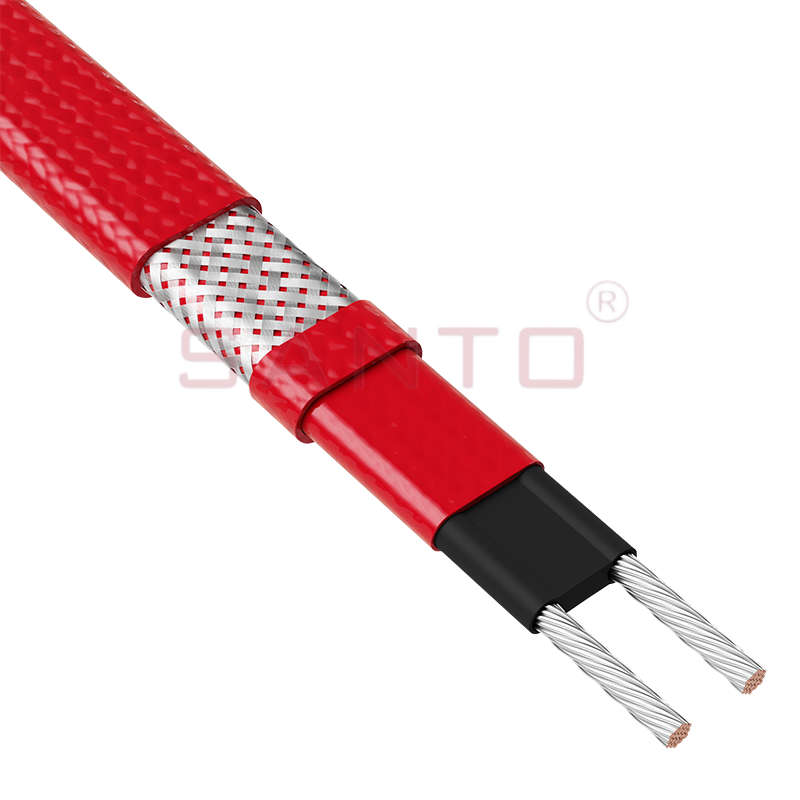
The SANTO UFC range of self-regulating heating cables is used for frost protection of pipes and vessels that require steam cleaning. They can also be used to maintain processes up to 121°C. These heat...
See Details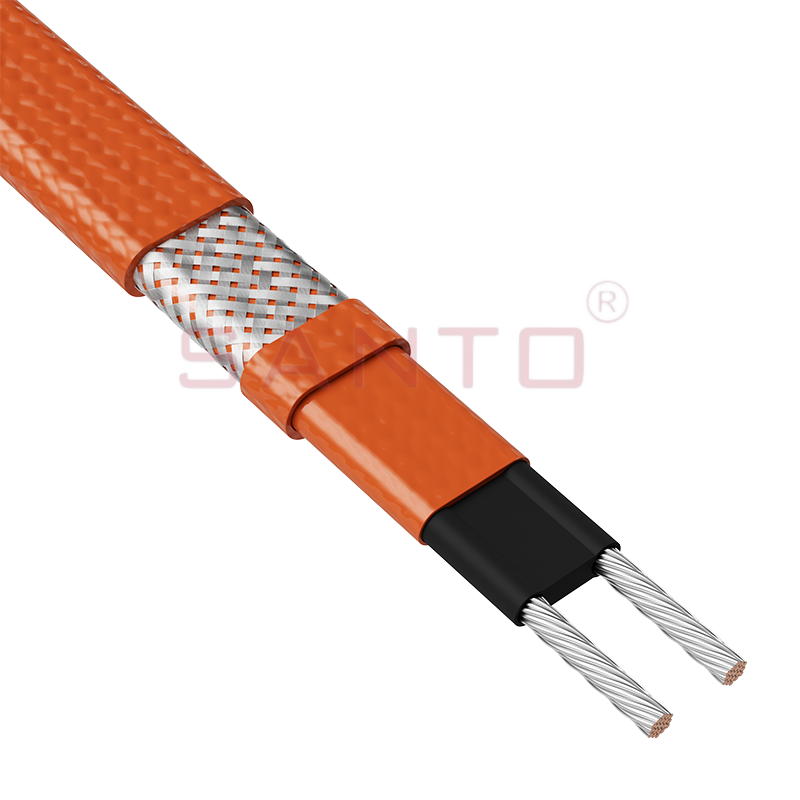
The SANTO UFO range of self-regulating heating cables is mainly used for frost protection of pipes and vessels that require steam cleaning . They can also be used to maintain processes up to 150°C. Th...
See Details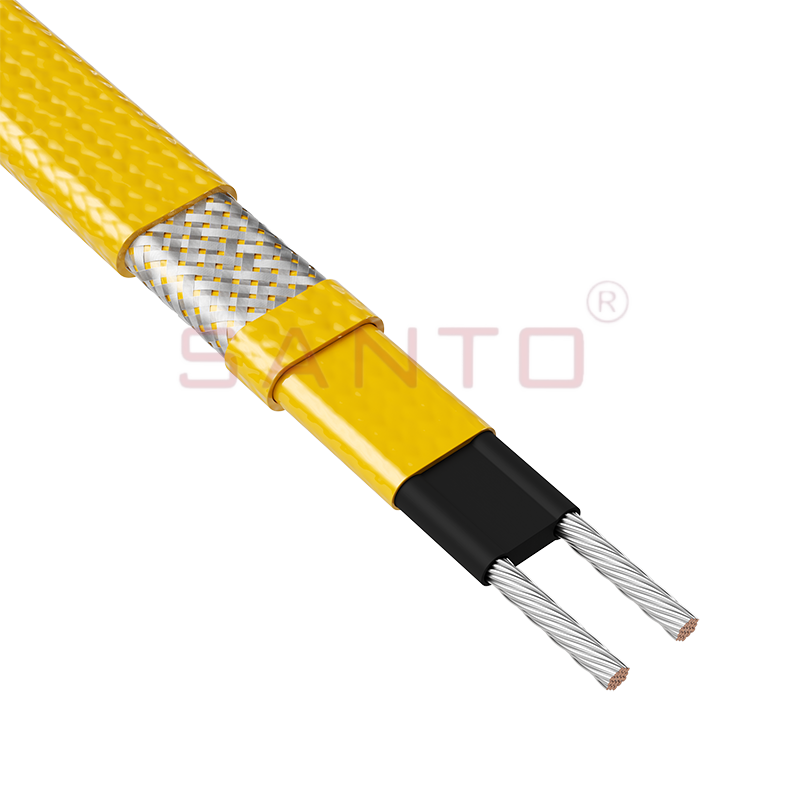
The SANTO UFD series of self-regulating heating cables are mainly used for freeze protection of pipes and vessels, but can also be used to maintain processes up to 200°C. These heating cables are avai...
See Details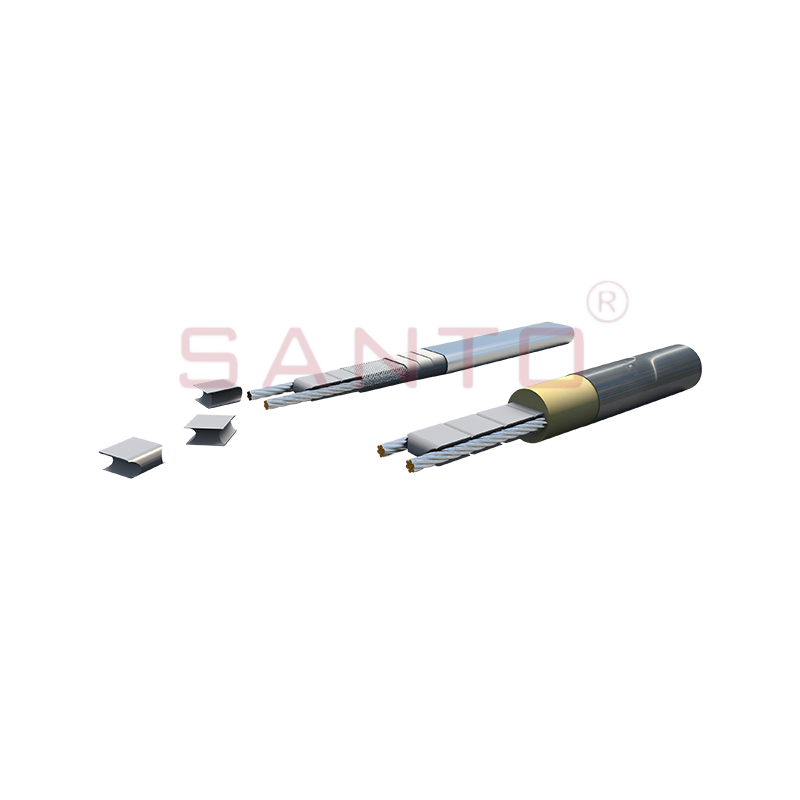
SANTO UFY heating wire is suitable for applications that maintain process temperatures up to 260 ℃ and can be steam blown; The self-regulating and parallel circuit heating wires of the UFY series are ...
See Details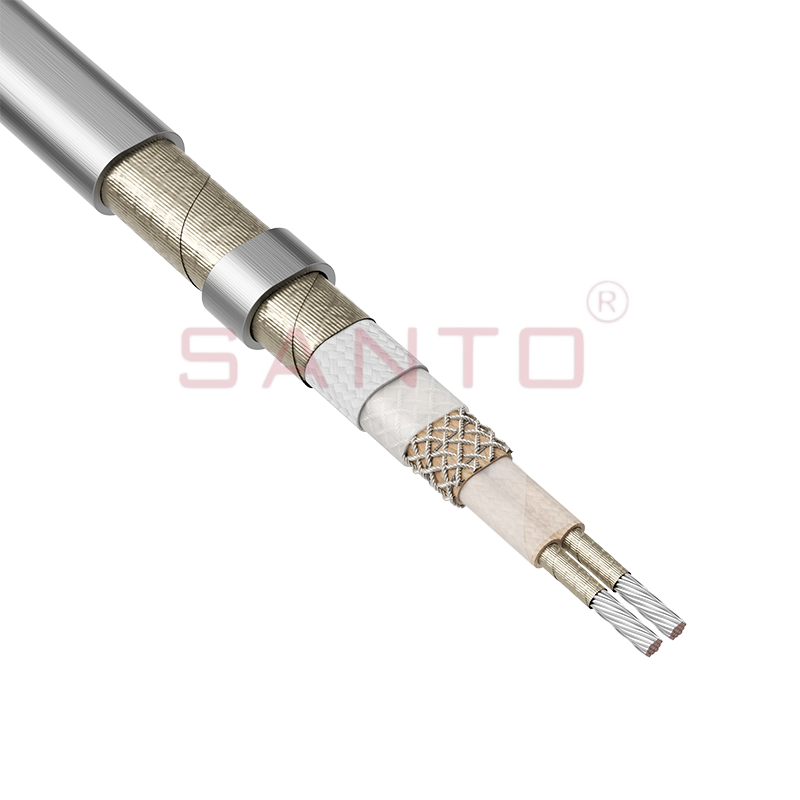
The SANTO UFM series self-regulating heating cables are mainly used for freeze protection of pipes and vessels, but can also be used to maintain processes up to 400°C. These heating cables are availab...
See Details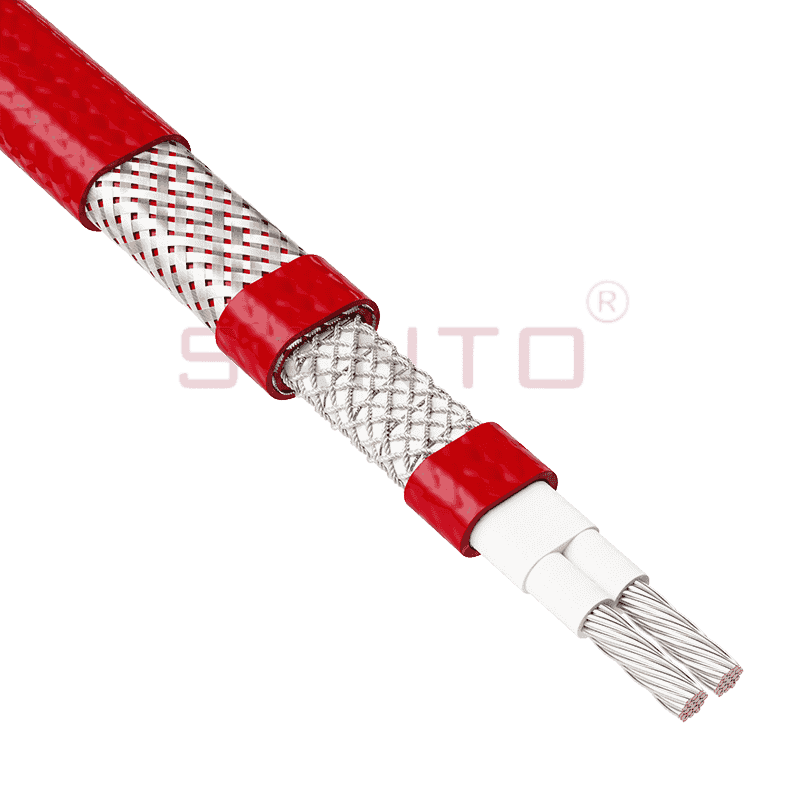
The SANTO ACC range of power-limiting heating cables is mainly used for temperature maintenance of processes and offers the advantage of a high power output at high temperatures which can reduce the n...
See Details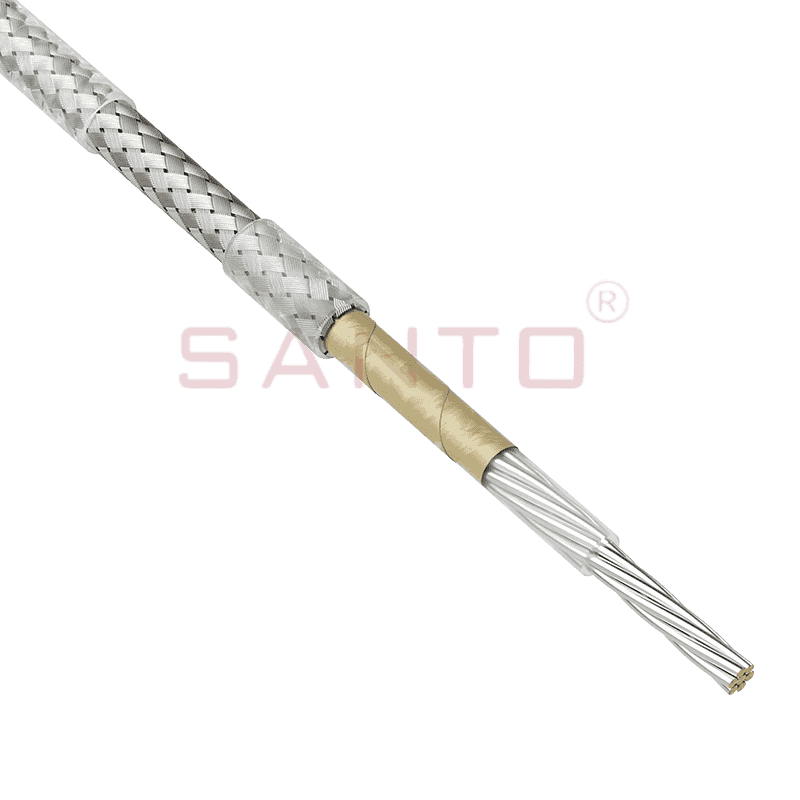
The stranded high temperature conductor is nickel plated to ensure a long life at elevated temperatures in corrosive environments. It is electrically isolated using an innovative sandwich construction...
See Details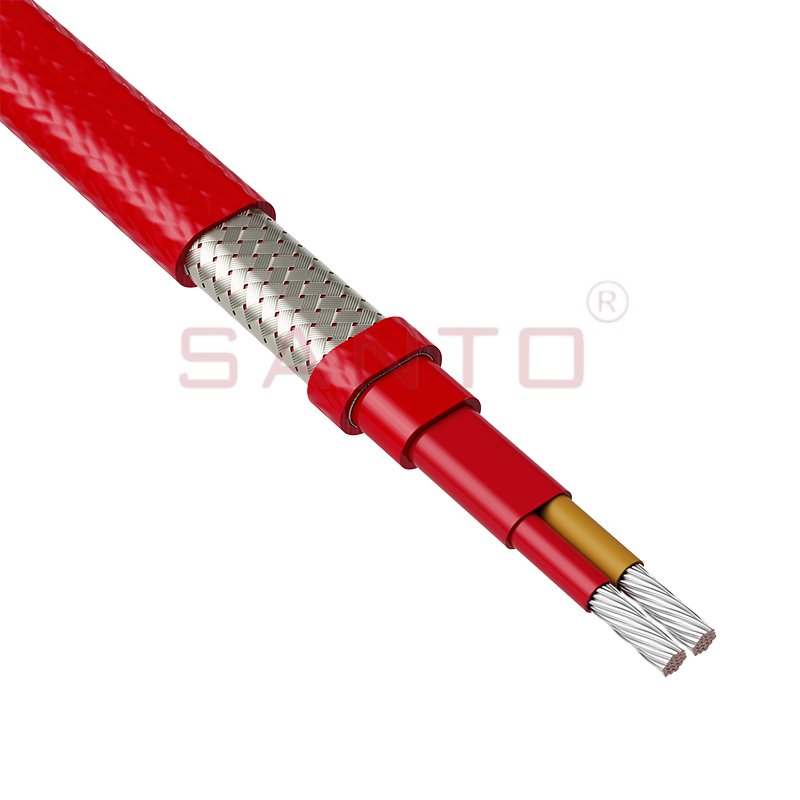
The stranded high temperature conductor is nickel plated to ensure a long life at elevated temperatures in corrosive environments. It is electrically isolated using an innovative sandwich construction...
See Details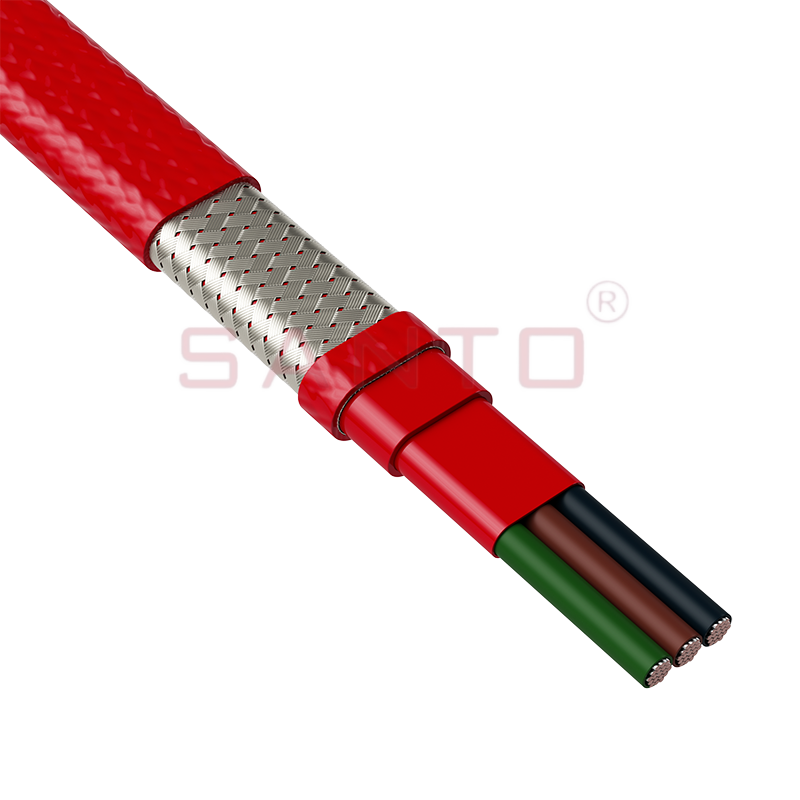
The stranded high temperature conductor is nickel plated to ensure a long life at elevated temperatures in corrosive environments. It is electrically isolated using an innovative sandwich construction...
See Details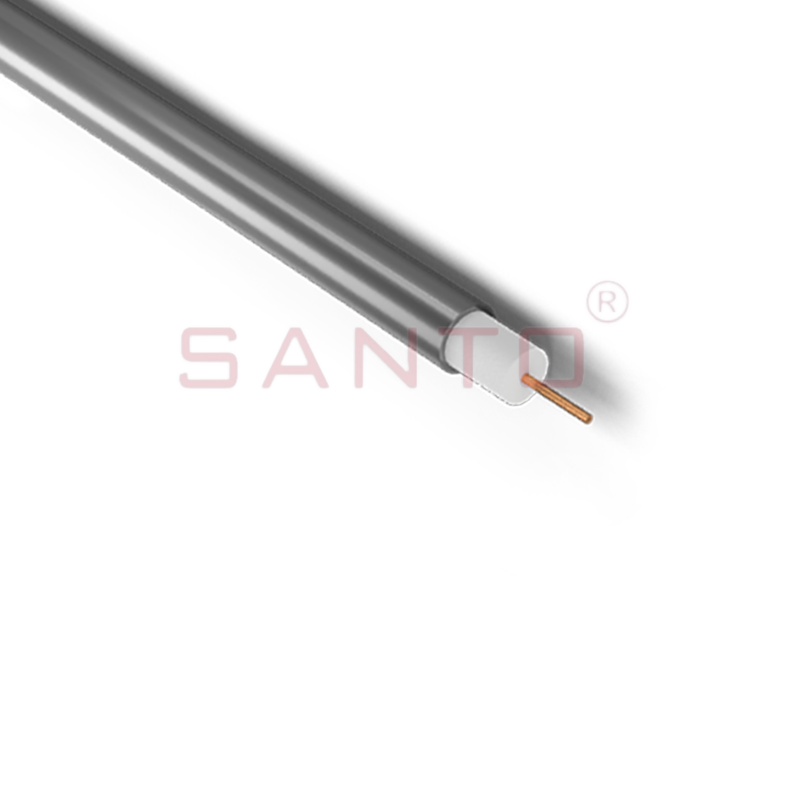
SANTO HAx mineral insulated (MI) Alloy 825 series heating cables are suitable for use in hazardous areas. They have been designed for use in freeze protection and temperature maintenance applications ...
See Details
Santo electric heating strips are widely used in key industries in China.

