 English
  English
 русский
 日本語
日本語 Español
 中文简体
中文简体
The SANTO UFA range of self-regulating heating cables is mainly used for frost protection of pipes and vessels but can also be used to maintain processes up to 65°C. These heating cables are available...
See Details
In industrial heat tracing, the reliability of every connection point is just as important as the heating cable itself. A heating circuit may be engineered with high-performance constant wattage cable, series resistance cable, polymer-insulated cable, or mineral-insulated cable, but if the power junction point is not robust, accessible, protected, and properly certified for the environment, the entire system can become vulnerable. The MF-EX-20 Multi-Purpose Junction Box is designed to solve this critical challenge by providing a durable, hazardous-area-ready connection enclosure for power cables, heating cables, and cold leads in demanding industrial installations.
The product is a power junction box intended for use with FMT, FHT, PI, and MI heating cable systems. It can serve as a power supply box for series heating cables and constant wattage parallel heating cables, and it can also be used as an end box for star configurations in series heating cable systems when suitable M20 connection kits are selected. This multi-purpose application range makes it valuable for engineering teams, contractors, maintenance departments, and end users who need standardized components that can be adapted to multiple heat tracing circuit designs.
MF-EX-20 Multi-Purpose Junction Box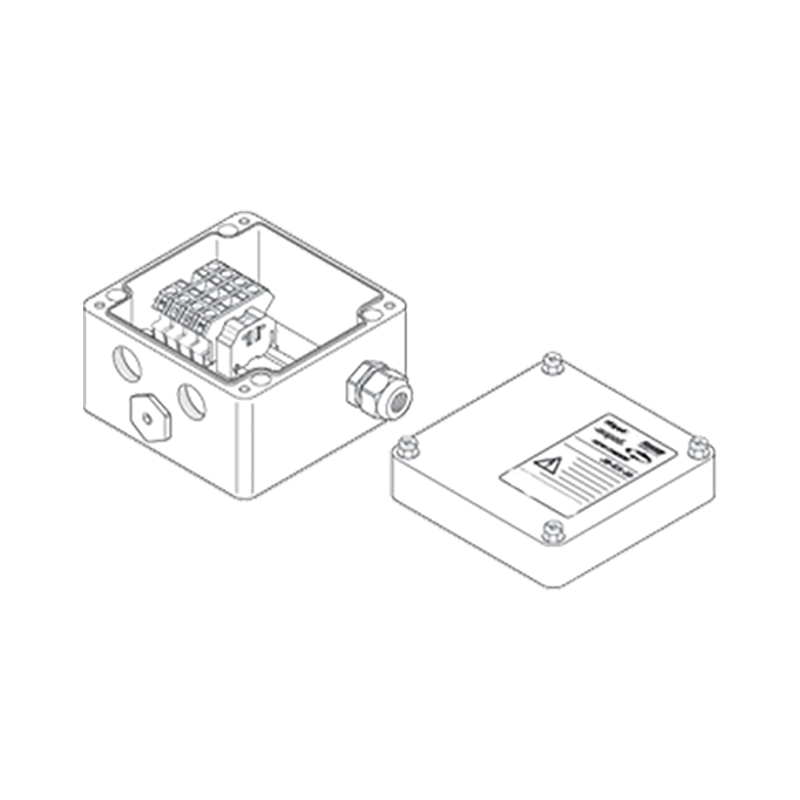
At its core, the MF-EX-20 is an industrial junction box for hazardous areas. It is built around a glass-filled engineered polymer enclosure, spring-type terminals mounted on a DIN rail, multiple cable entry options, IP66 ingress protection, and a wide ambient operating range from -55°C to +55°C. With a maximum operating voltage of 590 Vac and a maximum operating current of 53 A, the box supports a broad range of heat tracing circuits used in petroleum, chemical, gas, construction, solar energy, geothermal cultivation, and process insulation applications.
For buyers comparing industrial junction boxes, the main competitive advantages of this product are versatility, installation efficiency, corrosion-resistant construction, strong environmental sealing, practical mounting options, compatibility with multiple cable technologies, and availability in configurations with or without an earthing plate. The MF-EX-20 standard version includes a hazardous-area approved M25 cable gland for power cables, while the MF-EX-20-EP version includes an earthing plate and external earth stud for installations requiring enhanced grounding arrangements.
Content
The MF-EX-20 Multi-Purpose Junction Box is designed for connection work in electric heat tracing systems. In a typical heat tracing installation, the junction box is the point where electrical power is distributed to the heating cable or where a heating circuit is terminated according to the electrical design. It must protect electrical terminations from water, dust, mechanical impact, temperature variation, and hazardous-area risks. It must also provide enough internal space and terminal capacity for safe wiring and maintenance.
This product addresses these requirements by combining an industrial enclosure with DIN rail mounted spring-type terminals. The enclosure can be mounted on a wall or on a pipe using the four molded holes in the base. For pipe mounting, standard support brackets such as SB-100, SB-101, SB-110, and SB-111 can be selected. This flexibility is especially important in industrial sites where power connection points may be installed on pipe racks, tanks, vessels, skids, platforms, or structural supports.
The box is compatible with several heating cable families. FMT and FHT constant wattage parallel heating cables are often used where predictable output and circuit design flexibility are required. PI series heating cables are used in applications demanding high-temperature capability, long circuit lengths, or special resistance characteristics. MI mineral-insulated heating cables are selected for harsh thermal and mechanical environments. By supporting these different technologies with appropriate connection kits, the MF-EX-20 helps reduce the number of junction box types required across a project.
For engineering contractors, this standardization can reduce documentation complexity and simplify spare parts management. For plant owners, it supports long-term maintenance because technicians can become familiar with one junction box platform across different circuits. For distributors, it improves inventory efficiency because one product family can meet several installation scenarios.
Item |
MF-EX-20 |
MF-EX-20-EP |
Typical Use |
Power supply box for PI, MI, FMT, and FHT heating cables; end box for series heating cables when used with suitable M20 kits |
Power supply box or end box with additional earthing plate and external earth stud |
Cable Entries |
3 x M20 and 1 x M25 |
3 x M20 and 1 x M25 |
Enclosure Material |
Electrostatic charge-resistant glass-filled engineered polymer, black |
Electrostatic charge-resistant glass-filled engineered polymer, black |
Sealing Gasket |
Silicone rubber |
Silicone rubber |
Lid Screws |
Stainless steel captive screws |
Stainless steel captive screws |
Ingress Protection |
IP66 |
IP66 |
Ambient Temperature Range |
-55°C to +55°C |
-55°C to +55°C |
Terminals |
4 spring-type terminals |
4 spring-type terminals |
Maximum Conductor Size |
10 mm² solid or stranded |
10 mm² solid or stranded |
Maximum Operating Voltage |
590 Vac |
590 Vac |
Maximum Operating Current |
53 A |
53 A |
Ordering Reference |
MF-EX-20 |
MF-EX-20-EP |
Part Number and Weight |
2000-M18, approximately 0.9 kg |
2000-M19, approximately 1 kg |
Electric heat tracing is used to prevent freezing, maintain process temperatures, support fluid flow, and protect critical infrastructure. Pipes carrying water, chemicals, fuels, viscous fluids, or process media often depend on heat tracing for uninterrupted operation. In these applications, electrical reliability is not a convenience; it is a process safety and production continuity requirement.
A junction box failure may create several problems. Moisture ingress can cause corrosion or short circuits. Poor terminal contact can create heat buildup. Improper grounding may compromise safety. Weak enclosure material can crack under site conditions. Loose screws or inferior seals can allow dust or rain to penetrate. In hazardous areas, unsuitable components can become unacceptable ignition risks. Therefore, a well-designed junction box is an essential part of the complete heat tracing system.
The MF-EX-20 is designed around the realities of industrial installation. It provides M20 entries for heating cable or cold lead connection kits and an M25 entry for the power cable. The inclusion of spring-type terminals helps create consistent clamping force and reduces the chance of loose connections caused by vibration or thermal cycling. The enclosure material is engineered to resist electrostatic charge accumulation, an important consideration in hazardous-area applications.
In comparison with low-cost ordinary junction boxes, this product offers a more specialized solution for heat tracing. It is not merely a generic plastic enclosure. It is designed to accommodate the wiring configurations and environmental conditions associated with industrial heating cables. The difference becomes particularly important in chemical plants, refineries, tank farms, gas facilities, power-related installations, and outdoor process areas exposed to weather.
Many competing junction boxes are designed for one cable type or one installation style. The MF-EX-20 supports use with constant wattage parallel heating cables, polymer-insulated series heating cables, and mineral-insulated heating cables when appropriate connection kits are applied. This broad compatibility gives project engineers more freedom and allows plant operators to standardize connection hardware across mixed heat tracing systems.
The DIN rail mounted spring-type terminal design supports fast installation and long-term connection stability. Compared with some screw-terminal-only alternatives, spring terminals can reduce installation time and help maintain contact pressure under vibration and temperature changes. This is particularly beneficial where numerous heat tracing circuits must be connected during construction or commissioning.
With IP66 ingress protection, the enclosure is designed to resist dust and powerful water jets. This level of protection is suitable for outdoor installations, washdown-prone areas, and exposed industrial environments. Competitor products with lower ingress ratings may be more vulnerable to moisture intrusion, especially after years of service.
The -55°C to +55°C ambient temperature rating supports operation in cold climates and demanding outdoor conditions. Heat tracing is commonly installed precisely because surrounding conditions can become harsh. The junction box must remain dependable during winter, freeze events, and wide temperature fluctuations.
The box and lid are made from electrostatic charge-resistant glass-filled engineered polymer. This material selection provides strength, dimensional stability, reduced weight, and corrosion resistance. Metal enclosures may be strong but can be vulnerable to corrosion in certain chemical or coastal environments unless properly specified. Ordinary plastic boxes may be light but may lack the mechanical strength and electrostatic performance needed for hazardous areas. The engineered polymer approach offers a practical balance.
The captive stainless steel lid screws help prevent the loss of fasteners during inspection or maintenance. This small detail matters in real industrial settings where technicians may work outdoors, on elevated platforms, or in restricted spaces. Captive screws reduce the risk of missing hardware and help preserve enclosure integrity after maintenance.
The product can be wall mounted or pipe mounted. Pipe mounting can be completed using standard support brackets. This allows installation close to the heated pipe while maintaining accessible wiring and inspection positions. Competitor products that require more complicated brackets or field modifications may increase labor cost and installation risk.
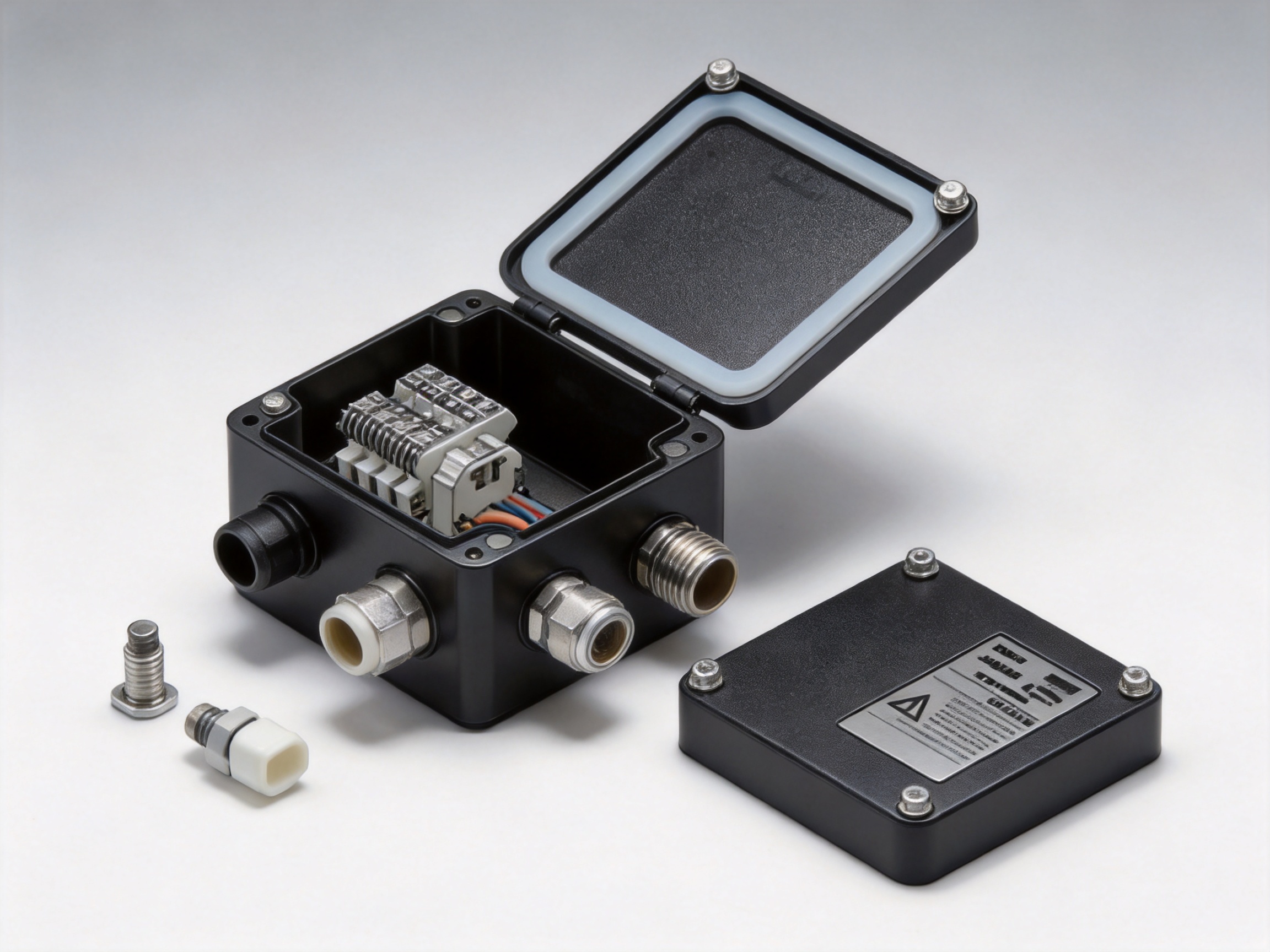
The material system of the MF-EX-20 is one of the major reasons it is suitable for industrial heat tracing. The enclosure is manufactured from electrostatic charge-resistant glass-filled engineered polymer. Glass-filled polymers are widely valued in industrial electrical components because glass reinforcement improves rigidity, strength, and dimensional control. In outdoor and process environments, these properties help the enclosure maintain shape and sealing pressure over time.
The electrostatic charge-resistant property is important for hazardous-area use. In some environments, static charge accumulation can become a safety concern. By using a charge-resistant material, the enclosure is better suited for locations where explosive gas, vapor, or dust risks must be considered. This does not eliminate the need for proper system design, installation, and certification compliance, but it provides an appropriate material foundation for hazardous-area equipment.
The sealing gasket is made from silicone rubber. Silicone rubber is known for flexibility, temperature resistance, and sealing stability. In a junction box, the gasket must maintain compression between the lid and the base. If the gasket hardens, cracks, or loses elasticity, water and dust can enter. Silicone rubber helps preserve sealing function across a broad temperature range.
The lid fixing screws are stainless steel and captive. Stainless steel provides corrosion resistance, while the captive design improves field convenience. In many installations, junction boxes are inspected periodically. A maintenance technician may open the lid to verify terminal condition, check wiring, or perform troubleshooting. Captive screws remain attached to the lid, reducing the risk of dropped or misplaced screws.
The MF-EX-20-EP version includes a steel earthing plate that is zinc plated and blue chromated, as well as an external earth stud. This version is suitable where an enhanced grounding arrangement is desired. Grounding quality is especially important in industrial electrical systems, and the availability of a dedicated version with additional earthing hardware provides design flexibility.
Electrical termination is one of the most important performance areas for any junction box. The MF-EX-20 uses four spring-type terminals mounted on a DIN rail. The terminal labeling is arranged for phase, neutral, and protective earth connection needs. The terminals accept maximum conductor sizes up to 10 mm² for solid or stranded conductors. This capacity supports a wide range of power cable and heating circuit requirements.
The maximum operating voltage is 590 Vac, and the maximum operating current is 53 A. These values make the product suitable for many industrial heat tracing power circuits. However, actual circuit design must always be verified according to heating cable type, cable length, supply voltage, breaker rating, local electrical code, hazardous-area requirements, and manufacturer installation instructions.
Spring-type terminals are particularly beneficial in applications subject to thermal cycling. Heat tracing systems may experience repeated changes in temperature as circuits energize and de-energize. Conductors can expand and contract slightly, and mechanical vibration may also occur in industrial plants. A spring terminal maintains clamping force more consistently than poorly installed screw terminals, reducing the likelihood of loose contact.
Another advantage is installation speed. Contractors working on large projects may need to terminate hundreds or thousands of heat tracing circuits. A fast, repeatable terminal method helps reduce total installation time. It also supports consistency among different installers, provided they are properly trained and use the correct stripping lengths and ferrules where required by the system design.
The MF-EX-20 provides three M20 entries and one M25 entry. The M20 entries are used for heating cable connection kits or cold lead glands, depending on the configuration. The M25 entry is used for the power cable gland. This arrangement allows multiple wiring configurations while keeping the enclosure compact and practical.
For FMT and FHT heating cables, connection kits such as C20-01-F hot applied kits with plastic gland or C20-02-F cold applied kits with metal gland can be selected according to project requirements. For insulation entry, IEK-25-04 or IEK-25-PIPE options are available. For PI cold leads, hazardous-area approved glands such as GL-A4-M20-KIT or GL-44-M20-KIT can be used, and the IEK-20-PI insulation entry kit can support proper entry through insulation systems.
This connection kit strategy is important because heat tracing systems are not one-size-fits-all. Some applications require plastic glands, while others require metal glands. Some use cold-applied kits to reduce hot work requirements, while others use hot-applied kits based on cable type and installation practice. By ordering the correct connection kits separately, the junction box can be adapted to the selected cable and site requirements.
Competitor products sometimes bundle fixed accessories that may not match the actual project cable type. This can result in unused parts, additional procurement steps, or improper substitutions. The MF-EX-20 approach encourages system-specific kit selection, which helps maintain installation quality.
The product is described as suitable for hazardous-area use with relevant approval information for Russia, Kazakhstan, and Belarus, and consultation is recommended for other countries. Hazardous-area compliance is a critical part of industrial heat tracing design. Sites involving flammable gases, vapors, or combustible dust must select components according to applicable regional standards, area classification, temperature class, protection method, and installation practice.
A junction box in a hazardous area must do more than provide weather protection. It must be part of a safe electrical system that prevents ignition risks under defined conditions. The enclosure material, cable glands, stopping plugs, terminal arrangement, grounding, and installation workmanship all contribute to final safety. For this reason, users should always confirm approval requirements for the specific project country and application.
The MF-EX-20 supports hazardous-area heat tracing systems by using appropriate construction materials, compatible glands and stopping plugs, and a design suited to industrial cable terminations. The availability of the MF-EX-20-EP version with an earthing plate and external earth stud further supports installations where grounding arrangements are a major design consideration.
When compared with generic electrical boxes, the safety advantage is clear. A general-purpose enclosure may not have hazardous-area suitability, compatible gland options, or heat tracing-specific connection support. Using such products in classified areas can create compliance and safety problems. The MF-EX-20 is designed specifically for the environment where electric heat tracing is commonly installed.
Industrial construction projects are often constrained by schedule, weather, access limitations, and coordination with other trades. Heat tracing is commonly installed after piping, insulation planning, and electrical routing have been defined. A connection box that is easy to mount, wire, and inspect can significantly improve project execution.
The four molded mounting holes in the base allow direct wall mounting. For pipe mounting, standard brackets can be used. This is useful because heat tracing junction boxes are often installed close to pipe surfaces but outside insulation cladding for access. The installer can position the box at a practical location while routing the heating cable or cold lead through the correct insulation entry kit.
The M20 and M25 entry arrangement reduces field drilling and modification. Field modification of enclosures can compromise sealing, approval status, or mechanical integrity if not done properly. A junction box supplied with defined entries helps maintain consistency and reduces labor.
The standard MF-EX-20 kit includes a junction box with spring-type terminals on a DIN rail, one M20 stopping plug, two temporary M20 rain plugs, one M25 hazardous-area approved cable gland for power cables with a diameter range of approximately 8 to 17 mm, and a terminal jumper for various wiring configurations. This package supports common installation needs while leaving the heating cable-specific kits to be ordered separately.
The MF-EX-20-EP kit includes the junction box with spring-type terminals, an earthing plate, and an external earth stud. Temporary rain plugs and suitable glands are selected according to requirements. This allows the user to configure the final assembly for site grounding and cable gland preferences.
The product is supplied by Santo Thermal Control Technology Co., Ltd., a company engaged in the research, design, production, and manufacturing of electric heating belts, self-limiting heating cables, constant-power heating cables, glass fiber heating belts, MI cables, and related electric heating products. The company is located in Jiangsu Province, an area recognized for electric heating belt industry development, and has built long-term experience in the heat tracing field.
The company’s manufacturing strength is important because a junction box is not an isolated accessory. It must fit into a complete heat tracing ecosystem that includes heating cables, connection kits, insulation entry kits, glands, thermostats, sensors, controllers, and installation accessories. A manufacturer with broad heat tracing product knowledge is better positioned to design accessories that reflect actual field requirements.
The company has more than 35 years of industry experience, annual output exceeding 10,000 units across its product operations, distribution support in many regions, and business presence in more than 85 areas. Its product range includes constant-power heating strips, self-limiting heating strips, silicone rubber heating systems, glass fiber electric heating strips, electric hot wires, MI cables, snow melting cables, LCD tracked heaters, and heat tracing accessories.
Manufacturing processes for such products require material selection control, enclosure quality inspection, terminal assembly accuracy, accessory compatibility verification, and packaging discipline. For heat tracing systems, the supplier must understand both electrical performance and mechanical installation. The MF-EX-20 reflects this system-level approach because it is designed around actual heating cable families and common industrial field configurations.
The company has emphasized product development, technology guidance, scientific management, product quality, and after-sales service. It has passed ISO9001 quality system certification, and its products have obtained national CCC certification for relevant product categories. The company has also obtained explosion-proof certification and EAC Eurasian Union certification, strengthening its ability to support industrial and international projects.
ISO9001 certification is significant because it demonstrates that the manufacturer operates under a structured quality management system. For industrial electrical accessories, consistent processes are vital. A junction box must not vary unpredictably from batch to batch. Dimensions, sealing surfaces, terminal mounting, material composition, and accessory fit must remain consistent to support reliable installation.
The company’s development history also shows continued investment in heat tracing innovation. It established an irradiation center, developed self-limiting temperature nano far-infrared heating technology for high-temperature pipeline tracing, and developed carbon fiber parallel heating cable technology with invention patents. These efforts indicate a focus on advanced material behavior, electrical heating performance, and application-specific product design.
For the MF-EX-20 product family, advanced manufacturing strength contributes in several ways. Enclosure molding quality helps maintain IP66 sealing. Proper gasket specification supports long-term protection. Terminal assembly accuracy supports electrical safety. Accessory selection supports hazardous-area installation. Packaging and documentation help reduce site errors. Combined, these factors create a more dependable product than basic commodity boxes assembled without heat tracing expertise.
One of the most important advantages of the MF-EX-20 is that it belongs to a broader heat tracing product environment. Electric heat tracing systems must be designed as integrated assemblies. The heating cable must match the pipe temperature requirement. The insulation must match thermal loss assumptions. The power supply must match circuit load. The junction box, glands, and termination kits must match cable structure and installation environment.
Because the manufacturer produces and supplies multiple heating cable technologies, the junction box is supported by practical application knowledge. This reduces the risk of designing an accessory that looks acceptable on paper but becomes difficult to use in the field. The MF-EX-20 provides defined entries, terminal capacity, compatible accessories, and mounting flexibility because these are the real needs of installers working with FMT, FHT, PI, and MI heating cable systems.
For example, constant wattage parallel heating cables may be installed in longer pipe networks where multiple circuits are distributed from power junction boxes. PI and MI systems may be used in more demanding temperature or industrial process conditions. Each cable type may require different glands, termination methods, and insulation entry accessories. A multi-purpose junction box that supports these configurations can simplify engineering standardization while preserving installation correctness.
Industrial heat tracing is widely applied in petroleum, chemical, gas, and process facilities. In these environments, piping systems often transport materials that must remain above a minimum temperature. If the material cools too much, it may freeze, crystallize, thicken, separate, or become difficult to pump. Heat tracing helps maintain flow and process reliability.
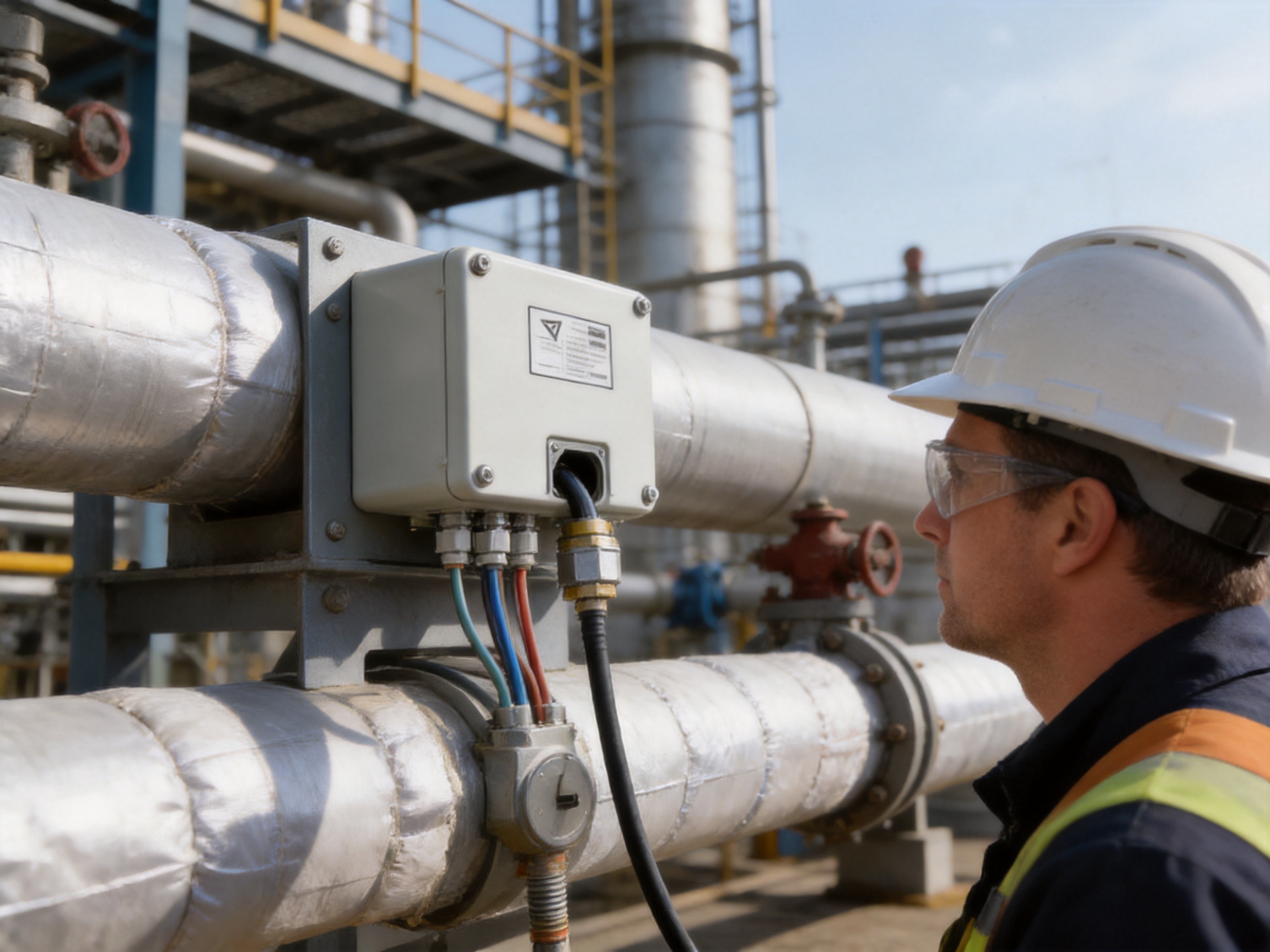
The MF-EX-20 is particularly relevant in these industries because many areas are outdoors and may be classified as hazardous. Junction boxes may be exposed to rain, snow, dust, chemical atmosphere, vibration, and seasonal temperature extremes. IP66 sealing, hazardous-area compatibility, electrostatic charge-resistant materials, stainless steel screws, and proper grounding options all contribute to suitability.
In refineries and petrochemical plants, heat tracing circuits may be installed on sulfur lines, heavy oil lines, caustic systems, water lines, drain lines, sample lines, instrument impulse lines, and tank connections. In gas facilities, heating may protect condensate lines, valves, regulators, or instrumentation. In chemical processing, heat tracing can maintain viscosity or prevent crystallization of sensitive materials. Each application depends on reliable junction points.
Using a junction box designed for heat tracing can improve operational stability. Maintenance teams can identify and access power connection points more easily. Spare parts can be standardized. Proper cable glands and stopping plugs help preserve certification and sealing. The result is a more manageable heat tracing network.
Beyond heavy process industries, electric heating products are also used in building and infrastructure applications. Heat tracing can protect water supply lines, fire protection pipes, roof drainage systems, and outdoor utilities. Snow and ice melting systems can improve safety around access routes, ramps, gutters, and critical surfaces. Solar energy systems may require freeze protection for pipelines or thermal transfer loops. Geothermal cultivation and agricultural applications may require controlled heating or antifreeze protection.
Although some of these applications may not require hazardous-area products, industrial-grade junction boxes can still provide long service life. Outdoor installations benefit from IP66 ingress protection and temperature-resistant materials. Projects in cold climates benefit from the -55°C lower ambient capability. The ability to mount the box on structures or pipes supports flexible site layouts.
For contractors who work across industrial and commercial heating applications, using a robust junction box platform can improve training and installation consistency. The same basic principles of cable entry, terminal connection, sealing, and mounting apply across many projects. When the product is selected appropriately according to the application, it supports both safety and durability.
A generic electrical enclosure may seem economical at first glance, but heat tracing systems impose special demands. A generic box may lack hazardous-area suitability, electrostatic charge-resistant material, appropriate cable entries, compatible heat tracing glands, or terminal arrangements suitable for heating cable conductors and cold leads. It may require field drilling, improvised mounting, or non-standard accessories, all of which can increase risk.
The MF-EX-20 is purpose-built. Its M20 and M25 entries align with common heat tracing connection components. Its spring terminals support fast, secure wiring. Its IP66 rating supports outdoor service. Its material system addresses industrial environmental requirements. Its optional earthing plate version supports grounding configurations. Its accessory ecosystem includes support brackets, power cable glands, loose terminals, connection kits, insulation entry kits, PI cold lead glands, and stopping plugs.
When total installed cost is considered, a purpose-built junction box can be more economical than a cheaper enclosure. Labor time, inspection acceptance, rework risk, long-term maintenance, and downtime exposure must be included in the calculation. A well-designed product reduces hidden costs by making correct installation easier.
The lifecycle value of a junction box depends on how it performs after installation. A product may be installed quickly, but if it is difficult to inspect or begins to leak after exposure, the initial savings disappear. The MF-EX-20 addresses lifecycle needs through durable materials, captive screws, strong sealing, corrosion-resistant components, and reliable terminals.
During routine maintenance, technicians may inspect terminal tightness, cable gland condition, gasket condition, grounding, and signs of moisture or corrosion. The box’s design supports such inspection by providing accessible internal terminals and a practical lid fastening system. The use of DIN rail mounted terminals also simplifies replacement or reconfiguration within the allowed terminal quantity limits.
The manufacturer notes that in total no more than six terminals of the relevant loose terminal type should be installed. This limitation helps ensure that internal space, heat dissipation, wiring bend radius, and safety clearances remain appropriate. Following such guidance is part of proper lifecycle management.
Good maintenance practice also requires verifying unused entries. Stopping plugs should be correctly installed where entries are not used. Temporary rain plugs are not substitutes for final certified stopping plugs or glands. Correct accessory selection is essential to maintain enclosure protection and hazardous-area compliance.
When specifying the MF-EX-20, buyers should begin by identifying the heating cable type. For FMT and FHT cables, the required connection kit and insulation entry kit should be selected. For PI cold leads, the correct hazardous-area approved gland and insulation entry kit should be selected. For MI cable systems, the project-specific termination method and compatibility should be confirmed.
Next, the buyer should determine whether the standard MF-EX-20 or the MF-EX-20-EP version is required. If the installation requires an earthing plate and external earth stud, the EP version is appropriate. If the standard configuration is sufficient, the MF-EX-20 may be selected.
The power cable diameter should be checked against the selected M25 power cable gland. The standard MF-EX-20 includes a hazardous-area approved M25 gland suitable for power cables in the specified diameter range. If a metal gland is required, such as GL-38-M25-METAL for the EP configuration, it should be ordered accordingly.
Mounting accessories should also be specified. If the box will be pipe mounted, support brackets such as SB-100, SB-101, SB-110, or SB-111 should be selected based on pipe size, orientation, and installation practice. If the box will be wall mounted, the installer should confirm suitable fasteners and surface strength.
Even the best junction box must be installed correctly. Installation should be performed by qualified personnel familiar with heat tracing systems, electrical safety, and hazardous-area requirements. Before installation, all components should be checked against the bill of materials, drawings, and area classification documents.
The enclosure should be mounted securely and positioned to avoid mechanical damage. Cable entries should face directions that minimize water accumulation where possible. Cable glands must be tightened according to manufacturer instructions. Heating cable connection kits must be installed using the correct procedure for the cable type. Conductors should be stripped to the correct length and inserted properly into spring terminals. Grounding conductors must be connected correctly.
After wiring, the lid gasket should be inspected for cleanliness and proper seating. The lid should be closed evenly, and captive screws should be tightened sufficiently to maintain sealing without damaging the enclosure. Unused entries should be sealed with approved stopping plugs. Insulation entry kits should be installed so that pipe insulation and cladding do not compromise cable routing or box accessibility.
Before energizing, electrical tests should be performed according to the heat tracing system requirements. These may include continuity tests, insulation resistance tests, grounding verification, and circuit load checks. Documentation should record test results, circuit identification, and installed accessory details.
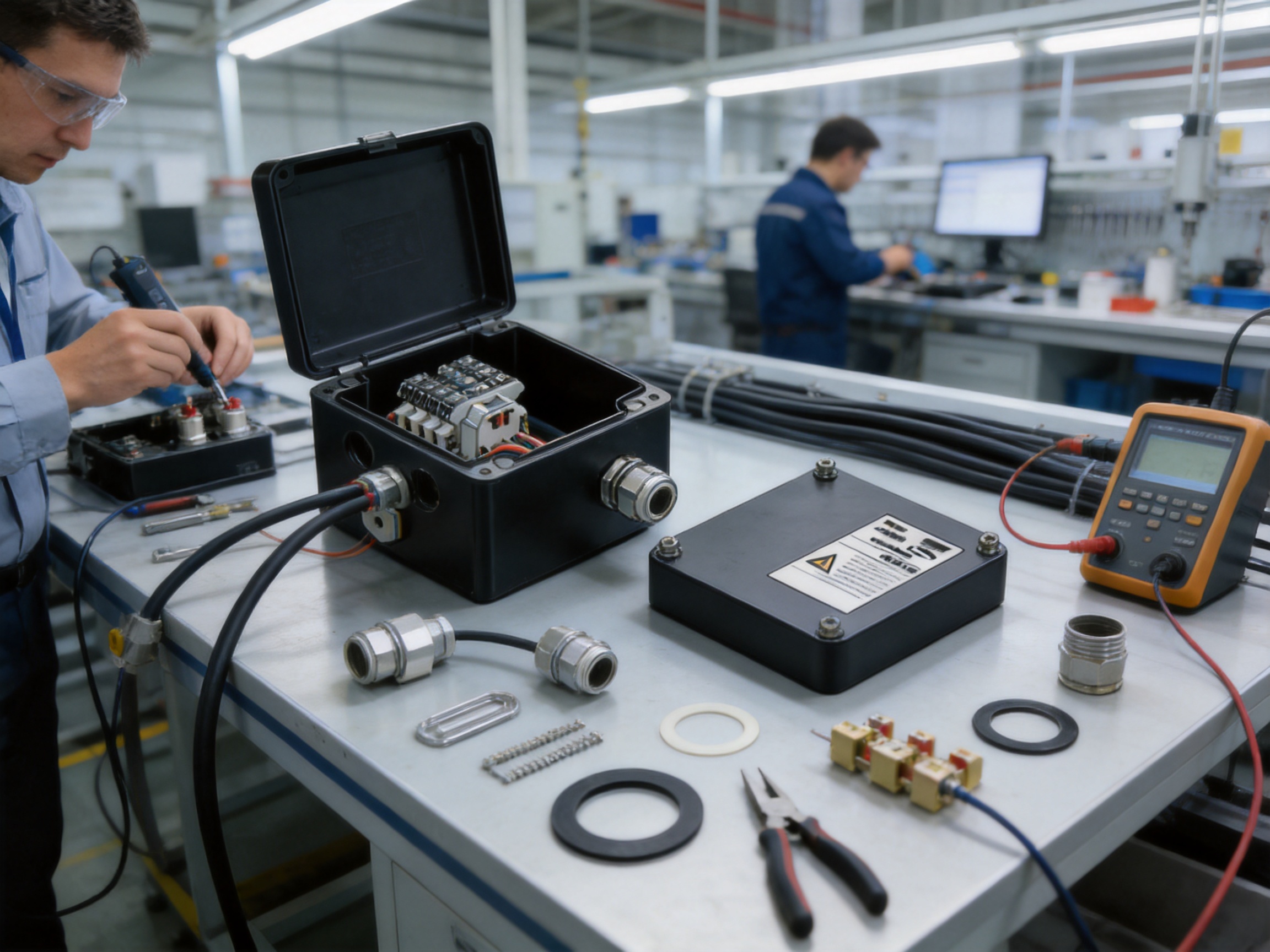
Santo Thermal Control Technology Co., Ltd. has developed its capabilities through decades of participation in the electric heating industry. The company integrates scientific research, development, manufacturing, and sales. Its products have entered international markets, and its business presence extends to more than 85 areas. This global orientation is important for buyers who need export-ready products, technical communication, and long-term supply reliability.
The company’s product development history demonstrates a continuing focus on innovation. Beginning with the foundation of its predecessor factory in 2000, the company passed ISO9001 quality system certification, established an irradiation center, developed advanced self-limiting heating technology, established the SANTO brand, obtained explosion-proof and EAC certifications, developed patented carbon fiber parallel heating cable technology, and expanded with new factory and testing laboratory investments. In 2023, it established a Russia factory to further support market expansion.
For customers purchasing the MF-EX-20, this manufacturing background matters because heat tracing accessories must be supported over the full project lifecycle. Customers may require product specifications, accessory selection assistance, cable compatibility guidance, replacement parts, and application recommendations. A supplier with broad technical experience in electric heating products can support these needs better than a general trading source.
Industrial customers increasingly evaluate products not only by purchase price but also by operational reliability and sustainability. A junction box that lasts longer, requires fewer replacements, and reduces failure-related downtime contributes to more efficient resource use. The MF-EX-20’s durable polymer construction, stainless steel screws, silicone gasket, and IP66 sealing help support long service life.
Reliable heat tracing also supports environmental and safety objectives. Frozen pipes can burst and release water, chemicals, or process fluids. Viscous materials can clog systems and require energy-intensive recovery. Process interruptions can increase waste and emissions. By helping maintain dependable electrical connections, the junction box indirectly supports stable and responsible plant operation.
The company’s stated vision is to protect environmental health, and its mission is to create value and a better life. In practical product terms, this means developing electric heating systems and accessories that support safer, more efficient industrial operation. The MF-EX-20 fits this direction by enhancing connection reliability in systems designed for antifreeze, deicing, heating, heat tracing, and insulation applications.
The main function is to provide a protected electrical connection point for industrial heat tracing systems. It can connect power cables, heating cables, and cold leads depending on the system configuration and selected connection kits.
The box is intended for use with FMT and FHT constant wattage parallel heating cables, PI polymer-insulated series heating cables, and MI mineral-insulated heating cables when suitable connection kits and glands are selected.
Yes, it is designed for hazardous-area applications when used with appropriate approved accessories and installed according to applicable standards. Approval information is indicated for Russia, Kazakhstan, and Belarus, and requirements for other countries should be confirmed before use.
The standard MF-EX-20 includes the junction box with spring-type terminals and common accessories such as a hazardous-area approved M25 power cable gland. The MF-EX-20-EP version includes an earthing plate and external earth stud, making it suitable for installations requiring additional grounding arrangements.
The enclosure provides IP66 ingress protection, meaning it is protected against dust and strong water jets when correctly installed with proper glands, plugs, and lid sealing.
The product is rated for an ambient temperature range from -55°C to +55°C, supporting use in very cold outdoor environments as well as many standard industrial conditions.
Spring-type terminals provide fast installation and stable contact pressure. They help reduce the risk of loose connections caused by vibration or thermal cycling, which is valuable in industrial heat tracing applications.
Yes. It can be wall mounted or pipe mounted. For pipe mounting, standard support brackets such as SB-100, SB-101, SB-110, and SB-111 may be used.
No. M20 connection kits must be ordered separately according to the heating cable type and installation requirements. This allows the box to be configured correctly for FMT, FHT, PI, or MI systems.
The terminals support conductors up to 10 mm², including solid and stranded conductors, subject to proper installation practice and applicable electrical requirements.
The maximum operating voltage is 590 Vac, and the maximum operating current is 53 A. The final circuit design must still be checked according to cable type, circuit length, power supply, protection device, and relevant codes.
This product is designed specifically for industrial heat tracing. It provides suitable entries, compatible accessory options, spring terminals, IP66 protection, hazardous-area suitability, robust materials, and mounting flexibility. A generic box may not provide these system-specific advantages.
The MF-EX-20 Multi-Purpose Junction Box is a practical and robust connection solution for industrial heat tracing systems. Its compatibility with FMT, FHT, PI, and MI heating cable applications makes it valuable for projects that require flexibility and standardization. Its IP66 enclosure, electrostatic charge-resistant glass-filled engineered polymer construction, silicone rubber gasket, stainless steel captive screws, spring-type terminals, and wide ambient temperature range provide the durability required in demanding industrial environments.
Compared with ordinary competitor junction boxes, the product offers clearer advantages in heat tracing compatibility, installation speed, environmental sealing, hazardous-area suitability, grounding options, and lifecycle maintenance. It supports wall or pipe mounting, accommodates multiple wiring configurations, and works with a complete accessory ecosystem including connection kits, insulation entry kits, glands, support brackets, stopping plugs, and terminal components.
Behind the product is a manufacturer with long experience in electric heating technology, broad product coverage, ISO9001 quality system certification, explosion-proof and EAC certification experience, and ongoing investment in product research, manufacturing capability, and international market support. These strengths help ensure that the junction box is not only a component but part of a complete heat tracing solution.
For engineers, contractors, distributors, and plant owners seeking a dependable hazardous-area junction box for industrial electric heating systems, the MF-EX-20 offers a strong combination of safety, adaptability, durability, and installation efficiency. In heat tracing, reliable connections protect reliable operation, and this product is engineered to make those connections secure.
1. International Electrotechnical Commission. IEC 60529: Degrees of Protection Provided by Enclosures.
2. International Electrotechnical Commission. IEC 60079 Series: Explosive Atmospheres Standards.
3. International Organization for Standardization. ISO 9001: Quality Management Systems Requirements.
4. Electric Heat Tracing Engineering Handbook, Industrial Process Heating Applications.
5. Manufacturer Product Specification: MF-EX-20 Multi-Purpose Junction Box.
6. Industrial Electrical Installation Practice for Heat Tracing Systems, Technical Training Reference.
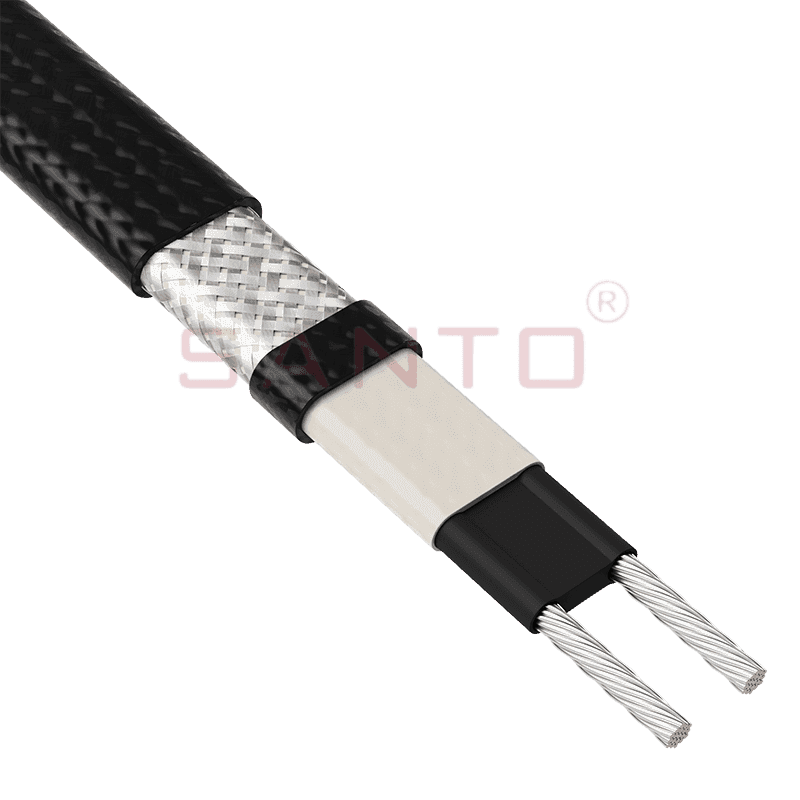
The SANTO UFA range of self-regulating heating cables is mainly used for frost protection of pipes and vessels but can also be used to maintain processes up to 65°C. These heating cables are available...
See Details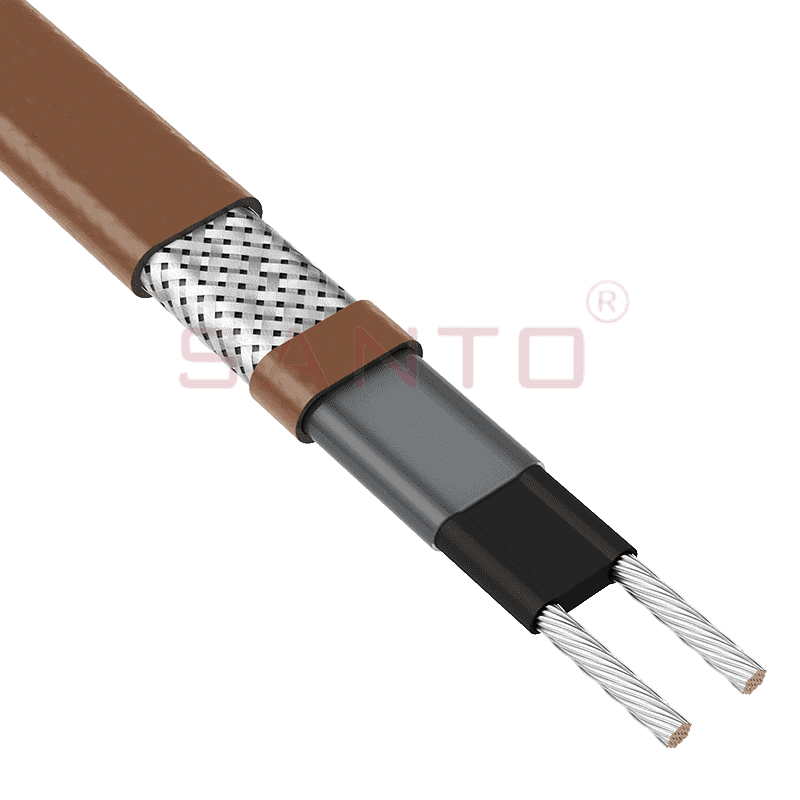
The SANTO UFB range of self-regulating heating cables is mainly used for frost protection of pipes and vessels requiring a higher power output than the UFA heating cables can supply. They can also be ...
See Details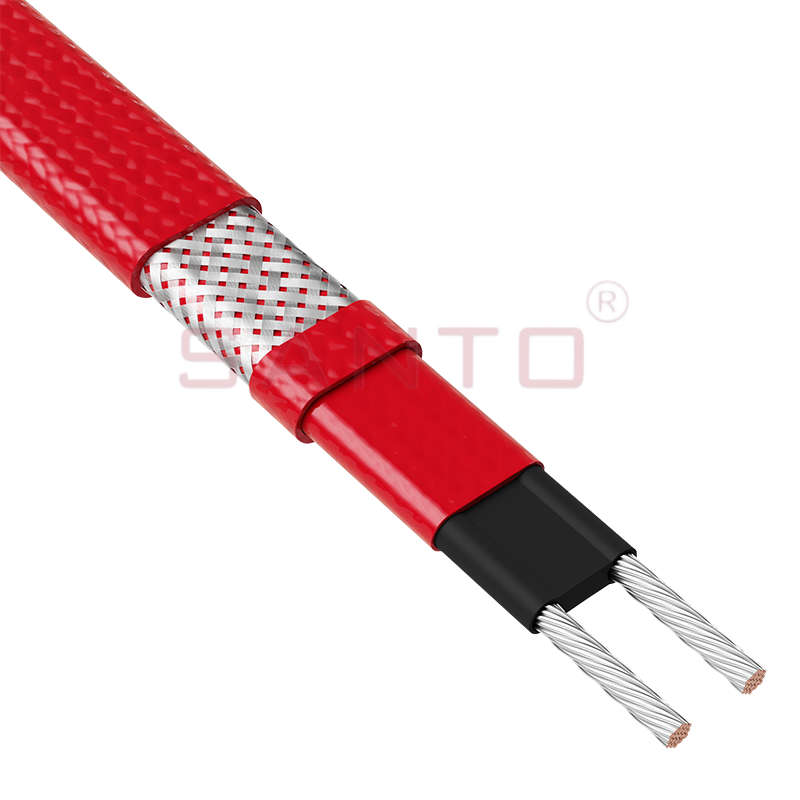
The SANTO UFC range of self-regulating heating cables is used for frost protection of pipes and vessels that require steam cleaning. They can also be used to maintain processes up to 121°C. These heat...
See Details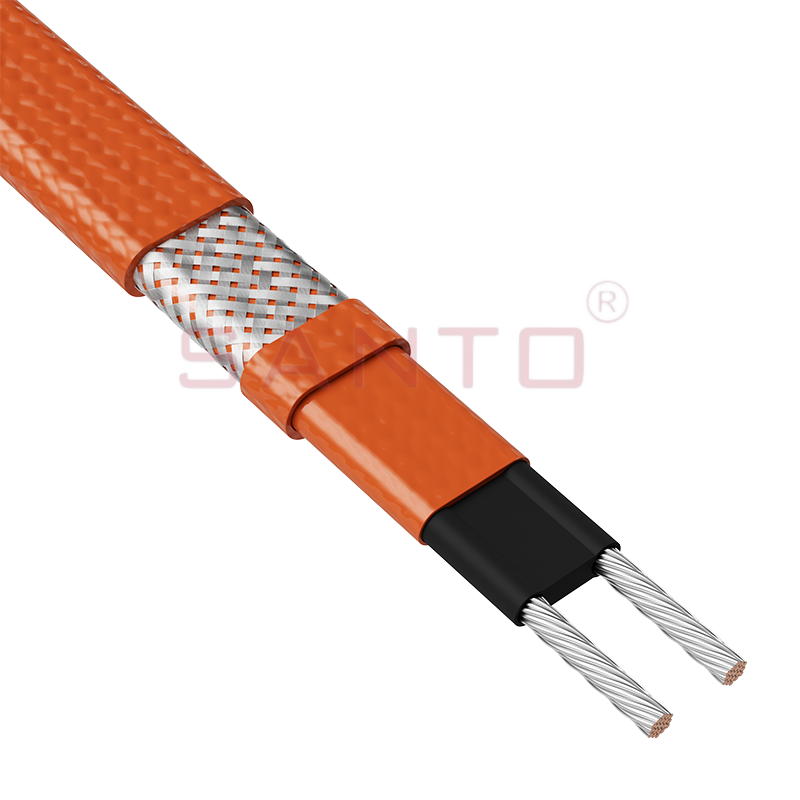
The SANTO UFO range of self-regulating heating cables is mainly used for frost protection of pipes and vessels that require steam cleaning . They can also be used to maintain processes up to 150°C. Th...
See Details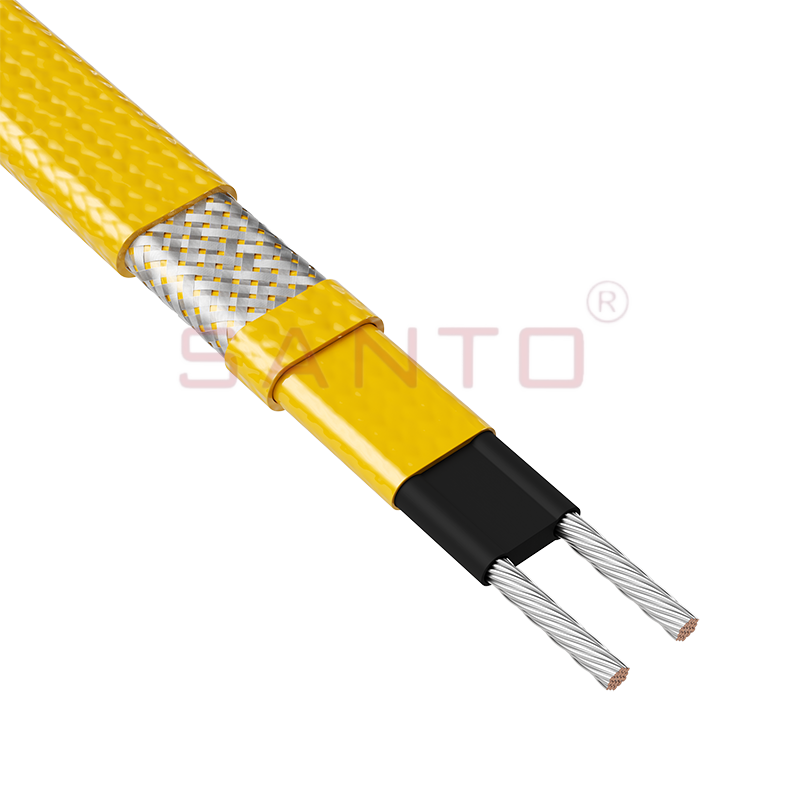
The SANTO UFD series of self-regulating heating cables are mainly used for freeze protection of pipes and vessels, but can also be used to maintain processes up to 200°C. These heating cables are avai...
See Details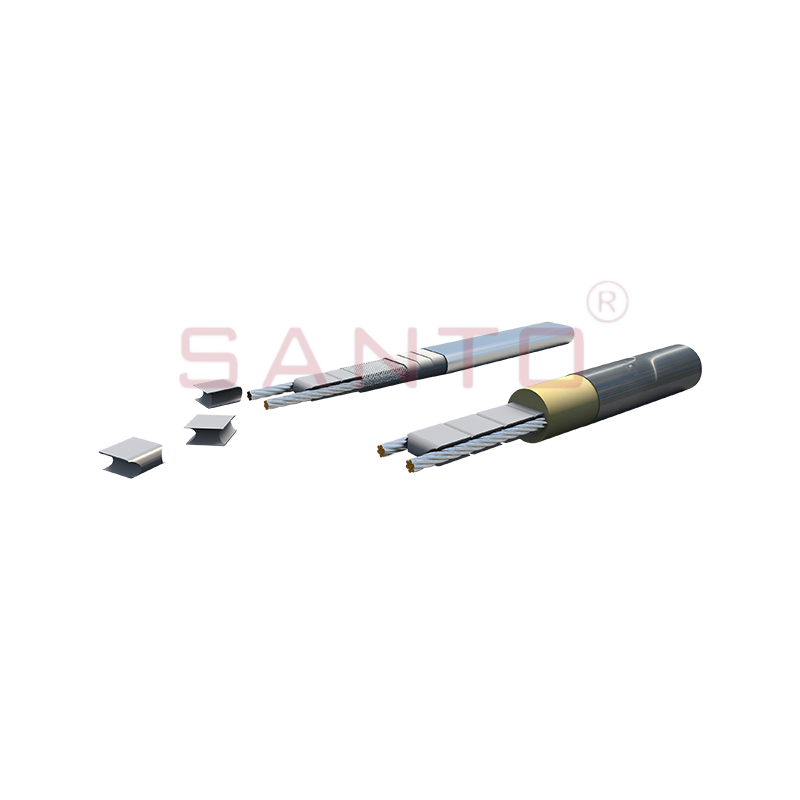
SANTO UFY heating wire is suitable for applications that maintain process temperatures up to 260 ℃ and can be steam blown; The self-regulating and parallel circuit heating wires of the UFY series are ...
See Details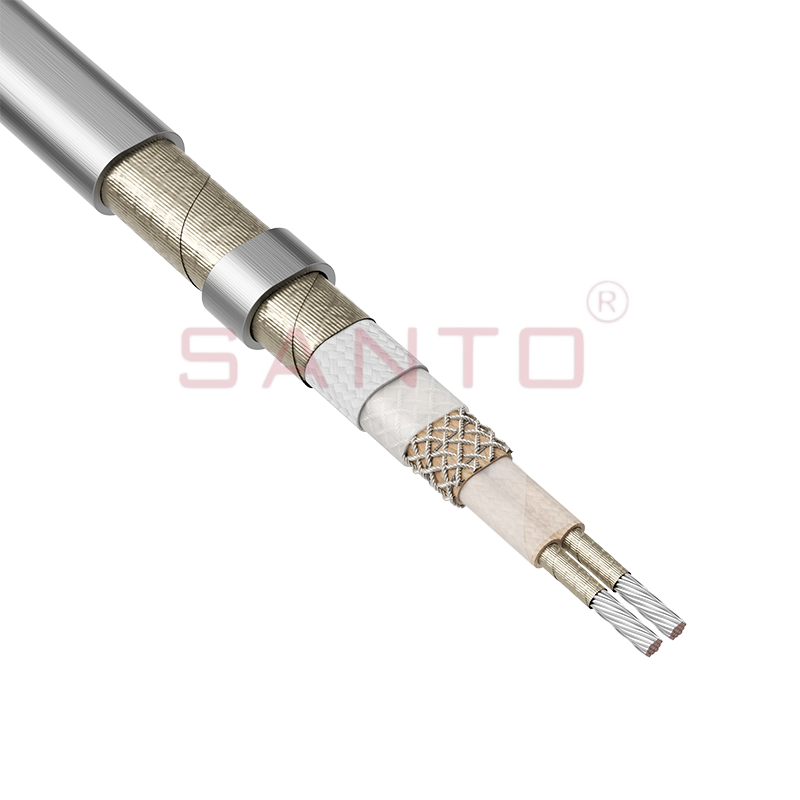
The SANTO UFM series self-regulating heating cables are mainly used for freeze protection of pipes and vessels, but can also be used to maintain processes up to 400°C. These heating cables are availab...
See Details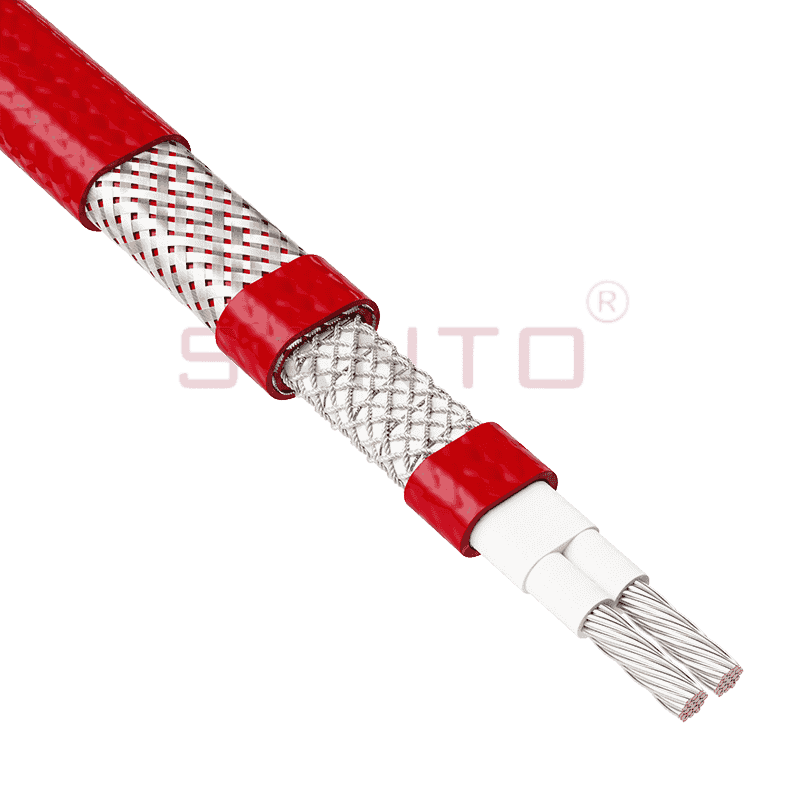
The SANTO ACC range of power-limiting heating cables is mainly used for temperature maintenance of processes and offers the advantage of a high power output at high temperatures which can reduce the n...
See Details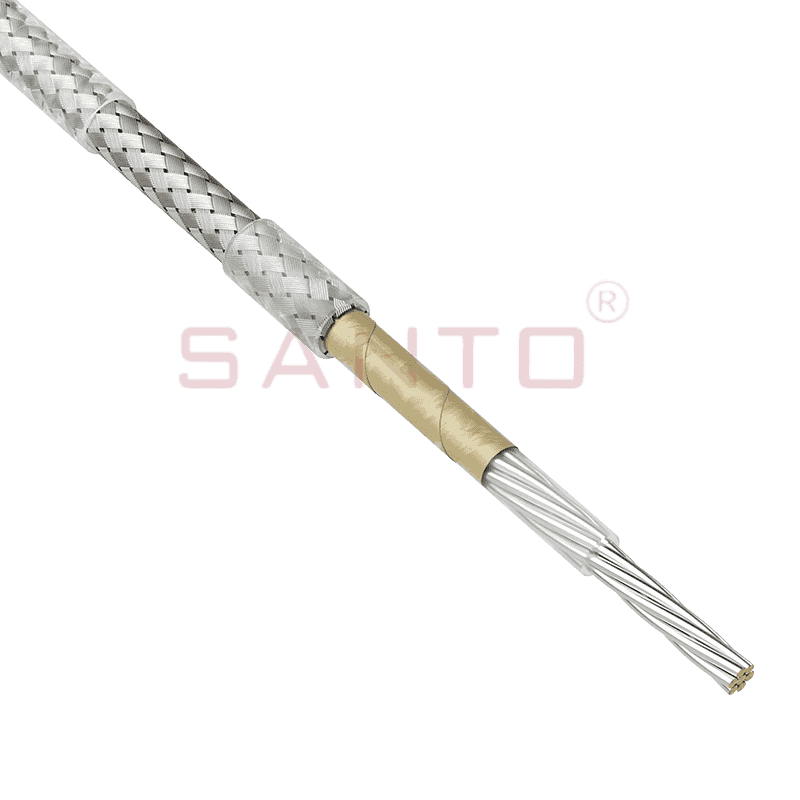
The stranded high temperature conductor is nickel plated to ensure a long life at elevated temperatures in corrosive environments. It is electrically isolated using an innovative sandwich construction...
See Details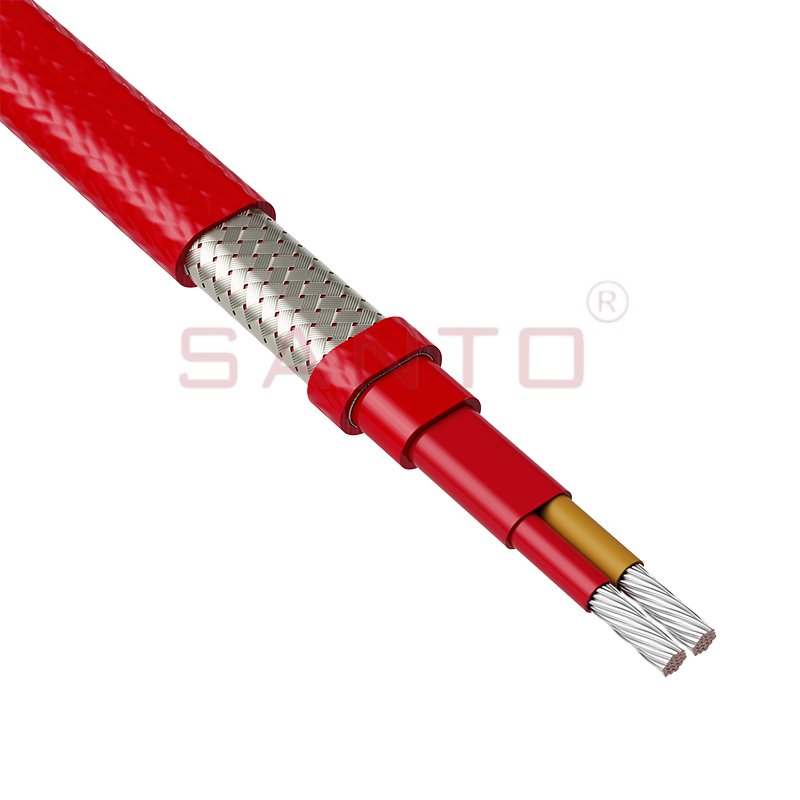
The stranded high temperature conductor is nickel plated to ensure a long life at elevated temperatures in corrosive environments. It is electrically isolated using an innovative sandwich construction...
See Details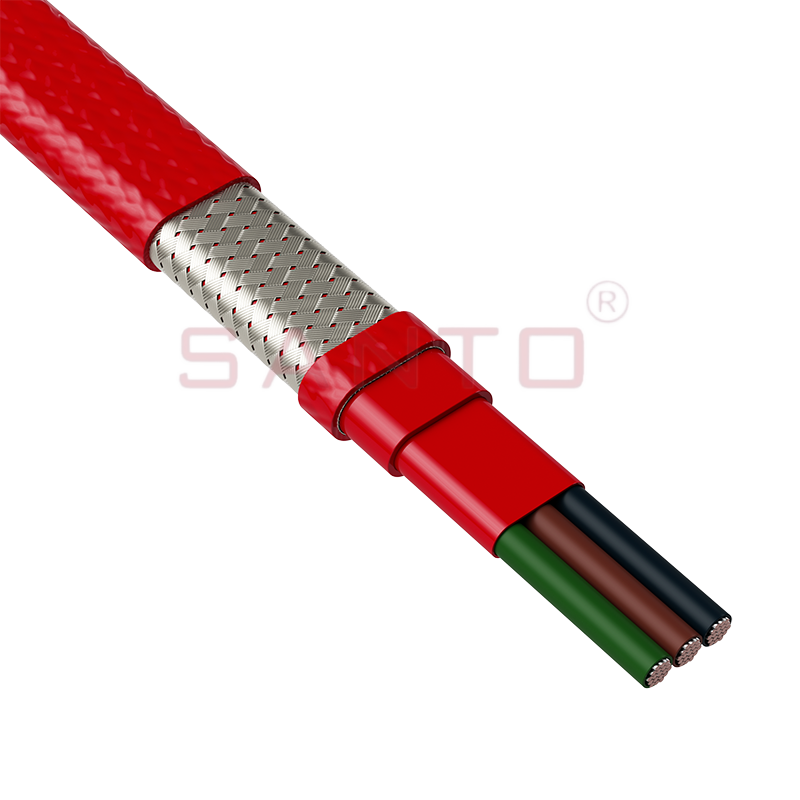
The stranded high temperature conductor is nickel plated to ensure a long life at elevated temperatures in corrosive environments. It is electrically isolated using an innovative sandwich construction...
See Details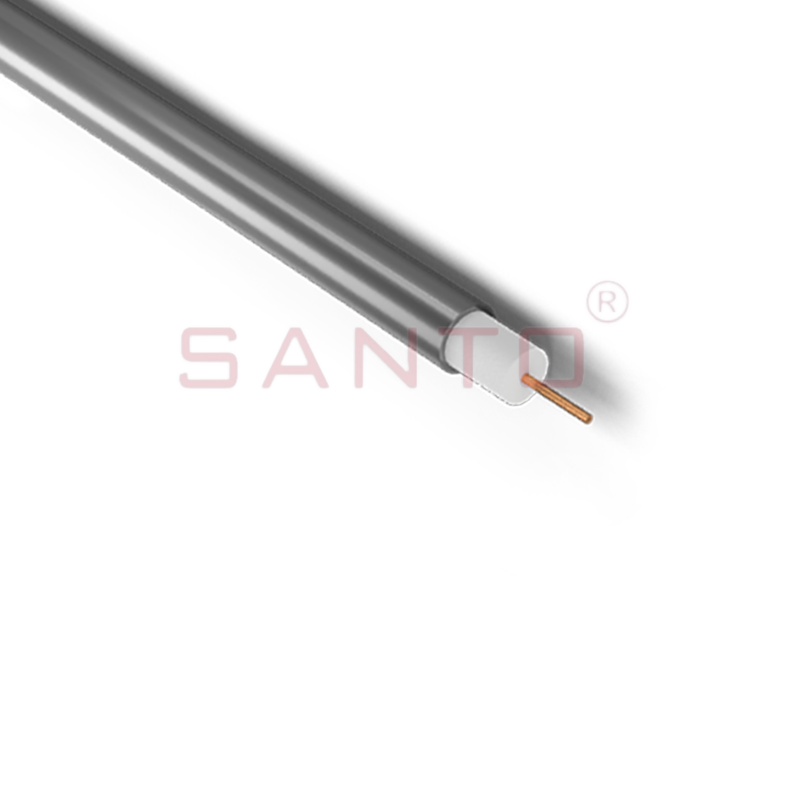
SANTO HAx mineral insulated (MI) Alloy 825 series heating cables are suitable for use in hazardous areas. They have been designed for use in freeze protection and temperature maintenance applications ...
See Details
Santo electric heating strips are widely used in key industries in China.

