 English
  English
 русский
 日本語
日本語 Español
 中文简体
中文简体
The SANTO UFA range of self-regulating heating cables is mainly used for frost protection of pipes and vessels but can also be used to maintain processes up to 65°C. These heating cables are available...
See Details
Mineral insulated heating cable components are critical building blocks for high-performance heat tracing systems used in demanding industrial, commercial, and infrastructure environments. Designed to support mineral insulated heating cables, these components help complete the electrical, mechanical, and thermal integrity of a heat tracing circuit. They are used to connect, terminate, protect, seal, install, and maintain heating cable systems that must operate reliably under high temperature, corrosive exposure, mechanical stress, vibration, moisture, and long service cycles.
For facilities that cannot tolerate frozen pipes, unstable process temperatures, condensation, wax formation, crystallization, or temperature-related production interruptions, the quality of every component matters. A mineral insulated heating cable may be the heat source, but its performance depends on compatible power connections, cold leads, glands, end seals, junction boxes, splices, mounting hardware, control equipment, and installation accessories. When these parts are engineered as a coordinated system, the result is safer installation, longer operating life, more predictable heat output, and lower maintenance cost.
Mineral insulated heating cable components are especially valued in petroleum, chemical processing, natural gas, power generation, building services, solar energy, deicing, tank heating, pipeline insulation, and high-temperature process applications. Unlike ordinary polymer-based heating cable accessories, mineral insulated systems are built for greater thermal stability and mechanical durability. They can be configured for hazardous, outdoor, high-temperature, or heavy-duty industrial environments where standard accessories may age quickly or fail prematurely.
Mineral insulated heating cable components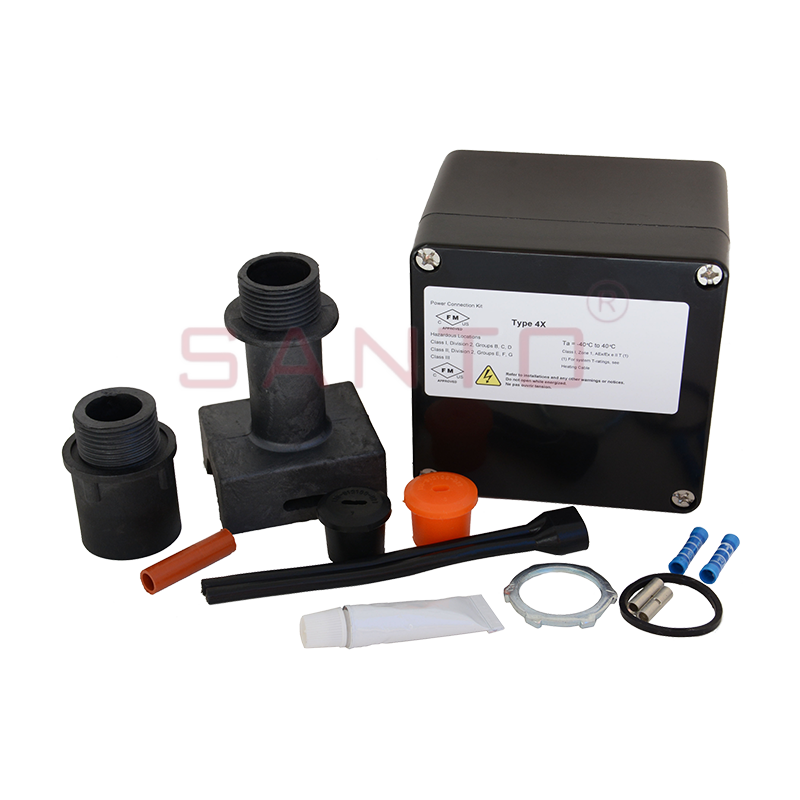
Content
A mineral insulated heating cable system is commonly made from a metallic sheath, compacted mineral insulation, and one or more resistance heating conductors. The sheath protects the heating element and provides mechanical strength. The mineral insulation, typically magnesium oxide or a similar inorganic material, provides excellent dielectric performance while allowing efficient heat transfer. Because the insulation is inorganic, the cable can tolerate elevated temperatures and harsh conditions better than many organic-insulated alternatives.
However, a reliable heat tracing circuit is not made from cable alone. It requires carefully matched components to transform a heating cable length into a safe and serviceable field installation. These components include power connection assemblies, cold lead assemblies, hot-to-cold joints, end termination kits, sealing fittings, junction boxes, temperature sensors, control panels, mounting clips, stainless steel bands, warning labels, cable glands, protective sleeves, and inspection accessories.
Each component performs a specific function. A power connection brings electrical energy into the heating circuit. A cold lead provides a non-heating section between the power source and the heated zone. A hot-to-cold joint transitions from the heating element to the cold lead while maintaining electrical insulation and environmental sealing. An end seal safely terminates the cable and prevents moisture ingress. Mounting accessories secure the cable to pipes, tanks, valves, pumps, or equipment surfaces while preserving heat transfer.
The main purpose of these components is to preserve the inherent advantages of mineral insulated heating cables. If a heating cable is resistant to heat, pressure, flame, and corrosion but is connected with poor-quality accessories, the entire circuit becomes vulnerable. Well-engineered components ensure that the system remains strong at the weakest points: joints, terminations, entries, bends, and connection interfaces.
In industrial heat tracing, failures often occur not in the straight run of cable but at termination points, connection boxes, penetrations, and mechanical interfaces. Moisture can enter through a poorly sealed end. Conductors can loosen inside a low-quality junction box. A cold lead joint may overheat if resistance welding, brazing, crimping, or insulation filling is not correctly controlled. Cable may be damaged during installation if the mounting hardware is not compatible with the sheath material.
For this reason, mineral insulated heating cable components must be manufactured with strict attention to dimensional tolerance, material compatibility, electrical clearance, insulation resistance, corrosion resistance, and mechanical strength. The operating environment may include rain, snow, chemical vapor, salt spray, oil, vibration, ultraviolet exposure, thermal cycling, and frequent washdown. A component that appears simple on the outside may need complex internal engineering to perform reliably for years.
High-grade components also improve installation consistency. Field installers often work in challenging conditions, including elevated pipe racks, confined spaces, cold outdoor sites, offshore platforms, processing units, or hazardous areas. Components that are pre-engineered, properly labeled, easy to assemble, and compatible with standard installation practices reduce the risk of human error. This is a major advantage over generic or mismatched accessories that require excessive field modification.
Another important factor is maintainability. Well-designed junction boxes, glands, labels, and monitoring accessories make circuits easier to inspect, test, isolate, and repair. This is especially important for plants with hundreds or thousands of heat tracing circuits. When a facility can identify each circuit quickly and measure insulation resistance, continuity, current, and temperature response efficiently, downtime is reduced and safety is improved.
The heating cable section is the active part of the circuit. It generates heat through electrical resistance and transfers that heat to the pipe, vessel, tank, valve, roof, ramp, or equipment being protected. Mineral insulated heating cables can be made with different sheath materials, conductor configurations, resistance values, voltage ratings, and temperature capabilities. Common sheath options may include stainless steel, copper-nickel alloy, or other corrosion-resistant metals, depending on the service environment.
The heating cable component must be selected according to required wattage, maximum exposure temperature, minimum ambient temperature, heat loss calculation, pipe size, insulation thickness, process temperature, voltage supply, and area classification. Compared with many polymer-insulated heating cables, mineral insulated cables are typically preferred where higher power density, high temperature tolerance, flame resistance, and long-term mechanical robustness are required.
A cold lead is a non-heating electrical lead used to connect the heating cable to the power supply. In many installations, the power source or junction box is located away from the heated surface. The cold lead makes this connection without producing unnecessary heat along the route. Proper cold lead design reduces energy waste, protects personnel, and prevents overheating at cable entry points.
Cold lead assemblies must be compatible with the heating cable’s current, voltage, sheath material, insulation system, and environmental exposure. The connection between the hot section and the cold lead is one of the most technically important parts of the system. A high-quality factory-made joint can provide superior sealing, conductor alignment, mechanical stability, and insulation resistance compared with improvised field joints.
The hot-to-cold joint transitions from the heating section to the cold lead. This joint must withstand electrical stress, thermal cycling, cable movement, and environmental contamination. It must also maintain a safe separation between conductors and sheath. If moisture enters this area, the mineral insulation may absorb it, reducing insulation resistance. Therefore, precision sealing and moisture control are essential.
Advanced manufacturers use controlled processes to produce consistent joints. Depending on the design, processes may include conductor welding, brazing, compression sealing, mineral insulation compaction, metal sleeve assembly, sheath restoration, and final electrical testing. The goal is to create a joint that performs like an integrated part of the cable rather than a weak field connection.
The end termination safely closes the far end of the heating cable circuit. It prevents conductor exposure, blocks moisture, protects insulation, and completes the mechanical structure. In heat tracing applications, the end seal may be exposed to repeated temperature cycles, pipe movement, weather, and vibration. A robust termination is essential for preventing ground faults and premature cable failure.
Mineral insulated cable end terminations are often metallic or high-temperature assemblies designed to match the cable sheath. They may include sealing compounds, compression fittings, weld-sealed caps, ceramic insulators, or other high-temperature structures. Compared with simple plastic end caps used on lower-temperature systems, mineral insulated terminations are engineered for harsher conditions and longer service life.
Cable glands and sealing fittings secure cables as they enter junction boxes, panels, enclosures, or process equipment. They provide strain relief, environmental sealing, and sometimes explosion-proof or flameproof protection depending on the installation requirement. A gland must match the cable diameter and sheath type while maintaining ingress protection.
In industrial heat tracing, glands are often exposed to moisture, chemical atmosphere, and mechanical pulling. Stainless steel or nickel-plated metal glands can offer better durability than low-cost alternatives. When properly selected and installed, glands reduce the risk of cable movement, conductor fatigue, water ingress, and enclosure contamination.
Junction boxes house electrical connections, terminals, grounding points, and sometimes control devices. For mineral insulated heat tracing systems, junction boxes must provide suitable temperature rating, ingress protection, corrosion resistance, and electrical safety. They may be installed directly on pipe stands, wall brackets, support frames, or equipment surfaces.
A high-quality junction box should be easy to wire, inspect, and maintain. Terminal blocks should be properly rated for current and voltage. Grounding should be clear and secure. Enclosure materials should match the environment, especially in chemical plants, offshore facilities, or high-humidity regions. Proper enclosure design can significantly reduce maintenance labor and improve operational safety.
Mounting hardware includes stainless steel bands, tie wires, clips, brackets, heat transfer tapes, fixing plates, pipe straps, and protective covers. These parts keep the cable in contact with the heated surface and prevent damage from movement. Correct attachment also improves thermal efficiency because heat must transfer from the cable sheath to the pipe or equipment surface.
Using inappropriate fastening materials can create galvanic corrosion, cable deformation, hot spots, or installation failure. Mineral insulated cables are strong, but they still require correct minimum bending radius and proper handling. Reliable mounting accessories help maintain spacing, contact, routing, and identification throughout the system’s life.
Although the product focus is on cable components and accessories, control devices are essential to a complete heat tracing system. Temperature controllers, thermostats, resistance temperature detectors, power distribution panels, contactors, ground-fault protection devices, and monitoring modules help regulate heat output and protect circuits.
Accurate control reduces energy consumption and prevents overheating. Monitoring equipment can detect abnormal current, ground leakage, sensor failure, or temperature deviation before a problem becomes serious. In modern industrial facilities, heat tracing is increasingly integrated into centralized control systems, making compatible accessories and well-documented circuits more valuable.
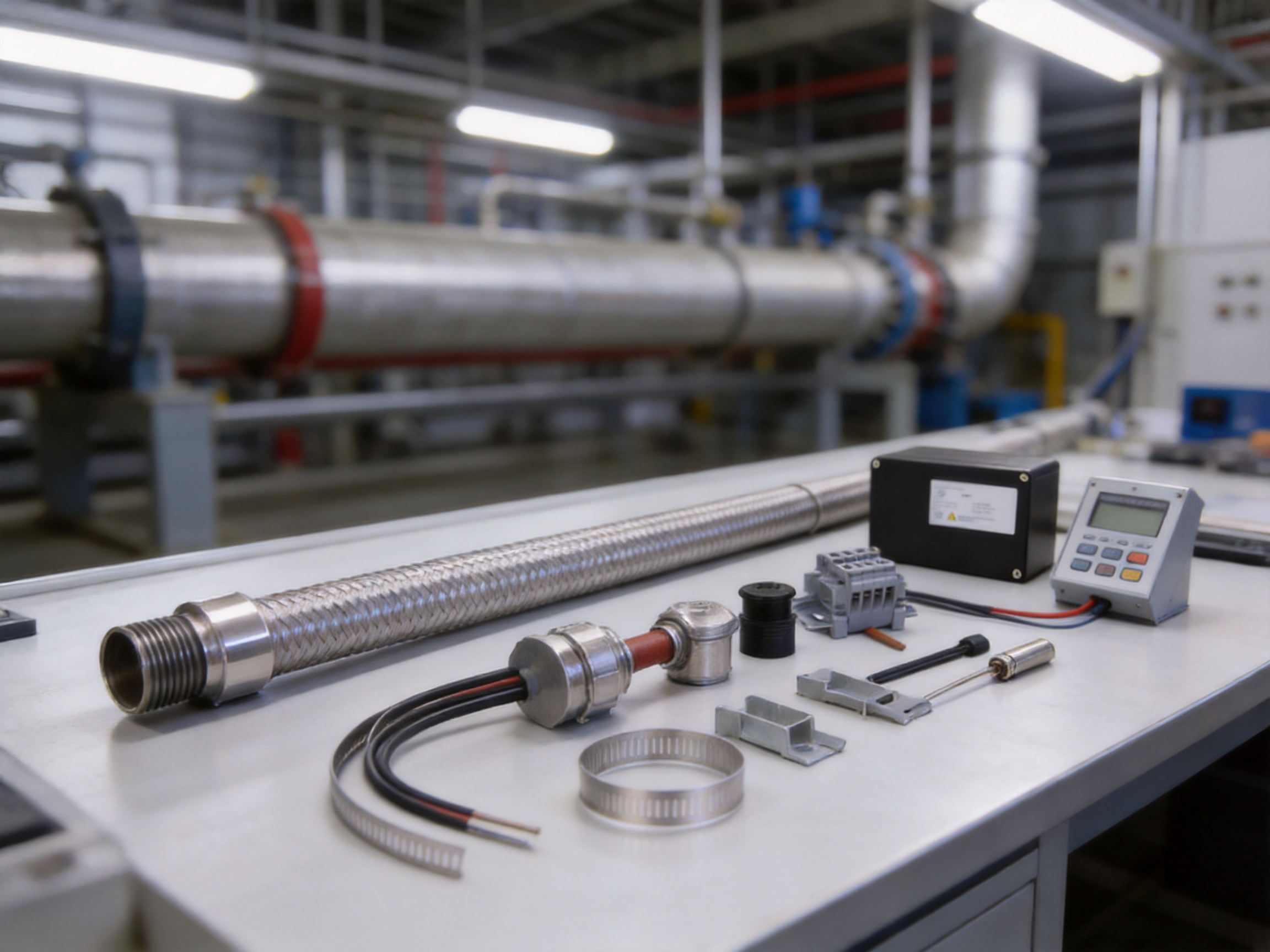
Mineral insulated heating cable components offer several advantages compared with common accessories used for lower-grade polymer heating cables or generic electrical heating systems. The first advantage is temperature resistance. Because mineral insulated cable systems are often used in high-temperature environments, their components must tolerate conditions that would degrade ordinary plastics, elastomers, or adhesives. Metallic glands, high-temperature seals, and robust terminations provide longer life in severe applications.
The second advantage is mechanical strength. Industrial heat tracing circuits may be installed on long pipe networks, tanks, pumps, valves, loading arms, or outdoor structures. These areas experience vibration, impact, maintenance traffic, insulation removal, and weather exposure. Strong metallic components resist crushing, pulling, and abrasion better than fragile low-cost parts.
The third advantage is moisture protection. Mineral insulation has excellent dielectric properties when dry, but like many insulation systems, it must be protected from moisture contamination. Properly engineered end seals and joints are essential. Premium components use controlled sealing methods to reduce moisture ingress, preserve insulation resistance, and extend service life.
The fourth advantage is system compatibility. Components designed specifically for mineral insulated heat tracing cables fit the cable diameter, sheath material, conductor structure, voltage rating, and thermal requirements. Generic accessories may appear compatible but fail to provide the correct clearances, strain relief, grounding, or sealing performance. Purpose-built components reduce uncertainty and field adaptation.
The fifth advantage is safety. High-quality components support stable grounding, insulation resistance, overcurrent protection, ground-fault detection, and safe electrical isolation. In industrial environments, heat tracing circuits may be installed near flammable materials, high-pressure equipment, or critical processes. Component reliability is therefore directly connected to plant safety.
The sixth advantage is long-term economy. Premium accessories may cost more initially, but they reduce failure rates, maintenance visits, shutdowns, replacement labor, and energy waste. In many industrial applications, the cost of downtime is much higher than the cost difference between high-quality and low-quality components. A reliable component package can deliver better lifecycle value.
The performance of mineral insulated heating cable components depends heavily on manufacturing capability. Santo Thermal Control Technology Co., Ltd. is located in Jiangsu Province, an important region for electric heating belt and heat tracing production. With decades of experience in electric heating products, the company has developed production knowledge in self-limiting heating cables, constant-power heating cables, glass fiber heating belts, silicone rubber heating systems, mineral insulated cables, snow melting cables, heating wires, and related accessories.
The company’s manufacturing strength begins with product engineering. Heat tracing components must be designed according to electrical load, thermal exposure, installation method, cable geometry, and environmental conditions. Product engineers need to understand not only cable construction but also field installation challenges. This allows the manufacturer to develop accessories that are practical, safe, durable, and suitable for export markets.
Material selection is another major strength. Mineral insulated heating cable components may require stainless steel, copper, nickel alloy, brass, ceramic insulation, magnesium oxide insulation, high-temperature sealing materials, flame-resistant compounds, and corrosion-resistant finishes. The correct material combination helps prevent corrosion, leakage current, cracking, deformation, and thermal aging.
Precision processing is essential for cable joints, glands, and terminations. Small dimensional errors can affect fit, sealing pressure, insulation thickness, electrical clearance, or mechanical strength. Advanced production methods help maintain consistent tolerances and repeatable assembly quality. The company’s experience in multiple heating cable technologies also supports custom component development for special applications.
Quality control is central to reliable heat tracing products. For mineral insulated heating cable components, important tests may include insulation resistance testing, high-voltage withstand testing, continuity testing, conductor resistance measurement, dimensional inspection, sheath integrity inspection, sealing verification, visual inspection, and functional testing. These inspections help ensure that components leaving the factory are suitable for demanding installations.
The company has passed ISO9001 quality system certification, reflecting a structured approach to production management, quality documentation, inspection control, process consistency, and continuous improvement. Products have also obtained national CCC certification for relevant categories. Certification and quality management give customers greater confidence when selecting components for industrial and commercial projects.
A strong production process begins before manufacturing. Application review helps determine the correct component design. Engineers consider voltage, wattage, operating temperature, exposure temperature, cable length, hazardous area needs, sheath material, pipe material, installation layout, insulation thickness, and control philosophy. This review reduces the risk of selecting components that are technically unsuitable.
For custom projects, drawings, sample cables, installation photos, or project specifications may be evaluated. The manufacturer can recommend component configurations for pipelines, tanks, valves, instrument lines, process equipment, or snow and ice melting systems. The ability to support customization is a clear advantage over suppliers that only provide standard parts without engineering guidance.
Incoming material quality affects finished component reliability. Metallic tubes, fittings, terminal parts, conductor materials, sealing materials, insulation powders, and enclosure parts should be inspected before use. Material certificates, dimensions, surface condition, chemical compatibility, and mechanical properties may be verified depending on component type.
For mineral insulated systems, moisture control is especially important. Insulation and sealing materials must be handled properly to preserve dielectric performance. Poor handling can introduce contamination that later appears as reduced insulation resistance. Strong factories use controlled storage and inspection practices to minimize these risks.
Heating cable components often require precise cutting, tube forming, fitting machining, sleeve preparation, and sheath sizing. Precision cutting ensures clean ends and accurate assembly length. Forming processes must avoid cracks, burrs, and deformation that could damage insulation or compromise sealing.
In mineral insulated cable work, maintaining cable geometry is important. Excessive bending, crushing, or rough handling can create internal stress. Proper equipment and trained technicians help keep the heating conductor centered, the mineral insulation compact, and the sheath intact.
Hot-to-cold joints and splice assemblies require careful conductor connection and insulation restoration. The conductors must be joined securely with low resistance and high mechanical integrity. The joint area must be protected from oxidation, contamination, and moisture. Depending on design, specialized joining techniques may be used to ensure a stable electrical path.
After conductor connection, insulation must be restored or protected so the joint can withstand operating voltage and thermal cycling. The external sleeve or housing must then be sealed and mechanically secured. This step is one of the most important differences between professional factory components and improvised field connections.
End terminations and power entry seals are assembled to prevent moisture ingress and maintain electrical safety. The sealing method must match the expected temperature and environment. Low-temperature sealants are not suitable for high-temperature mineral insulated systems. A well-designed termination may use metallic sealing structures, high-temperature compounds, ceramic parts, or compression fittings.
Sealing integrity is verified through inspection and electrical testing. Since moisture contamination may not be visible, insulation resistance measurement is a critical quality step. High resistance indicates that the insulation system is dry and electrically sound.
Electrical testing confirms that the component or cable assembly meets performance requirements. Common tests include conductor continuity, resistance value verification, insulation resistance testing, and high-voltage withstand testing. These tests help identify open circuits, short circuits, weak insulation, incorrect resistance, or assembly defects.
For heat tracing projects, resistance accuracy is important because it affects heat output. If resistance is too low, current may be excessive. If resistance is too high, heat output may be insufficient. Controlled manufacturing and testing ensure that the circuit performs as designed.
Finished components should be clearly identified. Labels, tags, model numbers, voltage ratings, size information, batch numbers, or circuit references help installers and maintenance teams avoid mistakes. Proper packaging protects components during storage and transportation, especially for export shipments.
Documentation may include product descriptions, installation guidance, test records, specification sheets, and quality certificates. Good documentation improves installation quality and supports project acceptance. For international customers, clear English documentation is especially valuable.
| Component | Main Function | Key Performance Requirement | Customer Benefit |
|---|---|---|---|
| Hot-to-cold joint | Connects heating section to cold lead | Low resistance, strong sealing, high insulation resistance | Reliable power transfer and reduced failure risk |
| End termination | Safely seals the end of the cable | Moisture resistance and thermal stability | Longer cable life and improved safety |
| Cable gland | Secures cable entry into enclosure | Strain relief, ingress protection, corrosion resistance | Safer wiring and easier maintenance |
| Junction box | Houses electrical connections | Electrical rating, enclosure protection, accessible terminals | Efficient installation and inspection |
| Mounting accessories | Fix heating cable to heated surface | Mechanical strength and material compatibility | Stable heat transfer and reduced cable damage |
| Temperature sensor | Measures process or ambient temperature | Accuracy, durability, correct placement | Better control and energy savings |
Petroleum and chemical plants use heat tracing to maintain flow, prevent freezing, protect instruments, avoid wax deposition, and stabilize process temperatures. Mineral insulated heating cable components are well suited for these environments because they can withstand high temperatures, corrosive atmospheres, mechanical exposure, and demanding maintenance cycles.
Typical applications include pipelines, storage tanks, pump bodies, valve stations, sampling lines, loading systems, sulfur lines, heavy oil lines, chemical dosing systems, and instrument impulse lines. In these applications, reliable terminations and junction boxes are essential because many circuits are installed outdoors or in process areas where moisture and chemical vapor are present.
Natural gas facilities, compressor stations, pressure regulation stations, and energy infrastructure projects often require freeze protection and temperature maintenance. Heat tracing protects equipment from hydrate formation, condensation, and low-temperature malfunction. Mineral insulated cable accessories can offer the durability required for remote installations where maintenance access is limited.
For energy facilities, safety and uptime are critical. High-quality components support dependable operation in harsh weather and reduce the need for emergency repairs. Proper grounding and enclosure protection also contribute to safe electrical operation.
Power plants use heat tracing for fuel oil lines, water lines, chemical treatment systems, instrument lines, condensate systems, and environmental control equipment. Temperature stability can affect plant reliability, especially during winter or shutdown/startup conditions. Mineral insulated cable systems are preferred in high-temperature zones and rugged industrial areas.
Components used in power plants must tolerate vibration, elevated ambient temperatures, and long operating schedules. Durable joints, glands, and terminations help prevent nuisance faults that could affect plant operation.
In commercial and residential construction, heat tracing systems protect water pipes, fire protection lines, drainage systems, roofs, gutters, ramps, and outdoor surfaces. While not every building application requires mineral insulated cable, certain areas benefit from the mechanical strength and fire resistance of mineral insulated technology.
Component quality remains important even in building applications. Moisture-resistant terminations and well-protected power connections help prevent electrical faults. Proper mounting accessories improve appearance, installation quality, and service life.
Snow and ice melting systems are used for roads, bridges, ramps, stairs, roofs, gutters, airport surfaces, industrial yards, and access paths. These systems must endure moisture, freeze-thaw cycling, mechanical load, and outdoor exposure. Mineral insulated heating cable components provide strong sealing and robust electrical connections for difficult winter environments.
Compared with ordinary deicing systems, a well-designed mineral insulated solution can offer higher durability and faster heat transfer. Accessories such as junction boxes, cold leads, and sensors must be selected to withstand water, ice, impact, and maintenance activities.
Solar thermal and renewable energy systems may require freeze protection for fluid lines, storage tanks, collectors, and auxiliary equipment. Heat tracing components must operate efficiently to prevent energy waste while protecting equipment from cold-weather damage. Reliable sensors and control accessories are especially valuable because they allow heat to be applied only when necessary.
In renewable energy installations, long service life and low maintenance are important because systems are often expected to operate for many years with minimal intervention. Mineral insulated accessories support this requirement through durable materials and stable performance.
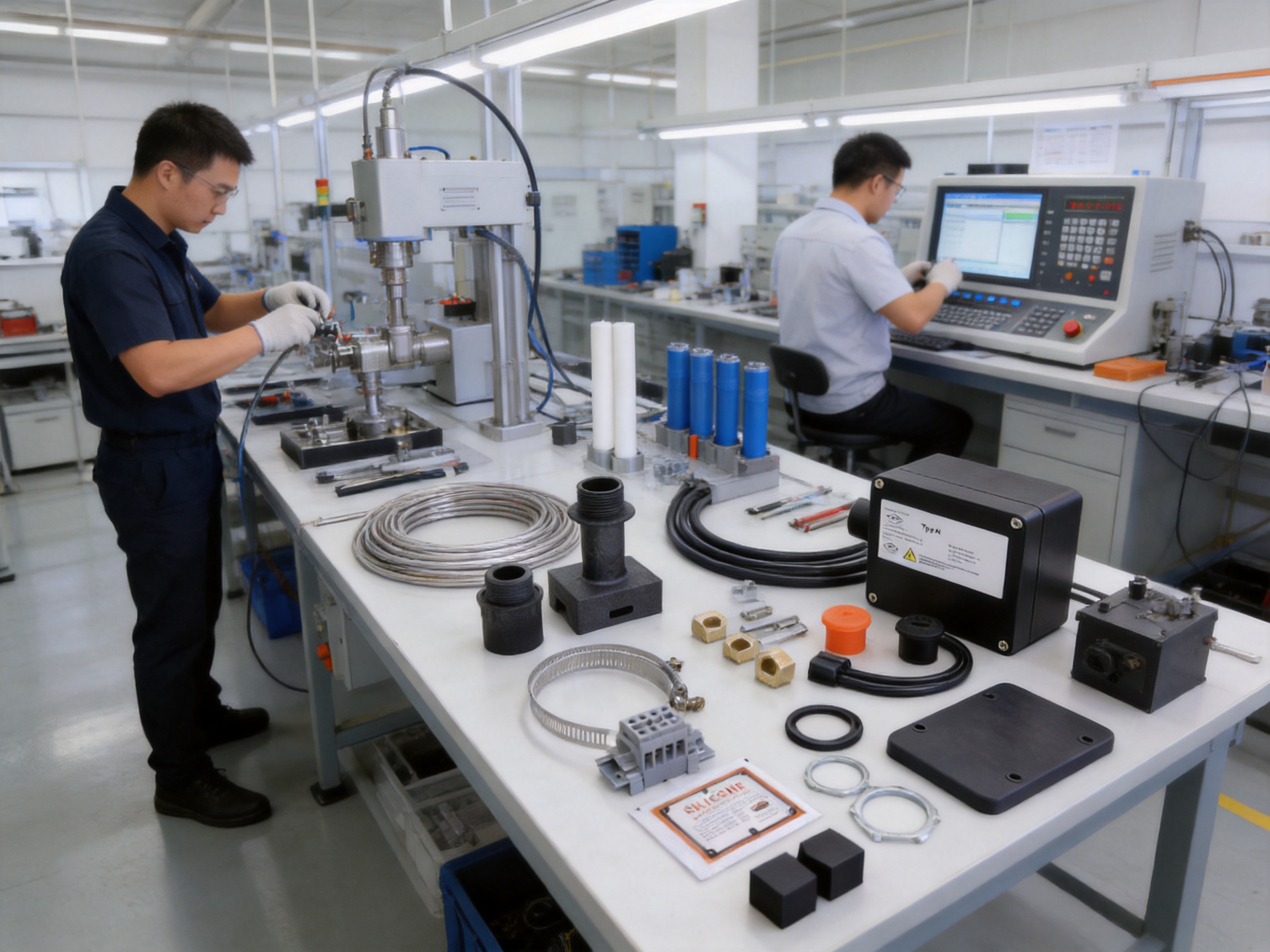
One of the major advantages of working with an experienced heating cable manufacturer is the ability to customize components. Industrial projects rarely follow one universal design. Pipe sizes, process temperatures, installation layouts, environmental conditions, voltage systems, and customer standards vary widely. A manufacturer with broad technical experience can adjust component design to meet project-specific needs.
Customization may include cable length, cold lead length, sheath material, gland size, termination style, junction box configuration, voltage rating, output power, mounting method, label language, packaging format, and documentation requirements. For export customers, customization can also involve compliance with regional electrical practices and project documentation standards.
This flexibility is a strong advantage over suppliers that only sell off-the-shelf accessories. Standard components may work for simple applications, but complex industrial installations often require engineered solutions. Custom design reduces field modification, improves reliability, and saves installation time.
With experience in multiple heating technologies, including self-limiting heating cables, constant-power heating belts, silicone rubber heating systems, glass fiber heating belts, MI cables, and snow melting cables, the company can support customers who need more than one type of heating product. This integrated product base allows engineers to recommend the most suitable heating solution rather than forcing every application into a single product category.
Quality assurance is not only a final inspection step; it is a complete system that covers design, material procurement, production, testing, packaging, and after-sales support. For mineral insulated heating cable components, quality assurance helps ensure that the product can withstand harsh use after installation. A small defect may remain hidden during assembly but become serious after months of thermal cycling or moisture exposure.
ISO9001 quality management supports consistent processes, traceable records, corrective actions, supplier control, inspection planning, and continuous improvement. For customers, this means product quality is not dependent only on individual workers but supported by a structured management system. Certification also helps customers evaluate suppliers during procurement.
National CCC certification for relevant products further reflects compliance with recognized requirements. For industrial buyers, certification and testing records can simplify project approval and provide confidence that products are manufactured under controlled standards.
In addition to formal certifications, production experience is important. The company’s long history in the electric heating industry provides practical knowledge of cable behavior, installation problems, field failures, material aging, and customer expectations. This experience helps improve component details that may not be obvious in basic product specifications.
Safety is one of the most important reasons to choose high-quality mineral insulated heating cable components. Electrical heating systems operate near metal equipment, insulation materials, liquids, gases, and personnel. A failure can cause electrical shock risk, fire hazard, equipment damage, or process interruption. Reliable components help control these risks.
Proper grounding is essential. Metallic cable sheaths, glands, and junction boxes must be correctly connected to ground. High-quality accessories make grounding points clear and secure. This supports ground-fault protection and reduces shock risk.
Insulation integrity is another safety factor. Moisture ingress or poor assembly can reduce insulation resistance and create leakage current. Strong end seals, joints, and glands preserve insulation performance. Electrical testing before shipment further helps confirm safety.
Temperature safety is also important. Incorrect accessories can cause localized overheating, especially at connections. Components designed for the correct current and temperature rating reduce the risk of hot spots. Proper control accessories also prevent excessive surface temperature and protect process materials.
Mechanical safety should not be overlooked. Loose cables, damaged terminations, or weak junction boxes can create hazards during maintenance. Durable mounting hardware and protective fittings keep the system secure and reduce accidental damage.
A heat tracing system is most efficient when heat is delivered where it is needed, at the correct temperature, with minimal losses and minimal downtime. Mineral insulated heating cable components contribute to energy efficiency by supporting stable cable contact, accurate temperature control, and reliable circuit operation.
Mounting accessories improve thermal transfer from the cable to the heated surface. When cable contact is poor, heat transfer decreases and more energy may be required to maintain temperature. Correct installation hardware helps maintain cable position and reduces wasted energy.
Temperature sensors and control accessories prevent unnecessary heating. Instead of operating continuously, the system can respond to process or ambient temperature. This reduces power consumption and extends component life. In large facilities, control accuracy can produce significant energy savings.
Lifecycle cost also includes maintenance. Cheap components may require frequent repair or replacement. Each repair can involve scaffolding, insulation removal, electrical isolation, testing, and production coordination. High-quality components reduce these hidden costs and provide better long-term value.
Competing heat tracing solutions may include polymer self-regulating cables, constant-wattage cables, silicone rubber heaters, steam tracing, hot water tracing, and generic electric heating accessories. Each solution has its place, but mineral insulated heating cable components offer distinct advantages in severe service.
Compared with many polymer cable accessories, mineral insulated components can provide better high-temperature capability and mechanical strength. Polymer accessories may age under ultraviolet exposure, chemicals, or elevated temperature. Metallic and high-temperature mineral insulated accessories are more suitable for demanding industrial environments.
Compared with steam tracing, electric mineral insulated heat tracing can provide more precise control, easier zoning, and reduced maintenance in many applications. Steam systems may suffer from leaks, corrosion, condensate problems, uneven heating, and high energy losses. Electric systems with quality components can be easier to monitor and automate.
Compared with generic electrical fittings, purpose-built heat tracing accessories provide better cable compatibility, sealing, and installation reliability. Generic parts may not account for the unique structure of mineral insulated cable, including sheath diameter, bend limitations, conductor spacing, and moisture sensitivity.
Compared with low-cost imported accessories from unknown sources, a manufacturer with established production systems, technical experience, and quality management can provide more consistent performance. This consistency matters when products are installed across large projects or exported to multiple regions.
Even the best components must be installed correctly. Installers should follow project drawings, product instructions, electrical codes, and safety procedures. Before installation, cables and accessories should be inspected for damage. Insulation resistance should be tested before and after installation, and again after thermal insulation is applied.
Heating cable routing should avoid sharp edges, excessive bending, crushing, and contact with incompatible materials. The minimum bending radius must be respected. Cable should be fixed with approved mounting accessories, not with materials that can cut into the sheath or loosen under temperature changes.
Junction boxes should be installed in accessible locations where possible. Cable glands should be tightened correctly to provide sealing without damaging the cable. End terminations should not be submerged unless specifically designed for that condition. Warning labels should be placed on thermal insulation to alert maintenance personnel that electric heat tracing is installed underneath.
Temperature sensors should be positioned according to the control objective. For freeze protection, sensors may monitor ambient temperature or pipe temperature. For process temperature maintenance, sensors should be placed where they accurately represent the controlled temperature. Poor sensor placement can lead to overheating or insufficient heating.
After installation, commissioning tests should verify resistance, insulation resistance, supply voltage, current draw, controller operation, ground-fault protection, and circuit identification. Good commissioning records support future maintenance and troubleshooting.
Industrial customers often need more than product supply. They may require selection guidance, technical drawings, installation recommendations, troubleshooting support, and replacement planning. A manufacturer with deep heat tracing experience can provide valuable assistance during design, procurement, installation, and operation.
Technical support is particularly important for custom mineral insulated cable components. If a customer has a special pipe temperature, chemical exposure, voltage supply, or installation limitation, the supplier should help identify the appropriate component structure. This reduces risk and improves project success.
After-sales service also supports long-term cooperation. Heat tracing systems may be expanded, modified, or repaired over time. A supplier that maintains product knowledge and production capability can provide compatible replacement parts and help standardize future projects.
The electric heating industry requires a combination of electrical engineering, material science, mechanical processing, thermal design, and field application knowledge. Santo Thermal Control Technology Co., Ltd. has more than 35 years of industry experience and has developed products for antifreeze, deicing, heating, heat tracing, and insulation applications across many industries. This experience supports the development of mineral insulated heating cable components that are practical and robust.
The company’s product range includes constant-power electric heating strips, self-limiting electric heating strips, silicone rubber heating strips, glass fiber heating strips, electric hot wires, MI cables, snow melting cables, and heating cable accessories. This broad product foundation allows the company to understand the strengths and limitations of different heating technologies. Customers benefit from recommendations based on application requirements rather than a narrow product catalog.
The company has also focused on new product development, technology guidance, scientific management, product quality, and after-sales service. This approach helps maintain competitiveness in export markets. With business reaching many areas and a large distributor network, the company is positioned to support both standard demand and customized project requirements.
Manufacturing scale also matters. Annual output capacity, supplier relationships, trained production teams, and established inspection systems help ensure stable delivery. For project buyers, reliable delivery is as important as product quality because heat tracing materials are often needed within construction or shutdown schedules.
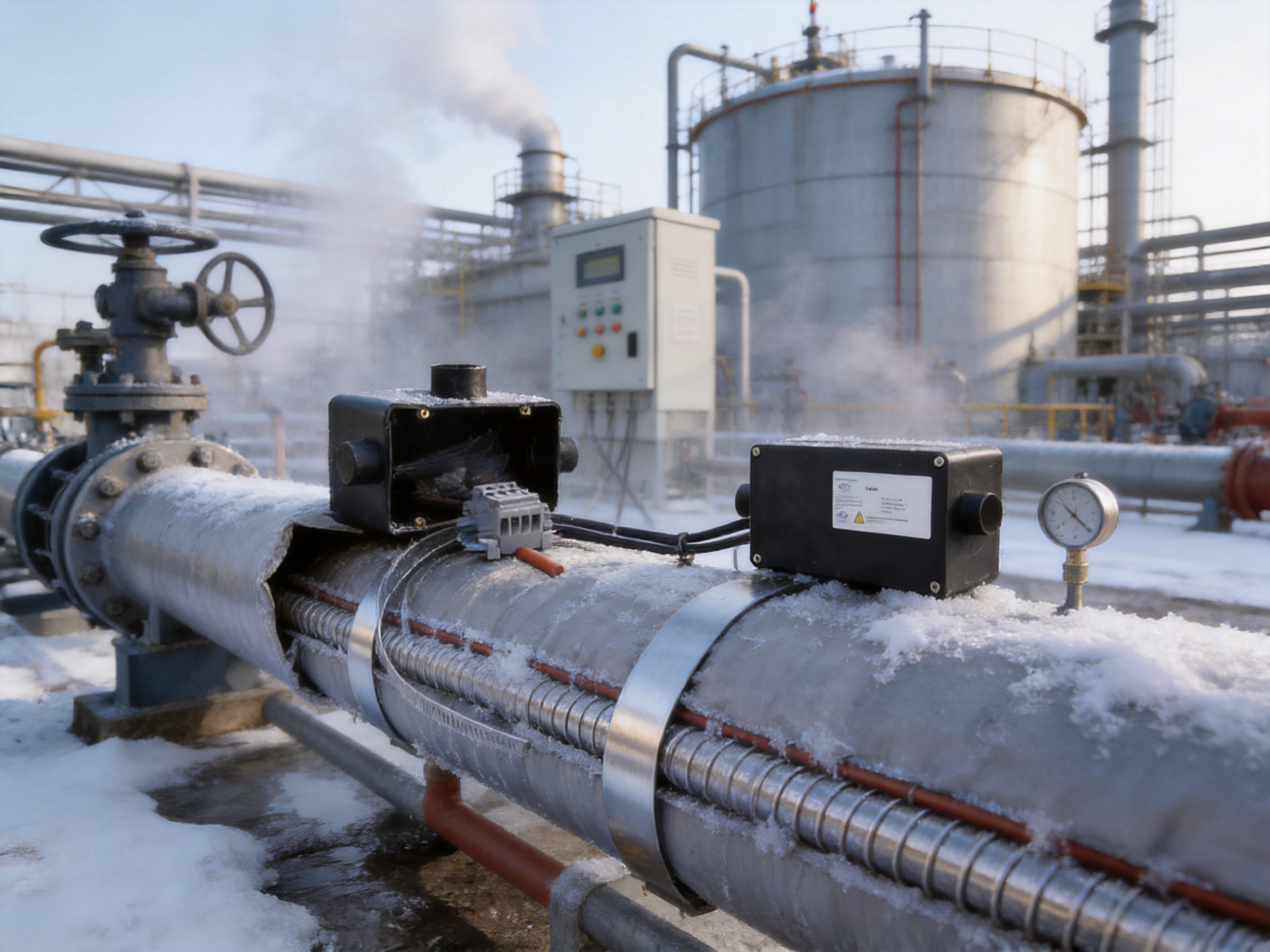
They are the accessories and assemblies used to complete a mineral insulated heat tracing circuit. They include cold leads, hot-to-cold joints, end terminations, glands, junction boxes, mounting hardware, sensors, and related installation accessories.
They protect the cable’s electrical and mechanical integrity. Many heat tracing failures occur at joints, terminations, and power connections, so high-quality components are essential for reliability, safety, and long service life.
They are used in petroleum, chemical processing, natural gas, power generation, building services, snow melting, solar energy, process temperature maintenance, freeze protection, and industrial equipment heating.
They are generally designed for higher temperature resistance, stronger mechanical protection, better moisture sealing, and closer compatibility with metallic-sheathed mineral insulated cables. Ordinary accessories may not provide the same durability in severe environments.
Yes. Options may include cable length, cold lead length, sheath material, termination style, gland size, junction box configuration, voltage rating, power output, labeling, and packaging. Customization helps match the product to specific project conditions.
Important tests include insulation resistance, high-voltage withstand, continuity, conductor resistance, dimensional inspection, sheath inspection, and sealing verification. These tests help confirm electrical safety and manufacturing quality.
They support stable cable installation, proper heat transfer, accurate temperature control, and reliable circuit operation. When combined with suitable sensors and controllers, they reduce unnecessary heating and lower energy consumption.
Yes, when selected with suitable sealing, enclosure protection, corrosion-resistant materials, and installation methods. Outdoor installations require attention to moisture, ultraviolet exposure, temperature cycling, and mechanical protection.
Installers should check product condition, cable routing, minimum bending radius, gland sealing, grounding, junction box wiring, sensor placement, and insulation resistance before and after installation. Commissioning records should be kept for maintenance.
Experienced manufacturers can provide better material selection, controlled production processes, consistent quality testing, customization capability, technical support, and reliable delivery. This is especially valuable for industrial heat tracing projects.
Mineral insulated heating cable components are essential for building reliable, safe, and efficient heat tracing systems. They provide the connections, seals, protections, supports, and control interfaces that allow mineral insulated cables to perform in harsh industrial and commercial environments. From hot-to-cold joints and end seals to glands, junction boxes, mounting hardware, and sensors, every component contributes to system performance.
Compared with ordinary heat tracing accessories, high-quality mineral insulated components offer stronger temperature resistance, better mechanical durability, improved moisture protection, safer electrical performance, and longer lifecycle value. These advantages are especially important in petroleum, chemical, gas, power generation, snow melting, building services, and renewable energy applications where failure can lead to costly downtime or safety risk.
Advanced manufacturing processes, strict quality control, material expertise, customization capability, and long-term industry experience all strengthen product reliability. A complete component system from an experienced heating cable manufacturer helps customers reduce installation risk, improve operating stability, and achieve better long-term performance. For projects that demand dependable heat tracing under severe conditions, mineral insulated heating cable components are a practical and high-value choice.
1. IEEE Standards Association. Recommended Practice for Electric Heat Tracing Systems in Industrial Applications.
2. International Electrotechnical Commission. Electrical Resistance Trace Heating Systems for Industrial and Commercial Applications.
3. National Fire Protection Association. National Electrical Code Handbook: Electric Space Heating and Process Heating Equipment.
4. American Society of Mechanical Engineers. Process Piping Design and Thermal Maintenance Guidelines.
5. International Organization for Standardization. ISO 9001 Quality Management Systems: Requirements and Implementation Guidance.
6. Industrial Heat Tracing Design Manual. Principles of Freeze Protection, Temperature Maintenance, and Electric Heating System Installation.
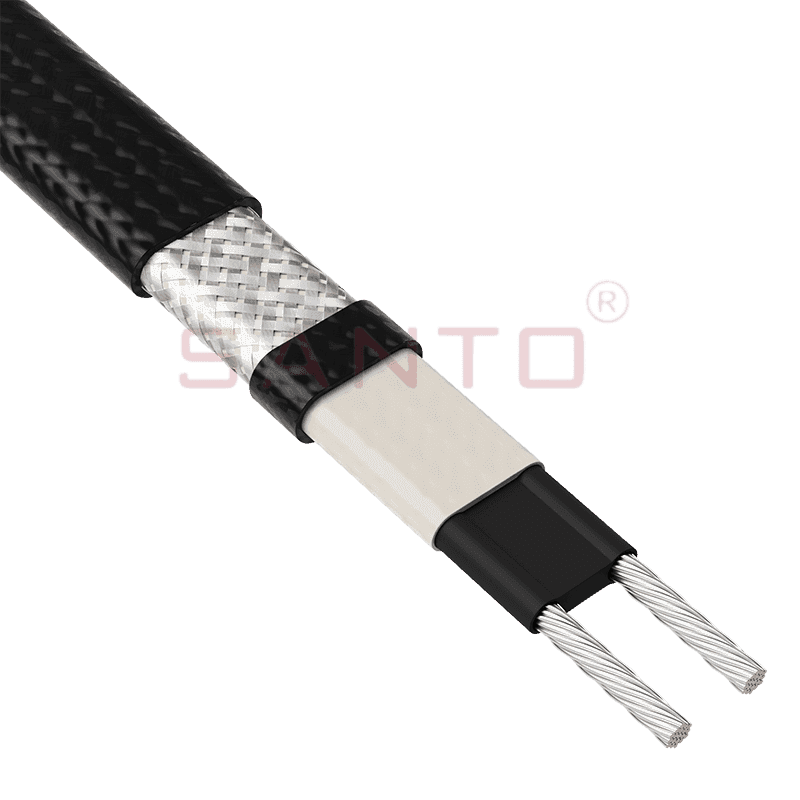
The SANTO UFA range of self-regulating heating cables is mainly used for frost protection of pipes and vessels but can also be used to maintain processes up to 65°C. These heating cables are available...
See Details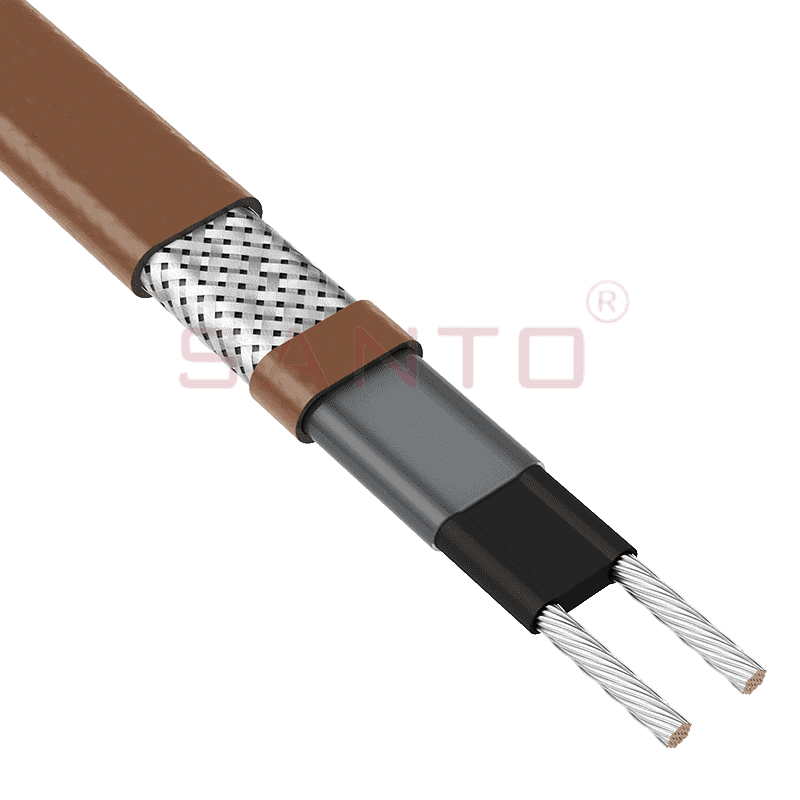
The SANTO UFB range of self-regulating heating cables is mainly used for frost protection of pipes and vessels requiring a higher power output than the UFA heating cables can supply. They can also be ...
See Details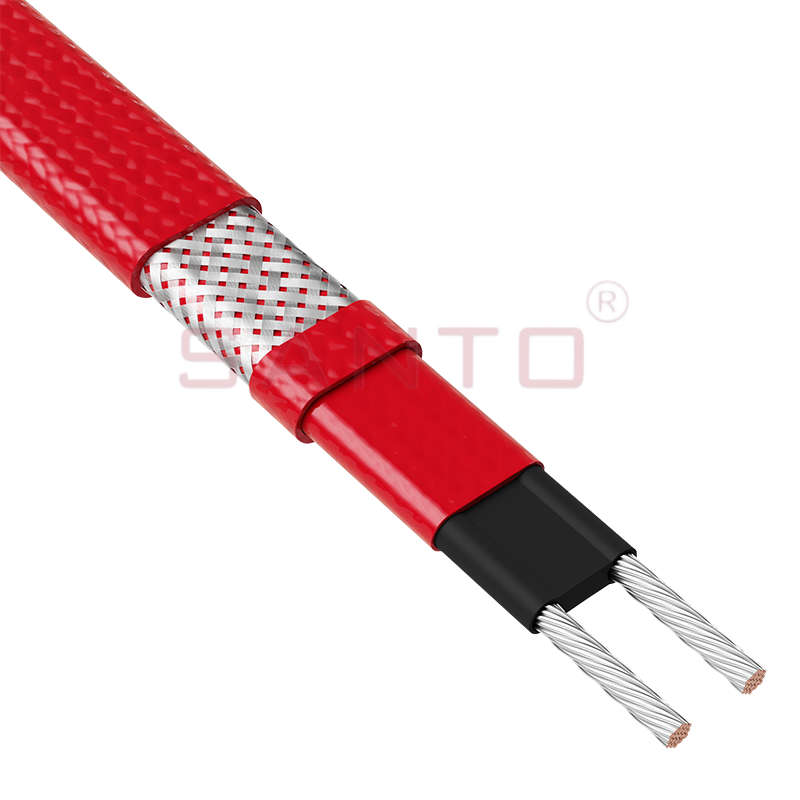
The SANTO UFC range of self-regulating heating cables is used for frost protection of pipes and vessels that require steam cleaning. They can also be used to maintain processes up to 121°C. These heat...
See Details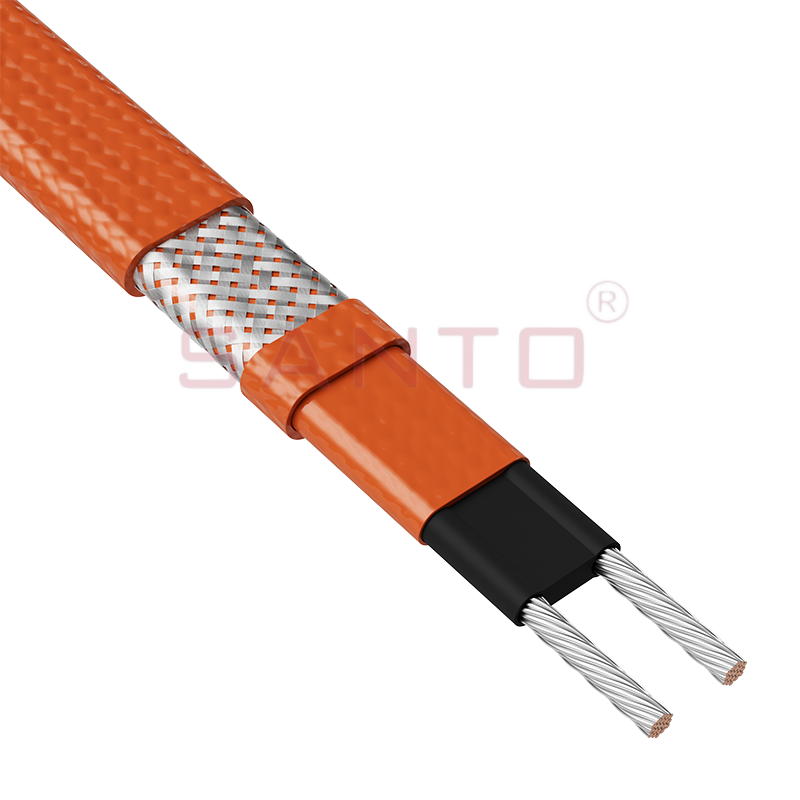
The SANTO UFO range of self-regulating heating cables is mainly used for frost protection of pipes and vessels that require steam cleaning . They can also be used to maintain processes up to 150°C. Th...
See Details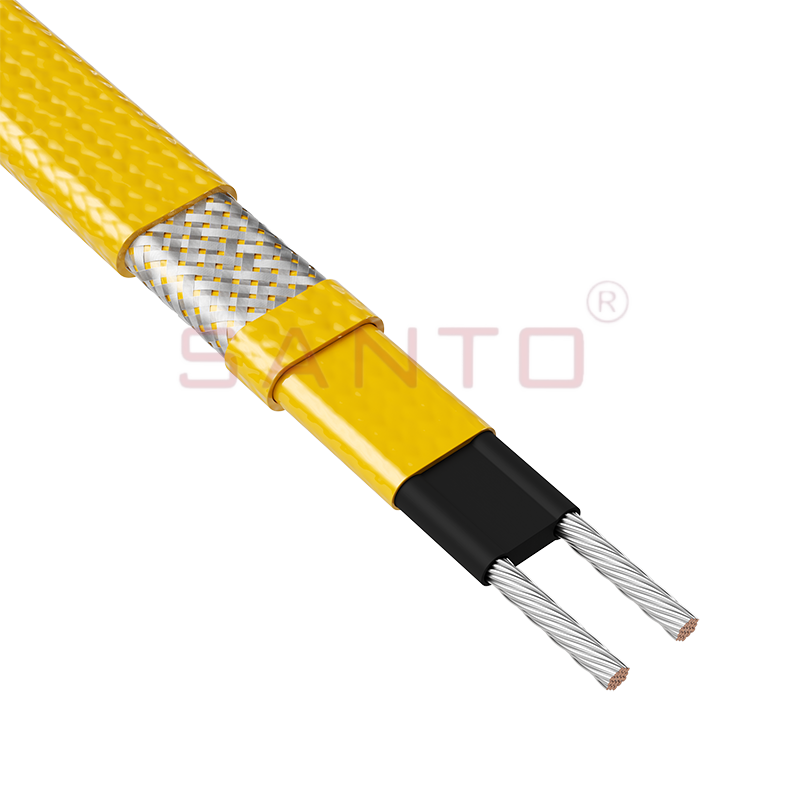
The SANTO UFD series of self-regulating heating cables are mainly used for freeze protection of pipes and vessels, but can also be used to maintain processes up to 200°C. These heating cables are avai...
See Details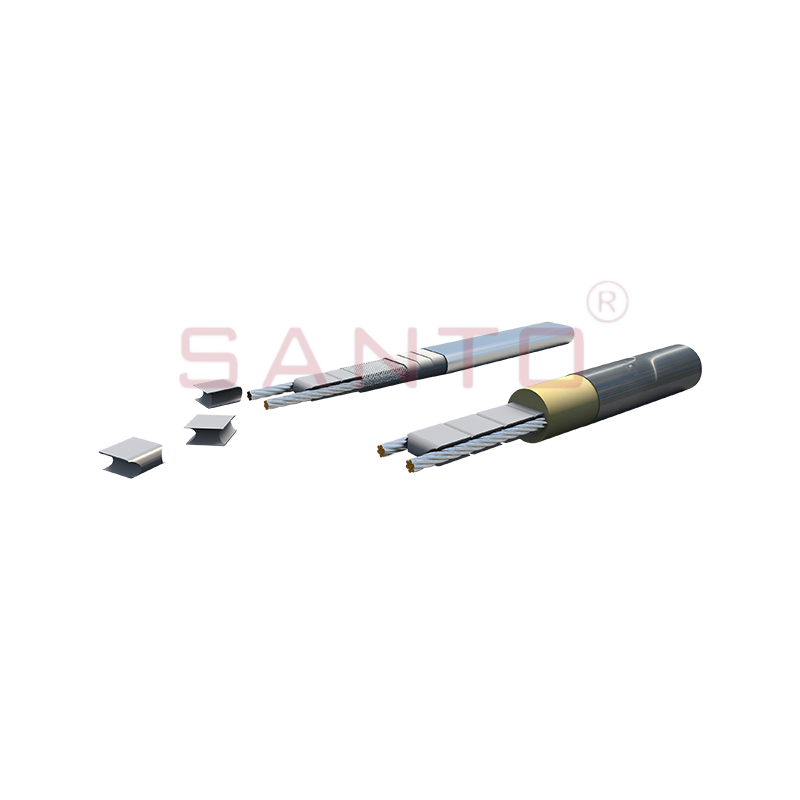
SANTO UFY heating wire is suitable for applications that maintain process temperatures up to 260 ℃ and can be steam blown; The self-regulating and parallel circuit heating wires of the UFY series are ...
See Details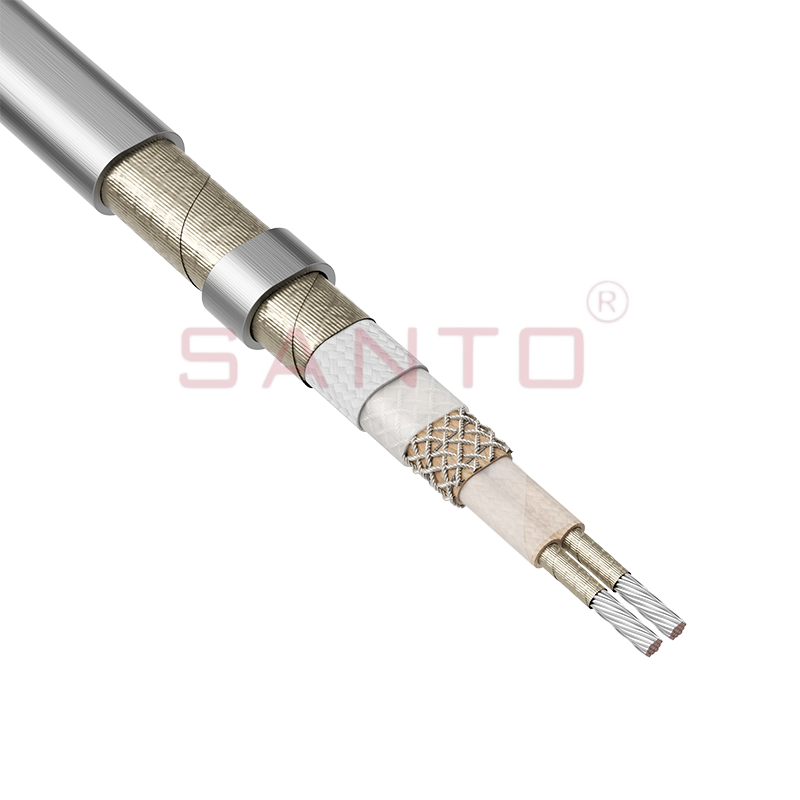
The SANTO UFM series self-regulating heating cables are mainly used for freeze protection of pipes and vessels, but can also be used to maintain processes up to 400°C. These heating cables are availab...
See Details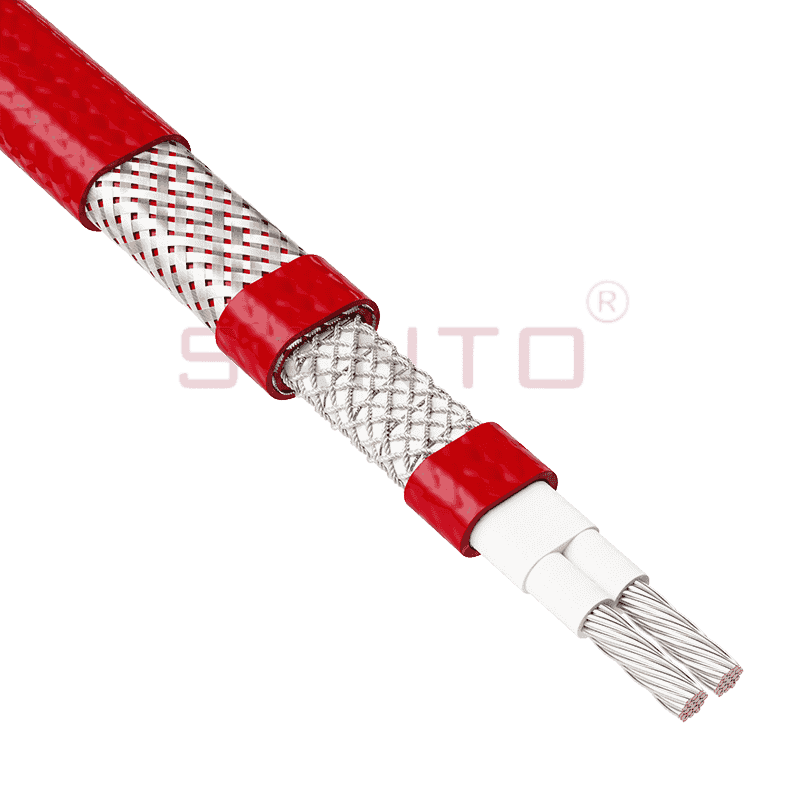
The SANTO ACC range of power-limiting heating cables is mainly used for temperature maintenance of processes and offers the advantage of a high power output at high temperatures which can reduce the n...
See Details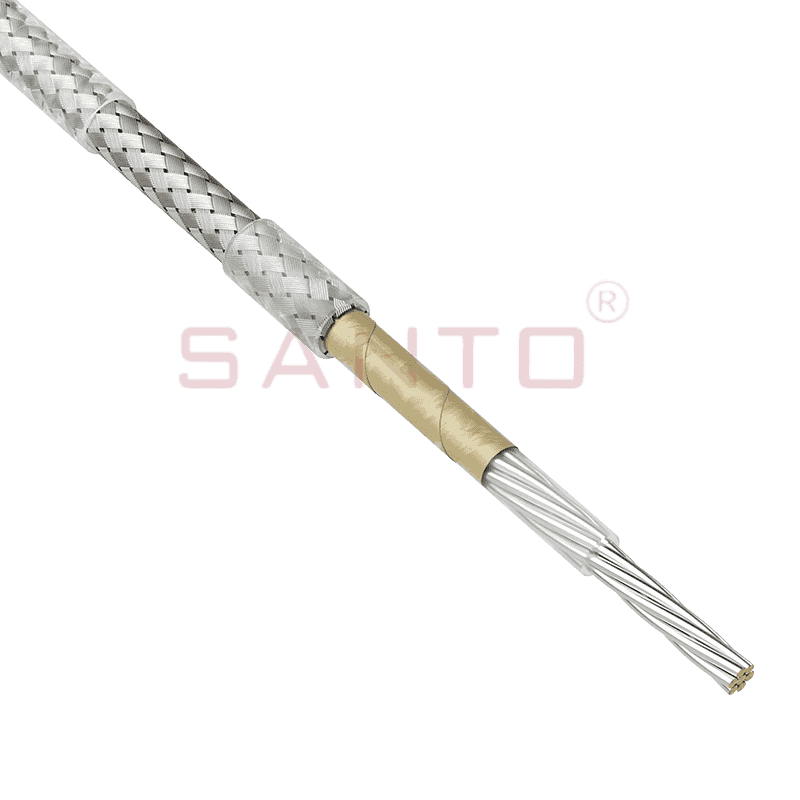
The stranded high temperature conductor is nickel plated to ensure a long life at elevated temperatures in corrosive environments. It is electrically isolated using an innovative sandwich construction...
See Details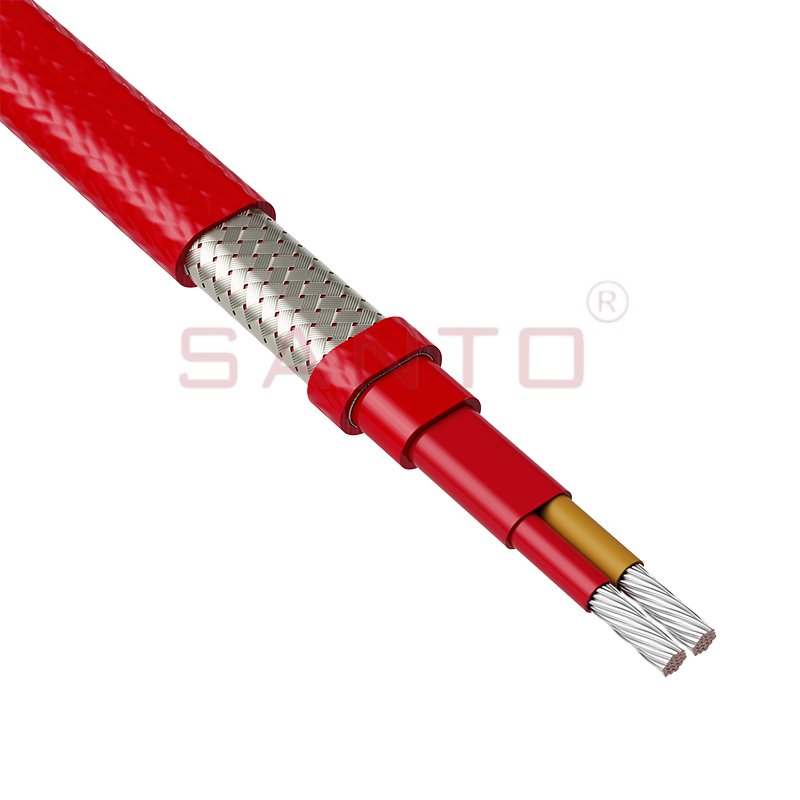
The stranded high temperature conductor is nickel plated to ensure a long life at elevated temperatures in corrosive environments. It is electrically isolated using an innovative sandwich construction...
See Details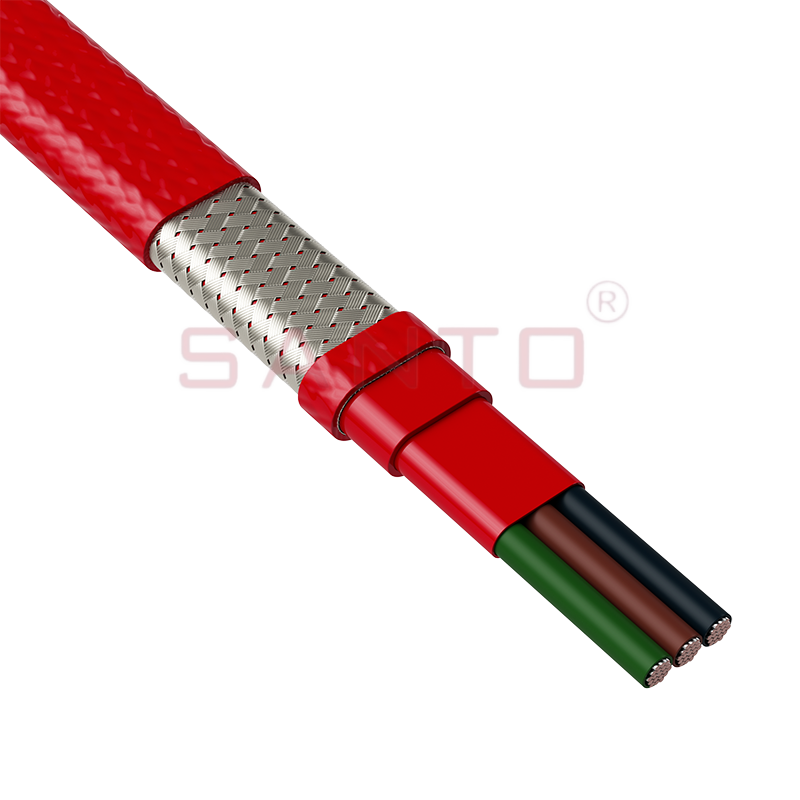
The stranded high temperature conductor is nickel plated to ensure a long life at elevated temperatures in corrosive environments. It is electrically isolated using an innovative sandwich construction...
See Details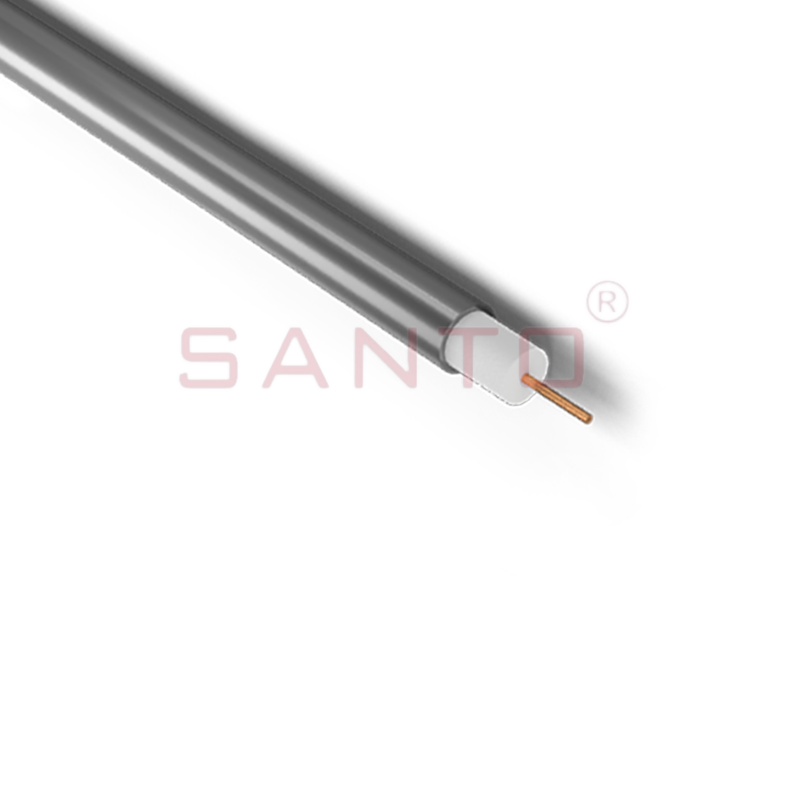
SANTO HAx mineral insulated (MI) Alloy 825 series heating cables are suitable for use in hazardous areas. They have been designed for use in freeze protection and temperature maintenance applications ...
See Details
Santo electric heating strips are widely used in key industries in China.

