 English
 English
 русский
 日本語
 Español
 中文简体

The SANTO UFA range of self-regulating heating cables is mainly used for frost protection of pipes and vessels but can also be used to maintain processes up to 65°C. These heating cables are available...
See Details
Accurate temperature measurement is the foundation of a safe and efficient electric heating system. Whether the application involves process pipelines, chemical equipment, gas facilities, storage vessels, industrial ducts, snow and ice melting infrastructure, or specialized heating installations, the temperature sensor determines how effectively the control system responds to changing conditions. A sensor that is inaccurate, poorly protected, or unsuitable for demanding environments can cause overheating, unnecessary energy consumption, product damage, or avoidable maintenance.
The MMP-PT100Ex temperature sensor is designed for high-temperature monitoring in electric heating and heat-tracing applications. It measures temperatures from -73°C to 482°C and uses a 100-ohm platinum resistance element at 0°C with an alpha coefficient of 0.00385 ohms per degree Celsius. Its 316 stainless steel sensor sheath, aluminum NEMA 4X housing, and 3/4-inch NPT pipe fittings provide a practical combination of measurement performance, mechanical protection, and installation flexibility.
As part of a broader heating-control product portfolio, this sensor is suitable for systems that require dependable temperature feedback rather than simple ambient-temperature monitoring. Its operating range allows it to serve applications where standard low-temperature thermostats and general-purpose probes may no longer be appropriate. At the same time, its industrial construction supports installation in environments where exposure to moisture, process heat, vibration, and mechanical stress must be considered.
This article explains the construction, operating principle, installation requirements, application value, manufacturing strengths, quality considerations, and practical advantages of the MMP-PT100Ex sensor. It also describes how a specialized thermal-control manufacturer can support customized heating solutions through research, production, certification, and international service capabilities.
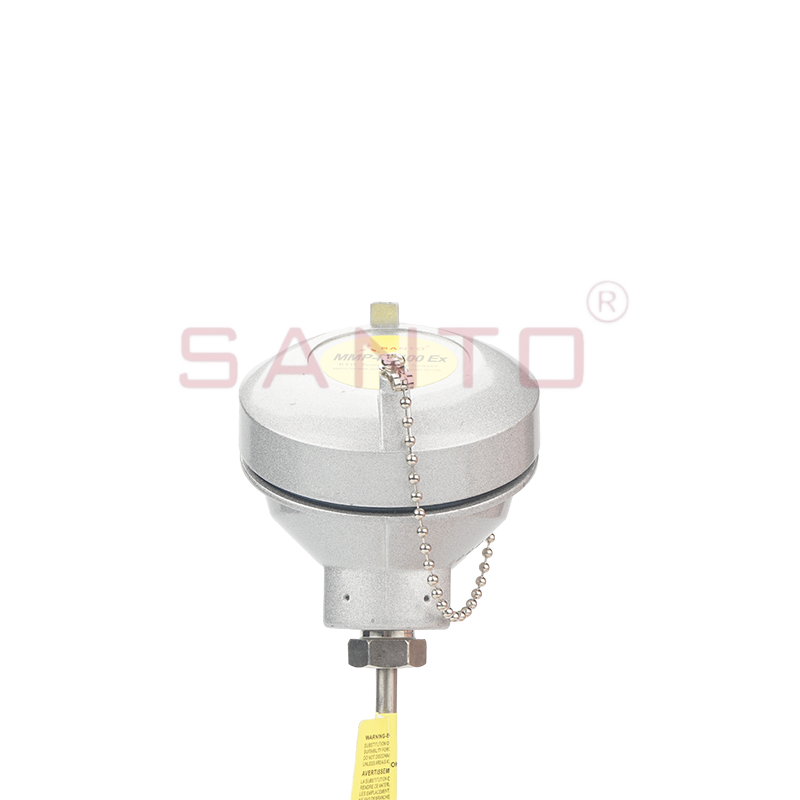
MMP-PT100Ex measures temperature up to 482C MMP-Pt100Ex temperature
Content
The MMP-PT100Ex is a platinum resistance temperature sensor intended for use with heating cable thermostats and other industrial temperature-control systems. The “PT100” designation identifies the sensor’s nominal resistance of 100 ohms at 0°C. As temperature changes, the electrical resistance of the platinum element changes in a predictable manner. A compatible controller measures this resistance and converts it into a temperature value.
The sensor is particularly valuable for electric heating systems that must maintain a defined process temperature. Heating cables are often installed to prevent freezing, compensate for heat loss, maintain viscosity, protect pipelines, preserve fluid flow, or support a specific manufacturing process. In all of these situations, the heating element produces heat, but the sensor provides the feedback needed to regulate that heat.
The product is supplied as an MMP-Pt100Ex temperature sensor kit. The kit content includes one MMP-Pt100Ex temperature sensor. Additional installation materials may be required depending on the project, including hoops, conduits, and 16–22 AWG shielded cables. Selecting these materials correctly is important because the sensor’s measurement accuracy depends not only on the sensing element but also on wiring, mounting, controller compatibility, and the surrounding installation conditions.
The sensor’s specifications are intended for industrial applications rather than ordinary household temperature measurement. The stated measurement range extends from -73°C to 482°C, giving the product a wide operating window for both low-temperature protection and high-temperature process monitoring. Its high-temperature capability is especially relevant to heating cable systems installed on hot pipelines, vessels, process equipment, and industrial structures.
| Item | Specification |
|---|---|
| Product type | MMP-PT100Ex temperature sensor |
| Primary application | Heating cable thermostat and industrial temperature control |
| Sensor housing | Aluminum; NEMA 4X |
| Sensor sheath | 316 stainless steel |
| Temperature range | -73°C to 482°C |
| Accuracy specification | At 0°C: ±1°F, according to the supplied specification |
| Nominal resistance | 100 ohms at 0°C |
| Temperature coefficient | α = 0.00385 ohms/°C, as specified |
| Connection fitting | 3/4-inch, 19 mm NPT pipe fitting |
| Recommended wiring | 16–22 AWG shielded cable |
| Additional installation materials | Hoops and conduits may be required |
| Kit content | One MMP-Pt100Ex temperature sensor |
Project engineers should review the final technical documentation and controller requirements before installation. In particular, the wiring configuration, applicable accuracy class, hazardous-area requirements, cable length, grounding method, and environmental conditions should be confirmed for each project.
Resistance temperature detectors, commonly called RTDs, measure temperature through the predictable resistance change of a sensing element. Platinum is widely used because it offers good stability, repeatability, chemical resistance, and a relatively linear response over a broad temperature range. The PT100 format has become a familiar standard in industrial temperature measurement, allowing it to be paired with many temperature controllers, monitoring instruments, and automation systems.
A nominal 100-ohm resistance at 0°C provides the controller with a defined reference point. When the sensor temperature rises, the resistance increases. When the temperature falls, the resistance decreases. The controller interprets these changes and determines whether the connected heating cable should remain energized, reduce output, or switch off.
This feedback process is essential for energy efficiency. A heating cable operating without a suitable sensor may run continuously or rely on a less precise control method. Continuous operation can increase energy consumption and raise the temperature beyond the desired process level. A properly installed PT100 sensor allows the control system to energize the cable only when heat is needed and to respond to changing ambient or process conditions.
PT100 sensors also support more consistent process control than many basic on-off temperature devices. Although the final control behavior depends on the thermostat or automation system, the sensor supplies a standardized measurement signal that can be used for monitoring, alarms, recording, and closed-loop control.
Electric heating systems are used in many sectors. Self-regulating heating cables may protect water pipes from freezing. Constant-power heating cables may maintain the temperature of long process lines. Silicone rubber heaters may be applied to equipment that requires flexible surface heating. Mineral-insulated cables may be used in severe high-temperature environments. In each case, a temperature sensor can help the control system match heating output to actual conditions.
The MMP-PT100Ex is especially relevant when the measured surface or process temperature may exceed the range of ordinary low-cost thermostats. Its upper measurement limit of 482°C provides a substantial operating margin for many industrial heat-tracing and process-heating systems. This does not mean that every connected controller or cable can operate at the same temperature. The complete system must always be limited by the lowest-rated component.
For example, a sensor may be capable of measuring a high temperature while the heating cable insulation, connection kit, controller, conduit, or cable gland has a lower temperature rating. Safe engineering requires the ratings of all components to be reviewed together. The sensor’s broad range is therefore an important capability, but it must be integrated into a correctly designed system.
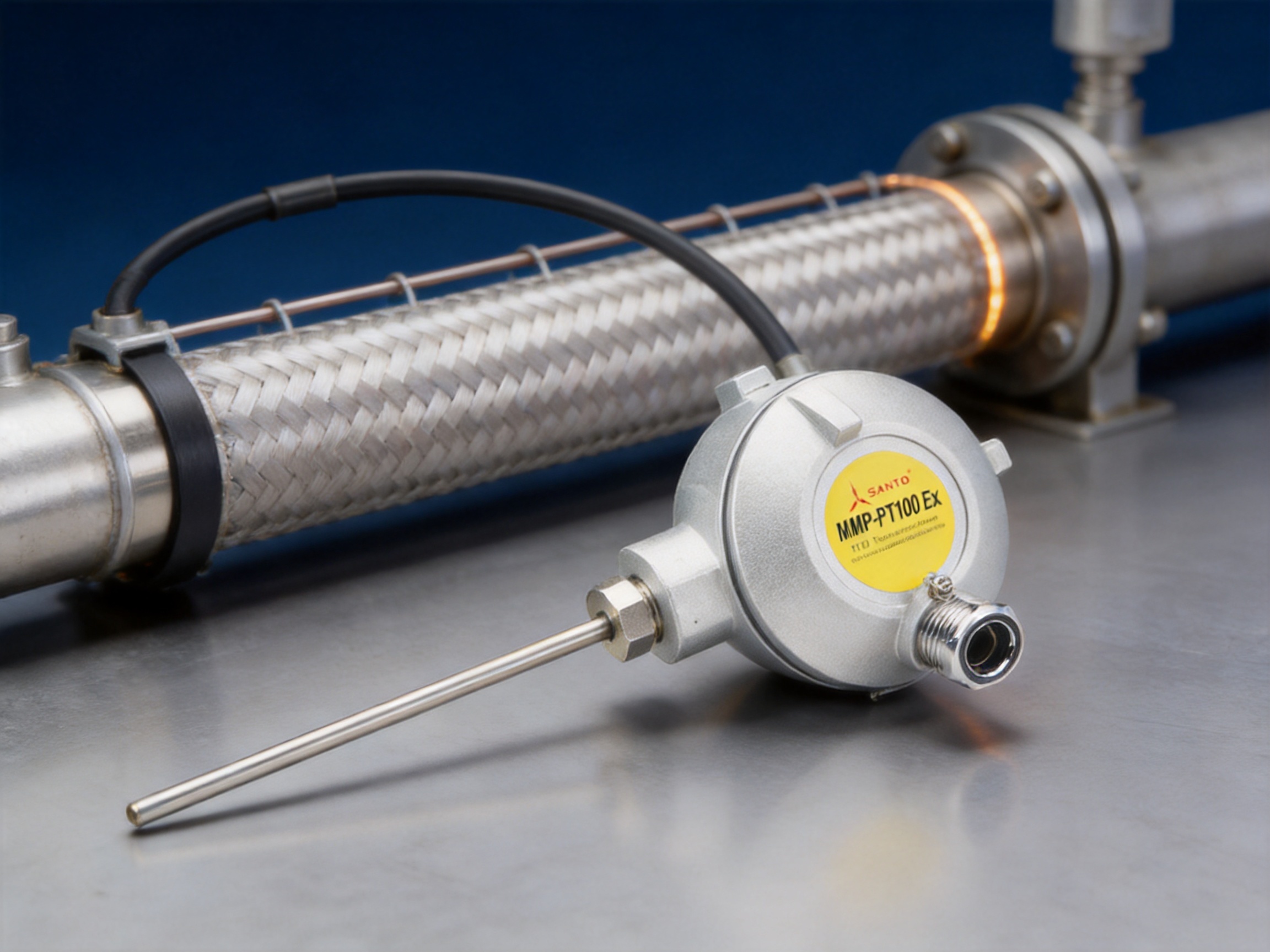
The sensor sheath is made from 316 stainless steel. This material is widely selected for industrial sensor protection because it combines mechanical strength with strong resistance to corrosion in many demanding environments. Compared with less resistant materials, 316 stainless steel is generally better suited to applications involving moisture, industrial atmospheres, cleaning exposure, and certain chemical conditions.
The sheath protects the internal sensing element from direct mechanical contact and helps transfer heat from the measured surface or surrounding medium to the platinum element. Its external durability is important during installation, maintenance, and long-term operation. A damaged or deformed sheath can change the sensor’s thermal response or expose internal components to the environment.
Material selection is especially important in petroleum, chemical, gas, and energy-related facilities, where a sensor may be exposed to process vapors, condensation, outdoor weather, or corrosive atmospheres. The suitability of 316 stainless steel must still be checked against the specific chemicals, concentrations, temperatures, and cleaning agents present at the installation site.
The sensor housing is specified as aluminum with NEMA 4X protection. A protected housing helps shield the electrical termination area from environmental exposure. NEMA 4X enclosures are generally associated with protection against rain, splashing water, hose-directed water, dust, and corrosion-related conditions when properly installed and maintained.
This enclosure design is useful for outdoor heat-tracing systems and industrial locations where the sensor connection may encounter moisture, dust, or washdown conditions. Aluminum offers a favorable balance of low weight, structural strength, and corrosion resistance when properly finished and used within its design environment.
The housing also helps simplify field integration. A robust enclosure gives installers a defined location for cable termination and protects the connection from accidental impact. Correct cable glands, conduit fittings, sealing methods, and cover installation remain necessary to achieve the intended environmental protection.
The 3/4-inch, 19 mm NPT pipe fitting provides a recognized industrial connection method. NPT fittings are commonly used with conduit systems, threaded mounting points, junction boxes, and process accessories. The threaded connection can make installation more organized and can support a firm mechanical interface when the correct sealing and torque practices are followed.
A standardized fitting also assists replacement and maintenance. If a sensor must be removed, inspected, or replaced, the threaded mounting arrangement can reduce the amount of field modification required. The final installation should account for thread compatibility, sealing compound selection, sensor orientation, access for maintenance, and the possibility of thermal expansion.
The specified range of -73°C to 482°C is one of the most important characteristics of the MMP-PT100Ex. Many general-purpose temperature sensors are designed for moderate temperatures and may not be suitable for high-temperature heating systems. A sensor designed for an extended range gives engineers more flexibility when selecting measurement points and designing temperature-control strategies.
The lower limit of -73°C supports cold-environment applications, including outdoor facilities, cold regions, refrigeration-related areas, and systems where a heating cable must prevent freezing after exposure to severe ambient conditions. The upper limit of 482°C supports selected industrial processes and high-temperature surface monitoring.
High-temperature performance depends on more than the nominal range printed in a specification. Sensor placement, heat transfer, installation method, electrical insulation, cable construction, and controller calibration all influence actual performance. The sensor should be positioned so that it measures the temperature relevant to the control objective. A sensor placed too far from the heated surface may respond slowly or read lower than the actual process temperature. A sensor installed directly at a local hot spot may cause premature shutdown or uneven heating elsewhere.
Thermal contact is also important. For surface applications, the sensor should be mounted firmly against the monitored pipe, vessel, or equipment. Suitable straps, hoops, thermal compounds, insulation, or protective arrangements may be used when approved by the project design. The objective is to minimize the difference between the actual equipment temperature and the temperature sensed by the PT100 element.
At high temperatures, installers should consider thermal gradients. A pipeline may be hot at one location and cooler at another because of wind, insulation defects, fittings, valves, supports, or changes in process flow. One sensor may not represent the temperature of an entire system. Multiple sensors may be needed for long, complex, or safety-critical installations.
The supplied specification lists accuracy at 0°C as 1°F. This value should be interpreted together with the final product specification, sensor tolerance, controller accuracy, wiring resistance, and calibration method. Since the stated value is presented without a plus-or-minus symbol in the provided material, project documentation should confirm whether it represents ±1°F or another defined tolerance.
Accuracy is affected by lead resistance, particularly when long two-wire cables are used. A three-wire or four-wire configuration can reduce the effect of lead resistance, depending on the controller design. The supplied recommendation for 16–22 AWG shielded cable addresses cable selection, but the specific conductor configuration should be matched to the control instrument.
Periodic verification may be appropriate in critical applications. A maintenance program can include visual inspection, terminal checks, resistance measurement, comparison with a calibrated reference instrument, and review of controller alarms. The required interval depends on the application, operating temperature, regulatory requirements, and consequences of inaccurate measurement.
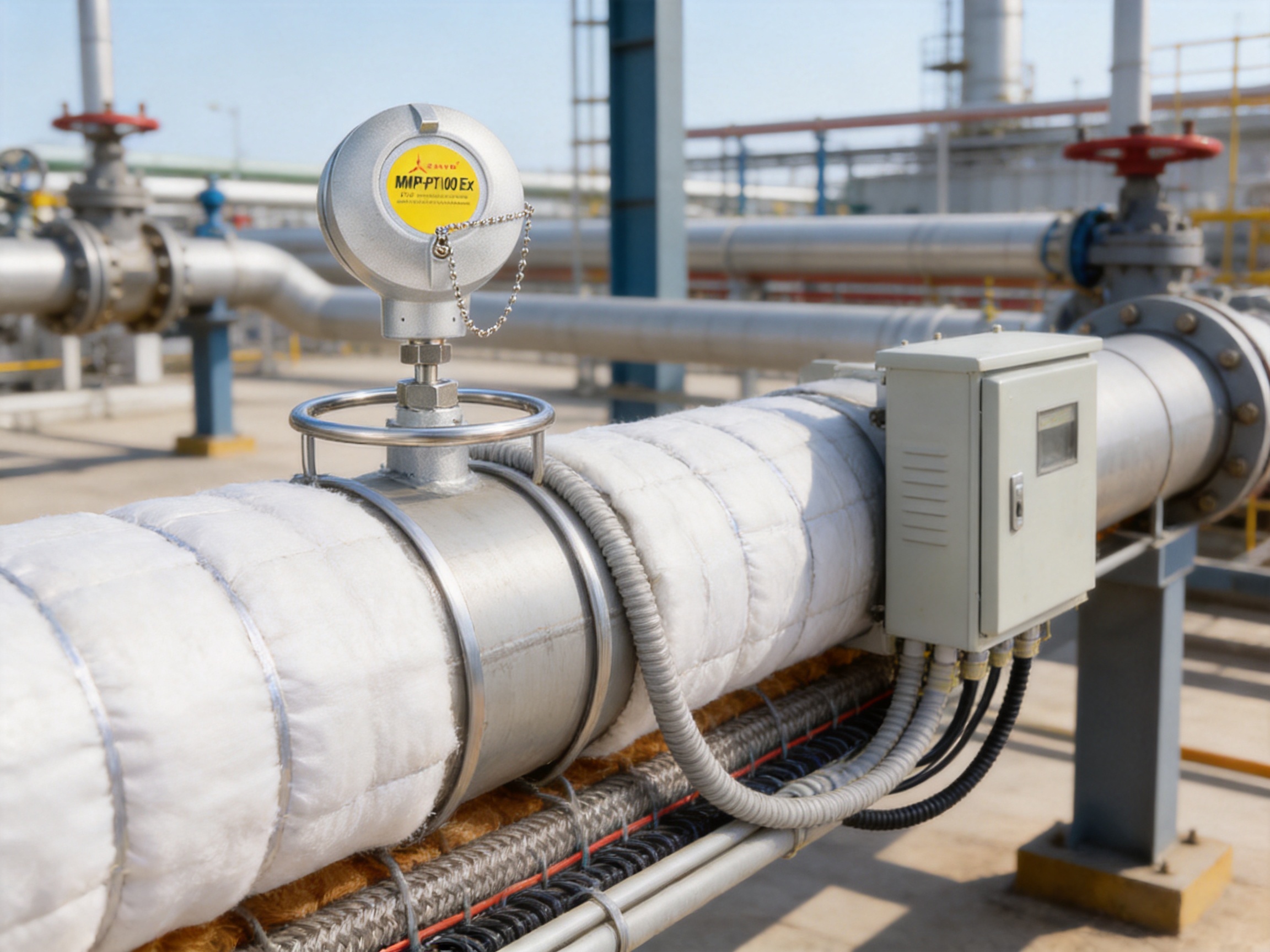
The MMP-PT100Ex offers several practical advantages over simple low-temperature thermostats, unprotected probes, and sensors designed only for light-duty applications. These advantages arise from its temperature range, industrial materials, standardized resistance technology, and mounting arrangement.
A wide operating range allows one sensor platform to support both cold-weather protection and high-temperature monitoring. This can simplify product selection for companies operating different types of heating systems. Instead of using one sensor for freeze protection and another for high-temperature process work, engineers may be able to standardize around a compatible PT100 design where the application permits.
Standardization can reduce inventory complexity, simplify staff training, and make maintenance planning more efficient. It can also help system integrators develop repeatable control-panel designs and wiring practices.
The 316 stainless steel sheath and aluminum NEMA 4X housing provide a higher level of physical and environmental protection than an exposed laboratory probe or an unsealed general-purpose sensor. These materials are suited to industrial installation concepts where moisture, dust, impact, and corrosion must be considered.
Although no material is universally resistant to every chemical or environment, the specified construction gives engineers a more appropriate starting point for demanding installations. It also supports a longer service life when the sensor is correctly selected, installed, and maintained.
The PT100 format is widely understood by industrial automation engineers. Many controllers, thermostats, data acquisition systems, and programmable control platforms can accept PT100 inputs directly or through a suitable transmitter. This broad compatibility can be preferable to proprietary sensor signals that require special interfaces or dedicated replacement parts.
A recognized signal standard also makes troubleshooting more straightforward. Technicians can compare measured resistance with expected values, test continuity, identify wiring problems, and evaluate whether the sensing element is operating normally.
A heating cable system is more effective when the sensor, thermostat, cable, insulation, and installation accessories are selected as one coordinated solution. The MMP-PT100Ex is intended for this type of integration. It can provide the feedback needed for self-limiting, constant-power, silicone rubber, mineral-insulated, and other suitable electric heating arrangements, subject to controller and temperature-rating compatibility.
Compared with a sensor selected independently from the heating system, an integrated approach reduces the risk of mismatched operating ranges, incompatible wiring, unsuitable mounting, or inadequate enclosure protection.
In petroleum and chemical facilities, electric heat tracing may be used to maintain process fluid temperature, prevent crystallization, protect valves, compensate for heat loss, and keep pipelines operational. The MMP-PT100Ex can be installed at selected monitoring points to provide temperature feedback to a suitable control system.
The 316 stainless steel sheath is relevant in these environments because process areas may contain moisture, chemical vapors, and corrosive contaminants. The NEMA 4X housing can provide additional protection at the sensor connection when the enclosure is installed with suitable fittings and seals.
Engineering teams should confirm the hazardous-area classification of the installation. The product name includes “Ex,” but the exact explosion-protection certification, zone or division suitability, gas or dust group, temperature class, installation rules, and approved accessories must be verified from the current product certification and project documentation. A product should never be assumed suitable for a hazardous location solely from its name.
Gas pipelines and related equipment may require heat tracing to prevent condensation, hydrate formation, freezing, or changes in process behavior. Temperature control can help maintain stable operation and protect instrumentation. A rugged sensor with a broad temperature range can support monitoring in outdoor and industrial gas facilities.
In these applications, cable routing, grounding, mechanical protection, sealing, and hazardous-area installation practices are particularly important. Shielded cable should be installed according to the controller manufacturer’s recommendations, and the sensor should be separated from sources of electromagnetic interference where necessary.
Heating cables are often used in building services for roof deicing, gutter protection, ramp heating, pipe freeze protection, and snow melting. Many of these installations operate at lower temperatures than industrial process systems, but they may still face rain, snow, dirt, impact, and seasonal temperature changes.
The NEMA 4X housing concept is useful for exposed installations, while the wide low-temperature range supports operation during severe winter conditions. For building applications, correct placement is essential. A sensor installed in a sheltered location may not accurately represent an exposed roof edge or drainage channel. The control point should reflect the area that requires protection.
Solar installations and outdoor energy equipment may use electric heating to protect pipes, instruments, fluid lines, and enclosures from freezing or condensation. Sensors in these locations must tolerate weather changes, ultraviolet exposure around the installation, wind, and maintenance activity.
The sensor housing and stainless steel sheath can support outdoor use when combined with appropriate cable protection and mounting hardware. Engineers should consider the difference between air temperature and equipment temperature. A sensor mounted on a metal surface may heat and cool differently from a sensor exposed to air, so the mounting method should match the control objective.
Electric heating products are also used in geothermal cultivation, greenhouse systems, seedbeds, water lines, and agricultural process equipment. In these applications, temperature control may support plant growth, protect pipes, or maintain a stable operating environment.
Moisture management is particularly important in agricultural installations. The sensor housing, cable entry, conduit, and mounting point should be protected from continuous water exposure, fertilizer residues, and mechanical damage. A correctly selected PT100 sensor can provide reliable feedback for a programmable controller or thermostat designed for the application.
Snow-melting systems use heating cables beneath driveways, ramps, walkways, bridges, loading areas, and other surfaces. A sensor can help determine when heating should begin or stop based on pavement temperature, air temperature, moisture, or a combination of control inputs.
The MMP-PT100Ex may be considered for specialized snow and ice melting installations where a protected industrial sensor is required. However, the sensor type, mounting depth, waterproofing method, and controller logic must be selected for the specific pavement design. A sensor intended for a buried or embedded installation may require additional mechanical and moisture protection.
The manufacturer behind the product, Santo Thermal Control Technology Co., Ltd., specializes in electric heating and thermal-control products. Its product range includes automatic temperature-control electric heating belts, self-limiting heating belts, heat-tracing belts, constant-power heating belts, glass fiber heating belts, mineral-insulated cables, silicone rubber heating products, snow-melting cables, heating wires, and related accessories.
This product breadth is important because temperature sensors are most valuable when supported by knowledge of the heating system they control. A company that designs and manufactures heating cables, sensors, control products, and accessories can evaluate the relationship between heat output, insulation, ambient conditions, control points, cable construction, and installation methods.
The company reports cooperation in product research with Harvard University in the United States and identifies itself as a high-tech enterprise in Jiangsu Province. It has also developed new heating technologies, including a self-limiting temperature nano far-infrared heater for high-temperature pipeline heating and tracing, as well as a carbon fiber parallel heating cable.
Research experience can support continual improvement in material selection, thermal performance, resistance control, manufacturing consistency, and application design. For a sensor used in heating control, development work should address not only the sensing element but also the protective housing, connection reliability, temperature cycling, environmental resistance, and compatibility with control systems.
The company’s stated activities include research, design, production, and manufacturing. These functions allow product development and production feedback to be connected. In practice, an advanced manufacturing process for thermal-control products typically includes controlled conductor preparation, insulation extrusion or molding, resistance verification, dimensional inspection, assembly control, electrical testing, temperature testing, and final inspection.
For a PT100 sensor, process discipline is needed to maintain repeatable resistance characteristics and stable connections. The sensing element must be assembled correctly, insulated from unintended electrical contact, protected against vibration, and positioned consistently inside the sheath. The housing and fitting must also be assembled so that the final unit maintains mechanical integrity.
Quality control should extend from incoming materials to finished products. Stainless steel, aluminum, platinum sensing elements, cables, terminals, sealing components, and protective materials should be identified and inspected according to defined procedures. Production records, inspection data, and traceability practices can help manufacturers identify variation and support customer service.
The company reports the construction of a product simulation testing laboratory as part of its development history. A testing laboratory can support evaluation of heating products under controlled conditions, including thermal response, temperature cycling, insulation performance, electrical resistance, mechanical durability, and environmental exposure.
For sensors and heating systems, testing is especially useful because field conditions can be difficult to reproduce during ordinary production inspection. Laboratory testing can help compare calculated performance with actual behavior, identify hot spots, verify control response, and refine installation recommendations.
The company reports ISO9001 quality system certification and national CCC certification for its products. It also reports explosion-proof certification and EAC Eurasian Union certification for relevant products. Certifications should always be reviewed by product model and certificate number because not every certification necessarily applies to every product in a product family.
A quality management system can support consistent document control, corrective action, supplier management, production inspection, and customer complaint handling. For international buyers, clear technical documents and certification records are as important as the physical product. They help engineering teams determine whether the sensor can be incorporated into a specific project.
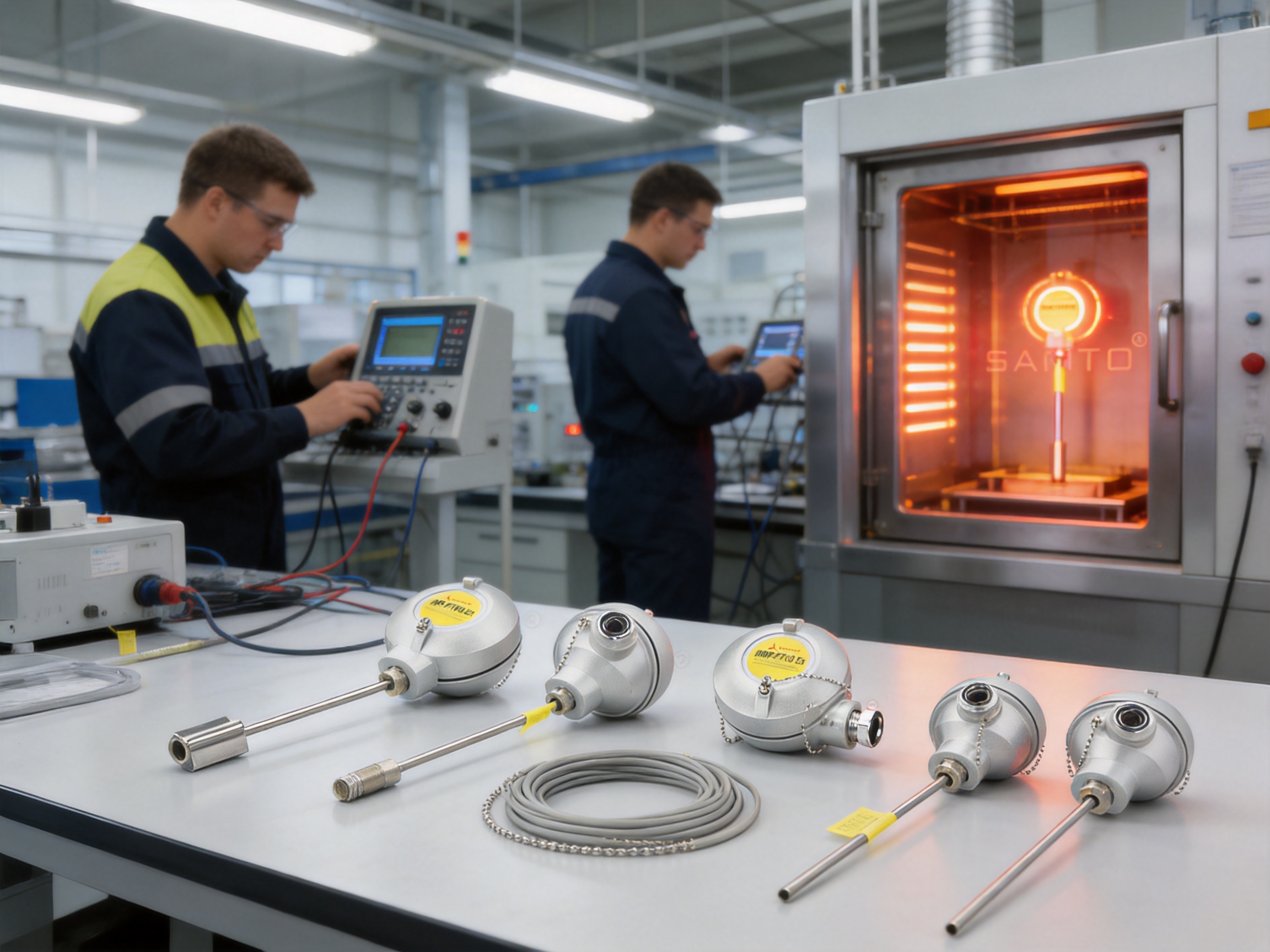
Before installation, confirm the sensor model, temperature range, controller input type, wiring configuration, housing protection requirements, fitting size, and project certification requirements. Read the current product specification and the instructions supplied with the thermostat or control panel.
Install the sensor at a representative point. On a pipe, this may be a location that reflects the temperature of the process line rather than a point influenced by a nearby valve, support, flange, or unheated section. On a vessel, the mounting position should correspond to the area where temperature control is most important.
For freeze-protection systems, the sensor may need to be installed at the coldest representative point. For process-maintenance systems, it may need to be placed where the process material is most likely to fall below the required temperature. The correct location depends on heat transfer, insulation, flow, wind, equipment geometry, and the control strategy.
Use suitable hoops, straps, brackets, or mounting accessories to secure the sensor. The sensor should make stable thermal contact with the monitored surface, but it should not be crushed, bent beyond its design capability, or installed where maintenance personnel may damage it.
When thermal insulation is installed over the heating cable and sensor, the sensor should normally be positioned beneath the insulation in a way that measures the equipment surface or controlled zone. The sensor connection housing and cable transition must remain accessible and protected according to the installation design.
The supplied material identifies 16–22 AWG shielded cables as additional materials required. Select the actual cable based on the controller input, distance, environment, temperature rating, mechanical conditions, and applicable electrical codes.
Shielding should be terminated according to the control-system manufacturer’s instructions. Improper shield termination can create ground loops or reduce the effectiveness of interference protection. Cable routes should be kept away from high-current heating conductors, motors, variable-frequency drives, and other possible sources of electrical noise where practical.
Before energizing the heating system, verify continuity, resistance, polarity or lead identification where applicable, insulation condition, and terminal tightness. The measured resistance should be compared with the expected value for the prevailing sensor temperature. A reading that is open, shorted, or inconsistent with the ambient condition should be investigated before operation.
Configure the thermostat or control system for the correct PT100 input type and temperature scale. If the controller supports sensor calibration, use a qualified reference method. Do not assume that a controller configured for a thermocouple, thermistor, or different RTD curve will interpret the sensor correctly.
Set the control point, differential, alarm limits, and restart behavior according to the application. The controller should prevent the heating cable from exceeding the safe temperature of the pipe, vessel, insulation, or process material. High-temperature cutouts and independent safety controls may be appropriate where overheating could create a hazard.
A regular maintenance program can extend service life and reduce unplanned downtime. Inspect the housing for cracks, corrosion, loose covers, damaged threads, and signs of water entry. Check the cable entry and conduit for movement, abrasion, or damaged seals.
Inspect the sensor mounting point to confirm that the sensor remains in firm thermal contact. Insulation removed for maintenance should be replaced correctly. Gaps in insulation may cause the sensor and heating cable to experience conditions different from those assumed in the original design.
| Observed symptom | Possible causes | Recommended checks |
|---|---|---|
| Controller indicates an extremely low or failed reading | Open circuit, broken conductor, loose terminal, damaged sensor element | Check continuity, terminals, cable route, and sensor resistance |
| Controller indicates an extremely high temperature | Short circuit, incorrect wiring, wrong input configuration, damaged cable | Inspect wiring and verify that the controller is set for PT100 input |
| Heating remains on too long | Sensor location is too cold, poor thermal contact, incorrect control settings, sensor drift | Compare sensor reading with a calibrated reference and inspect mounting |
| Heating switches on and off too frequently | Control differential is too narrow, sensor exposed to a local hot spot, unstable connection | Review controller settings, sensor position, and terminal integrity |
| Reading differs from an independent thermometer | Reference instrument error, lead resistance, calibration difference, thermal gradient | Compare instruments at the same location and confirm wiring configuration |
If a sensor must be replaced, use a compatible model with matching temperature range, resistance curve, fitting, enclosure, and certification requirements. A visually similar probe may not provide the same electrical signal or environmental protection.
When purchasing a temperature sensor for a heating cable system, the product should be evaluated as part of the complete application. Important questions include the required temperature range, process medium, environmental exposure, mounting location, controller input, cable length, hazardous-area classification, and maintenance access.
Buyers should request the current technical specification, certification information where applicable, dimensional drawings, wiring details, accuracy information, and recommended installation accessories. If a project has unusual requirements, the manufacturer should be asked to confirm whether customization is available.
The company’s experience across self-limiting heating cables, constant-power systems, silicone rubber heaters, glass fiber heating products, mineral-insulated cables, snow-melting cables, and accessories may be useful for projects that require more than a standalone sensor. A supplier able to discuss both measurement and heating performance can help reduce design gaps between the control device and the heat source.
Industrial heating projects often differ in pipe diameter, insulation thickness, process temperature, ambient climate, available voltage, control philosophy, cable length, installation method, and certification requirements. A standard sensor may be suitable for many installations, but large or specialized projects may require customized cable assemblies, sensor leads, mounting hardware, control panels, or documentation.
Customization should be based on engineering review rather than appearance alone. Relevant details include the maximum and minimum temperatures, sensor immersion or surface-mount method, connection thread, cable material, lead length, shielding, enclosure requirements, and testing records.
Santo Thermal Control Technology Co., Ltd. traces its electric-heating operations to the establishment of Desheng Electric Heating Instrument Factory in 2000. The company reports ISO9001:2000 certification in 2002, the establishment of an irradiation center in 2013, the creation of the SANTO brand in 2016, and continued development of new heating technologies.
The company also reports a formal name change in 2019, additional land acquisition for a new factory and simulation testing laboratory in 2022, and the establishment of a Russia factory in 2023. These developments indicate an effort to expand manufacturing resources and international business support.
The reported business scale includes more than 35 years of industry experience, annual output exceeding 10,000 units or products, more than 2,000 distributors, and business coverage in more than 85 areas. These figures are company-provided claims and should be reviewed against project-specific documentation when formal qualification is required.
For international customers, supplier capability includes more than production volume. It also includes communication, technical documentation, packaging, lead-time management, export experience, replacement support, and the ability to coordinate multiple product categories. These factors can be particularly important when a temperature sensor is purchased together with heating cables and installation accessories.
Temperature control contributes to energy efficiency by matching heating output to actual demand. A heating cable that operates only when necessary can use less energy than one that remains energized continuously. Accurate sensing also reduces the risk of overheating, which can damage insulation, degrade process materials, or shorten the service life of electrical heating components.
The sensor itself does not determine total energy consumption. Efficiency depends on cable selection, insulation quality, control settings, ambient conditions, heat loss, installation design, and maintenance. Nevertheless, a dependable sensor is an important part of an efficient control strategy.
The company identifies environmental health as part of its vision and reports ongoing development of new heating products. In practical terms, responsible product development can include longer service life, material efficiency, reduced energy consumption, repairability, reliable documentation, and appropriate disposal or recycling of components at the end of service.
Only qualified personnel should install, wire, commission, inspect, or repair the sensor and associated heating system. Electrical heating products can present risks from electric shock, fire, hot surfaces, chemical exposure, and unintended process heating.
The sensor must not be treated as the only safety device. Where overheating could cause injury, fire, equipment damage, or process instability, an independent high-temperature cutoff, alarm, circuit protection, or emergency shutdown system may be required. The correct design depends on the application and applicable codes.
If the sensor is installed in a potentially explosive atmosphere, verify the exact explosion-protection approval and installation requirements. This includes enclosure, cable gland, conduit, grounding, temperature class, gas or dust classification, inspection, and maintenance procedures. Certification must be valid for the actual product model and intended location.
During maintenance, isolate electrical power and allow hot equipment to cool where necessary. Do not remove the sensor housing cover in conditions that could compromise the enclosure rating or hazardous-area protection. Replace damaged seals, cable glands, and covers with approved components.
PT100 identifies a platinum resistance temperature sensor with a nominal resistance of 100 ohms at 0°C. The resistance changes as the temperature changes, allowing a compatible controller to calculate temperature.
The supplied specification states a range of -73°C to 482°C. The complete system must still be limited by the ratings of the controller, cable, insulation, fittings, and other connected components.
No. The MMP-PT100Ex is a temperature sensor used with heating cable thermostats and other control systems. It measures temperature and provides feedback; it does not generate heat by itself.
It can be used only with a controller that supports the appropriate PT100 resistance input and wiring configuration. Confirm compatibility with the thermostat manufacturer before installation.
316 stainless steel provides mechanical protection and good resistance to corrosion in many industrial environments. Its suitability should still be checked against the specific process chemicals, temperature, and exposure conditions.
The aluminum NEMA 4X housing is intended to protect the sensor connection from conditions such as dust, rain, splashing water, and certain corrosive environments when correctly installed with suitable fittings and seals.
The supplied product information identifies 16–22 AWG shielded cables as additional materials required. The final cable selection should match the controller, distance, temperature, mechanical environment, and applicable electrical requirements.
The listed kit content is one MMP-Pt100Ex temperature sensor. Hoops, conduits, and 16–22 AWG shielded cables are identified as additional materials that may be required for installation.
It may be used for suitable surface-temperature applications when properly mounted. The sensor must have reliable thermal contact with the monitored surface, and the installation should be designed to avoid false readings caused by poor contact, insulation gaps, or local hot spots.
The model designation includes “Ex,” but the exact certification and installation conditions must be confirmed from current documentation. Do not assume suitability for a hazardous area without verifying the relevant certificate, classification, and approved installation method.
Accuracy can be evaluated by comparing the sensor reading with a calibrated reference at the same location and under stable conditions. Resistance, continuity, lead configuration, controller settings, and thermal gradients should also be checked.
Inspect the cable, terminals, conduit, sensor connection, and sensor element for an open circuit or loose connection. Disconnect power before conducting electrical checks, and compare the measured resistance with the expected value for the current temperature.
The company manufactures multiple heating and thermal-control product categories and reports experience in research, design, production, and international supply. Customers with special requirements should provide project details so the manufacturer can confirm available customization and compatibility.
The MMP-PT100Ex is a high-temperature PT100 sensor designed to provide dependable temperature feedback for heating cable thermostats and industrial thermal-control systems. Its stated measurement range of -73°C to 482°C, 316 stainless steel sheath, aluminum NEMA 4X housing, and 3/4-inch NPT fitting make it suitable for a wide range of demanding applications when correctly specified and installed.
Compared with basic temperature sensors, the product offers a broader operating window, more industrial construction, a recognized PT100 signal, and practical integration with electric heating systems. These characteristics can support better energy management, more consistent process control, easier troubleshooting, and improved protection of pipes, equipment, and process materials.
The product also benefits from the manufacturer’s broader experience in electric heating cables, self-limiting heating systems, constant-power heating products, silicone rubber heaters, mineral-insulated cables, snow-melting systems, and accessories. Research activity, reported testing facilities, quality-system certification, international production resources, and a wide product portfolio provide a foundation for supporting complete heating projects rather than isolated component sales.
For the best result, engineers should evaluate the sensor as part of a complete system. Controller compatibility, wiring configuration, installation position, environmental protection, hazardous-area certification, heating-cable ratings, insulation, control settings, and maintenance procedures all influence final performance. When these factors are addressed systematically, the MMP-PT100Ex can serve as a reliable measurement component in industrial and commercial heating applications.
1. Product specification information for the MMP-PT100Ex temperature sensor, including housing, sheath, range, resistance, fittings, and installation materials.
2. General industrial practice for platinum resistance temperature detectors and PT100 temperature measurement systems.
3. NEMA enclosure protection principles for industrial electrical housings and environmental protection.
4. General engineering guidance for electric heat-tracing design, temperature sensing, insulation, and control.
5. Manufacturer-provided company information concerning electric heating products, research, production capabilities, certifications, and development history.
6. General industrial safety principles for electrical heating equipment, temperature-control systems, and potentially hazardous installation areas.
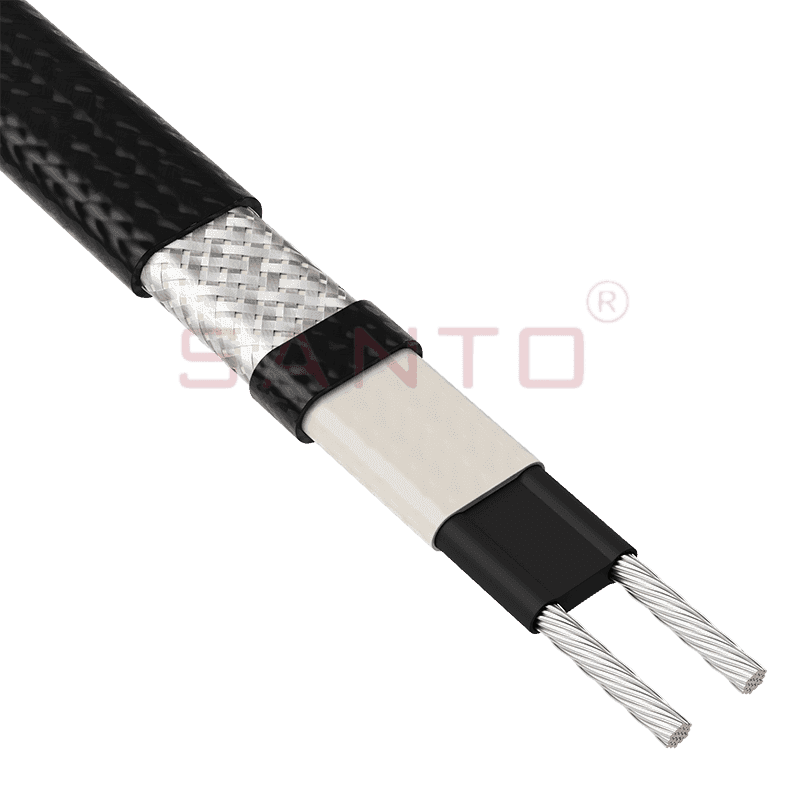
The SANTO UFA range of self-regulating heating cables is mainly used for frost protection of pipes and vessels but can also be used to maintain processes up to 65°C. These heating cables are available...
See Details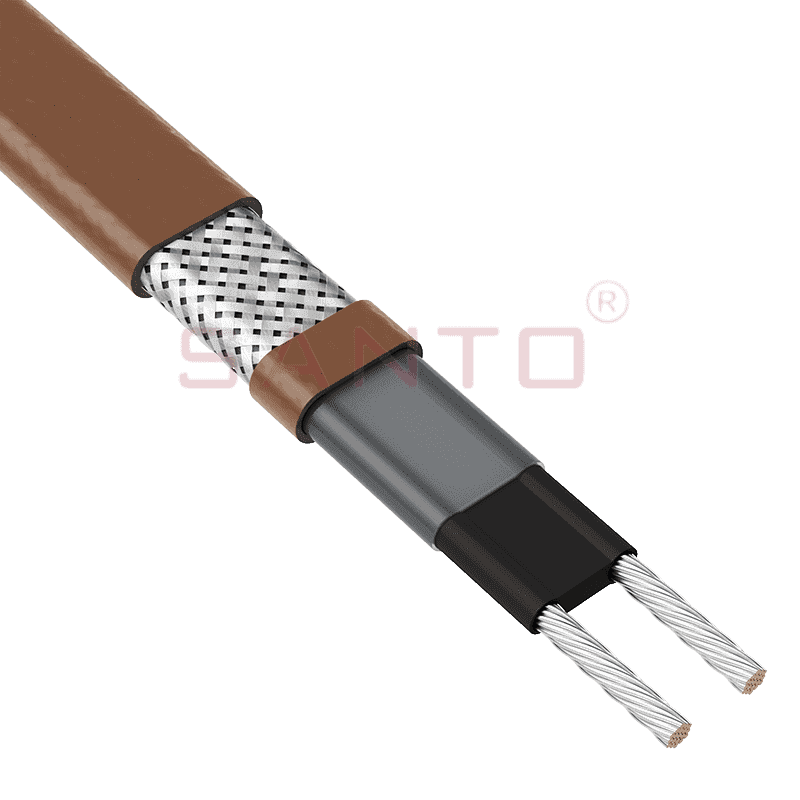
The SANTO UFB range of self-regulating heating cables is mainly used for frost protection of pipes and vessels requiring a higher power output than the UFA heating cables can supply. They can also be ...
See Details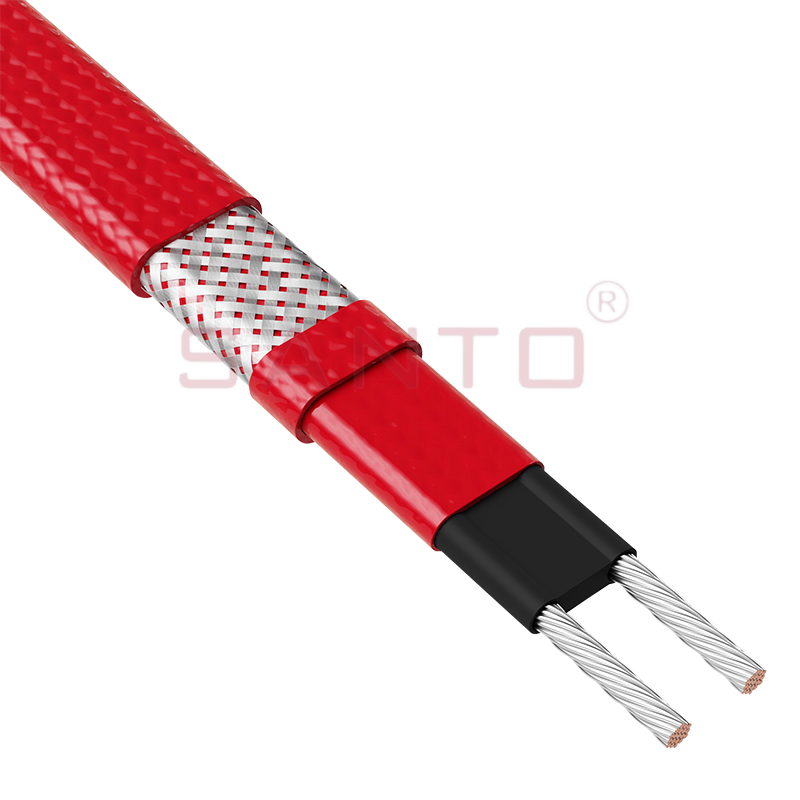
The SANTO UFC range of self-regulating heating cables is used for frost protection of pipes and vessels that require steam cleaning. They can also be used to maintain processes up to 121°C. These heat...
See Details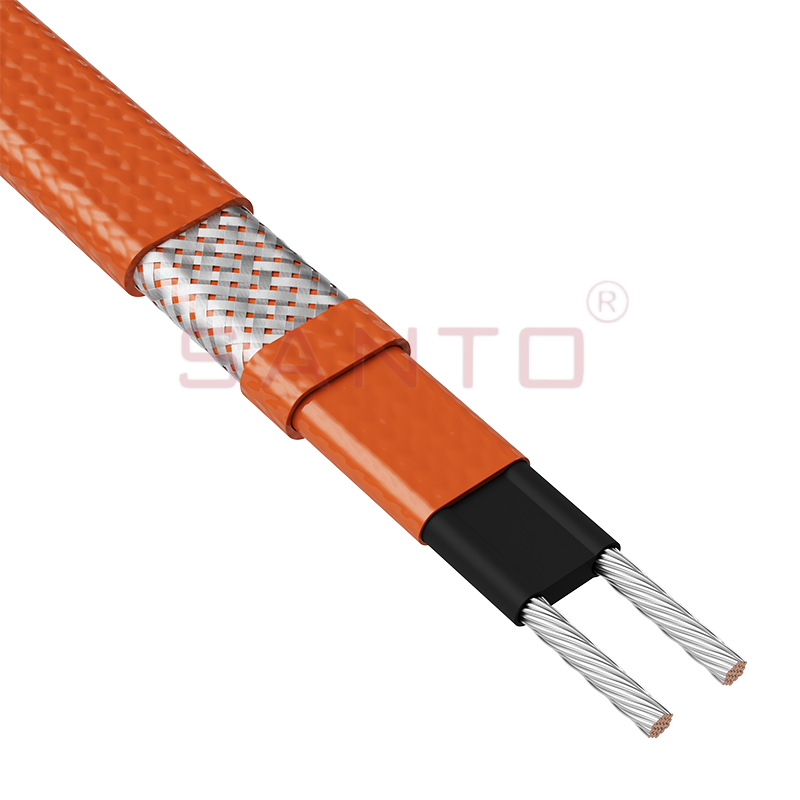
The SANTO UFO range of self-regulating heating cables is mainly used for frost protection of pipes and vessels that require steam cleaning . They can also be used to maintain processes up to 150°C. Th...
See Details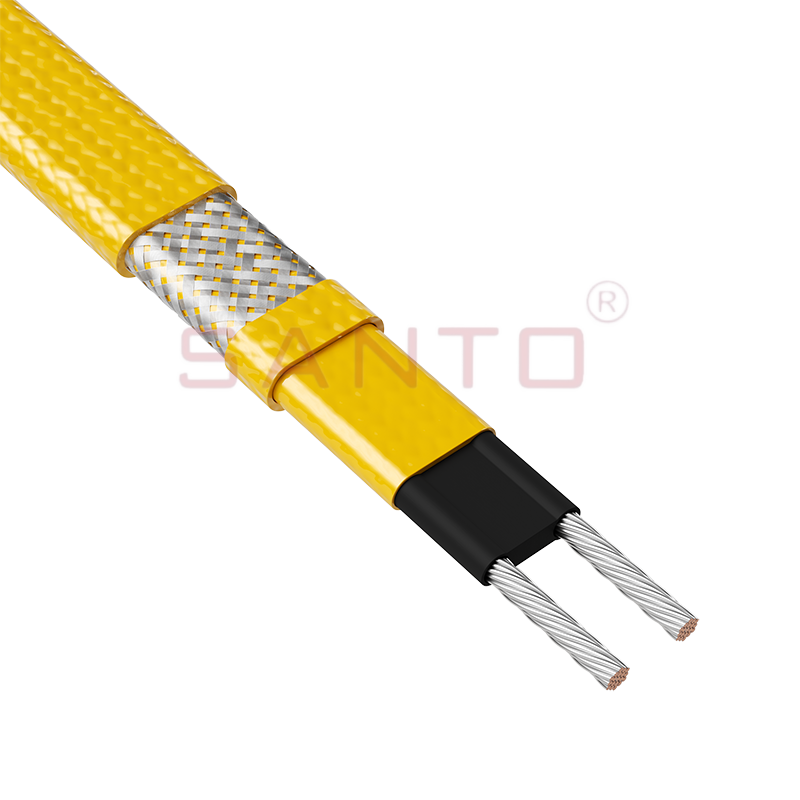
The SANTO UFD series of self-regulating heating cables are mainly used for freeze protection of pipes and vessels, but can also be used to maintain processes up to 200°C. These heating cables are avai...
See Details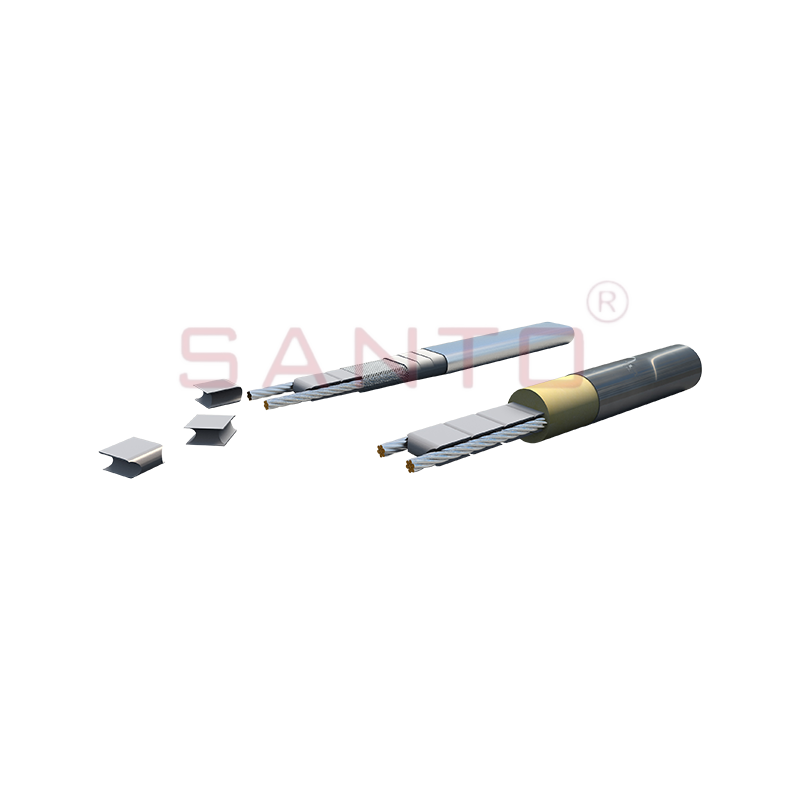
SANTO UFY heating wire is suitable for applications that maintain process temperatures up to 260 ℃ and can be steam blown; The self-regulating and parallel circuit heating wires of the UFY series are ...
See Details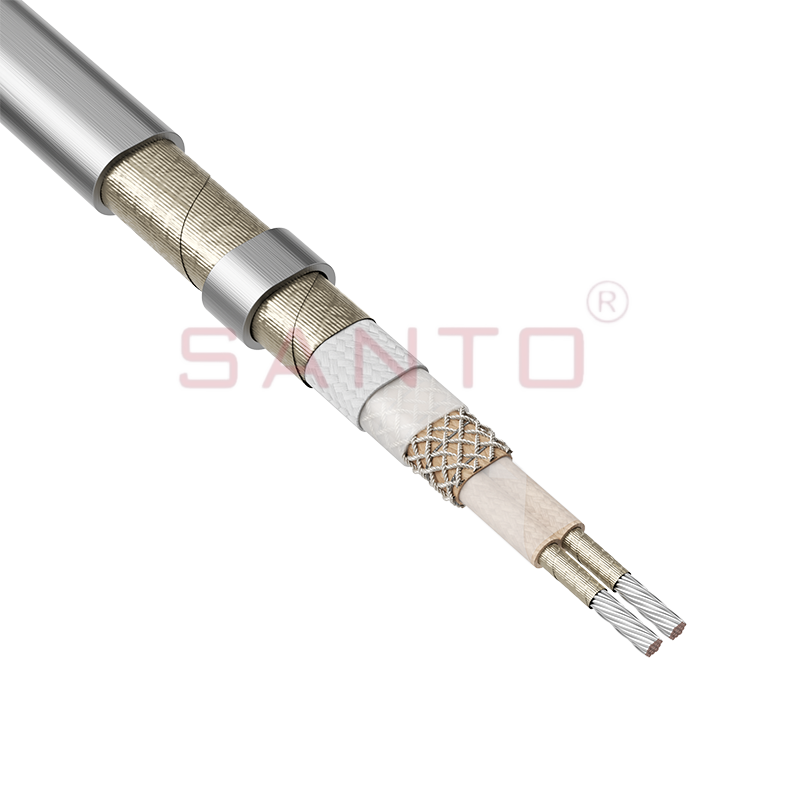
The SANTO UFM series self-regulating heating cables are mainly used for freeze protection of pipes and vessels, but can also be used to maintain processes up to 400°C. These heating cables are availab...
See Details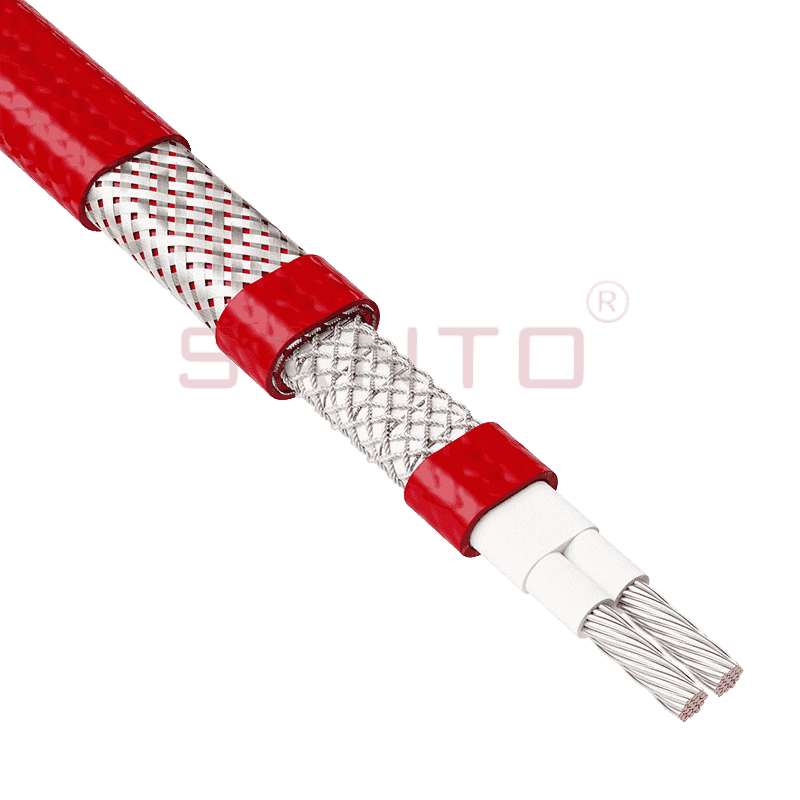
The SANTO ACC range of power-limiting heating cables is mainly used for temperature maintenance of processes and offers the advantage of a high power output at high temperatures which can reduce the n...
See Details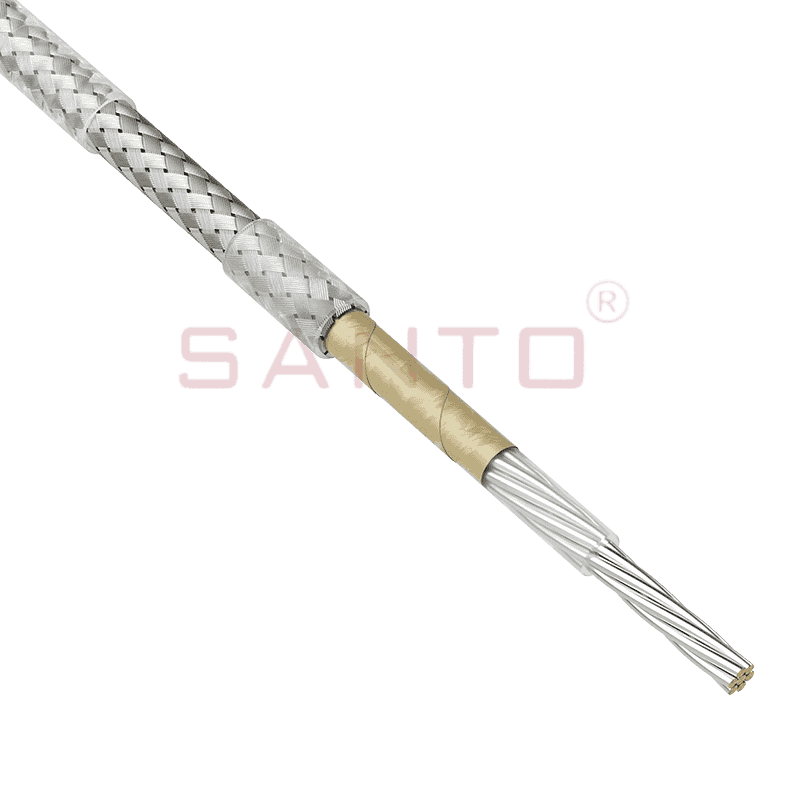
The stranded high temperature conductor is nickel plated to ensure a long life at elevated temperatures in corrosive environments. It is electrically isolated using an innovative sandwich construction...
See Details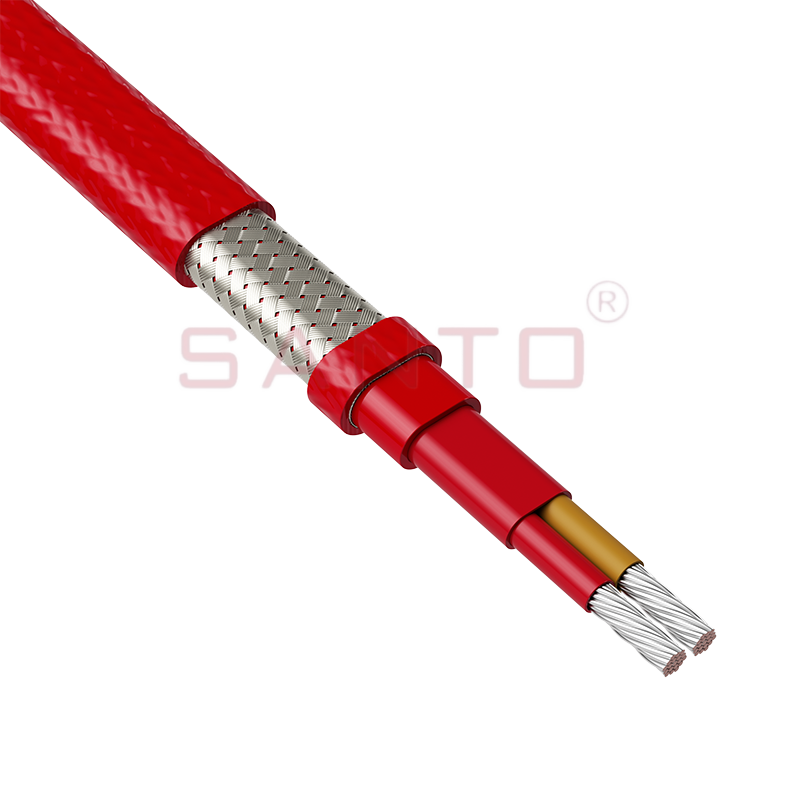
The stranded high temperature conductor is nickel plated to ensure a long life at elevated temperatures in corrosive environments. It is electrically isolated using an innovative sandwich construction...
See Details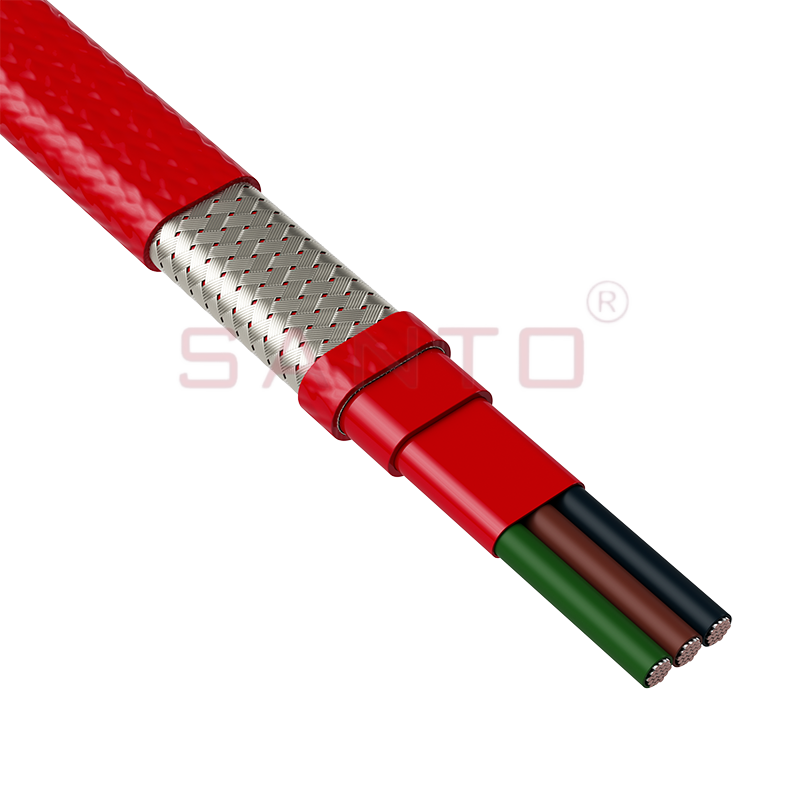
The stranded high temperature conductor is nickel plated to ensure a long life at elevated temperatures in corrosive environments. It is electrically isolated using an innovative sandwich construction...
See Details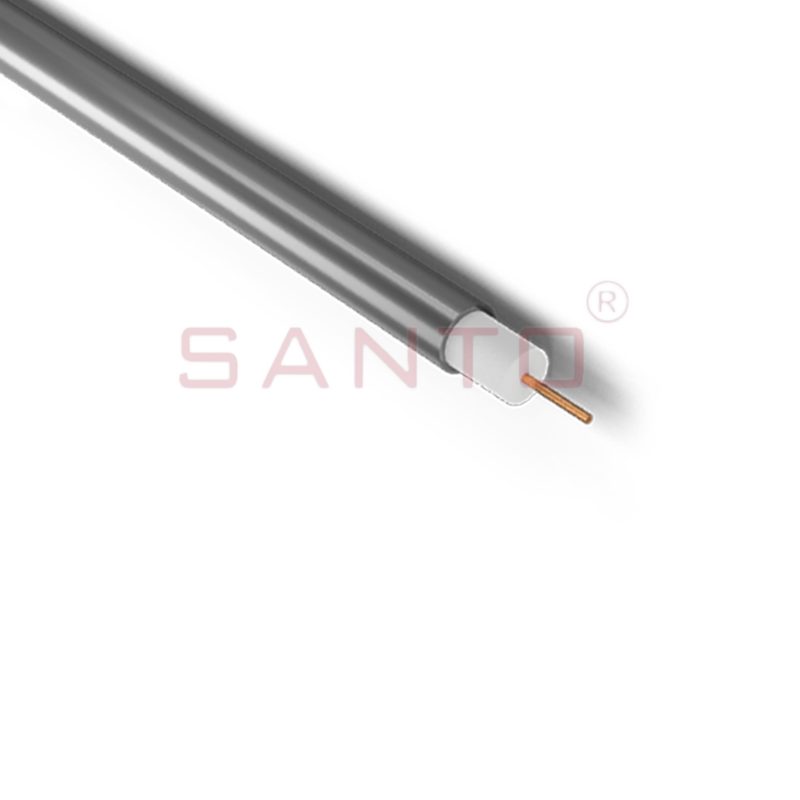
SANTO HAx mineral insulated (MI) Alloy 825 series heating cables are suitable for use in hazardous areas. They have been designed for use in freeze protection and temperature maintenance applications ...
See Details
Santo electric heating strips are widely used in key industries in China.

