 English
 English
 русский
 日本語
 Español
 中文简体

The SANTO UFA range of self-regulating heating cables is mainly used for frost protection of pipes and vessels but can also be used to maintain processes up to 65°C. These heating cables are available...
See Details
Content
Temperature control is a critical requirement in semiconductor manufacturing, laboratory processing, equipment maintenance, and other precision-oriented industrial environments. Small temperature variations can influence material behavior, process stability, equipment performance, and operator efficiency. For this reason, compact heating equipment must provide more than simple heat generation. It should offer controlled output, convenient handling, reliable electrical performance, and a form factor suitable for work areas where space is limited.
The handheld device described in this article is a compact 12 V DC temperature-control unit designed for semiconductor industry applications. Equipped with a display temperature controller and a three-stage heater, it combines portability with adjustable heating performance. Its dimensions are 142 mm in length, 80 mm in width, and 24 mm in height, making it suitable for applications that require a small, easily positioned heating and control device.
Although compact, the device reflects the engineering experience of a manufacturer specializing in electric heating and thermal-control products. The manufacturer develops and produces self-limiting heating cables, constant-power heating products, silicone rubber heating systems, mineral-insulated cables, snow-melting cables, glass-fiber heating products, and related accessories. This broader product background supports the development of a handheld device that is designed with practical knowledge of temperature sensing, heater construction, insulation, electrical safety, and industrial quality control.
This article explains the device’s structure, operating advantages, semiconductor-related applications, manufacturing considerations, quality strengths, customization potential, and selection criteria. It also compares the product’s practical benefits with those of basic fixed-output heaters and less integrated alternatives.
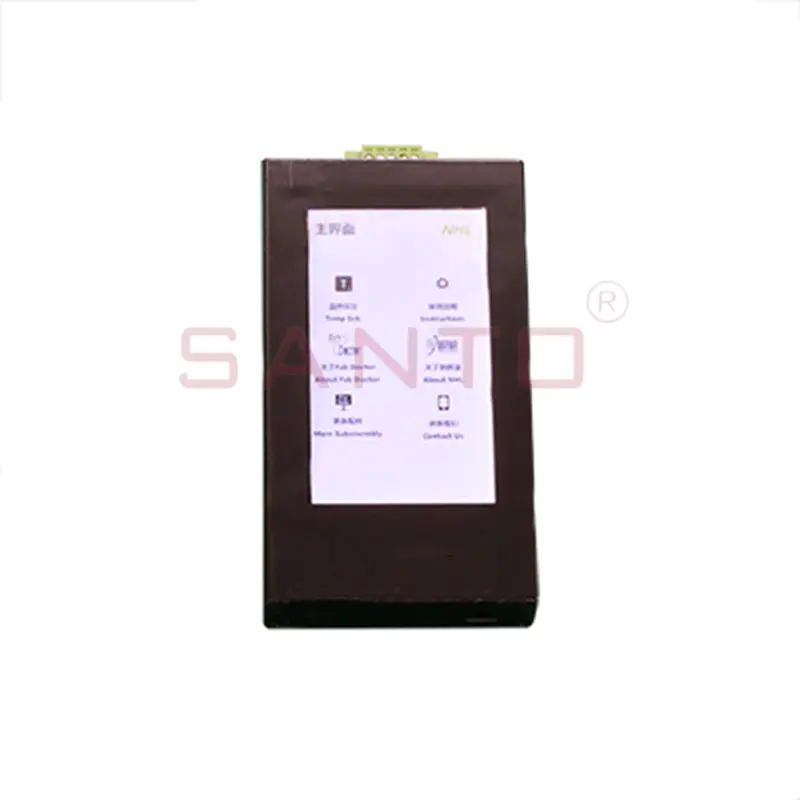
Handheld device
The handheld device is a compact electrically powered heating and temperature-control unit. It operates at 12 V DC and incorporates a display temperature controller together with a three-stage heater. These features allow the user to monitor and regulate heating more conveniently than would be possible with an unregulated resistance heater or a simple on-and-off heating element.
The product’s compact dimensions are 142 mm by 80 mm by 24 mm. This slim profile supports installation or placement in areas where larger controllers, bulky heating assemblies, or conventional industrial cabinets would be impractical. The device can be considered for benchtop equipment, portable process tools, laboratory fixtures, semiconductor support equipment, and other systems requiring localized heating control.
The supplied working temperature information specifies an installation temperature range of 0 to 60 degrees Celsius. This range should be interpreted as the permitted ambient or installation condition stated for the product configuration. The actual temperature of the heated object, the control range, the sensor type, and the maximum operating temperature should be confirmed according to the final technical specification before the device is used in a particular semiconductor process.
| Item | Specification | Practical Significance |
|---|---|---|
| Product type | Handheld temperature-control device | Supports portable or space-limited heating applications |
| Primary industry | Semiconductor industry | Suitable for equipment, laboratory, and localized process-control environments |
| Temperature control | Display temperature controller | Allows the operator to view and adjust heating conditions |
| Heating output | Three-stage heater | Provides selectable heating intensity for different operating conditions |
| Working voltage | 12 V DC | Compatible with low-voltage DC power architectures |
| Dimensions | 142 mm × 80 mm × 24 mm | Offers a compact and easy-to-integrate form factor |
| Installation temperature | 0–60 °C | Defines the stated installation environment |
Semiconductor manufacturing and testing often involve sensitive materials, precision components, chemical processes, and tightly controlled equipment conditions. Temperature can influence viscosity, evaporation, condensation, material expansion, curing, bonding, cleaning, and measurement repeatability. Even when the handheld device is not used directly in wafer processing, it may support auxiliary equipment that must remain within a controlled thermal range.
Localized heating can be useful when a large heating system would create unnecessary energy consumption or excessive thermal exposure. For example, an operator may need to warm a small component, prevent condensation on a process line, stabilize a sampling area, maintain the temperature of a fluid path, or support a laboratory fixture. A compact unit can deliver heat closer to the point of use, reducing the need to heat an entire enclosure or production area.
Temperature control is also important for repeatability. If a heater operates only at full output, the user may experience overshoot, slow stabilization, or unnecessary temperature fluctuation. A display controller and selectable heating stages provide a more practical way to match the heat level to the application. This can be particularly valuable during setup, testing, troubleshooting, and small-batch production.
In semiconductor environments, equipment is often arranged densely to maximize cleanroom and laboratory space. A large external controller may interfere with access, cable routing, or operator movement. The handheld device’s small dimensions allow it to be positioned near the controlled area while minimizing the space required for the control assembly.
Low-voltage operation is another practical consideration. A 12 V DC supply can be integrated into equipment that already uses low-voltage control power. It may also simplify connection to a suitable DC adapter, battery-backed system, or machine control panel. However, the power supply must be correctly selected for the device’s current and power requirements, and all installation work should follow applicable electrical and workplace safety procedures.
The most visible advantage of the handheld device is its compact size. At only 24 mm in height, it can fit into narrow equipment spaces that are unsuitable for large thermostat boxes or conventional industrial heating assemblies. Its 142 mm length and 80 mm width provide sufficient surface area for control components while maintaining a portable profile.
Portability is valuable in development laboratories and maintenance operations. A technician may need to use the same control device at multiple stations, during equipment commissioning, or while diagnosing a thermal problem. A handheld design can be relocated more easily than a permanently mounted heating cabinet.
Compared with a fixed heating installation, a compact unit can also reduce installation time for temporary or semi-permanent applications. It may be placed near a test fixture, connected to a compatible low-voltage power source, and configured for the required heating task. The exact installation method depends on the final equipment design and the customer’s safety requirements.
The display temperature controller improves visibility during operation. Rather than relying only on an external thermometer or visual estimation, the operator can use the controller interface to observe the relevant temperature information. This supports faster adjustment and can make routine operation more consistent.
A display is particularly useful in environments where the controlled temperature must be checked repeatedly. During startup, the operator can monitor the rise in temperature. During steady operation, the display can provide a quick indication of whether the system remains within the intended range. During maintenance, it can help technicians identify whether the heater and sensing system are responding as expected.
The controller also helps reduce dependence on manual switching. A basic heating element may require an operator to turn power on and off repeatedly. A temperature-control device provides a more structured control method, helping the user manage heat according to process requirements rather than relying entirely on timing or subjective judgment.
The three-stage heater gives the device greater practical flexibility than a single-output heater. Different stages can be selected according to the thermal load, required heating speed, and operating condition. A higher stage may be useful during initial warm-up, while a lower stage may be more suitable for maintenance of temperature after the target condition has been reached.
Three-stage control can also help accommodate changes in the surrounding environment. If the equipment is used in a cooler area, a stronger heating stage may be needed. If the ambient temperature is higher or the thermal load is smaller, a lower stage may reduce unnecessary heat input.
Selectable stages do not replace accurate engineering calculations or closed-loop temperature control, but they provide a practical operating advantage. They allow the device to serve more than one heating scenario without requiring a completely different heater for every condition.
The 12 V DC working voltage is appropriate for many control systems and portable equipment platforms. Low-voltage designs can simplify integration where the main machine already includes a DC power supply. They can also support safer handling compared with direct connection to higher-voltage AC circuits, although low-voltage systems still require protection against short circuits, overheating, incorrect polarity, and excessive current.
For original equipment manufacturers, a 12 V DC product can be easier to incorporate into a broader electronic architecture. It may be connected to a regulated power module, control board, or dedicated DC supply. The final design should consider cable length, voltage drop, connector selection, fuse protection, grounding strategy, and electromagnetic compatibility.
A compact heater can place thermal energy close to the component that requires it. This localized approach may reduce the need to heat a larger surrounding structure. In appropriate applications, localized heating can improve energy utilization and shorten warm-up time.
Localized heating is especially useful when only one section of equipment must be maintained at a stable temperature. Instead of installing a large heating chamber, the user can apply a smaller device to the specific zone. The result may be a simpler mechanical layout and a lower total system footprint.
Actual energy savings depend on the application, insulation, heat loss, control method, and duty cycle. Nevertheless, the compact design provides an engineering option for customers who want to avoid oversized heating equipment.
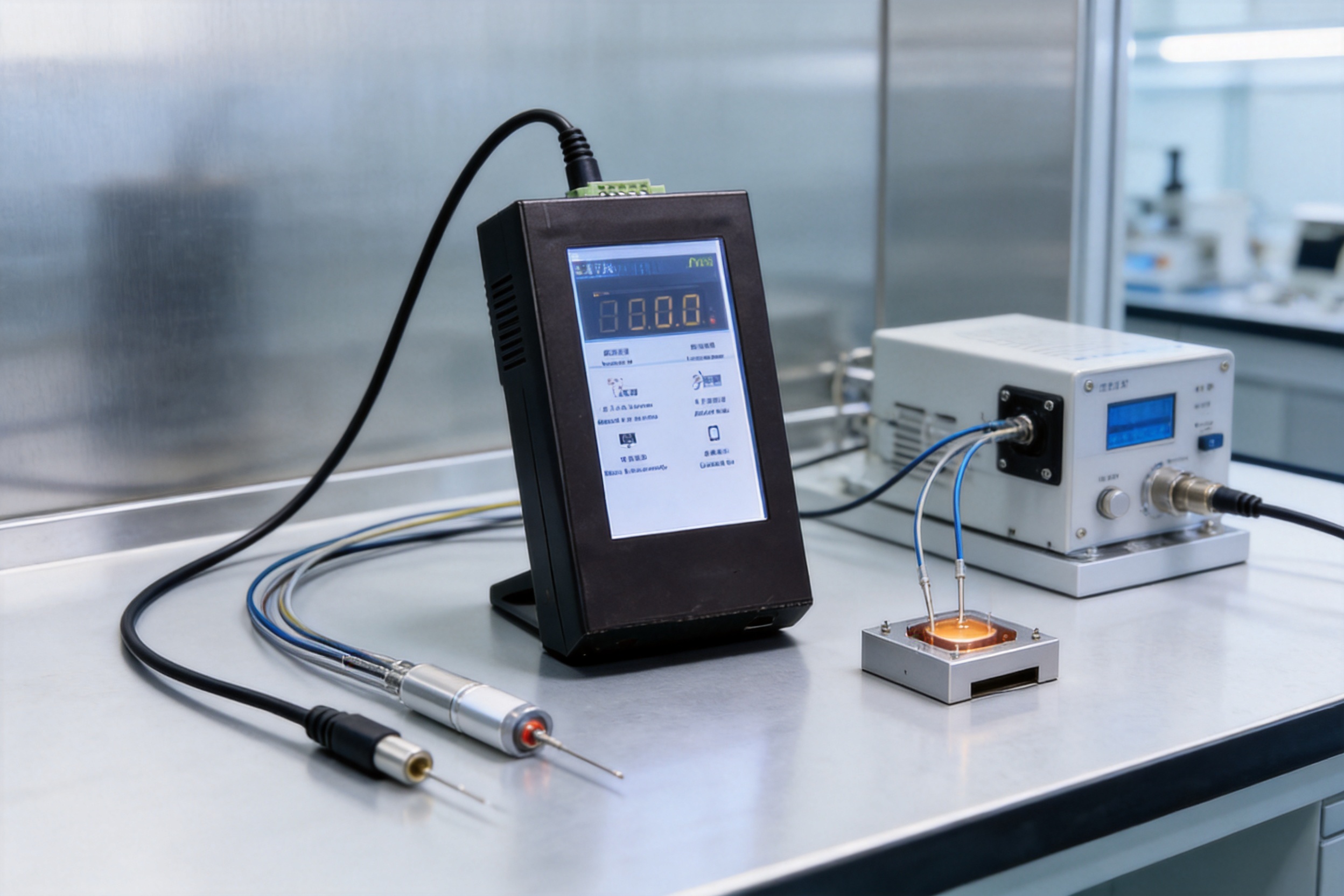
The handheld device should be evaluated against the requirements of the application rather than against a single generic competitor. Different heating technologies have different strengths. However, the combination of a display controller, three-stage heater, low-voltage operation, and compact construction gives this product several practical advantages over basic alternatives.
A simple resistance heater can generate heat at low cost, but it may require a separate thermostat, sensor, relay, and user interface. Without suitable control, it may produce excessive heat, temperature overshoot, or unstable operation. The handheld device integrates the heating function with temperature-control features, reducing the number of separate components needed in some installations.
An uncontrolled heater may also require the operator to use a separate thermometer. This adds installation complexity and creates additional opportunities for measurement errors. The integrated display controller provides a more convenient user experience when the product configuration is correctly matched to the intended application.
A single-stage unit generally offers only one fixed heating output. It may be suitable for a narrow range of conditions, but it can be less adaptable when thermal loads vary. The three-stage design allows users to select different levels of heating intensity, which can be beneficial during startup, stabilization, and changing environmental conditions.
Multiple heating stages may also reduce the need to stock several heater models for different applications. A single device may be useful across several test fixtures or maintenance tasks, subject to power and temperature compatibility.
Large cabinet-based systems can provide extensive control functions, but they may be excessive for a small localized heating task. They require more installation space, more wiring, and often more engineering effort. The compact handheld device is better suited to applications where the thermal load is small and the control requirements are straightforward.
Cabinet systems remain appropriate for multi-zone installations, high-power heaters, and complex process automation. The handheld device is not intended to replace every industrial control platform. Its advantage lies in providing a compact and focused solution where portability and simplicity are more important than a large number of control channels.
Battery-powered heaters may be useful when no external power is available, but their operation time, output stability, charging requirements, and battery condition can limit performance. A 12 V DC handheld device can be integrated with a suitable external or equipment-based power source, potentially providing more consistent operation for laboratory and industrial tasks.
If portability without a mains connection is required, the device may be paired with an appropriate regulated battery system. Such integration must be designed carefully to ensure that the battery capacity, output current, charging method, and protection circuitry are suitable for the product.
| Feature | Basic Resistance Heater | Single-Stage Heater | Large Cabinet System | Handheld Temperature-Control Device |
|---|---|---|---|---|
| Integrated display | Usually not included | May require external equipment | Usually available | Included in the stated configuration |
| Heating levels | Generally fixed | One primary output | Multiple outputs possible | Three-stage heating |
| Installation space | Small heater, additional control space required | Small to medium | Large | Compact |
| Portability | Depends on external control | Moderate | Low | High |
| System integration | Requires additional design | Moderate | Suitable for complex systems | Suitable for low-voltage equipment and localized control |
| Best-fit application | Simple heat generation | Stable single-condition heating | Multi-zone or high-power control | Portable, compact, adjustable heating |
Research and development laboratories often use custom fixtures that are not available as standard production equipment. A compact temperature-control device can support a fixture used for material testing, component evaluation, thermal cycling, or process development.
The three-stage heater can be useful when a test requires different heating levels during preparation and measurement. The display controller allows the operator to observe the thermal condition without installing a large control cabinet beside the fixture.
In environments where temperature changes create condensation risk, localized heating may help maintain a surface or enclosure above a critical condition. This can be relevant to equipment operating near chilled fluids, cooling systems, laboratory gases, or temperature-sensitive components.
The device should be applied only after the thermal requirements have been assessed. The correct sensor position, insulation method, and control settings are essential. The purpose is not simply to produce heat, but to maintain the desired surface or internal temperature without damaging adjacent materials.
Semiconductor support equipment may include small tubing assemblies that carry process fluids, cleaning agents, gases, or other media. A compact heater may be considered for maintaining a fluid path at a suitable temperature or preventing unwanted cooling in a specific section.
Compatibility must be confirmed before use. The customer should evaluate tubing material, chemical resistance, maximum temperature, pressure, insulation, sensor location, and cleanroom requirements. The heater should not be used with materials that cannot tolerate the expected thermal exposure.
Maintenance teams may require temporary localized heating during repair or diagnostic work. A portable device can help technicians test whether a temperature-sensitive component, line, or enclosure responds correctly to controlled heat.
Because the device is compact, it can be transported between workstations more easily than a permanent heating assembly. This may be useful during commissioning of new machines, troubleshooting of thermal instability, or validation of insulation performance.
Temperature sensors, switches, thermal interfaces, and small control components may need to be evaluated under controlled heating conditions. The display and staged output provide a convenient platform for basic functional checks, provided the test procedure includes suitable measurement equipment and safety limits.
For formal calibration or certification work, the device should be used together with calibrated reference instruments. Its display should not automatically be treated as a laboratory reference standard unless the complete product configuration has been verified for that purpose.
The handheld device benefits from the manufacturer’s broader experience in electric heating and thermal-control technology. The company develops, designs, produces, and sells a range of heating products, including automatic temperature-control heating belts, self-limiting heating belts, heat-tracing products, constant-power heating belts, glass-fiber heating belts, mineral-insulated cables, silicone rubber heating products, snow-melting cables, and related accessories.
This product portfolio requires knowledge of resistance-wire selection, insulating materials, conductor structures, temperature sensing, flexible assemblies, electrical connections, environmental protection, and application engineering. These capabilities are relevant to a compact temperature-control device because reliable operation depends on the performance of both the heater and the control system.
The manufacturer describes itself as a high-tech enterprise in Jiangsu Province and reports cooperation in product research with Harvard University in the United States. It also states that its products serve petroleum, chemical, gas, construction, solar energy, geothermal cultivation, electric heating, and other sectors. Experience across these industries can support the development of products for demanding environments with different temperature, flexibility, insulation, and installation requirements.
The company’s stated production capabilities include research, design, manufacturing, testing, and sales. This integrated structure can improve communication between engineering and production teams. It also allows customer feedback from actual applications to influence product improvement and customization.
A reliable heating device begins with appropriate material selection. Heating conductors must provide stable resistance and withstand the intended operating temperature. Insulating materials must be selected according to thermal exposure, mechanical stress, electrical requirements, and the surrounding environment.
For a compact handheld product, internal component arrangement is also important. The heater, controller, display, connectors, and protective elements must be placed within a limited enclosure while maintaining appropriate spacing and heat management. Poor internal arrangement can lead to hot spots, difficult servicing, or reduced service life.
Heater assembly may include forming or positioning the heating element, connecting conductors, installing insulation, securing components, and checking electrical continuity. The exact process depends on the product design and heater technology. Consistent assembly is essential because resistance variation, poor connections, or inadequate insulation can affect performance.
The manufacturer’s experience with heating cables and heating belts provides a foundation for controlling these production variables. Manufacturing teams familiar with flexible heating products are accustomed to working with resistance elements, insulation systems, protective layers, and application-specific geometries.
Controller integration requires careful coordination between the temperature sensor, display, heater stages, power input, and user controls. The controller must receive usable temperature information and provide an appropriate response to the selected setting.
During production, wiring and connection points should be checked for correct polarity, secure attachment, and resistance consistency. The device should also be evaluated for correct display behavior and response to the available heating stages. These checks help identify assembly problems before the product reaches the customer.
Functional testing can include power-up verification, display inspection, heating-stage testing, temperature response checks, electrical continuity tests, and visual inspection. Depending on the final application, additional tests may include insulation resistance, dielectric strength, operating endurance, environmental exposure, and connector reliability.
Testing requirements should be matched to the product specification and customer application. A device intended for a laboratory fixture may require a different validation program from one incorporated into a production machine. Clear test records support traceability and help ensure that products meet the required acceptance criteria.
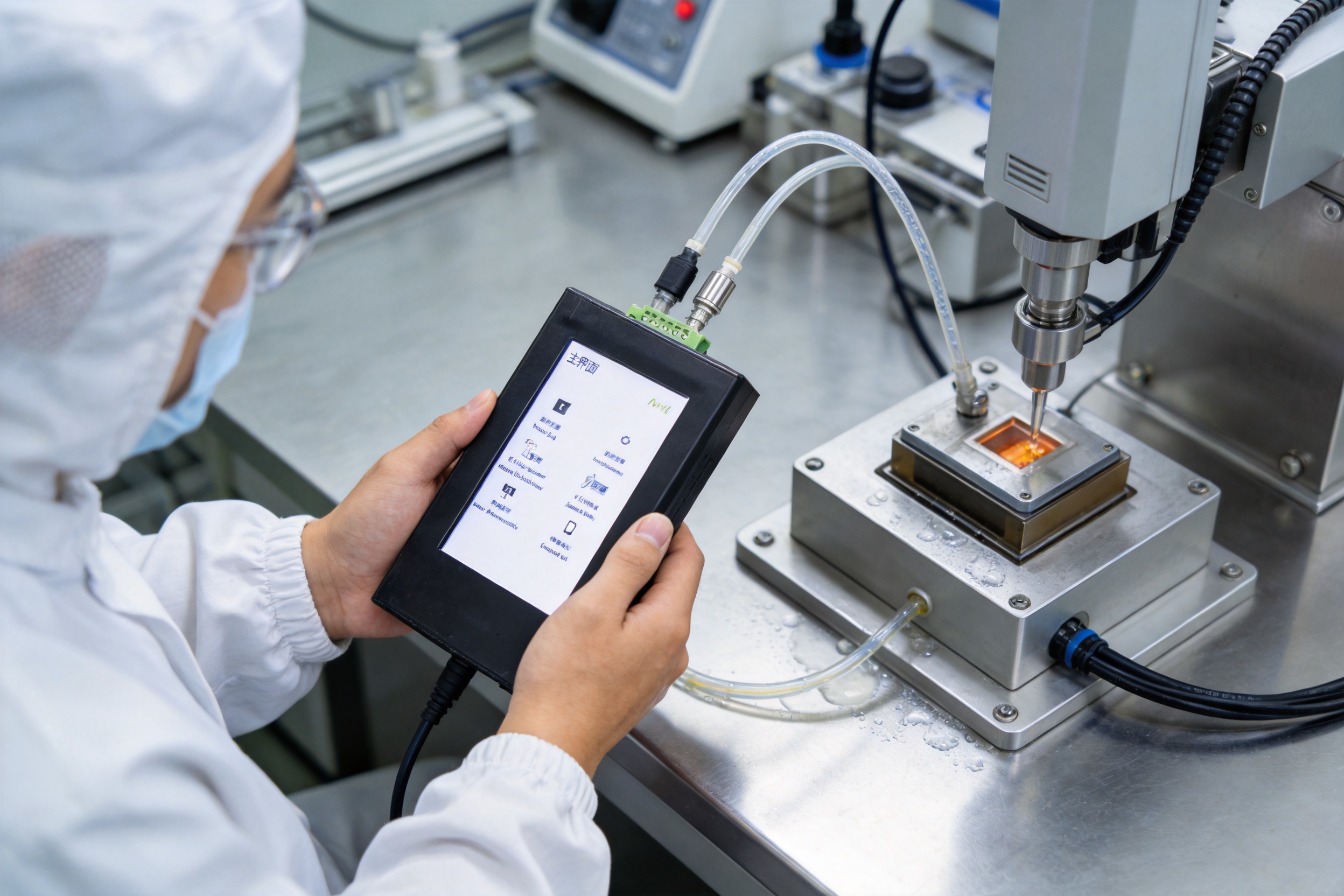
The manufacturer reports certification to the ISO 9001 quality management system and states that its products have obtained national CCC certification. These credentials indicate an emphasis on documented management and product conformity. The specific scope of any certification should be verified for the product, factory, and intended market before procurement.
Quality management is especially important for heating products because small defects can affect electrical safety, thermal stability, or service life. A structured system can help control incoming materials, manufacturing procedures, inspection standards, nonconforming products, corrective actions, and customer feedback.
The company also reports explosion-proof certification and EAC Eurasian Union certification for relevant products or markets. These certifications should not automatically be assumed to apply to every product configuration. Customers should request the applicable certificate and confirm whether the handheld device, its power supply, and its intended installation environment are covered.
The company presents more than 35 years of industry experience, annual output exceeding 10,000 units, more than 2,000 distributors, and business coverage in more than 85 areas. These figures indicate a broad commercial and manufacturing network as described in the supplied company information.
A long operating history can provide practical benefits in product development, supplier management, process improvement, and after-sales support. It may also indicate that the manufacturer has encountered a wide variety of installation conditions and customer requirements.
Production scale can support stable procurement and repeat orders, while a broad distributor network may make technical communication and product supply easier in different regions. For an OEM customer, however, the most important consideration remains the manufacturer’s ability to deliver consistent quality for the exact product configuration required.
The company’s reported development history includes inventions related to self-limiting temperature nano far-infrared heating, carbon-fiber parallel heating cables, and high-temperature pipeline heating applications. These developments demonstrate a focus on heating technology rather than simple resale of standard electrical components.
Research capability is valuable when customers require modifications. For example, an OEM may request a different display arrangement, connector, cable length, heating curve, mounting method, or enclosure design. A manufacturer with in-house technical resources may be better positioned to evaluate such requests and convert them into a manufacturable product.
The company reports that it established an irradiation center in 2013 and later purchased additional land for a new factory and product simulation testing laboratory. Product simulation and laboratory testing can support development by allowing engineers to evaluate heating performance before large-scale production.
For a handheld device, simulation and testing may help assess enclosure temperature, heater response, power behavior, and performance under different installation conditions. Laboratory work can also contribute to more consistent product documentation and clearer application recommendations.
The standard device includes a display temperature controller, three-stage heater, 12 V DC working voltage, and compact dimensions. However, industrial customers often need adaptations to match their equipment architecture. Potential customization areas may include cable length, connector type, mounting method, display arrangement, control logic, enclosure labeling, heating output, sensor placement, and packaging.
Before requesting customization, the customer should prepare an application specification. This document should identify the target object, desired temperature range, ambient conditions, warm-up time, thermal load, available power, installation space, cable routing, operating cycle, and required safety standards.
The customer should also explain whether the product will be used as a standalone handheld device, a semi-permanent fixture, or an integrated component inside a machine. These different installation methods may require different mechanical protection, strain relief, connectors, or control interfaces.
| Customization Area | Questions to Confirm |
|---|---|
| Power input | Is 12 V DC available, and what current capacity does the supply provide? |
| Heating output | What object must be heated, and how much heat is required? |
| Temperature range | What are the minimum, target, and maximum temperatures? |
| Sensor position | Where should temperature be measured for the most representative reading? |
| Mechanical installation | Will the device be handheld, mounted, or integrated into equipment? |
| Environmental conditions | Will it encounter dust, moisture, chemicals, vibration, or cleanroom restrictions? |
| Connection method | Which connectors, cable lengths, and strain-relief methods are required? |
| Documentation | Are drawings, inspection reports, certificates, or test records required? |
Customization should be confirmed through drawings, specifications, samples, and validation testing. A modified product may have different performance limits from the standard model. Therefore, the final data sheet should clearly state the agreed configuration.
The device should be installed only by personnel familiar with low-voltage electrical equipment and the requirements of the application. Before connection, verify the power polarity, rated voltage, current capacity, connector compatibility, and cable condition. A suitable fuse or current-limiting device should be considered where appropriate.
The heater should be placed so that heat is transferred to the intended object without creating an uncontrolled hot spot. If insulation is used, it must be compatible with the operating temperature and surrounding materials. The sensor should be positioned where it can accurately represent the temperature being controlled.
Do not cover ventilation or cooling areas that are necessary for the controller or enclosure. Do not place the product near combustible materials unless the complete installation has been evaluated for safety. The device should also be protected from liquids, corrosive chemicals, and mechanical damage unless the final product specification specifically permits such exposure.
During initial operation, monitor the device carefully. Confirm that the display operates correctly, that each heating stage responds as expected, and that the temperature rises in a controlled manner. Check for unusual odor, discoloration, excessive surface temperature, unstable readings, or abnormal electrical behavior.
Routine inspection should include checking cables, connectors, enclosure condition, mounting points, and display operation. If the product is used frequently or in a demanding environment, the inspection interval should be determined by the equipment owner’s maintenance program.
Heating devices must be treated as potential sources of thermal and electrical hazards. The 12 V DC working voltage does not eliminate all risks. A short circuit can cause high current, damaged wiring, connector heating, or power-supply failure. Improper installation can also cause the heater to operate without adequate contact or temperature feedback.
Where the application involves valuable semiconductor equipment, the customer should consider independent over-temperature protection. A secondary thermal fuse, equipment interlock, or redundant sensor may be appropriate depending on the risk assessment. The need for such protection depends on the consequences of overheating and the criticality of the process.
Temperature readings should be verified when accurate process control is important. A reference thermometer or calibrated instrument can be used during commissioning to compare the displayed value with the actual temperature at the controlled point. Differences may result from sensor placement, thermal gradients, enclosure design, or calibration tolerance.
Reliability also depends on operating the product within its rated conditions. Excessive mechanical bending, cable pulling, moisture exposure, chemical contact, or power-supply instability can reduce service life. The product should be protected from conditions that are not included in the agreed specification.
Compact localized heating can support more efficient use of energy when the application requires heating only a small zone. Instead of warming an entire chamber, room, or machine enclosure, the user may apply heat directly to the required component. This approach can reduce unnecessary thermal losses in suitable installations.
The three-stage heater can further support practical energy management by allowing the operator to select an output appropriate to the thermal load. A lower stage may be sufficient during steady-state operation, while a higher stage may be used only during warm-up.
Longer product life also contributes to resource efficiency. Stable materials, careful assembly, appropriate insulation, and quality control can reduce premature replacement. Maintenance and correct operating practices are equally important because even a well-manufactured heater can fail early if it is used outside its design conditions.
The manufacturer’s broader product portfolio includes heating systems for antifreeze, deicing, heat tracing, insulation, geothermal cultivation, construction, solar energy, and industrial applications. This range reflects the wider role of electric heating technology in managing energy, preventing losses, and supporting process reliability.
Industrial buyers should evaluate the handheld device using both technical and commercial criteria. The first step is to confirm that the 12 V DC input matches the available power architecture. The buyer should request the rated current, power, control range, sensor information, and maximum permitted operating conditions for the exact configuration.
The second step is to assess the mechanical fit. The stated dimensions are 142 mm by 80 mm by 24 mm, but additional clearance may be required for cables, connectors, mounting brackets, ventilation, and operator access. The product should not be evaluated only by enclosure dimensions.
The third step is to confirm temperature performance. Buyers should identify the temperature of the object being heated rather than relying only on ambient conditions. The installation temperature range of 0 to 60 degrees Celsius is an important reference, but it does not by itself define the maximum temperature of the heater or the complete operating range.
The fourth step is to review documentation and quality requirements. Depending on the market, the buyer may require drawings, inspection records, material information, certificates, test reports, packaging specifications, and traceability information. If the device will be integrated into certified equipment, the customer should confirm whether additional compliance testing is required.
Finally, buyers should consider technical support and after-sales communication. A manufacturer experienced in electric heating products can help evaluate heater selection, installation method, sensor positioning, insulation, and customization. This support can be as important as the initial product price when the device is used in a specialized semiconductor application.
A practical evaluation can begin with a sample test. Connect the device to a regulated 12 V DC supply and verify that the current draw is within the expected range. Check the display, control interface, and each of the three heating stages.
Next, install the heater on a representative test object. Use an independent reference sensor to measure the actual temperature at the critical point. Record warm-up time, stabilization behavior, temperature variation, and surface temperature at nearby locations.
The test should then be repeated under different thermal loads. A small object, a larger heat sink, an insulated assembly, and a less insulated assembly may produce different results. These tests help determine whether the three heating stages provide the required flexibility.
Environmental tests may also be needed. If the product will be used in a cleanroom, chemical area, vibration-prone machine, or enclosed cabinet, the evaluation should reproduce those conditions as closely as possible. Any special requirements should be communicated to the manufacturer before finalizing the order.
After technical approval, the customer can establish incoming inspection criteria. These may include dimensional checks, visual inspection, connector verification, display operation, resistance measurement, and a basic heating-function test. Clear acceptance criteria support consistent quality during repeat purchases.
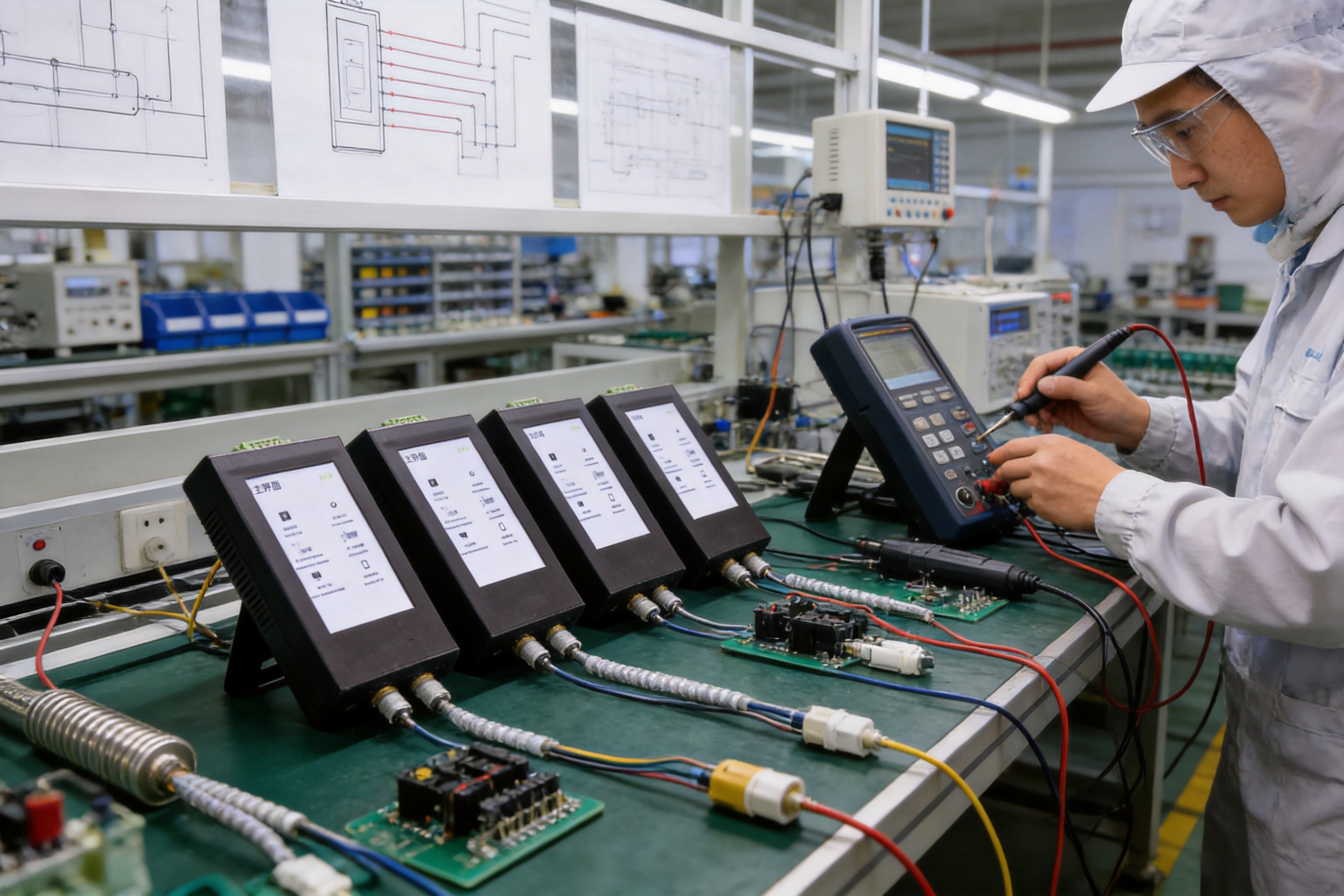
The device is intended to provide compact, adjustable heating and temperature control for semiconductor-related equipment, laboratory fixtures, maintenance tasks, and other localized heating applications.
The stated working voltage is 12 V DC. The power supply should be regulated and capable of providing the current required by the final product configuration.
The product is equipped with a display temperature controller and a three-stage heater. The three heating stages allow the user to select different heating intensities according to the application.
The stated dimensions are 142 mm in length, 80 mm in width, and 24 mm in height. Additional installation clearance may be needed for wiring, connectors, mounting, and ventilation.
It refers to the stated installation temperature range. It should not automatically be interpreted as the maximum temperature of the heated object. The allowable object temperature and control range should be confirmed from the final technical documentation.
It provides more flexibility than a fixed-output heater. A higher stage may be used for warm-up, while a lower stage may be suitable for maintaining temperature or reducing heat input during steady operation.
Potential cleanroom use must be evaluated according to the complete product construction, surface materials, outgassing requirements, cable design, packaging, and customer standards. Cleanroom suitability should be confirmed with the manufacturer before installation.
Potential customization may include cable length, connector type, mounting method, display arrangement, sensor position, control settings, labeling, and other design details. Customization should be confirmed through technical drawings and sample validation.
The supplied information identifies the product category as the semiconductor industry, but the exact application must be assessed carefully. Direct wafer or process-chamber use may require special materials, contamination controls, temperature uniformity, and certification. The customer should obtain application-specific confirmation before use.
Its main advantages are the integrated display controller, three-stage heating, compact dimensions, low-voltage DC operation, portability, and suitability for localized temperature-control tasks. A basic heater may require separate sensing and control equipment.
Not in every application. The handheld device is intended for compact, localized, and relatively straightforward heating tasks. Large cabinets remain more appropriate for high-power, multi-zone, or highly automated systems.
Buyers should confirm the required temperature range, thermal load, power supply, sensor location, installation space, cable and connector requirements, environmental conditions, safety functions, documentation, and any certification needs.
The manufacturer has experience with electric heating cables, self-limiting heating systems, constant-power products, silicone rubber heaters, glass-fiber heaters, mineral-insulated cables, snow-melting products, and related thermal-control systems. It also reports ISO 9001 certification, product research activities, testing facilities, and broad industry experience.
Maintenance should include inspection of the enclosure, cables, connectors, display, mounting points, and heating response. The device should be kept within its specified operating conditions and protected from unauthorized modification, moisture, chemicals, and mechanical damage.
The handheld temperature-control device provides a practical solution for compact and localized heating tasks in semiconductor-related environments. Its combination of a display temperature controller, three-stage heater, 12 V DC operation, and compact 142 mm × 80 mm × 24 mm form factor makes it more versatile than a simple fixed-output heating element.
The product is particularly attractive for laboratory fixtures, portable maintenance tools, small equipment assemblies, tubing or component temperature management, and applications where a large control cabinet would be unnecessary. Its value comes not only from its small size, but also from the integration of heating and control functions in one compact unit.
The manufacturer’s experience in heating cables, thermal-control systems, insulation technologies, and industrial electric heating provides a strong technical foundation for the product. Its reported research activities, ISO 9001 quality management, product testing capabilities, international market experience, and OEM development potential further support its use as an industrial component.
Before final adoption, customers should confirm the exact temperature range, electrical requirements, sensor arrangement, environmental suitability, and certification status for their application. With appropriate engineering evaluation and installation, the device can help semiconductor and laboratory equipment users achieve more convenient, controlled, and space-efficient localized heating.
1. Manufacturer-provided product specification for the handheld temperature-control device.
2. Manufacturer-provided corporate profile and product portfolio information.
3. ISO 9001 quality management system principles for manufacturing and process control.
4. General industrial guidance on low-voltage DC heating equipment and electrical protection.
5. General engineering principles for temperature sensing, localized heating, thermal insulation, and process stability.
6. General semiconductor equipment considerations for thermal management, contamination control, and laboratory integration.
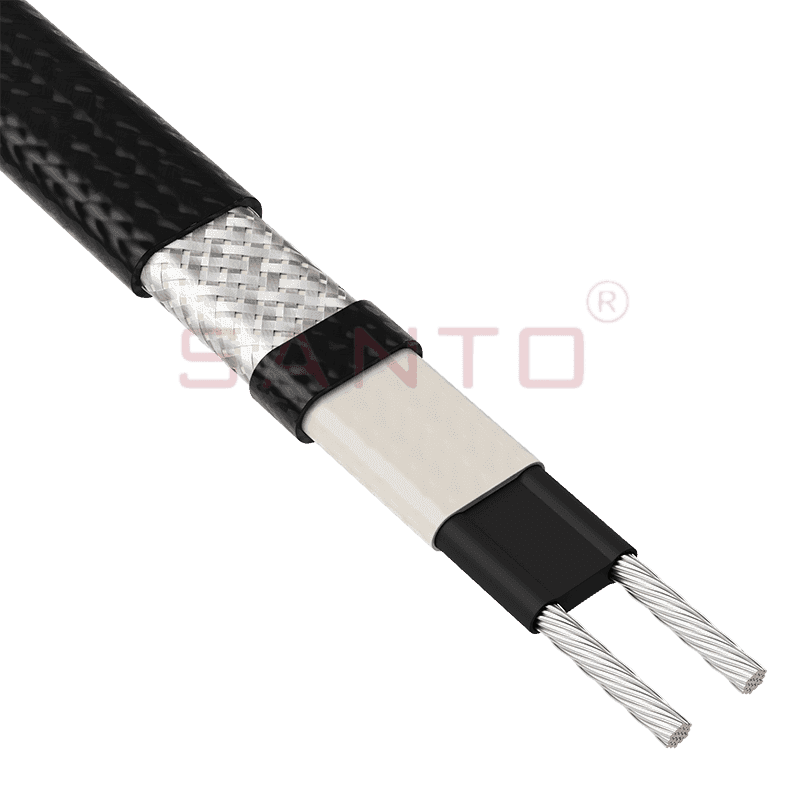
The SANTO UFA range of self-regulating heating cables is mainly used for frost protection of pipes and vessels but can also be used to maintain processes up to 65°C. These heating cables are available...
See Details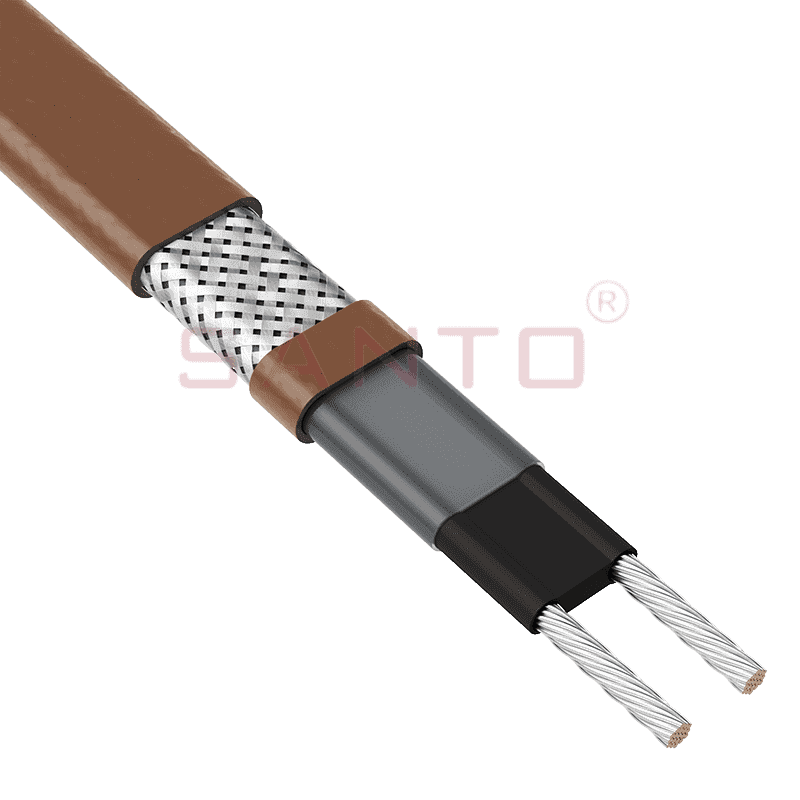
The SANTO UFB range of self-regulating heating cables is mainly used for frost protection of pipes and vessels requiring a higher power output than the UFA heating cables can supply. They can also be ...
See Details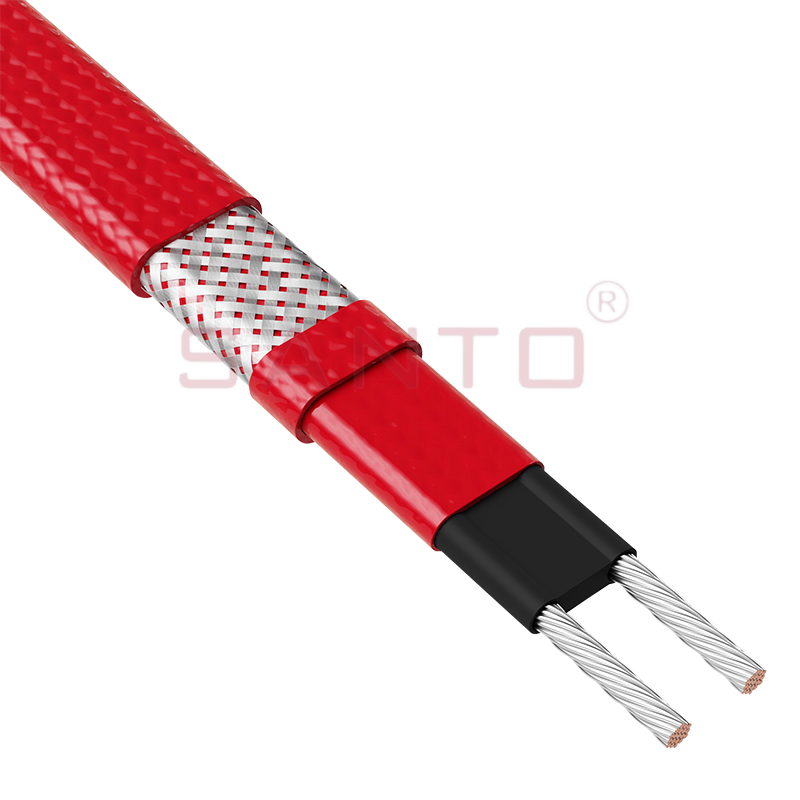
The SANTO UFC range of self-regulating heating cables is used for frost protection of pipes and vessels that require steam cleaning. They can also be used to maintain processes up to 121°C. These heat...
See Details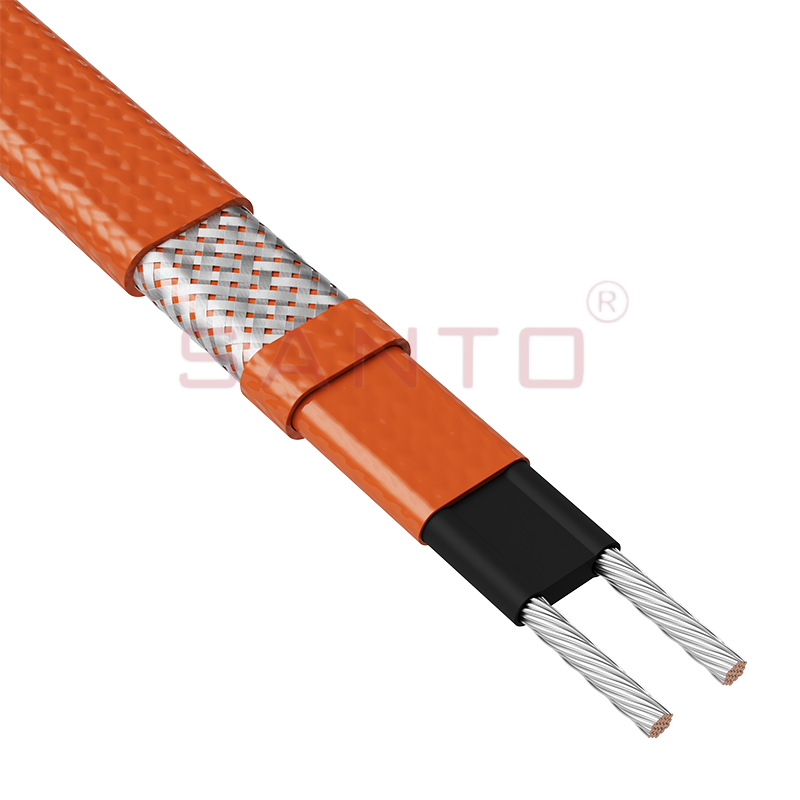
The SANTO UFO range of self-regulating heating cables is mainly used for frost protection of pipes and vessels that require steam cleaning . They can also be used to maintain processes up to 150°C. Th...
See Details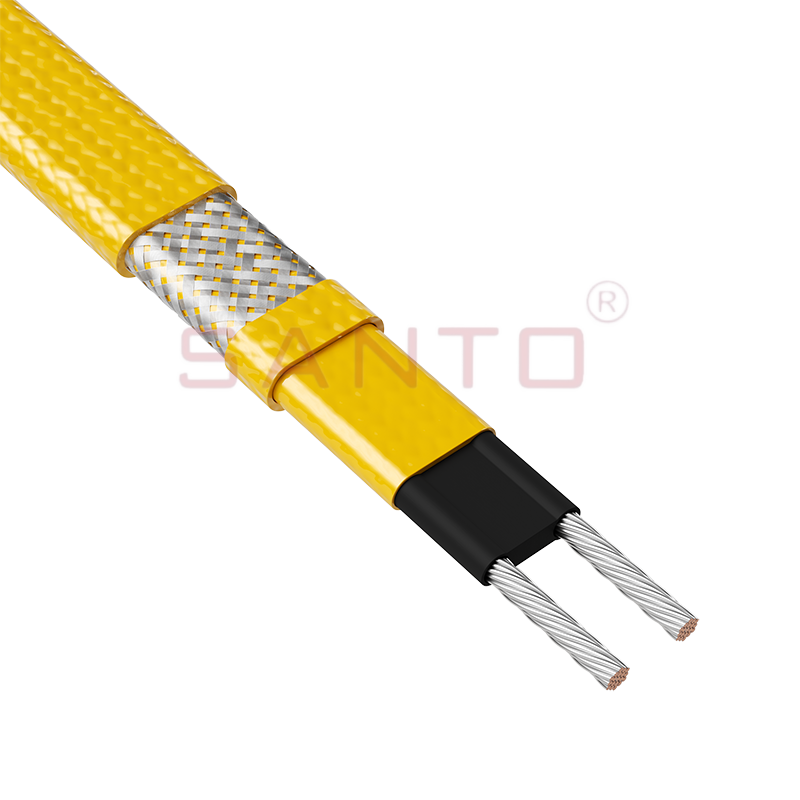
The SANTO UFD series of self-regulating heating cables are mainly used for freeze protection of pipes and vessels, but can also be used to maintain processes up to 200°C. These heating cables are avai...
See Details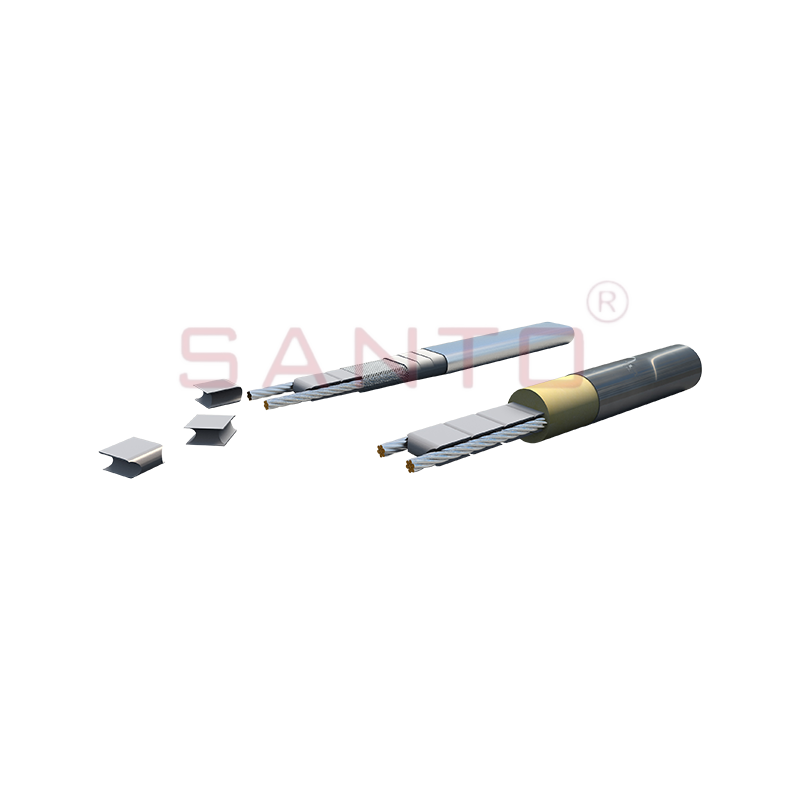
SANTO UFY heating wire is suitable for applications that maintain process temperatures up to 260 ℃ and can be steam blown; The self-regulating and parallel circuit heating wires of the UFY series are ...
See Details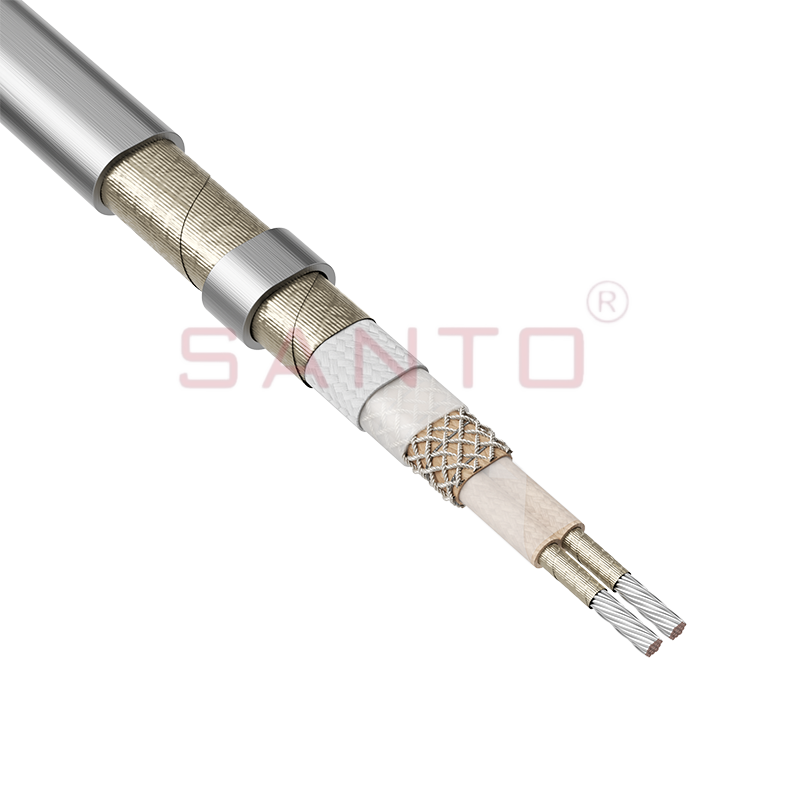
The SANTO UFM series self-regulating heating cables are mainly used for freeze protection of pipes and vessels, but can also be used to maintain processes up to 400°C. These heating cables are availab...
See Details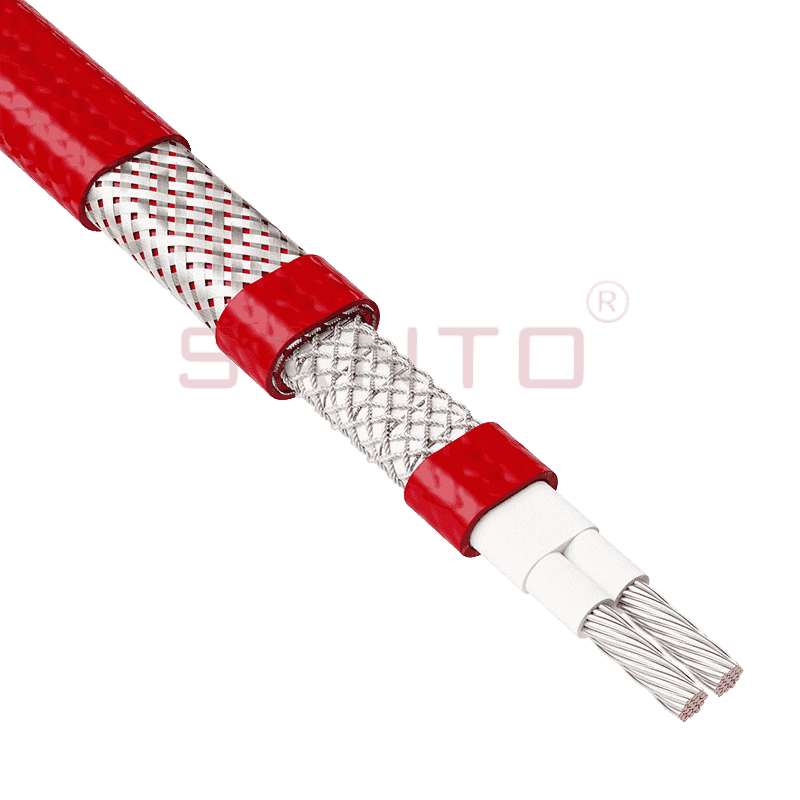
The SANTO ACC range of power-limiting heating cables is mainly used for temperature maintenance of processes and offers the advantage of a high power output at high temperatures which can reduce the n...
See Details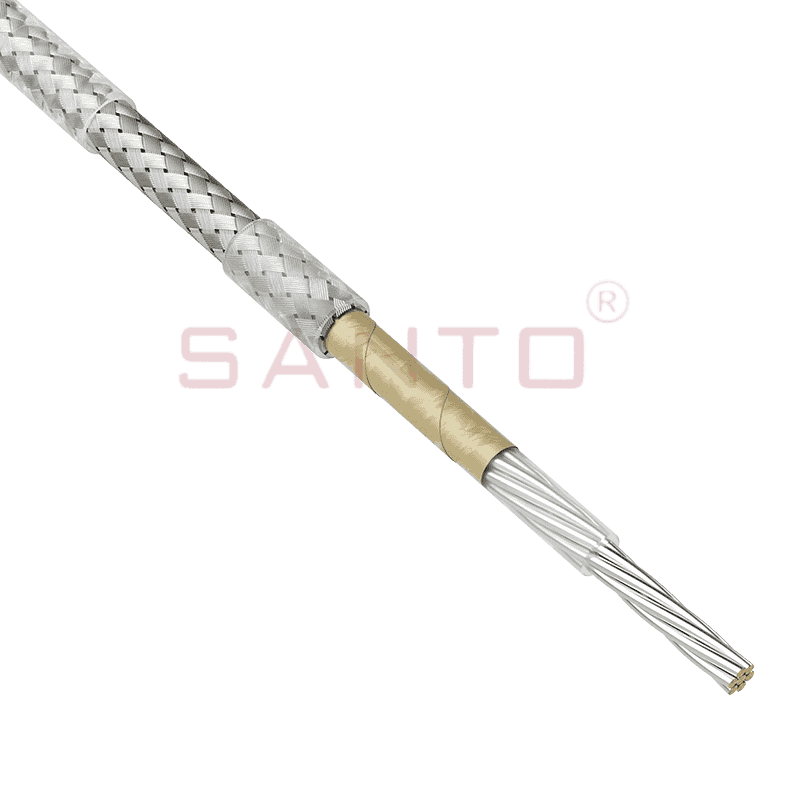
The stranded high temperature conductor is nickel plated to ensure a long life at elevated temperatures in corrosive environments. It is electrically isolated using an innovative sandwich construction...
See Details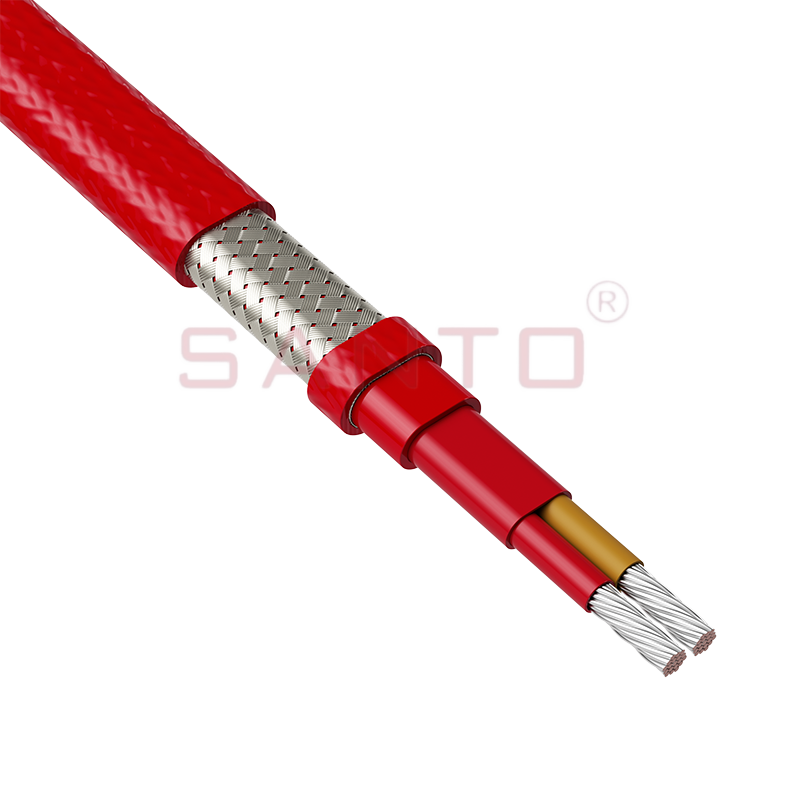
The stranded high temperature conductor is nickel plated to ensure a long life at elevated temperatures in corrosive environments. It is electrically isolated using an innovative sandwich construction...
See Details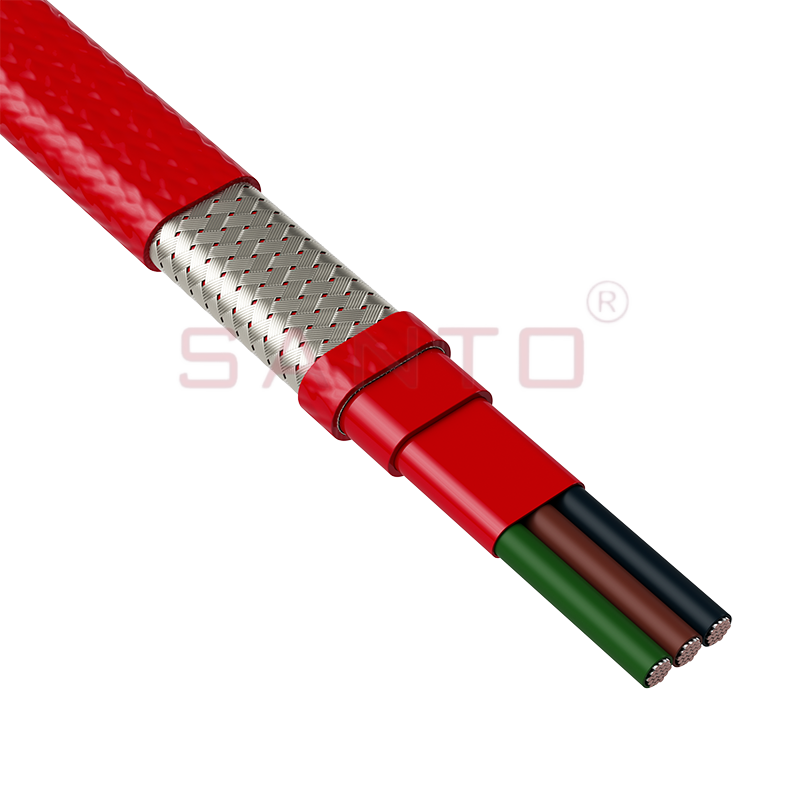
The stranded high temperature conductor is nickel plated to ensure a long life at elevated temperatures in corrosive environments. It is electrically isolated using an innovative sandwich construction...
See Details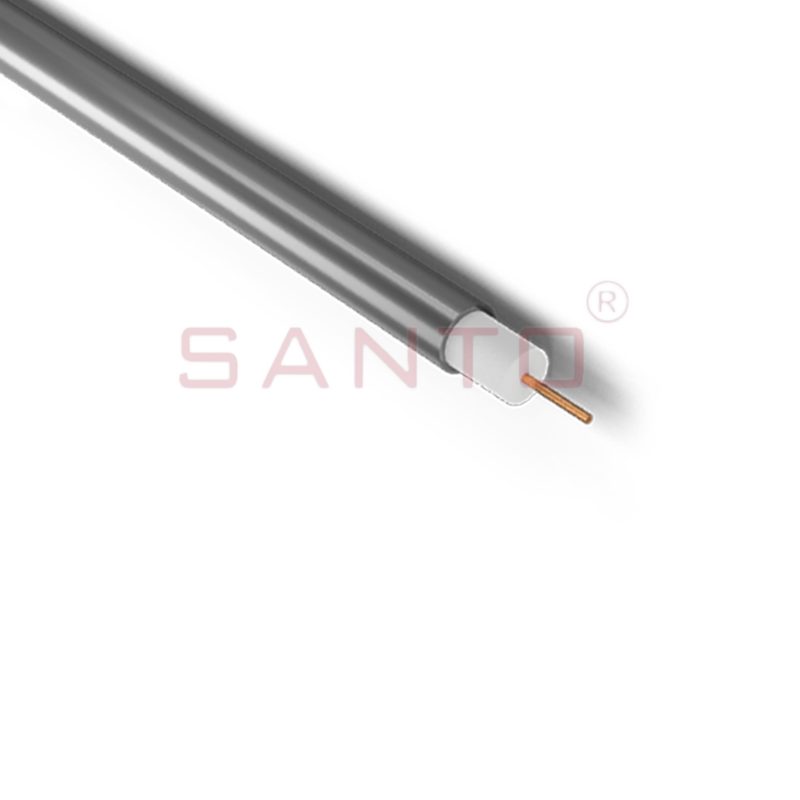
SANTO HAx mineral insulated (MI) Alloy 825 series heating cables are suitable for use in hazardous areas. They have been designed for use in freeze protection and temperature maintenance applications ...
See Details
Santo electric heating strips are widely used in key industries in China.

