 English
  English
 русский
 日本語
日本語 Español
 中文简体
中文简体
The SANTO UFA range of self-regulating heating cables is mainly used for frost protection of pipes and vessels but can also be used to maintain processes up to 65°C. These heating cables are available...
See Details
Fire protection piping is designed to remain ready for immediate operation, even when a building is unoccupied, exposed to severe weather, or located in a region with prolonged winter temperatures. However, water-filled fire pipes can become vulnerable when ambient temperatures fall below freezing. Frozen water may block sprinkler discharge, damage pipework, create costly maintenance problems, and compromise the reliability of an entire fire protection system. For this reason, dependable pipe freeze protection is an essential part of cold-climate fire safety design.
The UFX fire pipe insulation and antifreeze electric heating cable is a complete heat tracing solution for protecting metal and plastic pipes above ground or buried below ground. It is designed to maintain the temperature of water-filled pipelines and help prevent freezing in commercial fire protection systems, general water supply lines, industrial facilities, factories, warehouses, public buildings, and other applications where liquid-filled pipes must remain operational during cold weather.
Unlike insulation alone, an electric heating cable actively compensates for heat loss. Insulation slows the escape of heat, while the heating system supplies controlled thermal energy to maintain the pipe and its contents above the freezing point. This combination provides a practical and reliable approach to pipe freeze protection where passive insulation cannot provide sufficient security.
Manufactured by Santo Thermal Control Technology Co., Ltd., the UFX system benefits from extensive experience in electric heating, automatic temperature control, heat tracing, and industrial thermal management. The company develops and produces self-limiting heating cables, constant-power heating products, silicone rubber heating systems, mineral-insulated cables, glass-fiber heating belts, snow-melting cables, and associated accessories for demanding applications.
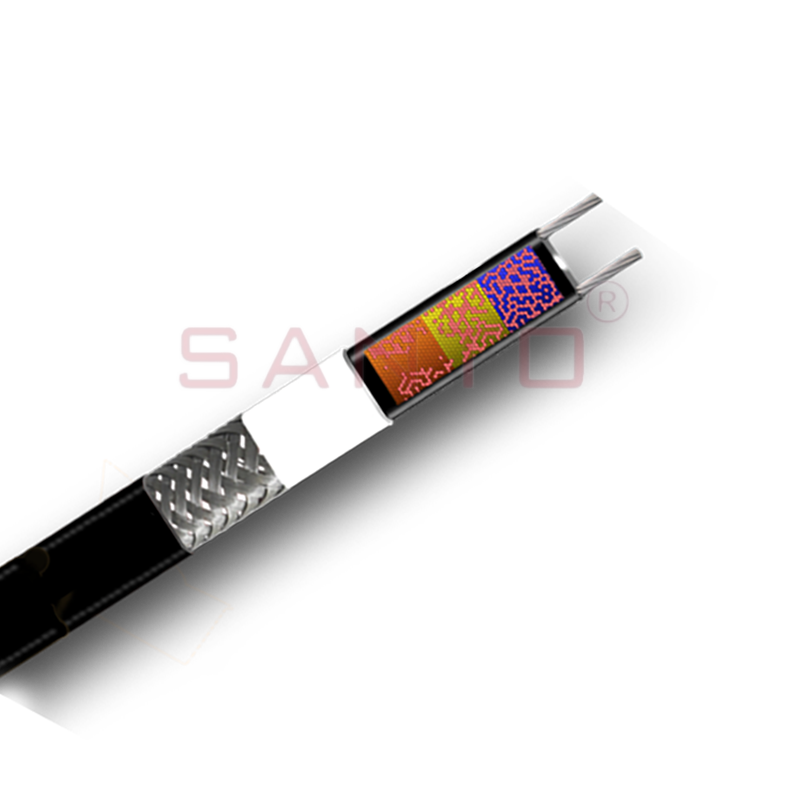
UFX fire pipe insulation and antifreeze electric heating cable
Content
Many fire sprinkler systems and fire protection pipelines contain water under pressure. In a heated building, the surrounding air normally keeps the pipes and water above freezing. Problems occur when pipes pass through unheated areas such as loading bays, parking structures, roof spaces, external corridors, service shafts, plant rooms, warehouses, attics, or underground sections exposed to frost.
When water freezes, it expands. This expansion can generate substantial pressure inside a closed pipe, potentially causing cracks, split fittings, damaged valves, and leaks. Even if the pipe does not visibly rupture, ice can form a blockage that prevents water from reaching a sprinkler head or another fire protection outlet when rapid response is required.
Pipe damage can also remain unnoticed until temperatures rise and the frozen section thaws. At that point, concealed leaks may affect ceilings, electrical systems, equipment, stored products, and building structures. The resulting repair costs can be considerably higher than the cost of installing a properly designed freeze protection system.
Fire pipe freeze protection is therefore not simply a comfort or energy-saving feature. It supports the operational readiness of the fire protection network. The heating cable must be selected, installed, controlled, and maintained as part of an integrated system that includes suitable insulation, thermostatic control, electrical protection, and inspection procedures.
The UFX system uses electric resistance heating to introduce controlled heat along a pipe. When the cable is energized, electrical current passes through its heating element and produces heat. The cable is installed in close contact with the pipe, allowing thermal energy to transfer through the pipe wall and into the water inside.
A layer of thermal insulation is installed over the pipe and heating cable. This insulation reduces heat loss to the surrounding environment. The cable replaces the heat that escapes through the pipe insulation, helping maintain a safe temperature during freezing weather.
A control device, generally using a thermostat or a temperature-monitoring arrangement, can energize the cable when the pipe or surrounding area approaches a predetermined low temperature. This prevents unnecessary operation during mild weather and allows the system to provide heat when it is actually needed. Depending on project requirements, the system may be arranged for automatic control, continuous controlled operation, or integration with a broader building management or fire protection monitoring system.
The result is a complete freeze protection arrangement rather than an unregulated heating wire. Properly matched cable output, control equipment, pipe insulation, installation accessories, and electrical protection work together to produce stable and dependable performance.
UFX is suitable for a wide range of pipe materials, including common metal and plastic pipework used in water supply and fire protection installations. The heating design can be adapted to different pipe diameters, layouts, lengths, and installation environments. This flexibility is important because modern buildings often combine steel risers, plastic branch lines, composite sections, valves, fittings, and transition connections.
Before installation, the heating cable must be selected according to the pipe material, diameter, heat loss, minimum ambient temperature, insulation specification, and required control method. The same cable arrangement should not be assumed to be suitable for every pipe. Correct engineering ensures that the cable provides sufficient heat without exceeding the permitted temperature of the pipe, insulation, or surrounding materials.
The product is designed for pipe freeze protection both above ground and below ground, subject to the requirements of the project and the protection of the installed cable. Above-ground applications may include external fire pipes, service areas, building entrances, unheated warehouses, loading platforms, and exposed pipe bridges. Buried installations may include underground water lines, fire water supply routes, and sections passing through frost-sensitive soil.
Buried applications require special attention to mechanical protection, moisture resistance, soil conditions, cable placement, inspection access, and the thermal characteristics of the surrounding ground. The heating cable should be installed according to an approved design so that it remains in the correct position and is not damaged during backfilling or future excavation.
Insulation is necessary, but insulation alone cannot guarantee freeze protection in all climates or installation conditions. Heat loss depends on pipe size, pipe material, insulation thickness, wind, ambient temperature, moisture, exposure, and the duration of cold weather. A thick insulation layer can slow freezing, but it does not create heat.
The UFX system addresses this limitation by actively adding heat. This is especially valuable in regions where winter temperatures remain below freezing for extended periods or where a pipe is exposed to wind and rapid temperature changes. The system can be designed to work with an appropriate insulation layer, allowing the heating cable to compensate for predictable heat loss while limiting energy consumption.
Fire protection piping requires a high level of reliability because it may remain unused for long periods and then be required immediately during an emergency. A freeze protection system must therefore be designed for long-term standby operation, clear monitoring, and straightforward maintenance.
UFX can be applied to commercial fire pipes and other fire protection pipeline projects in cold areas. It helps maintain water in a usable condition and reduces the risk that freezing will disable a section of the system. The heating solution can be used on straight pipe runs and, with suitable installation methods, around valves, flanges, supports, fittings, and other areas where heat loss may be higher.
Each building has a different pipe route and thermal environment. A practical heat tracing product must accommodate variations in length, pipe diameter, insulation, power supply, control arrangement, and installation location. UFX can be incorporated into customized heat tracing designs based on the project’s technical requirements.
Customization may include cable length, rated voltage, power output, control components, connection accessories, monitoring arrangements, and installation instructions. Project-specific design helps prevent two common problems: insufficient heating, which may allow freezing, and excessive heating, which can waste energy or create unnecessary thermal stress.
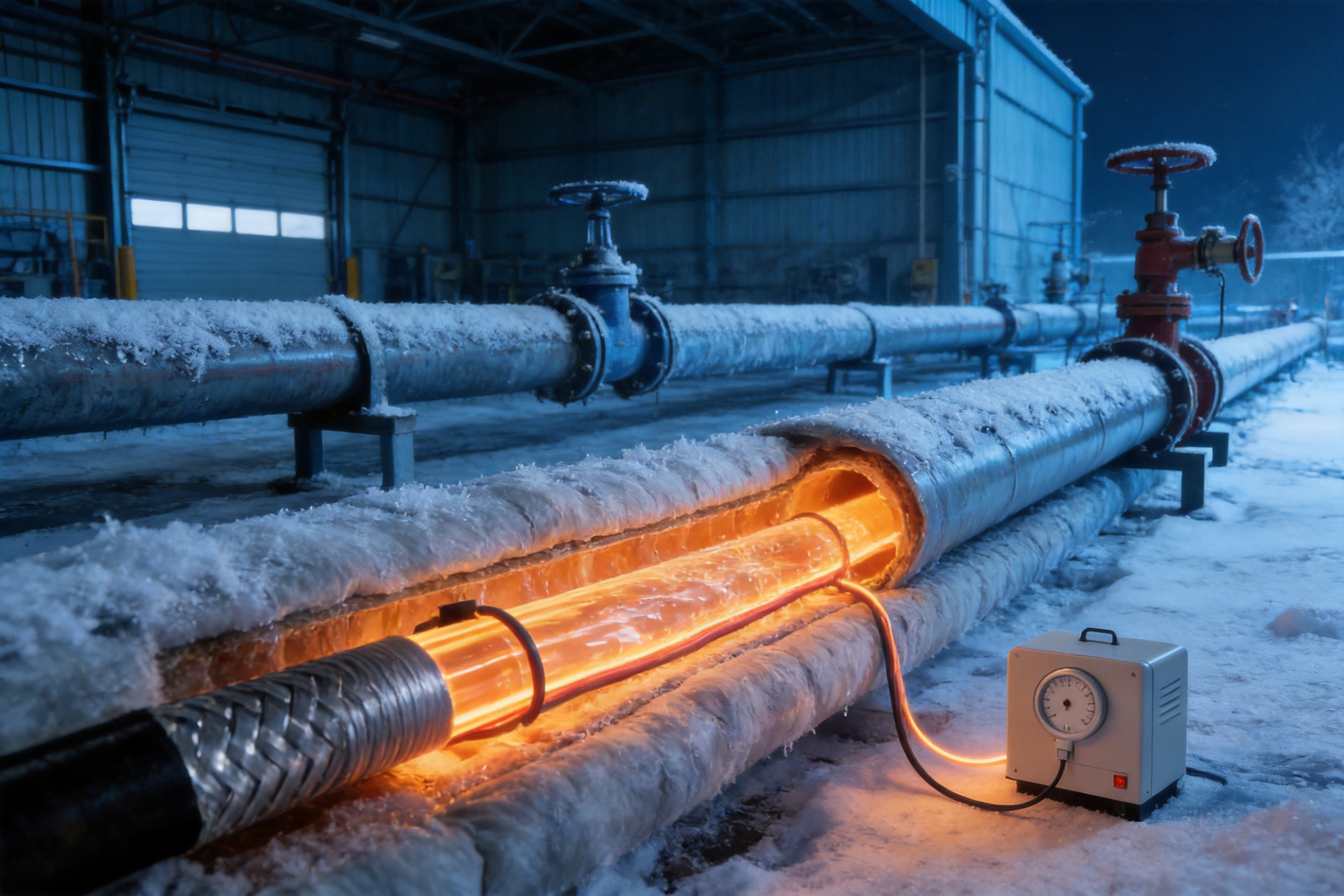
Choosing a suitable heating cable requires more than selecting a product based on pipe length. The design should begin with a heat-loss calculation. Important factors include the minimum expected ambient temperature, pipe diameter, pipe material, insulation type and thickness, wind exposure, installation position, required maintenance temperature, and the temperature limits of all adjacent materials.
| Design factor | Why it matters | Typical design consideration |
|---|---|---|
| Pipe material | Different materials transfer heat differently and have different temperature limits. | Confirm compatibility with steel, copper, plastic, composite, or other pipe materials. |
| Pipe diameter | Larger pipes generally have greater surface area and may lose more heat. | Calculate heating requirements for each diameter or pipe group. |
| Minimum ambient temperature | Lower outdoor temperatures increase the heat required to prevent freezing. | Use local weather data and project safety margins. |
| Insulation thickness | Insulation reduces heat loss and affects cable output requirements. | Specify continuous, weather-resistant insulation with sealed joints. |
| Pipe location | Wind, shade, elevated routes, and exposed areas can increase cooling. | Assess indoor, outdoor, buried, roof-level, and sheltered sections separately. |
| Control method | Control determines when the heating cable operates. | Use a suitable thermostat, sensor, monitoring panel, or approved control system. |
| Electrical supply | The circuit must safely support the cable load and starting conditions. | Verify voltage, current, circuit protection, grounding, and residual-current protection. |
| Fittings and valves | These areas often lose more heat than straight pipe sections. | Provide additional heating coverage where permitted by the design. |
For a professional installation, the system designer should also consider cable routing, maximum circuit length, connection points, junction boxes, end seals, pipe supports, expansion movement, accessibility, and the effect of maintenance work. The final arrangement should be documented so that building operators can identify the heated sections and test the system efficiently.
Electric heat tracing systems may use different heating technologies. Constant-power cables produce a relatively consistent output along the heated length when supplied at their rated voltage. They are useful when the design engineer can calculate the required output and divide the system into suitable controlled circuits.
Self-limiting or self-regulating heating cables use a conductive heating matrix whose output changes with temperature. As the surrounding temperature rises, the cable can reduce its heat output; as the temperature falls, the output increases. This characteristic can help accommodate changing thermal conditions along a pipe and reduce the risk of overheating when the cable overlaps or encounters warmer areas, although installation instructions and product limitations must always be followed.
Santo Thermal Control Technology Co., Ltd. has experience in both self-limiting and constant-power electric heating products. This manufacturing background supports the selection of a suitable technology for a particular pipe freeze protection project. The correct choice depends on the required temperature range, circuit length, control strategy, pipe arrangement, electrical supply, and applicable standards.
It is important to note that no heating cable should be treated as universally interchangeable with another. Product characteristics, allowable exposure, bending radius, connection method, maximum circuit length, and temperature rating vary between cable designs. Technical data and project engineering should guide the selection.
Before the cable is installed, the pipe surface should be clean, dry, and free from sharp edges, oil, corrosion products, loose coatings, and debris that could damage the cable or prevent proper contact. Any pipe repair, pressure testing, coating work, or painting should be completed in accordance with the project sequence before the heating cable is fixed in place.
Sharp metal edges around brackets, clamps, threaded fittings, or flanges should be evaluated carefully. Protective materials may be required to prevent abrasion. The heating cable should not be crushed under pipe supports or trapped in a way that could damage its insulation.
The cable is normally positioned longitudinally along the pipe. Depending on the design, it may be installed as one run, multiple parallel runs, or a carefully arranged pattern around larger pipes and fittings. The cable should remain in close thermal contact with the pipe and should follow the approved route without unauthorized crossing or overlapping.
Valves, strainers, flanges, hydrant connections, drains, and other components may require special treatment because their geometry and surface area increase heat loss. The design should identify these components and specify whether additional cable length or a separate heating arrangement is required.
Mechanical fastening should use compatible fixing materials. The installer should avoid metal wires or tapes that could cut into the cable jacket. Suitable glass-fiber tape, approved fixing tape, clips, or other recommended accessories can hold the cable securely while allowing heat to transfer effectively.
After the cable has been installed and tested, thermal insulation should cover the pipe and cable as specified. The insulation must be continuous and sufficiently thick for the calculated heat loss. Gaps, compression, water penetration, and open joints can significantly reduce system performance.
Outdoor insulation should be protected against rain, snow, ultraviolet exposure, impact, animals, and mechanical damage. The outer jacket or cladding should be sealed around valves, pipe supports, cable entries, and inspection points. Moisture entering the insulation can reduce thermal performance and may create conditions that accelerate corrosion or affect electrical components.
Before energizing the cable, the installer should inspect the entire route and verify that the cable has not been cut, crushed, sharply bent, or damaged during insulation work. Electrical resistance and insulation resistance tests should be carried out using suitable procedures and recorded for future reference.
The control device, sensor position, circuit protection, grounding, residual-current protection, warning labels, and isolation facilities should also be checked. Commissioning should confirm that the cable operates when the temperature falls below the control setpoint and switches off or reduces operation as intended.
For fire protection systems, commissioning records are particularly valuable. They provide evidence that the freeze protection system was installed and tested correctly and give maintenance personnel a baseline for future inspections.
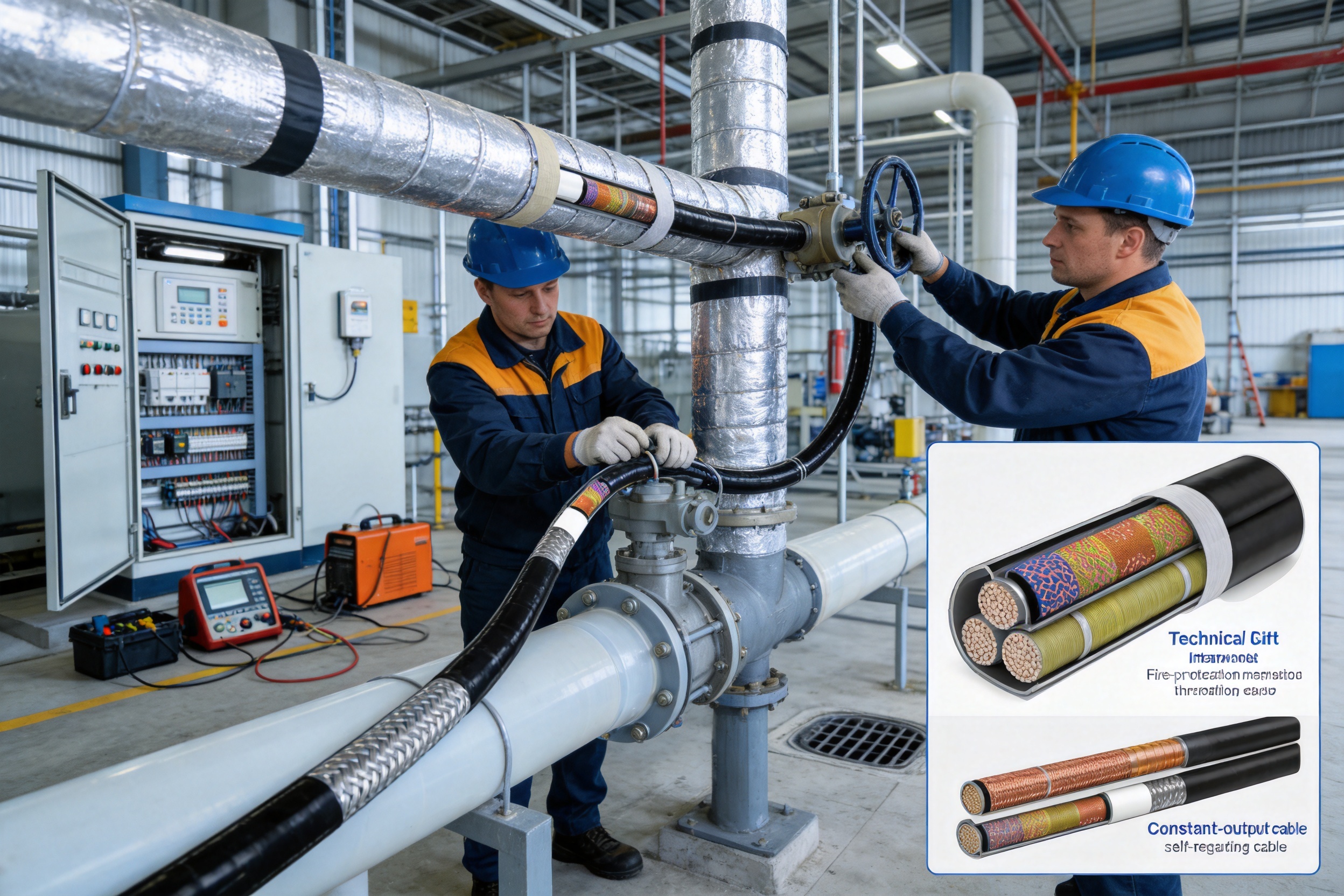
The performance of a heat tracing system depends on the quality of its heating element, insulation materials, connectors, control components, manufacturing consistency, and final testing. Santo Thermal Control Technology Co., Ltd. integrates research, design, production, and sales, allowing the company to manage multiple stages of product development and manufacturing.
The company is located in Jiangsu Province, an important center for China’s electric heating belt industry. Its product range includes automatic temperature-control heating belts, self-limiting heating belts, constant-power heating belts, glass-fiber heating belts, silicone rubber heating products, mineral-insulated cables, snow-melting cables, electric hot wires, and heat tracing accessories.
This broad product portfolio is an advantage for customers seeking more than a standard cable. Pipe freeze protection projects often include different pipe materials, temperature zones, building areas, and installation constraints. A manufacturer with experience across several heating technologies can help match the cable type and accessory system to the actual application instead of forcing every project into one product category.
Santo reports cooperation in product research with Harvard University in the United States and identifies itself as a high-tech enterprise in Jiangsu Province. The company has developed products for antifreeze, deicing, heating, heat tracing, insulation, and industrial temperature control.
Its development history includes work on self-limiting temperature nano far-infrared heating technology for high-temperature pipeline heating and tracing, carbon-fiber parallel heating cable technology, and a wide range of electric heating products. These activities demonstrate an emphasis on expanding technical capability rather than relying solely on one established cable construction.
Research and development are important in freeze protection because operating conditions vary widely. A cable for a sheltered indoor pipe is not exposed to the same stresses as a product installed outdoors, underground, near chemicals, or in a large commercial fire protection network. Product development allows the manufacturer to address different voltage levels, power outputs, temperature ranges, materials, and control requirements.
The company has passed ISO9001 quality system certification, and its products have obtained national CCC certification. Quality certification does not replace project-specific engineering or installation standards, but it indicates that the manufacturer has established formal processes for quality management and production control.
Manufacturing quality should cover incoming material inspection, heating element consistency, insulation and jacket dimensions, connector quality, electrical testing, marking, packaging, and traceability. Consistent production is particularly important for long heating circuits because a small defect in one section can affect the reliability of the complete system.
A professional supplier should also provide product data, installation instructions, electrical ratings, storage guidance, testing recommendations, and information about compatible accessories. Clear documentation helps contractors install the cable correctly and helps facility operators maintain the system throughout its service life.
Santo identifies more than 35 years of industry experience, annual output exceeding 10,000 units, more than 2,000 distributors, and business coverage in more than 85 areas. These figures reflect a manufacturing and distribution structure capable of supporting both domestic and international customers.
International experience can be useful when projects require export packaging, multilingual documentation, different power supply configurations, special certifications, or coordination with overseas contractors. The company also reports the establishment of a Russia factory, further expanding its production and market presence.
For buyers, manufacturing scale can provide practical advantages such as improved availability, repeatable product quality, technical communication, customization support, and the ability to supply heating products for multiple applications under one procurement program.
Passive insulation reduces the rate of cooling but cannot provide heat. During extended cold periods, water inside a pipe may eventually reach freezing temperature despite a thick insulation layer. UFX adds an active heat source, making the system suitable for conditions where insulation alone is not sufficient.
Portable heaters may warm a room or a local area, but they are not a dependable method for protecting long pipe routes, buried sections, exposed pipework, or remote valves. A heat tracing cable follows the pipe and delivers heat where it is needed. Once properly installed and controlled, it provides automatic protection without requiring staff to position portable equipment during every cold event.
An ordinary resistance wire without a designed cable construction, control method, or suitable insulation may create uneven heating, electrical risk, excessive energy consumption, or premature failure. A complete heat tracing system includes a purpose-designed heating cable, electrical connections, controls, installation accessories, and technical instructions.
Different applications may require different cable technologies. A manufacturer that produces self-limiting, constant-power, silicone rubber, glass-fiber, mineral-insulated, and other heating products can offer a broader technical solution. This is especially useful for customers managing several facilities or applications, including fire pipe protection, snow melting, tank heating, roof deicing, process tracing, and underfloor heating.
Freeze protection performance depends on system design. A cable purchased without heat-loss calculations, control planning, insulation specifications, and commissioning support may not deliver the expected result. Santo positions its products as part of a broader thermal control solution, supporting research, design, manufacturing, sales, and after-sales service.
Commercial buildings may contain fire sprinkler pipes in parking garages, loading areas, roof voids, stairwells, storage spaces, and external service zones. UFX can help protect these water-filled sections against freezing when the building’s normal heating system does not maintain adequate temperatures.
Factories often include unheated production areas, outdoor pipe racks, fire water loops, process water lines, and utility services. Heat tracing can be designed for individual pipe sections or grouped into controlled circuits. Industrial projects may also require special cable materials or protective construction because of dust, moisture, chemicals, vibration, and mechanical exposure.
Large warehouses frequently have high ceilings and doors that open repeatedly, allowing cold air to enter. Fire protection pipes near external walls, docks, and roof areas may experience temperatures substantially lower than those in occupied offices. A dedicated pipe heating system can provide localized protection without heating the entire building to the same level.
In addition to sprinkler systems, the technology can be used for general water supply pipes, service lines, outdoor taps, and other liquid-filled pipework that must remain operational in cold weather. The required temperature and cable arrangement should be determined according to the fluid, pipe construction, and application.
Underground pipes may be exposed to frost depending on burial depth, soil conditions, groundwater, climate, and periods of unusually cold weather. Heating cable may be considered where the pipe cannot be buried below the local frost line or where additional protection is required. Mechanical protection and installation safety are especially important for buried systems.
An efficient freeze protection system does not operate at maximum output continuously without reason. It uses insulation to limit heat loss and a control strategy to apply heat only when necessary. A thermostat or temperature sensor can activate the cable during cold conditions and disconnect it when the protected pipe no longer requires heating.
Energy consumption depends on cable output, total heated length, operating time, ambient conditions, insulation quality, and the control setpoint. Improving insulation continuity can reduce both heat loss and operating hours. Dividing a large system into logical circuits can also help operators isolate unused areas or respond to different temperature zones.
Energy efficiency should never be achieved by selecting an underpowered cable or setting the control temperature too low. The primary purpose is to prevent freezing and protect system availability. The correct approach is to calculate the heat requirement accurately, select an appropriate cable, install effective insulation, and use reliable control and monitoring.
Electrical heat tracing should be installed by qualified personnel in accordance with applicable electrical, building, fire protection, and workplace safety requirements. The power supply must include suitable overcurrent protection, grounding, isolation, and residual-current protection where required by local regulations and the project design.
The cable must not be cut, modified, crossed, or overlapped unless the product documentation specifically permits the arrangement. End terminations and connection kits must be compatible with the cable. Any junction or splice should be properly sealed and protected from moisture.
Maintenance personnel should inspect the system before the cold season and after work has been performed on the pipe or insulation. Inspection may include:
Visual examination of cable routes, connection boxes, end seals, insulation, cladding, warning labels, and control equipment.
Electrical testing to identify changes in resistance or insulation condition.
Verification that thermostats and sensors respond at the intended temperatures.
Confirmation that circuit breakers and residual-current devices remain functional.
Inspection of areas where construction, painting, drilling, or pipe repairs may have damaged the cable.
Review of operating records, alarms, and unusual energy consumption.
Testing should be performed using methods suitable for the particular cable and control system. Test results should be recorded so that gradual deterioration can be identified before a failure occurs.
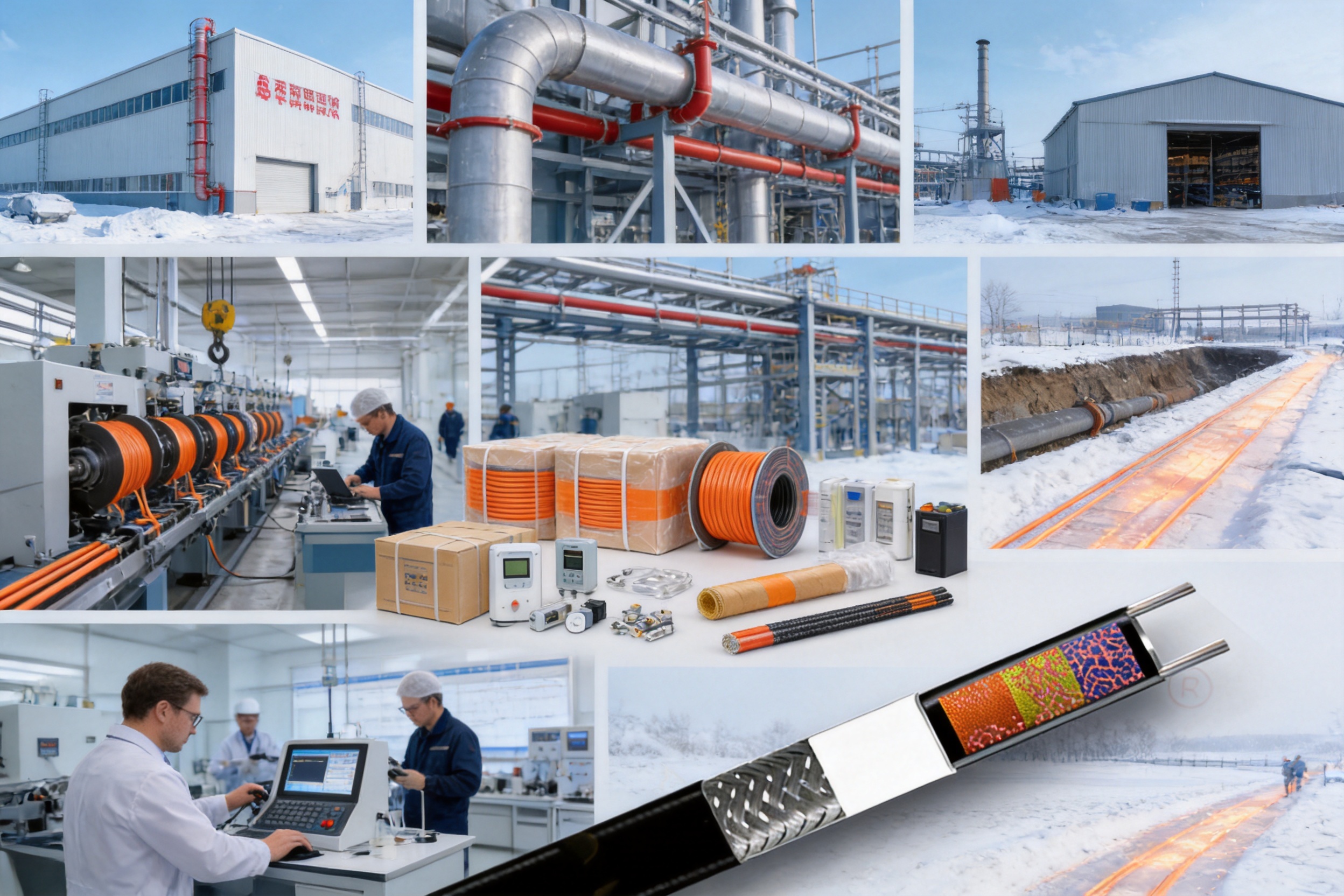
When purchasing UFX or a comparable fire pipe freeze protection system, the buyer should provide the manufacturer or engineering supplier with accurate project information. Useful information includes pipe material, pipe diameter, total length, route drawings, minimum ambient temperature, insulation type and thickness, installation location, power supply, hazardous-area classification where applicable, control requirements, and the desired certification package.
The pipe schedule should identify valves, fittings, drains, hydrants, pressure-reducing devices, and other components that may require additional heating. Sections with different environmental conditions should be separated during design. For example, an indoor pipe in a conditioned room may not need the same heating arrangement as an exposed pipe on a roof.
Customers should also confirm whether the cable will be installed on a new pipe system or retrofitted to an existing one. Retrofit projects may require temporary shutdowns, removal and replacement of insulation, additional surface preparation, and coordination with fire protection authorities or building operators.
A complete quotation should distinguish the heating cable from control panels, thermostats, sensors, junction boxes, power connection kits, end seals, fixing tapes, insulation, protective cladding, installation labor, testing, and commissioning. Clearly defining the scope prevents missing components and reduces delays during installation.
Heat tracing is a technical product category in which installation details directly influence performance. A cable with the correct nominal rating can still fail to protect a pipe if it is routed incorrectly, covered with inadequate insulation, connected to the wrong power supply, or controlled by an unsuitable sensor.
Manufacturer support can help the project team confirm cable selection, determine circuit lengths, prepare installation drawings, identify accessories, and develop test procedures. Technical support is also useful when the project includes unusual pipe materials, cold climates, buried sections, complex valve arrangements, or special certification requirements.
Santo’s integrated capabilities in research, design, manufacturing, sales, and service provide a foundation for this type of support. Its range of electric heating products enables the company to address several thermal management needs and to develop customized solutions for customers with specific operating conditions.
The value of a fire pipe freeze protection system should be measured not only by the initial purchase price. A reliable system can reduce the risk of pipe rupture, water damage, emergency repairs, fire protection downtime, and business interruption. It may also simplify winter maintenance by providing automatic protection and clear operating status.
Long-term value depends on choosing a product that matches the application and installing it correctly. Durable cable construction, consistent manufacturing, compatible accessories, effective insulation, and accessible controls all contribute to serviceability. Documentation and maintenance records further extend the useful life of the system.
For facility owners, the most important benefit is confidence that vulnerable water-filled pipes remain protected when temperatures fall. For contractors, a complete product family and technical support can simplify procurement and installation. For distributors, a manufacturer with broad market experience and customization capability can provide a more flexible offering to customers in different regions.
The primary purpose is to help prevent water-filled metal or plastic pipes from freezing. It is especially suitable for fire protection pipelines, commercial fire pipes, general water pipes, and other pipe systems exposed to low temperatures.
Insulation reduces heat loss but does not generate heat. In prolonged or severe cold, insulation alone may not keep the pipe above freezing. A correctly designed electric heating cable used together with suitable insulation provides active freeze protection.
The system is intended for metal and plastic pipe applications, but the exact cable type, output, control method, and installation arrangement must be checked against the pipe manufacturer’s temperature limits and the heating cable’s technical documentation.
It can be used for above-ground or buried pipe freeze protection when the design includes suitable mechanical protection, moisture protection, cable placement, electrical safety, and backfilling procedures. Buried applications should be engineered for the local soil and frost conditions.
Operation depends on the selected design. Many systems use a thermostat or temperature control device to energize the cable when heating is needed. Continuous operation may be specified in some applications, but automatic control is often used to manage energy consumption and maintain the required temperature.
Valves, flanges, fittings, drains, and similar components may require special heating coverage because they can lose heat more quickly than straight pipe. The installation should follow an approved layout and use suitable accessories without creating prohibited overlaps or mechanical stress.
Important information includes pipe material, pipe diameter, total length, minimum ambient temperature, insulation type and thickness, installation location, power supply, control requirements, fittings, and any applicable certification or hazardous-area requirements.
Santo Thermal Control Technology Co., Ltd. combines research, design, production, manufacturing, sales, and after-sales service. The company reports more than 35 years of industry experience, ISO9001 quality system certification, CCC certification for its products, international market experience, and a broad range of heating technologies.
Heating cable systems can often be customized according to cable length, voltage, power output, control arrangement, accessories, and application conditions. Customization should be confirmed through technical review so that the final product complies with the pipe design and installation requirements.
The system should be inspected before the freezing season and after any work affecting the pipe, cable, insulation, or electrical supply. Maintenance includes visual inspection, electrical testing, control verification, inspection of connection points, and review of alarms or operating records.
The UFX fire pipe insulation and antifreeze electric heating cable provides an active method for protecting water-filled pipes against freezing. It is designed for metal and plastic pipes above ground or buried underground and can be applied to commercial fire protection systems, industrial facilities, factories, warehouses, buildings, general water pipes, and other cold-weather installations.
Its principal advantage is that it works together with thermal insulation to compensate for heat loss rather than relying on insulation alone. With suitable cable selection, temperature control, electrical protection, installation accessories, and commissioning, the system can help maintain the availability of vulnerable fire and water pipelines during freezing conditions.
The product is supported by Santo Thermal Control Technology Co., Ltd.’s experience in electric heating and thermal control. The company’s portfolio includes self-limiting, constant-power, silicone rubber, glass-fiber, mineral-insulated, snow-melting, and other heating solutions. Its research activities, quality management, production capabilities, certifications, international distribution, and customization support provide a strong foundation for projects that require reliable and adaptable heat tracing.
For building owners, engineers, contractors, and distributors, the most effective approach is to treat pipe freeze protection as a complete system. Accurate heat-loss assessment, appropriate cable technology, continuous insulation, professional installation, automatic control, and regular testing are all essential. When these elements are coordinated, UFX can provide a practical solution for helping fire protection and water pipelines remain ready for service throughout the cold season.
1. National Fire Protection Association, Standard for the Installation of Sprinkler Systems, fire sprinkler system design and protection principles.
2. National Fire Protection Association, Standard for the Installation of Stationary Pumps for Fire Protection, guidance related to fire water system reliability.
3. International Electrotechnical Commission, Electrical resistance trace heating systems for industrial and commercial applications.
4. ISO 9001, Quality management systems—Requirements.
5. Manufacturer technical information for electric heat tracing cables, thermostatic controls, insulation systems, and installation accessories.
6. Manufacturer product and company information supplied for the UFX fire pipe insulation and antifreeze electric heating cable.
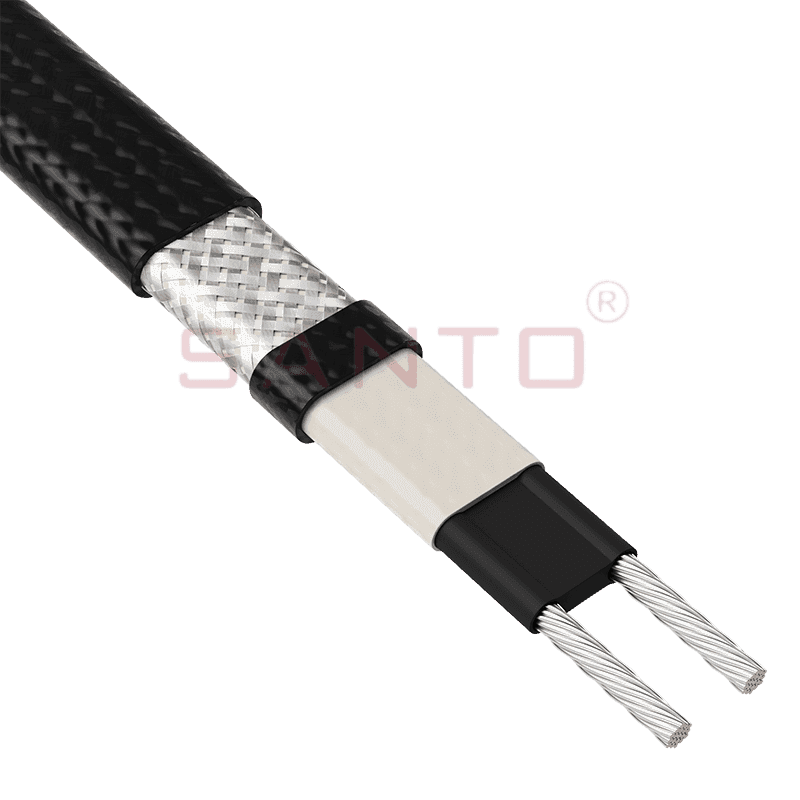
The SANTO UFA range of self-regulating heating cables is mainly used for frost protection of pipes and vessels but can also be used to maintain processes up to 65°C. These heating cables are available...
See Details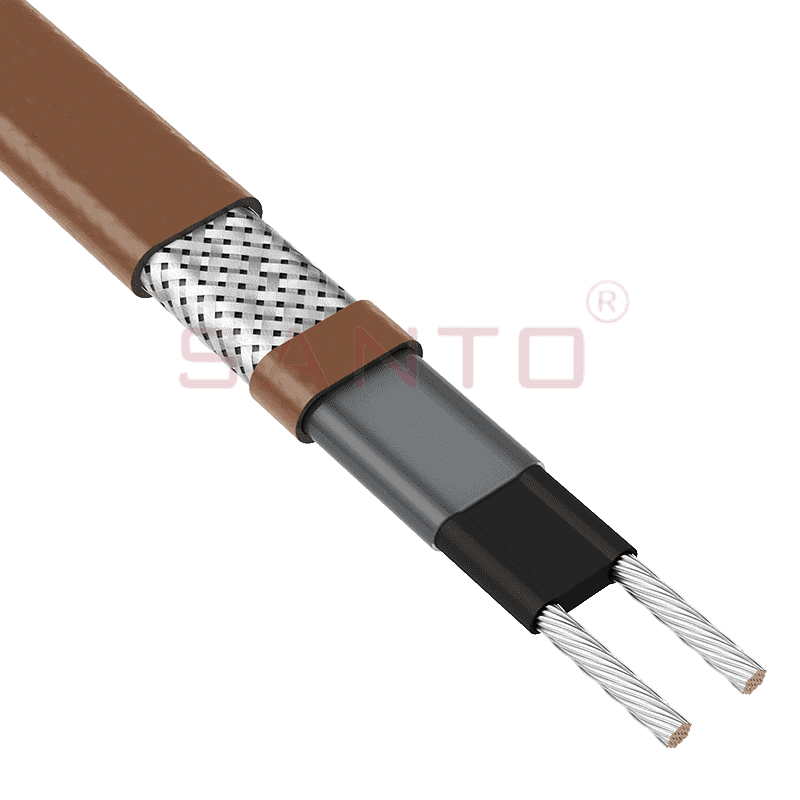
The SANTO UFB range of self-regulating heating cables is mainly used for frost protection of pipes and vessels requiring a higher power output than the UFA heating cables can supply. They can also be ...
See Details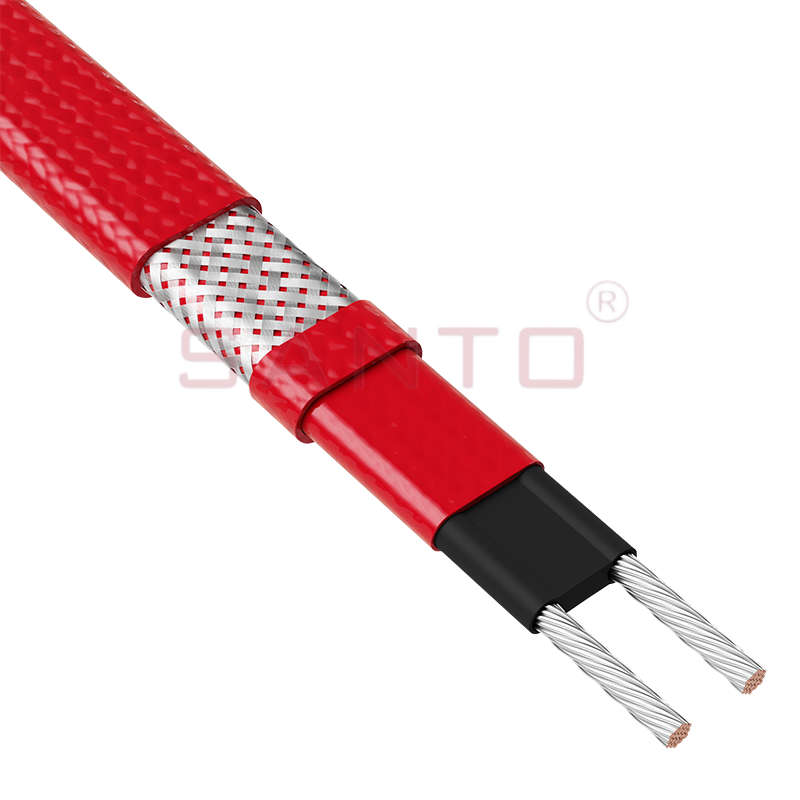
The SANTO UFC range of self-regulating heating cables is used for frost protection of pipes and vessels that require steam cleaning. They can also be used to maintain processes up to 121°C. These heat...
See Details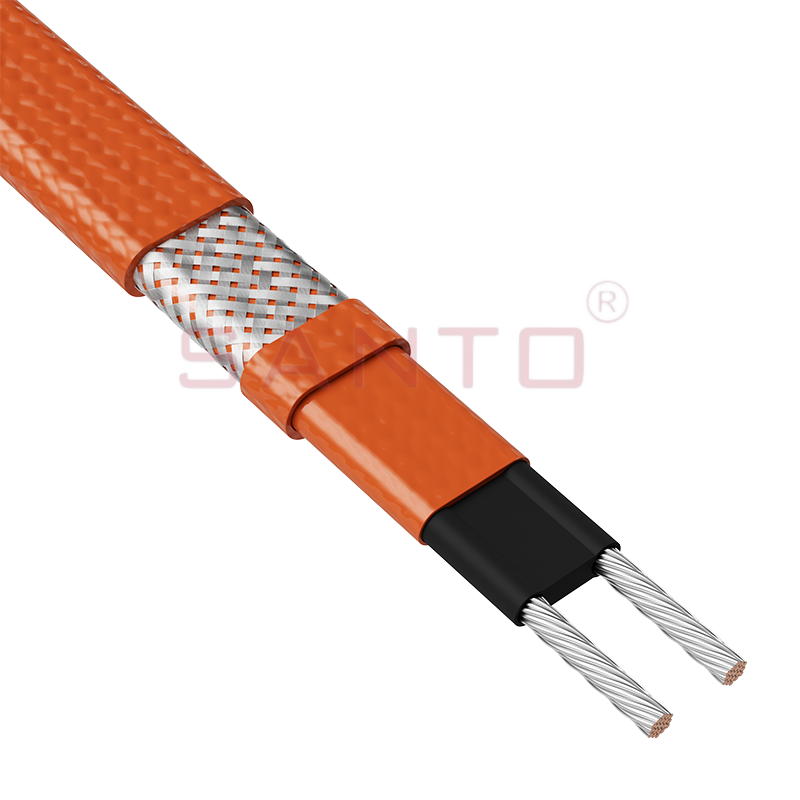
The SANTO UFO range of self-regulating heating cables is mainly used for frost protection of pipes and vessels that require steam cleaning . They can also be used to maintain processes up to 150°C. Th...
See Details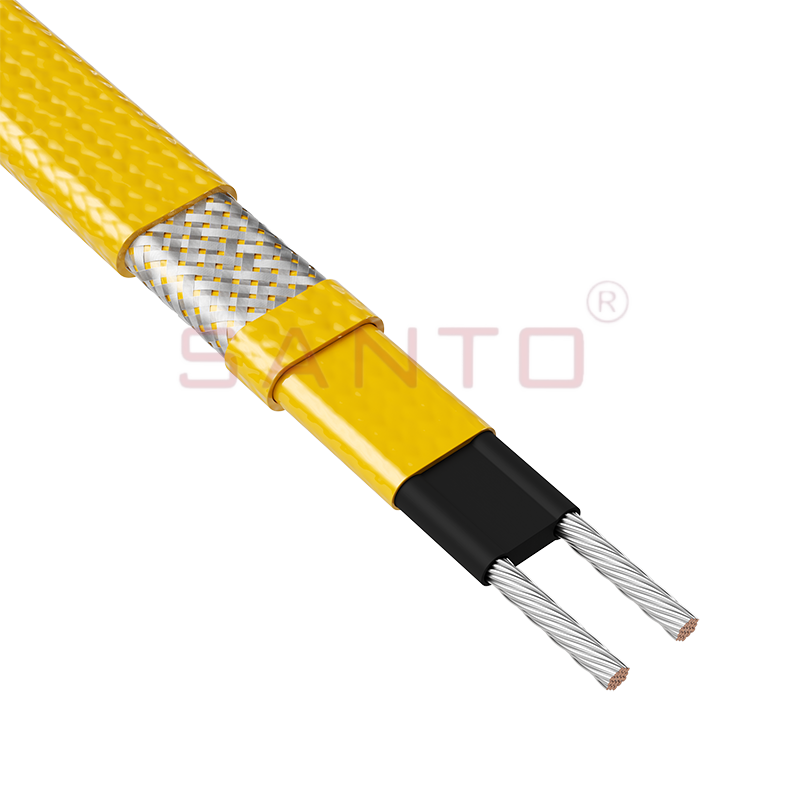
The SANTO UFD series of self-regulating heating cables are mainly used for freeze protection of pipes and vessels, but can also be used to maintain processes up to 200°C. These heating cables are avai...
See Details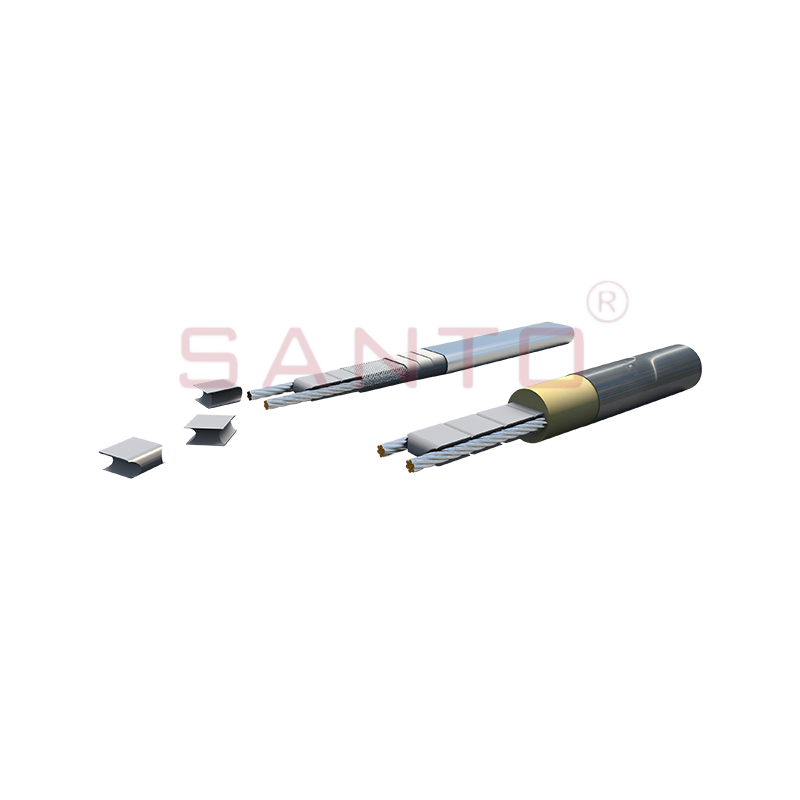
SANTO UFY heating wire is suitable for applications that maintain process temperatures up to 260 ℃ and can be steam blown; The self-regulating and parallel circuit heating wires of the UFY series are ...
See Details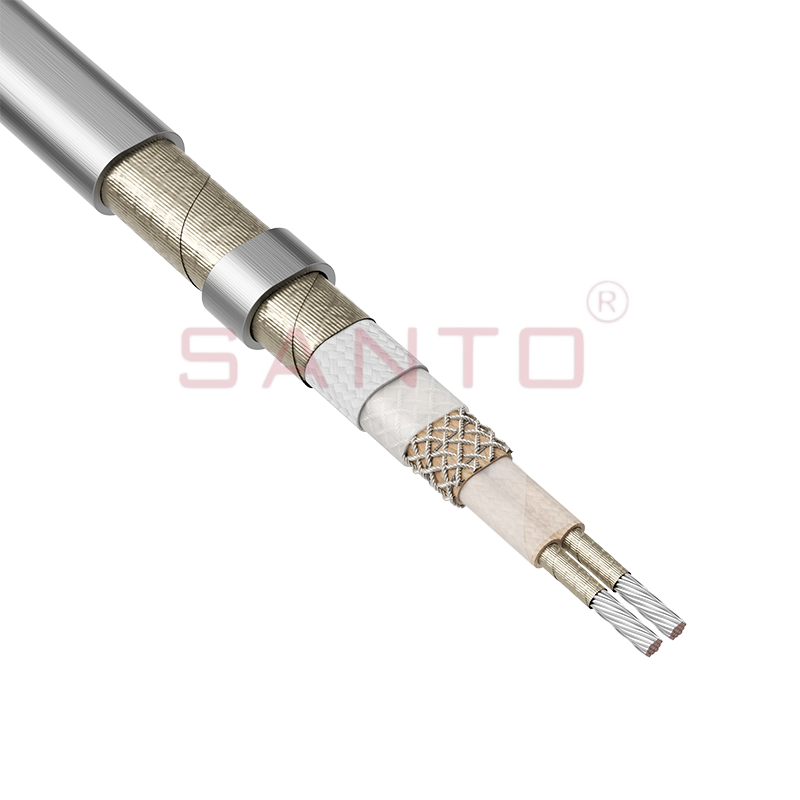
The SANTO UFM series self-regulating heating cables are mainly used for freeze protection of pipes and vessels, but can also be used to maintain processes up to 400°C. These heating cables are availab...
See Details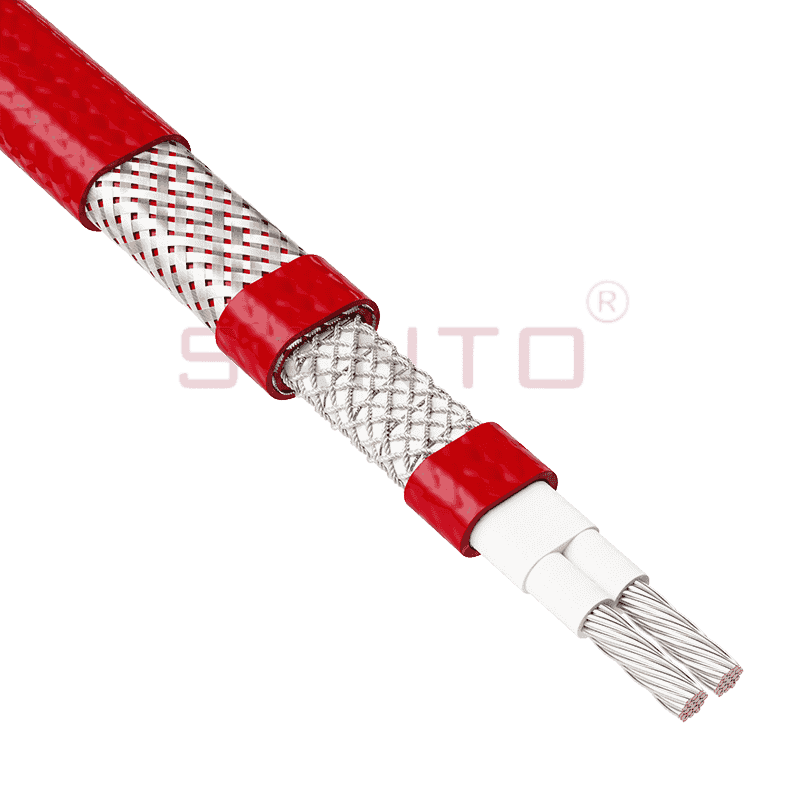
The SANTO ACC range of power-limiting heating cables is mainly used for temperature maintenance of processes and offers the advantage of a high power output at high temperatures which can reduce the n...
See Details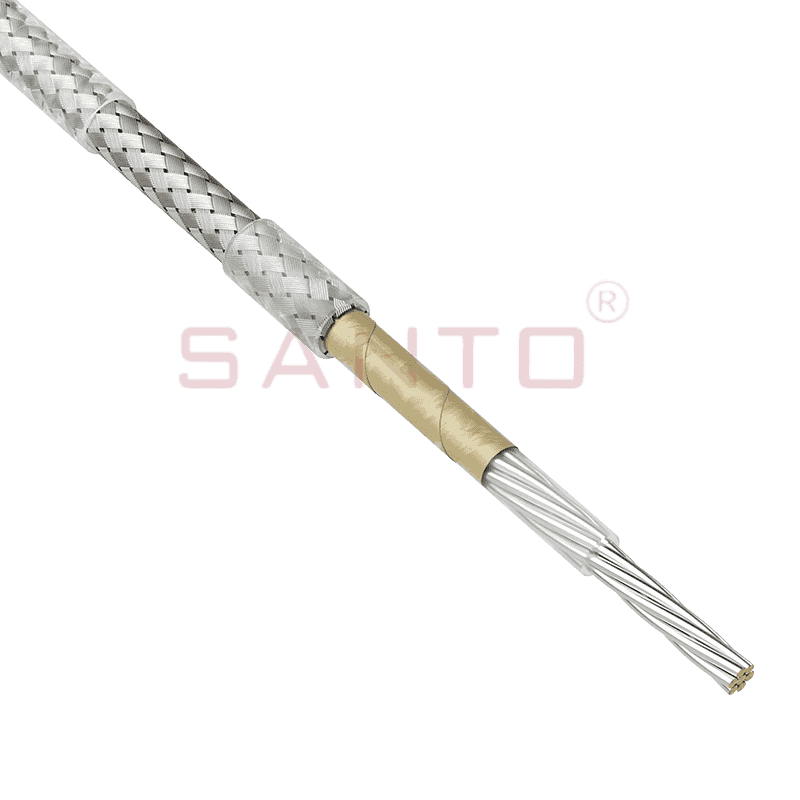
The stranded high temperature conductor is nickel plated to ensure a long life at elevated temperatures in corrosive environments. It is electrically isolated using an innovative sandwich construction...
See Details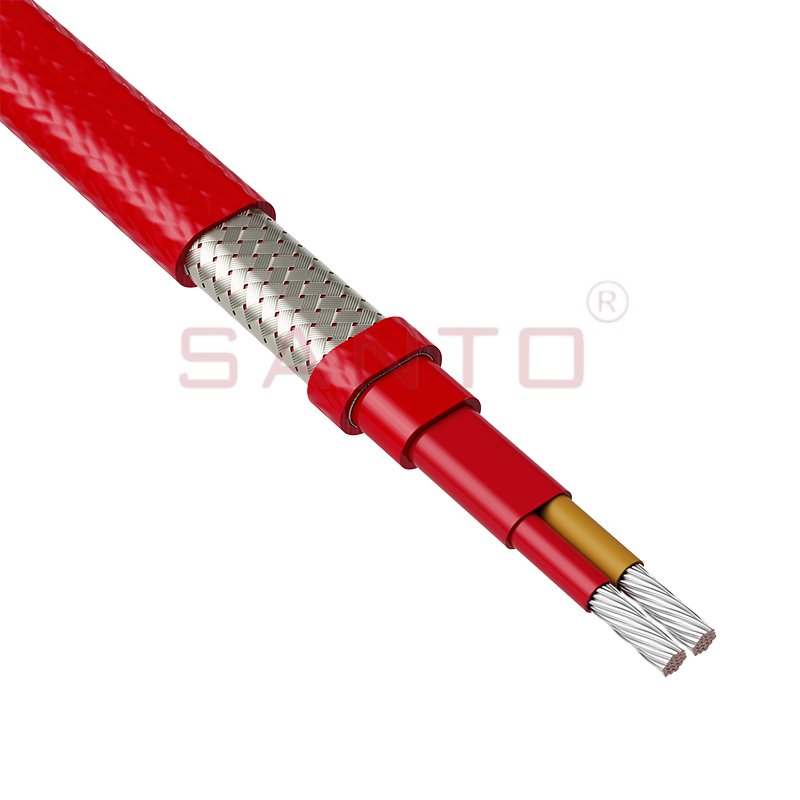
The stranded high temperature conductor is nickel plated to ensure a long life at elevated temperatures in corrosive environments. It is electrically isolated using an innovative sandwich construction...
See Details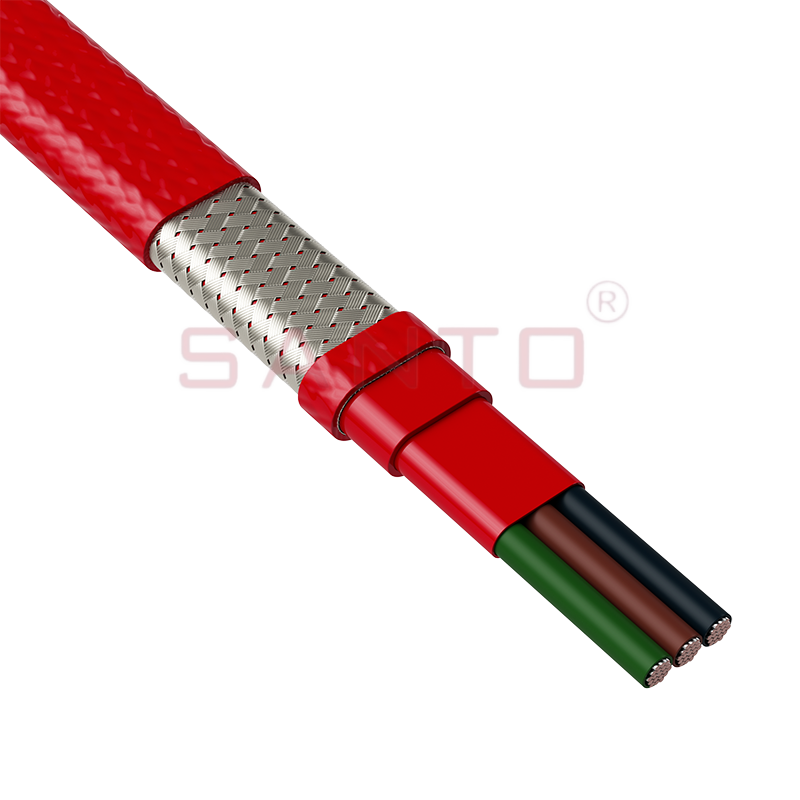
The stranded high temperature conductor is nickel plated to ensure a long life at elevated temperatures in corrosive environments. It is electrically isolated using an innovative sandwich construction...
See Details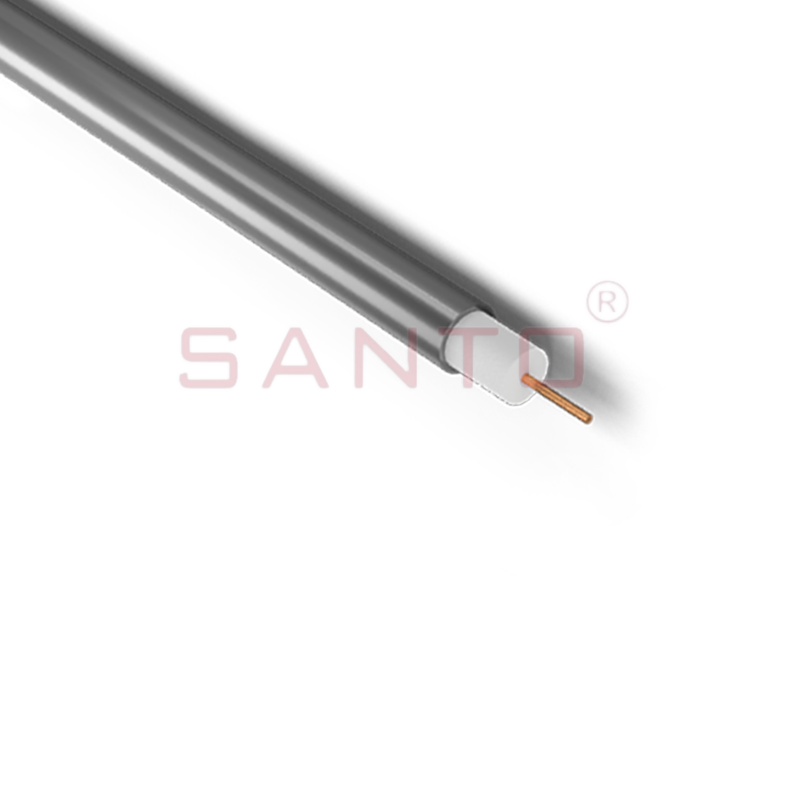
SANTO HAx mineral insulated (MI) Alloy 825 series heating cables are suitable for use in hazardous areas. They have been designed for use in freeze protection and temperature maintenance applications ...
See Details
Santo electric heating strips are widely used in key industries in China.

