 English
  English
 русский
 日本語
日本語 Español
 中文简体
中文简体
The SANTO UFA range of self-regulating heating cables is mainly used for frost protection of pipes and vessels but can also be used to maintain processes up to 65°C. These heating cables are available...
See Details
In industrial heat tracing, safety is not an optional feature. It is the foundation of reliable operation, especially in environments where flammable gases, vapors, dust, or chemical media may be present. The explosion-proof temperature control box is designed to provide dependable temperature regulation for electric heat tracing systems while helping protect personnel, equipment, pipelines, tanks, and production processes from temperature-related risks.
This product serves as a critical control accessory for electric heating cables, heating belts, skin-effect heating systems, snow and ice melting systems, tubing bundles, silicone rubber heating systems, and other thermal control applications. By combining explosion-proof protection, accurate temperature management, durable construction, and compatibility with industrial heating circuits, it helps users maintain stable process temperatures in demanding operating conditions.
For companies in petroleum, chemical processing, gas distribution, construction, solar energy, geothermal cultivation, and general industrial insulation, temperature stability is directly connected to productivity. A pipeline that freezes, a valve that crystallizes, or a tank that falls below process temperature can cause production losses, safety incidents, and expensive maintenance. An explosion-proof temperature control box helps reduce these risks by enabling safe, controlled, and repeatable heat tracing operation.
Unlike ordinary electrical control enclosures, this product is intended for applications where the control equipment must support safe operation in hazardous or demanding areas. It is not simply a box that turns heating on and off. It is a coordinated control solution that supports electrical safety, heat tracing performance, environmental protection, and long-term system reliability.
Explosion-proof temperature control box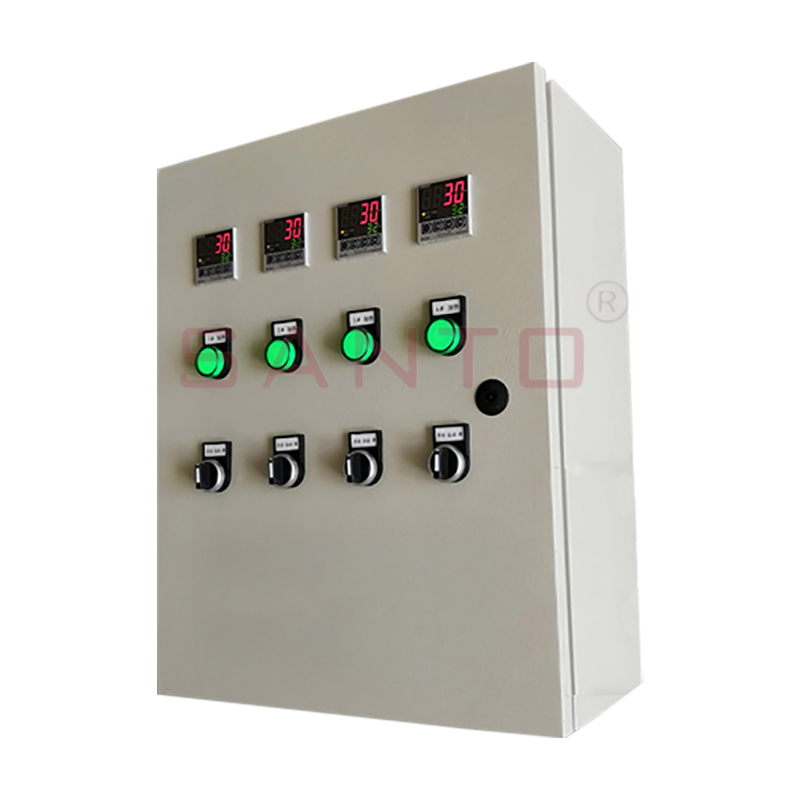
Content
The explosion-proof temperature control box is an industrial control unit used to regulate the output of electric heating systems. It monitors temperature signals from sensors and controls the power supply to heating cables or heating circuits according to the set temperature range. When the measured temperature falls below the set threshold, the system can energize the heating cable. When the target temperature is reached, it can reduce or stop heating output to prevent overheating and unnecessary energy consumption.
In heat tracing projects, this type of control box is commonly installed near pipelines, tanks, valves, instruments, skids, or process units. It can be used with self-limiting heating cables, constant-power heating cables, mineral insulated cables, silicone rubber heaters, glass fiber heating belts, and other electric heating products depending on system design. It is especially useful in applications requiring antifreeze protection, process temperature maintenance, deicing, snow melting, and thermal insulation.
The product category information supplied for the item indicates “Pressure Sensitive Tape,” but the product title and image data clearly identify the item as an explosion-proof temperature control box. In practical heat tracing systems, accessories such as tapes, junction boxes, end seals, controllers, thermostats, and control panels work together. The control box therefore belongs to the broader accessory group for electric heat tracing systems, even though its functional role is temperature control and electrical management rather than adhesive fixing.
Its value lies in combining control precision with a protective enclosure. In many industrial locations, the external environment is harsh. Equipment may face dust, moisture, corrosion, vibration, temperature fluctuation, ultraviolet exposure, mechanical impact, or chemical atmosphere. A high-quality explosion-proof temperature control box must therefore be designed not only for electrical performance but also for mechanical durability and environmental resistance.
For users who operate in hazardous or high-risk conditions, the difference between a general-purpose thermostat and an explosion-proof industrial control box is significant. A general thermostat may be acceptable in ordinary indoor environments, but industrial heat tracing often requires stronger enclosure integrity, safer electrical separation, more robust terminals, better sealing, clearer wiring layout, and compatibility with field installation practices. This product is built to support those requirements.
Heat tracing systems are often installed in locations where temperature loss can create operational and safety problems. Pipelines may carry water, oil, chemicals, gas condensate, resin, food-grade fluids, or other process materials. If the material cools below a required point, it may freeze, thicken, crystallize, separate, or become difficult to pump. Electric heating cables compensate for heat loss, but uncontrolled heating can also create hazards. That is why temperature control is essential.
An explosion-proof temperature control box helps maintain the correct temperature range while supporting safety in potentially explosive atmospheres. In such environments, electrical equipment must be selected carefully because arcs, sparks, excessive surface temperatures, or electrical faults may create ignition risks. A suitable control box provides a safer housing for electrical control components and contributes to the overall safety philosophy of the heat tracing installation.
Temperature control also helps improve energy efficiency. Without a controller, heating cables may run continuously even when ambient temperatures are mild or when the process has already reached the required temperature. Continuous heating can waste energy, accelerate equipment aging, and increase maintenance costs. By controlling operation based on actual temperature needs, the control box helps reduce unnecessary power consumption.
Another important benefit is process consistency. In chemical and industrial production, temperature deviations can affect viscosity, reaction stability, product quality, or flow behavior. A temperature control box provides a defined control point, helping the heat tracing system operate according to process requirements rather than guesswork. This is particularly important for systems that require stable insulation temperature rather than simple freeze protection.
In winterization applications, the control box protects against freezing while preventing overheating. For example, water lines, fire protection pipes, sampling lines, and outdoor instrument pipelines may need heat tracing only when ambient conditions become cold. The controller allows the system to react automatically, which reduces the need for manual switching and improves operational reliability.
The explosion-proof temperature control box offers several practical advantages compared with many conventional control solutions used in heat tracing projects. These advantages are based on industrial usability, safety-oriented construction, compatibility, installation convenience, and long-term maintenance value.
Many ordinary temperature control boxes are designed for commercial or light-duty applications. They may function well in clean indoor areas but are less suitable for chemical plants, petroleum facilities, gas stations, refineries, outdoor pipeline corridors, or dusty industrial workshops. The explosion-proof temperature control box is intended for demanding conditions where safety protection and enclosure reliability are priorities.
Its explosion-proof design philosophy helps users reduce the risk associated with electrical control equipment in hazardous locations. For contractors and project owners, using suitable explosion-proof accessories can also simplify system compliance planning because the temperature control unit aligns better with the safety level expected in industrial heat tracing installations.
Some competing products are generic control panels that require extensive modification before they can be used for electric heating circuits. A heat tracing control box designed by a manufacturer familiar with heating cables is more practical. It can be configured with the needs of heating cable circuits in mind, including power input, load output, sensor wiring, terminal arrangement, grounding, and field maintenance.
Because the product comes from a company deeply involved in electric heating belts, self-limiting heating cables, constant-power heating cables, mineral insulated cables, silicone rubber heating products, and related accessories, the control box is not developed in isolation. It is part of a broader thermal control system. This system-level understanding gives it an advantage over generic electrical enclosures that are not optimized for heat tracing use.
The primary function of the product is to maintain the desired temperature range. Compared with manual switching, fixed uncontrolled heating, or low-grade thermostatic devices, a properly configured temperature control box provides better response to temperature changes. This helps prevent both insufficient heating and excessive heating.
Energy savings can be significant in large heat tracing networks. Even a small reduction in unnecessary operating hours can reduce total power consumption across long pipelines or multiple heating circuits. The control box therefore supports both operational reliability and lower lifecycle cost.
Industrial heating systems are expected to operate for many years. Frequent replacement of control equipment increases downtime and labor cost. A robust explosion-proof control box provides better physical protection for internal components, terminals, and wiring. This helps reduce failure caused by dust, moisture, corrosion, vibration, or improper exposure.
Compared with lower-cost control boxes built with thin enclosures, loose wiring, poor sealing, or weak terminals, a well-manufactured explosion-proof temperature control box provides a more stable foundation for long-term operation. This durability is especially valuable in remote installations where maintenance access is difficult.
The company behind the product has more than 35 years of experience in the electric heating industry. It has developed and manufactured a wide range of heating products, including automatic temperature-control electric heating belts, self-limiting electric heating belts, heat tracing belts, constant-power heating belts, glass fiber heating belts, mineral insulated cables, silicone rubber heating systems, snow melting cables, and accessories.
This accumulated experience matters because temperature control equipment must match real installation conditions. Manufacturers with limited field knowledge may overlook details such as cable gland selection, terminal layout, grounding convenience, sensor position, load compatibility, enclosure mounting, and maintenance clearance. A heat tracing specialist is more likely to design practical equipment that installers and end users can rely on.
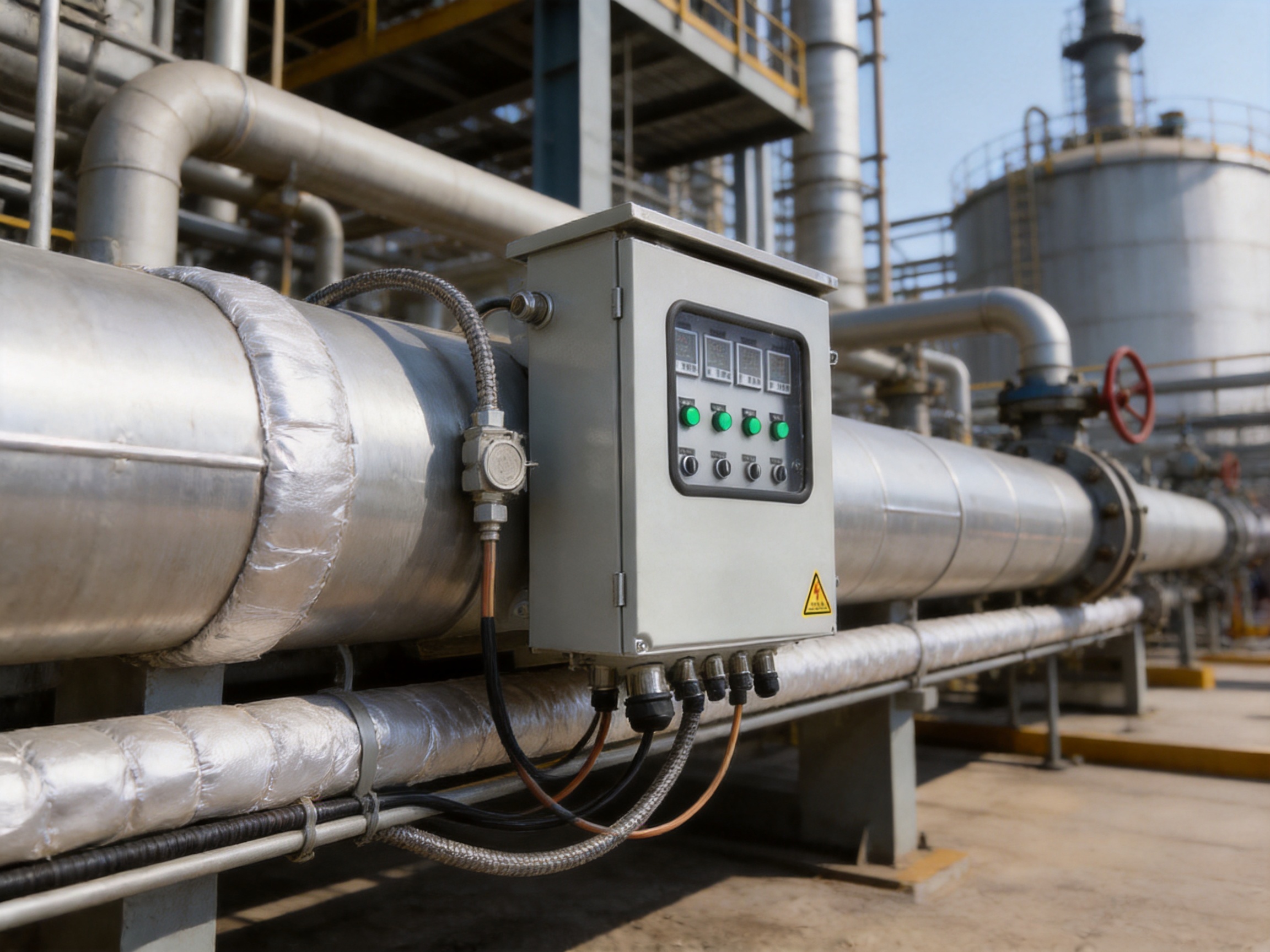
A heat tracing system typically consists of heating cables, power connection kits, end seals, junction boxes, fixing tapes, insulation materials, temperature sensors, control devices, and power distribution equipment. The explosion-proof temperature control box acts as the decision-making point for the heating circuit. It receives temperature information and controls the heating output according to the desired logic.
For freeze protection, the controller may be set to energize the heating system when the pipe or ambient temperature approaches freezing. For process temperature maintenance, the temperature range may be set according to the required viscosity or process condition. For snow and ice melting, the control strategy may consider surface temperature and environmental conditions. For tubing bundles, it may help maintain sample line temperature to prevent condensation or inaccurate measurement.
The control box can also support system segmentation. Instead of energizing an entire plant area at once, different heating circuits can be controlled according to local needs. This improves energy efficiency and makes troubleshooting easier. If one area requires maintenance, the affected circuit can be isolated without necessarily shutting down unrelated areas.
In large industrial facilities, multiple temperature control boxes may be distributed throughout the site. Each unit controls a specific heating zone, pipeline section, tank area, or process unit. This distributed approach reduces cable runs, improves control accuracy, and allows maintenance personnel to identify local conditions more quickly.
Petroleum and chemical facilities often contain flammable substances and temperature-sensitive fluids. Pipelines transporting heavy oil, lubricants, chemical intermediates, acids, alkalis, or resins may require heat tracing to maintain flowability. The explosion-proof temperature control box helps regulate the heating system while supporting safer operation in hazardous environments.
In these applications, temperature instability can affect production quality and equipment performance. Overheating may damage materials, while underheating may cause blockage or crystallization. A reliable control box helps maintain the correct balance.
Gas facilities, pressure reducing stations, and energy distribution systems often require freeze protection for valves, meters, regulators, condensate lines, and instrumentation. A temperature control box helps heating circuits operate automatically when cold conditions threaten system reliability.
For outdoor installations, the control box must resist environmental stress while maintaining electrical safety. Explosion-proof construction is especially important when gas atmosphere risks are present.
Water supply pipelines, fire sprinkler mains, pump lines, and outdoor valves may freeze during winter. Heat tracing provides thermal protection, but it must be controlled properly. The explosion-proof temperature control box activates heating when necessary and helps prevent energy waste during warmer periods.
In fire protection systems, reliability is critical. Frozen lines may compromise emergency response capability. A robust control solution helps ensure the heat tracing system remains ready when needed.
Solar water heating systems, renewable energy equipment, and outdoor thermal systems may require antifreeze and temperature maintenance. The control box can manage heating cable operation to protect pipes, collectors, valves, and auxiliary equipment during cold weather.
Energy efficiency is especially important in renewable energy projects. Controlled heating helps preserve the environmental benefit of the project by avoiding unnecessary electricity use.
Snow and ice melting systems are used on roofs, gutters, ramps, walkways, driveways, and industrial platforms. A temperature control box can help coordinate heating operation so that cables are energized only when conditions require melting or anti-icing protection.
For public and commercial spaces, preventing ice accumulation reduces slip hazards and structural risks. In industrial environments, snow and ice removal can also protect access routes, loading areas, and outdoor equipment.
Temperature management is important in greenhouse cultivation, geothermal farming, seedling growth, and controlled agricultural environments. Electric heating systems may be used for soil warming, pipe protection, or process heating. The control box helps maintain stable conditions, supporting plant growth and energy management.
Analytical instruments and sampling systems often depend on stable line temperatures. If sample lines cool too much, condensation, crystallization, or measurement error may occur. Tubing bundles with heat tracing require dependable control to maintain sample integrity. The explosion-proof temperature control box supports this need in chemical, petrochemical, and environmental monitoring applications.
A temperature control box used in industrial heat tracing must be manufactured with consistency. The company producing this product is located in Jiangsu Province, a region known for electric heating belt manufacturing. It has built long-term expertise in the research, design, production, and manufacturing of electric heating products and thermal control accessories.
The company operates as a high-tech enterprise and has developed products for both domestic and international markets. Its manufacturing scope includes automatic temperature-control electric heating belts, self-limiting heating belts, constant-power heating cables, glass fiber heating belts, mineral insulated cables, silicone rubber heating systems, snow melting cables, tracked heaters, and accessories. This broad product range gives the company strong process knowledge and a complete understanding of field application needs.
Advanced manufacturing is not limited to assembling components. It includes product design, material selection, precision processing, electrical testing, quality inspection, certification management, packaging, and after-sales support. For a control box, each step affects final reliability. A high-quality enclosure cannot compensate for poor wiring, and excellent electrical components cannot perform well if sealing or grounding is weak. Therefore, integrated manufacturing control is essential.
The company emphasizes product development and technical improvement. Its history includes innovation in self-limiting temperature heating technology and carbon fiber parallel heating cable technology. Such experience supports the development of accessories that work effectively with modern heating cable systems.
Product development for a temperature control box includes enclosure structure, thermal compatibility, electrical layout, connection methods, sensor support, installation convenience, and maintenance access. Engineers must consider how the product will be installed in real industrial settings, where space may be limited and conditions may be harsh.
Consistent production processes help ensure that each control box performs according to design requirements. Manufacturing may include enclosure preparation, machining, component mounting, wiring, terminal fastening, gasket fitting, labeling, inspection, and functional testing. Each step must be carried out carefully to avoid future problems.
For example, terminal tightening quality affects electrical reliability. Inadequate tightening may cause heat buildup, while improper wiring can cause malfunction. Sealing surfaces must be clean and properly assembled to support environmental protection. Internal layout must allow clear identification and safe maintenance. These details distinguish professional industrial equipment from low-grade alternatives.
The company has passed ISO9001 quality system certification, and its products have obtained national CCC certification. It has also obtained explosion-proof certification and EAC Eurasian Union certification in its development history. These achievements reflect a long-term commitment to quality management, safety requirements, and international market access.
For buyers, certification awareness is important because heat tracing systems are often part of regulated industrial projects. While project-specific compliance requirements should always be confirmed before purchase, a manufacturer with a history of certification and quality management is generally better prepared to support technical documentation, consistent production, and application guidance.
The company has invested in a new factory and product simulation testing laboratory. Testing capability is valuable for electric heating products and control accessories because actual operating conditions can be complex. Products may face low temperature startup, long-term heating cycles, humidity, vibration, and load variation.
Simulation testing helps engineers evaluate product behavior before and after production improvements. For a temperature control box, testing can include functional operation, electrical continuity, insulation performance, control response, wiring accuracy, enclosure assembly, and compatibility with heating cable circuits.
The company reports more than 35 years of industry experience, annual output exceeding 10,000 units or sets, more than 2,000 distributors, and business presence in more than 85 areas. This scale supports stable supply, project delivery, and after-sales service. For contractors and industrial project owners, supply reliability is a major purchasing consideration.
A small supplier may provide acceptable products for limited use, but large projects require consistency, documentation, delivery coordination, and replacement availability. A manufacturer with broad distribution and production experience can better support repeat orders and multi-site standardization.
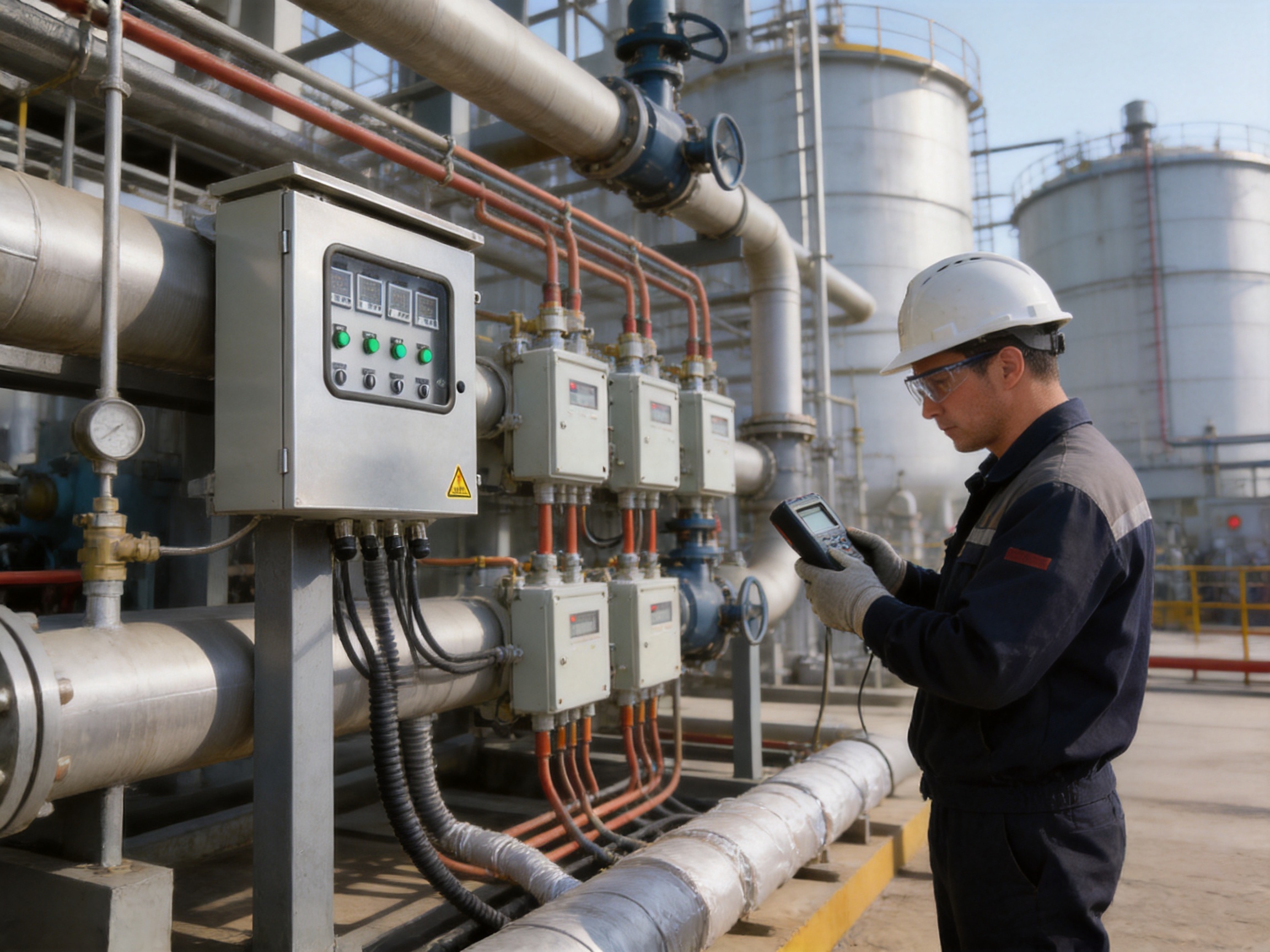
| Evaluation Item | Explosion-Proof Temperature Control Box | Common Non-Industrial Controller | Practical Benefit |
|---|---|---|---|
| Application Environment | Designed for demanding heat tracing and hazardous-area requirements | Often intended for ordinary indoor or light-duty use | Better suitability for petroleum, chemical, gas, and outdoor projects |
| System Compatibility | Works as part of electric heat tracing systems and related heating accessories | May require modification for heating cable circuits | Easier integration and fewer field installation issues |
| Control Purpose | Supports freeze protection, process temperature maintenance, and insulation control | Usually limited to basic temperature switching | More flexible for industrial thermal management |
| Durability | Robust enclosure and industrial assembly approach | May use lighter construction and simpler protection | Longer service life and reduced maintenance frequency |
| Energy Management | Controls heating output according to temperature demand | May run inefficiently or require manual operation | Lower energy waste and improved operating cost control |
| Manufacturer Expertise | Supported by long-term heating cable manufacturing experience | Often supplied by general electrical vendors | Better understanding of heat tracing field conditions |
The enclosure is the first line of defense for the internal control components. In harsh industrial environments, it must help protect against dust, water, mechanical impact, and corrosion. A reliable explosion-proof temperature control box uses a structure suitable for industrial field installation and long-term use.
Good enclosure design also improves maintenance safety. Clear access, secure covers, robust fastening, and organized internal space help technicians inspect and service the unit more efficiently. When equipment is difficult to open, identify, or reassemble, maintenance errors become more likely. Professional design reduces those risks.
Electrical layout affects both safety and serviceability. Power input, load output, sensor connections, grounding points, and internal wiring should be arranged logically. Proper spacing and secure terminals reduce the chance of wiring confusion, overheating, or accidental contact.
For heat tracing systems, load current and cable type must be considered. The control box should be selected according to the power rating, circuit quantity, voltage, and operating environment of the project. Correct selection helps ensure stable long-term performance.
The accuracy of the control system depends not only on the controller but also on sensor placement. A temperature sensor may measure pipe surface temperature, ambient temperature, tank surface temperature, or process-related temperature depending on the application. Incorrect sensor placement can cause the heating system to turn on or off at the wrong time.
For pipe freeze protection, the sensor is often installed on the pipe at a representative cold point. For process temperature maintenance, it may be placed where process heat loss is most critical. For snow melting, surface or environmental sensing may be used. Proper engineering guidance is important for each project.
Grounding is essential in electric heating systems. Heating cables, metallic enclosures, cable glands, junction boxes, and control panels should be grounded according to applicable electrical standards and project specifications. A well-designed control box provides grounding arrangements that support safe installation.
Users should also coordinate the control box with circuit protection devices such as breakers, residual current devices, or ground-fault protection where required. The complete system must be engineered as a whole rather than as separate pieces.
Industrial equipment must be maintainable. The control box should allow technicians to inspect terminals, verify wiring, check controller settings, and replace components if necessary. Clear labeling and organized internal arrangement reduce downtime during troubleshooting.
Compared with compact low-cost boxes that sacrifice access space, a properly designed industrial control box provides a better balance between size and serviceability. This is especially valuable in cold, wet, or hazardous locations where maintenance time should be minimized.
The explosion-proof temperature control box supports safety by controlling heat output, protecting control components, and contributing to suitable installation in hazardous environments. It helps prevent uncontrolled heating and reduces the need for manual operation in risky areas. It also helps ensure that heat tracing systems operate only when conditions require heating.
Efficiency is achieved through automatic temperature-based control. Instead of leaving heating cables energized continuously, the control system can respond to real temperature conditions. In large facilities, this can reduce electricity consumption and lower operating costs. Reduced operating time can also contribute to longer heating cable life because components are not exposed to unnecessary thermal stress.
The product also supports reliability. Stable temperature control reduces the probability of freezing, blockage, condensation, and process interruption. For industries where downtime is expensive, reliability often provides the greatest economic value. Preventing one major freeze event or pipeline blockage can justify the investment in high-quality control equipment.
Installation should be performed by qualified personnel familiar with electric heat tracing systems, hazardous-area requirements, and applicable electrical codes. Before installation, the project team should verify the control box model, voltage, load capacity, enclosure rating, wiring diagram, sensor type, and installation location.
The control box should be mounted securely on a stable structure. It should be positioned to allow convenient access for operation and maintenance while avoiding unnecessary exposure to mechanical damage, standing water, extreme heat sources, or corrosive chemical spray where possible. Cable entries should be fitted properly and sealed according to the required protection level.
Heating cable circuits should be tested before connection. Insulation resistance, continuity, and correct circuit identification should be confirmed. Sensor wiring should be separated from power wiring where appropriate to reduce interference and simplify troubleshooting. Grounding should be completed before energizing the system.
After installation, technicians should verify controller settings, switching operation, sensor response, load current, and system performance. The pipeline or equipment should be insulated correctly after heating cable installation because poor insulation increases heat loss and may prevent the system from reaching the required temperature.
Commissioning records should be kept for future maintenance. These records may include set temperature, sensor location, circuit identification, measured current, insulation resistance values, wiring diagram reference, and inspection date. Good documentation improves long-term system management.
Regular inspection helps maintain safe and reliable operation. Maintenance intervals depend on the environment, operating frequency, and project requirements. In harsh chemical or outdoor environments, inspections may be needed more frequently.
During inspection, technicians should check enclosure condition, cover fastening, cable entries, grounding, terminal tightness, internal cleanliness, controller display or indication, sensor condition, and heating circuit operation. Any signs of overheating, corrosion, water ingress, damaged insulation, loose wiring, or abnormal switching should be corrected promptly.
Before opening or servicing the control box, power should be isolated according to site safety procedures. In hazardous areas, technicians must follow applicable permits and safety requirements. Replacement components should match the original specifications or approved alternatives.
Seasonal testing is recommended for freeze protection systems before winter. This allows operators to identify problems before cold weather creates emergency conditions. Snow melting systems should also be tested before the snow season. Process temperature maintenance systems may require periodic calibration or verification depending on process sensitivity.
The performance of a temperature control box depends not only on the design of the box itself but also on the manufacturer’s understanding of the complete heat tracing application. Santo Thermal Control Technology Co., Ltd. has built its business around electric heating products, thermal control systems, and related accessories. This specialized focus gives the company an advantage over suppliers that only provide generic electrical equipment.
The company’s product range covers many heating technologies, including self-limiting heating strips, constant-power heating strips, silicone rubber heating strips, glass fiber heating strips, electric hot wires, mineral insulated cables, snow melting cables, LCD tracked heaters, and electric heating strip accessories. This broad portfolio enables the company to match control solutions with heating products more effectively.
Its development history shows continuous improvement. The establishment of an irradiation center, invention activity in self-limiting and carbon fiber heating technology, brand establishment, certification achievements, factory expansion, and simulation laboratory investment all demonstrate a long-term strategy rather than short-term trading. For industrial buyers, this matters because thermal control systems require technical continuity and dependable after-sales support.
The company also emphasizes innovation, cooperation, effectiveness, and development as core values. These values align with the needs of industrial customers who require custom solutions, reliable engineering support, and practical product improvement. In custom heating cable and control projects, cooperation between manufacturer, contractor, and end user is often necessary to achieve the best result.
Industrial heat tracing projects often differ in voltage, cable type, pipe length, temperature requirement, installation environment, hazardous-area classification, and control philosophy. A standard control box may not always satisfy every need. Customization can therefore be important.
Possible customization considerations include enclosure material, control range, number of circuits, indicator configuration, terminal arrangement, cable entry direction, sensor type, mounting method, labeling language, and integration with broader control systems. Because the manufacturer has OEM and ODM experience in heating cable products, it is positioned to support tailored thermal control solutions for different markets.
Custom support is especially useful for international projects. Different regions may have different standards, operating temperatures, installation practices, and documentation requirements. A manufacturer with export experience and business presence in many areas can better understand these needs and provide suitable product options.
When selecting a temperature control box, the lowest purchase price is not always the lowest total cost. A low-grade product may cost less at first but can create higher expenses through energy waste, downtime, maintenance labor, replacement parts, and safety risk. A well-designed explosion-proof temperature control box provides economic value over the entire lifecycle.
First, it helps reduce energy consumption by controlling heating operation according to temperature demand. Second, it helps protect pipelines and process equipment from freezing or temperature loss, reducing the risk of production interruption. Third, durable construction lowers replacement frequency. Fourth, compatibility with heat tracing systems reduces installation and commissioning problems. Fifth, manufacturer support helps users select suitable configurations and solve technical issues more efficiently.
For large facilities with many heating circuits, small improvements in control efficiency can produce meaningful annual savings. For critical processes, avoiding downtime may be even more valuable than energy savings. The control box therefore should be viewed as a reliability investment rather than a simple accessory.
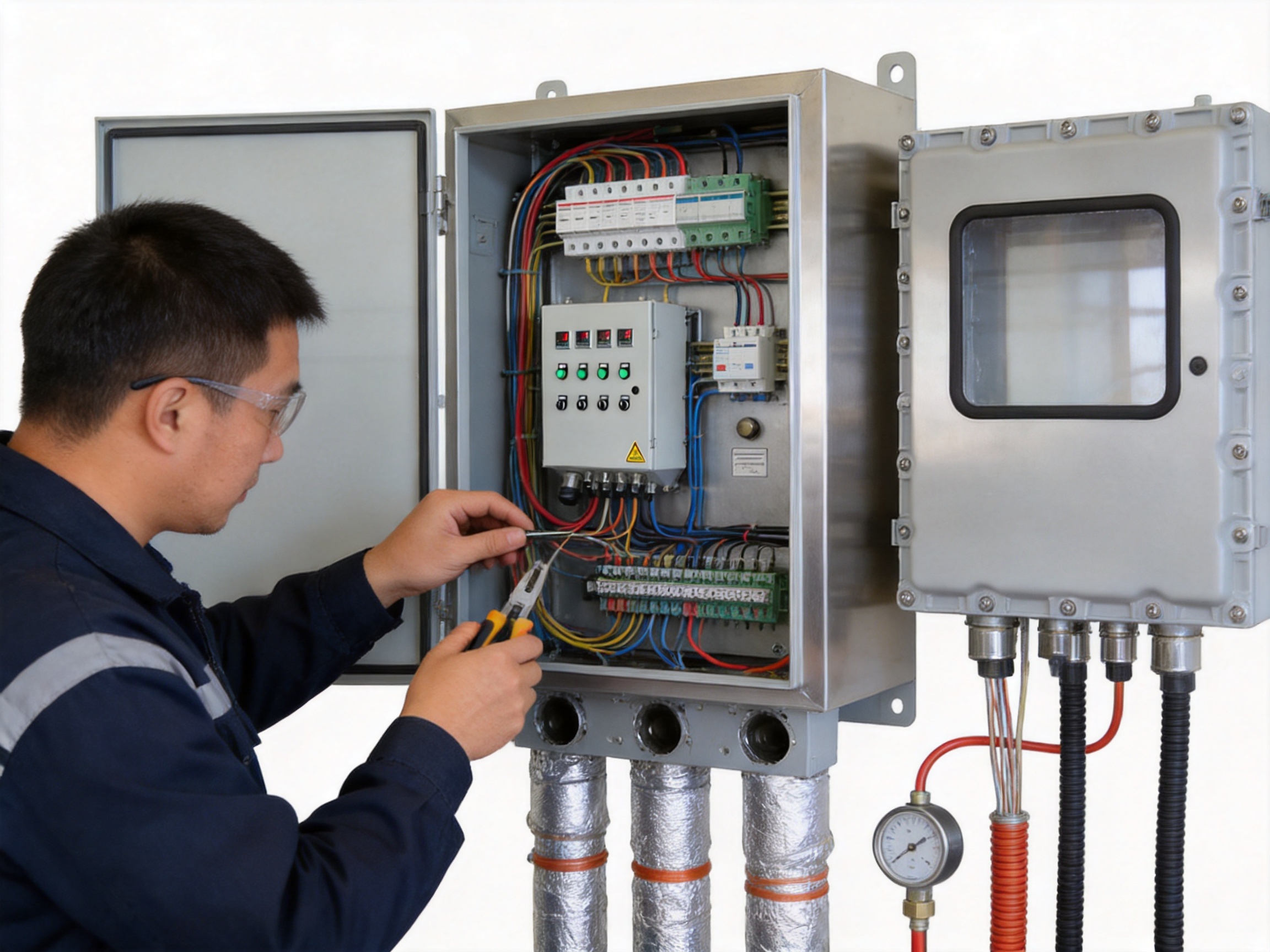
To select the correct explosion-proof temperature control box, users should begin by defining the application. Is the purpose freeze protection, process temperature maintenance, snow melting, deicing, or instrument line heating? Each application has different control requirements.
The next step is to determine the electrical load. The heating cable type, circuit length, rated power, voltage, startup current, and number of circuits must be considered. Self-limiting heating cables may have different startup behavior than constant-power cables. Mineral insulated cables and silicone rubber heaters may require different control considerations.
The installation environment must also be evaluated. Users should consider hazardous-area requirements, ambient temperature range, outdoor exposure, moisture, dust, corrosive gases, vibration, and mechanical impact. The selected control box should match the environmental conditions of the site.
Temperature sensing strategy is another key factor. Users must decide whether to measure pipe temperature, tank wall temperature, ambient temperature, surface temperature, or another process-related value. Sensor placement should be planned before installation.
Finally, project documentation and compliance should be reviewed. Electrical codes, safety standards, certification requirements, and customer specifications may influence the final product selection. Consulting the manufacturer during the design stage can help avoid costly changes later.
It is used to control electric heating circuits in heat tracing systems, especially in industrial or hazardous environments. It monitors temperature and switches heating output according to the set requirements, helping prevent freezing, maintain process temperature, reduce energy waste, and support safer operation.
Yes, it can be used with self-limiting heating cables when properly selected and wired according to the electrical load and project requirements. It may also be used with constant-power heating cables, mineral insulated cables, silicone rubber heaters, and other heat tracing products depending on configuration.
A normal thermostat may not provide the enclosure protection, electrical layout, safety suitability, durability, or hazardous-area compatibility required for industrial heat tracing. An explosion-proof temperature control box is designed for more demanding environments and provides a more appropriate solution for petroleum, chemical, gas, and outdoor industrial applications.
Yes. By energizing the heating system only when temperature conditions require it, the control box can reduce unnecessary operating time. This helps lower power consumption and can extend the service life of heating components.
Sensor location depends on the application. For freeze protection, it is often placed on the pipe at a representative cold point. For process temperature maintenance, it should be located where it accurately reflects the controlled process temperature. For snow melting or deicing, surface or environmental sensing may be used.
Yes. Installation should be performed by qualified personnel familiar with electrical systems, heat tracing, hazardous-area practices, and local regulations. Correct wiring, grounding, sealing, and commissioning are essential for safe and reliable operation.
Regular inspection should include checking the enclosure, cable entries, grounding, terminals, controller function, sensor condition, and heating circuit operation. Seasonal testing is recommended for freeze protection and snow melting systems before cold weather begins.
Customization may be available depending on project needs. Options may include control configuration, enclosure features, circuit quantity, terminal layout, labeling, cable entry arrangement, and compatibility with different heating cable systems.
Petroleum, chemical processing, gas infrastructure, construction, solar energy, industrial water systems, fire protection, geothermal cultivation, snow melting, and instrumentation applications can all benefit from reliable explosion-proof temperature control.
Its advantages include stronger industrial suitability, better integration with heat tracing systems, explosion-proof design intent, durable enclosure construction, energy-saving control capability, and support from a manufacturer with long-term electric heating expertise.
The explosion-proof temperature control box is an essential accessory for safe, efficient, and reliable electric heat tracing. It provides temperature-based control, supports hazardous-area applications, improves energy management, and helps protect pipelines, tanks, instruments, and outdoor equipment from freezing or temperature loss.
Its advantages over common competing products come from industrial-grade design, compatibility with heat tracing systems, robust construction, practical installation features, and manufacturer expertise. Backed by decades of electric heating experience, advanced production capability, quality management, certification awareness, and simulation testing investment, the product offers strong value for industrial users seeking dependable thermal control.
For projects in petroleum, chemical, gas, construction, solar energy, snow melting, geothermal cultivation, and instrumentation, selecting the right control box can reduce risk, lower operating cost, and improve long-term system performance. In a heat tracing system, heating cables provide the thermal power, but the temperature control box provides the intelligence and safety coordination that make the system truly effective.
1. International Electrotechnical Commission. Electrical Apparatus for Explosive Atmospheres: General Requirements and Installation Practices.
2. IEEE Standards Association. Recommended Practice for Electrical Heat Tracing Systems in Industrial Applications.
3. National Fire Protection Association. National Electrical Code Handbook, Articles Related to Hazardous Locations and Electric Heating.
4. International Organization for Standardization. ISO 9001 Quality Management Systems: Requirements and Application Guidance.
5. Process Industry Practices. Guidelines for Electric Heat Tracing Design, Installation, and Maintenance.
6. Industrial Heating Equipment Engineering Manual. Temperature Control, Enclosure Protection, and Heat Tracing System Reliability.
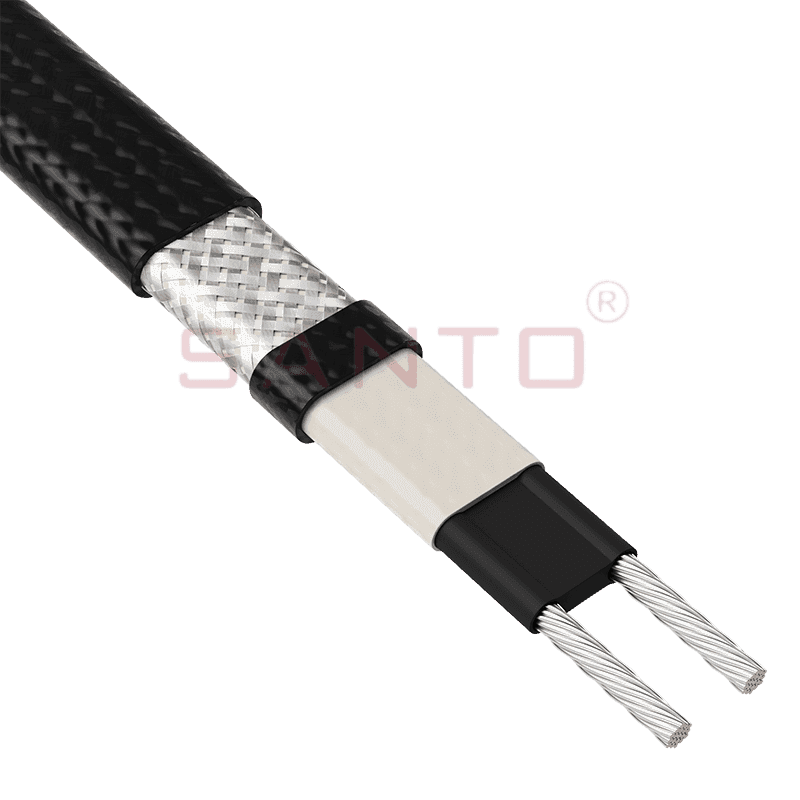
The SANTO UFA range of self-regulating heating cables is mainly used for frost protection of pipes and vessels but can also be used to maintain processes up to 65°C. These heating cables are available...
See Details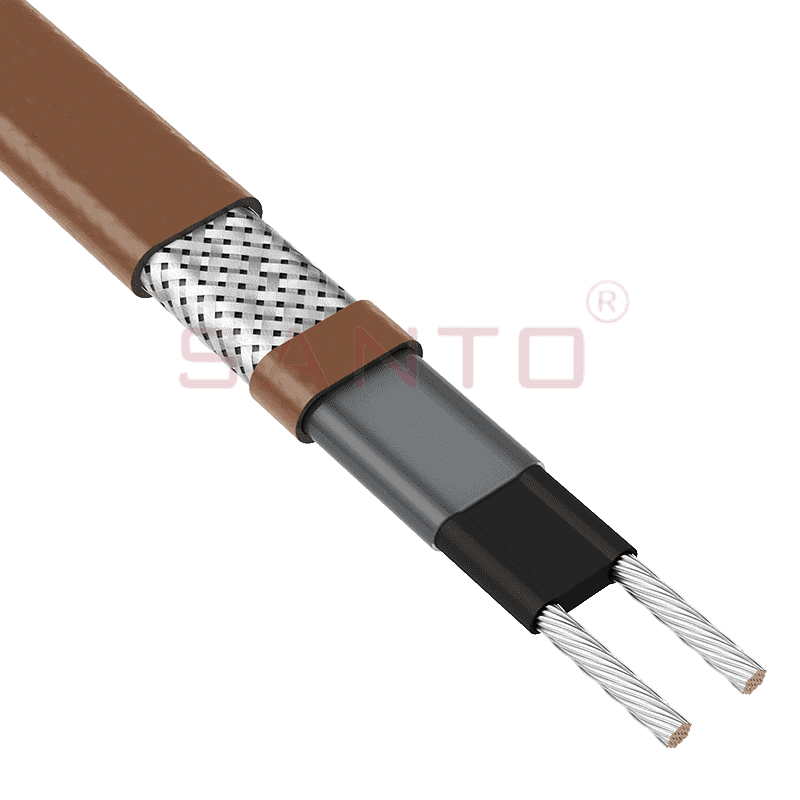
The SANTO UFB range of self-regulating heating cables is mainly used for frost protection of pipes and vessels requiring a higher power output than the UFA heating cables can supply. They can also be ...
See Details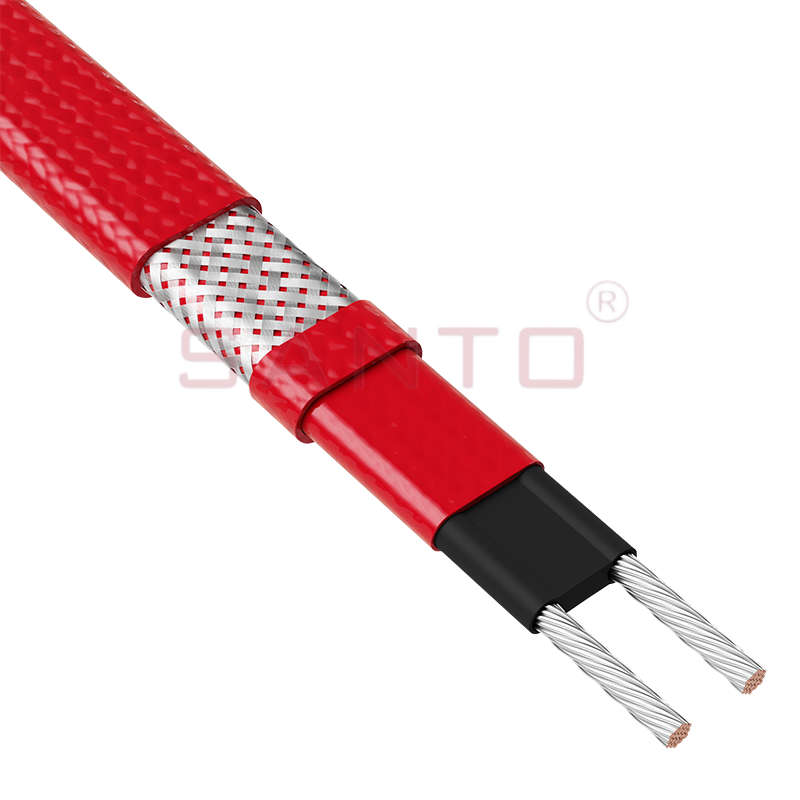
The SANTO UFC range of self-regulating heating cables is used for frost protection of pipes and vessels that require steam cleaning. They can also be used to maintain processes up to 121°C. These heat...
See Details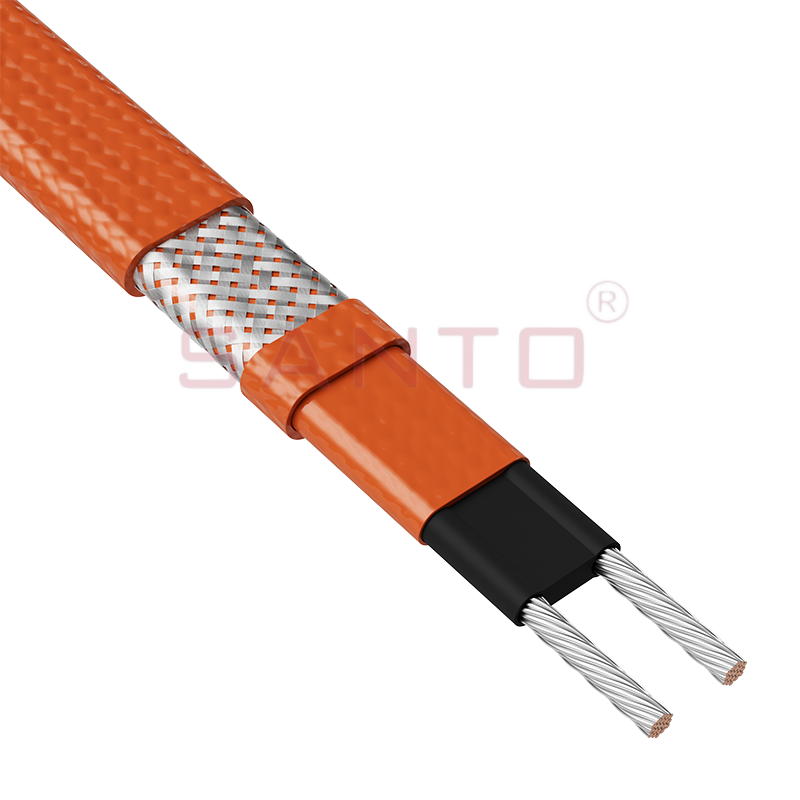
The SANTO UFO range of self-regulating heating cables is mainly used for frost protection of pipes and vessels that require steam cleaning . They can also be used to maintain processes up to 150°C. Th...
See Details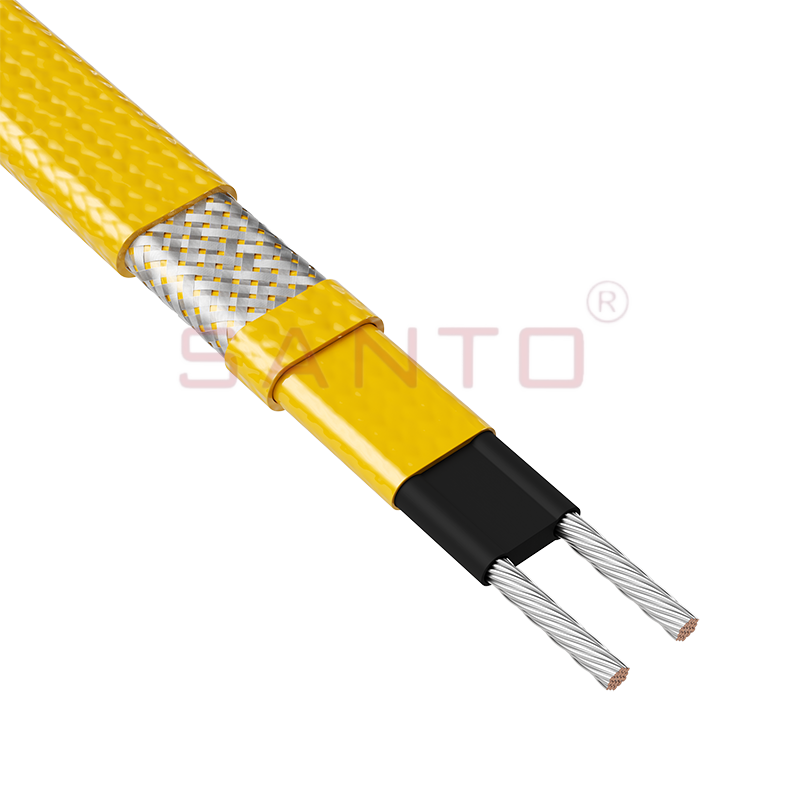
The SANTO UFD series of self-regulating heating cables are mainly used for freeze protection of pipes and vessels, but can also be used to maintain processes up to 200°C. These heating cables are avai...
See Details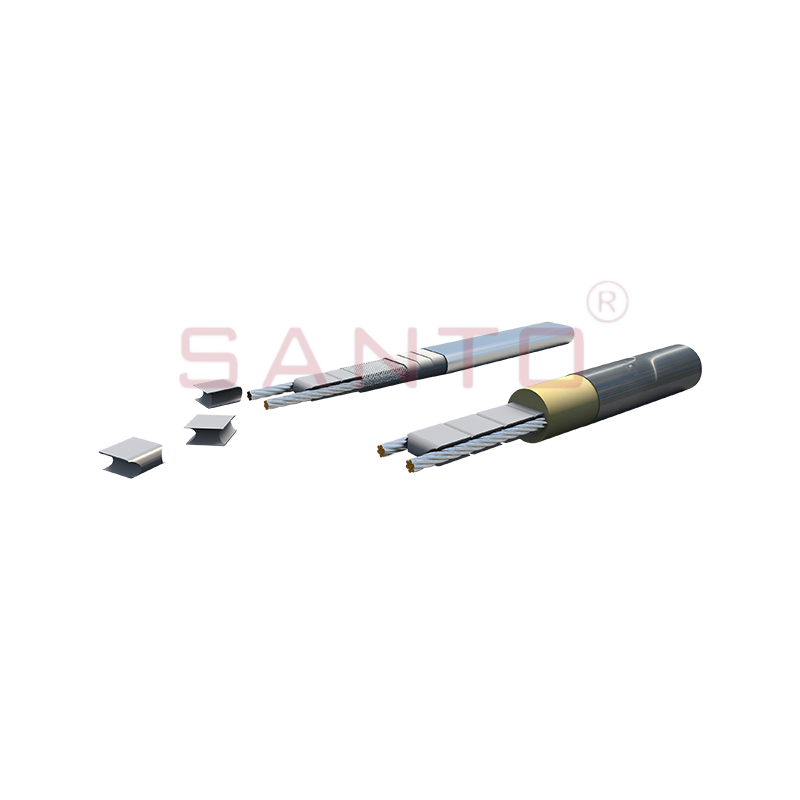
SANTO UFY heating wire is suitable for applications that maintain process temperatures up to 260 ℃ and can be steam blown; The self-regulating and parallel circuit heating wires of the UFY series are ...
See Details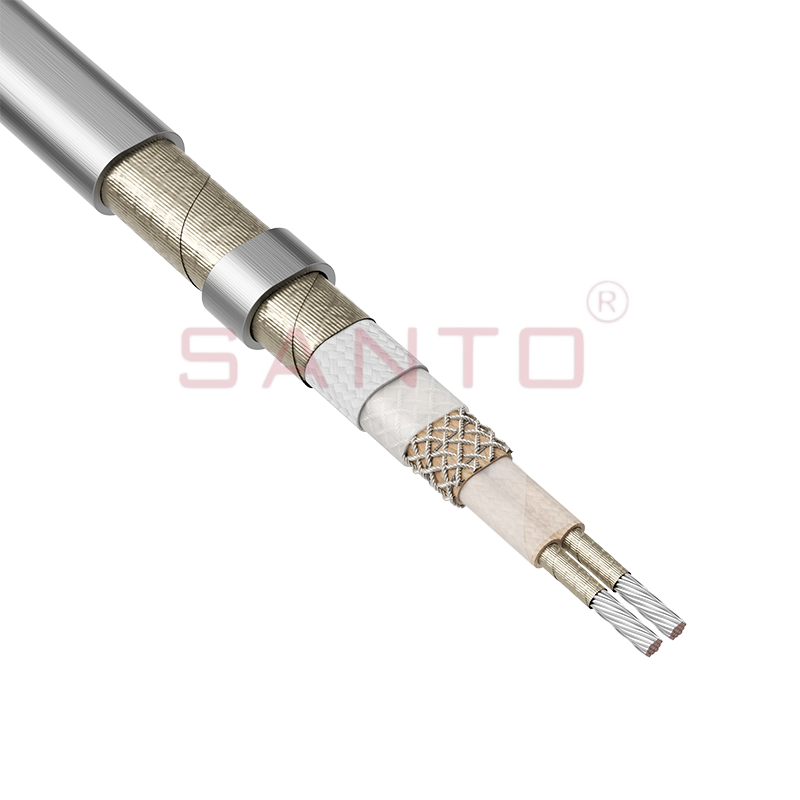
The SANTO UFM series self-regulating heating cables are mainly used for freeze protection of pipes and vessels, but can also be used to maintain processes up to 400°C. These heating cables are availab...
See Details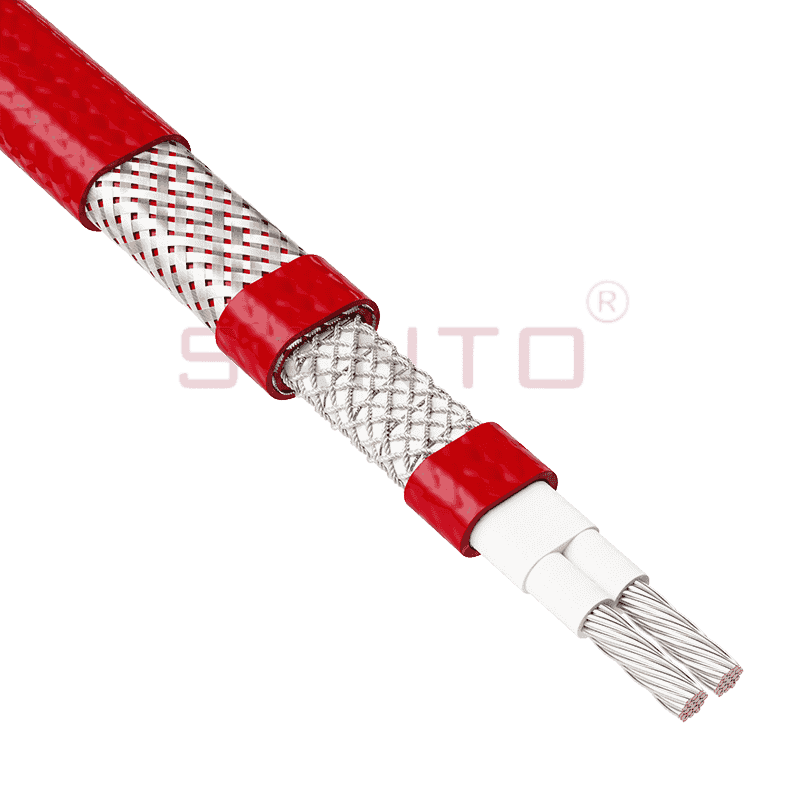
The SANTO ACC range of power-limiting heating cables is mainly used for temperature maintenance of processes and offers the advantage of a high power output at high temperatures which can reduce the n...
See Details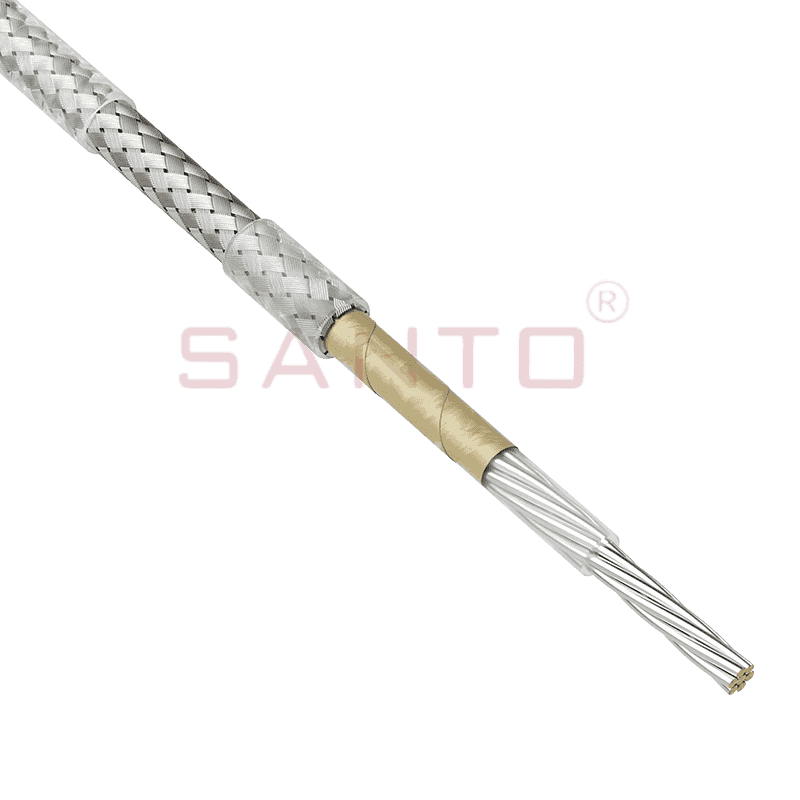
The stranded high temperature conductor is nickel plated to ensure a long life at elevated temperatures in corrosive environments. It is electrically isolated using an innovative sandwich construction...
See Details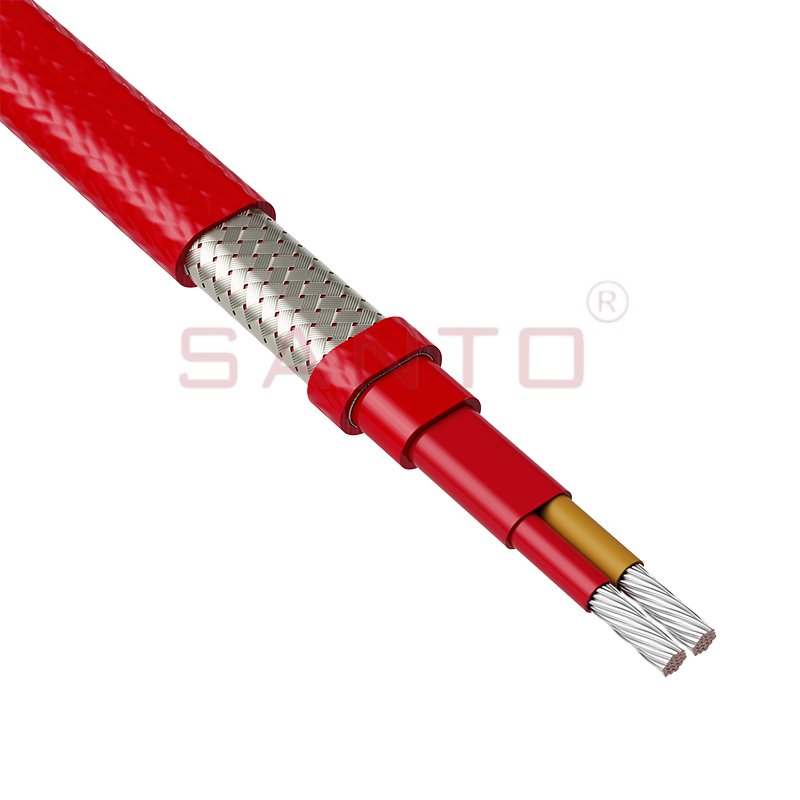
The stranded high temperature conductor is nickel plated to ensure a long life at elevated temperatures in corrosive environments. It is electrically isolated using an innovative sandwich construction...
See Details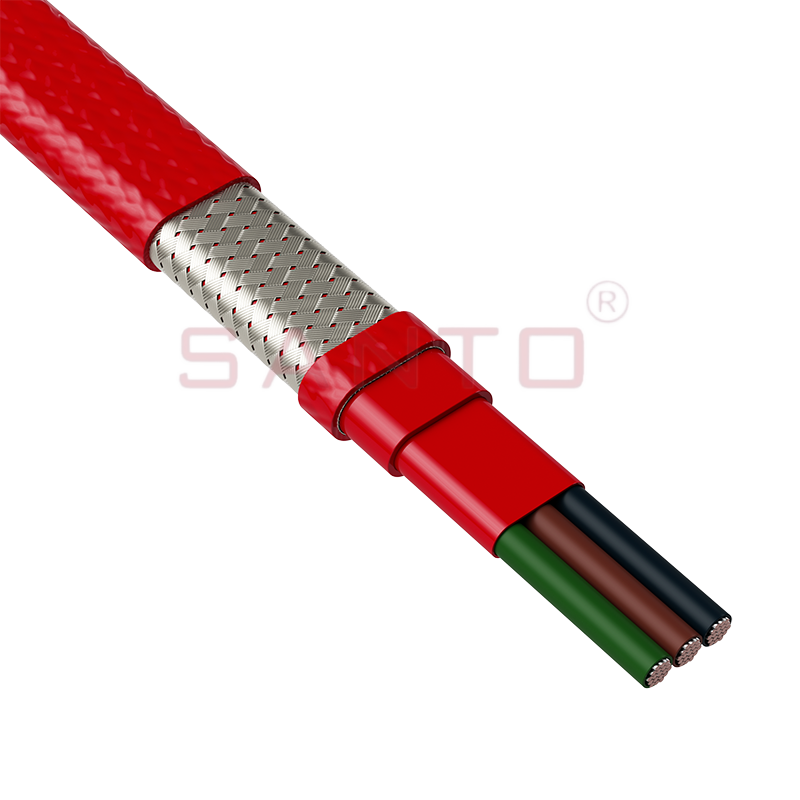
The stranded high temperature conductor is nickel plated to ensure a long life at elevated temperatures in corrosive environments. It is electrically isolated using an innovative sandwich construction...
See Details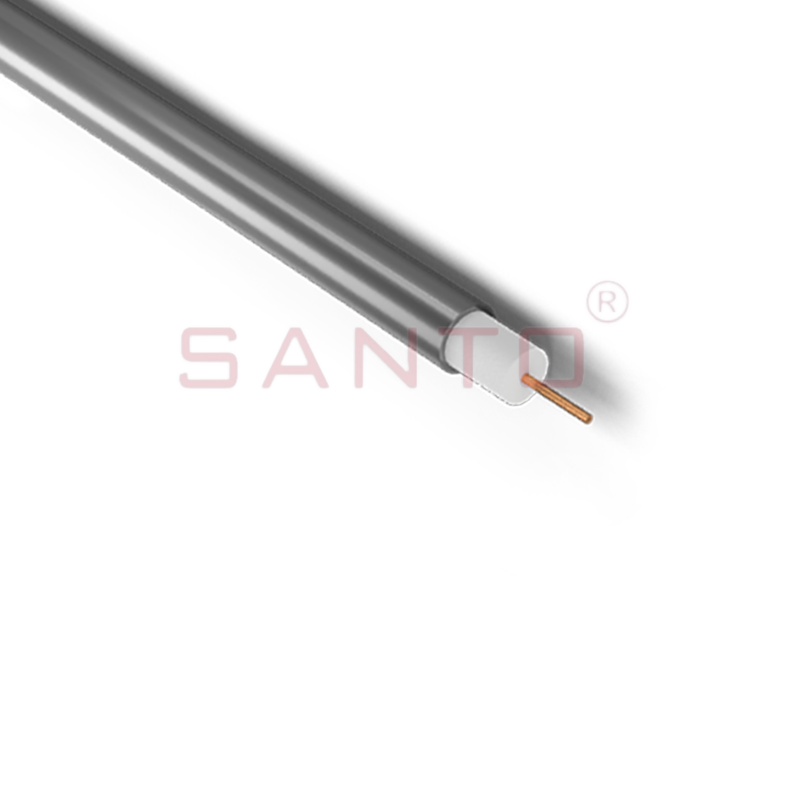
SANTO HAx mineral insulated (MI) Alloy 825 series heating cables are suitable for use in hazardous areas. They have been designed for use in freeze protection and temperature maintenance applications ...
See Details
Santo electric heating strips are widely used in key industries in China.

