 English
  English
 русский
 日本語
日本語 Español
 中文简体
中文简体
The SANTO UFA range of self-regulating heating cables is mainly used for frost protection of pipes and vessels but can also be used to maintain processes up to 65°C. These heating cables are available...
See Details
Modern electric heating systems depend on more than the heating cable, mat, or heater itself. The true performance of a thermal control system is determined by how accurately, safely, and consistently heat is regulated in real working conditions. A digital temperature controller is the compact control center that allows a heater to operate with purpose instead of simply consuming power. Designed for universal heater applications and small pipe heating, this controller provides practical temperature management for industrial, commercial, and specialized process environments where stable heat is essential.
The product discussed here is a digital temperature controller with compact dimensions of 89 mm in length, 59 mm in width, and 29 mm in height. It operates on a broad working voltage range of 110 to 230 VAC and is suitable for installation environments from 0 to 60 ℃. These specifications make it a flexible and convenient solution for many heat tracing and localized heating tasks, especially where space is limited and electrical supply conditions vary between projects or regions.
Although small in size, the controller plays a major role in maintaining system efficiency. In a heating cable system, a silicone rubber heater, a small pipe heater, an underfloor heating mat, a tubing bundle, or a snow and ice melting system, uncontrolled heating can lead to wasted energy, unstable temperatures, reduced service life, and unnecessary maintenance. A digital controller helps the heating system respond to actual temperature demand, improving accuracy and reducing over-heating. For industries such as semiconductor manufacturing, chemical processing, energy, construction, gas, solar energy, and pipe freeze protection, this type of intelligent control is not an accessory; it is a core performance component.
Digital temperature controller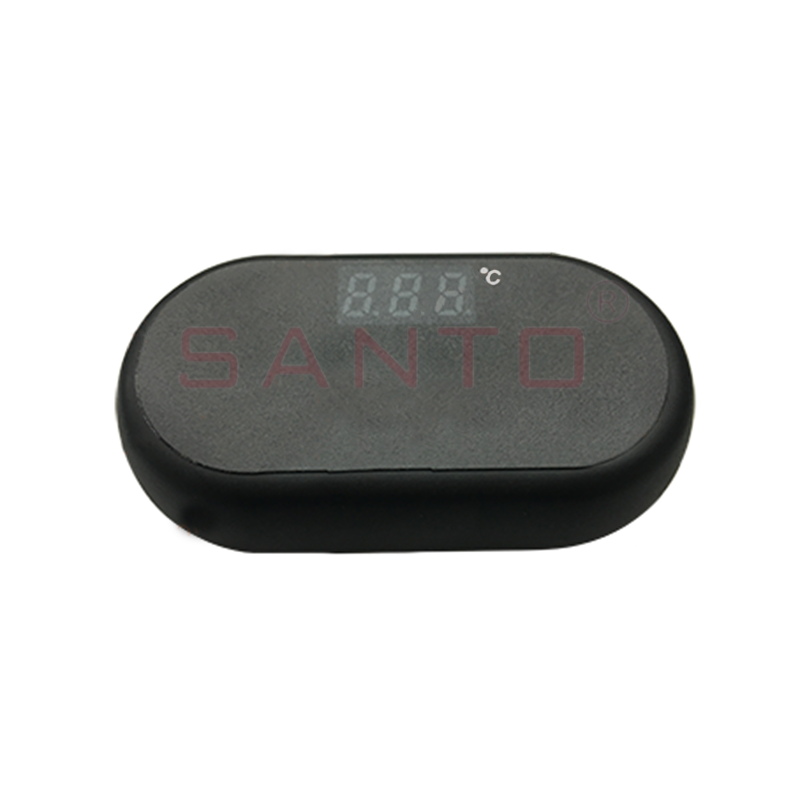
Content
The digital temperature controller is built for applications requiring practical, direct, and reliable thermal regulation. Its compact housing allows it to be installed in confined locations, mounted near small pipes, or integrated into control panels for electric heat tracing systems. The controller can be used with universal heaters and small pipe heaters, making it valuable for distributed heating points where each zone may require its own control logic.
The controller’s working voltage of 110 to 230 VAC gives it an advantage in international project environments. Many industrial suppliers offer controllers designed only for one standard voltage, requiring additional model selection or voltage adaptation. A wider input range simplifies inventory, reduces procurement confusion, and makes the product easier to apply across domestic and export projects. For contractors, equipment manufacturers, and distributors, this flexibility can reduce model complexity and improve installation speed.
The installation temperature range of 0 to 60 ℃ is suitable for many indoor and protected industrial locations. In heating cable control cabinets, semiconductor utility areas, small process pipe stations, and equipment rooms, this operating environment range is practical and dependable. The controller is designed to work where the control device itself is protected while the heating element performs the thermal task on pipes, surfaces, instruments, or equipment.
The 89 mm by 59 mm by 29 mm body size is especially important. In many installations, control equipment must be placed inside compact enclosures, machine compartments, or instrument boxes. A bulky controller may increase enclosure size, raise project cost, or complicate wiring layout. This digital controller supports a more efficient cabinet design, allowing heat tracing contractors and system integrators to build cleaner, more organized, and more compact systems.
| Item | Specification | Practical Benefit |
|---|---|---|
| Product Type | Digital temperature controller | Provides accurate switching and temperature management for heating systems |
| Typical Use | Universal heater and small pipe heater | Suitable for localized heat tracing, anti-freezing, and temperature maintenance |
| Dimensions | 89 mm × 59 mm × 29 mm | Compact size for limited installation spaces and control boxes |
| Working Voltage | 110 to 230 VAC | Supports wide electrical supply compatibility for different regions |
| Installation Temperature | 0 to 60 ℃ | Appropriate for protected industrial, commercial, and equipment environments |
| System Compatibility | Electric heating cables, small pipe heaters, heating mats, silicone rubber heaters, and related systems | Can support multiple heating categories with simplified control integration |
This specification set demonstrates a practical balance between simplicity, compactness, and versatility. Rather than being designed for one narrow application, the controller can support multiple electric heating scenarios. Its value is especially clear in projects where many small heating zones must be controlled individually, such as small pipe runs, instrument lines, water lines, process sampling lines, cabinet heaters, and compact heating assemblies.
Temperature control is essential because electric heaters are power devices. Without control, they convert electricity into heat continuously or depend only on manual operation. This may be acceptable for very basic use, but it is not adequate for process stability, energy conservation, or equipment protection. A digital controller helps transform a heater into a managed thermal system.
For pipe heating, temperature control prevents freezing while avoiding unnecessary overheating. In many antifreeze applications, the goal is not to make the pipe hot; the goal is to keep the contents above a required minimum temperature. Excessive heat wastes energy and can damage plastic pipes, insulation materials, valves, instruments, or nearby components. A controller allows the heating cable or small pipe heater to operate only when necessary.
For process temperature maintenance, stable control helps ensure that fluids remain within a usable viscosity or process window. In chemical, gas, petroleum, and semiconductor-related systems, temperature deviations may affect fluid flow, crystallization, condensation, or equipment reliability. A digital controller can help maintain more predictable conditions compared with uncontrolled or manually switched heating.
For semiconductor industry environments, precision and repeatability are especially important. Semiconductor support systems may involve gas lines, chemical delivery lines, ultrapure water systems, environmental control equipment, and process-related utilities. Even when the heating task is localized, temperature instability can lead to condensation, contamination risk, material property changes, or process interruption. A compact controller for small heating zones supports better distributed thermal management.
For end users, controlled heating also improves safety. While final safety depends on system design, wiring, sensor placement, insulation, protective devices, and installation practice, using a controller reduces the likelihood of continuous uncontrolled heating. This contributes to better equipment life and more responsible energy use.
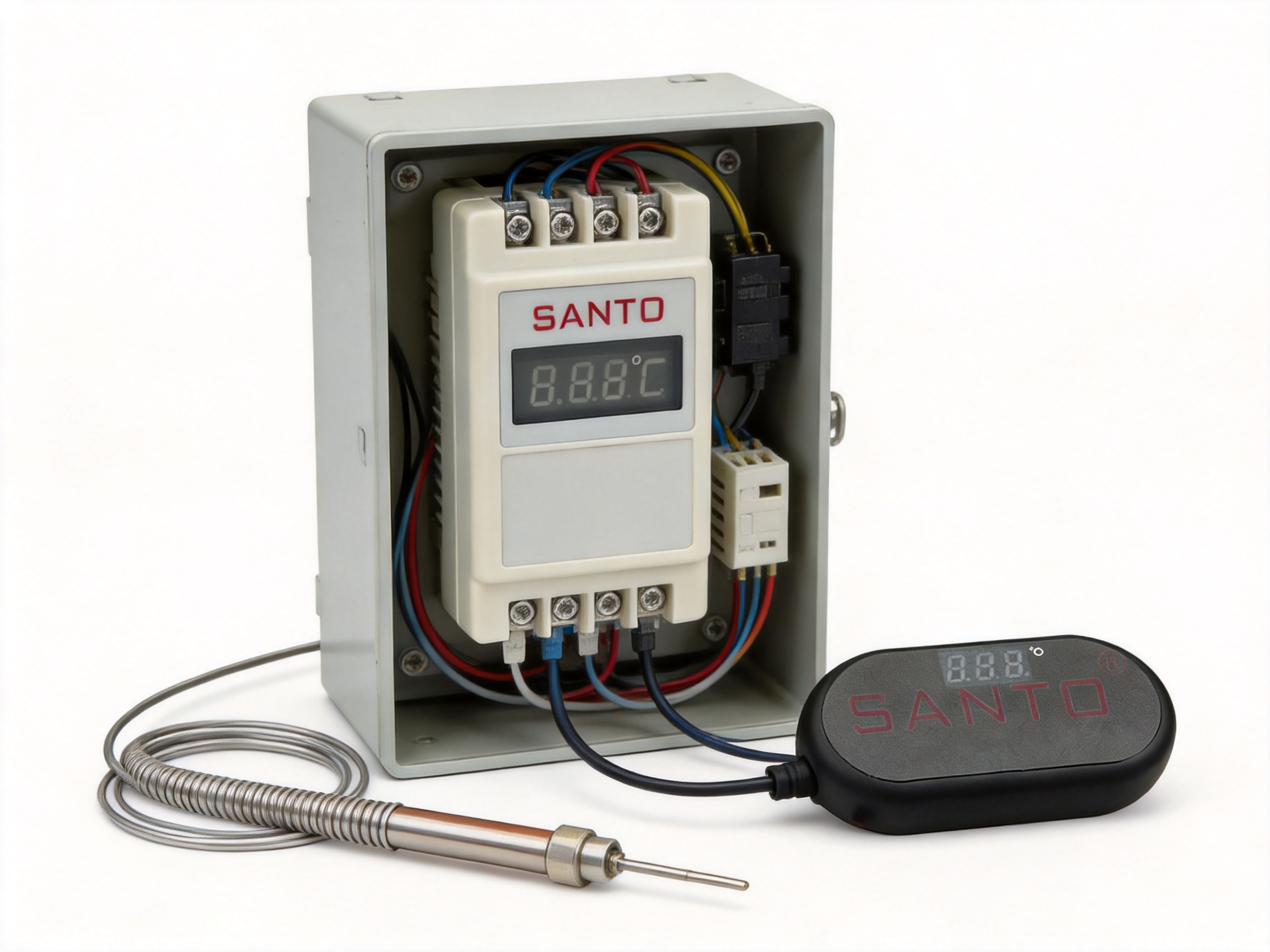
The first competitive advantage is the compact structure. Many temperature controllers used in industrial heating projects are larger than necessary for small pipe or localized heating. When multiple controllers must be installed in one cabinet, size becomes a real cost factor. The 89 mm × 59 mm × 29 mm design supports high-density installation and allows engineers to design smaller panels or more convenient equipment layouts.
The second advantage is the wide voltage range. Controllers limited to a single voltage can create procurement risk. A 110 VAC model may not be usable in a 220 VAC project, and a 220 VAC model may require conversion in a 110 VAC environment. The 110 to 230 VAC working voltage helps reduce this issue. For export markets and multinational projects, one controller platform can serve broader requirements, simplifying stocking, replacement, and training.
The third advantage is practical application compatibility. Some controllers are designed only for laboratory equipment, household appliances, refrigeration, or general temperature monitoring. This controller is positioned for electric heating use, especially universal heaters and small pipe heaters. When supplied by a company deeply involved in heating cables, heat tracing belts, silicone rubber heating systems, MI cables, snow melting cables, tubing bundles, and accessories, the controller benefits from real application knowledge rather than being treated as an isolated electronic part.
The fourth advantage is integration with a complete heating product ecosystem. Santo Thermal Control Technology Co., Ltd. manufactures and develops a wide range of electric heating products, including self-limiting electric heating belts, constant-power electric heating belts, glass fiber electric heating belts, mineral insulated cables, silicone rubber electric heating strips, snow melting cables, and related accessories. This broad product background allows the controller to be considered as part of a full system. Competitors that only sell standalone controllers may not fully understand the interaction between heater type, pipe insulation, ambient temperature, power density, and control requirements.
The fifth advantage is manufacturing experience. With more than 35 years of industry experience, the company has accumulated practical knowledge from petroleum, chemical, gas, construction, solar energy, electric heating, geothermal cultivation, and other sectors. A digital controller produced within this environment is supported by long-term field experience in heating applications. This is different from purchasing a generic controller from a supplier with limited knowledge of heat tracing.
The sixth advantage is quality management and certification culture. The company has passed ISO9001 quality system certification, and its products have obtained national CCC certification. It has also obtained explosion-proof certification and EAC Eurasian Union certification for relevant products. These achievements indicate a manufacturing culture focused on quality processes, documentation, testing, and compliance. For buyers, this background is important because a controller is often installed inside a larger system where reliability and traceability matter.
The seventh advantage is customization potential. As an OEM heating cable manufacturer and ODM heating cable factory, the company is familiar with custom export production. Customers often need heating solutions adapted to pipe sizes, voltage standards, installation practices, environmental conditions, and project documentation requirements. A controller supplied in this ecosystem can be coordinated with heating cables, mats, bundles, and accessories to provide a more complete project solution.
Heat tracing systems are used to maintain or raise the temperature of pipes, tanks, instruments, valves, and surfaces. The heating element may be self-limiting cable, constant-power cable, silicone rubber heater, glass fiber heating strip, mineral insulated cable, or another electric heater. The controller determines when the heating element should energize according to temperature feedback or setpoint logic.
In small pipe heating, the controller is particularly useful because small pipes lose heat quickly and may be sensitive to overheating. A pipe carrying water, process fluid, chemical solution, or gas may require stable temperature to prevent freezing, condensation, crystallization, or viscosity problems. By using a digital controller, the heater can respond more intelligently to actual conditions.
For antifreeze protection, the controller can be set to activate heating when temperature approaches the risk zone and deactivate when safe temperature is restored. This reduces power consumption compared with continuous operation. In large facilities with many small pipe lines, energy savings can become substantial over a heating season.
For temperature maintenance, the controller supports consistent operation in systems where fluid properties are temperature-dependent. Certain materials become too viscous when cold, while others may precipitate, separate, or react differently. Controlled electric heat tracing helps maintain process reliability.
For equipment protection, small heaters may be used inside cabinets, instrument enclosures, control panels, and utility boxes. The digital controller helps prevent moisture condensation, freezing, or low-temperature equipment malfunction. Its compact size makes it suitable for these confined spaces.
For underfloor heating mats, the controller can support temperature regulation where stable comfort or surface temperature is required. While the specific design must match system load and safety requirements, digital control is essential to prevent unnecessary heating and maintain predictable thermal performance.
For snow and ice melting systems, control logic is also important. Heating surfaces continuously during cold weather is costly. Controllers, sensors, and proper system design allow energy to be used when conditions demand it. In larger systems, advanced control strategies may be combined with environmental sensors, but even simple digital temperature control can improve efficiency compared with manual switching.
For tubing bundles, which are commonly used to protect small process tubes, analyzer lines, or sample lines, temperature control can be critical. A compact controller can help maintain the bundle temperature within a target range while supporting modular installation.
The semiconductor industry places high demands on process stability, cleanliness, repeatability, and equipment uptime. Heating may be required not only in core processing tools but also in supporting utility systems. Small pipe heaters and localized heating solutions can be used to prevent condensation, maintain chemical temperatures, protect sensitive lines, or stabilize delivery conditions.
In semiconductor facilities, space is often limited. Equipment rooms, sub-fabs, gas cabinets, wet process areas, and utility skids require compact components that can be integrated without disrupting system layout. The small dimensions of this digital temperature controller make it practical for such installations.
Voltage flexibility is also valuable in semiconductor projects because equipment may be sourced globally. A controller that accepts 110 to 230 VAC simplifies adaptation across regions and reduces the number of spare part types needed. This is especially helpful for equipment builders and facility maintenance teams managing international standards.
Digital control improves repeatability. When heating is controlled manually, operator differences and environmental variation may affect thermal stability. A digital controller provides a consistent setpoint-based method, supporting more reliable operation. In high-value manufacturing environments, even small improvements in stability can contribute to reduced downtime and better process confidence.
The controller’s role in semiconductor-related systems should be understood as part of a complete design. Proper sensor selection, wiring, heater sizing, insulation, grounding, and safety protection remain essential. However, a compact and reliable controller is a foundational element for building that complete system.
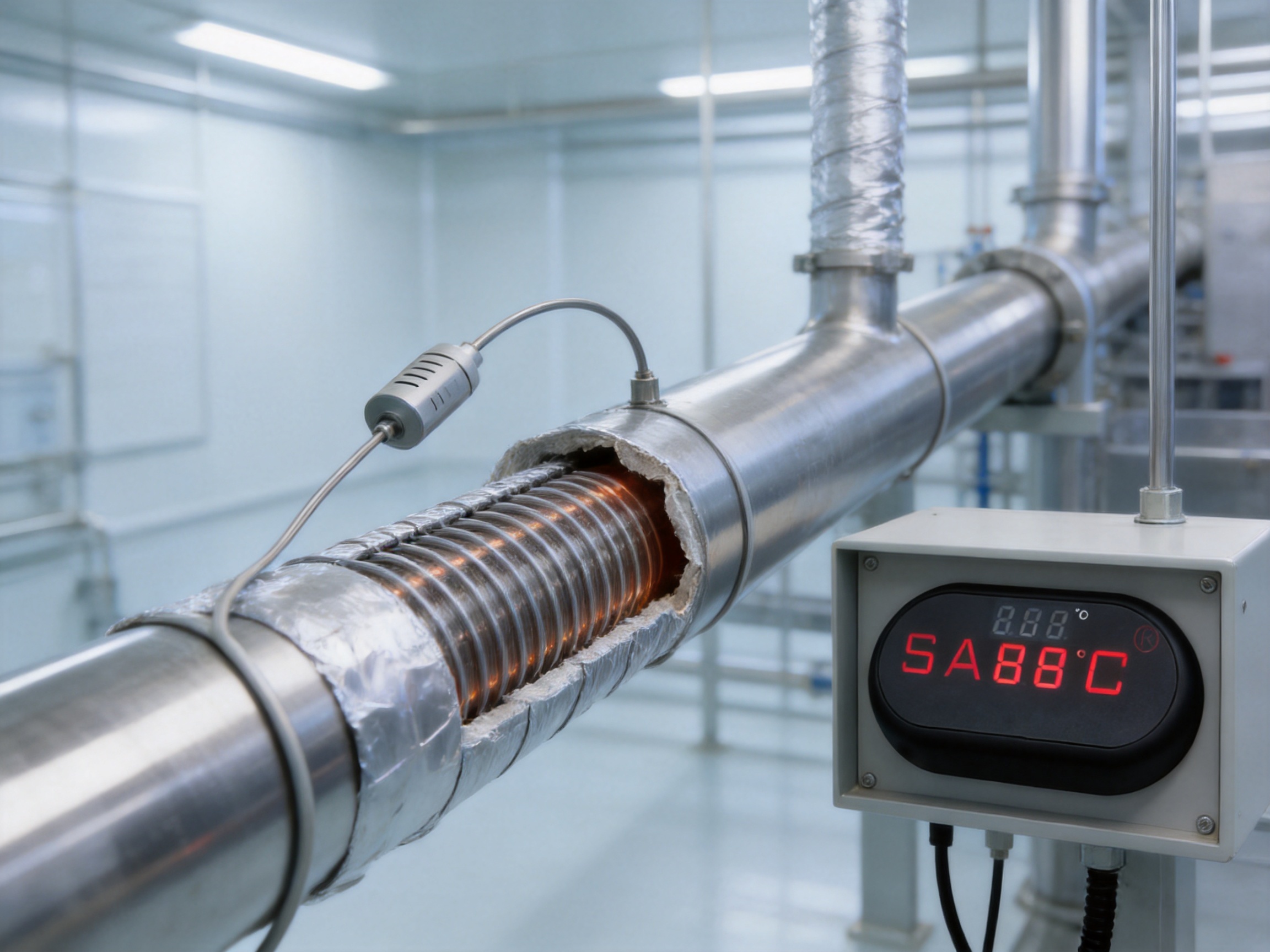
A reliable digital temperature controller requires more than assembling electronic parts into a plastic housing. It requires a controlled manufacturing process that begins with application understanding and continues through design review, component selection, production, inspection, calibration, and packaging. Santo Thermal Control Technology Co., Ltd. brings deep electric heating manufacturing experience to this process.
The company is located in Jiangsu Province, an important region for China’s electric heating belt industry. Its long history began with electric heating instrument production and expanded into modern thermal control technology. Over time, the company developed capabilities in self-limiting electric heating belts, constant-power heating belts, glass fiber heating belts, silicone rubber heating systems, MI cables, snow melting cables, LCD tracked heaters, and accessories. This product range supports manufacturing knowledge across electrical, thermal, mechanical, and insulation disciplines.
The manufacturing process begins with requirement analysis. Engineers consider how the controller will be used with heaters, cables, and pipe systems. They evaluate voltage range, installation temperature, enclosure needs, wiring convenience, service environment, and user operation. This heating-system perspective is important because controllers used for thermal applications must be designed for switching loads, long operating periods, and field installation conditions.
Next comes component selection. Electronic control products depend heavily on the quality and consistency of internal components. Stable circuit components, reliable terminals, suitable housing materials, clear displays or indicators, and durable switching elements all affect long-term performance. A manufacturer with established quality management evaluates suppliers, incoming materials, and batch consistency to reduce field failure risk.
Production then follows controlled assembly procedures. Proper circuit board assembly, soldering quality, enclosure fitting, wiring terminal alignment, and functional testing are essential. Even a compact product must maintain electrical integrity. Good manufacturing practice reduces problems such as loose connections, overheating contact points, unstable readings, or early component failure.
Calibration and functional testing are especially important for temperature control products. The controller must respond correctly to temperature input and output control according to its design. Testing can include power-on checks, voltage compatibility verification, switching response inspection, setpoint function checks, and environmental observation. For heating applications, reliability under repeated switching conditions is important.
The company’s investment in product simulation testing capability supports better product development. In thermal control, laboratory simulation allows engineers to study operating behavior before products reach the field. Pipe heating, environmental temperature changes, insulation effects, power density, and controller response can be evaluated more effectively when a manufacturer has dedicated testing resources.
Quality documentation and traceability also matter. ISO9001 certification indicates that the company follows a structured quality management system. In practical terms, this supports more consistent production, better record keeping, corrective action procedures, and supplier management. Customers buying controllers for industrial projects often care about documentation because it reduces risk in procurement and installation.
Packaging and export readiness are the final steps. A compact controller must be protected during transport so terminals, housing, and electronic components remain intact. Clear labeling, model identification, and coordinated accessory supply help distributors and installers use the product correctly.
Santo Thermal Control Technology Co., Ltd. has more than three decades of experience in the electric heating industry. The company integrates research, development, manufacturing, and sales, which allows it to respond to customer requirements more directly than a trading-only supplier. Its products are used in petroleum, chemical, gas, construction, solar energy, electric heating, geothermal cultivation, antifreeze, deicing, heat tracing, and insulation applications.
The company’s broad product family gives it a system-level understanding of temperature control. It does not only manufacture controllers. It produces the heating cables, strips, mats, bundles, and accessories that controllers are used with. This matters because successful heating projects depend on component compatibility. Heater output, insulation thickness, pipe material, ambient temperature, control location, and sensor placement all influence final performance.
The company has strengthened new product development, technology guidance, scientific management, product quality, and after-sales service. This combination is important for industrial buyers. A customer may need not only a controller but also guidance on heater selection, cable type, installation method, and replacement planning. The ability to provide broader technical support improves project success.
The company’s development history reflects continuous innovation. It established an irradiation center, developed advanced self-limiting temperature heating technologies, built the SANTO brand, obtained important certifications, developed patented carbon fiber parallel heating cable technology, and continued expanding manufacturing capacity. The company also purchased additional land to build a new factory and product simulation testing laboratory, demonstrating long-term investment in production scale and technical validation.
The business scale is also meaningful. With more than 35 years of industry experience, annual output exceeding 10,000 units or product sets, more than 2,000 distributors, and business presence in more than 85 areas, the company has practical experience serving different markets. International customers benefit from a supplier familiar with export sale, OEM cooperation, ODM development, and varied application standards.
For the digital temperature controller, these strengths translate into more than brand reputation. They mean the product can be supplied as part of a complete heating solution. Customers can combine the controller with electric heating cables, snow melting systems, underfloor heating mats, tubing bundles, accessories, and silicone rubber heating systems. This reduces the difficulty of sourcing components from unrelated suppliers.
Energy efficiency is one of the most direct benefits of digital temperature control. Electric heating can consume significant power if it operates continuously. In many applications, continuous heating is unnecessary. The controller helps the system operate according to real temperature demand, reducing wasted energy.
For small pipe heating, the savings may appear modest per pipe, but the total can be large when many lines are installed. Industrial facilities often have numerous branch pipes, sampling lines, instrument tubes, water lines, and utility connections. A compact controller can support zone-based control, allowing heat to be applied where needed instead of energizing an entire system without distinction.
Energy efficiency also reduces heat stress on the heating element and surrounding materials. Heating cables and heaters generally last longer when they are not driven unnecessarily. Insulation, pipe coatings, plastic components, and nearby equipment can also benefit from reduced exposure to excessive temperatures. This may lower maintenance cost over time.
Compared with a manual switch, a digital controller offers more consistent operation. A manual system depends on human attention. Operators may forget to turn heating off, activate it too late, or leave it on during mild conditions. Automated control reduces these risks.
Compared with oversized advanced controllers, this compact product can be more economical for simple and distributed heating points. Not every heating zone requires a complex programmable control system. For many small heaters and pipe protection tasks, a simple digital controller offers the right balance of control, cost, and practicality.
Correct installation is essential for any temperature controller. The controller should be installed within its specified installation temperature range of 0 to 60 ℃. It should be placed in a protected location where it is not exposed to conditions beyond its design limits. For outdoor or harsh industrial use, an appropriate enclosure should be selected according to project requirements.
The working voltage must be within 110 to 230 VAC. Wiring should be performed by qualified personnel according to local electrical codes and the heating system design. Proper grounding, overcurrent protection, insulation resistance testing, and circuit labeling are important for safe operation.
Sensor placement strongly affects temperature control results. If a temperature sensor is placed too far from the heated surface, the controller may respond slowly or inaccurately. For pipe heating, the sensor is commonly positioned to represent the pipe or process temperature rather than the ambient air alone, depending on the control purpose. It should be secured properly and insulated as required by the application.
The heating load must match the controller’s output capability and system design. If the heater load is too large, additional contactors or relays may be required. In professional heat tracing systems, the controller may act as the control signal device while power switching is handled by appropriately rated components. This is especially relevant in larger installations.
Insulation is also critical. A well-controlled heater cannot compensate for poor insulation design. Pipe insulation thickness, weatherproofing, moisture barriers, and mechanical protection affect heating efficiency and temperature stability. The controller helps regulate heat, but the thermal design must be correct.
Maintenance should include periodic inspection of wiring terminals, sensor condition, controller display or indicators, enclosure seals, and heating performance. In industrial environments, vibration, dust, moisture, and temperature cycling can affect electrical equipment over time. Preventive maintenance improves reliability.
The digital temperature controller can be used as part of several electric heating product categories. In electrically heated tracing cable systems, it provides switching control for maintaining pipe or surface temperature. In skin-effect heating tracing systems, temperature control may be part of larger system architecture, especially where long pipelines require coordinated operation. In snow and ice melting skin-effect systems, control supports energy-conscious operation during freezing conditions.
In underfloor heating mat applications, digital control helps maintain comfortable or required surface temperatures. In tubing bundles, the controller can help maintain analyzer or sample line conditions. In silicone rubber heating systems, it supports localized surface heating where flexible heaters are used on tanks, pipes, plates, or equipment. In accessory systems, the controller becomes one of the essential control components used alongside sensors, junction boxes, power terminals, and insulation materials.
This cross-category usefulness is valuable for distributors and contractors. Instead of sourcing separate control products for every heating category, they can standardize on a compact controller for many smaller applications. Standardization simplifies training, spare parts management, documentation, and field troubleshooting.
The design philosophy behind the controller can be summarized in three ideas: compactness, practicality, and system orientation. Compactness is visible in the physical dimensions. Practicality is reflected in the wide voltage range and suitability for universal heaters and small pipe heaters. System orientation comes from the manufacturer’s background in electric heating solutions.
A controller for heating applications should not be designed only from an electronics viewpoint. It should be designed with knowledge of how heaters behave under insulation, how pipes lose heat, how field wiring is installed, and how maintenance teams operate systems. This product benefits from being part of a heating technology company rather than a general-purpose electronics catalog.
In competitive markets, many products appear similar on the surface. The difference often lies in whether the supplier understands the application deeply. A controller used in heat tracing is not merely a small electronic box. It is a decision point in the thermal system. It determines when electricity becomes heat, when energy is conserved, and how stable the protected process remains.
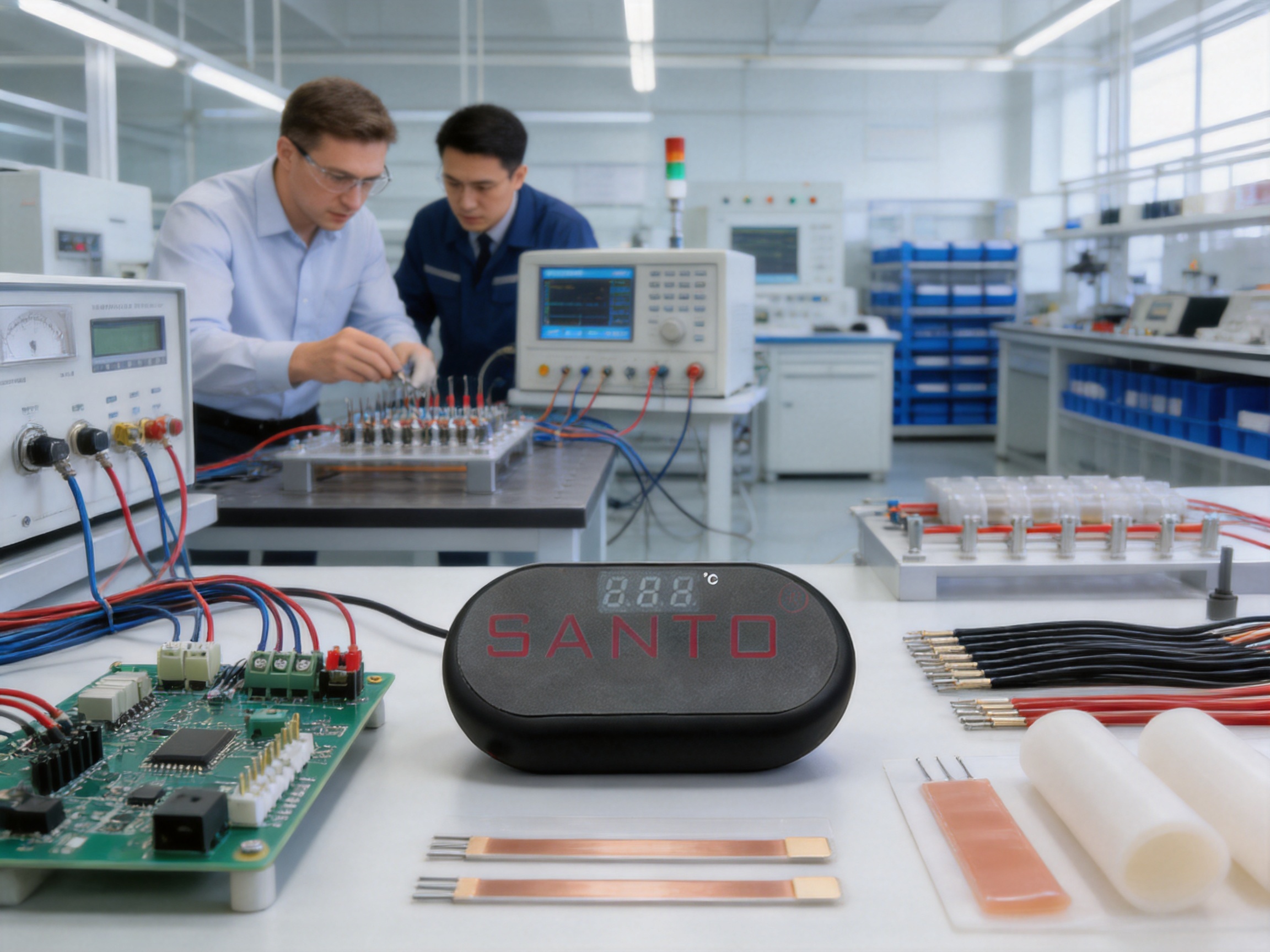
Long-term value depends on reliability, compatibility, ease of installation, and support. The digital temperature controller supports these values by offering compact dimensions, broad voltage compatibility, and relevance to multiple heating applications. When combined with appropriate heating cables, mats, tubing bundles, or silicone rubber heaters, it helps create a controlled and efficient heating solution.
Safety depends on proper system engineering. A controller should be selected and installed according to electrical load, environmental conditions, and applicable standards. The manufacturer’s quality management background and experience in certified heating products provide confidence, but project-specific installation remains essential.
The company’s after-sales service and distributor network also contribute to long-term value. Customers need access to product information, replacement units, compatible accessories, and technical communication. A supplier with business in more than 85 areas and a large distributor base can support wider market demand than a small isolated producer.
For OEM and ODM customers, long-term value also includes customization cooperation. Heating cable manufacturers, equipment builders, and industrial contractors may need private-label supply, tailored specifications, documentation support, or combined heating packages. The company’s background in custom heating cable export sale makes it suitable for these cooperative models.
The main purpose is to regulate electric heating systems such as universal heaters and small pipe heaters. It helps control when the heater operates, supporting stable temperature maintenance, antifreeze protection, and energy-efficient heat tracing.
The controller measures 89 mm in length, 59 mm in width, and 29 mm in height. Its compact size makes it suitable for control boxes, equipment compartments, small heating assemblies, and space-limited installations.
It operates on 110 to 230 VAC. This wide working voltage range makes it useful for different regional electrical standards and simplifies inventory for export projects.
It is suitable for installation environments from 0 to 60 ℃. It should be installed in a protected location or suitable enclosure according to the operating environment and electrical safety requirements.
Small pipes can freeze quickly or experience rapid temperature changes. The controller allows the heater to operate according to temperature demand, helping prevent freezing while reducing unnecessary power consumption and overheating risk.
Yes, it can support localized heating and small pipe temperature management in semiconductor-related utility or support systems. Proper system design, sensor placement, and installation standards are required for each application.
A manual switch depends on operator action and may lead to heating being turned on too late or left on too long. A digital controller provides more consistent temperature-based operation, improving efficiency and reliability.
Its advantages include compact size, wide voltage compatibility, suitability for heat tracing and small heater applications, and support from a manufacturer experienced in complete electric heating systems rather than only standalone electronics.
Yes. It can be used in systems involving electric heating cables, silicone rubber heaters, underfloor heating mats, tubing bundles, and related accessories, depending on load ratings and project design.
A temperature controller must work within a real heating system. A manufacturer with long experience in heating cables, heat tracing, antifreeze, deicing, and thermal insulation applications can better understand customer requirements and system compatibility.
The digital temperature controller is a compact but important component for modern electric heating systems. With dimensions of 89 mm × 59 mm × 29 mm, a working voltage range of 110 to 230 VAC, and an installation temperature range of 0 to 60 ℃, it provides practical control for universal heaters, small pipe heaters, and related heat tracing applications.
Its value lies not only in its specifications but also in its system role. It helps improve energy efficiency, temperature stability, equipment protection, and operational convenience. Compared with many generic competing controllers, it offers a strong combination of compact design, wide voltage adaptability, heating-system compatibility, and support from an experienced electric heating manufacturer.
Santo Thermal Control Technology Co., Ltd. strengthens the product’s value through advanced manufacturing processes, quality management, product development capability, industry experience, and a broad electric heating product ecosystem. For customers seeking a controller for heat tracing, small pipe heating, semiconductor support systems, tubing bundles, silicone rubber heating, or compact thermal management, this digital temperature controller provides a reliable and practical foundation for controlled electric heating.
1. ISO 9001 Quality Management Systems: Requirements and Industrial Application Guidance.
2. Electric Heat Tracing Design Guide for Industrial Piping and Equipment.
3. Semiconductor Facility Utility Systems and Thermal Stability Practices.
4. Industrial Temperature Control Fundamentals for Electric Heating Systems.
5. Electrical Safety Principles for Low-Voltage Heating Control Equipment.
6. Heat Loss Calculation Methods for Insulated Pipes and Small Process Lines.
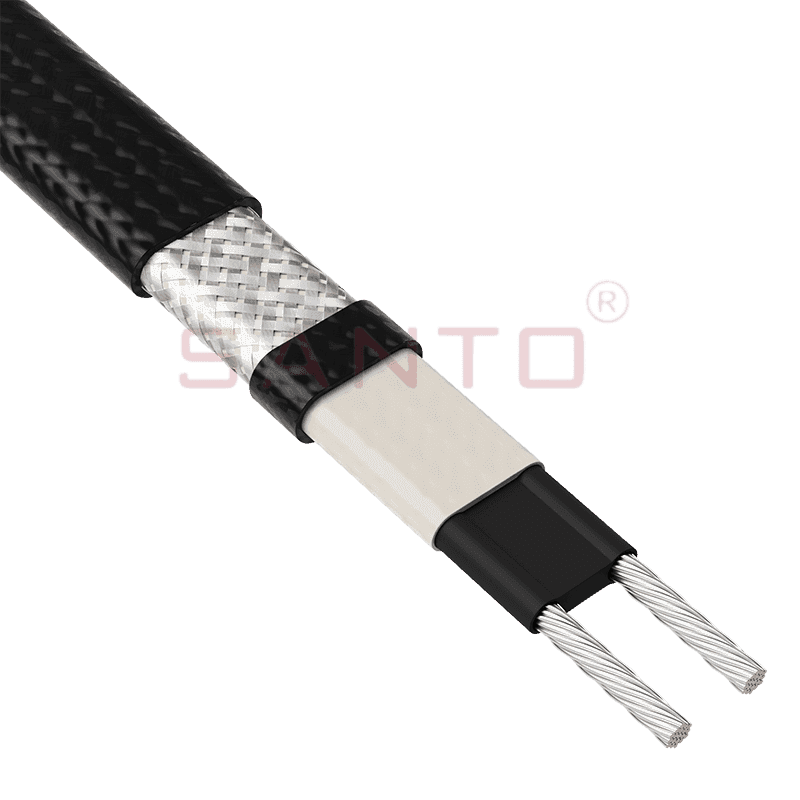
The SANTO UFA range of self-regulating heating cables is mainly used for frost protection of pipes and vessels but can also be used to maintain processes up to 65°C. These heating cables are available...
See Details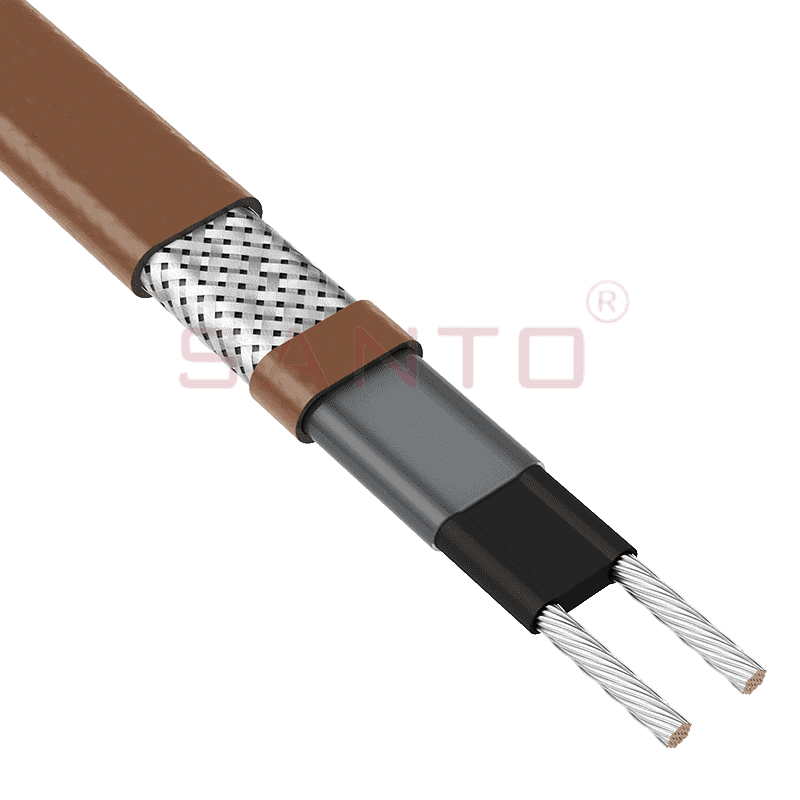
The SANTO UFB range of self-regulating heating cables is mainly used for frost protection of pipes and vessels requiring a higher power output than the UFA heating cables can supply. They can also be ...
See Details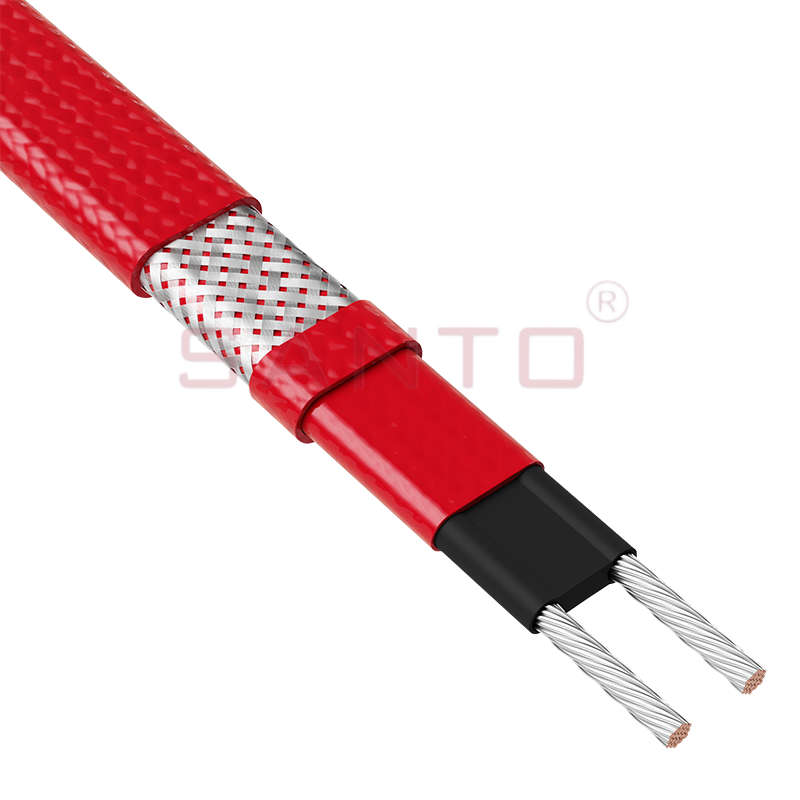
The SANTO UFC range of self-regulating heating cables is used for frost protection of pipes and vessels that require steam cleaning. They can also be used to maintain processes up to 121°C. These heat...
See Details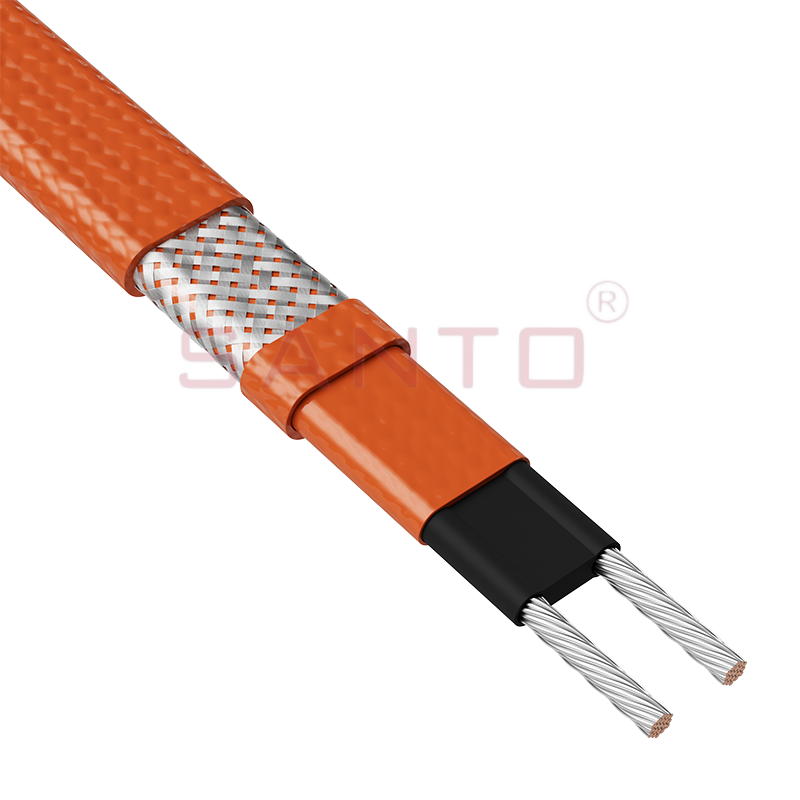
The SANTO UFO range of self-regulating heating cables is mainly used for frost protection of pipes and vessels that require steam cleaning . They can also be used to maintain processes up to 150°C. Th...
See Details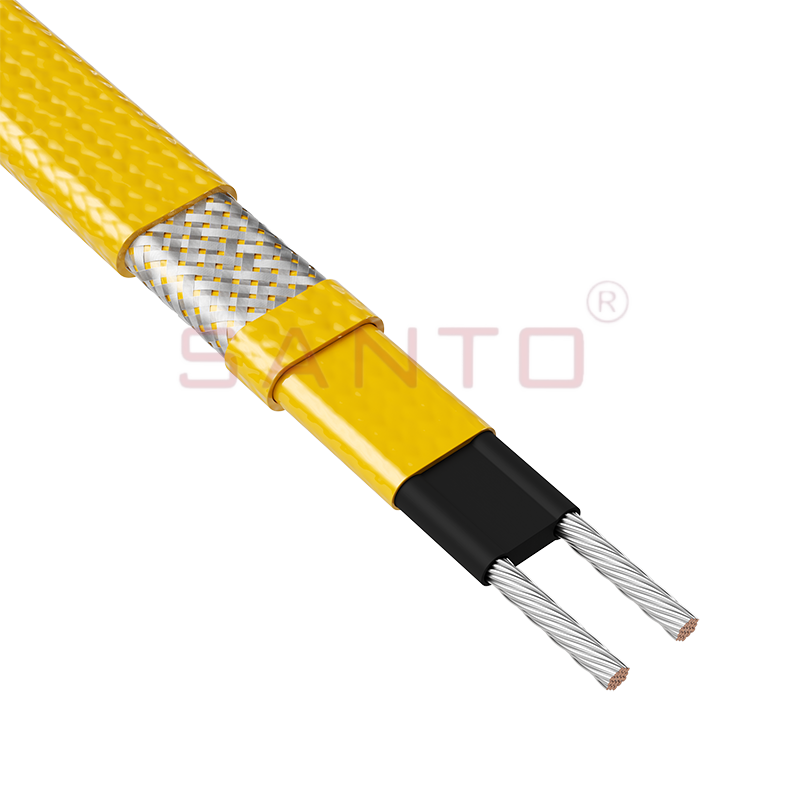
The SANTO UFD series of self-regulating heating cables are mainly used for freeze protection of pipes and vessels, but can also be used to maintain processes up to 200°C. These heating cables are avai...
See Details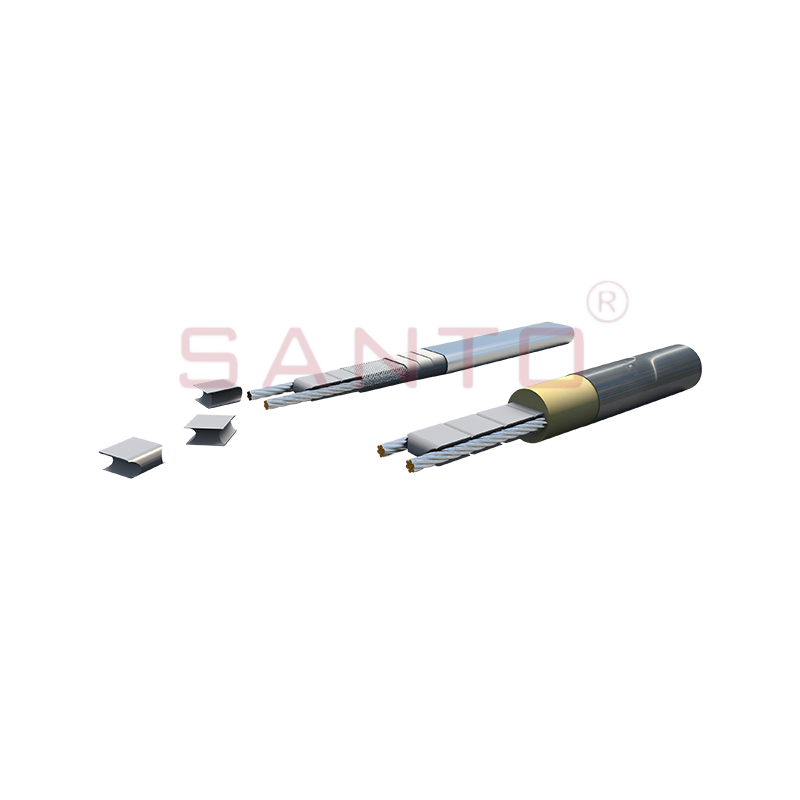
SANTO UFY heating wire is suitable for applications that maintain process temperatures up to 260 ℃ and can be steam blown; The self-regulating and parallel circuit heating wires of the UFY series are ...
See Details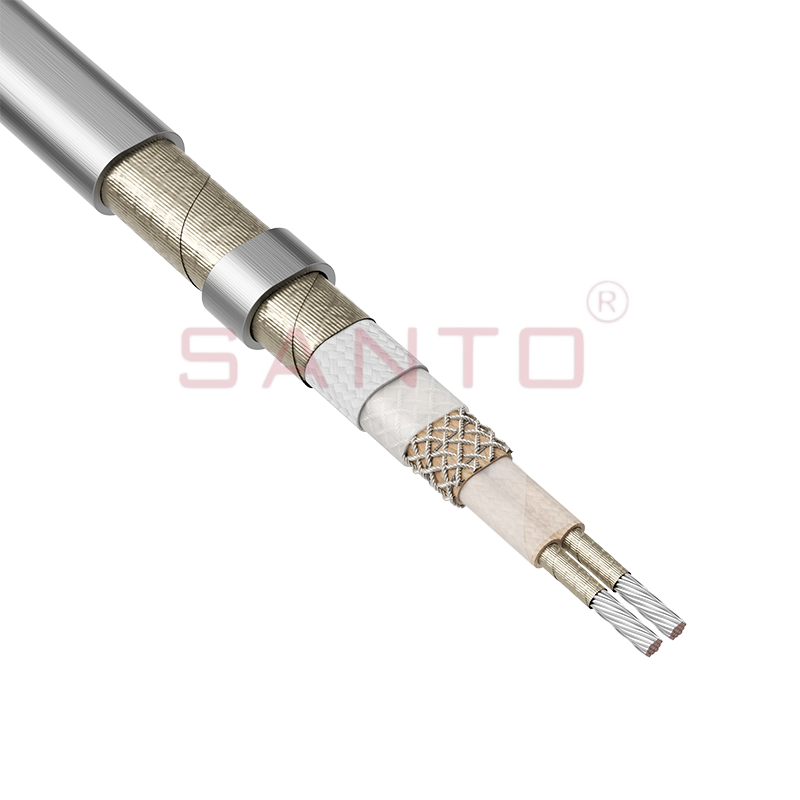
The SANTO UFM series self-regulating heating cables are mainly used for freeze protection of pipes and vessels, but can also be used to maintain processes up to 400°C. These heating cables are availab...
See Details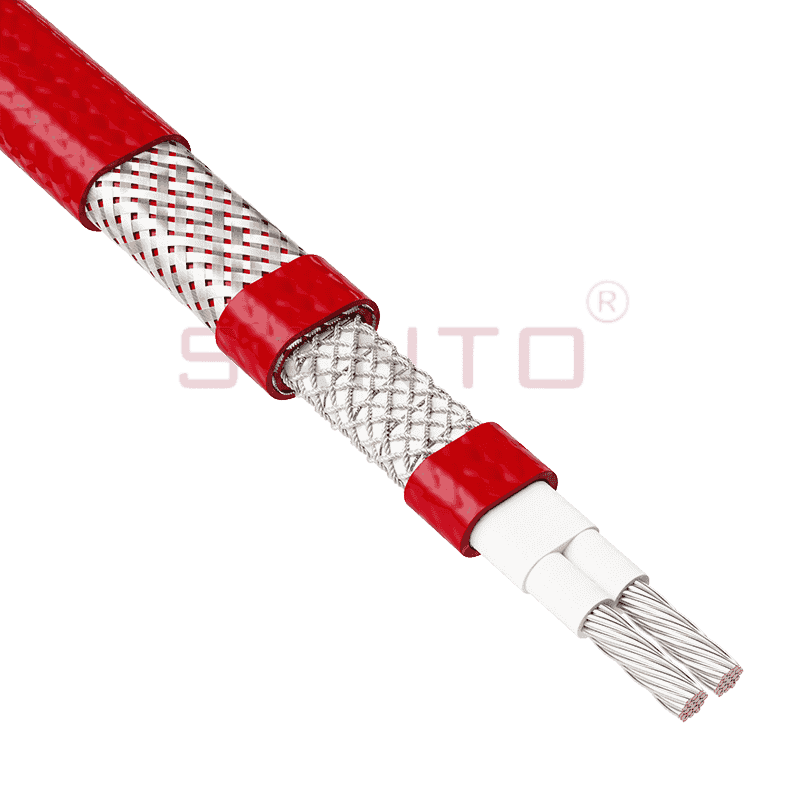
The SANTO ACC range of power-limiting heating cables is mainly used for temperature maintenance of processes and offers the advantage of a high power output at high temperatures which can reduce the n...
See Details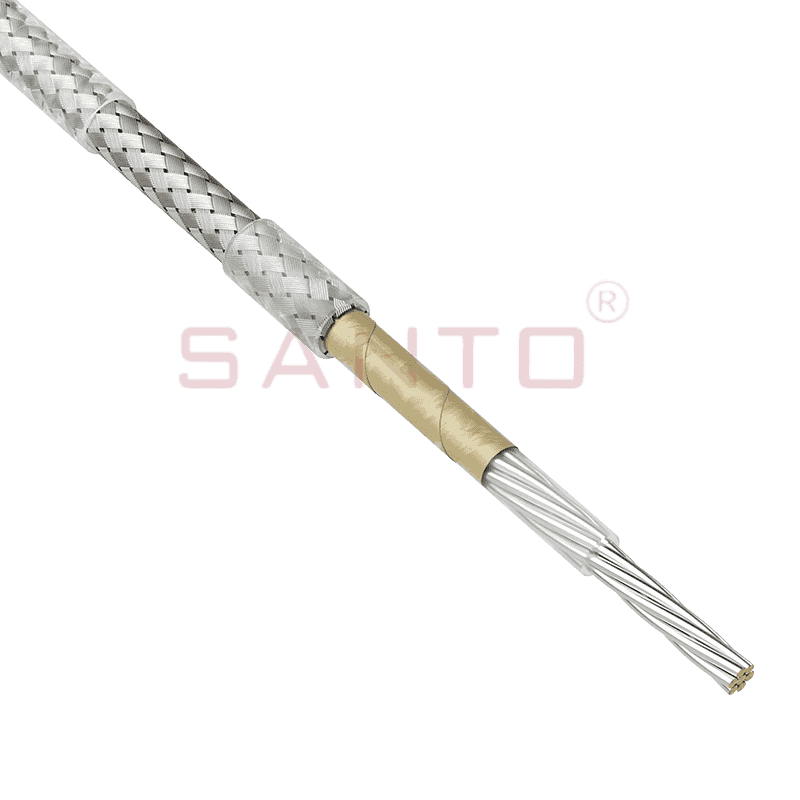
The stranded high temperature conductor is nickel plated to ensure a long life at elevated temperatures in corrosive environments. It is electrically isolated using an innovative sandwich construction...
See Details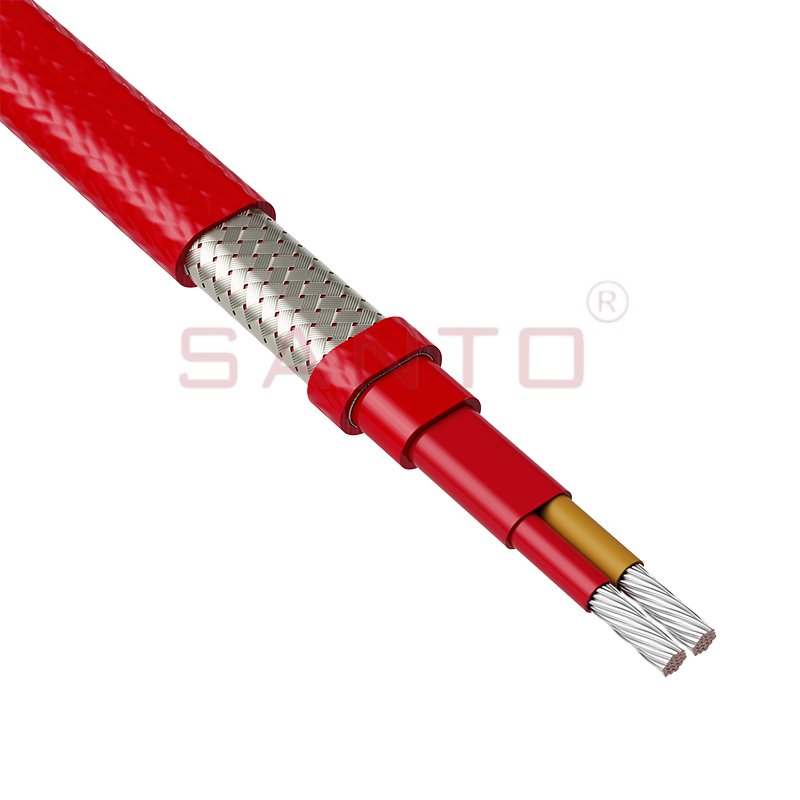
The stranded high temperature conductor is nickel plated to ensure a long life at elevated temperatures in corrosive environments. It is electrically isolated using an innovative sandwich construction...
See Details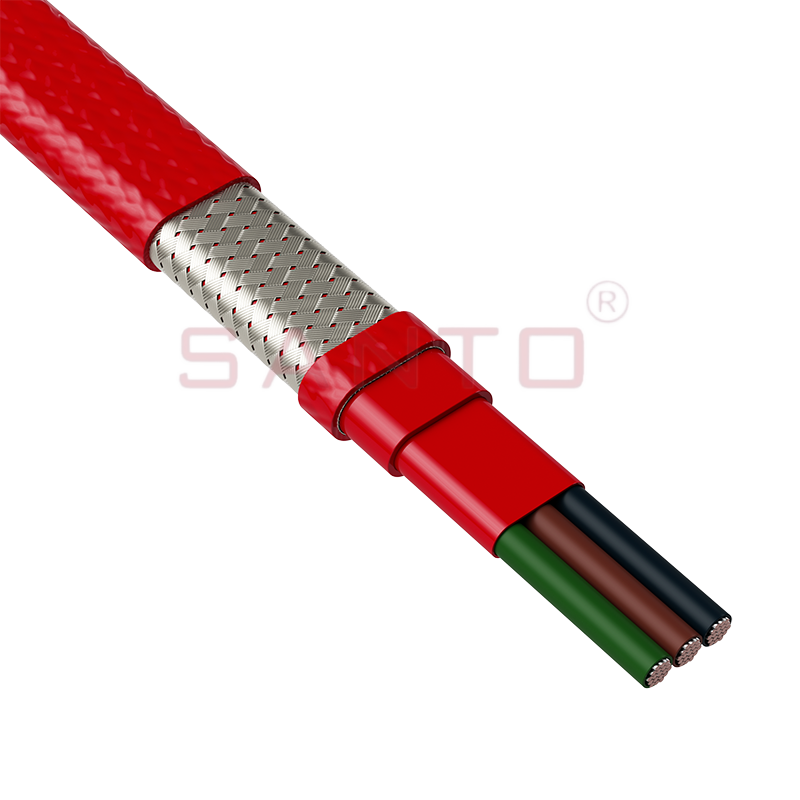
The stranded high temperature conductor is nickel plated to ensure a long life at elevated temperatures in corrosive environments. It is electrically isolated using an innovative sandwich construction...
See Details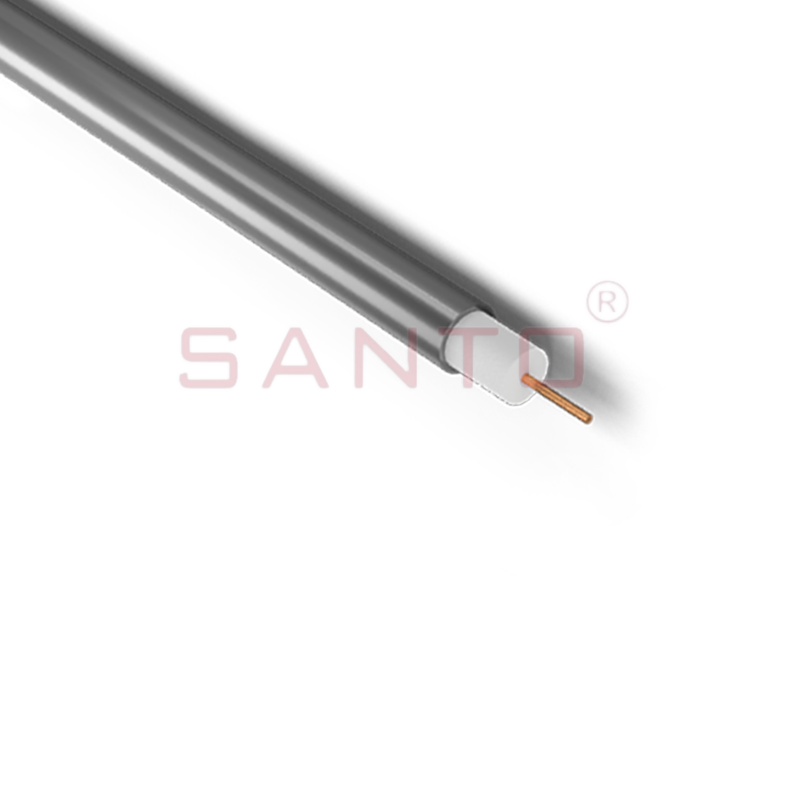
SANTO HAx mineral insulated (MI) Alloy 825 series heating cables are suitable for use in hazardous areas. They have been designed for use in freeze protection and temperature maintenance applications ...
See Details
Santo electric heating strips are widely used in key industries in China.

