 English
  English
 русский
 日本語
日本語 Español
 中文简体
中文简体

The SANTO UFA range of self-regulating heating cables is mainly used for frost protection of pipes and vessels but can also be used to maintain processes up to 65°C. These heating cables are available...
See Details
Medical equipment depends on controlled heat more often than many users realize. In anesthesia systems, patient-monitoring instruments, thermal imaging modules, and related diagnostic or treatment devices, a stable heating element can protect performance, improve operating reliability, and support safer clinical workflows. The thermal imager heater described here is a customizable thin electric heating product designed for the medical industry, especially for equipment that requires dependable, compact, and precisely adapted heating. With a thickness of at least 1.0 mm, a heating temperature capability up to 200 °C, a power density up to 3 W/cm², and insulation resistance of 1000 V at not less than 100 MΩ, it is engineered for demanding use where safety, durability, and consistent thermal output matter.
This product is not a generic heater pasted onto medical equipment as an afterthought. It is a purpose-built heating solution that can be configured according to the customer’s mechanical structure, thermal load, mounting method, electrical specification, and control requirement. Optional accessories include lead wires, adhesive layers, aluminum plates, thermally conductive materials, insulation materials, temperature controllers, sensors, and related components. This level of customization allows the heater to become part of a complete thermal-control assembly rather than merely a separate heating pad.
The manufacturer behind this product, Santo Thermal Control Technology Co., Ltd., has long experience in electric heating and thermal-control products, with a product range covering heating cables, silicone rubber heating systems, heat tracing systems, snow and ice melting systems, tubing bundles, underfloor heating mats, accessories, and related electric heating solutions. This background is important because medical heating components require not only clean design thinking, but also mature electrical heating knowledge, material selection experience, insulation technology, process control, and reliable production methods.
Content
The thermal imager heater is a flexible, customizable electric heater designed for applications such as anesthesia machines and medical thermal-control equipment. In a medical setting, heat may be needed to maintain component temperature, prevent condensation, stabilize a sensor environment, support measurement accuracy, or protect fluid and gas pathways from unwanted cooling. In anesthesia systems, stable temperature can be especially important because medical gases, sensors, valves, and display or imaging modules may be affected by changes in ambient temperature or moisture.
The product’s minimum thickness of 1.0 mm makes it suitable for equipment where space is limited. Medical devices often contain dense internal assemblies, and any additional component must fit without interfering with airflow, service access, or mechanical movement. A heater that is too bulky can create design problems. A flexible heater with a thin profile is easier to integrate into curved surfaces, metal plates, covers, modules, or localized heating zones.
The maximum heating temperature of 200 °C provides a wide operating margin. Although many medical applications operate far below this upper limit, designing with a heater capable of higher temperatures gives the engineer flexibility in power selection, warm-up speed, and application range. The product’s power density limit of 3 W/cm² also allows the heater to deliver concentrated heat in a compact area when necessary, while still being configurable for gentler heating in sensitive assemblies.
Insulation resistance is a key parameter for medical and industrial electrical heating devices. A rating of 1000 V with insulation resistance of at least 100 MΩ indicates attention to electrical isolation and dielectric reliability. In equipment that may be handled by clinicians, operated near patients, or connected to other sensitive instruments, insulation performance is not optional. It is one of the foundations of safe design.
Anesthesia equipment operates in a carefully controlled clinical environment, yet the machine itself may face varied conditions. Operating rooms can be cool. Gas flow can cause cooling effects. Moisture may form in certain pathways. Electronic modules may require a defined operating temperature to maintain stable readings. A heating element helps manage these challenges by adding controlled thermal energy exactly where it is needed.
For example, anesthesia systems may include components that monitor gas concentration, flow, pressure, humidity, or temperature. Some sensor assemblies can become less stable when exposed to cold surfaces or condensation. A localized heater can help reduce these risks by keeping the target area within a defined thermal range. When used properly with sensors and controllers, the heater supports repeatable equipment behavior.
Another common need is anti-condensation heating. In medical gas systems, humidity and temperature variation can lead to condensation on surfaces or inside specific modules. Condensation can interfere with optics, electronics, sensor accuracy, and mechanical parts. A heater installed behind or around the vulnerable zone can maintain a surface temperature above the dew point, improving reliability.
Thermal control also contributes to user experience. Medical professionals need equipment that powers up predictably, reaches operating condition quickly, and remains stable through long procedures. A customized heater can shorten warm-up time in selected modules, reduce temperature fluctuation, and help maintain internal balance even when environmental conditions change.
The product is defined by several important performance values. These values provide a foundation for design selection, but final configuration may vary according to the customer’s application requirements, safety standards, and testing needs.
| Parameter | Specification | Application Significance |
|---|---|---|
| Product type | Custom electric heater for medical equipment | Suitable for integration into anesthesia machines and related devices requiring controlled heat |
| Thickness | Minimum 1.0 mm | Supports compact installation in limited spaces and low-profile assemblies |
| Heating temperature | Up to 200 °C | Provides a broad design range for warm-up, anti-condensation, and component temperature management |
| Power density | Up to 3 W/cm² | Allows efficient heat delivery in localized or space-constrained areas |
| Insulation resistance | 1000 V, not less than 100 MΩ | Supports electrical safety, reliability, and insulation stability |
| Optional accessories | Lead wire, adhesive layer, aluminum plate, thermal conductivity material, insulation material, controller, sensor | Enables complete custom thermal assemblies for different equipment designs |
These specifications show that the heater is designed for more than simple warming. It is a configurable thermal-control element that can be matched with sensors, controllers, thermal interface materials, and mechanical supports. The result is a more integrated and predictable solution.
Many heating pads, films, or generic resistance heaters can generate heat, but medical equipment requires more than basic heat generation. The difference lies in customization, insulation reliability, uniformity, material stability, manufacturing discipline, and application engineering support. This thermal imager heater offers several advantages over ordinary competing products.
Medical equipment rarely offers a simple flat rectangular space. Internal surfaces may include curves, holes, mounting screws, wiring channels, sensors, air passages, or optical windows. A generic heater may need to be trimmed, folded, or forced into place, creating hot spots or mechanical stress. This product can be customized according to the customer’s actual installation layout, allowing the heating element to fit the available surface more accurately.
Custom shape design can improve contact area, reduce wasted heat, and simplify assembly. Cutouts may be designed around fasteners or connectors. Lead wire exit positions can be selected to avoid interference. Heating zones may be arranged to match areas with higher heat loss. This design flexibility gives equipment manufacturers greater control over performance and assembly efficiency.
With a thickness starting from 1.0 mm, the heater can be incorporated into compact medical modules without requiring major mechanical redesign. In comparison, bulky cartridge heaters, metal-clad heaters, or rigid heater plates may require extra brackets, mounting cavities, or larger housings. A thin flexible heater saves space and reduces weight, which is valuable in mobile anesthesia systems, diagnostic modules, and compact medical workstations.
A power density of up to 3 W/cm² makes the heater suitable for applications needing faster response or stronger localized heating. Competing low-power heating films may struggle to provide sufficient heat in cold conditions or high-loss assemblies. This product gives engineers room to design for quicker warm-up while still controlling final temperature through sensors and controllers.
The ability to heat up to 200 °C provides a generous performance envelope. Even if the normal operating point is much lower, the product’s thermal capacity indicates that the materials and construction are selected for demanding electrical heating conditions. This helps improve durability when the heater experiences repeated cycles, short-term heat demand, or elevated ambient temperatures.
Insulation resistance of at least 100 MΩ at 1000 V is a meaningful advantage in medical-related equipment. Electrical leakage, moisture absorption, or insulation degradation can create safety and reliability issues. A heater with high insulation resistance contributes to stable operation and supports further qualification by the equipment manufacturer.
Some competitors only supply a heating element and leave the customer to solve bonding, heat spreading, sensing, control, and insulation independently. This can increase development time and create compatibility issues. The thermal imager heater can be supplied with adhesive layers, aluminum plates, thermally conductive materials, insulation materials, sensors, and controllers. This integrated approach reduces sourcing complexity and helps create a more complete thermal subsystem.
The manufacturer’s broader experience in heating cables, silicone rubber heating systems, self-limiting heating products, MI cables, snow melting systems, and heat tracing solutions gives it a deep understanding of resistance heating, insulation, thermal transfer, and long-term operation. This experience supports better product design and more reliable process control compared with suppliers that only provide simple film heaters.
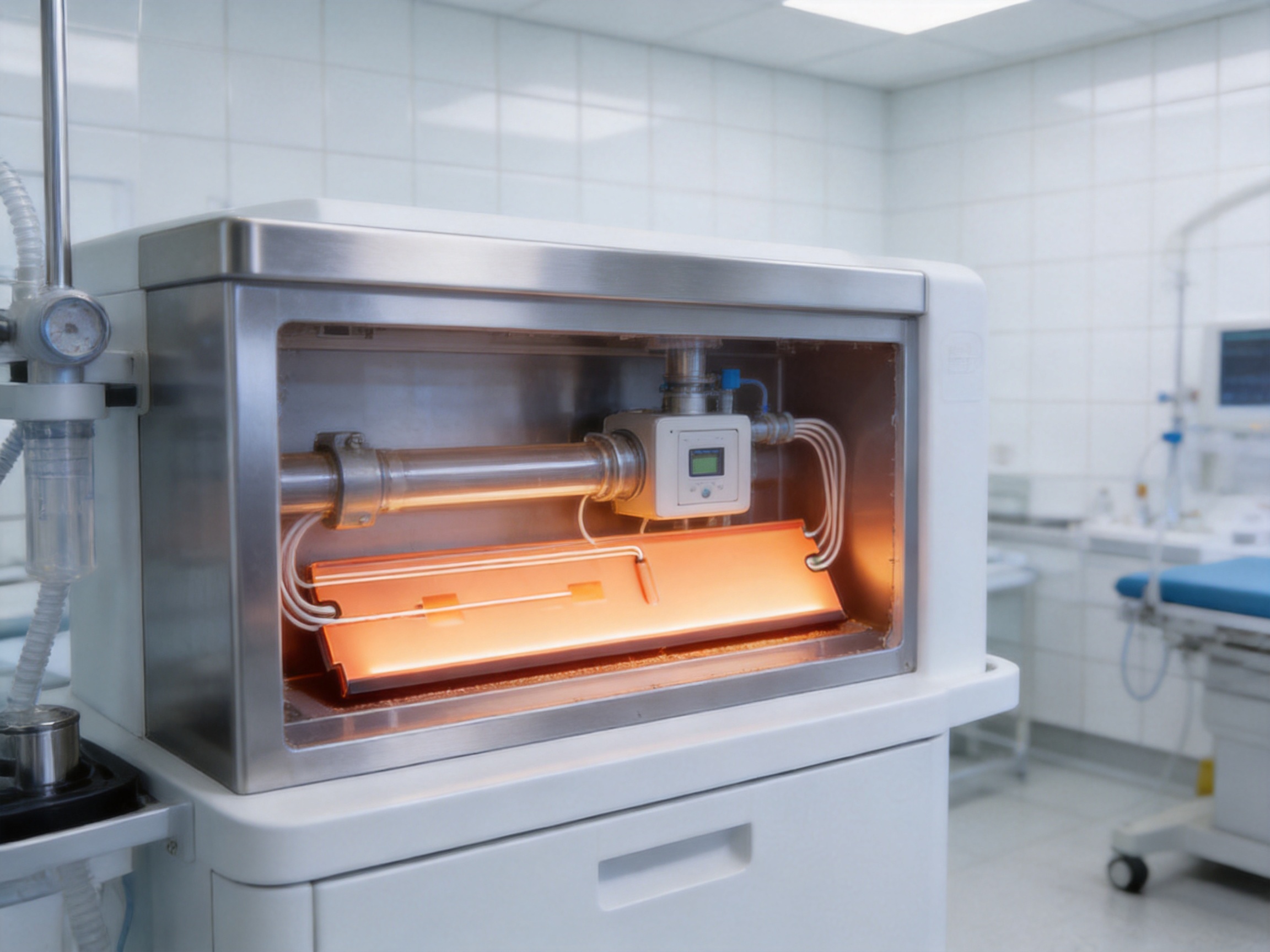
A high-quality medical heater depends on the correct combination of materials. The heating element, insulation layer, bonding system, lead wire, sensor, and heat-spreading components must work together under repeated temperature cycles. If one material fails, the entire heater assembly can become unreliable.
Flexible heaters commonly use resistance circuits embedded or laminated within insulating layers. For a medical heater, the circuit pattern must be designed to achieve the required resistance, power output, heat distribution, and connection strength. The conductor path should avoid excessive concentration of current, sharp transitions, or weak points that could create local overheating.
The insulating layer must provide dielectric strength, temperature resistance, mechanical flexibility, and environmental stability. In many custom heating applications, silicone rubber is widely valued because it can tolerate heat, remain flexible, resist moisture, and conform to surfaces. Silicone rubber heating systems are especially useful when the heater must be thin, flexible, and durable under repeated operation.
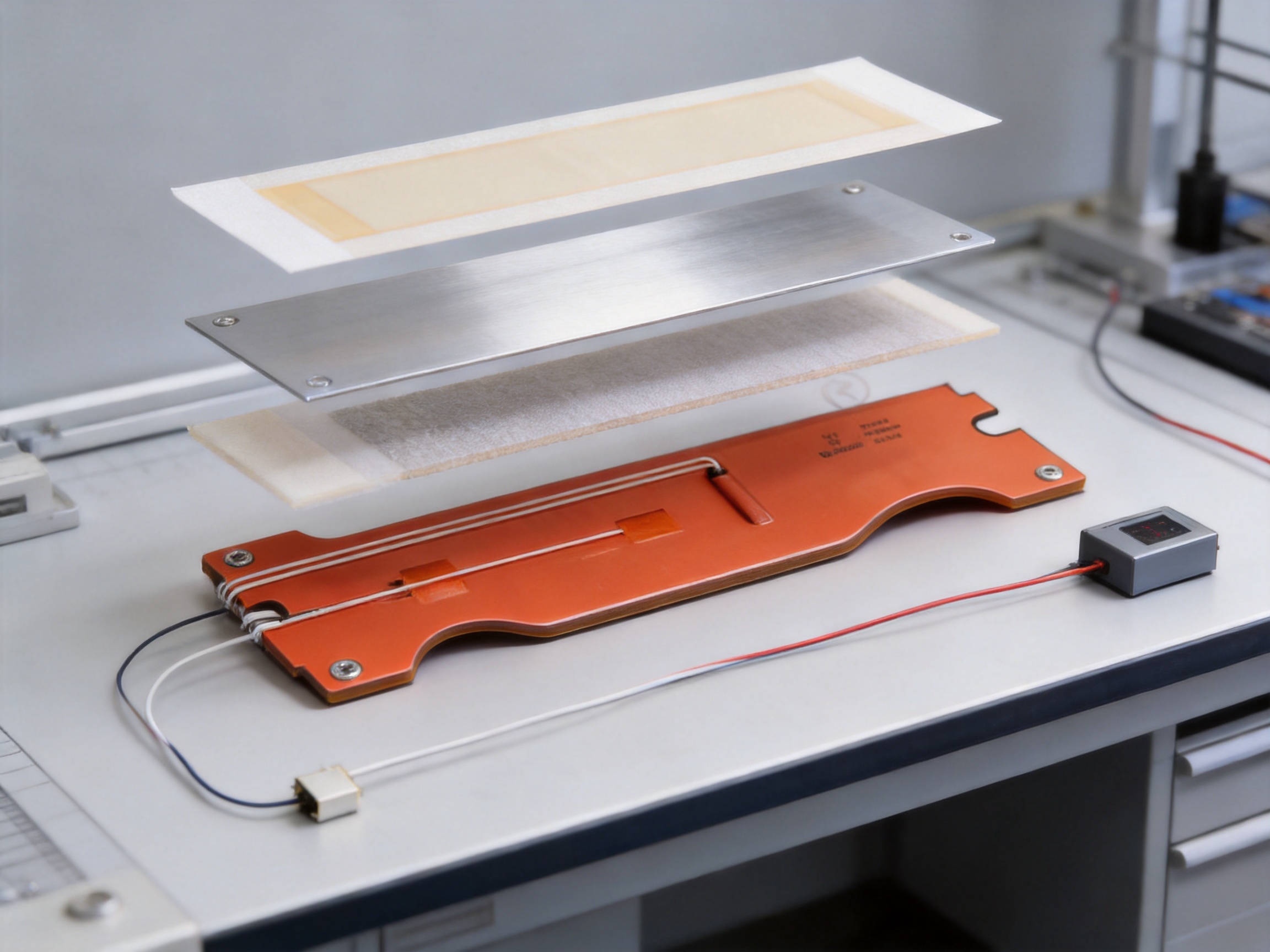
Thermally conductive materials may be added to improve heat transfer from the heater to the target surface. In some assemblies, an aluminum plate can serve as a heat spreader, reducing temperature gradients and improving uniformity. Insulation material may be placed behind the heater to direct heat toward the target and reduce energy loss. An adhesive layer can simplify installation and maintain intimate contact between the heater and equipment surface.
Lead wires are another important detail. In medical equipment, wiring must be routed safely, resist vibration, and maintain stable electrical contact. The lead wire position, length, insulation type, and connector style can be customized. Strain relief may be considered to protect the joint between the heating element and the wire.
A heater without control can only generate heat; a heater with sensing and control can deliver thermal stability. For anesthesia machines and medical devices, temperature control is essential. The product can be matched with sensors and temperature controllers according to the application. This allows the system to switch, regulate, or limit heat output.
Sensor placement is one of the most important design decisions. If the sensor is too far from the critical area, the controller may not accurately represent the target temperature. If it is too close to the heating trace, it may respond too quickly to heater surface temperature while the actual equipment component remains cooler. Engineering support can help determine the best sensor location based on the thermal mass, surface material, heat path, and operating environment.
Control methods may include simple thermostat control, electronic temperature controllers, feedback-based control, or integration into the customer’s existing equipment control board. The appropriate method depends on the medical device architecture and regulatory requirements. In all cases, the heater should be designed with safe operating limits and verified through testing.
By offering the heater together with optional controllers and sensors, the manufacturer helps customers develop a more coordinated thermal-control solution. This is a significant advantage over suppliers who deliver only a resistance element and provide little guidance on control design.
Advanced manufacturing is not only about machinery. It includes design review, material control, precision fabrication, electrical testing, process documentation, and final inspection. Santo Thermal Control Technology Co., Ltd. has built its business around electric heating products for industrial and specialized applications. The company’s manufacturing strengths include technical experience, broad product knowledge, quality-system awareness, and the ability to customize solutions.
The company has decades of industry experience and a history rooted in electric heating technology. It has developed and manufactured automatic temperature-control electric heating belts, self-limiting heating belts, constant-power heating belts, glass fiber heating belts, MI cables, and related electric heating products. This product family requires knowledge of conductor behavior, polymer materials, thermal cycling, insulation testing, and heat-transfer performance. That knowledge can be applied to custom medical heaters.
In production, precision is crucial. The resistance circuit must match the design value. The insulation layer must be uniform and free of defects. Lamination or molding processes must avoid air gaps, contamination, wrinkles, or weak bonding. Lead wire connections must be secure and repeatable. If an adhesive layer is included, its bonding properties must match the installation surface and operating temperature.
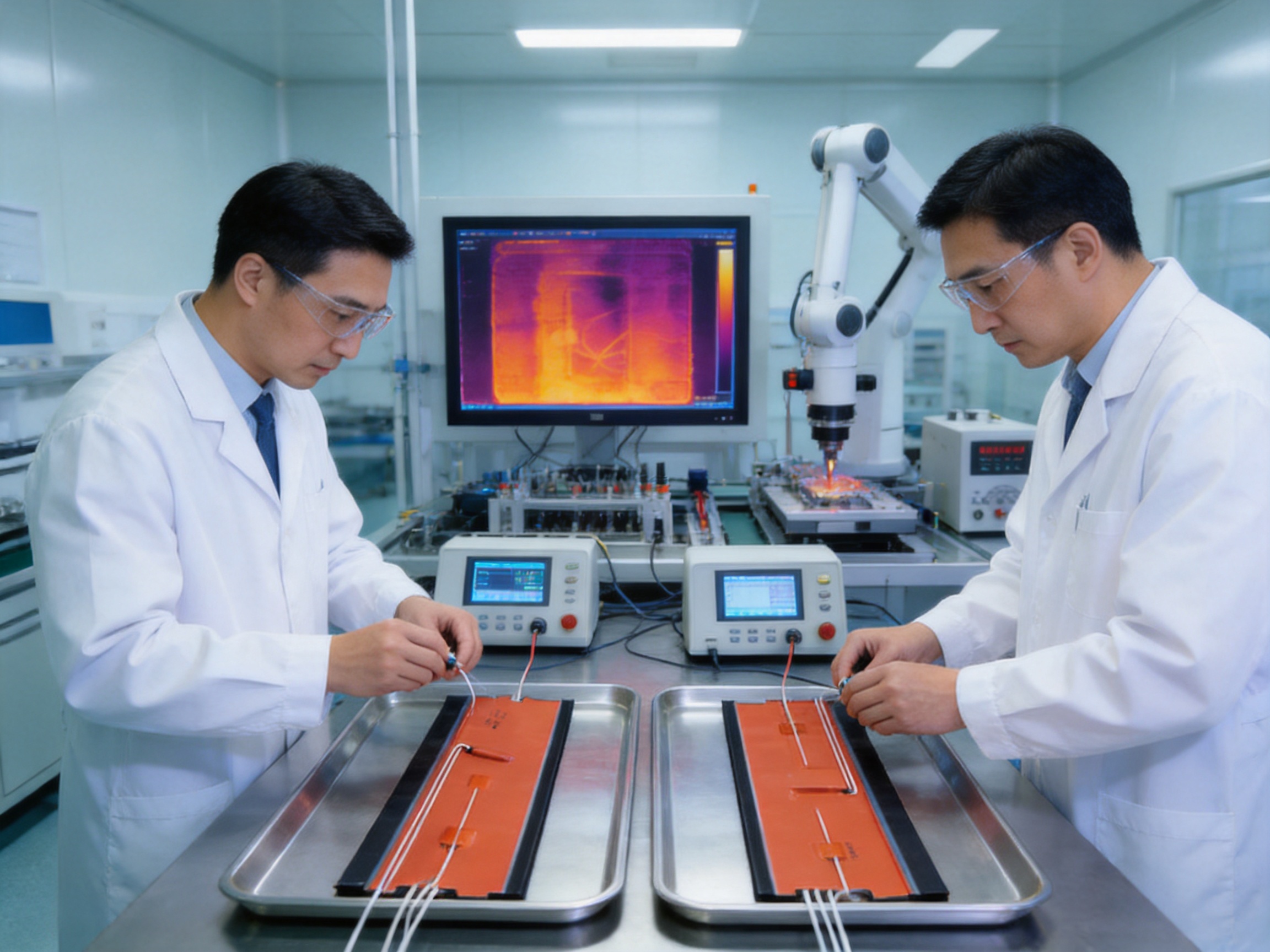
Testing is equally important. Electrical resistance testing confirms that the heater meets the required power specification. Insulation resistance testing verifies electrical isolation. Visual inspection checks dimensions, surface quality, wire connection, and marking. Thermal testing can verify heat-up behavior and temperature distribution when required. For medical equipment customers, documentation and traceability may also be requested to support internal quality control.
The strongest value of this product is customization. Different anesthesia machines and medical devices may require different shapes, voltages, wattages, mounting methods, cable lengths, temperature sensors, or heat-spreading structures. Instead of forcing the customer to adapt their device to a standard heater, the heater can be designed to fit the device.
Customization may include size and outline, thickness, power rating, voltage, resistance value, lead wire type, connector type, sensor type, adhesive backing, aluminum support plate, insulation backing, thermal interface material, temperature-control component, surface marking, and packaging. This allows the product to serve prototype development, pilot production, and mass manufacturing.
For example, an equipment manufacturer may need a heater that warms a specific chamber wall in an anesthesia machine. The available space may be narrow and curved, with screw holes and a wire channel nearby. A customized heater can be produced with a matching shape, an adhesive layer for installation, an aluminum plate for heat spreading, and a sensor positioned near the most critical area. This reduces assembly steps and improves performance consistency.
Another customer may require a heater for an optical or thermal imaging component. The priority may be anti-condensation and temperature stability rather than high heat output. In this case, the heater can be designed with moderate power density, uniform heat distribution, and a controller that maintains a narrow temperature range. This kind of targeted design is difficult to achieve with off-the-shelf heating pads.
The product is especially suitable for heating anesthesia machines, but its design principles can support several medical-industry applications. Medical equipment often includes sensitive components that benefit from controlled thermal conditions.
In anesthesia machines, the heater can help maintain local temperature in gas pathways, sensor modules, valves, humidified sections, or anti-condensation areas. By stabilizing these areas, the heater can support consistent equipment performance during procedures.
Thermal imagers and optical devices may be affected by condensation, temperature drift, or cold-start instability. A customized heater can help maintain the module environment, reduce fogging, and improve readiness.
Diagnostic devices may include reagents, sensors, microfluidic channels, or measurement chambers that require controlled warmth. A thin flexible heater can provide localized heating without occupying excessive space.
Gas and fluid systems may require anti-freezing, anti-condensation, or temperature maintenance. A heater designed with insulation and thermal conductive materials can keep target pathways within the desired range.
Beyond direct patient-care equipment, the heater may be useful in laboratory instruments, sample preparation devices, and clinical support systems where stable thermal conditions are needed.
When selecting a custom heater, engineers should begin with the thermal requirement. What surface or component needs to be heated? What is the desired operating temperature? What is the ambient temperature range? How fast must the device reach temperature? How much heat is lost through metal frames, airflow, gas movement, or surrounding materials? These questions determine power, heater size, insulation strategy, and control method.
Mechanical integration is the next step. The heater must fit the available space and should not interfere with maintenance, moving parts, seals, or airflow. If the heater is installed on a curved or irregular surface, flexibility and adhesive performance are important. If the target surface is metal, heat may spread quickly; if it is plastic, the design must avoid overheating.
Electrical design must consider voltage, current, wiring route, connector compatibility, insulation, grounding strategy, and protection systems. The heater should be matched with the device’s power supply and safety architecture. If the heater is controlled by the main device electronics, feedback signals and control logic must be validated.
Thermal safety is also essential. Engineers should define normal operating temperature, maximum allowable surface temperature, fault conditions, sensor failure response, and over-temperature protection. For medical applications, it is often wise to include redundant safety strategies, such as controller limits, thermal fuses, software monitoring, or physical insulation barriers.
The manufacturer’s customization capability helps address these considerations early in the design process. By discussing mechanical drawings, target temperature, installation surface, operating conditions, and control requirements, the supplier can recommend a heater structure that balances performance, safety, cost, and manufacturability.
Reliability in medical equipment is a result of both product design and production quality. Santo Thermal Control Technology Co., Ltd. has passed ISO9001 quality system certification, and its products have obtained national CCC certification in relevant product areas. While final medical-device compliance depends on the complete equipment and applicable standards, a supplier with quality-system experience can provide a stronger foundation for customer qualification.
Quality management helps ensure that materials are controlled, production processes are repeatable, and finished products are inspected according to defined requirements. For a heating element, small process variations can affect resistance, power output, insulation performance, or service life. A quality-focused manufacturer reduces these risks through standard procedures and inspection steps.
Reliability also depends on correct application. Even a well-made heater must be used within its rated limits. Proper mounting, controller selection, sensor placement, and thermal insulation all influence performance. Customers should validate the heater in the final equipment under expected operating conditions, including start-up, continuous operation, environmental changes, and fault scenarios.
Energy efficiency in a custom heater is not only about using less power. It is about delivering heat to the correct place with minimal waste. A thin heater mounted closely to the target surface can transfer heat more effectively than a distant heater or a hot-air system. When combined with adhesive layers, aluminum plates, thermally conductive materials, and insulation, the heater can achieve faster response and lower energy loss.
An insulation layer placed behind the heater can reduce heat dissipation into surrounding air or non-critical structures. A thermally conductive layer can improve contact with the target surface. An aluminum plate can distribute heat evenly across a wider area. These design options allow engineers to optimize the system instead of simply increasing wattage.
Compared with competitors that offer only fixed-size heaters, a customized solution can be more energy-efficient because its shape and wattage match the real heat demand. It avoids overheating areas that do not need heat and focuses energy where it creates value.
Medical equipment may be turned on and off repeatedly, used for long procedures, cleaned between uses, and transported between rooms. These conditions can expose internal heaters to repeated thermal cycles, vibration, and mechanical stress. The heater must maintain electrical and mechanical integrity over time.
Durability begins with material selection. The insulation must tolerate the designed temperature range. The heating conductor must resist fatigue and maintain stable resistance. The bonding between layers must remain strong under heating and cooling. Lead wire joints must be reinforced to prevent breakage. If an adhesive is used, it must continue to bond after repeated temperature changes.
Manufacturing process control also affects durability. Poor lamination, air pockets, contamination, or uneven thickness can create weak points. A professional electric heating manufacturer can reduce these defects through controlled processes and inspection.
For medical equipment manufacturers, sourcing a heater is not just a purchasing task. It is a design partnership. The heater must satisfy mechanical, electrical, thermal, production, and quality requirements. A supplier with customization capability can support the customer from early design through production.
During development, the customer may provide drawings, target temperatures, voltage requirements, installation conditions, and performance expectations. The supplier can recommend a heater layout, material stack, power density, sensor placement, and accessory package. Prototype samples can then be tested in the actual device. Based on test results, the design can be adjusted before mass production.
This development process reduces risk. Instead of discovering late-stage problems such as slow warm-up, uneven temperature, wire interference, or poor adhesion, the customer can refine the heater early. The result is a more reliable product and a smoother path to production.
Several heating methods can be used in equipment, including cartridge heaters, rigid plate heaters, hot-air heating, standard heating pads, and flexible custom heaters. Each method has advantages, but for compact medical equipment, the custom flexible heater often provides the best balance of size, control, and integration.
Cartridge heaters can provide high power but require holes or metal blocks for mounting. They are less suitable for thin surfaces or irregular shapes. Rigid plate heaters distribute heat well but may be too bulky or expensive for small medical modules. Hot-air heating can warm larger spaces but may be inefficient and difficult to localize. Generic heating pads are convenient but may not match the device geometry or thermal demand.
A custom flexible heater can be shaped to the device, mounted directly on the target surface, paired with sensors, and designed for the required wattage. This improves heat-transfer efficiency and simplifies the equipment structure. In many medical applications, these advantages outweigh the appeal of standard off-the-shelf parts.
The manufacturer’s long development history reflects continuous investment in electric heating technology. Beginning with electric heating instrument production and later expanding into irradiation processing, self-limiting heating technologies, carbon fiber parallel heating cables, explosion-proof products, and international market development, the company has built broad expertise in thermal-control systems.
Its business in many regions and its large distributor network indicate practical market experience. Products used in petroleum, chemical, gas, construction, solar energy, electric heating, geothermal cultivation, deicing, antifreeze, insulation, and industrial heat tracing must withstand demanding conditions. Lessons from these fields can strengthen the design and production of specialized medical heaters.
Medical equipment heating requires careful adaptation, but the fundamental technologies of insulation, resistance heating, temperature control, and heat transfer are shared across industries. A manufacturer with cross-industry experience can provide practical insights into material performance, electrical safety, environmental protection, and long-term reliability.
To obtain the best custom heater design, customers should prepare complete application information before requesting a sample or quotation. Useful information includes the target application, equipment model, installation surface material, heater shape and size, required voltage, desired power or temperature, ambient temperature range, operating time, sensor type, controller requirement, adhesive requirement, wire length, connector style, and any special safety or documentation needs.
If drawings are available, they should show holes, edges, cable routes, prohibited areas, and target heating zones. If the customer is unsure about wattage, the supplier can help estimate an initial design based on thermal conditions. Prototype testing is recommended to confirm heat-up time, steady-state temperature, uniformity, and safety margins.
For medical device development, communication between the heater supplier and the equipment engineering team is especially valuable. Early collaboration can prevent design conflicts and improve final product reliability.
It is mainly used for heating medical equipment such as anesthesia machines and related thermal-control modules. It can help maintain temperature, reduce condensation, support sensor stability, and improve equipment readiness.
Yes. The heater can be customized according to customer needs, including shape, size, power, voltage, wiring, adhesive layer, heat-spreading plate, insulation material, sensor, and temperature controller.
The heater has a thickness of at least 1.0 mm, making it suitable for compact medical equipment where installation space is limited.
The heating temperature can be designed up to 200 °C, depending on the application and control method.
The power density can be up to 3 W/cm². This value indicates how much heating power can be delivered per unit area. Higher power density can support faster warm-up or localized heating, but it must be matched with safe temperature control.
Insulation resistance reflects the electrical isolation quality of the heater. A specification of 1000 V and not less than 100 MΩ supports electrical reliability and helps reduce leakage risk.
Yes. Sensors can be integrated or supplied as accessories. Proper sensor selection and placement help achieve stable temperature control.
Yes. An adhesive layer can be provided to simplify installation and improve contact with the target surface. The adhesive should be selected according to temperature, surface material, and operating environment.
Compared with standard heating pads, this product offers better customization, stronger integration options, improved fit for medical equipment, optional heat-spreading and insulation materials, and support for sensors and controllers.
Customers should provide drawings, target temperature, voltage, power expectations, installation surface, operating environment, wire requirements, control method, and any special safety or quality requirements.
The custom flexible heater for medical anesthesia equipment is a compact and reliable thermal-control solution designed for applications where precision, safety, and integration matter. With a minimum thickness of 1.0 mm, heating capability up to 200 °C, power density up to 3 W/cm², and insulation resistance of at least 100 MΩ at 1000 V, it offers a strong technical foundation for medical device heating.
Its greatest strength is customization. By adapting shape, power, wiring, adhesive, heat-spreading materials, insulation, sensors, and controllers to the customer’s equipment, the heater becomes part of a complete thermal system. This creates advantages over ordinary heating pads and rigid heating products, especially in compact and sensitive medical equipment.
Backed by the manufacturing experience of Santo Thermal Control Technology Co., Ltd., the product benefits from deep knowledge in electric heating, insulation, temperature control, and thermal system design. For anesthesia machines, thermal imaging modules, diagnostic instruments, and related medical devices, this heater provides a practical path toward stable performance, improved reliability, and efficient integration.
1. International Electrotechnical Commission. IEC 60601 Series: Medical Electrical Equipment Safety and Essential Performance Standards.
2. International Organization for Standardization. ISO 9001: Quality Management Systems Requirements.
3. Incropera, F. P., DeWitt, D. P., Bergman, T. L., and Lavine, A. S. Fundamentals of Heat and Mass Transfer.
4. Lienhard, J. H. A Heat Transfer Textbook.
5. Wilson, J. S. Sensor Technology Handbook.
6. ASTM International. Standard Practices Related to Electrical Insulation Resistance Testing and Thermal Performance Evaluation.
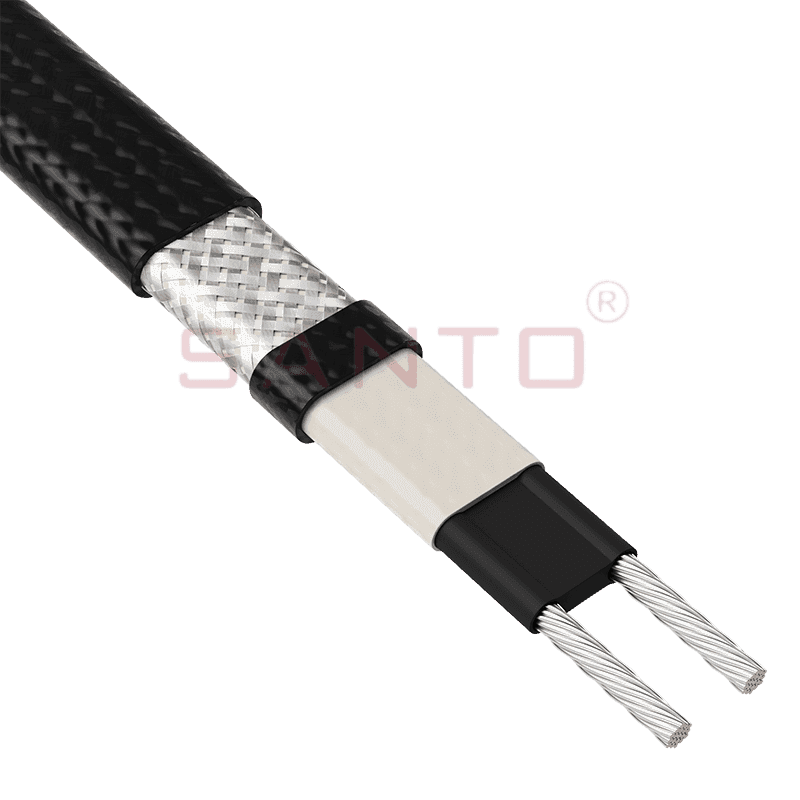
The SANTO UFA range of self-regulating heating cables is mainly used for frost protection of pipes and vessels but can also be used to maintain processes up to 65°C. These heating cables are available...
See Details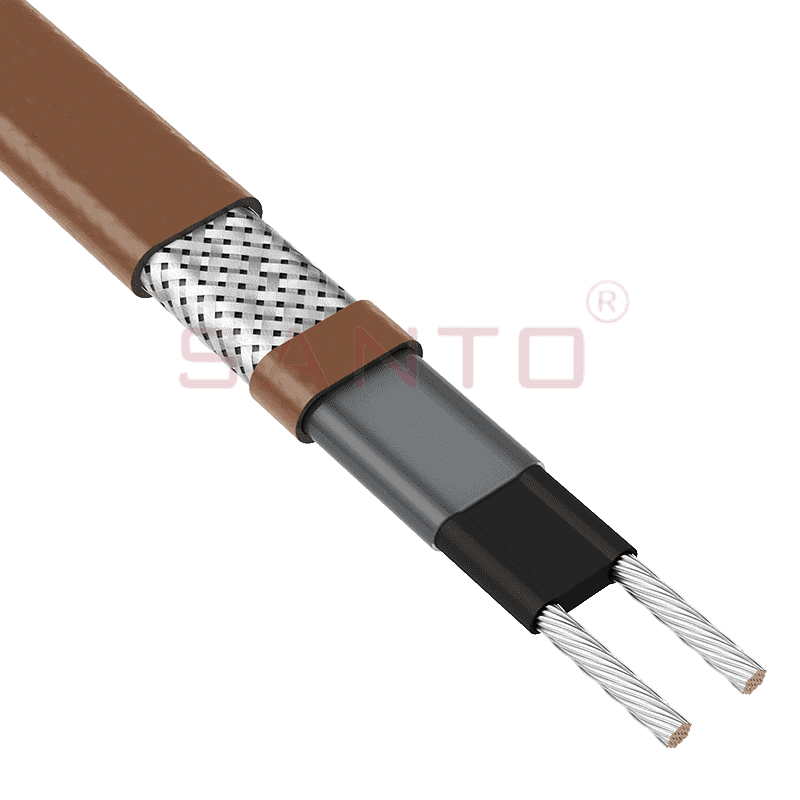
The SANTO UFB range of self-regulating heating cables is mainly used for frost protection of pipes and vessels requiring a higher power output than the UFA heating cables can supply. They can also be ...
See Details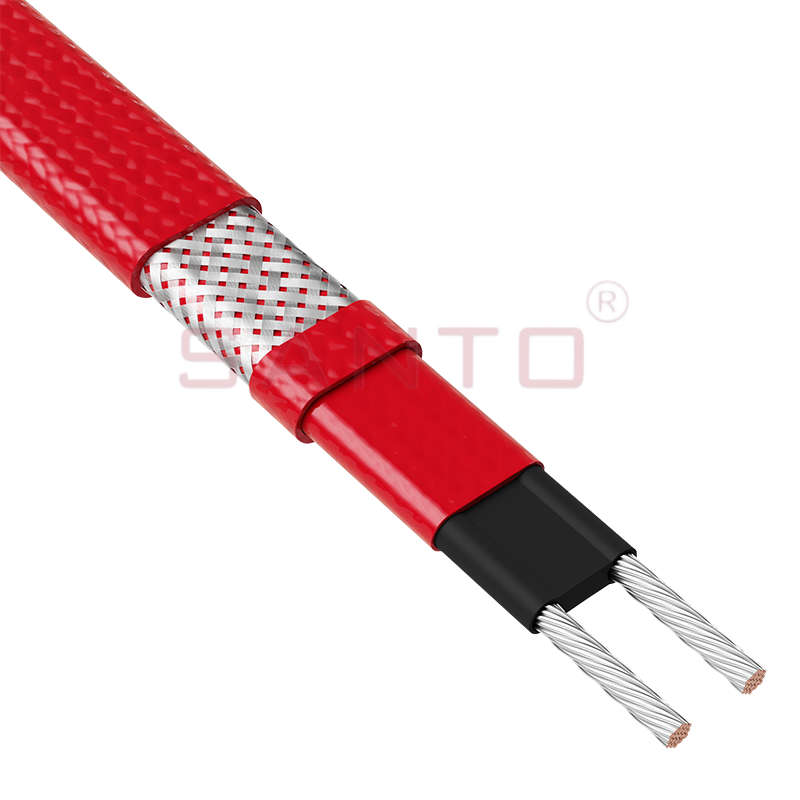
The SANTO UFC range of self-regulating heating cables is used for frost protection of pipes and vessels that require steam cleaning. They can also be used to maintain processes up to 121°C. These heat...
See Details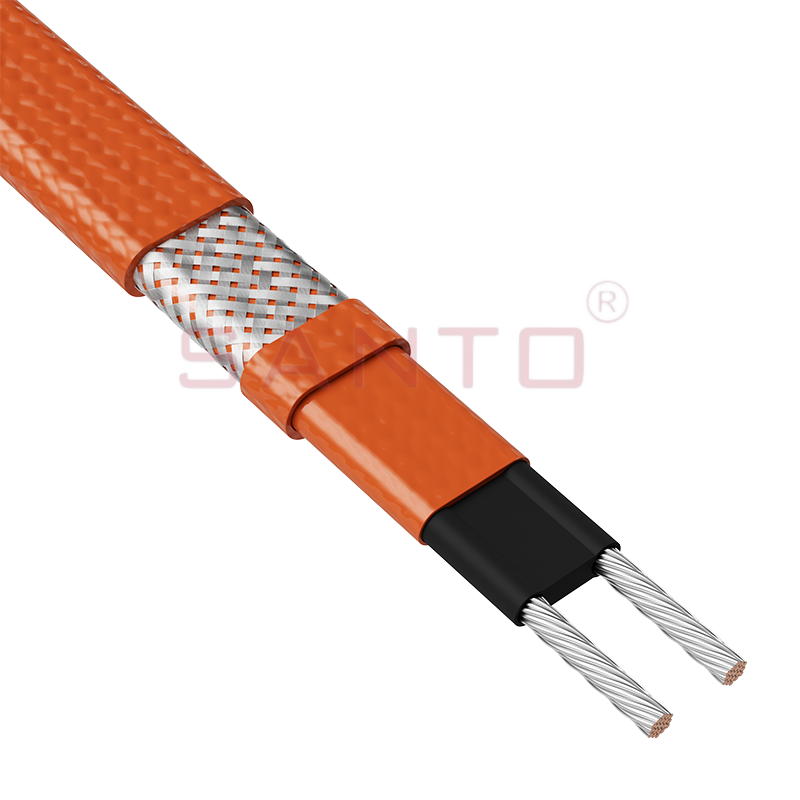
The SANTO UFO range of self-regulating heating cables is mainly used for frost protection of pipes and vessels that require steam cleaning . They can also be used to maintain processes up to 150°C. Th...
See Details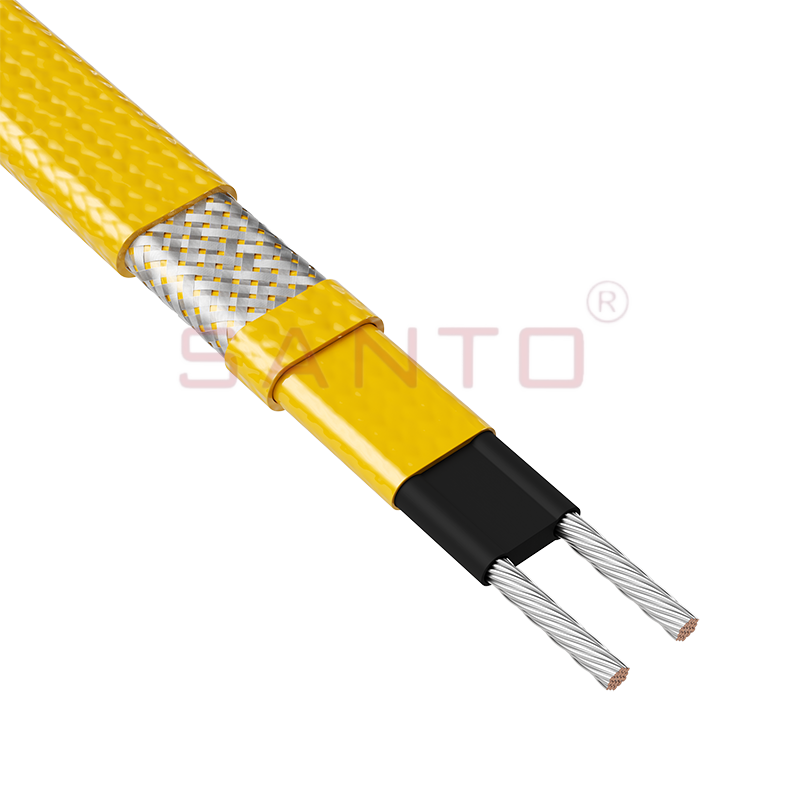
The SANTO UFD series of self-regulating heating cables are mainly used for freeze protection of pipes and vessels, but can also be used to maintain processes up to 200°C. These heating cables are avai...
See Details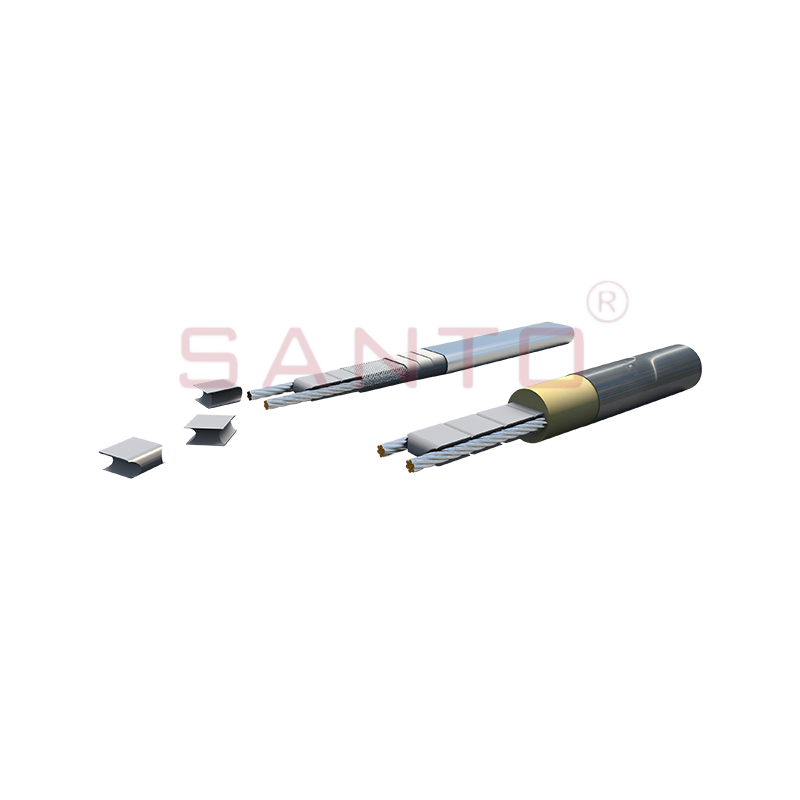
SANTO UFY heating wire is suitable for applications that maintain process temperatures up to 260 ℃ and can be steam blown; The self-regulating and parallel circuit heating wires of the UFY series are ...
See Details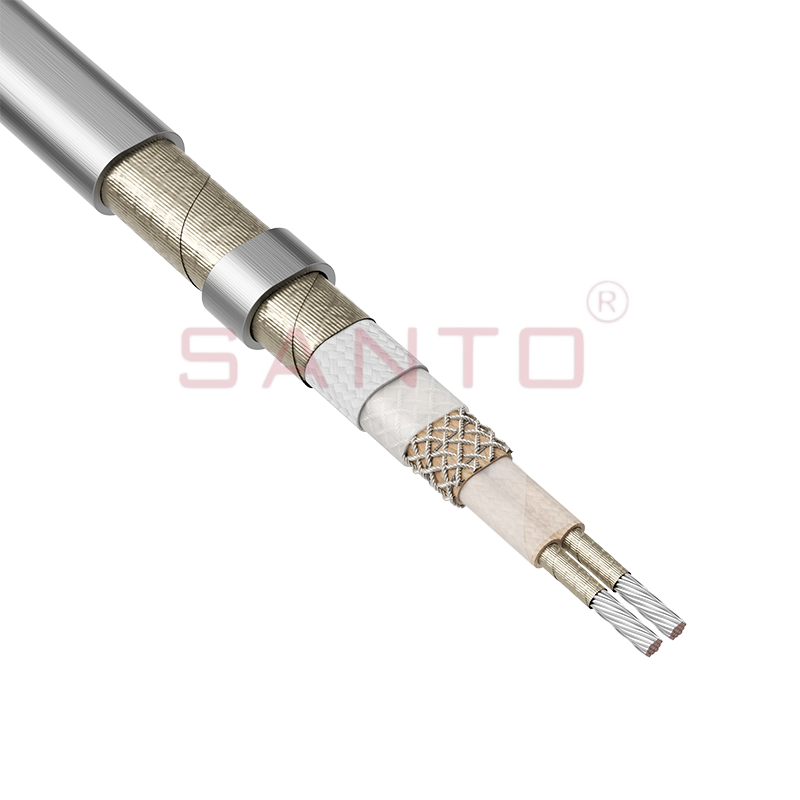
The SANTO UFM series self-regulating heating cables are mainly used for freeze protection of pipes and vessels, but can also be used to maintain processes up to 400°C. These heating cables are availab...
See Details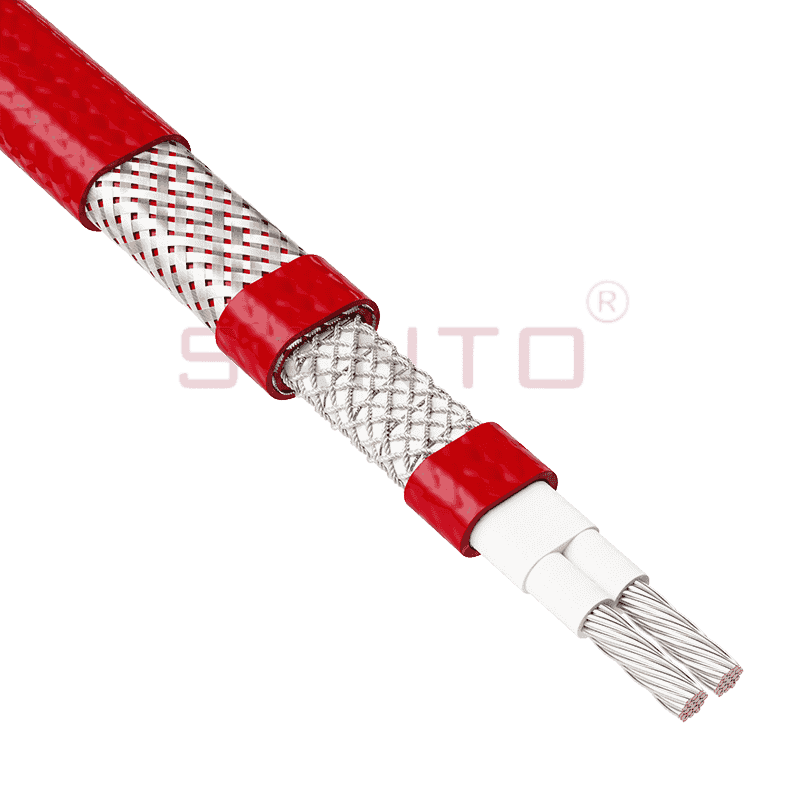
The SANTO ACC range of power-limiting heating cables is mainly used for temperature maintenance of processes and offers the advantage of a high power output at high temperatures which can reduce the n...
See Details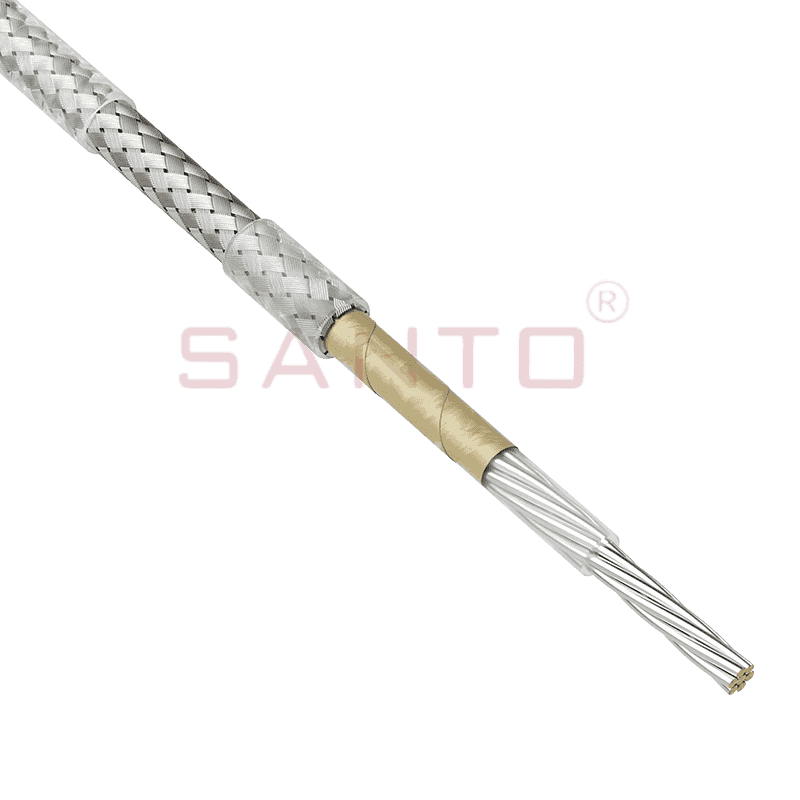
The stranded high temperature conductor is nickel plated to ensure a long life at elevated temperatures in corrosive environments. It is electrically isolated using an innovative sandwich construction...
See Details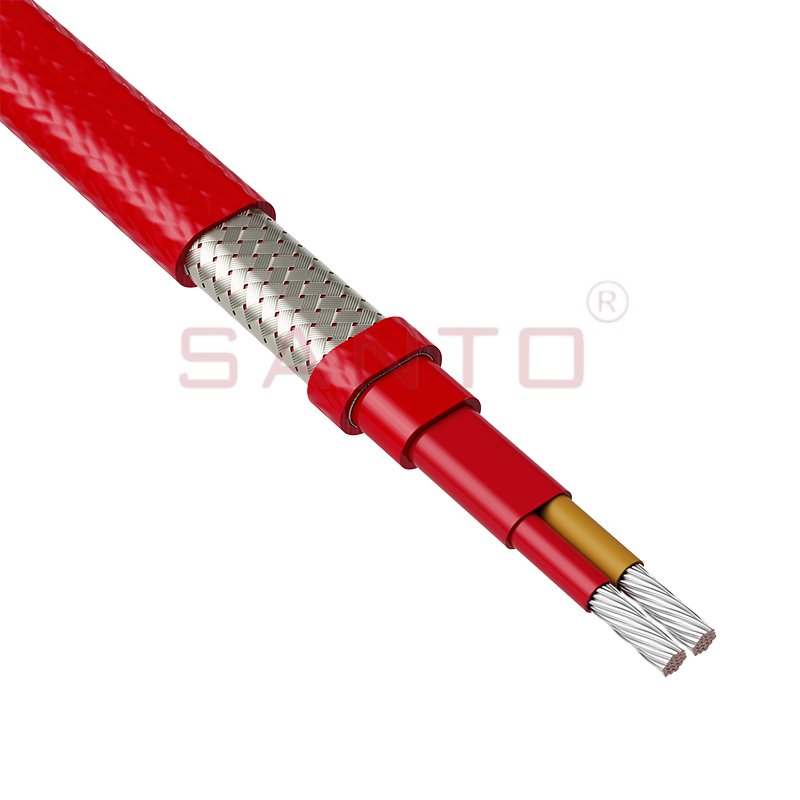
The stranded high temperature conductor is nickel plated to ensure a long life at elevated temperatures in corrosive environments. It is electrically isolated using an innovative sandwich construction...
See Details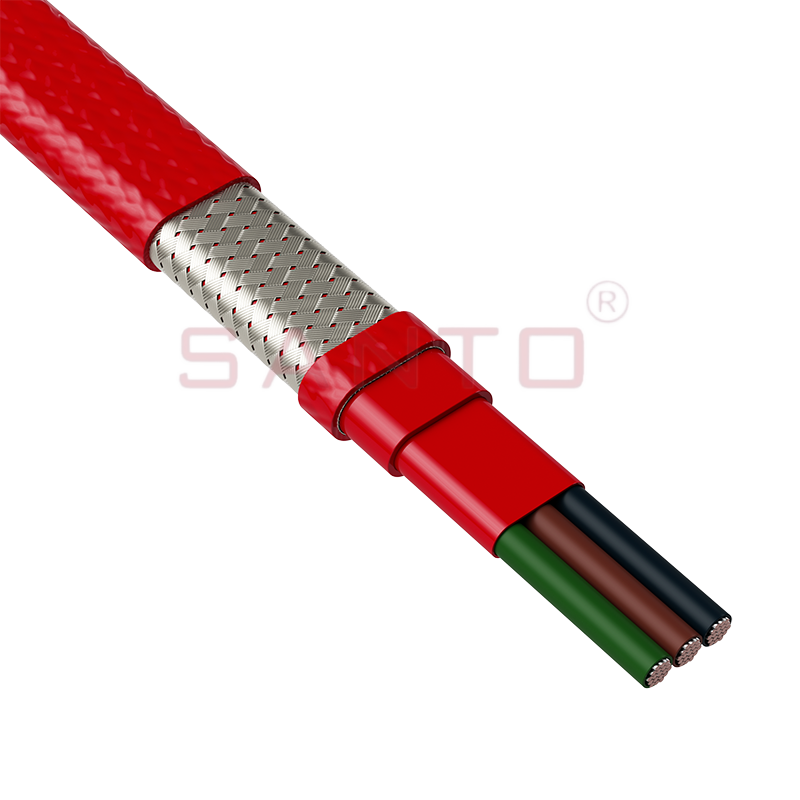
The stranded high temperature conductor is nickel plated to ensure a long life at elevated temperatures in corrosive environments. It is electrically isolated using an innovative sandwich construction...
See Details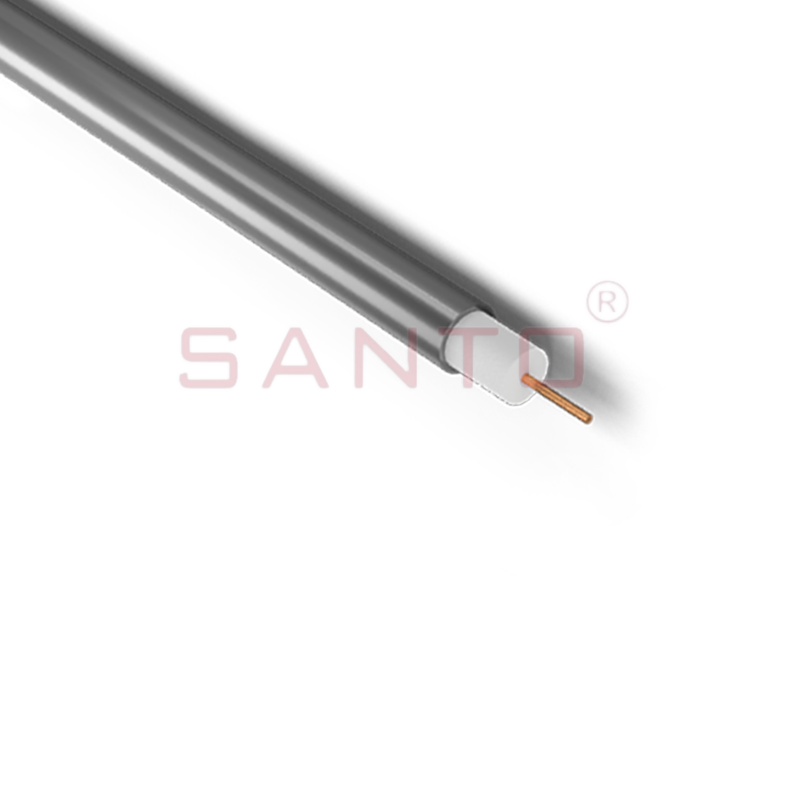
SANTO HAx mineral insulated (MI) Alloy 825 series heating cables are suitable for use in hazardous areas. They have been designed for use in freeze protection and temperature maintenance applications ...
See Details
Santo electric heating strips are widely used in key industries in China.

