 English
 English
 русский
 日本語
 Español
 中文简体

The SANTO UFA range of self-regulating heating cables is mainly used for frost protection of pipes and vessels but can also be used to maintain processes up to 65°C. These heating cables are available...
See Details
Anesthesia machines are essential medical devices used in operating rooms, intensive care units, emergency departments, and other clinical environments. Their performance depends on the stable delivery, conditioning, and management of gases. In many applications, temperature control is an important part of this process. When gas pathways, breathing circuits, chambers, tubing, or related components are exposed to low temperatures, condensation, unstable gas conditions, or heat loss can affect equipment performance and workflow efficiency.
An anesthesia machine heater is designed to provide controlled and uniform heat to designated parts of an anesthesia system. It can be manufactured in customized shapes, sizes, power ratings, and connection configurations to match the specific structure of a medical device. The product described in this article is a flexible heating solution intended for anesthesia machines and related medical equipment. It can be engineered according to customer requirements and supplied with optional components such as wires, adhesive layers, aluminum plates, thermal-conductive materials, insulation, temperature controllers, and sensors.
Unlike general-purpose heating elements, a medical equipment heater must be designed with close attention to dimensional accuracy, electrical insulation, temperature uniformity, installation safety, and compatibility with the host device. A heater that is too large, too rigid, or too powerful may create hot spots, installation difficulties, or unnecessary energy consumption. A properly designed anesthesia machine heater, by contrast, can provide localized and repeatable heat while fitting into limited equipment spaces.
The heater can be customized with a thickness of 1.0 mm or greater, a heating temperature of up to 200°C, a power density of up to 3 W/cm², and an insulation resistance of at least 100 MΩ when tested at 1,000 V. These parameters allow engineers to select a suitable configuration for different medical equipment structures, operating conditions, and control strategies.
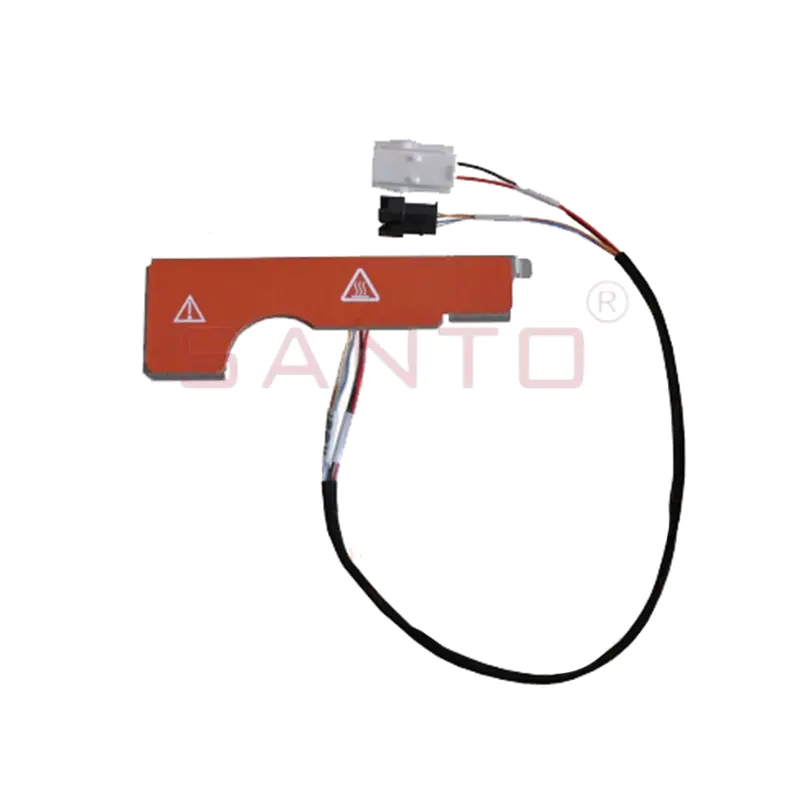
Anesthesia machine heater
Content
Anesthesia equipment manages gases that may be delivered through tubes, containers, vaporizing systems, breathing circuits, and other components. Temperature changes can influence the behavior of these gases and the condition of surfaces that come into contact with them. Depending on the equipment design and clinical environment, heating may be used to reduce condensation, compensate for heat loss, stabilize a local operating temperature, or maintain the performance of a particular component.
In a hospital environment, medical equipment may be moved between rooms with different temperatures. It may also be used near air-conditioning outlets, cold storage areas, or ventilation systems. These conditions can create thermal variations that are difficult to manage with passive insulation alone. A purpose-designed heater supplies controlled heat directly to the required area, helping equipment designers achieve a more predictable thermal condition.
The heating element does not replace the anesthesia machine’s original control system or safety functions. Instead, it is integrated as a component within a broader equipment design. The final application should include an appropriate temperature controller, sensor, electrical protection, and installation method. These elements work together to prevent excessive temperature and maintain the required operating range.
For original equipment manufacturers, a customized heater can be more practical than adapting a standard heating pad. An anesthesia machine may contain curved surfaces, narrow channels, irregular housings, or components with unique mounting requirements. A custom heater can be produced to follow the available surface area and accommodate openings, terminals, bends, or fixing points.
The anesthesia machine heater is a customized electric heating component for medical equipment applications. It is manufactured according to the customer’s drawings, technical requirements, installation conditions, and control method. The heater can be supplied as a standalone heating element or as part of a more complete thermal assembly with insulation, heat-conductive layers, mechanical support, temperature sensing, and temperature control accessories.
Its principal design characteristics include a compact profile, adaptable geometry, controlled power output, and high electrical insulation resistance. The minimum listed thickness is 1.0 mm, allowing the heater to be incorporated into equipment where available space is limited. The maximum heating temperature is 200°C, while the actual working temperature should be established according to the application, medical equipment design, materials, and control system.
| Parameter | Specification | Application Significance |
|---|---|---|
| Product type | Customized anesthesia machine heater | Designed for integration into medical equipment |
| Minimum thickness | 1.0 mm or greater | Supports installation in compact spaces |
| Maximum heating temperature | Up to 200°C | Provides a broad design range for controlled heating |
| Maximum power density | Up to 3 W/cm² | Allows localized heating when correctly engineered |
| Insulation resistance | At least 100 MΩ at 1,000 V | Supports electrical insulation and safety evaluation |
| Customization | Shape, dimensions, wiring, layers, and accessories | Adapts the product to customer equipment |
| Optional accessories | Wire, adhesive layer, aluminum plate, thermal-conductive material, insulation, controller, and sensor | Supports complete thermal integration |
The specification values should be treated as design limits rather than universal operating settings. The actual heater configuration must be selected after reviewing the required surface temperature, heating time, ambient temperature, available voltage, installation area, heat dissipation, and control accuracy. A technical review is particularly important when the heater is intended for use in medical equipment.
One of the main advantages of a custom anesthesia machine heater is that its geometry can be developed around the equipment rather than forcing the equipment to accommodate a standard heater. This is important because medical devices often contain tightly arranged components, molded housings, ventilation openings, sensors, wiring channels, and curved surfaces.
The heating element may be designed in a rectangular, circular, ring-shaped, strip, curved, or irregular configuration, depending on the application. Cutouts and openings can be considered during the design stage, provided that they do not compromise the electrical structure or heating uniformity. Connection positions can also be selected to simplify routing and reduce interference with other internal components.
Customized dimensions can help improve contact between the heater and the target surface. Better contact reduces air gaps and supports more efficient heat transfer. It may also reduce the energy required to reach the target temperature. When a heater is correctly matched to the installation area, it can produce more consistent thermal coverage than a standard product that only partially contacts the surface.
The thickness of 1.0 mm or greater gives engineers flexibility in balancing compactness, mechanical strength, insulation, and heat transfer. In some applications, a thinner construction may be preferred to save space. In other applications, additional layers may be required for protection, heat spreading, bonding, or electrical insulation. The final thickness can therefore be determined according to the equipment’s available space and performance requirements.
For medical equipment manufacturers, customization also supports product development and future model updates. A heater design can be modified to fit a revised housing, a new tubing layout, or a different control architecture. This reduces the need to redesign the entire thermal system when the host machine changes.
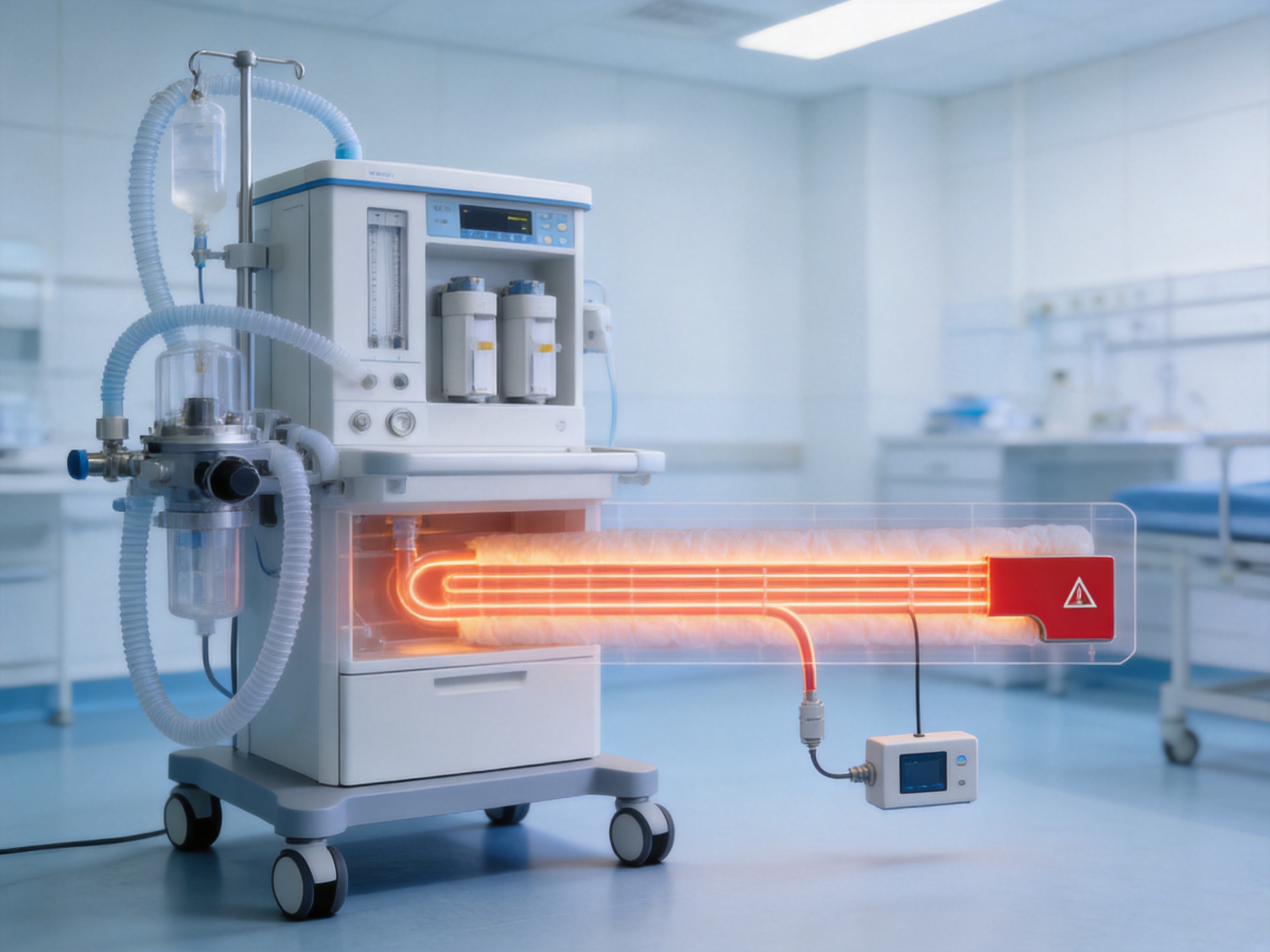
A heating element must deliver the required amount of heat without creating excessive local temperatures. In an anesthesia machine, temperature distribution is often as important as maximum temperature. A hot spot may damage nearby materials, affect adhesives, or create an undesirable thermal condition, while insufficient heating may fail to achieve the intended function.
The stated power density limit of up to 3 W/cm² provides a useful design range for localized heating. However, the correct power density depends on the target surface, contact condition, ambient temperature, insulation, airflow, and required warm-up time. Engineers should evaluate the complete heat balance rather than selecting power density in isolation.
Several design methods can help improve thermal uniformity. The heating circuit can be distributed across the target area to minimize concentrated heat. A thermal-conductive layer or aluminum plate can spread heat across the surface. Insulation can be added on the opposite side to reduce heat loss and direct more energy toward the target component. A sensor can monitor the temperature at a representative location, while a controller can regulate power according to the measured value.
The use of an aluminum plate may be beneficial when the equipment requires a more rigid mounting surface or a wider distribution of heat. Aluminum has useful thermal conductivity and can help reduce temperature differences across a heating area. The plate must nevertheless be selected and installed with consideration for weight, electrical insulation, corrosion resistance, mechanical clearances, and the structure of the host device.
Thermal-conductive materials may be used between the heater and the heated component to reduce contact resistance. An adhesive layer may also improve physical contact and simplify assembly. The selected adhesive must be compatible with the operating temperature, surface materials, cleaning procedures, vibration conditions, and expected service life of the equipment.
Electrical insulation is a central consideration for any heater integrated into medical equipment. The listed insulation resistance is at least 100 MΩ at a test voltage of 1,000 V. This high resistance value indicates that the heater is designed to limit unintended leakage through its insulating structure when tested under the specified conditions.
Insulation resistance is only one part of electrical safety. A complete design review should also consider dielectric strength, grounding, conductor protection, wire routing, terminal construction, creepage and clearance distances, moisture exposure, mechanical stress, and the requirements applicable to the finished medical device. The heater supplier and equipment manufacturer should define the test conditions and acceptance criteria before production.
Wires can be selected according to the voltage, current, temperature, bending requirements, connector type, and installation environment. The wire exit location should be planned so that the cable does not interfere with moving parts, ventilation paths, service panels, or other electrical assemblies. Strain relief may be added where repeated movement or vibration is expected.
Temperature sensors provide another important safety function. A sensor can be positioned near the hottest expected area, at the surface being heated, or in another location selected through thermal testing. The correct position depends on the heater structure and the thermal response of the entire assembly. The controller should be configured with appropriate upper-temperature limits and protective responses.
In a finished anesthesia machine, the heater should be evaluated as part of the complete system rather than as an isolated component. The equipment manufacturer must confirm that the integrated heater does not interfere with electrical functions, gas pathways, cleaning procedures, electromagnetic compatibility, or other safety-related characteristics.
Standard heating pads and general-purpose heating wires are available for many industrial applications, but they may not be suitable for a specialized anesthesia machine. Their dimensions, power output, terminal positions, insulation, or mounting methods may not match the medical equipment. A customized heater provides several practical advantages.
A customized heater can be manufactured according to the equipment drawing or sample. This reduces gaps between the heater and the target surface and can simplify assembly. It also allows designers to work around holes, brackets, edges, and internal components that would be difficult to accommodate with an off-the-shelf product.
By matching the heated area to the required zone, the heater can direct energy where it is needed. This may reduce unnecessary heating of neighboring components and support a more balanced temperature distribution. A standard heater that is too large may waste power, while one that is too small may produce inadequate coverage.
The optional use of adhesive layers, aluminum plates, thermal-conductive materials, insulation, sensors, and controllers allows the heating system to be developed as an integrated assembly. This can reduce the number of separate components that the equipment manufacturer must source and assemble.
Customized wire lengths, exit directions, connection methods, voltage ratings, and power values can be selected for the host machine. This supports cleaner internal wiring and may simplify production-line installation.
A manufacturer with experience in different electric heating technologies can assist with preliminary design, prototype modification, and production transition. This is useful when the medical equipment manufacturer is developing a new model or adapting an existing system for another market.
When the heater is produced according to controlled specifications, the customer can establish repeatable requirements for dimensions, resistance, insulation, power, and accessory configuration. Consistency is especially important for equipment manufacturers that need stable performance across multiple production batches.
These advantages do not mean that every custom heater is automatically superior to every standard product. Performance depends on the quality of the engineering, materials, testing, and integration. The value of customization is that the heating component can be evaluated against the specific requirements of the anesthesia machine.
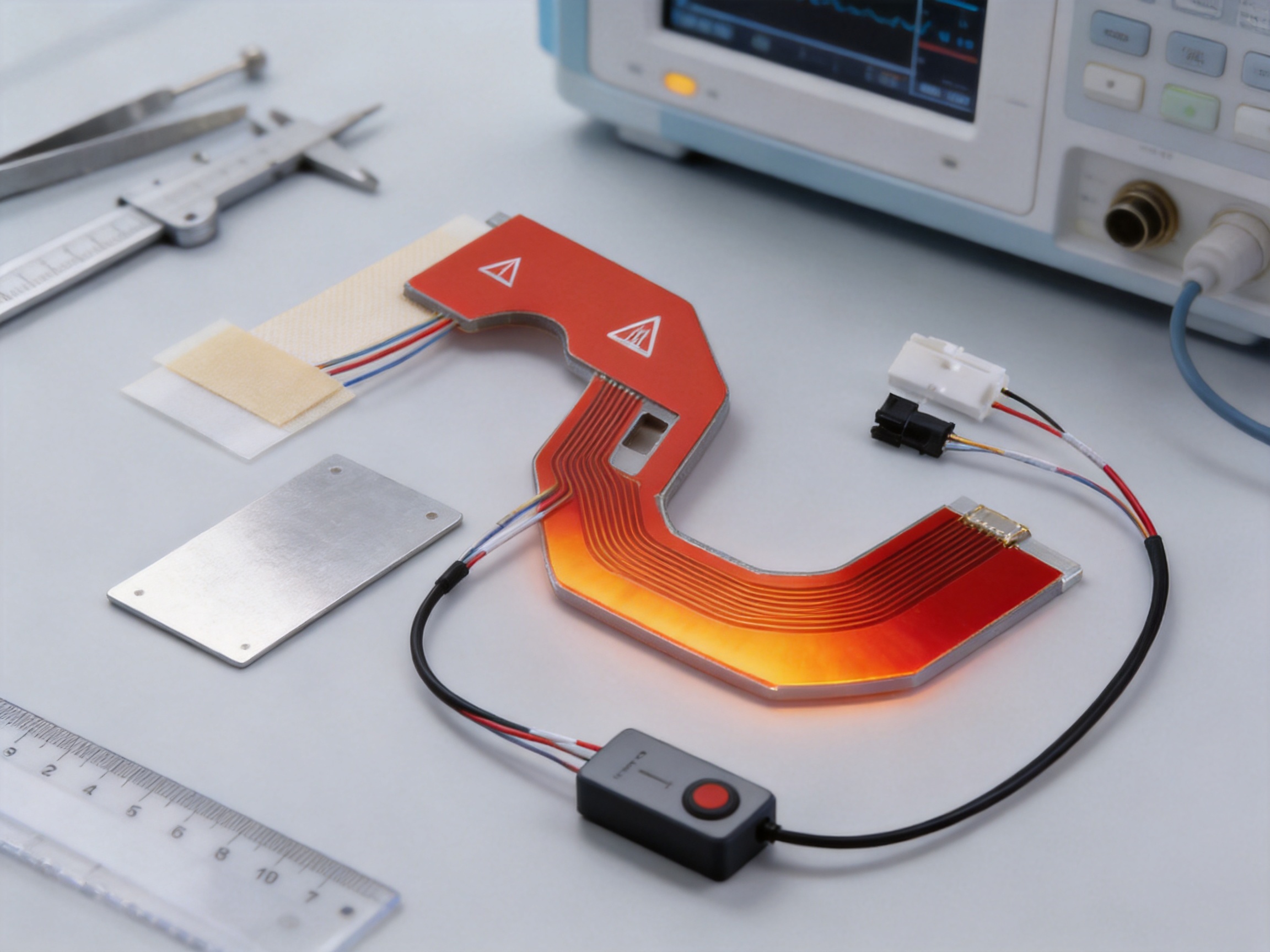
Santo Thermal Control Technology Co., Ltd. is a Chinese manufacturer specializing in electric heating and temperature-control products. Its product range includes automatic temperature-control heating belts, self-limiting heating belts, constant-power heating belts, glass-fiber heating products, silicone rubber heating systems, mineral-insulated cables, snow-melting cables, electric heating wires, tracking heaters, and related accessories.
This broad product background is relevant to the production of customized anesthesia machine heaters. Different heating applications require different solutions for insulation, flexibility, heat transfer, power control, and mechanical protection. Experience across several product categories can support the selection of an appropriate construction for medical equipment.
The manufacturing process begins with a review of the customer’s requirements. Technical information may include drawings, dimensions, target temperature, working voltage, power, heating area, installation method, wire specifications, sensor position, environmental conditions, and expected production quantity. If the customer does not yet have a complete drawing, the heater can be developed from samples, photographs, equipment interfaces, or a functional description, subject to technical confirmation.
After the requirements are reviewed, engineers determine the heating layout and electrical parameters. The resistance value is calculated according to the selected voltage and power. The heating area is divided into an appropriate circuit pattern, and the relationship between power density, surface area, warm-up time, and heat dissipation is considered. The design may then be adjusted to accommodate terminals, openings, mounting surfaces, and insulation layers.
Material selection is another important stage. The heating structure, insulation materials, wires, adhesive, thermal-conductive layer, aluminum plate, and outer protection must be compatible with the intended temperature and application. Materials should also be evaluated for dimensional stability, flexibility, adhesion, aging resistance, and manufacturing repeatability.
During assembly, the heating element and insulating layers are positioned according to the approved design. Connections are formed and secured, and optional accessories are installed when included in the order. The assembly process must maintain the specified dimensions and prevent damage to the heating circuit or insulation. For customized products, process documentation is especially valuable because it helps ensure that repeated orders match the approved sample.
Inspection may include visual checks, dimensional verification, resistance measurement, insulation resistance testing, power testing, and heating performance evaluation. Additional tests can be established according to customer requirements and the role of the heater in the finished medical equipment. Test records support traceability and help identify deviations before shipment.
The company has more than 35 years of experience in the electric heating industry and has developed products for petroleum, chemical, gas, construction, solar energy, geothermal cultivation, deicing, antifreeze, insulation, and other applications. Such experience is valuable because electric heating design often requires a combination of electrical engineering, thermal analysis, materials knowledge, manufacturing control, and application support.
The company cooperates in product research with Harvard University in the United States, according to the supplied company information. It has also developed technologies including self-limiting temperature nano far-infrared heaters, carbon-fiber parallel heating cables, and other electric heating products. These activities demonstrate a continuing focus on product development and technical improvement.
Its history includes the establishment of an irradiation center, development of new heating technologies, construction planning for a new factory and product simulation testing laboratory, and expansion of production and business activity. These capabilities can support the development of special heating components for customers with nonstandard requirements.
For an anesthesia machine heater, technical experience is not limited to selecting a heating wire. The complete design may require decisions about surface contact, heat spreading, insulation, sensing, control, installation, and testing. A manufacturer with a wider range of heating technologies can compare different construction approaches rather than applying one fixed design to every application.
The supplied company information states that the company has passed ISO9001 quality system certification and that its products have obtained national CCC certification. These credentials form part of the company’s quality and compliance background. They should be considered together with the specific requirements of the customer, the destination market, and the finished medical device.
For an anesthesia machine heater, quality management should cover incoming materials, production procedures, inspection equipment, operator training, product identification, nonconforming product control, corrective action, and customer feedback. A documented quality system helps transform technical requirements into repeatable manufacturing practices.
Medical equipment manufacturers may require additional documentation, including material declarations, inspection reports, drawings, change-control procedures, traceability records, and samples from production batches. These requirements should be agreed upon before mass production. If the heater will be part of a regulated medical device, the equipment manufacturer remains responsible for evaluating the complete device according to applicable laws and standards.
Certification marks and management-system certificates should not be interpreted as a substitute for application-specific testing. The heater must still be tested in the actual equipment or a representative assembly. This verifies temperature distribution, controller response, electrical compatibility, mechanical fit, and performance under expected operating conditions.
The heater can be supplied with several optional accessories. Selecting the right combination can improve installation efficiency and help the thermal system perform consistently.
Wires can be specified according to current, voltage, temperature, length, flexibility, insulation, and connector requirements. The wire exit can be positioned to suit the equipment layout. Appropriate strain relief and terminal protection can be included when required.
An adhesive layer can support direct attachment to a compatible surface. It may simplify assembly and improve thermal contact. Before use, the adhesive must be evaluated for surface compatibility, temperature exposure, cleaning chemicals, humidity, aging, and removal or service requirements.
An aluminum plate can add rigidity and distribute heat. It may be used where the heater must be mounted on a flat support or where a more uniform surface temperature is desired. The plate dimensions, thickness, finish, and electrical isolation should be selected according to the host equipment.
Thermal-conductive materials can reduce the resistance to heat transfer between the heater and the component being heated. Proper application is important because excessive material thickness, trapped air, or incomplete contact can reduce performance.
Insulation can reduce heat loss and help protect nearby components from unnecessary heat. It can also improve energy efficiency by directing more heat toward the intended surface. The insulation must be compatible with the temperature, cleaning process, mechanical arrangement, and electrical requirements of the equipment.
A controller regulates the energy supplied to the heater. Depending on the design, it may use on-off control, proportional control, or another method. The controller should be matched to the heater’s voltage, current, sensor type, response time, and required temperature range.
A sensor provides feedback to the controller. Different sensor types may be considered according to the required accuracy, operating temperature, physical size, response time, and interface. Sensor placement should be confirmed by thermal testing rather than selected only for assembly convenience.
To develop an appropriate anesthesia machine heater, customers should provide as much technical information as possible. A complete specification reduces revisions and allows the manufacturer to prepare a more accurate quotation and prototype.
| Information Item | Recommended Details |
|---|---|
| Heated component | Part name, material, surface shape, and function |
| Dimensions | Length, width, diameter, thickness, openings, and mounting points |
| Target temperature | Required operating temperature and allowable tolerance |
| Heating time | Desired warm-up time and duty cycle |
| Electrical supply | Voltage, frequency if applicable, and available current |
| Control method | Controller type, sensor type, switching method, and safety limits |
| Installation method | Adhesive, clamp, plate, screws, insulation, or other mounting method |
| Environmental conditions | Ambient temperature, humidity, airflow, cleaning, vibration, and storage |
| Production requirements | Prototype quantity, annual volume, packaging, labeling, and documentation |
Customers should also identify the location of the heater within the anesthesia machine and any components that must remain outside the heated area. Photographs, three-dimensional models, sample parts, and thermal test data can help engineers understand the application more accurately.
When the equipment is still in the development stage, it is useful to define performance priorities at the beginning. For example, the design may prioritize rapid warm-up, low energy consumption, high uniformity, compact thickness, easy replacement, or simplified assembly. These priorities can influence the selection of the heater shape, power density, thermal layer, insulation, and control method.
A prototype is an important step before volume production. It allows the customer to confirm the physical fit and evaluate the heater under realistic operating conditions. The prototype should be installed in the relevant area of the anesthesia machine or in a representative test fixture that reproduces the main thermal and mechanical conditions.
Validation may include measurement of warm-up time, surface temperature, temperature uniformity, steady-state power, controller operation, and thermal behavior during extended operation. Engineers should also inspect nearby materials and components to confirm that they are not exposed to unacceptable temperatures.
Mechanical testing may be appropriate when the heater is attached to a flexible or movable part. The test can examine wire bending, adhesive retention, resistance to vibration, and the effect of repeated installation or service. Electrical tests can include resistance, insulation resistance, dielectric strength, grounding continuity where applicable, and protection against short circuits.
Cleaning and disinfection should also be considered. If the heater is exposed to cleaning agents, vapor, moisture, or repeated wiping, the materials and outer construction must be selected accordingly. A heater installed inside a sealed housing may have different requirements from one mounted near an accessible surface.
After prototype testing, the design may be revised. Typical changes include adjusting the heating area, changing the wire exit, adding an insulation layer, modifying the sensor location, increasing heat spreading, or altering the adhesive. Once the design is approved, drawings, specifications, inspection requirements, and change-control procedures should be established for production.
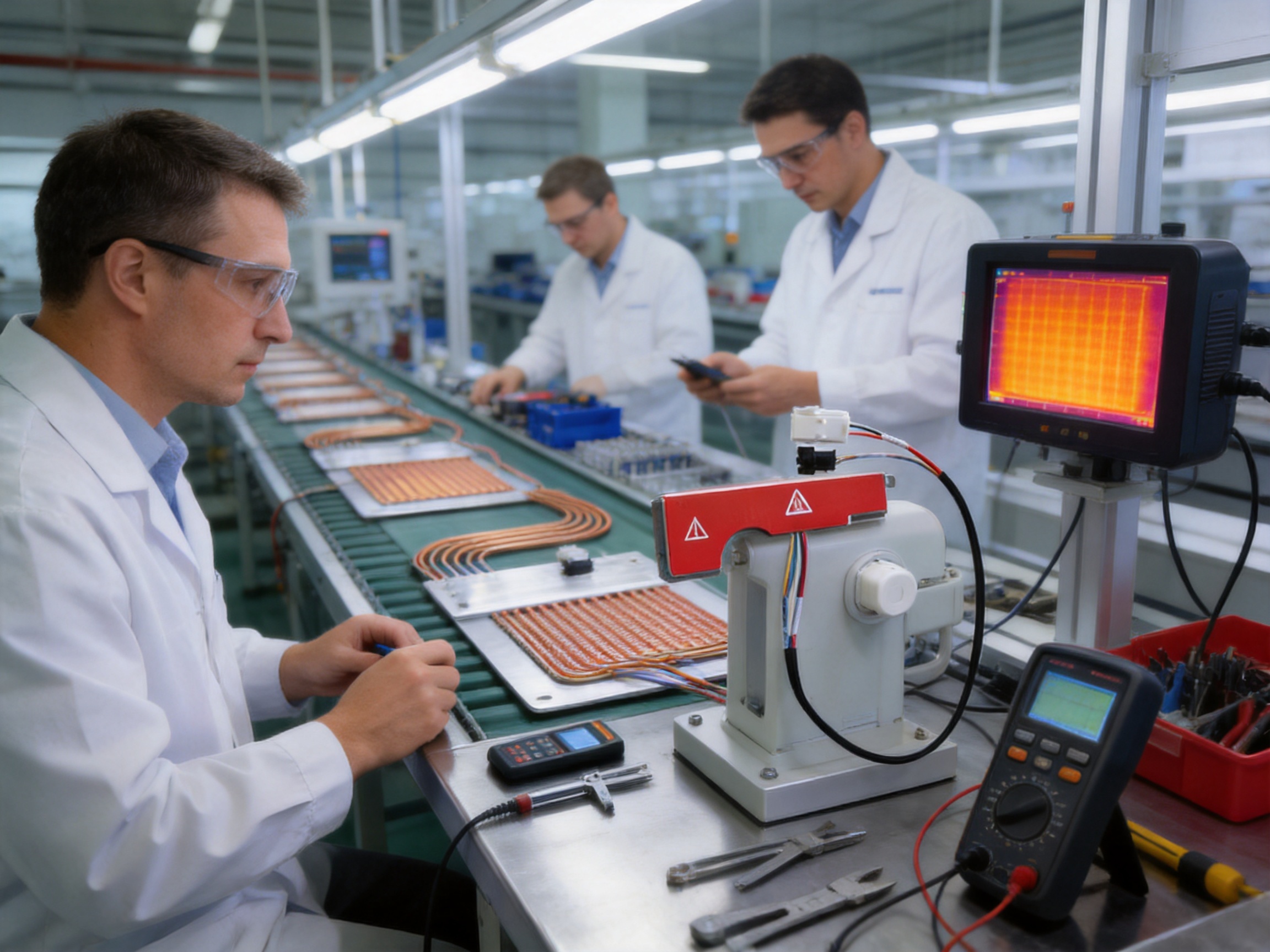
The company reports an annual output of more than 10,000 units, a distribution network of more than 2,000 distributors, and business activity in more than 85 areas. These figures indicate experience in supplying electric heating products to a broad customer base. For buyers of customized heaters, supply capability is important because the product must remain consistent as order quantities increase.
A reliable supply arrangement should include a defined product specification, approved sample, agreed packaging, delivery schedule, inspection documents, and communication process for technical changes. Customers developing medical equipment may require small prototype batches followed by regular production. The supplier should be able to support both stages without changing the approved performance unexpectedly.
Additional production facilities and product simulation testing capabilities can support new product development. A manufacturer that can perform design review, prototype preparation, manufacturing, and testing within an integrated organization may reduce communication delays between separate suppliers.
Long-term supply is also supported by clear change management. If a material, process, component, or production location must change, the customer should be informed according to the agreed procedure. For a heater used in a medical device, even a small change in insulation, adhesive, wire, or heating resistance may require evaluation.
For medical equipment manufacturers, a customized anesthesia machine heater can support several development and production objectives. The first is product integration. Rather than designing a machine around a commercially available heater, the equipment team can define the desired thermal function and then develop a component that matches the machine.
The second benefit is assembly efficiency. An integrated heater with prepared wires, adhesive, insulation, thermal-conductive layers, or sensor components can reduce the number of assembly operations. Clear connection positions and repeatable dimensions can also improve production-line consistency.
The third benefit is design flexibility. If the customer produces multiple models of anesthesia equipment, heaters can be developed in different sizes and configurations while maintaining a common manufacturing approach. This can help standardize purchasing and technical communication.
The fourth benefit is serviceability. Depending on the equipment structure, the heater can be designed for replacement or permanent integration. A defined connector, accessible wire route, or modular thermal pad may simplify maintenance. The preferred approach should be determined by the equipment manufacturer’s service strategy.
The fifth benefit is energy management. A correctly sized heater with appropriate insulation and closed-loop control can avoid unnecessary heating. The result may be a more efficient thermal system than one based on an oversized general-purpose element operating without accurate feedback.
Before installation, the mounting surface should be clean, dry, smooth, and free from contamination that could reduce adhesion or create air gaps. The heater should not be folded, sharply creased, pierced, or cut unless the design specifically permits such treatment. Mechanical pressure should be distributed evenly across the assembly.
The wire should be routed away from sharp edges, moving parts, high-stress areas, and sources of unwanted heat. The connection should be protected against pulling and twisting. If an adhesive layer is used, the application pressure and curing or dwell time should follow the approved process.
The heater should be operated with the specified voltage and a suitable controller. Direct connection to an unsuitable power supply may cause excessive current or temperature. A temperature sensor should be installed in the position established during design validation. The controller should include suitable protection against sensor failure, overheating, and abnormal operating conditions.
Maintenance personnel should inspect the heater assembly for visible damage, loose connections, insulation deterioration, or changes in the mounting condition. Any abnormal odor, discoloration, unexpected temperature rise, or repeated controller fault should be investigated before continued operation.
Because the heater is intended for integration into medical equipment, the final installation, operating instructions, service procedures, and safety warnings must be prepared by the medical equipment manufacturer. The heating component supplier can provide product information, but the finished device manufacturer is responsible for the complete system evaluation and user documentation.
A specialized heating manufacturer offers more than a single heating element. It can provide experience in resistance design, insulation structures, thermal spreading, temperature control, flexible wiring, and application-specific assembly. This knowledge is especially useful when the customer’s requirement does not match an existing catalog product.
Santo Thermal Control Technology Co., Ltd. has developed a broad portfolio of electric heating products and has worked across industrial sectors that require controlled heating, heat tracing, antifreeze protection, deicing, and insulation. Its reported history includes more than 35 years of industry experience, product research, quality-system certification, international market development, and expansion of manufacturing and testing facilities.
The company’s product range includes silicone rubber heating systems and related flexible heating technologies. These technologies can be adapted for applications where a low-profile, conformable, or customized heat source is required. The final construction should always be selected through technical evaluation, but the availability of different heating technologies provides a useful foundation for application engineering.
Customers can work with the manufacturer to define a heater according to shape, thickness, temperature, power density, insulation, wire arrangement, sensor position, and accessories. This design-oriented approach is more suitable for medical equipment development than selecting a generic heater without considering the complete machine.
An anesthesia machine heater is a customized electric heating component designed to provide controlled heat to a designated part of an anesthesia machine or related medical equipment. It may be used to stabilize temperature, reduce condensation, compensate for heat loss, or support the thermal performance of a specific component.
Yes. The product can be customized according to customer requirements, including dimensions, shape, heating area, wire position, power, voltage, insulation, and accessory configuration. A drawing, sample, photograph, or equipment interface specification can be used as the basis for technical development.
The listed minimum thickness is 1.0 mm or greater. The final thickness depends on the required insulation, mechanical structure, heat-spreading layer, adhesive, and installation space.
The stated heating temperature is up to 200°C. This is a design limit and does not mean that the heater should operate at that temperature in an anesthesia machine. The actual operating temperature must be established according to the equipment design and validated through testing.
The listed maximum power density is up to 3 W/cm². The correct value depends on the heated component, surface area, heat dissipation, warm-up time, insulation, ambient conditions, and controller. Engineers should confirm the required power density through thermal evaluation.
The listed insulation resistance is at least 100 MΩ when tested at 1,000 V. Additional electrical tests may be required by the customer or by regulations applicable to the finished medical equipment.
Yes. A temperature sensor is available as an optional accessory. Its type and position should be selected according to the controller, target temperature, response time, physical space, and results of thermal testing.
Yes. An adhesive layer can be supplied when direct attachment is suitable for the application. The adhesive must be compatible with the mounting surface, temperature, cleaning process, moisture level, and expected service life.
Yes. An aluminum plate can be added to provide mechanical support and help spread heat. Its size, thickness, finish, and electrical insulation must be reviewed according to the equipment design.
A temperature controller can be supplied as an optional accessory. The controller must be matched to the heater’s electrical ratings and the sensor used in the application. The equipment manufacturer should validate the complete control system.
The product may be considered for other medical equipment requiring localized temperature control, provided that the application is technically reviewed. Each device has different requirements for temperature, materials, cleaning, electrical safety, and regulatory compliance.
Useful information includes the heating area, dimensions, target temperature, voltage, power or warm-up time, installation method, wire requirements, sensor requirements, quantity, and delivery expectations. Drawings or samples can significantly improve quotation accuracy.
Prototype development is recommended for customized products. A prototype allows the customer to confirm physical fit, temperature distribution, electrical performance, controller response, and installation procedures before approving larger production quantities.
The manufacturer of the finished medical device is responsible for evaluating the complete device and meeting the legal, regulatory, and safety requirements applicable in the intended market. The heater supplier can provide product specifications and supporting test information for the customer’s evaluation.
A customized anesthesia machine heater provides a practical way to introduce controlled, localized heating into medical equipment. Its low-profile construction, adaptable geometry, optional thermal layers, configurable wires, sensor compatibility, and temperature-control options make it suitable for equipment manufacturers seeking a solution matched to their own machine design.
The product’s listed technical capabilities include a thickness of at least 1.0 mm, a heating temperature of up to 200°C, a power density of up to 3 W/cm², and insulation resistance of at least 100 MΩ at 1,000 V. These specifications provide a starting point for engineering evaluation. The final heater must be selected and validated according to the actual operating conditions of the anesthesia machine.
Compared with general-purpose heating products, a custom solution can offer better dimensional compatibility, more precise thermal coverage, simpler integration, and greater flexibility in wiring and control. Optional accessories such as adhesive layers, aluminum plates, thermal-conductive materials, insulation, controllers, and sensors allow the heater to be developed as part of a complete thermal assembly.
The manufacturer’s experience in electric heating systems, product research, customization, quality management, and international supply provides a foundation for supporting medical equipment customers from prototype development through repeat production. By combining application engineering with controlled manufacturing and system-level testing, a customized heater can contribute to stable, efficient, and reliable temperature management in anesthesia equipment.
1. Customer-supplied technical specification for the customized anesthesia machine heater.
2. Customer-supplied company information for Santo Thermal Control Technology Co., Ltd.
3. ISO 9001, Quality Management Systems — Requirements.
4. IEC 60601-1, Medical Electrical Equipment — General Requirements for Basic Safety and Essential Performance.
5. IEC 60601-1-2, Medical Electrical Equipment — Electromagnetic Disturbances — Requirements and Tests.
6. General engineering principles for electric resistance heating, thermal conduction, electrical insulation, and temperature control.
7. General medical equipment design practices for component integration, risk management, verification, validation, and production quality control.
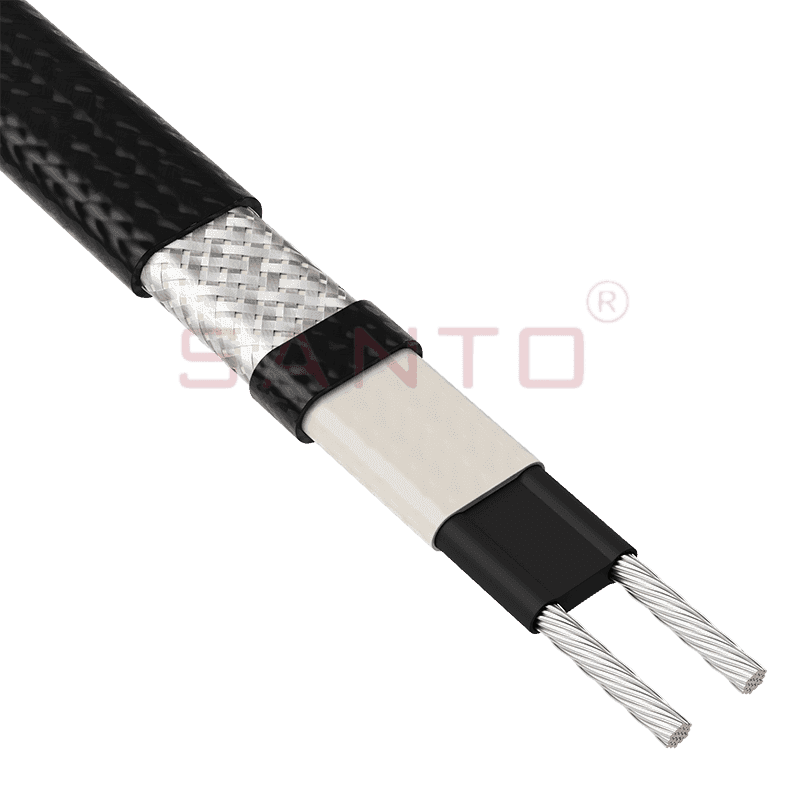
The SANTO UFA range of self-regulating heating cables is mainly used for frost protection of pipes and vessels but can also be used to maintain processes up to 65°C. These heating cables are available...
See Details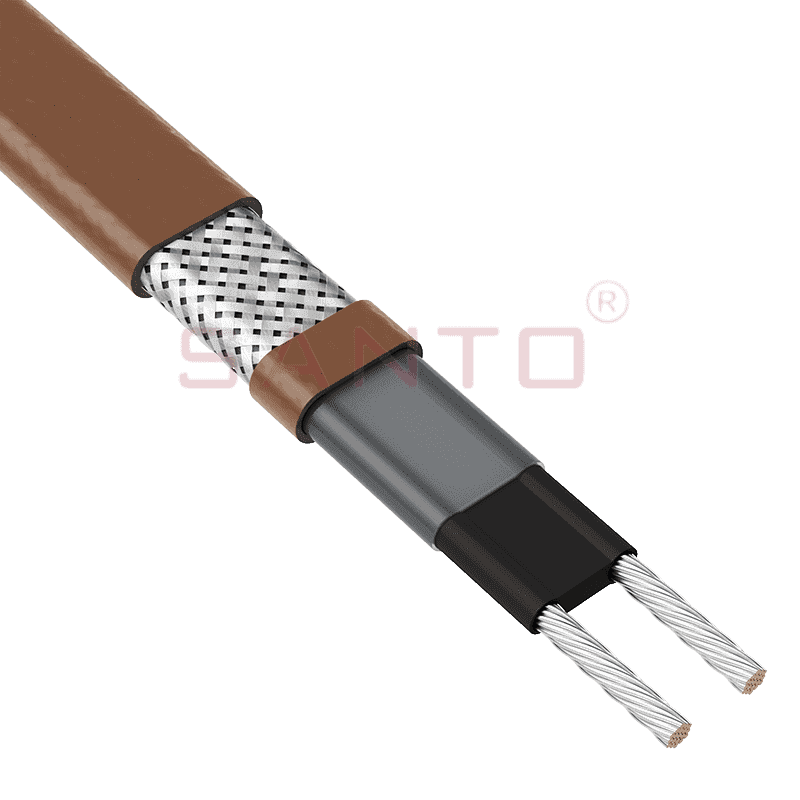
The SANTO UFB range of self-regulating heating cables is mainly used for frost protection of pipes and vessels requiring a higher power output than the UFA heating cables can supply. They can also be ...
See Details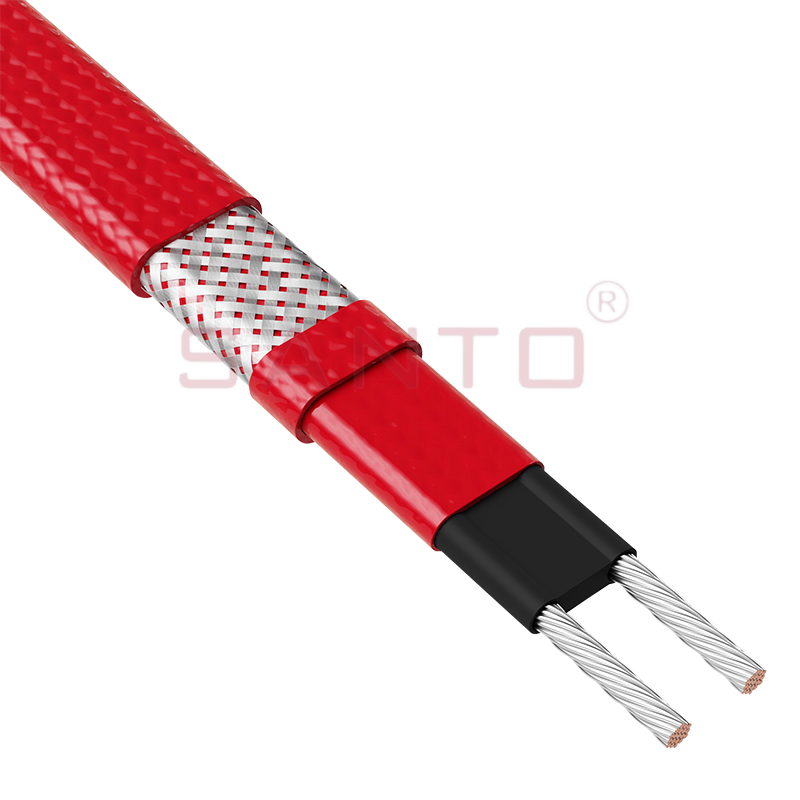
The SANTO UFC range of self-regulating heating cables is used for frost protection of pipes and vessels that require steam cleaning. They can also be used to maintain processes up to 121°C. These heat...
See Details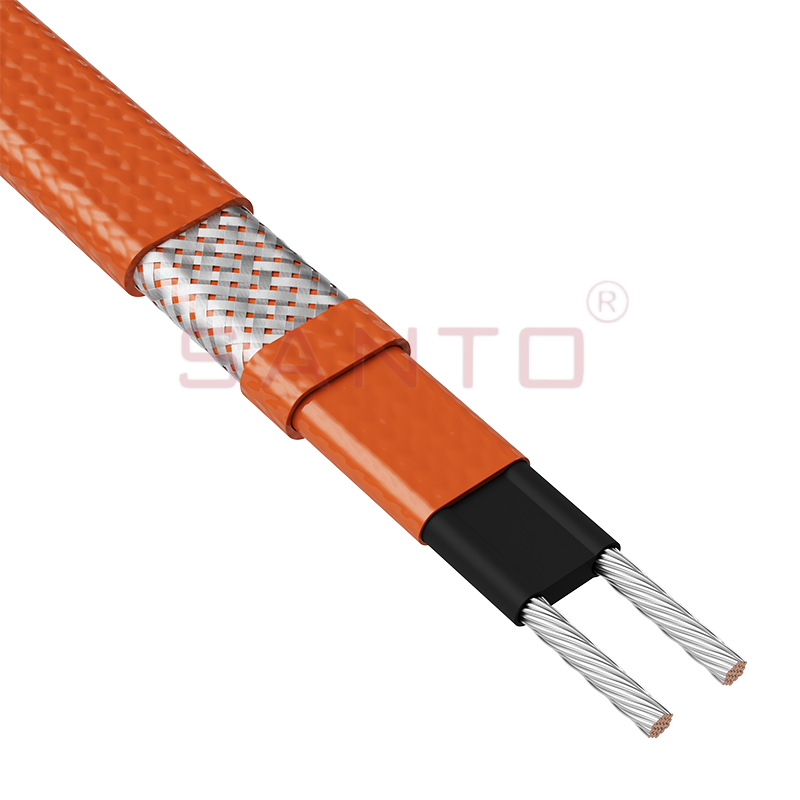
The SANTO UFO range of self-regulating heating cables is mainly used for frost protection of pipes and vessels that require steam cleaning . They can also be used to maintain processes up to 150°C. Th...
See Details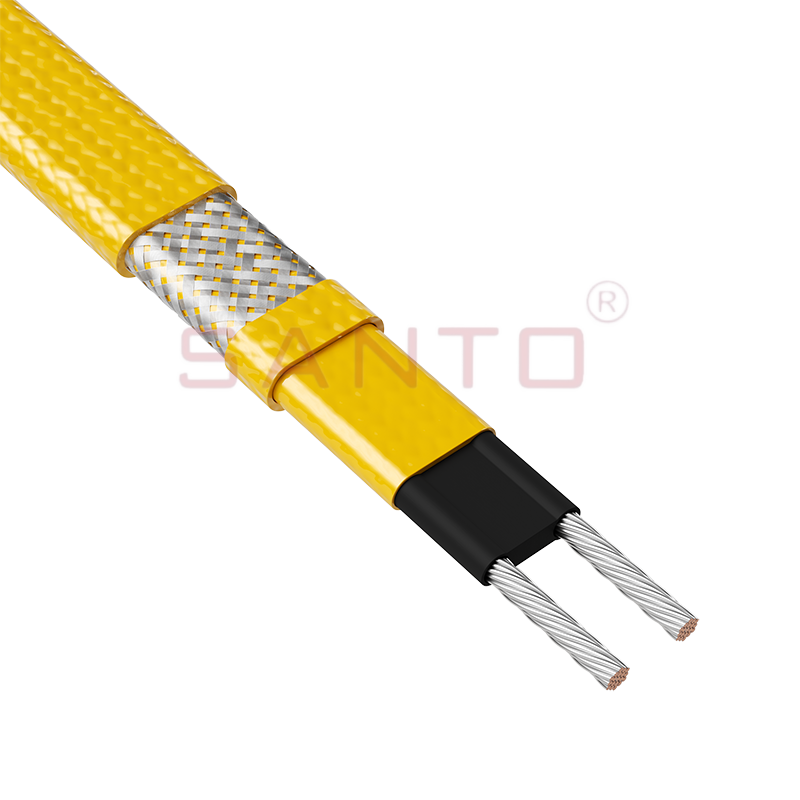
The SANTO UFD series of self-regulating heating cables are mainly used for freeze protection of pipes and vessels, but can also be used to maintain processes up to 200°C. These heating cables are avai...
See Details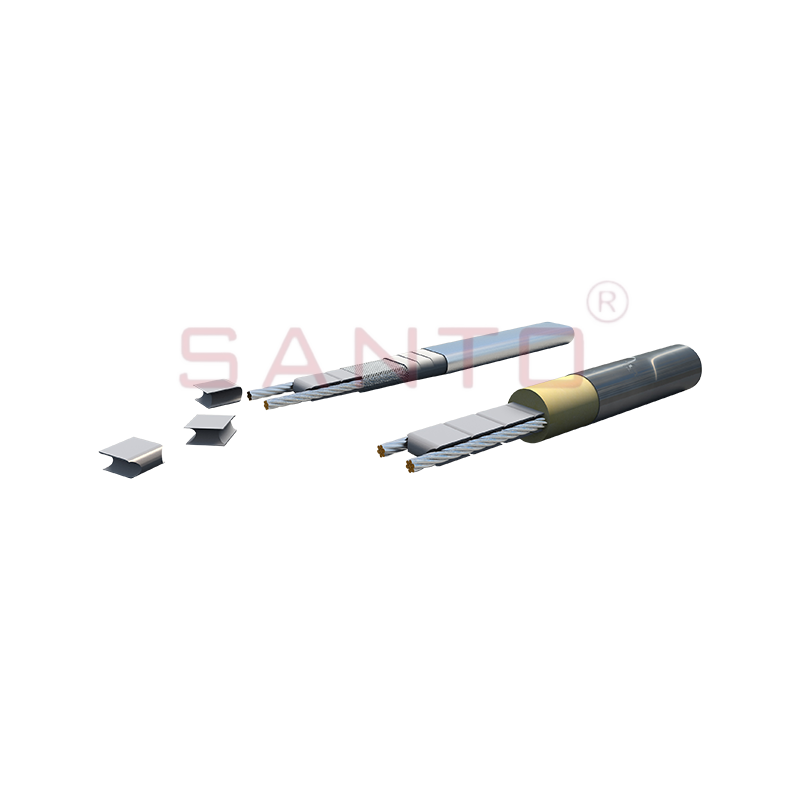
SANTO UFY heating wire is suitable for applications that maintain process temperatures up to 260 ℃ and can be steam blown; The self-regulating and parallel circuit heating wires of the UFY series are ...
See Details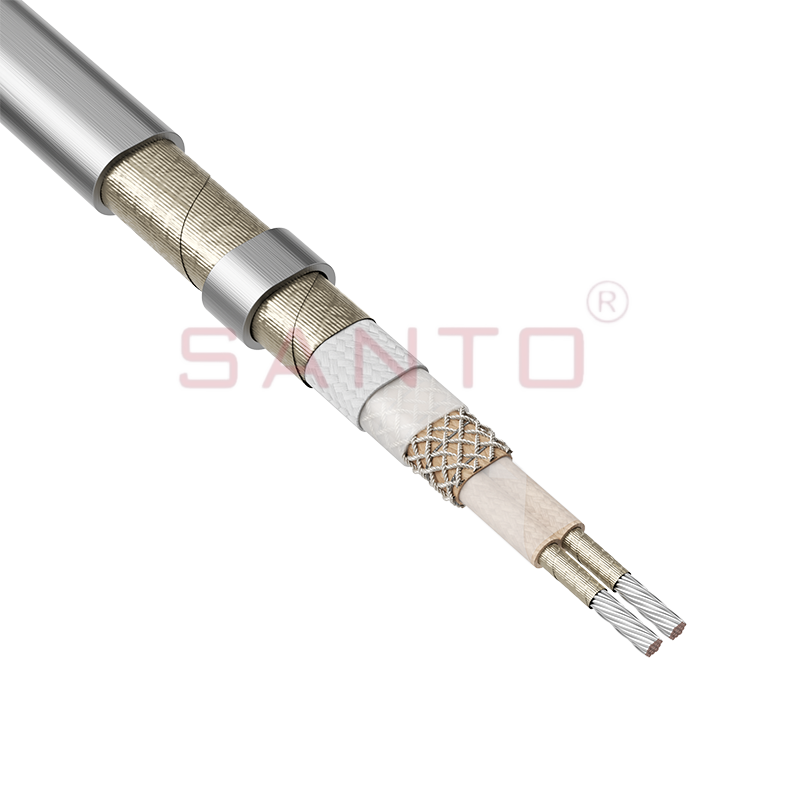
The SANTO UFM series self-regulating heating cables are mainly used for freeze protection of pipes and vessels, but can also be used to maintain processes up to 400°C. These heating cables are availab...
See Details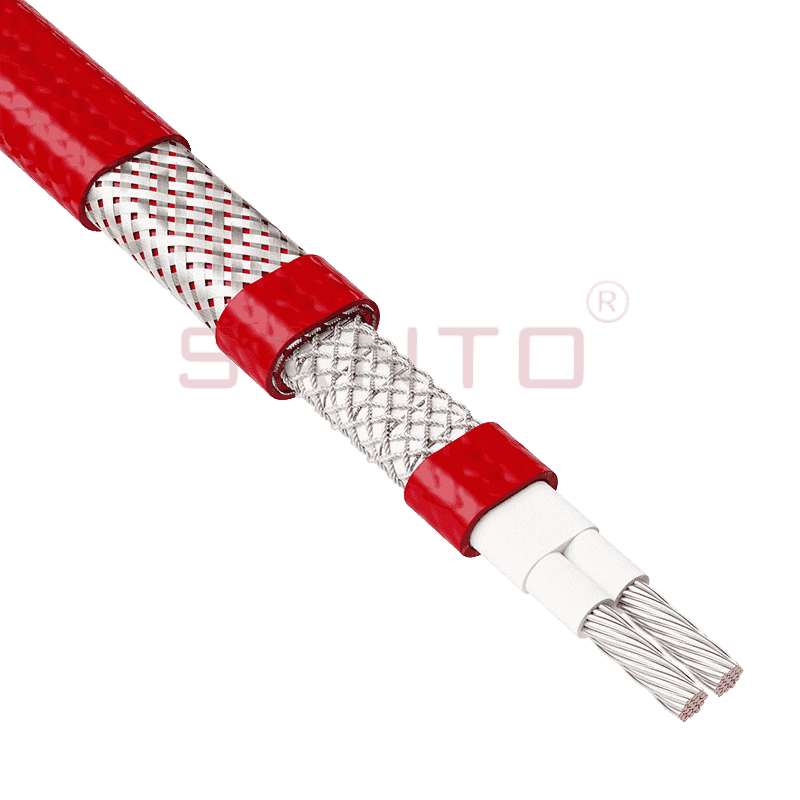
The SANTO ACC range of power-limiting heating cables is mainly used for temperature maintenance of processes and offers the advantage of a high power output at high temperatures which can reduce the n...
See Details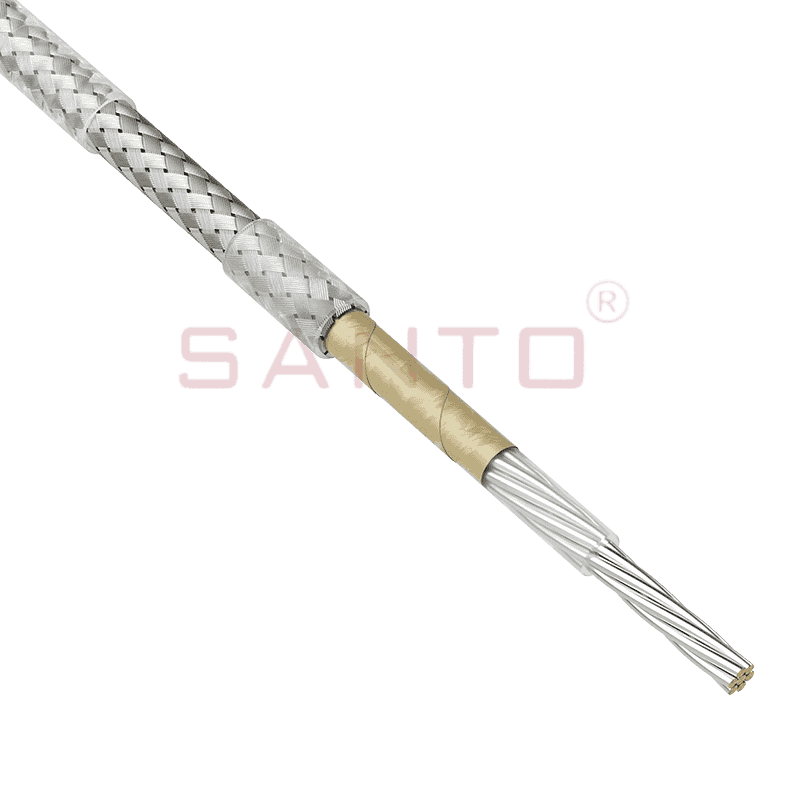
The stranded high temperature conductor is nickel plated to ensure a long life at elevated temperatures in corrosive environments. It is electrically isolated using an innovative sandwich construction...
See Details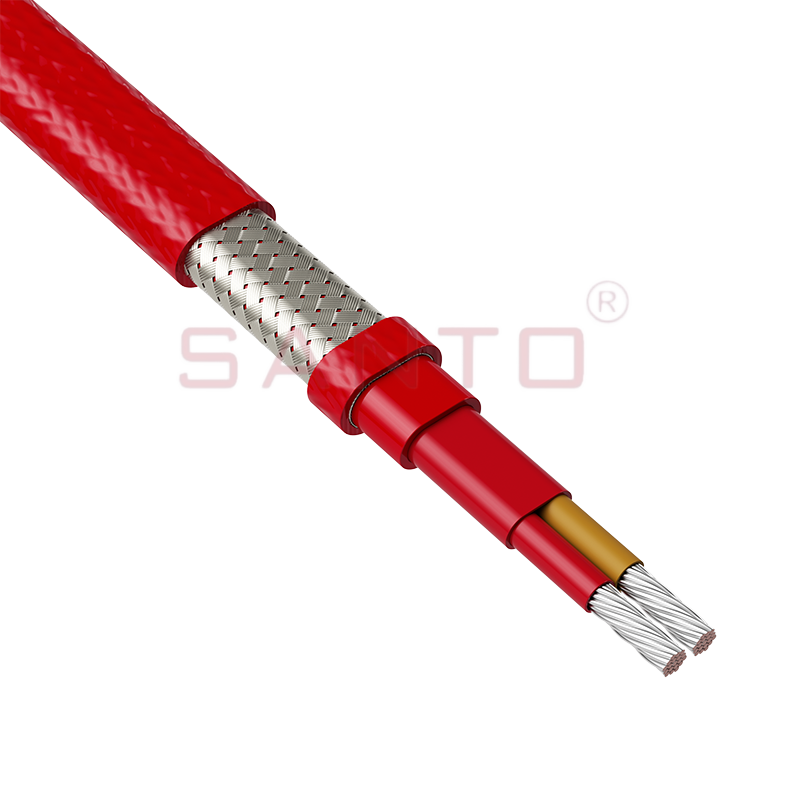
The stranded high temperature conductor is nickel plated to ensure a long life at elevated temperatures in corrosive environments. It is electrically isolated using an innovative sandwich construction...
See Details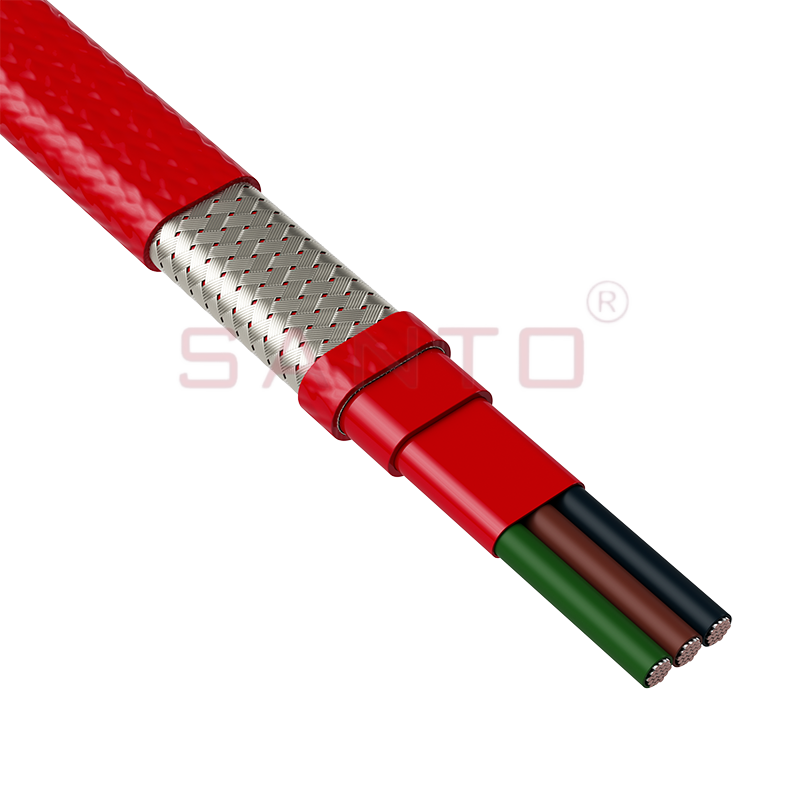
The stranded high temperature conductor is nickel plated to ensure a long life at elevated temperatures in corrosive environments. It is electrically isolated using an innovative sandwich construction...
See Details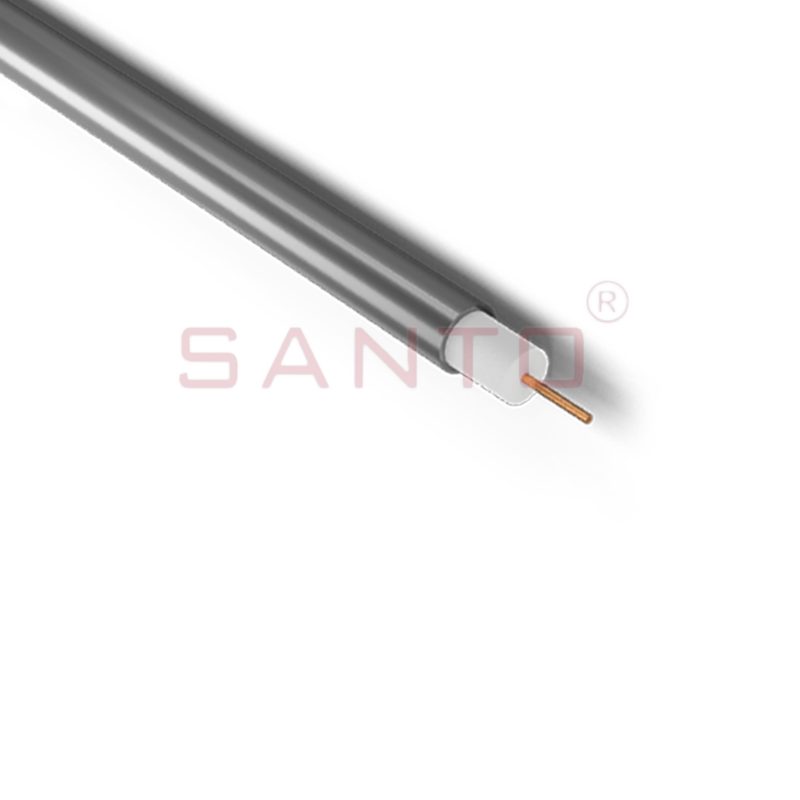
SANTO HAx mineral insulated (MI) Alloy 825 series heating cables are suitable for use in hazardous areas. They have been designed for use in freeze protection and temperature maintenance applications ...
See Details
Santo electric heating strips are widely used in key industries in China.

