 English
 English
 русский
 日本語
 Español
 中文简体

The SANTO UFA range of self-regulating heating cables is mainly used for frost protection of pipes and vessels but can also be used to maintain processes up to 65°C. These heating cables are available...
See Details
Anesthesia machines are precision medical systems that must operate reliably in demanding clinical environments. Their performance depends not only on the ventilator, gas delivery system, monitoring equipment, and control electronics, but also on the thermal stability of critical components. Anesthesia machine heaters are designed to provide controlled, localized heat for equipment that may be affected by low temperature, condensation, moisture, or unstable gas conditions.
A properly engineered heater can help maintain the operating temperature of selected machine components, reduce condensation-related risks, support more stable gas delivery, and improve the consistency of equipment operation. Because anesthesia systems vary in shape, power requirements, available space, and temperature-control architecture, the heater is often designed as a customized component rather than selected as a standard, universal part.
The anesthesia machine heater described in this article is a flexible electric heating solution that can be manufactured according to customer drawings, dimensions, power requirements, installation conditions, and control needs. It can be supplied with optional wires, adhesive layers, aluminum plates, thermal-conductive materials, insulation materials, temperature controllers, and sensors. This modular approach allows the heater to be integrated into a wide range of anesthesia machine designs and related medical equipment.
The product is manufactured by Santo Thermal Control Technology Co., Ltd., a Chinese electric heating product manufacturer with extensive experience in heating cables, silicone rubber heating systems, heat tracing products, snow melting systems, heating mats, tubing bundles, and related accessories. Its manufacturing capabilities support customized heater development from initial technical consultation through design, production, testing, and delivery.
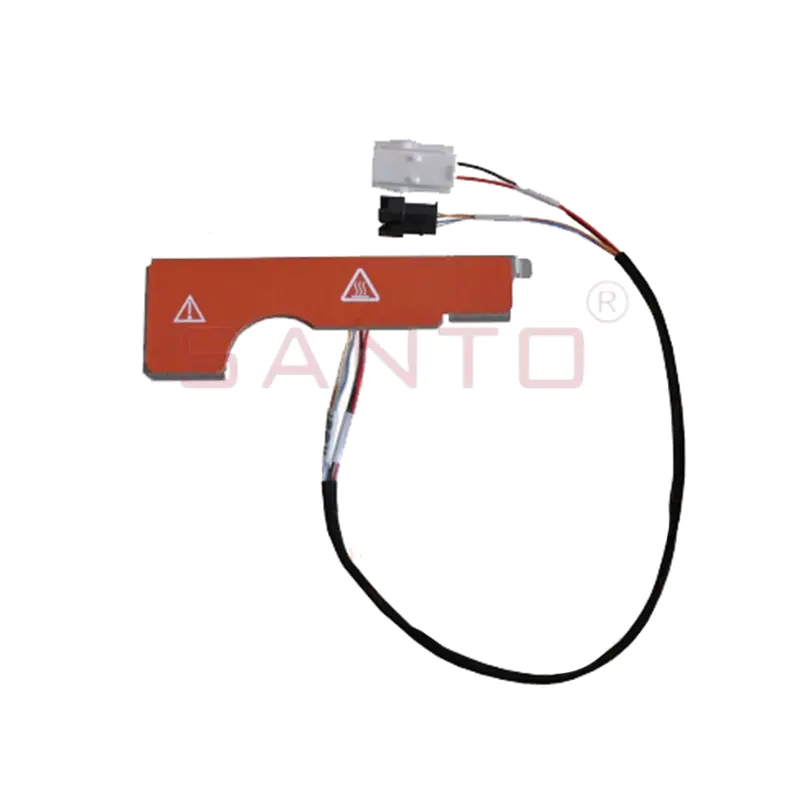
Anesthesia machine heater
Content
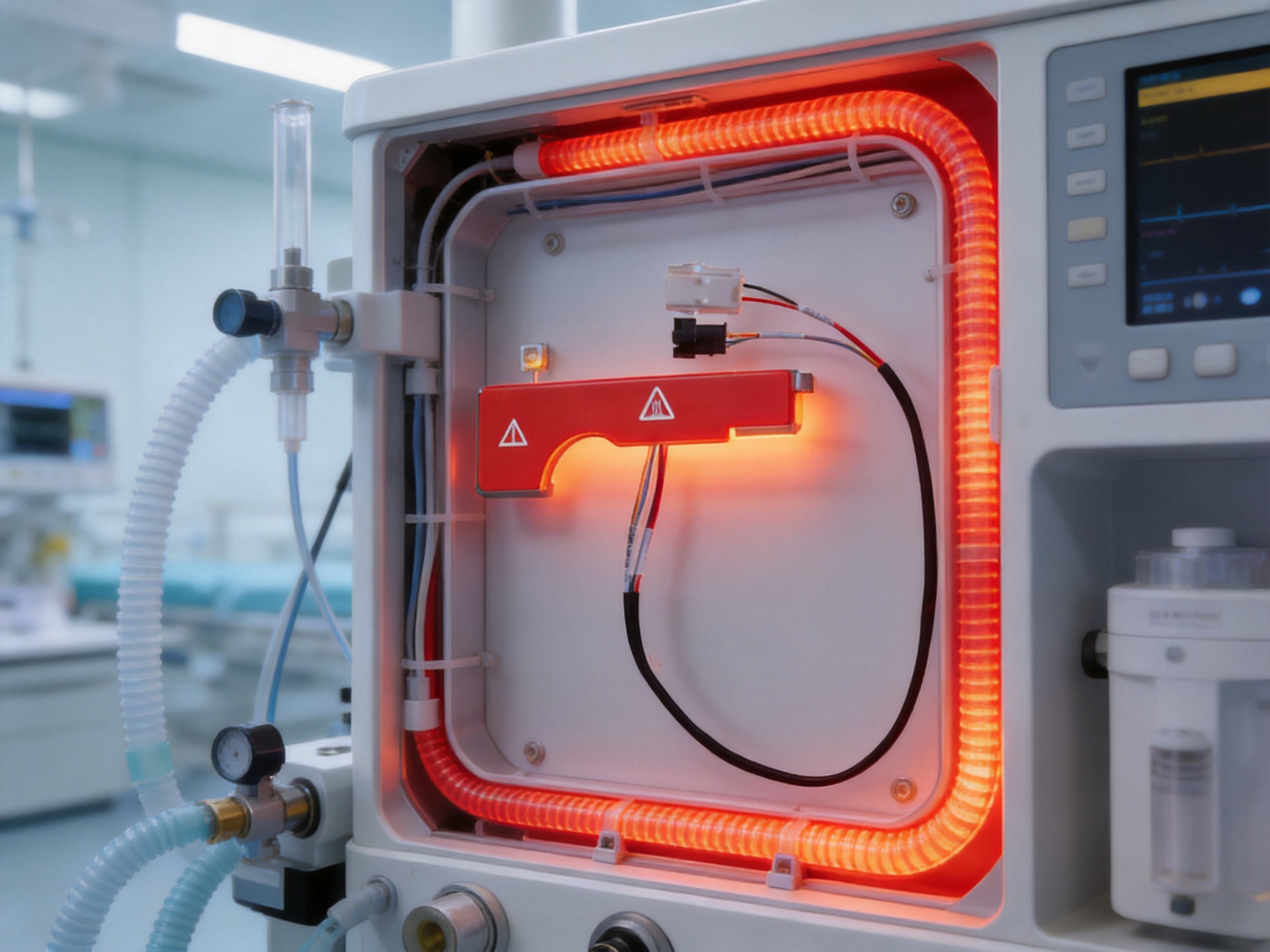
Anesthesia machines combine gas sources, pressure regulation, flow control, vaporization, breathing circuits, humidification functions, electronic controls, and monitoring systems. Many of these components are sensitive to temperature. When a machine is operated in a cool room or exposed to temperature changes, moisture can condense on surfaces, inside tubing, or around gas pathways. In some applications, this can affect measurement accuracy, gas flow stability, and the reliability of connected components.
A heater does not replace the machine’s primary control system or clinical safety functions. Instead, it provides targeted thermal support in locations where a stable temperature is important. Depending on the application, the heater may be installed on a housing, a metal plate, a gas-related component, a chamber, a pipe, a valve assembly, or another surface identified by the equipment designer.
The heating element is commonly designed to distribute heat across a defined area. Unlike a simple point heat source, a properly configured surface heater can provide more uniform thermal coverage. This is especially useful when the heated component has a broad or irregular surface and when localized overheating must be minimized.
For medical equipment manufacturers, the main design objective is usually controlled and repeatable heating. The heater must deliver enough heat to achieve the required operating condition while remaining compatible with the surrounding materials, electrical system, enclosure, sensors, and control logic.
Condensation can occur when a surface temperature falls below the dew point of the surrounding air or gas environment. In an anesthesia system, moisture may be undesirable around sensors, valves, connectors, control components, and gas pathways. A heater can raise the temperature of a selected surface and help reduce the possibility of condensation under defined operating conditions.
The actual effect depends on room temperature, humidity, gas composition, gas flow, surface material, insulation, airflow, and the thermal design of the entire machine. Therefore, the heater should be evaluated as part of the complete anesthesia machine rather than as an isolated component.
Stable thermal conditions can support consistent operation of components whose performance changes with temperature. A heater may help maintain a more predictable environment for a sensor or gas-related part, particularly during start-up, standby, or operation in a cool environment.
Temperature stability is achieved through a combination of heater design, power selection, thermal contact, insulation, sensor placement, and control strategy. A heater with excessive power may create unnecessary temperature variation, while a heater with insufficient power may fail to maintain the desired temperature under real operating conditions.
Medical equipment often has limited internal space. The heater must fit around mounting points, fasteners, electrical connectors, air passages, labels, curved surfaces, and service-access areas. A thin, flexible heater can be advantageous because it can conform to the available installation surface without requiring a large mechanical enclosure.
The specified product thickness is at least 1.0 millimeter. The final thickness may vary according to the selected insulation, adhesive, protective layer, conductive plate, wiring, and other construction requirements. This allows the heater to be adapted to the physical limits of a specific machine.
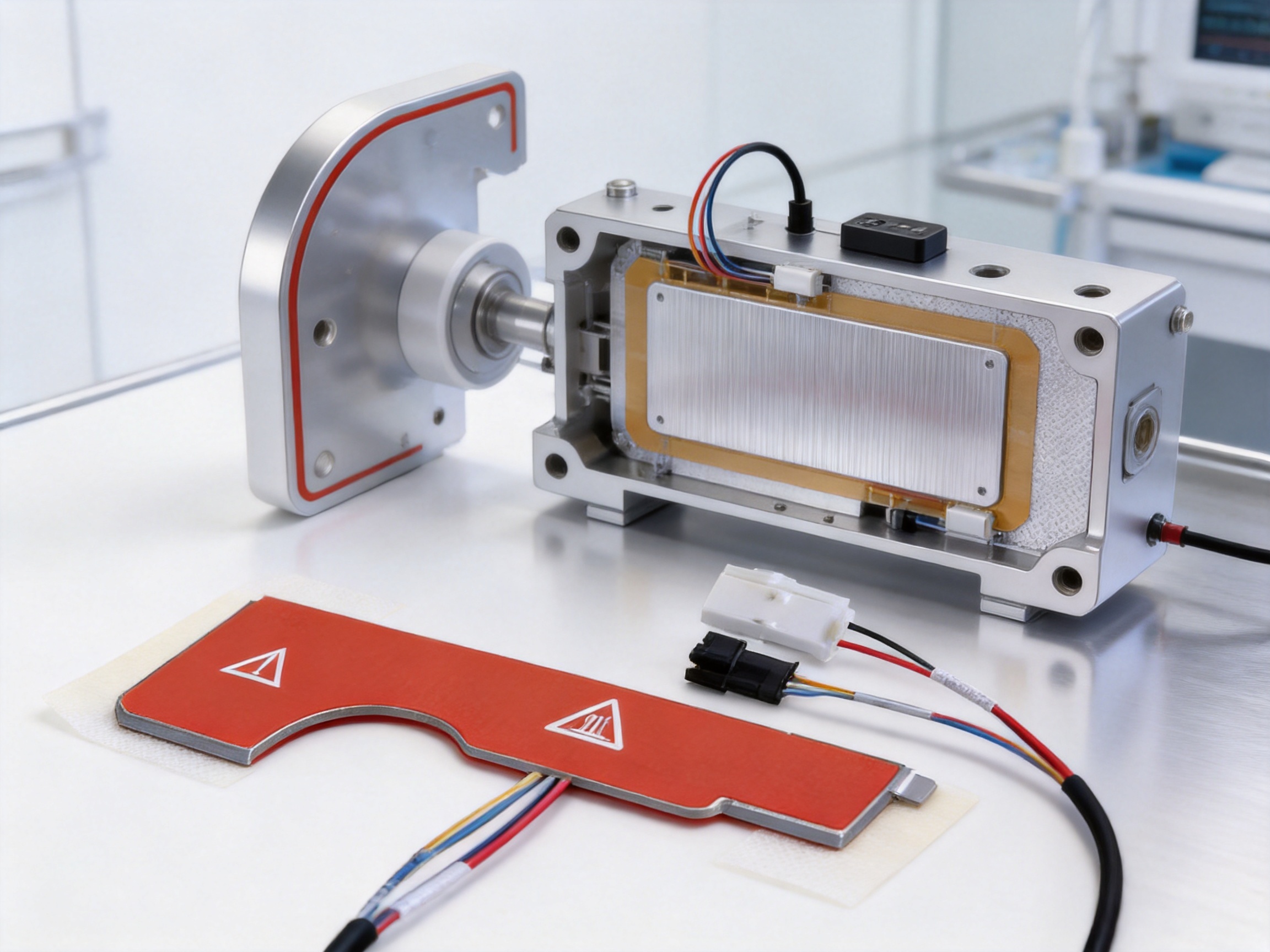
The anesthesia machine heater is a customized electric heating assembly intended for heating selected components of anesthesia equipment. It is not limited to one fixed shape or one standard electrical configuration. Instead, the product can be designed to match customer requirements for size, geometry, voltage, wattage, control method, cable exit position, and installation method.
The heater may be produced as a flexible silicone rubber heating system or as a customized surface-heating assembly using compatible insulating and thermal-conductive materials. Silicone rubber is widely used in heating applications because it is flexible, lightweight, electrically insulating, and capable of operating across a broad temperature range when properly formulated and manufactured.
The maximum heating temperature specified for this product is up to 200°C. This figure describes the available product capability and must not be interpreted as the recommended operating temperature for every anesthesia machine. The appropriate working temperature should be established through the equipment manufacturer’s design requirements, risk assessment, thermal testing, and control settings.
The rated power density is up to 3 W/cm². Power density is an important design parameter because it indicates how much electrical power is applied over a given heating area. The required value depends on the size and material of the heated object, heat loss, insulation, response time, and target temperature.
The insulation resistance is specified as at least 100 MΩ when tested at 1,000 V under the applicable test conditions. High insulation resistance helps demonstrate that the heating circuit is electrically separated from the external insulating structure. Production testing should be performed using controlled procedures and equipment appropriate for the final product design.
| Parameter | Product information | Design significance |
|---|---|---|
| Product type | Anesthesia machine heater | Provides localized heating for selected anesthesia equipment components |
| Application | Medical industry | Requires careful integration, testing, and application-specific validation |
| Construction | Customized electric heating assembly | Can be adapted to customer drawings, dimensions, and installation conditions |
| Minimum stated thickness | ≥ 1.0 mm | Supports compact integration while allowing protective and insulating layers |
| Maximum heating temperature | ≤ 200°C | Provides a broad design range; actual operating temperature must be controlled |
| Maximum stated power density | ≤ 3 W/cm² | Allows heating output to be matched to the thermal load |
| Insulation resistance | ≥ 100 MΩ at 1,000 V | Supports electrical insulation performance verification |
| Optional accessories | Wire, adhesive layer, aluminum plate, thermal-conductive material, insulation, controller, sensor | Enables a complete and application-specific heating assembly |
One of the main advantages of this heater is the ability to customize the construction according to the customer’s equipment. A standard heater may not fit correctly around the contours of an anesthesia machine or may not provide the required thermal distribution. Custom construction allows the heating area, electrical layout, protective layers, and connection method to be considered together.
The heater can be designed according to customer drawings, samples, dimensional data, or technical specifications. Possible shapes include rectangular, circular, annular, strip-shaped, irregular, or multi-zone forms. Cut-outs and openings may be incorporated when required for screws, sensors, pipes, connectors, or other machine components.
Accurate dimensional design is important because poor contact or an incorrect outline can create thermal gaps. A heater that is too large may interfere with nearby components, while one that is too small may not provide sufficient coverage. The design process should therefore consider installation tolerances, bending radius, surface flatness, and maintenance access.
The internal heating element can be arranged to provide an appropriate distribution of heat across the active area. The layout may be adjusted to compensate for different heat losses at the edges, corners, mounting points, or contact surfaces. For larger or more complex components, the heating area may be divided into zones or designed with separate control sections.
Heating element geometry also affects electrical resistance, power density, response time, and temperature uniformity. During development, the manufacturer can review the required voltage and wattage and select a resistance design that matches the customer’s power supply and control system.
Silicone rubber heating systems are suitable for applications where flexibility, compactness, and surface conformity are important. The material can accommodate curved surfaces and can be combined with insulation or thermal-conductive layers to create a complete heating assembly.
A silicone rubber heater may be supplied with a protective surface layer, pressure-sensitive adhesive backing, mechanical mounting features, or a conductive plate. The exact structure depends on the application. For equipment exposed to repeated cleaning, vibration, or handling, the outer construction should be selected to withstand the relevant environmental conditions.
An adhesive layer can simplify installation by improving contact between the heater and the heated surface. Good thermal contact reduces air gaps and helps transfer heat efficiently. The adhesive must be selected for compatibility with the substrate, expected temperature, cleaning process, aging requirements, and removal or replacement conditions.
Where adhesive mounting is not appropriate, the heater may be designed with an aluminum plate, clamps, fasteners, straps, or another mechanical solution. Mechanical mounting can be useful when the heater must be replaceable or when the installation surface cannot accept adhesive.
Thermal-conductive materials can help distribute heat from the active element across the target surface. Aluminum plates are particularly useful when a broader and more uniform heat distribution is needed. They can also provide mechanical support and improve the dimensional stability of the assembly.
Insulation materials help direct heat toward the target component and reduce heat loss to the surrounding structure. They may also reduce the temperature of nearby parts and provide an additional electrical or mechanical barrier. The insulation design should be evaluated together with the heater’s maximum temperature, power density, and available space.
The performance of an anesthesia machine heater is determined by the relationship between voltage, resistance, power, surface area, heat loss, and temperature control. For a resistive heater, electrical power is generally related to voltage and resistance according to basic electrical principles. However, the final thermal performance depends on installation and environmental conditions as well as the nominal electrical rating.
Power should be selected according to the amount of heat required to raise and maintain the temperature of the target component. Important factors include the mass of the component, the material’s thermal conductivity, the initial temperature, the ambient temperature, airflow, contact quality, insulation, and the required warm-up time.
Using the highest available power is not necessarily the best approach. Excessive power can cause a rapid temperature increase, larger thermal overshoot, unnecessary stress on materials, or a higher burden on the control system. A properly designed heater provides an appropriate power level with sufficient control margin.
Power density is expressed as power per unit area. The product specification indicates a maximum power density of 3 W/cm². In actual medical equipment, the selected power density may be lower depending on the heated surface and the required temperature profile.
A lower power density can be beneficial when uniform and gentle heating is required. A higher value may be appropriate for compact parts, rapid warm-up, or applications with significant heat loss, provided that the materials and control method are suitable. Thermal testing is necessary to confirm that the selected power density does not create damaging hot spots.
The heater can be supplied with a temperature controller and sensor. The sensor may be installed on the heated surface, within a designated sensor pocket, near the heating element, or at another location defined by the equipment designer. Sensor placement is important because the measured temperature may not be identical to the temperature of the hottest or coldest point.
A controller can regulate the heater through on-off control, proportional control, pulse-width modulation, or another suitable method. The choice depends on the machine’s electrical architecture, response requirements, electromagnetic compatibility considerations, and safety strategy.
For equipment that requires high reliability, an independent over-temperature protection device may be considered in addition to the primary controller. This can include a thermal fuse, thermostat, independent sensor, or software-and-hardware protection arrangement. The correct solution must be established by the medical equipment manufacturer through a documented risk-management process.
The stated insulation resistance of at least 100 MΩ at 1,000 V provides a clear electrical performance target. High insulation resistance is important because the heater may be installed near metal structures, sensors, control boards, and other conductive components.
Insulation resistance testing should be performed after assembly and, where appropriate, after environmental conditioning. Test voltage, dwell time, measurement temperature, humidity, connection method, and acceptance criteria should be documented. Additional dielectric-strength, grounding, leakage-current, and continuity tests may be required depending on the final equipment design and applicable standards.
Medical equipment manufacturers may compare a customized anesthesia machine heater with generic heating pads, general-purpose heating tape, cartridge heaters, resistance wire, or imported standard heating plates. Each technology can be useful in specific conditions, but a customized surface heater offers several advantages when the application requires thin construction, controlled distribution, and close integration.
Generic products are usually supplied in fixed sizes and shapes. They may require additional brackets, adapters, or modifications that increase installation complexity. A customized heater can be developed for the actual component, making it easier to use the available space and avoid interference with surrounding parts.
A designed heating layout can distribute heat across the required area more evenly than a single point heater. This may reduce temperature differences across the target component and help lower the risk of localized overheating.
A thin flexible heater can occupy less space than a heater installed inside a bulky metal enclosure. This is valuable in compact anesthesia machines where internal volume is limited and where service access must be preserved.
The heater can be supplied with cables, adhesive, thermal-conductive layers, insulation, sensors, and controllers. Receiving these elements as a coordinated assembly can reduce procurement complexity and help ensure that the components are compatible with one another.
The resistance, voltage, wattage, and connection configuration can be designed around the customer’s power supply. This is preferable to forcing a machine to accommodate a heater with an unsuitable electrical rating.
Customized manufacturing allows technical questions to be reviewed before mass production. The supplier can discuss the heated surface, target temperature, control method, installation process, and test requirements. This design interaction is particularly important for medical equipment, where the heater is part of a larger system that must be verified as a whole.
| Comparison factor | Customized anesthesia machine heater | Generic heating product |
|---|---|---|
| Shape | Designed for the customer’s component | Usually limited to standard sizes |
| Surface coverage | Heating layout can be optimized for the target area | May leave gaps or create concentrated heating |
| Thickness | Can be designed for compact integration | May require additional mounting space |
| Electrical rating | Can be matched to the equipment power system | May require external adaptation |
| Accessories | Wire, sensor, controller, insulation, adhesive, and conductive layers can be coordinated | Accessories may need to be sourced separately |
| Development | Supports prototype review and application-specific adjustment | Limited ability to modify construction |
| Integration risk | Can be evaluated with the complete equipment design | Fit and thermal behavior may be less predictable |
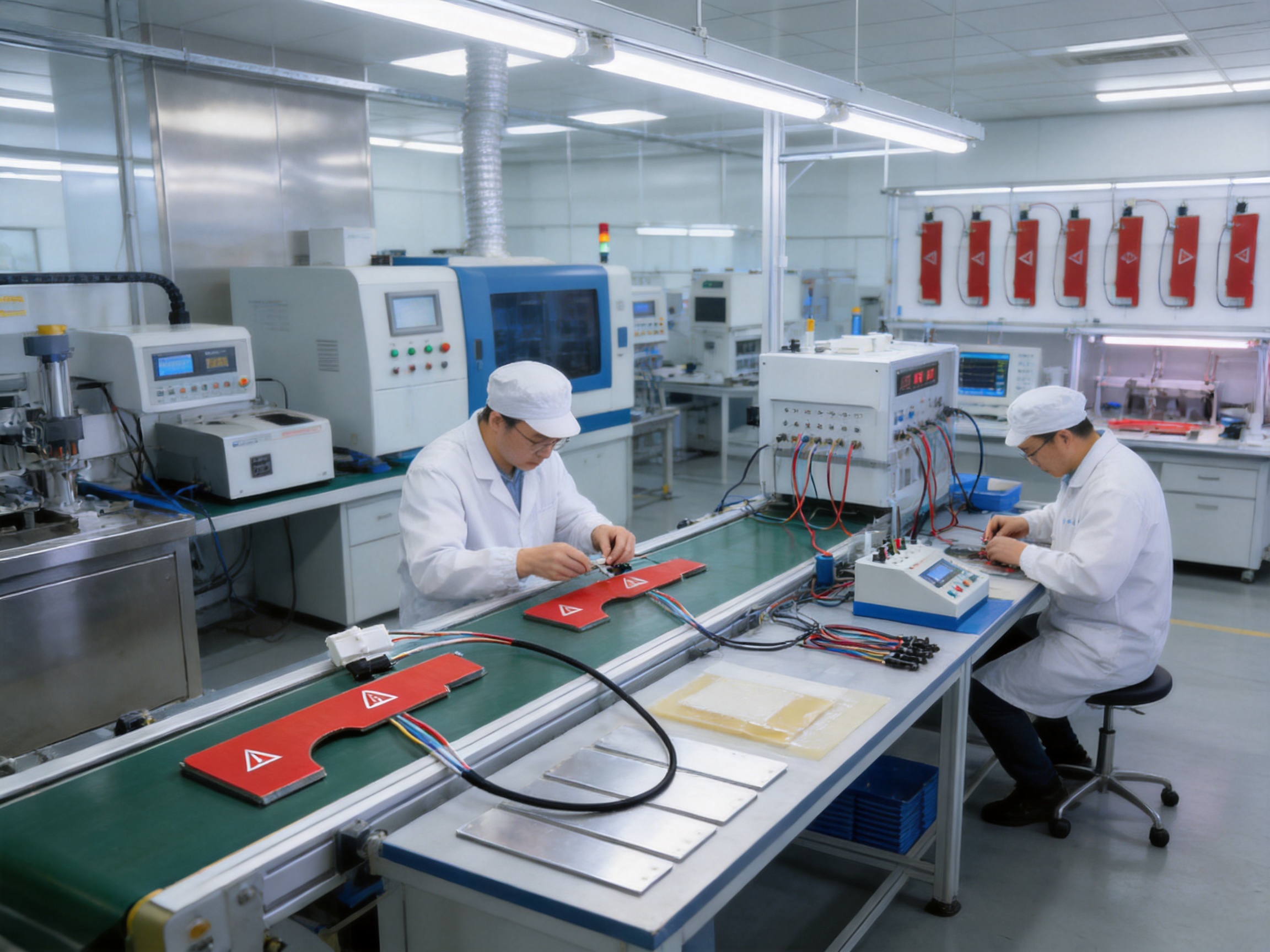
The quality of a customized heater depends on controlled manufacturing at every stage. The manufacturing process must convert a customer’s technical requirements into a repeatable product with stable electrical resistance, reliable insulation, accurate dimensions, and consistent thermal behavior.
Production begins with a technical review of the application. The manufacturer evaluates the customer’s drawings, target temperature, voltage, power, heating area, installation method, cable arrangement, sensor requirements, and operating environment.
Questions should be clarified before production. These may include whether the heater will be exposed to cleaning agents, whether it will be repeatedly flexed, whether it will contact metal, whether it will be installed inside an enclosure, and whether the machine requires rapid warm-up or continuous low-level heating.
After the requirements are confirmed, engineers determine the heater outline, active heating region, resistance pattern, insulation structure, cable exit, sensor position, and accessory arrangement. Thermal and electrical calculations can be used to establish a preliminary design.
For irregular parts, the design may be developed from a two-dimensional drawing, three-dimensional model, physical sample, or installation photograph accompanied by accurate measurements. Prototype production can then be used to confirm fit and performance before final approval.
Materials are prepared according to the approved construction. These may include silicone rubber, resistance wire or heating element materials, conductive plates, adhesive films, thermal interface materials, insulation layers, protective sheets, lead wires, sensors, and controllers.
Material selection should consider temperature capability, flexibility, dielectric performance, dimensional stability, aging, chemical exposure, and compatibility with the final machine. Batch identification and incoming inspection help improve traceability and consistency.
The heating element is formed according to the designed resistance and layout. The manufacturing method may vary depending on the heater type, dimensions, and required production volume. The goal is to achieve stable resistance and an even distribution of the active heating area.
Connections between the heating element and lead wires must be mechanically secure and electrically reliable. The connection area should be protected against bending, pulling, moisture, and thermal stress through appropriate strain relief and insulation.
The heating element is assembled with the selected silicone rubber, insulation, adhesive, conductive plate, or protective layers. Lamination and encapsulation must be controlled to reduce air pockets, wrinkles, displacement, and uneven thickness.
Uniform encapsulation helps protect the heating element and supports consistent heat transfer. It also contributes to the heater’s flexibility, surface finish, electrical insulation, and resistance to handling during installation.
Lead wires are installed according to the customer’s required length, direction, connector, terminal, and exit position. A cable that exits from an unsuitable location may interfere with the machine’s enclosure or create excessive bending stress, so cable routing is part of the engineering design.
When supplied, sensors and controllers are checked for compatibility with the heater’s electrical and thermal characteristics. Adhesive layers, aluminum plates, insulation materials, and thermal-conductive components are assembled according to the approved product configuration.
Finished heaters are inspected for dimensions, appearance, resistance, insulation resistance, continuity, wire attachment, and accessory configuration. Depending on the application, additional tests may include dielectric withstand, temperature rise, heating uniformity, thermal cycling, flexing, adhesion, and environmental conditioning.
Testing requirements should be agreed between the supplier and the equipment manufacturer. A component test cannot replace final validation of the complete anesthesia machine, but it provides important evidence that the heater conforms to its specified design.
Santo Thermal Control Technology Co., Ltd. combines product research, engineering, production, and sales within the electric heating field. The company is located in Jiangsu Province, an area known for electric heating belt manufacturing. Its experience includes automatic temperature-control heating belts, self-limiting heating belts, constant-power heating products, glass fiber heating belts, silicone rubber heating systems, mineral-insulated cables, snow melting cables, heating mats, tubing bundles, and accessories.
This broad product background is relevant to anesthesia machine heater production because the company can draw on experience with different heating elements, insulating structures, temperature-control methods, and installation environments. It also supports the development of customized products rather than limiting customers to one fixed construction.
The company states that it cooperates in product research with Harvard University in the United States and has developed products involving self-limiting temperature technology, nano far-infrared heating, carbon fiber parallel heating cables, and other electric heating technologies. These capabilities indicate a focus on continued product development and engineering improvement.
For a customized medical equipment heater, research and development capability is valuable because the product may require an unusual shape, a specialized thermal profile, a unique sensor arrangement, or a combination of flexible and rigid materials.
The company reports more than 35 years of industry experience, annual output exceeding 10,000 units, and a distribution network covering more than 2,000 distributors and 85 areas. These figures reflect established experience in electric heating product production and market service.
Production experience can help improve process consistency, supplier coordination, production scheduling, and after-sales support. It is also useful when a customer needs a product to move from prototype quantities to recurring production.
The company has passed ISO 9001 quality management system certification and reports that its products have obtained national CCC certification where applicable. Quality management certification does not automatically certify every product for every medical application, but it indicates the presence of a structured quality system.
For medical equipment applications, the customer should confirm the specific quality, regulatory, documentation, and traceability requirements that apply to the final device and its components. Product drawings, inspection records, material information, test reports, and change-control procedures may be requested as part of the supplier qualification process.
The company’s products have entered international markets, and it reports the establishment of a factory in Russia in 2023 to support its international presence. International supply experience can assist with export documentation, communication across time zones, packaging, production coordination, and customer service.
For overseas medical equipment manufacturers, the supplier should be evaluated not only on product price but also on engineering response time, documentation quality, production capacity, inspection capability, packaging, and the ability to maintain consistent specifications over the product life cycle.
Before ordering an anesthesia machine heater, the equipment manufacturer should define the application in sufficient detail. A complete technical brief reduces development time and helps the supplier recommend an appropriate construction.
The customer should identify the exact component or surface to be heated. A drawing, photograph, three-dimensional model, or sample can help clarify the available space. The material of the target surface should also be identified because aluminum, stainless steel, plastic, glass, and composite materials transfer heat differently.
The required operating temperature should be specified as a range rather than only a maximum value. The design team should define the normal temperature, allowable variation, warm-up time, ambient temperature range, and maximum safe temperature for nearby materials.
Although the heater can support a heating temperature up to 200°C, many anesthesia machine applications will require a considerably lower controlled temperature. The final setting must be based on the equipment design and verified through testing.
The customer should provide the available voltage, frequency where relevant, maximum allowable current, control method, and connector requirements. The heater’s resistance and power must be compatible with the machine’s power supply and control electronics.
The location of the temperature sensor should be selected based on the thermal behavior of the complete assembly. A sensor mounted too far from the heating element may respond slowly, while a sensor placed too close to the hottest region may not represent the temperature of the component being protected.
Relevant environmental conditions include humidity, cleaning agents, disinfectants, vibration, pressure, airflow, repeated flexing, storage conditions, and expected service life. These factors influence the selection of silicone rubber, adhesive, cable insulation, protective layers, and mounting method.
The product design should consider whether the heater will be permanently bonded or replaceable. A replaceable heater may require a mechanical mounting arrangement and accessible wiring. A permanently bonded heater may offer better thermal contact but can require additional planning for servicing.
An anesthesia machine heater is a component of medical equipment, so safety must be considered at the system level. The supplier can manufacture the heater according to agreed technical requirements, but the medical equipment manufacturer remains responsible for confirming that the complete device is safe and suitable for its intended use.
Thermal verification should identify the hottest point, coldest point, warm-up time, steady-state temperature, thermal overshoot, response to sensor failure, response to controller failure, and behavior under abnormal conditions. Tests should be conducted under representative ambient temperatures, airflow conditions, loads, and installation configurations.
Electrical verification may include resistance measurement, insulation resistance, dielectric-strength testing, leakage-current assessment, grounding continuity, connector inspection, and cable pull or flex testing. The exact test program depends on the final machine architecture and applicable regulatory requirements.
Risk analysis should consider possible hazards such as overheating, fire, electric shock, insulation damage, incorrect sensor readings, controller malfunction, adhesive failure, cable damage, liquid exposure, and interference with other medical equipment. Protective measures should be incorporated into the heater, controller, software, wiring, enclosure, and maintenance instructions as appropriate.
The product’s maximum temperature and power density are design limits, not automatic guarantees of safe operation in every installation. The customer should validate the heater with the actual anesthesia machine, target component, enclosure, control system, and operating environment.
A structured development process can reduce risks when introducing a customized heater into a new anesthesia machine. The process normally begins with requirement collection and technical review, followed by preliminary design, prototype manufacture, testing, design adjustment, approval, and mass production.
The customer supplies dimensions, drawings, target temperatures, power requirements, electrical connections, operating conditions, and quality requirements. If some details are not yet available, the supplier can help identify the information needed to complete the design.
Prototype heaters allow the customer to evaluate fit, cable routing, installation, heat distribution, warm-up time, and control behavior. The prototype stage is particularly important for irregular surfaces or assemblies with limited internal clearance.
After testing, the customer and supplier confirm the final drawing, material structure, electrical values, accessory list, inspection criteria, and packaging method. Any design changes should be documented so that future production remains consistent.
Once the design is approved, production can proceed according to the agreed specifications. First-article inspection, process inspection, and final inspection can be used to verify that the production heater matches the approved prototype.
Changes to materials, suppliers, heating element layout, cable type, adhesive, insulation, sensor, or manufacturing process should be reviewed before implementation. Medical equipment manufacturers may require notification, sample approval, or additional validation when a change could affect safety or performance.
Because flexible heaters can be damaged by sharp bending, compression, moisture, or incorrect storage, packaging should protect the product during transport and handling. Cable exits and connectors should be secured, and the heater should be stored according to the material supplier’s requirements.
Technical documentation may include product drawings, electrical specifications, resistance values, insulation resistance results, material descriptions, wiring information, installation instructions, and inspection records. The documentation package should match the final configuration rather than a general product family.
Customer support is especially important during the initial design stage. The supplier should be able to discuss dimensions, temperature control, power selection, sensor position, adhesives, conductive layers, insulation, and production feasibility. Clear communication can prevent common problems such as incorrect cable placement, inadequate thermal contact, insufficient insulation, or excessive power density.
Santo Thermal Control Technology Co., Ltd. provides multiple contact channels for technical and commercial communication, including telephone and email support. Customers should use the contact information confirmed in the latest quotation or business documentation when requesting drawings, samples, production information, and after-sales service.
Selecting a supplier for an anesthesia machine heater involves more than comparing the nominal wattage or unit price. The supplier must understand electric heating technology, flexible material construction, temperature control, insulation, custom manufacturing, and the requirements of the customer’s equipment.
A customized supplier can help transform a general heating requirement into a complete component. This may include selecting the heating layout, adding an adhesive layer, integrating a sensor, improving thermal contact with an aluminum plate, adding insulation, and configuring the lead wires for efficient installation.
The supplier’s wider product experience is also useful. Experience with self-limiting heating systems, constant-power products, silicone rubber heaters, glass fiber heating products, mineral-insulated cables, and heat tracing accessories provides a broad technical foundation. Different applications require different solutions, and a diverse product background can support more effective engineering discussions.
Santo’s reported history extends from the founding of an electric heating instrument factory in 2000 through ISO 9001 certification, the establishment of an irradiation center, development of new heating technologies, creation of the SANTO brand, international certification activities, factory expansion, and the development of additional testing and simulation facilities. This history reflects long-term participation in the electric heating industry.
An anesthesia machine heater provides controlled heat to a selected component or surface of an anesthesia system. It may help support temperature stability, reduce condensation under defined conditions, and maintain more consistent operation of temperature-sensitive parts.
No. The product is intended to be customized according to customer requirements. Dimensions, shape, power, voltage, cable position, sensor arrangement, insulation, adhesive, and conductive layers can be discussed during technical development.
Yes. A flexible silicone rubber heating construction can be designed for many curved or irregular surfaces, provided that the bending radius, installation method, and material limits are defined during development.
The stated heating temperature is up to 200°C. The actual operating temperature for an anesthesia machine should normally be established by the equipment manufacturer and controlled according to the requirements of the target component.
The specified power density is up to 3 W/cm². The recommended power density depends on the heated surface, heat loss, desired warm-up time, insulation, and temperature-control strategy.
Yes. A temperature sensor can be included as an optional accessory. Its type, position, cable arrangement, and connection method should be selected according to the customer’s control system and thermal test results.
Yes. A temperature controller can be supplied when required. The controller must be matched to the heater’s voltage, current, sensor, control method, and the safety architecture of the anesthesia machine.
The stated insulation resistance is at least 100 MΩ when tested at 1,000 V under the applicable conditions. Additional electrical tests may be required for the final medical equipment application.
Yes. An adhesive layer is an available option. The adhesive should be selected according to the target surface, operating temperature, cleaning chemicals, expected service life, and whether the heater must later be removed.
An aluminum plate can improve heat distribution, provide mechanical support, and help transfer heat across a broader surface. It may be useful when the target component requires more uniform heating than the flexible element alone can provide.
Yes. Insulation material can be included to reduce heat loss, protect nearby components, improve thermal efficiency, and provide an additional electrical or mechanical barrier.
Testing should include dimensional inspection, resistance, insulation resistance, continuity, appearance, cable attachment, and application-specific thermal tests. The complete anesthesia machine should also be tested under representative operating and abnormal conditions.
The heater is a component rather than a complete anesthesia machine. The medical equipment manufacturer must determine the regulatory pathway, conduct system-level risk assessment, and verify the finished medical device according to the requirements of the destination market.
Useful information includes the target component, drawings or dimensions, available voltage, desired wattage, target temperature, ambient conditions, installation method, cable requirements, sensor requirements, controller requirements, expected quantity, and applicable inspection or documentation requirements.
The same customized heating technology may be suitable for other medical or laboratory equipment, but each application must be evaluated separately. The material, temperature, electrical, cleaning, and safety requirements may differ from those of an anesthesia machine.
A customized anesthesia machine heater can provide compact, controlled, and application-specific thermal support for medical equipment. Its primary advantages include flexible dimensional design, thin construction, adjustable electrical ratings, optional temperature control, integrated accessories, and the ability to combine heating, insulation, thermal conduction, and mounting functions in one assembly.
The product offers a stated minimum thickness of 1.0 millimeter, a heating temperature capability up to 200°C, a maximum power density of 3 W/cm², and insulation resistance of at least 100 MΩ at 1,000 V under specified test conditions. These characteristics provide a starting point for engineering development, while the final design must be adapted to the actual anesthesia machine and validated as part of the complete system.
Santo Thermal Control Technology Co., Ltd. brings extensive experience in electric heating products, customized heating assemblies, silicone rubber heating systems, heat tracing technologies, temperature-control products, and related accessories. Its research, manufacturing, quality-management, and international supply capabilities can support customers seeking a long-term heating component partner rather than a simple standard product.
For the best result, customers should involve the heater manufacturer at the early design stage. Clear information about the target surface, operating temperature, power supply, sensor position, installation method, environmental conditions, and regulatory requirements allows the supplier to develop a safer and more reliable solution. Prototype testing, documented verification, and controlled production then help move the product from concept to dependable medical equipment integration.
1. ISO 9001, Quality Management Systems—Requirements.
2. IEC 60601-1, Medical Electrical Equipment—General Requirements for Basic Safety and Essential Performance.
3. IEC 60601-1-2, Medical Electrical Equipment—Requirements and Tests for Electromagnetic Disturbances.
4. ISO 14971, Medical Devices—Application of Risk Management to Medical Devices.
5. International guidance on thermal management, insulation coordination, and electrical safety for medical equipment.
6. Manufacturer technical information for customized silicone rubber heating systems and anesthesia machine heaters.
7. Manufacturer quality and product information concerning electric heating cables, temperature-control products, heating mats, tubing bundles, and related accessories.
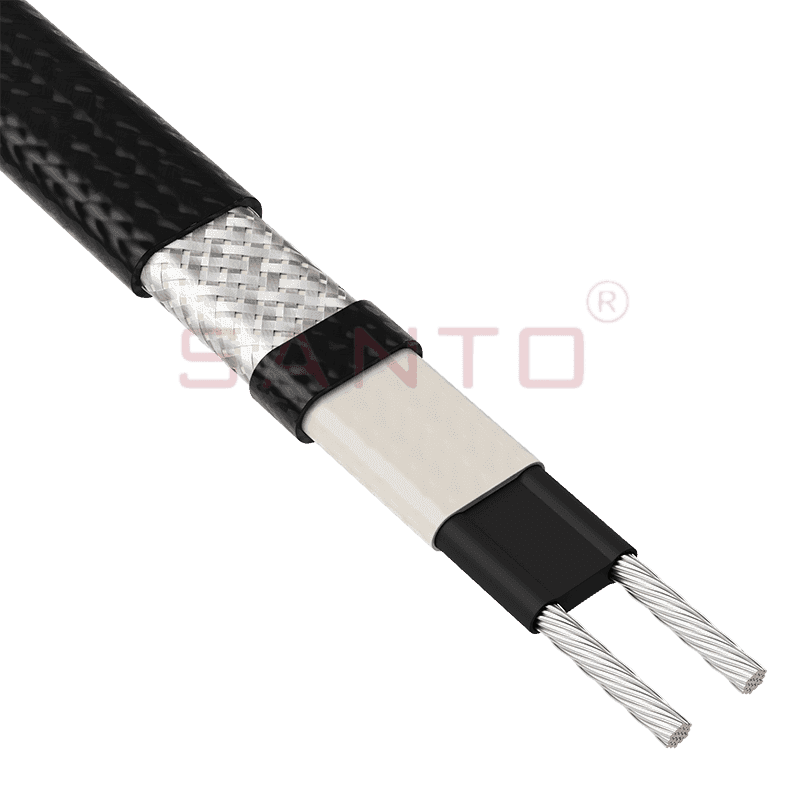
The SANTO UFA range of self-regulating heating cables is mainly used for frost protection of pipes and vessels but can also be used to maintain processes up to 65°C. These heating cables are available...
See Details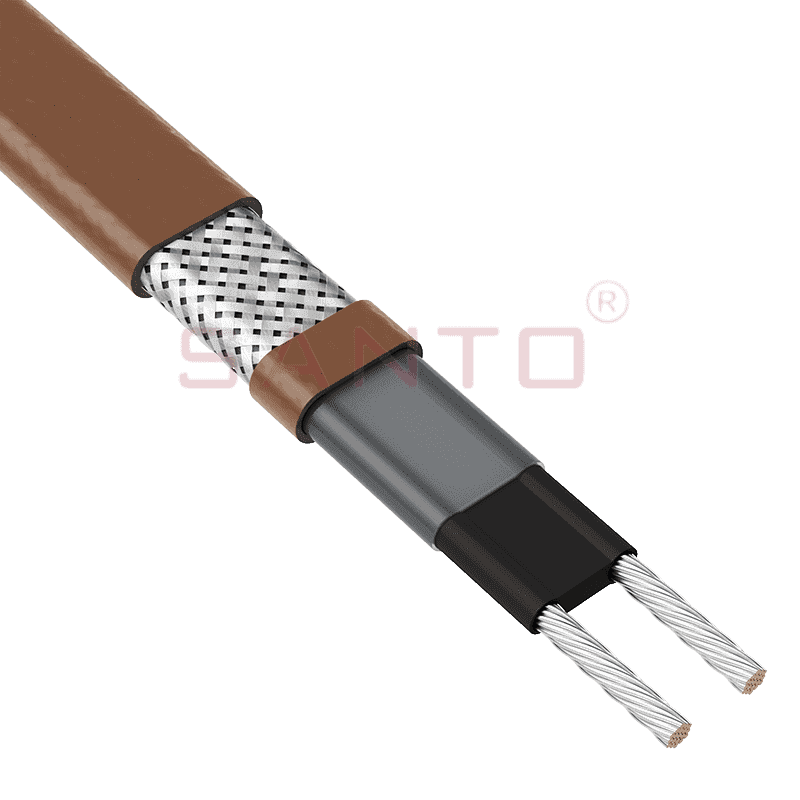
The SANTO UFB range of self-regulating heating cables is mainly used for frost protection of pipes and vessels requiring a higher power output than the UFA heating cables can supply. They can also be ...
See Details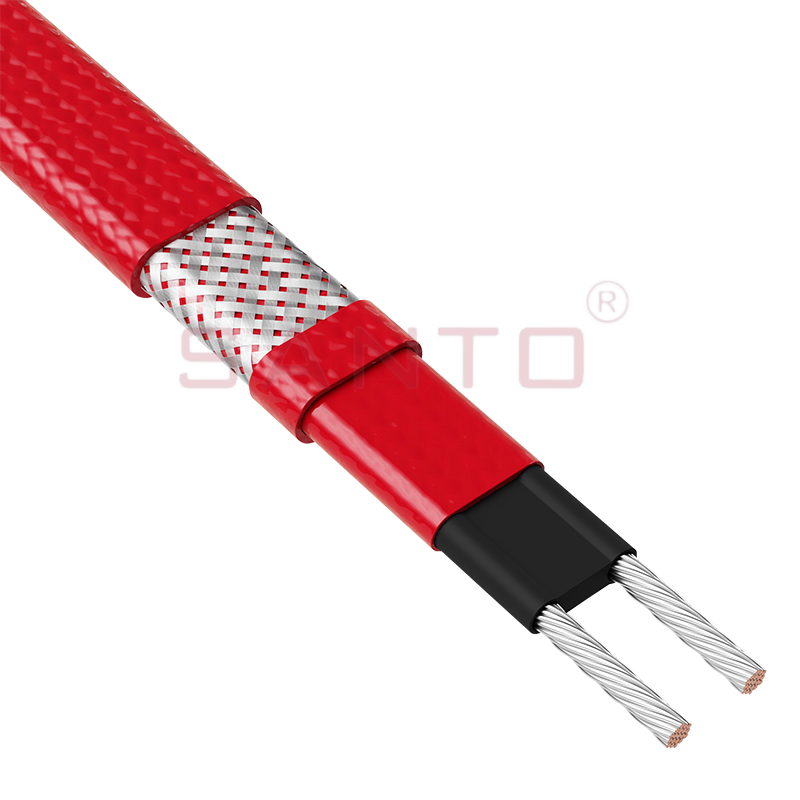
The SANTO UFC range of self-regulating heating cables is used for frost protection of pipes and vessels that require steam cleaning. They can also be used to maintain processes up to 121°C. These heat...
See Details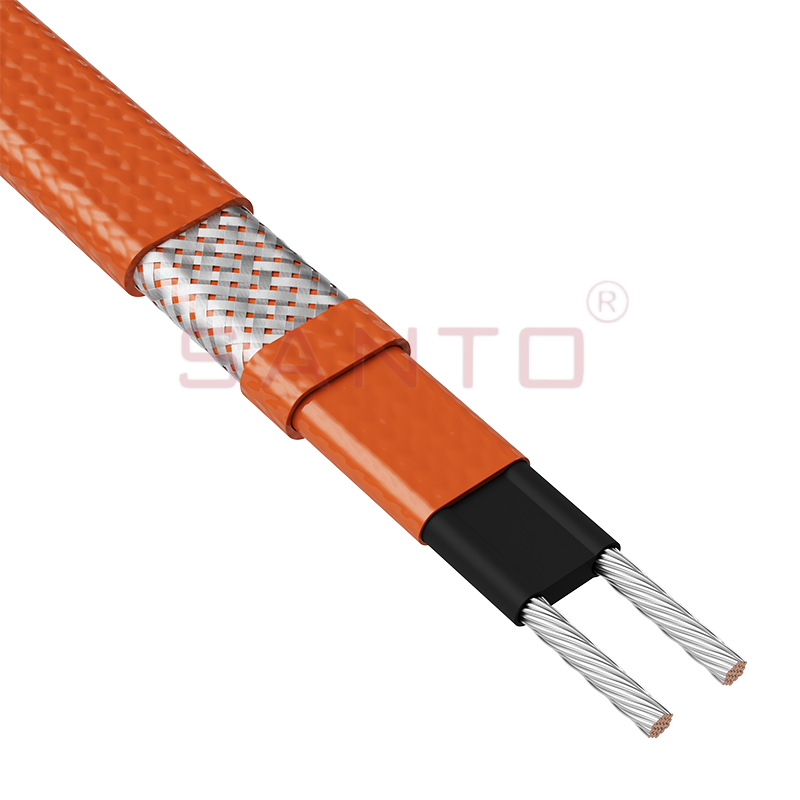
The SANTO UFO range of self-regulating heating cables is mainly used for frost protection of pipes and vessels that require steam cleaning . They can also be used to maintain processes up to 150°C. Th...
See Details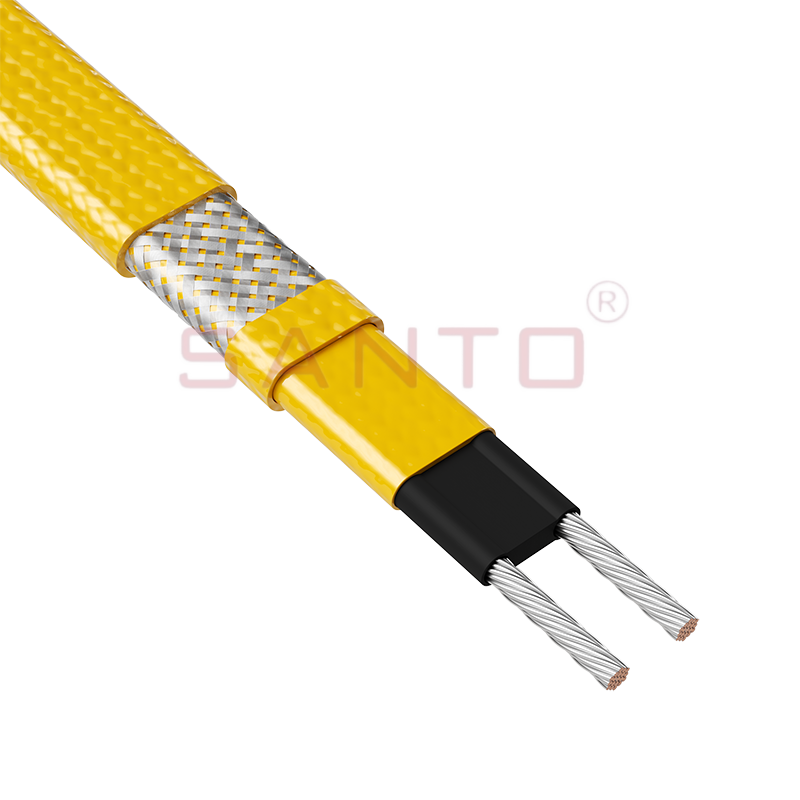
The SANTO UFD series of self-regulating heating cables are mainly used for freeze protection of pipes and vessels, but can also be used to maintain processes up to 200°C. These heating cables are avai...
See Details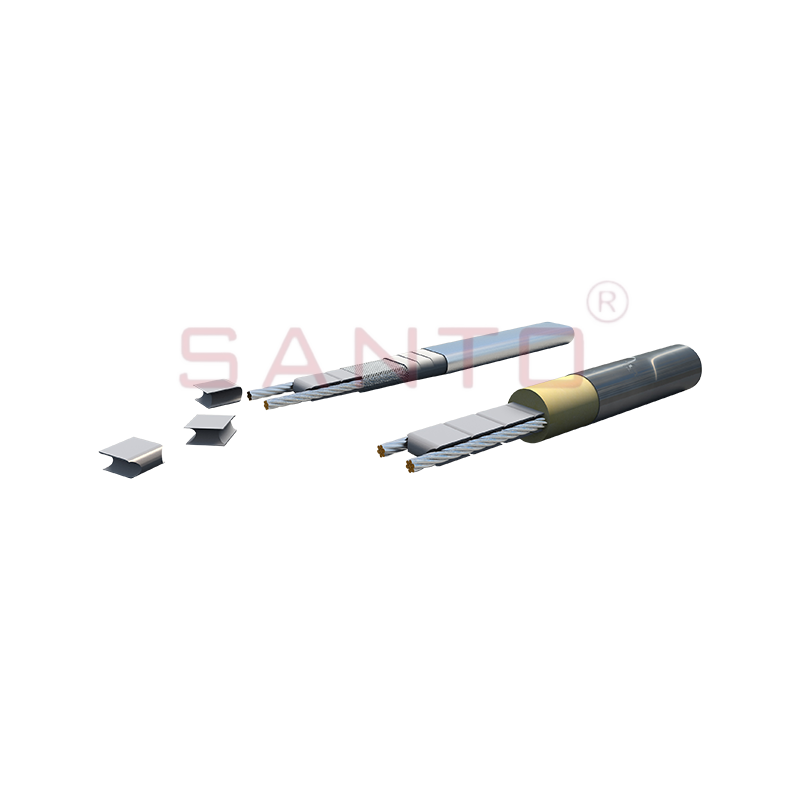
SANTO UFY heating wire is suitable for applications that maintain process temperatures up to 260 ℃ and can be steam blown; The self-regulating and parallel circuit heating wires of the UFY series are ...
See Details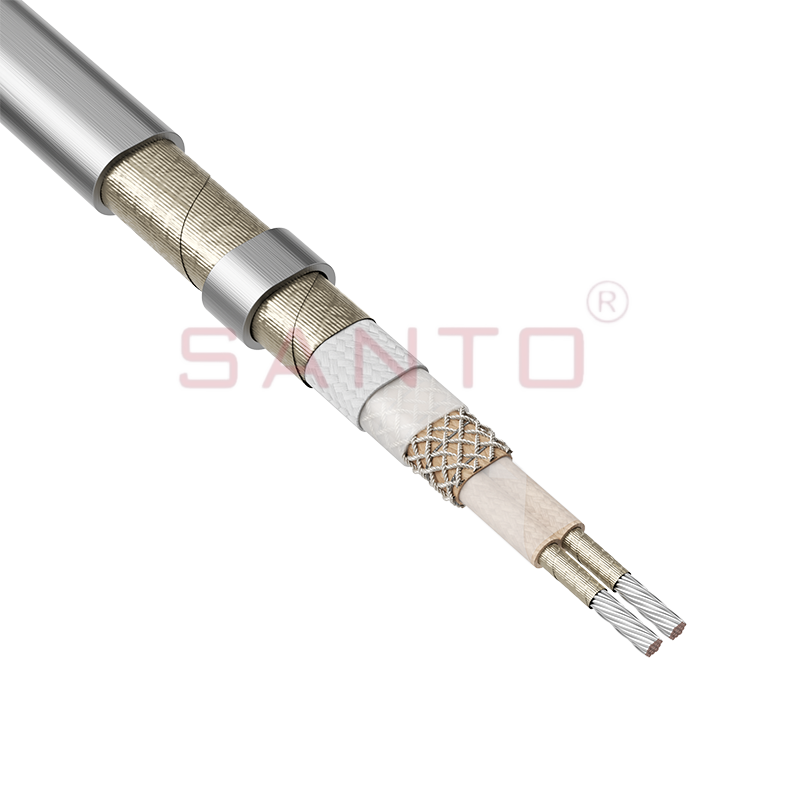
The SANTO UFM series self-regulating heating cables are mainly used for freeze protection of pipes and vessels, but can also be used to maintain processes up to 400°C. These heating cables are availab...
See Details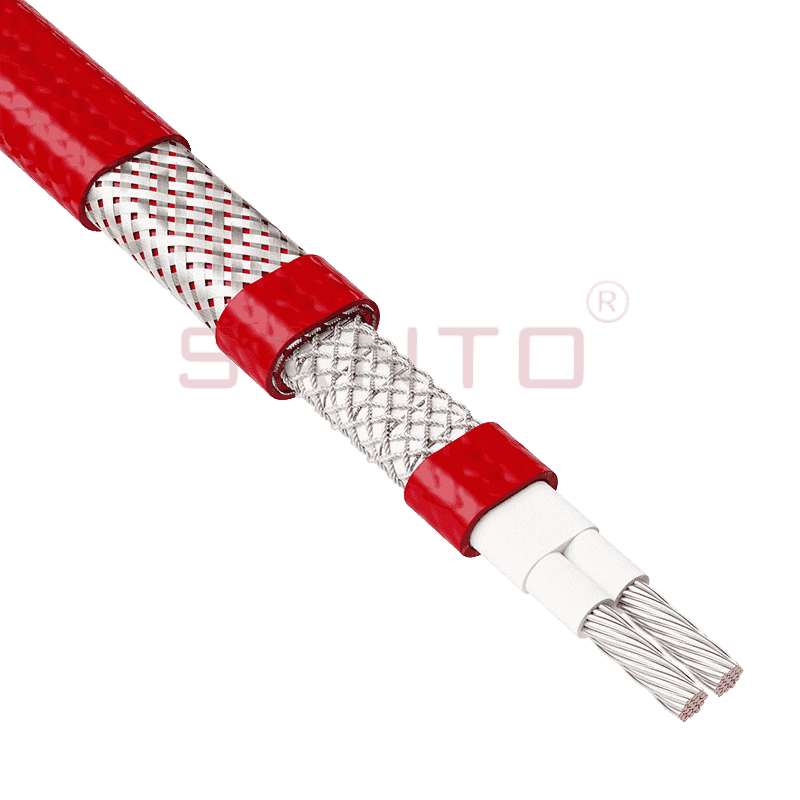
The SANTO ACC range of power-limiting heating cables is mainly used for temperature maintenance of processes and offers the advantage of a high power output at high temperatures which can reduce the n...
See Details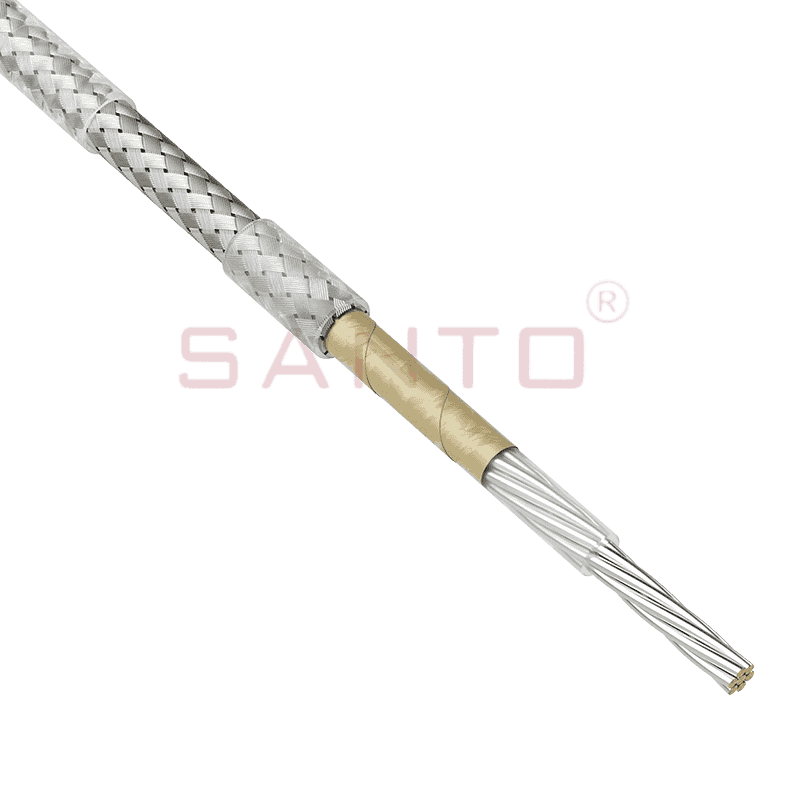
The stranded high temperature conductor is nickel plated to ensure a long life at elevated temperatures in corrosive environments. It is electrically isolated using an innovative sandwich construction...
See Details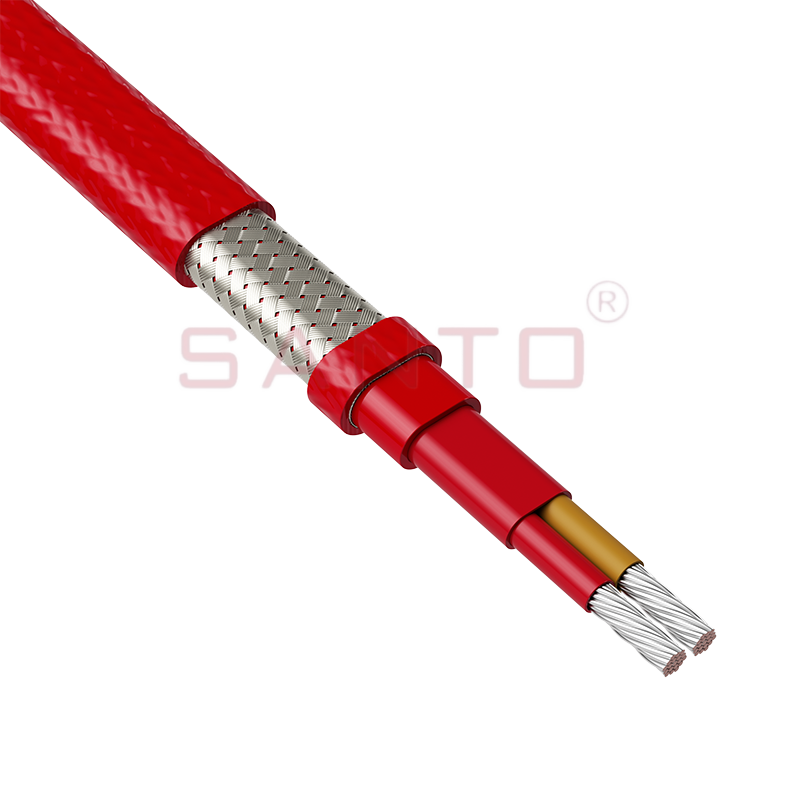
The stranded high temperature conductor is nickel plated to ensure a long life at elevated temperatures in corrosive environments. It is electrically isolated using an innovative sandwich construction...
See Details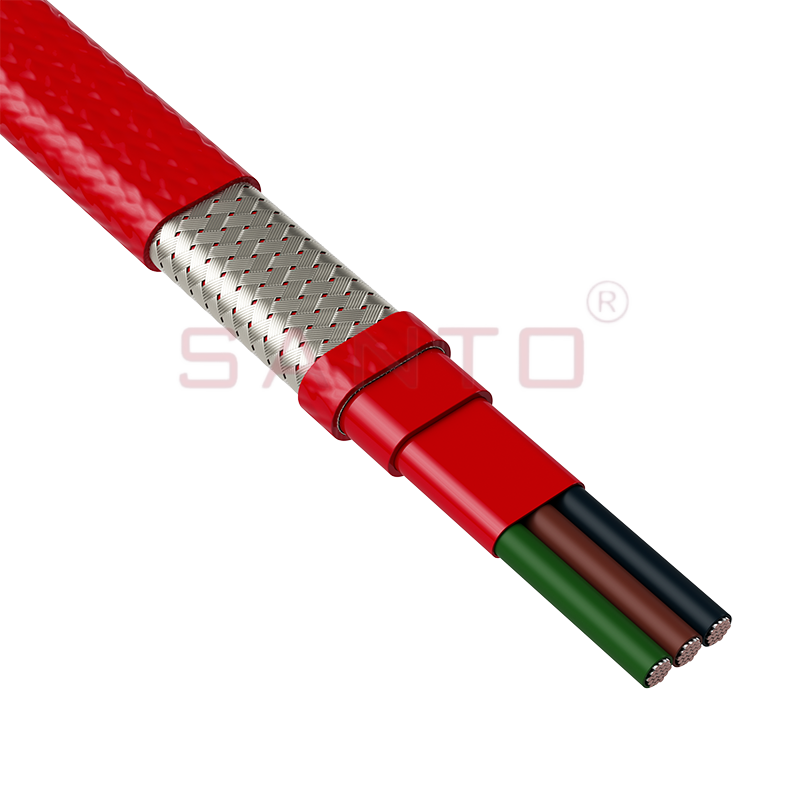
The stranded high temperature conductor is nickel plated to ensure a long life at elevated temperatures in corrosive environments. It is electrically isolated using an innovative sandwich construction...
See Details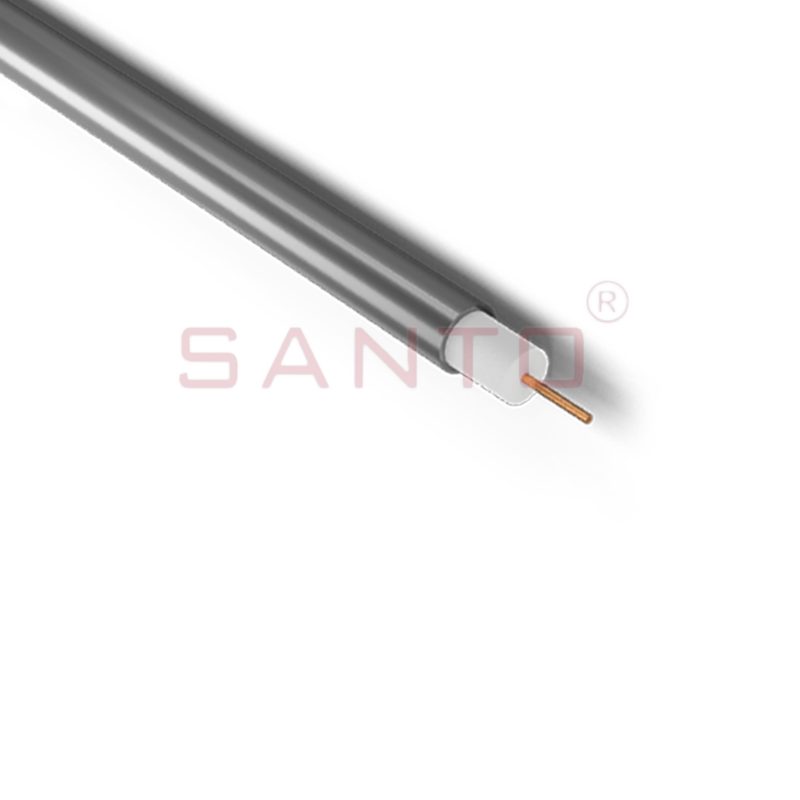
SANTO HAx mineral insulated (MI) Alloy 825 series heating cables are suitable for use in hazardous areas. They have been designed for use in freeze protection and temperature maintenance applications ...
See Details
Santo electric heating strips are widely used in key industries in China.

