 English
  English
 русский
 日本語
日本語 Español
 中文简体
中文简体
The SANTO UFA range of self-regulating heating cables is mainly used for frost protection of pipes and vessels but can also be used to maintain processes up to 65°C. These heating cables are available...
See Details
Industrial heat tracing is no longer a simple accessory added after pipeline construction; it is a strategic thermal management system that protects production continuity, material stability, worker safety, and plant profitability. In refineries, chemical plants, gas facilities, terminals, tank farms, power stations, food processing sites, and construction projects, pipelines and equipment often operate in severe environments where ambient cold, process variation, high viscosity, condensation, crystallization, freezing, or solidification can create costly interruptions. A high-quality parallel constant power heating cable provides a dependable answer to these challenges by delivering uniform and predictable heat output over long service periods.
The SANTO AMM parallel constant power heating cable is designed for industrial heat tracing duties that require robust power delivery, stable thermal performance, high exposure temperature capability, and suitability for demanding field conditions. It is widely applied to industrial pipelines and equipment for freeze protection, process temperature maintenance, and insulation support in systems where heat loss must be carefully balanced. Unlike ordinary low-duty heating wires, this type of constant wattage heating tracing cable is engineered to provide consistent output and reliable operation in installations where shutdowns, maintenance delays, or thermal instability can lead to serious production losses.
As part of the broader heating cable product range from Santo Thermal Control Technology Co., Ltd., the SANTO AMM product reflects the company’s experience in electric heating belt design, thermal control engineering, manufacturing, testing, and customization. The company serves global markets with heating cables, self-limiting heating belts, constant-power electric heating belts, silicone rubber heating systems, glass fiber electric heating products, mineral insulated cables, snow melting cables, tubing bundles, and heat tracing accessories. With more than 35 years of industry background, ISO9001 quality system certification, national CCC certification, explosion-proof certification, EAC Eurasian Union certification, strong production capacity, and continuous product development, the company positions the SANTO AMM cable as a reliable solution for customers seeking durability, safety, and consistent performance.
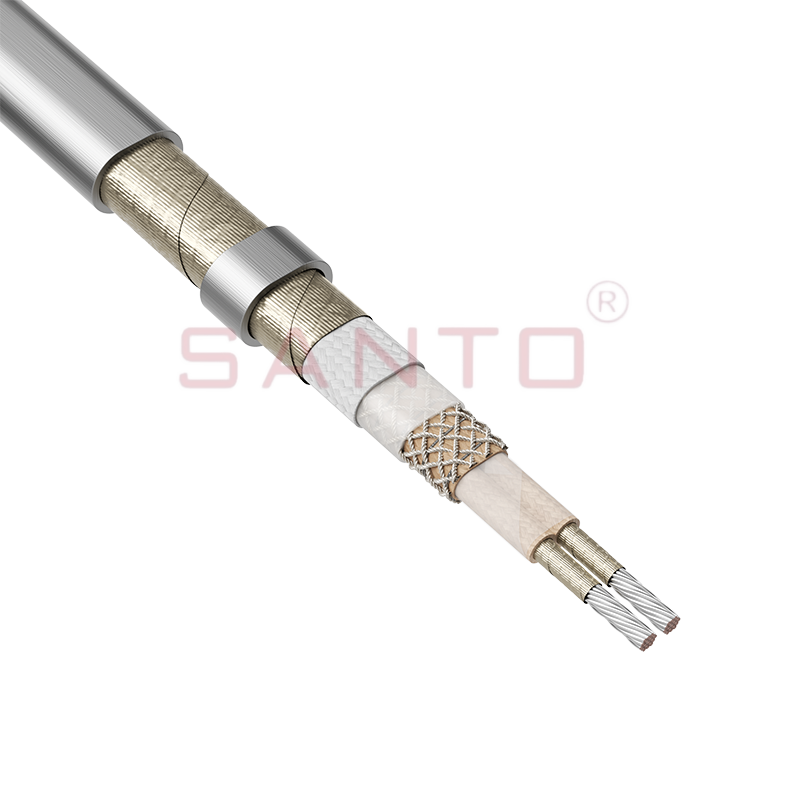
SANTO AMM
Content
A parallel constant power heating cable is an electric heat tracing cable that delivers a defined wattage output along its heated length. In practical terms, it is used to compensate for heat loss from pipes, valves, pumps, vessels, tanks, measuring instruments, and other equipment. When a pipeline carries water, fuel, chemical liquid, gas condensate, resin, wax, alkali, acid, or other process material, the temperature of that material must often remain above a critical point. If the temperature falls below that point, the medium may freeze, thicken, crystallize, stratify, separate, or become difficult to pump. A well-designed heating cable keeps the system within a target operating range.
The word “parallel” is important because it indicates that the cable construction allows power to be supplied in a way that supports installation flexibility. Constant power cable products are commonly selected where stable heat output is required over a circuit and where the design calls for strong heating capacity. Compared with basic resistance wires, a modern constant wattage tracing cable is easier to engineer into complete pipeline systems and can be paired with controls, insulation, junction boxes, thermostats, sensors, and power distribution accessories.
The SANTO AMM cable belongs to the category of parallel constant power heating cable and is designed for industrial heat tracing applications requiring high power output and high exposure temperature resistance. It is especially suitable where normal freeze protection is not enough and where process temperature maintenance is the main requirement. In many industrial cases, the heating cable is not merely preventing ice formation; it is maintaining product flow, protecting chemical composition, supporting accurate metering, reducing viscosity, and preventing temperature-related defects.
Constant power technology offers a key advantage: predictable heat generation. In industrial projects, engineers calculate heat loss based on pipe diameter, insulation thickness, ambient temperature, wind exposure, maintenance temperature, material type, and safety factor. A constant wattage cable makes those calculations more direct because the heat output is defined. This predictability helps designers choose cable lengths, circuit ratings, control panels, and protection devices with greater confidence. For operators, it contributes to stable plant operation and easier maintenance planning.
SANTO AMM is intended for industrial pipelines and equipment that must remain thermally protected under challenging conditions. The product is used for antifreeze protection, process temperature maintenance, and high-duty heat tracing. It can support maintenance temperatures up to 400 ℃, making it suitable for applications that exceed the practical limits of many ordinary heating products. This high temperature capability is one of its defining strengths and provides a competitive advantage for users working in petroleum, chemical, gas, construction, solar energy, electric heating, and specialized industrial process fields.
Freeze protection is one of the most common applications. Water lines, fire protection lines, drain lines, instrument lines, and outdoor process lines can be exposed to freezing temperatures in winter. If liquid freezes inside a pipe, expansion pressure can damage the pipe, fittings, valves, and equipment. In a production facility, frozen lines can also stop flow, delay operations, and create safety hazards. A constant wattage heating tracing cable helps prevent these problems by maintaining the line above freezing when properly designed, installed, insulated, and controlled.
Process temperature maintenance is another major use. Many industrial materials must be kept within a defined temperature band. Heavy oil may require heating to reduce viscosity. Certain chemical liquids must stay above their crystallization temperature. Some resins and polymers require temperature support to remain pumpable. Condensate lines may need heat tracing to prevent accumulation or blockage. The SANTO AMM cable can support such tasks because it delivers a stable output and is suited for higher temperature exposure.
Equipment heat tracing is equally important. Valves, flanges, pumps, filters, strainers, instrument enclosures, and small vessels often lose heat faster than straight pipe sections because their geometry is more complex and their surface area may be larger. A complete heat tracing system must address these vulnerable points. Constant power heating cable can be installed around or near such components according to design requirements, ensuring that thermal protection does not stop at the pipe but extends across the entire process path.
Hazardous area suitability further broadens the product’s relevance. SANTO AMM products are approved for use in hazardous areas including Zones 1 and 2 for gas atmospheres and Zones 21 and 22 for dust atmospheres. With an absolute temperature classification of T3, excluding the specified 20UFC-CT exception, and compliance with the European standard EN 60079-30-1, the cable is positioned for industrial environments where explosive gas or combustible dust may be present. This makes it especially valuable in oil, gas, petrochemical, chemical powder processing, and related sectors.
One of the most significant advantages of SANTO AMM is its constant wattage output. In many industrial processes, the thermal load is not random; it is calculated and defined. A cable that can provide stable heat output gives engineers greater control over system behavior. Compared with products that are less predictable or less suitable for high-temperature operation, a constant power heating cable gives a direct match between heat loss calculation and installed wattage. This supports better thermal performance and reduces the risk of underheating.
Another major advantage is its ability to support maintenance temperatures up to 400 ℃. Many standard heating cables are designed for lower temperature ranges and may not remain stable when exposed to elevated process temperatures or steam cleaning conditions. When a cable is used near hot pipelines or equipment, both operating temperature and exposure temperature must be considered. A product with higher temperature capability provides a larger safety margin and improves long-term reliability in severe service.
The cable also has strong value in applications requiring high power output. Some pipelines lose heat rapidly because of large diameter, poor environmental conditions, long outdoor runs, high wind, metal supports, or high process temperature differentials. Low-output cables may require multiple runs or may not be practical. A constant power cable suitable for high output reduces design complexity and can provide more effective thermal compensation when the process demands it.
Hazardous area approval is another competitive strength. In many plants, electric heating systems must meet strict safety requirements. It is not enough for a cable to heat effectively; it must be designed and documented for safe operation under classified area conditions. Approval for gas Zones 1 and 2 and dust Zones 21 and 22 means the product can be considered for locations with higher safety demands. Compliance with EN 60079-30-1 provides further confidence for users who require recognized electric heat tracing standards.
Compared with generic heating wires or low-cost alternatives, the SANTO AMM cable benefits from being manufactured by a company that specializes in electric heating products rather than treating them as a side product. Santo Thermal Control Technology Co., Ltd. designs and produces a broad portfolio of thermal control solutions, including automatic temperature-control electric heating belts, self-limiting electric heating belts, heat tracing belts, constant-power electric heating belts, glass fiber electric heating belts, mineral insulated cables, silicone rubber heating products, snow melting systems, and accessories. This specialization supports better design knowledge, stronger customization capability, and more complete system support.
In real industrial procurement, the lowest initial cable price is rarely the best long-term value. Poor quality cable can lead to circuit failure, insulation breakdown, uneven heating, excessive maintenance, unexpected shutdowns, and replacement labor costs. A dependable constant wattage heating cable reduces lifecycle risk. When installed with proper insulation, controls, and electrical protection, it contributes to consistent process performance and lower unplanned maintenance.
Industrial buyers and engineers usually evaluate heat tracing cable based on several performance factors. These include power output, operating temperature, exposure temperature, circuit length, voltage compatibility, outer jacket material, mechanical strength, chemical resistance, moisture resistance, hazardous area classification, installation flexibility, quality certification, and supplier support. SANTO AMM is positioned around these practical requirements rather than around a single feature.
Stable power output is essential because industrial heat tracing is a calculated engineering discipline. If heat output varies unpredictably, process control becomes difficult. A constant wattage product supports calculated thermal balance, particularly when paired with thermostat or temperature controller systems. In freeze protection, this prevents cold spots. In process maintenance, it reduces the likelihood of viscosity changes, crystallization, or uneven heating along the pipeline.
Temperature capability is also central. A maintenance temperature of up to 400 ℃ places the cable in a category suitable for demanding high-temperature applications. This does not mean every application will operate at that level; rather, it means the product is designed with a high upper performance range. For many facilities, this provides flexibility. The same cable family can be considered for multiple lines with different thermal requirements, simplifying procurement and maintenance standardization.
Durability in field conditions is another important characteristic. Industrial heat tracing cables may be installed outdoors, under insulation, around irregular equipment, near metal edges, in areas with vibration, or in environments with moisture, dust, chemical vapors, and mechanical handling. The cable must be manufactured with attention to insulation quality, conductor consistency, heating element stability, jacket integrity, and termination compatibility. A well-made cable reduces the risk of failure after insulation is installed, which is critical because accessing a failed cable can require removing cladding and insulation over long pipe sections.
Safety performance is inseparable from thermal performance. Heat tracing circuits must be designed with suitable overcurrent protection, ground-fault protection, temperature control, connection kits, and installation procedures. The cable’s approval for classified areas and compliance with relevant standards indicate that it is intended to be integrated into professional systems. For hazardous environments, this is especially important because poor-quality electrical heating equipment can create ignition risks.
Customization further strengthens the product’s industrial value. Different projects require different cable outputs, lengths, materials, accessories, and documentation. As an OEM and ODM heating cable manufacturer and supplier, Santo can support custom production according to project needs. This is helpful for engineering contractors, distributors, plant owners, and equipment manufacturers who require product adaptation rather than a one-size-fits-all solution.
Different heat tracing technologies serve different purposes. Self-regulating heating cables adjust their output in response to temperature changes and are widely used for freeze protection and moderate temperature maintenance. Mineral insulated cables offer very high temperature and ruggedness for specialized applications. Silicone rubber heating systems provide flexible surface heating. Underfloor heating mats serve comfort or building heating needs. Constant wattage parallel heating cable occupies an important middle and high-duty industrial space where stable output, good installation flexibility, and elevated temperature capability are required.
Compared with self-regulating cable, constant wattage cable can be advantageous where higher output and more predictable wattage are needed. Self-regulating products reduce power as temperature rises, which is valuable for energy saving and overtemperature protection in many applications. However, in certain process lines, engineers may require defined output to maintain temperature under steady loss conditions. Constant wattage cable is often preferred in these scenarios, especially where high maintenance temperatures are involved.
Compared with simple resistance wire, a parallel constant power heating cable is more practical for engineered heat tracing systems. Resistance wire may be difficult to design in the field because length and resistance directly determine power output. Parallel constant wattage cable products are designed for more controlled installation and are typically supported by accessories and system practices. This reduces the chance of field calculation errors and improves project efficiency.
Compared with steam tracing, electric heat tracing offers cleaner control, easier temperature regulation, and reduced infrastructure complexity in many situations. Steam tracing requires steam generation, steam distribution, traps, condensate return, maintenance of leaks, and energy management. Electric tracing can be controlled locally and can provide heat only when needed. In plants where steam is unavailable, expensive, or unsuitable for precise control, electric heating cables provide a modern alternative.
Compared with hot oil tracing, electric heat tracing usually requires less mechanical infrastructure. Hot oil systems can be complex and may require pumps, heaters, expansion tanks, and piping. Electric systems are often easier to route and control, especially for distributed pipelines and equipment. While every technology has its proper place, constant wattage electric heating cable provides a strong combination of performance, installation flexibility, and control capability.
| Evaluation Factor | SANTO AMM Parallel Constant Power Cable | Typical Low-Duty Heating Wire | Steam or Fluid Tracing |
|---|---|---|---|
| Heat Output Control | Predictable constant wattage output suitable for engineered heat-loss calculations | Often less suitable for complex industrial design requirements | Depends on steam or fluid supply conditions and system balance |
| High-Temperature Capability | Supports maintenance temperatures up to 400 ℃ | Usually limited to lower temperature applications | Can be high but requires extensive mechanical infrastructure |
| Hazardous Area Suitability | Approved for gas Zones 1 and 2 and dust Zones 21 and 22, with T3 classification conditions | Often lacks required classified-area documentation | Depends on piping design and plant safety controls |
| Installation Flexibility | Flexible cable routing around pipelines and equipment with proper accessories | May be less robust and less standardized | Requires pipework, traps, condensate systems, and mechanical supports |
| Maintenance Demand | Low when correctly installed, insulated, and controlled | Higher risk of failure if materials and construction are inadequate | Requires ongoing mechanical maintenance, leak repair, and trap inspection |
| Best Use Case | Industrial freeze protection, process temperature maintenance, and high-output heat tracing | Simple low-risk heating tasks | Sites with existing steam systems and suitable maintenance resources |
The performance of a heating tracing cable depends not only on design but also on manufacturing discipline. Electric heating products must be made with precise control of conductors, heating elements, insulation layers, outer jackets, electrical spacing, dimensional tolerances, and final testing. Santo Thermal Control Technology Co., Ltd. has built its manufacturing strength through years of specialization in heating cables and related thermal control products. Its processes combine material selection, production control, testing, certification, and continuous improvement.
Manufacturing begins with raw material control. Conductors, insulation materials, heating elements, outer jacket compounds, shielding materials, and accessory components must meet defined requirements before they enter production. In high-temperature cable products, material selection is especially important because insulation and jacket systems must maintain electrical and mechanical properties under heat exposure. Inferior materials may become brittle, crack, lose dielectric strength, or absorb moisture. A reliable manufacturer screens materials and works with qualified suppliers to reduce these risks.
Conductor preparation and consistency are central to cable performance. Conductors must carry current safely and maintain stable electrical characteristics. Variations in conductor quality can lead to localized heating, voltage drop issues, or reduced durability. In a constant wattage cable, the relationship between conductor structure and heating circuit design must be controlled carefully. Consistent conductor dimensions and resistance characteristics contribute to predictable output and long-term reliability.
Heating element formation is another critical stage. The cable must be constructed so that the heating function is uniform and mechanically stable. Production equipment must maintain proper spacing, contact, wrapping, and layer alignment. If the heating element is uneven or poorly connected, localized hot spots or premature failure can occur. Advanced manufacturing processes focus on repeatability, ensuring that every production batch meets the designed wattage and electrical characteristics.
Insulation and jacket extrusion require precise temperature and pressure control. The insulation layer must fully cover the internal structure without voids, cracks, thin spots, or contamination. For industrial heat tracing, moisture ingress and mechanical damage are common threats; therefore, insulation integrity is a foundation of product safety. Jacket materials must provide protection against abrasion, moisture, chemicals, and environmental stress according to the product’s intended application. Dimensional monitoring during extrusion helps ensure that the cable meets design specifications throughout its length.
For products intended for hazardous areas, manufacturing quality must align with strict safety expectations. The cable must be produced in a way that supports compliance with explosion-proof and heat tracing standards. This involves more than a certificate; it requires consistent production records, testing procedures, inspection controls, and traceability. Santo’s experience with explosion-proof certification and EAC certification supports its ability to serve customers who must meet international project standards.
The company’s irradiation center, established during its development history, reflects a deeper investment in product technology. Irradiation processing can improve material properties in certain electric heating products, enhancing thermal resistance, mechanical performance, or aging characteristics depending on material design. Such process capability demonstrates that the company is not limited to basic cable assembly but has invested in technologies that support higher-value product performance.
Testing is the final gate between manufacturing and field application. Heating cable products should be tested for electrical continuity, insulation resistance, dielectric strength, dimensional consistency, wattage output, appearance, marking, and packaging condition. For industrial customers, quality control documentation and test results are important because they provide evidence that the cable supplied matches the order and design requirements. A cable that passes robust factory testing is far less likely to cause costly rework after installation.
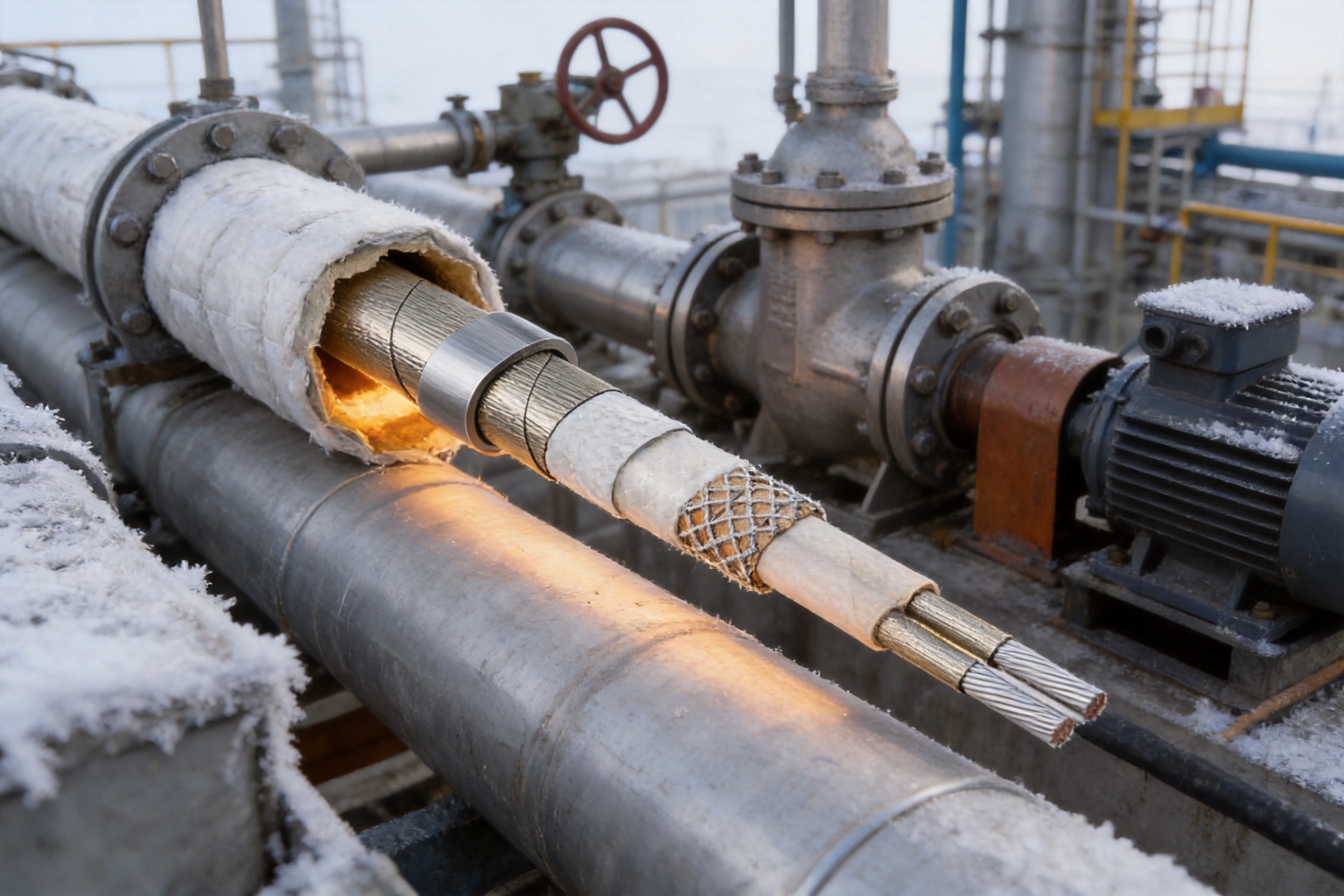
Santo Thermal Control Technology Co., Ltd. is located in Jiangsu Province, a region known for electric heating belt industry development. The company’s background includes research, design, production, manufacturing, and sales of electric heating products. It has evolved from earlier manufacturing roots into a high-tech enterprise with a broad product portfolio and international market presence. This background matters because industrial heat tracing customers need more than a cable; they need a supplier capable of understanding applications, delivering consistent quality, supporting customization, and maintaining reliable production capacity.
The company has more than 35 years of industry experience. In heat tracing, experience is valuable because applications vary widely. A cable used for a water line in a building is different from one used for a high-temperature chemical process line in a classified area. Long-term experience helps a manufacturer understand practical installation issues, insulation coordination, control selection, failure modes, packaging needs, logistics, and after-sales service. Such knowledge can reduce project risk for customers.
Production scale is another strength. The company reports annual output exceeding 10,000 units and a network of more than 2,000 distributors, with business presence in more than 85 areas. This scale indicates a supplier that can support both standard orders and larger project requirements. For OEM, ODM, distributors, and engineering procurement customers, stable supply capacity is often as important as product design. A manufacturer unable to deliver on schedule can delay site installation, commissioning, and production startup.
The company’s quality system certification, including ISO9001, supports process management and quality consistency. ISO9001 certification does not guarantee perfection by itself, but it demonstrates that the company has established quality management procedures. Combined with product certifications such as national CCC certification and explosion-proof approval, it shows a layered approach to compliance. Industrial customers often require this documentation before considering a product for major projects.
Research and development is another important part of the company’s strength. The company has invested in new product development and technology guidance. Its history includes innovation in self-limiting temperature nano far-infrared heater technology and carbon fiber parallel heating cable inventions, with multiple invention patents. This innovation culture supports continuous improvement in cable design, materials, manufacturing methods, and application solutions. It also shows that the company is not only manufacturing existing designs but also developing new thermal control technologies.
The company’s cooperation in product research with Harvard University in the United States, as stated in its corporate profile, further reinforces its emphasis on technical advancement and external knowledge exchange. In a field where material science, thermal engineering, electrical safety, and process control intersect, research cooperation can help a manufacturer stay attentive to emerging technologies and performance improvements.
Another strength is the company’s wide product ecosystem. Because Santo produces self-limiting heating cables, constant power heating cables, silicone rubber heating systems, glass fiber heating products, mineral insulated cables, snow melting cables, and accessories, it can help customers choose the right solution rather than forcing one product into every application. For distributors and contractors, this is useful because projects often include multiple heating requirements. One facility may need constant wattage cable for high-temperature process lines, self-regulating cable for water lines, silicone rubber heaters for tanks or equipment, and accessories for connection and control.
A maintenance temperature of up to 400 ℃ is not merely a technical number; it creates practical value in demanding industries. Many processes involve media that must remain hot to stay fluid or chemically stable. Heavy hydrocarbons, wax-containing materials, bitumen, certain specialty chemicals, resins, and high-temperature process fluids may require more than low-level freeze protection. If these materials cool, restarting the line may require extensive heating, flushing, disassembly, or replacement. In severe cases, a solidified line can create production downtime measured in days rather than hours.
High-temperature capability also provides resilience during process upsets. Industrial pipelines may experience operating changes, cleaning cycles, shutdown-startup cycles, and seasonal variations. A cable with a higher temperature rating is better suited to withstand occasional exposure to elevated pipe temperatures. This reduces the chance that the heating cable becomes the weak point in the system.
For designers, higher temperature capability can expand the range of applications covered by one product family. Standardization can simplify engineering specifications, spare parts inventory, training, and maintenance. When multiple lower-rated products are used across a plant, maintenance teams must carefully identify which cable belongs to which line. A high-capability cable selected appropriately can reduce confusion and improve spare management.
High-temperature performance also supports future-proofing. Industrial facilities often modify processes over time. A pipeline originally used for a moderate-temperature material may later be assigned a hotter material, or insulation conditions may change. While all changes require engineering review, choosing a robust heating cable at the beginning may provide more flexibility for future operations.
Competitors that focus mainly on low-cost, low-temperature heating products may not meet these requirements. Their products may be acceptable for simple building freeze protection, but they can struggle in environments where heat exposure, chemical contact, classified-area rules, and industrial maintenance realities are more demanding. SANTO AMM targets the professional industrial segment where performance and compliance are essential.
Many heat tracing applications are located in hazardous industrial areas. Oil and gas facilities may contain flammable vapors. Chemical plants may handle solvents or reactive gases. Grain, powder, and polymer processing facilities may create combustible dust atmospheres. In these environments, electrical equipment must be selected and installed according to strict safety rules. A heating cable that is not designed for hazardous areas can create unacceptable ignition risk.
SANTO AMM products are approved for use in hazardous areas 1 and 2 for gas and 21 and 22 for dust. This classification is significant because Zone 1 indicates an area where an explosive gas atmosphere is likely to occur in normal operation occasionally, while Zone 2 indicates an area where it is not likely in normal operation but may occur for a short period. Zone 21 and Zone 22 apply to combustible dust environments with comparable risk distinctions. Suitability for these zones allows the cable to be considered for a wide range of industrial classified locations.
The product is associated with an absolute temperature classification of T3, excluding the specified 20UFC-CT exception. Temperature classification is critical because surfaces in hazardous areas must not exceed ignition temperatures of surrounding gases or dusts. A T3 classification relates to maximum surface temperature limits under defined conditions. Engineers must still design and install the complete system correctly, including controls and safety factors, but a certified cable provides a foundation for compliance.
Compliance with EN 60079-30-1 is another valuable feature. This European standard addresses electrical resistance trace heating systems for explosive atmospheres. Compliance indicates that the product is designed within a recognized framework for hazardous-area heat tracing. For international projects, standards alignment helps procurement teams, engineering contractors, and plant owners compare products and approve submittals more efficiently.
Safety-oriented design does not end with certification. The cable must be installed using proper termination kits, junction boxes, glands, thermostats, controllers, insulation, warning labels, and protective devices. The supplier’s ability to provide or recommend compatible accessories is important. Santo’s product portfolio includes heat tracing accessories, which helps customers build complete systems rather than purchasing cable alone.
Industrial heat tracing projects rarely follow a single pattern. Pipe diameters vary, insulation types differ, voltages may be different from one region to another, ambient temperatures range widely, and process maintenance temperatures can be unique to each customer. This is why OEM and ODM capability matters. Santo’s position as a China OEM heating cable manufacturer and ODM heating cable factory supports customers who need customized products, labeling, packaging, technical parameters, or system adaptation.
Customization may include cable output selection, material configuration, jacket type, circuit length planning, accessory matching, packaging style, private-label cooperation, and project documentation. For distributors, customized branding and packaging may help serve local markets. For engineering companies, custom documentation and technical support can reduce approval time. For equipment manufacturers, a heating cable can be integrated into skid systems, tubing bundles, heating assemblies, or packaged process equipment.
Technical customization must be handled carefully. Heat tracing cable cannot be changed randomly without considering electrical and thermal safety. A professional manufacturer evaluates the required wattage, voltage, temperature class, environmental exposure, certification needs, and installation method before confirming a design. This engineering discipline is one of the advantages of working with an experienced supplier rather than purchasing generic products from an unqualified source.
Santo’s broad product range also supports hybrid solutions. A customer may require constant wattage cable for high-temperature process lines, self-limiting cable for freeze protection of auxiliary water lines, silicone rubber heaters for equipment surfaces, and accessories for power connections. Working with one supplier across these categories can reduce procurement complexity and improve system compatibility.
For international buyers, communication and responsiveness matter. The company provides contact channels by phone and email, and its export experience supports global cooperation. With business in more than 85 areas, the company has experience serving diverse markets, climates, standards, and customer expectations. This helps when addressing project-specific questions, packaging requirements, logistics schedules, and after-sales service.
A high-quality heating cable can only perform correctly when the system is designed and installed properly. The first step is heat loss calculation. Engineers must determine the required maintenance temperature, minimum ambient temperature, pipe size, pipe material, insulation type, insulation thickness, wind exposure, safety factor, and startup conditions. The cable wattage and number of runs should be selected based on these calculations.
The pipe surface should be clean, dry, and free from sharp burrs before cable installation. Heating cable should be handled carefully to avoid crushing, excessive bending, cutting, or abrasion. At valves, flanges, supports, and pumps, additional cable may be required to compensate for higher heat loss. Installation personnel should follow manufacturer instructions and project drawings to ensure correct spacing and routing.
Thermal insulation is essential. Without insulation, heat loss may exceed the cable’s capacity, energy consumption will increase, and temperature maintenance may fail. Insulation should be suitable for the operating temperature and environmental exposure. Weatherproof cladding protects insulation from rain, snow, sunlight, and mechanical damage. Wet insulation can greatly reduce heat tracing effectiveness, so sealing and cladding quality are important.
Control systems improve safety and efficiency. Thermostats or electronic temperature controllers can switch circuits based on pipe temperature or ambient temperature. For process maintenance, pipe-sensing control is often preferred because it directly monitors the heated object. In hazardous areas, control devices and sensors must be suitable for the classified environment or installed according to approved methods.
Electrical protection is required. Heat tracing circuits should include overcurrent protection and ground-fault protection according to applicable codes and standards. Junction boxes, end terminations, power connection kits, and glands must be compatible with the cable and environment. Improper termination is one of the common causes of heat tracing failure, so trained installation is recommended.
Commissioning tests should be performed before and after insulation installation. Insulation resistance testing, continuity checks, circuit identification, controller verification, and documentation should be completed. After startup, the system should be monitored to confirm that it reaches and maintains the required temperature. Proper commissioning reduces future maintenance problems and provides a baseline for troubleshooting.
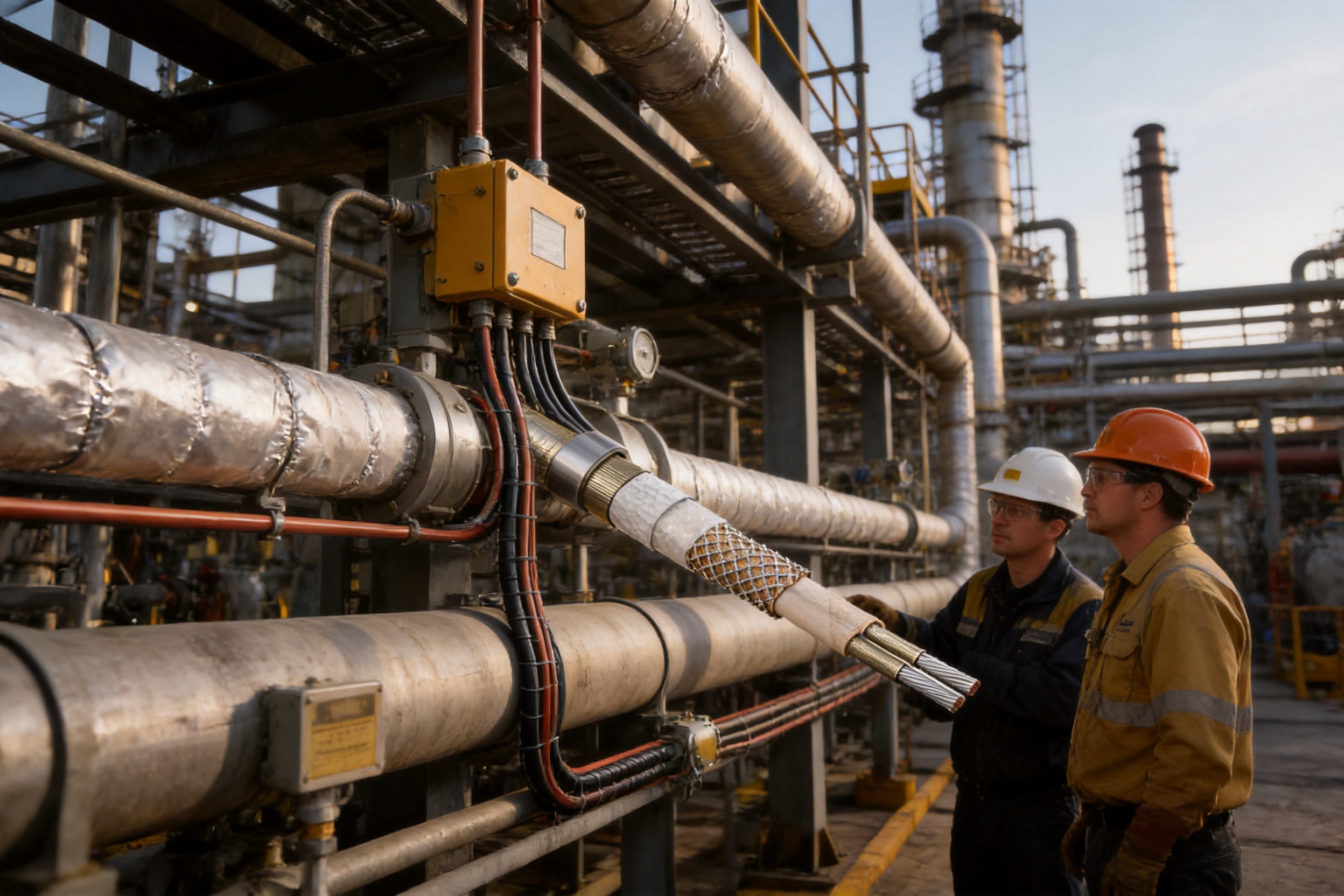
The lifecycle value of SANTO AMM comes from reliability, consistent output, high-temperature durability, and supplier support. In industrial facilities, the cost of heat tracing failure is rarely limited to cable replacement. Failure may cause frozen lines, lost production, product spoilage, blocked pipelines, emergency repairs, safety risks, insulation removal, scaffolding, and delayed shipments. A reliable cable reduces these hidden costs.
Routine maintenance should include visual inspection of exposed components, control panel checks, insulation condition review, electrical testing, and verification of thermostat settings. Any damaged insulation or cladding should be repaired promptly because moisture intrusion can reduce system performance. Warning labels and circuit identification should remain visible so maintenance personnel understand that electric heat tracing is present.
Because constant wattage cable provides predictable output, troubleshooting can be more straightforward. If a circuit does not heat properly, technicians can compare measured electrical values with expected values, inspect controls, verify power supply, and check terminations. Consistent product construction supports clearer maintenance procedures.
Energy efficiency depends on correct design and control. Constant power cable produces defined heat output when energized, so controllers are important to avoid unnecessary operation. A properly controlled system runs when heat is required and remains off or reduced when conditions allow. Insulation quality also plays a major role in energy consumption. A high-quality cable paired with poor insulation will not deliver the best efficiency; the whole system must be engineered.
The higher temperature capability of the cable also contributes to lifecycle value by reducing the probability of heat-related degradation in demanding applications. When a cable operates near the limit of its capability for long periods, aging may accelerate. Selecting a product with a suitable performance margin can improve service life and reduce replacement frequency.
Supplier reliability affects lifecycle cost as well. A manufacturer with stable production, documentation, accessories, and after-sales support can provide replacement parts, technical guidance, and future project consistency. Santo’s distributor network and broad manufacturing base support customers over the long term, not only at the time of initial purchase.
In petroleum and petrochemical facilities, heat tracing is used on crude oil lines, fuel oil lines, lube oil systems, sulfur lines, chemical injection lines, condensate systems, sampling lines, and storage tank connections. Many of these applications require dependable heat to maintain flow and prevent solidification. SANTO AMM’s constant power output and high-temperature capability make it suitable for many such industrial duties when selected according to engineering requirements.
In chemical processing, pipelines may carry materials that crystallize, precipitate, or become highly viscous when cooled. Heat tracing helps maintain product quality and prevents blockages. Hazardous area suitability is particularly valuable in chemical plants where flammable vapors or dusts may be present. Compliance with recognized standards supports project approval and safe operation.
In gas facilities, heat tracing can protect instrument lines, drain lines, condensate lines, and auxiliary systems. Low temperatures can cause hydrate formation, freezing, or measurement problems. A reliable heating cable helps maintain system availability, especially in outdoor and remote installations.
In construction and building-related industrial systems, heat tracing may protect fire lines, water supply lines, roof drains, ramps, and service piping. Although SANTO AMM is an industrial constant wattage cable rather than a basic building heating product, Santo’s wider product categories include snow and ice melting systems, underfloor heating mats, tubing bundles, accessories, and silicone rubber heating systems, allowing customers to source multiple heating solutions from one manufacturer.
In solar energy and renewable energy systems, heat tracing may be used to protect fluid lines, prevent freezing, and maintain thermal fluid circulation. Industrial-grade electric heating products support system reliability in cold climates. Where higher temperature maintenance is needed, constant power cable may be preferred over lower-duty options.
In specialized manufacturing, such as resin, adhesive, food ingredient, or process chemical production, temperature stability is directly tied to product quality. Uneven temperature can affect viscosity, mixing, dosing, and flow measurement. A stable heat tracing cable contributes to repeatable production and reduces batch variation.
Reliable heat tracing can support environmental health by reducing waste, leaks, spills, and inefficient energy use. If a pipeline freezes or blocks, operators may need emergency heating, flushing, chemical treatment, or mechanical intervention. These actions can consume energy and generate waste. Preventing the problem through proper heat tracing is often cleaner and safer.
Temperature maintenance also helps avoid process upset. In chemical and petroleum systems, unstable temperature can lead to off-specification product, disposal needs, or reprocessing. Maintaining flow and process conditions reduces wasted material. This aligns with the broader company vision of protecting environmental health and creating value through effective thermal control solutions.
Electric heat tracing can also be easier to control than steam tracing in many applications. By using thermostats and controllers, energy can be applied only when and where needed. In facilities with clean electricity or renewable power integration, electric tracing may contribute to modernization and decarbonization strategies, depending on the energy source and application design.
Product durability also has environmental value. A cable that lasts longer reduces replacement material, labor, packaging, and disposal. Quality manufacturing is therefore not only a technical advantage but also a sustainability advantage. Industrial customers increasingly consider lifecycle impact, not just purchase price.
When selecting a constant wattage heating tracing cable, buyers should begin with application data. Important information includes pipe size, pipe length, insulation type, insulation thickness, required maintenance temperature, maximum exposure temperature, minimum ambient temperature, hazardous area classification, supply voltage, chemical exposure, and control strategy. With this information, the manufacturer or engineering team can recommend an appropriate cable and system configuration.
Buyers should verify certifications and standards compliance. For hazardous areas, approval documentation is critical. The SANTO AMM product’s approval for Zones 1, 2, 21, and 22, along with its EN 60079-30-1 compliance, should be considered during technical review. The temperature class and any exceptions must be understood by qualified engineers.
Quality documentation should also be requested for significant projects. This may include product specifications, test reports, certificates, installation instructions, packing lists, and traceability information. A professional supplier should be able to provide clear documentation and respond to technical questions.
Buyers should avoid selecting cable solely by price. Heat tracing failure can be far more expensive than the savings from a cheaper cable. Instead, evaluation should include temperature capability, power output, certification, manufacturing quality, supplier experience, customization capacity, delivery time, accessory availability, and after-sales support. SANTO AMM is positioned as a value-focused product for customers who need industrial reliability rather than minimal-cost heating wire.
For OEM and ODM cooperation, buyers should communicate target market requirements, branding needs, packaging standards, technical parameters, and regulatory expectations early in the process. Custom heating cable production requires careful coordination, especially when products are used in safety-critical industrial applications. Santo’s manufacturing experience and broad product portfolio make it a suitable partner for such cooperation.
SANTO AMM is a parallel constant power heating cable used for industrial pipeline and equipment heat tracing. Its main applications include freeze protection, process temperature maintenance, high-output heating support, and thermal insulation assistance for pipelines, valves, pumps, vessels, and related equipment.
A constant wattage heating cable provides a defined and predictable heat output when energized, while a self-regulating cable changes its output according to temperature. Constant wattage cable is often selected for applications requiring stable power output, high heat demand, or higher process maintenance temperatures. Self-regulating cable is useful for many freeze protection and moderate-temperature applications where automatic output reduction is beneficial.
The SANTO AMM cable can provide a maintenance temperature of up to 400 ℃ when properly selected and installed according to system design requirements. This high-temperature capability makes it suitable for demanding industrial applications that exceed the limits of many ordinary heating wires.
Yes. The product is approved for hazardous areas including Zones 1 and 2 for gas atmospheres and Zones 21 and 22 for dust atmospheres. It has an absolute temperature classification of T3, excluding the specified 20UFC-CT exception, and complies with EN 60079-30-1. Final application must always be reviewed by qualified engineers according to local codes and site conditions.
High-temperature resistance helps the cable operate reliably near hot pipelines and equipment. It supports process materials that require elevated temperature maintenance and reduces the risk of cable degradation during high-temperature exposure. This is especially important in petroleum, chemical, resin, heavy oil, and other industrial applications.
Yes. Heat tracing systems normally require suitable thermal insulation to reduce heat loss and allow the cable to maintain the desired temperature efficiently. Without insulation, the system may consume excessive energy and fail to achieve the required temperature. Weatherproof cladding is also important for outdoor applications.
Thermostats or electronic temperature controllers are commonly used. For process temperature maintenance, pipe-sensing control is often recommended because it measures the actual pipeline temperature. In hazardous areas, all control equipment and installation methods must meet applicable safety requirements.
Yes. Santo Thermal Control Technology Co., Ltd. provides OEM and ODM heating cable services and can support customized solutions according to project requirements. Customization may involve technical parameters, cable configuration, packaging, documentation, and accessory matching, subject to engineering review.
Common industries include petroleum, chemical processing, gas, construction, solar energy, industrial manufacturing, power-related systems, and specialized process heating applications. It is suitable for pipelines and equipment where temperature maintenance is essential to safe and continuous operation.
The main advantages include predictable constant wattage output, high-temperature capability up to 400 ℃, hazardous area approval, compliance with recognized standards, professional manufacturing quality, customization support, and supplier experience. Cheaper products may lack the durability, certification, and engineering support required for industrial applications.
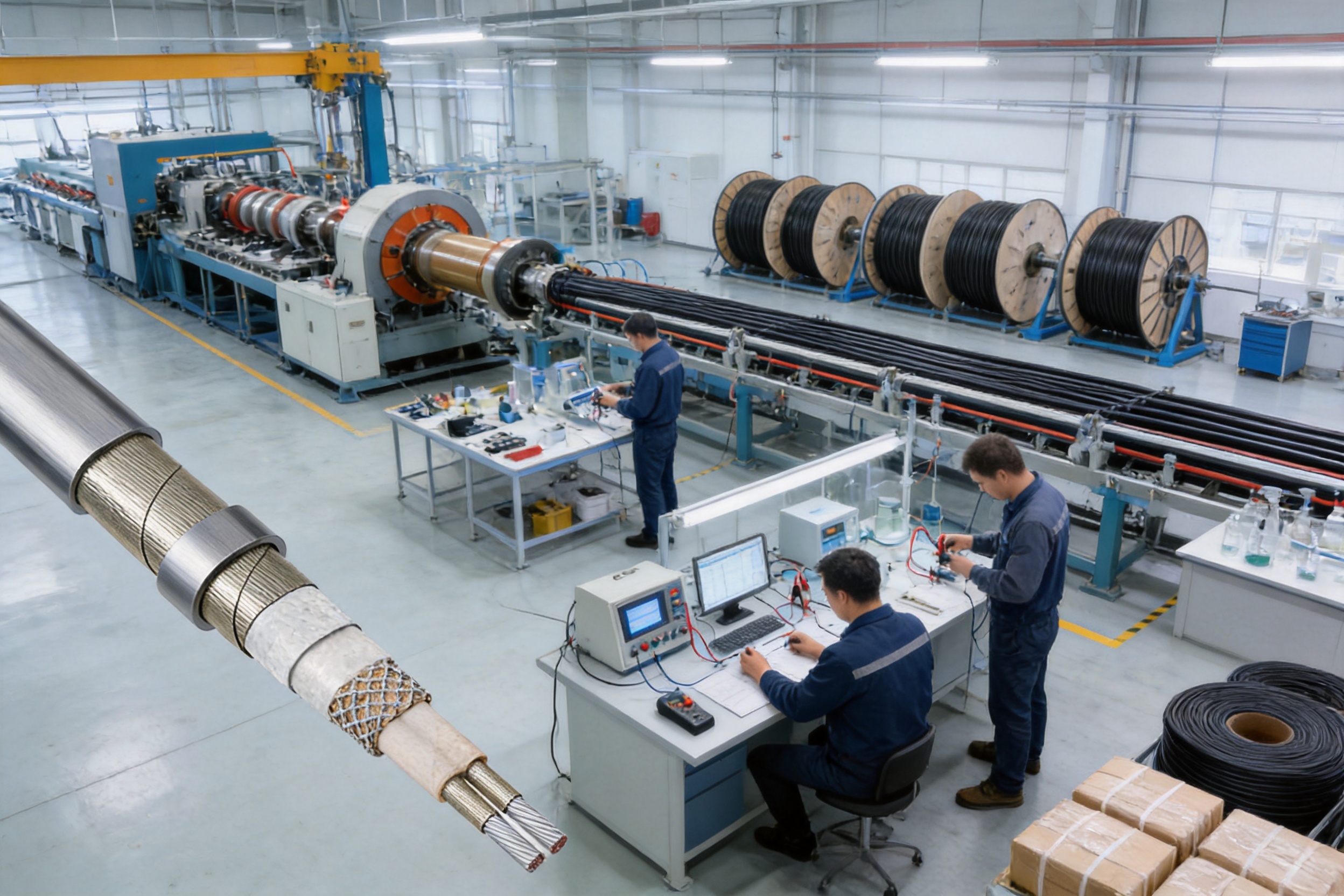
A parallel constant power heating cable is a critical component in modern industrial thermal management. For facilities that need dependable freeze protection, stable process temperature maintenance, high-output heating, and hazardous area suitability, the SANTO AMM cable offers a strong combination of performance and reliability. Its ability to support maintenance temperatures up to 400 ℃, its approval for gas and dust hazardous zones, and its compliance with EN 60079-30-1 position it as a serious industrial solution rather than a basic heating accessory.
The product’s competitive advantage is strengthened by the manufacturing foundation of Santo Thermal Control Technology Co., Ltd. With more than 35 years of industry experience, ISO9001 quality system certification, CCC certification, explosion-proof certification, EAC certification, patented technology development, an irradiation center, broad product categories, international market presence, and OEM/ODM customization capability, the company provides more than a cable. It provides manufacturing depth, technical support, product diversity, and long-term cooperation potential.
In comparison with ordinary heating wires, low-duty products, or mechanically complex tracing methods, SANTO AMM delivers predictable electric heating performance for demanding industrial environments. When properly designed, installed, insulated, controlled, and maintained, it helps protect pipelines, preserve process quality, reduce downtime, improve safety, and support efficient plant operation. For engineering teams, distributors, OEM partners, and industrial plant owners seeking a high-temperature constant wattage heating tracing cable, it represents a dependable and technically capable choice.
International Electrotechnical Commission. Electrical Resistance Trace Heating Systems for Explosive Atmospheres, IEC/EN 60079-30-1.
International Organization for Standardization. ISO 9001 Quality Management Systems Requirements.
National Fire Protection Association. Electrical Safety and Hazardous Location Installation Practices.
IEEE Industry Applications Society. Recommended Practices for Electric Heat Tracing Systems in Industrial Facilities.
Process Industry Practices. Guidelines for Heat Tracing Design, Installation, Testing, and Maintenance.
Industrial Heating and Thermal Control Engineering Handbook. Principles of Heat Loss Calculation and Electric Trace Heating Application.
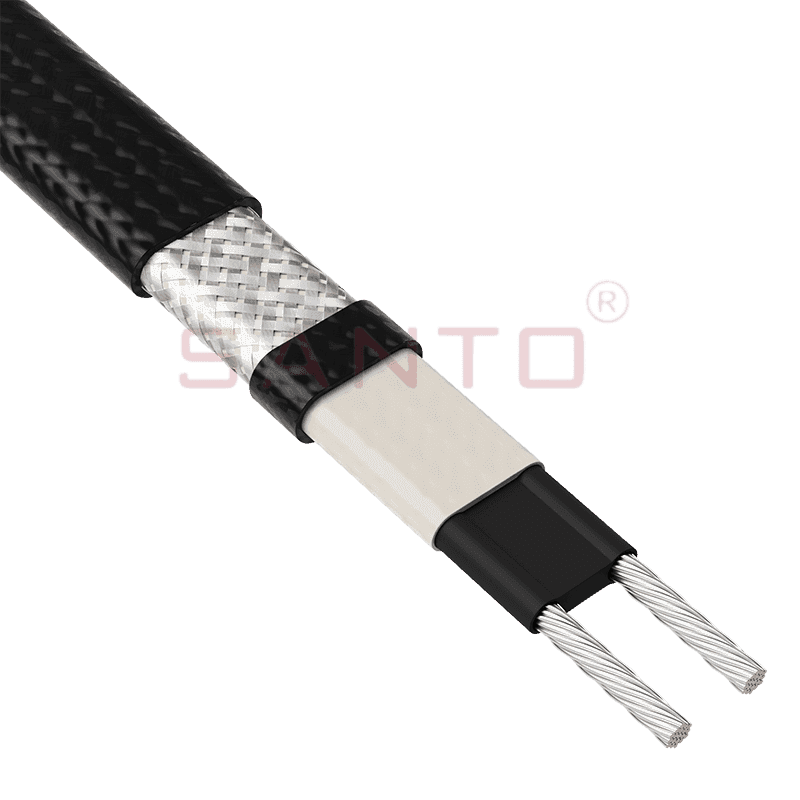
The SANTO UFA range of self-regulating heating cables is mainly used for frost protection of pipes and vessels but can also be used to maintain processes up to 65°C. These heating cables are available...
See Details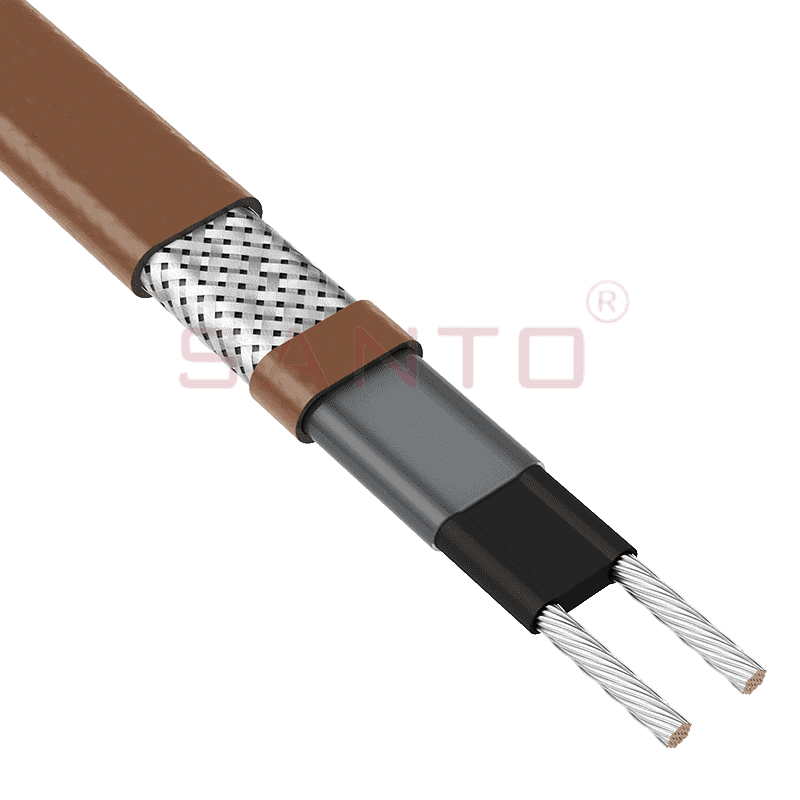
The SANTO UFB range of self-regulating heating cables is mainly used for frost protection of pipes and vessels requiring a higher power output than the UFA heating cables can supply. They can also be ...
See Details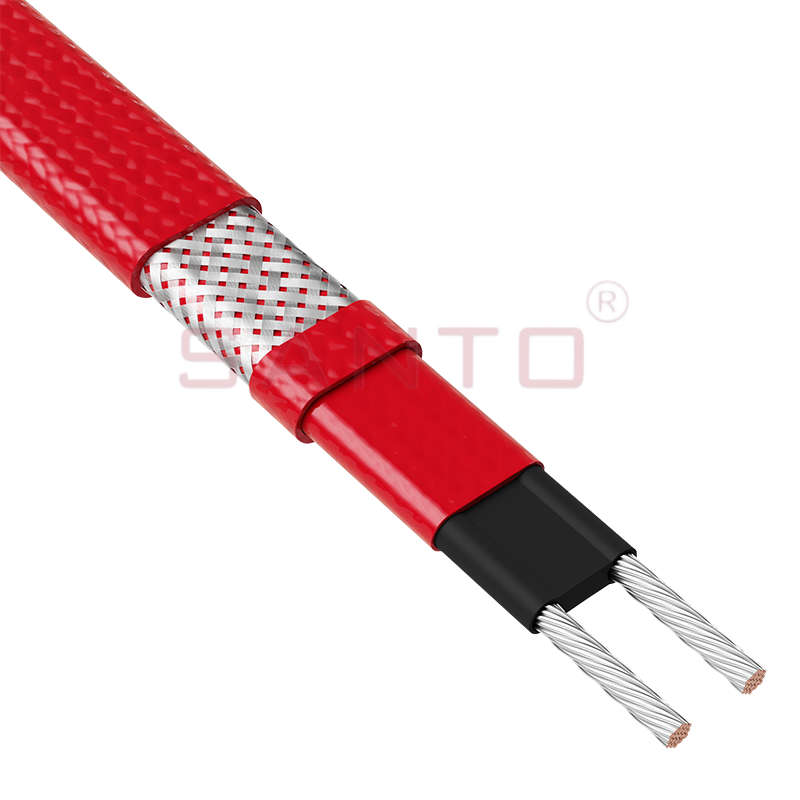
The SANTO UFC range of self-regulating heating cables is used for frost protection of pipes and vessels that require steam cleaning. They can also be used to maintain processes up to 121°C. These heat...
See Details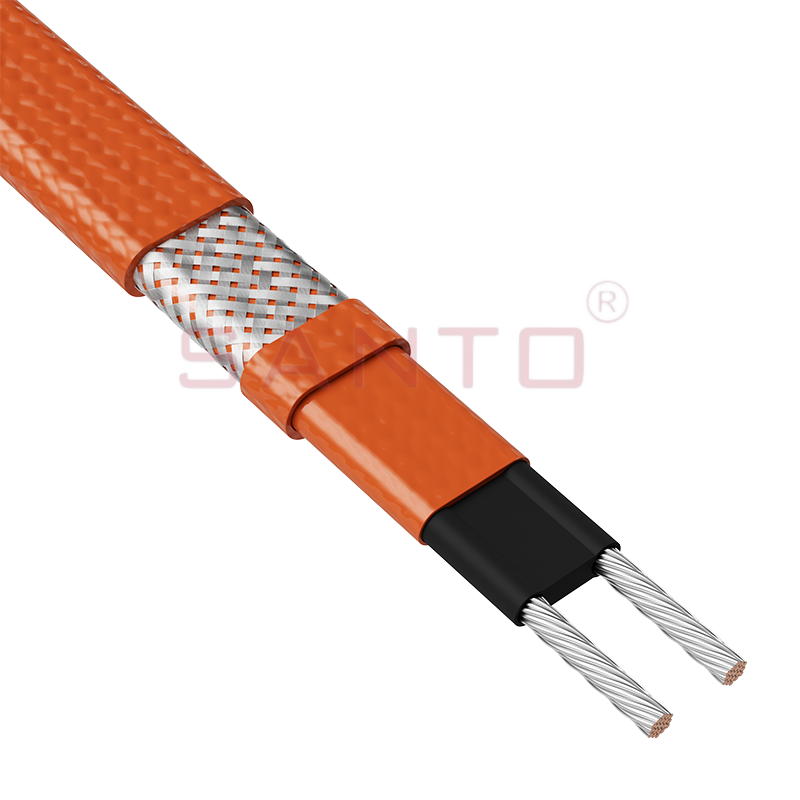
The SANTO UFO range of self-regulating heating cables is mainly used for frost protection of pipes and vessels that require steam cleaning . They can also be used to maintain processes up to 150°C. Th...
See Details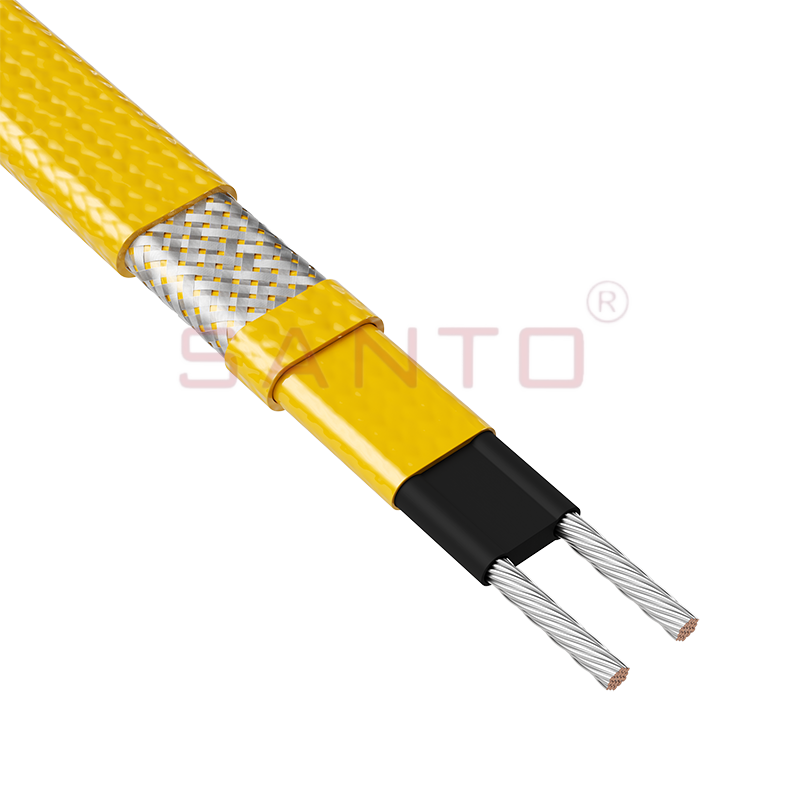
The SANTO UFD series of self-regulating heating cables are mainly used for freeze protection of pipes and vessels, but can also be used to maintain processes up to 200°C. These heating cables are avai...
See Details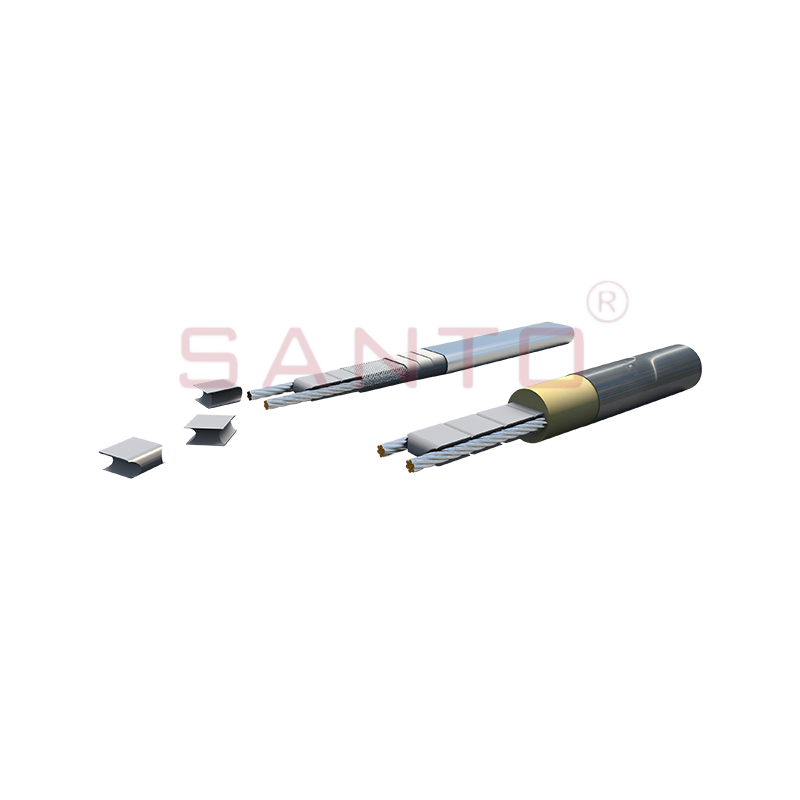
SANTO UFY heating wire is suitable for applications that maintain process temperatures up to 260 ℃ and can be steam blown; The self-regulating and parallel circuit heating wires of the UFY series are ...
See Details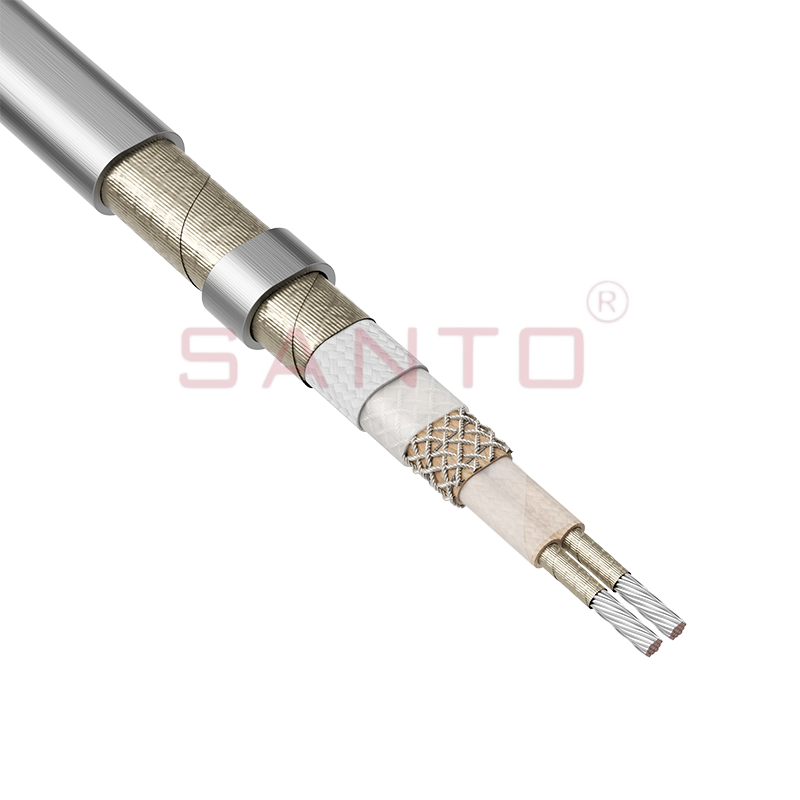
The SANTO UFM series self-regulating heating cables are mainly used for freeze protection of pipes and vessels, but can also be used to maintain processes up to 400°C. These heating cables are availab...
See Details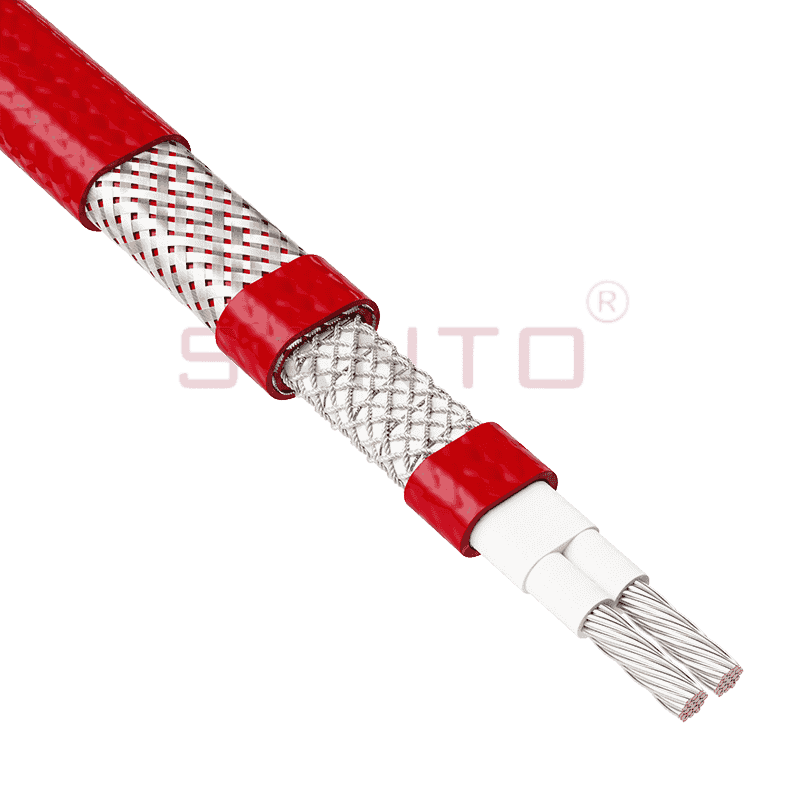
The SANTO ACC range of power-limiting heating cables is mainly used for temperature maintenance of processes and offers the advantage of a high power output at high temperatures which can reduce the n...
See Details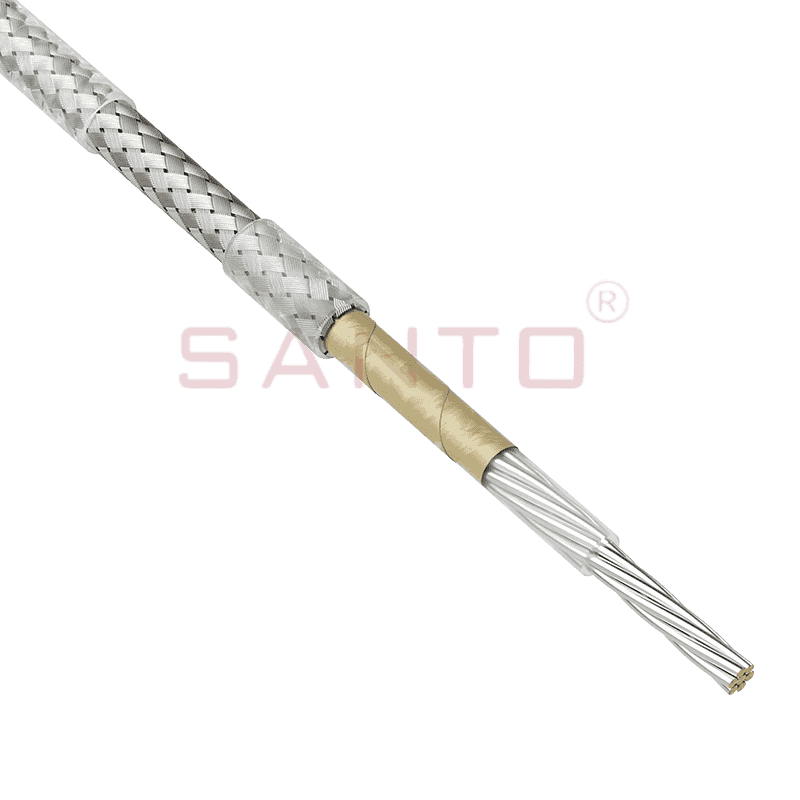
The stranded high temperature conductor is nickel plated to ensure a long life at elevated temperatures in corrosive environments. It is electrically isolated using an innovative sandwich construction...
See Details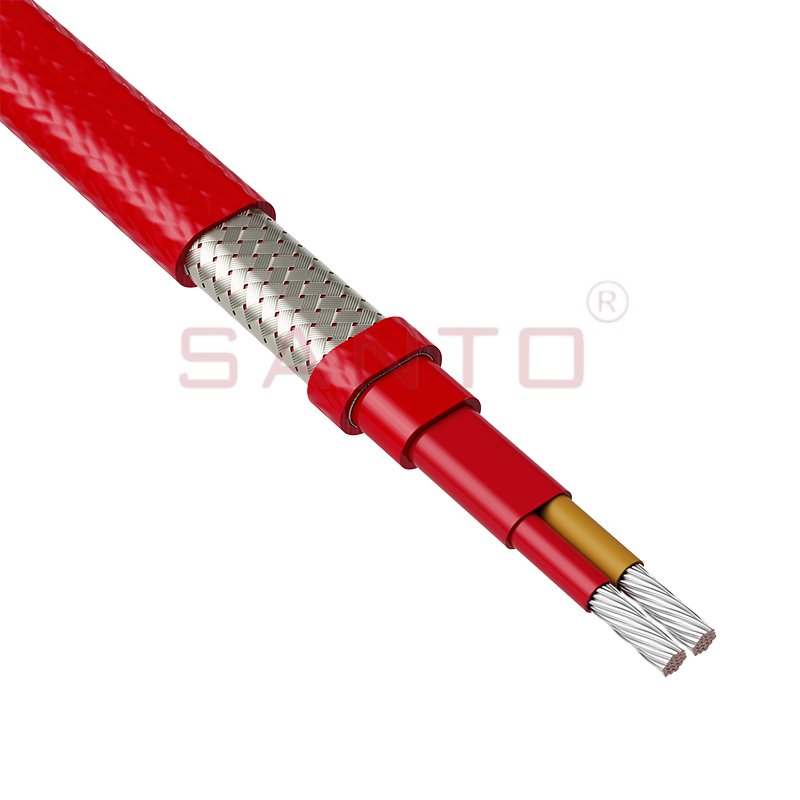
The stranded high temperature conductor is nickel plated to ensure a long life at elevated temperatures in corrosive environments. It is electrically isolated using an innovative sandwich construction...
See Details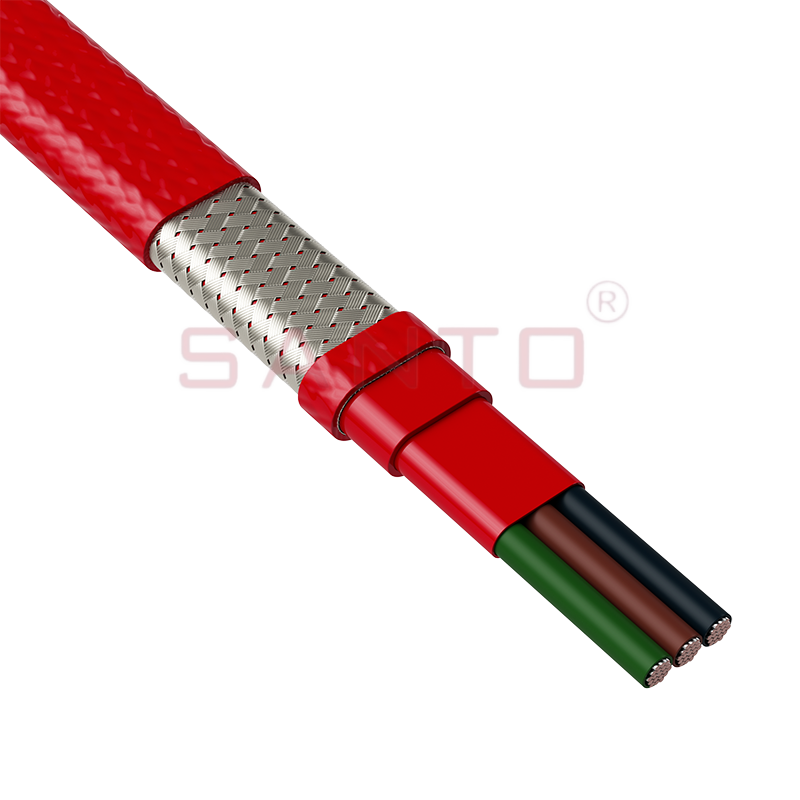
The stranded high temperature conductor is nickel plated to ensure a long life at elevated temperatures in corrosive environments. It is electrically isolated using an innovative sandwich construction...
See Details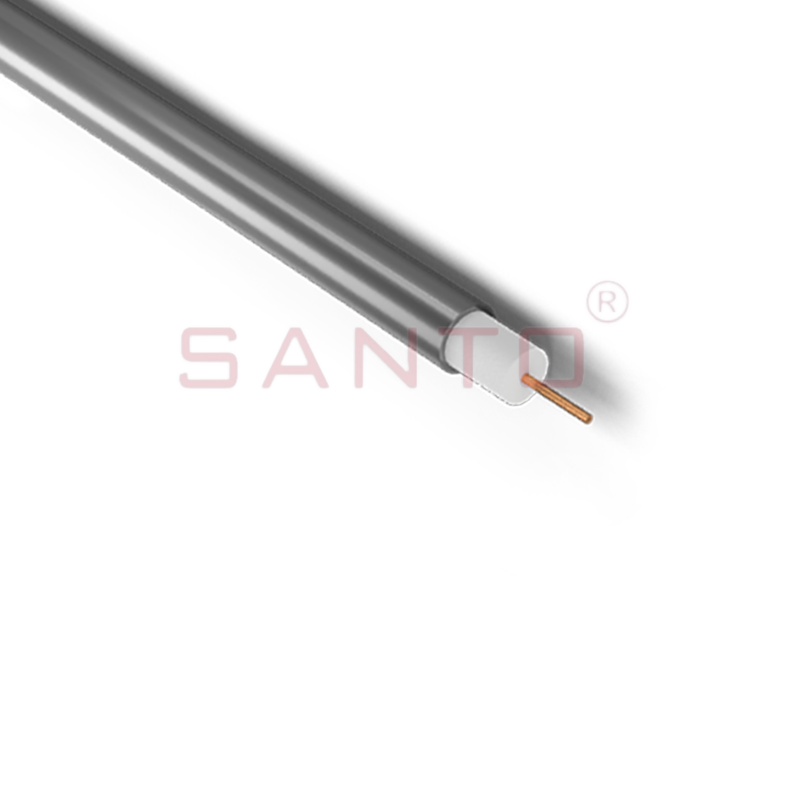
SANTO HAx mineral insulated (MI) Alloy 825 series heating cables are suitable for use in hazardous areas. They have been designed for use in freeze protection and temperature maintenance applications ...
See Details
Santo electric heating strips are widely used in key industries in China.

