 English
  English
 русский
 日本語
日本語 Español
 中文简体
中文简体
The SANTO UFA range of self-regulating heating cables is mainly used for frost protection of pipes and vessels but can also be used to maintain processes up to 65°C. These heating cables are available...
See Details
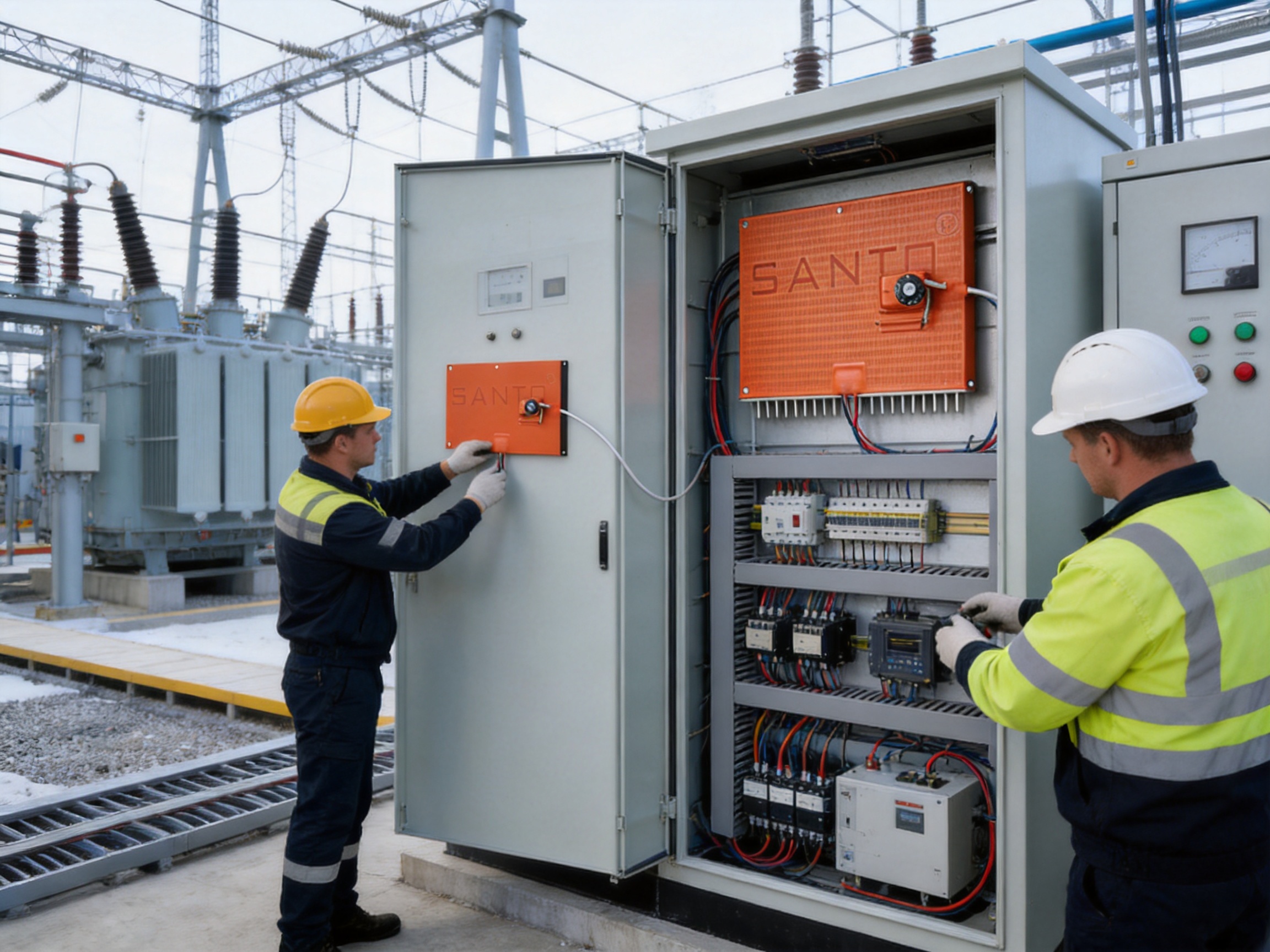
Electrical cabinets and instrument enclosures are designed to protect sensitive components from dust, accidental contact, mechanical damage, and environmental exposure. However, even a well-sealed cabinet can experience condensation, low internal temperatures, and uneven heat distribution. These conditions may reduce insulation resistance, accelerate corrosion, create tracking across electrical surfaces, and cause failures in switches, relays, terminals, control boards, and communication equipment.
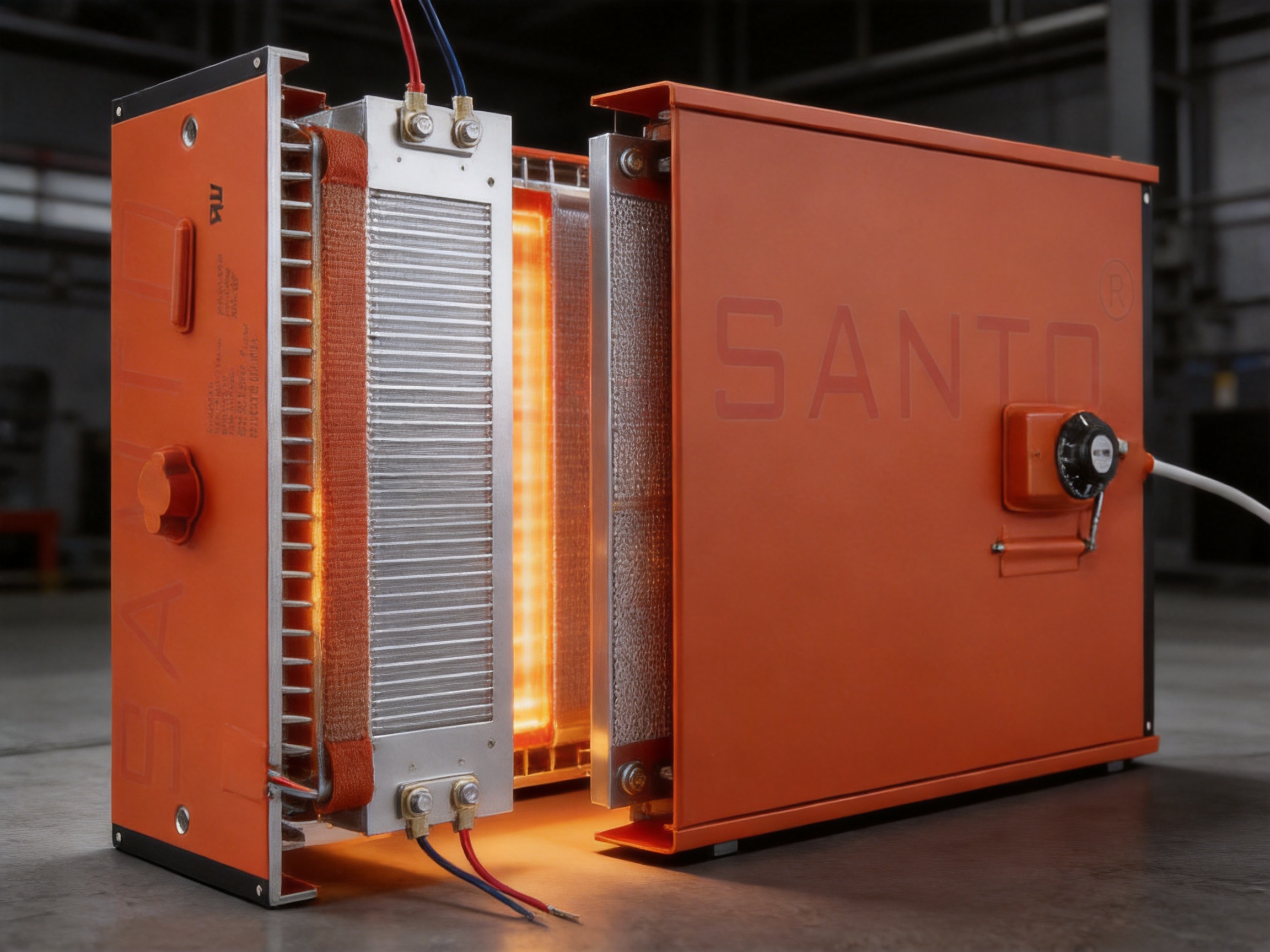
A cabinet heater provides a practical solution by maintaining a more stable internal temperature and reducing the risk of condensation. The cabinet heater described in this article is designed for switchgear, communication cabinets, lighting cabinets, anti-condensation boxes, computer cases, instrument boxes, and similar electrical enclosures. It combines an etched nickel-alloy foil heating element, moisture-resistant silicone rubber insulation, alkali-free glass-fiber reinforcement, and an aluminum heat-dissipation plate.
This construction gives the heater several important advantages over basic resistance wires, exposed heating elements, and lower-grade enclosure heaters. It supports fast heat transfer, reliable electrical insulation, long operating life, compact installation, and improved thermal efficiency. It is also suitable for use as part of a broader electrical heat-management strategy in industrial, commercial, energy, transportation, communication, and infrastructure applications.
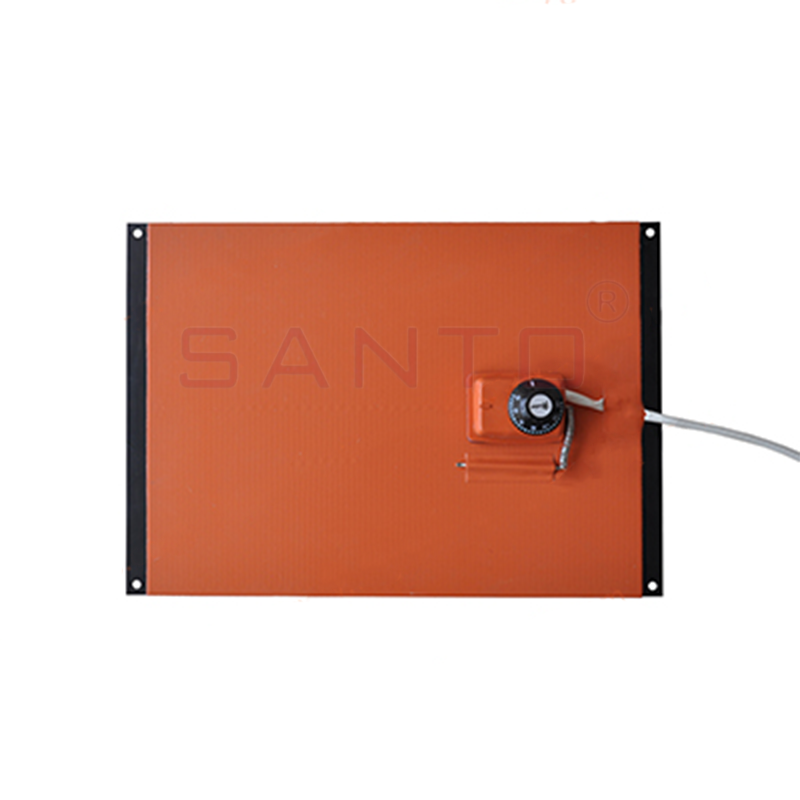
Cabinet heater
Content
Electrical cabinets frequently operate in environments where the surrounding temperature changes rapidly. A cabinet may be installed outdoors, in an unheated plant, near a cooling system, in a damp utility room, or in an area exposed to rain, snow, fog, or washdown procedures. Even when water does not enter directly, humid air can penetrate through cable glands, ventilation openings, door gaps, and pressure changes caused by temperature variation.
Condensation occurs when the internal surfaces of the cabinet fall below the dew point of the surrounding air. Moisture may appear on metal panels, busbars, circuit breakers, terminal blocks, relays, and electronic circuit boards. In a high-voltage or control cabinet, this moisture can reduce insulation performance and increase the possibility of surface discharge or short circuits.
Repeated condensation is particularly harmful because its effects are not always immediately visible. Water films can promote oxidation on copper and steel components. Corrosion may increase contact resistance, weaken connections, and create localized hot spots. Dust and industrial contaminants can adhere to damp surfaces, forming conductive deposits that further reduce electrical reliability.
Low temperatures can also affect mechanical and electronic components. Lubricants may become more viscous, displays may respond slowly, batteries may lose performance, and control systems may operate outside their recommended temperature range. In communication cabinets, low temperatures and moisture can interrupt the function of power supplies, network devices, signal converters, and backup systems.
A cabinet heater does not replace proper enclosure design, sealing, drainage, or ventilation. Instead, it complements those measures by raising the internal temperature slightly above the condensation threshold. When properly selected and controlled, it creates a more stable microclimate inside the enclosure while using relatively little space.
The cabinet heater is an electric heating device intended for mounting inside cabinets and boxes that require anti-condensation heating, thermal stabilization, or low-temperature protection. Its primary purpose is to provide controlled heat to the internal air and nearby surfaces without occupying the space required by large conventional heaters.
The product is suitable for a wide range of electrical and instrumentation applications. Typical installation locations include switchgear, distribution cabinets, communication enclosures, lighting control boxes, anti-condensation boxes, computer cases, automation cabinets, control panels, and instrument boxes.
The heater uses a rated voltage of 220 V. Its stated dielectric strength is 2,000 V per minute, and its insulation resistance is specified as greater than 50 MΩ. The silicone-rubber insulation material is designed for a broad temperature range, stated in the supplied technical information as approximately -60°C to +250°C. The exact product configuration, power rating, dimensions, terminal arrangement, and control method should be confirmed against the applicable technical drawing before ordering or installation.
| Item | Specification or characteristic | Practical significance |
|---|---|---|
| Product type | Electrical cabinet heater | Provides heat inside electrical and instrument enclosures |
| Typical applications | Switchgear, communication cabinets, lighting cabinets, anti-condensation boxes, computer cases, and instrument boxes | Supports moisture reduction and low-temperature protection across many enclosure types |
| Rated voltage | 220 V | Suitable for compatible single-phase electrical supplies when correctly specified |
| Heating element | Etched nickel-alloy foil | Offers rapid heating, a broad heating surface, and stable resistance performance |
| Insulation system | Moisture-resistant silicone rubber and alkali-free glass fiber | Improves electrical separation, mechanical support, and environmental resistance |
| Heat-spreading structure | Aluminum plate | Assists heat dissipation and promotes more uniform temperature distribution |
| Dielectric strength | 2,000 V per minute | Indicates resistance to a specified high-voltage insulation test |
| Insulation resistance | Greater than 50 MΩ | Supports safe operation when the product is correctly installed and maintained |
| Insulation temperature range | Approximately -60°C to +250°C according to supplied information | Provides flexibility for demanding thermal environments; final limits should be verified for the selected model |
The heating element is one of the most important differences between a dependable cabinet heater and a basic low-cost heating device. This product uses nickel-alloy foil manufactured through an etching process. Etching creates a controlled resistance circuit in a thin metal sheet, allowing the heating path to be distributed across a broad and compact surface.
Compared with a single resistance wire, an etched foil element can provide more consistent heat distribution. A wire-based element may create concentrated hot zones around the wire, while a properly designed foil pattern spreads the heat over a larger area. This reduces localized thermal stress and helps transfer heat to the surrounding air and enclosure components.
The nickel alloy is selected for its resistance stability, mechanical strength, and suitability for repeated heating cycles. During operation, the element converts electrical energy into heat. When the heater is controlled by a thermostat or cabinet temperature controller, the foil can respond quickly to changes in the internal environment.
Fast heating is valuable in applications where the cabinet temperature may fall quickly. For example, an outdoor enclosure can cool significantly after sunset, during a cold front, or after a period of rain. A heater with a responsive element can raise the internal temperature before condensation becomes severe.
The etched structure also allows the heating element to remain relatively thin. This is beneficial when the cabinet contains crowded wiring, circuit breakers, terminal blocks, drives, relays, or communication equipment. A compact heater can be positioned along a side panel, base plate, or designated mounting area without interfering with service access.
Another advantage is the potential for repeatable manufacturing. The foil pattern can be produced according to a defined layout, resistance value, and power requirement. This supports consistent electrical performance from one production batch to another. In contrast, manually formed wires may be more sensitive to spacing, bending, connection quality, and mechanical movement during assembly.
Broad-area heating is especially useful in cabinets containing electronic devices. Electronics generally benefit from moderate, uniform temperature conditions rather than intense heat concentrated in one location. The heating pattern should therefore be installed with sufficient clearance from plastic parts, cable insulation, and heat-sensitive components.
The aluminum support plate contributes to this effect by helping distribute heat away from the foil. Proper contact between the heating assembly and the plate supports thermal transfer and reduces the chance of excessive temperature at isolated points. The final temperature profile still depends on heater power, cabinet size, airflow, mounting orientation, insulation, ambient temperature, and control settings.
Cabinet heaters may operate intermittently for many years. Their service life depends on the number of heating cycles, the operating temperature, vibration, humidity, contamination, electrical quality, and installation practices. A robust foil element combined with flexible insulation can reduce the mechanical strain that occurs during repeated expansion and contraction.
Long service potential also depends on the quality of terminals and connections. Loose connections can generate resistance heating at the terminal instead of the intended heating surface. For that reason, installation should follow the specified torque, conductor size, protective device, and wiring method. Periodic inspection is recommended for critical cabinets.
The heating element is enclosed and supported by a double insulation system based on moisture-resistant silicone rubber and alkali-free glass fiber. This combination is designed to provide electrical separation while also supporting the heater mechanically.
Silicone rubber is valued for flexibility, weather resistance, moisture resistance, and thermal stability. Unlike some rigid insulating materials, silicone rubber can accommodate moderate movement caused by thermal expansion and contraction. It can also maintain flexibility over a wide temperature range, which is useful in outdoor and industrial installations.
Moisture resistance is particularly important in cabinet heating applications. The heater is often installed precisely because the enclosure is exposed to humid conditions or condensation risk. The insulation must therefore maintain its protective function when the surrounding air is damp. Silicone rubber helps limit the penetration of moisture toward the energized heating element when the product is used within its design conditions.
Alkali-free glass fiber adds reinforcement and dimensional stability. It helps support the silicone rubber and provides a durable carrier for the heating element. The glass fiber structure can improve resistance to tearing, deformation, and handling damage during installation.
The combination of flexible silicone rubber and reinforced glass fiber is a meaningful advantage over unprotected resistance wire. An exposed wire may require additional spacers, shields, or insulating supports. A properly insulated heater is easier to integrate into a cabinet while maintaining an appropriate separation from conductive surfaces.
The insulation system also contributes to dielectric performance. The specified dielectric strength of 2,000 V per minute indicates that the heater is designed to undergo a high-voltage insulation test under defined conditions. The stated insulation resistance of greater than 50 MΩ further indicates a high level of electrical separation when tested according to the relevant procedure.
These values should not be interpreted as permission to install the heater without protection or testing. Actual safety depends on the complete installation, including grounding, overcurrent protection, enclosure construction, wiring, controller selection, and local electrical requirements.
An aluminum plate is integrated into the heater structure to assist heat dissipation. Aluminum has good thermal conductivity, low weight, and practical corrosion resistance in many indoor and protected industrial environments. It can receive heat from the heating element and spread it across a larger surface.
Heat spreading serves two purposes. First, it improves the transfer of energy from the element to the surrounding air. Second, it helps reduce temperature concentration in a small portion of the heater. A more evenly distributed surface can support consistent cabinet heating and help reduce unnecessary thermal stress.
The aluminum plate can also make the heater easier to mount. Depending on the model, it may be attached to a cabinet wall, base, bracket, or other suitable support. The mounting method should maintain the intended contact and should not compress, puncture, or deform the insulated heating assembly.
Thermal efficiency is affected by more than the material of the plate. Cabinet size, air circulation, wall construction, internal equipment, heater orientation, insulation, and temperature control all influence performance. A heater should not be oversized simply to achieve fast warming. Excessive power can create unnecessary temperature rise, increase energy consumption, and impose stress on adjacent components.
The most effective installation normally uses a heater with a suitable power rating, a thermostat or temperature controller, and a placement that allows warm air to circulate. The heater should not be blocked by cable bundles or placed directly against sensitive plastic components unless the manufacturer’s instructions specifically permit that arrangement.
Exposed resistance wire is simple and inexpensive, but it may create concentrated hot spots and require additional protective structures. It can be more vulnerable to accidental contact, mechanical displacement, and contamination. The insulated foil construction of this cabinet heater provides a more controlled heating surface and a clearer separation between the energized element and the cabinet environment.
Tubular heaters can provide substantial heat, but their rigid shape may make them difficult to install in compact control cabinets. They may require more space and may produce a stronger temperature gradient near the tube. The thin foil-based design can be more adaptable where internal space is limited and where a broad, low-profile heat source is preferred.
Improvised heaters may not provide verified dielectric strength, insulation resistance, thermal limits, or mechanical protection. They can create significant safety risks, especially in cabinets containing high-voltage equipment. A purpose-designed cabinet heater is manufactured around defined electrical, thermal, and mechanical requirements, making it more suitable for engineered systems.
Some flexible heaters use weak insulation, inconsistent resistance paths, or poor connections. These weaknesses can lead to premature failure, uneven heat, or insulation deterioration. The use of nickel-alloy foil, silicone rubber, alkali-free glass fiber, and an aluminum support plate provides a more complete construction rather than relying on a heating element alone.
Space is frequently limited inside a switchgear or control enclosure. A compact heater can be installed without redesigning the complete cabinet. This supports retrofit projects, replacement of aging anti-condensation devices, and integration into new equipment where internal space has already been allocated to electrical components.
The etched foil element has a low thermal mass compared with some larger heating assemblies. As a result, it can respond rapidly when power is applied. Rapid response helps restore the desired internal temperature after a cabinet door is opened, after cold air enters through ventilation paths, or after a sudden fall in ambient temperature.
The double insulation structure provides a stronger foundation for safe operation than an uninsulated element. Moisture-resistant silicone rubber and reinforced glass fiber are appropriate materials for an environment in which humidity control is one of the primary objectives.
The performance of a cabinet heater depends on the quality of its design and the consistency of its manufacturing process. Santo Thermal Control Technology Co., Ltd. has built its business around electric heating and thermal-control products, including self-regulating heating cables, constant-power heating belts, silicone rubber heating products, glass-fiber heating belts, mineral-insulated cables, snow-melting cables, tracked heaters, and related accessories.
The company states that it integrates research, design, production, manufacturing, and sales. This integrated structure can provide advantages during product development because electrical design, material selection, production engineering, and customer feedback can be evaluated together.
Manufacturing begins with the selection and preparation of the heating alloy, insulation materials, reinforcement, conductive terminals, and aluminum components. Material consistency is important because the resistance, flexibility, dielectric performance, and thermal behavior of the finished heater are influenced by every layer of the construction.
The nickel-alloy foil must be suitable for controlled etching and repeated thermal cycling. Silicone rubber must be formulated and processed to provide the required flexibility, moisture resistance, and temperature performance. The glass-fiber reinforcement must be compatible with the insulation structure and capable of maintaining dimensional stability.
The foil etching process creates the heating circuit according to a specified pattern. Important production controls may include foil thickness, circuit width, spacing, resistance value, edge quality, and dimensional accuracy. Consistent etching helps ensure that the final heater produces the intended power and distributes heat as designed.
Compared with manually winding a wire, patterned foil production can support repeatability and compact geometry. It is also easier to adapt the pattern for different heater sizes and power ratings. The resistance path can be designed to use the available surface efficiently while maintaining required electrical clearances.
After the heating pattern is prepared, the element is combined with the silicone-rubber and glass-fiber insulation system. This stage must control alignment, bonding, encapsulation, thickness, and the absence of air pockets or foreign material. Proper lamination helps protect the foil and supports stable electrical insulation during operation.
Insulation processing is especially important around the terminal area. The connection between the power lead and the foil must be mechanically secure and electrically insulated. Poor termination can result in localized heating, intermittent operation, or insulation breakdown.
The aluminum plate is fitted to the insulated heating assembly to support heat spreading and mechanical installation. Assembly quality influences the contact between the heater and the plate. Uneven contact can reduce thermal transfer and produce an inconsistent surface temperature.
At this stage, dimensional inspection can confirm that the finished product meets the specified thickness, length, width, mounting-hole location, and terminal position. Accurate dimensions simplify installation and reduce the possibility of interference with cabinet components.
Finished heaters should undergo electrical inspection. Typical controls include resistance measurement, insulation resistance testing, dielectric strength testing, continuity inspection, terminal verification, and visual examination. The supplied product information identifies a dielectric strength of 2,000 V per minute and insulation resistance greater than 50 MΩ.
Testing is valuable because a heater may appear visually correct while containing a hidden insulation defect, damaged terminal, or resistance deviation. Electrical testing provides objective evidence that the product meets its specified performance before shipment.
Thermal testing can evaluate heat-up behavior, surface temperature, temperature distribution, response to a controller, and performance after repeated heating cycles. These tests help identify abnormal hot spots, poor heat transfer, or changes in resistance during operation.
For custom orders, thermal testing may be adjusted to reflect the intended cabinet size, mounting position, ambient temperature, and control method. This is useful for OEM customers who require a heater designed around a particular enclosure or equipment platform.
The company reports ISO9001 quality-system certification and national CCC certification for its products. It also states that certain products have obtained explosion-proof and EAC Eurasian Union certifications. Certification requirements vary by product type and market, so buyers should request current certificates and verify that they apply to the exact cabinet heater model and intended application.
The company also reports more than 35 years of industry experience, an annual output exceeding 10,000 units, more than 2,000 distributors, and business coverage in more than 85 areas. These figures indicate an established production and distribution capability, although customers should still evaluate model-specific documentation, delivery capacity, inspection procedures, and after-sales support.
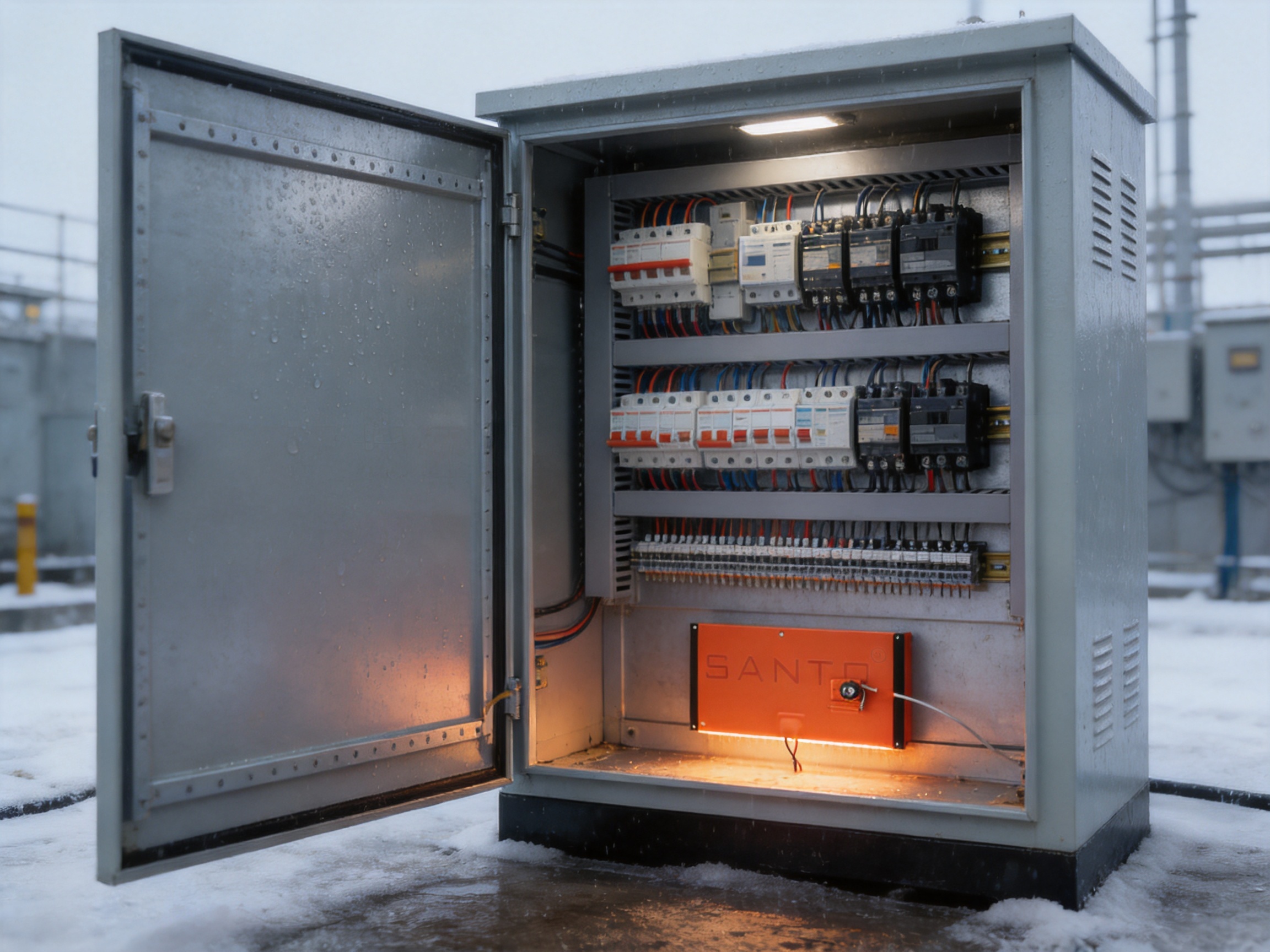
Switchgear, distribution cabinets, relay panels, and outdoor power enclosures can be exposed to temperature variation and moisture. A cabinet heater can reduce condensation risk around breakers, busbar supports, relays, terminals, and protection equipment. It is commonly used with a thermostat so that heating occurs only when the internal temperature or humidity condition requires it.
Communication cabinets may contain power supplies, fiber-optic equipment, network switches, radio units, and battery systems. Outdoor communication sites can experience strong day-and-night temperature changes. Controlled heating supports more stable conditions for electronics and helps protect connections from dampness and corrosion.
Automation cabinets contain programmable logic controllers, variable-frequency drives, input-output modules, sensors, relays, and industrial communication equipment. Moisture can cause nuisance faults that are difficult to diagnose because the failure may disappear when the cabinet warms or dries. Anti-condensation heating can reduce these intermittent problems.
Lighting cabinets in public facilities, tunnels, transportation locations, warehouses, and outdoor installations may be exposed to cold and humidity. A compact heater can help maintain the internal environment without requiring a large heating assembly.
Measurement equipment often requires stable conditions to maintain accuracy and availability. Cabinet heaters can help protect transmitters, analyzers, monitoring equipment, and control instruments from cold-related performance changes and condensation.
Computer cases and specialized data enclosures may be installed in locations where ambient temperature control is limited. The heater should be selected carefully in these applications because electronic equipment may have strict operating-temperature limits. The objective is usually mild temperature stabilization rather than high-temperature heating.
Solar-control cabinets, energy-storage enclosures, charging infrastructure, and remote monitoring boxes may be installed outdoors. In such systems, moisture protection is important because electronics and power connections must remain available in changing weather conditions. The heater can be used as one component of a complete environmental-control package.
Correct selection begins with the cabinet dimensions and environmental conditions. A small indoor instrument box may require only limited anti-condensation heat, while a large outdoor switchgear enclosure may need a higher output or multiple heaters. The chosen power should be based on the cabinet volume, construction, insulation, expected minimum ambient temperature, wind exposure, and desired internal temperature.
The rated voltage must match the available supply. The supplied product information identifies 220 V, but customers should confirm frequency, phase, power rating, current, and allowable voltage tolerance for the exact model.
Control equipment is also important. A thermostat can energize the heater when the internal temperature falls below a selected point. A hygrostat or combined temperature-and-humidity controller may provide more direct moisture management. In some installations, the heater is controlled by the cabinet’s existing environmental-control system.
Clearance must be maintained around the heater. Cable insulation, plastic housings, batteries, and other temperature-sensitive parts should be kept outside the manufacturer’s specified hot zone. Air should be able to circulate around the heat-spreading surface.
The mounting surface should be clean, stable, and suitable for the heater’s fasteners. The heater should not be sharply folded, cut, drilled, crushed, or exposed to mechanical damage. Any modification to the heating element or insulation can compromise electrical safety.
Installation should be carried out by qualified personnel familiar with electrical cabinets and applicable safety requirements. Before work begins, the cabinet must be isolated from its power source and verified as de-energized.
The heater should be positioned where it can warm the cabinet effectively without obstructing breakers, service doors, cable bends, ventilation paths, or inspection areas. Lower or side mounting may support natural convection, but the best position depends on the cabinet layout and the manufacturer’s installation instructions.
All connections should use correctly rated conductors and terminals. The circuit should include appropriate overcurrent protection. The heater’s protective earth or grounding arrangement, if provided, must be connected according to the product design and local regulations.
A thermostat should generally be installed in a representative location rather than directly above the heater. If the sensor is too close to the heat source, it may shut off the heater before the rest of the enclosure reaches the desired condition.
After installation, inspect the wiring, fasteners, clearances, insulation, and terminal area. Measure resistance and insulation resistance where appropriate. During commissioning, observe the heater’s temperature rise and confirm that adjacent equipment remains within its permitted operating range.
Periodic maintenance should include visual inspection for dust accumulation, corrosion, damaged insulation, loose terminals, discoloration, and signs of overheating. In critical installations, insulation resistance and electrical continuity may be checked during scheduled maintenance.
Cabinet dimensions and operating conditions vary considerably between industries. A standard heater may be suitable for many installations, but OEM customers often require customized length, width, resistance, power, terminal position, mounting holes, lead length, insulation structure, or controller interface.
Santo Thermal Control Technology Co., Ltd. describes itself as a manufacturer and supplier of electric heating and thermal-control products, with experience in research, design, production, and export sales. This background can support the development of cabinet heaters for original equipment manufacturers, system integrators, electrical contractors, and distributors.
When requesting a customized solution, customers should provide cabinet dimensions, material, minimum and maximum ambient temperature, target internal temperature, available supply voltage, heating time requirement, mounting position, required certification, cable-entry details, and expected annual quantity. Photographs, drawings, and a description of the installed equipment can also help the engineering team recommend a practical configuration.
Customization should not be limited to changing the physical size. The heating pattern, insulation thickness, aluminum plate, terminals, protective sleeve, temperature sensor, and control logic may all influence the final performance. A well-developed OEM project should include prototype evaluation, electrical testing, thermal testing, documentation, and production approval before volume manufacturing.
Santo Thermal Control Technology Co., Ltd. is located in Jiangsu Province, an area known for electric heating belt manufacturing. The company reports a history beginning with the establishment of Desheng Electric Heating Instrument Factory in 2000. Its reported development includes ISO9001 quality-system certification in 2002, the establishment of an irradiation center in 2013, and continuing research into self-regulating, nano far-infrared, carbon-fiber, silicone rubber, glass-fiber, and mineral-insulated heating products.
The company states that the SANTO brand was established in 2016 and that it obtained explosion-proof and EAC Eurasian Union certifications for relevant products. It also reports the development of a carbon-fiber parallel heating cable and the creation of additional manufacturing and product-simulation facilities in later years.
In 2023, the company reported establishing a factory in Russia to expand its international presence. Its stated business model includes cooperation with domestic and international customers, long-term partnerships, product development, technical guidance, and after-sales service.
These capabilities are relevant to cabinet-heater buyers because enclosure heating is often part of a larger thermal-control project. A supplier with experience in heating cables, temperature control, silicone rubber heating products, and industrial electric heating may be able to provide coordinated solutions for cabinets, pipelines, tanks, floors, roofs, and other equipment.
A cabinet heater is an energized electrical device and must be treated as part of the electrical system. The specified voltage must not be exceeded. The heater must be protected against overload and must not be operated with damaged insulation, exposed conductors, or loose terminals.
The heater should not be covered by combustible materials or installed in a location where heat cannot dissipate. Flammable gases, vapors, dust, or liquids require special evaluation. If the cabinet is located in a hazardous area, only a product with the appropriate certification and installation method should be used.
The stated insulation temperature range of approximately -60°C to +250°C refers to the insulation material information supplied for the product. It should not automatically be treated as the permitted temperature of the entire assembly, terminal, lead wire, controller, or cabinet equipment. The lowest-rated component determines the safe system limit.
Similarly, the 2,000 V per minute dielectric-strength value is a test specification, not an operating voltage. The heater must be installed according to the rated voltage and applicable electrical standards. Any uncertainty about grounding, protection, enclosure classification, or control should be addressed by a qualified electrical engineer.
The primary purpose is to warm the interior of an electrical or instrument enclosure so that condensation is reduced and sensitive components remain within a more suitable temperature range. It can also support insulation protection, corrosion prevention, and reliable operation in cold environments.
The product is intended for switchgear, communication cabinets, lighting cabinets, anti-condensation boxes, computer cases, instrument boxes, and similar electrical enclosures. The final suitability depends on the cabinet size, voltage, power requirement, environmental conditions, and applicable certification.
An etched foil element provides a patterned resistance path across a broad, compact surface. It supports rapid heating, efficient heat transfer, and more uniform temperature distribution than a simple exposed wire. It also allows the heater to remain relatively thin.
The aluminum plate helps spread heat away from the heating element and transfer it to the surrounding air and cabinet structure. It can improve thermal efficiency, reduce localized hot spots, and provide a practical mounting surface.
A thermostat is strongly recommended for most applications because it prevents unnecessary continuous heating and helps maintain a stable internal temperature. The exact control method may be a thermostat, hygrostat, combined controller, or a larger cabinet-management system.
Customization may be possible for dimensions, resistance, power, terminals, lead length, mounting arrangement, insulation structure, and other features. OEM customers should provide detailed cabinet and operating information so the manufacturer can evaluate the required design.
The stated insulation resistance of greater than 50 MΩ indicates a high level of electrical separation between the heating circuit and the insulated exterior when measured under the specified test conditions. Actual performance depends on the product condition, installation, moisture, contamination, and testing method.
The dielectric-strength rating of 2,000 V per minute refers to a specified high-voltage withstand test. It demonstrates the insulation’s ability to resist electrical breakdown during that test. It does not mean that the heater should be connected to 2,000 V during normal operation.
It may be suitable for outdoor cabinets when installed inside a properly designed enclosure and operated within the product’s environmental limits. The complete system must also address water ingress, ultraviolet exposure, drainage, corrosion, temperature, grounding, and the required enclosure rating.
Maintenance should include inspection of the insulation, terminals, fasteners, mounting surface, and surrounding equipment. Check for loose connections, corrosion, discoloration, contamination, or unusual heat. Critical systems may also require periodic resistance and insulation-resistance testing.
No. The 220 V rating identifies the intended supply voltage, but the power rating, frequency, current, enclosure size, control method, certification, and environmental conditions must also match the application. The exact model documentation should be reviewed before installation.
Useful information includes cabinet length, width, height, material, minimum ambient temperature, target internal temperature, available voltage, desired power, condensation risk, mounting method, required lead length, certifications, annual quantity, and whether the project is standard or customized.
The cabinet heater is a compact and practical solution for controlling moisture and temperature inside electrical and instrument enclosures. Its etched nickel-alloy foil element provides fast, broad-area heating, while moisture-resistant silicone rubber and alkali-free glass fiber create a reliable double-insulation structure. The aluminum plate supports heat spreading, thermal efficiency, and mechanical integration.
Compared with exposed resistance wires, bulky tubular heaters, and improvised heating devices, this construction offers a more engineered combination of electrical insulation, thermal response, compact form, and installation flexibility. The product can help protect switchgear, communication equipment, lighting controls, computers, instruments, and automation systems from condensation-related faults and cold-environment problems.
The manufacturer’s experience in heating cables, silicone rubber heaters, glass-fiber products, self-regulating systems, constant-power heating products, mineral-insulated cables, and snow-melting solutions provides a broad technical foundation for standard and customized thermal-control projects. Its reported quality-system certification, product certifications, manufacturing capacity, research activities, and international development further support its position as a potential OEM and industrial heating partner.
Successful application depends on correct product selection, appropriate temperature control, proper mounting, adequate electrical protection, and compliance with local standards. When these factors are addressed together, a cabinet heater can provide an efficient way to maintain a safer and more stable enclosure environment over a long operating period.
1. Product technical information supplied for the cabinet heater, including rated voltage, dielectric strength, insulation resistance, insulation materials, and construction features.
2. General principles of electrical enclosure condensation control and environmental protection for switchgear and control equipment.
3. General guidance on electric resistance heating elements, foil heating technology, thermal transfer, and temperature control.
4. General principles of silicone-rubber insulation, glass-fiber reinforcement, dielectric testing, and insulation-resistance measurement.
5. Quality-management information and company background supplied for Santo Thermal Control Technology Co., Ltd.
6. General electrical installation practices for cabinet heaters, thermostats, overcurrent protection, grounding, clearance, and maintenance.
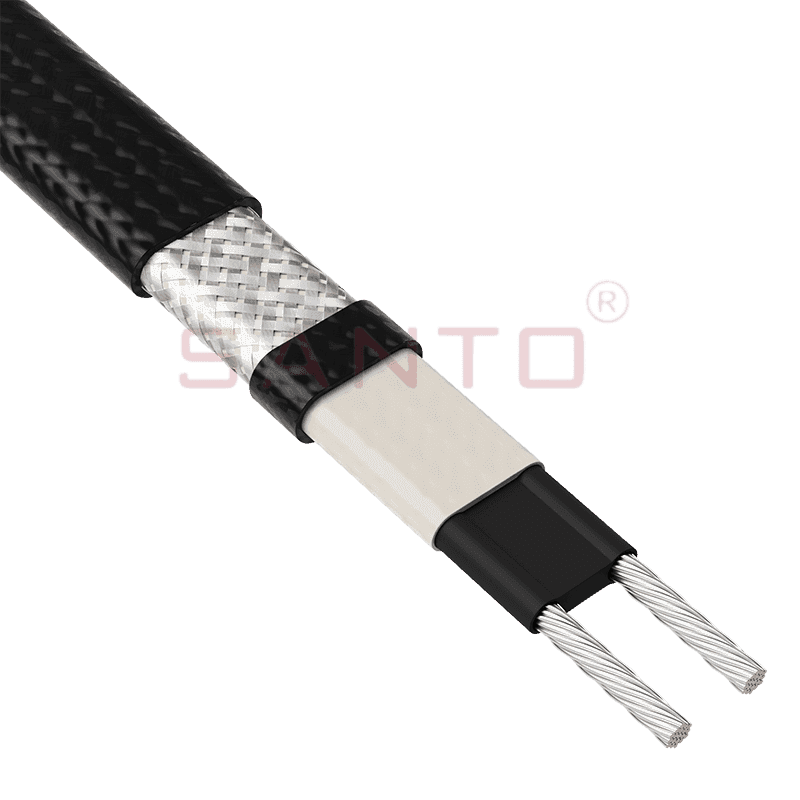
The SANTO UFA range of self-regulating heating cables is mainly used for frost protection of pipes and vessels but can also be used to maintain processes up to 65°C. These heating cables are available...
See Details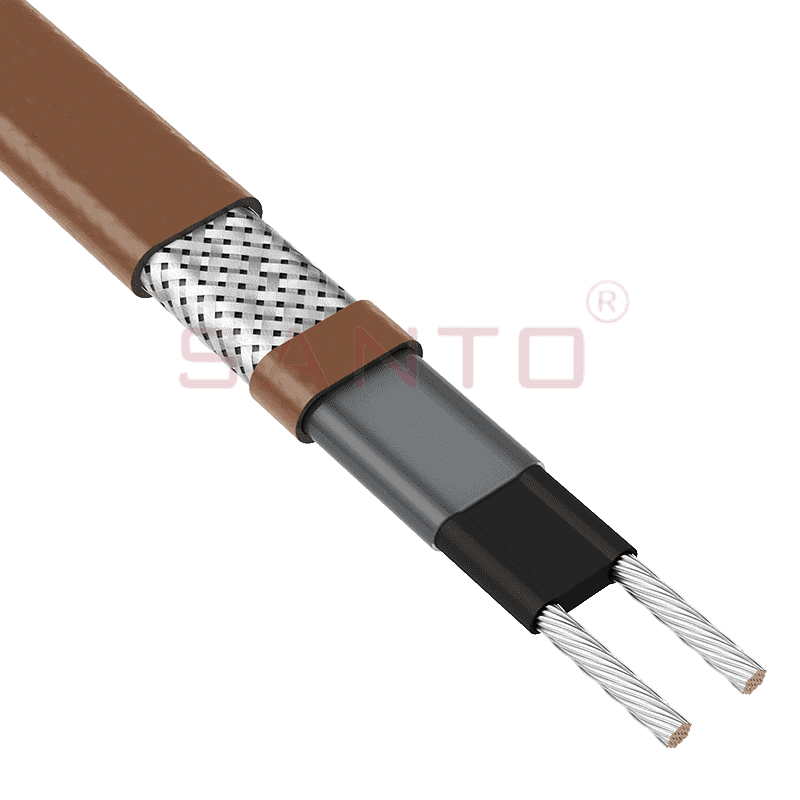
The SANTO UFB range of self-regulating heating cables is mainly used for frost protection of pipes and vessels requiring a higher power output than the UFA heating cables can supply. They can also be ...
See Details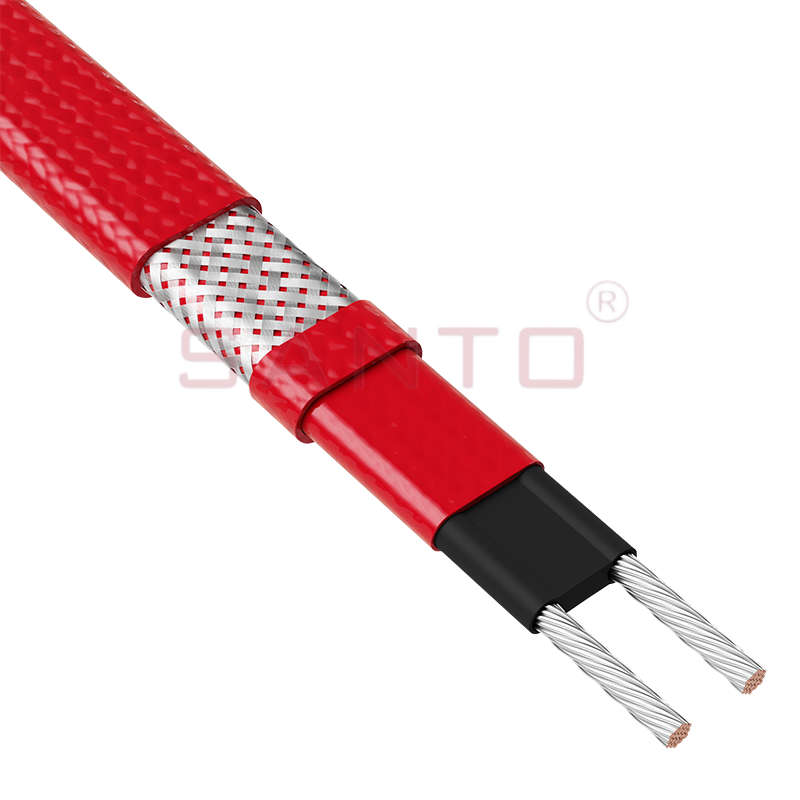
The SANTO UFC range of self-regulating heating cables is used for frost protection of pipes and vessels that require steam cleaning. They can also be used to maintain processes up to 121°C. These heat...
See Details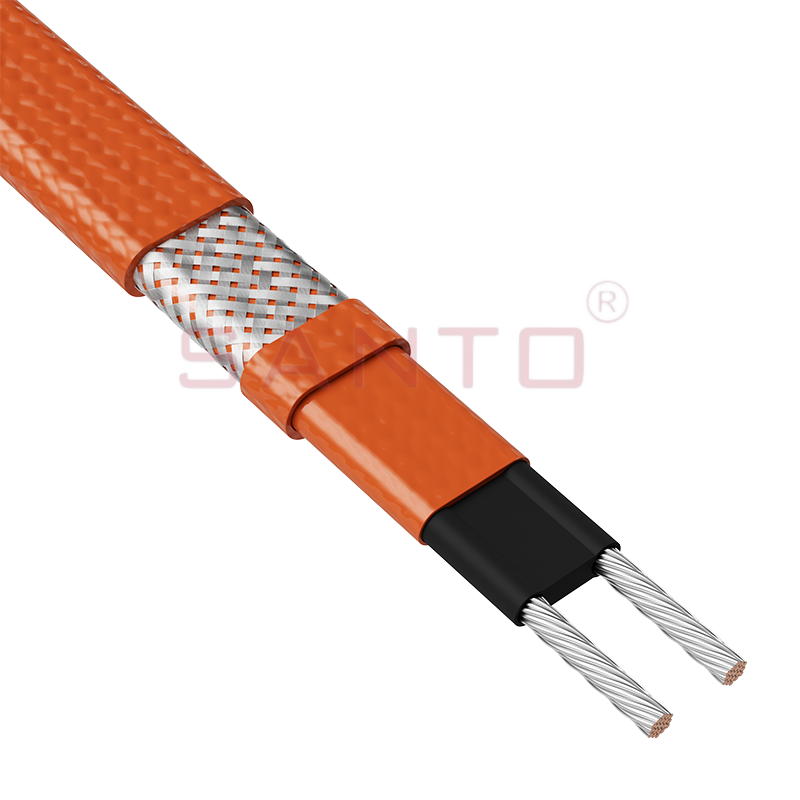
The SANTO UFO range of self-regulating heating cables is mainly used for frost protection of pipes and vessels that require steam cleaning . They can also be used to maintain processes up to 150°C. Th...
See Details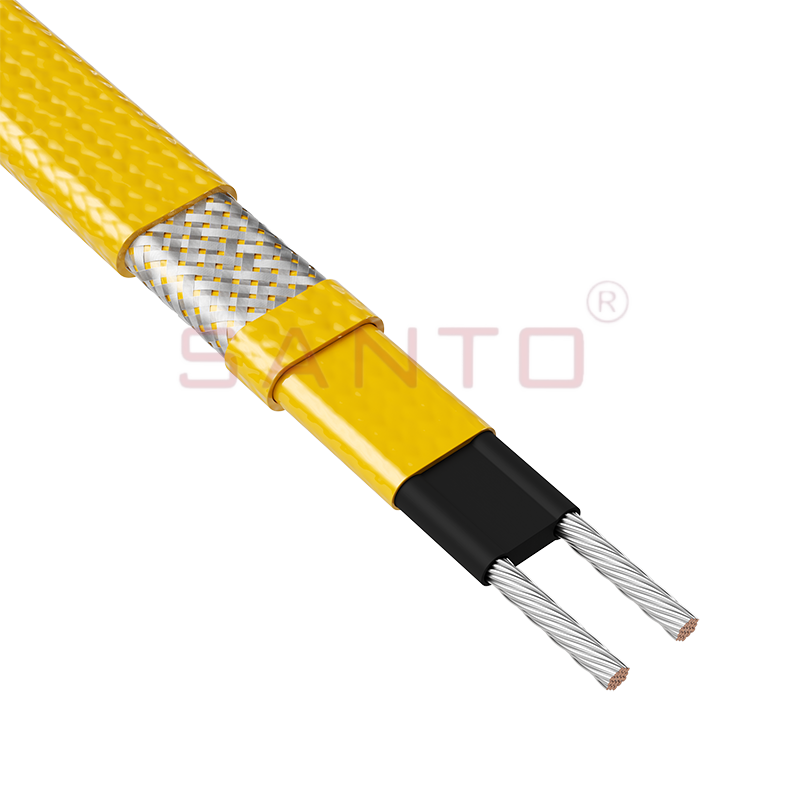
The SANTO UFD series of self-regulating heating cables are mainly used for freeze protection of pipes and vessels, but can also be used to maintain processes up to 200°C. These heating cables are avai...
See Details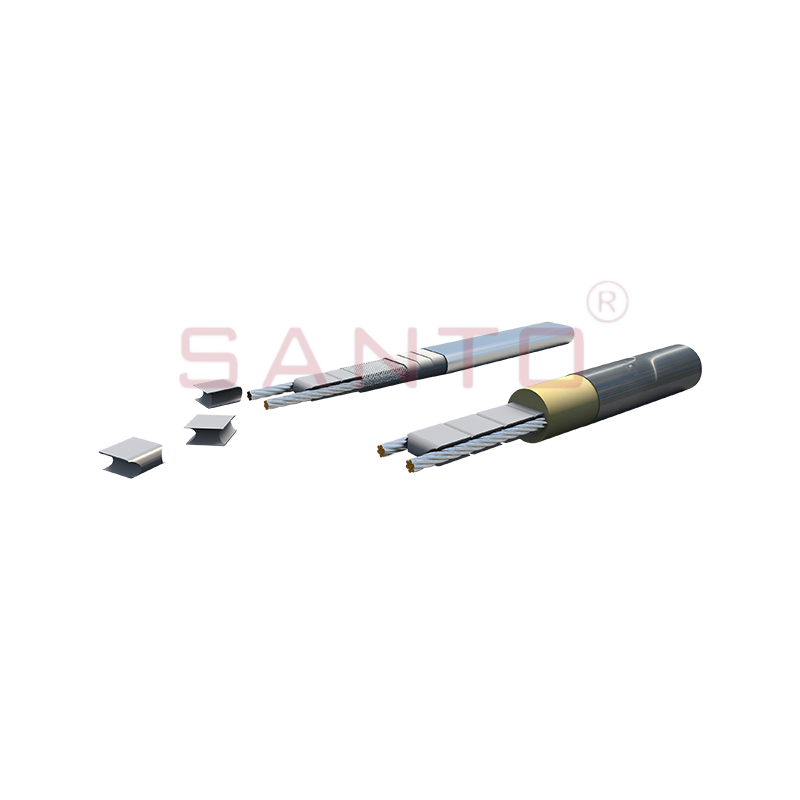
SANTO UFY heating wire is suitable for applications that maintain process temperatures up to 260 ℃ and can be steam blown; The self-regulating and parallel circuit heating wires of the UFY series are ...
See Details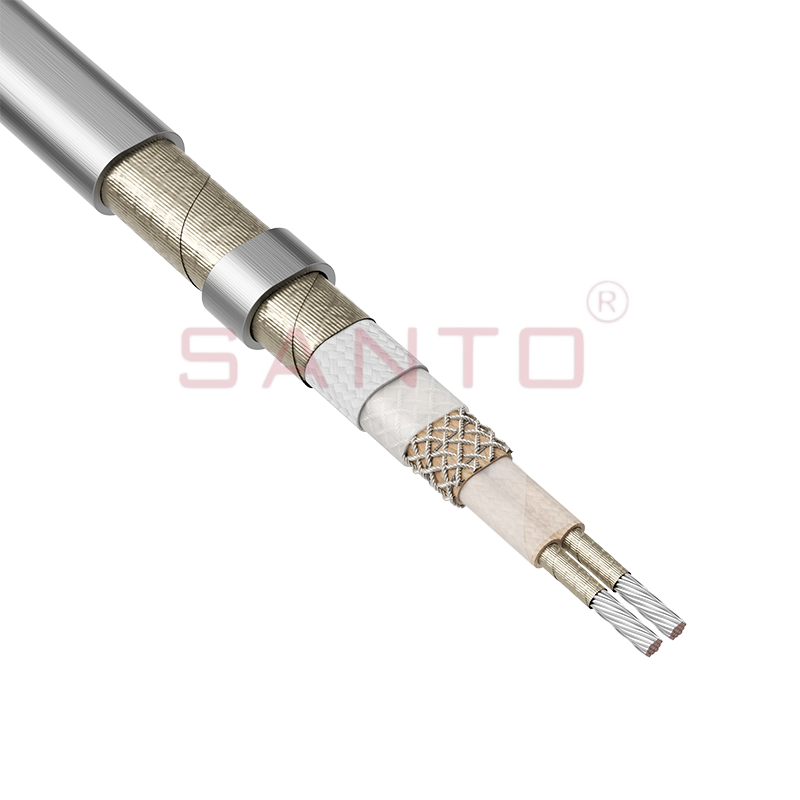
The SANTO UFM series self-regulating heating cables are mainly used for freeze protection of pipes and vessels, but can also be used to maintain processes up to 400°C. These heating cables are availab...
See Details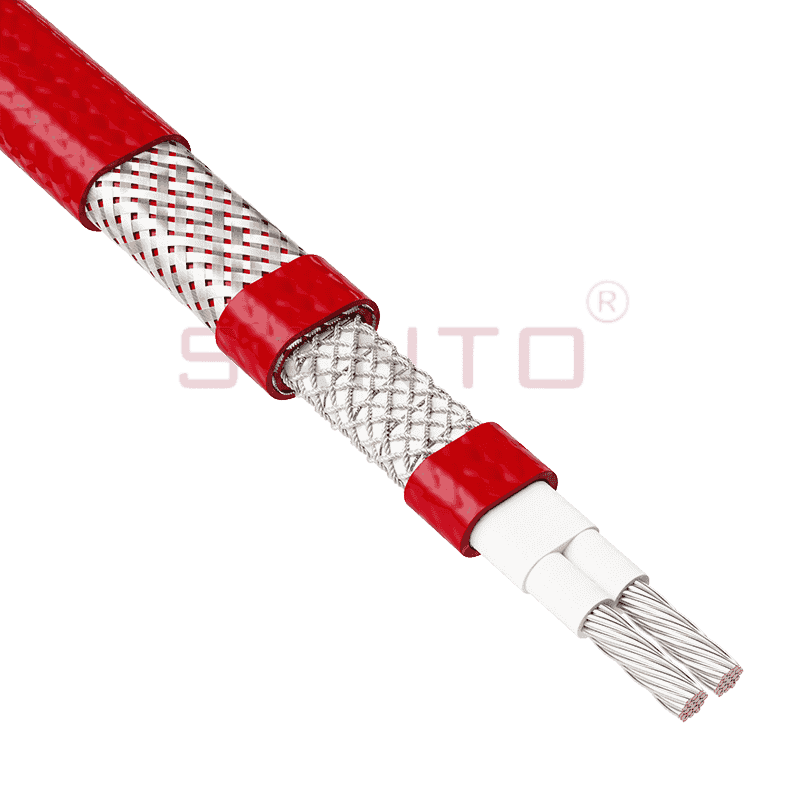
The SANTO ACC range of power-limiting heating cables is mainly used for temperature maintenance of processes and offers the advantage of a high power output at high temperatures which can reduce the n...
See Details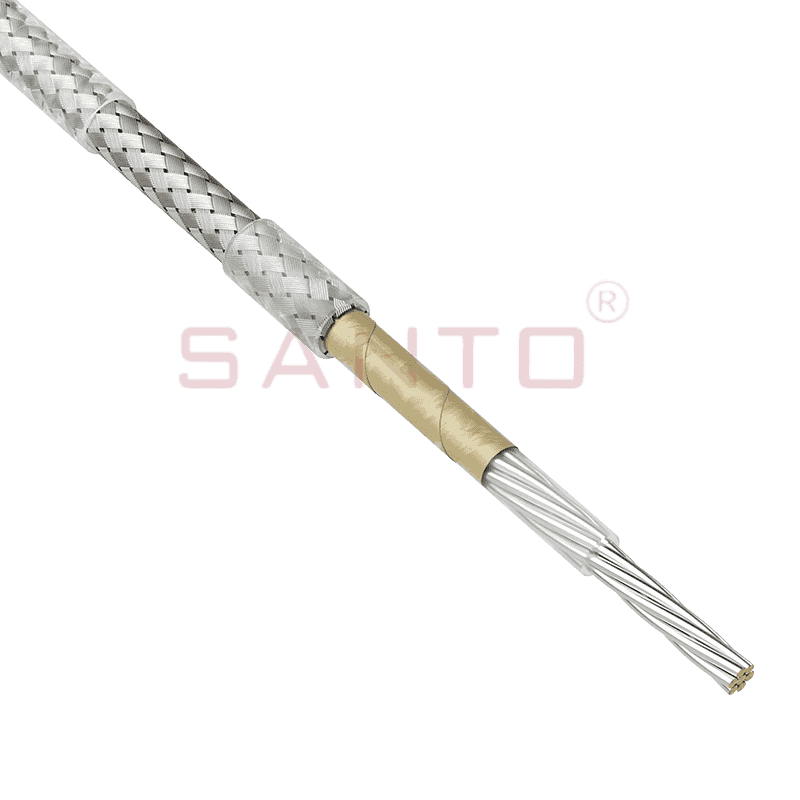
The stranded high temperature conductor is nickel plated to ensure a long life at elevated temperatures in corrosive environments. It is electrically isolated using an innovative sandwich construction...
See Details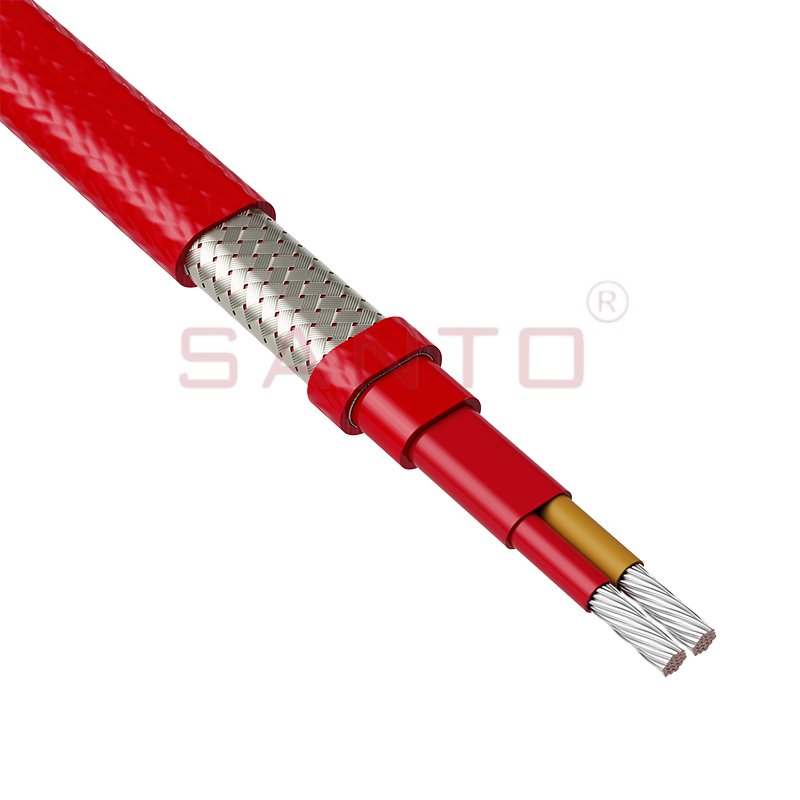
The stranded high temperature conductor is nickel plated to ensure a long life at elevated temperatures in corrosive environments. It is electrically isolated using an innovative sandwich construction...
See Details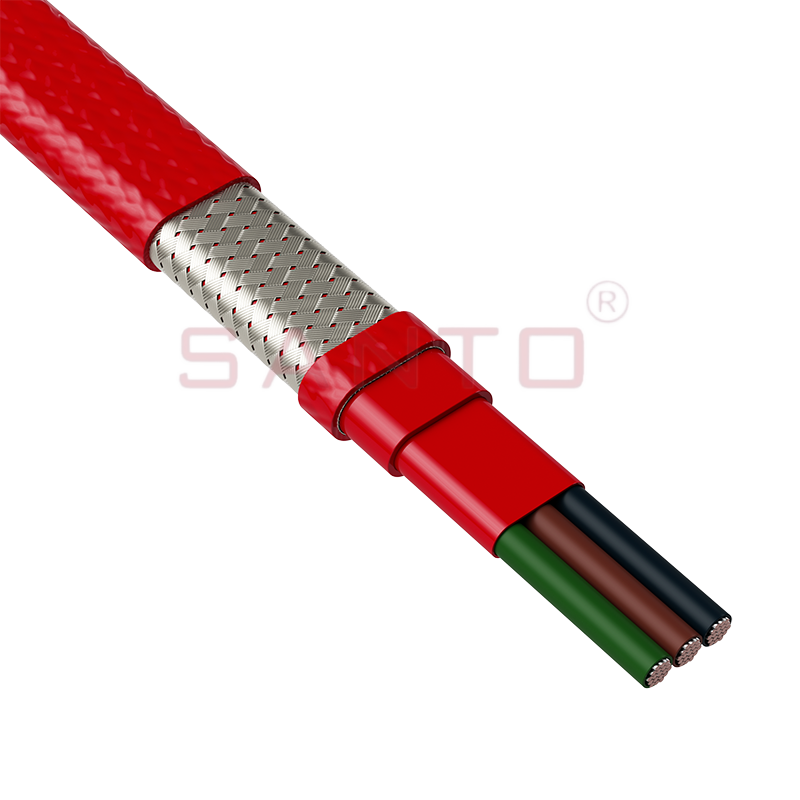
The stranded high temperature conductor is nickel plated to ensure a long life at elevated temperatures in corrosive environments. It is electrically isolated using an innovative sandwich construction...
See Details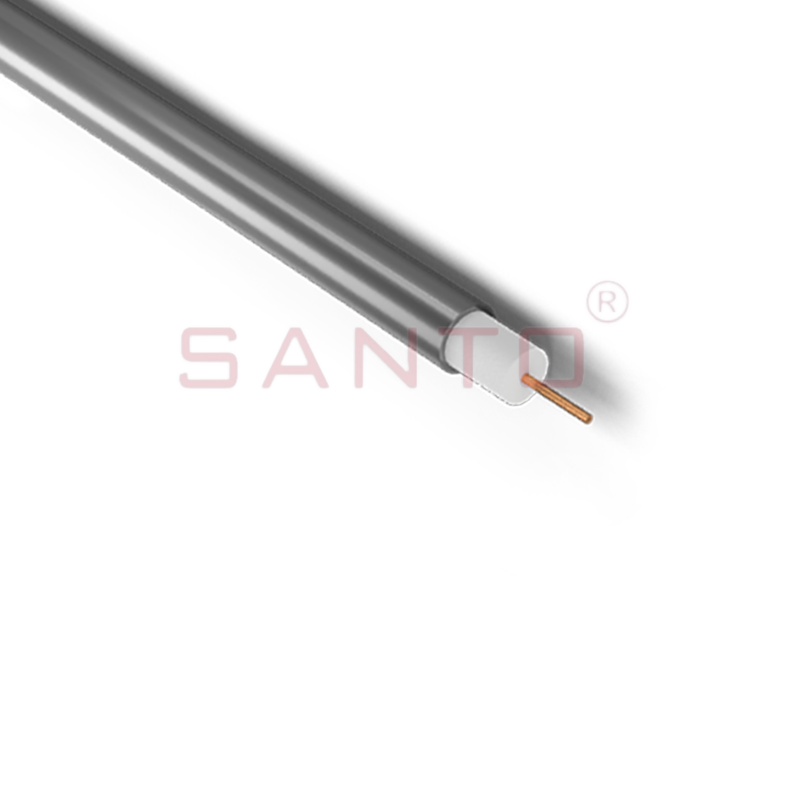
SANTO HAx mineral insulated (MI) Alloy 825 series heating cables are suitable for use in hazardous areas. They have been designed for use in freeze protection and temperature maintenance applications ...
See Details
Santo electric heating strips are widely used in key industries in China.

